

Tanganyika deepwater claroteid catfish
Bathybagrus tetranema
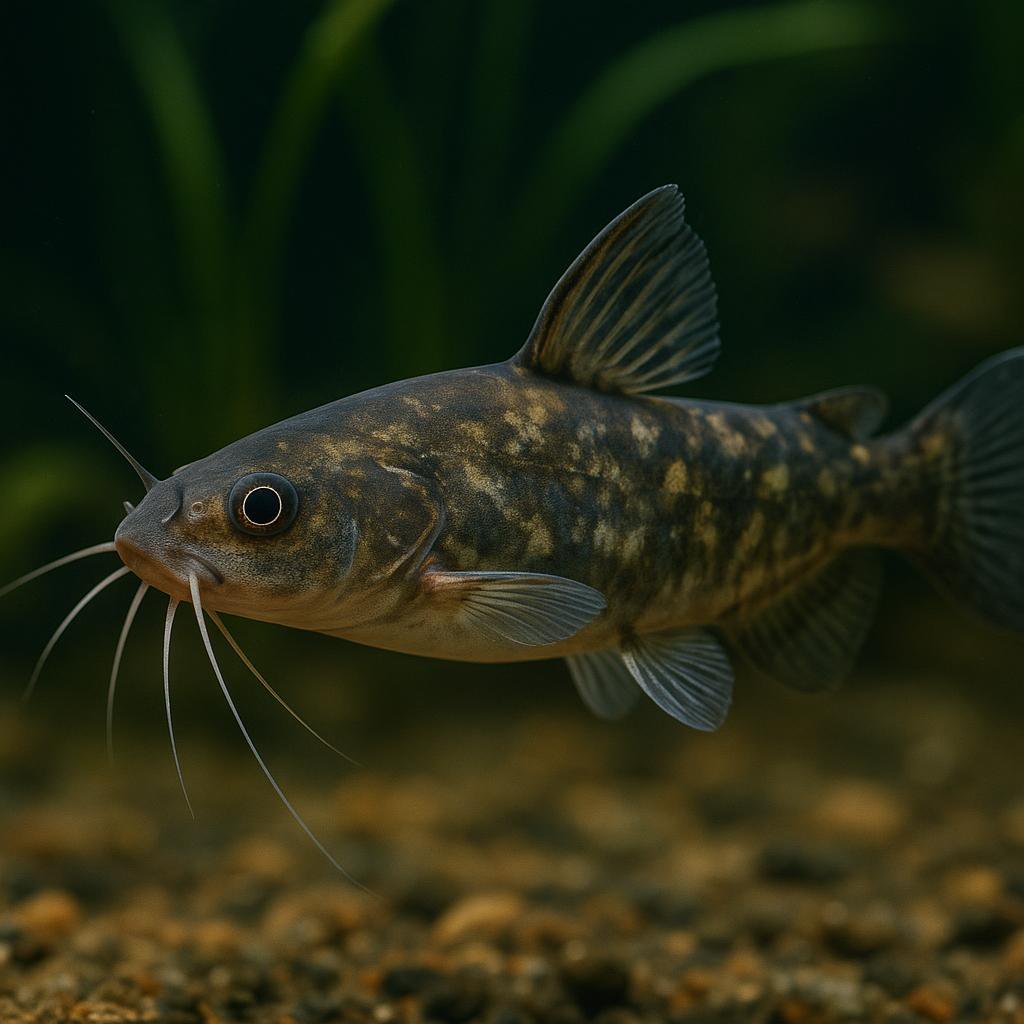
Bathybagrus tetranema exhibits a long, slender body with a dark blue-gray coloration, featuring distinctive white spots along its dorsal fin.
This page includes AI-generated images. Why am I seeing AI images?
About the Tanganyika deepwater claroteid catfish
Bathybagrus tetranema is a Lake Tanganyika catfish from the Zambian side, and it likes the deeper, dimmer water zones compared to most Tanganyika shoreline fish. It tops out around 6.7 inches standard length, so it is not a monster, but it is still a real catfish with that cool, chunky head-and-whiskers vibe.
Quick Facts
Size
17 cm SL (6.7 inches SL)
Temperament
Semi-aggressive
Difficulty
Advanced
Min Tank Size
75 gallons
Lifespan
8-12 years
Origin
East Africa (Lake Tanganyika, Zambia)
Diet
Carnivore/insectivore - sinking pellets, frozen foods (krill, shrimp, bloodworms), occasional live foods
Water Parameters
24-27°C
7.8-9.2
10-19 dGH
Need a heater for this species?
This species needs 24-27°C in a 75 gallon tank. Use our heater calculator to find the right wattage.
Calculate heater sizeCare Notes
- Give it a big footprint and real depth to work with - think 4-6 ft long tank, dim lighting, and lots of rock piles/caves with shaded lanes between them. They cruise at night and wedge into tight spots, so build hiding places that a chunky catfish can actually turn around in.
- Run Tanganyika-style water: hard, alkaline, stable - pH around 8.0-9.0, GH/KH on the high side, and keep nitrates low because these guys sulk fast when the water goes stale. Strong filtration and weekly water changes beat chasing numbers with additives.
- Keep temps moderate (about 24-26 C / 75-79 F) and add plenty of oxygen and flow. They come from deep, well-oxygenated water, and warm, low-oxygen tanks are where they start breathing heavy and hanging in the current.
- Feed after lights-out and target feed so the cichlids do not steal everything. Mine did best on a rotation of sinking carnivore pellets, chopped shrimp/mussel, and earthworms; go easy on oily fish and do not make them live on bloodworms.
- Tankmates: calm-to-semi-assertive Tanganyikans that are too big to fit in its mouth, plus other bottom fish only if the tank is huge and has multiple cave zones. Avoid small cichlids, shelldwellers, and tiny synodontis - anything bite-sized will eventually become a midnight snack.
- Substrate matters - use sand or fine gravel and skip sharp stuff because they bulldoze and can shred barbels. If you see worn whiskers, it is usually rough substrate, dirty water, or both.
- Breeding is rare in home tanks, but if you want a shot: keep a group in a very large tank, provide deep caves, and do big cool-water changes to mimic seasonal shifts. If you ever see a cave being guarded hard at night, do not rearrange rocks or you will reset the whole thing.
Compatibility
Good Tankmates
- Midwater Tanganyikan cichlids that can handle themselves but are not total psychos - stuff like Cyprichromis and Paracyprichromis. They stay up in the water column and mostly ignore the catfish, which is perfect.
- Smaller-to-medium Tanganyikan predators that are more about cruising than brawling - Synodontis (petricola, lucipinnis) type cats and similar tough, quick feeders. They can take the same water and wont panic when the Bathybagrus comes out to eat.
- Bigger, calmer rock or sand cichlids that are not hyper-territorial - adult Altolamprologus (like calvus/compressiceps) and the more chill lamprologines. As long as everybody has hiding spots, they tend to coexist.
- Robust open-water dithers that are too big to be considered food - adult Congo tetras or similar sturdy, fast midwater fish. Not a strict biotope pick, but in practice they spread out aggression and dont sleep on the bottom.
- Other tough, similarly-sized catfish when the tank is big and you feed heavy at lights-out - think one or two larger Synodontis species. Works best with lots of caves so theyre not forced to share the same hole.
Avoid
- Avoid small, slow fish that hang low or sleep on the substrate - small cichlid juveniles, small barbs, livebearers, etc. If it can fit in that mouth, it will eventually get tested, especially at night.
- Avoid super-territorial Tanganyikans that treat the whole tank like their nest - big Petrochromis/Tropheus-type brawlers or nasty breeding pairs that will constantly harass the cat when it tries to forage.
- Avoid long-finned, delicate fish (angels, fancy guppies, slow gourami types). Even if the catfish isnt a fin-nipper, the night-time bumping, feeding chaos, and general pushiness goes badly for them.
Where they come from
Bathybagrus tetranema is one of those Lake Tanganyika oddballs that reminds you the lake is basically an inland sea. These are deepwater claroteid catfish - built for dim light, cooler stable water, and hunting by smell and vibration more than by sight.
Most of the ones you see in the hobby are wild-caught, and they tend to arrive a little beat up and stressed. If you can get them eating and settled, they are hardy, but getting them there is the whole game.
Setting up their tank
Think of this fish as a nocturnal, bottom-oriented predator that likes calm, dark corners and stable water. Give them floor space more than height. I would not keep an adult in anything smaller than a 4 foot tank, and bigger is better if you plan on tankmates.
- Tank size: 75+ gallons for one adult, 125+ if you want a small group or bigger companions
- Layout: big open sand areas plus a few heavy rock piles and caves they can fully disappear into
- Substrate: sand or very smooth fine gravel (they spend a lot of time nosing around)
- Light: keep it subdued, use floating plants or dim LEDs if you want to see them more
- Flow: moderate, but avoid blasting the bottom with a powerhead
Secure your rocks. These catfish wedge themselves under things and push. Put rocks on the glass or on egg crate, then add sand around them. Do not build rock piles on top of loose sand.
Water-wise, treat it like Tanganyika: hard, alkaline, clean, and stable. They handle a range if you keep things steady, but they do best in a Tanganyikan setup with strong filtration and regular water changes.
- Temperature: mid 70s F is a good target (a little cooler is usually fine if stable)
- pH: alkaline (around 8 is typical for Tanganyika tanks)
- Hardness: moderate to hard
- Filtration: oversized and reliable, with extra biological media
- Maintenance: frequent water changes beat chasing numbers
If a new fish is hiding and not eating, do not keep lifting caves and chasing it. Feed after lights out, keep the room calm, and give it a week to learn the tank is safe.
What to feed them
They are meaty-food fish. Mine were happiest on a rotation of sinking foods, and they put on weight fast once they accept prepared stuff. The trick is getting food to the bottom without cichlids hoovering it first.
- Staples: quality sinking carnivore pellets and wafers
- Frozen: shrimp, mysis, krill, chopped fish, clam, and earthworms (rinsed)
- Live (optional): nightcrawlers or blackworms to kickstart picky new imports
- Avoid: messy feeder fish routines (parasites and water quality headaches)
Use feeding tongs or a turkey baster to place food right at the cave entrance after dark. Once they learn the routine, they will come out on their own.
Do not overdo fatty foods like krill every day. They will eat like a vacuum, then sit around digesting. I aim for smaller portions, 3-5 nights a week, and let them clear it.
How they behave and who they get along with
Most of the time they are calm, secretive, and weirdly charming once they settle in. They are not a "display" fish unless you feed late and keep the lighting low. At night, they patrol the bottom and will absolutely eat anything they can fit in their mouth.
- Temperament: predatory but not usually a brawler
- Activity: mostly nocturnal, more confident in dim tanks
- Territory: they claim a cave and a feeding route around it
- Risk: small fish and tiny bottom dwellers become snacks
Tankmates work best if you pick sturdy Tanganyika fish that stay out of the catfish's way. Medium to larger cichlids are usually fine. The problems start with hyper-aggressive rock-dwellers that constantly pick at the catfish, or with small schooling fish that vanish overnight.
- Good matches: larger Tanganyikan cichlids, robust open-water types, bigger synodontis (with plenty of space)
- Avoid: tiny shell dwellers, small julies, small cyprichromis juveniles, anything slow and bite-sized
- Watch closely: overly aggressive mbuna-style behavior (wrong lake, wrong vibe)
If it fits, it is food. People lose fish because the catfish seemed "peaceful" for months, then it hits a growth spurt and the nighttime menu changes.
Breeding tips
Breeding Bathybagrus tetranema in home aquariums is uncommon. They are deepwater fish, and we do not really replicate the cues well (depth, seasonal shifts, social structure). Most hobbyists keep them as a wet-pet predator rather than a breeding project.
If you want to take a swing anyway, your best bet is to start with a group of young fish, let them pair off naturally, and run a big, stable tank with lots of caves. Feed heavy for conditioning, then do larger cool-ish water changes like a rainy-season trigger. Even then, do not be surprised if nothing happens.
Sexing is not straightforward in typical hobby conditions. Plan on keeping a group if your goal is breeding, and be ready to separate fish if one starts getting pinned in a corner.
Common problems to watch for
Most issues with this species are not mysterious diseases - it is usually stress, shipping damage, and water quality snowballing because they are heavy eaters.
- Refusing food after purchase: common with wild fish; try dim light, quiet tank, and smelly frozen foods at night
- Thin fish with a big head: can be internal parasites; quarantine helps and sometimes treatment is needed
- Barbel wear or mouth injuries: usually rough substrate, sharp rocks, or bullying tankmates
- Bloat or constipation: often from overfeeding rich foods; back off and use a leaner pellet rotation
- Ammonia/nitrite spikes: big predator, big meals; filtration and water changes need to match
Quarantine pays off with these. Wild-caught catfish can come in with parasites, and they do not like being treated in a bright, busy display tank. A dim QT with a couple of PVC pipes makes the whole process easier.
If you never see your catfish, add one more cave than you think you need, and place it where you can view the entrance. Mine became way bolder once it had a "home" it liked.
Similar Species
Other freshwater semi-aggressive species you might be interested in.
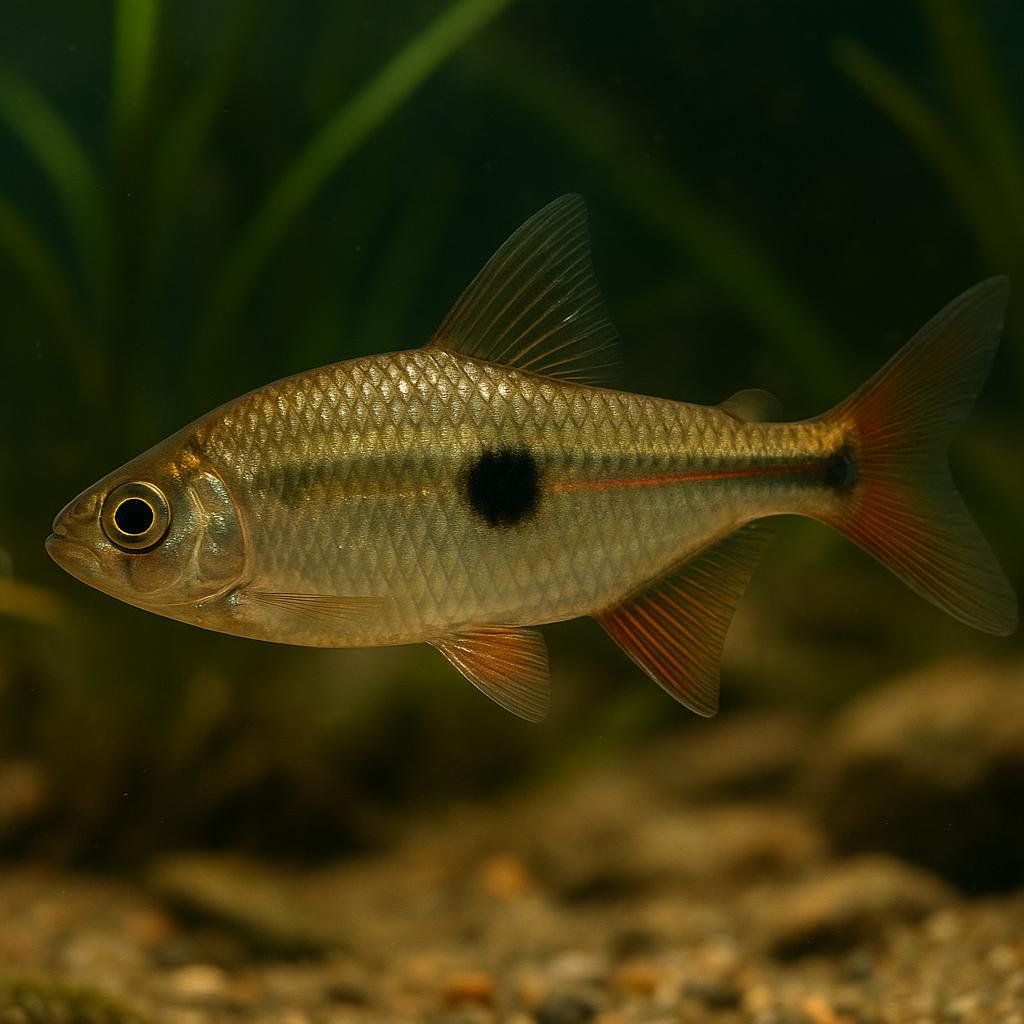
Jupiaba kurua
Small South American characin endemic to the upper rio Curuá (rio Xingu basin, Brazil). Reaches about 8.7 cm SL and inhabits clearwater rivers. Distinguished by dark dots on the bases of many lateral scales and a distinct dark caudal‑peduncle spot. Reported diet indicates omnivory, including aquatic insects, small fishes, and fragments of Podostemaceae and filamentous algae.
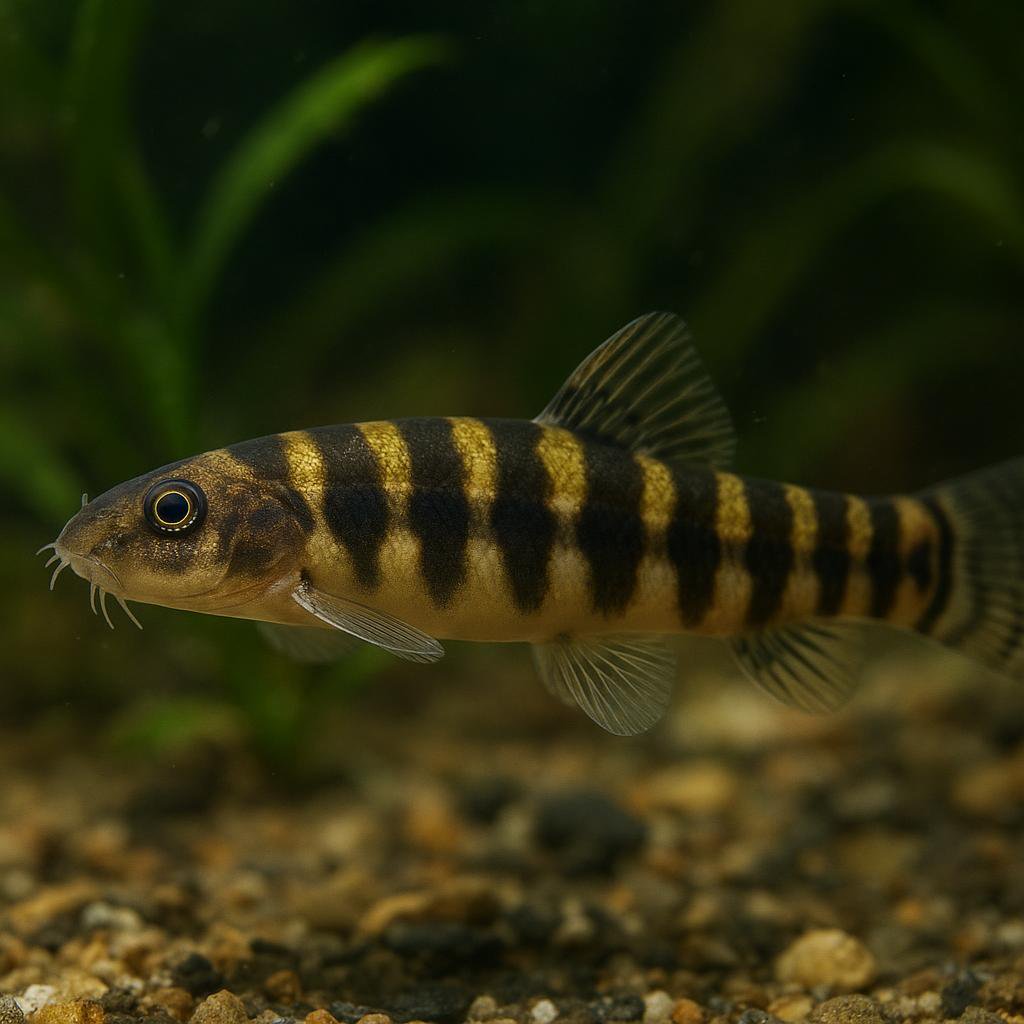
Altipedunculata stone loach
Schistura altipedunculata
Schistura altipedunculata is one of those little stream loaches that wants clean, well-oxygenated water and a bunch of rock nooks to claim as home. It is a bottom-hugger that will spend its day scooting from crevice to crevice, and it tends to get a bit spicy with its own kind if you do not give it enough hiding spots.
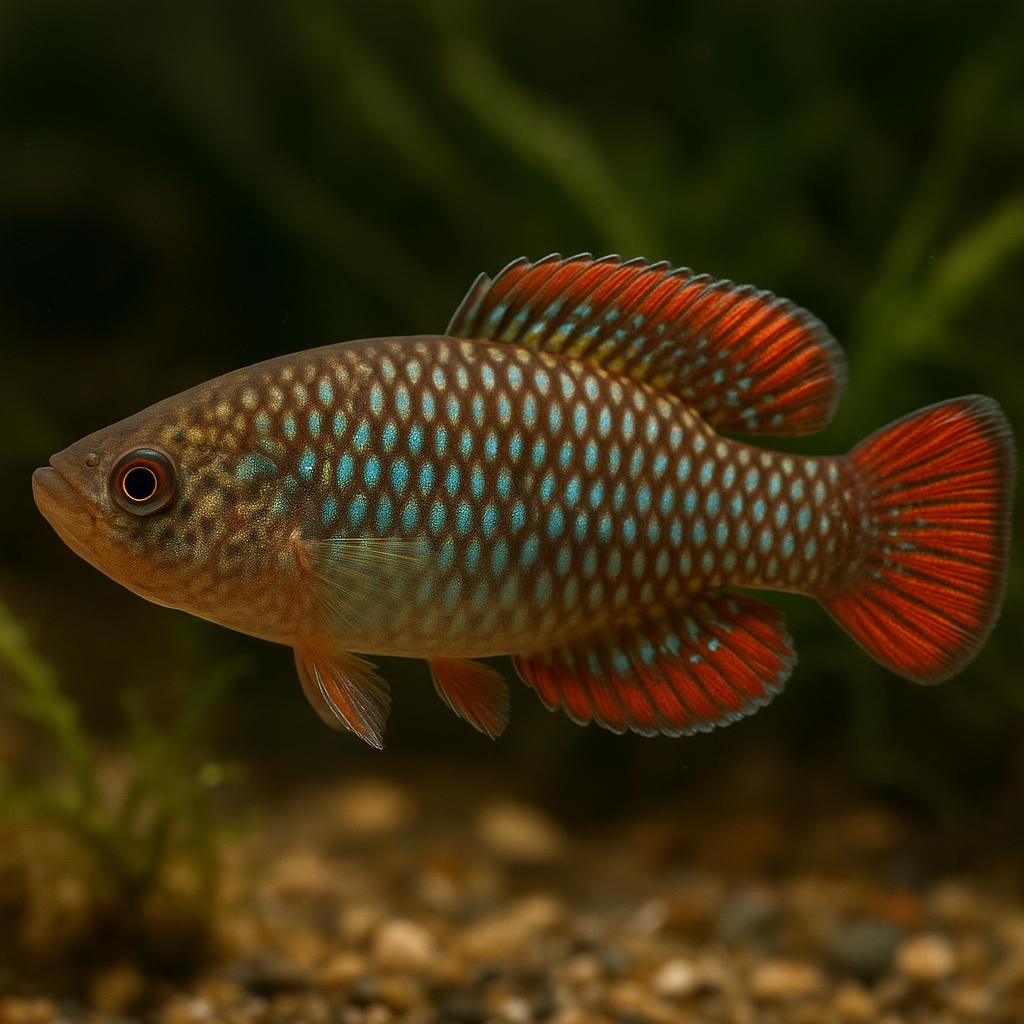
American flagfish
Jordanella floridae
Jordanella floridae is that little Florida native with the red-and-cream striping that really does look like a tiny flag once a male colors up. They graze algae like champs (especially stringy/hair algae), but they have a bit of attitude - give them plants and space so the bossy behavior stays manageable. Bonus: the male guards the eggs and will actively fan them, which is pretty fun to watch.
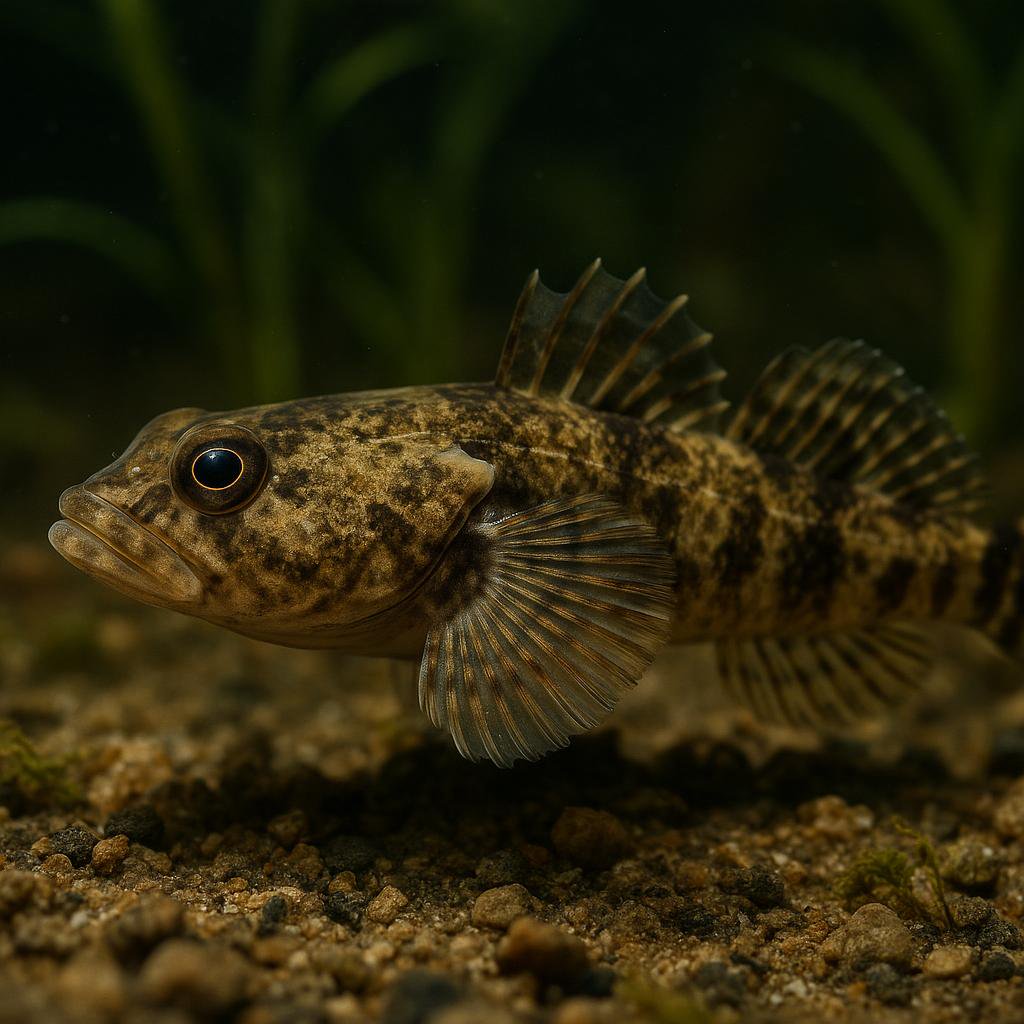
Amur sculpin
Alpinocottus szanaga
This is a little coldwater sculpin from the Amur drainage - a bottom-hugging, rock-and-gravel fish that spends its day wedged under stones and darting out to grab food. Super cool behavior and attitude, but it is absolutely not a warm tropical community fish - it wants chilly, fast, oxygen-rich water and will bicker with other bottom fish.
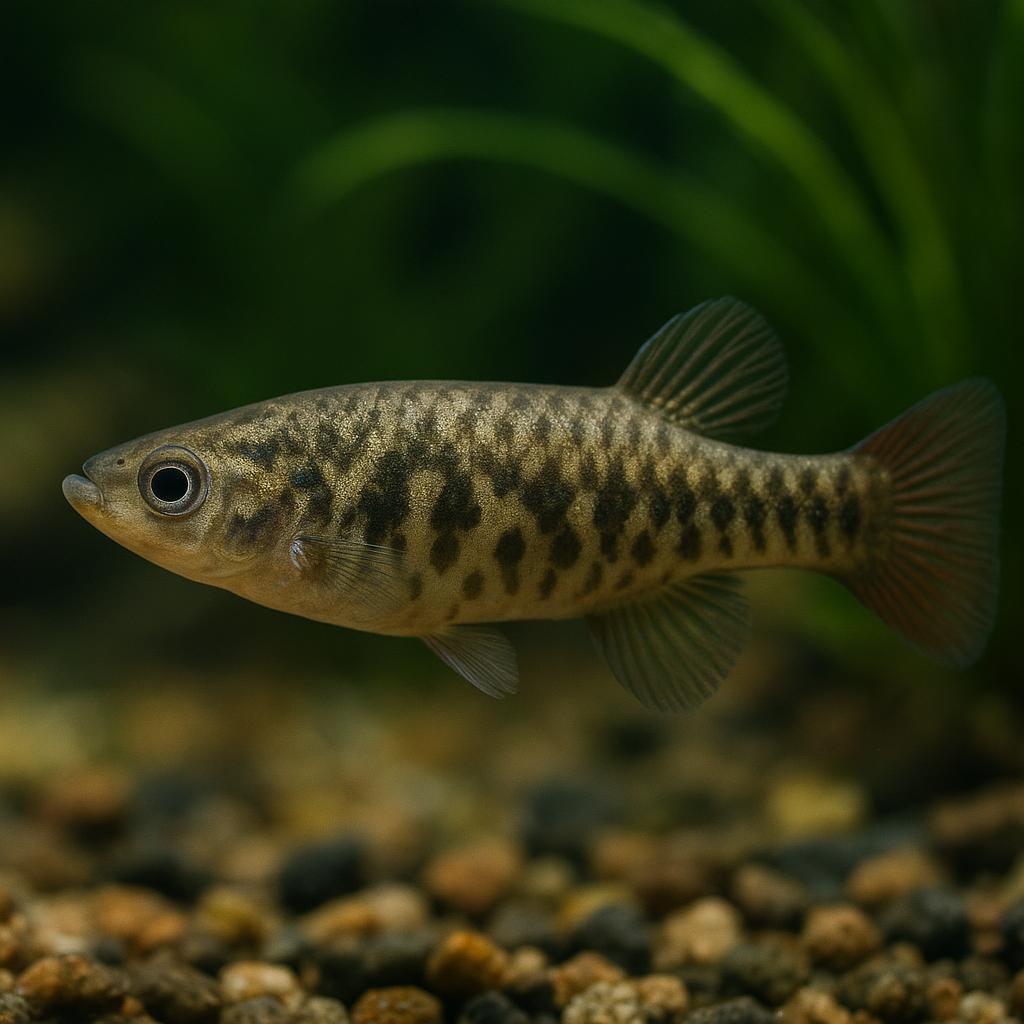
Anitápolis livebearer
Jenynsia weitzmani
Jenynsia weitzmani is a freshwater anablepid livebearer endemic to southern Brazil (currently known only from the type locality near Anitápolis, Santa Catarina). Like other Jenynsia (onesided livebearers), reproduction involves lateralized mating morphology/behavior; aquarium care guidance is not well-documented for this species specifically.
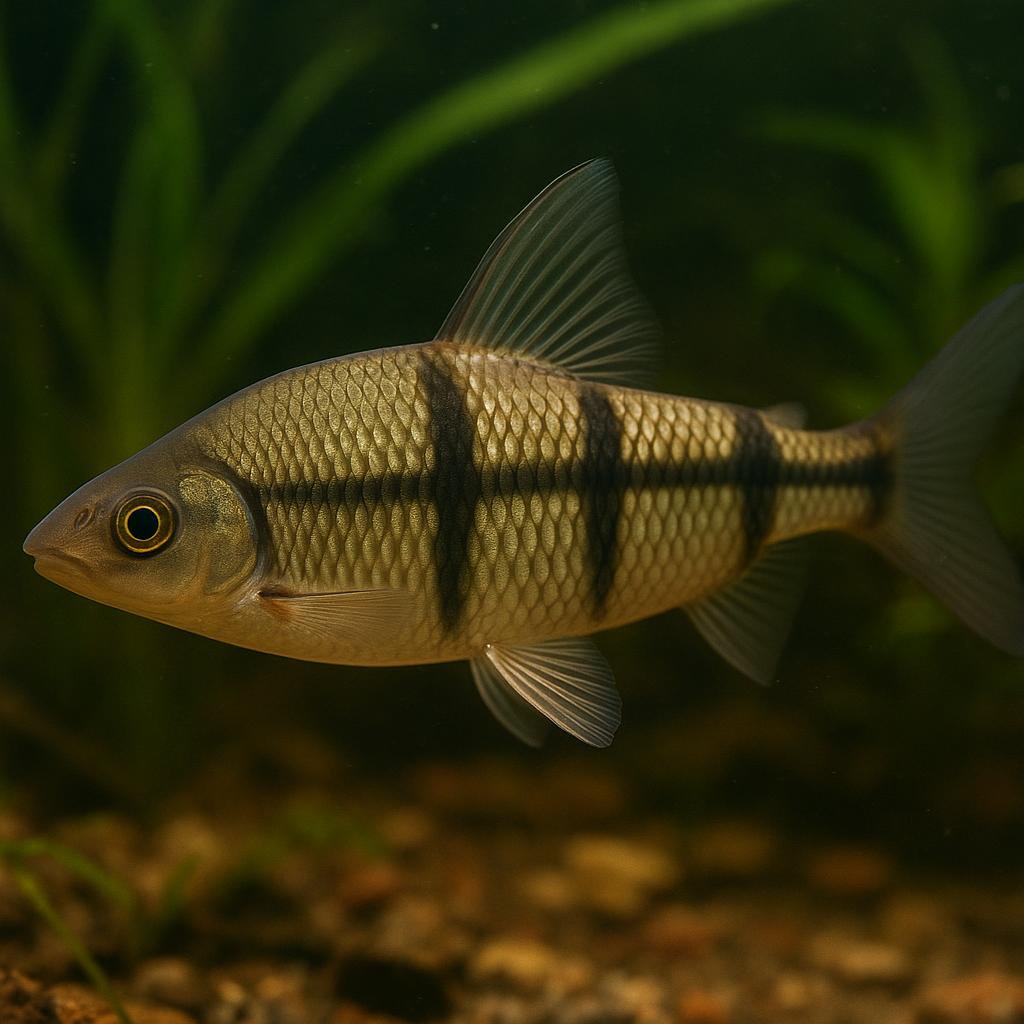
Aracu-comum
Schizodon vittatus
Schizodon vittatus is a large South American anostomid (family Anostomidae). Reported maximum size is about 35 cm standard length; it is harvested/consumed in parts of Brazil and is not commonly covered by mainstream aquarium husbandry references.
More to Explore
Discover more freshwater species.
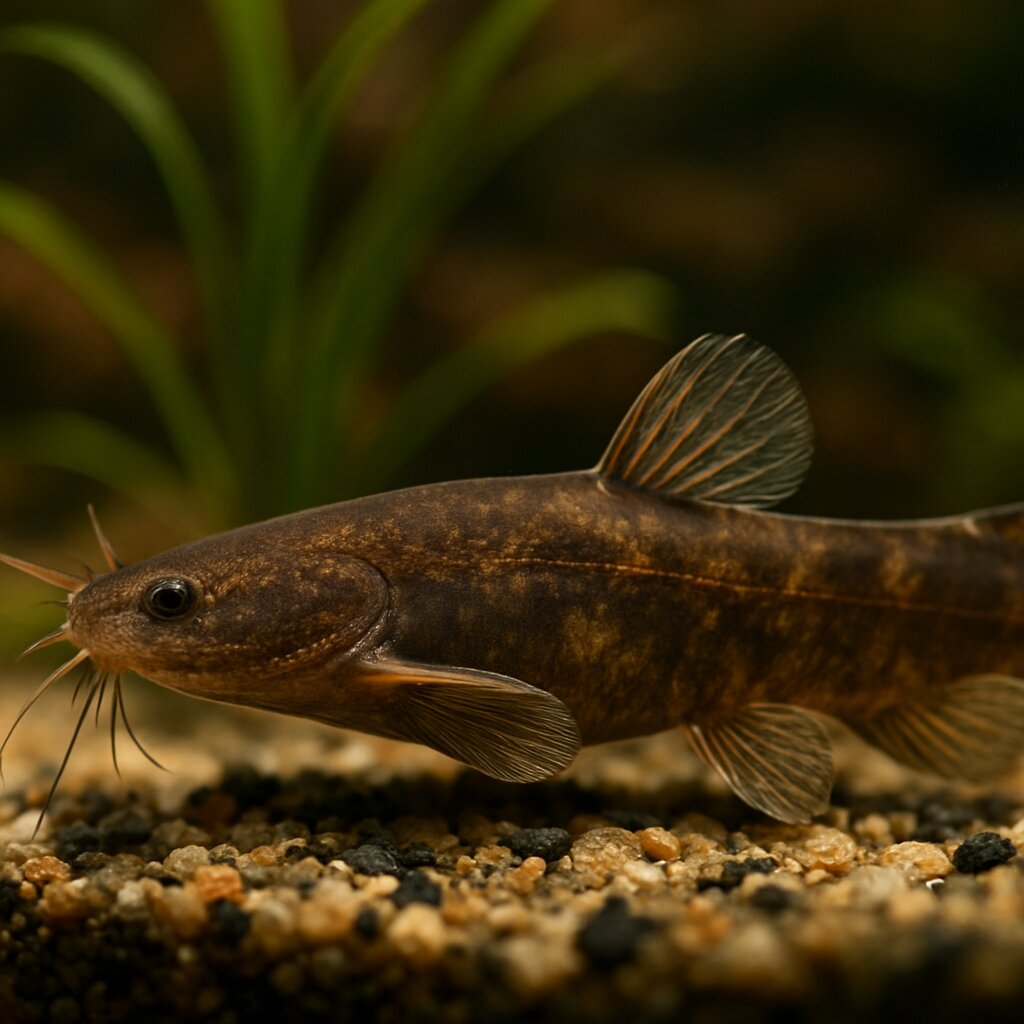
Amphilius dimonikensis
A small loach catfish endemic to the Mpoulou River in the Mayombe (Dimonika Biosphere Reserve), Republic of the Congo. Amphilius dimonikensis has a subtle banded pattern and inhabits fast, clear streams over rock and sand. In aquaria, prioritize strong, well-oxygenated flow with rounded stones and sand to mimic hillstream conditions.
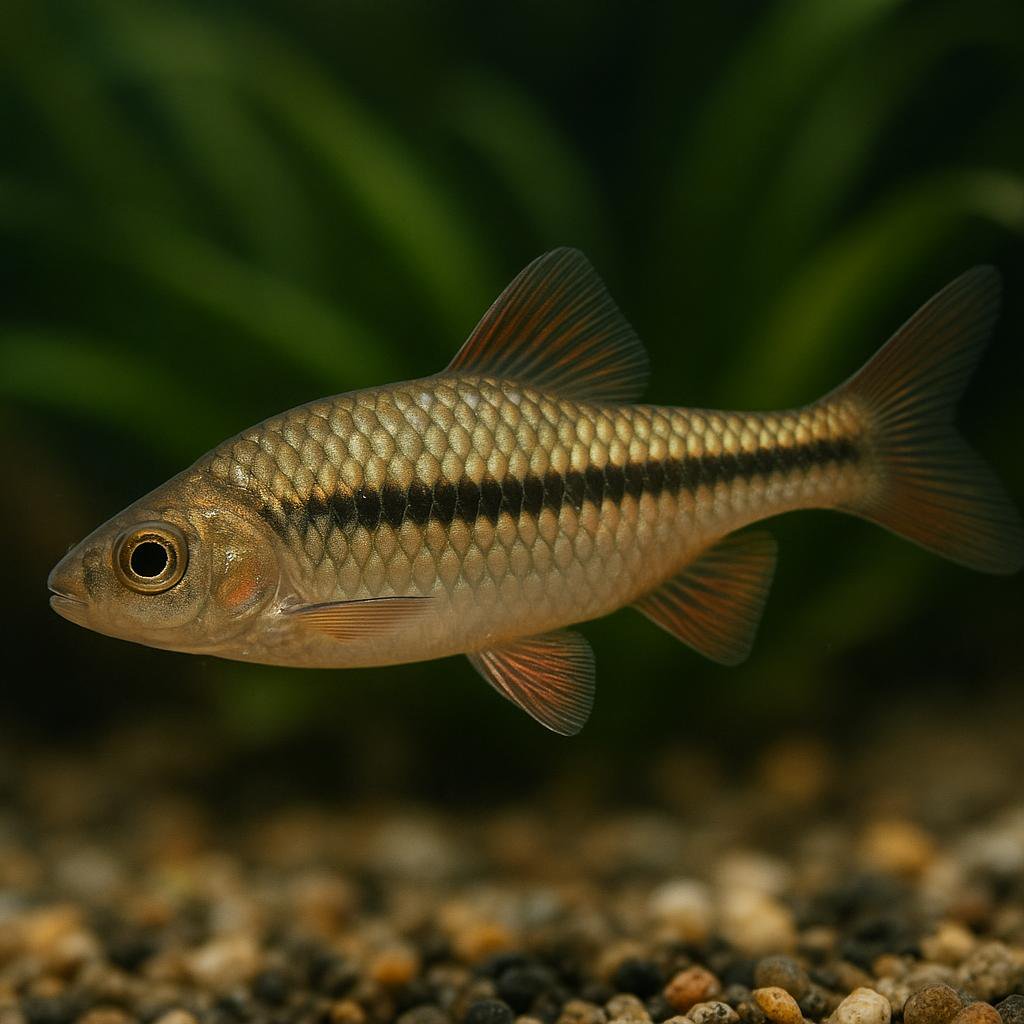
Aboina barb
Enteromius aboinensis
Enteromius aboinensis (the Aboina barb) is a small West African barb with a clean black midline stripe and a little spot right at the base of the tail. It does best when you treat it like a proper schooling fish - keep a decent group and give it plants around the edges with open swimming room in the middle.
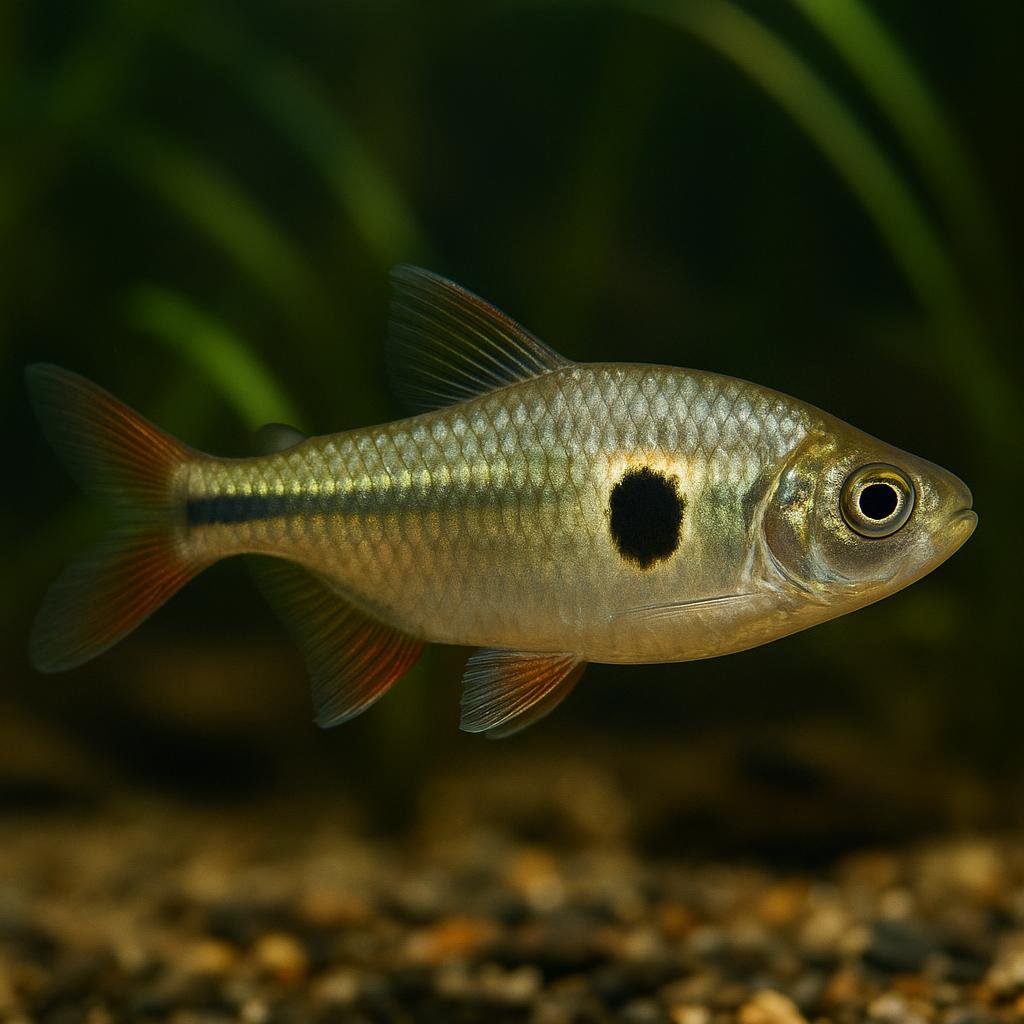
Ajuricaba tetra
Jupiaba ajuricaba
Jupiaba ajuricaba is a South American freshwater characin from the Amazon basin in Brazil (rio Negro, rio Solimões, and rio Tapajós basins). It reaches about 9.5 cm SL and is diagnosed by a narrow dark midlateral stripe, an elongated humeral spot, and an ocellated spot on the upper caudal-fin lobe. Wild specimens have been collected from blackwater forest streams and also oxbow-lake habitats.
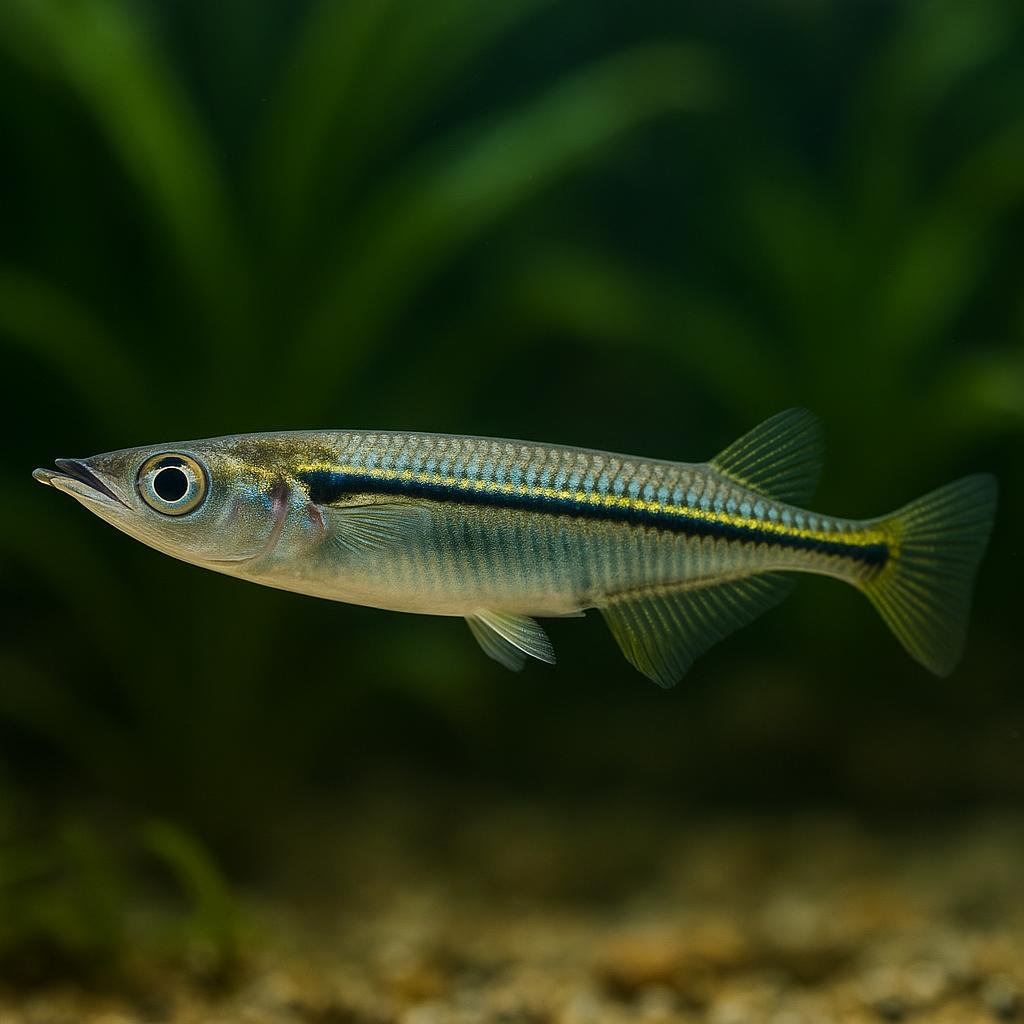
Allen's river garfish
Zenarchopterus alleni
A poorly known freshwater halfbeak endemic to West Papua (Mamberamo River), described from a single specimen (~13 cm SL). Beyond basic habitat/occurrence, little is published about its ecology or aquarium suitability; assume it is a surface-oriented, jump-prone halfbeak only by analogy with related taxa.
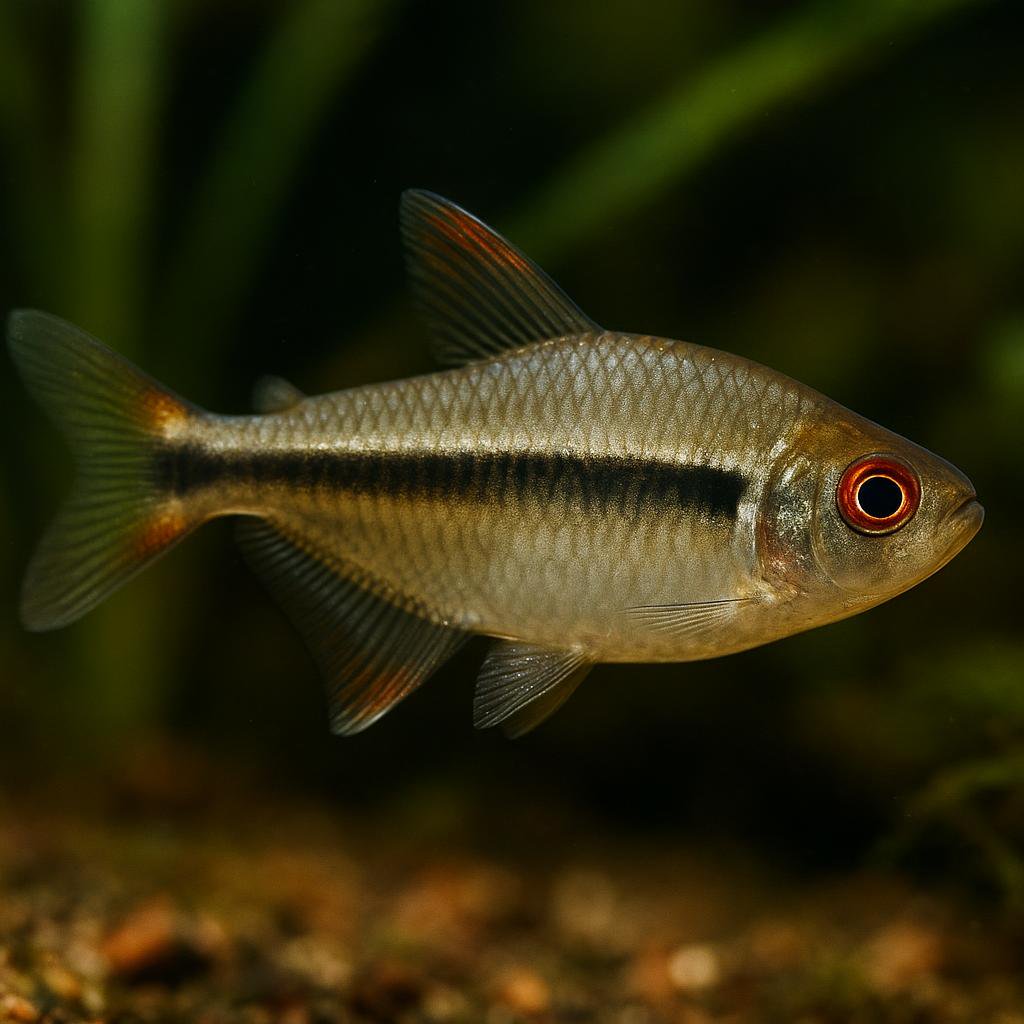
Amapa tetra
Hyphessobrycon amapaensis
This is a tiny, super sleek little tetra with a clean red stripe down the side that really pops once its settled in. It does best in a planted, slightly tinted "creek-style" setup and looks way cooler when you keep a proper group so they school and flash that line together. If you can give it soft, slightly acidic water and a calm community, its an easy fish to fall for.
Amatlan chub
Yuriria amatlana
Yuriria amatlana (the Amatlan chub) is a little Mexican native minnow from the Ameca River basin. Its wild range is pretty limited and it is listed as Endangered, so its care info in the aquarium hobby is basically nonexistent and its availability is usually low. In the original species description, preserved fish show a dark lateral stripe with a darker patch on the caudal peduncle, and they can have tiny barbels at the mouth corners.
Looking for other species?