

Spotfin betta
Betta macrostoma
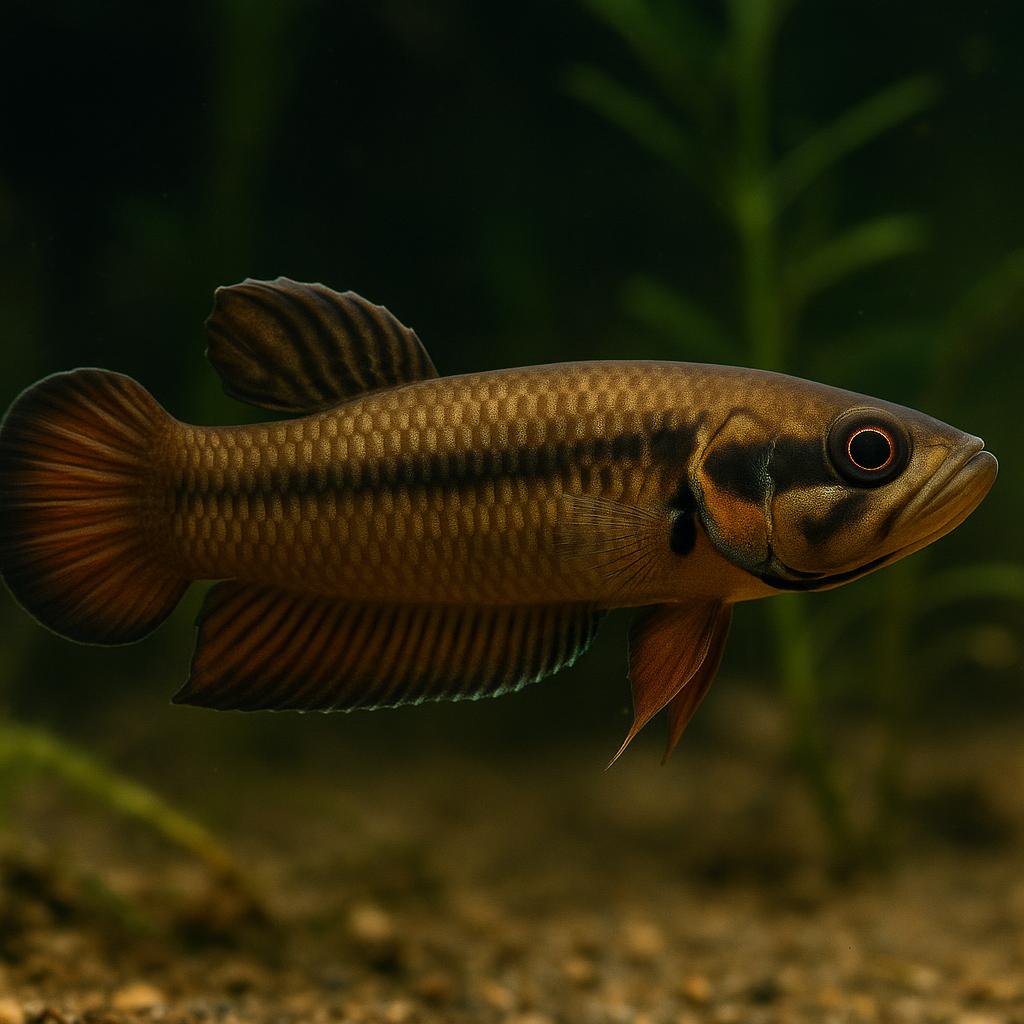
Spotfin betta exhibits a vibrant, iridescent blue body with striking orange and black spots, and elongated fins that enhance its graceful appearance.
This page includes AI-generated images. Why am I seeing AI images?
About the Spotfin betta
This is the famous "Brunei beauty" wild betta - a chunky, orange-red fish with an awesome little eyespot on the dorsal fin and a big attitude-free personality (until you put two males together). The really cool part is breeding: the male is a paternal mouthbrooder, and the pair does that weird "kiss" egg transfer behavior people geek out over.
Also known as
Quick Facts
Size
6.7 cm SL (about 2.6 inches standard length)
Temperament
Semi-aggressive
Difficulty
Advanced
Min Tank Size
20 gallons
Lifespan
3-5 years
Origin
Southeast Asia (Borneo - Brunei and northern Sarawak, Malaysia)
Diet
Carnivore/mostly insectivore in practice - live and frozen foods (brine shrimp, daphnia, mysis, etc.); many specimens refuse dry foods
Water Parameters
24-26°C
4.4-7
2-10 dGH
Need a heater for this species?
This species needs 24-26°C in a 20 gallon tank. Use our heater calculator to find the right wattage.
Calculate heater sizeCare Notes
- Give them a quiet, covered tank - they jump hard. Lots of wood/leaf litter and plants to break up sight lines, plus a gentle sponge filter since they hate being blasted around.
- Keep the water soft and stable; many sources recommend ~24-26°C (75-79°F) and acidic water. Wild fish are associated with very low pH (~4.4-5.7), while captive-bred specimens are often maintained closer to ~pH 6.0-7.0. If your tap water is hard, try blending RO/DI water and lightly remineralizing it instead of using pH-altering chemicals.
- They are mouthbrooders and stress out fast, so keep nitrates low and do small, frequent water changes instead of big swings. Stable temp and stable TDS beats chasing a perfect number.
- Feed like a predator: frozen/live stuff (bloodworms, blackworms, brine shrimp, daphnia) and a quality betta pellet as backup. Small portions 1-2 times a day keeps them in shape and less likely to bloat.
- Tankmates are a headache - they do best species-only or with very calm, small fish that will not compete at feeding time. Skip fin nippers, fast eaters, and anything pushy (barbs, most danios, many tetras).
- Keeping two males together can lead to shredded fins, and even a pair requires hiding spots and space so the female can escape if necessary. If you notice locked jaws or constant flaring, separate them to prevent injury.
- Breeding can be slow; the male holds eggs and fry in his mouth for weeks and may stop eating, so it's best to do this in a peaceful tank and avoid disturbing him. Once he releases fry, have tiny foods ready (baby brine shrimp, microworms) and keep filtration gentle.
Compatibility
Good Tankmates
- Peaceful, calm bottom dwellers like kuhli loaches - they mostly mind their own business and dont get in the bettas face. Lots of hides helps everyone relax.
- (Use caution) Very calm, non-competitive species may work in large, carefully managed setups, but many references recommend a species-only tank for Betta macrostoma due to sensitivity/stress.
- (Use caution) Many references recommend species-only for Betta macrostoma; if attempting tankmates, choose only very peaceful, non-competitive fish and monitor closely.
- Non-nippy micro schooling fish like chili rasboras or harlequin rasboras - they add movement without fin biting. Give them cover so they can spread out.
- Small, peaceful danios like celestial pearl danios (galaxy rasboras) - quick enough to stay out of trouble and not usually interested in the bettas fins.
- Shrimp and snails as cleanup crew - nerite snails are usually fine, and larger shrimp (like amanos) can work if the betta is not a hardcore hunter. Expect some shrimp losses with some individuals.
Avoid
- Anything nippy like tiger barbs or serpae tetras - they will test those fins and stress a macrostoma out fast.
- Other bettas (especially other males, and honestly most females too in mixed setups) - macrostoma can be spicy and territorial, and it turns into constant posturing or damage.
- Big aggressive or pushy fish like cichlids and most gouramis - they either bully the betta or the betta spends all day squaring up and not eating right.
- Slow fancy-finned fish like guppies, longfin platies, or even slow angels - the betta can read the fins as a rival and go after them, or they get stressed by the constant attention.
Where they come from
Betta macrostoma (spotfin betta) comes from Brunei on the island of Borneo. They are a blackwater stream fish in the wild - tea-colored water, leaf litter, roots, and slow flow. Knowing that explains basically everything about why they act the way they do in our tanks.
A lot of the "mystery difficulty" with macrostoma is just water and stress. They are not fragile like glass, but they do not shrug things off like a domestic betta.
Setting up their tank
Give them space and calm. I would not keep a pair in anything smaller than 20 gallons long, and bigger is easier. The footprint matters more than height because they cruise and posture horizontally.
- Tank size: 20 long minimum for a pair, 29+ is nicer if you can
- Flow: gentle. Sponge filter, small canister on a spray bar, or a baffled HOB
- Decor: wood, leaf litter (Indian almond/oak/beech), and lots of line-of-sight breaks
- Plants: floating plants plus hardy low light stuff. They like shade
- Cover: tight lid. They jump, especially when spooked
Water is the make-or-break piece. They do best in soft, acidic water with very low minerals. I have had the best luck using RO/DI and then barely remineralizing, or cutting RO with a small amount of tap if your tap is not liquid rock. Add botanicals for tannins and that blackwater feel.
- Temperature: mid to upper 70s F is a good target (think 76-80F)
- pH: acidic to slightly acidic (many keep them around 5.5-6.8)
- Hardness: low. If your GH/KH are high, expect problems
- Lighting: dim to moderate. Bright lights make them edgy
- Maintenance: smaller, frequent water changes beat big, sporadic ones
Do not run them like a high-mineral community tank. Hard, alkaline water tends to show up later as chronic stress, poor appetite, and infections that never fully go away.
What to feed them
They are predators and they know it. Mine were always happiest on a rotation of meaty frozen and live foods. Pellets can work, but a lot of macrostoma act like pellets are not food until they decide they are.
- Staples: frozen bloodworms, brine shrimp, mysis, chopped krill
- Live treats: blackworms (if you can get clean ones), live brine shrimp, mosquito larvae where legal/safe
- Pellets: use as a supplement, not the whole diet, unless your fish takes them aggressively
- Feeding rhythm: small portions once or twice daily. They can be pigs, but bloat is real
If you are trying to pellet-train: feed frozen first so they are in "eat mode," then drop a couple pellets right after. Do that for a week and many will finally connect the dots.
How they behave and who they get along with
Macrostoma are not like a typical domestic betta. They are calmer in some ways, but the social stuff is more intense. Males posture and push boundaries, and a pair will absolutely sort out a pecking order. The good news is they are mouthbrooders, so once a pair is stable they can be really interesting to watch.
Tankmates are tricky. I have had the most success keeping them species-only, or with very calm, non-nippy fish that like the same soft, acidic water. Anything fast and boisterous makes them hide, and fin nippers will shred those pretty fins.
- Best option: species-only (pair or carefully managed group in a larger tank)
- Possible tankmates: small, peaceful rasboras that tolerate warm, soft water; small catfish that are not hyperactive
- Avoid: barbs, fin nippers, aggressive gouramis/bettas, big cichlids, and anything that needs hard water
Do not toss two males together and hope it works out. They are not "sorority" fish. Even male-female pairings can go bad without cover and space.
Breeding tips
They are paternal mouthbrooders. The male holds the eggs and later the fry in his mouth. That sounds simple, but the real challenge is getting a relaxed pair that actually wants to spawn, and keeping the male calm enough to hold to term.
- Conditioning: feed heavy on quality frozen/live foods for a couple weeks
- Setup: dense cover, dim light, leaf litter, and very gentle filtration
- Pair management: watch the female. If she is taking a beating, separate and try again later
- Once the male is holding: keep things quiet. No major rescapes, no chasing with a net, no big water swings
A holding male may refuse food and get skittish. I leave the tank alone as much as possible and do only careful, small water changes with matched temperature and similar TDS.
For raising fry, newly released macrostoma babies can usually take baby brine shrimp right away. Keep the water clean, but do not blast them with flow. A cycled sponge filter is your friend here.
Common problems to watch for
Most issues I have seen come back to stress plus water. They can look fine for weeks and then suddenly go off food or start showing fin damage. If something feels "off," check your hardness/TDS and temperature swings before you start throwing meds at the tank.
- Jumping: they are escape artists. Use a tight lid and cover gaps around wires/hoses
- Chronic fin damage: often from fighting, sharp decor, or nippy tankmates
- Not eating: common after shipping or during hierarchy squabbles. Offer live/frozen and reduce stress
- Bloat/constipation: from overfeeding rich foods. Feed smaller, rotate foods, and do not push huge meals
- Velvet/ich/columnaris flare-ups: usually after stress or unstable water. Quarantine new fish and keep the tank steady
If your macrostoma is repeatedly getting sick and "sort of" recovering, stop and look hard at minerals and stability. Hard water and big parameter swings set them up for a cycle of infections.
Similar Species
Other freshwater semi-aggressive species you might be interested in.
American flagfish
Jordanella floridae
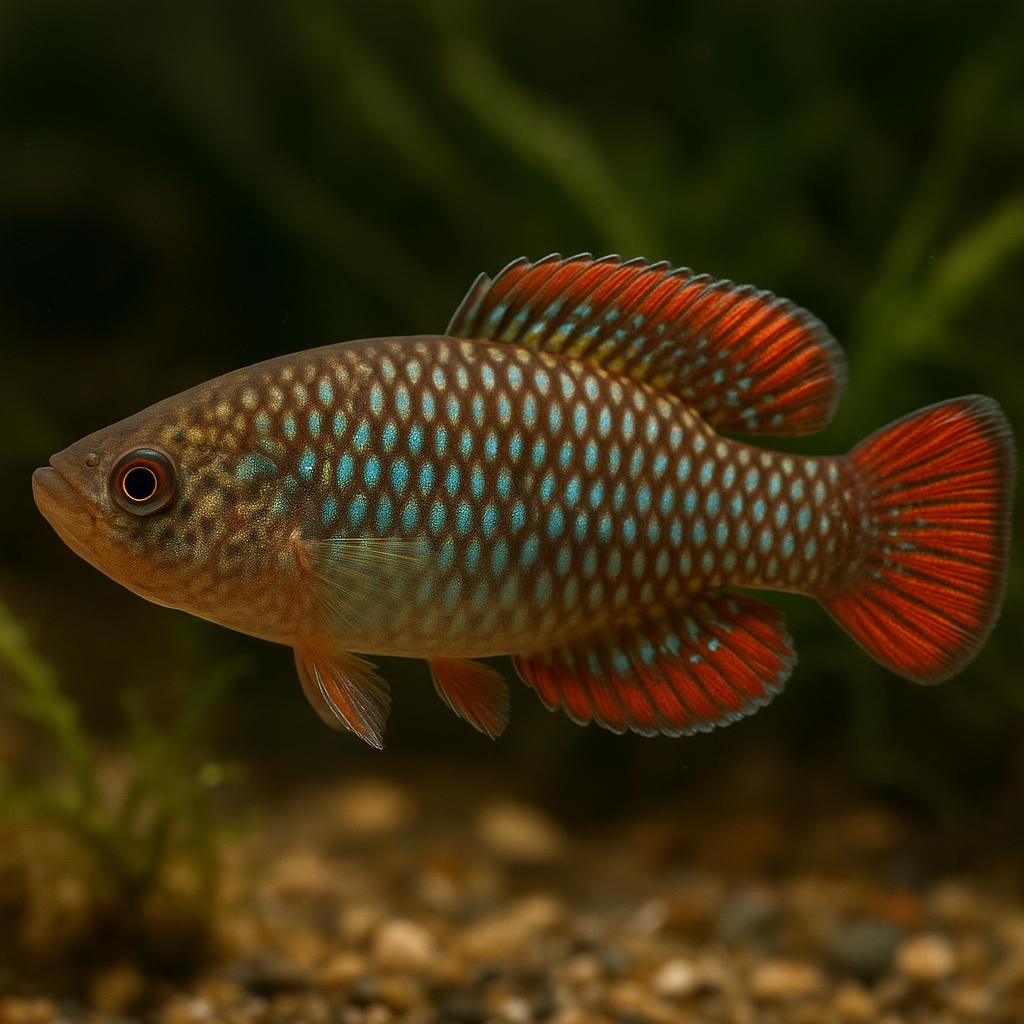
Jordanella floridae is that little Florida native with the red-and-cream striping that really does look like a tiny flag once a male colors up. They graze algae like champs (especially stringy/hair algae), but they have a bit of attitude - give them plants and space so the bossy behavior stays manageable. Bonus: the male guards the eggs and will actively fan them, which is pretty fun to watch.
Banded Leporinus
Leporinus fasciatus
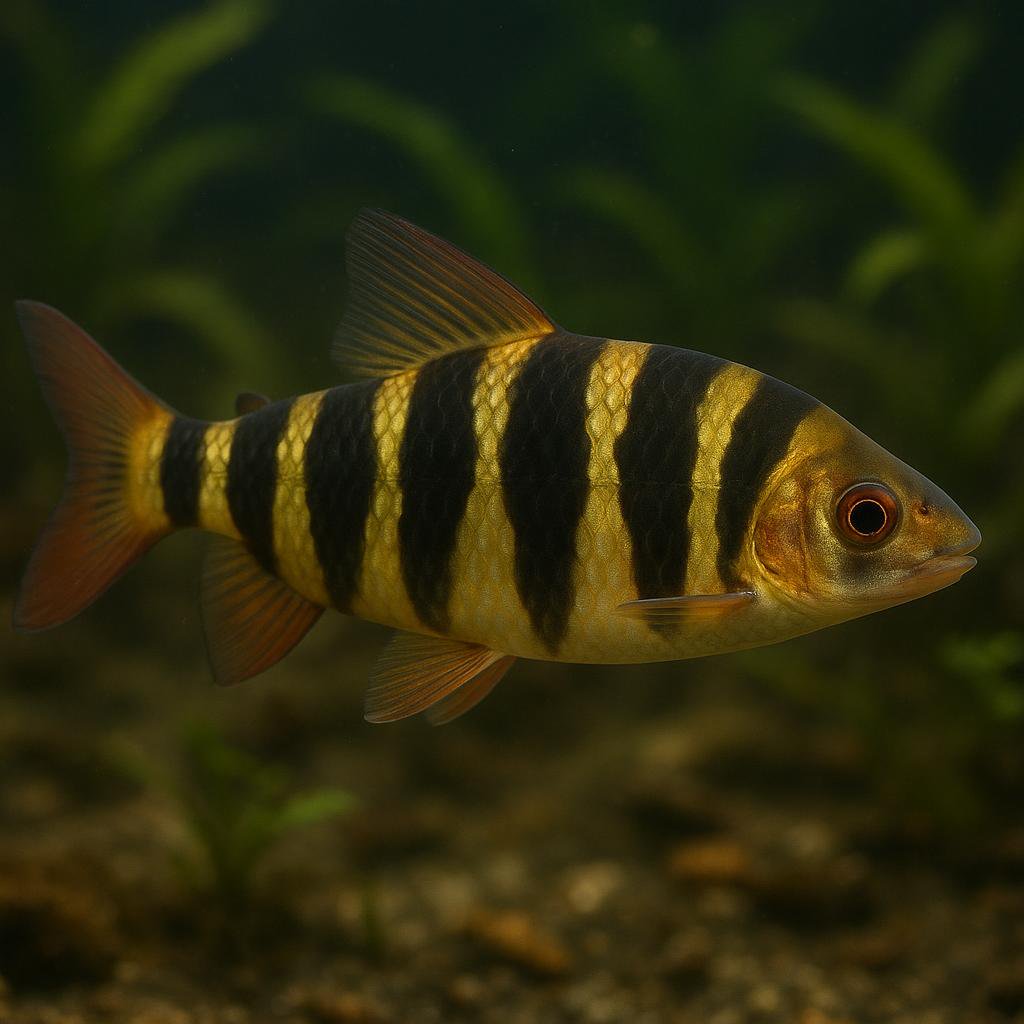
Banded Leporinus are those torpedo-shaped, black-and-yellow striped fish that look like they're wearing a little prison outfit-and they stay on the move. They've got a ton of personality and they're awesome to watch cruising and picking at stuff, but they're also the kind of fish that will redecorate your tank and "taste test" anything soft-looking.
Bandi cichlid
Wallaceochromis signatus
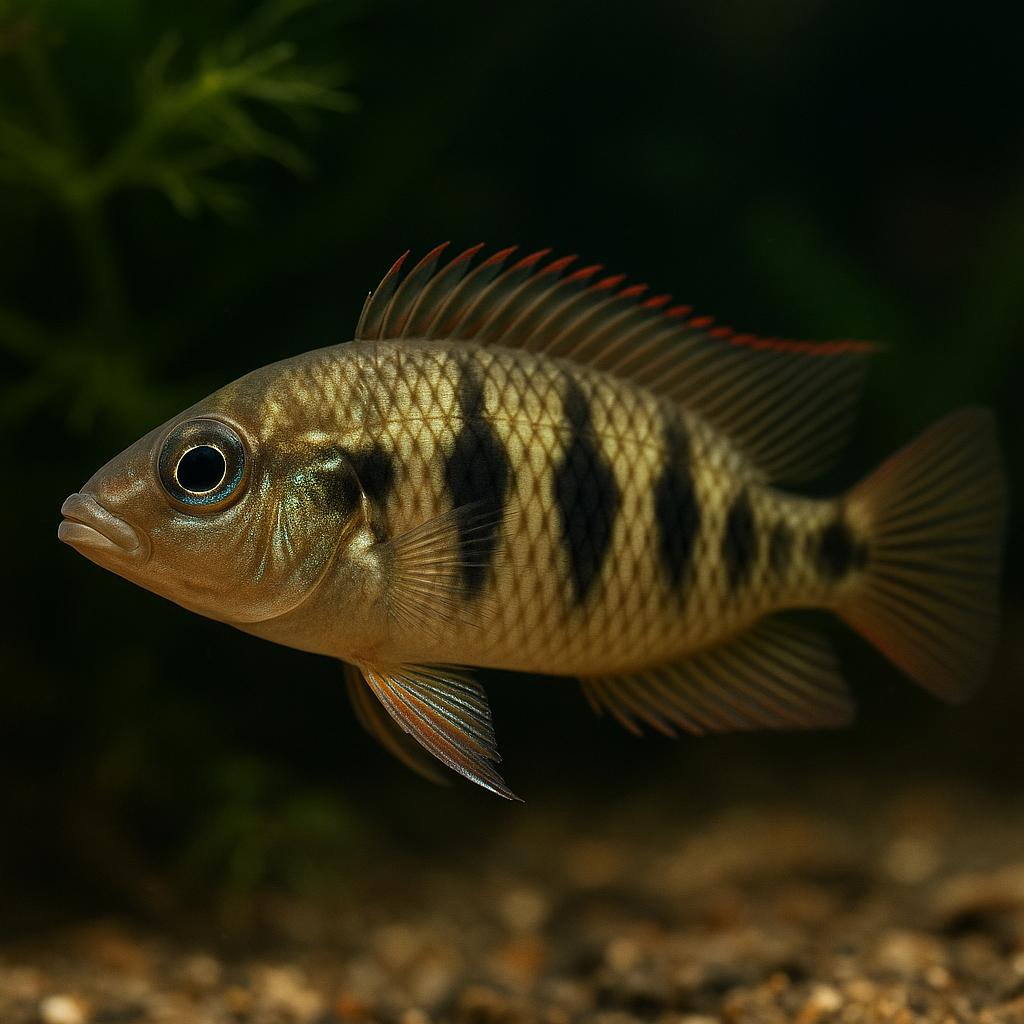
A West African dwarf cichlid from Guinea's Bandi River, this fish shows crisp vertical bars and spotted fins with red highlights. Females have a bold black spot at the base of the tail, and pairs guard eggs and fry in caves, which makes their parental behavior fun to watch.
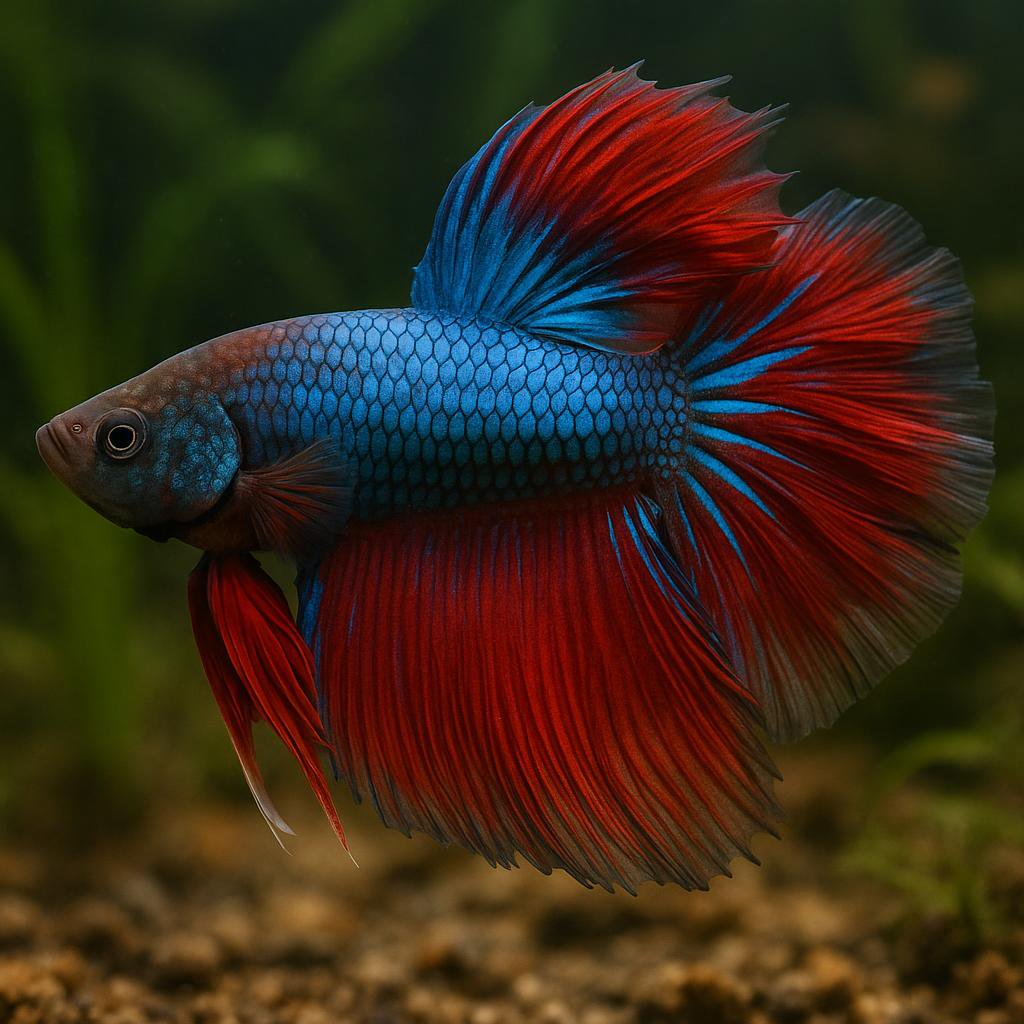
Betta
Betta splendens
Betta fish, also known as Siamese fighting fish, are popular for their striking colors and flowing fins. They are known for their territorial nature, especially males, which can display aggressive behavior towards each other.
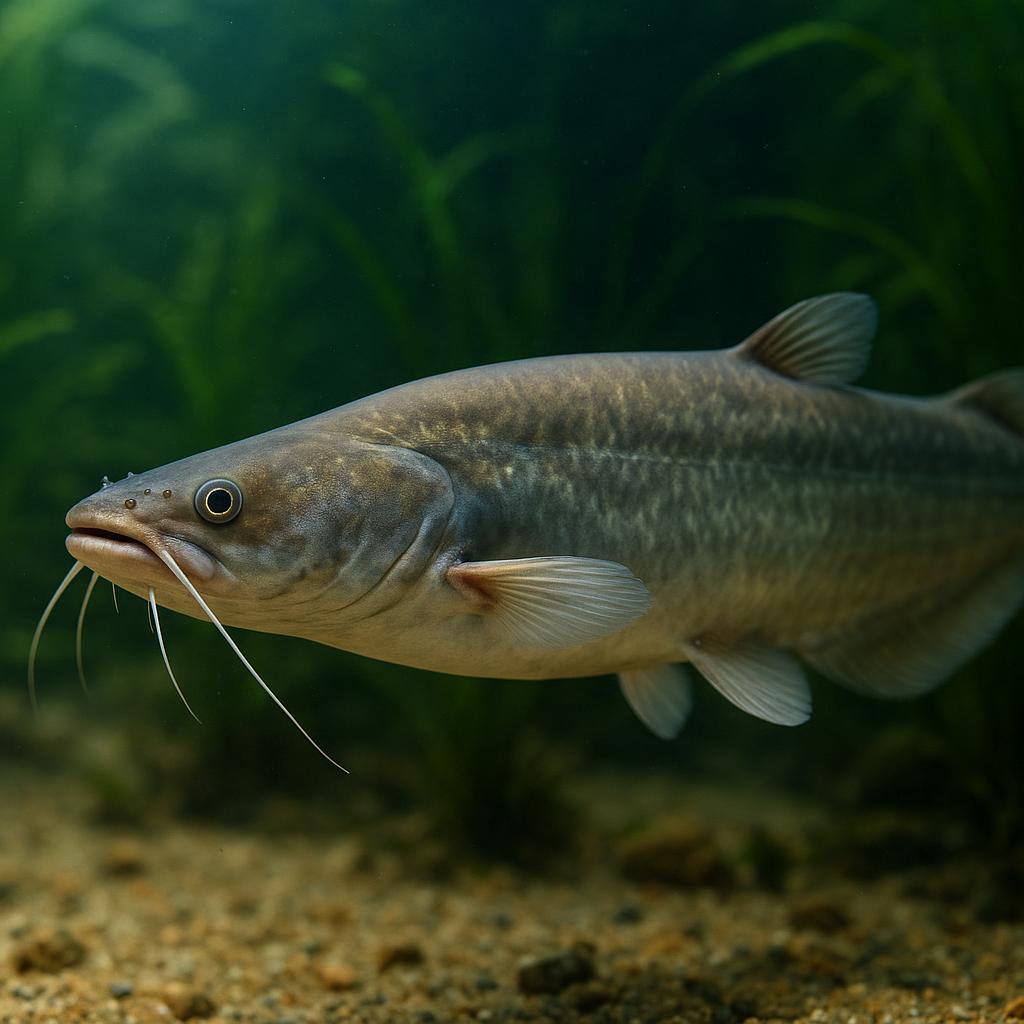
Blackhawk catfish
Wallagonia micropogon
Wallagonia micropogon is a giant Southeast Asian sheatfish with an eel-like body and a huge, scoop-like mouth for hunting other fish. It is native to the Mekong and middle Chao Phraya basins and was long confused with Wallagonia leerii, which makes IDs and care notes tricky. Stunning as a juvenile but it grows to true megafish size, so it is only realistic for expert keepers or public aquariums.
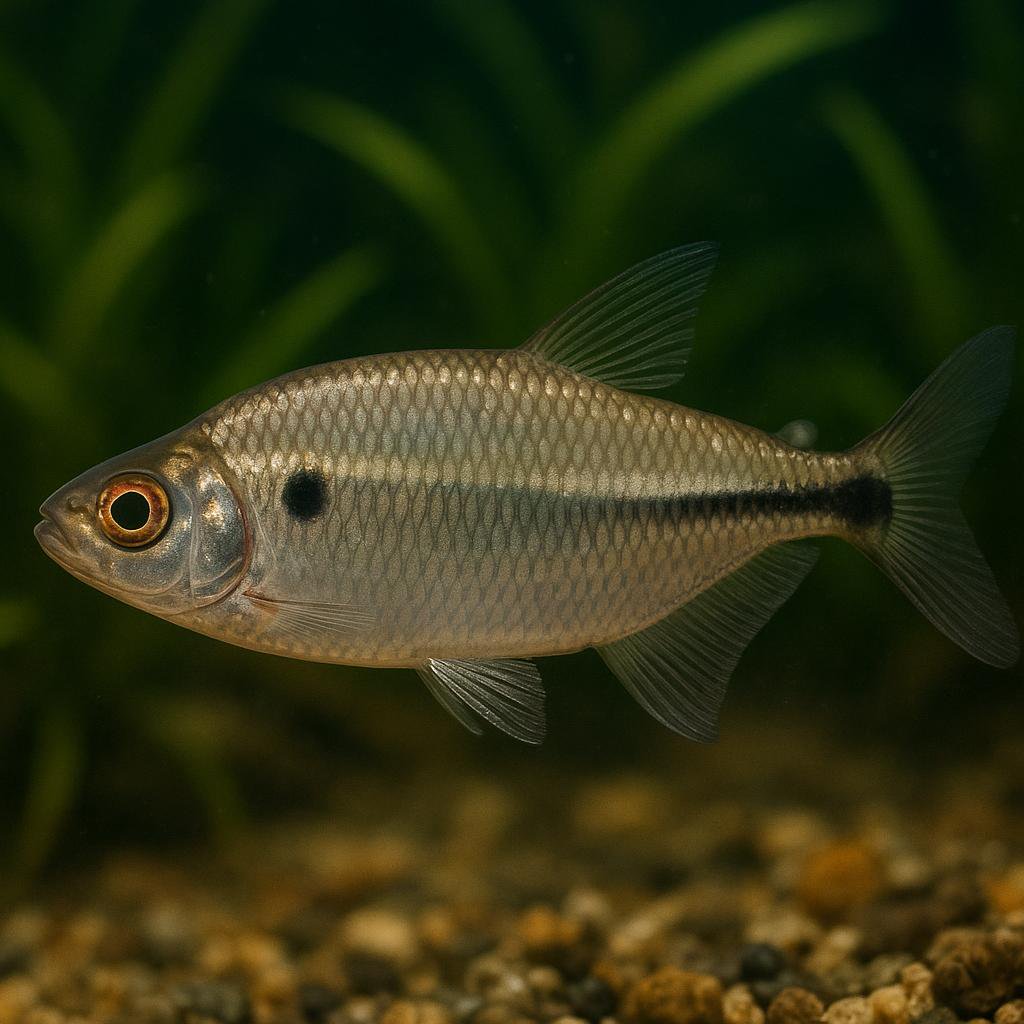
Boulenger's Featherfin Tetra
Bryconaethiops boulengeri
A big, fast African tetra from the Congo River basin, it cruises the mid-to-upper water in active groups and flashes a bold broken stripe along its flanks. In the wild it hunts insects at the surface and can leap, so aquariums need tight lids. Keep it with robust tankmates it cannot swallow.
More to Explore
Discover more freshwater species.
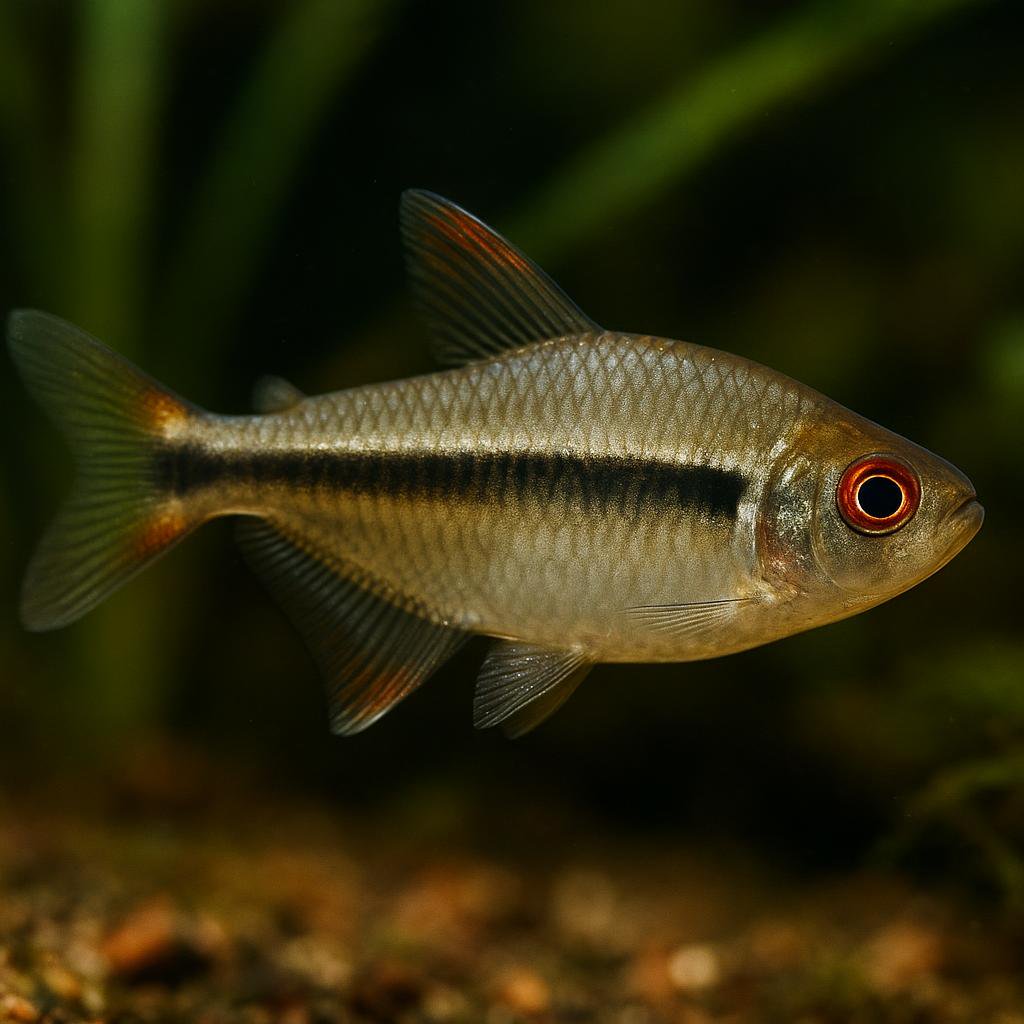
Amapa tetra
Hyphessobrycon amapaensis
This is a tiny, super sleek little tetra with a clean red stripe down the side that really pops once its settled in. It does best in a planted, slightly tinted "creek-style" setup and looks way cooler when you keep a proper group so they school and flash that line together. If you can give it soft, slightly acidic water and a calm community, its an easy fish to fall for.
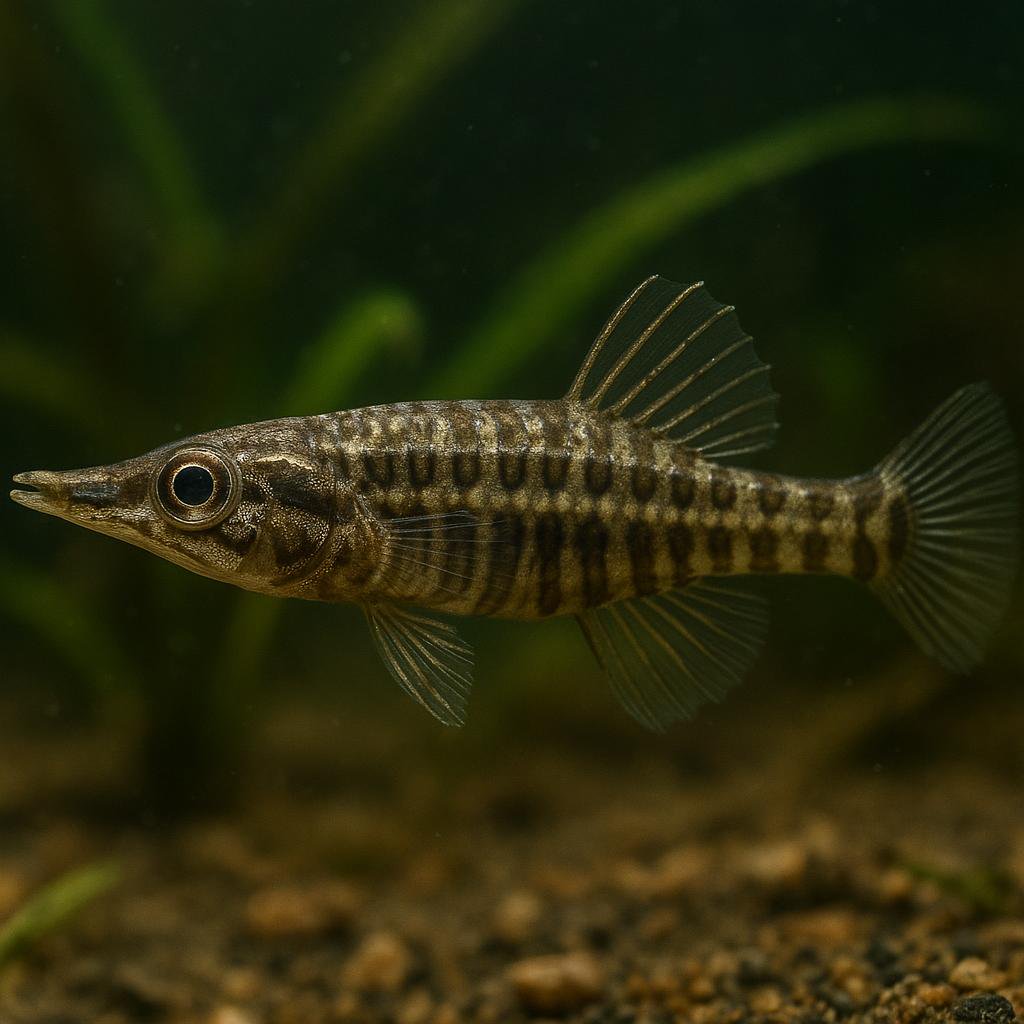
Armoured stickleback
Indostomus paradoxus
This is that goofy little "freshwater seahorse"-looking fish that just kind of perches and scoots around like a tiny armored twig. Its whole vibe is slow, sneaky micropredator - once its settled in, you will catch it stalking microfoods and doing these subtle little posture displays. The big trick is feeding: they do best when you can provide lots of small live foods in a calm, planted tank.
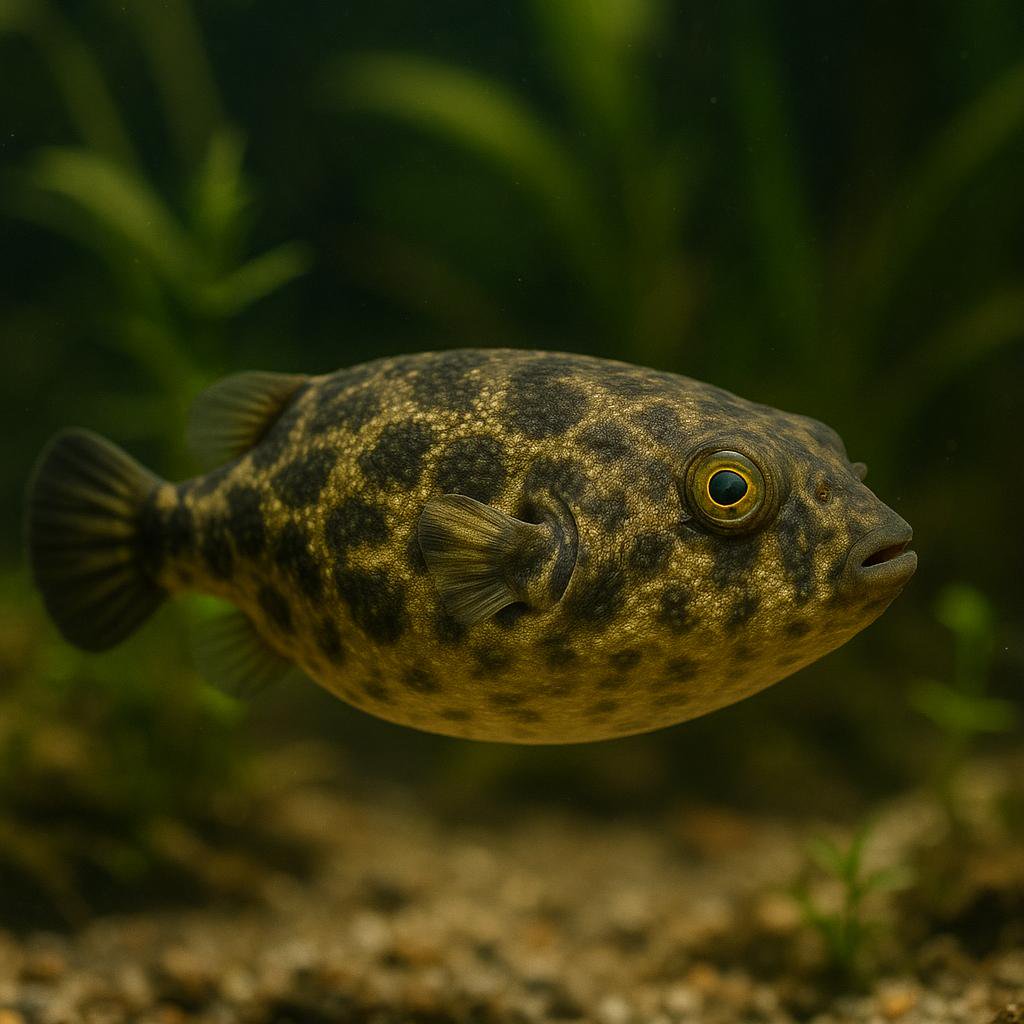
Arrowhead puffer
Pao suvattii
Pao suvattii is that sneaky Mekong puffer that likes to sit low and ambush food, and it has that super recognizable arrow/V pattern on its back. Gorgeous fish with tons of personality, but it is absolutely not a community guy - plan on a solo, species-only setup if you want everybody to stay in one piece.
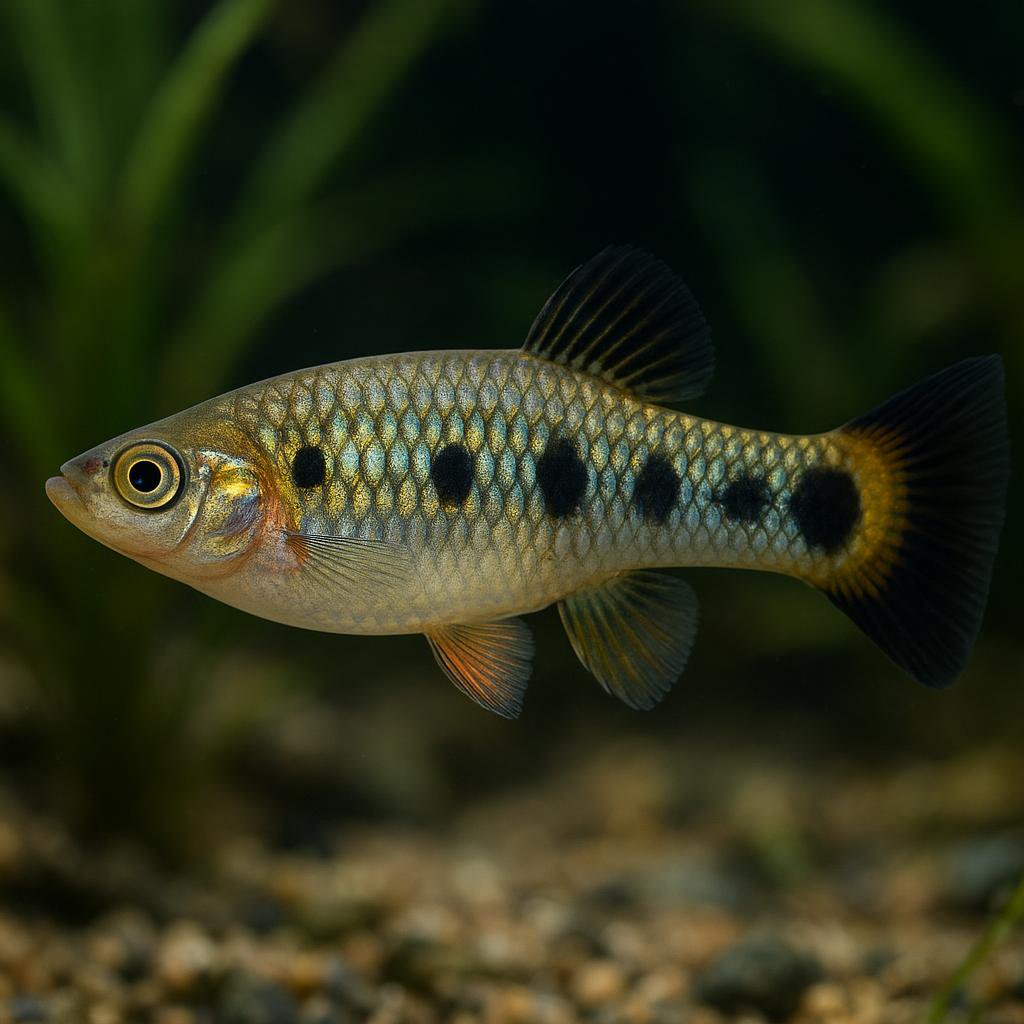
Bishop toothcarp
Brachyrhaphis episcopi
This is a tiny Panamanian livebearer that does best when you treat it more like a shy wild fish than a fancy guppy-lots of cover, calm vibes, and really clean water. The fun part is watching the males posture and spar while the females cruise around dropping fully-formed fry about once a month.
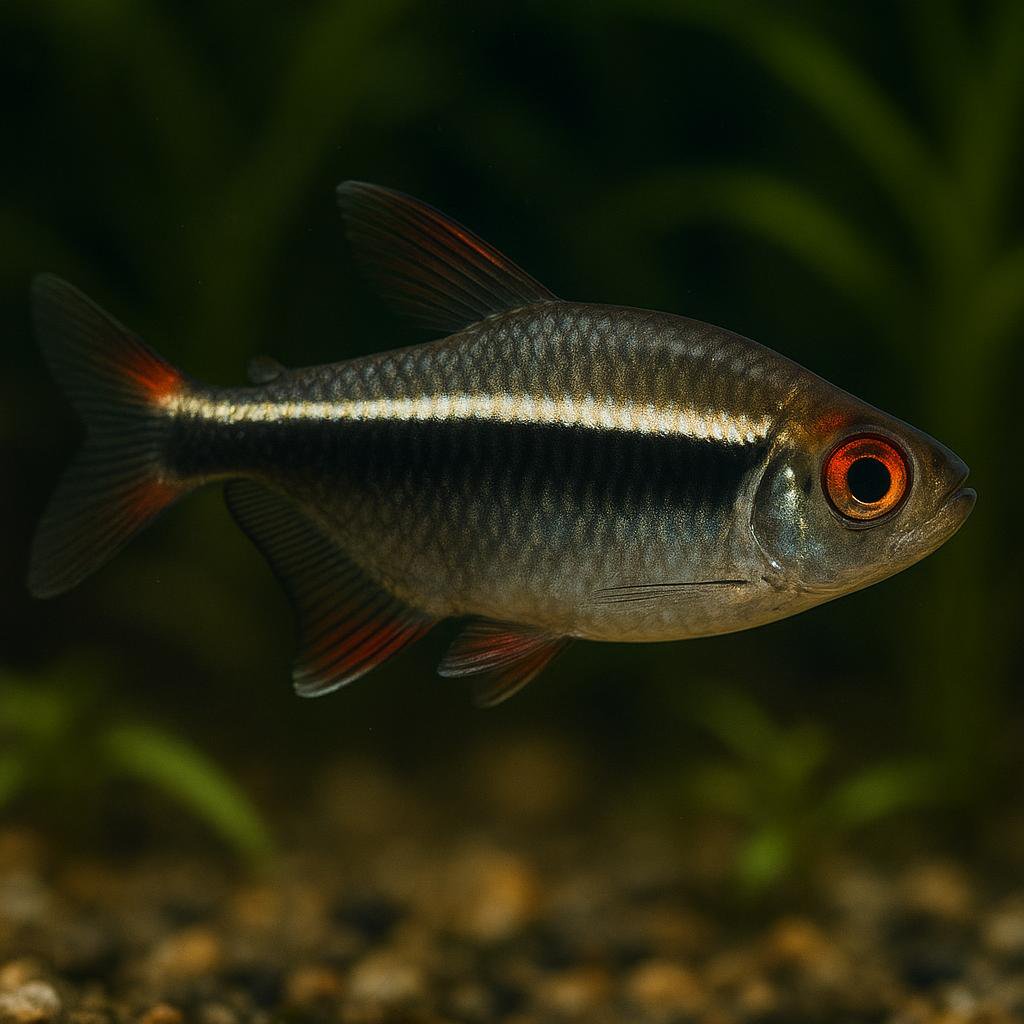
Black Neon Tetra
Hyphessobrycon herbertaxelrodi
Black neons are one of those little tetras that look kinda understated until the light hits them-then that bright stripe pops and they shimmer when the school turns together. They're super chill, always cruising mid-water, and they make a tank feel "alive" without being hectic. If you keep a nice group, they get bolder and you'll see way more of their personality.
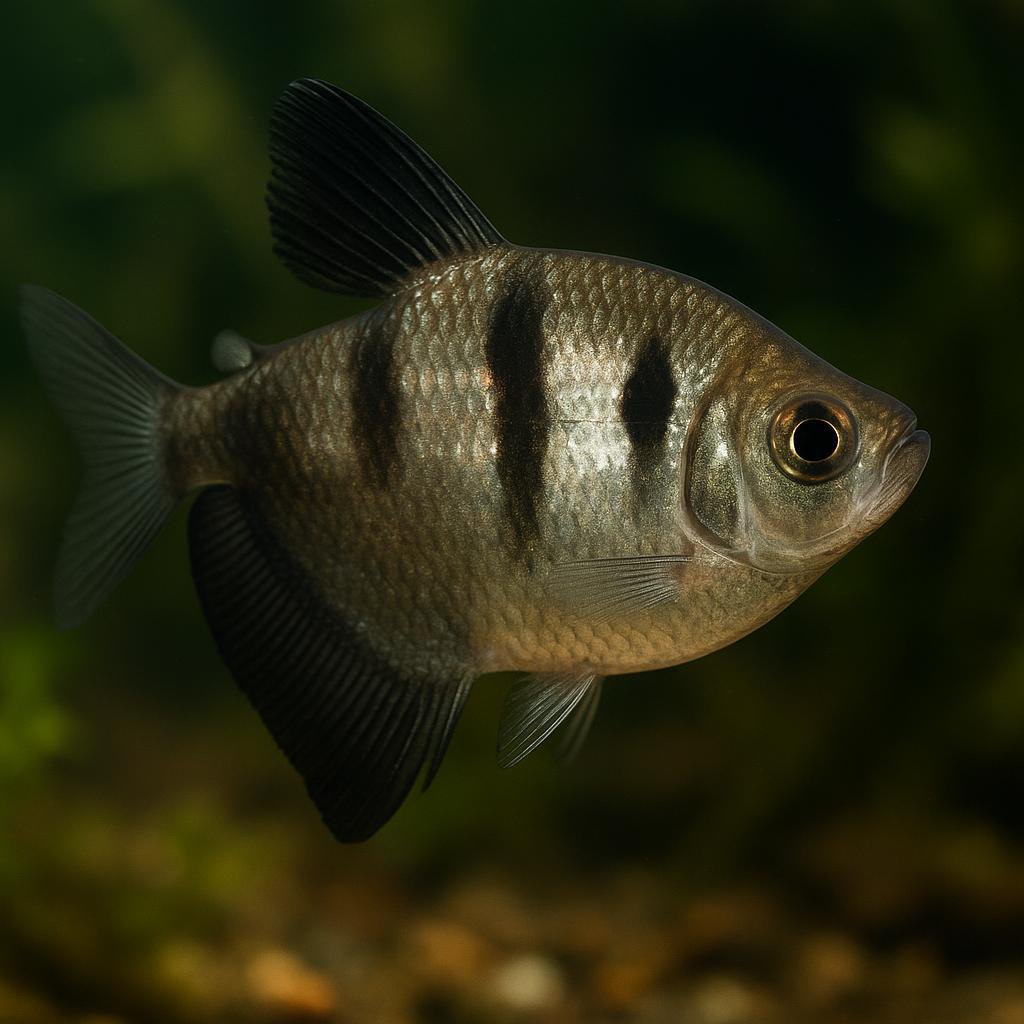
Black Skirt Tetra (Black Widow Tetra)
Gymnocorymbus ternetzi
Black skirts are those little "suit-and-tie" tetras with the dark bands and flowing fins that look way fancier than they should for how tough they are. They're super active midwater fish, and when you keep a proper group they do that tight, zippy schooling thing that makes the whole tank feel alive. Just give them enough buddies and finny tankmates they won't be tempted to nip.
Looking for other species?