

Golden-banded goby
Brachygobius nunus
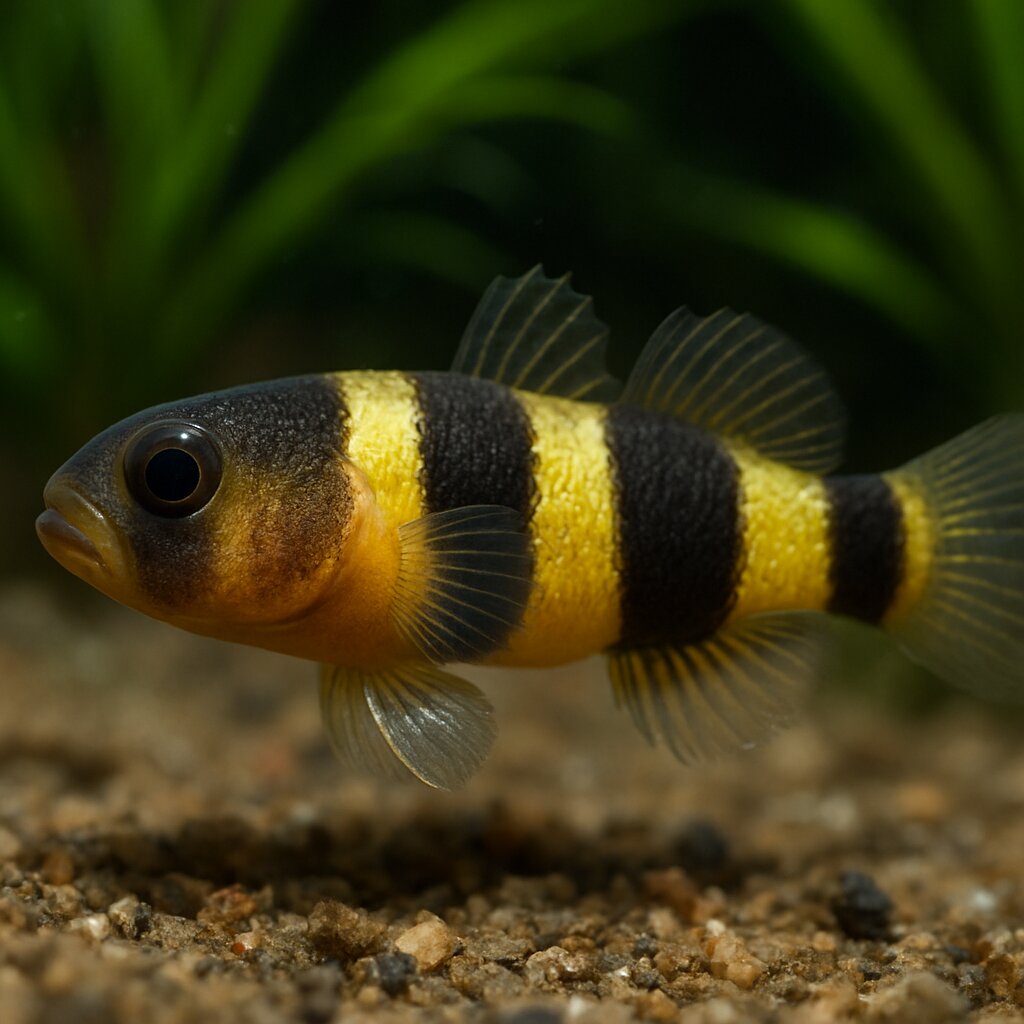
The Golden-banded goby features a slender, elongated body, with striking yellow horizontal bands against a dark brown to golden background.
This page includes AI-generated images. Why am I seeing AI images?
About the Golden-banded goby
Teeny little striped goby that perches on rocks with its built-in suction-cup fins and then zips to the next spot like it owns the place. Give it slightly salty water and plenty of tiny live foods and you will get lots of spunky staring contests and cave-guarding antics.
Also known as
Quick Facts
Size
2.5 cm
Temperament
Semi-aggressive
Difficulty
Intermediate
Min Tank Size
10 gallons
Lifespan
3-5 years
Origin
South and Southeast Asia
Diet
Carnivore - live and frozen foods like bloodworms, brine shrimp, and daphnia; often ignores dry foods
Water Parameters
22-29°C
6.5-8.5
8-12 dGH
Need a heater for this species?
This species needs 22-29°C in a 10 gallon tank. Use our heater calculator to find the right wattage.
Calculate heater sizeCare Notes
- Keep a group of 6-8 in a 10-15 gallon brackish setup with sand, tons of tiny caves (shells, 1 cm PVC bits), and a tight lid. Use gentle flow so they can perch without being blasted.
- Run SG 1.003-1.008, 75-80 F, pH 7.5-8.2, and hard water. Top off evaporation with freshwater and only add salt when you change water, so SG stays put.
- They almost never accept pellets; give live or frozen baby brine, daphnia, cyclops, bloodworms, and grindal worms. Target-feed with a pipette or turkey baster right in front of them.
- Species-only is easiest; if you mix, go with calm brackish fish like mollies and avoid fast feeders, cichlids, or anything that nips. Shrimp and tiny fry will get hunted.
- Provide more hideouts than fish to curb male turf fights, and break sight lines with rocks and wood. Expect some posturing but separate if a fish gets ragged fins or is pinned in a corner.
- Breeding is cave style: pair picks a small hole, lays a clutch, and the male guards till hatch in about 3-5 days. A hefty feeding schedule and a small SG bump can trigger them; feed fry newly hatched brine shrimp from day 1.
- Watch for slow starvation and internal worms; a sunken belly or stringy white poop means treat with a dewormer and up the live foods. Ich can pop up after moves, so keep salinity steady around 1.005 and do small, frequent water changes.
Compatibility
Good Tankmates
- A small posse of their own kind (6-10) with lots of little caves and sight breaks - they spar a bit, then settle and show natural behavior
- Short-finned Endlers or plain guppies in low-end brackish - midwater, not pushy; target feed the gobies so they dont miss meals
- Celebes rainbows or Pacific blue-eyes (Pseudomugil signifer) - active but polite top-mid swimmers if you keep food drifting down to the gobies
- Indian glassfish (Parambassis ranga) - peaceful midwater schoolers that ignore bottom perches; just watch they dont outpace the gobies at feeding time
- Dwarf halfbeaks (Dermogenys spp.) - surface cruisers that leave the gobies alone; floating plants help curb halfbeak squabbles
Avoid
- Any puffer (figure 8, green spotted, etc.) - they hassle, nip, and eventually kill tiny gobies
- Knight gobies and other larger predatory gobies - they will view bumblebees as snacks
- Big, boisterous livebearers like sailfin mollies and swordtails - they hog food and keep the gobies hiding
- Slow fish with fancy fins like bettas or show guppies - fins get pecked and the water match is wrong
Where they come from
Golden-banded gobies are one of the little bumblebee gobies from lowland India and Sri Lanka. Think tidal creeks, mangrove edges, and sluggish estuaries with hard, slightly salty water. They sit on the bottom like tiny sentries and dash out for micro-prey.
Stores mix up bumblebee gobies all the time. The ones sold as Brachygobius nunus are usually brackish-leaning. If yours starts doing poorly in plain freshwater, a touch of marine salt often turns things around.
Setting up their tank
They are small, but give them space and cover. A 10-15 gallon tank works well for a group of 6-8. Go for footprint over height, gentle filtration, and lots of little caves so they can dodge each other.
- Salinity: low-end brackish, SG 1.003-1.008 (use a marine salt mix, not table or freshwater aquarium salt)
- Temperature: 75-82 F (24-28 C)
- pH: 7.2-8.2, hard water preferred
- Flow: gentle, with a sponge prefilter so food is not sucked away
- Substrate: sand or very fine gravel so they can perch comfortably
Give them a pile of hideouts: small PVC elbows, snail shells, cut sections of airline tubing, coconut caves, and rock stacks with tight gaps. They like to claim little holes and watch the world. Low-brackish-tolerant plants like Java fern, Anubias, and some Crinum do fine tied to wood or rock.
Scatter more caves than fish and break up lines of sight. I use 1/2 inch PVC elbows and a handful of ramshorn shells. It cuts down on squabbles fast.
Use a tight lid. They are not big jumpers, but startled gobies can and will find gaps. Mix salt in a separate container and match temperature and salinity before water changes.
What to feed them
They are micropredators. Most new gobies ignore flakes and pellets at first, so plan on live or frozen foods while you train them.
- Go-to foods: live baby brine shrimp, daphnia, cyclops, grindal worms, blackworms (small pieces), mosquito larvae
- Frozen options: cyclops, baby brine, finely chopped bloodworms or mysis
- Dry food training: mix crushed high-protein pellets with thawed frozen food and wean slowly
Target feed with a pipette or turkey baster. Squirt a small cloud right in front of their caves, then turn the filter back on after 5-10 minutes. Gut-load baby brine with algae or spirulina so the fish get more out of it.
How they behave and who they get along with
They perch, watch, and make short dashes. Among themselves they bicker a bit, more bluff than damage if the tank is set up right. Keep them in a group so the pushy one does not fixate on a single target.
- Best setup: species-only or with very calm, slow-feeding brackish fish
- Usually fine: mollies, low-end brackish guppies, peaceful glassfish, nerite snails
- Use caution: knight gobies and larger gobies can outcompete them
- Skip: fast feeders (scats, monos, danios), puffers, fin-nippers, and anything big enough to swallow them
- Shrimp: tiny shrimp are snacks
Feed competition is the real issue. If tankmates hoover up food midwater, your gobies go hungry. Target feeding fixes most of this.
Breeding tips
They spawn in little caves. The male cleans a nook, the female lays a small clutch on the roof, and the male guards and fans the eggs. You will see him parked at the entrance, fanning nonstop.
- Set up: 10 gallon species tank, lots of tiny caves, sponge filter, dim light
- Water: many hobbyists get better spawns in very low brackish or even freshwater, then raise fry in freshwater
- Conditioning: heavy live foods for 1-2 weeks
- Trigger: a decent water change with slightly cooler water often does it
- After spawn: remove the female if she gets chased
- Hatch: 4-7 days; start fry on infusoria/rotifers/vinegar eels, then move to newly hatched brine shrimp once they can take it
Sexing is subtle. Males tend to be a bit slimmer with crisper banding and do most of the cave-sitting. During spawning they get more territorial and color up nicely.
Common problems to watch for
Most hiccups come from wrong salinity, starvation, or buying already-skinny fish. Quarantine new gobies and get them eating before they meet any competition.
- Not eating: start with live baby brine or cyclops, turn flow down at feeding time, and target feed
- Salinity swings: keep SG stable in the 1.003-1.008 range; top off evaporated water with freshwater only
- Wrong salt: use a marine salt mix; do not use table salt
- Parasites/skinny fish: many arrive with worms; a prophylactic deworming (praziquantel/levamisole) in quarantine helps
- Fighting: add more caves and sight breaks; keep a group of 6+ so one fish does not get singled out
- Fin rot/fungus: usually water quality related; tighten maintenance and avoid overfeeding
Do not dump dry salt into the tank and do not swing SG during water changes. Mix salt completely in new water, match temperature and salinity, then add it to the tank slowly.
Similar Species
Other brackish semi-aggressive species you might be interested in.
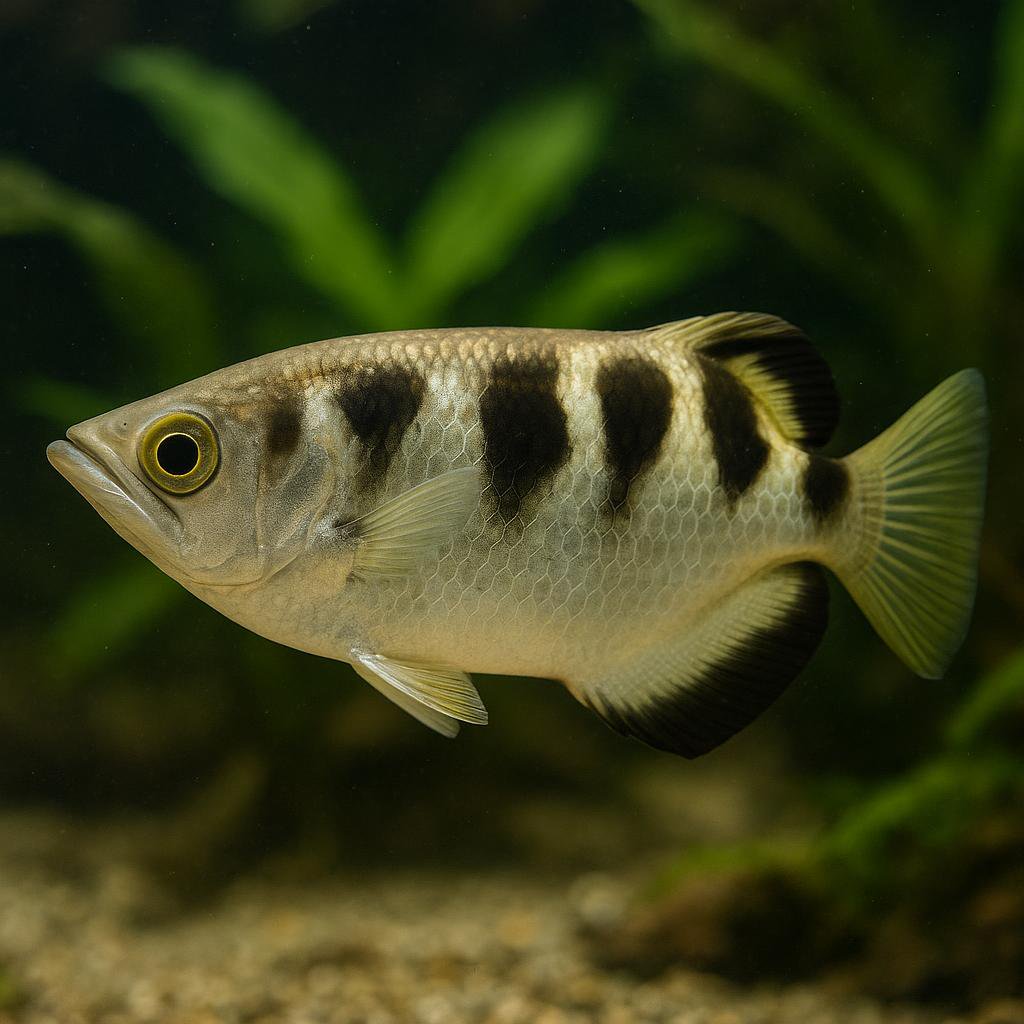
Banded Archerfish
Toxotes jaculatrix
This is the fish that literally spits jets of water to knock insects off branches-watching one "take aim" is unreal. They're super aware of what's going on outside the tank and will even learn to beg and snipe food from the surface once they settle in. Give them height and some open swimming room and they act like little aquatic sharpshooters.
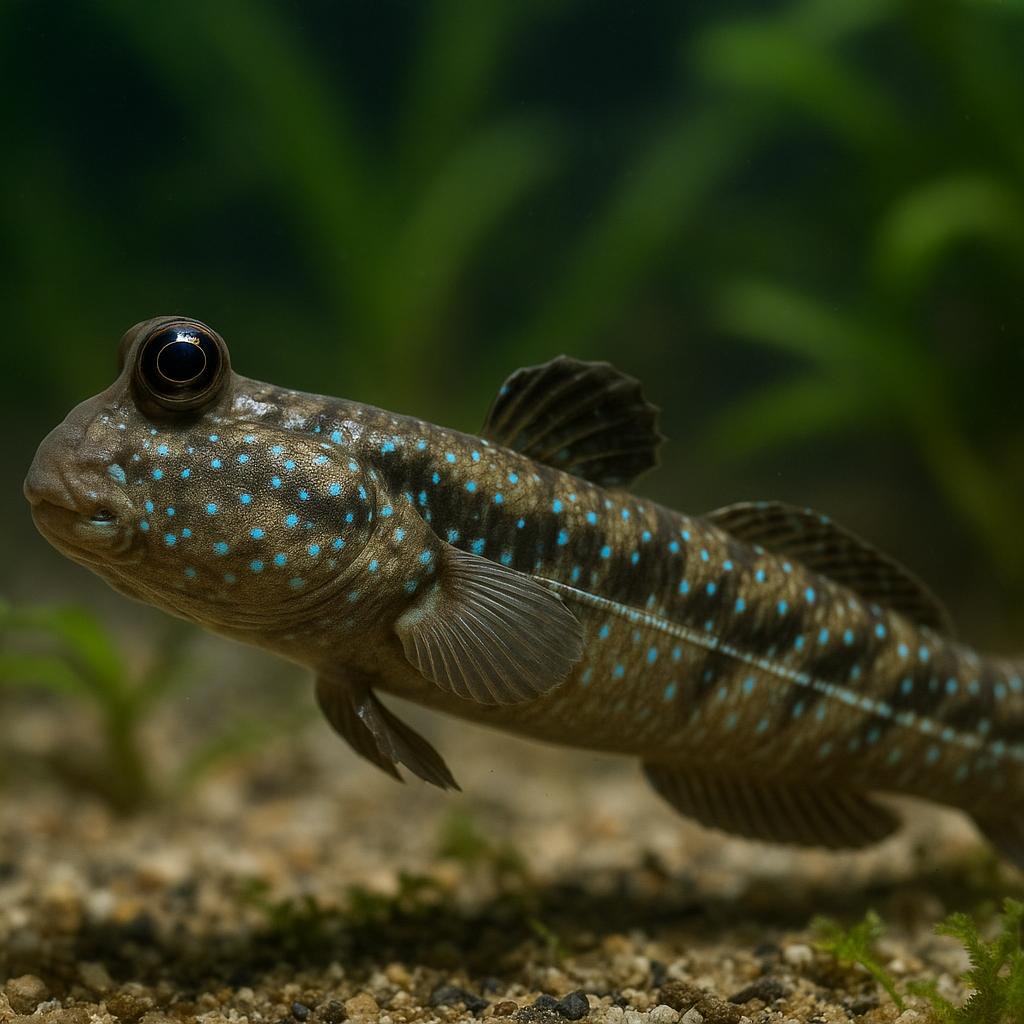
Barred mudskipper
Periophthalmus argentilineatus
This is one of those classic "walks around like it owns the place" mudskippers-big goofy eyes, climbs, hops, and spends a ton of time out on the mud when it's humid. In the wild it lives on intertidal mangrove/nipa mudflats and even shuttles between little pools and open air, hunting worms, insects, and small crustaceans. It's super fun to watch, but it really wants a brackish paludarium setup (not a normal aquarium).
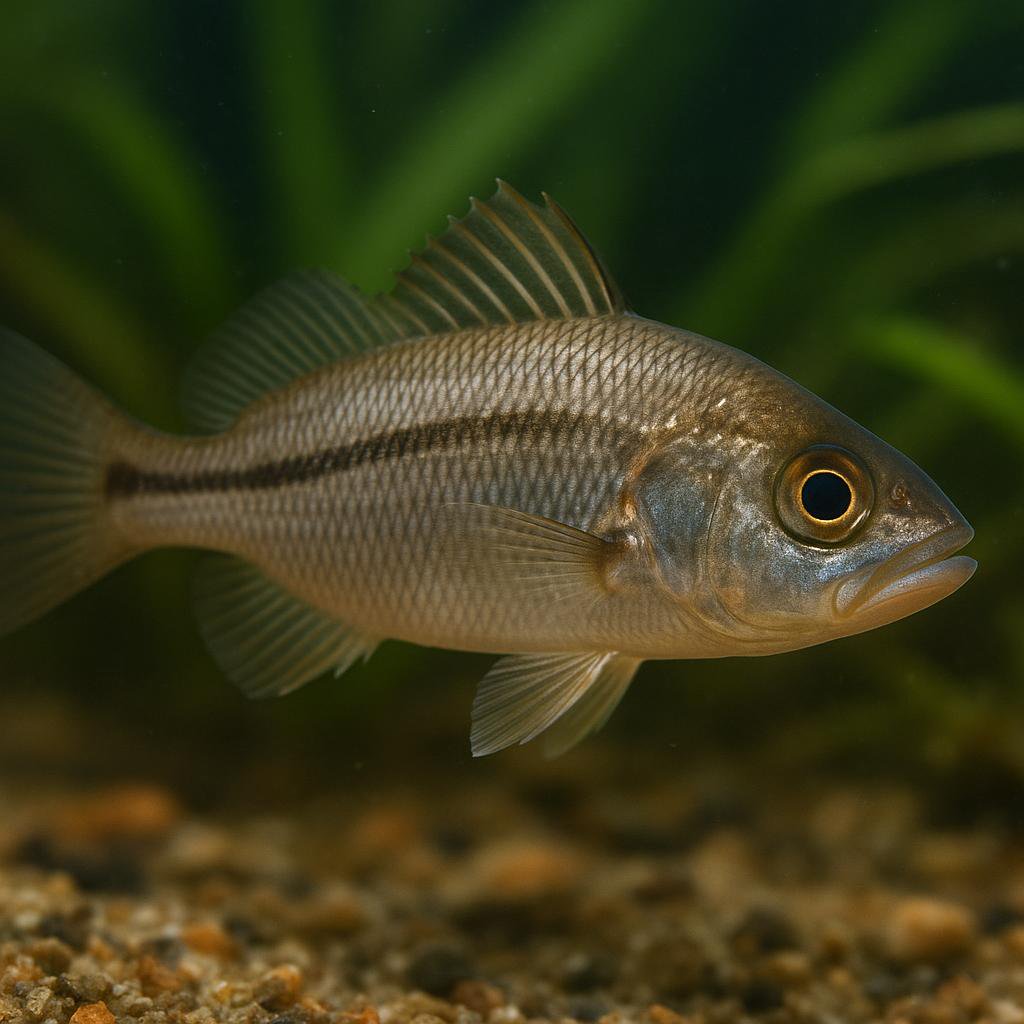
Bellfish
Johnius fuscolineatus
Johnius fuscolineatus (Bellfish/African bearded croaker) is a small coastal sciaenid from the southwestern/western Indian Ocean (Mozambique, South Africa, Madagascar), occurring in shallow marine waters (reported 0–50 m) and also associated with coastal/estuarine habitats.
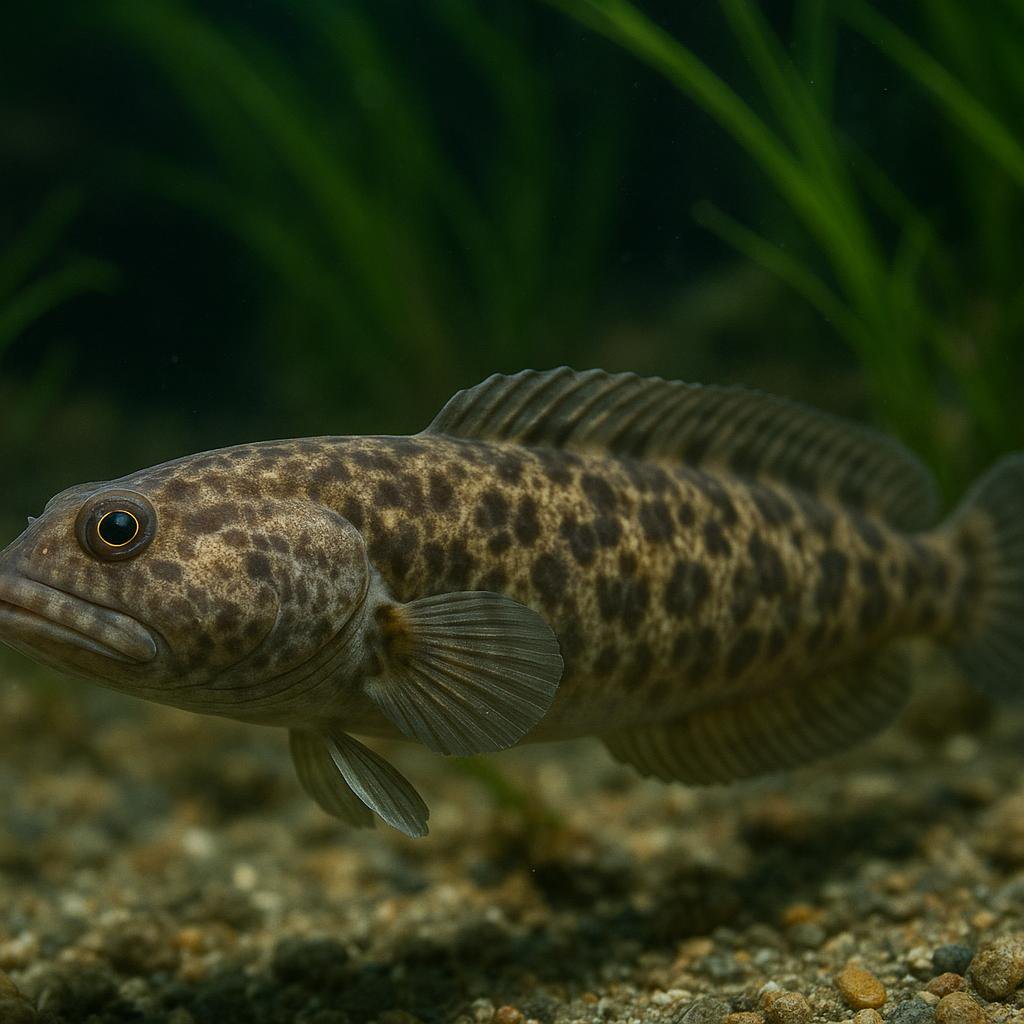
Blotched eelpout
Zoarces gillii
Zoarces gillii is a cold-temperate eelpout from the Northwest Pacific that hugs the bottom over sandy-mud inshore areas and even pushes into estuaries. It's got that long, eel-like body and a sneaky, sit-on-the-bottom predator vibe - very much a cool-water, brackish-to-marine oddball rather than a typical tropical aquarium fish.
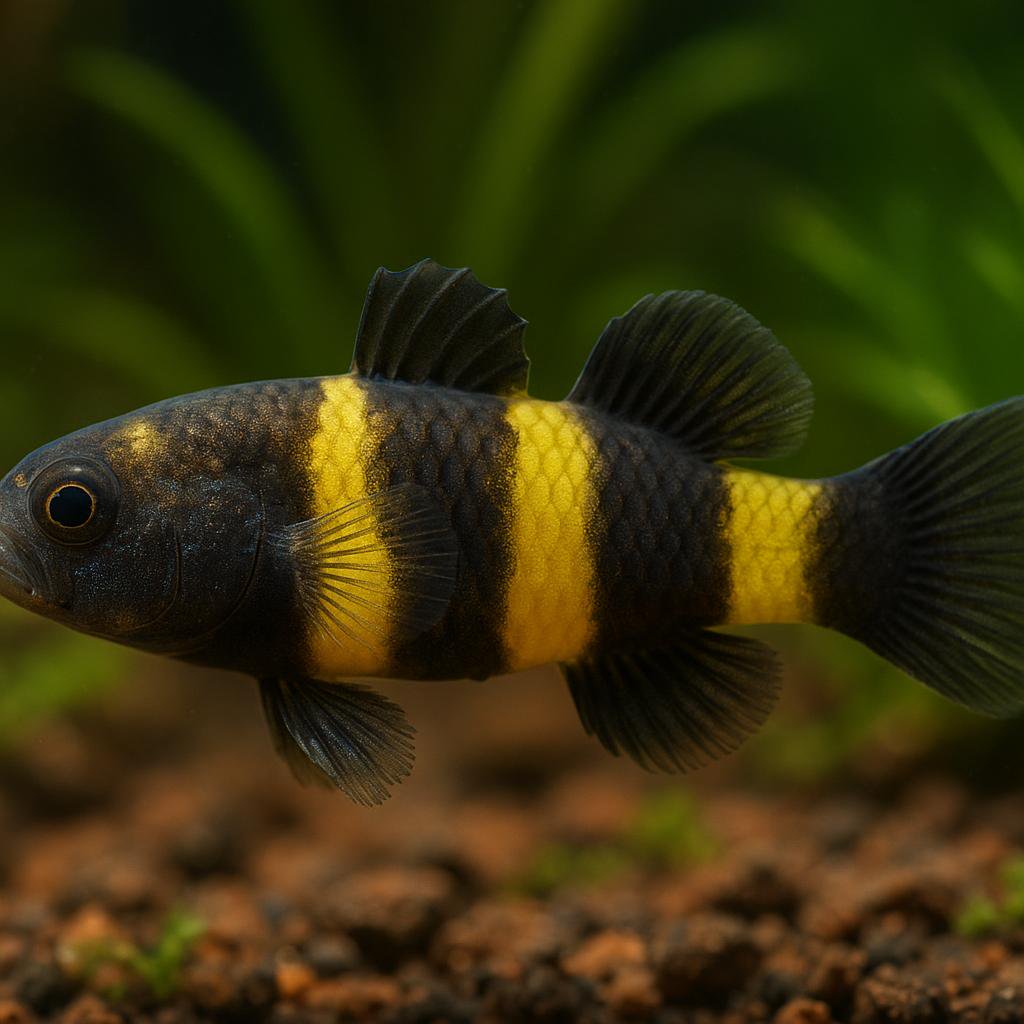
Bumblebee goby
Brachygobius doriae
Brachygobius doriae is one of the classic "bumblebee gobies" - tiny, bottom-hugging little characters that perch on rocks and sand and stare at you like they own the place. They're at their best in a calm setup with lots of caves and leaf litter, and they really shine once you get them eating frozen/live foods reliably (they're slow, picky eaters). Also: they're one of the species that gets mislabeled a lot in shops, so it's super common to see them sold under the wrong bumblebee-goby name.
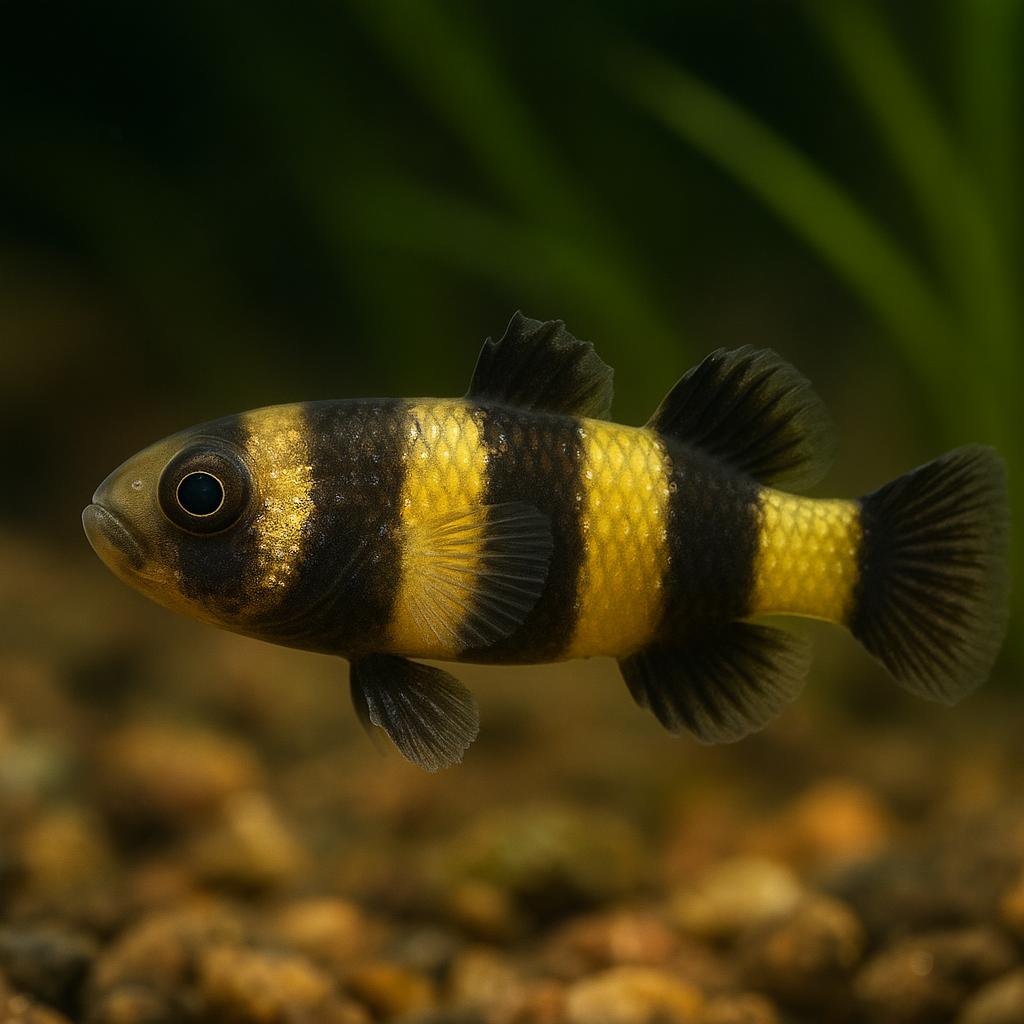
Bumblebee goby (Bumblebee fish)
Brachygobius xanthozonus
This is that tiny little goby with the bold black-and-yellow bands that likes to perch on the bottom and stare back at you like it owns the place. It's happiest in lightly brackish water with lots of little caves and sight-breaks, and it's one of those fish that often refuses flakes-frozen/live meaty foods usually flip the "yes, I will eat" switch.
More to Explore
Discover more brackish species.
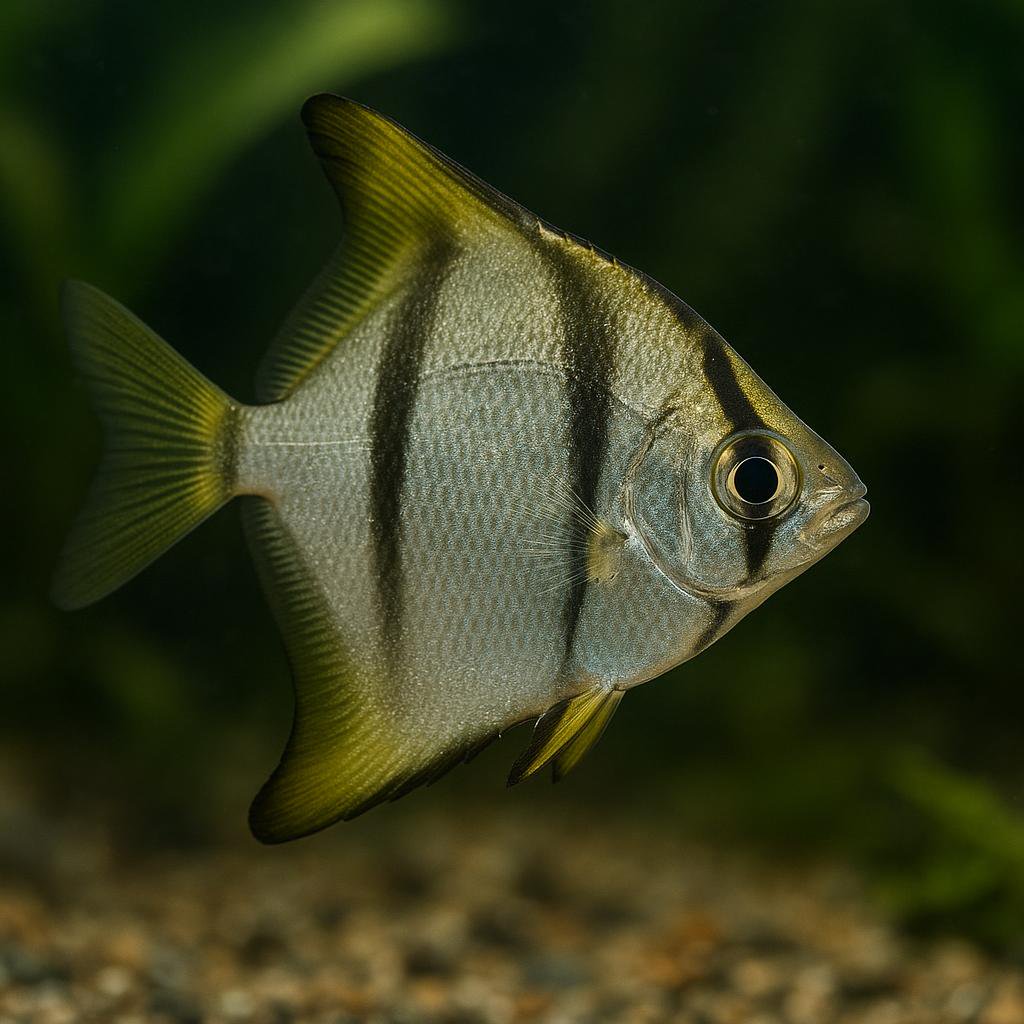
African moony
Monodactylus sebae
This is that shiny, diamond-shaped "mono" that cruises around in a tight pack and looks like a little silver dinner plate with black bars when it's young. The big thing with African moonies is they're euryhaline-so they'll tolerate freshwater as juveniles, but they really shine long-term in brackish (and can be transitioned toward marine as they mature). Give them a big, open tank and a group, and they turn into nonstop, super fun midwater swimmers.
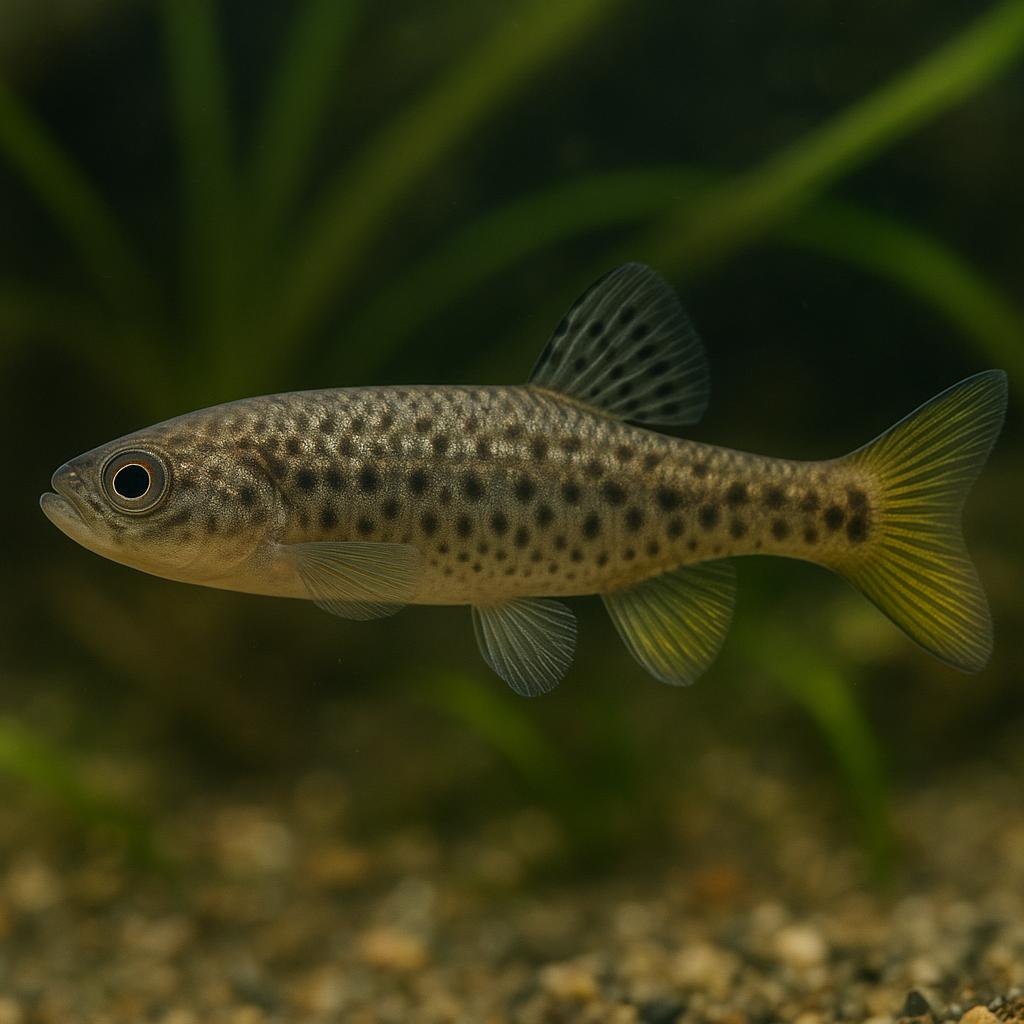
American shadow goby
Quietula y-cauda
This is a little mudflat goby from California down into the Gulf of California that loves hanging tight to the bottom and vanishing into burrows. The neat tell is that sideways Y-shaped blotch right at the base of the tail, plus the row of dark spots along the side. Its whole vibe is brackish estuary life - calm water, soft substrate, lots of hiding holes.
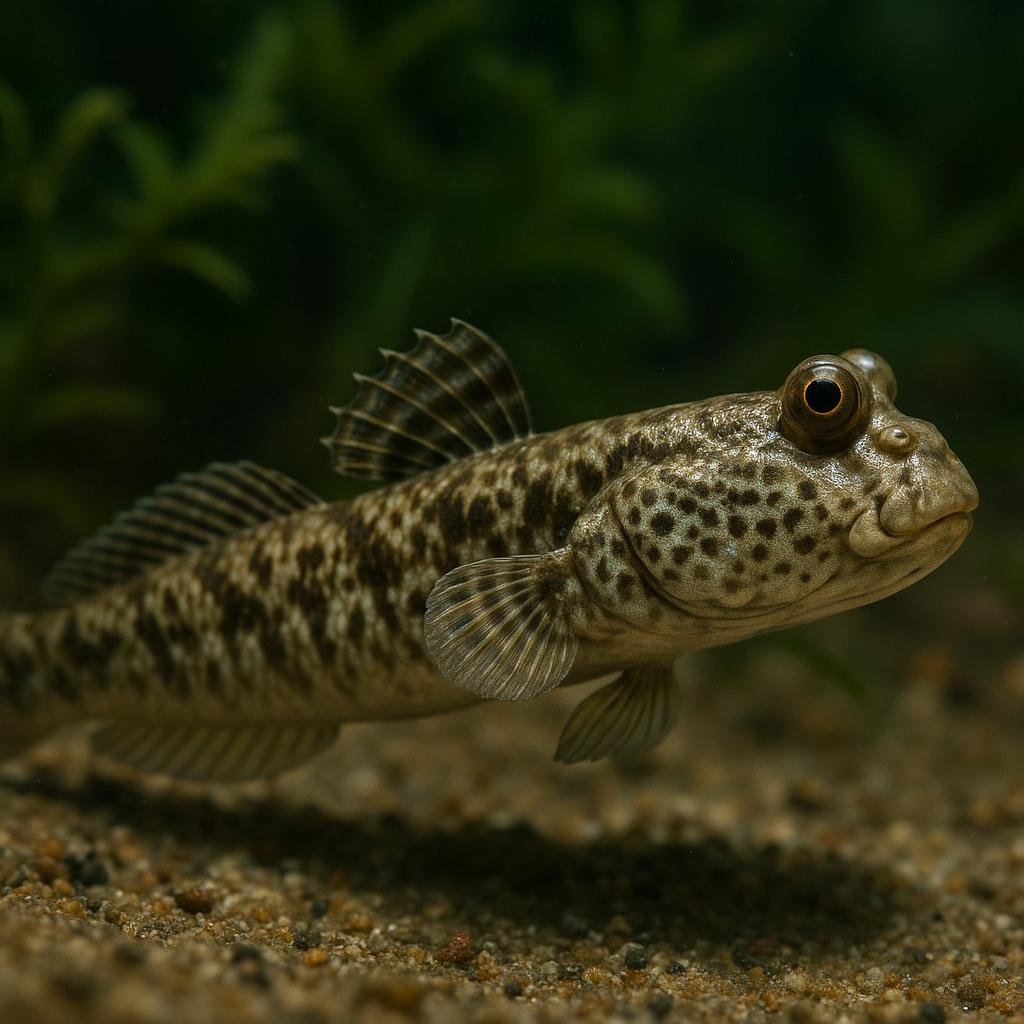
Atlantic Mudskipper
Periophthalmus barbarus
This is that wild little amphibious goby that straight-up climbs around on land like it forgot it was a fish. They've got big googly eyes, tons of personality, and they'll perch, hop, and patrol their territory-honestly more like a tiny crabby lizard than a "regular" aquarium fish.
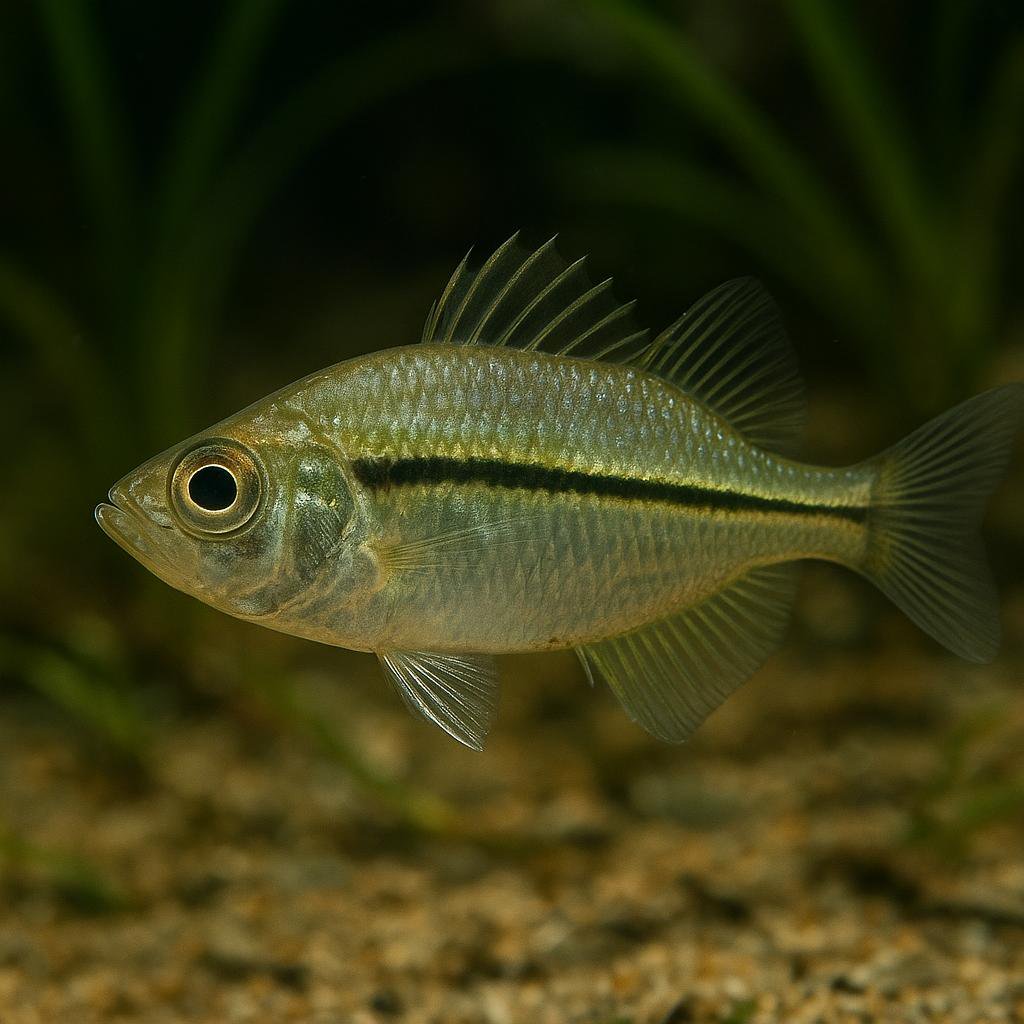
Banded-tail glassy perchlet
Ambassis urotaenia
This is one of those see-through glassy perchlets where you can literally watch the organs shimmer when it turns-super cool in the right lighting. In the wild it hangs around river mouths and mangroves and cruises in groups, so it does best when you keep a little gang of them and give them some open swimming room.
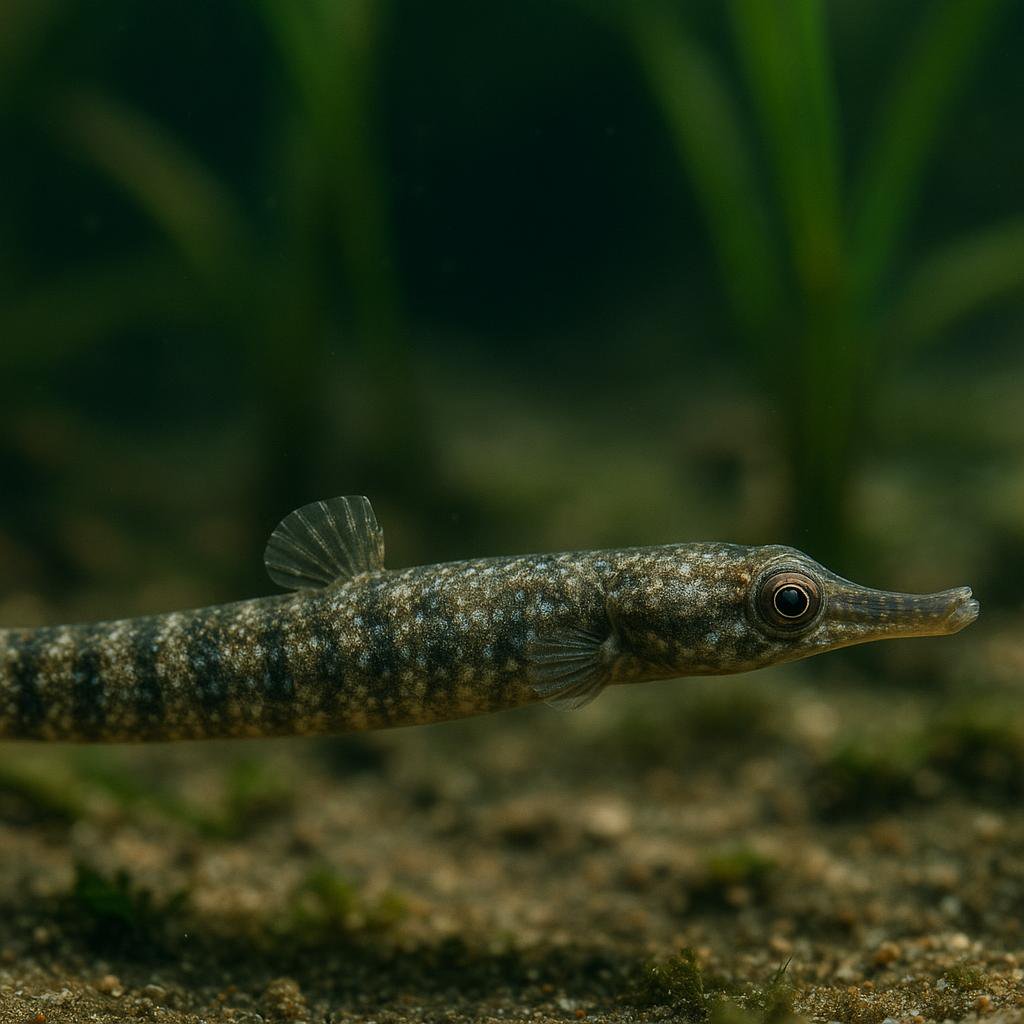
Barbed pipefish
Urocampus nanus
Urocampus nanus (barbed pipefish) occurs in protected inshore and estuarine habitats among seagrass (Zostera) in the Northwest Pacific (southern Japan and adjacent coasts). Like other syngnathids, males brood eggs in a pouch under the tail and produce fully formed young.
Beach silverside
Atherinella blackburni
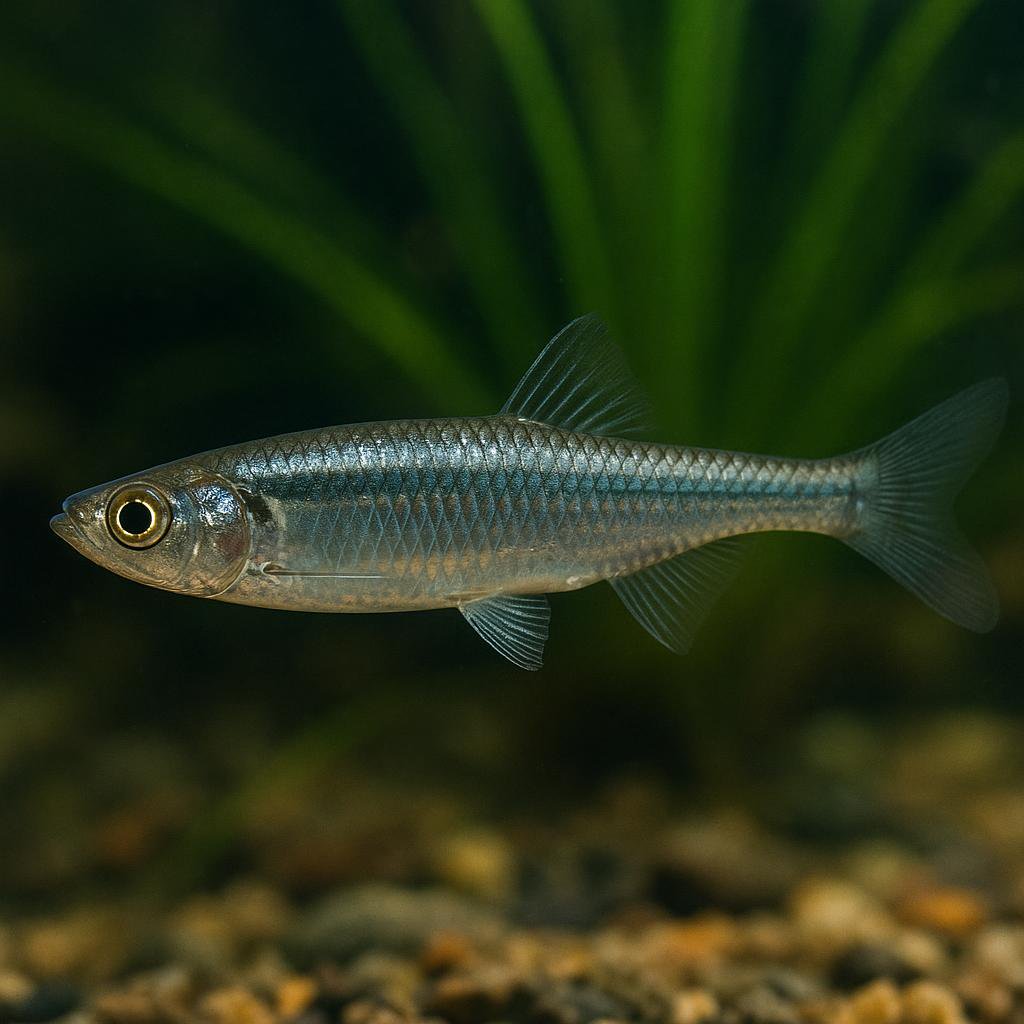
This is a little coastal silverside that cruises the shallows in loose groups and flashes like a tiny chrome dart when the light hits it right. In the wild it hangs around beaches, estuaries, and lagoons, picking at small drifting foods in the surf zone. It is cool, but its real "gotcha" is that it is an open-water, salt-tolerant schooling fish that does best in bigger, well-oxygenated setups rather than a typical planted community tank.
Looking for other species?