

Brachyhypopomus batesi
Brachyhypopomus batesi
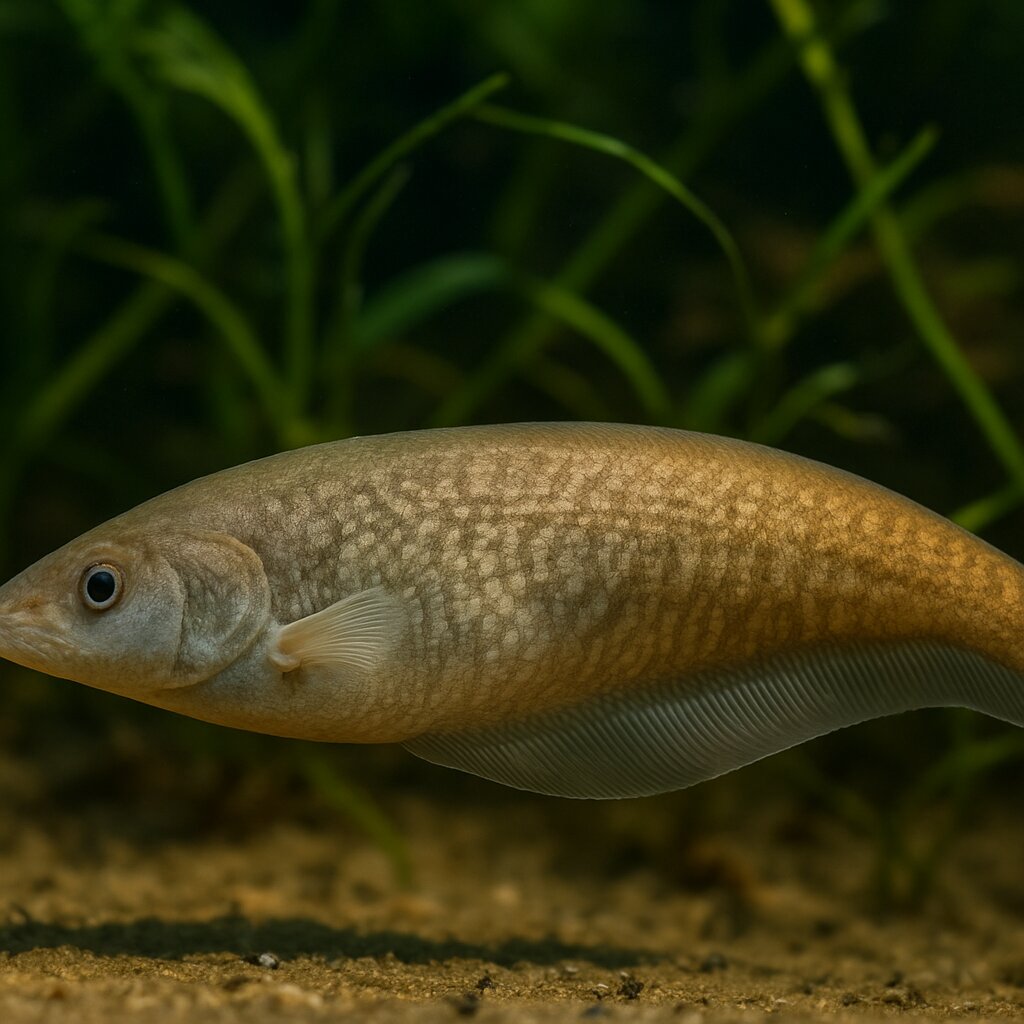
Brachyhypopomus batesi exhibits a slender, elongated body with a distinctively high dorsal fin and a pattern of dark brown to olive-green coloration.
This page includes AI-generated images. Why am I seeing AI images?
About the Brachyhypopomus batesi
Picture a slim little South American knifefish that glides with a rippling fin and chats in tiny electric pulses - that is B. batesi. It sticks to root tangles and leaf litter in super soft, tea-colored blackwater and tops out around 5 inches, so it stays manageable size-wise. Keep the lights low and offer meaty foods and it will show tons of quirky after-dark behavior.
Quick Facts
Size
12.1 cm TL
Temperament
Semi-aggressive
Difficulty
Advanced
Min Tank Size
30 gallons
Lifespan
2-4 years
Origin
South America
Diet
Carnivore - aquatic insect larvae and small invertebrates; accepts frozen/live foods
Water Parameters
24-27°C
4.5-6
0-2 dGH
Need a heater for this species?
This species needs 24-27°C in a 30 gallon tank. Use our heater calculator to find the right wattage.
Calculate heater sizeCare Notes
- Give them a long, low-flow tank 55-75 gal with fine sand, leaf litter, wood roots, and PVC caves; keep a tight lid, they jump during water changes.
- Keep water warm and soft: 25-28 C, pH 6.0-7.2, GH under 5 dGH, conductivity under 150 uS; do steady weekly changes and avoid big TDS swings.
- Use gentle filtration with sponge prefilters and a heater guard; no sharp decor - they ram their snouts when spooked.
- Feed after lights out: live or frozen blackworms, bloodworms, chopped earthworms, and mysis; drop food right at their hide so daytime tankmates do not steal it.
- They are weakly electric - do not house with other electric fish (Apteronotus, Gymnotus, Eigenmannia) or pushy cichlids; calm tetras and Corydoras work if not nippy and too big to swallow.
- They are sensitive to stray voltage and noise; use reliable, grounded gear and keep powerheads mild or off.
- Skip salt and copper-based meds; they are scaleless and react badly - quarantine new fish and treat issues with gentler meds and extra aeration.
- Breeding is rare at home, but reports suggest cool, soft, rainy-season style water changes, dense plants, and a well-fed pair; eggs are laid in cover and the male may guard, fry take baby brine after they absorb yolk.
Compatibility
Good Tankmates
- Calm mid-sized tetras that are not nippy (bleeding hearts, black neons, lemons) - steady dithers that will not hassle a shy, night-owl knife
- Peaceful bottom cats like Corydoras and Brochis on sand - they mind their business and do fine in dim, soft water
- Keyhole or Laetacara-type dwarf cichlids that stay chill and are not in breeding mode
- Small loricariids that do not rasp slime coats (bristlenose, whiptails) - good cleanup crew without pestering at night
- Top dwellers like hatchetfish or larger pencilfish - they keep to the surface and will not compete at lights-out
Avoid
- Other electric fish (black ghost knives, Gymnotus, elephantnose) - signal jamming and stress city
- Fin nippers and hyper pickers (tiger barbs, serpae, Buenos Aires tetras) - they will harass that long body
- Big cichlids and predators (oscars, green terrors, arowana, bichirs) - too rough or will try to eat the knife
- Bite-sized fish and shrimp that fit in the mouth - easy night snacks for a hunting knifefish
Where they come from
Brachyhypopomus batesi is a small South American electric knifefish from slow, warm floodplain waters. Think quiet Amazon-side creeks, flooded forests, and leaf-choked margins with soft, tea-colored water. They spend a lot of time tucked into roots and leaf litter, pulsing away with their little electric organ.
Setting up their tank
These guys are advanced because they want very stable, soft, low-conductivity water and a calm, shadowy tank. Give them space to cruise and lots of cover to disappear into.
- Tank size: for one, a 36 in/90 cm long tank (30-40 gal) is the bare minimum; 55 gal+ is nicer. Length matters more than height.
- Substrate: fine sand. They rub along the bottom and can scrape up on gravel.
- Cover: piles of leaf litter (catappa/oak), driftwood tangles, PVC tubes, and dense plants or mossy mops. Floating plants to mute the light.
- Filtration: oversized sponge filter or canister with gentle return. Pre-filter any intakes with a foam sleeve so they do not ding their snout.
- Flow and oxygen: gentle current with good gas exchange. Aim the outlet along the surface rather than blasting the bottom.
- Lighting: dim. They relax under subdued light; a red flashlight works great for viewing at night.
- Lid: tight-fitting. They can and will launch themselves through tiny gaps.
- Water: warm, soft, slightly acidic. Shoot for 76-82 F (24-28 C), pH 5.5-7.0, GH/KH low, conductivity under ~200 uS if you can manage it.
Mature the tank first. These fish hate swings. I run them only in well-seasoned setups with steady parameters and do 30-40% weekly water changes, temperature and TDS matched.
They are scaleless and very sensitive to metals and harsh meds. Avoid copper and formalin. If you must medicate, research safer options and start at reduced doses.
They navigate with a weak electric field. Stray voltage from dodgy equipment stresses them out. Use a GFCI outlet and keep gear in good shape.
What to feed them
They are nocturnal micro-predators. Mine ignored flakes and most pellets at first. Start with live or high-quality frozen foods, then you can try to wean.
- Go-to foods: live blackworms, chopped earthworms, mosquito larvae, daphnia, bloodworms, small mysis or brine shrimp (rinsed).
- Target feeding: use tongs or a turkey baster to place food right by their hide after lights out.
- Routine: small portions 5-6 nights a week. Their guts are not built for big, infrequent meals.
- Supplements: once a week I dust thawed foods with a vitamin prep to cover gaps.
If they will not eat, kill the lights early, switch on a red lamp, and gently waft a few blackworms in front of their cave. Once they recognize the spot and timing, they show up like clockwork.
How they behave and who they get along with
Calm, secretive, and most active after dark. They are not bullies, but they do spook easily and rely on their electric sense to find food and navigate.
- Best kept: singly in a quiet community, or as a small group only in a big, heavily structured tank. Same-species squabbles are usually posturing but watch for nipped tails.
- Tankmates: small, peaceful fish that ignore them. Think pencilfish, hatchetfish, sedate tetras, or Corydoras. Avoid fin-nippers and anything big enough to try a bite.
- Avoid: other electric fish (elephantnoses, black ghosts, Gymnotus) because their signals can interfere and stress everyone.
- Feeding competition: pick tankmates that do not vacuum every scrap. You will be feeding after lights out, so boisterous day-feeders are fine as long as they sleep at night.
Bright lights and strong current make them go permanently into hide mode. If you never see yours, the tank is probably too bright, too bare, or too busy.
Breeding tips
This genus has been bred in labs and occasionally by advanced hobbyists, but it is not common in home tanks. They are seasonal spawners tied to rainy-season cues.
- Set up a species tank with very soft, acidic water, leaf litter, and a thicket of roots or spawning mops near the surface and bottom.
- Condition a pair or small group heavily on live foods.
- Simulate seasons: a week of slightly cooler, large water changes with very soft water, then a gradual warm-up with longer photoperiod.
- Courtship is subtle. Eggs are usually laid on or among vegetation or roots; reports suggest some male attendance, but do not count on it.
- If you spot eggs, reduce flow, keep it dim, and consider moving adults out. Fry will need infusoria/Paramecium at first, then freshly hatched baby brine and microworms.
Even if you do everything right, pairing can be the bottleneck. If they simply ignore each other, separate and try a different pair after a rest period.
Common problems to watch for
- Refusal to feed: usually stress from light, flow, or pushy tankmates. Fix the environment first, then try live foods and night feedings.
- Snout and belly scrapes: happen on rough decor or intake strainers. Use sand and foam pre-filters, and keep wood edges smooth.
- Jamming stress: mixing with other electric species (or too many conspecifics in tight quarters) leads to constant signal adjustment and poor appetite.
- Medication sensitivity: copper, formalin, and malachite green can hit them hard. Quarantine new fish so you are not forced into tank-wide treatments.
- Water quality crashes: leaf litter is fine, but do not let it rot into sludge. Vacuum lightly and replace leaves in batches.
- Jumping: spooks lead to launches. Keep a snug lid and dim the room lights before tank lights switch on or off to avoid startle jumps.
Drip acclimate new arrivals slowly to match temperature and TDS. I also run carbon for a week after they arrive to mop up any metals from the tap, then remove it once they are settled.
Similar Species
Other freshwater semi-aggressive species you might be interested in.
Jupiaba kurua
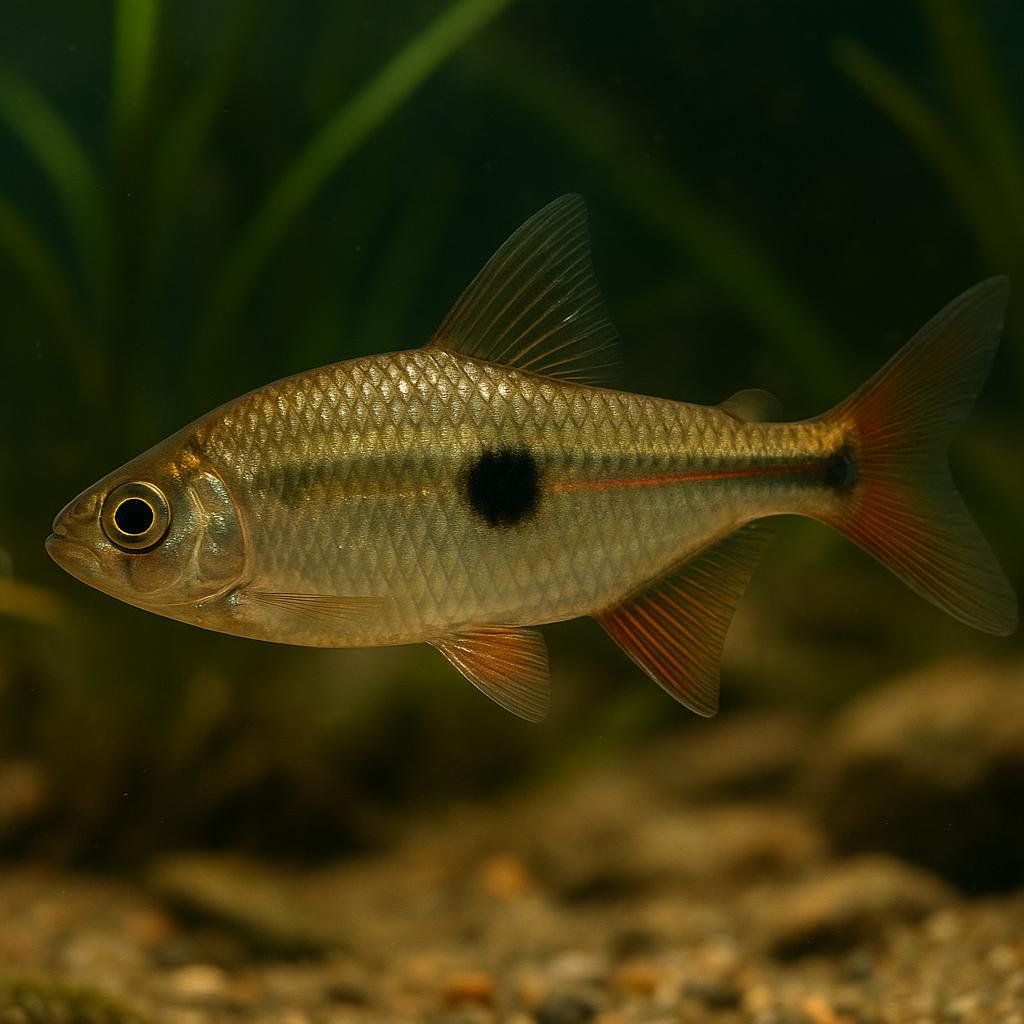
Small South American characin endemic to the upper rio Curuá (rio Xingu basin, Brazil). Reaches about 8.7 cm SL and inhabits clearwater rivers. Distinguished by dark dots on the bases of many lateral scales and a distinct dark caudal‑peduncle spot. Reported diet indicates omnivory, including aquatic insects, small fishes, and fragments of Podostemaceae and filamentous algae.
Altipedunculata stone loach
Schistura altipedunculata
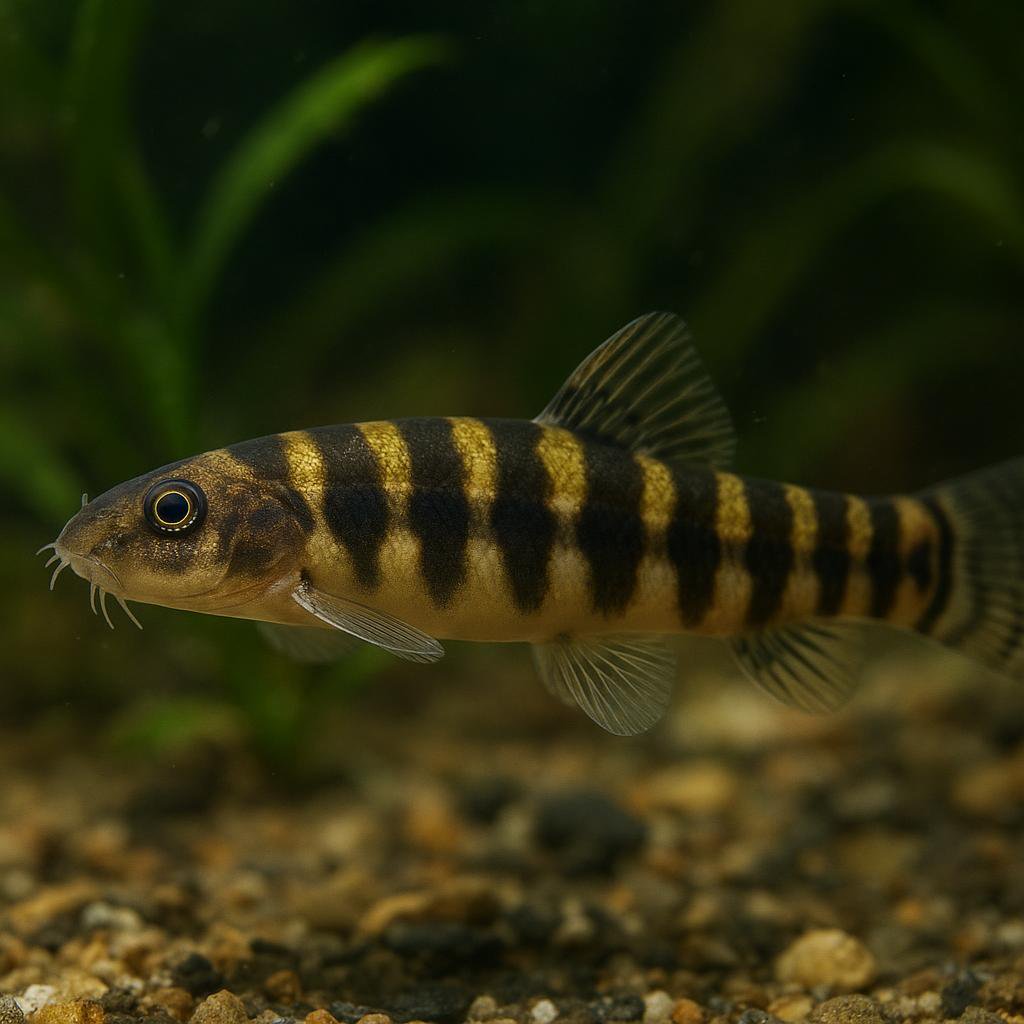
Schistura altipedunculata is one of those little stream loaches that wants clean, well-oxygenated water and a bunch of rock nooks to claim as home. It is a bottom-hugger that will spend its day scooting from crevice to crevice, and it tends to get a bit spicy with its own kind if you do not give it enough hiding spots.
American flagfish
Jordanella floridae
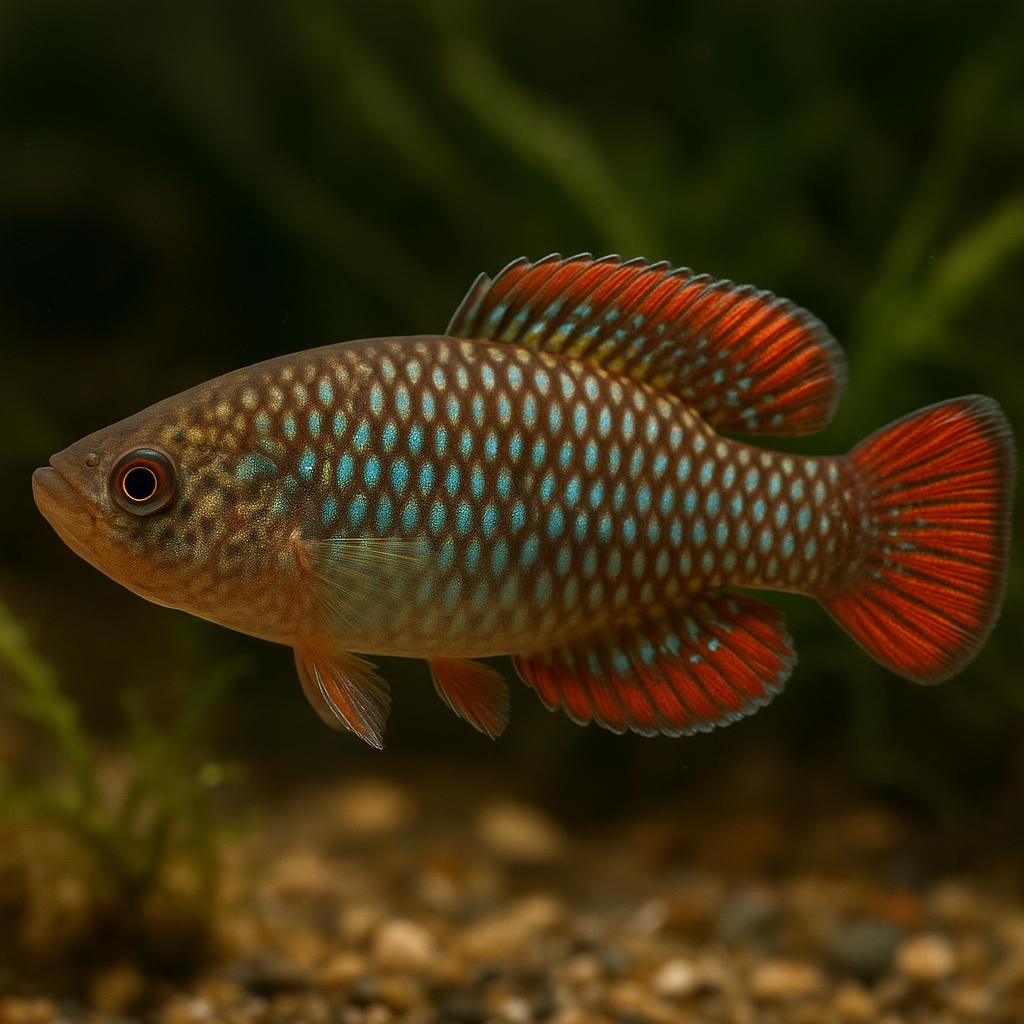
Jordanella floridae is that little Florida native with the red-and-cream striping that really does look like a tiny flag once a male colors up. They graze algae like champs (especially stringy/hair algae), but they have a bit of attitude - give them plants and space so the bossy behavior stays manageable. Bonus: the male guards the eggs and will actively fan them, which is pretty fun to watch.
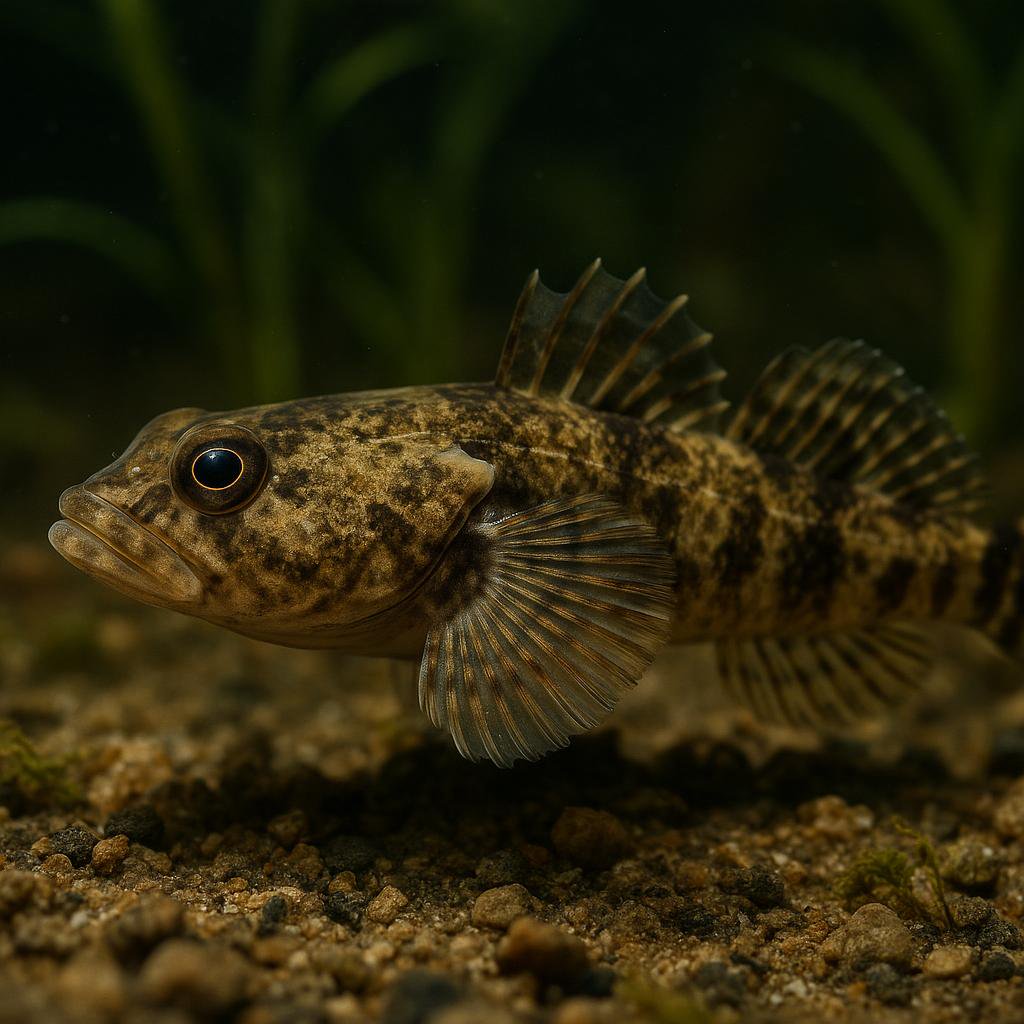
Amur sculpin
Alpinocottus szanaga
This is a little coldwater sculpin from the Amur drainage - a bottom-hugging, rock-and-gravel fish that spends its day wedged under stones and darting out to grab food. Super cool behavior and attitude, but it is absolutely not a warm tropical community fish - it wants chilly, fast, oxygen-rich water and will bicker with other bottom fish.
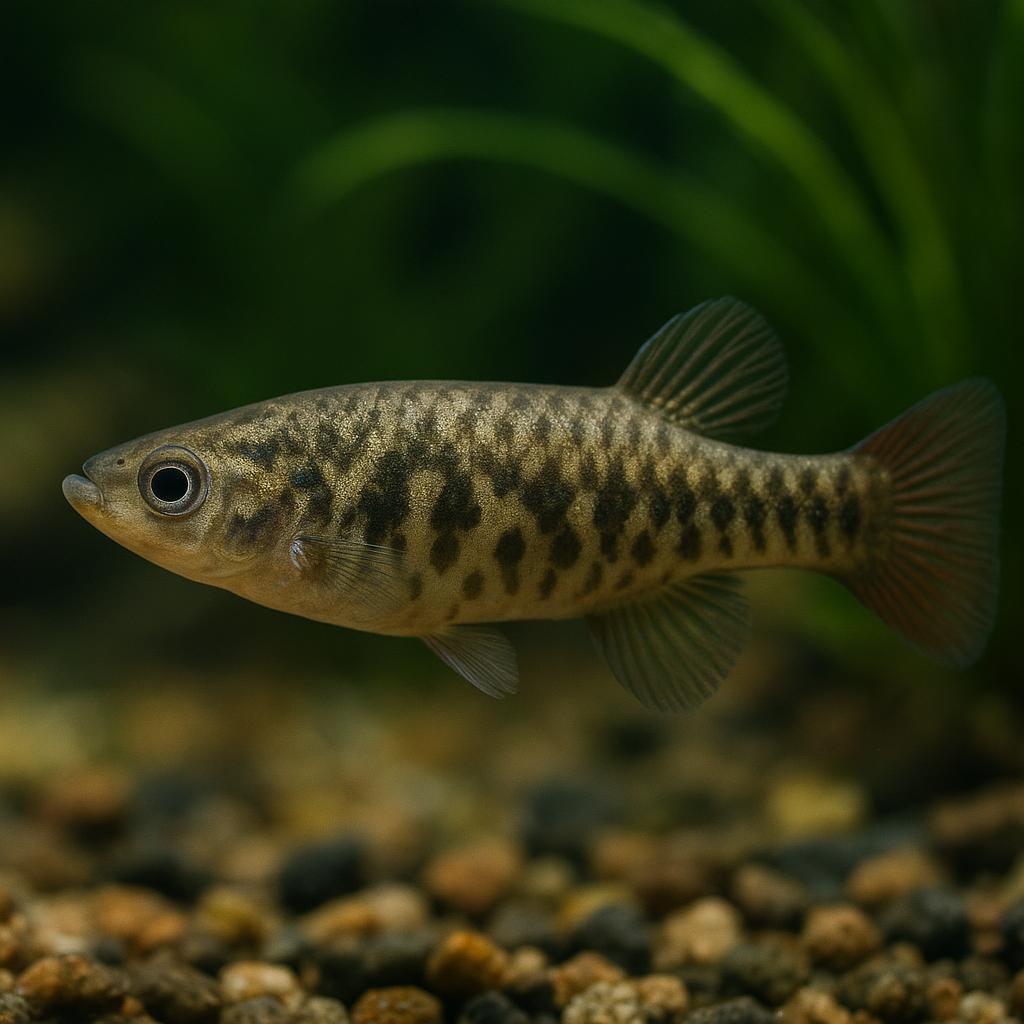
Anitápolis livebearer
Jenynsia weitzmani
Jenynsia weitzmani is a freshwater anablepid livebearer endemic to southern Brazil (currently known only from the type locality near Anitápolis, Santa Catarina). Like other Jenynsia (onesided livebearers), reproduction involves lateralized mating morphology/behavior; aquarium care guidance is not well-documented for this species specifically.
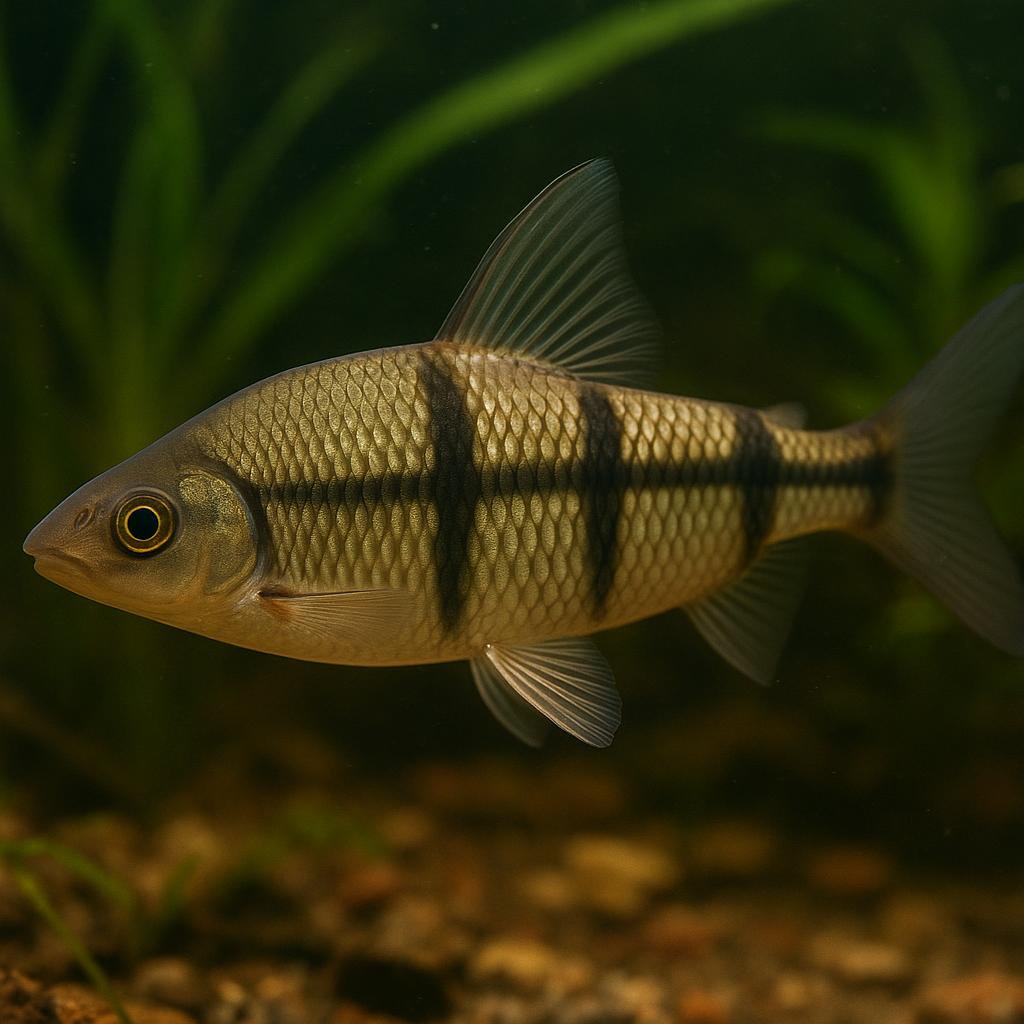
Aracu-comum
Schizodon vittatus
Schizodon vittatus is a large South American anostomid (family Anostomidae). Reported maximum size is about 35 cm standard length; it is harvested/consumed in parts of Brazil and is not commonly covered by mainstream aquarium husbandry references.
More to Explore
Discover more freshwater species.
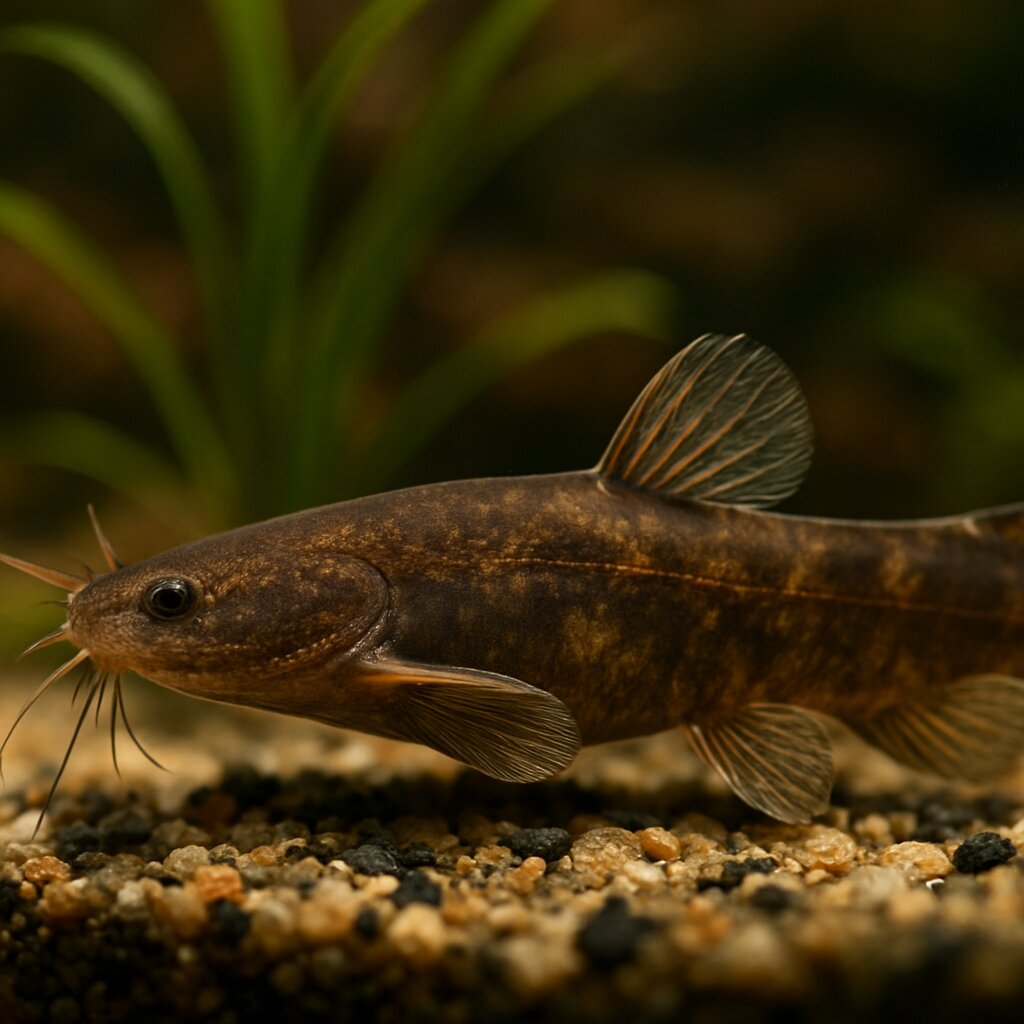
Amphilius dimonikensis
A small loach catfish endemic to the Mpoulou River in the Mayombe (Dimonika Biosphere Reserve), Republic of the Congo. Amphilius dimonikensis has a subtle banded pattern and inhabits fast, clear streams over rock and sand. In aquaria, prioritize strong, well-oxygenated flow with rounded stones and sand to mimic hillstream conditions.
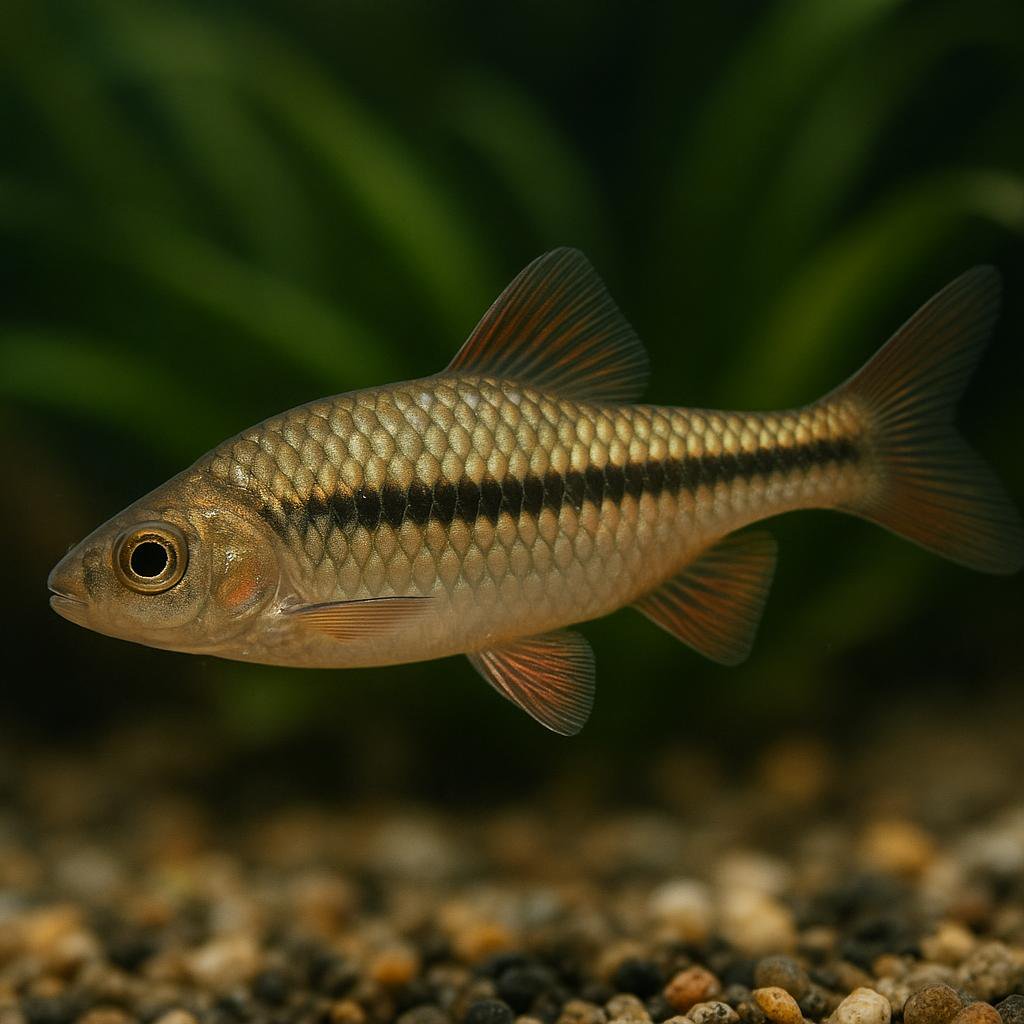
Aboina barb
Enteromius aboinensis
Enteromius aboinensis (the Aboina barb) is a small West African barb with a clean black midline stripe and a little spot right at the base of the tail. It does best when you treat it like a proper schooling fish - keep a decent group and give it plants around the edges with open swimming room in the middle.
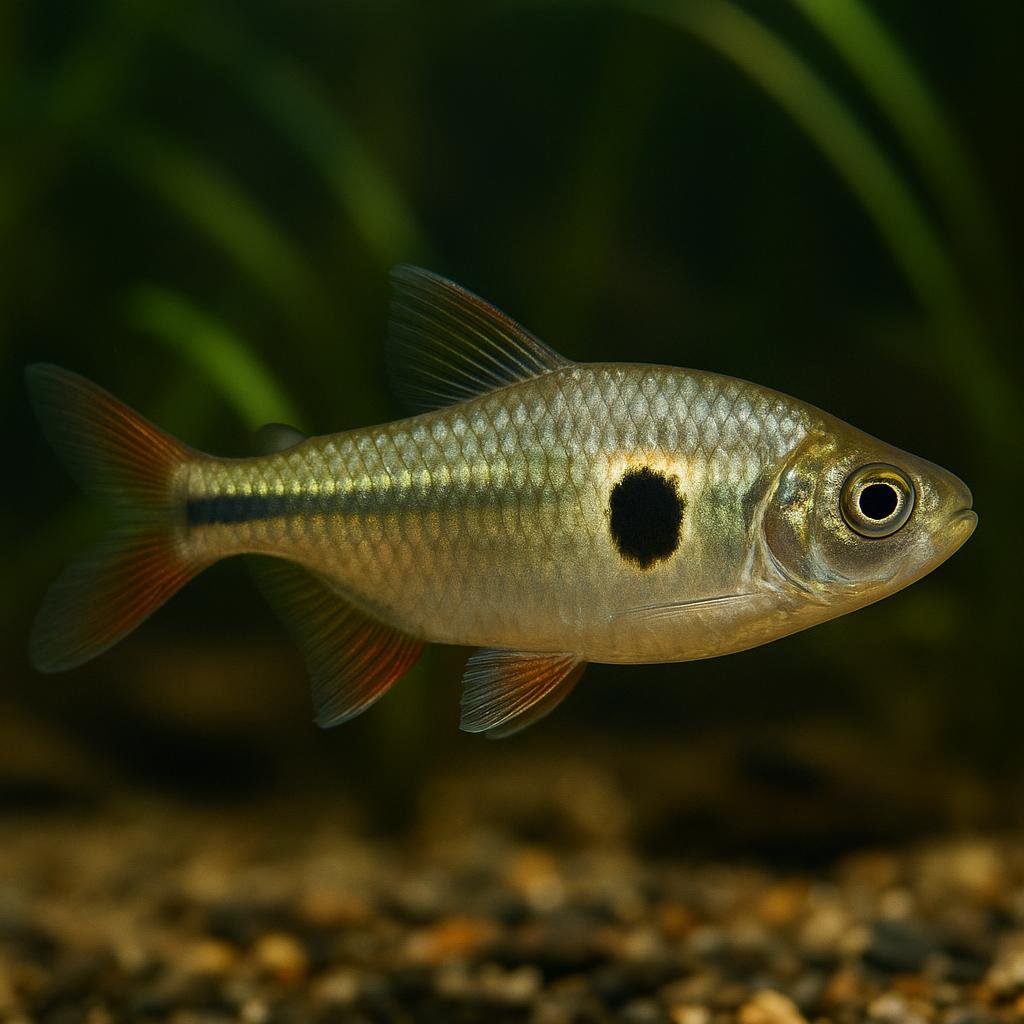
Ajuricaba tetra
Jupiaba ajuricaba
Jupiaba ajuricaba is a South American freshwater characin from the Amazon basin in Brazil (rio Negro, rio Solimões, and rio Tapajós basins). It reaches about 9.5 cm SL and is diagnosed by a narrow dark midlateral stripe, an elongated humeral spot, and an ocellated spot on the upper caudal-fin lobe. Wild specimens have been collected from blackwater forest streams and also oxbow-lake habitats.
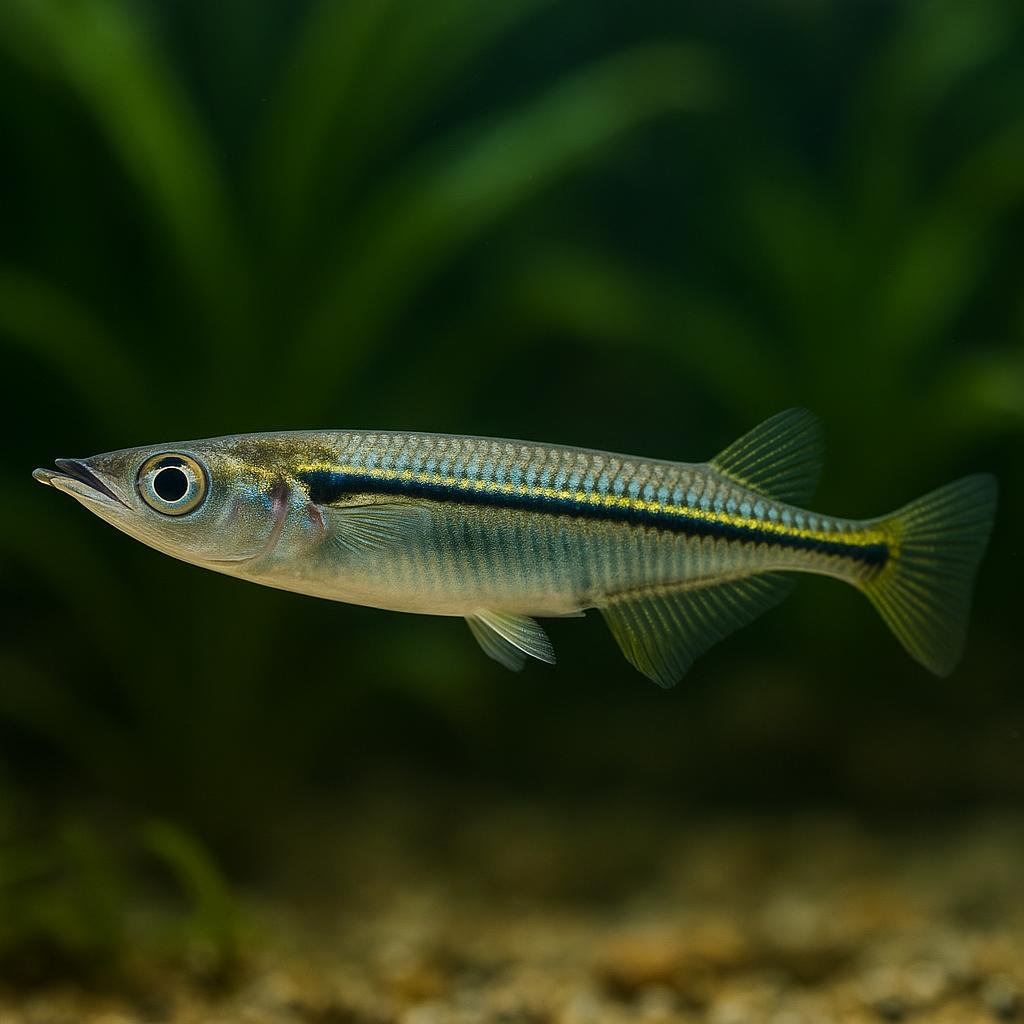
Allen's river garfish
Zenarchopterus alleni
A poorly known freshwater halfbeak endemic to West Papua (Mamberamo River), described from a single specimen (~13 cm SL). Beyond basic habitat/occurrence, little is published about its ecology or aquarium suitability; assume it is a surface-oriented, jump-prone halfbeak only by analogy with related taxa.
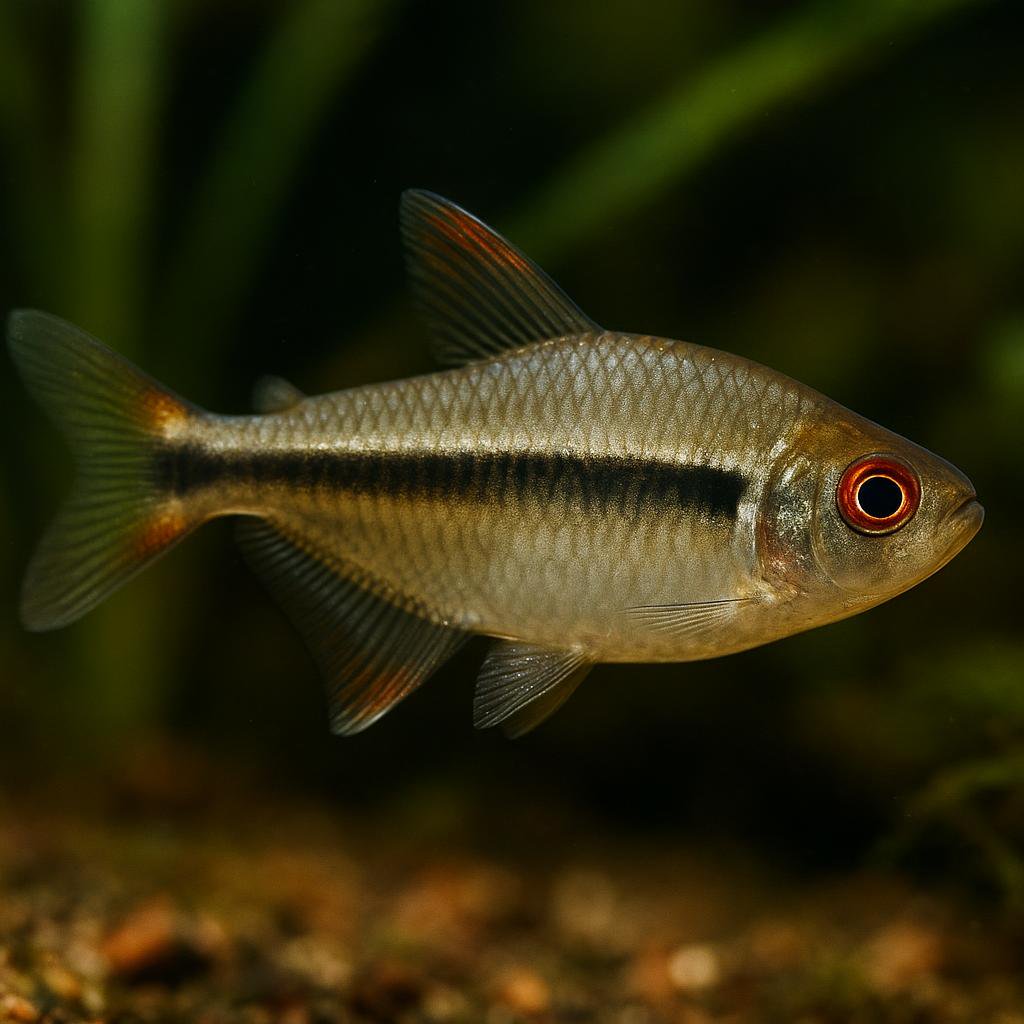
Amapa tetra
Hyphessobrycon amapaensis
This is a tiny, super sleek little tetra with a clean red stripe down the side that really pops once its settled in. It does best in a planted, slightly tinted "creek-style" setup and looks way cooler when you keep a proper group so they school and flash that line together. If you can give it soft, slightly acidic water and a calm community, its an easy fish to fall for.
Amatlan chub
Yuriria amatlana
Yuriria amatlana (the Amatlan chub) is a little Mexican native minnow from the Ameca River basin. Its wild range is pretty limited and it is listed as Endangered, so its care info in the aquarium hobby is basically nonexistent and its availability is usually low. In the original species description, preserved fish show a dark lateral stripe with a darker patch on the caudal peduncle, and they can have tiny barbels at the mouth corners.
Looking for other species?