

Mweru elephantfish
Campylomormyrus bredoi
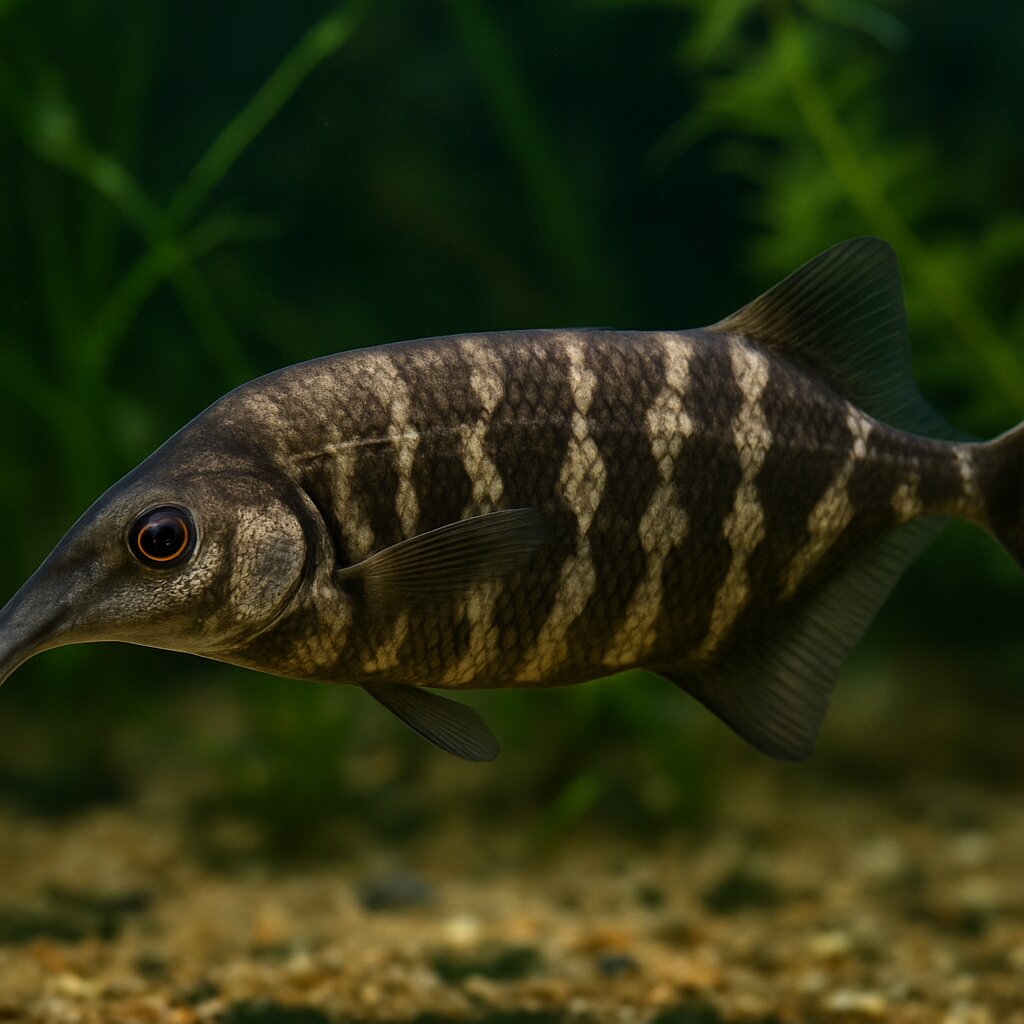
The Mweru elephantfish exhibits a slender, elongated body with a distinctively long, filamentous snout and a greyish-brown coloration.
This page includes AI-generated images. Why am I seeing AI images?
About the Mweru elephantfish
A big, long-snouted elephantfish from Lake Mweru that uses a built-in electric sense to navigate and even chat with other fish. It is a shy sand-sifter that thrives in a large, dim tank with soft, super-clean water and plenty of meaty foods.
Also known as
Quick Facts
Size
14.6 inches
Temperament
Semi-aggressive
Difficulty
Advanced
Min Tank Size
125 gallons
Lifespan
6-10 years
Origin
Central Africa
Diet
Carnivore - live or frozen worms, insect larvae, small crustaceans
Water Parameters
24-28°C
6-7.5
5-15 dGH
Need a heater for this species?
This species needs 24-28°C in a 125 gallon tank. Use our heater calculator to find the right wattage.
Calculate heater sizeCare Notes
- One adult needs a 4-foot tank (55 gal+) with a fine sand bed for snooting around - skip gravel or the snout gets shredded. Put a sponge prefilter on intakes so it does not get sucked in while foraging.
- Stack wood, pipes, and leaf litter to make dark lanes and hiding spots so it feels secure. Keep light low and use a tight lid; they spook and will jump.
- Run soft, very clean water: 24-27 C (75-81 F), pH 6.2-7.2, GH 1-6, nitrate under 20 ppm, TDS on the low side. Aim for gentle to moderate flow with strong aeration so oxygen stays high.
- Feed after lights dim using tongs or a feeding dish to target them - live blackworms, chopped earthworms, and frozen bloodworm or mysis all hit. Once it is taking food, blend in soft sinking carnivore pellets; flakes and floaters get ignored.
- Keep it solo unless you can manage a big group in a very large tank; many Campylomormyrus brawl with conspecifics. Avoid other electric fish like knifefish and most elephantnoses, and skip pushy cichlids; calm midwater Congo tetras make decent company.
- They are touchy with meds and do not tolerate copper or formalin well; if you must treat, use copper-free meds at reduced dose with extra air, or move them to a hospital tank.
- Only add them to a mature, stable tank and drip-acclimate slowly; ammonia, nitrite, or fast pH/TDS swings knock them out fast.
- Breeding in home aquariums is basically a no-go, as they rely on seasonal cues and huge space, so assume you will keep a single display fish.
Compatibility
Good Tankmates
- Steady midwater schools like Congo tetras or larger rasboras - they ignore the bottom and keep it calm for an elephantfish
- Peaceful top dwellers like marbled or silver hatchetfish - they hang up high and do not hassle night feeders
- Warm-water Corydoras, especially sterbai, in a decent group - share the sand and mind their own business
- Mellow Synodontis like upside-down cats or lucipinnis - night-active but not rough if you give multiple caves
- A single bristlenose pleco - solid algae helper that usually leaves scaleless fish alone if well fed
- Laid-back gouramis like pearls or thicklips - slow, non-nippy mid-upper swimmers
Avoid
- Nippy or pushy stuff like tiger barbs, serpae tetras, or red-tail sharks - they will stress and harass an elephantfish
- Aggressive cichlids (mbuna, jewel, convict, big Central Americans) - way too territorial for a shy bottom forager
- Other weakly electric fish and mormyrids (black ghost knife, baby whale, other elephantfish) - EOD clashes and turf fights
- Big night bullies or slime-suckers like common plecos, large Synodontis, or bichirs - outcompete and pester after lights out
Where they come from
Mweru elephantfish are from Lake Mweru and the Luapula River on the DR Congo-Zambia border. Think slow margins with fine sand, leaf litter, and tangled roots. The water is usually soft and a bit tea-stained. They use a weak electric field to find food in that murky, cluttered world.
Tank setup
Plan for a roomy, quiet setup. A single adult does best in at least a 4-foot tank (around 250 liters or more). They spook easily, so give them space and lots of cover.
- Temperature: 24-27 C
- pH: 6.0-7.4
- Hardness: soft to moderately soft (roughly 2-8 dGH)
- Flow: gentle, steady, with good oxygenation
- Lighting: low to moderate; they relax under dim light and tannins
Use fine sand. They sift constantly with that long snout, and gravel will chew it up. Add wood, leaf litter, and a few snug tubes or caves. A tight lid is a must; they will jump if startled.
Avoid rough substrate and sharp decor. A damaged snout gets infected fast and feeding becomes difficult. Also avoid copper-based meds and check for stray voltage from dodgy equipment; mormyrids are very sensitive.
Filtration should be strong but not blasting. I like a canister with a spray bar and a pre-filter sponge on the intake so they do not suck up sand. Keep things stable and clean. Weekly 30-50% water changes with matched temp and similar softness work well. A bit of leaf litter or botanicals helps them settle.
Quarantine new arrivals. If you ever need meds, pick ones labeled safe for scaleless fish and start at a reduced dose in a separate hospital tank.
What to feed them
In nature they pick tiny worms, insect larvae, and crustaceans at dusk. In the tank, most start on live foods and can be weaned to frozen. Pellets are hit-or-miss.
- Go-to foods: live blackworms, live or frozen bloodworms, frozen mysis, chopped earthworms (well-rinsed)
- Extras: finely chopped prawn, soft gel foods that soften in water
- Less useful as staples: adult brine shrimp (too light on nutrition), dry pellets (some individuals never take them)
Feed at lights-out or under very dim light. Target feeding with a turkey baster works great. I usually mix a few live worms with frozen to start the transition. Keep portions small, 2-3 times daily at first, and siphon leftovers so the sand stays clean.
Fast fish will rob them. Use a feeding tube or place food on a shallow dish so the elephantfish can find it quickly without chasing it around.
How they behave and who they get along with
They are shy, crepuscular fish that map the world with electricity. Once settled, they cruise the bottom and sift sand. Sudden light or banging near the tank will send them darting.
- Good matches: calm midwater schoolers that are not nippy and do not outcompete for food; a single specimen tank is often the easiest path
- Borderline: small, peaceful bottom fish that feed during the day and leave the sand at night; watch for food competition
- Avoid: barbs and other fin nippers, cichlids that guard territory, loaches and active catfish that bulldoze the bottom, knifefish, electric catfish, and other mormyrids in small tanks
They communicate with a weak electric discharge. Other electric fish can jam those signals, which causes stress and weird behavior. Mixing electric species is asking for headaches unless the tank is huge and carefully planned.
Breeding tips
This species is rarely bred at home. Sexing is tricky without experience, and courtship involves electric signaling. If you want to try, you will need a large, very quiet tank, soft water, heavy feeding, and seasonal cues.
- Condition a compatible pair or group on rich live and frozen foods.
- Provide deep sand, mops or fine plants, leaf litter, and very dim light.
- Simulate the rainy season: several large water changes over a week using slightly cooler, softer water.
- If eggs appear, remove adults or move the eggs; adults may eat them.
- Fry would start on tiny live foods (infusoria, then freshly hatched baby brine and microworms).
Do not expect quick wins here. Most reports of success come from public aquaria or very advanced keepers with dedicated setups and careful water chemistry control.
Common problems to watch for
- Not eating: new fish often ignore prepared foods. Offer live blackworms or bloodworms at night to get them started, then mix in frozen.
- Snout injuries: happen on gravel or sharp decor. Switch to fine sand and keep the front glass algae-free so they do not scrape while probing.
- Medication sensitivity: copper, formalin, and many dye-based meds hit them hard. Treat in a hospital tank with products safe for scaleless fish and crank up aeration.
- Nitrate creep: they sulk and go off food when nitrate creeps high. Aim to keep it low with regular water changes and light feeding.
- Bullying or food theft: if tankmates eat everything midwater, the elephantfish slowly starves. Rework the stocking or feeding method.
- Light stress: bright, open tanks make them pace and dash. Add cover and dim the lights.
- Jumping: they bolt through tiny gaps. Cover every opening.
- Parasites from live foods: source live worms carefully and rinse them well before feeding.
Acclimate slowly. I drip for 45-60 minutes, keep the lights off the first day, and offer a small meal after dark. Patience here pays off.
Similar Species
Other freshwater semi-aggressive species you might be interested in.
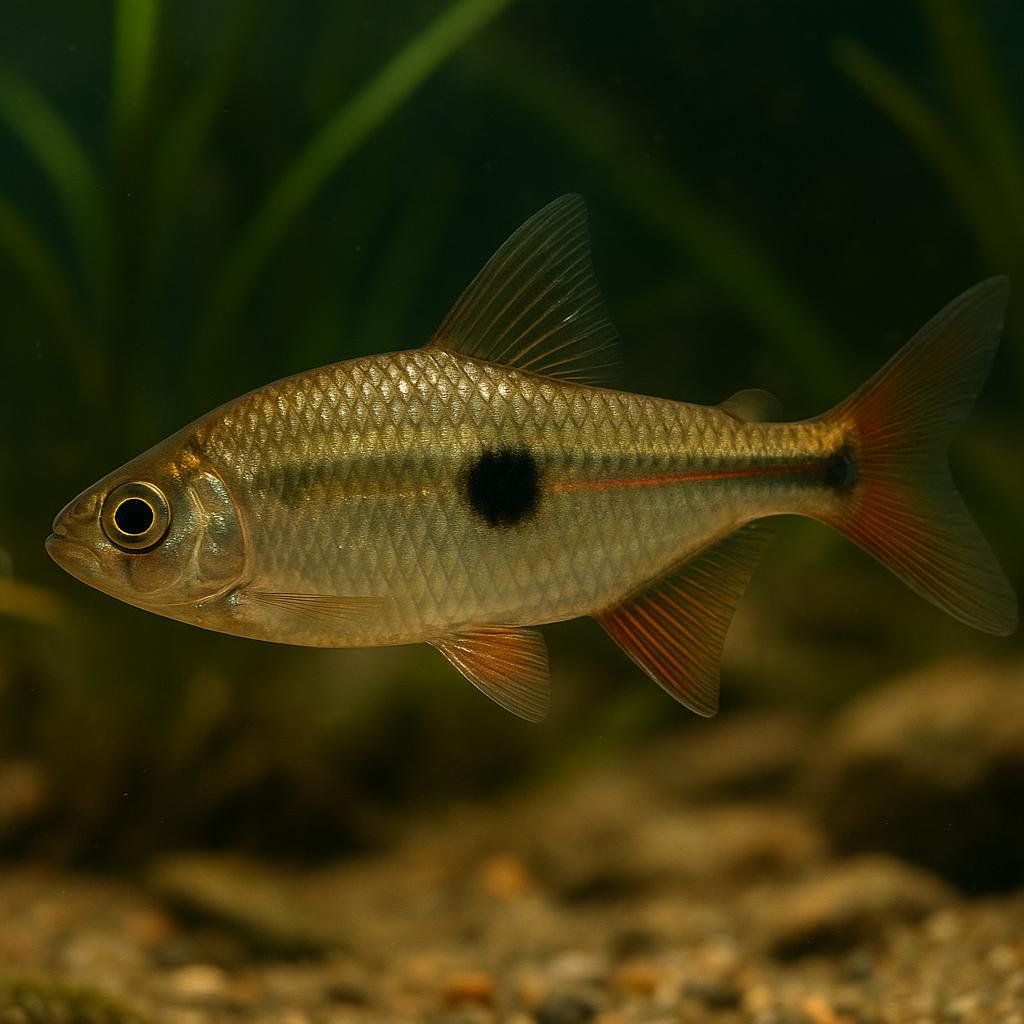
Jupiaba kurua
Small South American characin endemic to the upper rio Curuá (rio Xingu basin, Brazil). Reaches about 8.7 cm SL and inhabits clearwater rivers. Distinguished by dark dots on the bases of many lateral scales and a distinct dark caudal‑peduncle spot. Reported diet indicates omnivory, including aquatic insects, small fishes, and fragments of Podostemaceae and filamentous algae.
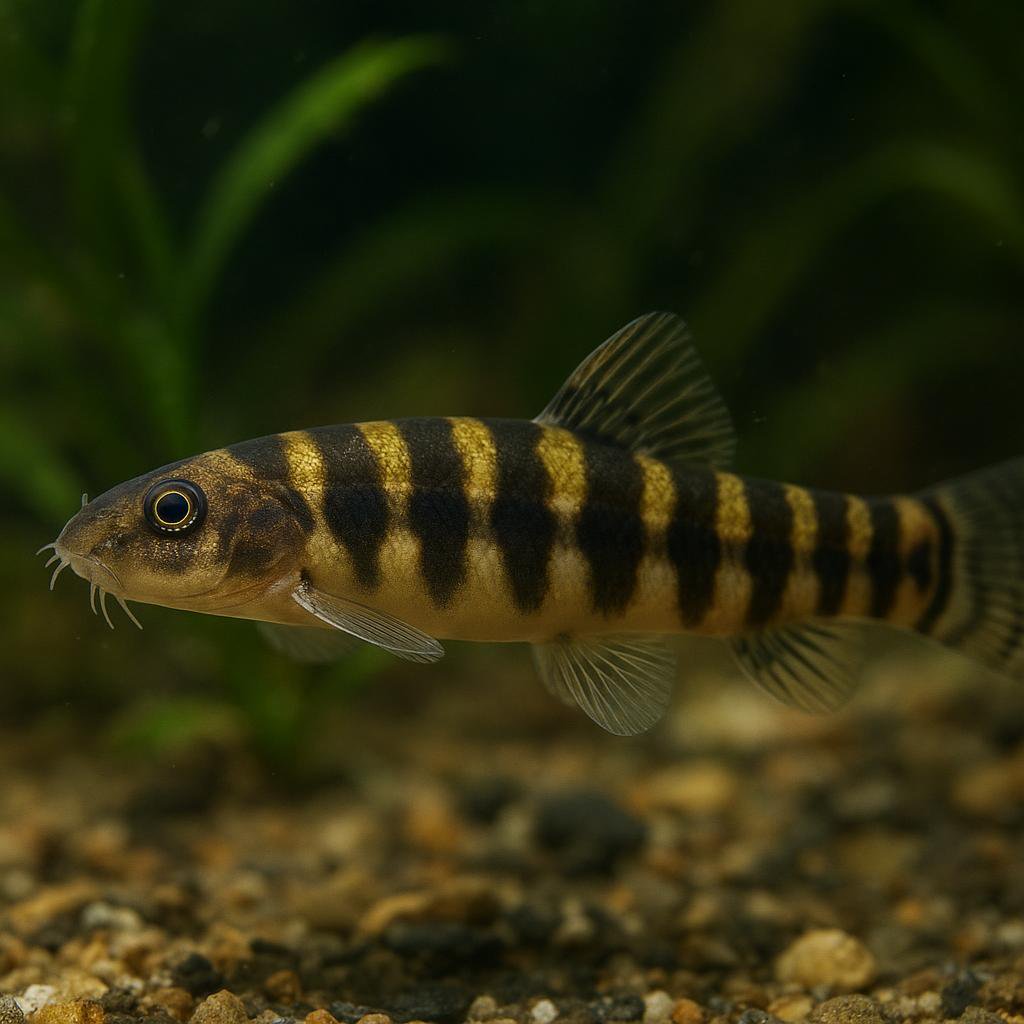
Altipedunculata stone loach
Schistura altipedunculata
Schistura altipedunculata is one of those little stream loaches that wants clean, well-oxygenated water and a bunch of rock nooks to claim as home. It is a bottom-hugger that will spend its day scooting from crevice to crevice, and it tends to get a bit spicy with its own kind if you do not give it enough hiding spots.
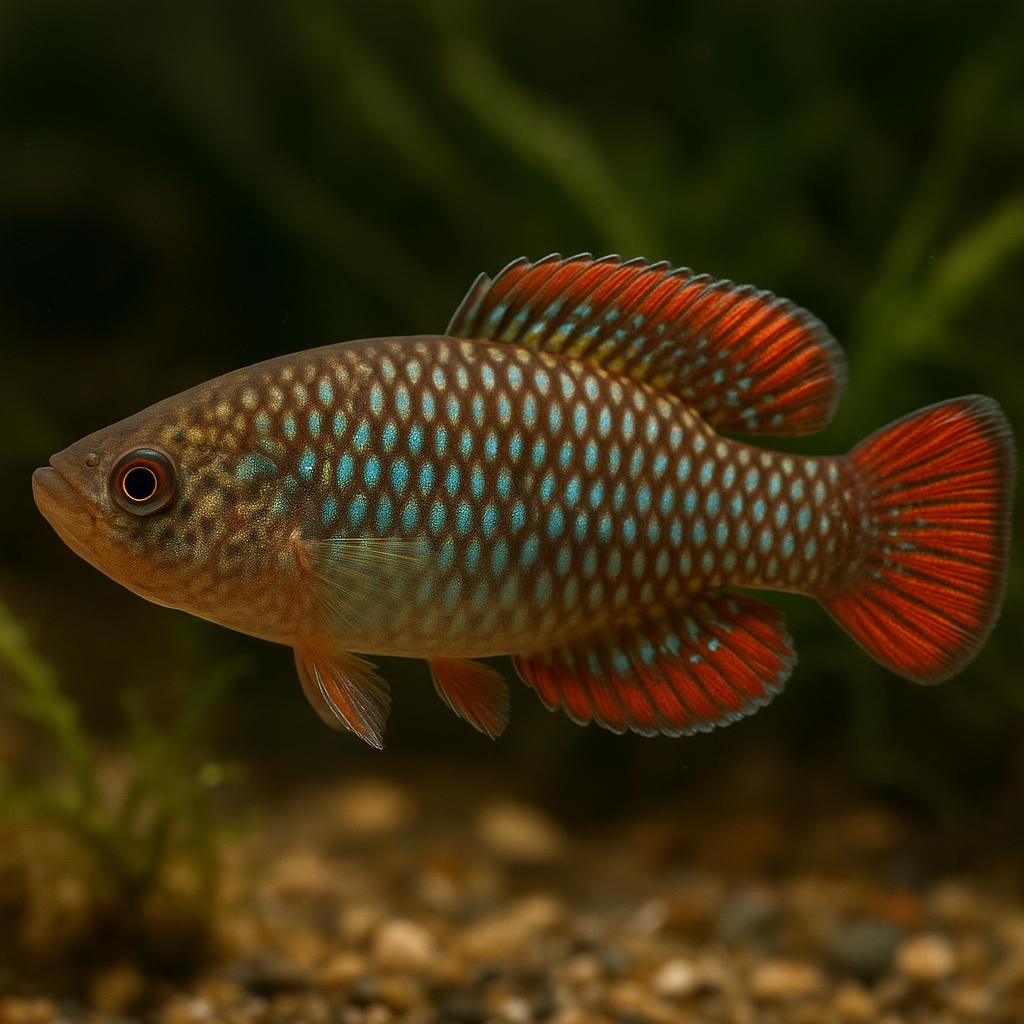
American flagfish
Jordanella floridae
Jordanella floridae is that little Florida native with the red-and-cream striping that really does look like a tiny flag once a male colors up. They graze algae like champs (especially stringy/hair algae), but they have a bit of attitude - give them plants and space so the bossy behavior stays manageable. Bonus: the male guards the eggs and will actively fan them, which is pretty fun to watch.
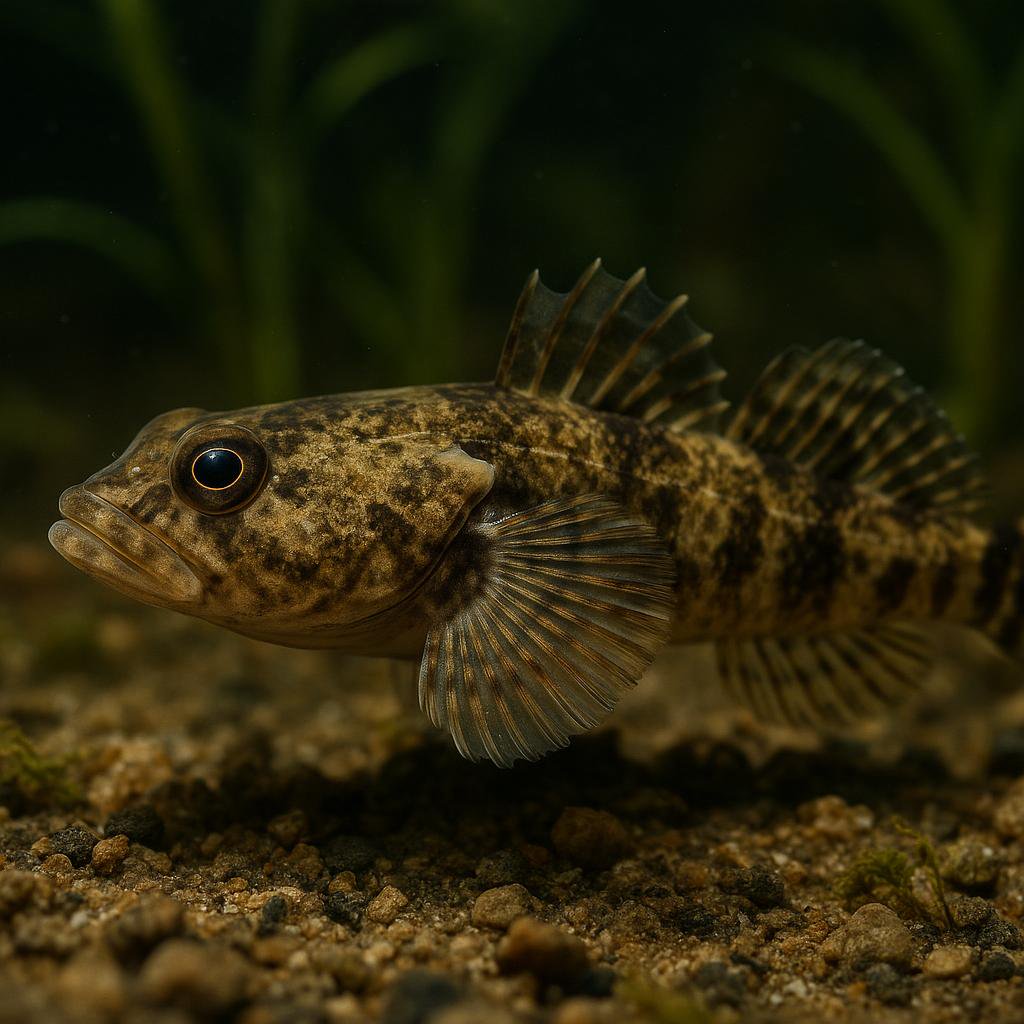
Amur sculpin
Alpinocottus szanaga
This is a little coldwater sculpin from the Amur drainage - a bottom-hugging, rock-and-gravel fish that spends its day wedged under stones and darting out to grab food. Super cool behavior and attitude, but it is absolutely not a warm tropical community fish - it wants chilly, fast, oxygen-rich water and will bicker with other bottom fish.
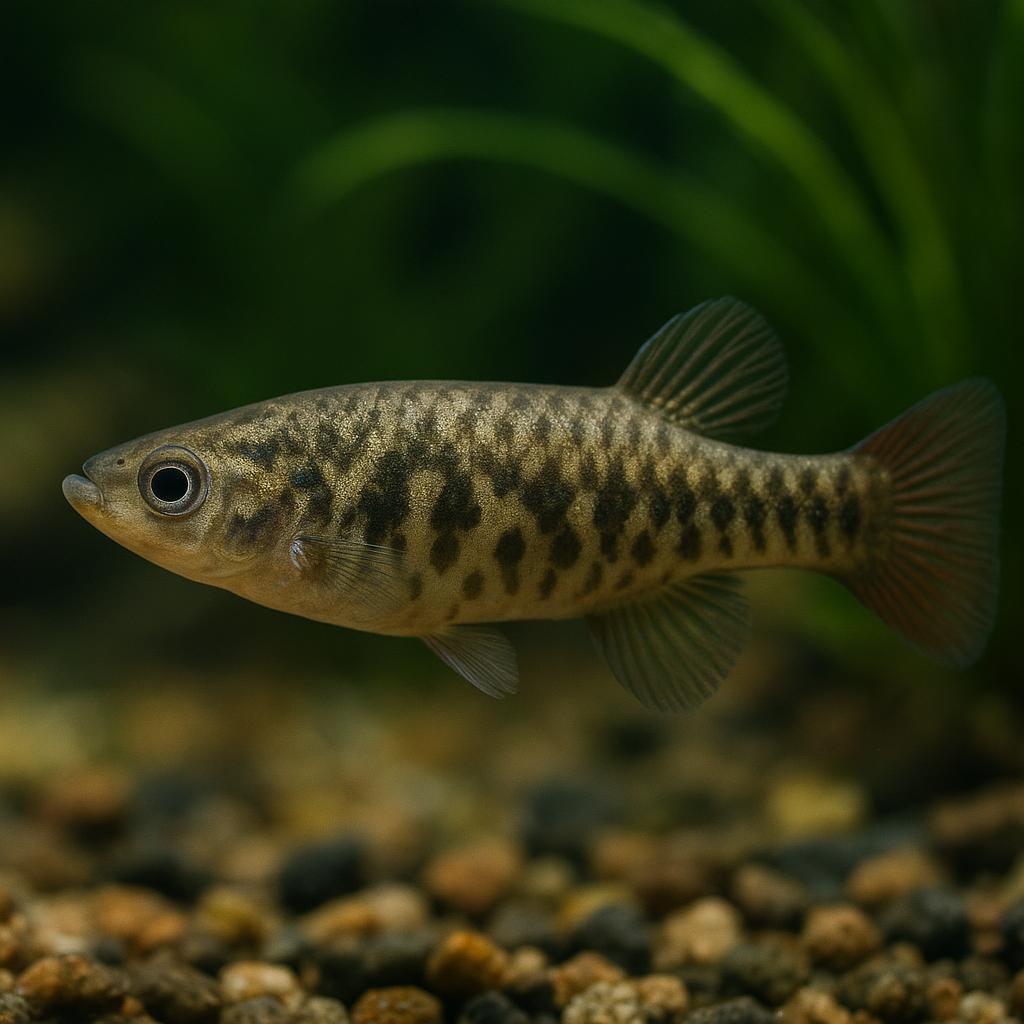
Anitápolis livebearer
Jenynsia weitzmani
Jenynsia weitzmani is a freshwater anablepid livebearer endemic to southern Brazil (currently known only from the type locality near Anitápolis, Santa Catarina). Like other Jenynsia (onesided livebearers), reproduction involves lateralized mating morphology/behavior; aquarium care guidance is not well-documented for this species specifically.
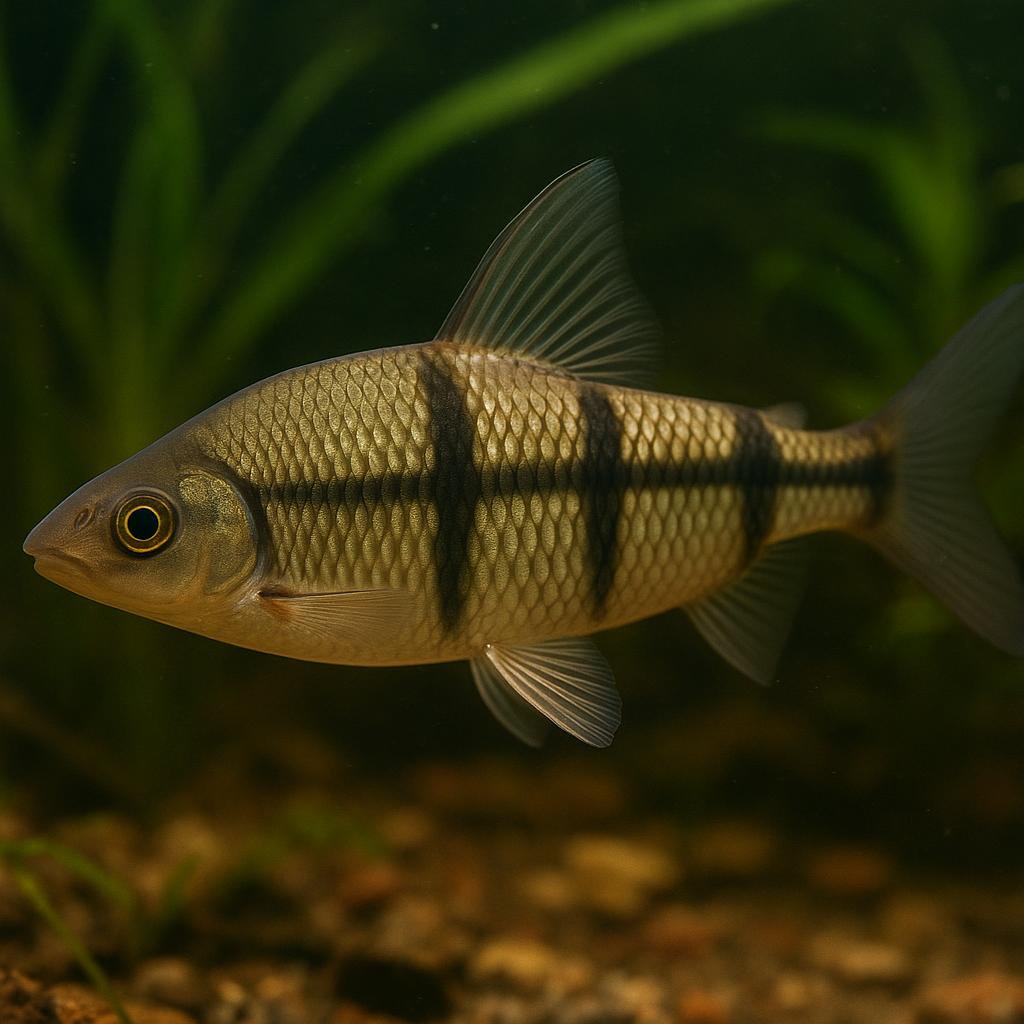
Aracu-comum
Schizodon vittatus
Schizodon vittatus is a large South American anostomid (family Anostomidae). Reported maximum size is about 35 cm standard length; it is harvested/consumed in parts of Brazil and is not commonly covered by mainstream aquarium husbandry references.
More to Explore
Discover more freshwater species.
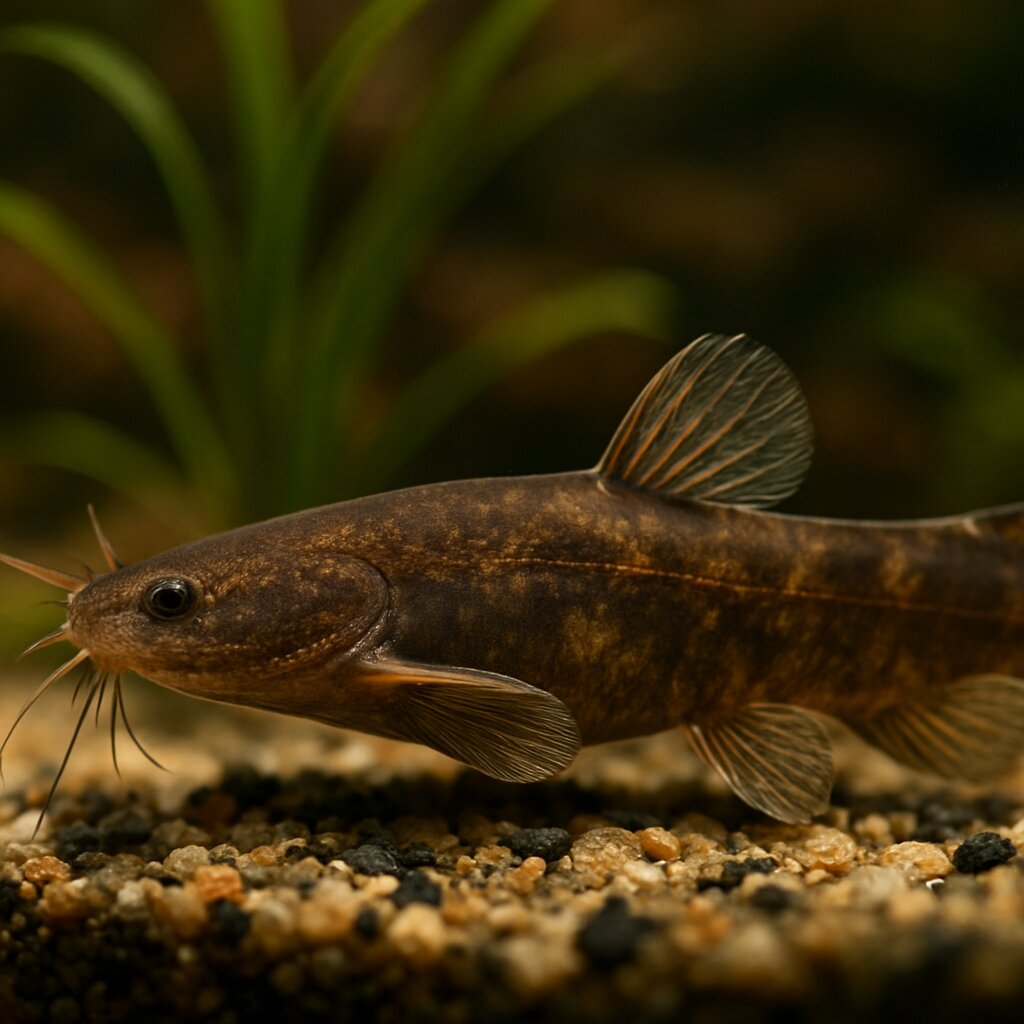
Amphilius dimonikensis
A small loach catfish endemic to the Mpoulou River in the Mayombe (Dimonika Biosphere Reserve), Republic of the Congo. Amphilius dimonikensis has a subtle banded pattern and inhabits fast, clear streams over rock and sand. In aquaria, prioritize strong, well-oxygenated flow with rounded stones and sand to mimic hillstream conditions.
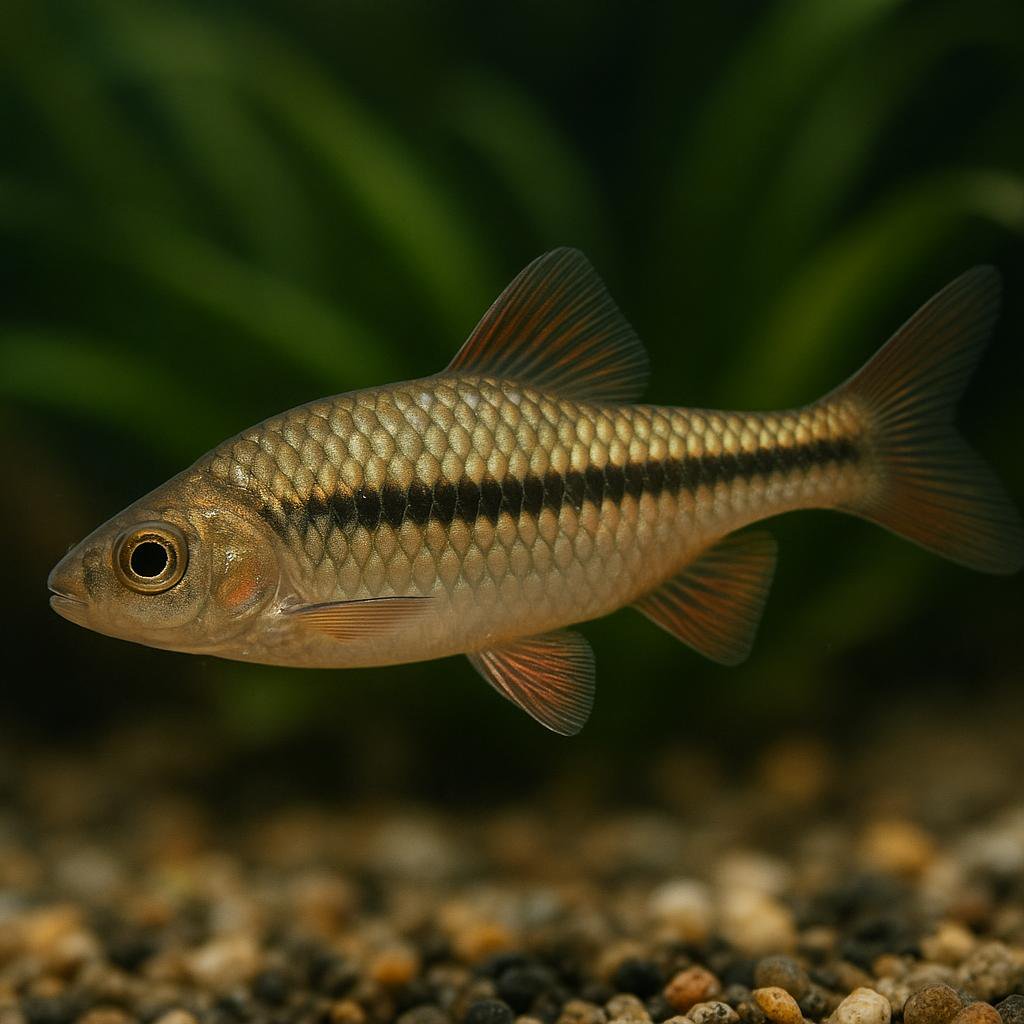
Aboina barb
Enteromius aboinensis
Enteromius aboinensis (the Aboina barb) is a small West African barb with a clean black midline stripe and a little spot right at the base of the tail. It does best when you treat it like a proper schooling fish - keep a decent group and give it plants around the edges with open swimming room in the middle.
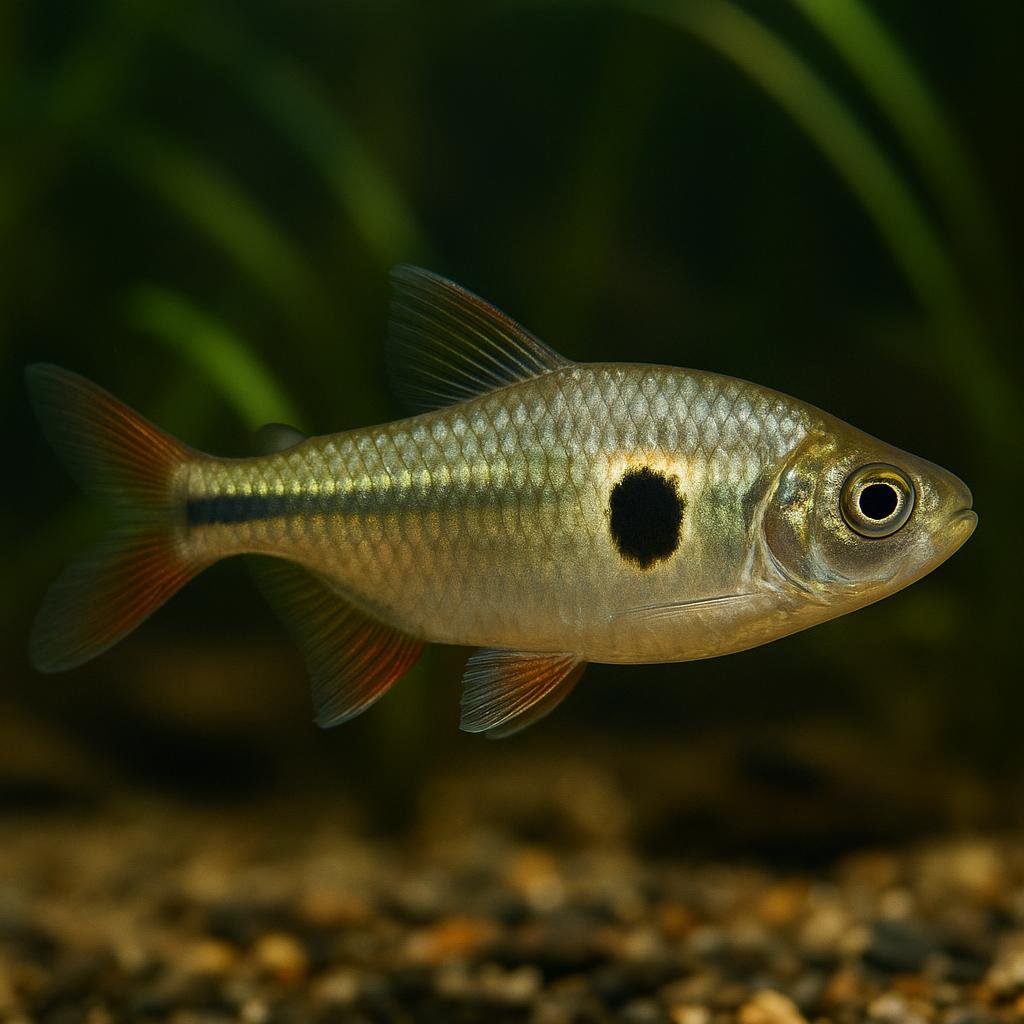
Ajuricaba tetra
Jupiaba ajuricaba
Jupiaba ajuricaba is a South American freshwater characin from the Amazon basin in Brazil (rio Negro, rio Solimões, and rio Tapajós basins). It reaches about 9.5 cm SL and is diagnosed by a narrow dark midlateral stripe, an elongated humeral spot, and an ocellated spot on the upper caudal-fin lobe. Wild specimens have been collected from blackwater forest streams and also oxbow-lake habitats.
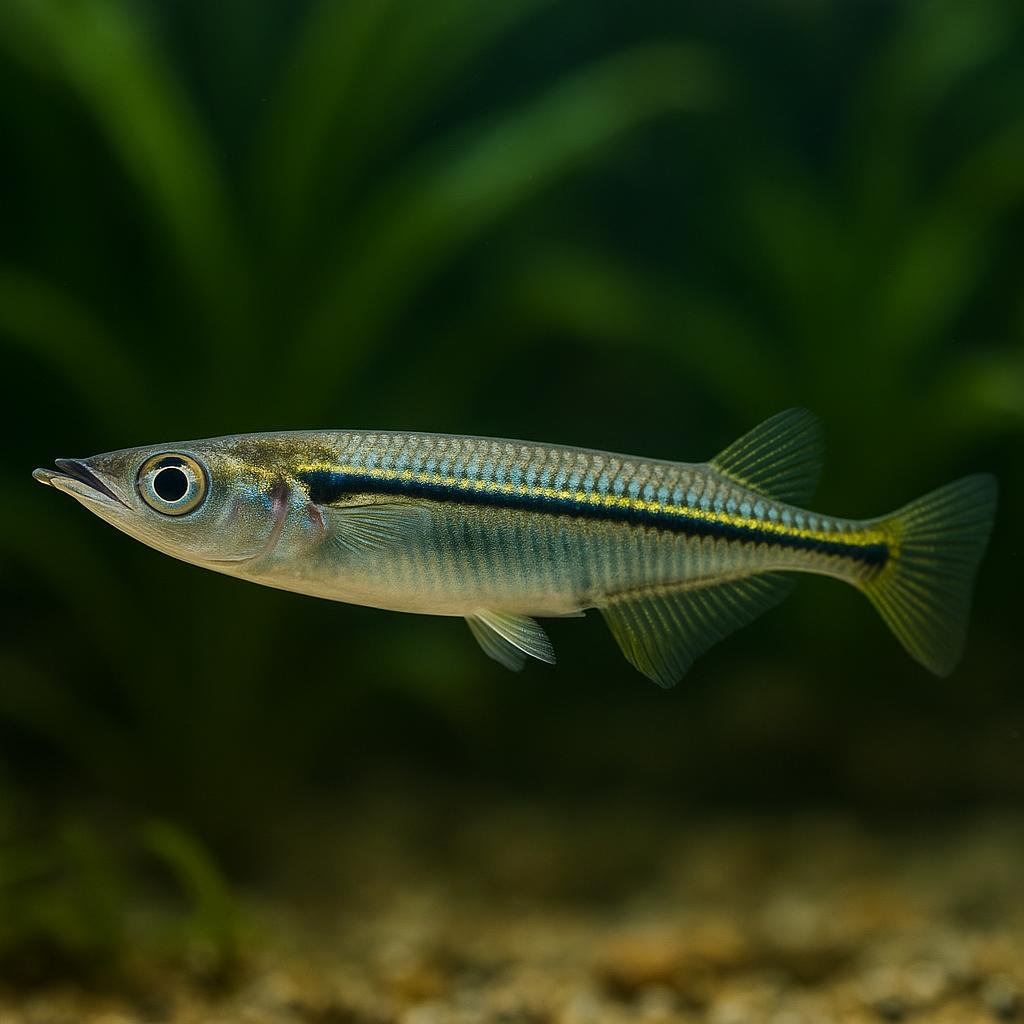
Allen's river garfish
Zenarchopterus alleni
A poorly known freshwater halfbeak endemic to West Papua (Mamberamo River), described from a single specimen (~13 cm SL). Beyond basic habitat/occurrence, little is published about its ecology or aquarium suitability; assume it is a surface-oriented, jump-prone halfbeak only by analogy with related taxa.
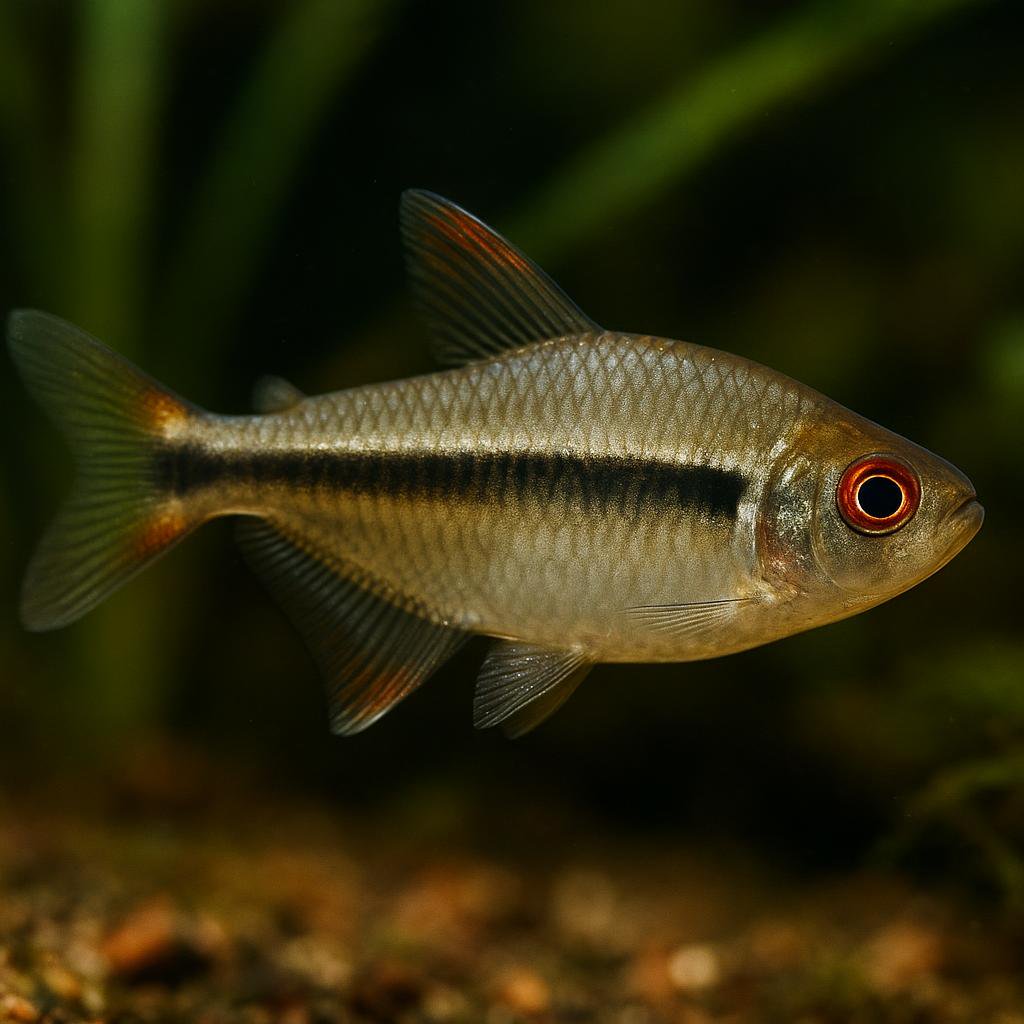
Amapa tetra
Hyphessobrycon amapaensis
This is a tiny, super sleek little tetra with a clean red stripe down the side that really pops once its settled in. It does best in a planted, slightly tinted "creek-style" setup and looks way cooler when you keep a proper group so they school and flash that line together. If you can give it soft, slightly acidic water and a calm community, its an easy fish to fall for.
Amatlan chub
Yuriria amatlana
Yuriria amatlana (the Amatlan chub) is a little Mexican native minnow from the Ameca River basin. Its wild range is pretty limited and it is listed as Endangered, so its care info in the aquarium hobby is basically nonexistent and its availability is usually low. In the original species description, preserved fish show a dark lateral stripe with a darker patch on the caudal peduncle, and they can have tiny barbels at the mouth corners.
Looking for other species?