

Kabunda elephantfish
Campylomormyrus luapulaensis
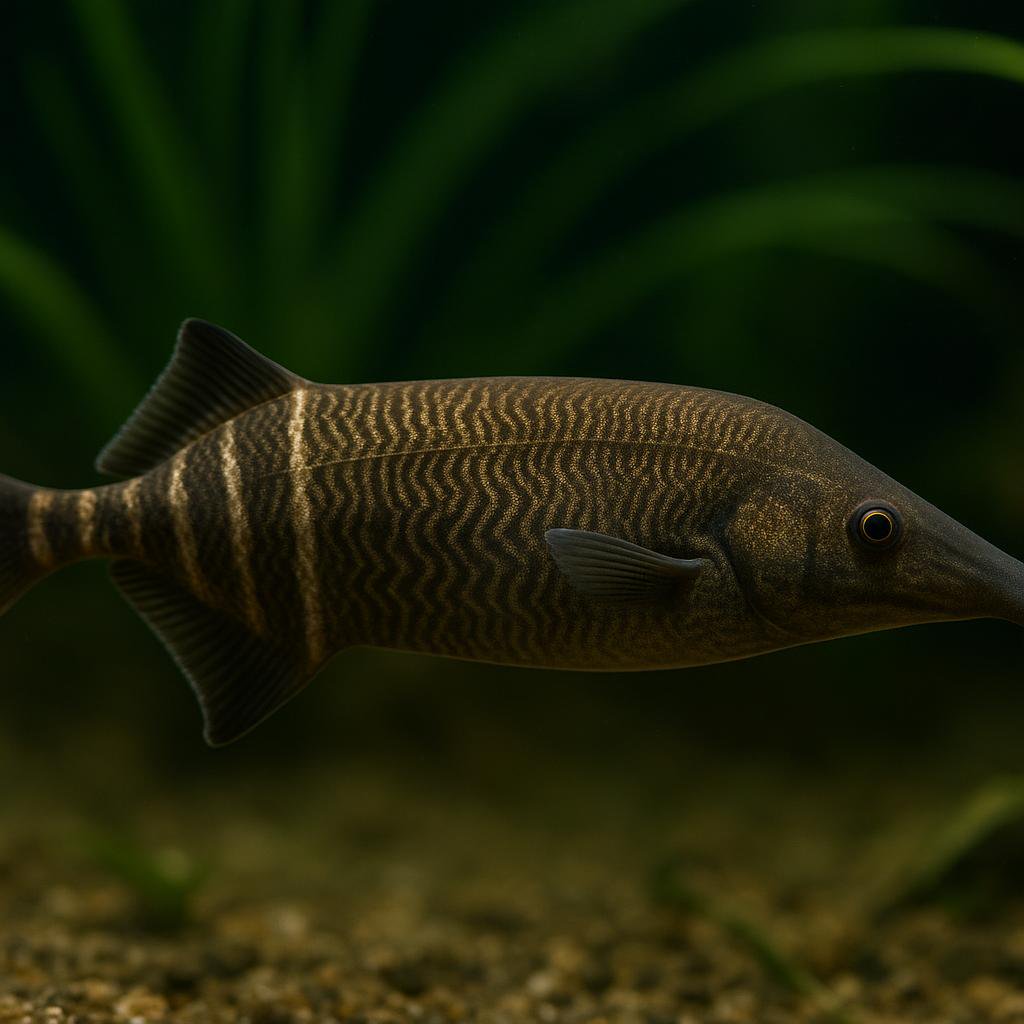
The Luapula elephantfish features a long, slender body, dark gray coloration, and a distinctive elongated snout with pronounced sensory barbels.
This page includes AI-generated images. Why am I seeing AI images?
About the Kabunda elephantfish
This is one of those super-weird, super-cool African elephantfish (a weakly electric mormyrid) from the Luapula River system. It cruises around using electricity to "see" in the dark and probe the bottom with that long snout, so it really shines in a dim, sandy, hiding-spot-heavy tank where it can act natural.
Also known as
Quick Facts
Size
22 cm (8.7 in) TL
Temperament
Semi-aggressive
Difficulty
Expert
Min Tank Size
75 gallons
Lifespan
6-10 years
Origin
Africa (Upper Congo basin – Luapula River; DR Congo and Zambia); also reported from Luembe (Kasai tributary, Angola)
Diet
Carnivore/invertivore - small worms and insect larvae; offer frozen/live foods like bloodworms, blackworms, and meaty sinking foods
Water Parameters
24-28°C
6-7.5
2-12 dGH
Need a heater for this species?
This species needs 24-28°C in a 75 gallon tank. Use our heater calculator to find the right wattage.
Calculate heater sizeCare Notes
- Give it a big footprint and dim vibes—think 75+ gallons, lots of leaf litter and driftwood, and a wide sandy area to root around in; the sensitive trunk/snout and scaleless skin can be damaged by coarse or sharp substrate.
- Keep the water on the soft, slightly acidic side (about pH 6.0-7.0, low GH/KH) and keep nitrate very low; they crash fast in old, dirty water, so plan on strong filtration plus regular water changes.
- They are electric-sense hunters, so feed after lights-out: blackworms, earthworms, chopped mussel/shrimp, and good frozen (bloodworms, brine, mysis) - most ignore flakes/pellets or take them only after months.
- Do not keep them with fin-nippers or hyperactive feeders (barbs, many cichlids) because they will get outcompeted; calm tankmates that do not steal food are the move, and avoid other mormyrids unless you know what you are doing.
- Cover every gap - they can launch when startled and they wedge into tight spots; use sponge prefilters on intakes because they will cruise the glass and get sucked in.
- Watch for bullying and electrical-stress behavior: constant hiding, refusing food, or frantic darting usually means too bright, too noisy (vibration), or tankmates are pushing it around.
- Breeding in home tanks is basically a unicorn; if you ever see courtship, it is usually triggered by big cool-water changes and heavy feeding, but raising fry is a whole separate project with tiny live foods and very clean water.
- Avoid copper- or formalin-based medications unless absolutely necessary and used with extreme care; mormyrids are often sensitive to chemical treatments.
- Avoid housing with other weakly electric fishes (e.g., ghost knifefish); overlapping electric fields can cause chronic stress and interference.
Compatibility
Good Tankmates
- Medium-to-large, calm midwater fish like Congo tetras or good-sized African tetras - fast enough to stay out of the elephantfish's way, not usually fin-nippy if you pick the right species, and they dont compete hard for the same food.
- Peaceful Synodontis catfish (the not-crazy ones) - they keep to themselves, handle the same water, and wont freak out the elephantfish at night the way hyper predators can.
- Bristlenose pleco or other mellow, armor-plated algae grazers - they mostly mind their own business, and the elephantfish usually ignores them as long as there are hides for everyone.
- Non-aggressive cichlids that arent super territorial, like a single Severum (in a roomy tank) - the key is one chill centerpiece, not a tank full of brawlers. They can coexist if the cichlid is not a cave-guarding maniac.
- Bigger, laid-back barbs or rainbows (think species that are active but not bitey) - they stay in the open water, dont stalk at night, and wont sit on the bottom where the elephantfish is hunting.
Avoid
- Conspecifics or other mormyrids in small groups; keep singly or only as a larger group (5+ individuals) in a very large, complex tank to diffuse aggression.
- Fin-nippers like tiger barbs, some serpae-type tetras, or anything that likes to 'test bite' - stress goes way up and the elephantfish will stop coming out to feed, then you get a skinny ghost fish.
- Very tiny fish and fry; generally peaceful toward small midwater species because diet is primarily benthic invertebrates, but avoid the tiniest nano fish that could be mistaken for prey.
- Hardcore territorial or aggressive cichlids (mature mbuna, many Central Americans, nasty convicts/jacks, etc.) - they will claim the bottom, harass constantly, and the elephantfish just cant compete for space or food.
- Other bottom predators that hog the same nighttime feeding lane - knifefish, big predatory catfish, or anything that bulldozes for worms - you end up with a stressed elephantfish that never gets enough to eat.
Where they come from
Luapula elephantfish (Campylomormyrus luapulaensis) are mormyrids from the Luapula River system in central Africa, tied into the Congo basin. Think tea-stained water, lots of tangled roots, soft bottoms, and low light. They are built for feeling their way around more than watching everything like a cichlid does.
They use a weak electric field to navigate and hunt. That is not just a fun fact - it drives almost every choice you make in the tank.
Setting up their tank
If you have never kept an elephantfish, plan the tank around calm, dark, clean water and lots of hiding spots. These fish settle in way faster when they can disappear whenever they want.
- Tank size: I would not bother under 75 gallons for a single adult. Bigger is easier because they spook less and you can build more cover.
- Substrate: fine sand. They probe and nose around, and coarse gravel leads to damaged snouts and stress.
- Lighting: dim. Floating plants, tinted water (catappa leaves, alder cones), and shaded areas help a lot.
- Hardscape: smooth driftwood, root tangles, and caves with wide entrances. Give them routes, not dead ends.
- Flow and filtration: moderate flow, strong biofiltration. They like clean water but not a river torrent.
- Cover: a tight lid. They can jump when startled, especially the first month.
Skip sharp rocks and spiky decor. These guys are all face and belly, and they will wedge into places you did not think were possible.
Water chemistry does not need to be weird, but it needs to be stable. Soft to moderately hard is fine. Slightly acidic to neutral is where I have had the easiest time getting them to eat and relax. What matters more is low nitrate and lots of oxygen.
- Temperature: 25-28 C (77-82 F)
- pH: roughly 6.0-7.5
- Hardness: soft to medium (they adapt, but avoid extremes)
- Nitrate: keep it low. I try to stay under 20 ppm, lower if you can.
They hate sudden changes. Do smaller, more frequent water changes instead of big swings. A drip acclimation on arrival saves a lot of headaches too.
One more thing people miss: electrical noise. Mormyrids read the world through their electric sense, and some equipment can make them act weird. Most modern heaters and filters are fine, but if your fish is constantly twitchy, hiding 24/7, or refusing food, try changing one device at a time (heater first is a common culprit) and check for stray voltage.
What to feed them
They are predators and picky in that classic elephantfish way. Mine rarely cared about flakes or pellets. They want meaty, sinky food they can sniff out.
- Staples: earthworms (chopped), blackworms, live or frozen bloodworms, tubifex (from a trusted source), mysis, chopped shrimp
- Good extras: small pieces of fish or clam, insect larvae
- Training foods: sinking carnivore pellets can work, but you usually have to mix them into frozen foods and be patient
Feed after lights-out or at least at dusk. If you drop food in bright light with boisterous tankmates, the elephantfish often never gets a chance.
I like to target feed with long tweezers or a turkey baster. You will learn their routine fast - they start cruising the bottom once they know food is coming. Smaller meals more often works better than one giant dump, especially while they are new and skittish.
Watch the belly and the weight along the back. A new elephantfish can look fine for weeks while slowly starving if it never really starts eating. If you are not seeing confident feeding within a week or two, change the approach (darker tank, quieter tankmates, different foods).
How they behave and who they get along with
This is an expert fish mostly because of behavior. They are not aggressive like a piranha, but they can be territorial, especially toward other mormyrids. They also stress easily if the tank is loud, bright, or crowded.
With their own kind, things depend on space and layout. In a big tank with loads of cover, you can sometimes keep multiple, but you need to be ready to separate if one starts bullying. Chasing at night, blocked hiding spots, and ripped fins are your cues.
- Good tankmates: calm midwater fish that will not steal all the food (larger tetras, Congo tetras in big tanks, peaceful barbs), mellow catfish that keep to themselves (some Synodontis can work if not too pushy)
- Avoid: fin nippers, hyperactive fish, aggressive cichlids, anything that outcompetes them at feeding time, and other electric fish unless you really know what you are doing
- Also avoid: tiny fish and shrimp if you are attached to them. If it fits in the mouth, it is on the menu eventually.
They communicate and posture using their electric organ discharges. You will see them do little head-down searches, then stiffen and circle if they are annoyed with a neighbor. That is normal. Constant harassment is not.
They are mostly crepuscular to nocturnal. If you never see yours, do not assume it is unhappy. Check that it is eating, then let it be a weird little submarine in the shadows.
Breeding tips
Breeding Campylomormyrus in home aquariums is rare. Most of what you see for sale are wild-caught. In the wild, many mormyrids tie spawning to seasonal changes (rising water, big influx of fresh food, shifting conductivity). Recreating that whole pattern in a glass box is the hard part.
If you want to try, think in terms of simulating a rainy season, not just turning the heater up.
- Start with a well-conditioned group in a very large tank with lots of cover
- Heavy feeding on live/frozen foods for weeks to build condition
- Gradual changes: slightly cooler, then warmer again with bigger, softer water changes to mimic fresh rain
- More flow and oxygen during the "rainy" phase
- Fine-leaved plants or spawning mops in sheltered areas (some species scatter eggs)
Do not chase breeding by swinging parameters fast. These fish handle slow seasonal shifts way better than sudden chemistry experiments.
Common problems to watch for
Most issues I have seen come down to stress, starvation, or water quality. They are tough once settled, but the first month can be rocky.
- Not eating: usually too bright, too busy, or food choice is wrong. Darken the tank, feed at night, and offer worms.
- Skin damage and snout injuries: sharp decor, rough substrate, or panicked dashes. Switch to sand and smooth wood/rocks.
- Ich and other parasites: wild-caught fish can arrive with hitchhikers. Quarantine if you can, and treat gently (they can be sensitive).
- Stray voltage/equipment noise: odd twitching, constant hiding, frantic behavior. Test for voltage and swap suspect heaters.
- Bloat/constipation: overfeeding rich foods. Give smaller meals, rotate foods, and keep temperatures steady.
- Bullying: especially from other mormyrids or pushy catfish. Rearrange decor, add more hides, or separate.
Be careful with meds and dosing. Scale-less or thin-skinned fish can react badly to full-strength treatments. If you have to medicate, research the specific drug, start low, and increase aeration.
If you get one that is eating well and feels safe, you will see a totally different fish - out cruising, confidently probing the sand, and acting like it owns the night shift. Getting them to that point is the whole game.
Similar Species
Other freshwater semi-aggressive species you might be interested in.
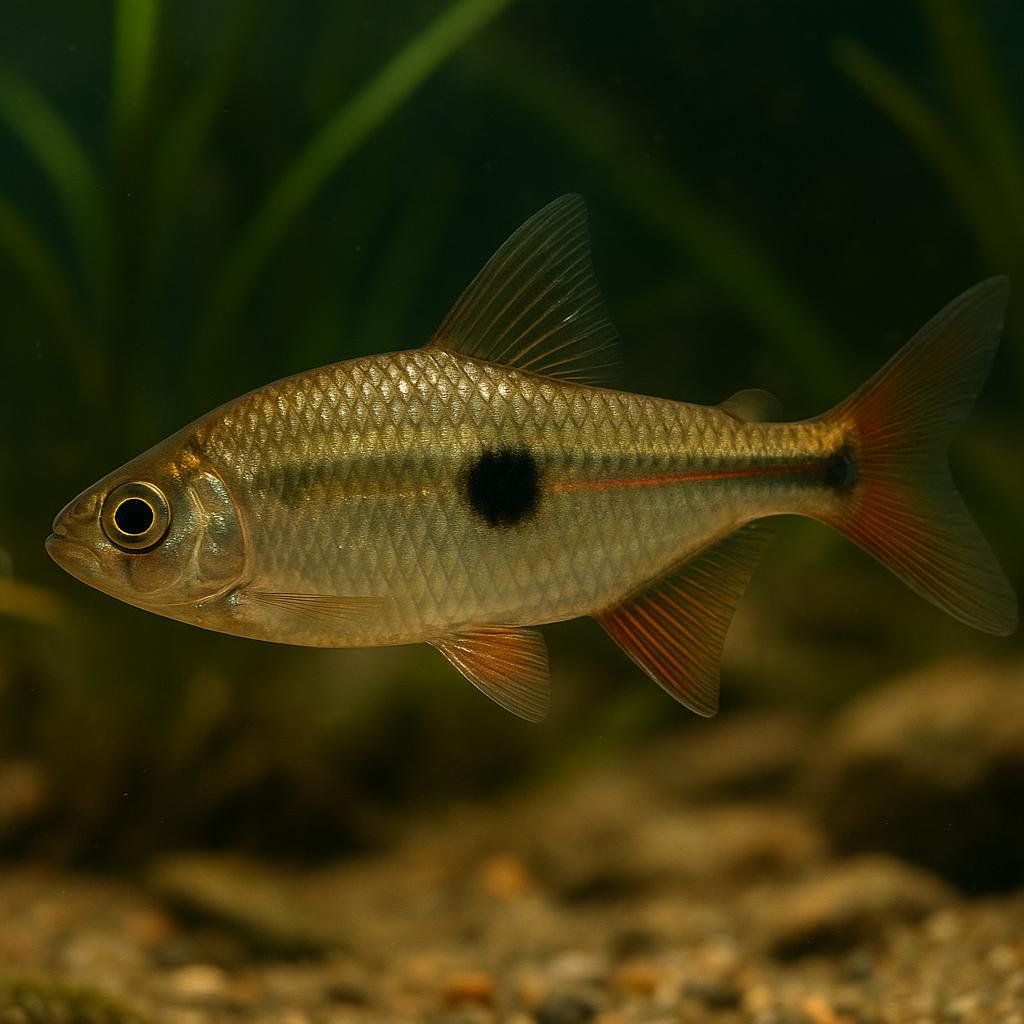
Jupiaba kurua
Small South American characin endemic to the upper rio Curuá (rio Xingu basin, Brazil). Reaches about 8.7 cm SL and inhabits clearwater rivers. Distinguished by dark dots on the bases of many lateral scales and a distinct dark caudal‑peduncle spot. Reported diet indicates omnivory, including aquatic insects, small fishes, and fragments of Podostemaceae and filamentous algae.
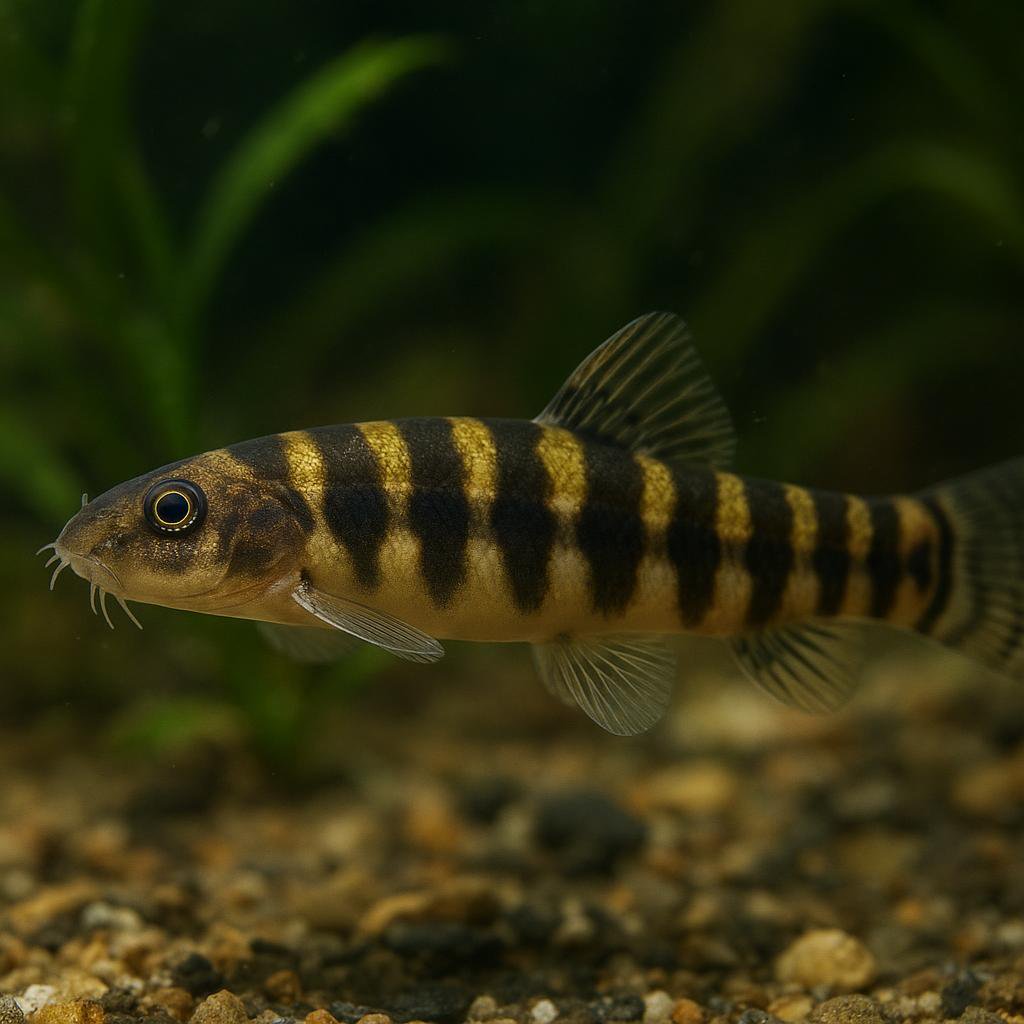
Altipedunculata stone loach
Schistura altipedunculata
Schistura altipedunculata is one of those little stream loaches that wants clean, well-oxygenated water and a bunch of rock nooks to claim as home. It is a bottom-hugger that will spend its day scooting from crevice to crevice, and it tends to get a bit spicy with its own kind if you do not give it enough hiding spots.
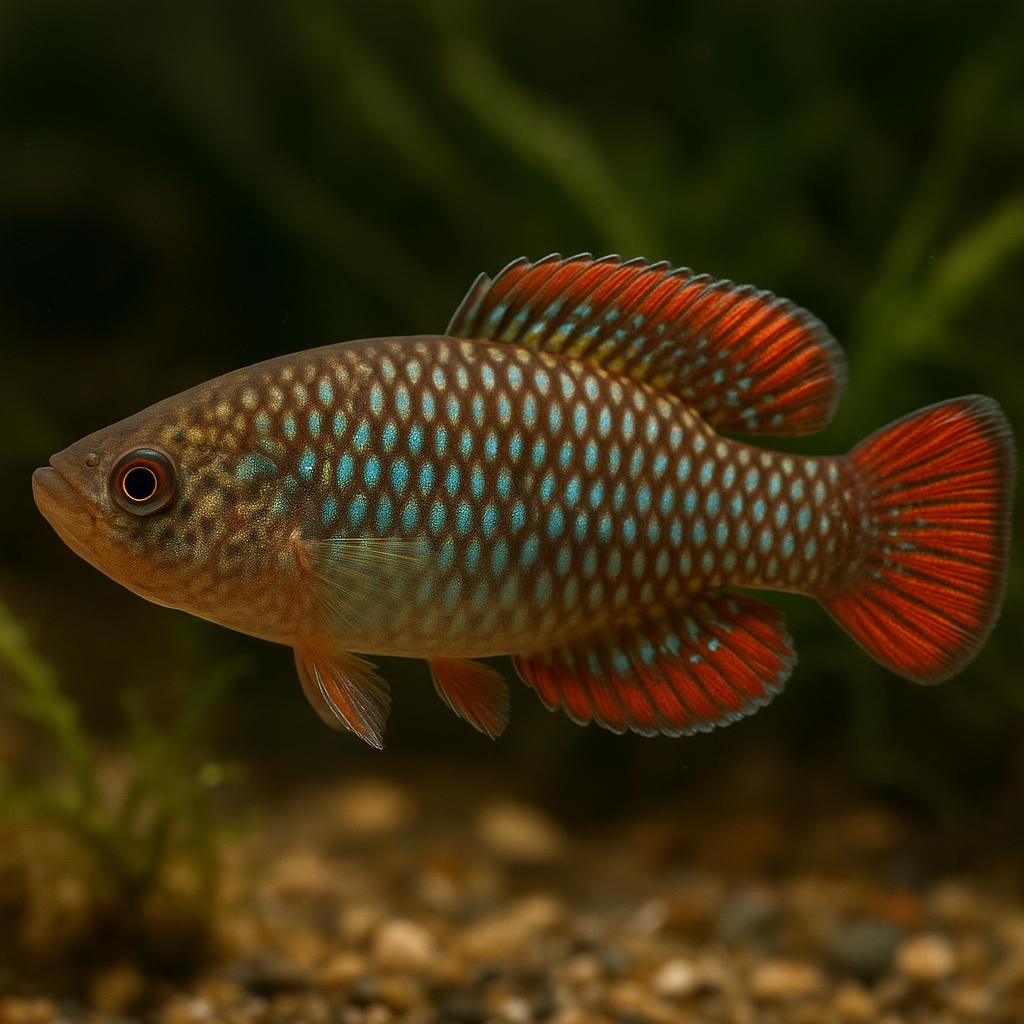
American flagfish
Jordanella floridae
Jordanella floridae is that little Florida native with the red-and-cream striping that really does look like a tiny flag once a male colors up. They graze algae like champs (especially stringy/hair algae), but they have a bit of attitude - give them plants and space so the bossy behavior stays manageable. Bonus: the male guards the eggs and will actively fan them, which is pretty fun to watch.
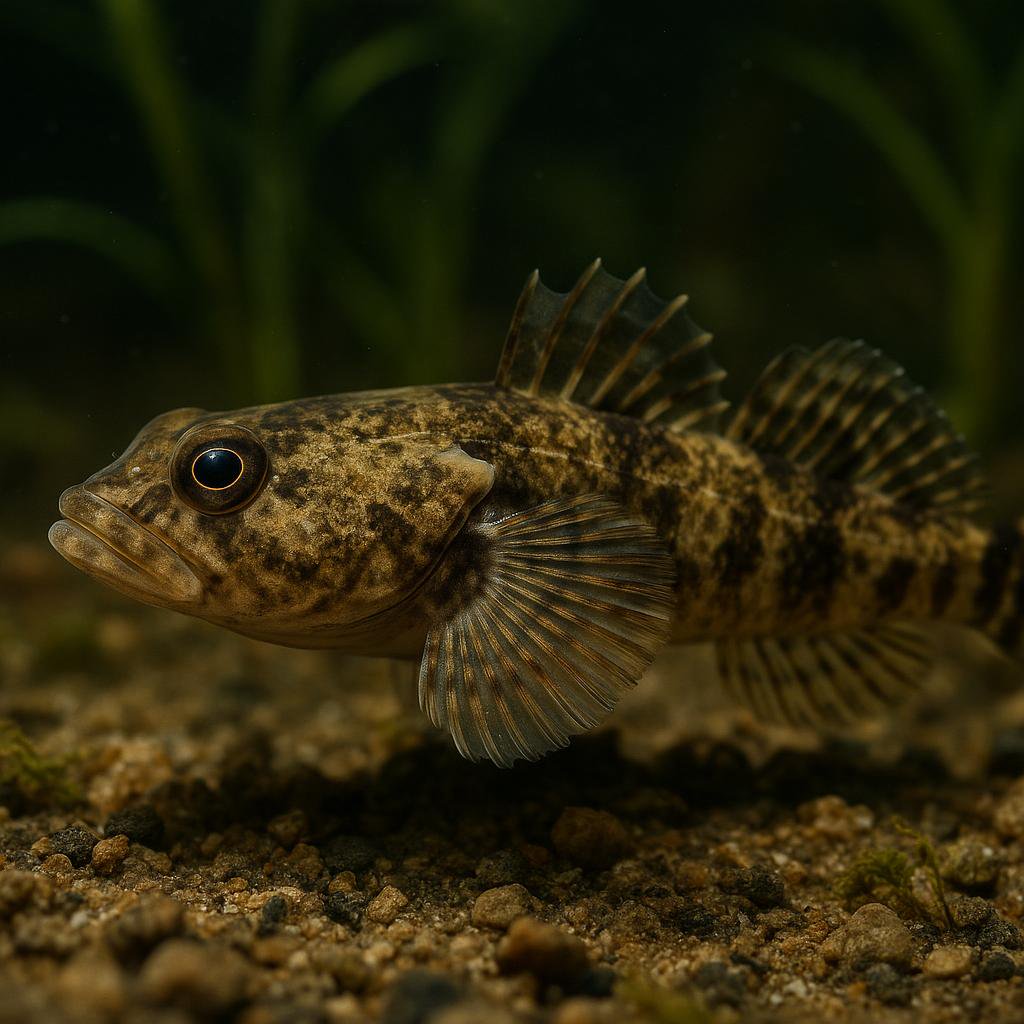
Amur sculpin
Alpinocottus szanaga
This is a little coldwater sculpin from the Amur drainage - a bottom-hugging, rock-and-gravel fish that spends its day wedged under stones and darting out to grab food. Super cool behavior and attitude, but it is absolutely not a warm tropical community fish - it wants chilly, fast, oxygen-rich water and will bicker with other bottom fish.
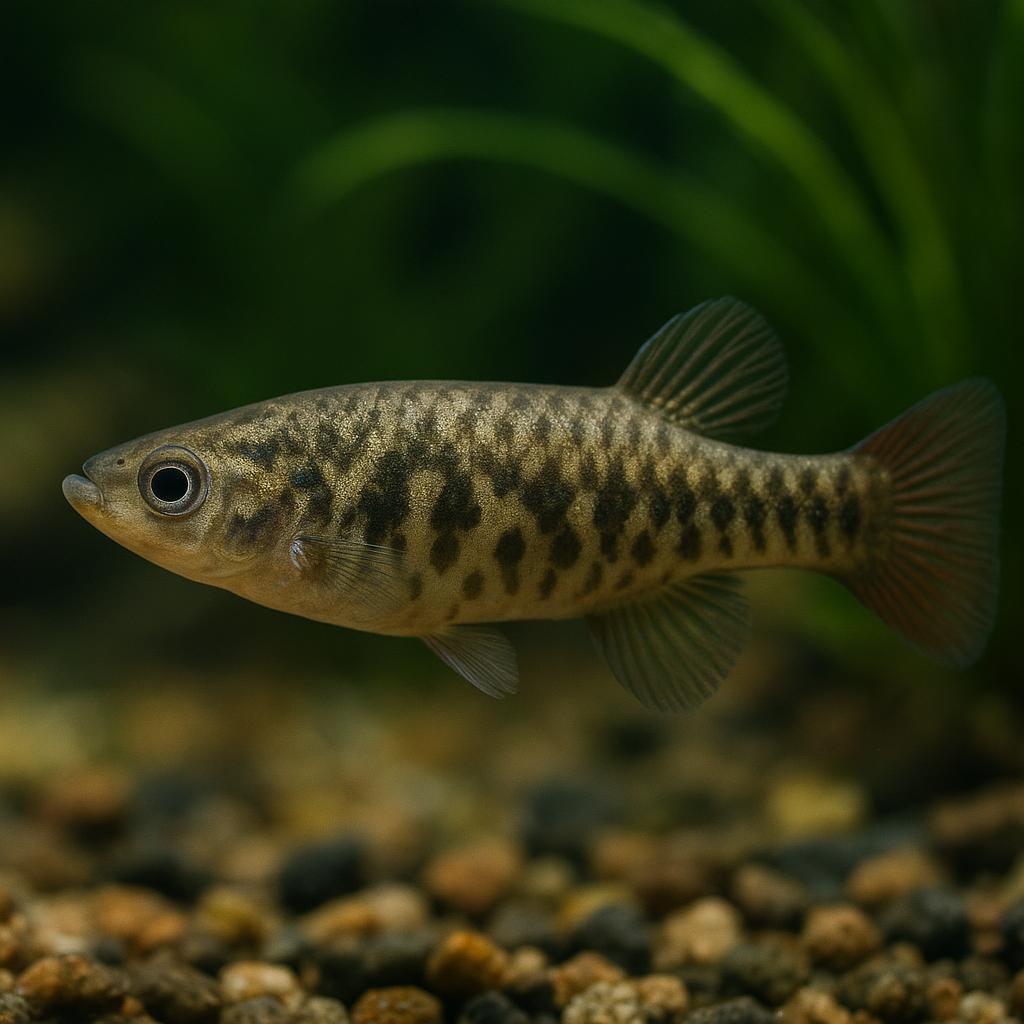
Anitápolis livebearer
Jenynsia weitzmani
Jenynsia weitzmani is a freshwater anablepid livebearer endemic to southern Brazil (currently known only from the type locality near Anitápolis, Santa Catarina). Like other Jenynsia (onesided livebearers), reproduction involves lateralized mating morphology/behavior; aquarium care guidance is not well-documented for this species specifically.
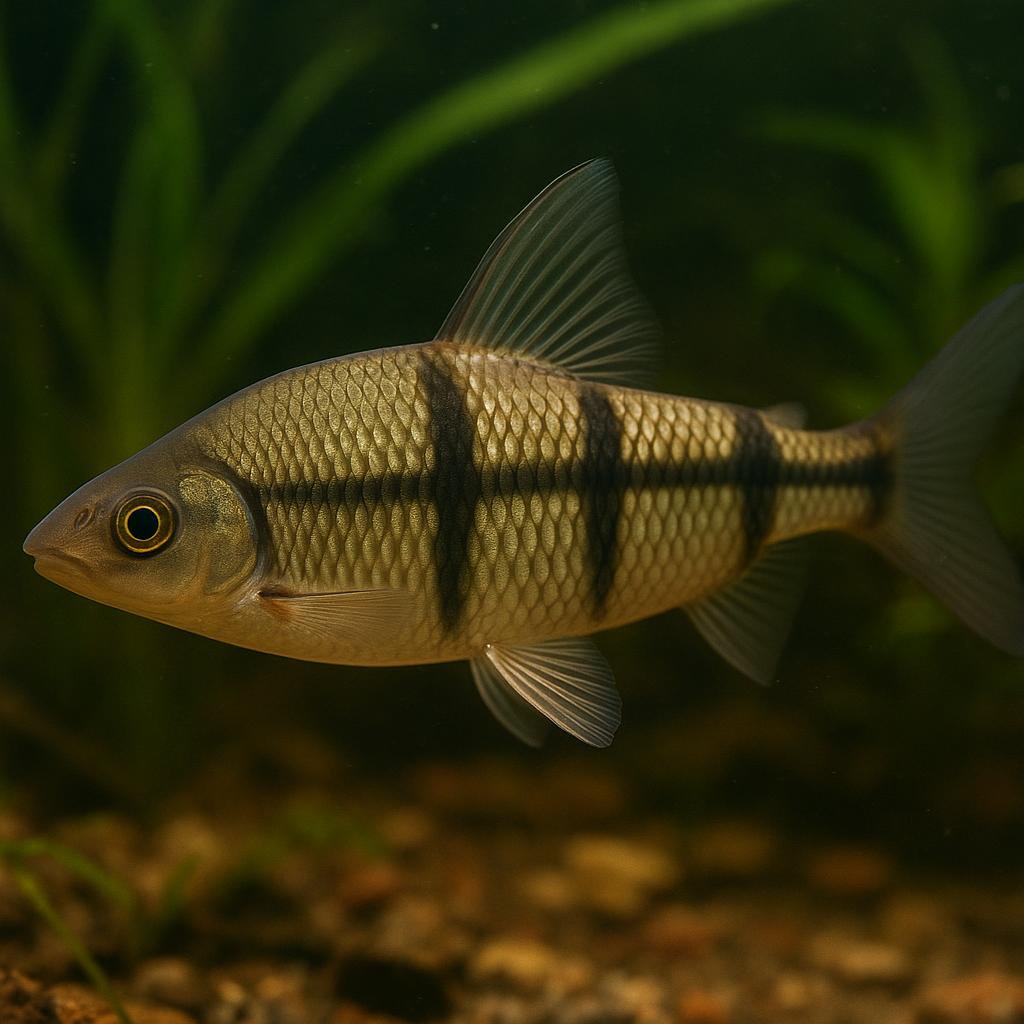
Aracu-comum
Schizodon vittatus
Schizodon vittatus is a large South American anostomid (family Anostomidae). Reported maximum size is about 35 cm standard length; it is harvested/consumed in parts of Brazil and is not commonly covered by mainstream aquarium husbandry references.
More to Explore
Discover more freshwater species.
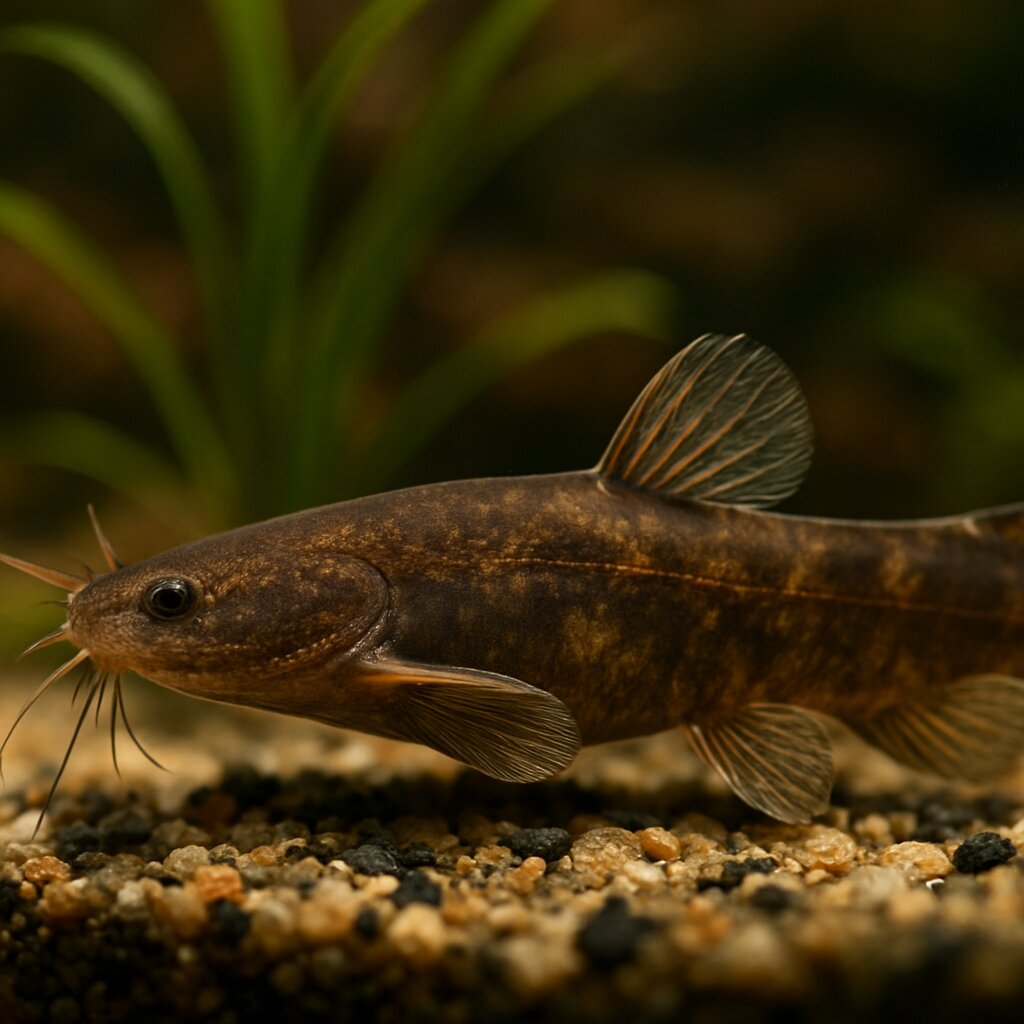
Amphilius dimonikensis
A small loach catfish endemic to the Mpoulou River in the Mayombe (Dimonika Biosphere Reserve), Republic of the Congo. Amphilius dimonikensis has a subtle banded pattern and inhabits fast, clear streams over rock and sand. In aquaria, prioritize strong, well-oxygenated flow with rounded stones and sand to mimic hillstream conditions.
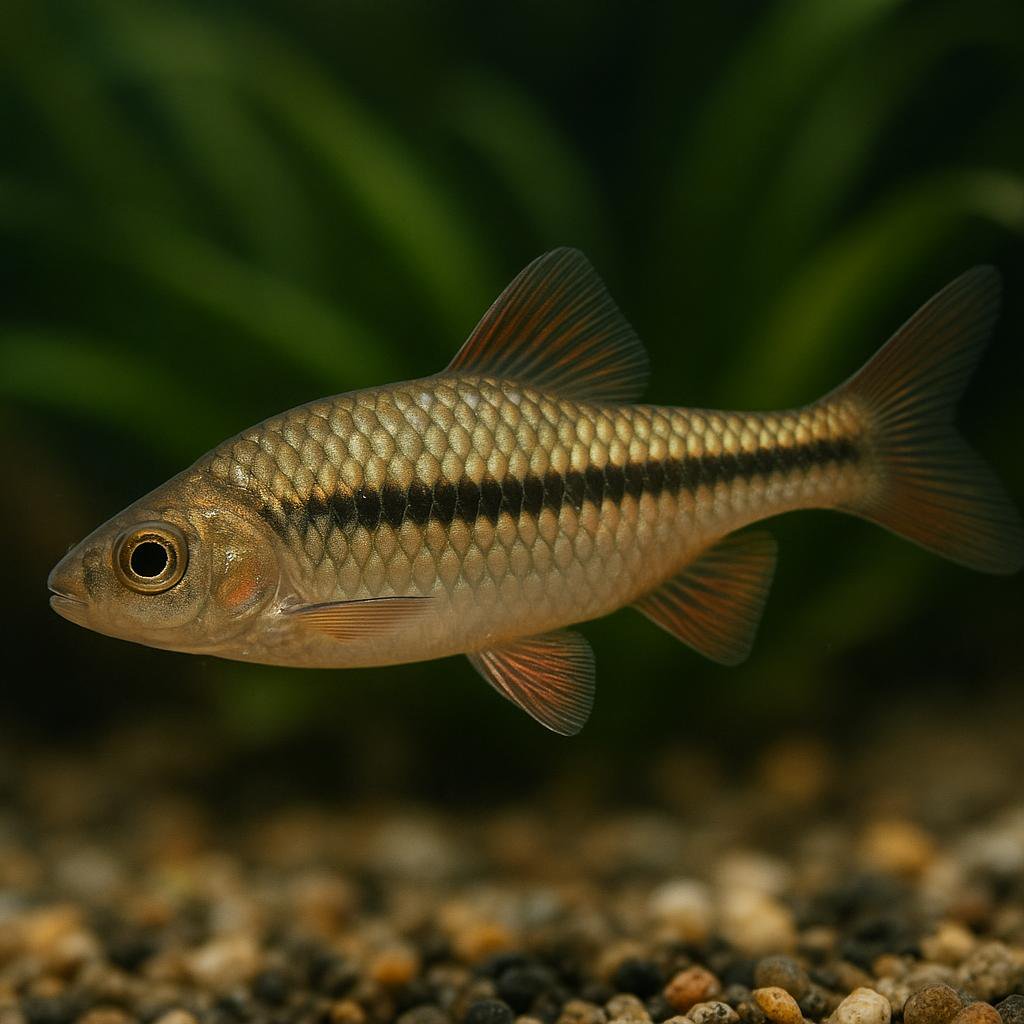
Aboina barb
Enteromius aboinensis
Enteromius aboinensis (the Aboina barb) is a small West African barb with a clean black midline stripe and a little spot right at the base of the tail. It does best when you treat it like a proper schooling fish - keep a decent group and give it plants around the edges with open swimming room in the middle.
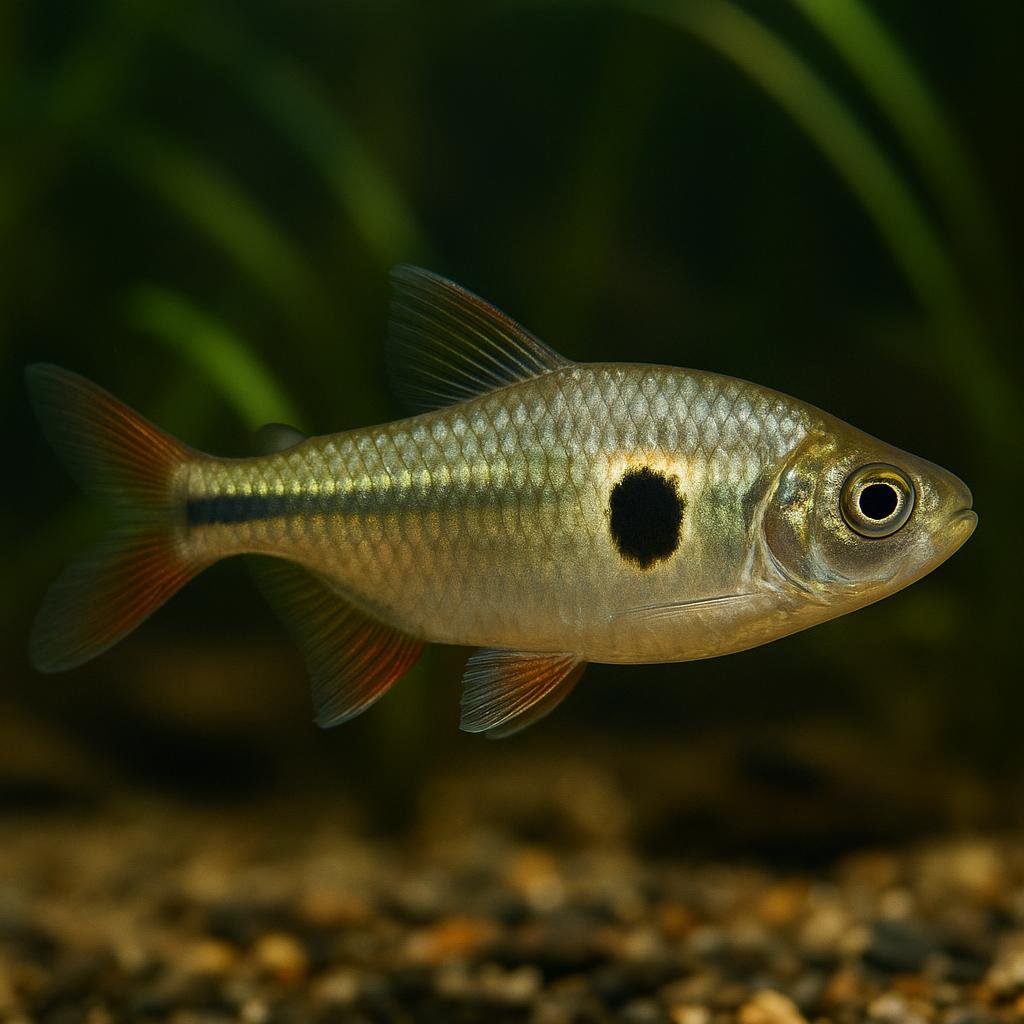
Ajuricaba tetra
Jupiaba ajuricaba
Jupiaba ajuricaba is a South American freshwater characin from the Amazon basin in Brazil (rio Negro, rio Solimões, and rio Tapajós basins). It reaches about 9.5 cm SL and is diagnosed by a narrow dark midlateral stripe, an elongated humeral spot, and an ocellated spot on the upper caudal-fin lobe. Wild specimens have been collected from blackwater forest streams and also oxbow-lake habitats.
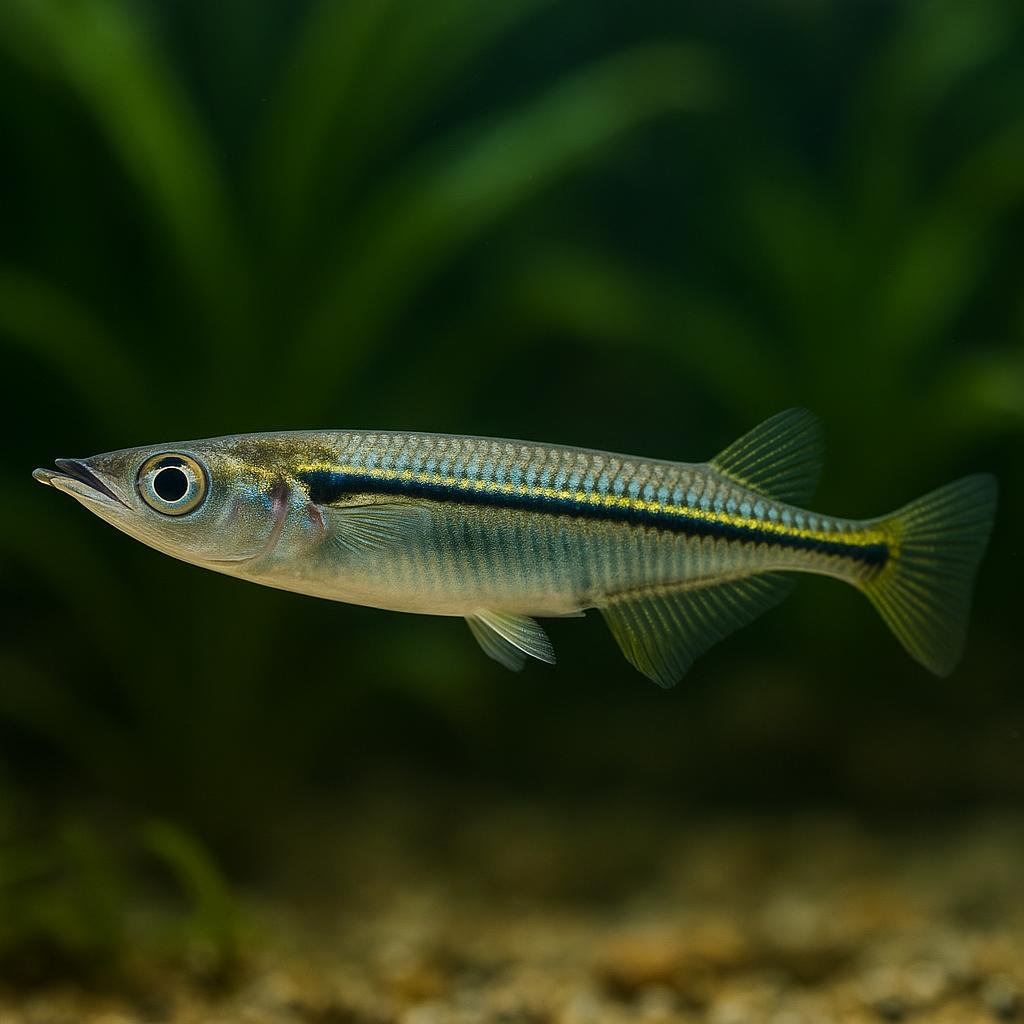
Allen's river garfish
Zenarchopterus alleni
A poorly known freshwater halfbeak endemic to West Papua (Mamberamo River), described from a single specimen (~13 cm SL). Beyond basic habitat/occurrence, little is published about its ecology or aquarium suitability; assume it is a surface-oriented, jump-prone halfbeak only by analogy with related taxa.
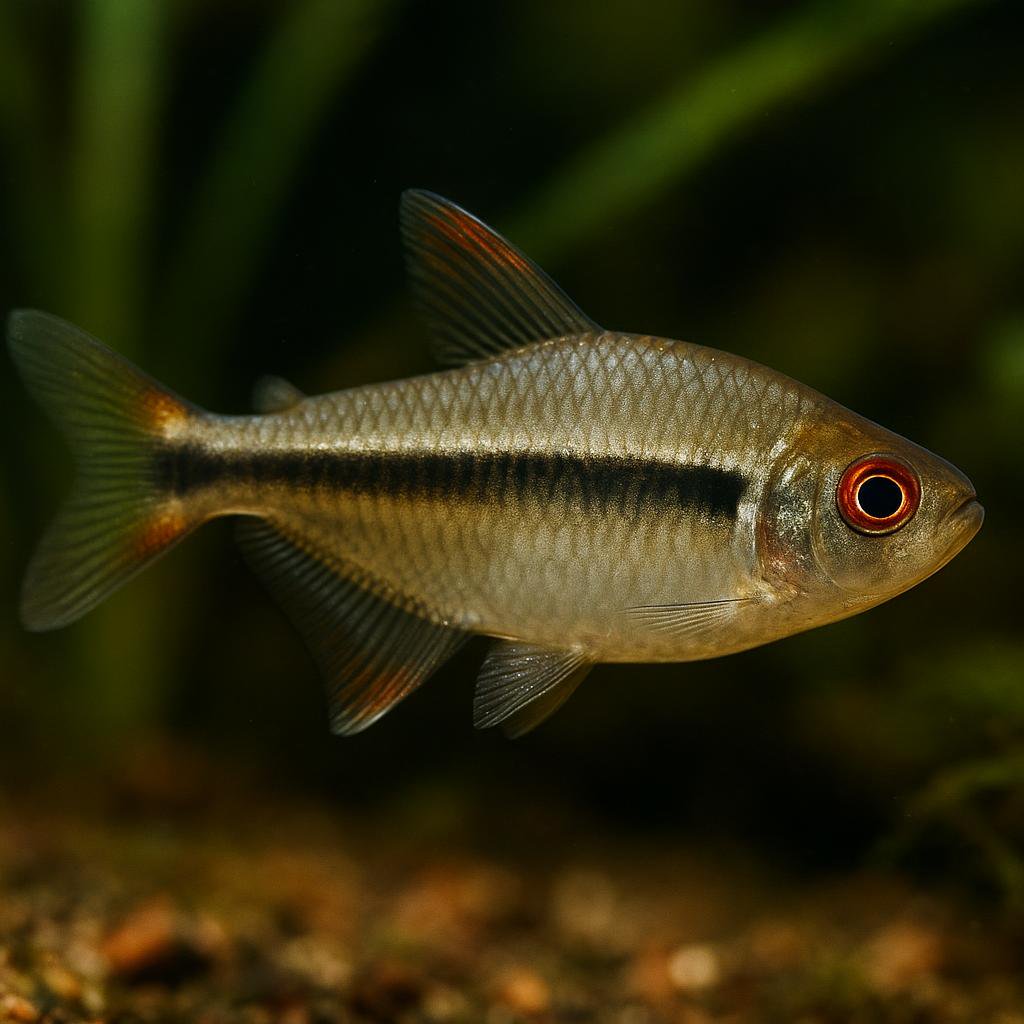
Amapa tetra
Hyphessobrycon amapaensis
This is a tiny, super sleek little tetra with a clean red stripe down the side that really pops once its settled in. It does best in a planted, slightly tinted "creek-style" setup and looks way cooler when you keep a proper group so they school and flash that line together. If you can give it soft, slightly acidic water and a calm community, its an easy fish to fall for.
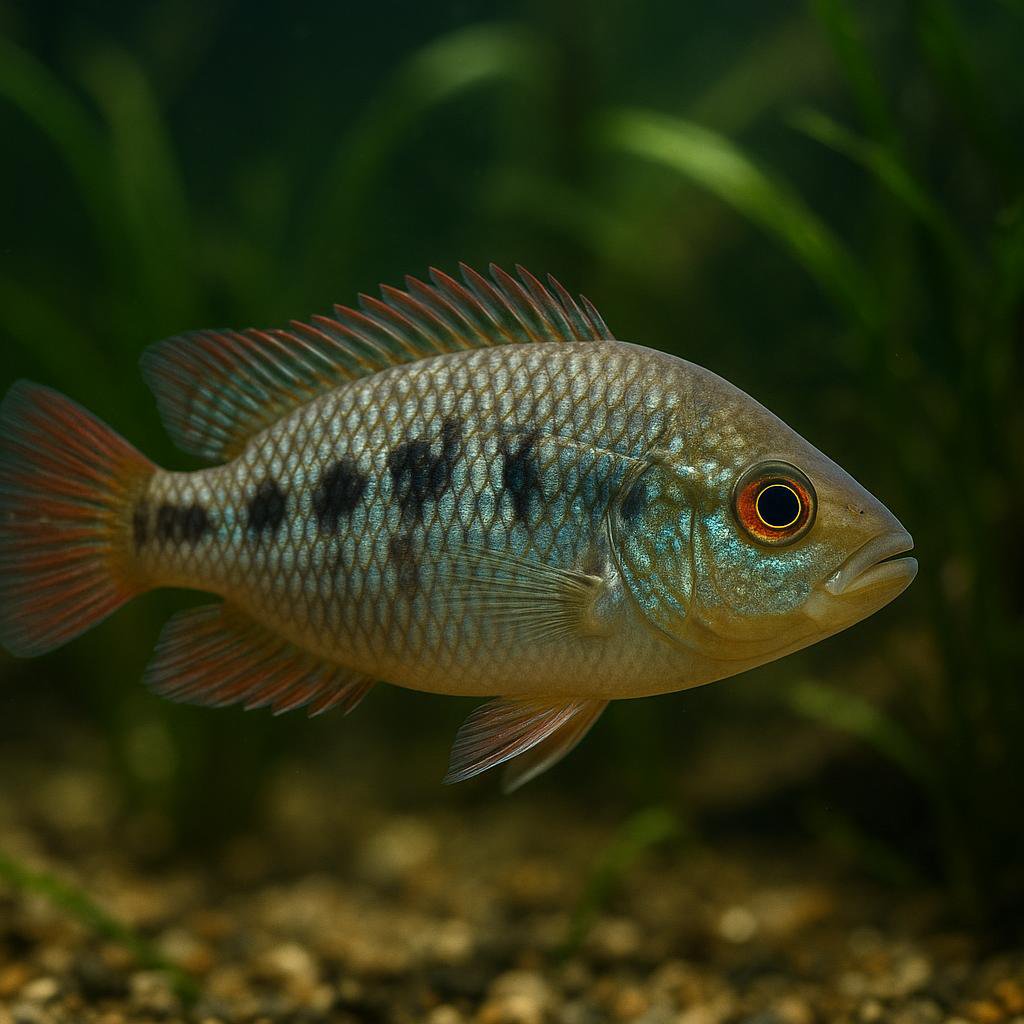
Amatlan chub
Yuriria amatlana
Yuriria amatlana (the Amatlan chub) is a little Mexican native minnow from the Ameca River basin. Its wild range is pretty limited and it is listed as Endangered, so its care info in the aquarium hobby is basically nonexistent and its availability is usually low. In the original species description, preserved fish show a dark lateral stripe with a darker patch on the caudal peduncle, and they can have tiny barbels at the mouth corners.
Looking for other species?