

Redspotted snakehead
Channa andrao
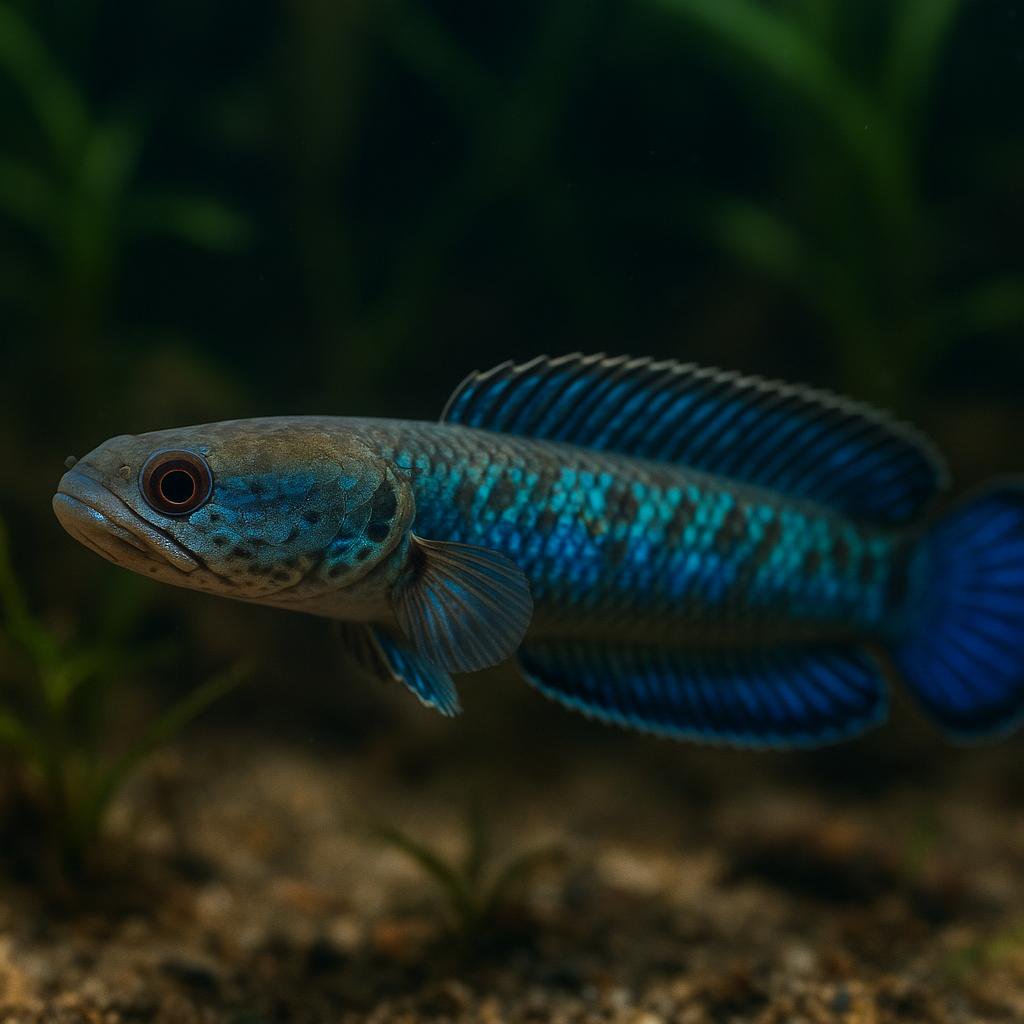
The Redspotted snakehead features a robust body with distinct red-orange spots and a long dorsal fin that extends along its back.
This page includes AI-generated images. Why am I seeing AI images?
About the Redspotted snakehead
Channa andrao is one of those "how is this real?" dwarf snakeheads-tiny, super colorful, and way more personable than you'd expect from a predator. It's a mouthbrooder, hangs near the surface a lot (air-breather), and it's happiest in a plant-choked, hidey-hole setup with a tight-fitting lid because, yep, it can jump.
Also known as
Quick Facts
Size
8-10 cm
Temperament
Semi-aggressive
Difficulty
Intermediate
Min Tank Size
26 gallons
Lifespan
5-8 years
Origin
South Asia (Northeast India)
Diet
Carnivore/insectivore - floating carnivore pellets, frozen/live insects and worms, small crustaceans (avoid feeder fish as a staple)
Water Parameters
20-28°C
6-7.5
3-12 dGH
Need a heater for this species?
This species needs 20-28°C in a 26 gallon tank. Use our heater calculator to find the right wattage.
Calculate heater sizeCare Notes
- Give them a snug, heavily planted tank with lots of cover (wood, leaf litter, caves) and a tight lid-Channa andrao can jump and they love lurking spots.
- Keep the water on the cool side for a snakehead: roughly 72-78°F (22-26°C), soft to neutral water (about pH 6.0-7.5), and don't let nitrates creep up-weekly water changes make a big difference with these guys.
- Go easy on flow; they're happier in calmer water with gentle filtration, and they'll actually come out more when they're not fighting current.
- Feed like a picky little predator: frozen/thawed bloodworms, brine shrimp, krill, chopped earthworms, and quality carnivore pellets once they accept them; skip feeder fish because parasites are a headache.
- Tankmates are mostly a no-anything that fits in their mouth will disappear, and fast nippy fish stress them out; if you try anything, think tough bottom-dwellers that aren't bite-sized, but solo is easiest.
- They do best as a single fish unless you have a proven pair; two random ones often turns into nonstop chasing once they mature.
- Breeding is cool if you get a real pair: they're mouthbrooders, so the male may stop eating while holding-don't panic, just keep the tank calm and avoid messing around in there.
Compatibility
Good Tankmates
- Medium "bullet" rainbowfish (Melanotaenia types) - constant movers, not usually nippy, and they don't sit around asking to get chomped
- Sturdy bottom crews like bristlenose plecos or larger Corydoras (paleatus/aeneus size) - they mostly keep to themselves and the snakehead usually ignores them if they're not tiny
- Bigger loaches that are busy and street-smart (dojo loach, larger Botia types where legal/appropriate) - they don't hover in one spot and they can take a little chasing
- A single larger gourami type that isn't flashy/slow (thick-lipped gourami, some paradise fish setups) - can work if the tank has loads of cover and nobody's cramped
Avoid
- Small snack-sized fish like danios - Channa andrao is predatory and may eat or harass small tankmates; species tank/solo or carefully managed pairing is typically recommended
- Community tankmates (including many barbs) - species-only or carefully managed pairing is typically recommended due to territorial/predatory behavior
- Small snack-sized fish like neons, ember tetras, guppies, endlers, tiny rasboras - Channa andrao is a micropredator and anything that fits in the mouth is eventually food
- Long-finned slowpokes like bettas, fancy guppies, veiltail anything - they get bullied, fin-nipped, or just picked off when they can't scoot away
- Nippy/aggressive fish like tiger barbs, many cichlids, or other snakeheads - turns into constant stress and territorial drama fast, especially in smaller tanks
- Tiny bottom dwellers like pygmy cories, small kuhli loaches, baby plecos - they hang in the wrong places and can disappear overnight
1) Where they come from
Channa andrao (the redspotted snakehead) comes from Northeast India—cooler, plant-choked streams and pools where the water can be soft and a bit tea-stained. They’re not one of those “boiling hot” snakeheads. Think more like a shaded creek with leaf litter, roots, and calm pockets.
They’re air-breathers. You’ll see them cruise up for gulps, especially at night or after a big meal. Totally normal—just means you need a tight lid.
2) Setting up their tank
If you set these up like a little forest stream, they settle in fast and show way more personality. Mine spent the first week hiding, then suddenly started “patrolling” once the tank felt secure.
- Tank size: 20 long works for a single adult, but 30–40 gallons gives you way more options (especially for a pair or group). Footprint matters more than height.
- Lid: non-negotiable. They jump and they can push surprisingly hard. Block any gaps around filters and cords.
- Decor: lots of cover—caves, driftwood tangles, rock piles, and dense plants (real or fake). Floating plants help them feel bold.
- Substrate: sand or fine gravel. Leaf litter (Indian almond/oak/beech) makes them act more natural and tones down skittishness.
- Filtration: gentle flow. They don’t love being blasted around. A sponge filter or a canister turned down with a spray bar works great.
- Temperature: room-temp to lightly heated is fine for most homes (roughly low–mid 70s°F / low 20s°C). They don’t need it hot.
Leave an inch or two of air space under the lid. They like to breathe from warm, humid air—not cold, dry room air.
They’re hardy, but they hate filthy, stale water. Regular small water changes beat “big resets.” I usually do 20–30% weekly and keep the bottom clean.
3) What to feed them
These guys are little predators with big appetites, but you can keep them in great shape without turning your tank into a feeder-fish mess. The goal is varied, meaty foods they can swallow easily.
- Staples I’ve had the best luck with: frozen/thawed shrimp, tilapia/white fish chunks, krill, mussel, and earthworms/nightcrawlers (rinsed).
- Great “conditioning” foods: live earthworms, blackworms, and occasional live insects (roach nymphs/crickets if you’re into that).
- Pellets: some will take carnivore sticks or sinking predator pellets, but many need patience. Start by mixing pellets in with their favorite frozen food.
- How often: adults don’t need daily feeding. 3–4 times a week keeps them lean and active. Juveniles can be fed smaller portions more often.
Skip feeder fish. Besides parasites, it teaches them to only hunt fish and makes it harder to switch foods later. Also avoid fatty mammal meats (like beef heart).
4) Behavior and tankmates
Channa andrao are smart, curious, and a bit dramatic. Once they recognize you as “the food person,” they’ll come out and stare you down. But they’re still snakeheads—territorial, mouthy, and opportunistic.
They’re usually kept species-only for a reason. Anything small enough to fit in their mouth is food. Anything that competes for the same hideouts can get bullied, especially in tighter tanks.
- Best setup: species-only, with multiple hides and sight breaks.
- If you insist on tankmates: choose fish too big to swallow, not nippy, and comfortable in similar temps. Even then, have a backup plan.
- Group vs pair: juveniles can sometimes be raised together, but as they mature you may see squabbles. Extra cover helps, but be ready to separate.
Aggression can spike overnight. If you see lip-locking, torn fins, or one fish pinned in a corner, separate immediately. Snakehead fights can go from “posturing” to damage fast.
5) Breeding tips
Breeding is doable in the home aquarium and honestly pretty cool to watch. The trick is giving them privacy and letting them pair up naturally instead of forcing two adults together.
- Start with a small group of juveniles and let a pair form. Once a pair bonds, the odd fish usually gets chased—pull it out.
- Condition with higher-quality foods (worms, shrimp, fish chunks) for a few weeks.
- Give them floating cover (floating plants, a clump of hornwort, or even a floating spawning mop). They often like a calm surface zone.
- Keep the tank quiet and stable. Lots of fiddling around the tank can make them abandon attempts.
If you get fry, start with tiny live foods (baby brine, microworms) and move them onto chopped worms/frozen as they grow. Keep the lid tight—little ones can be jumpy too.
6) Common problems to watch for
Most issues I’ve seen with andrao come from three things: stress from a bare tank, bad food choices, or sloppy water. Fix the root cause and they bounce back pretty well.
- Jumping/escaping: almost always a lid gap. Check corners, HOB filter cutouts, and cable holes.
- Refusing food: common after shipping or a tank move. Dim the lights, add cover, and offer worms or shrimp. Don’t panic-feed a dozen options at once.
- Bloat/constipation: usually from overfeeding or rich foods. Cut feeding for a few days and switch to lighter items (worms, shrimp) afterward.
- Scrapes on the nose: from glass-surfing or spooking into the lid. Add floating plants and side cover; keep the room lighting calmer.
- Ich/velvet: they can get it, especially if they’re chilled or stressed. Treat the tank, not just the fish, and bump temps carefully (don’t cook them).
- Fin damage from fighting: separate and keep water clean. These heal fast in clean water with low stress.
Because they breathe air, they sometimes “seem fine” even in mediocre water—until they suddenly aren’t. If they’re hanging at the surface more than usual, test your water and do a change.
Similar Species
Other freshwater semi-aggressive species you might be interested in.
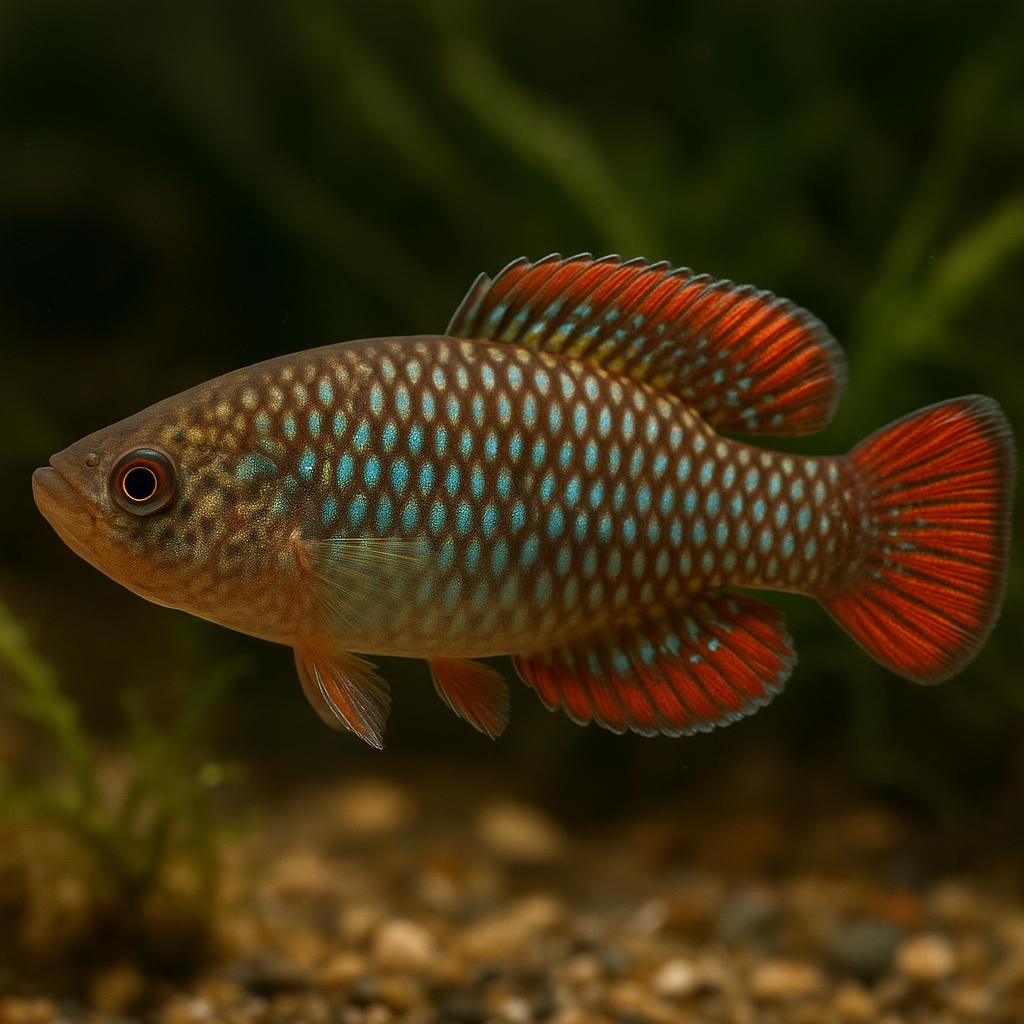
American flagfish
Jordanella floridae
Jordanella floridae is that little Florida native with the red-and-cream striping that really does look like a tiny flag once a male colors up. They graze algae like champs (especially stringy/hair algae), but they have a bit of attitude - give them plants and space so the bossy behavior stays manageable. Bonus: the male guards the eggs and will actively fan them, which is pretty fun to watch.
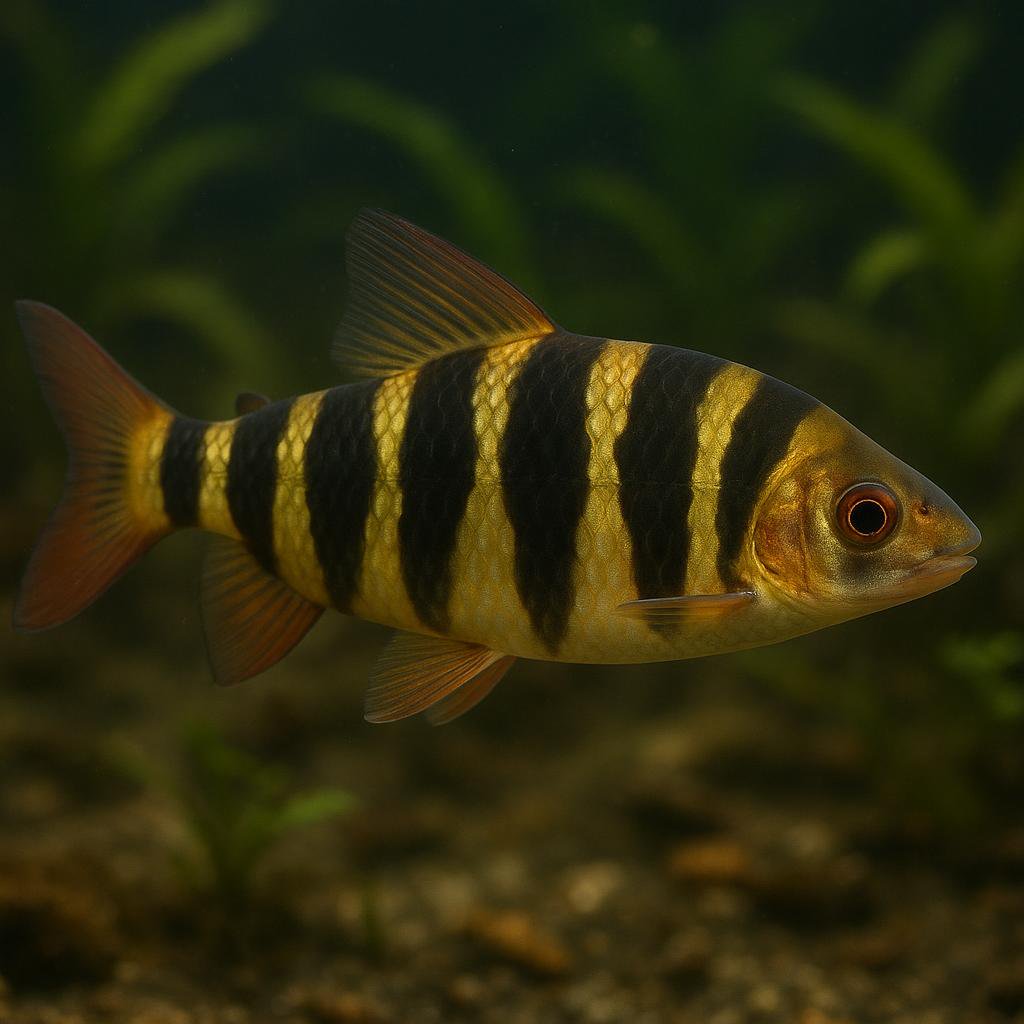
Banded Leporinus
Leporinus fasciatus
Banded Leporinus are those torpedo-shaped, black-and-yellow striped fish that look like they're wearing a little prison outfit-and they stay on the move. They've got a ton of personality and they're awesome to watch cruising and picking at stuff, but they're also the kind of fish that will redecorate your tank and "taste test" anything soft-looking.
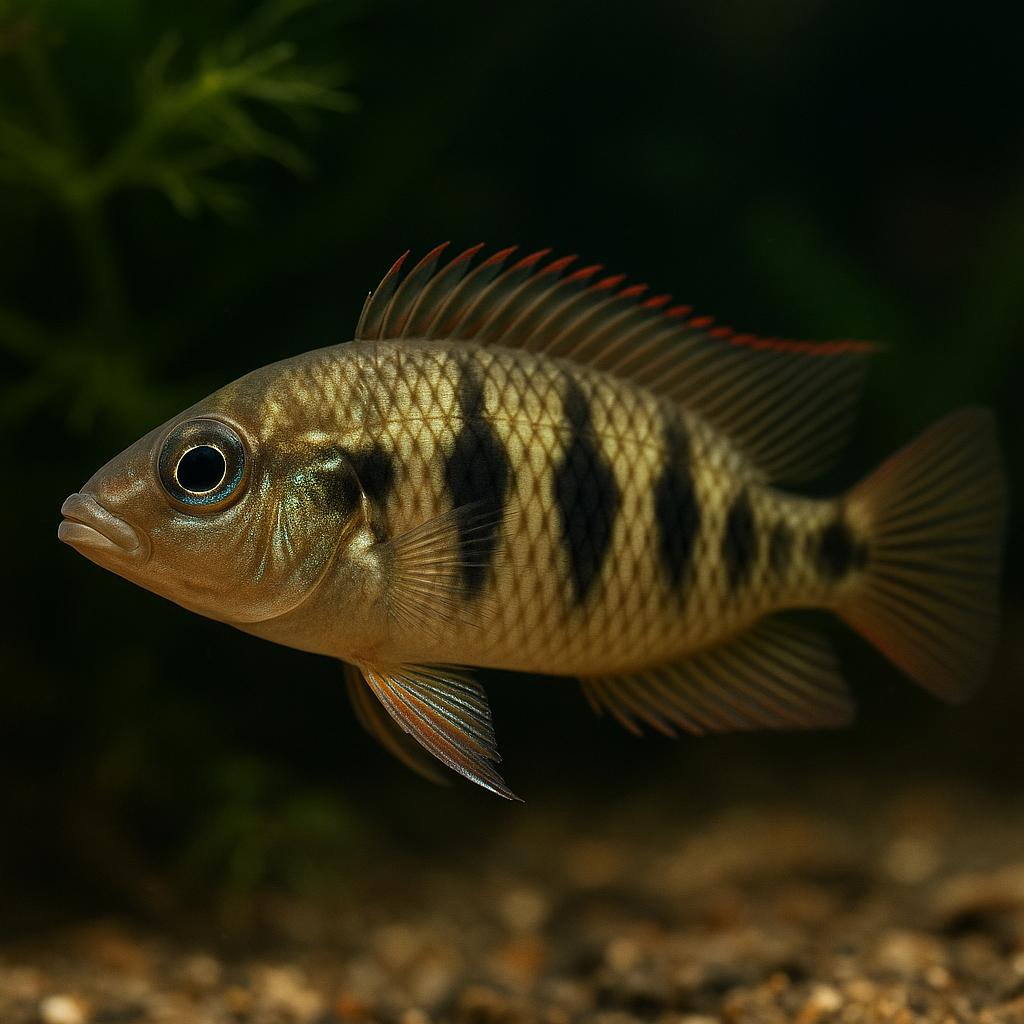
Bandi cichlid
Wallaceochromis signatus
A West African dwarf cichlid from Guinea's Bandi River, this fish shows crisp vertical bars and spotted fins with red highlights. Females have a bold black spot at the base of the tail, and pairs guard eggs and fry in caves, which makes their parental behavior fun to watch.
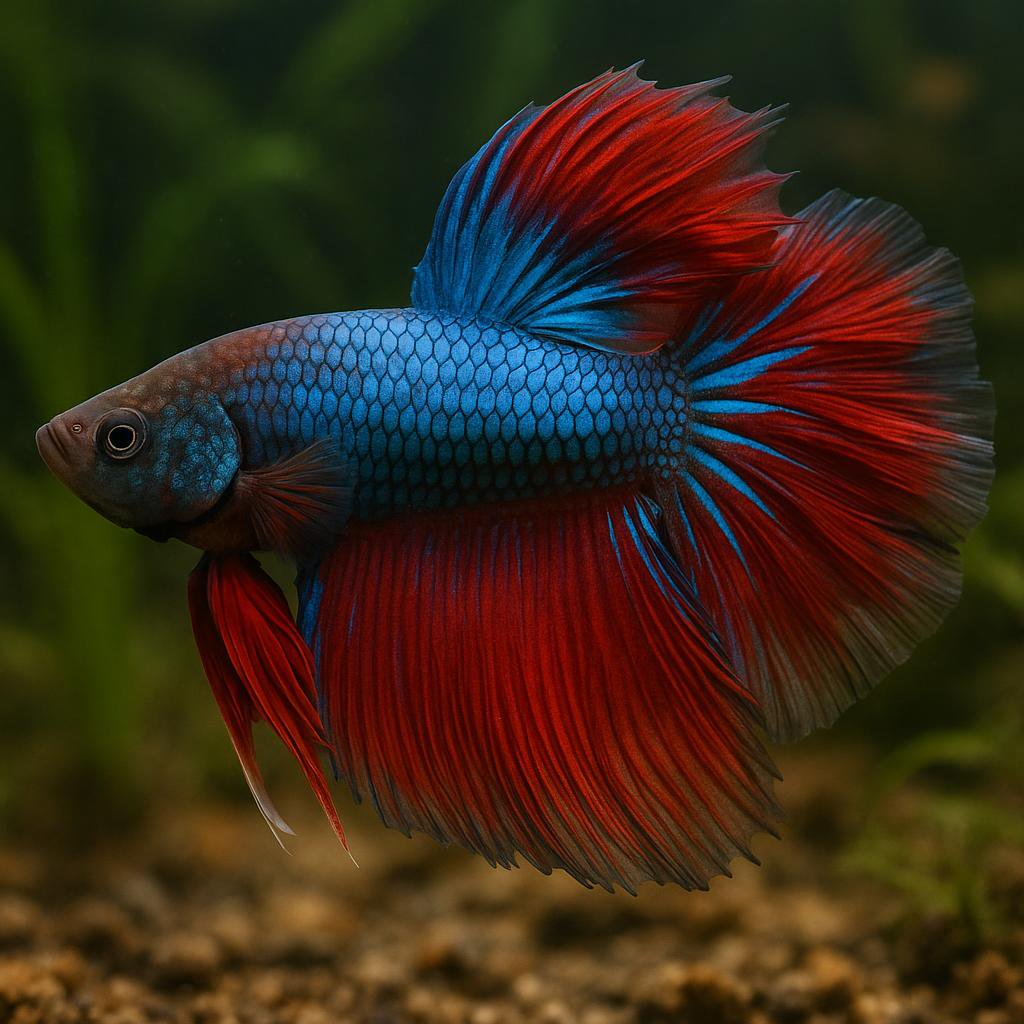
Betta
Betta splendens
Betta fish, also known as Siamese fighting fish, are popular for their striking colors and flowing fins. They are known for their territorial nature, especially males, which can display aggressive behavior towards each other.
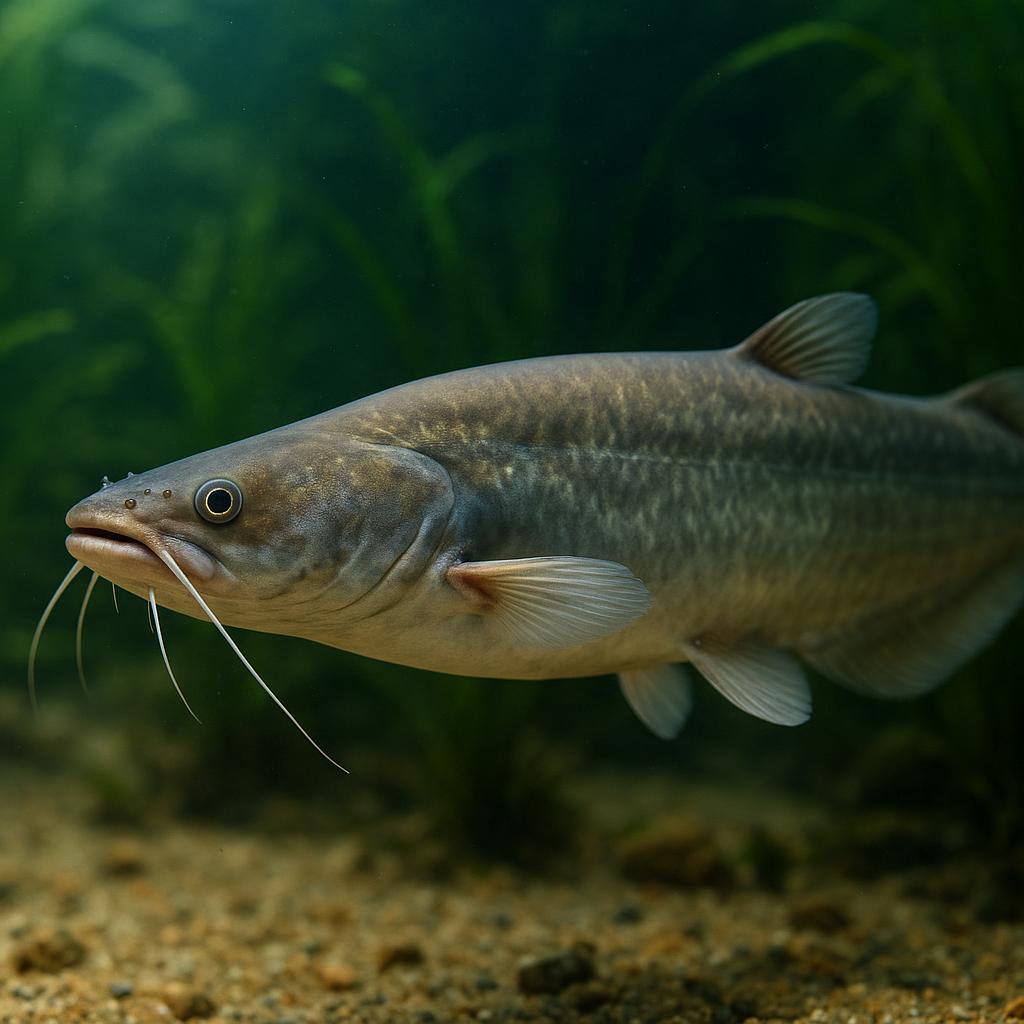
Blackhawk catfish
Wallagonia micropogon
Wallagonia micropogon is a giant Southeast Asian sheatfish with an eel-like body and a huge, scoop-like mouth for hunting other fish. It is native to the Mekong and middle Chao Phraya basins and was long confused with Wallagonia leerii, which makes IDs and care notes tricky. Stunning as a juvenile but it grows to true megafish size, so it is only realistic for expert keepers or public aquariums.
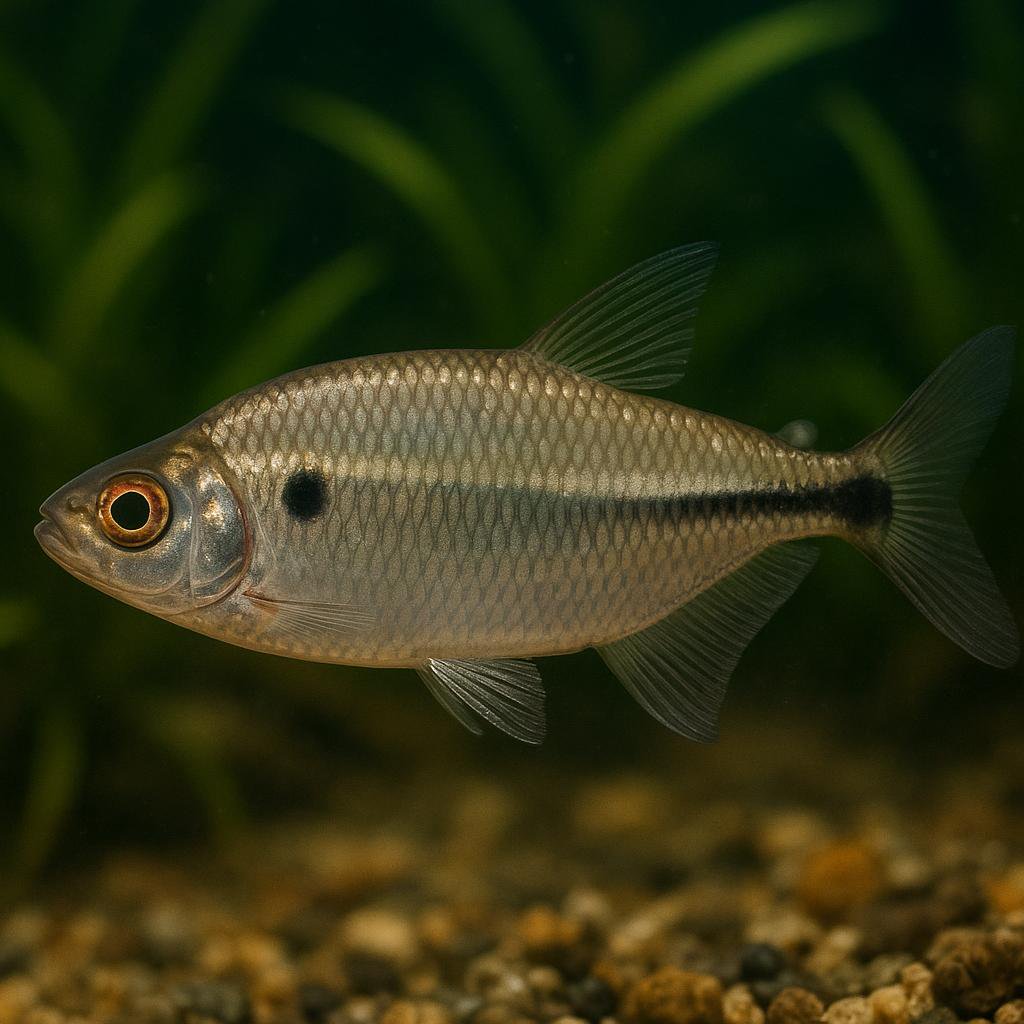
Boulenger's Featherfin Tetra
Bryconaethiops boulengeri
A big, fast African tetra from the Congo River basin, it cruises the mid-to-upper water in active groups and flashes a bold broken stripe along its flanks. In the wild it hunts insects at the surface and can leap, so aquariums need tight lids. Keep it with robust tankmates it cannot swallow.
More to Explore
Discover more freshwater species.
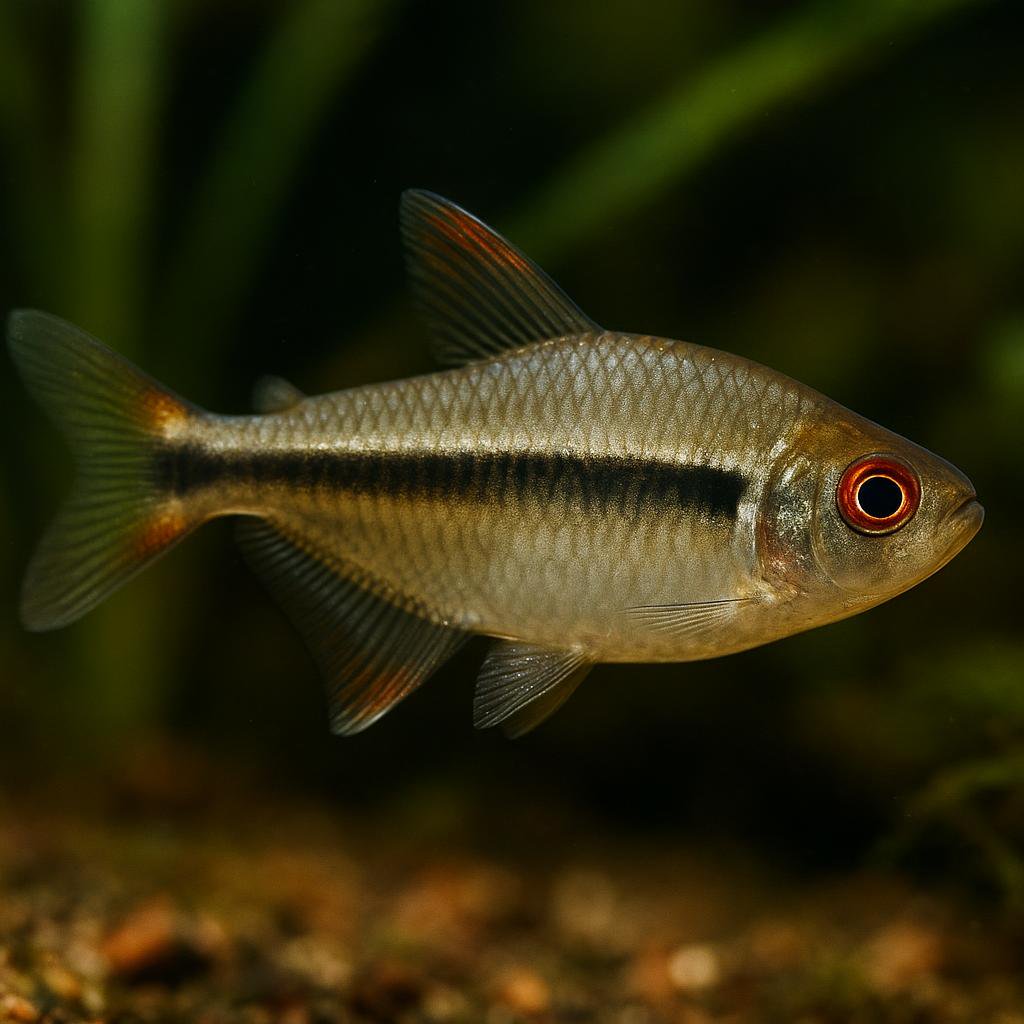
Amapa tetra
Hyphessobrycon amapaensis
This is a tiny, super sleek little tetra with a clean red stripe down the side that really pops once its settled in. It does best in a planted, slightly tinted "creek-style" setup and looks way cooler when you keep a proper group so they school and flash that line together. If you can give it soft, slightly acidic water and a calm community, its an easy fish to fall for.
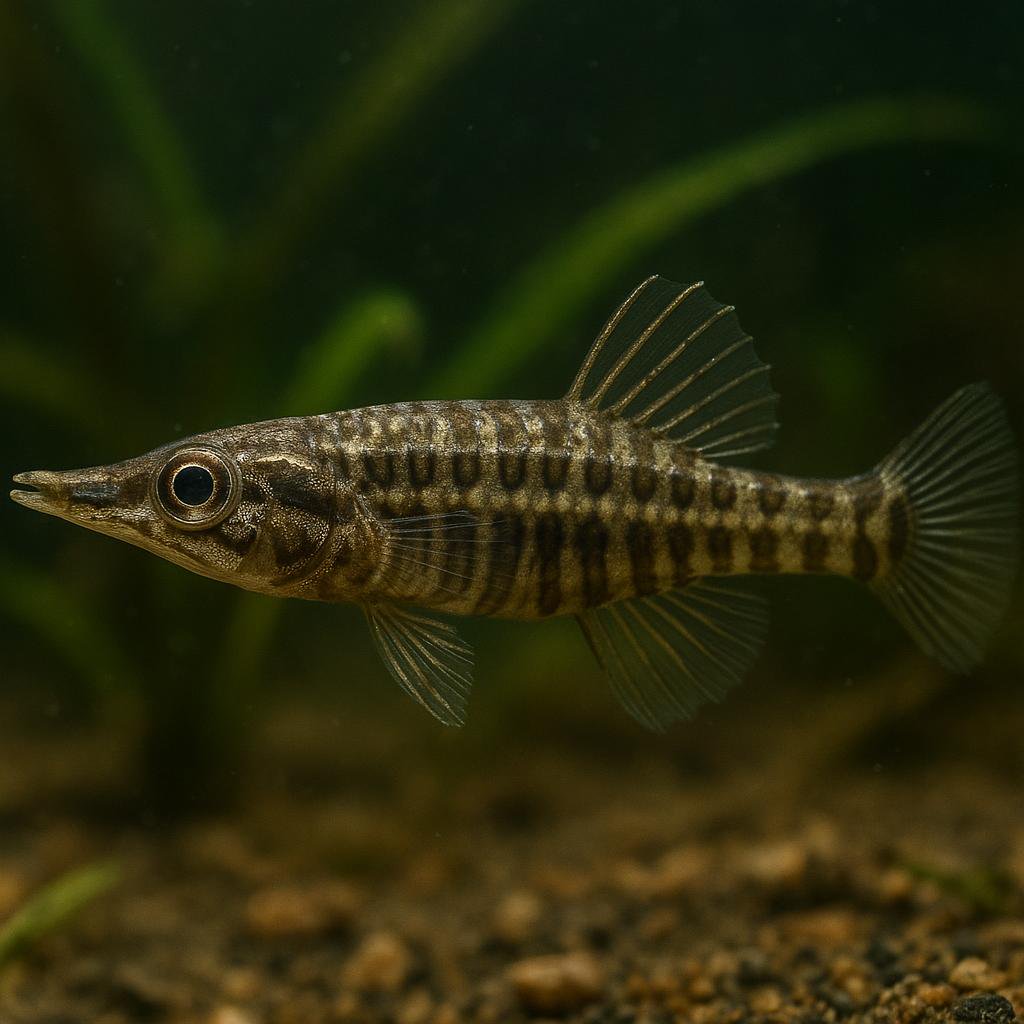
Armoured stickleback
Indostomus paradoxus
This is that goofy little "freshwater seahorse"-looking fish that just kind of perches and scoots around like a tiny armored twig. Its whole vibe is slow, sneaky micropredator - once its settled in, you will catch it stalking microfoods and doing these subtle little posture displays. The big trick is feeding: they do best when you can provide lots of small live foods in a calm, planted tank.
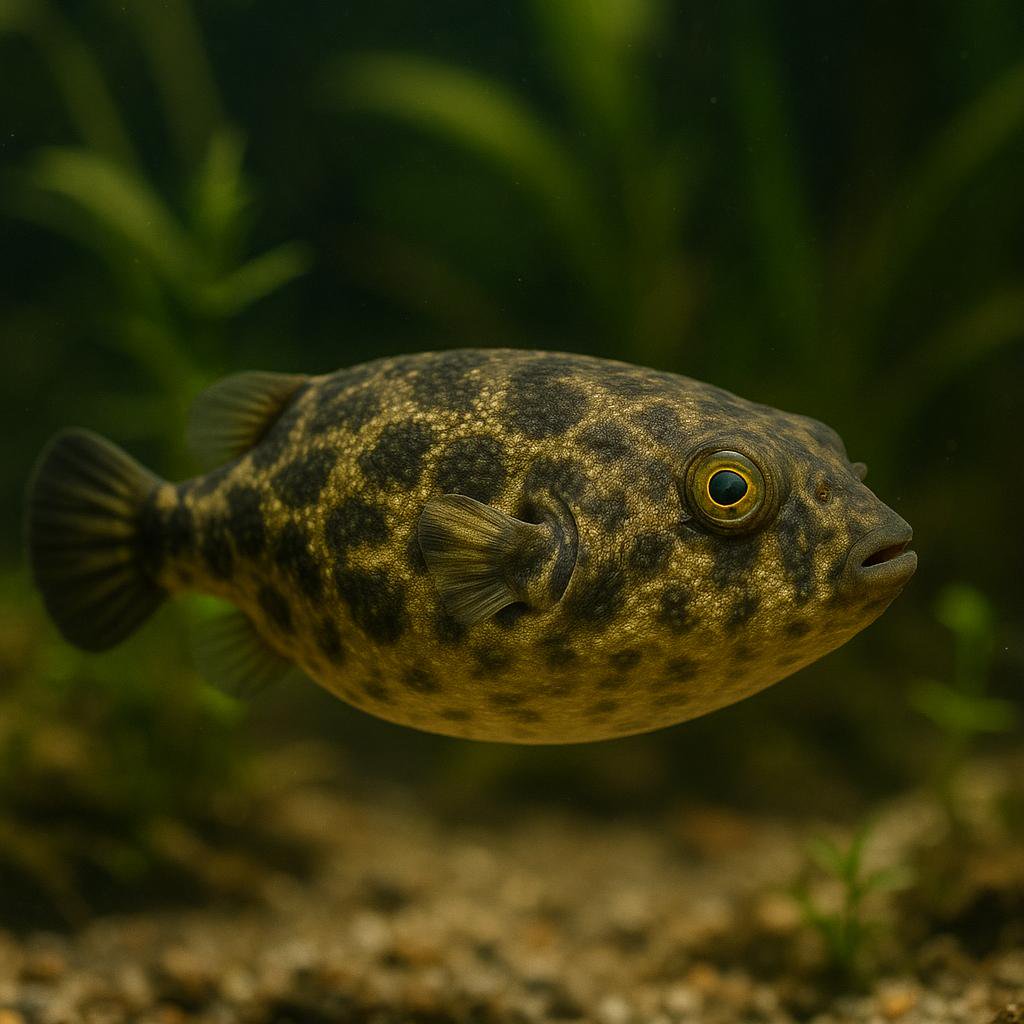
Arrowhead puffer
Pao suvattii
Pao suvattii is that sneaky Mekong puffer that likes to sit low and ambush food, and it has that super recognizable arrow/V pattern on its back. Gorgeous fish with tons of personality, but it is absolutely not a community guy - plan on a solo, species-only setup if you want everybody to stay in one piece.
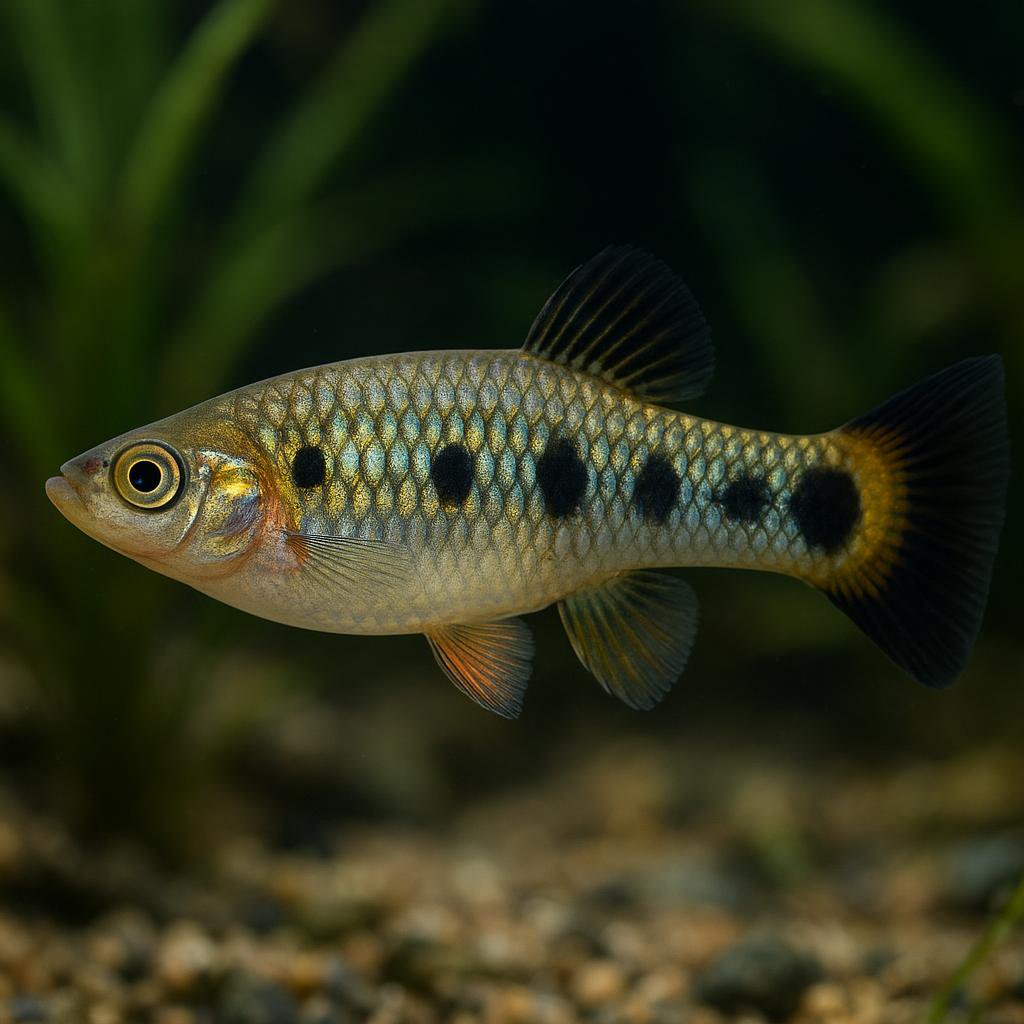
Bishop toothcarp
Brachyrhaphis episcopi
This is a tiny Panamanian livebearer that does best when you treat it more like a shy wild fish than a fancy guppy-lots of cover, calm vibes, and really clean water. The fun part is watching the males posture and spar while the females cruise around dropping fully-formed fry about once a month.
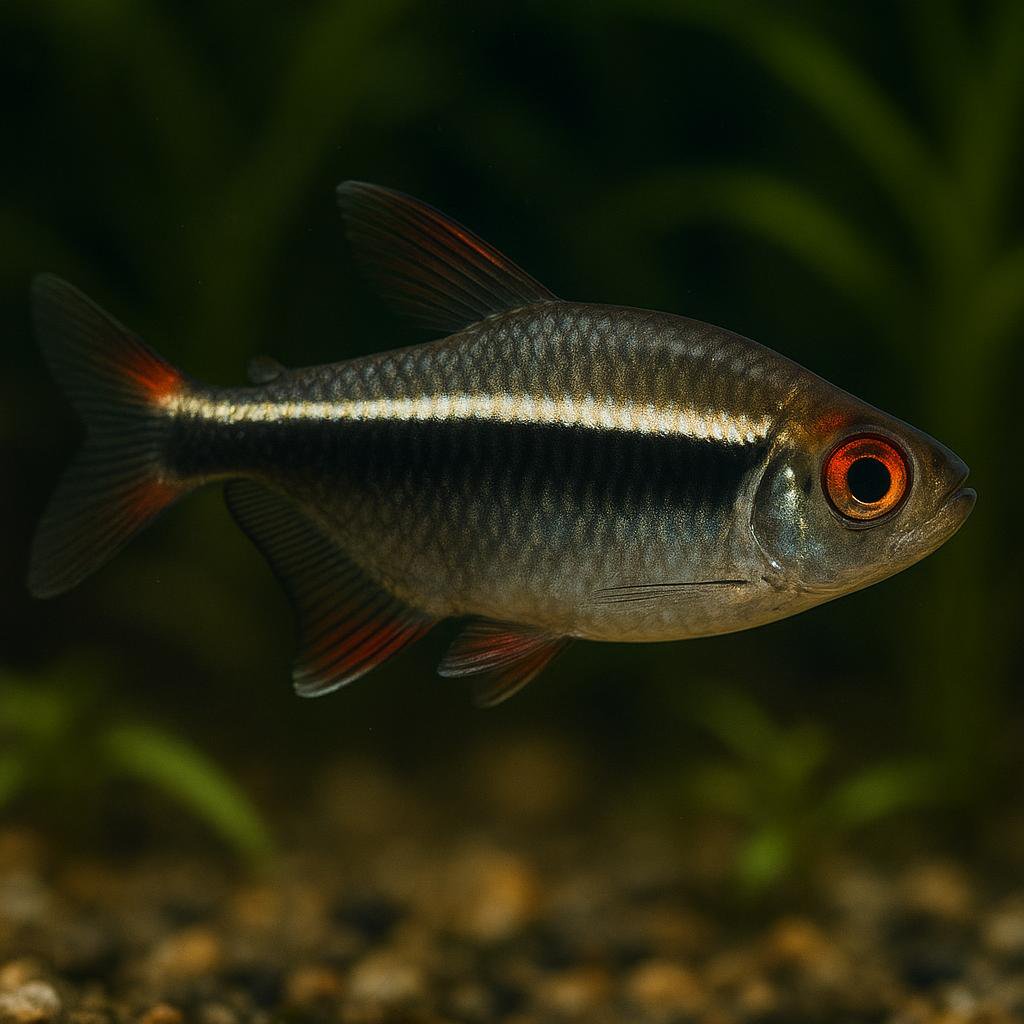
Black Neon Tetra
Hyphessobrycon herbertaxelrodi
Black neons are one of those little tetras that look kinda understated until the light hits them-then that bright stripe pops and they shimmer when the school turns together. They're super chill, always cruising mid-water, and they make a tank feel "alive" without being hectic. If you keep a nice group, they get bolder and you'll see way more of their personality.
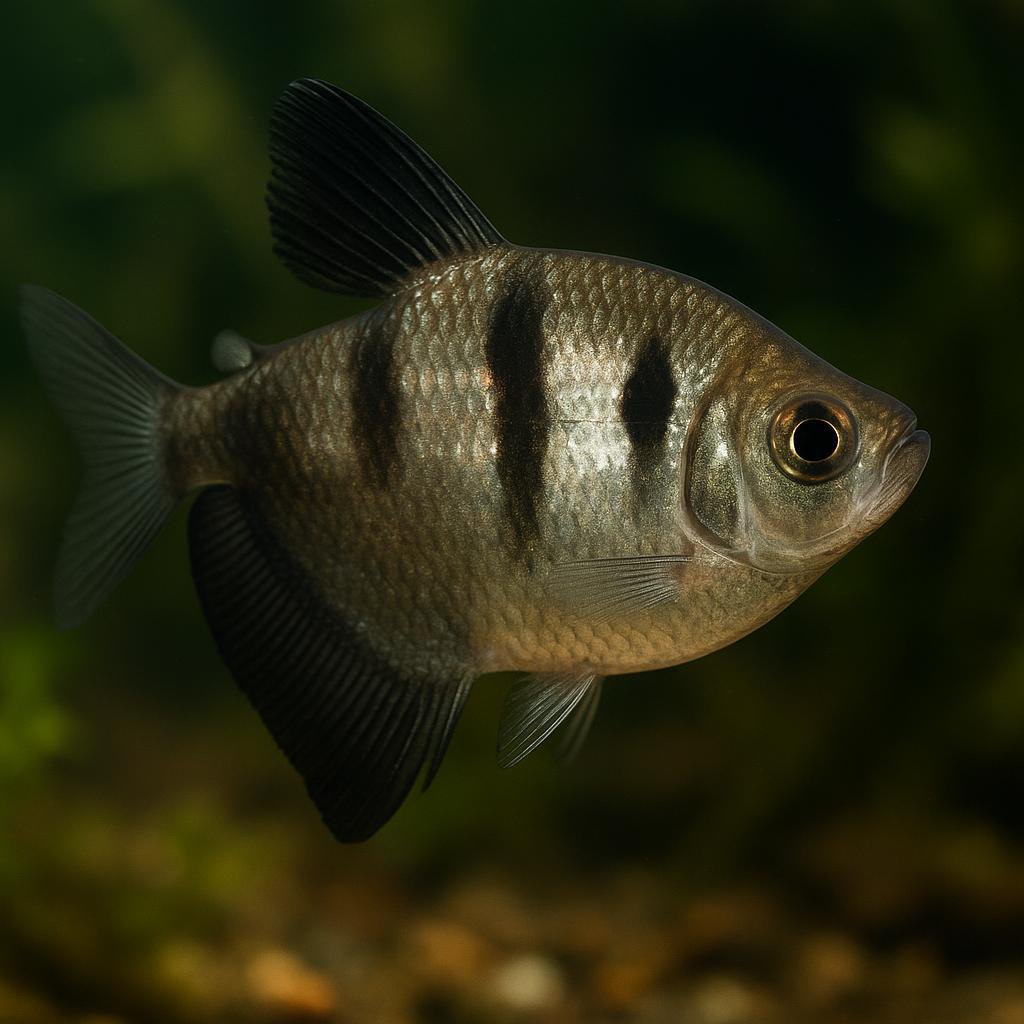
Black Skirt Tetra (Black Widow Tetra)
Gymnocorymbus ternetzi
Black skirts are those little "suit-and-tie" tetras with the dark bands and flowing fins that look way fancier than they should for how tough they are. They're super active midwater fish, and when you keep a proper group they do that tight, zippy schooling thing that makes the whole tank feel alive. Just give them enough buddies and finny tankmates they won't be tempted to nip.
Looking for other species?