

Bathybagrus platycephalus (claroteid catfish)
Bathybagrus platycephalus
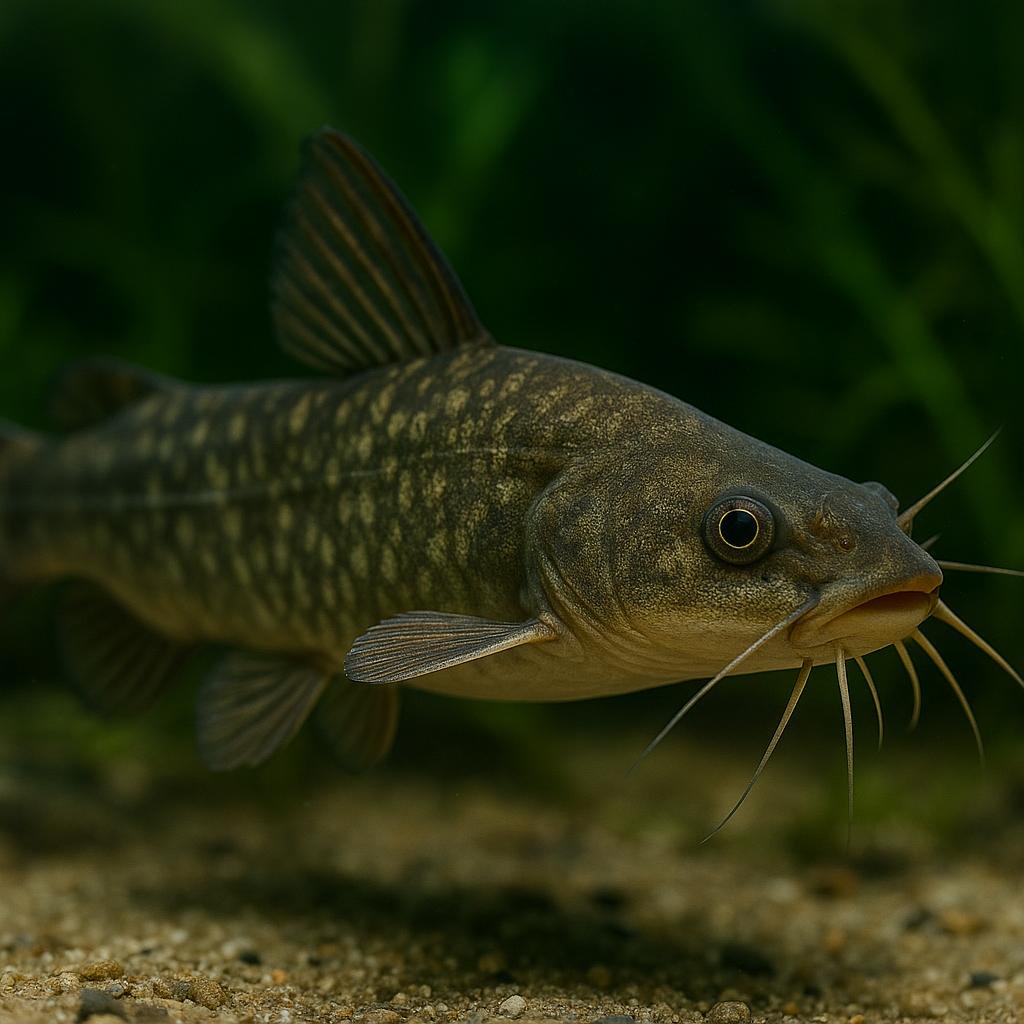
Chrysichthys platycephalus features a broad, flattened head, mottled brown body, and distinctive long dorsal fin, adapting it for a benthic lifestyle.
This page includes AI-generated images. Why am I seeing AI images?
About the Bathybagrus platycephalus (claroteid catfish)
This is a Lake Tanganyika claroteid catfish (Bathybagrus platycephalus; synonym Chrysichthys platycephalus) reported from deeper water (about 20-110 m) and associated with rocky substrate. It reaches ~22 cm TL and is a demersal predator, so small fish may be eaten if they fit in its mouth.
Also known as
Quick Facts
Size
22 cm
Temperament
Semi-aggressive
Difficulty
Advanced
Min Tank Size
75 gallons
Lifespan
8-12 years
Origin
East Africa (Lake Tanganyika)
Diet
Carnivore/omnivore-leaning - sinking meaty pellets, frozen foods (krill, shrimp, mussel), earthworms; avoid relying on flakes
Water Parameters
24-27°C
7.8-9
10-20 dGH
Need a heater for this species?
This species needs 24-27°C in a 75 gallon tank. Use our heater calculator to find the right wattage.
Calculate heater sizeCare Notes
- Give it a big footprint tank, not a tall one - adults get chunky and like cruising the bottom (think 75-125+ gallons depending on size). Use sand or very smooth gravel and lots of cover (caves, wood, rock piles) so it can claim a spot.
- Aim for warm, stable alkaline freshwater typical of Lake Tanganyika (commonly ~24-27°C). Keep pH in the alkaline range (your profile target of ~7.8-9.0 fits this theme) and keep nitrogen waste low with strong filtration and regular maintenance.
- They are messy predators, so over-filter and add strong aeration; a big canister plus a powerhead works great. Leave some calmer zones though, because they do not love getting blasted 24/7.
- Feed at dusk or lights-out when they are bold - sinking carnivore pellets, chopped shrimp, mussel, earthworms, and bits of fish. Skip feeder fish and go easy on fatty meats; you will get a cleaner tank and fewer mystery deaths.
- Tankmates need to be too big to swallow and not fin-nippy: sturdy cichlids, larger barbs, big tetras, or other robust catfish can work in a large tank. Avoid small schooling fish, slow fancy fish, and anything that sleeps on the bottom unless you want it eaten or bullied.
- Watch the pectoral spines when netting - use a container or a soft knotless net and do not rush it, because they can snag and tear fins. Also keep a tight lid; startled catfish can launch themselves.
- Common headaches: bloat from overeating, whisker erosion from sharp substrate, and stress from bright bare tanks. If it is always hiding, check nitrate and dissolved oxygen first - they are usually telling you something is off.
Compatibility
Good Tankmates
- Big, sturdy African cichlids that can handle some attitude (think larger peacocks/haps or tough riverine types) - as long as they are not tiny enough to be swallowed and you have lots of rock cover
- Robust Lake Tanganyika fishes too large to swallow (choose Tanganyika-appropriate tankmates; avoid soft-water species)
- Bigger characins like Congo tetras - quick, midwater, and usually smart enough to stay out of the catfish's face (just do not mix with snack-sized ones)
- Robust Lake Tanganyika fishes too large to swallow (choose Tanganyika-appropriate tankmates; avoid soft-water species)
- Armored, no-nonsense bottom fish that can defend themselves like adult Synodontis (upside-down cats) - give multiple hiding spots so they are not forced to share one cave
- Large plecos (common pleco, sailfin) - usually fine if both have their own retreats, but watch feeding time because this catfish gets pushy on the bottom
Avoid
- Small community fish like neon-type tetras, guppies, small rasboras - they tend to become expensive live food once the catfish settles in
- Slow fish with long fancy fins (angelfish, fancy guppies, longfin anything) - too easy to bully at night and too easy to shred when the catfish gets crabby
- Tiny bottom dwellers like Corydoras and small loaches - they want the same floor space and they get outmuscled hard, plus they can get gulped if the catfish is big enough
- Super aggressive, bitey tankmates (big Midas/Red Devil types, hyper-territorial cichlids) - turns the whole tank into a nonstop brawl over caves and feeding spots
Where they come from
Chrysichthys platycephalus is an African river catfish. You will see it tied to big, warm freshwater systems - rivers, floodplains, and lakes where the water can be anything from clear to muddy depending on season. That background explains a lot: they are built for strong flow, messy feeding, and they get big enough that most community-tank rules stop applying.
Heads up on the name: people mix up "platycephalus" labels in the hobby. Buy by the fish in front of you (body shape, mouth, barbel length) and expect a large Chrysichthys either way.
Setting up their tank
This is an advanced fish mostly because of size, waste, and attitude. Think "big, stable, and easy to clean" more than "fancy aquascape." If you do that, they are actually pretty hardy.
- Tank size: I would not keep one in less than a 6 foot tank, and 8 foot is where it starts feeling comfortable. They are thick-bodied and turn like a truck.
- Filtration: over-filter. Big canister(s) or a sump, plus lots of biological media. Add pre-filter sponges so you are not tearing the filter apart every week.
- Flow and oxygen: moderate to strong flow and lots of surface agitation. They sulk less and eat better with high oxygen.
- Substrate: sand or smooth fine gravel. They root around and can scrape their belly on sharp stuff.
- Hides: big PVC elbows, driftwood caves, or rock piles that cannot shift. Give them at least one dark retreat.
- Lid: tight-fitting. Startle response is real, especially after water changes or lights switching.
Do not decorate with unstable rocks. This fish will bulldoze and wedge itself into places you did not plan for. If it can move, it will.
Water numbers matter less than stability and cleanliness. Warm freshwater suits them fine (mid-70s to low-80s F), neutral-ish pH is a safe target, and they handle some hardness. What they do not handle is chronic ammonia/nitrite, or nitrate that just creeps up because you are under-filtered for their bioload.
What to feed them
They eat like a predator-scavenger. Mine learned the schedule fast and would come out at dusk looking for anything meaty. The trick is keeping them in good shape without turning the tank into a grease trap.
- Staples: quality sinking carnivore pellets and wafers (the kind that do not explode into mush).
- Frozen foods: shrimp, mysis, krill, chopped fish/clam, mussel meat. Rotate so you are not feeding one thing forever.
- Live foods: earthworms are great if you can source clean ones. I skip feeder fish - too many parasite and thiaminase headaches.
- Occasional: bits of squid or prawn as a treat, not every day.
Feed after lights dim, and use a feeding dish or one "feeding corner." It keeps food from disappearing under wood where it rots and spikes your nitrate.
Portion control matters. A big catfish will act hungry even when it is not. I had the best results with smaller meals 4-5 times a week, and a lighter day in between. If the belly is bulging and the fish gets lazy, back off.
How they behave and who they get along with
Expect a mostly nocturnal, sit-and-wait fish that turns into a vacuum cleaner at feeding time. They are not "mean" in the way some cichlids are, but they are absolutely opportunistic. If it fits in the mouth, it is food. If it does not fit, it might still get chewed on.
- Best tankmates: robust, similarly sized fish that do not sleep on the bottom (big barbs, larger characins, medium-large cichlids that can hold their own, big Synodontis).
- Risky tankmates: slow fish, long fins, anything that perches on the bottom, and anything you would be sad to lose overnight.
- Avoid: small tetras, livebearers, dwarf cichlids, shrimp, snails you care about.
They can be surprisingly grabby during feeding. Use tongs if you are hand-feeding, and do not let kids put fingers in the tank at feeding time.
With more than one, space and hides decide everything. In cramped quarters they can get pushy, especially around a favorite cave. In a big tank with multiple retreats, you will see a lot more calm "sharing the floor" behavior.
Breeding tips
Breeding this species in home aquariums is not common. Adults need a lot of room, and in the wild they are tied to seasonal changes and flood cycles. Most hobbyists who keep them are running display tanks, not breeding setups.
If you ever try, you are looking at a big group, heavy feeding, and then simulating a rainy season: large water changes with slightly cooler water, increased flow/oxygen, and lots of structure. Even then, getting a compatible pair and raising fry is a serious project.
If you end up with eggs or fry by surprise, pull the adults. Large Chrysichthys will eat their own young without hesitation once the opportunity shows up.
Common problems to watch for
- Nitrate creep and "mystery" water quality issues: usually from overfeeding and food trapped under decor. Vacuum under wood and rocks, not just open sand.
- Barbel erosion: often a combo of dirty substrate, sharp gravel, and high organics. Clean up, switch to sand, and keep the bottom tidy.
- Ich after big changes: they can get spotty if you swing temperature or stress them with a major rescape. Match temp closely and keep lights low after maintenance.
- Bloat/constipation: common with too many rich foods. Rotate in pellets, do smaller meals, and do not make shrimp the whole diet.
- Injuries from decor: scraped sides or split barbels from squeezing into tight caves. Give them hides that are wider than you think they need.
Netting them is a pain. Use a large tub or bag-in-a-bucket approach if you can. They can tangle nets with spines and thrash hard enough to hurt themselves.
If you keep the water clean, give them elbow room, and feed like you are running a messy predator tank (because you are), they are rewarding fish. They have real presence, and once they settle in, they get bold in that calm, heavy catfish way.
Similar Species
Other freshwater semi-aggressive species you might be interested in.
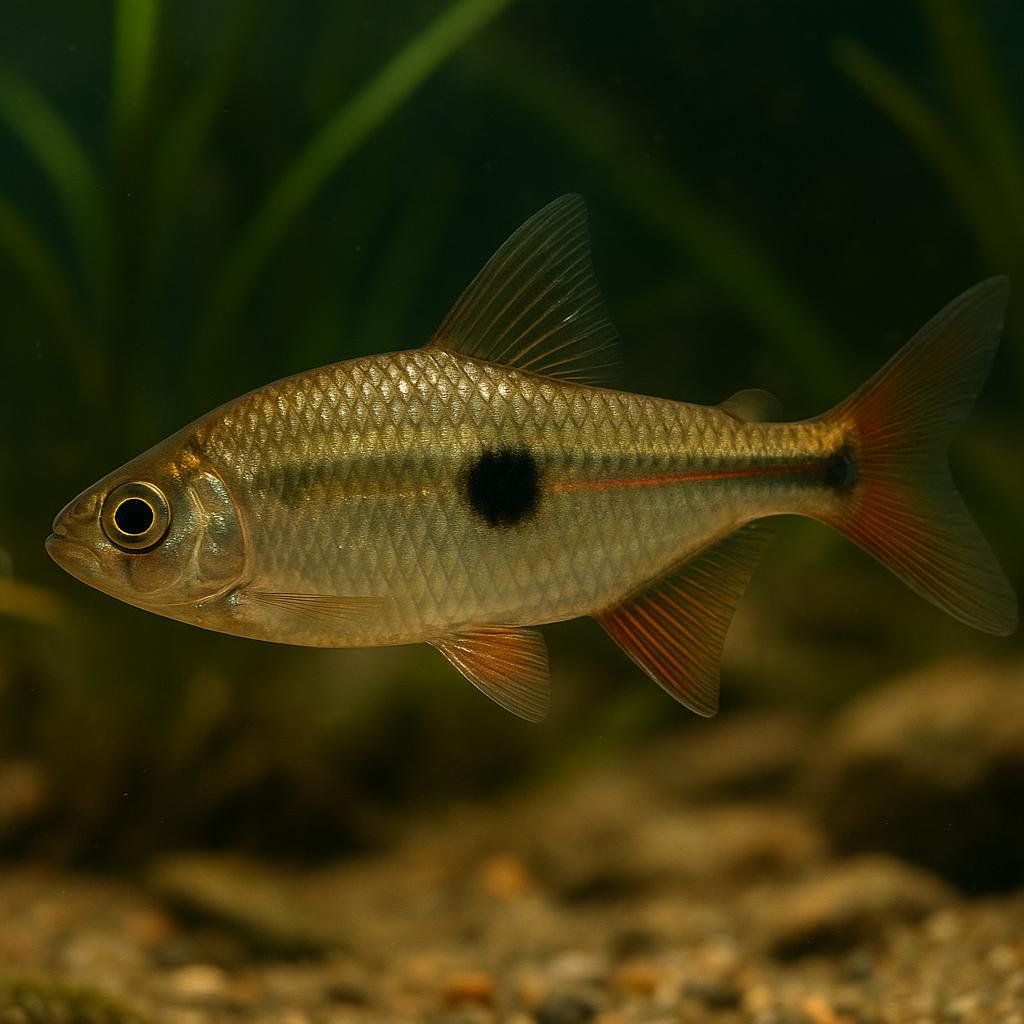
Jupiaba kurua
Small South American characin endemic to the upper rio Curuá (rio Xingu basin, Brazil). Reaches about 8.7 cm SL and inhabits clearwater rivers. Distinguished by dark dots on the bases of many lateral scales and a distinct dark caudal‑peduncle spot. Reported diet indicates omnivory, including aquatic insects, small fishes, and fragments of Podostemaceae and filamentous algae.
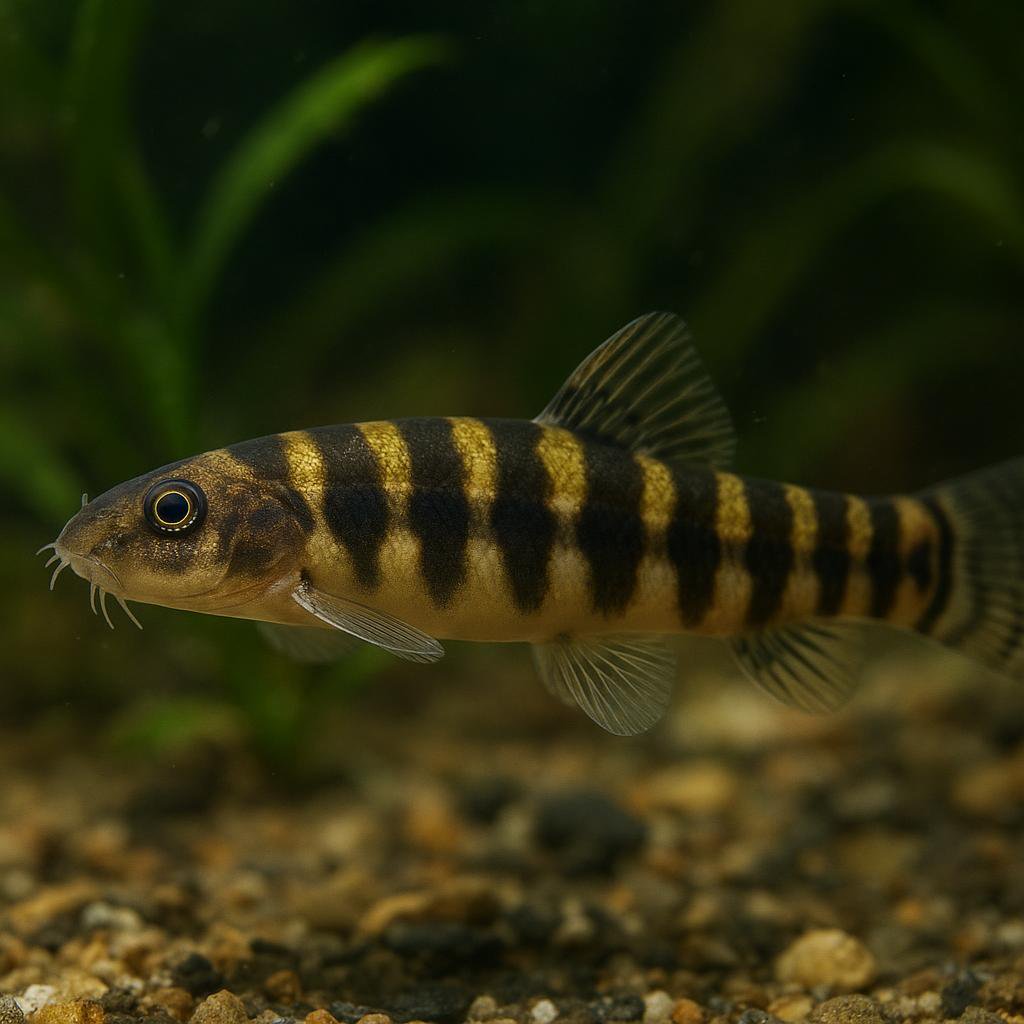
Altipedunculata stone loach
Schistura altipedunculata
Schistura altipedunculata is one of those little stream loaches that wants clean, well-oxygenated water and a bunch of rock nooks to claim as home. It is a bottom-hugger that will spend its day scooting from crevice to crevice, and it tends to get a bit spicy with its own kind if you do not give it enough hiding spots.
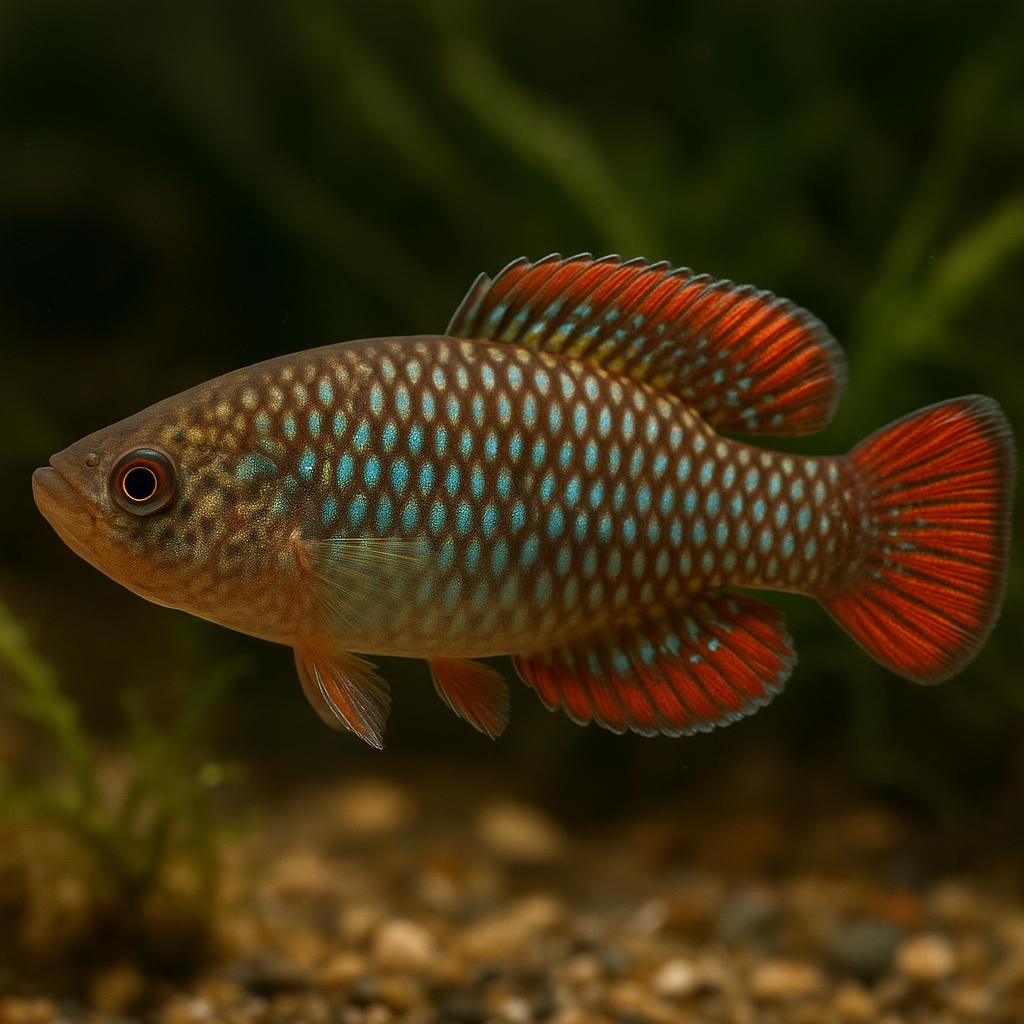
American flagfish
Jordanella floridae
Jordanella floridae is that little Florida native with the red-and-cream striping that really does look like a tiny flag once a male colors up. They graze algae like champs (especially stringy/hair algae), but they have a bit of attitude - give them plants and space so the bossy behavior stays manageable. Bonus: the male guards the eggs and will actively fan them, which is pretty fun to watch.
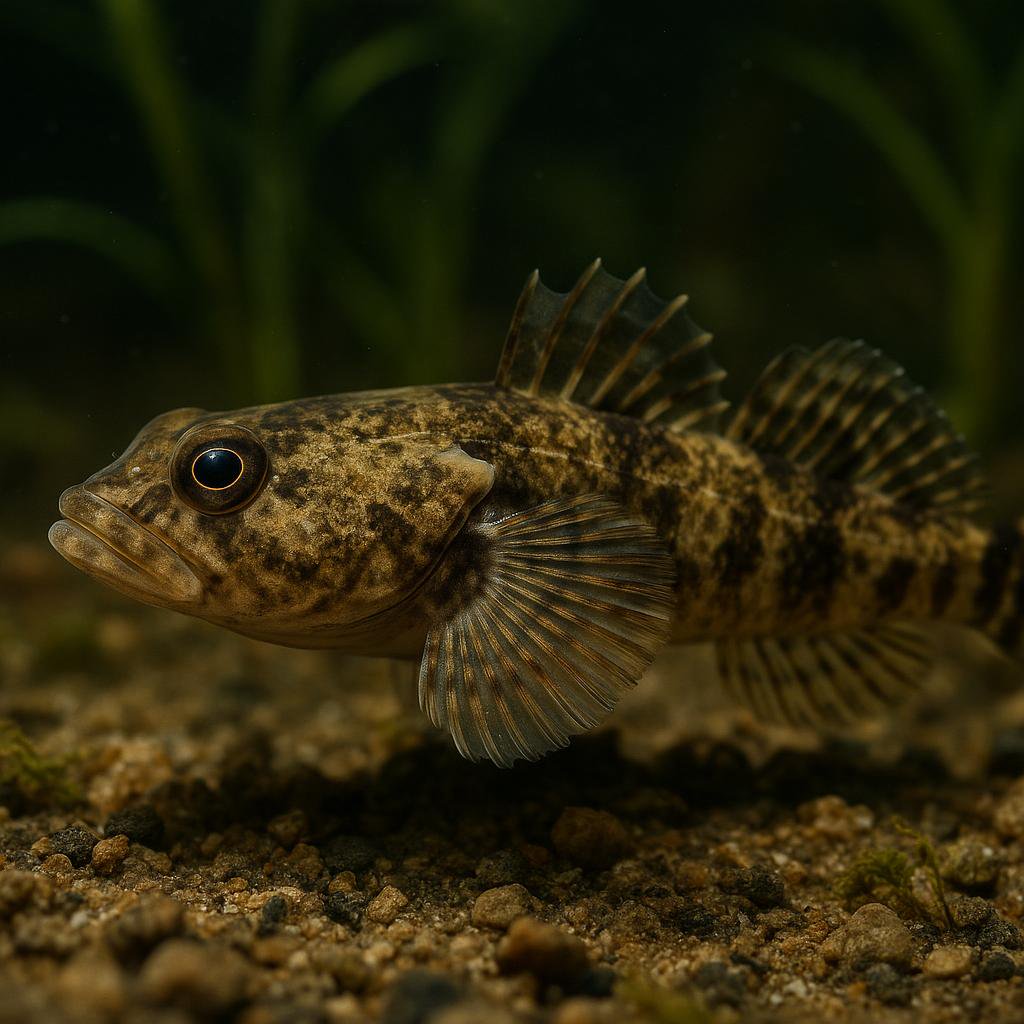
Amur sculpin
Alpinocottus szanaga
This is a little coldwater sculpin from the Amur drainage - a bottom-hugging, rock-and-gravel fish that spends its day wedged under stones and darting out to grab food. Super cool behavior and attitude, but it is absolutely not a warm tropical community fish - it wants chilly, fast, oxygen-rich water and will bicker with other bottom fish.
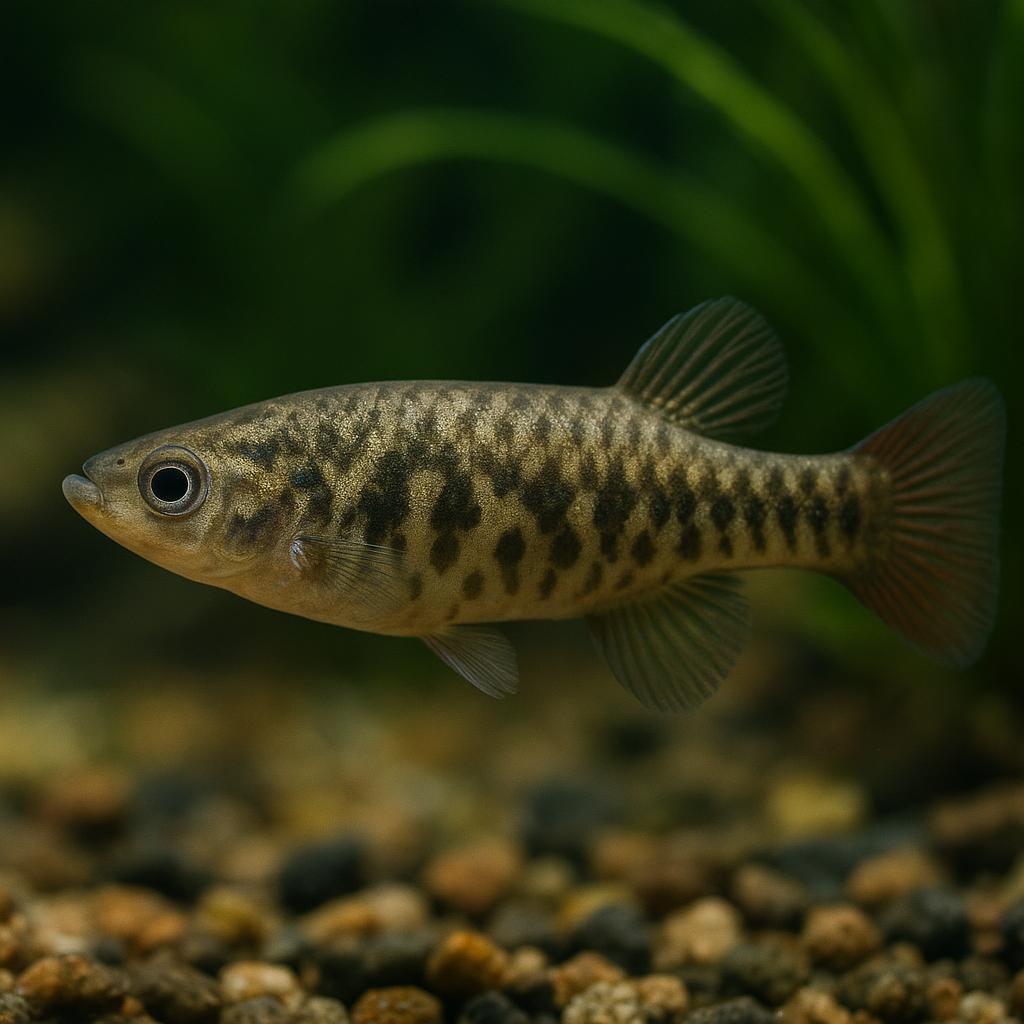
Anitápolis livebearer
Jenynsia weitzmani
Jenynsia weitzmani is a freshwater anablepid livebearer endemic to southern Brazil (currently known only from the type locality near Anitápolis, Santa Catarina). Like other Jenynsia (onesided livebearers), reproduction involves lateralized mating morphology/behavior; aquarium care guidance is not well-documented for this species specifically.
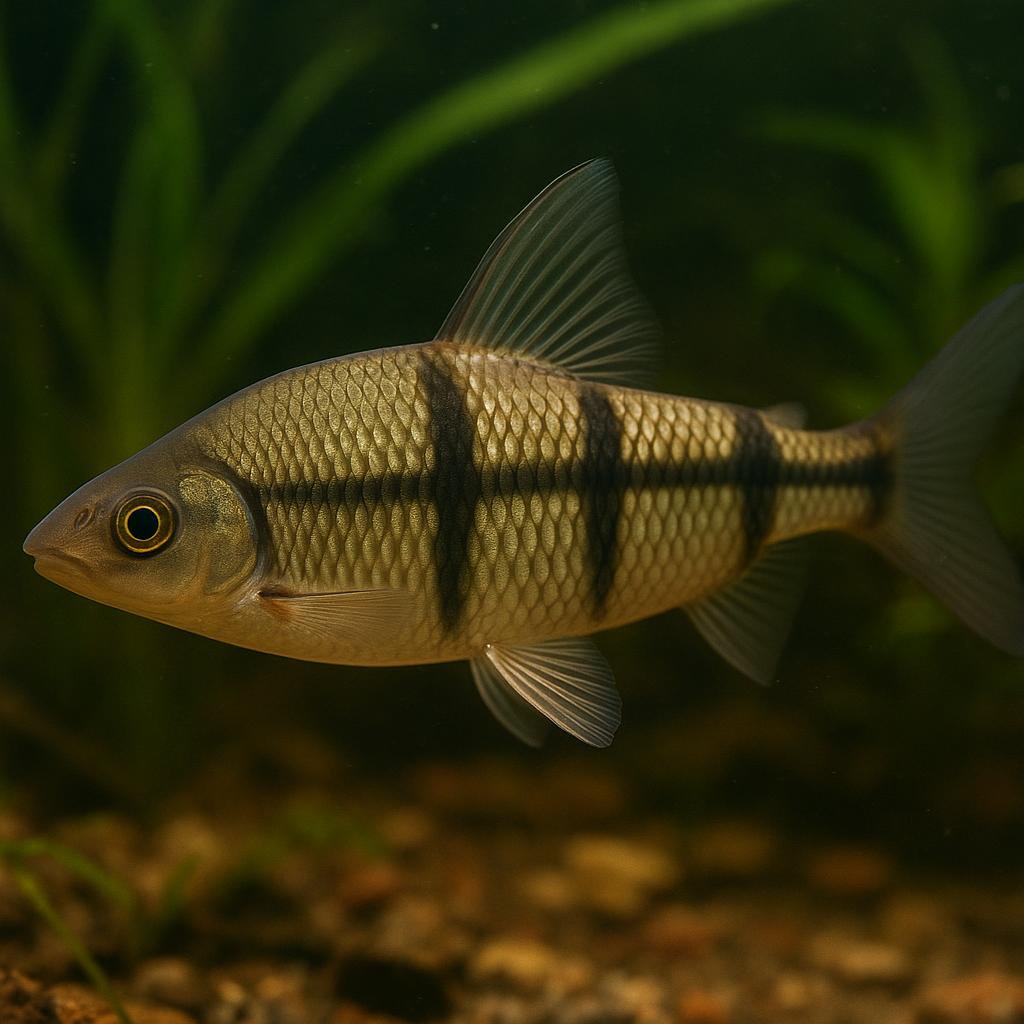
Aracu-comum
Schizodon vittatus
Schizodon vittatus is a large South American anostomid (family Anostomidae). Reported maximum size is about 35 cm standard length; it is harvested/consumed in parts of Brazil and is not commonly covered by mainstream aquarium husbandry references.
More to Explore
Discover more freshwater species.
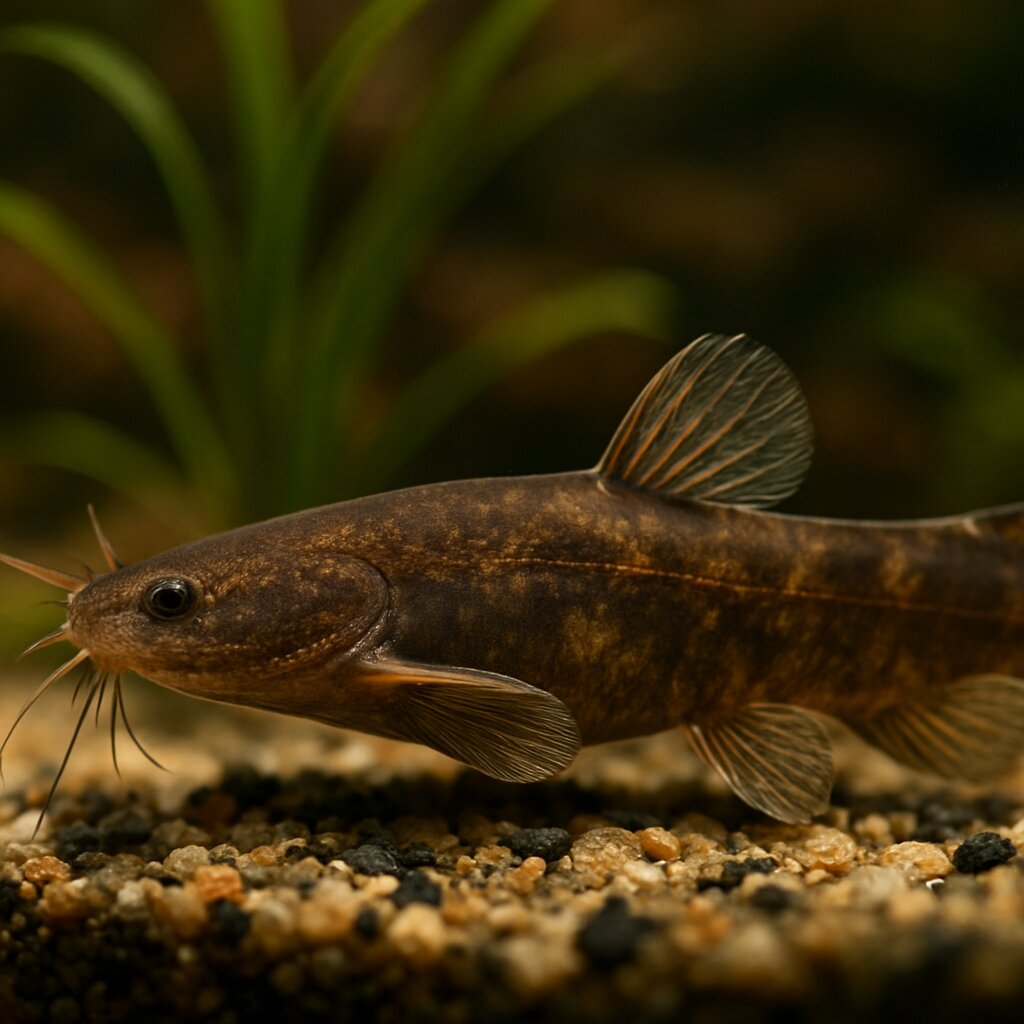
Amphilius dimonikensis
A small loach catfish endemic to the Mpoulou River in the Mayombe (Dimonika Biosphere Reserve), Republic of the Congo. Amphilius dimonikensis has a subtle banded pattern and inhabits fast, clear streams over rock and sand. In aquaria, prioritize strong, well-oxygenated flow with rounded stones and sand to mimic hillstream conditions.
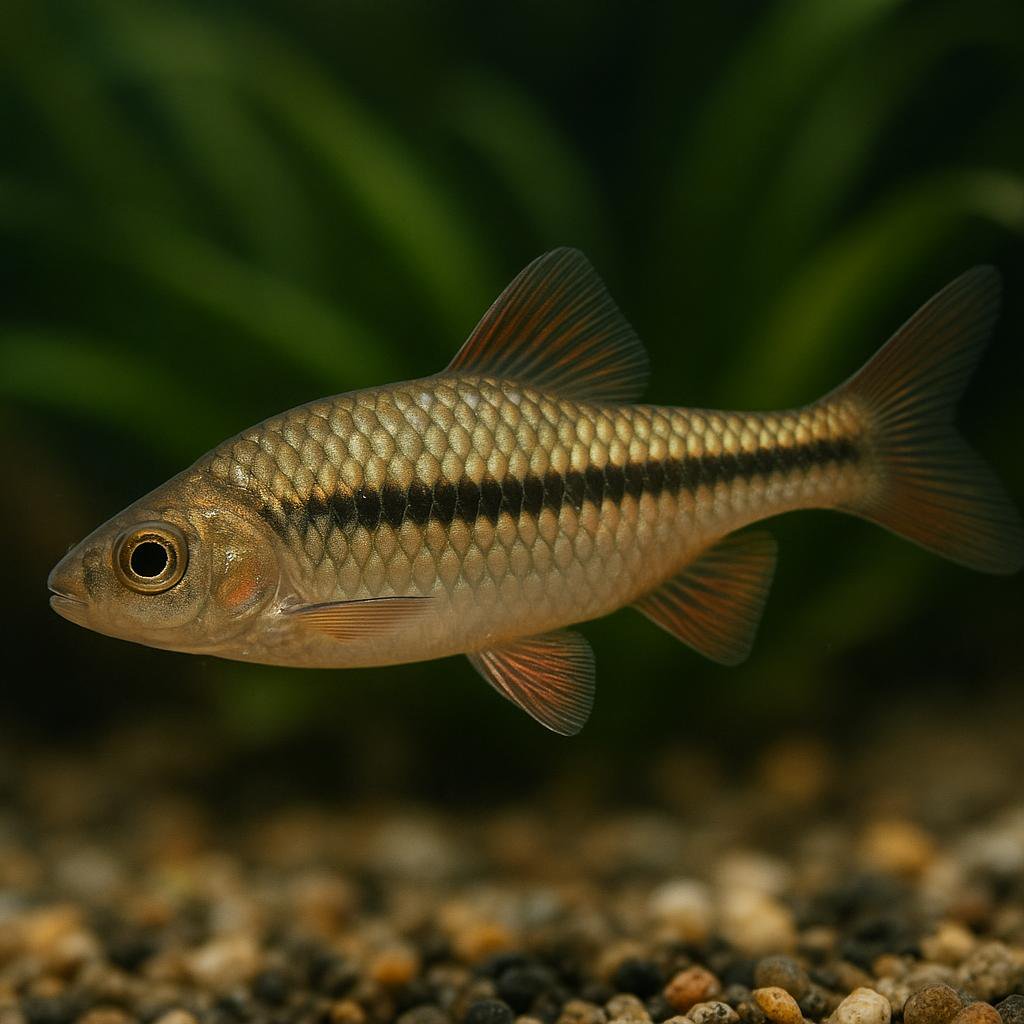
Aboina barb
Enteromius aboinensis
Enteromius aboinensis (the Aboina barb) is a small West African barb with a clean black midline stripe and a little spot right at the base of the tail. It does best when you treat it like a proper schooling fish - keep a decent group and give it plants around the edges with open swimming room in the middle.
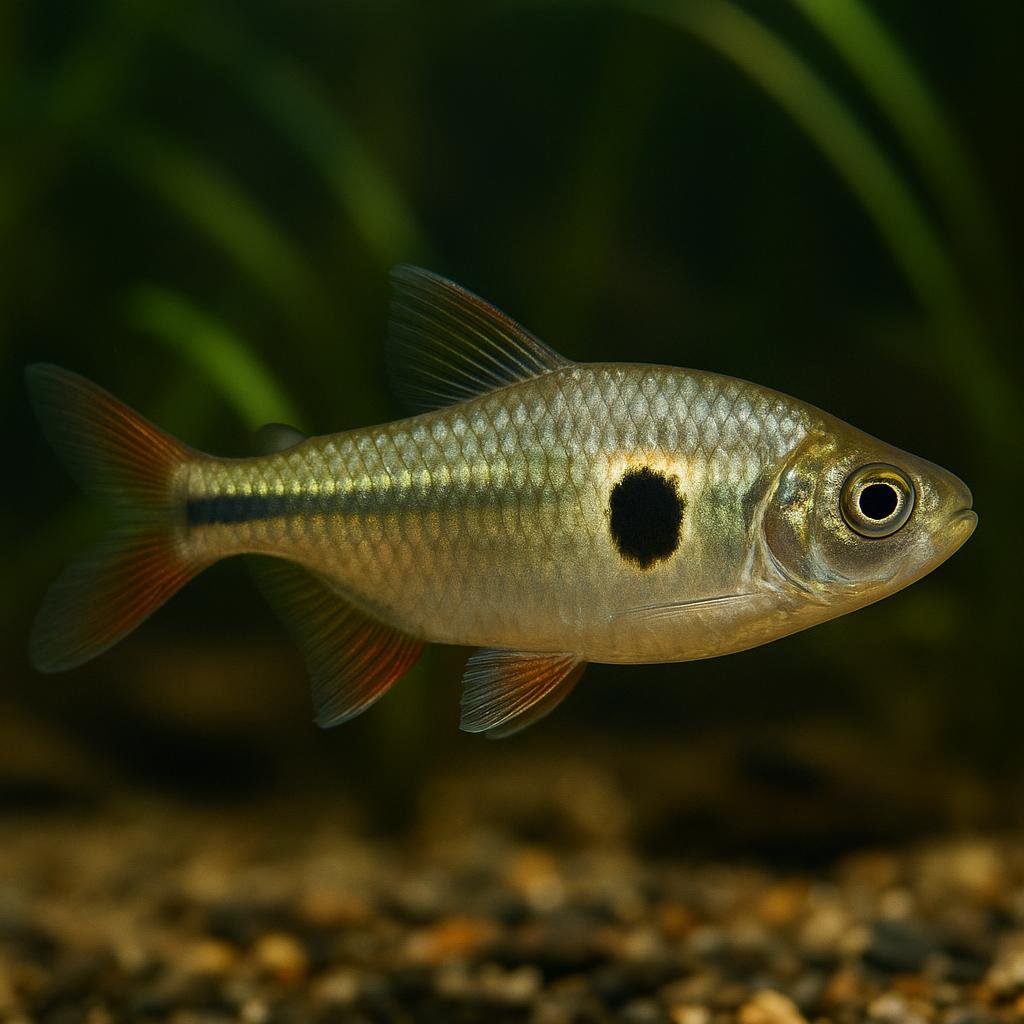
Ajuricaba tetra
Jupiaba ajuricaba
Jupiaba ajuricaba is a South American freshwater characin from the Amazon basin in Brazil (rio Negro, rio Solimões, and rio Tapajós basins). It reaches about 9.5 cm SL and is diagnosed by a narrow dark midlateral stripe, an elongated humeral spot, and an ocellated spot on the upper caudal-fin lobe. Wild specimens have been collected from blackwater forest streams and also oxbow-lake habitats.
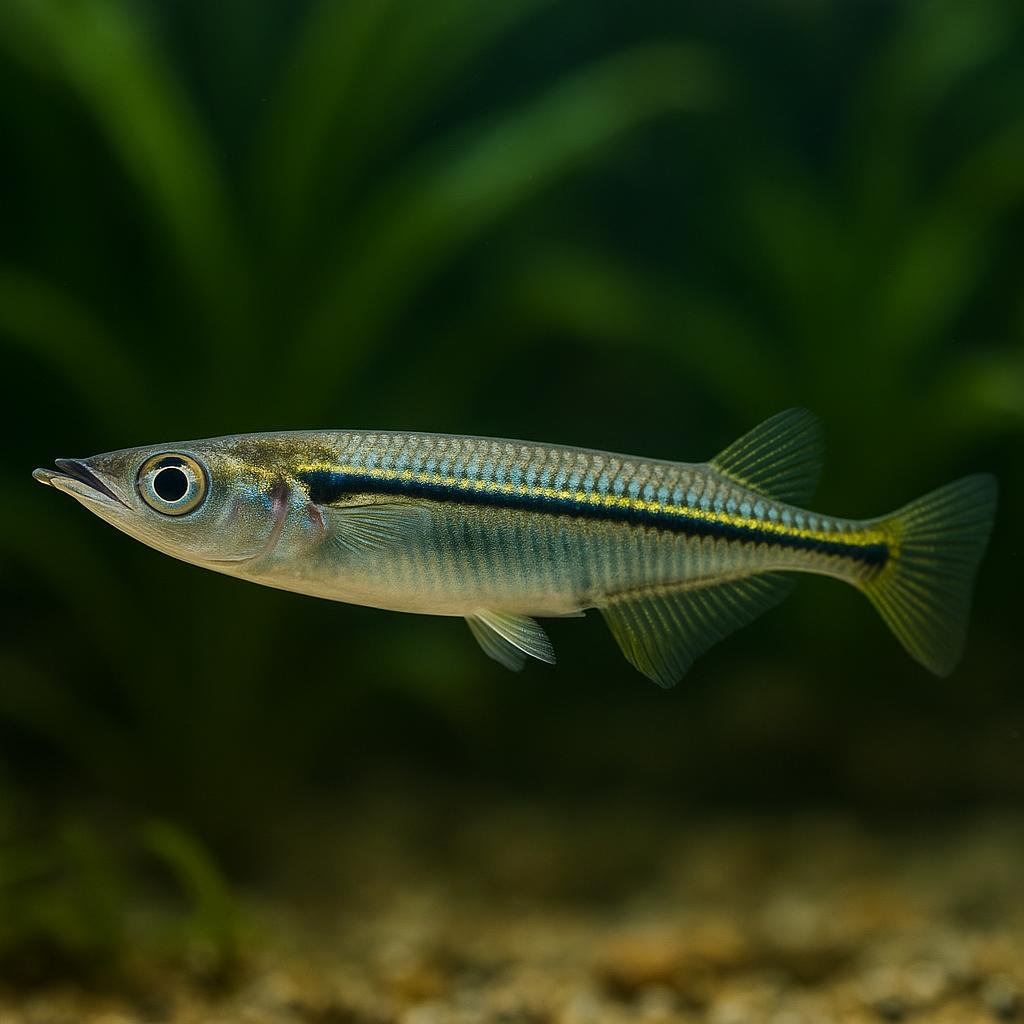
Allen's river garfish
Zenarchopterus alleni
A poorly known freshwater halfbeak endemic to West Papua (Mamberamo River), described from a single specimen (~13 cm SL). Beyond basic habitat/occurrence, little is published about its ecology or aquarium suitability; assume it is a surface-oriented, jump-prone halfbeak only by analogy with related taxa.
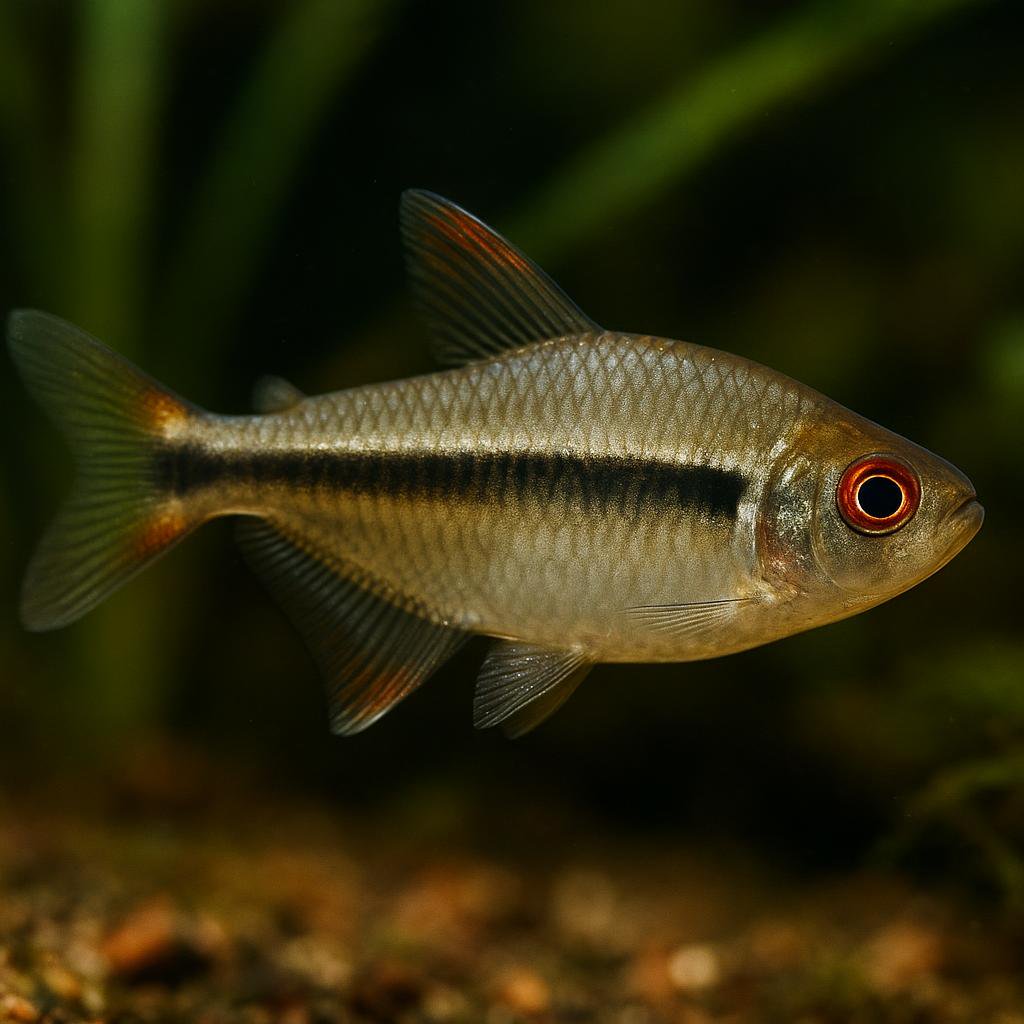
Amapa tetra
Hyphessobrycon amapaensis
This is a tiny, super sleek little tetra with a clean red stripe down the side that really pops once its settled in. It does best in a planted, slightly tinted "creek-style" setup and looks way cooler when you keep a proper group so they school and flash that line together. If you can give it soft, slightly acidic water and a calm community, its an easy fish to fall for.
Amatlan chub
Yuriria amatlana
Yuriria amatlana (the Amatlan chub) is a little Mexican native minnow from the Ameca River basin. Its wild range is pretty limited and it is listed as Endangered, so its care info in the aquarium hobby is basically nonexistent and its availability is usually low. In the original species description, preserved fish show a dark lateral stripe with a darker patch on the caudal peduncle, and they can have tiny barbels at the mouth corners.
Looking for other species?