

North Baikal yellowfin
Cottocomephorus alexandrae
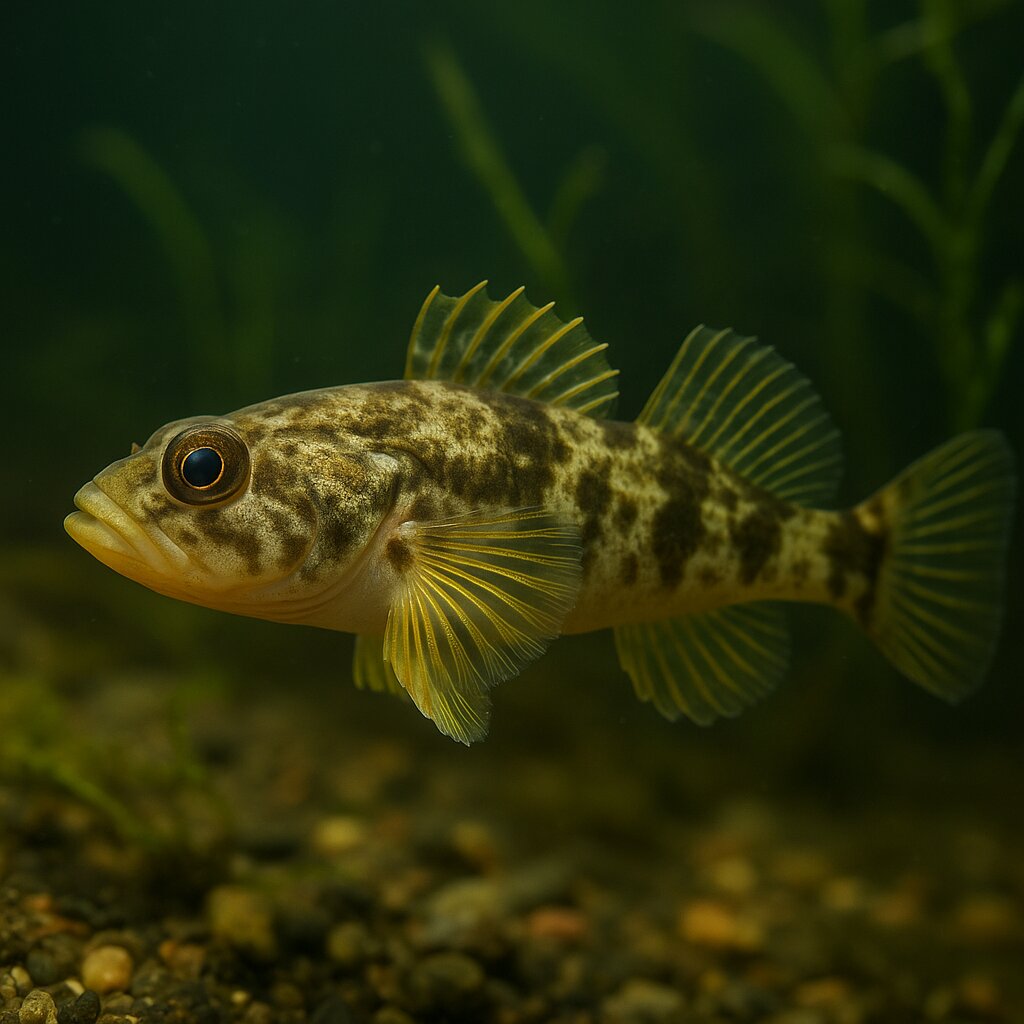
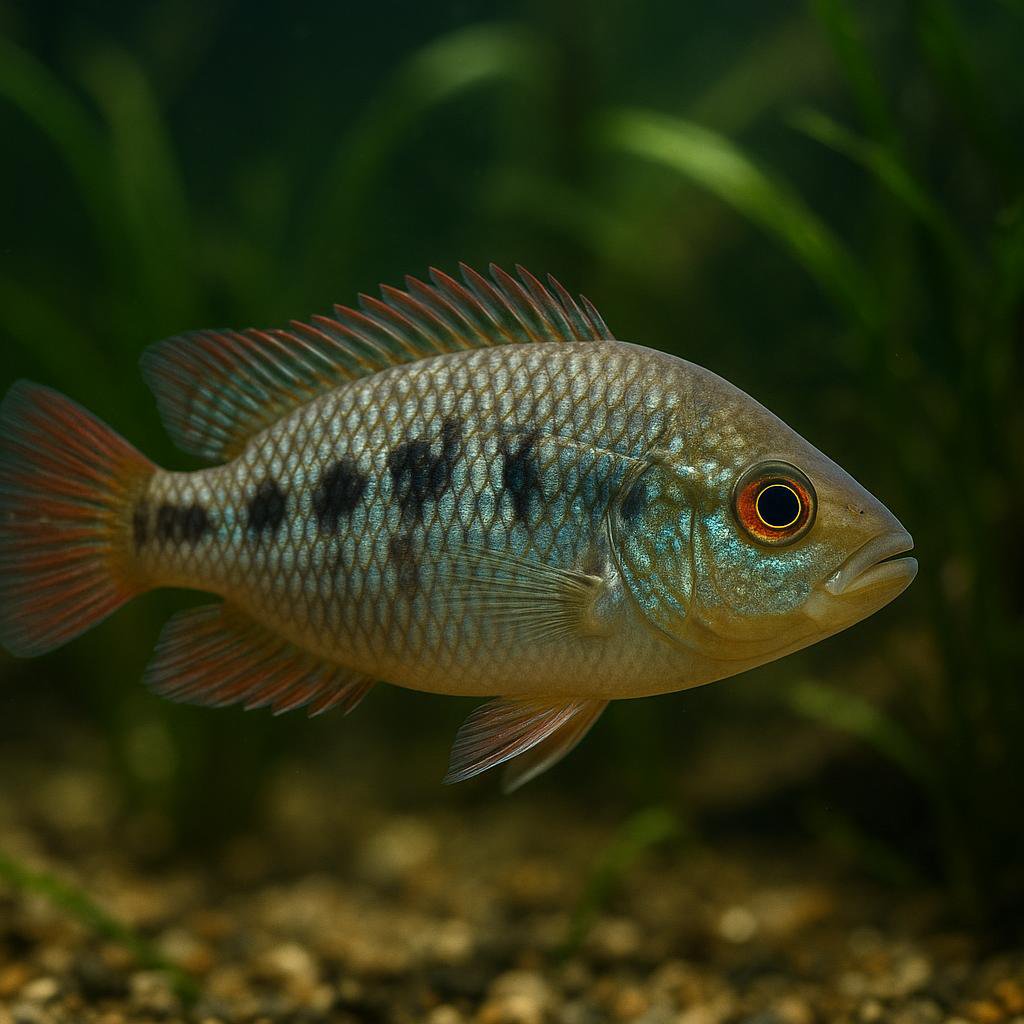
The North Baikal yellowfin exhibits a slender body with a distinctive yellow fin and a silvery sheen, adapted for life in cold freshwater.
This page includes AI-generated images. Why am I seeing AI images?
About the North Baikal yellowfin
A true coldwater Baikal sculpin that cruises from the shallows down into deep, icy water and snacks on zooplankton and amphipods. Breeding males get bold with black bodies and yellow-striped pectoral fins, which looks wild in the clear Baikal water. Super niche fish that really needs near-ice temps and roaring oxygenation, so not a home aquarium candidate.
Also known as
Quick Facts
Size
14.2 cm SL (about 5.6 inches)
Temperament
Semi-aggressive
Difficulty
Expert
Min Tank Size
55 gallons
Lifespan
3-6 years
Origin
Siberia - Lake Baikal, Russia
Diet
Carnivore - zooplankton, amphipods, small fish
Water Parameters
3-12°C
7-8.3
0.5-2 dGH
Need a heater for this species?
This species needs 3-12°C in a 55 gallon tank. Use our heater calculator to find the right wattage.
Calculate heater sizeCare Notes
- Run a chiller and keep it cold: 4-8 C (39-46 F), and do everything you can to avoid creeping past 12 C (54 F). Heat spikes kill these fast.
- They want Baikal-like water: pH 7.8-8.4, KH 3-6, GH 3-8, low TDS (80-150 ppm), and nitrate under 10 ppm. Pre-chill water for changes so you do not shock them.
- Give them a rocky riverbed: stacked slate and rounded cobbles with tight caves, sand or fine gravel between, and a strong laminar flow across the rocks. Aim for 8-12x turnover with heavy aeration.
- Go big on oxygen and filtration; they sulk and gasp when O2 drops or the tank warms. Use a beefy canister plus powerheads, and cover intakes with foam so they do not wedge in.
- Feeding is almost all meaty and mostly live at first: scuds (Gammarus), live or frozen mysis, chopped earthworms, blackworms, and small shrimp. Offer with tongs near their perch and try to wean to frozen mysis over time.
- Feed modestly 3-5 times per week at these temps and vacuum leftovers right after. They ignore pellets and flakes, so do not count on dry food.
- Tankmates are a headache; keep it species-only or single fish. They will nail anything mouth-sized and brawl with similar bottom dwellers unless the tank is huge with broken sightlines.
- Breeding is niche: males guard eggs under a flat rock in high flow after a cold winter and spring light cycle. If you ever get eggs, pull other fish and be ready with cold-tolerant live plankton, because the fry are picky.
Compatibility
Good Tankmates
- Three-spined sticklebacks - coldwater, midwater, spiky, and too fast to get inhaled
- Nine-spined sticklebacks - same deal as three-spined, tough and poke-y so the sculpin thinks twice
- Adult coolwater shiners or dace 10 cm+ (golden shiners, European minnows) - fast midwater cruisers that are not bite-sized
- Weather loach Dojo loach - big, slippery, and mostly ignores the sculpin if the tank is roomy with high flow and lots of hides
- European stone loach - can work if you pile in rockwork and caves so they are not bumping into each other on the same patch of bottom
- Another North Baikal yellowfin of similar size in a large, rock-stacked setup - they will posture but settle if each has its own cave
Avoid
- Small schooling fish like white clouds, danios, or tiny shiners - they turn into night-time snacks
- Slow fish with fancy fins (angelfish, fancy goldfish, longfin breeds) - easy targets for nips and pounces
- Warm tropical community fish (guppies, neons, corys) - wrong temperature and oxygen, plus many are bite-sized
- Other bottom bruisers like sculpins, darters, gobies, or plecos - territory fights and or temperature mismatch for the tropical ones
Where they come from
North Baikal yellowfin are a coldwater sculpin from the rocky shallows of northern Lake Baikal. Picture crystal-clear, low-mineral water, heavy wave action, and a lot of oxygen. They hug the bottom, wedging between stones and waiting for invertebrates to wander too close.
Baikal water is very soft and clean. Think low TDS (roughly 50-120 ppm), high oxygen, and cool temps most of the year.
Setting up their tank
These fish are absolutely a coldwater project. If you do not have a chiller, save yourself the stress and pick another species. They handle 6-12 C (43-54 F) beautifully; I keep mine around 8-10 C most of the year and let it creep to 12 C in summer.
- Tank size: A single does well in a 30-40 gallon long. For two, I like a 55+ with a big footprint.
- Cooling: Inline chiller or a serious DIY cold loop. Fans alone won't cut it.
- Flow and oxygen: Powerhead or canister with spray bar; strong aeration. They sulk in still water.
- Substrate: Sand or fine gravel with lots of rounded river stones and cobbles stacked into caves and ledges.
- Light: Dim. They look and act better without bright lighting. Ambient room light or a toned-down LED.
- Cover: Tight lid. They do not jump often, but a spooked sculpin can launch.
- Filtration: Oversized, with prefilters so they do not get pinned to intakes. Keep it spotless.
- Water: Soft to moderately soft, low TDS. RO mixed with a light mineral buffer works well. pH around 7.2-8.0.
- Maintenance: Big, regular water changes (30-50% weekly). Match temperature closely to avoid shocking them.
Heat and low oxygen are the fast killers. If the tank creeps above 14 C without extra aeration, you will see them pant and go listless.
What to feed them
They are bottom ambush predators. Most will ignore flakes and pellets for weeks. Start with meaty live or frozen foods.
- Live or frozen: amphipods/scuds, mysis, chopped earthworms, krill fragments, bloodworms, blackworms, small shrimp pieces.
- Occasional: small fish pieces or silversides, but keep fatty marine fish to a minimum.
- Training: Use tongs or a turkey baster to place food right by their mouth. Mine learned to take thawed mysis after two weeks of live scuds.
- Schedule: Small portions 3-4 times a week. At low temps their metabolism is slow. Pull leftovers within 10 minutes.
Quarantine or culture your live foods. Wild-collected scuds are great but can bring parasites.
How they behave and who they get along with
They sit, they stare, and then they pounce. Most of the day is spent perched on a rock or half-buried in sand. They will spar with their own kind over the best cave, usually by flaring fins and shoving.
- Temperament: Territorial on the bottom. Provide multiple sight breaks if you keep more than one.
- Tankmates: Best as a species tank. Anything bite-sized is food. Warmwater fish are a mismatch for the chill anyway.
- Possible companions: Similar-sized coldwater natives like sticklebacks can work if you over-provide cover, but watch closely. Snails and shrimp become snacks.
These are fish you watch on their schedule. Give them quiet time and they reward you with neat ambush behavior and color changes against the rocks.
Breeding tips
They are typical sculpins: nest spawners with male egg guarding. You will need a seasonal cycle and very steady, clean, cold water.
- Seasonal cues: Drop to 4-6 C for 6-8 weeks with short days, then bump slowly to 8-10 C and lengthen photoperiod.
- Nest sites: Flat stones leaning against larger rocks, small caves, and crevices. The male will clean the underside.
- Spawning: Female deposits a dense clutch; male fans and guards. Keep gentle, constant flow across the nest.
- Incubation: Roughly 2-4 weeks depending on temperature. Do not blast the eggs with direct jet flow.
- After hatch: Either pull the male or move the clutch to a hatching box with the same cold, oxygen-rich water. Fry take tiny live foods: copepod nauplii, small daphnia, and newly hatched brine shrimp. Go light on feeding to avoid fouling.
A narrow crevice with a flat roof tile has worked best for me. The male wedged himself in and guarded like a bulldog.
Common problems to watch for
- Heat stress: Fast gilling, hanging high in the water, or abandoning the bottom. Fix by dropping temps and blasting aeration.
- Low oxygen: Same signs as heat. Increase surface agitation and clean clogged filters.
- Nitrate sensitivity: Above ~20 ppm they get dull, hide, and stop eating. Heavy water changes fix this.
- Injuries and fungus: They wedge into rocks. Use rounded stones and smooth cover. Treat abrasions early at cold temps.
- Parasites from live foods: Stringy white feces or wasting despite eating. Quarantine foods and consider a targeted deworming protocol if needed.
- Not eating prepared foods: Stick to consistent target feeding. Start with live, then mix in frozen, then transition. Do not overfeed during training.
Avoid heaters or shield them. A sculpin can press against a hot tube and burn itself before moving.
If you keep the water cold, clean, and roaring with oxygen, these fish do great in a quiet species setup. They are not flashy swimmers, but they have loads of character once settled.
Similar Species
Other freshwater semi-aggressive species you might be interested in.
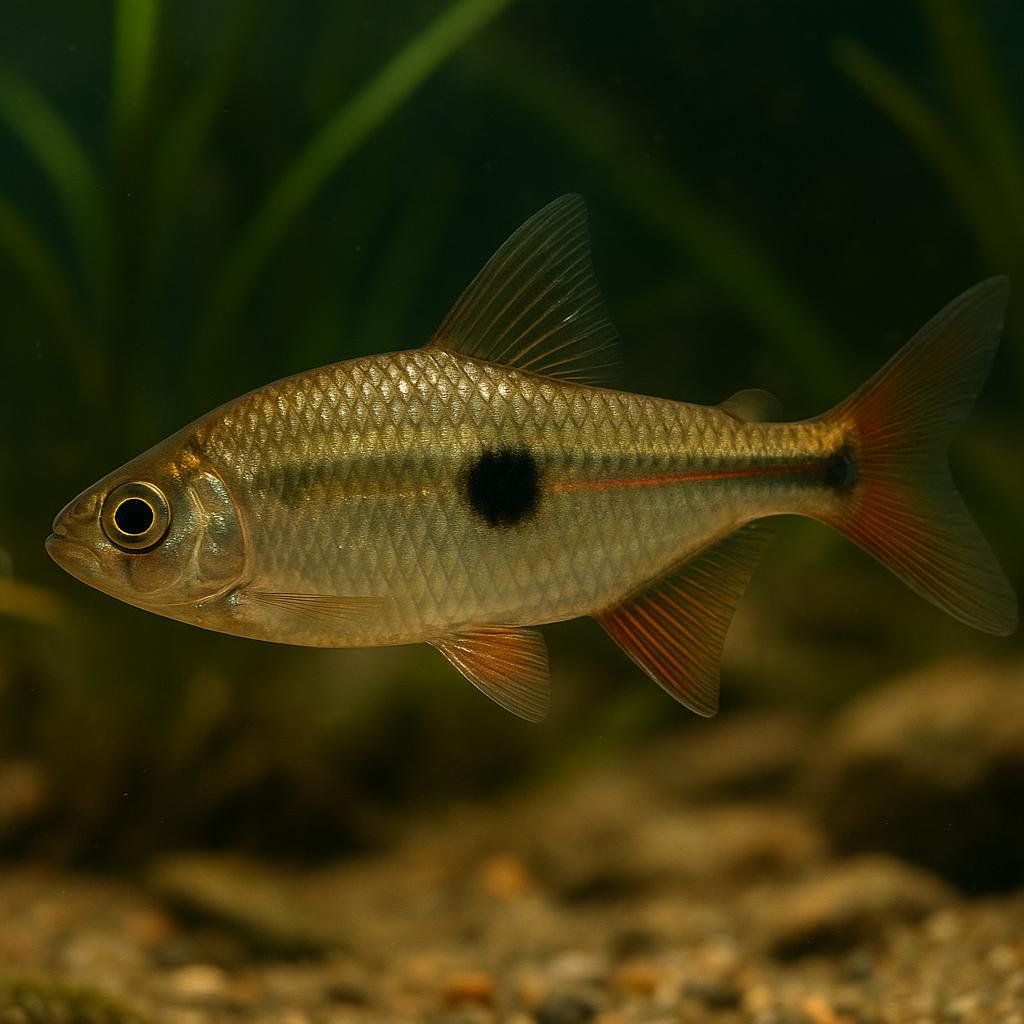
Jupiaba kurua
Small South American characin endemic to the upper rio Curuá (rio Xingu basin, Brazil). Reaches about 8.7 cm SL and inhabits clearwater rivers. Distinguished by dark dots on the bases of many lateral scales and a distinct dark caudal‑peduncle spot. Reported diet indicates omnivory, including aquatic insects, small fishes, and fragments of Podostemaceae and filamentous algae.
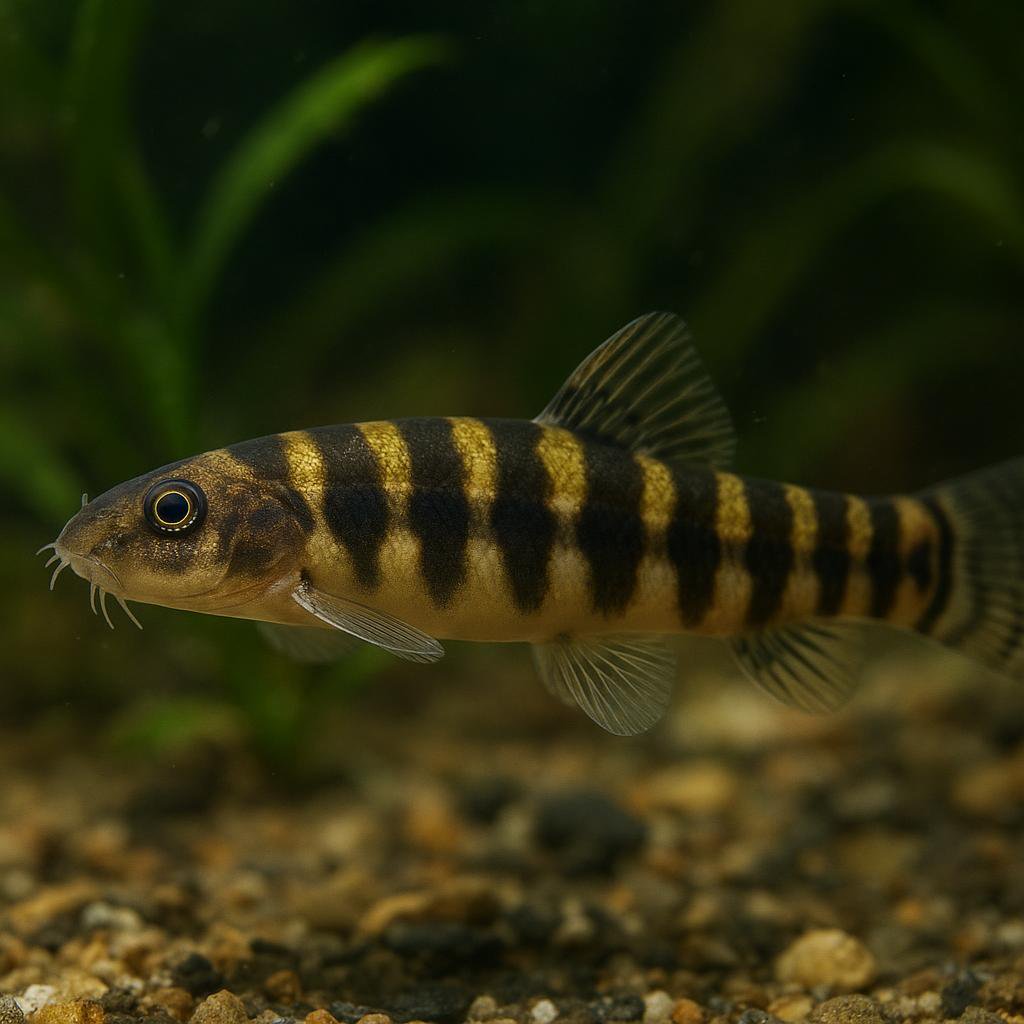
Altipedunculata stone loach
Schistura altipedunculata
Schistura altipedunculata is one of those little stream loaches that wants clean, well-oxygenated water and a bunch of rock nooks to claim as home. It is a bottom-hugger that will spend its day scooting from crevice to crevice, and it tends to get a bit spicy with its own kind if you do not give it enough hiding spots.
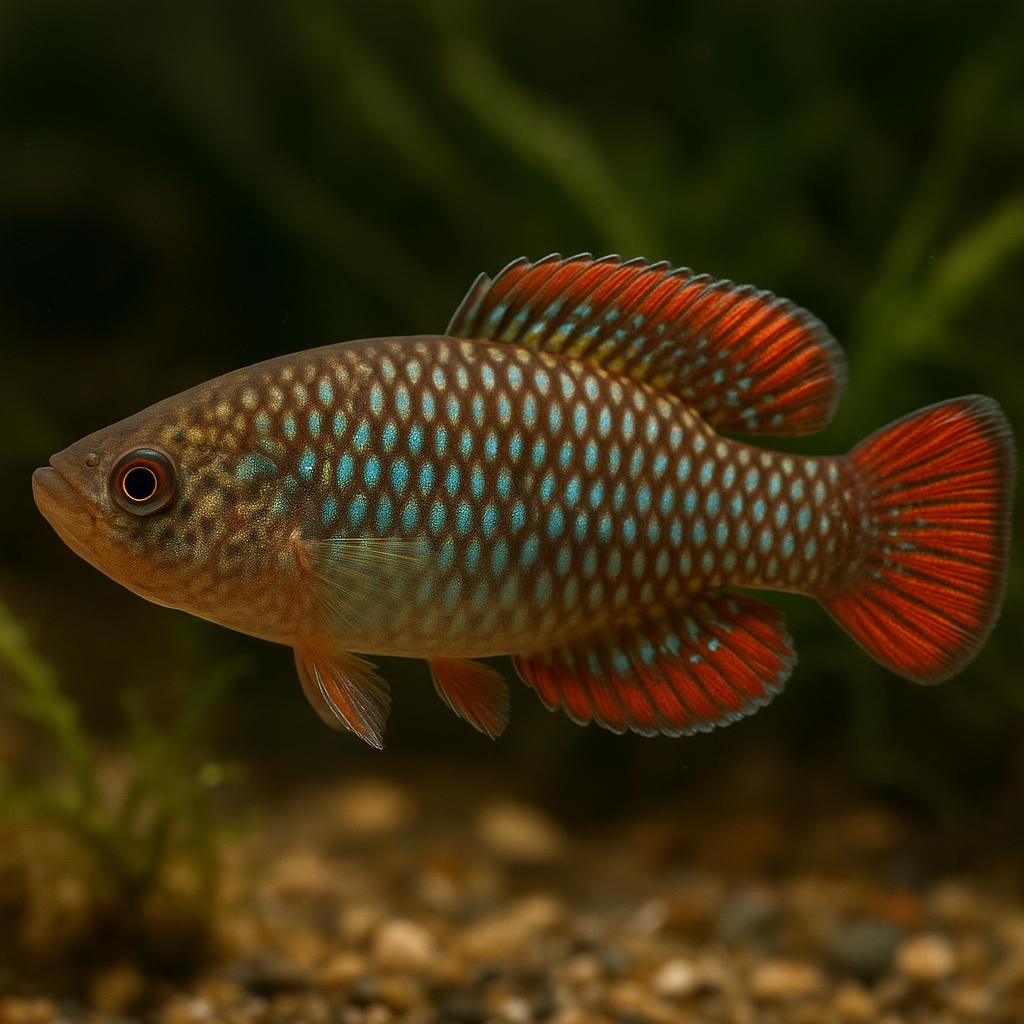
American flagfish
Jordanella floridae
Jordanella floridae is that little Florida native with the red-and-cream striping that really does look like a tiny flag once a male colors up. They graze algae like champs (especially stringy/hair algae), but they have a bit of attitude - give them plants and space so the bossy behavior stays manageable. Bonus: the male guards the eggs and will actively fan them, which is pretty fun to watch.
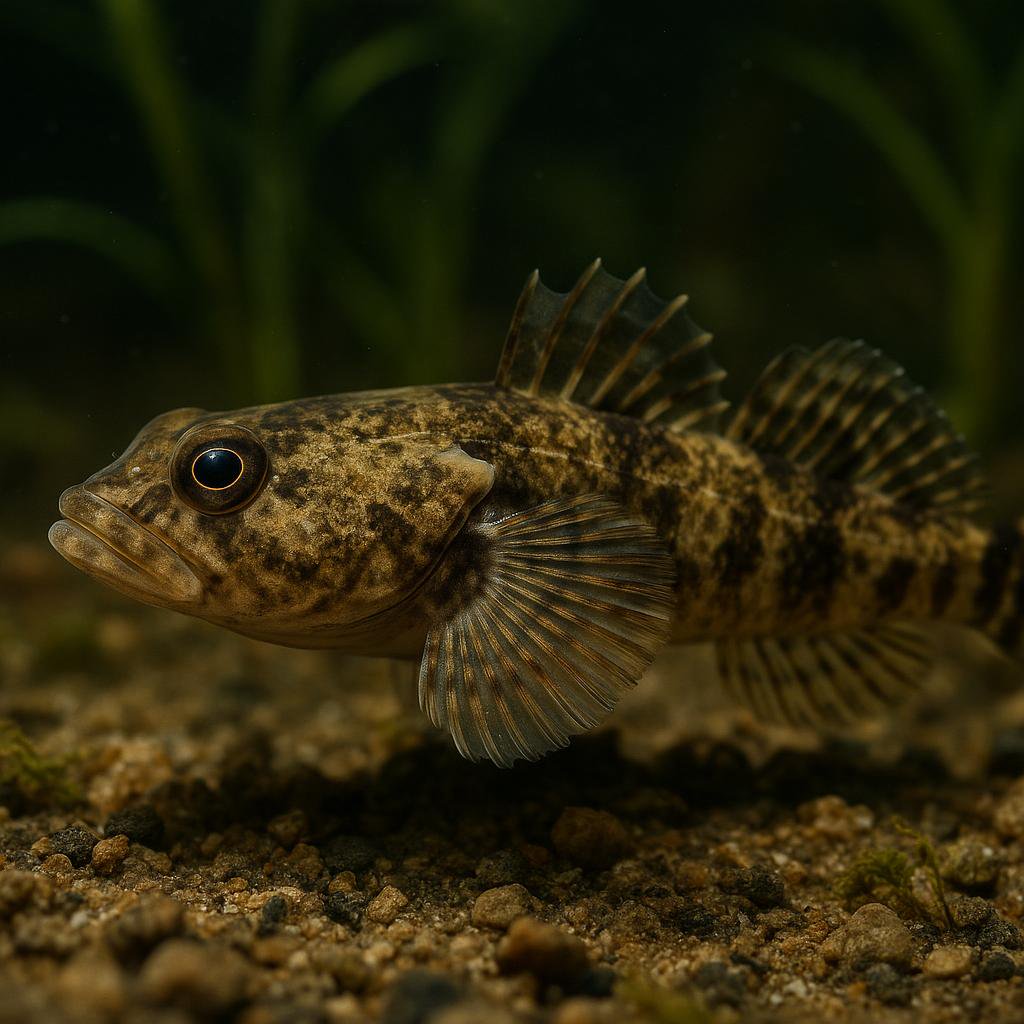
Amur sculpin
Alpinocottus szanaga
This is a little coldwater sculpin from the Amur drainage - a bottom-hugging, rock-and-gravel fish that spends its day wedged under stones and darting out to grab food. Super cool behavior and attitude, but it is absolutely not a warm tropical community fish - it wants chilly, fast, oxygen-rich water and will bicker with other bottom fish.
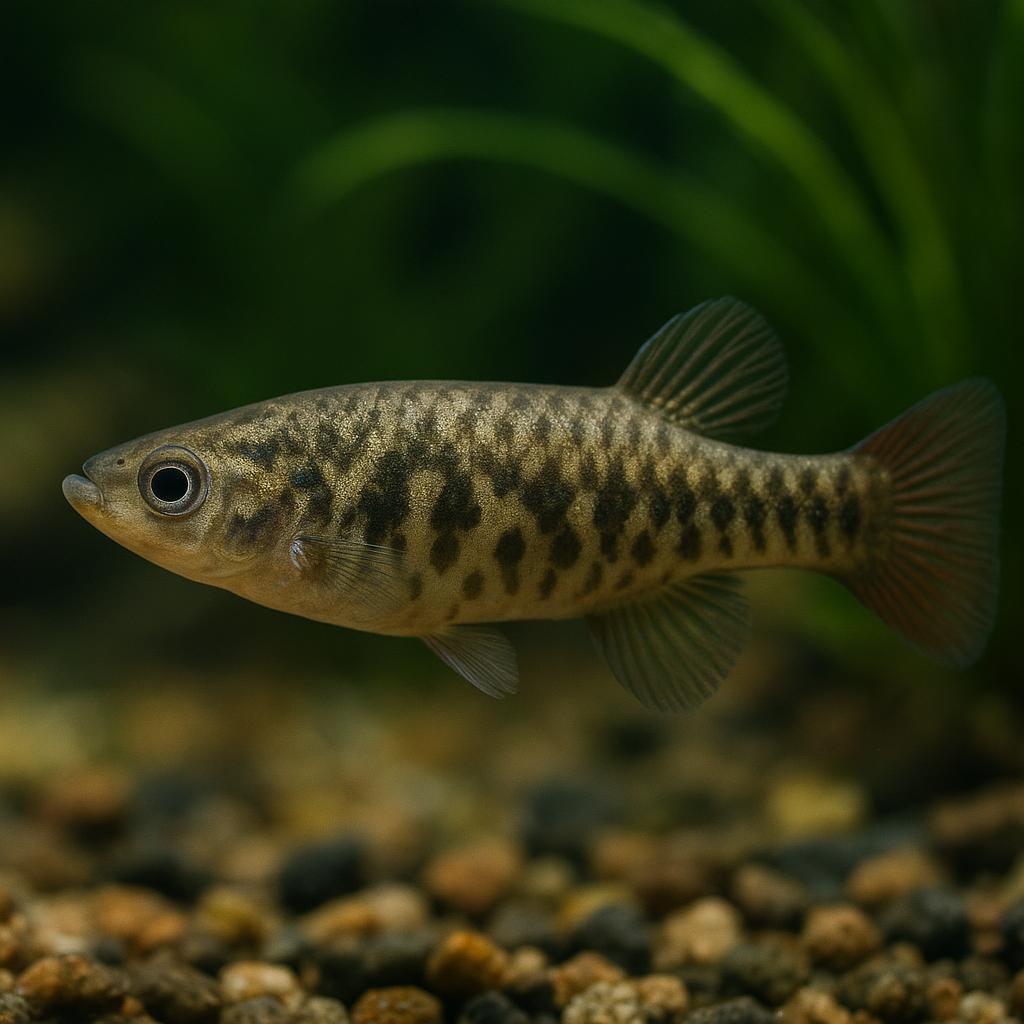
Anitápolis livebearer
Jenynsia weitzmani
Jenynsia weitzmani is a freshwater anablepid livebearer endemic to southern Brazil (currently known only from the type locality near Anitápolis, Santa Catarina). Like other Jenynsia (onesided livebearers), reproduction involves lateralized mating morphology/behavior; aquarium care guidance is not well-documented for this species specifically.
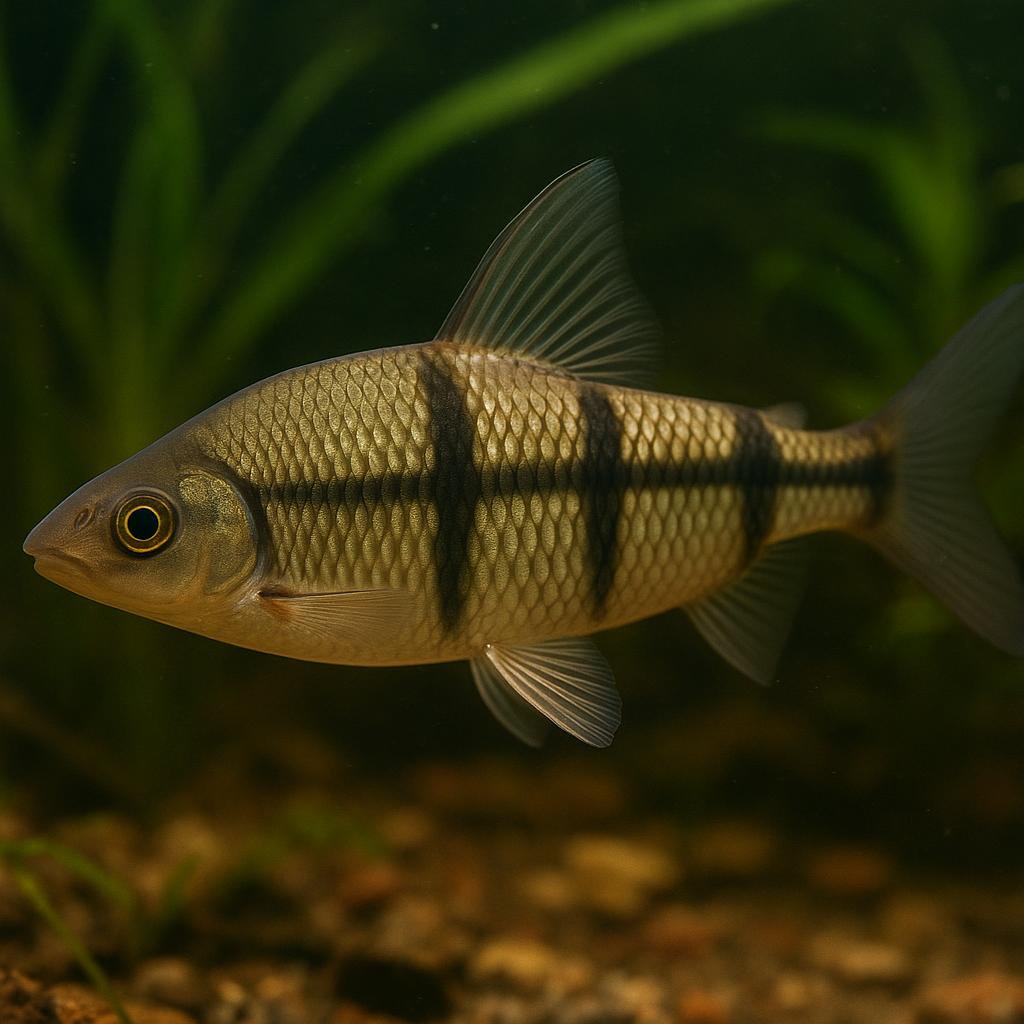
Aracu-comum
Schizodon vittatus
Schizodon vittatus is a large South American anostomid (family Anostomidae). Reported maximum size is about 35 cm standard length; it is harvested/consumed in parts of Brazil and is not commonly covered by mainstream aquarium husbandry references.
More to Explore
Discover more freshwater species.
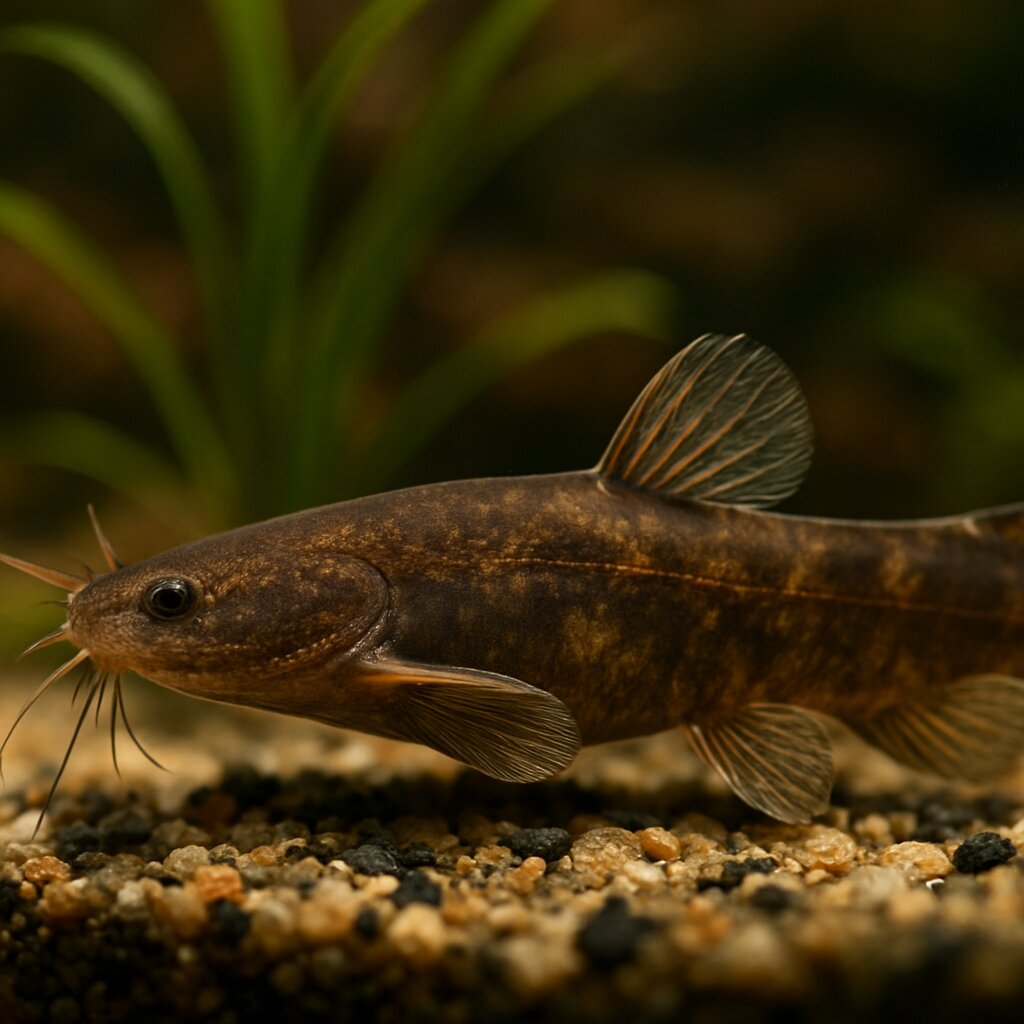
Amphilius dimonikensis
A small loach catfish endemic to the Mpoulou River in the Mayombe (Dimonika Biosphere Reserve), Republic of the Congo. Amphilius dimonikensis has a subtle banded pattern and inhabits fast, clear streams over rock and sand. In aquaria, prioritize strong, well-oxygenated flow with rounded stones and sand to mimic hillstream conditions.
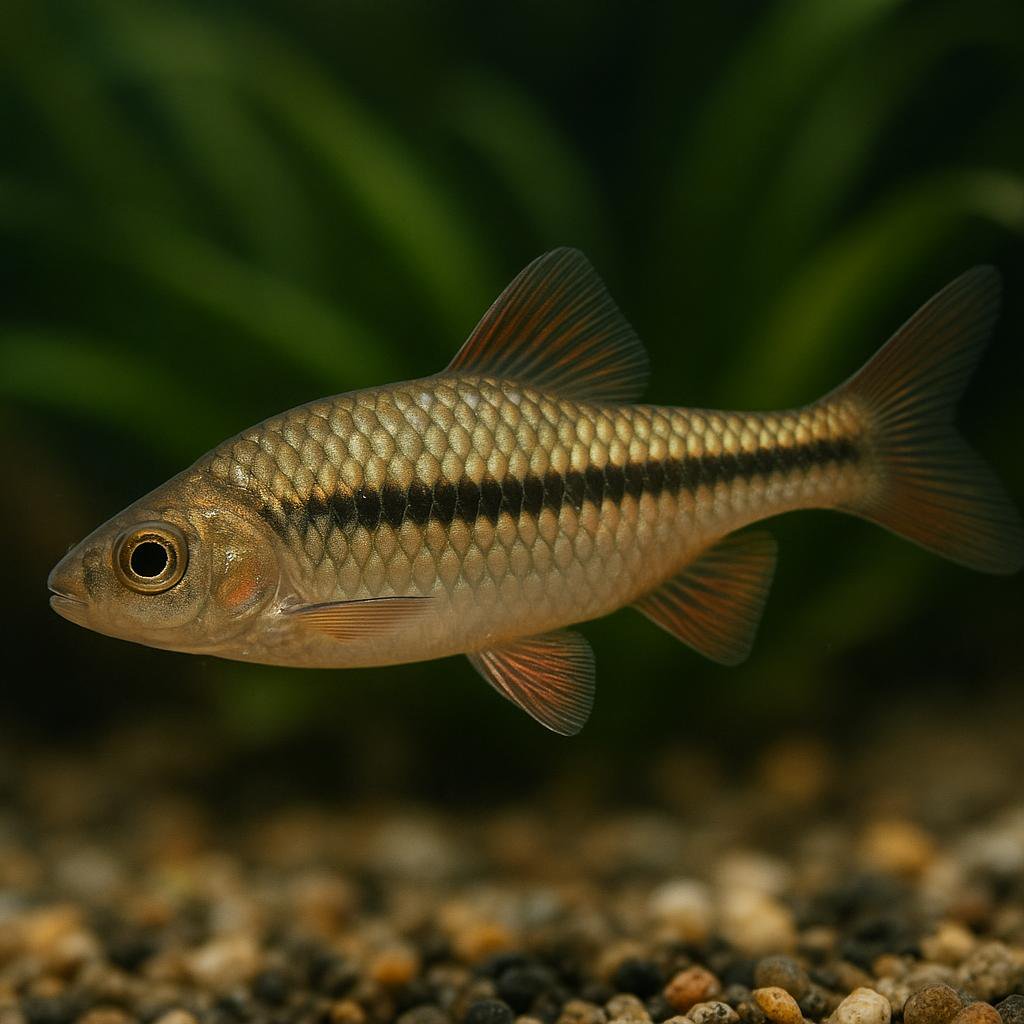
Aboina barb
Enteromius aboinensis
Enteromius aboinensis (the Aboina barb) is a small West African barb with a clean black midline stripe and a little spot right at the base of the tail. It does best when you treat it like a proper schooling fish - keep a decent group and give it plants around the edges with open swimming room in the middle.
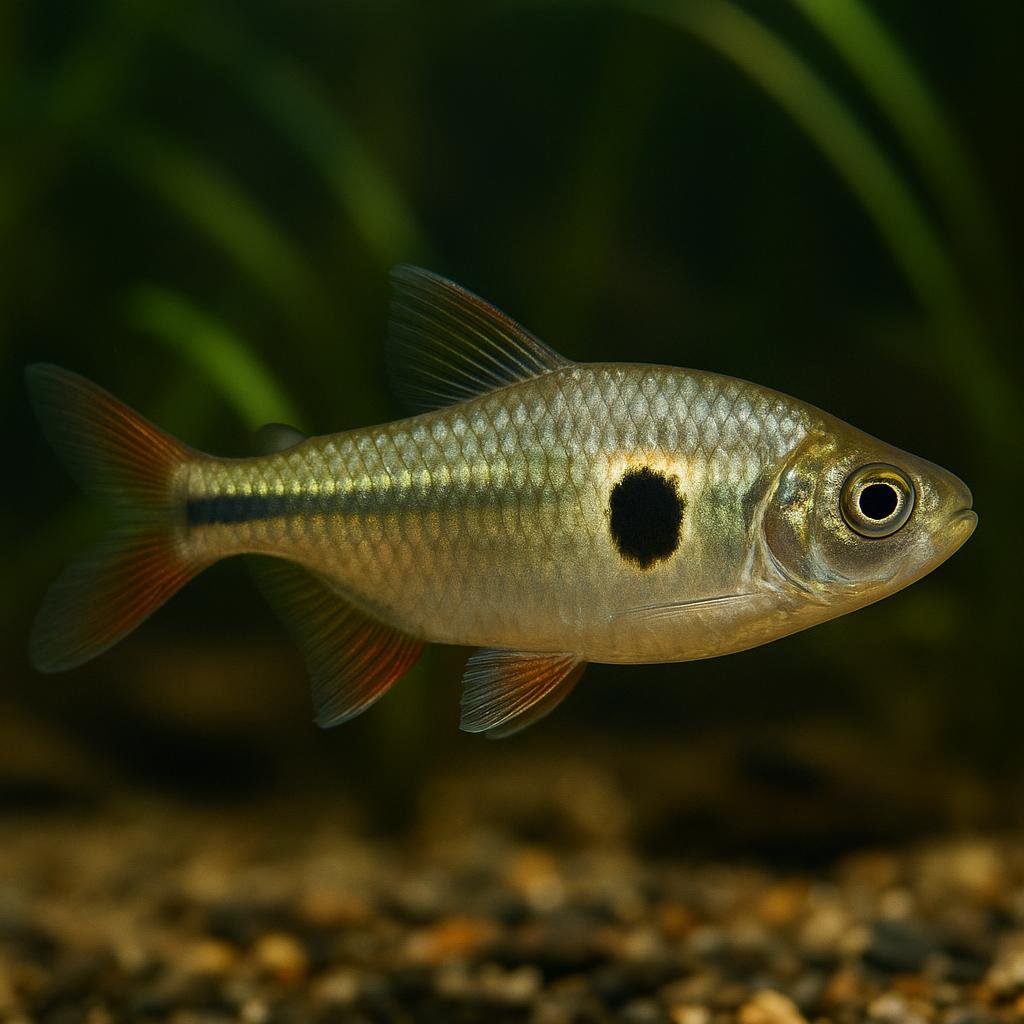
Ajuricaba tetra
Jupiaba ajuricaba
Jupiaba ajuricaba is a South American freshwater characin from the Amazon basin in Brazil (rio Negro, rio Solimões, and rio Tapajós basins). It reaches about 9.5 cm SL and is diagnosed by a narrow dark midlateral stripe, an elongated humeral spot, and an ocellated spot on the upper caudal-fin lobe. Wild specimens have been collected from blackwater forest streams and also oxbow-lake habitats.
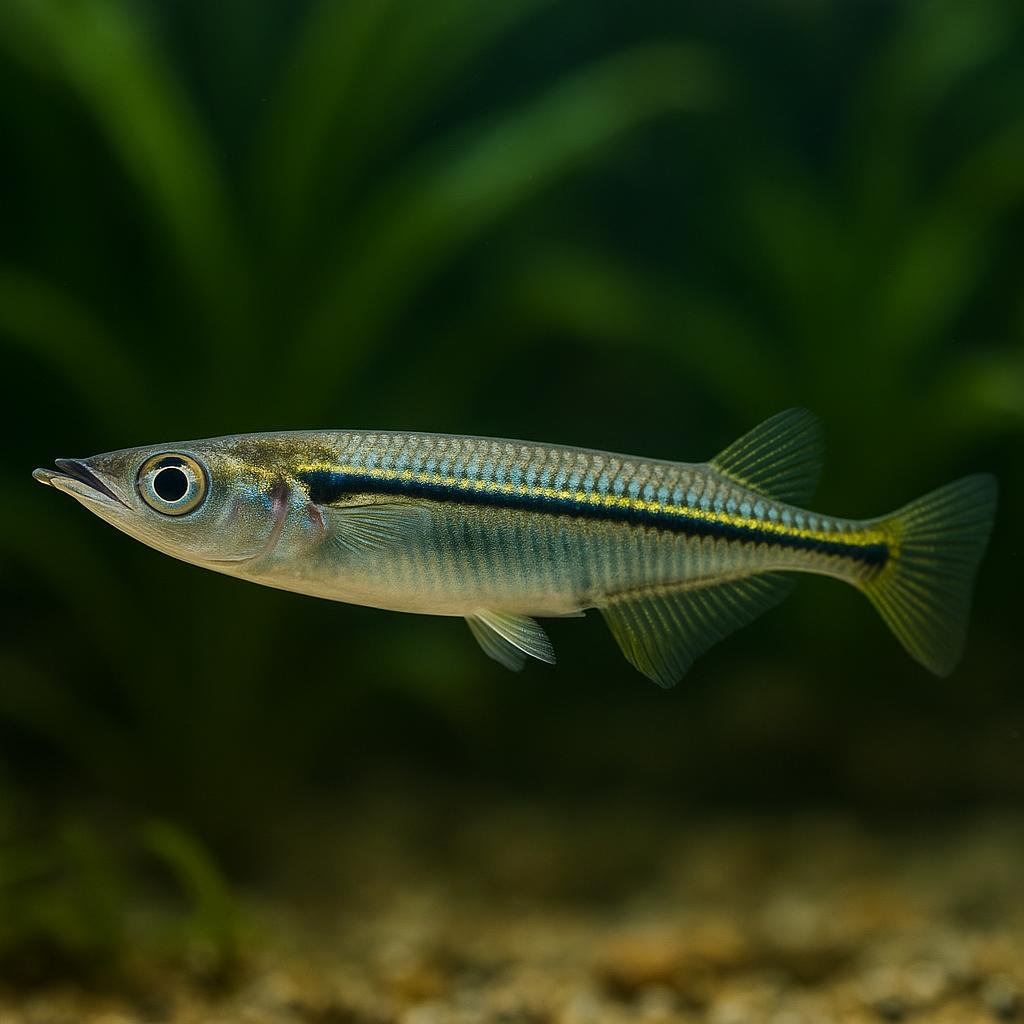
Allen's river garfish
Zenarchopterus alleni
A poorly known freshwater halfbeak endemic to West Papua (Mamberamo River), described from a single specimen (~13 cm SL). Beyond basic habitat/occurrence, little is published about its ecology or aquarium suitability; assume it is a surface-oriented, jump-prone halfbeak only by analogy with related taxa.
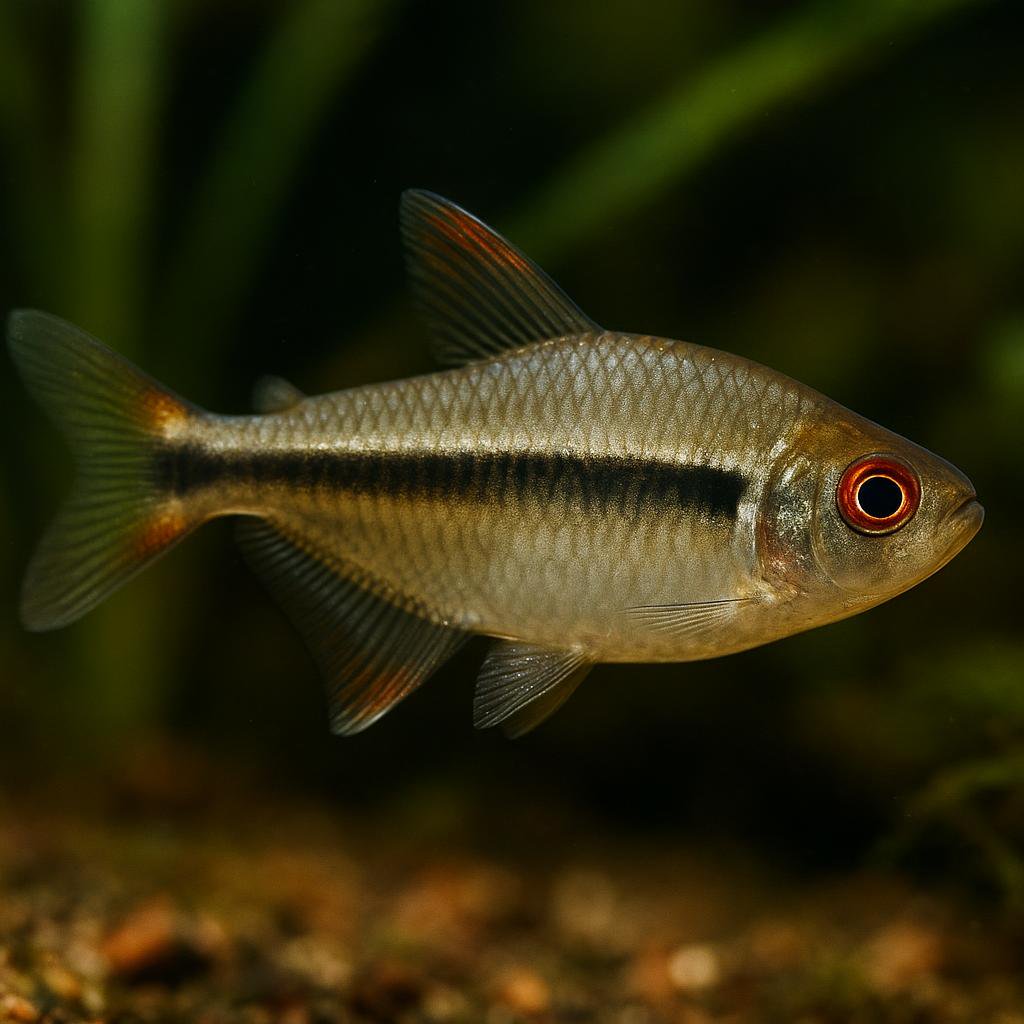
Amapa tetra
Hyphessobrycon amapaensis
This is a tiny, super sleek little tetra with a clean red stripe down the side that really pops once its settled in. It does best in a planted, slightly tinted "creek-style" setup and looks way cooler when you keep a proper group so they school and flash that line together. If you can give it soft, slightly acidic water and a calm community, its an easy fish to fall for.
Amatlan chub
Yuriria amatlana
Yuriria amatlana (the Amatlan chub) is a little Mexican native minnow from the Ameca River basin. Its wild range is pretty limited and it is listed as Endangered, so its care info in the aquarium hobby is basically nonexistent and its availability is usually low. In the original species description, preserved fish show a dark lateral stripe with a darker patch on the caudal peduncle, and they can have tiny barbels at the mouth corners.
Looking for other species?