

Silver Tiger Perch
Datnioides polota
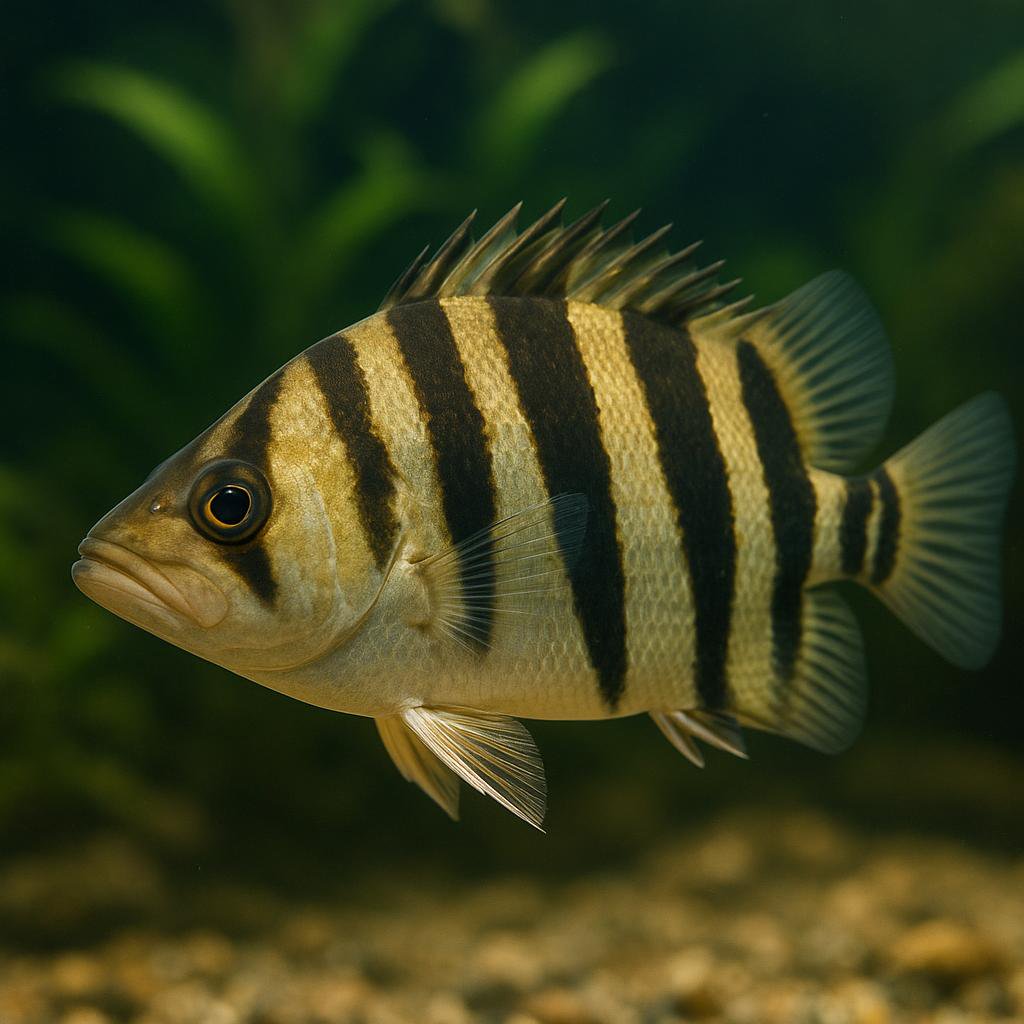
The Silver Tigerfish exhibits a sleek, elongated body adorned with distinct silver and black vertical stripes, featuring pronounced dorsal and anal fins.
This page includes AI-generated images. Why am I seeing AI images?
About the Silver Tiger Perch
Datnioides polota is that big, bold tiger-striped fish that just owns the whole tank-thick-bodied, shiny silver, and those dark bands look like someone painted them on. The fun part is watching it stalk around like a little underwater predator, especially at feeding time, but it's also one of those fish that'll make you plan the whole setup around it.
Quick Facts
Size
12 inches
Temperament
Semi-aggressive
Difficulty
Intermediate
Min Tank Size
125 gallons
Lifespan
8-12 years
Origin
South & Southeast Asia
Diet
Carnivore/piscivore - meaty frozen foods (shrimp, fish, mussel), quality predator pellets; avoid feeder fish as a staple
Water Parameters
20-28°C
6.8-7.6
6-18 dGH
Need a heater for this species?
This species needs 20-28°C in a 125 gallon tank. Use our heater calculator to find the right wattage.
Calculate heater sizeCare Notes
- Give a Polota a big, long tank with strong flow and tons of oxygen-think river fish vibes. They get chunky and turn fast, so cramped tanks stress them out and they start sulking/going off food.
- Keep water stable and clean. A commonly recommended range is about 20-28°C with pH roughly 6.8-7.6 (many keepers aim near neutral). Regular water changes and strong filtration are important due to sensitivity to poor water quality.
- Use dimmer lighting and add cover (driftwood, tall plants, rock structure) so they feel secure; a bare bright tank makes them skittish. Sand or smooth gravel helps since they like to cruise and can scrape up on sharp stuff.
- They're picky when new-start with frozen meaty foods (prawns, mussel, fish fillet) and high-quality carnivore pellets once they're settled. Skip feeder fish; they bring parasites and you'll end up treating the whole tank.
- Tankmates need to be big, calm, and not nippy: big barbs, larger characins, datnoids, and some sturdy cichlids can work in a spacious setup. Avoid fin-nippers (tiger barbs, small tetras) and anything that fits in their mouth-if it's snack-sized, it's food.
- Watch for bullying if you keep more than one; they can be weirdly mean when size-matched and tight on space. If you want a group, go bigger tank than you think and add them at similar sizes.
- Common headaches: they're ich magnets when stressed and they don't handle sudden temp swings, so quarantine new fish and keep the heater reliable. If your fish starts hiding and refusing food, check water quality first-this species is usually telling you something's off.
- Breeding in home aquariums is basically a unicorn-most are wild-caught, and sexing is tough. If you ever see a pair forming, expect them to guard a territory hard and be ready to separate tankmates.
Compatibility
Good Tankmates
- Big, calm midwater bruisers like silver dollars (the larger Metynnis types). They're fast enough to not get bullied, and they don't mess with the tigerfish much.
- Robust, similarly sized fish that cannot be swallowed and are not fin-nippers (choose by adult size and temperament, not by broad group labels).
- Medium-to-large catfish that mind their own business, like Synodontis (featherfins/upside-down cats). Tough, quick, and not easily pushed around.
- A sturdy pleco for cleanup-common pleco or larger Panaque-type 'wood' plecos. They keep to themselves and can take a little attitude if the dat gets nosy.
- Bigger loaches like clown loaches (once they're not tiny). They're active, social, and usually too busy to get picked on.
- Other 'big, chill' oddballs like arowana or large knifefish *only if* the tank is huge and everyone's similar size. It can work, but you've gotta watch feeding and spacing.
Avoid
- Little fish that fit in its mouth-guppies, neons, small danios, baby anything. Polota will absolutely treat them like live food sooner or later.
- Fin-nippers and constant pest fish like tiger barbs (in smaller groups) or overly spicy barbs. They'll stress the dat out and you'll end up with torn fins and drama.
- Slow, floaty fancy-finned stuff-angels, fancy goldfish, bettas. They're basically 'easy target' fish in a semi-aggressive predator tank.
- Mean territorial cichlids and brawlers-big Central/South American cichlids that claim the whole tank (midas, red devils, jaguars). They'll either bully the dat or force constant fights.
1) Where they come from
Silver Tigerfish (Datnioides polota) are Asian datnoids—those bold, banded “tiger” fish that look like they should be in a public aquarium. Polota show up around India/Bangladesh/Myanmar drainage areas and nearby coastal systems, often in slower rivers and brackish-influenced zones depending on location. In the hobby they’re still a bit of a mystery compared to the more common Indonesian datnoids, which is part of the appeal… and part of the challenge.
Datnioides ID can get messy in shops. If you’re buying “polota,” ask for clear photos from the side, and don’t be surprised if it’s labeled as a generic ‘tiger fish’.
2) Setting up their tank
These fish aren’t hard because they need weird water numbers—they’re hard because they’re big, picky, and messy, and they get stressed easily in the wrong setup. Give them space, calm tankmates, and clean water, and they settle in.
- Tank size: I wouldn’t bother under 125 gallons for a single growing fish, and 180+ is where things start to feel comfortable long term (especially with tankmates).
- Filtration: oversized canister or sump. They produce chunky waste and don’t appreciate dirty water.
- Flow: moderate. You want oxygenation and turnover, but not a jet stream blasting them all day.
- Layout: open swimming room with a few big ‘walls’—driftwood, tall rocks, or sturdy fake plants—so they can break line of sight and feel secure.
- Substrate: sand is nice, but not mandatory. Go easy on sharp gravel.
- Lighting: keep it mellow. Bright, bare tanks make them hide and sulk.
A nervous datnoid becomes a “refuses food” datnoid. Dim the lights for the first week, add cover, and don’t keep walking up to the glass like it’s a puppy.
Water-wise, aim for stable, clean freshwater. Neutral-ish pH and mid-range hardness are fine. The big thing is consistency and low nitrate. Weekly water changes are your friend with these guys.
They can be jumpy, especially during lights-on/lights-off moments. Use a tight lid—datnoids can launch when startled.
3) What to feed them
Polota are classic ambush predators. Most start out acting like they only recognize “real” food. Once they learn your routine they can be pigs, but getting them there can take patience.
- Great staple foods: thawed shrimp/prawn, tilapia or other white fish fillet pieces, squid, mussel, quality carnivore pellets once trained.
- Training foods: frozen silversides, krill, or scentier seafood to get a new fish eating.
- Feeding rhythm: smaller fish can eat more often; adults do fine every other day (or even 3–4x/week) depending on body condition.
Skip feeder goldfish/rosies. Besides parasites, the long-term fatty diet can wreck predatory fish. If you absolutely must use live food to kickstart feeding, use quarantined livebearers you raised yourself—but work toward frozen/pellets quickly.
A trick that works: feed at the same spot, same time, and don’t over-offer. If they ignore food, remove it and try again later. Leaving seafood to rot is a fast track to water problems.
4) Behavior and tankmates
They’re not constant swimmers like arowanas, and they’re not bulldozers like big cichlids. They’re more like a shy predator with a mean streak: calm most of the time, but any fish that fits in their mouth is food, and anything too aggressive will keep them pinned in a corner.
- Best tankmates: similarly sized, steady fish that aren’t fin-nippers—large barbs, bigger silver dollars, some larger catfish, calm snakeheads (with caution), and other robust ‘community predators.’
- Avoid: small fish (obvious), hyper/boisterous fin nippers, aggressive cichlids that constantly posture, and anything delicate/slow that can be harassed.
- With other datnoids: doable in a big tank with good cover, but expect a pecking order. Adding them small together works better than adding a new one to an established bully.
They’re “peaceful” right up until the day they aren’t. If a tankmate starts sleeping near their ambush zone, you may wake up to a missing fish.
You’ll also see a confidence curve. New polota often hide and go pale. As they settle, the bands pop and they spend more time out. Good cover and calm tankmates make a huge difference here.
5) Breeding tips
Breeding Datnioides polota in home aquariums is extremely rare. Most of what we see in the trade is wild-caught or farmed under conditions hobbyists can’t easily replicate (huge ponds, seasonal triggers, big groups).
If you want to take a swing at it anyway: raise a group in a very large tank/pond, keep them well-fed but not obese, and mimic seasonal changes with big water changes, slightly cooler periods followed by warming and heavy feeding. Even then, don’t be shocked if nothing happens.
6) Common problems to watch for
Most issues with polota are stress-related: they stop eating, get skittish, and then secondary problems show up. If you keep the tank stable and clean, you avoid a lot of drama.
- Refusing food: usually stress (too bright, too much traffic, aggressive tankmates) or a fish that never learned non-live foods.
- Ich/white spot: shows up quickly on stressed new arrivals. Quarantine and treat early.
- Mouth damage: from ramming the glass or grabbing hard food/rocks during a panic moment.
- Internal parasites: especially on wild fish—weight loss despite eating, stringy poop.
- Fin damage: from nippy tankmates or dominance scrapes with other datnoids.
Quarantine isn’t optional with datnoids in my book. A new tigerfish can look fine for a week, then suddenly flash, clamp fins, and stop eating. A simple QT tank saves you from nuking a whole display.
My general troubleshooting order is: check water first (ammonia/nitrite/nitrate), then look at stressors (light, cover, bullying), then consider parasites/disease. If you fix the environment, the fish usually turns the corner fast.
Similar Species
Other brackish semi-aggressive species you might be interested in.
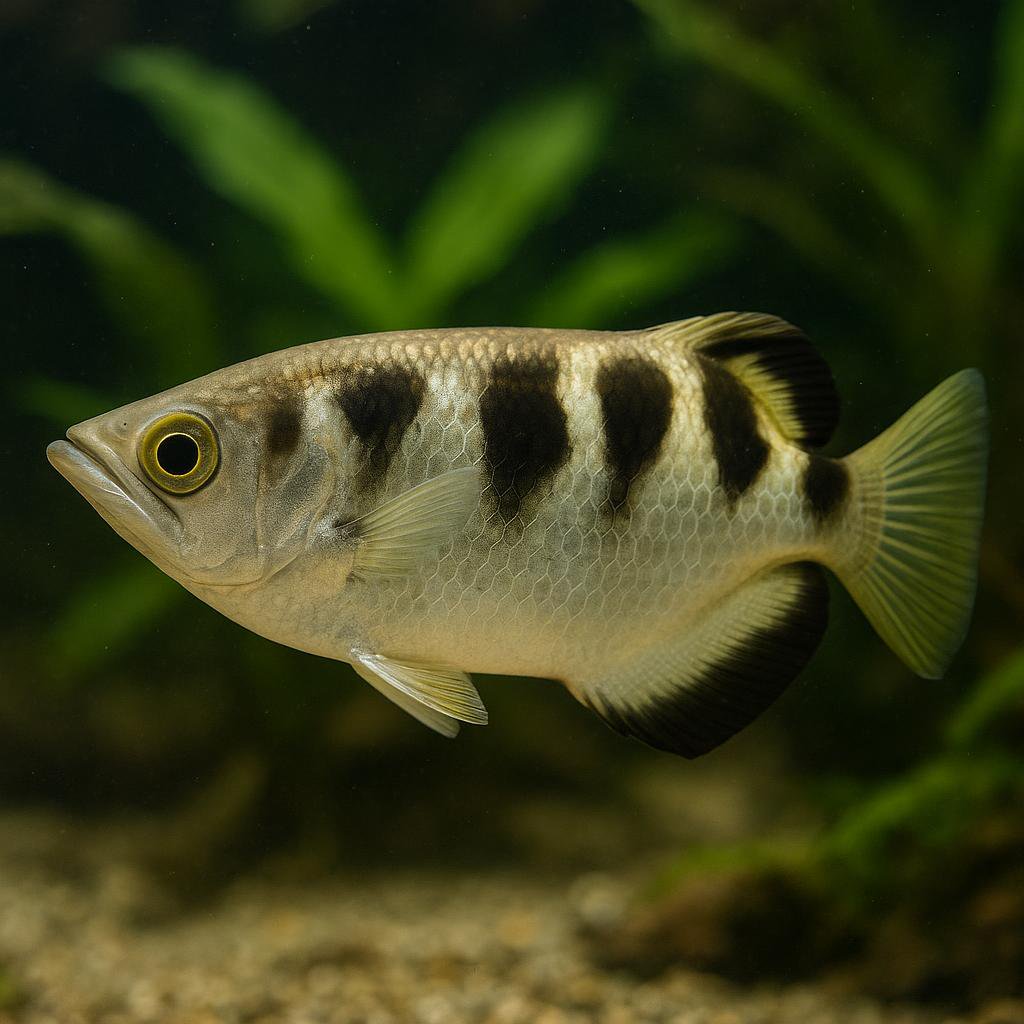
Banded Archerfish
Toxotes jaculatrix
This is the fish that literally spits jets of water to knock insects off branches-watching one "take aim" is unreal. They're super aware of what's going on outside the tank and will even learn to beg and snipe food from the surface once they settle in. Give them height and some open swimming room and they act like little aquatic sharpshooters.
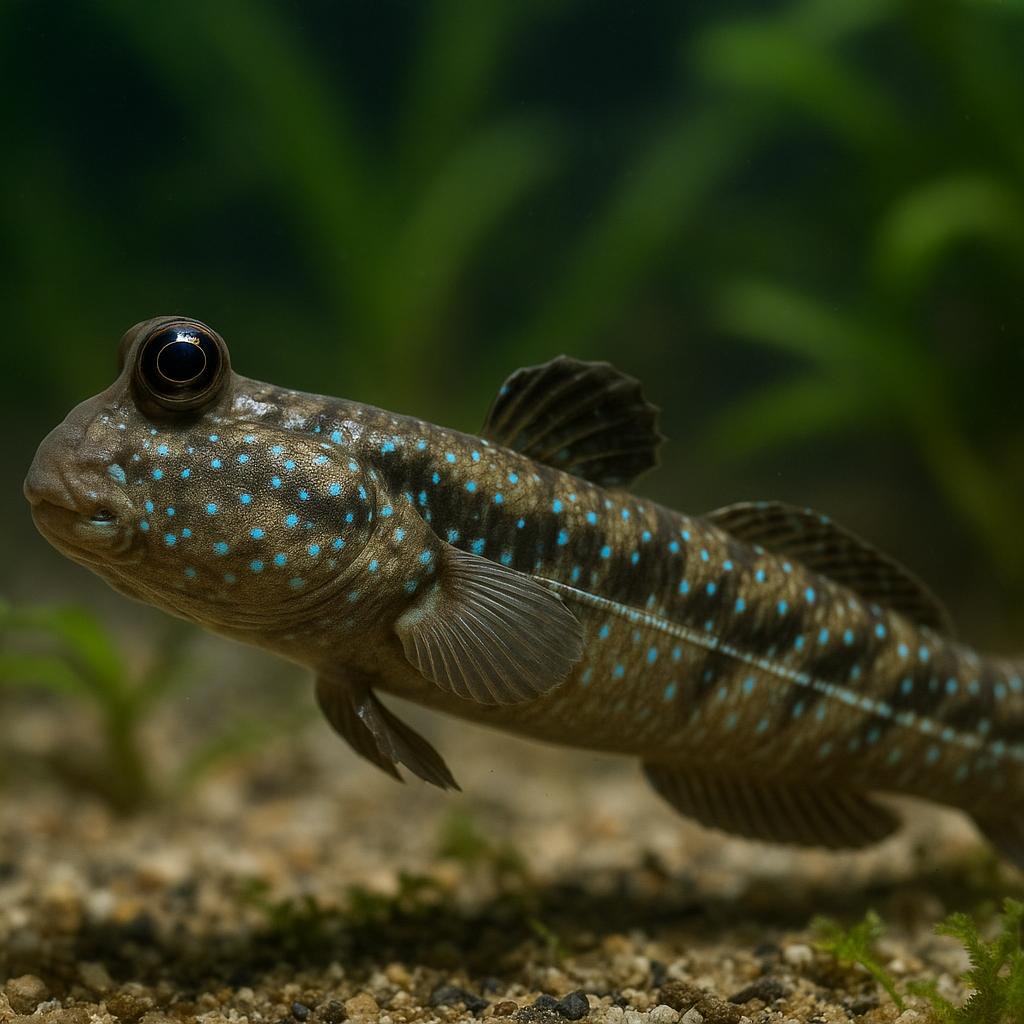
Barred mudskipper
Periophthalmus argentilineatus
This is one of those classic "walks around like it owns the place" mudskippers-big goofy eyes, climbs, hops, and spends a ton of time out on the mud when it's humid. In the wild it lives on intertidal mangrove/nipa mudflats and even shuttles between little pools and open air, hunting worms, insects, and small crustaceans. It's super fun to watch, but it really wants a brackish paludarium setup (not a normal aquarium).
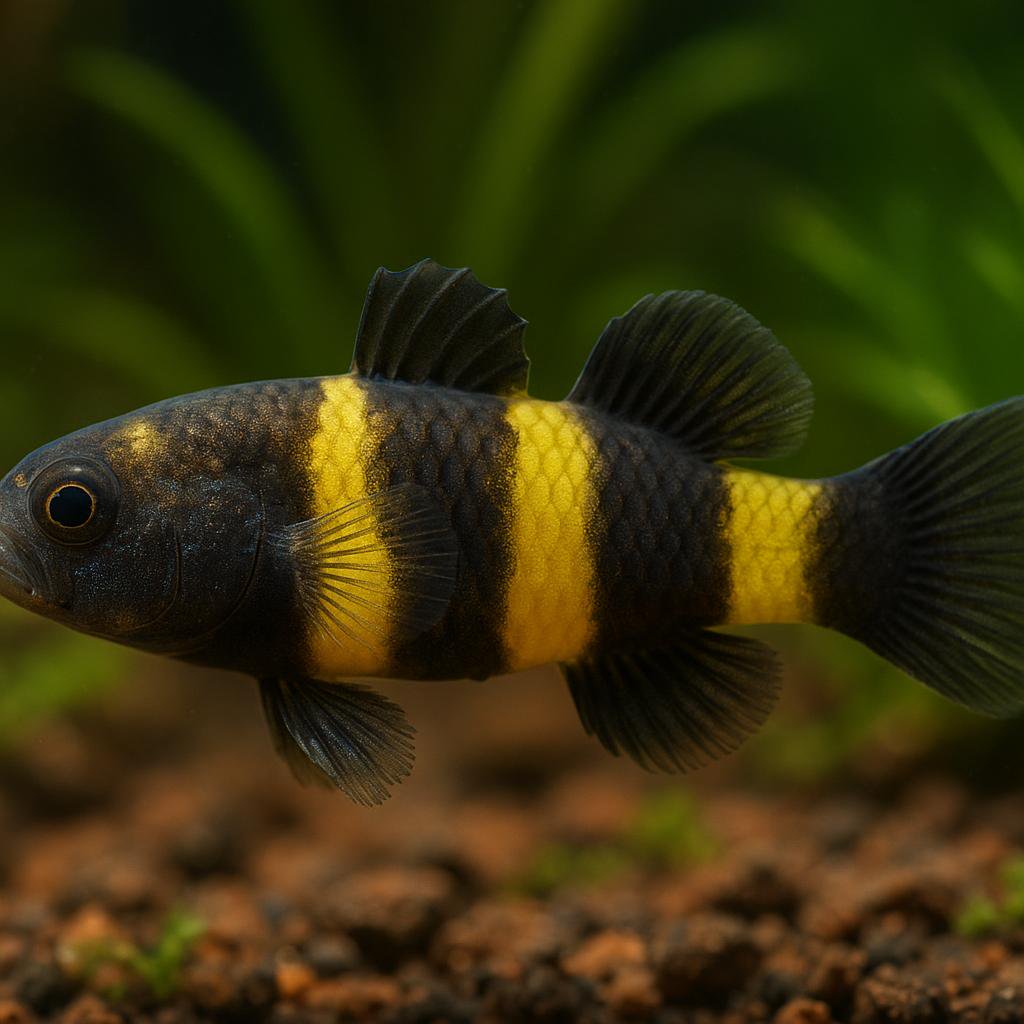
Bumblebee goby
Brachygobius doriae
Brachygobius doriae is one of the classic "bumblebee gobies" - tiny, bottom-hugging little characters that perch on rocks and sand and stare at you like they own the place. They're at their best in a calm setup with lots of caves and leaf litter, and they really shine once you get them eating frozen/live foods reliably (they're slow, picky eaters). Also: they're one of the species that gets mislabeled a lot in shops, so it's super common to see them sold under the wrong bumblebee-goby name.
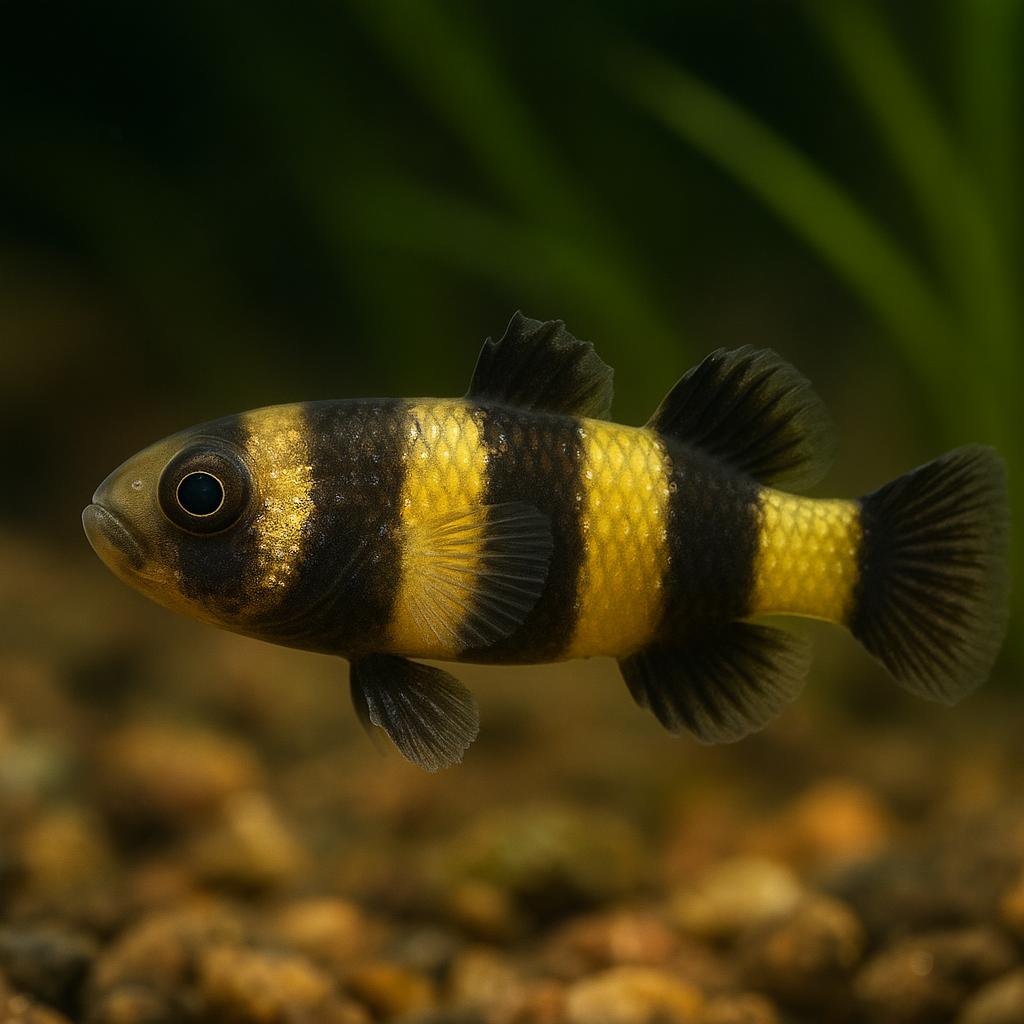
Bumblebee goby (Bumblebee fish)
Brachygobius xanthozonus
This is that tiny little goby with the bold black-and-yellow bands that likes to perch on the bottom and stare back at you like it owns the place. It's happiest in lightly brackish water with lots of little caves and sight-breaks, and it's one of those fish that often refuses flakes-frozen/live meaty foods usually flip the "yes, I will eat" switch.
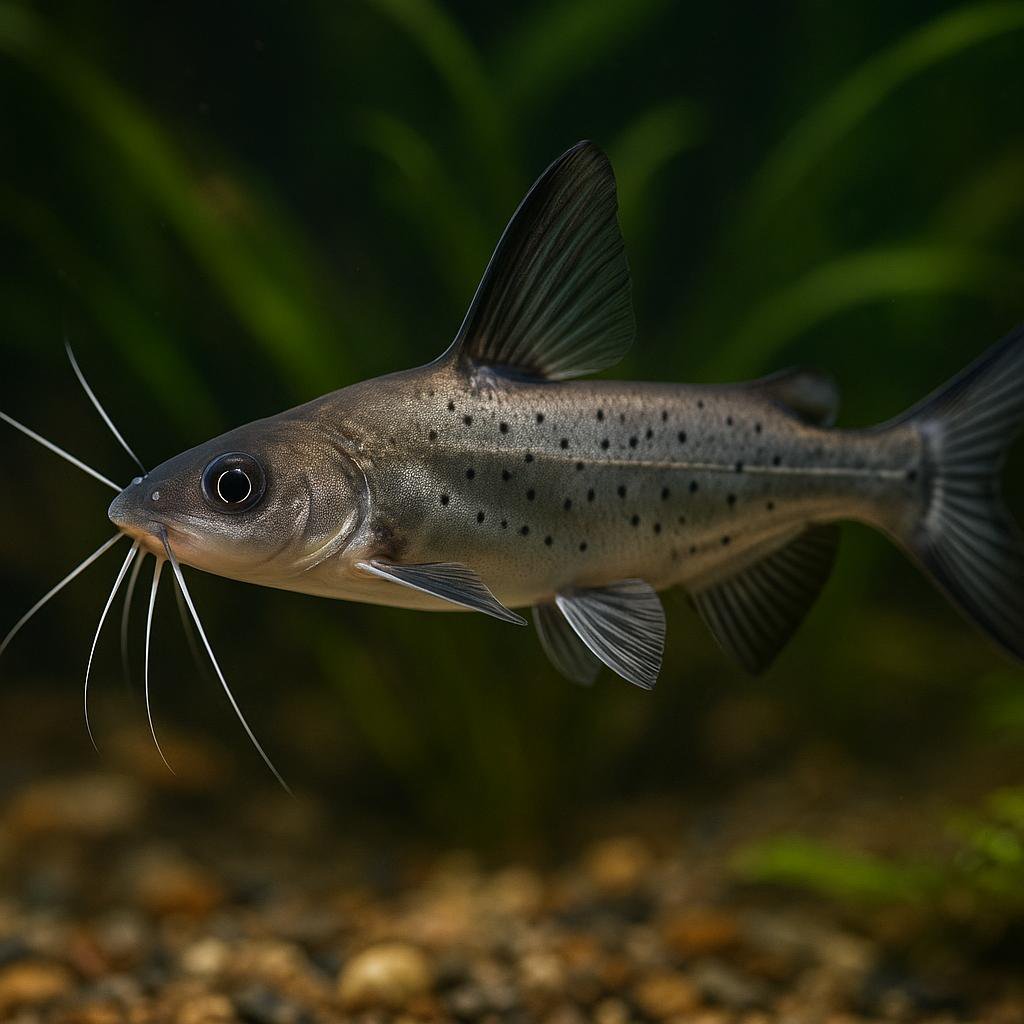
Colombian shark catfish
Ariopsis seemanni
This is that slick silver "shark-looking" catfish with the black fins and white tips that cruises around like it owns the place. The big gotcha is it's not a true freshwater community fish long-term-juveniles show up in shops as "freshwater," but as it grows it really wants brackish and eventually full marine conditions, plus a lot of swimming room.
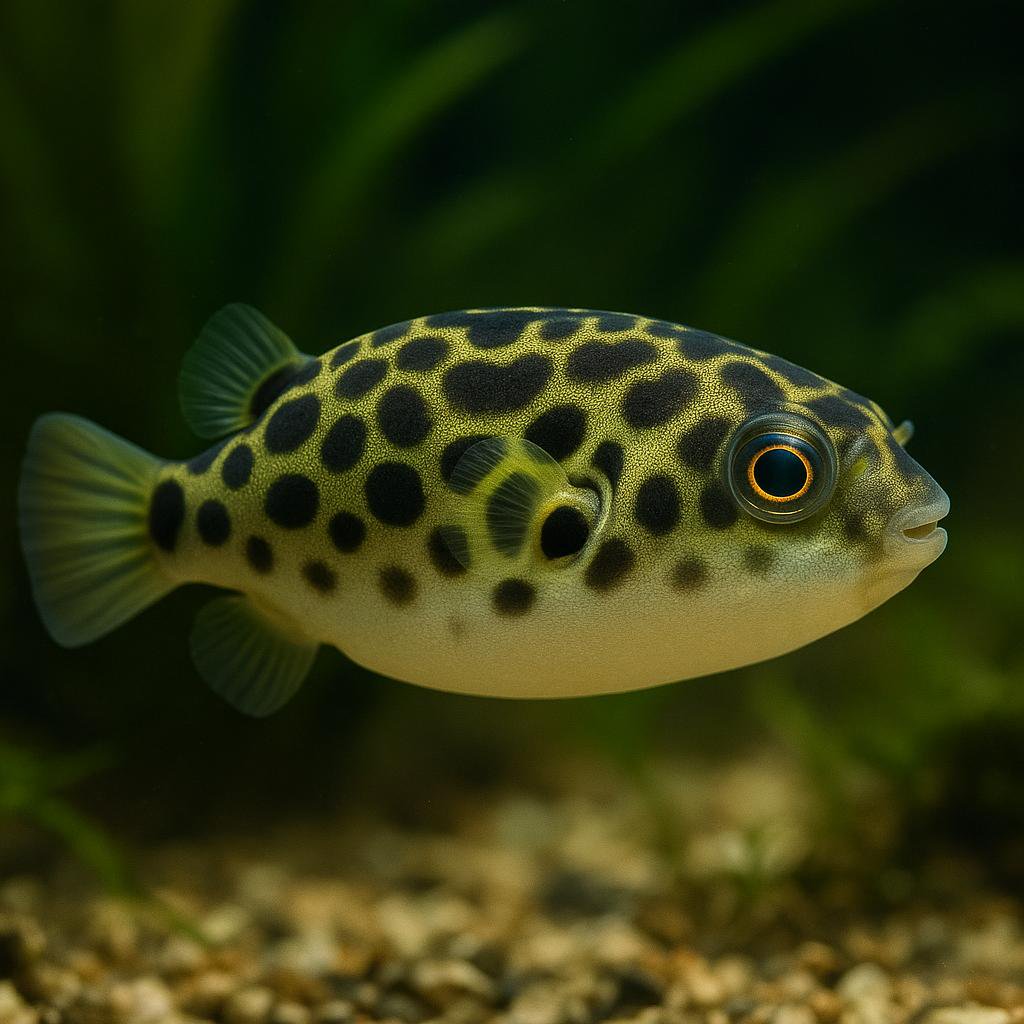
Eyespot pufferfish (Figure-8 puffer)
Dichotomyctere ocellatus
This is the little "figure-8" puffer with the yellow-green squiggles and the two bold eyespots near the tail-tons of personality in a small body. They're basically snail-hunting machines with a curious, interactive vibe, but they can be spicy with their own kind, so you plan the tank around that.
More to Explore
Discover more brackish species.
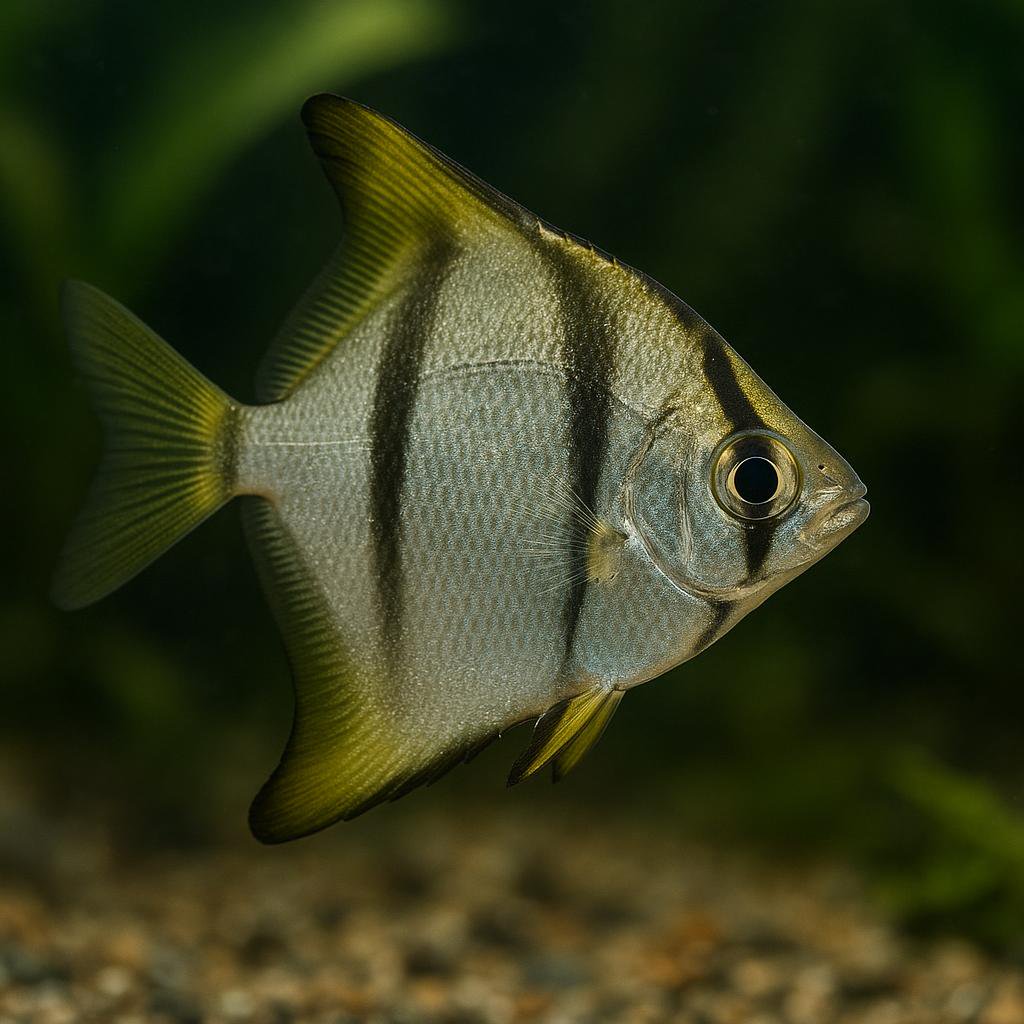
African moony
Monodactylus sebae
This is that shiny, diamond-shaped "mono" that cruises around in a tight pack and looks like a little silver dinner plate with black bars when it's young. The big thing with African moonies is they're euryhaline-so they'll tolerate freshwater as juveniles, but they really shine long-term in brackish (and can be transitioned toward marine as they mature). Give them a big, open tank and a group, and they turn into nonstop, super fun midwater swimmers.
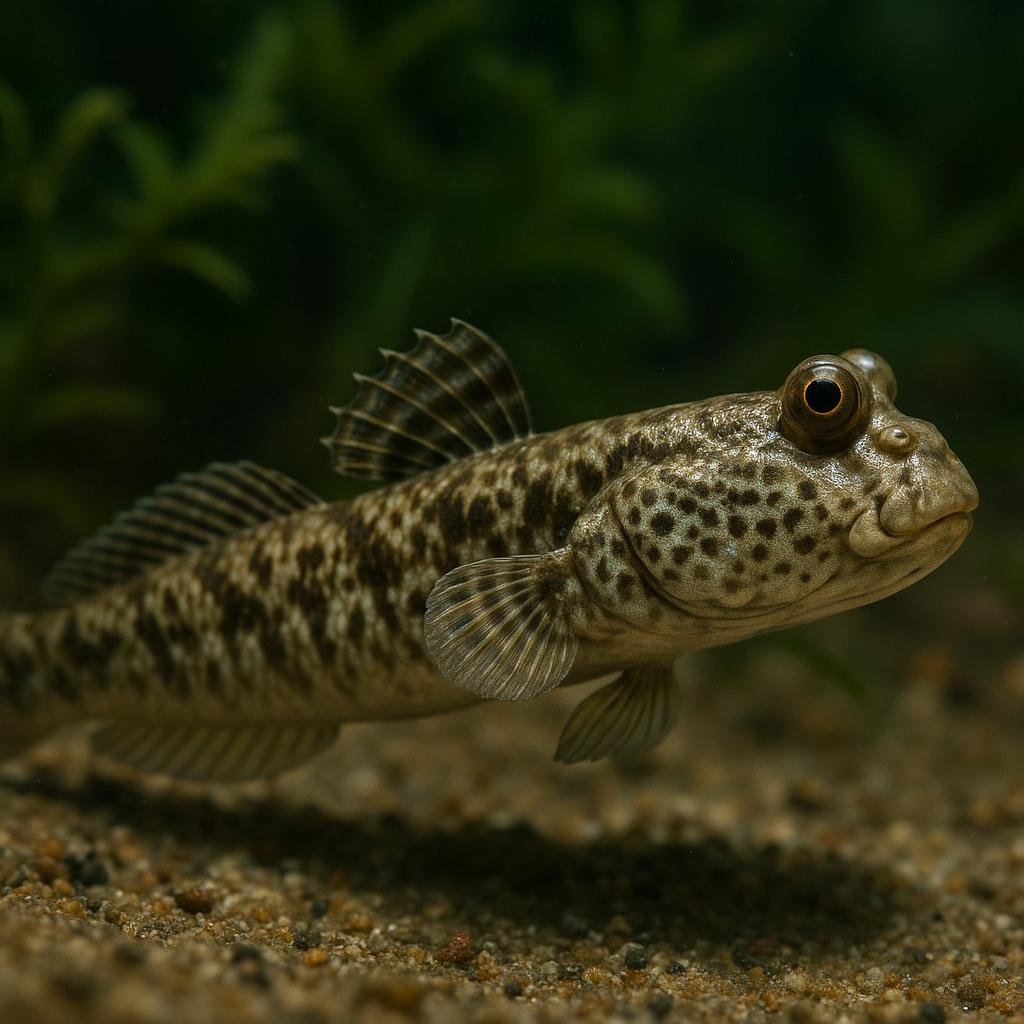
Atlantic Mudskipper
Periophthalmus barbarus
This is that wild little amphibious goby that straight-up climbs around on land like it forgot it was a fish. They've got big googly eyes, tons of personality, and they'll perch, hop, and patrol their territory-honestly more like a tiny crabby lizard than a "regular" aquarium fish.
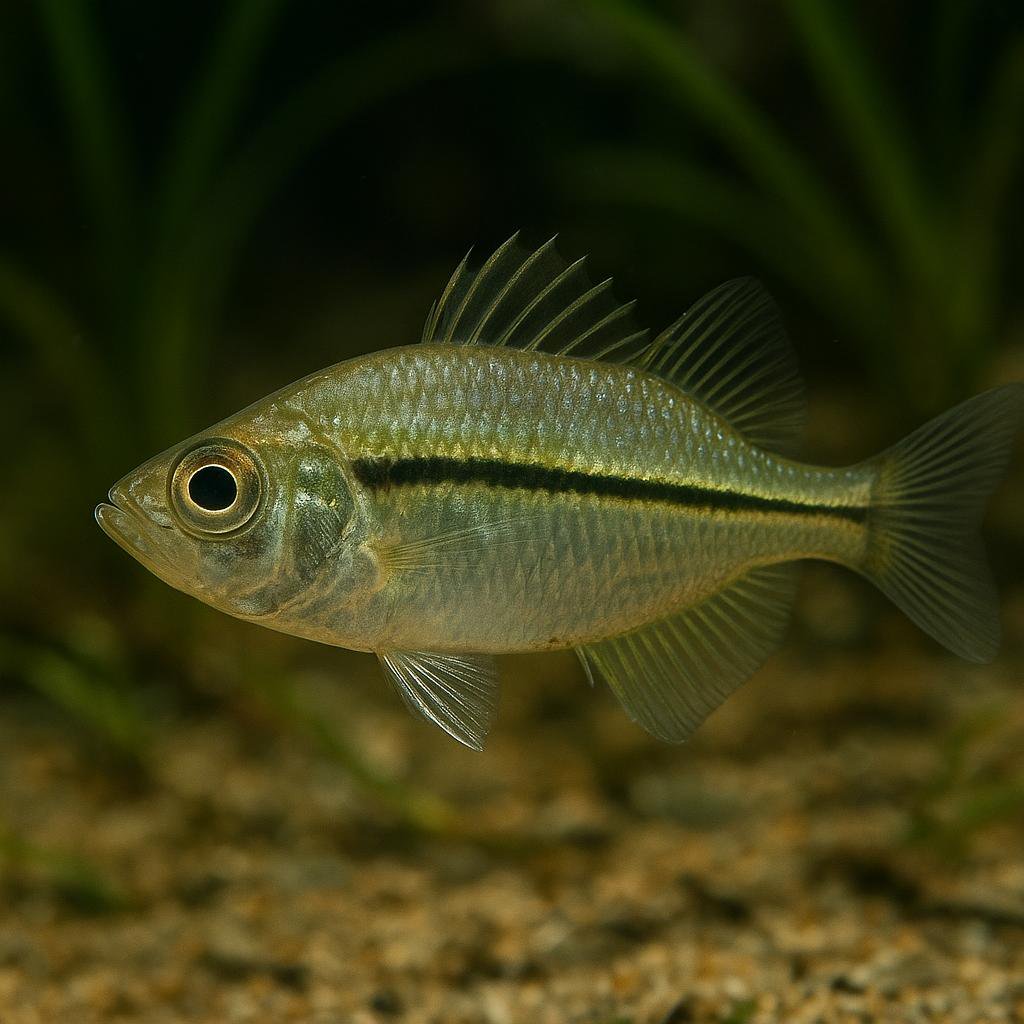
Banded-tail glassy perchlet
Ambassis urotaenia
This is one of those see-through glassy perchlets where you can literally watch the organs shimmer when it turns-super cool in the right lighting. In the wild it hangs around river mouths and mangroves and cruises in groups, so it does best when you keep a little gang of them and give them some open swimming room.
-1771643191.jpg)
Elongate mudskipper (pointed-tailed goby)
Pseudapocryptes elongatus (syn. Pseudapocryptes lanceolatus)
This is that super-cool "mudskipper-ish" goby that mostly stays in the water, but will park itself in the shallows and periscope its eyes above the surface like it's keeping watch. It's an obligate air-breather from tidal rivers/estuaries, so it really appreciates shallow, brackish setups with soft mud/sand and gentle flow-more of a mangrove vibe than a typical community tank.
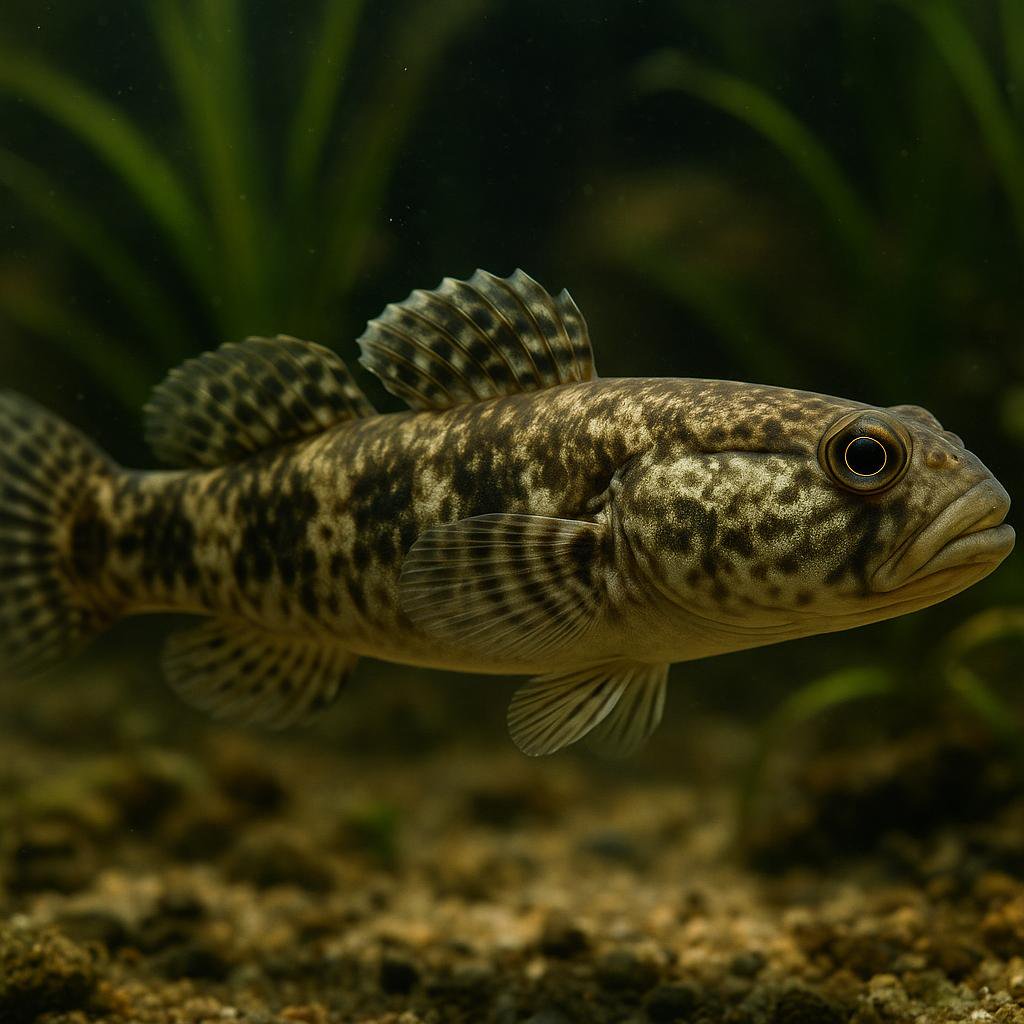
Fat sleeper
Dormitator maculatus
Dormitator maculatus is that chunky "sleeper goby" type fish with the bulldog head and the attitude of a little vacuum cleaner-always sifting and nosing around the bottom. It'll do freshwater or brackish and it can get way bigger than most people expect, so it's one of those fish that's awesome... as long as you plan the tank around the adult size, not the baby you bought.
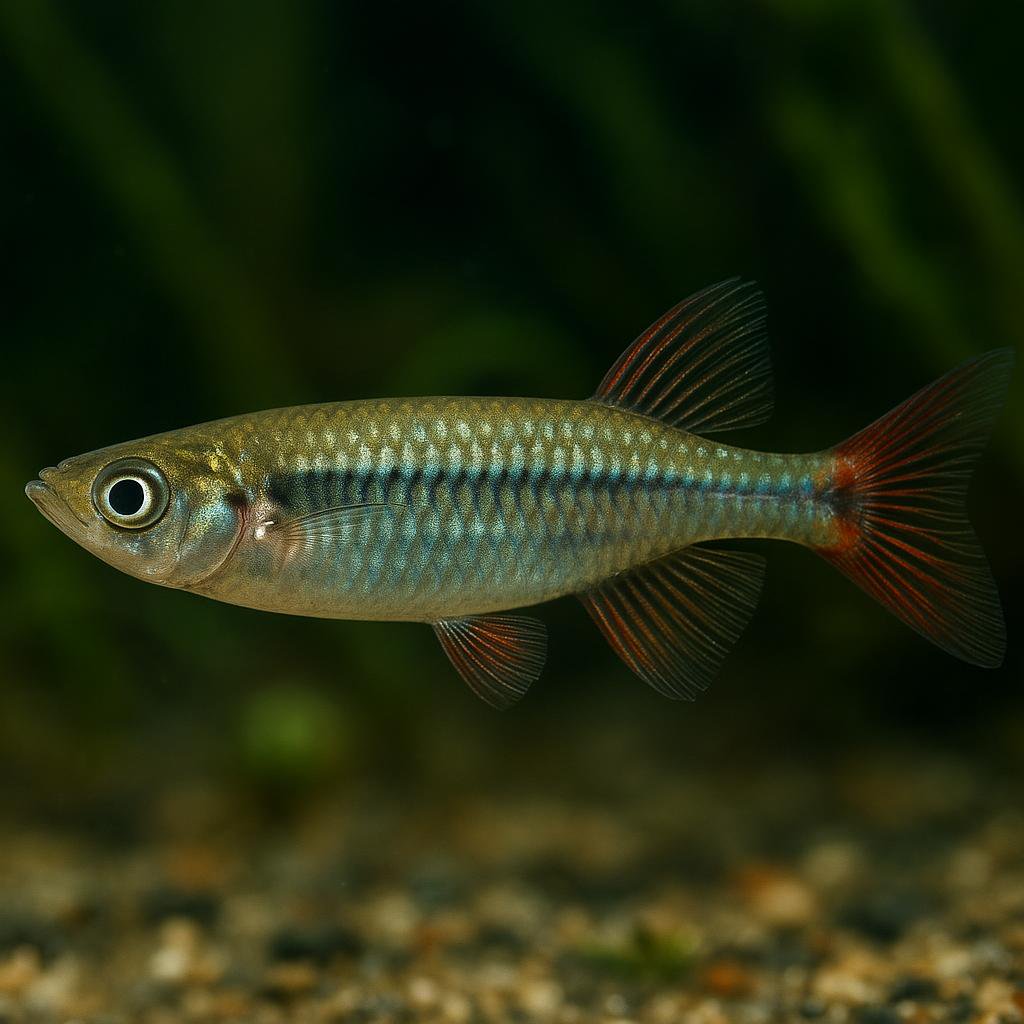
Feathered river-garfish
Zenarchopterus dispar
Zenarchopterus dispar is a surface-hanging halfbeak from mangroves and sheltered bays, with that classic long lower jaw for snapping up insects and other floaty foods. Males get those funky elongated fin rays (the "feathered" look), and they are livebearers, so once they settle in you can occasionally get surprise babies. Biggest thing with this fish is giving it calm water up top, room to cruise, and a tight lid because halfbeaks can rocket-jump.
Looking for other species?