

Eyespot pufferfish (Figure-8 puffer)
Dichotomyctere ocellatus
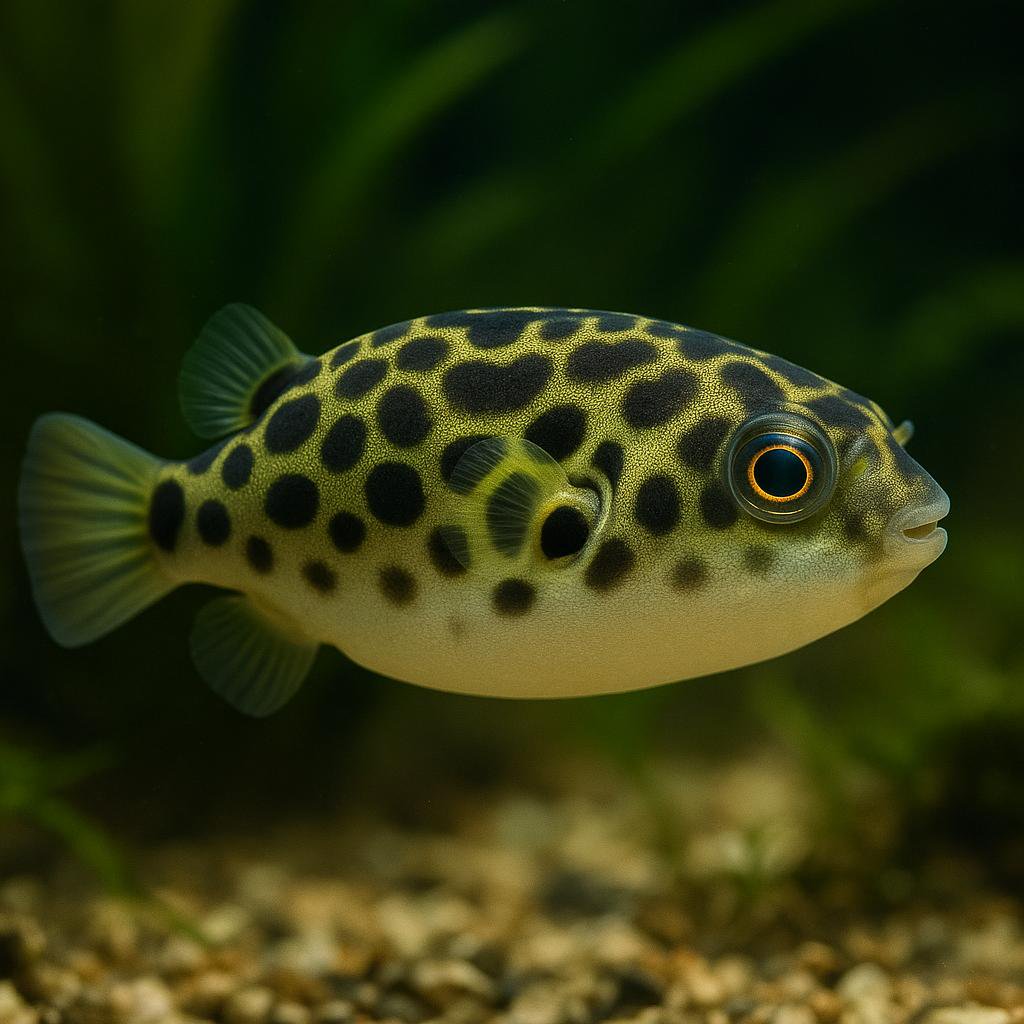
The Eyespot pufferfish features a distinctive pattern of dark spots and bands on a yellowish body, with prominent, rounded eyespot markings.
This page includes AI-generated images. Why am I seeing AI images?
About the Eyespot pufferfish (Figure-8 puffer)
This is the little "figure-8" puffer with the yellow-green squiggles and the two bold eyespots near the tail-tons of personality in a small body. They're basically snail-hunting machines with a curious, interactive vibe, but they can be spicy with their own kind, so you plan the tank around that.
Also known as
Quick Facts
Size
8 cm
Temperament
Semi-aggressive
Difficulty
Intermediate
Min Tank Size
20 gallons
Lifespan
5-10 years
Origin
Southeast Asia
Diet
Carnivore/molluscivore - snails, shelled foods (clams/mussels), frozen/live meaty foods
Water Parameters
22-26°C
6.5-7.5
5-12 dGH
Need a heater for this species?
This species needs 22-26°C in a 20 gallon tank. Use our heater calculator to find the right wattage.
Calculate heater sizeCare Notes
- Figure-8 puffers really do best in brackish water as they grow; keeping them in straight freshwater long-term is a slow-motion fail, so plan on marine salt mix and a way to measure salinity (refractometer).
- Give them space and structure-20 gallons is commonly cited as a minimum for one adult, but larger is often recommended. Use dense décor to break sightlines; in brackish setups, choose brackish-tolerant plants (or use hardscape/mangroves) and keep a tight lid.
- Keep it warm and stable: about 24-28°C, typically alkaline in brackish setups (often ~pH 7.8-8.3) and very stable water quality (0 ammonia/0 nitrite). They're messy eaters, so strong filtration and regular water changes help a lot.
- Feed crunchy foods often so the beak doesn't overgrow: pond/bladder snails, ramshorns, small clams/mussels, shrimp with shell, and the occasional crab leg chunk; avoid relying on flakes/pellets as the main diet.
- They'll beg like puppies-don't fall for it; small portions once a day (or split into two tiny feeds) keeps them from getting fat and fouling the water.
- Tankmates are a gamble: skip slow fish and long fins (they'll nip), avoid shrimp/snails you want to keep alive, and don't house with other puffers unless you have a big tank and a backup plan.
- Watch for white spot/scratching after new fish-puffers are touchy with meds, so quarantine new arrivals and go gentle with dosing (many meds are harsh on scaleless-ish fish).
- Breeding is rare in home tanks; if you ever see them pairing and guarding a spot, expect them to get extra cranky and be ready to separate tankmates fast.
Compatibility
Good Tankmates
- Use caution with community fish; Figure-8 puffers are often best kept singly or in species-focused brackish tanks, and fin-nipping/harassment risk is common.
- Mollies are commonly suggested as potential brackish tankmates (with caution for fin nipping); compatibility varies by individual and tank size.
- Hardy barbs that aren't long-finned, like cherry barbs or gold barbs - busy, quick, and usually not bothered as long as the tank isn't cramped
- Bigger, no-nonsense bottom fish like bristlenose plecos - they stick to their job, have armor, and generally get ignored (give caves so they're not sharing space)
- Hillstream loaches (in a well-oxygenated tank) - they're fast, clingy, and not really the kind of 'easy target' puffers like to pick on
- Other figure-8 puffers ONLY if the tank is roomy and decorated to break sight lines - groups can work, but in tight setups they'll bicker and turn it into a bite-fest
Avoid
- Slow fish with fancy fins like bettas, guppies, and long-finned gouramis - figure-8s love to sample those fins like they're snacks
- Anything tiny and chill like neon tetras, ember tetras, or young rasboras - they get stressed, chased, and sometimes just disappear overnight
- Shrimp and most snails - puffers are little hunters and will absolutely go after them (snails especially are basically enrichment food)
- Nippy/aggressive bruisers like tiger barbs or cichlids - either they shred the puffer's fins or the puffer starts biting back and the whole tank turns into drama
1) Where they come from (quick backstory)
Figure-8 puffers (Eyespot puffers) come from slow-moving rivers and mangrove-y areas in Southeast Asia. You’ll see them sold as “freshwater puffers,” but in the wild they’re often around brackish-influenced zones, so they’re used to changing conditions and lots of nooks and crannies.
Even if your store labels them freshwater, many keepers get better long-term results with at least slightly brackish water as they mature. If you’re set on freshwater, keep water quality tight and watch their health closely.
2) Setting up their tank
These puffers are small, but they’re not “small tank” fish. They’re busy, curious, and they like having a territory. A cramped tank makes them nippy and stressed, and stressed puffers get sick fast.
- Tank size: I’d start a single one in 20 gallons (long footprint helps). For a pair or a small group, think 30–40+ gallons with lots of line-of-sight breaks.
- Filtration: strong biofiltration, gentle-ish flow. They’re messy eaters, so you’ll appreciate extra capacity.
- Decor: wood, rock piles, caves, and dense plants (or tough plants). Break up sight lines so they don’t stare each other down all day.
- Substrate: sand is great if you can—easier on them and looks natural. Gravel works, but sand makes cleanup and feeding easier in my experience.
- Water changes: frequent smaller changes beat “big rescue changes.” Puffers notice swings.
Give them “puffer puzzles.” A couple of snail shells, a feeding dish, or hiding food in a little pile of smooth stones keeps them busy and cuts down on boredom-biting.
Skip anything sharp. They’re bold and will wedge themselves into places they shouldn’t. If you can snag a nylon stocking on it, a puffer can scratch itself on it.
3) What to feed them
Figure-8 puffers are little predators with a big opinion about food. Many won’t touch flakes, and even if they do, you don’t want a dry-food-only puffer. You want crunchy foods in the rotation to help manage tooth growth.
- Staples I’ve had the best luck with: snails (ramshorn/bladder), frozen bloodworms, frozen mysis, chopped shrimp, and bits of clam/mussel.
- Crunchy rotation (for teeth): small snails, unshelled shrimp pieces, clam on the half shell (tiny portions).
- Foods some take: live blackworms, earthworm chunks (rinse well), krill (go easy—can be rich).
Start a snail jar or mini tank. You’ll save money and you’ll always have the best “puffer currency” on hand for picky days.
Don’t lean too hard on bloodworms. They’ll happily eat them forever, but it’s like feeding a kid only fries—mix in meaty foods and crunchy stuff.
Feed small portions and watch them eat. Puffers are messy, and leftovers rot fast. I like using a small feeding dish so food doesn’t vanish into the substrate and spike your ammonia overnight.
4) Behavior and tankmates
They’re smart. Like, “come to the glass when you walk in” smart. They’re also little sass machines. Some are angels, some are fin-shredders, and the same fish can change its mind depending on tank size and layout.
- Personality: curious, food-driven, can be pushy at feeding time.
- Nipping: very possible, especially with slow fish or long fins.
- Territory: they’ll pick a cave or corner and defend it.
I generally don’t recommend them with fancy guppies, bettas, angelfish, or anything with flowy fins. You might get away with it for a while… until you don’t.
If you want tankmates, think fast, tough, and not-too-tempting. Even then, have a backup plan (spare tank or divider). Plenty of people end up deciding these are best kept as a species tank, and honestly it makes life simpler.
More hardscape and plants usually reduces aggression. If they can’t see each other constantly, they squabble way less.
5) Breeding tips (the realistic version)
Breeding figure-8 puffers in home tanks happens, but it’s not something most people stumble into by accident. Sexing them is tricky, and they can be rough on each other if the tank is tight.
- You’ll want a bigger tank with multiple caves and heavy cover so a female can get away from a persistent male.
- Condition them with varied meaty foods (snails, shrimp, worms) and keep water super clean.
- If you see pairing behavior and cave-guarding, don’t mess with the tank—stability helps more than tinkering.
If you do get eggs/fry, expect a whole new level of work: tiny foods, immaculate water, and separating adults from eggs/fry before someone snacks.
6) Common problems to watch for
Most figure-8 issues boil down to three things: dirty water, the wrong diet, or stress from tankmates/tank size. They don’t always show early warning signs, so you have to be a little paranoid (in a good way).
- Overgrown teeth: if they stop eating, miss food, or their mouth looks “beaky,” you may need more crunchy foods (snails!) and a diet reset.
- Ich/parasites: puffers can be sensitive to meds, and many don’t handle salt/medication combos the same way other fish do. Quarantine new fish/foods if you can.
- Bloat/constipation: often from overfeeding rich foods or too many worms. Try smaller meals and mix in shelled foods; watch for swelling and floating.
- Fin damage: usually from nipping (tankmates or other puffers). Add cover, reduce stocking, or separate.
- Ammonia/nitrite spikes: messy feeding + small tanks = trouble. Test kits save puffers.
Never try to make a puffer “puff” for fun or photos. It stresses them out and they can take in air, which can end badly.
If your puffer suddenly acts “off,” check water first (ammonia/nitrite), then temperature, then look for bullying. Chasing symptoms with random meds usually makes things worse.
Similar Species
Other brackish semi-aggressive species you might be interested in.
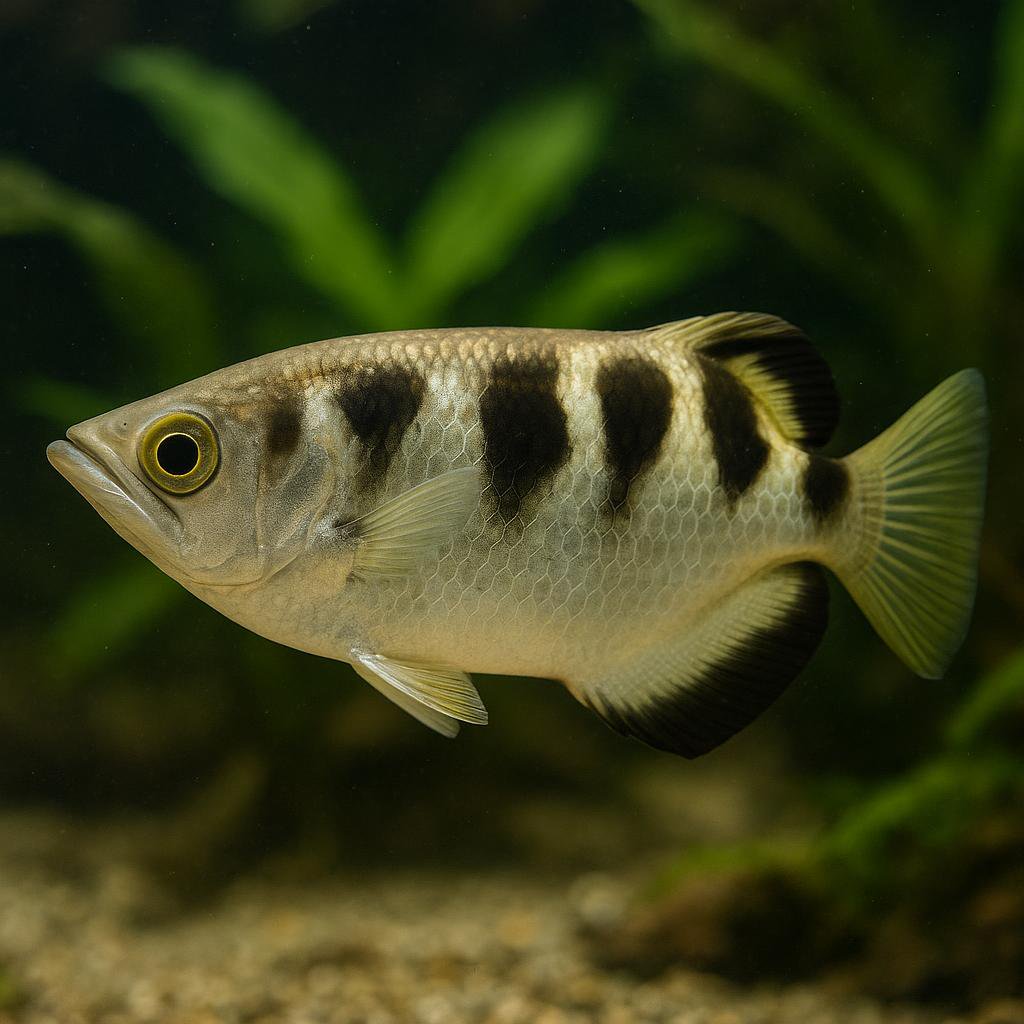
Banded Archerfish
Toxotes jaculatrix
This is the fish that literally spits jets of water to knock insects off branches-watching one "take aim" is unreal. They're super aware of what's going on outside the tank and will even learn to beg and snipe food from the surface once they settle in. Give them height and some open swimming room and they act like little aquatic sharpshooters.
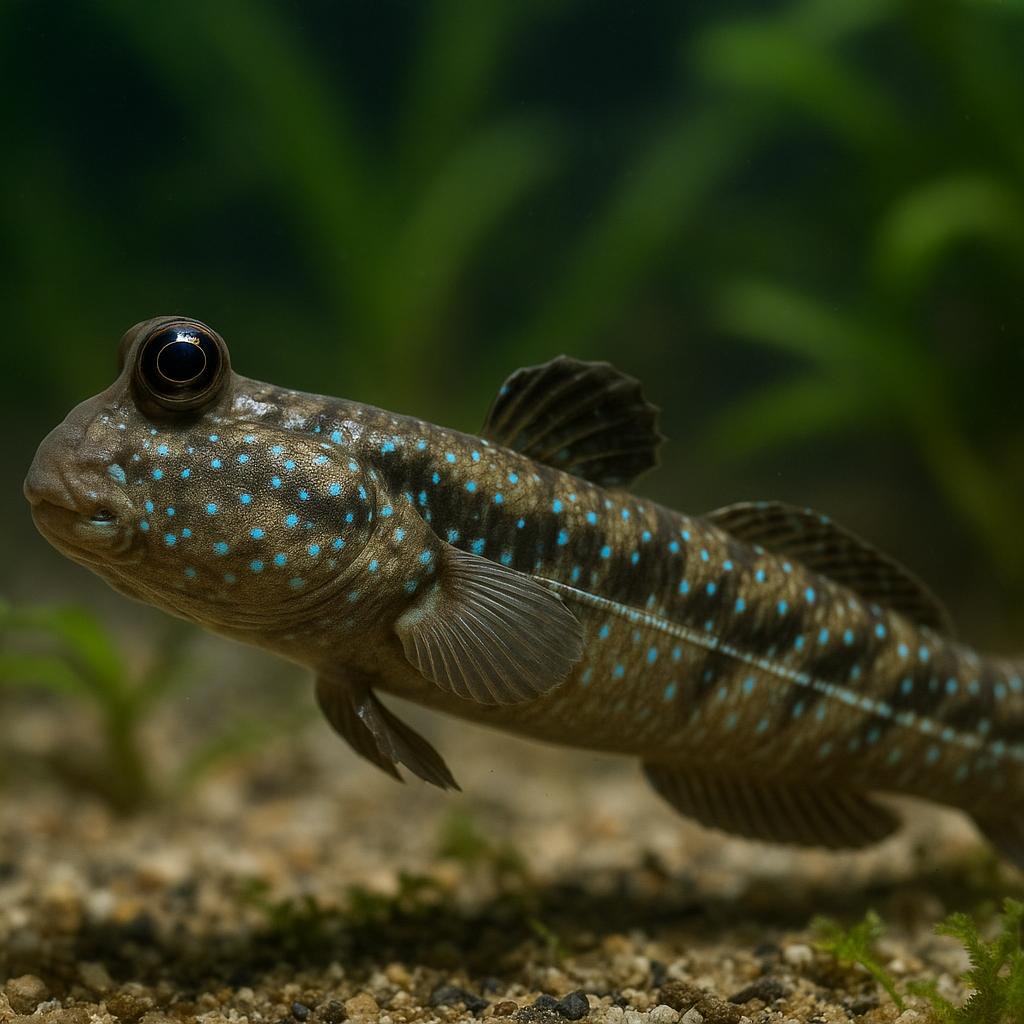
Barred mudskipper
Periophthalmus argentilineatus
This is one of those classic "walks around like it owns the place" mudskippers-big goofy eyes, climbs, hops, and spends a ton of time out on the mud when it's humid. In the wild it lives on intertidal mangrove/nipa mudflats and even shuttles between little pools and open air, hunting worms, insects, and small crustaceans. It's super fun to watch, but it really wants a brackish paludarium setup (not a normal aquarium).
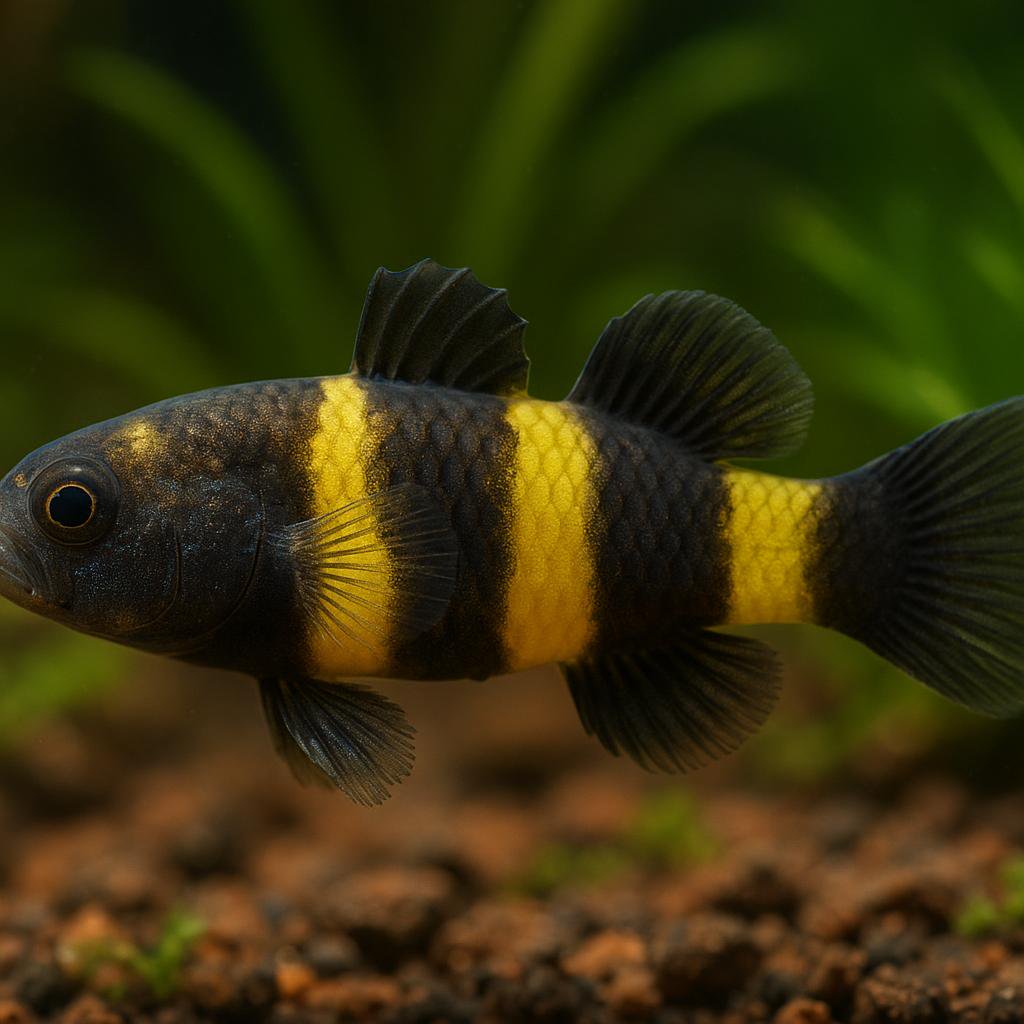
Bumblebee goby
Brachygobius doriae
Brachygobius doriae is one of the classic "bumblebee gobies" - tiny, bottom-hugging little characters that perch on rocks and sand and stare at you like they own the place. They're at their best in a calm setup with lots of caves and leaf litter, and they really shine once you get them eating frozen/live foods reliably (they're slow, picky eaters). Also: they're one of the species that gets mislabeled a lot in shops, so it's super common to see them sold under the wrong bumblebee-goby name.
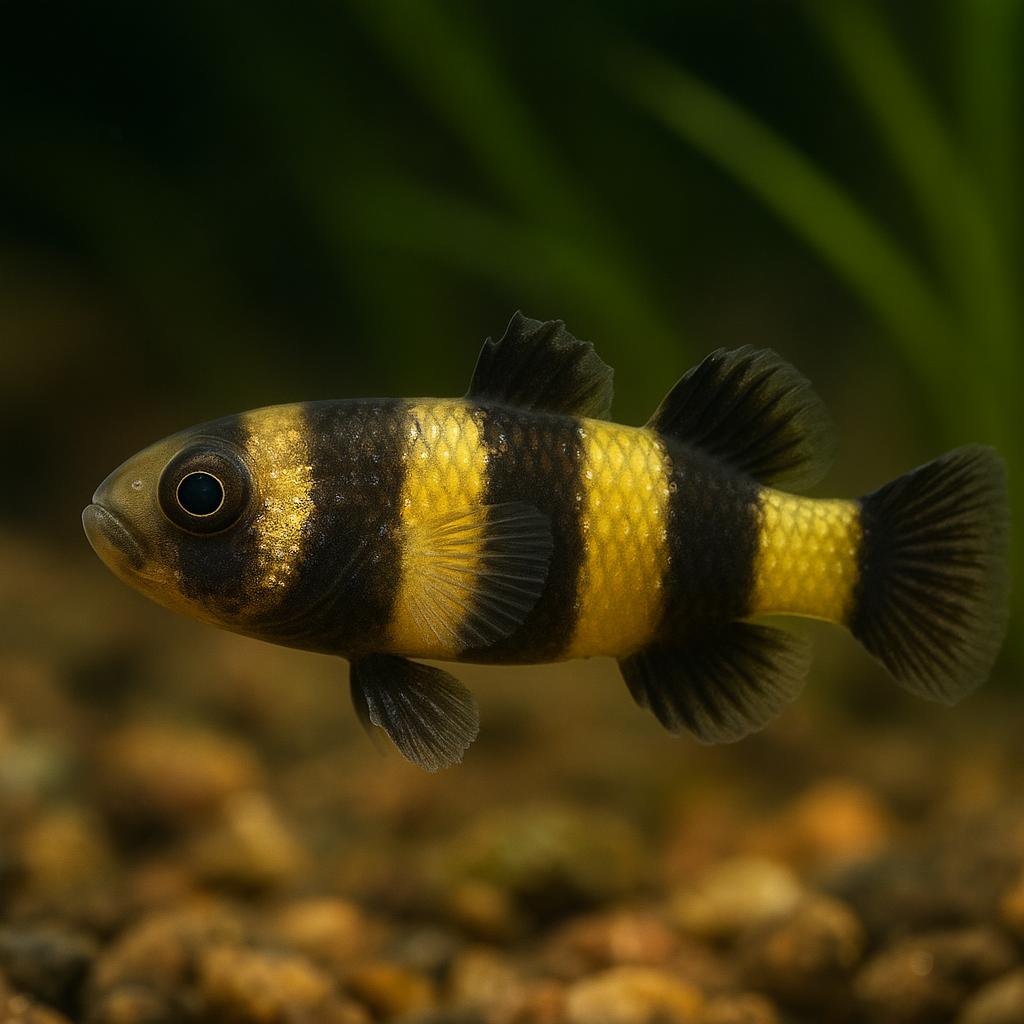
Bumblebee goby (Bumblebee fish)
Brachygobius xanthozonus
This is that tiny little goby with the bold black-and-yellow bands that likes to perch on the bottom and stare back at you like it owns the place. It's happiest in lightly brackish water with lots of little caves and sight-breaks, and it's one of those fish that often refuses flakes-frozen/live meaty foods usually flip the "yes, I will eat" switch.
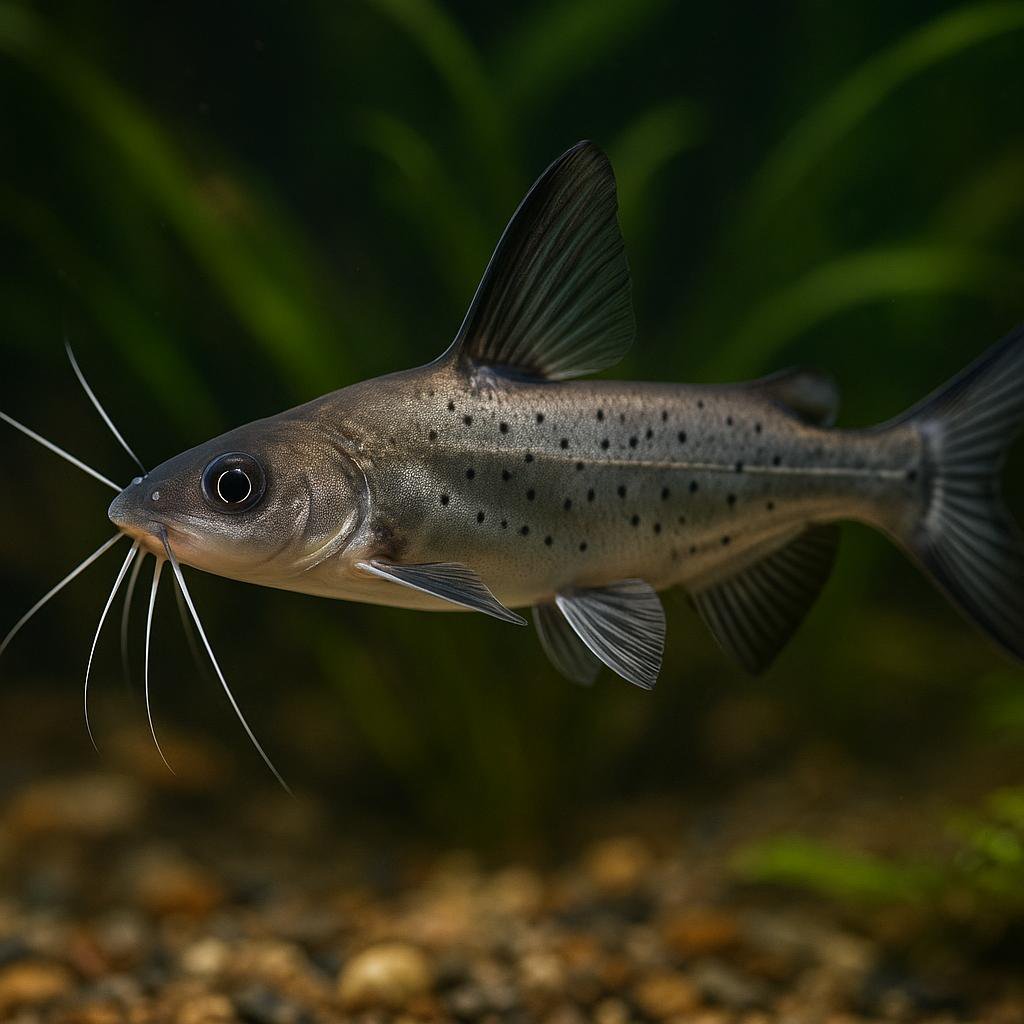
Colombian shark catfish
Ariopsis seemanni
This is that slick silver "shark-looking" catfish with the black fins and white tips that cruises around like it owns the place. The big gotcha is it's not a true freshwater community fish long-term-juveniles show up in shops as "freshwater," but as it grows it really wants brackish and eventually full marine conditions, plus a lot of swimming room.
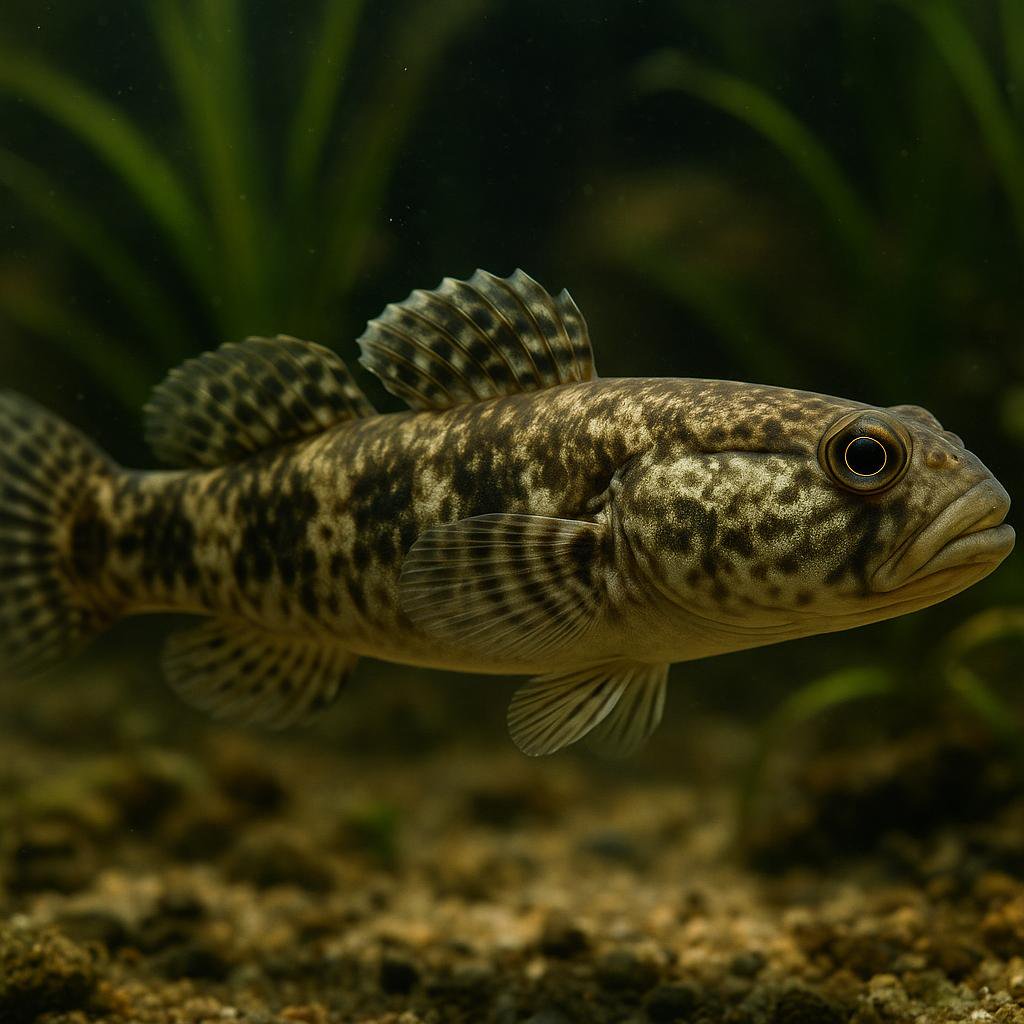
Fat sleeper
Dormitator maculatus
Dormitator maculatus is that chunky "sleeper goby" type fish with the bulldog head and the attitude of a little vacuum cleaner-always sifting and nosing around the bottom. It'll do freshwater or brackish and it can get way bigger than most people expect, so it's one of those fish that's awesome... as long as you plan the tank around the adult size, not the baby you bought.
More to Explore
Discover more brackish species.
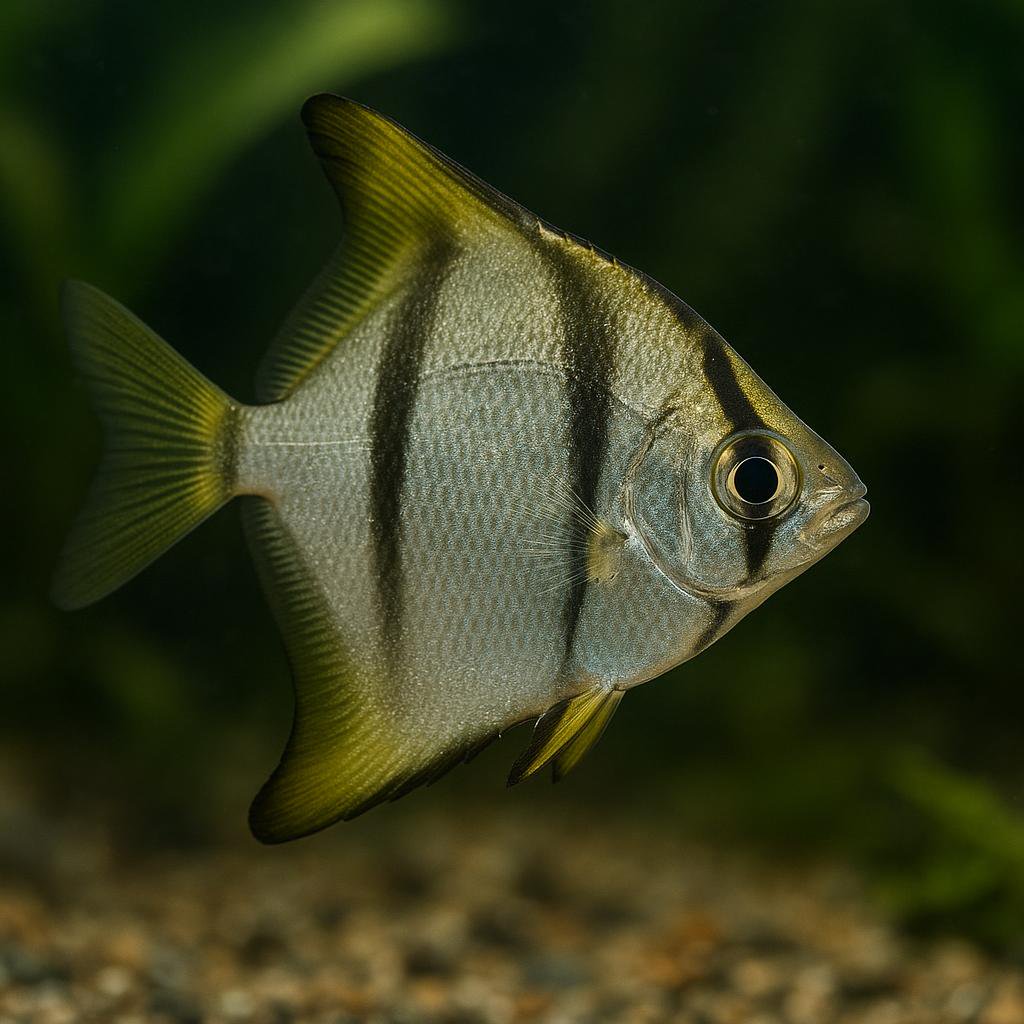
African moony
Monodactylus sebae
This is that shiny, diamond-shaped "mono" that cruises around in a tight pack and looks like a little silver dinner plate with black bars when it's young. The big thing with African moonies is they're euryhaline-so they'll tolerate freshwater as juveniles, but they really shine long-term in brackish (and can be transitioned toward marine as they mature). Give them a big, open tank and a group, and they turn into nonstop, super fun midwater swimmers.
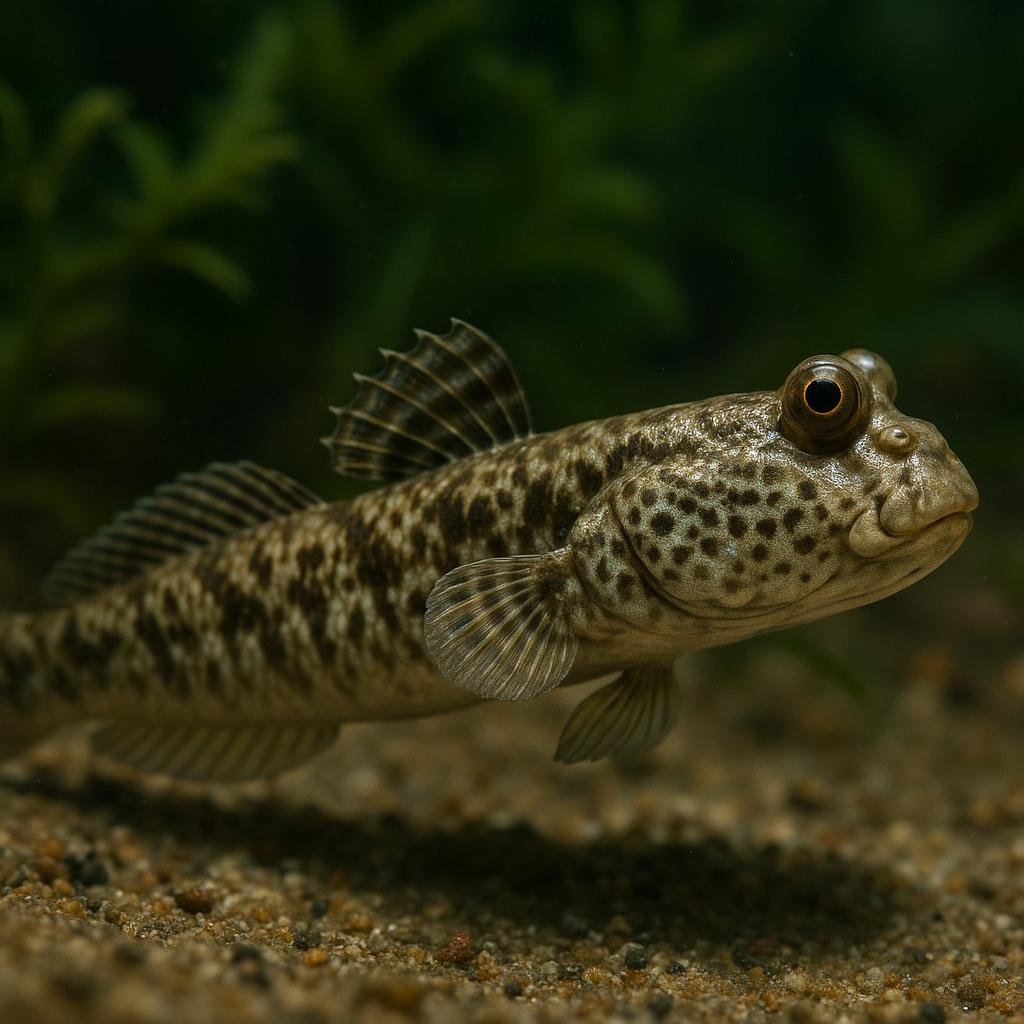
Atlantic Mudskipper
Periophthalmus barbarus
This is that wild little amphibious goby that straight-up climbs around on land like it forgot it was a fish. They've got big googly eyes, tons of personality, and they'll perch, hop, and patrol their territory-honestly more like a tiny crabby lizard than a "regular" aquarium fish.
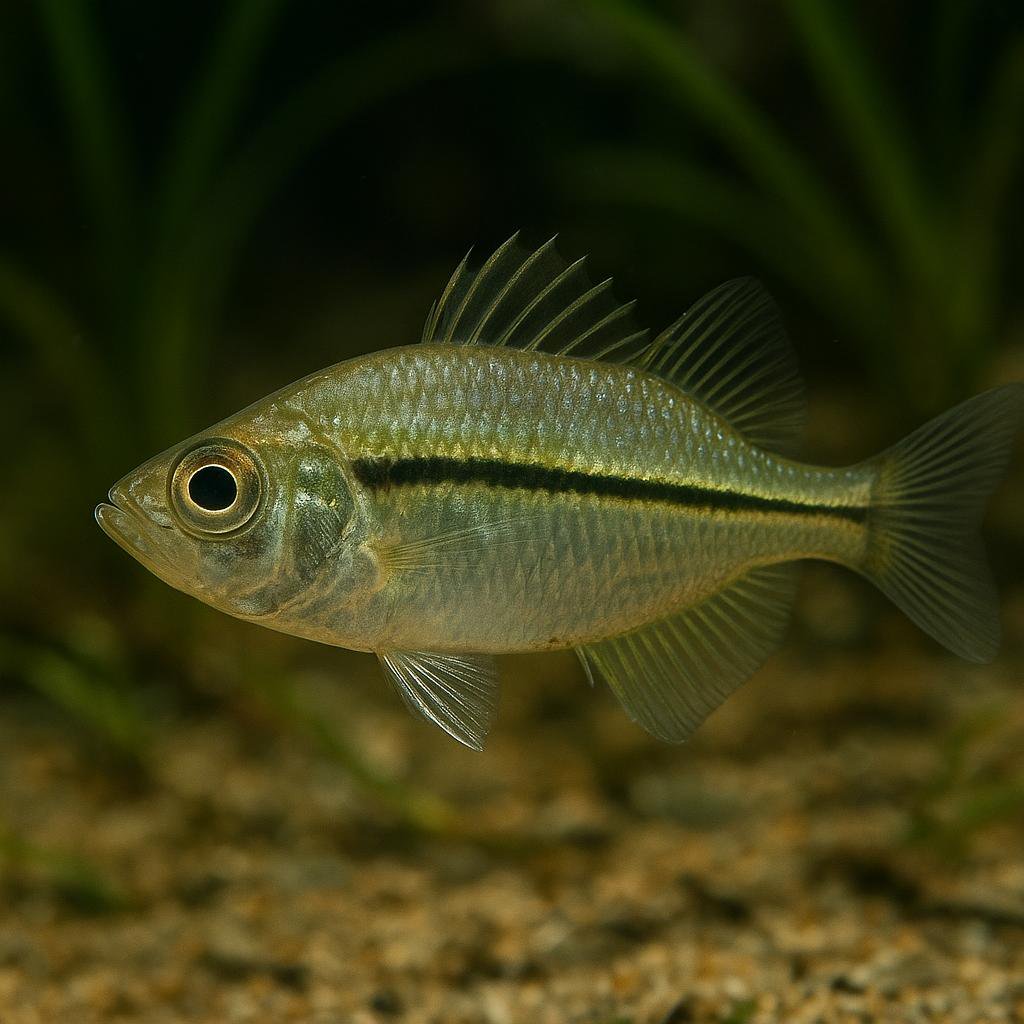
Banded-tail glassy perchlet
Ambassis urotaenia
This is one of those see-through glassy perchlets where you can literally watch the organs shimmer when it turns-super cool in the right lighting. In the wild it hangs around river mouths and mangroves and cruises in groups, so it does best when you keep a little gang of them and give them some open swimming room.
-1771643191.jpg)
Elongate mudskipper (pointed-tailed goby)
Pseudapocryptes elongatus (syn. Pseudapocryptes lanceolatus)
This is that super-cool "mudskipper-ish" goby that mostly stays in the water, but will park itself in the shallows and periscope its eyes above the surface like it's keeping watch. It's an obligate air-breather from tidal rivers/estuaries, so it really appreciates shallow, brackish setups with soft mud/sand and gentle flow-more of a mangrove vibe than a typical community tank.
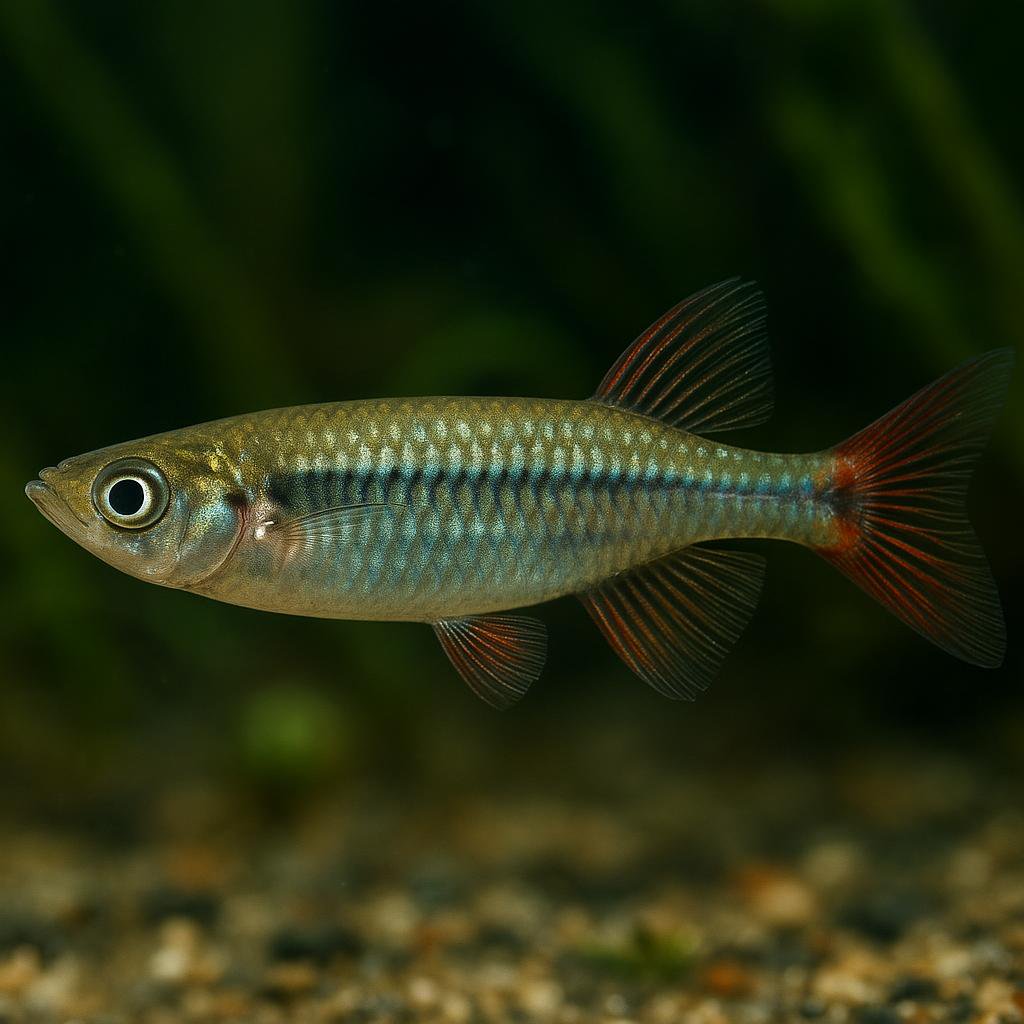
Feathered river-garfish
Zenarchopterus dispar
Zenarchopterus dispar is a surface-hanging halfbeak from mangroves and sheltered bays, with that classic long lower jaw for snapping up insects and other floaty foods. Males get those funky elongated fin rays (the "feathered" look), and they are livebearers, so once they settle in you can occasionally get surprise babies. Biggest thing with this fish is giving it calm water up top, room to cruise, and a tight lid because halfbeaks can rocket-jump.
-1771033122.jpg)
Figure 8 Puffer (Eyespot puffer)
Dichotomyctere ocellatus (syn. Tetraodon biocellatus)
This is the small "Figure 8"/eyespot puffer with two bold eyespots and a yellow-green maze-like pattern. They're interactive and can be fin-nippy and territorial, especially toward other puffers. Husbandry advice on salinity varies by source: FishBase lists it as a freshwater species, while many aquarium references recommend low-end brackish (often around SG ~1.005-1.008) for long-term keeping, with very clean, stable water.
Looking for other species?