

Chessboard cichlid
Dicrossus filamentosus
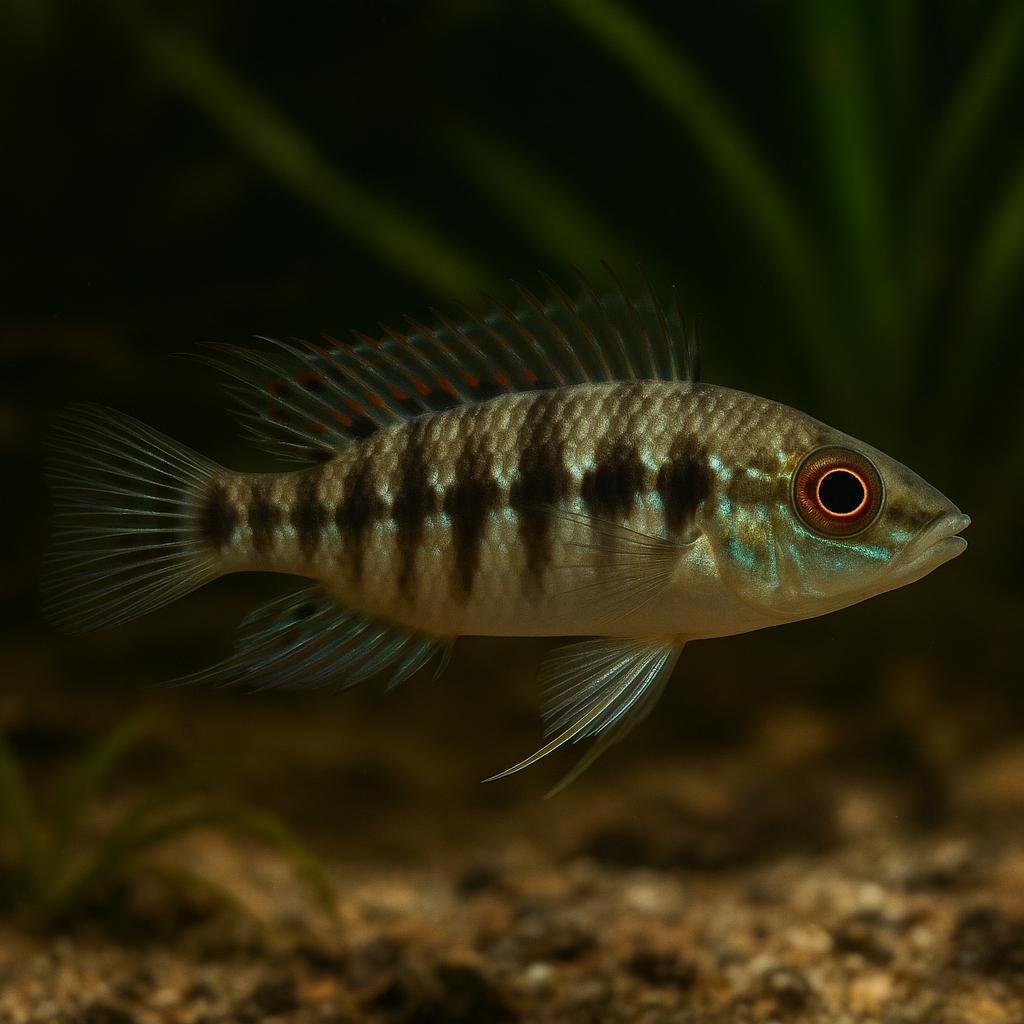
Chessboard cichlids exhibit a distinctive pattern of dark and light squares along their bodies, with elongated fins and vibrant coloration.
This page includes AI-generated images. Why am I seeing AI images?
About the Chessboard cichlid
Dicrossus filamentosus is that classy little blackwater dwarf cichlid with the crisp "chessboard" pattern and, in mature males, a super cool lyretail with streamers. It's generally mellow and shy, but when a female is guarding eggs/fry she turns into a tiny, fearless bulldozer (and it's honestly awesome to watch). Give them soft, clean water, leaf litter, and calm tankmates and they really settle in and show their best colors.
Also known as
Quick Facts
Size
3.8 cm SL
Temperament
Peaceful
Difficulty
Advanced
Min Tank Size
26 gallons
Lifespan
3-5 years
Origin
South America
Diet
Omnivore leaning carnivore - micro-predator; small live/frozen foods (Artemia, daphnia, cyclops) plus quality micro pellets
Water Parameters
25-29°C
4-6.5
1-4 dGH
Need a heater for this species?
This species needs 25-29°C in a 26 gallon tank. Use our heater calculator to find the right wattage.
Calculate heater sizeCare Notes
- Give them a calm, well-structured tank with lots of leaf litter and driftwood—think shaded blackwater creek, not a bright open aquascape. Provide fine sand so they can sift naturally.
- They're way happier in soft, acidic water: aim roughly pH 4.5-6.5 and low GH/KH, and keep nitrates low (they get cranky fast in dirty water). Sudden swings hit them hard, so do smaller, regular water changes instead of big resets.
- Keep temperature around 26–29°C (79–84°F) with excellent water quality; softer, acidic conditions (pH ~4.0–6.5, very low GH) bring out best colors and behavior.
- Feed like a micro-predator: frozen/live foods (baby brine, daphnia, cyclops, blackworms) get the best response, with a quality small pellet as backup. They're slow, picky eaters-scatter food and make sure faster fish aren't vacuuming it all.
- Tankmates: small, chill species that like soft water (tiny tetras, pencilfish, hatchetfish, small Corydoras) work well. Avoid boisterous fish and fin-nippers, and skip most "tough" cichlids-they'll get bullied or stop eating.
- They can be shy and will hide if the tank is too bright or bare, so add floating plants and lots of visual breaks. If you only see them at feeding time, your scape probably needs more cover.
- Breeding is rewarding but picky: use very soft, acidic water and provide broad leaves or flat surfaces over leaf litter. This species does not form permanent pairs; males are polygamous and females usually guard the eggs and larvae. In small tanks keep one male with multiple females; attempt breeding in a quiet, species‑focused setup.
Compatibility
Good Tankmates
- Small, calm schooling tetras (cardinals, rummynose, ember) - they stay midwater, don't hassle the Dicrossus, and the cichlids get way less shy when there's a school cruising around
- Corydoras (pandas, sterbai, etc.) - peaceful little vacuum crew; just make sure you've got sand and they aren't barging right into a spawn site all day
- Otocinclus - super chill algae pickers that mostly ignore everyone; great in the same soft/acid-ish setup these guys like
- Hatchetfish (marbled/silver) - top-dwellers that keep to themselves, so you're using the whole tank without crowding the cichlids' space
- Small pencilfish (Nannostomus spp.) - gentle, not grabby at feeding time, and they match the vibe of a quiet blackwater-style community
- A single peaceful bristlenose pleco (Ancistrus) - usually fine if there's wood/hiding spots; just keep an eye out if the Dicrossus are breeding because plecos love snooping for eggs at night
- Other small dwarf cichlids (e.g., Apistogramma spp.) only in large, well-structured tanks; avoid mixing in smaller setups due to overlapping bottom territories.
Avoid
- Nippy fin-biters like serpae tetras, tiger barbs, or even some boisterous danios - they'll shred those long filaments and keep the Dicrossus stressed and hiding
- Big/rowdy fish (most larger cichlids, many gouramis, "semi-aggressive" community stuff) - the chessboards are peaceful and just get bullied off food
- Shrimp colonies (especially cherries) - adults might survive, but babies are basically expensive live snacks once the Dicrossus settle in
1) Where they come from
Chessboard cichlids (Dicrossus filamentosus) come from slow, plant- and leaf-litter-filled waters in the Amazon basin—think soft, tea-colored streams with roots, fallen branches, and dim light. That “blackwater” vibe explains a lot about what they like in the aquarium: calm flow, soft water, and lots of cover.
If you’ve ever kept Apistos, the overall feel is similar—shy dwarf cichlid energy—but Dicrossus are a bit more delicate about water quality and chemistry swings.
2) Setting up their tank
Give them a tank that feels safe first, pretty second. These fish relax when they have visual breaks and little “rooms” to hang out in. A 20 long can work for a pair, but I’ve had a much easier time in a 29–40 breeder where they can spread out and you’re not constantly managing territorial squabbles.
- Footprint > height: longer tanks make their lives easier
- Soft substrate: fine sand is my pick (they sift and poke around)
- Leaf litter: Indian almond leaves/oak leaves add cover and microfood
- Wood + roots: spiderwood/driftwood to break lines of sight
- Plants: floaters to dim the tank; hardy rooted plants or epiphytes on wood
- Gentle filtration: sponge filter or a canister with a spray bar turned down
They’re happiest in soft, acidic water. If your tap is hard, you can still keep them alive, but breeding and long-term condition gets way more hit-or-miss. I run them warm and calm, with very steady parameters and lots of oxygen.
If you’re chasing the “natural” look: amber water from botanicals isn’t just aesthetics. It helps them feel less exposed, and I’ve seen better feeding response in slightly tinted tanks.
They don’t love brand-new tanks. I’d wait until the tank is stable and biofilm-y (a couple months running is great), especially if you’re aiming to breed them.
3) What to feed them
These guys are picky in that “dwarf cichlid” way: they’ll eat, but they want food that looks alive. Once settled, they can learn pellets and flakes, but you’ll get better color and better breeding behavior with a rotation of frozen and live foods.
- Staples: frozen brine shrimp, mysis, daphnia, cyclops
- Treats: live baby brine, live daphnia, blackworms (use clean sources)
- Dry food: small sinking pellets/microgranules after they’re comfortable
- Avoid as a main diet: lots of tubifex or overly fatty foods (they get “puffy” and lazy)
Feed small amounts more often rather than one big dump. They’re deliberate pickers, and big feedings can leave leftovers that rot in soft, warm water.
4) Behavior and tankmates
Chessboard cichlids are generally peaceful, but they’re not pushovers. A settled male will posture, flare, and chase, especially during spawning. The trick is pairing them with fish that don’t bully them and don’t steal every bite of food.
- Good tankmates: small peaceful tetras (cardinals, rummynose), pencilfish, hatchetfish, small calm Corydoras
- Use caution: very active feeders (danios, bigger barbs), nippy tetras, boisterous livebearers
- Skip: aggressive cichlids, fin-nippers, anything that will camp their territory
They’re also surprisingly sensitive to “social pressure.” If you keep them with hyper fish, they tend to stay hidden and you’ll wonder where your expensive cichlids went. Calm dither fish help, but keep it reasonable.
During breeding, they can turn a peaceful community into a chase-fest. If you want fry, give the pair their own tank or be ready to move either the parents or the tankmates.
5) Breeding tips
Breeding them is very doable, but they reward patience. Soft, acidic water makes a noticeable difference in fertility and egg survival. The female usually takes the lead—she’ll pick a site, lay eggs, and get very serious about guarding.
- Spawning sites: flat stones, broad leaves, or small sheltered areas under wood
- Conditioning: heavy frozen/live feeding for 1–2 weeks, then a big water change
- Water: soft and on the warmer side; stability beats chasing exact numbers
- Lighting: dimmer is better—floaters help a lot
If eggs keep fungusing, don’t assume the parents are “bad.” More often it’s water hardness, too much disturbance, or the pair not fully bonded yet. I’ve had pairs that needed a couple practice runs before they got it right.
First foods for fry: baby brine shrimp is the cheat code. If you’ve got leaf litter and a mature tank, the fry will also pick at microfauna between feedings.
6) Common problems to watch for
Most issues with Dicrossus come from three things: stress, water that’s too hard/dirty, or getting outcompeted for food. They’re not “glass fish,” but they do tell on you fast when something’s off.
- Hiding nonstop + clamped fins: usually stress from tankmates, bright light, or not enough cover
- Not eating: often new fish stress; try frozen foods and dim the tank for a few days
- Ragged fins: nipping tankmates or territorial fights—add sight breaks or separate
- White stringy poop / weight loss: internal parasites are common in wild imports; quarantine helps a ton
- Sudden losses after a water change: parameter swing (temp/pH/TDS); make changes smaller and match water closely
Don’t mix “soft-water blackwater tank” habits with sloppy maintenance. Warm, soft tanks can crash fast if waste builds up. Keep up with smaller, regular water changes and avoid overfeeding.
If you can, quarantine them. Many chessboards in shops are wild-caught or recently imported, and a calm QT with excellent food saves a lot of headaches later.
Similar Species
Other freshwater peaceful species you might be interested in.
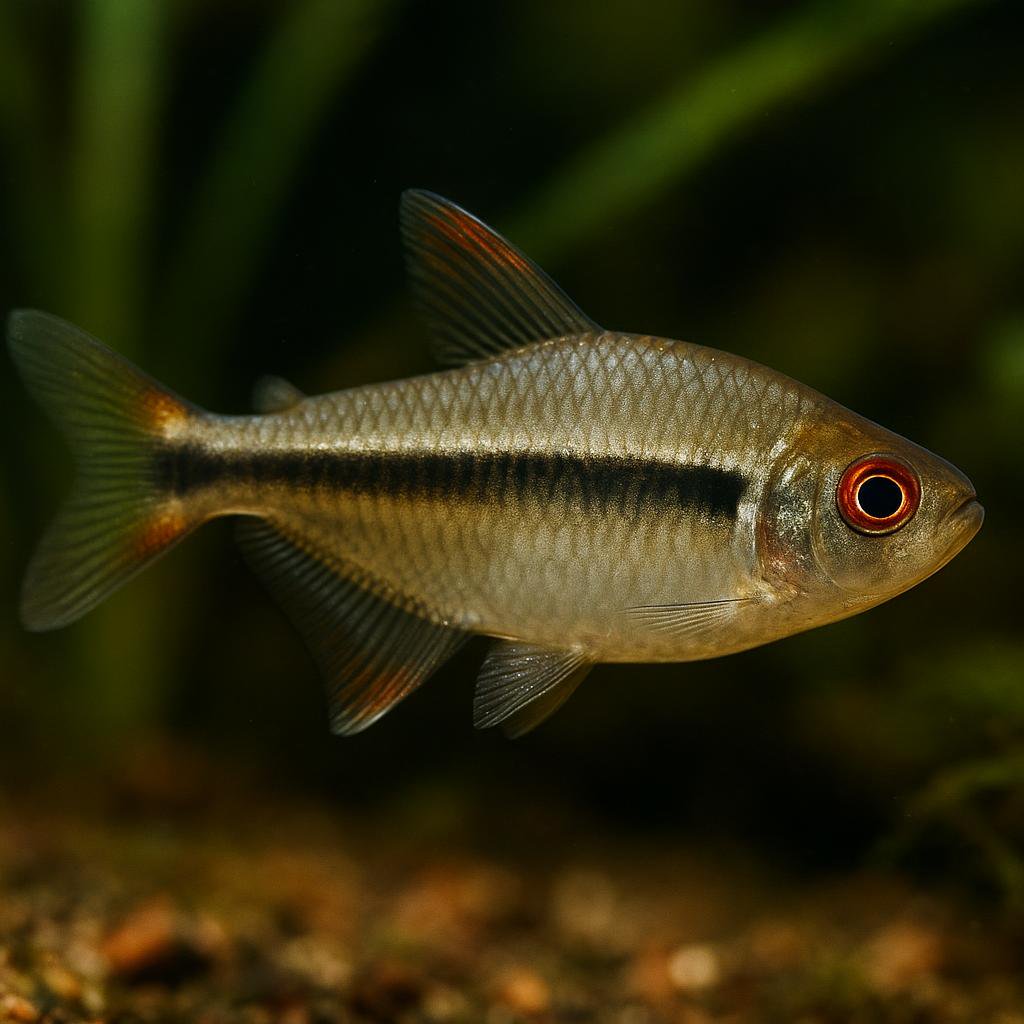
Amapa tetra
Hyphessobrycon amapaensis
This is a tiny, super sleek little tetra with a clean red stripe down the side that really pops once its settled in. It does best in a planted, slightly tinted "creek-style" setup and looks way cooler when you keep a proper group so they school and flash that line together. If you can give it soft, slightly acidic water and a calm community, its an easy fish to fall for.
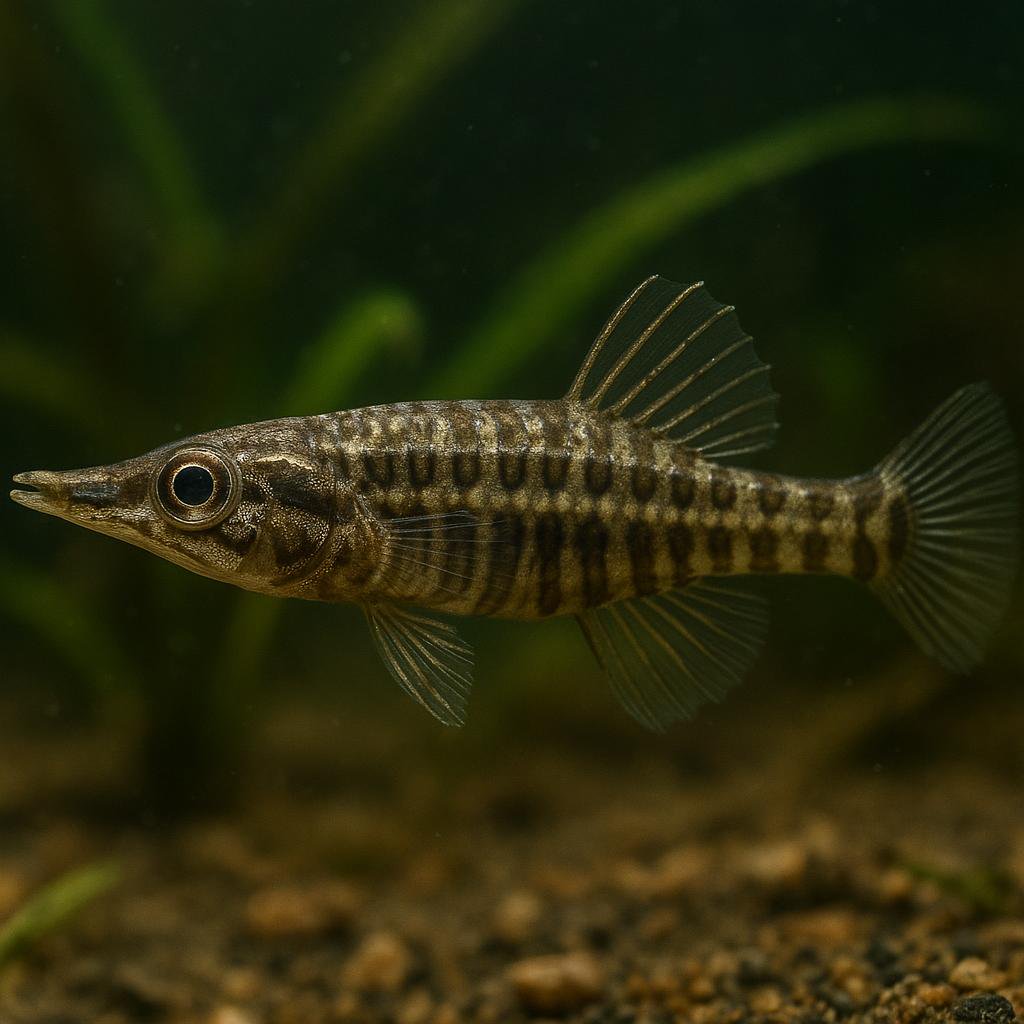
Armoured stickleback
Indostomus paradoxus
This is that goofy little "freshwater seahorse"-looking fish that just kind of perches and scoots around like a tiny armored twig. Its whole vibe is slow, sneaky micropredator - once its settled in, you will catch it stalking microfoods and doing these subtle little posture displays. The big trick is feeding: they do best when you can provide lots of small live foods in a calm, planted tank.
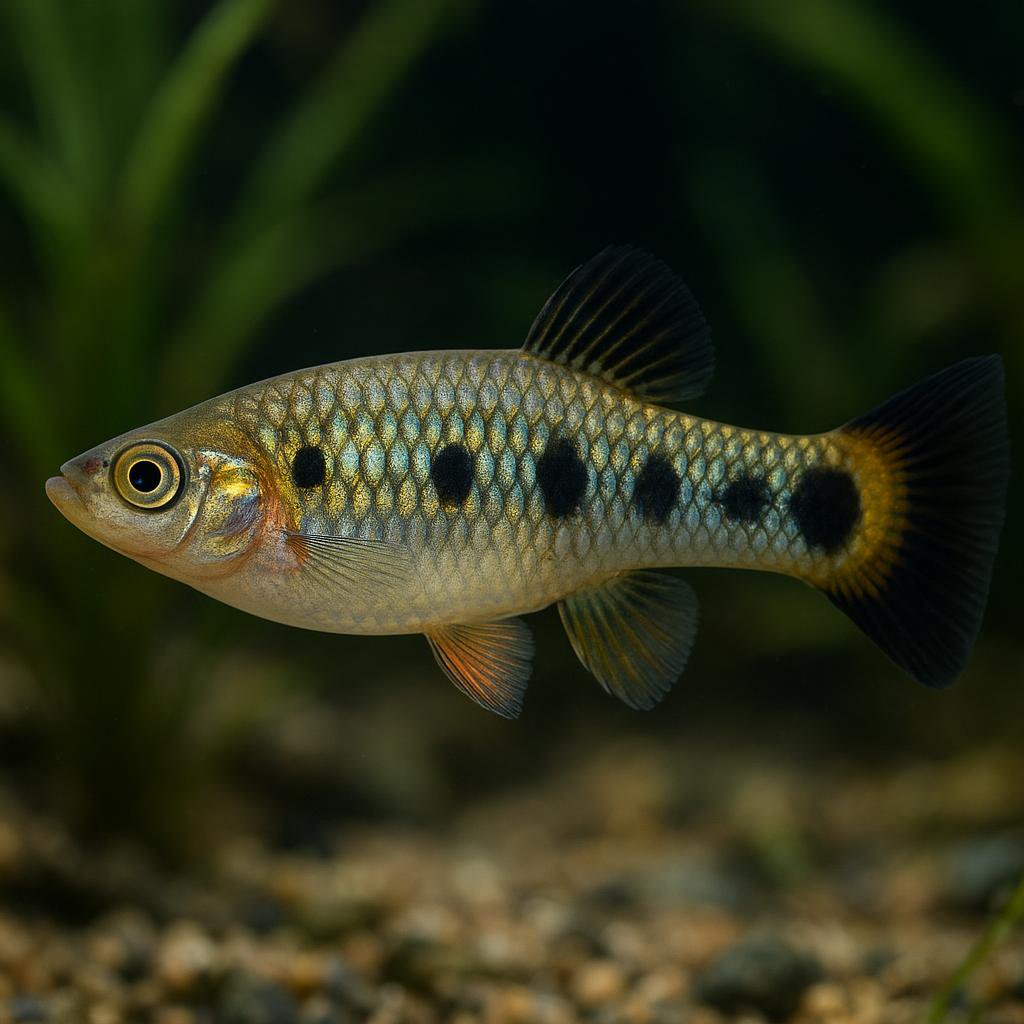
Bishop toothcarp
Brachyrhaphis episcopi
This is a tiny Panamanian livebearer that does best when you treat it more like a shy wild fish than a fancy guppy-lots of cover, calm vibes, and really clean water. The fun part is watching the males posture and spar while the females cruise around dropping fully-formed fry about once a month.
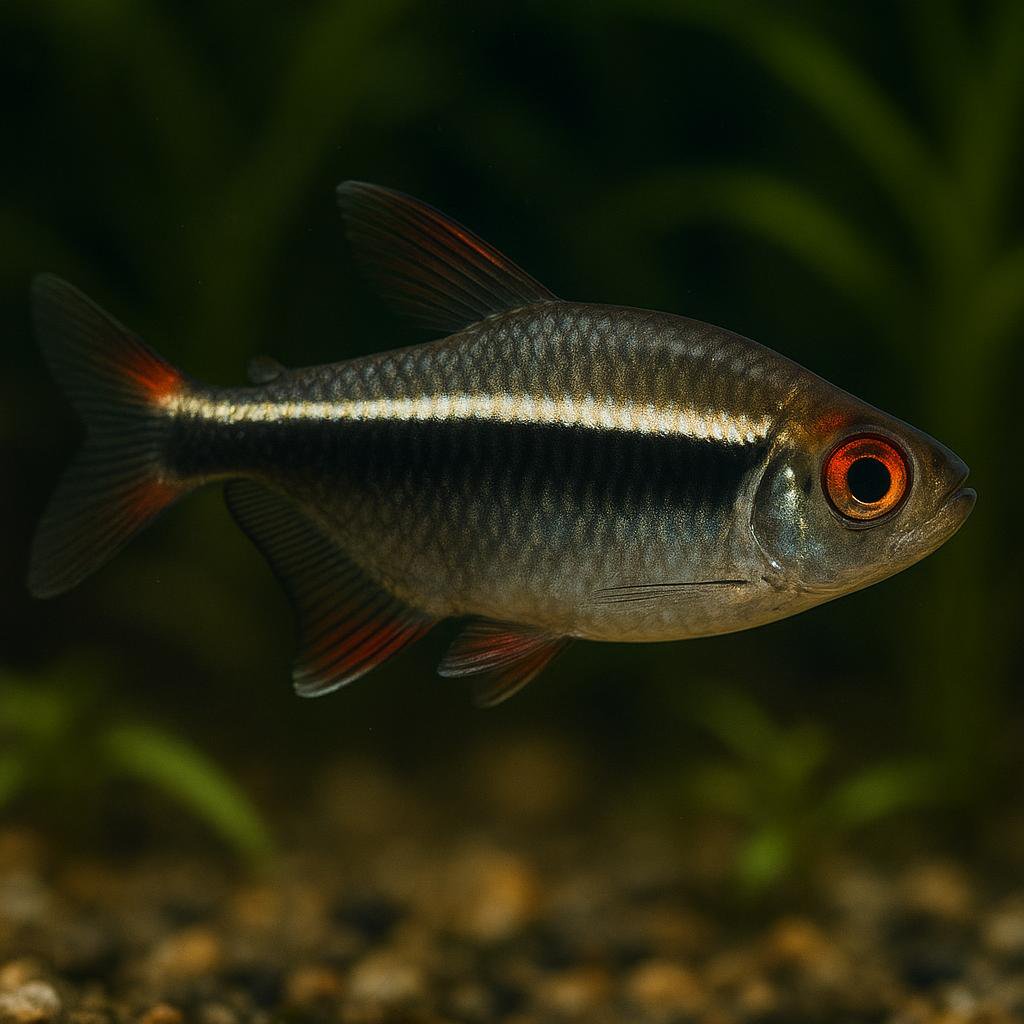
Black Neon Tetra
Hyphessobrycon herbertaxelrodi
Black neons are one of those little tetras that look kinda understated until the light hits them-then that bright stripe pops and they shimmer when the school turns together. They're super chill, always cruising mid-water, and they make a tank feel "alive" without being hectic. If you keep a nice group, they get bolder and you'll see way more of their personality.
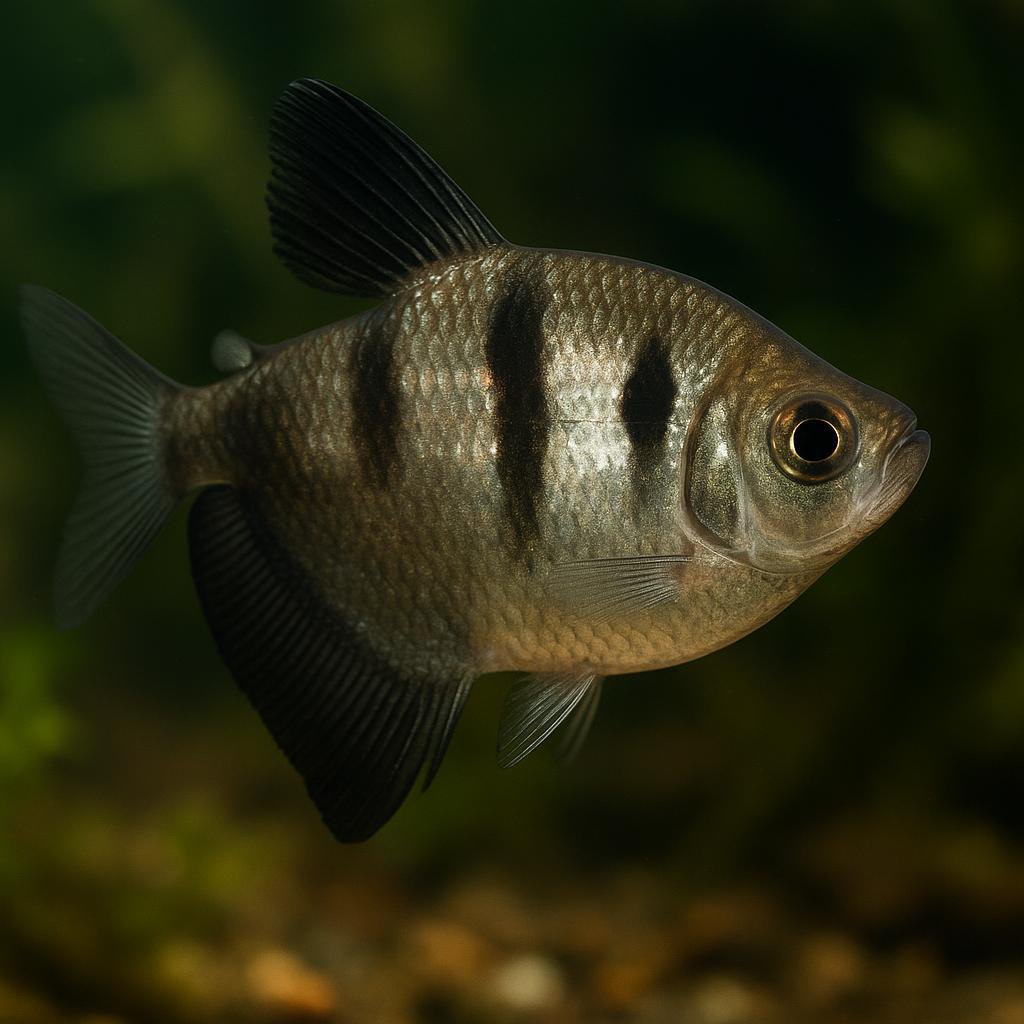
Black Skirt Tetra (Black Widow Tetra)
Gymnocorymbus ternetzi
Black skirts are those little "suit-and-tie" tetras with the dark bands and flowing fins that look way fancier than they should for how tough they are. They're super active midwater fish, and when you keep a proper group they do that tight, zippy schooling thing that makes the whole tank feel alive. Just give them enough buddies and finny tankmates they won't be tempted to nip.
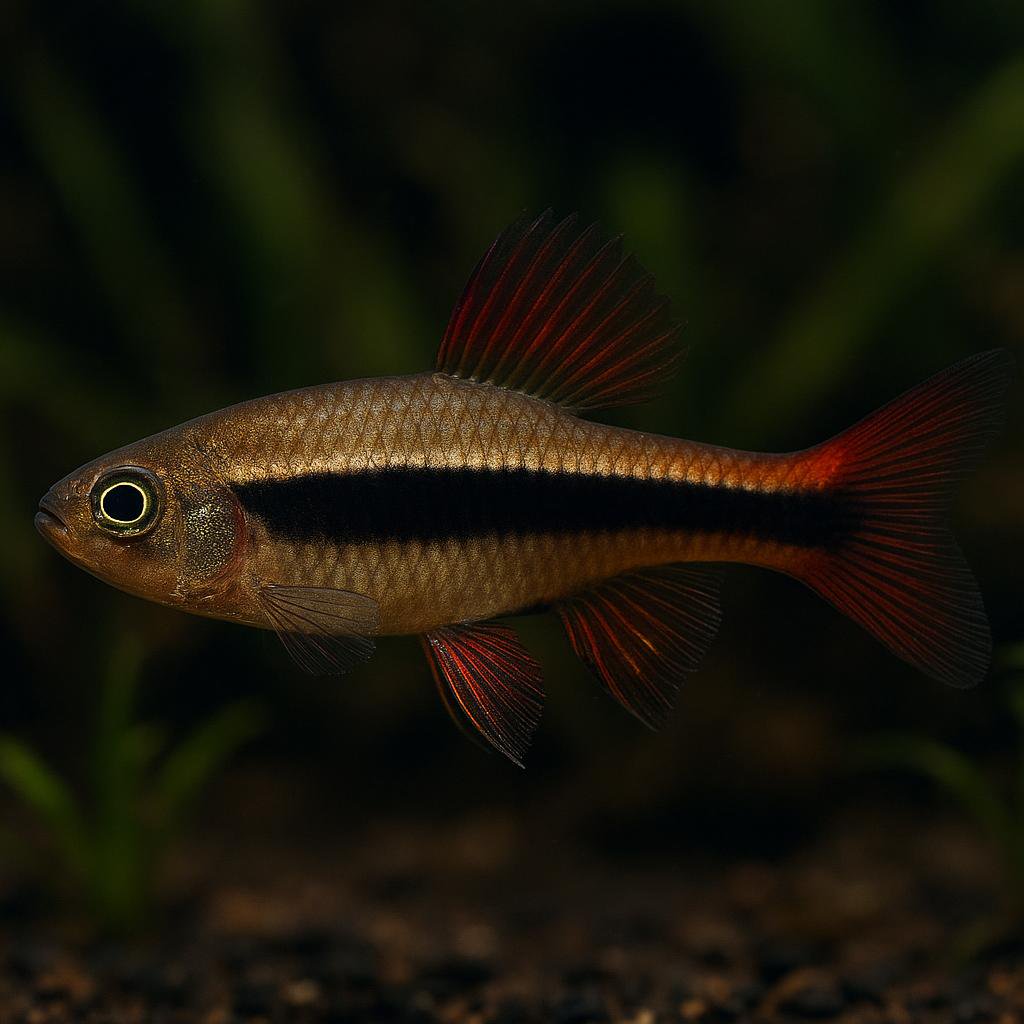
Black morpho tetra
Poecilocharax weitzmani
Poecilocharax weitzmani is one of those tiny blackwater oddballs that acts more like a little darter than a typical tetra - it hangs low, darts between cover, and the males can get pretty showy with fin-flares. The really cool part is they are cave breeders with male brood care, which is not what most people expect from a small characin. Give them very soft, acidic, super-clean water and lots of leaf litter and hidey holes, and they settle in and start showing their best colors.
More to Explore
Discover more freshwater species.
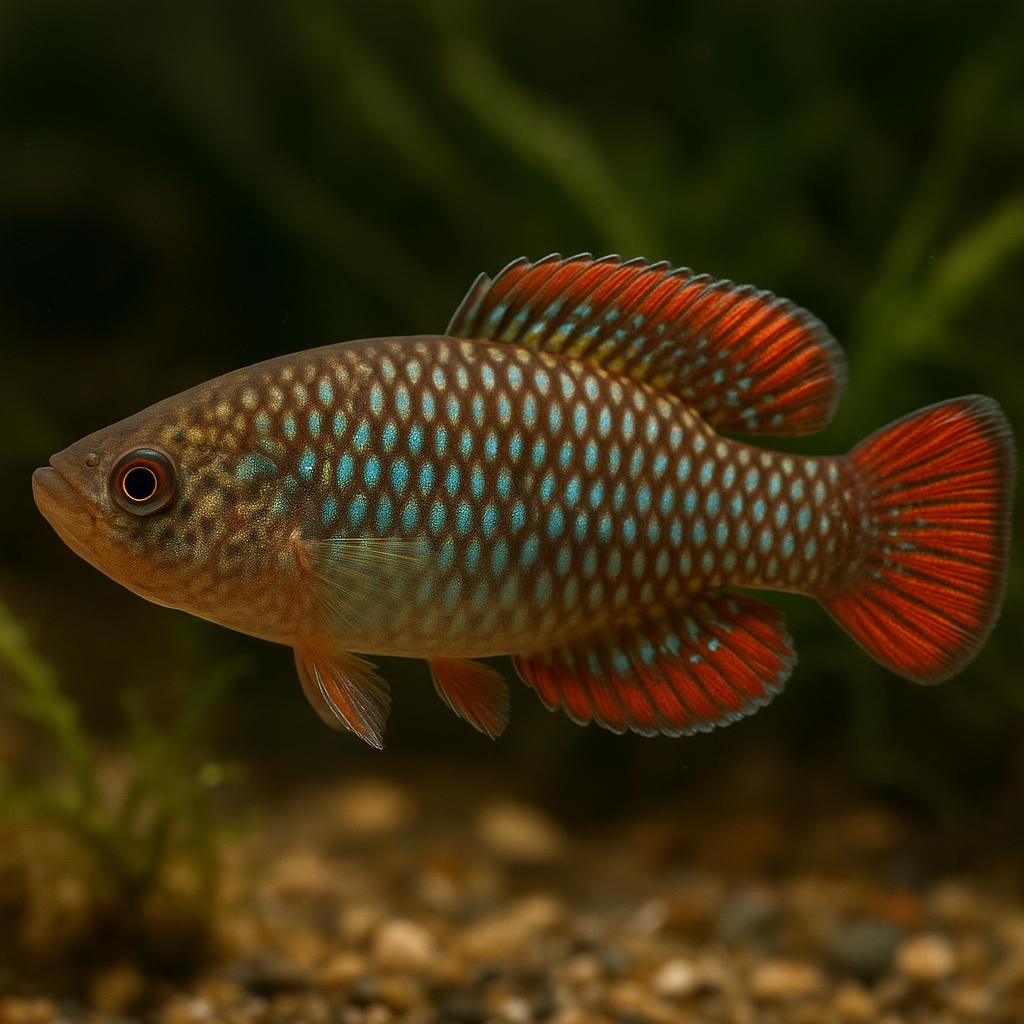
American flagfish
Jordanella floridae
Jordanella floridae is that little Florida native with the red-and-cream striping that really does look like a tiny flag once a male colors up. They graze algae like champs (especially stringy/hair algae), but they have a bit of attitude - give them plants and space so the bossy behavior stays manageable. Bonus: the male guards the eggs and will actively fan them, which is pretty fun to watch.
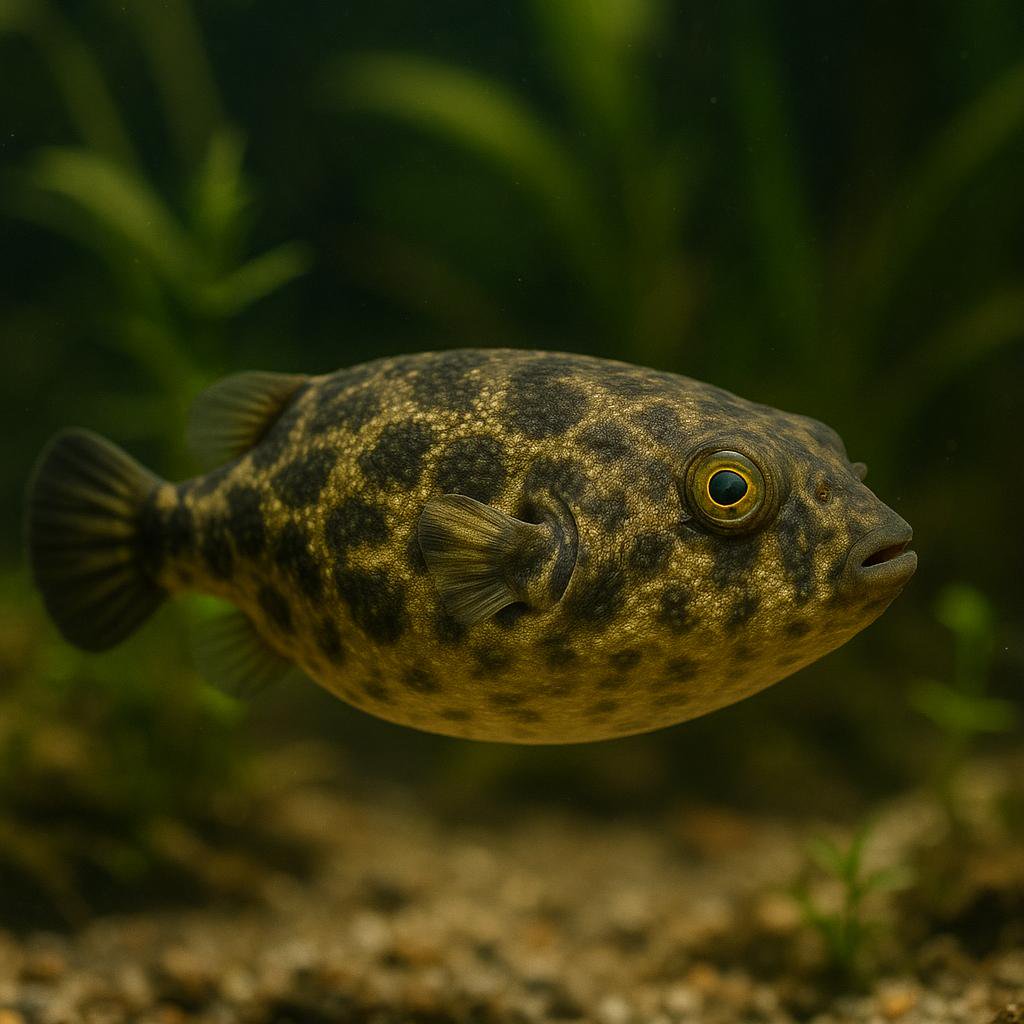
Arrowhead puffer
Pao suvattii
Pao suvattii is that sneaky Mekong puffer that likes to sit low and ambush food, and it has that super recognizable arrow/V pattern on its back. Gorgeous fish with tons of personality, but it is absolutely not a community guy - plan on a solo, species-only setup if you want everybody to stay in one piece.
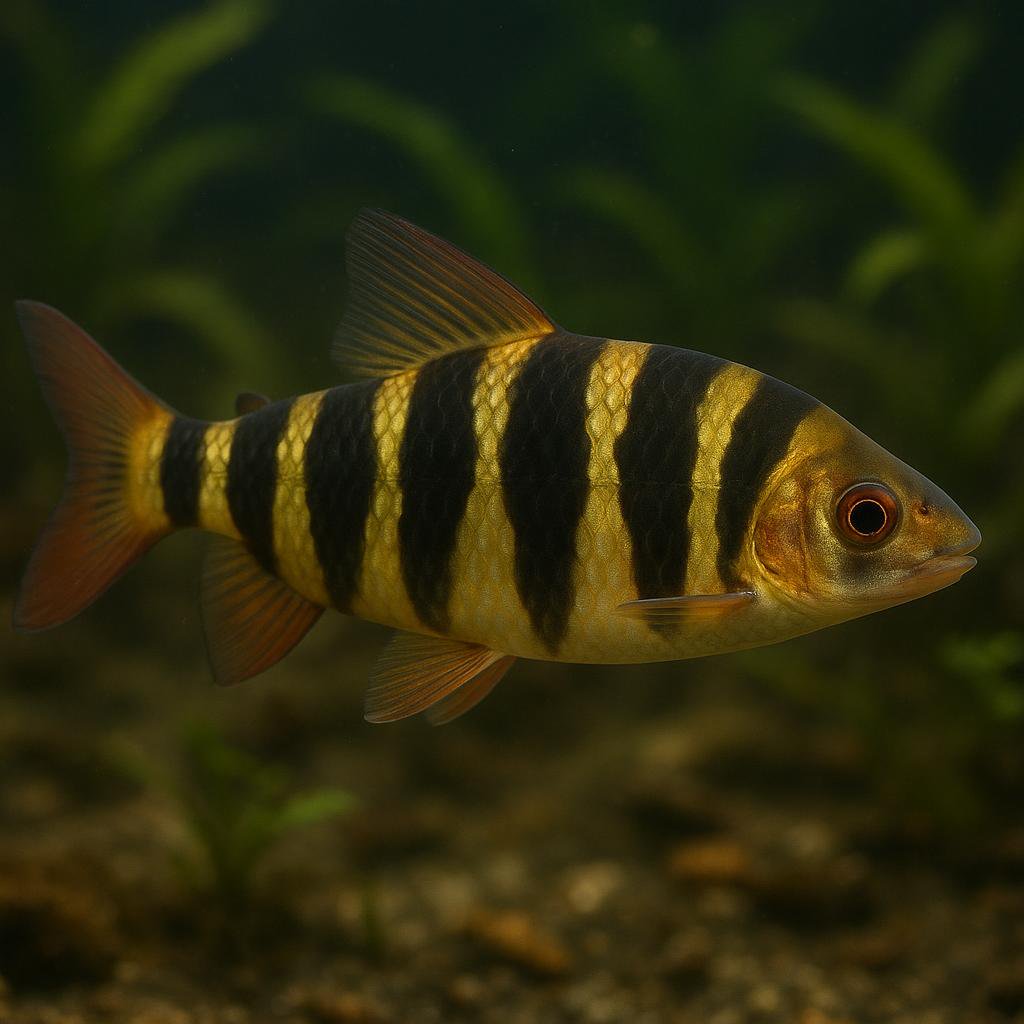
Banded Leporinus
Leporinus fasciatus
Banded Leporinus are those torpedo-shaped, black-and-yellow striped fish that look like they're wearing a little prison outfit-and they stay on the move. They've got a ton of personality and they're awesome to watch cruising and picking at stuff, but they're also the kind of fish that will redecorate your tank and "taste test" anything soft-looking.
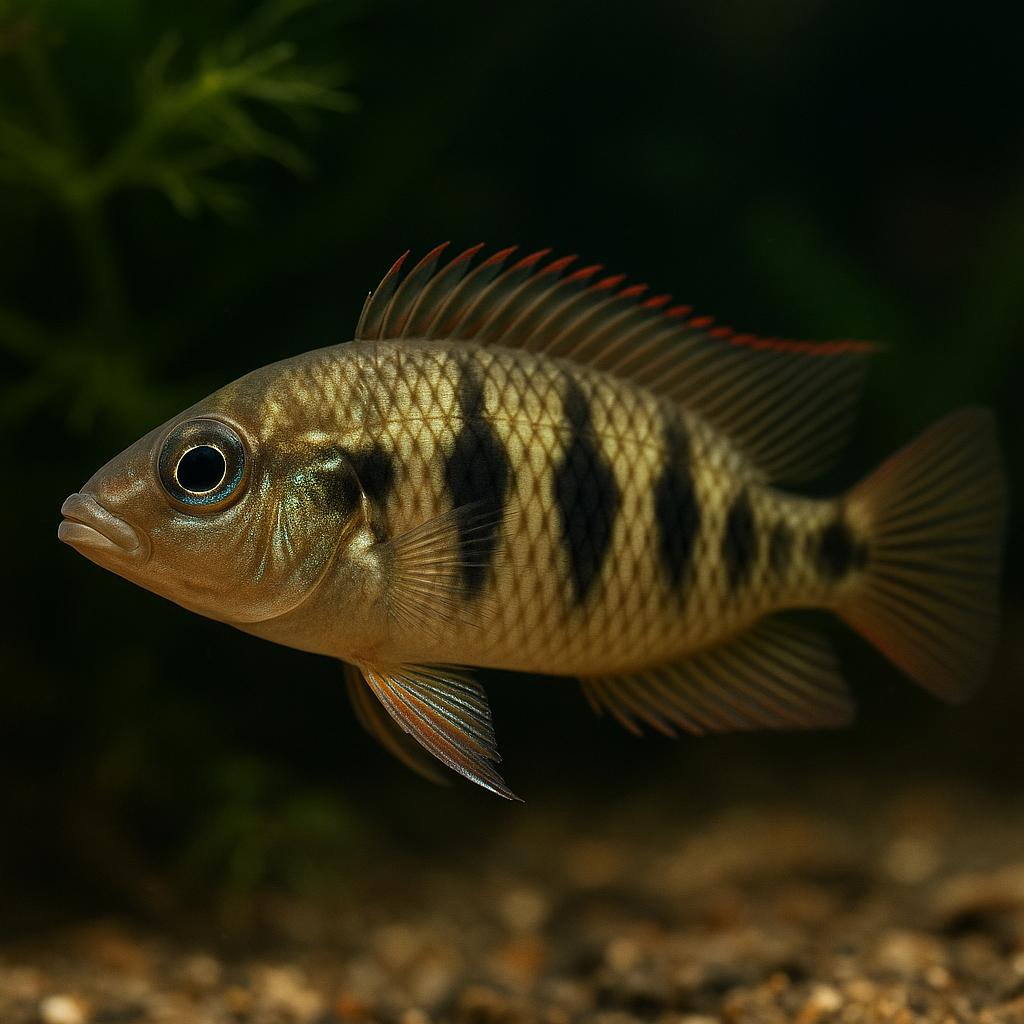
Bandi cichlid
Wallaceochromis signatus
A West African dwarf cichlid from Guinea's Bandi River, this fish shows crisp vertical bars and spotted fins with red highlights. Females have a bold black spot at the base of the tail, and pairs guard eggs and fry in caves, which makes their parental behavior fun to watch.
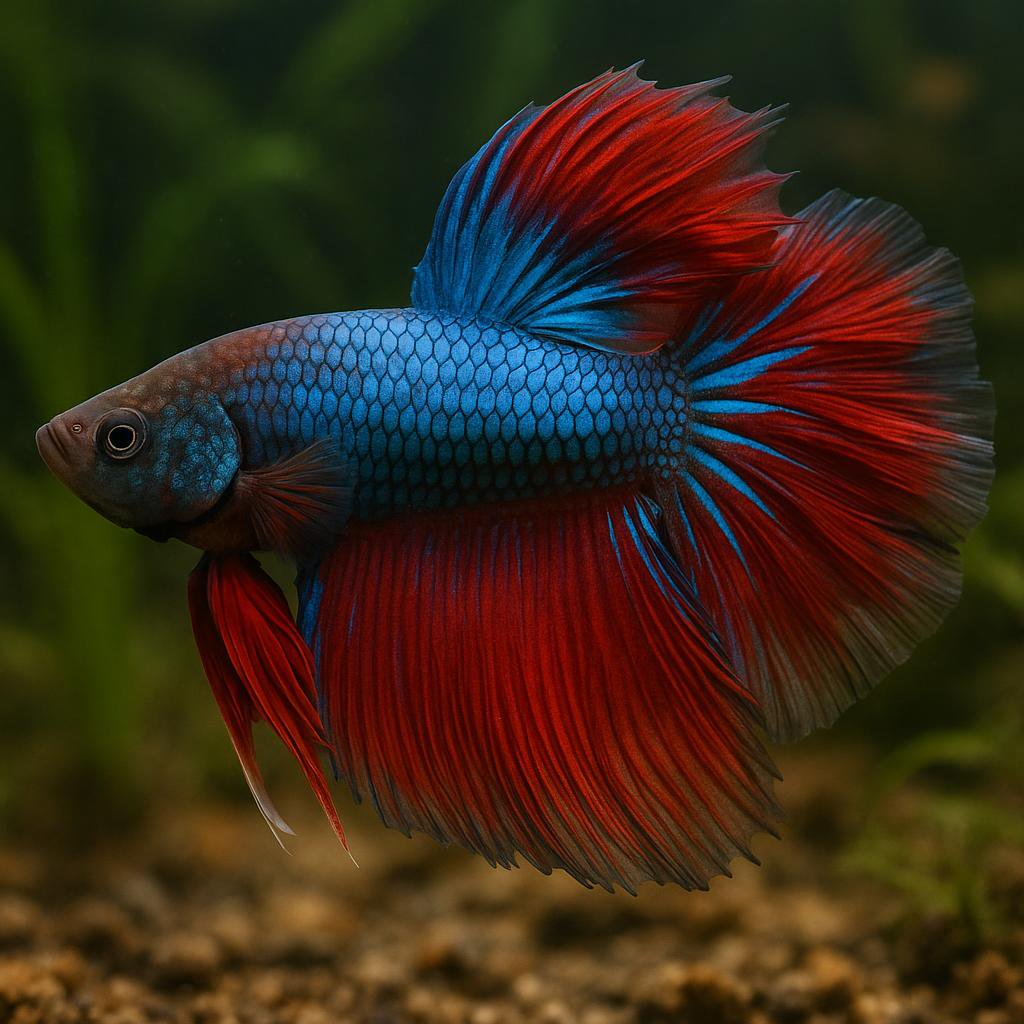
Betta
Betta splendens
Betta fish, also known as Siamese fighting fish, are popular for their striking colors and flowing fins. They are known for their territorial nature, especially males, which can display aggressive behavior towards each other.
Blackhawk catfish
Wallagonia micropogon
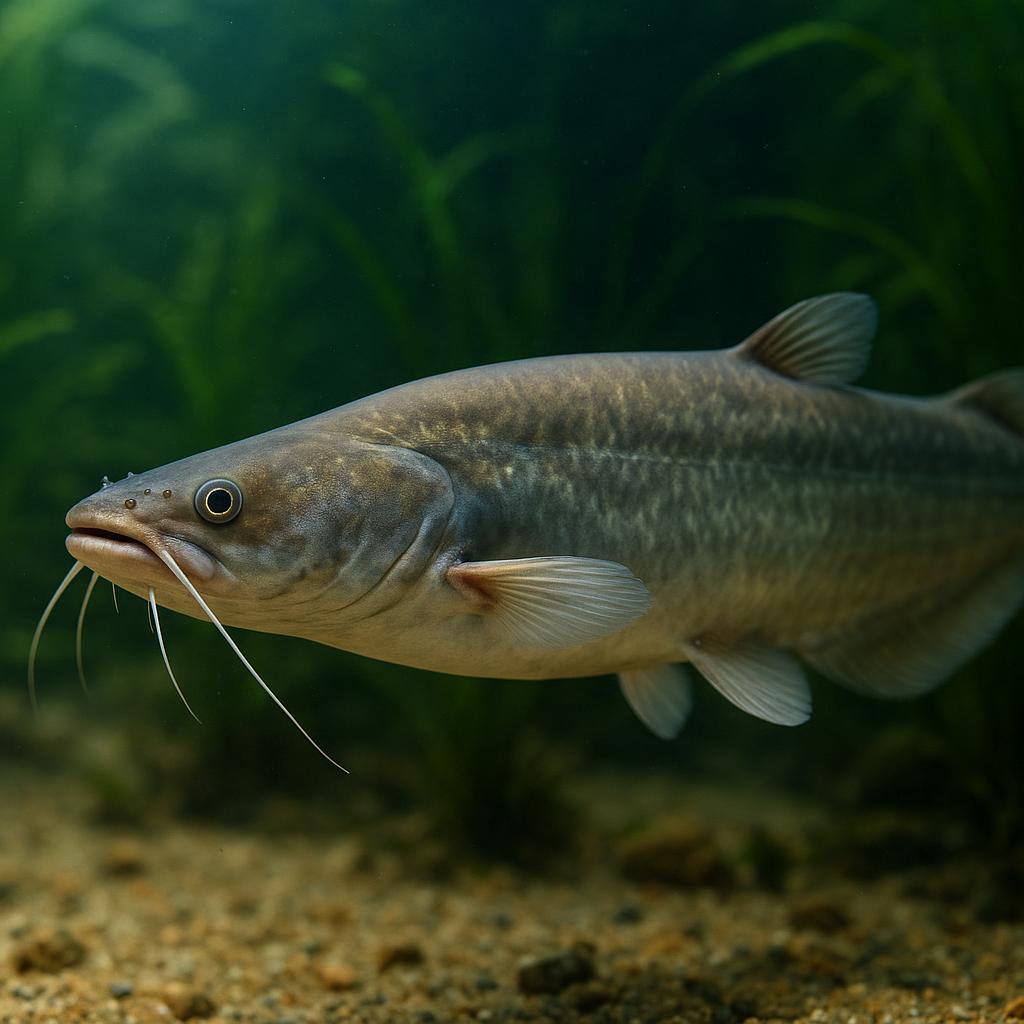
Wallagonia micropogon is a giant Southeast Asian sheatfish with an eel-like body and a huge, scoop-like mouth for hunting other fish. It is native to the Mekong and middle Chao Phraya basins and was long confused with Wallagonia leerii, which makes IDs and care notes tricky. Stunning as a juvenile but it grows to true megafish size, so it is only realistic for expert keepers or public aquariums.
Looking for other species?