

Tombigbee darter
Etheostoma lachneri
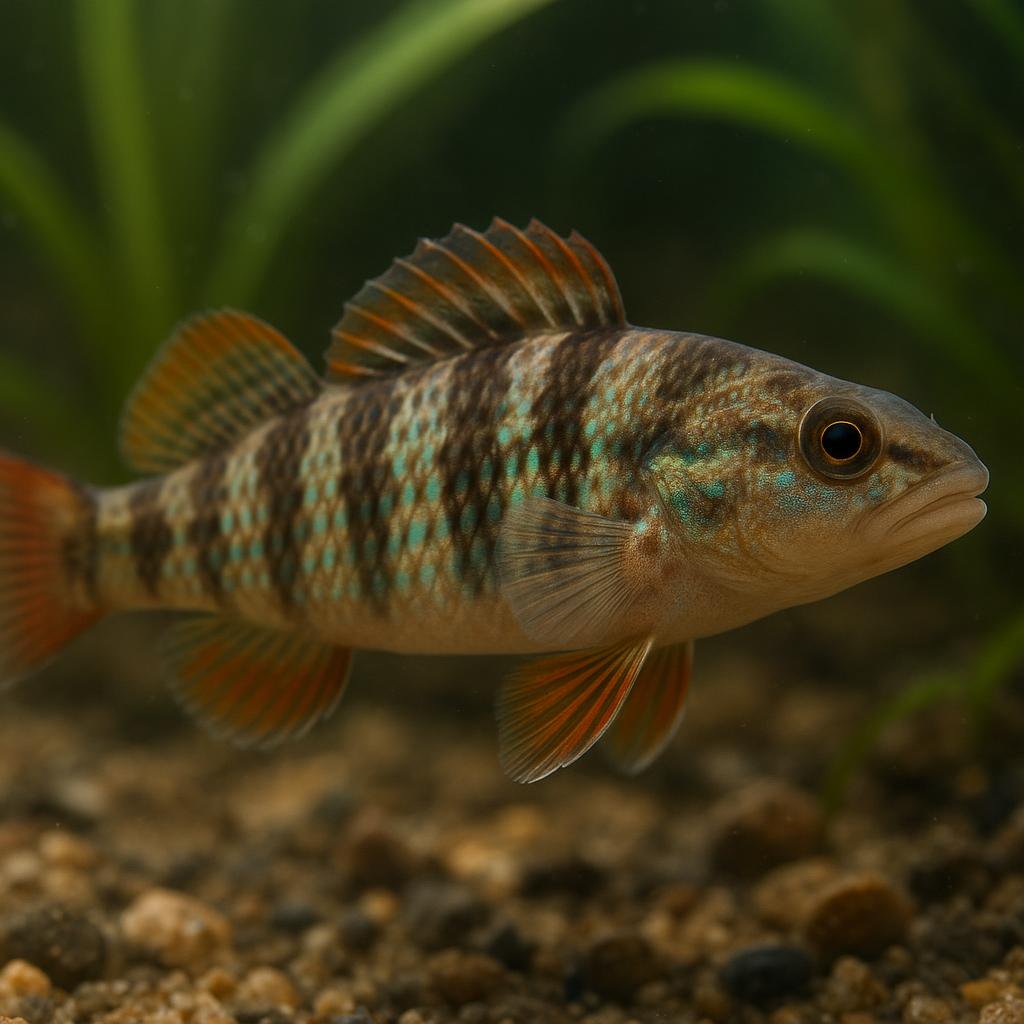
The Tombigbee darter features a slender body with vivid orange and blue markings, particularly on the dorsal fin and lateral line.
This page includes AI-generated images. Why am I seeing AI images?
About the Tombigbee darter
This is a tiny Gulf Coastal Plain darter from the Tombigbee drainage, and the males get seriously wild in breeding colors - green/turquoise with orange and blue patterning. In the wild they hang around that stream transition zone from pools into riffles, sticking close to the bottom around sand-gravel, rubble, and snag cover. Think of it as a little bottom-perching insect-hunter that really wants clean, well-oxygenated flowing water.
Quick Facts
Size
35-45 mm
Temperament
Peaceful
Difficulty
Advanced
Min Tank Size
20 gallons
Lifespan
2-4 years
Origin
North America (Mobile Basin - Tombigbee River drainage, Alabama and Mississippi; also recorded from select localities in the Black Warrior and Sipsey systems)
Diet
Carnivore/invertivore - insect larvae and other small invertebrates; in aquariums mostly frozen/live foods (bloodworms, blackworms, daphnia, amphipods) with maybe some micro-pellets if they'll take them
Water Parameters
10-22°C
6.8-8
4-15 dGH
Need a heater for this species?
This species needs 10-22°C in a 20 gallon tank. Use our heater calculator to find the right wattage.
Calculate heater sizeCare Notes
- Give them a long, low tank with flowing, well-oxygenated water (river/stream style). Provide sand-and-gravel areas plus rubble/stone and significant snag/woody cover so they can perch and use cover.
- They hate old, stale water: keep it cool (about 60-72 F), oxygen high, and nitrate low (aim under 20 ppm, lower is better). A powerhead plus a spray bar and lots of surface ripple makes a huge difference.
- Skip soft plants as your main decor - they get blasted and uprooted in the flow these fish like. Use rocks, wood wedged tight, and tough plants like Anubias or moss glued to stone if you want green.
- Most new ones ignore flakes and pellets at first; start with live/frozen stuff like blackworms, bloodworms, daphnia, and chopped brine shrimp. Target feed with a turkey baster so the food lands right in their perch zone instead of getting swept into the filter.
- Tankmates need to handle current and not be jerks: other small stream fish (shiners, dace) usually work, and small madtoms can be fine with lots of hiding spots. Avoid big sunfish, aggressive cichlids, and anything that will outcompete them at mealtime.
- They are jumpy when spooked, especially in bare tanks, so keep a tight lid and block gaps around filter hoses. First week, keep lights dim and give them lots of rock cover so they settle and start eating.
- If you want breeding behavior, mimic seasonal cues and provide appropriate spawning microhabitat (clean gravel/stone in the pool-to-riffle transition/run habitat they use).
Compatibility
Good Tankmates
- Other darters from similar cool-water, current-loving setups (like greenside or rainbow darters) - they mostly ignore each other if you give lots of rocks, leaf litter, and line-of-sight breaks
- Small, peaceful shiners or dace (like spotfin shiners or mountain redbelly dace) - active midwater fish that do not pick on darters and handle the flow
- White cloud mountain minnows - hardy, chill, and they do great in the same cooler temps darters tend to prefer
- Hillstream loaches (Sewellia or Gastromyzon types) - they like the same fast, oxygen-rich water and are tough enough to hold their own without bullying
- Small madtoms (like tadpole or brindled madtoms) - peaceful little nocturnal bottom buddies that generally leave darters alone if everyone is well fed
- Otocinclus - works in bigger, well-oxygenated tanks; they are peaceful and usually stay out of the darters' business, just do not expect them to love warm water
Avoid
- Anything big and predatory like largemouth bass, sunfish (bluegill, green sunfish), or larger cichlids - they will treat a darter like a snack or a punching bag
- Nippy, pushy fish like tiger barbs - constant fin-nipping and harassment stresses darters and keeps them pinned down and hiding
- Big, rowdy bottom fish like adult common plecos or large aggressive loaches - they muscle into caves and food spots and can outcompete darters hard
- Anything that cannot handle the darter-style tank (warm, slow, low-oxygen community fish like many guppies or longfin bettas) - they do not mix well with the cool, high-flow thing and somebody ends up miserable
Where they come from
Tombigbee darters are little stream fish from the Tombigbee River system in Alabama and Mississippi. Think clear, moving water over rock and gravel, with lots of oxygen and seasonal swings. If you try to keep them like a generic community fish in a warm, still tank, they usually fade out fast.
This is a localized native species. If youre collecting, know your local regs and dont move fish between waters. Better yet, get captive-bred or legally sourced stock.
Setting up their tank
If you want Tombigbee darters to do well, build the tank around flow and oxygen first, then worry about decor. They spend most of their time on the bottom, perching and hopping between stones, so the footprint matters more than height.
- Tank size: 20 long for a pair or trio, 30-40 breeder if you want a small group and room for territories.
- Temperature: cool to mild. I aim for 62-72F most of the year. Short warm spells are tolerated, but chronic mid-to-high 70s is where mine started looking stressed.
- Flow: moderate to strong with a powerhead or river manifold. You want the bottom to have current, not just surface ripples.
- Filtration: oversized and oxygen-forward. A canister plus a powerhead, or a big HOB plus a powerhead, works. Add an airstone if your room runs warm.
- Substrate: mix of smooth gravel, small cobbles, and flat stones. Give them lots of perches and sight breaks.
- Plants: optional. Hardy stuff like Anubias or Java fern tied to rocks can work, but dont let plants turn the tank into a dead-flow jungle.
- Water: clean, low waste. Theyre not fans of old-tank funk. Regular water changes beat chasing numbers.
Give them a few flat rocks that are slightly angled into the flow. Theyll perch facing upstream and look a lot more natural, and those same rocks often become spawn sites later.
Lighting is whatever you like, but dont blast them with super-bright light with no cover. A few larger rocks, some leaf litter in a low-flow corner, or a bit of wood can give them a place to duck into without ruining the stream vibe.
What to feed them
This is where most people struggle. Tombigbee darters are micropredators that expect little moving things drifting past. Some will learn frozen, but many never fully switch, especially new wild fish. Plan on live and frozen from day one.
- Best staples: live blackworms, live grindal worms, small earthworm bits, live scuds/amphipods, live daphnia (smaller fish), mosquito larvae where legal/safe.
- Frozen that often works: frozen bloodworms, mysis (chopped if large), brine shrimp (better as a mixer than a main food).
- Dry food: sometimes taken, often ignored. If yours eats pellets, great, but dont count on it.
Target feed with a turkey baster or pipette. Squirt food so it tumbles along the bottom in the current. They cue in on movement, not a pile sitting still.
Feed small amounts more often rather than dumping in a big meal. Theyll pick and graze, and extra worms rotting in rock gaps will punish your water quality fast.
How they behave and who they get along with
Theyre perch-and-pounce fish. Males can be pushy with each other, especially in tighter tanks, but theyre not usually murderous if you give them space and broken sight lines. Youll see short chases and fin displays, then everybody goes back to sitting on their favorite rock.
- Good tankmates: other coolwater stream fish that arent aggressive and wont outcompete them for food. Think smaller shiners/minnows, some dace species, or other darters with similar needs (research temperament and legalities).
- Avoid: big sunfish, aggressive minnows, anything that hogs food, and warmwater community fish that want 76-80F.
- Bottom competition: avoid chunky bottom feeders that bulldoze the substrate. Darters dont love being constantly displaced.
Fast midwater fish can starve darters without ever nipping them. If your darters look skinny while the rest of the tank looks fat, youre losing the food race.
Theyre also jumpy in a different way than a lot of fish: sudden shadows or a hand in the tank can send them darting hard. A tight lid is not optional.
Breeding tips
Breeding can happen in the home tank if you mimic seasons and you have at least one good male and a ripe female. The biggest trigger Ive seen is a cool period followed by a gradual warm-up, plus heavy feeding.
- Group setup: 1 male with 2-3 females in a 30-40 breeder makes life easier than a single pair, because attention gets spread out.
- Spawning sites: flat rocks in current, gravel patches, and crevices between stones.
- Season cue: a winter cooldown (even just a couple months in the low-to-mid 60s) then a slow rise toward upper 60s/low 70s.
- Food ramp: live foods daily leading up to spring. Females really fill out when blackworms/scuds are on the menu.
Egg and fry survival in a mixed tank is hit or miss. If you want numbers, pull the spawning rock to a separate, well-aerated rearing tank or use a divider to give the eggs a break from curious tankmates.
Newly hatched fry are tiny and need tiny foods. Infusoria, vinegar eels, microworms, and baby brine shrimp (as they grow) are your friends. Also, keep flow gentle in the fry zone so theyre not getting pinned to a filter intake.
Common problems to watch for
Most issues with Tombigbee darters come back to three things: warm water, low oxygen, and not getting enough food into them. Fix those and theyre surprisingly tough little fish.
- Slow wasting/skinny fish: usually not eating enough or losing food to faster tankmates. Increase live foods and target feed.
- Gasping or hanging in high-flow areas: oxygen is low, or water is too warm. Add aeration, increase surface agitation, and lower temp if you can.
- Fin damage on males: usually sparring in cramped quarters. Add more rocks/sight breaks or reduce male count.
- Sudden losses after purchase: shipping stress plus a warm, low-oxygen quarantine tank is a common combo. Quarantine is good, but keep it cool and highly aerated.
- Parasites on wild fish: watch for flashing, stringy poop, and weight loss despite eating. Treat in quarantine if needed and dont medicate blindly.
Uncycled or under-filtered tanks crash these fish fast. Theyre stream fish, so theyre used to constant dilution and high oxygen. Test ammonia/nitrite if anything looks off, and do water changes sooner rather than later.
If you nail the cool, clean, high-flow setup and you commit to live/frozen feeding, theyre one of the most rewarding native fish you can keep. They dont act like typical aquarium fish, and thats the whole point.
Similar Species
Other freshwater peaceful species you might be interested in.
Amphilius dimonikensis
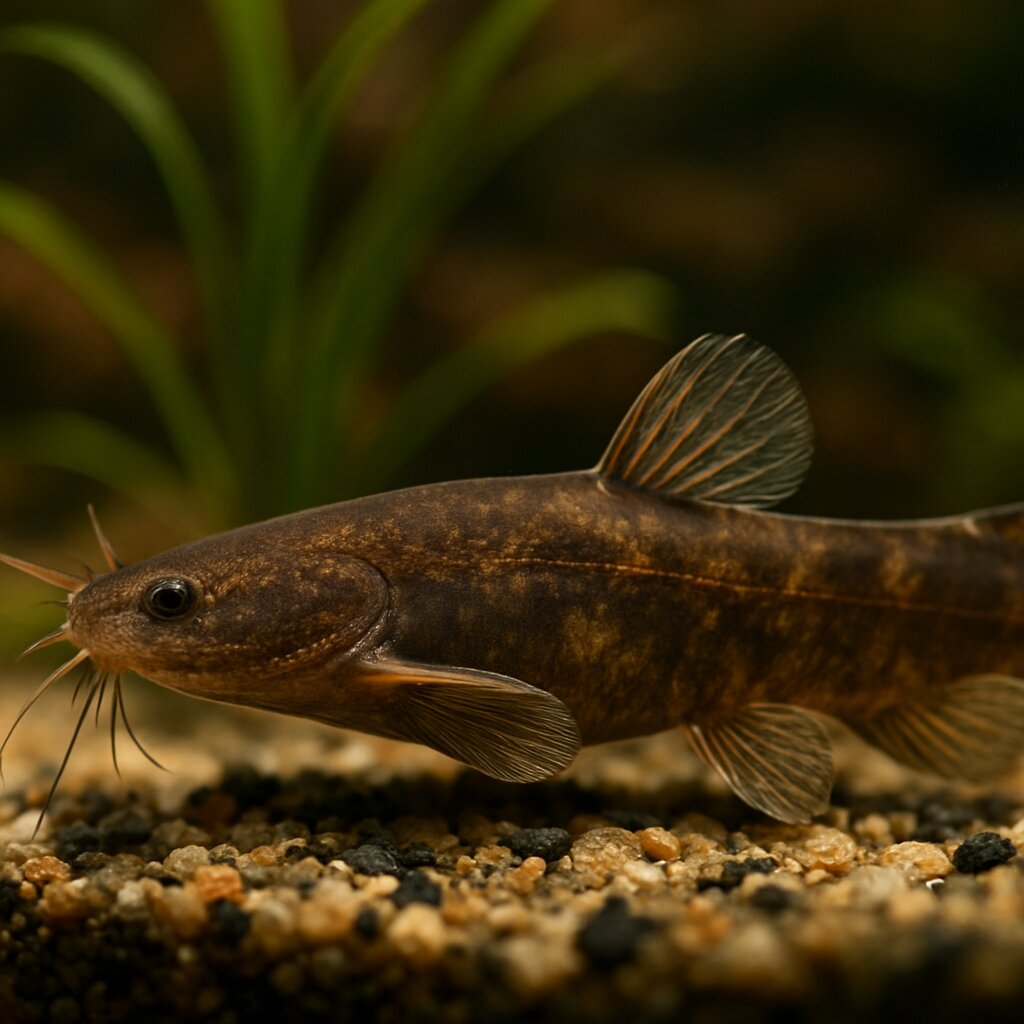
A small loach catfish endemic to the Mpoulou River in the Mayombe (Dimonika Biosphere Reserve), Republic of the Congo. Amphilius dimonikensis has a subtle banded pattern and inhabits fast, clear streams over rock and sand. In aquaria, prioritize strong, well-oxygenated flow with rounded stones and sand to mimic hillstream conditions.
Aboina barb
Enteromius aboinensis
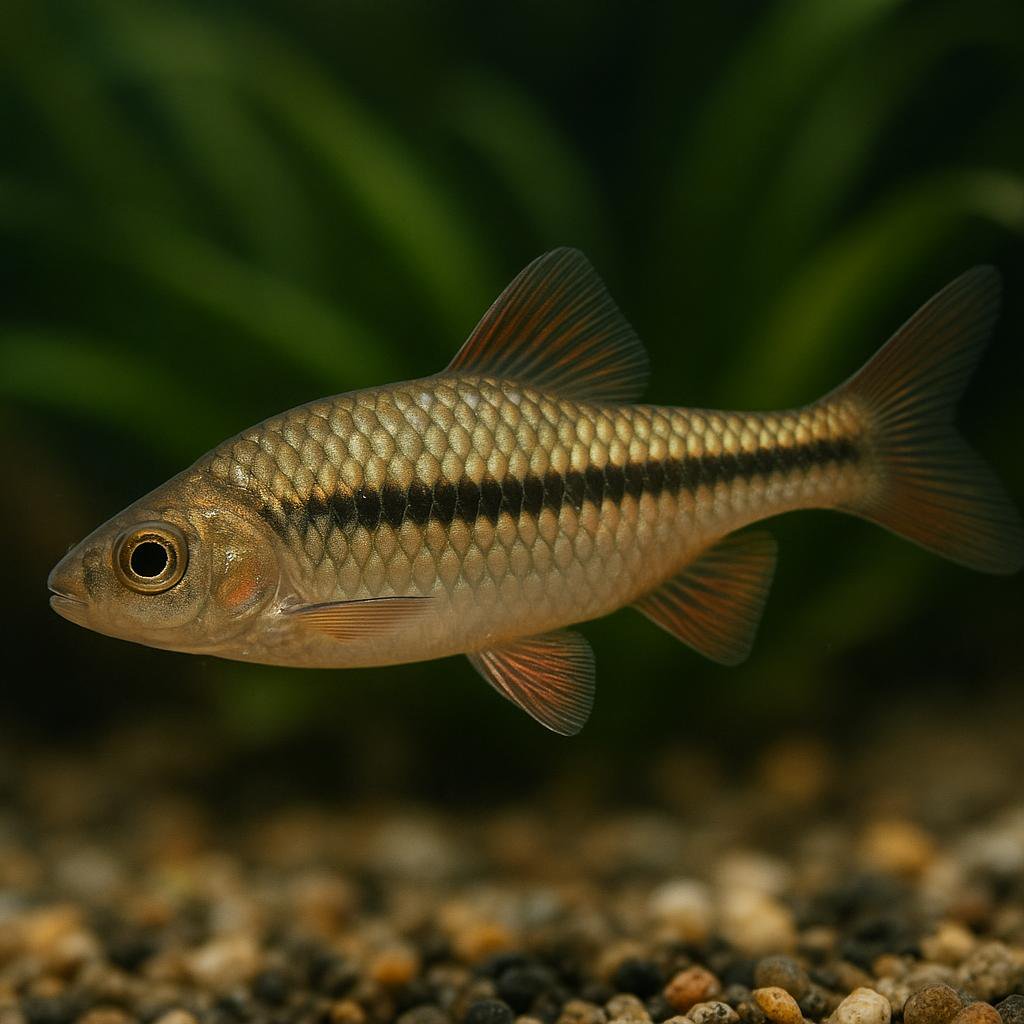
Enteromius aboinensis (the Aboina barb) is a small West African barb with a clean black midline stripe and a little spot right at the base of the tail. It does best when you treat it like a proper schooling fish - keep a decent group and give it plants around the edges with open swimming room in the middle.
Ajuricaba tetra
Jupiaba ajuricaba
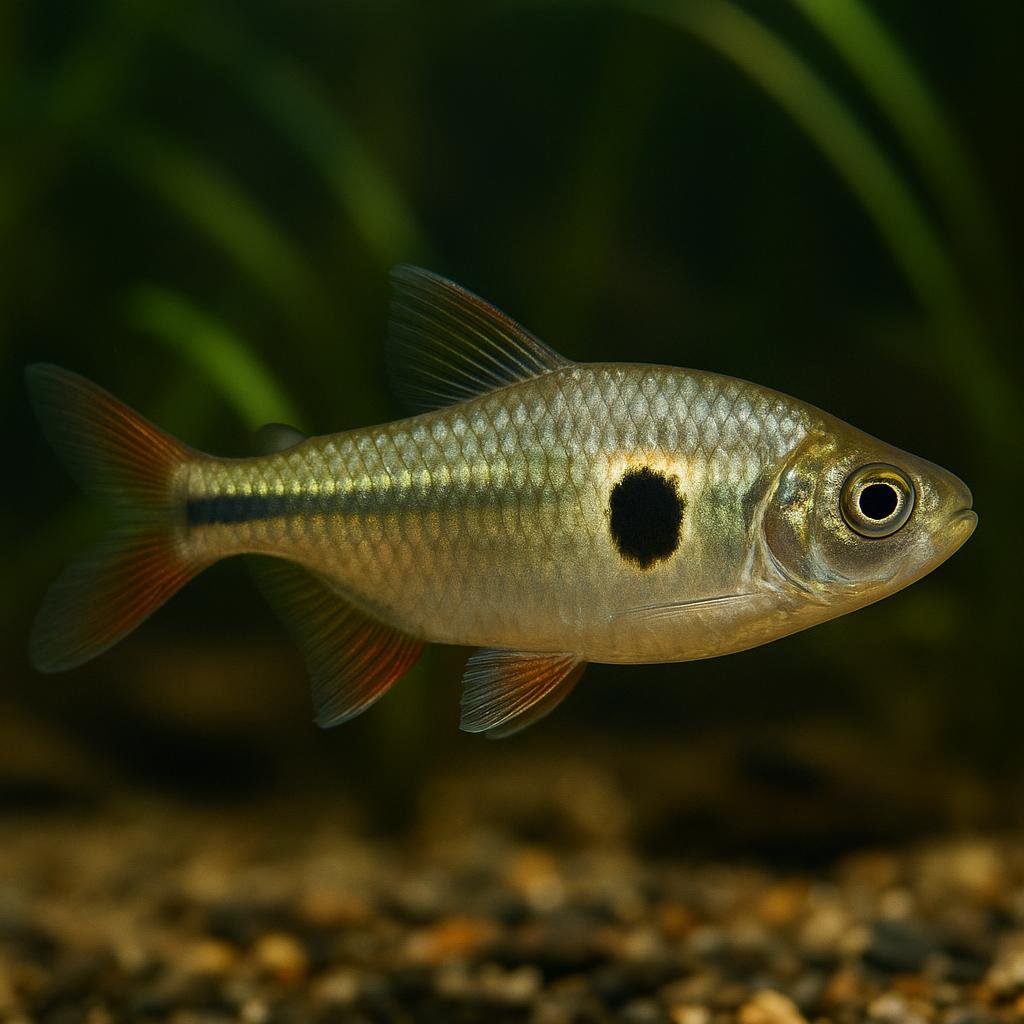
Jupiaba ajuricaba is a South American freshwater characin from the Amazon basin in Brazil (rio Negro, rio Solimões, and rio Tapajós basins). It reaches about 9.5 cm SL and is diagnosed by a narrow dark midlateral stripe, an elongated humeral spot, and an ocellated spot on the upper caudal-fin lobe. Wild specimens have been collected from blackwater forest streams and also oxbow-lake habitats.
Allen's river garfish
Zenarchopterus alleni
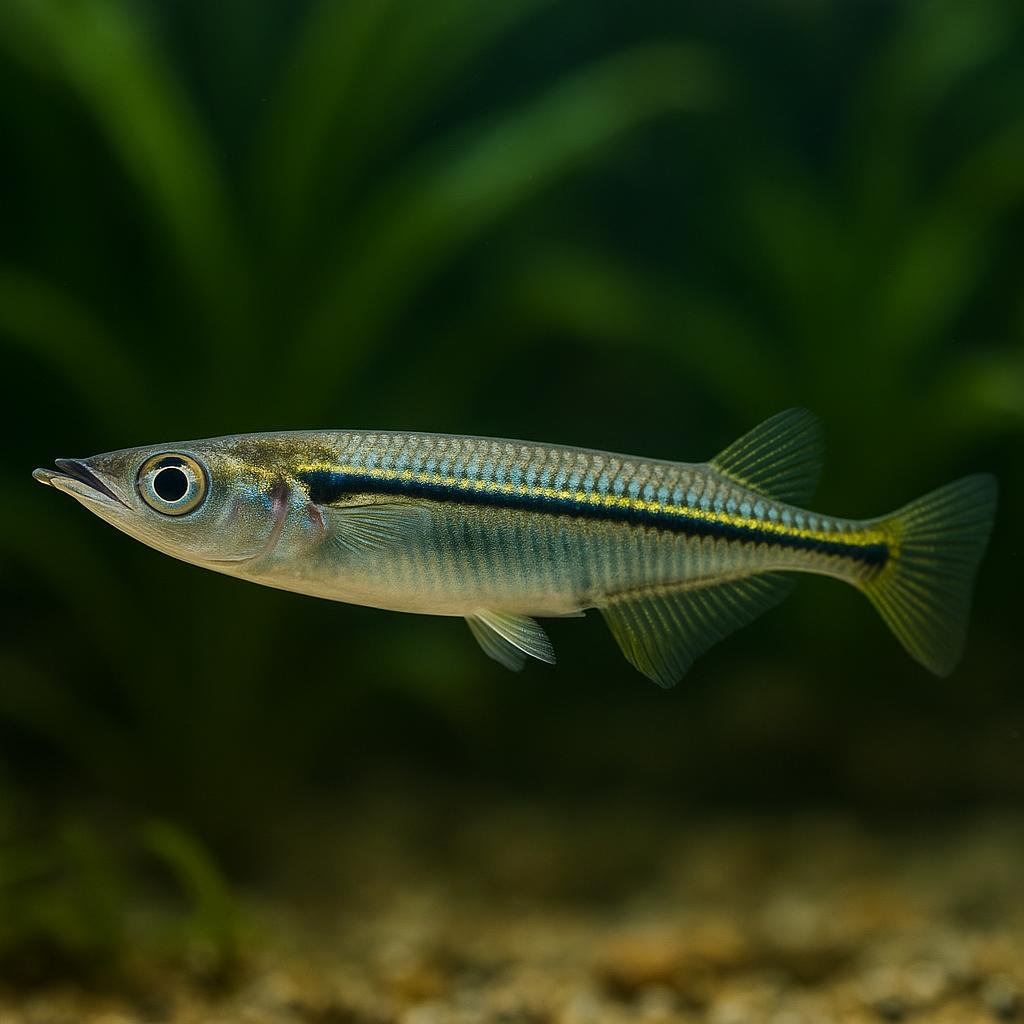
A poorly known freshwater halfbeak endemic to West Papua (Mamberamo River), described from a single specimen (~13 cm SL). Beyond basic habitat/occurrence, little is published about its ecology or aquarium suitability; assume it is a surface-oriented, jump-prone halfbeak only by analogy with related taxa.
Amapa tetra
Hyphessobrycon amapaensis
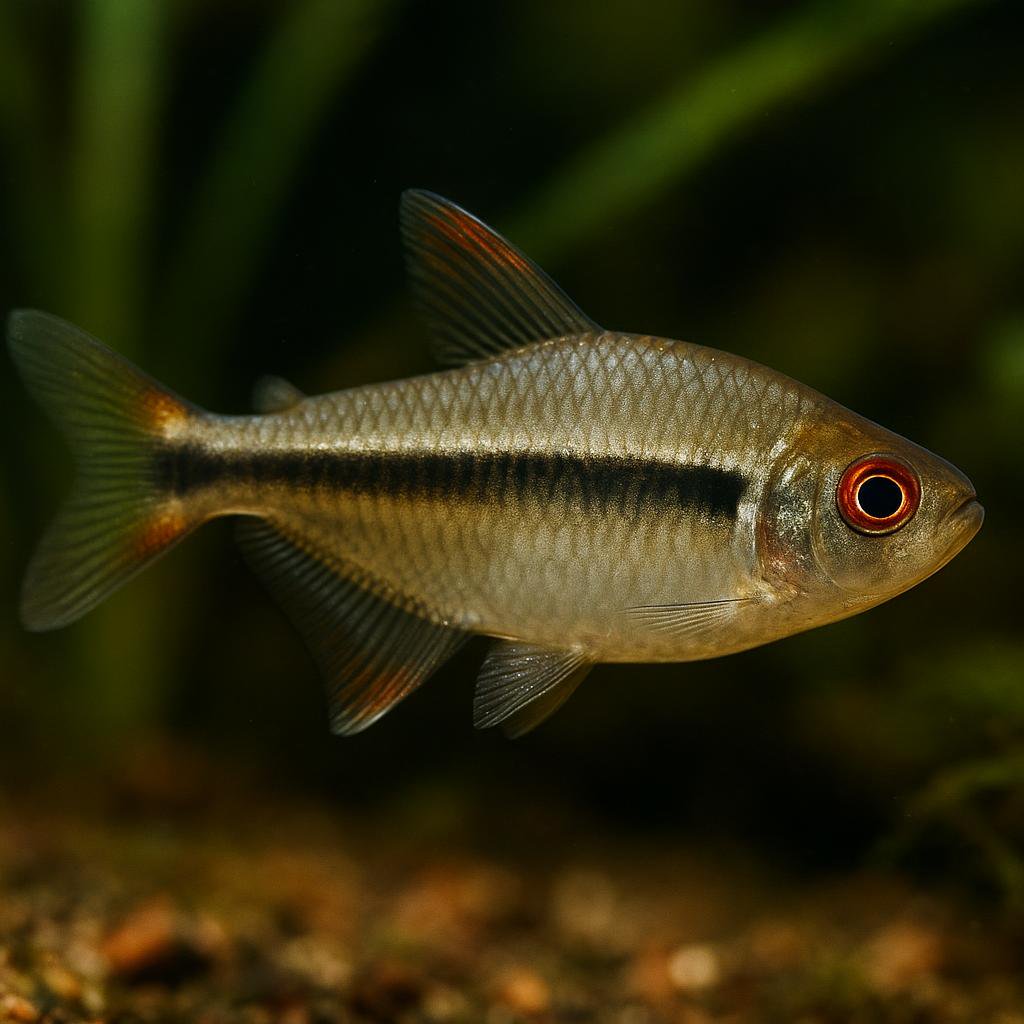
This is a tiny, super sleek little tetra with a clean red stripe down the side that really pops once its settled in. It does best in a planted, slightly tinted "creek-style" setup and looks way cooler when you keep a proper group so they school and flash that line together. If you can give it soft, slightly acidic water and a calm community, its an easy fish to fall for.
Amatlan chub
Yuriria amatlana
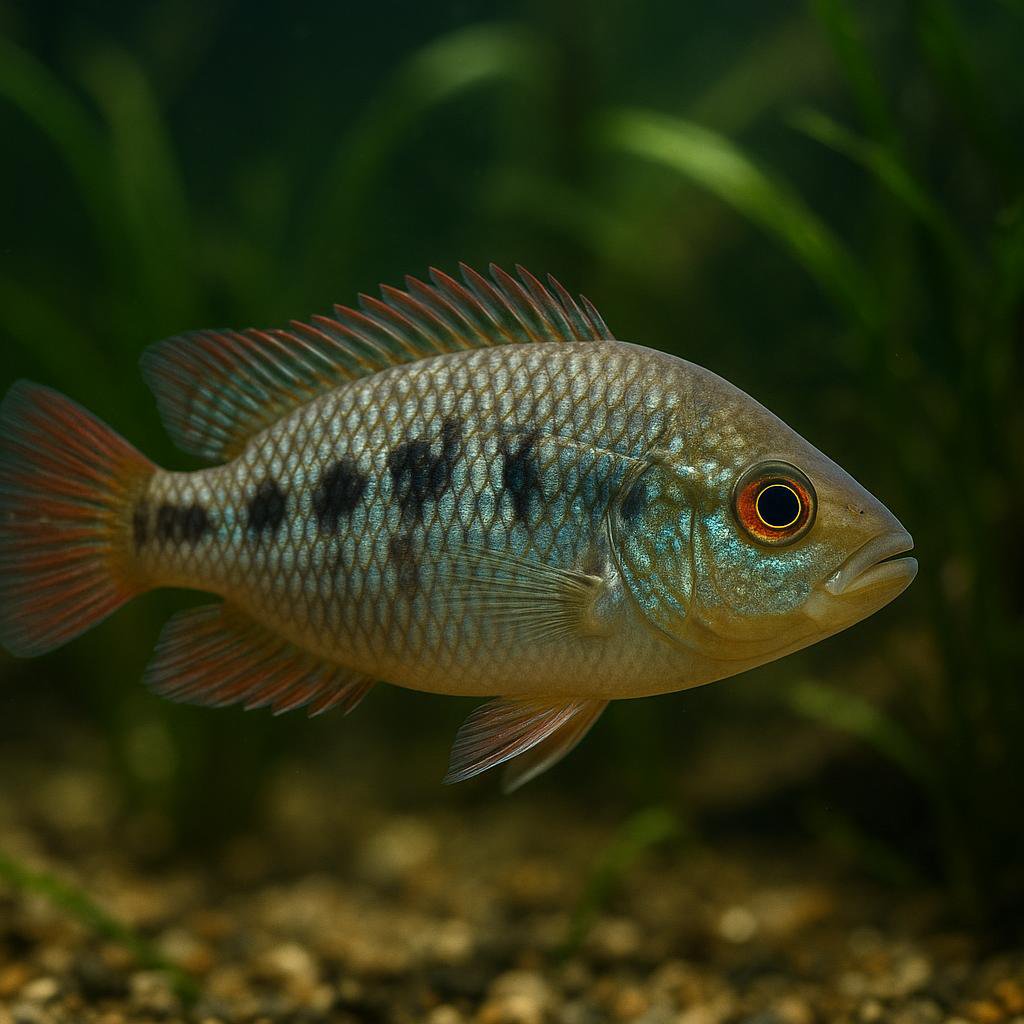
Yuriria amatlana (the Amatlan chub) is a little Mexican native minnow from the Ameca River basin. Its wild range is pretty limited and it is listed as Endangered, so its care info in the aquarium hobby is basically nonexistent and its availability is usually low. In the original species description, preserved fish show a dark lateral stripe with a darker patch on the caudal peduncle, and they can have tiny barbels at the mouth corners.
More to Explore
Discover more freshwater species.
Jupiaba kurua
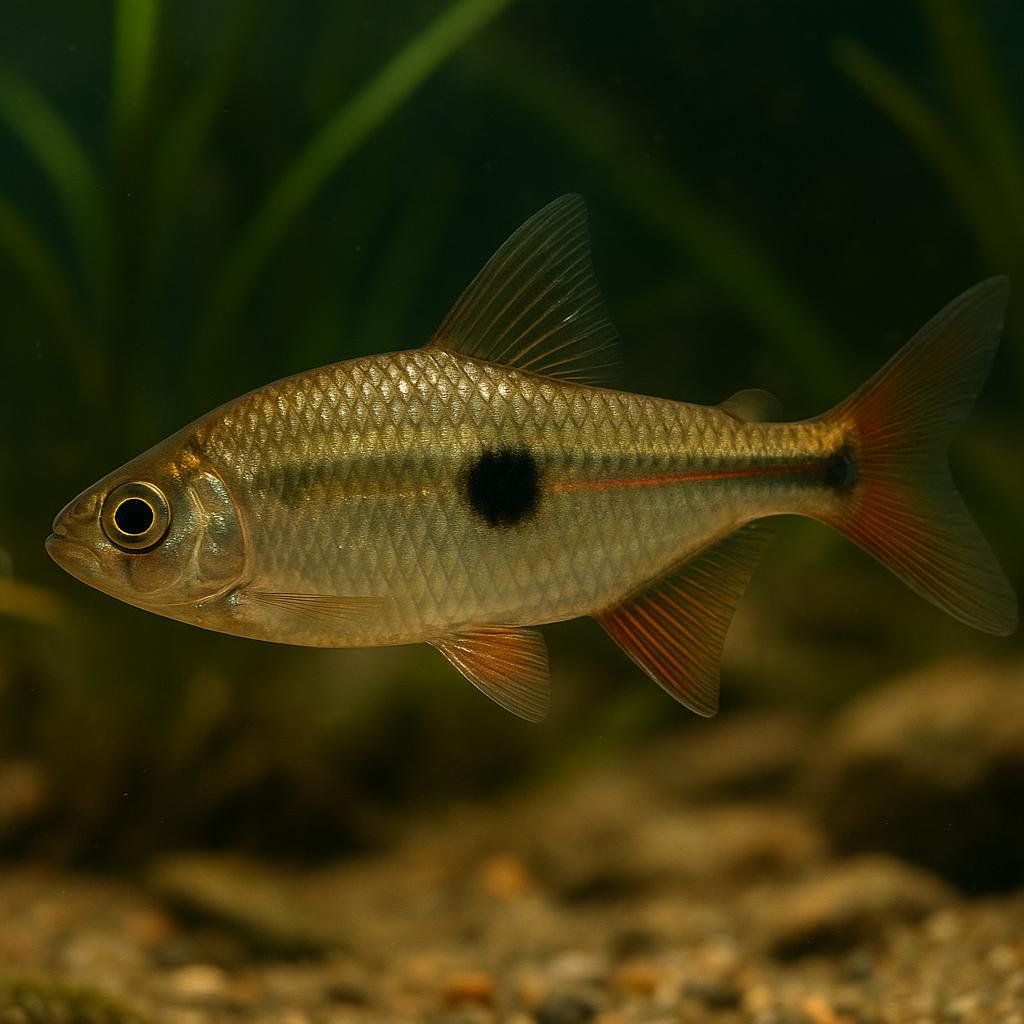
Small South American characin endemic to the upper rio Curuá (rio Xingu basin, Brazil). Reaches about 8.7 cm SL and inhabits clearwater rivers. Distinguished by dark dots on the bases of many lateral scales and a distinct dark caudal‑peduncle spot. Reported diet indicates omnivory, including aquatic insects, small fishes, and fragments of Podostemaceae and filamentous algae.
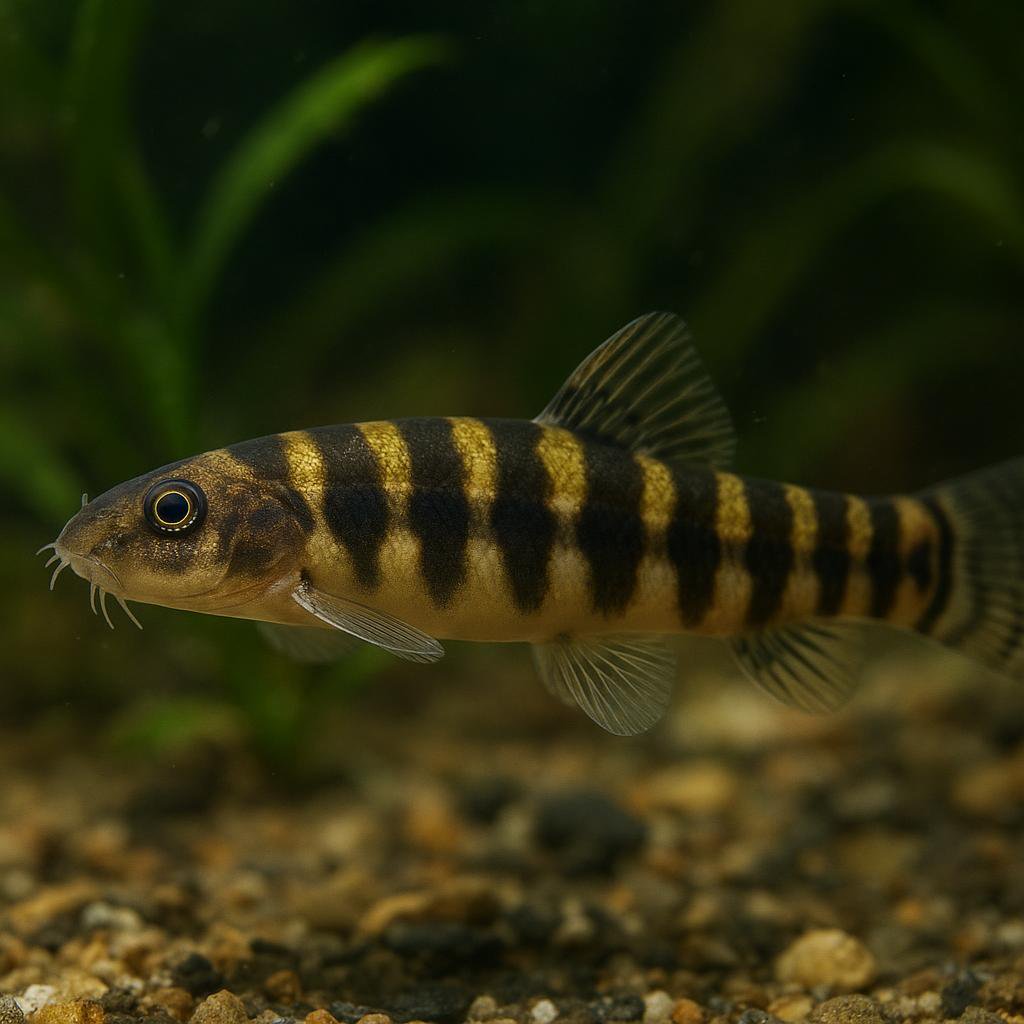
Altipedunculata stone loach
Schistura altipedunculata
Schistura altipedunculata is one of those little stream loaches that wants clean, well-oxygenated water and a bunch of rock nooks to claim as home. It is a bottom-hugger that will spend its day scooting from crevice to crevice, and it tends to get a bit spicy with its own kind if you do not give it enough hiding spots.
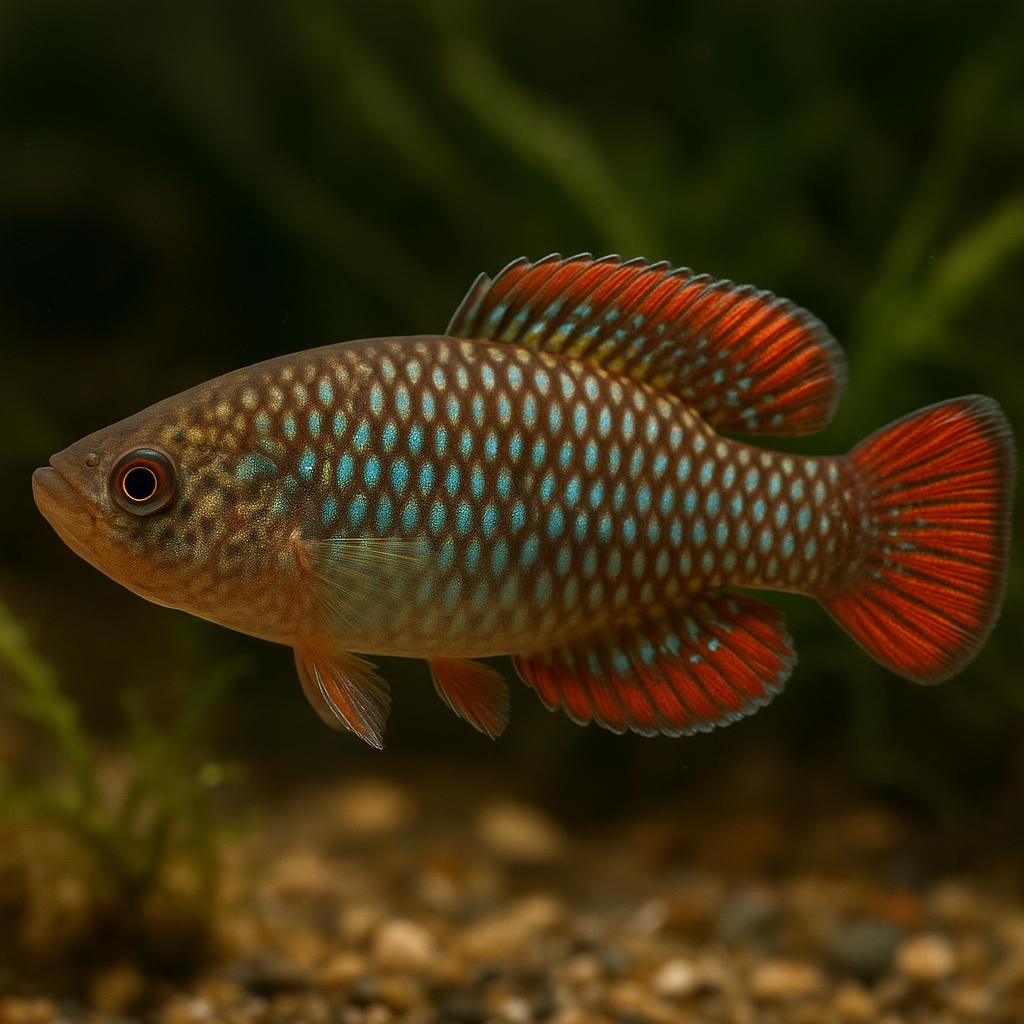
American flagfish
Jordanella floridae
Jordanella floridae is that little Florida native with the red-and-cream striping that really does look like a tiny flag once a male colors up. They graze algae like champs (especially stringy/hair algae), but they have a bit of attitude - give them plants and space so the bossy behavior stays manageable. Bonus: the male guards the eggs and will actively fan them, which is pretty fun to watch.
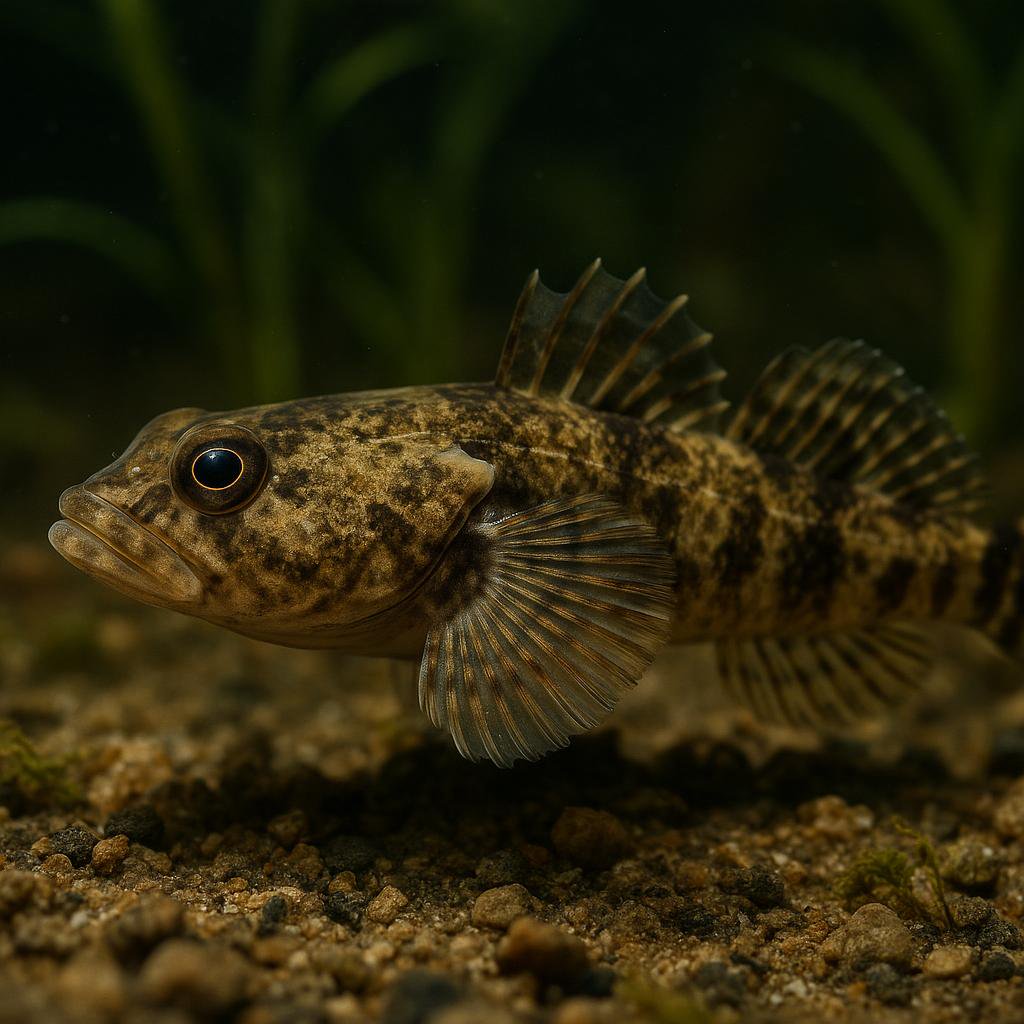
Amur sculpin
Alpinocottus szanaga
This is a little coldwater sculpin from the Amur drainage - a bottom-hugging, rock-and-gravel fish that spends its day wedged under stones and darting out to grab food. Super cool behavior and attitude, but it is absolutely not a warm tropical community fish - it wants chilly, fast, oxygen-rich water and will bicker with other bottom fish.
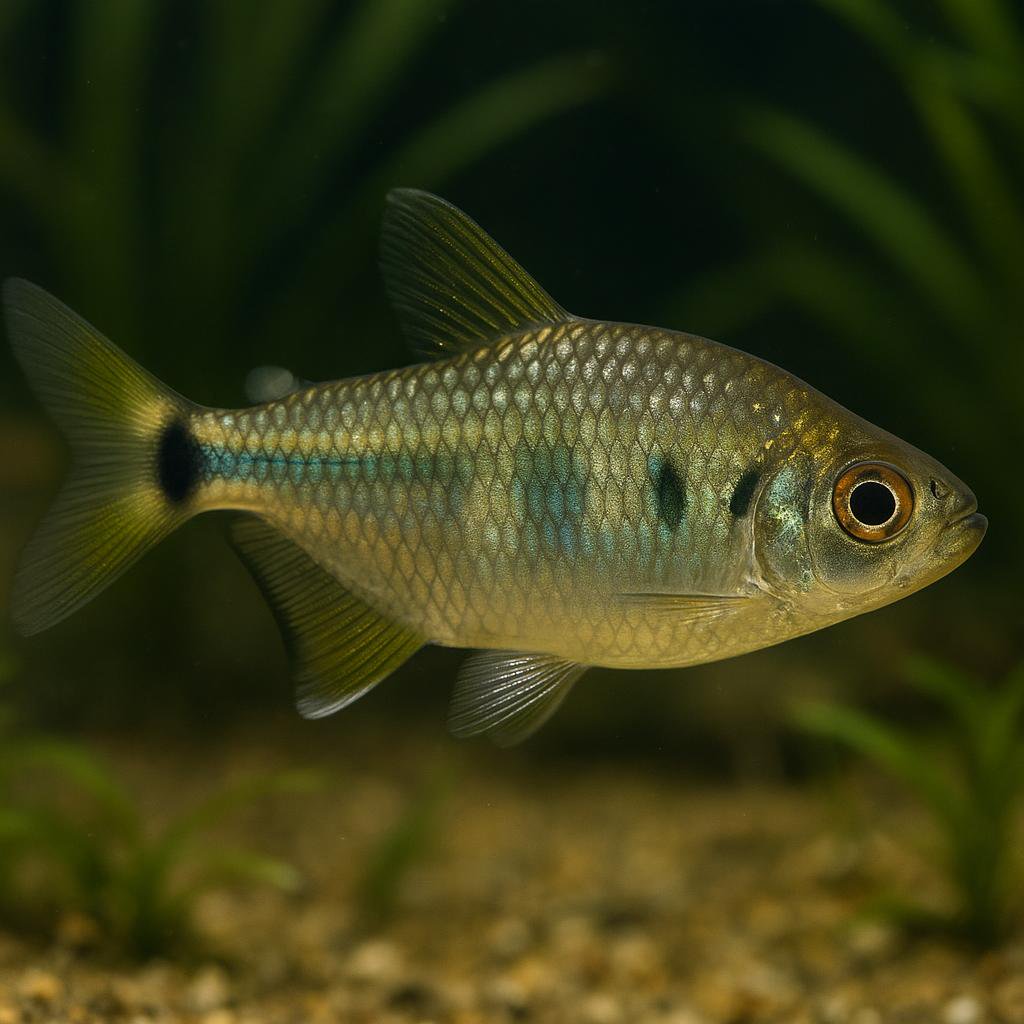
Andrica moenkhausia
Moenkhausia andrica
Moenkhausia andrica is a little Brazilian characin from the Tapajos system that tops out around 7 cm (about 2.8 inches) standard length. It has a neat netted (reticulated) scale pattern plus a dark spot on the caudal peduncle, and the really wild part is that mature females can have tiny fin hooklets too, which is usually a male-only thing in a lot of characins.
Anhanga pygmy pencil catfish
Potamoglanis anhanga
This is a truly tiny Amazonian trichomycterid catfish - like 1.3 cm max - so it is more of a micro-predator oddball than a typical community catfish. It is the kind of fish that disappears into sand, leaf litter, and plant roots, and you will spend way more time setting up the right micro-habitat than you will actually seeing it.
Looking for other species?