

Stripe-face Calamiana
Eugnathogobius mindora
About the Stripe-face Calamiana
This is a teeny-tiny estuary goby that hangs out on the bottom in mangrove and tidal creek habitats. Its little striped face and speckly fins are the main "wow" factor, but the real charm is watching it perch and scoot around like a mini dragon. Not something you see in the aquarium trade much, and it is easy to mis-ID as other small brackish gobies.
Also known as
Quick Facts
Size
2.5 cm SL
Temperament
Peaceful
Difficulty
Advanced
Min Tank Size
10 gallons
Lifespan
2-4 years
Origin
Western Pacific
Diet
Carnivore/invertivore - tiny live/frozen foods like baby brine shrimp, cyclops, daphnia, and worms
Water Parameters
26.7-29.3°C
7-8.5
5-20 dGH
Need a heater for this species?
This species needs 26.7-29.3°C in a 10 gallon tank. Use our heater calculator to find the right wattage.
Calculate heater sizeCare Notes
- Give them a wide footprint tank with lots of sand and little piles of rubble or shells - they want places to perch and bolt into, not tall open water.
- Run it true brackish, not "kinda" brackish: aim around SG 1.005-1.010 (measure with a refractometer), and keep it stable because they sulk fast when salinity swings.
- They do best in hard, alkaline water (think pH about 7.8-8.4) and warm temps around 24-28 C; colder water makes them sluggish and more prone to infections.
- Feed like a micro-predator: small meaty stuff (live or frozen) such as mysis, brine, chopped prawn, blackworms, and tiny crickets - they often ignore flakes and pellets at first.
- They are sneaky with food, so target feed with tweezers or a pipette and make sure faster fish are not stealing every bite.
- Tankmates: stick to other brackish fish that are calm and not mouthy (small mollies, some bumblebee gobies, tiny scats only if the tank is big); avoid puffers, big scats/monos, and anything that will bully them off the bottom.
- Watch for jumping and for "mystery disappearances" - tight lid and blocked gaps matter, and give them multiple hideouts so they are not forced to fight over one cave.
Compatibility
Good Tankmates
- Other small, peaceful brackish gobies (like bumblebee gobies) - they mostly just do their own thing if you give lots of hiding spots and spread the food around
- Knight goby (juveniles or smaller, calm individuals) - works if the tank is roomy with caves and you are not trying to cram everyone onto the same patch of sand
- Figure 8 puffer (only if it is a mellow one and well-fed) - can work in a brackish setup, but watch for any fin interest and be ready to separate if it gets spicy
- Brackish livebearers like mollies - active up top, not usually interested in the goby, and they handle the same kind of mid-brackish conditions well
- Scats (small juveniles) - they cruise the open water and generally ignore bottom gobies, just make sure the goby still gets its share at feeding time
- Peaceful monos (juveniles) - similar deal to scats, good mid-water dither fish in brackish, but they grow fast so plan tank size accordingly
Avoid
- Fin-nippers and pushy semi-aggressive brackish fish (like some archerfish or bigger monos/scats in tight quarters) - the goby will get stressed and outcompeted at meals
- Big predatory brackish fish (adult knight gobies, larger puffers, or anything that can fit the goby in its mouth) - peaceful goby turns into expensive live food
- Super fast, food-hog tankmates - not always mean, but they vacuum up everything before the goby even notices, and these guys do not thrive when they are always last to the buffet
Where they come from
Stripe-face Calamiana (Eugnathogobius mindora) is one of those gobies that makes you realize "brackish" is not just a vague middle ground. In the wild they show up around coastal streams and estuaries in the Philippines, where the salinity can swing with tides and rain. That background explains a lot of their quirks in the aquarium: they like structure, they like food that moves, and they do best when you treat the tank like a little shoreline, not a community freshwater setup with a teaspoon of salt.
If you bought yours labeled as a "freshwater goby" or "calamiana goby" from a mixed tank, assume it has been kept wrong and take it slow with changes. These guys can be touchy after a rough start.
Setting up their tank
Think shallow shoreline with lots of hidey holes. Mine settled in way faster once I stopped trying to make the tank look like a planted freshwater scape and leaned into sand, rock, and hard cover. They spend a lot of time on or near the bottom, and they really appreciate having several "addresses" to pick from.
- Tank size: I would not start with less than 20 gallons, and bigger is calmer if you want more than one.
- Substrate: fine sand. They sift and scoot around, and rough gravel can beat up their underside.
- Hardscape: piles of rounded rock, chunks of coral rock, PVC elbows hidden behind rocks, and driftwood (if it is not leaching too much). Make lots of tight caves.
- Flow and filtration: moderate flow with high oxygen. A strong HOB or canister plus a powerhead works well. They hate stale water.
- Lighting: whatever suits you, but give them shaded areas. Bright, bare tanks keep them jumpy.
- Lid: tight. Gobies can teleport out of tanks through tiny gaps.
For salinity, I have had the best long-term results treating them like true low-end brackish fish, not "a pinch of salt" fish. Use marine salt mix, not freshwater aquarium salt. Mix new water in a bucket, heat it, aerate it, and match it before it hits the tank.
Do not chase a single magic number, but do chase stability. Swingy salinity from sloppy top-offs is a classic way to stress brackish gobies. Top off evaporated water with fresh (no salt), because salt does not evaporate.
I keep them with a specific gravity in the neighborhood of 1.005-1.010 most of the time, depending on what else is in the system. They can handle a bit outside that, but they get cranky if you bounce it around. Temp in the mid to upper 70s F is a safe zone, and I keep the tank clean but not sterile. A little biofilm on rocks actually seems to help them feel at home.
What to feed them
These are not "flake gobies" in my experience, at least not at first. Most Stripe-face Calamiana I have seen come in skinny, and the ones that do well are the ones you get eating real meaty foods early on. They are visual feeders and love movement.
- Go-to foods: frozen mysis, frozen brine (as a treat, not a staple), chopped krill, chopped clam, and good quality frozen blends.
- Live foods that really help: live blackworms (if you can get clean ones), live brine shrimp, small ghost shrimp, and sometimes mosquito larvae (if you are 100% sure they are pesticide-free).
- Pellets: once settled, many will take small sinking carnivore pellets. I start by mixing pellets into a frozen feeding so they accidentally learn what they are.
Target feeding works wonders. Use a turkey baster or pipette and squirt food right in front of their favorite cave. It keeps faster tankmates from stealing everything and helps the goby associate you with dinner instead of danger.
Feed smaller amounts more often while they are settling in. A big dump of food just rots in brackish tanks if you do not have a cleanup crew that can handle it. Watch the belly line: slightly rounded after a meal is what you want. Sunken bellies are your early warning sign.
How they behave and who they get along with
They are bottom-oriented, a bit suspicious, and surprisingly bold once they claim a cave. The personality reminds me of a small predator that wants to be left alone until food shows up. They are not hyper-aggressive like some gobies, but they will defend a spot and they do not enjoy being crowded.
- Best tank style: species-focused or a carefully picked brackish community with lots of floor space and hiding places.
- Good tankmates: small to medium brackish fish that stay out of their face - think peaceful bumblebee gobies (in the right salinity), some mollies, and other non-bullying brackish species.
- Avoid: fin nippers, very fast food hogs, big scats/monos in smaller tanks, and anything that will sit on the bottom and compete for caves.
- Shrimp/snails: small shrimp can become snacks. Tougher snails sometimes work, but do not count on them as a cleanup crew if the goby decides they are food.
If you keep more than one, build the tank like you are housing tiny landlords. Multiple caves, broken lines of sight, and extra floor space make the difference between "interesting behavior" and constant stress.
One thing that surprises people: they can look "shy" when they are actually stressed by activity. If they only come out at lights out, try adding more cover and reducing boisterous tankmates. Once mine felt secure, they were out in the open a lot more.
Breeding tips
Breeding them in home tanks is possible but not something I would call straightforward. Like a lot of brackish gobies, the big hurdle is not getting eggs, it is raising larvae. Adults may spawn in a cave and guard the site, but the babies often need different conditions and foods than most hobbyists have ready on day one.
- Give them caves with a single entrance. Small PVC sections tucked into rockwork work great.
- Condition with meaty foods and keep the water stable. Spawning attempts seem to line up with steady routines.
- If you see guarding behavior, do not constantly flashlight the cave. They can abandon if they feel harassed.
- Have larval food ready if you want to try raising them: rotifers, greenwater/phytoplankton, and then baby brine. Be ready for a project.
If you just want to enjoy the fish, you do not need to chase breeding. Focus on a stable brackish setup and getting them eating well. That is already the hard part for most keepers.
Common problems to watch for
Most issues I have seen with Stripe-face Calamiana come down to two things: they were kept freshwater for too long, or they were put in a brackish tank with sloppy salinity and dirty substrate. They are not forgiving of long-term "almost right" conditions.
- Not eating: common after import. Dim the lights, add more cover, and offer live or frozen foods right at their hide. Check that tankmates are not intimidating them.
- Skinny with pinched belly: treat as an urgent feeding and quarantine problem. Many wild fish carry internal parasites. If weight does not improve with heavy feeding, you may need to deworm in a hospital tank.
- Fin damage and scrapes: usually from rough decor, sharp rock, or being chased off the bottom. Swap to sand, smooth sharp edges, and add more caves.
- Ich-like spots: brackish can still get parasites. Treat in a separate tank if you can, and double-check salinity and temperature stability. Sudden changes tend to trigger outbreaks.
- Jumping: almost always a lid issue or a stress issue (too bright, too bare, too much chasing).
Do not use freshwater aquarium salt as a substitute for marine salt mix. It does not replicate brackish water chemistry, and it is one of those mistakes that looks harmless until the fish slowly goes downhill.
If you keep one takeaway in mind, make it this: these gobies reward consistency. Same salinity routine, same feeding rhythm, and a tank layout that makes them feel like they own a little chunk of shoreline. Do that, and an "advanced" fish starts acting a whole lot more reasonable.
Similar Species
Other brackish peaceful species you might be interested in.
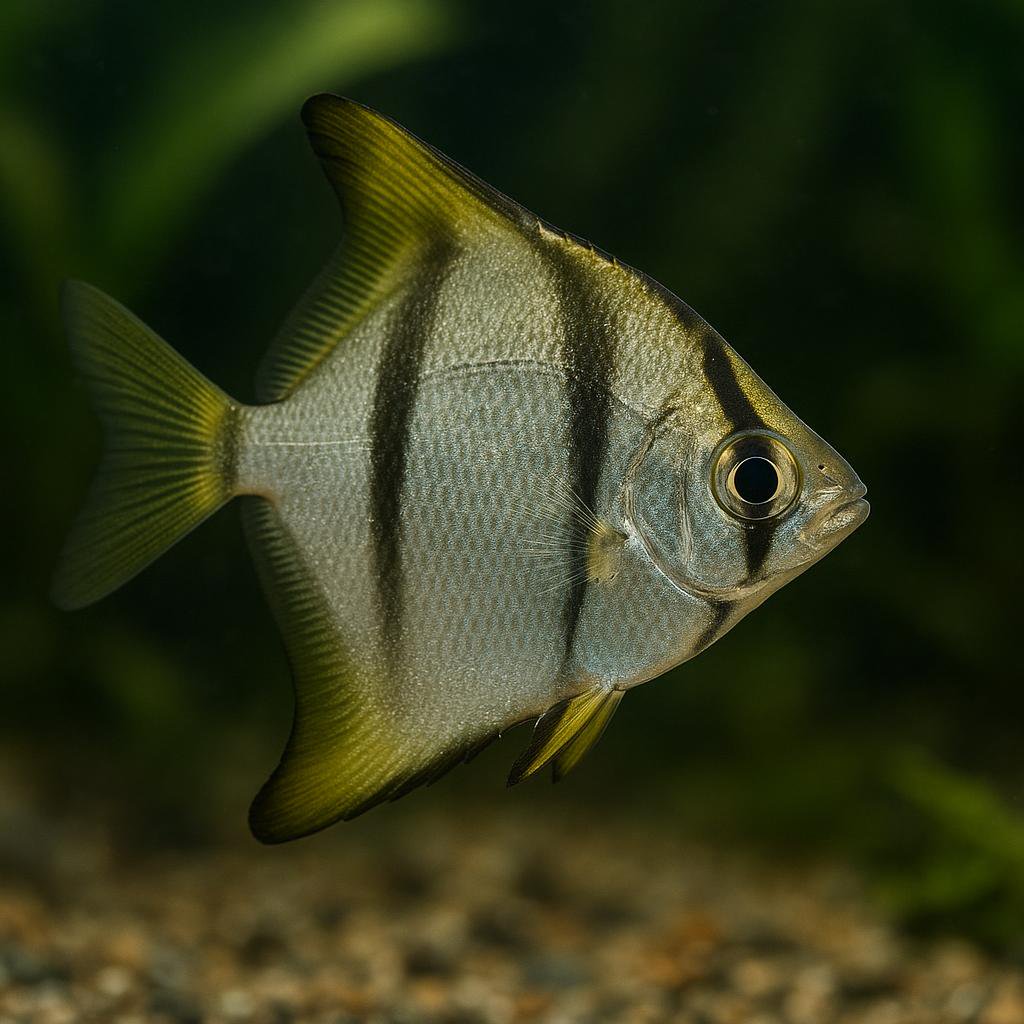
African moony
Monodactylus sebae
This is that shiny, diamond-shaped "mono" that cruises around in a tight pack and looks like a little silver dinner plate with black bars when it's young. The big thing with African moonies is they're euryhaline-so they'll tolerate freshwater as juveniles, but they really shine long-term in brackish (and can be transitioned toward marine as they mature). Give them a big, open tank and a group, and they turn into nonstop, super fun midwater swimmers.
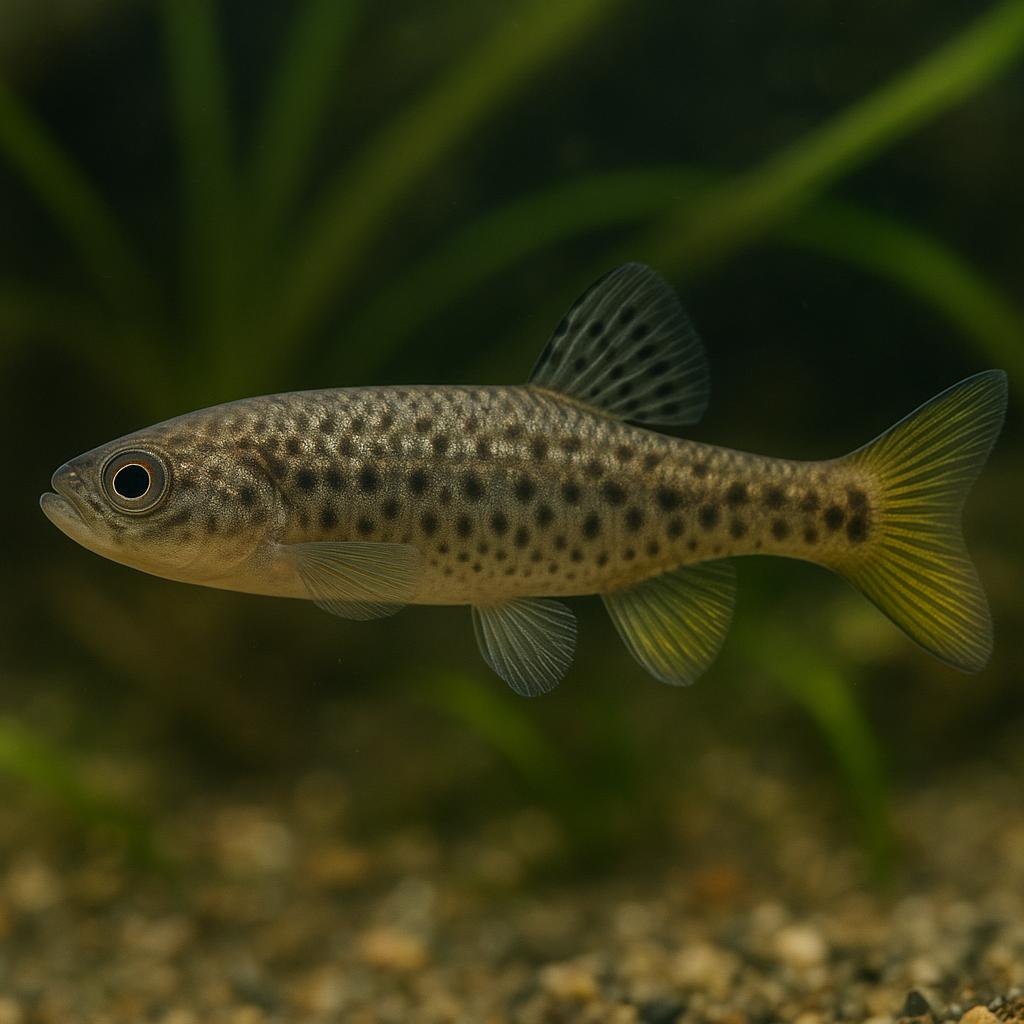
American shadow goby
Quietula y-cauda
This is a little mudflat goby from California down into the Gulf of California that loves hanging tight to the bottom and vanishing into burrows. The neat tell is that sideways Y-shaped blotch right at the base of the tail, plus the row of dark spots along the side. Its whole vibe is brackish estuary life - calm water, soft substrate, lots of hiding holes.
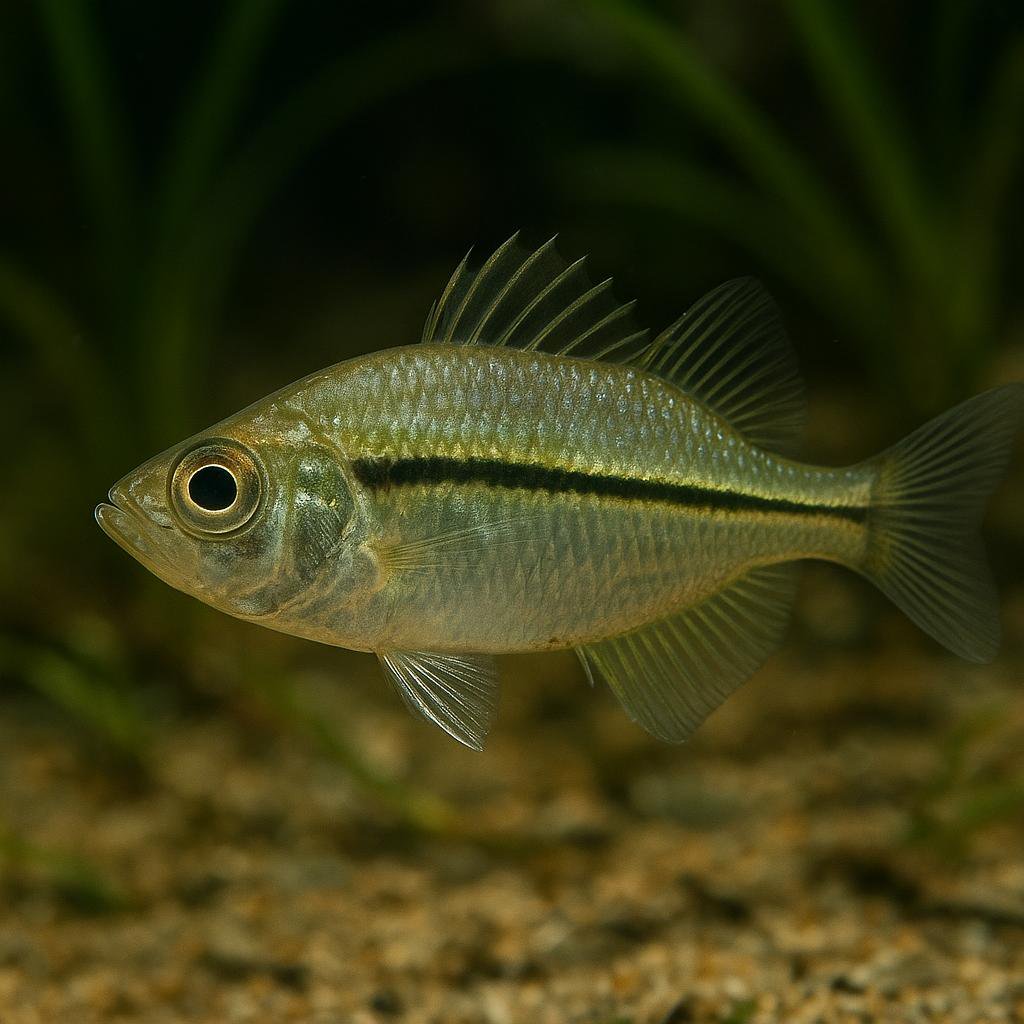
Banded-tail glassy perchlet
Ambassis urotaenia
This is one of those see-through glassy perchlets where you can literally watch the organs shimmer when it turns-super cool in the right lighting. In the wild it hangs around river mouths and mangroves and cruises in groups, so it does best when you keep a little gang of them and give them some open swimming room.
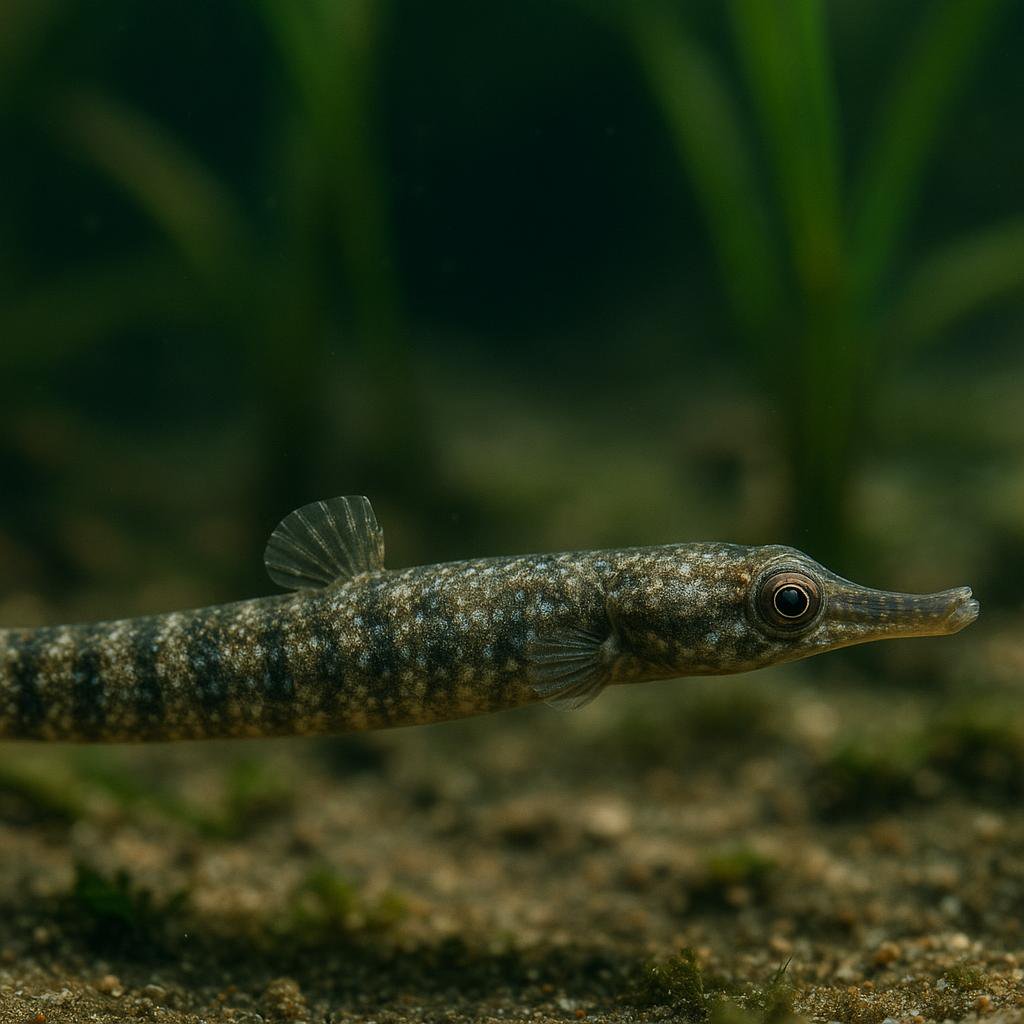
Barbed pipefish
Urocampus nanus
Urocampus nanus (barbed pipefish) occurs in protected inshore and estuarine habitats among seagrass (Zostera) in the Northwest Pacific (southern Japan and adjacent coasts). Like other syngnathids, males brood eggs in a pouch under the tail and produce fully formed young.
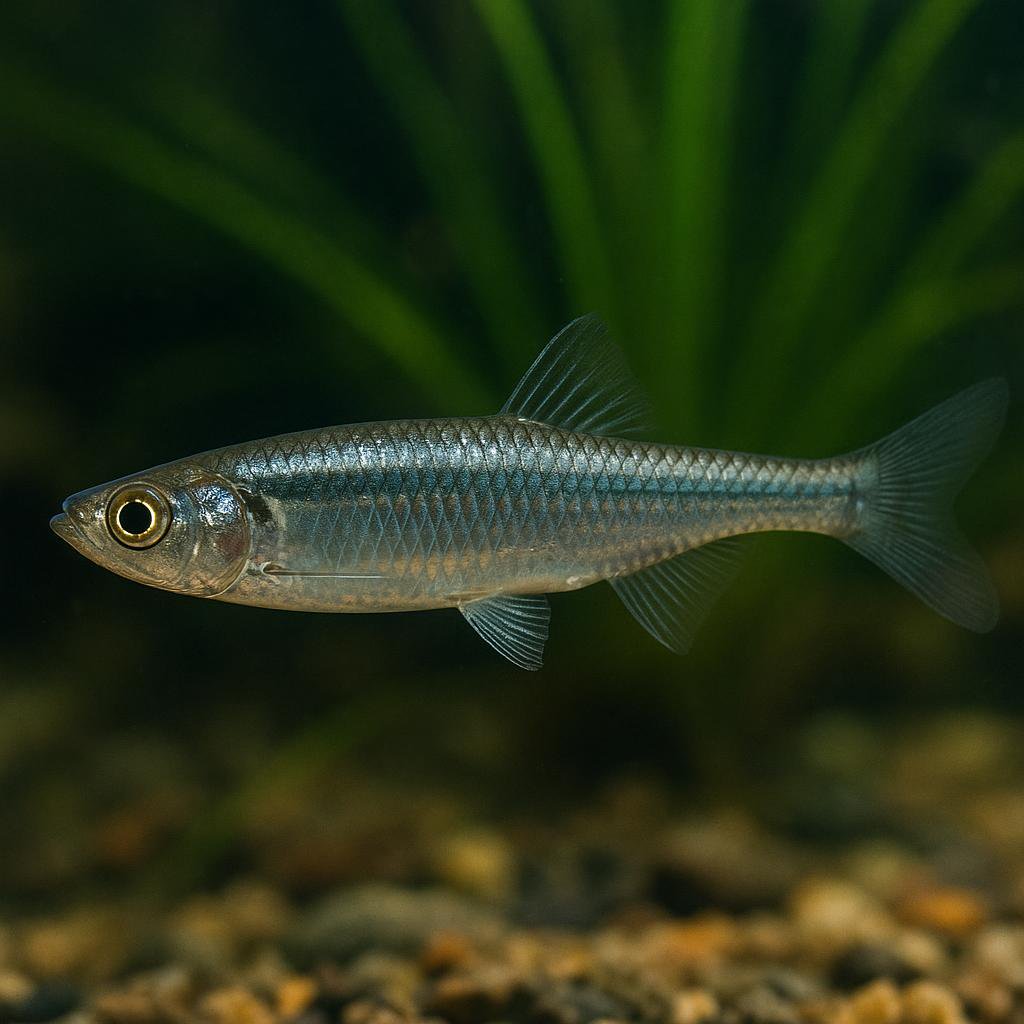
Beach silverside
Atherinella blackburni
This is a little coastal silverside that cruises the shallows in loose groups and flashes like a tiny chrome dart when the light hits it right. In the wild it hangs around beaches, estuaries, and lagoons, picking at small drifting foods in the surf zone. It is cool, but its real "gotcha" is that it is an open-water, salt-tolerant schooling fish that does best in bigger, well-oxygenated setups rather than a typical planted community tank.
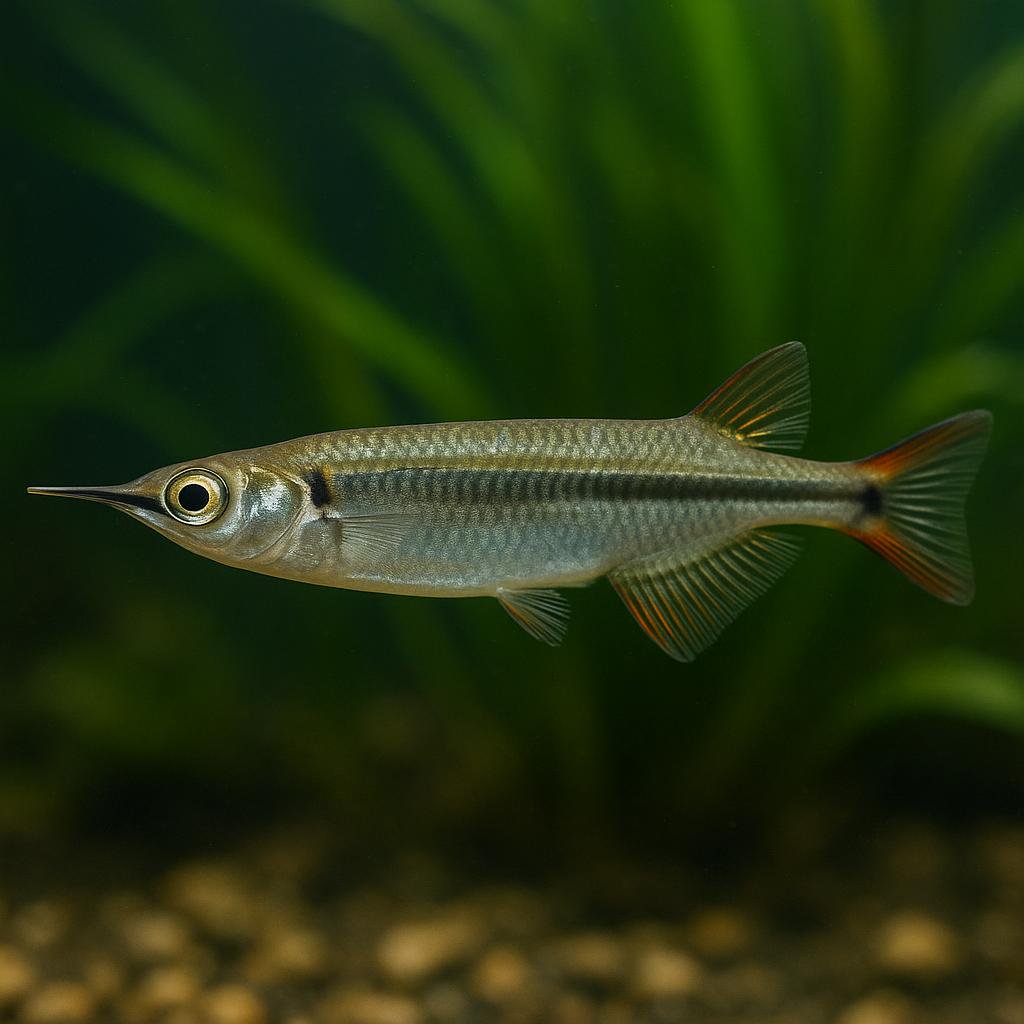
Buffon's river-garfish
Zenarchopterus buffonis
This sleek, surface-dwelling halfbeak has a distinct dark stripe along the snout and is typically found at the surface in coastal waters, estuaries, and rivers where it feeds on terrestrial insects. In aquaria it does best with floating/surface foods and a secure cover, and it requires brackish (or marine) conditions long-term. Reproduction is internally fertilized; FishBase lists the species as ovoviviparous.
More to Explore
Discover more brackish species.
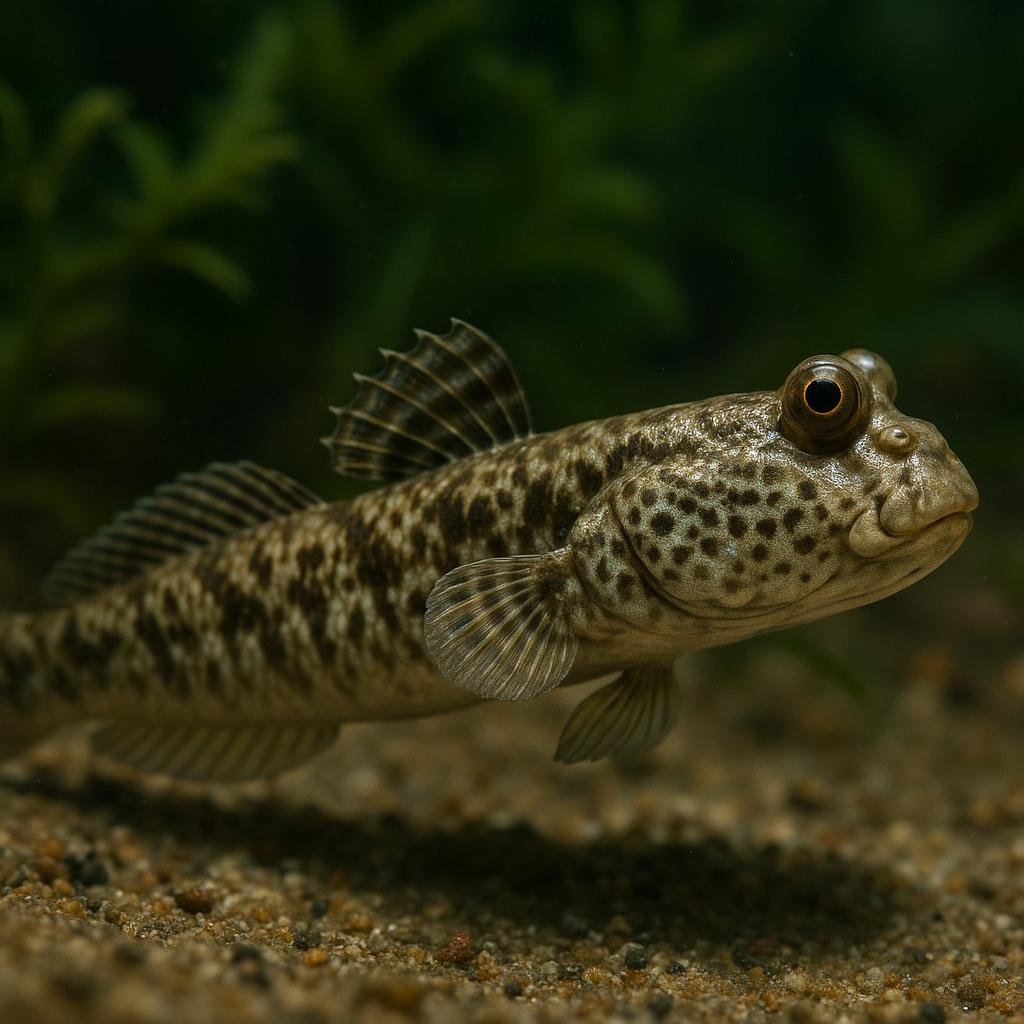
Atlantic Mudskipper
Periophthalmus barbarus
This is that wild little amphibious goby that straight-up climbs around on land like it forgot it was a fish. They've got big googly eyes, tons of personality, and they'll perch, hop, and patrol their territory-honestly more like a tiny crabby lizard than a "regular" aquarium fish.
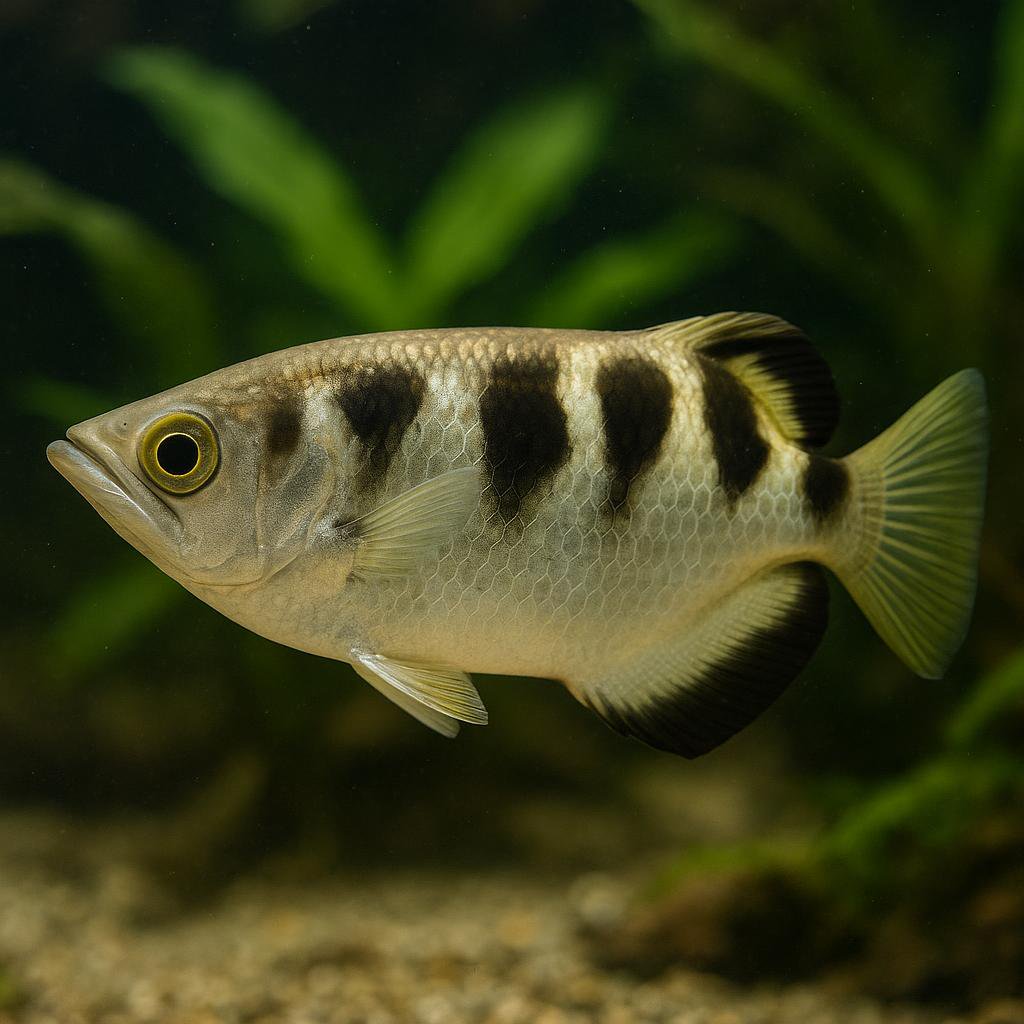
Banded Archerfish
Toxotes jaculatrix
This is the fish that literally spits jets of water to knock insects off branches-watching one "take aim" is unreal. They're super aware of what's going on outside the tank and will even learn to beg and snipe food from the surface once they settle in. Give them height and some open swimming room and they act like little aquatic sharpshooters.
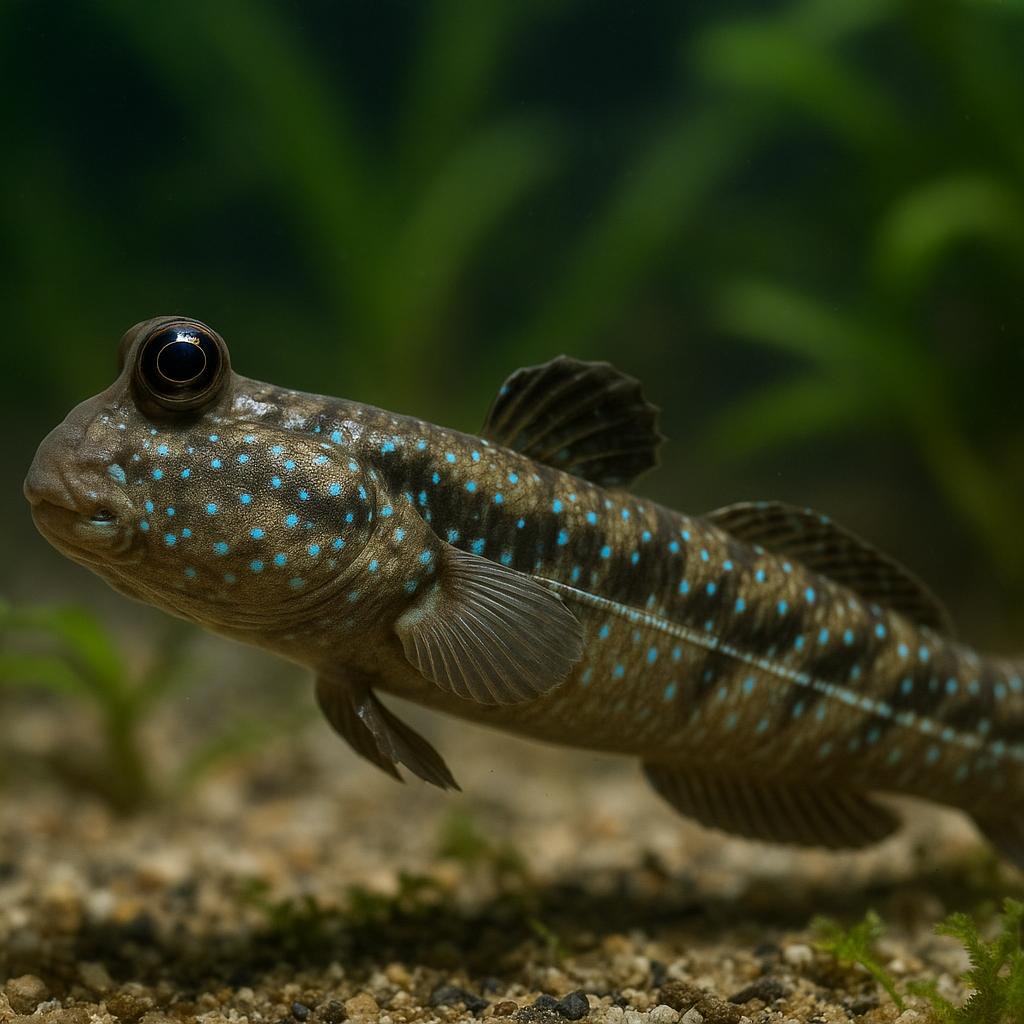
Barred mudskipper
Periophthalmus argentilineatus
This is one of those classic "walks around like it owns the place" mudskippers-big goofy eyes, climbs, hops, and spends a ton of time out on the mud when it's humid. In the wild it lives on intertidal mangrove/nipa mudflats and even shuttles between little pools and open air, hunting worms, insects, and small crustaceans. It's super fun to watch, but it really wants a brackish paludarium setup (not a normal aquarium).
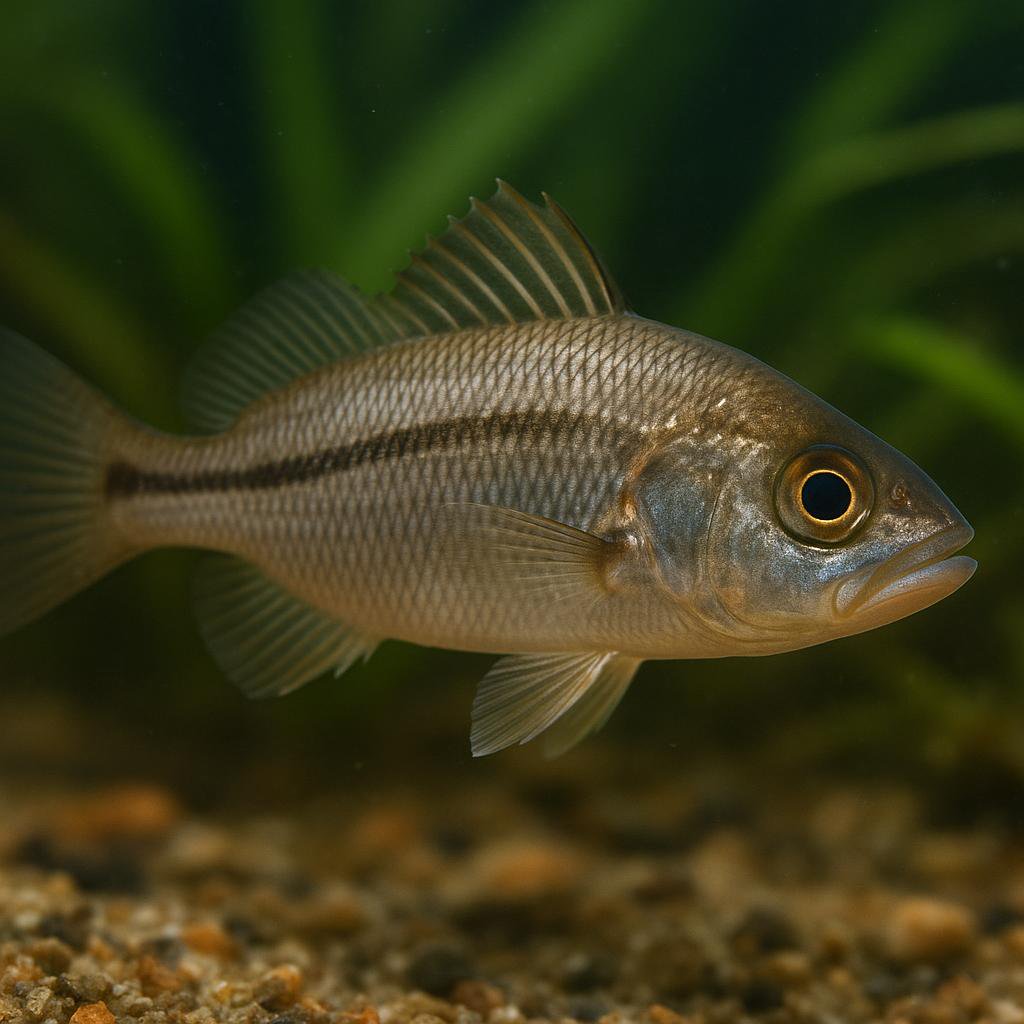
Bellfish
Johnius fuscolineatus
Johnius fuscolineatus (Bellfish/African bearded croaker) is a small coastal sciaenid from the southwestern/western Indian Ocean (Mozambique, South Africa, Madagascar), occurring in shallow marine waters (reported 0–50 m) and also associated with coastal/estuarine habitats.
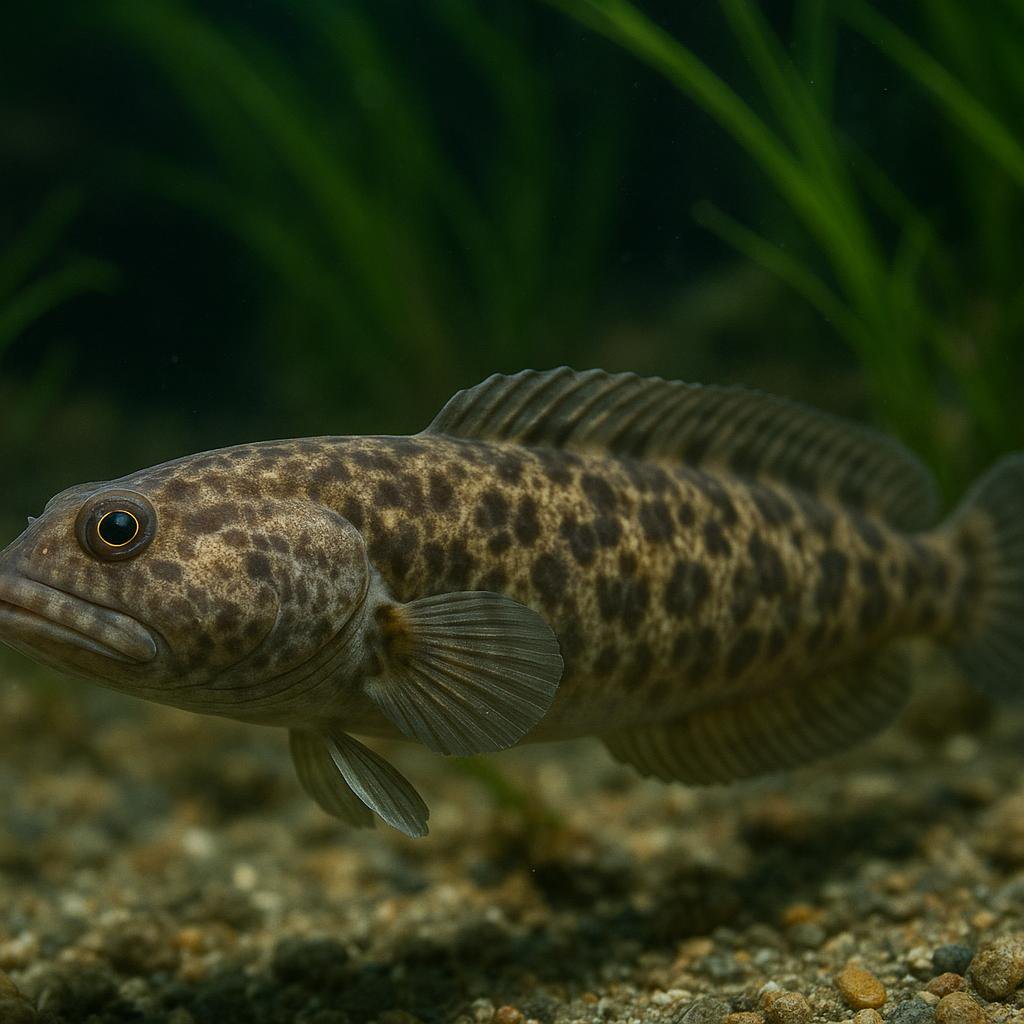
Blotched eelpout
Zoarces gillii
Zoarces gillii is a cold-temperate eelpout from the Northwest Pacific that hugs the bottom over sandy-mud inshore areas and even pushes into estuaries. It's got that long, eel-like body and a sneaky, sit-on-the-bottom predator vibe - very much a cool-water, brackish-to-marine oddball rather than a typical tropical aquarium fish.
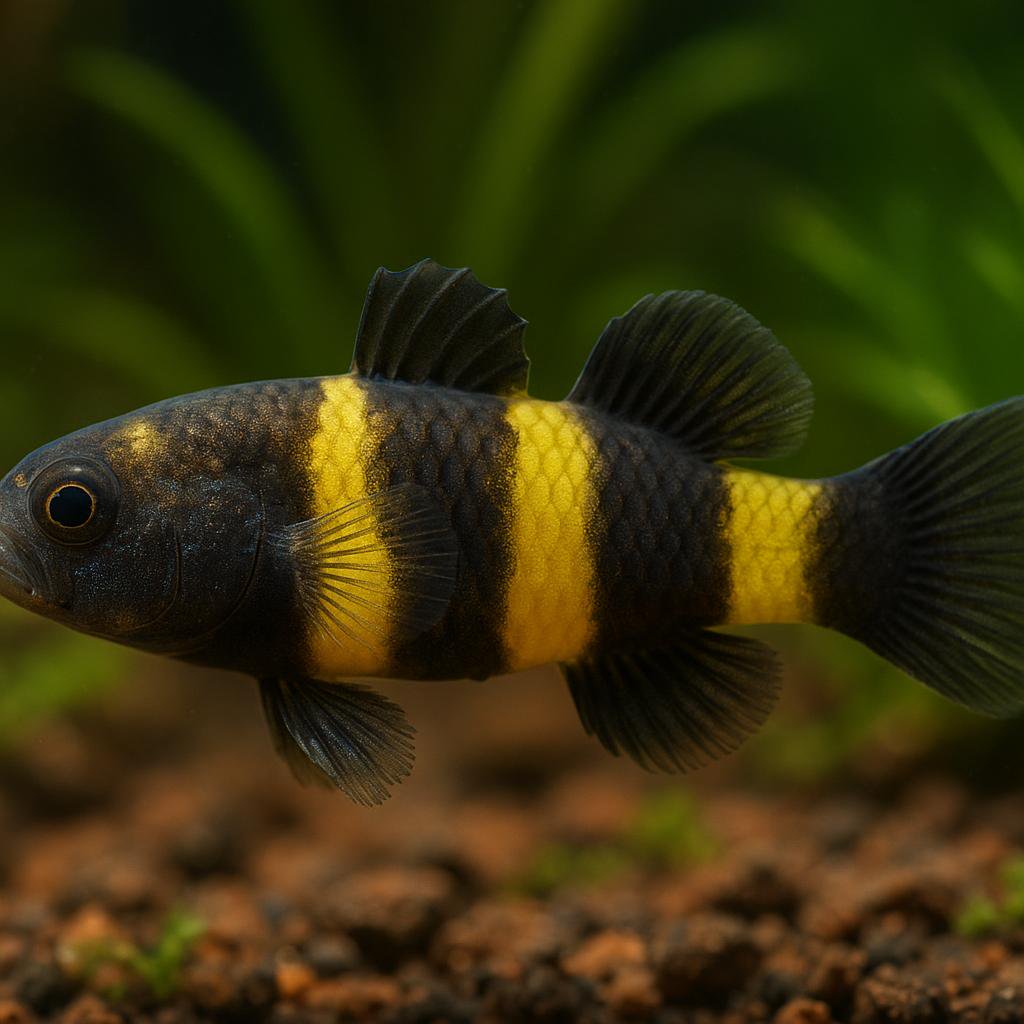
Bumblebee goby
Brachygobius doriae
Brachygobius doriae is one of the classic "bumblebee gobies" - tiny, bottom-hugging little characters that perch on rocks and sand and stare at you like they own the place. They're at their best in a calm setup with lots of caves and leaf litter, and they really shine once you get them eating frozen/live foods reliably (they're slow, picky eaters). Also: they're one of the species that gets mislabeled a lot in shops, so it's super common to see them sold under the wrong bumblebee-goby name.
Looking for other species?