

Whiptail catfish (Twig catfish)
Farlowella acus
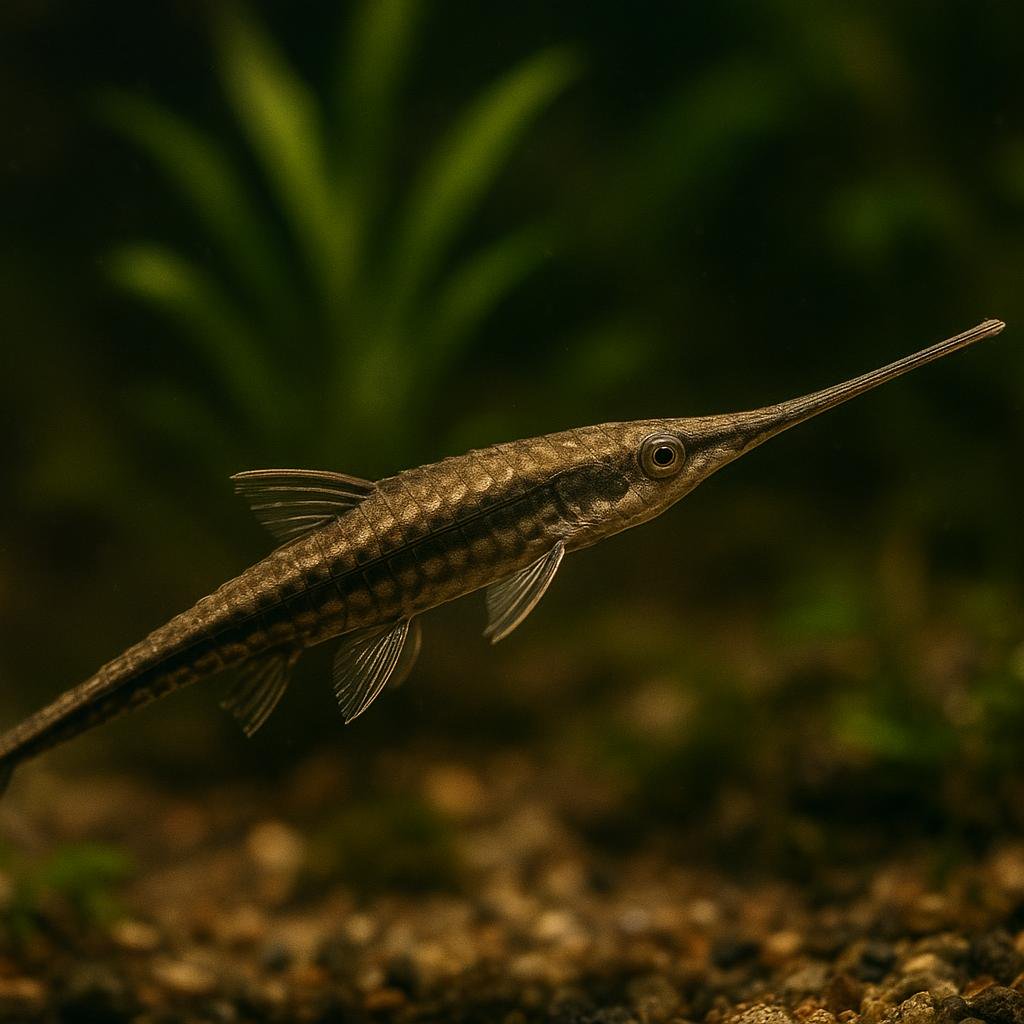
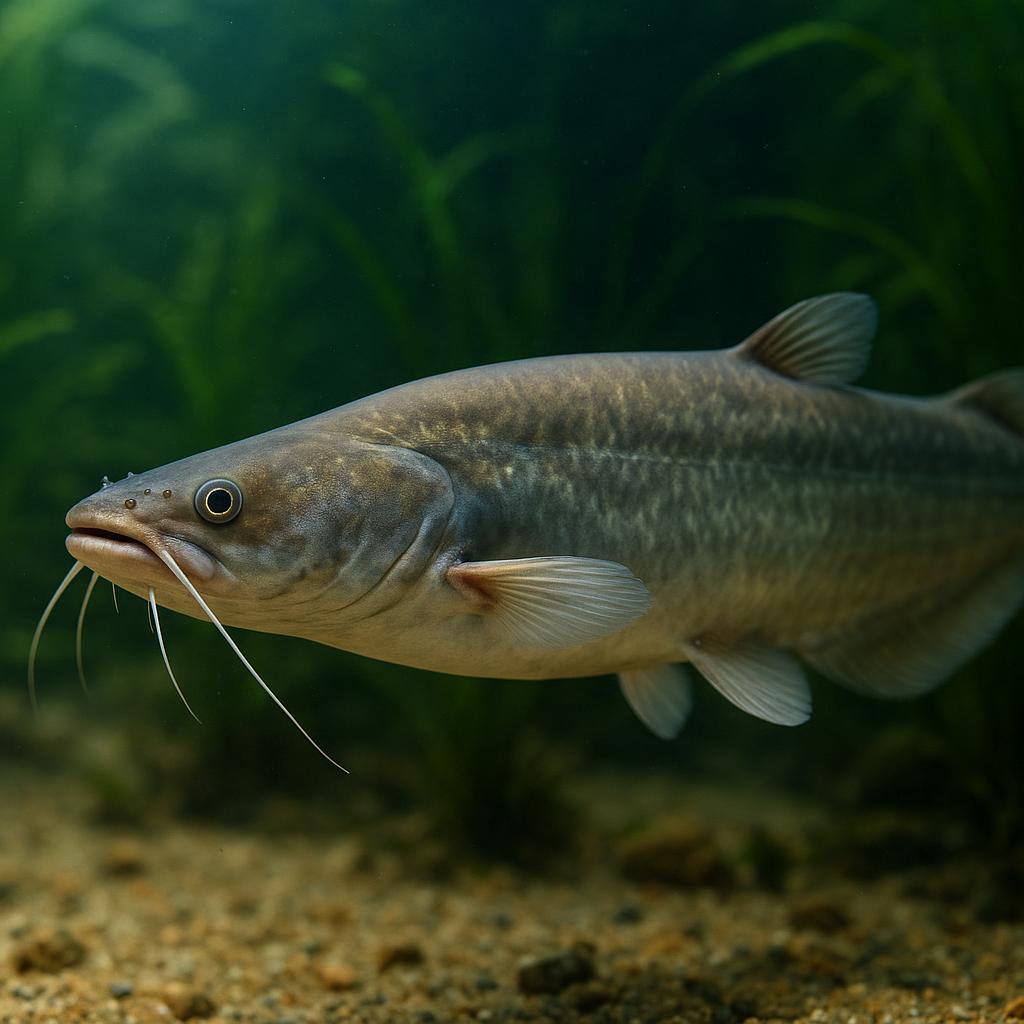
The Whiptail catfish features an elongated, laterally compressed body, with a brownish-green coloration adorned with faint dark markings.
This page includes AI-generated images. Why am I seeing AI images?
About the Whiptail catfish (Twig catfish)
Farlowella acus is that classic twig-looking whiptail that can sit on wood and basically disappear - it really does look like a little stick with fins. It is super chill and spends most of its time grazing and picking at surfaces, so it does best in a mature tank with stable water and plenty of stuff to cling to.
Also known as
Quick Facts
Size
16 cm SL
Temperament
Peaceful
Difficulty
Advanced
Min Tank Size
35 gallons
Lifespan
5-8 years
Origin
South America
Diet
Omnivore with heavy veggie tilt - algae wafers and other sinking foods; supplement with small protein foods a couple times per week
Water Parameters
24-26°C
6-7
3-8 dGH
Need a heater for this species?
This species needs 24-26°C in a 35 gallon tank. Use our heater calculator to find the right wattage.
Calculate heater sizeCare Notes
- Give them a long tank with a lot of wood and branches to cling to, plus gentle flow and high oxygen - they hate being in a bare box.
- Keep water clean and steady: ~24-26 °C, soft water (about 3-8 dGH) and low nitrates; they are sensitive to deteriorating water quality and spikes.
- They are not a glass-cleaning machine - feed them: blanched zucchini/cucumber/green beans and algae wafers at night, and toss in Repashy Soilent Green or similar a few times a week.
- Make sure they are actually eating: a healthy Farlowella has a filled-out belly; a pinched belly means it is starving even if the tank looks 'algae-y'.
- Skip aggressive or pushy tankmates (most cichlids, big barbs, fast pigs at feeding time) and avoid fin-nippers; calm tetras, rasboras, small Corydoras, and other chill community fish work better.
- Watch for new imports that are thin or stressed - quarantine if you can, because they are touchy about shipping and can crash after a couple weeks if they never start feeding.
- Breeding is doable: pairs often lay eggs on flat surfaces or wood, and the male typically guards and fans them - you will want a peaceful tank and very clean water or the eggs fungus.
Compatibility
Good Tankmates
- Small, chill tetras (neons, rummynose, lemons) - they stay midwater, ignore the whiptail, and do not compete much for food on the bottom
- Corydoras catfish - peaceful bottom crew that will share space fine, just make sure everyone gets food since whiptails can be slow and shy at mealtime
- Otocinclus - similar vibe (quiet algae grazers). In a well-established tank with lots of biofilm and some veggies, they coexist really nicely
- Small rasboras (harlequins, chili rasboras) - calm schooling fish that will not hassle a twiggy, sit-still fish like Farlowella
- Dwarf cichlids that behave (apistos, rams) - only in a roomy tank with hides. Most will ignore a whiptail, but watch any territorial pair during spawning
- Calm community fish that tolerate soft, slightly acidic to neutral water (small tetras, rasboras, Corydoras); avoid boisterous or aggressive species
Avoid
- Anything nippy like tiger barbs - they love to pick at fins and will absolutely harass a slow, skinny whiptail
- Fin-nippers and semi-aggressive 'busy' fish like serpae tetras - same issue, constant pecking stress and the whiptail stops feeding
- Most medium to large cichlids (convicts, acaras, oscars) - too pushy and will either bully them off food or treat them like a chew toy
- Big plecos and other heavy bodied bottom hogs (common pleco, sailfin) - they outcompete for food and can actually shove or rasp on them at night
Where they come from
Farlowella acus is one of those fish that looks like a drifting twig for a reason. They come from slow-moving rivers and backwaters in South America where there are loads of branches, leaf litter, and biofilm to pick at all day. If your tank looks a little messy and natural, you are already thinking like a whiptail.
Setting up their tank
These are not "tough plecos" in disguise. Whiptails do best in a mature, stable tank with a lot of surfaces to graze. Mine always did better after the tank had been running for a few months and the wood and rocks had that nice green-brown film on them.
- Tank size: 20 gallons is a workable minimum for one or a pair, but bigger is easier because stability is everything with these guys
- Filtration: gentle to moderate flow, good oxygenation, and clean water - they hate sitting in mulm but they also hate being blasted around
- Hardscape: real driftwood (multiple pieces), smooth stones, and a couple of broad leaves (Amazon swords, anubias) for resting
- Substrate: sand or fine gravel; they are not diggers, so pick what is easy for you to keep clean
- Lighting: anything is fine, but letting some algae/biofilm develop is a feature, not a bug
- Cover: floating plants or shaded areas helps them relax and feed in the open
Do not add whiptails to a brand-new tank and expect them to "clean up." They often slowly starve in sterile setups even if you think you are feeding enough.
Water-wise, they are pretty flexible on paper, but in practice they react badly to swings. Keep nitrates low, keep the temperature steady, and do smaller, regular water changes instead of big shocker changes. If you can keep sensitive tetras happy long-term, you are in the right ballpark.
What to feed them
A lot of people lose Farlowella because they treat them like an algae eater that will live off scraps. In my tanks, they grazed all day, but they still needed targeted food, and they were slow about finding it. Night feeding made a huge difference.
- Daily base: good algae wafers or sinking pleco tablets (I like ones with more plant content, not just fish meal)
- Veg: blanched zucchini, cucumber, green bean, spinach, or romaine (clip it down so it stays put)
- Biofilm helpers: driftwood, botanicals, and letting some surfaces grow algae
- Occasional extra: Repashy-style gel foods (the "green" mixes), which are easy for them to rasp
- Avoid as a staple: lots of meaty foods; they will nibble, but it is not what keeps them in good shape
Feed after lights-out and place the food near their favorite resting spot. They are polite, slow eaters. If you drop wafers in the middle of the tank, faster fish usually win.
How they behave and who they get along with
They are calm, almost shy, and they like to park themselves on wood, plant leaves, and the glass. You will see little "scoots" from spot to spot and a lot of stillness. That is normal. The only time I saw real drama was with other bottom fish crowding their feeding areas.
- Good tankmates: small peaceful tetras, rasboras, pencilfish, hatchetfish, peaceful dwarf cichlids that are not too pushy, small Corydoras
- Use caution: big schools of boisterous fish that swarm food (barbs, larger danios), and large plecos that outcompete them
- Avoid: fin nippers, aggressive cichlids, and anything that will harass them off the glass and wood
They are not great at defending a food pile. If your community tank is a feeding frenzy, plan on spot feeding the whiptails or they slowly fade.
Breeding tips
Breeding is doable, but it is one of those projects where you get rewarded for patience. The classic behavior is the male cleaning a flat surface (often the glass, a broad leaf, or a smooth piece of wood) and then guarding the eggs. If you have a well-fed, settled group, you might wake up and notice a neat little cluster of eggs stuck to something vertical.
- Group vs pair: starting with a small group gives you better odds of ending up with both sexes
- Spawning surfaces: smooth vertical wood, the tank glass, and broad plant leaves
- Triggers: heavy feeding of veggie-based foods and frequent small water changes (cooler water change sometimes seems to get them moving)
- Egg care: the male usually fans and guards; keep flow gentle but steady around the spawn
- Fry food: they need tiny grazing surfaces and powdered foods/soft algae gels - they are not great at chasing live foods in open water
If you do get eggs, keep the tank calm. Big maintenance, aggressive tankmates, or sudden parameter swings can make the male abandon the clutch.
Common problems to watch for
Most whiptail losses I have seen come down to two things: not enough food over time, or unstable/dirty water. They can look "fine" right up until they are not, so you have to watch their body shape and behavior.
- Slow starvation: sunken belly, thin behind the head, less grazing - fix with night feeding and more veggie/gel foods
- Outcompeted at feeding time: they hang back while others mob the wafers - spot feed and add more feeding stations
- Sensitivity to meds and salt: they do not handle heavy dosing well - treat gently and consider hospital tanks with careful dosing
- Poor oxygenation: hanging in high-flow areas or near the surface - add surface agitation and keep the tank clean
- Damaged snout or fins: happens from rough nets or sharp decor - use soft nets/containers and smooth wood/rocks
A skinny whiptail is an emergency even if it is still active. Once they get pinched in, they are hard to bring back. Start feeding deliberately and check that the food is actually disappearing because they ate it, not because other fish did.
Similar Species
Other freshwater peaceful species you might be interested in.
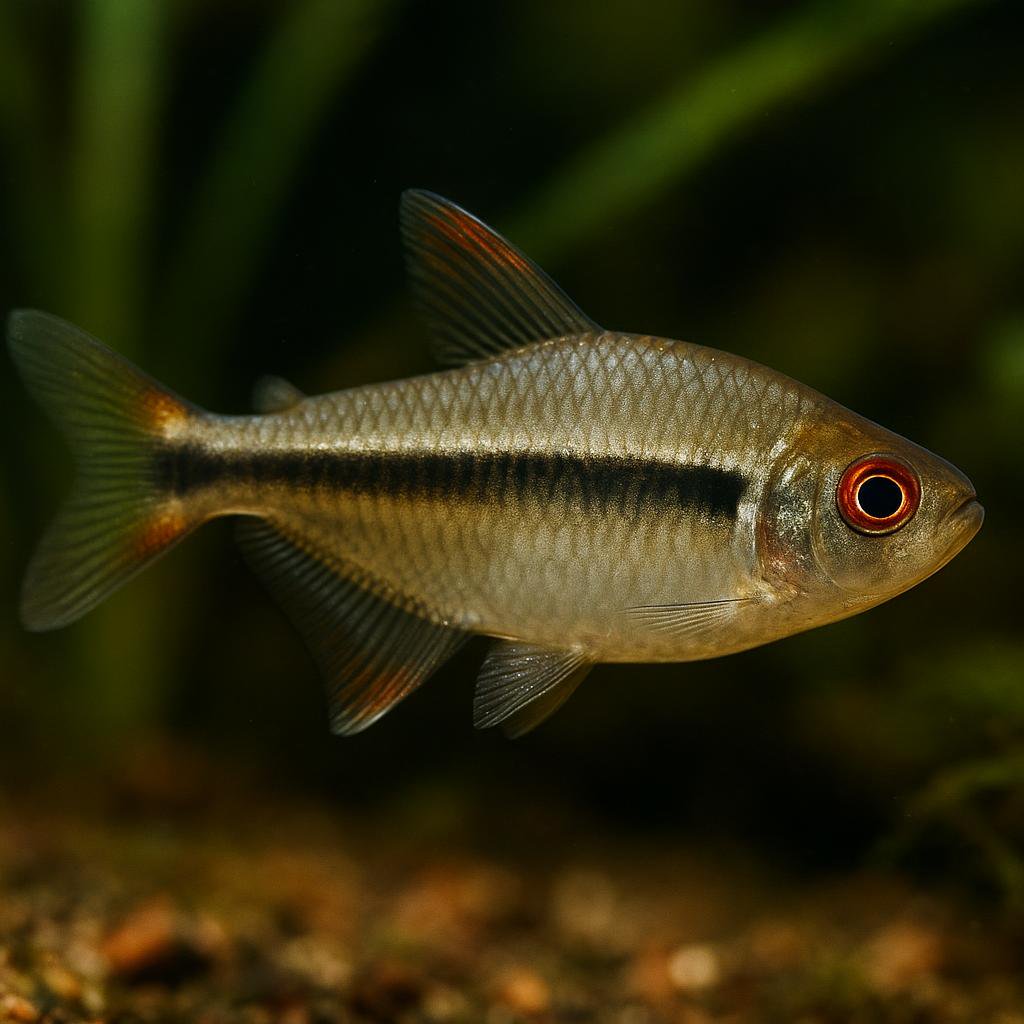
Amapa tetra
Hyphessobrycon amapaensis
This is a tiny, super sleek little tetra with a clean red stripe down the side that really pops once its settled in. It does best in a planted, slightly tinted "creek-style" setup and looks way cooler when you keep a proper group so they school and flash that line together. If you can give it soft, slightly acidic water and a calm community, its an easy fish to fall for.
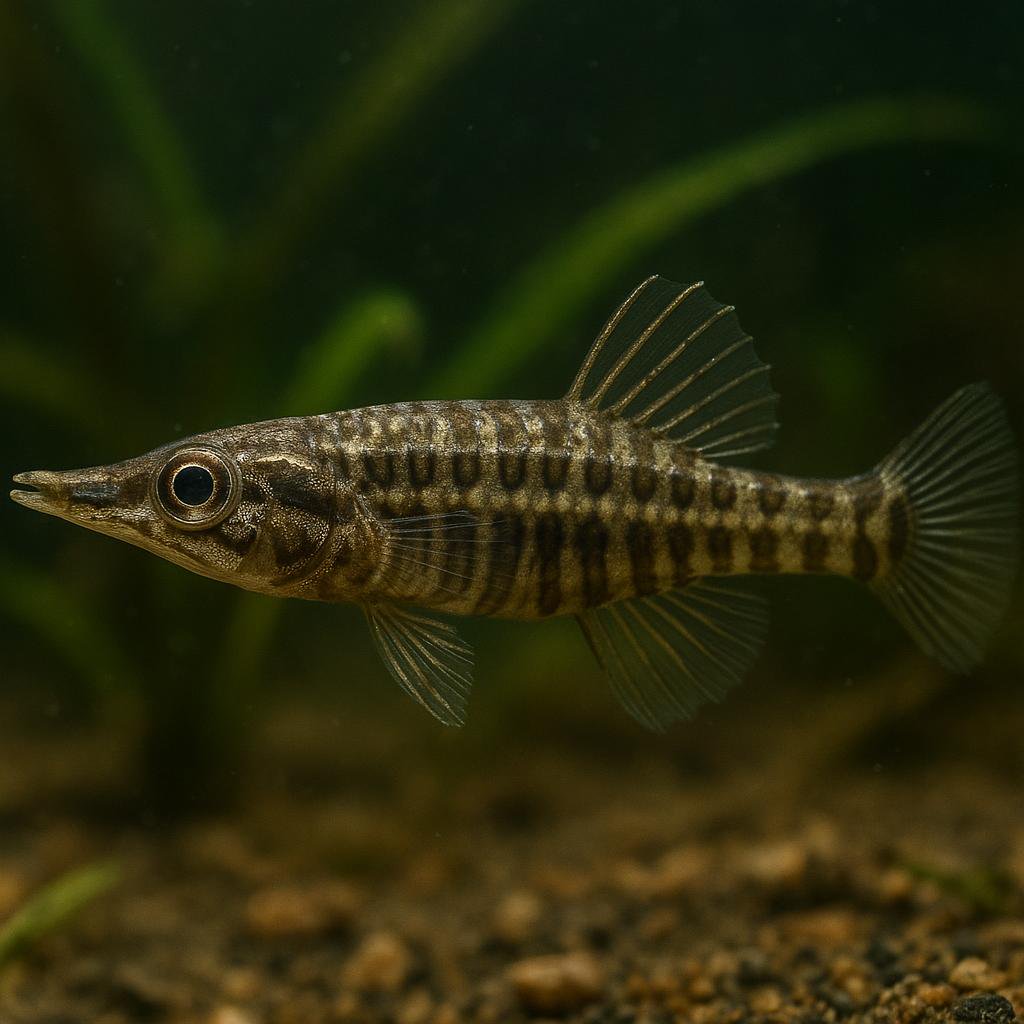
Armoured stickleback
Indostomus paradoxus
This is that goofy little "freshwater seahorse"-looking fish that just kind of perches and scoots around like a tiny armored twig. Its whole vibe is slow, sneaky micropredator - once its settled in, you will catch it stalking microfoods and doing these subtle little posture displays. The big trick is feeding: they do best when you can provide lots of small live foods in a calm, planted tank.
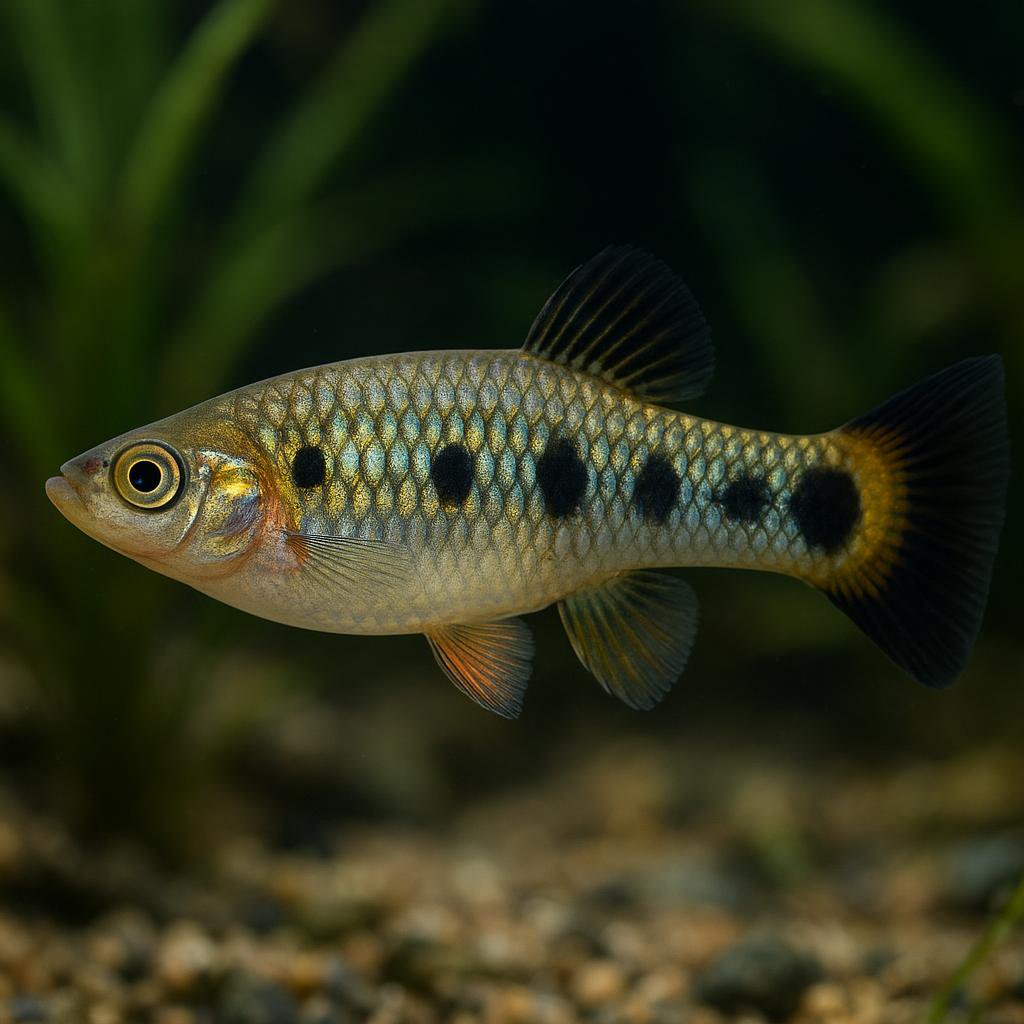
Bishop toothcarp
Brachyrhaphis episcopi
This is a tiny Panamanian livebearer that does best when you treat it more like a shy wild fish than a fancy guppy-lots of cover, calm vibes, and really clean water. The fun part is watching the males posture and spar while the females cruise around dropping fully-formed fry about once a month.
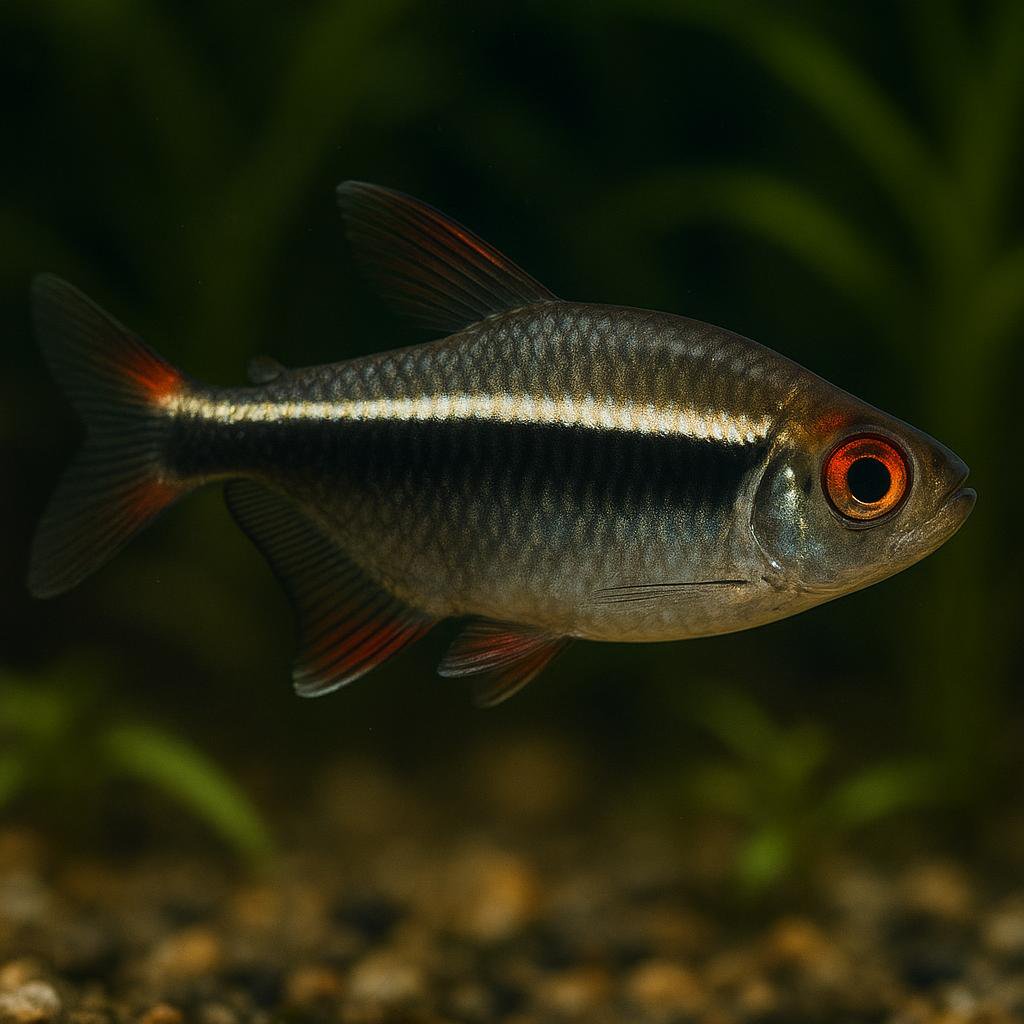
Black Neon Tetra
Hyphessobrycon herbertaxelrodi
Black neons are one of those little tetras that look kinda understated until the light hits them-then that bright stripe pops and they shimmer when the school turns together. They're super chill, always cruising mid-water, and they make a tank feel "alive" without being hectic. If you keep a nice group, they get bolder and you'll see way more of their personality.
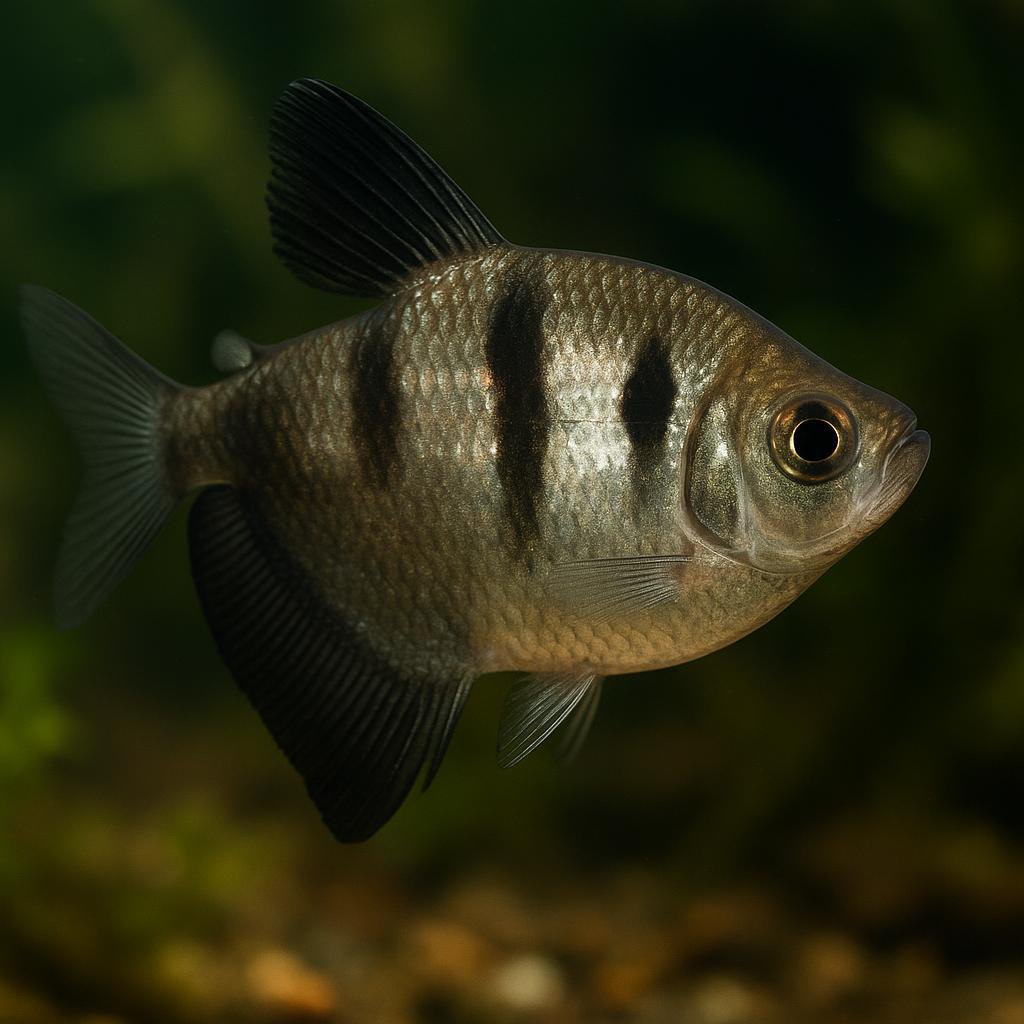
Black Skirt Tetra (Black Widow Tetra)
Gymnocorymbus ternetzi
Black skirts are those little "suit-and-tie" tetras with the dark bands and flowing fins that look way fancier than they should for how tough they are. They're super active midwater fish, and when you keep a proper group they do that tight, zippy schooling thing that makes the whole tank feel alive. Just give them enough buddies and finny tankmates they won't be tempted to nip.
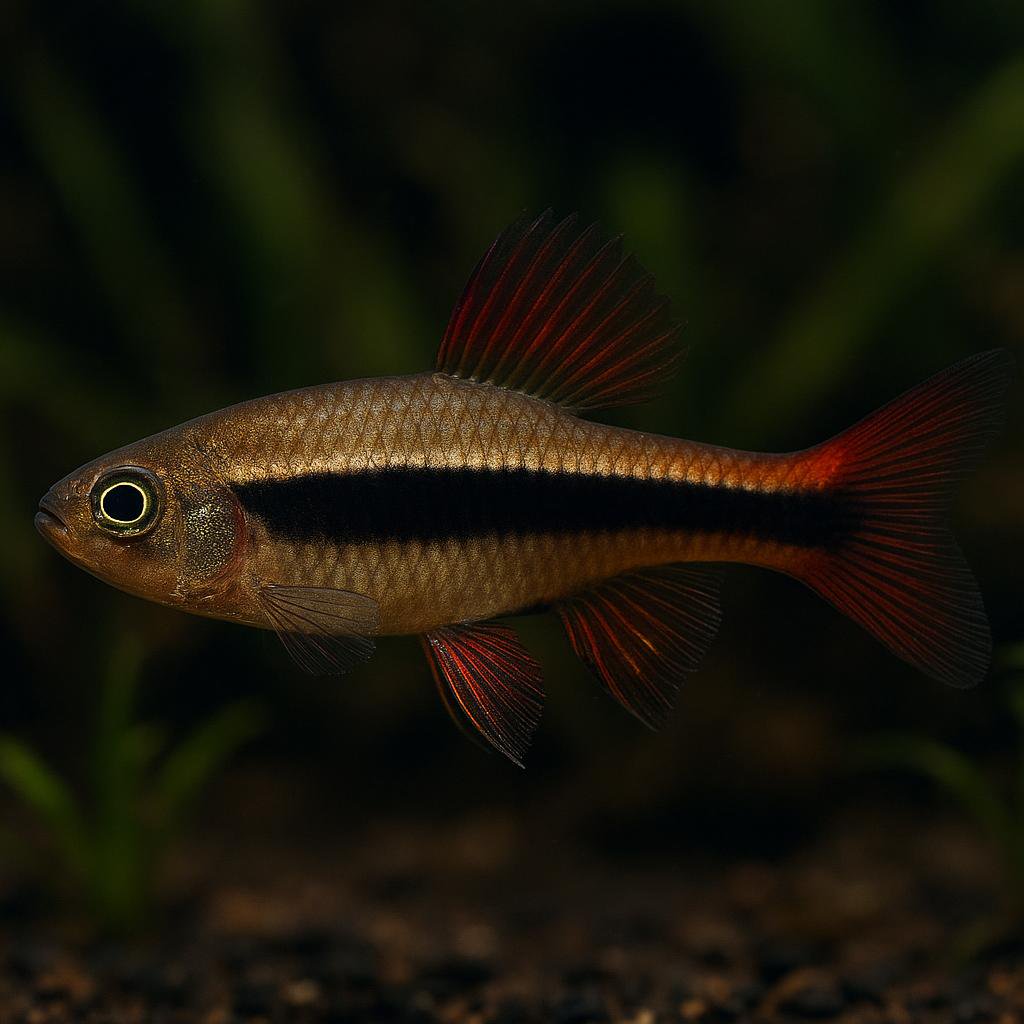
Black morpho tetra
Poecilocharax weitzmani
Poecilocharax weitzmani is one of those tiny blackwater oddballs that acts more like a little darter than a typical tetra - it hangs low, darts between cover, and the males can get pretty showy with fin-flares. The really cool part is they are cave breeders with male brood care, which is not what most people expect from a small characin. Give them very soft, acidic, super-clean water and lots of leaf litter and hidey holes, and they settle in and start showing their best colors.
More to Explore
Discover more freshwater species.
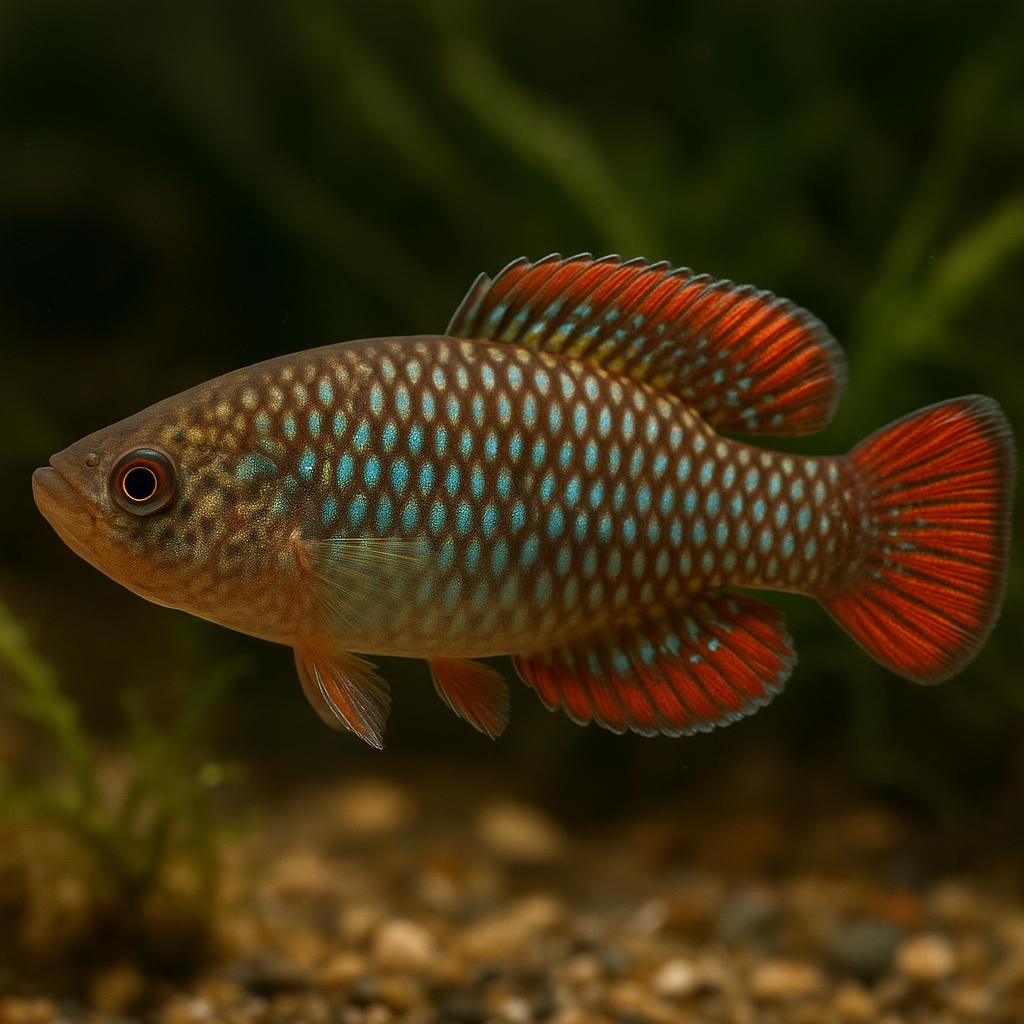
American flagfish
Jordanella floridae
Jordanella floridae is that little Florida native with the red-and-cream striping that really does look like a tiny flag once a male colors up. They graze algae like champs (especially stringy/hair algae), but they have a bit of attitude - give them plants and space so the bossy behavior stays manageable. Bonus: the male guards the eggs and will actively fan them, which is pretty fun to watch.
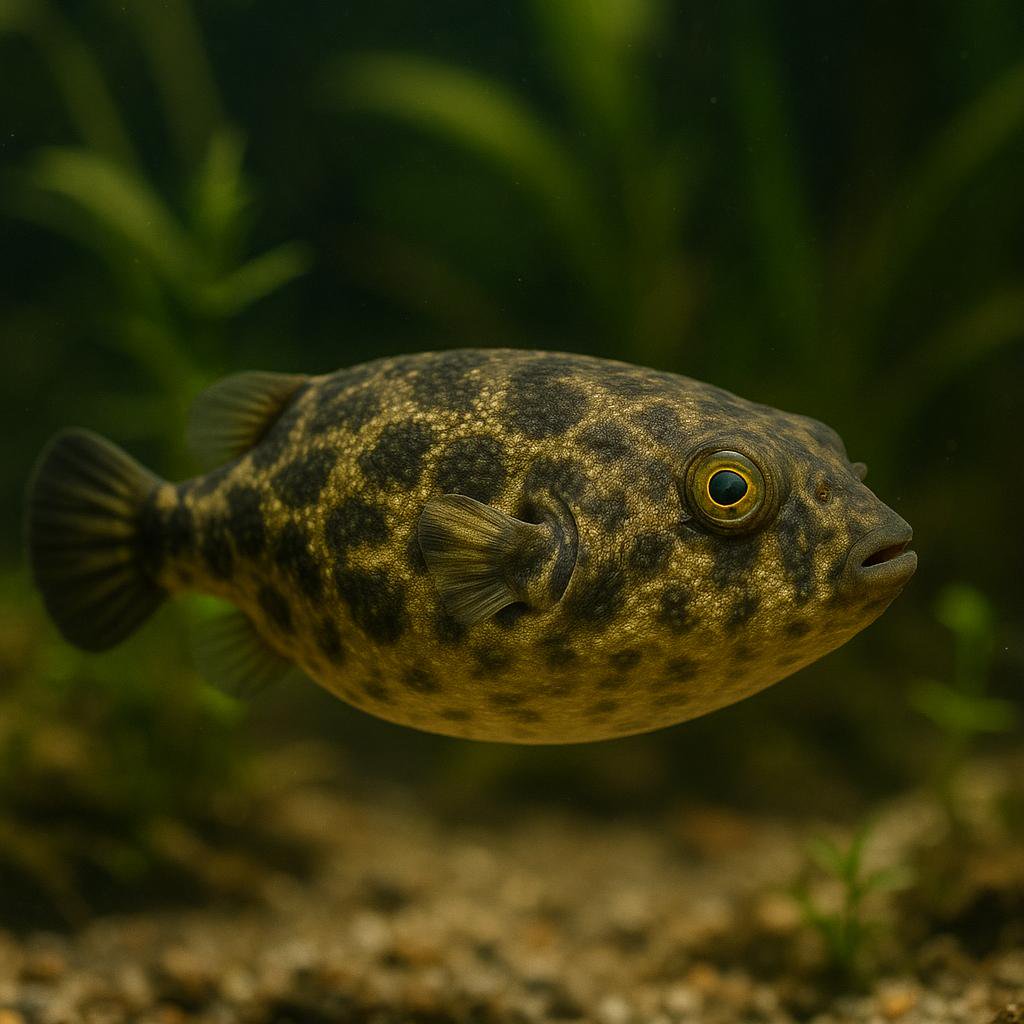
Arrowhead puffer
Pao suvattii
Pao suvattii is that sneaky Mekong puffer that likes to sit low and ambush food, and it has that super recognizable arrow/V pattern on its back. Gorgeous fish with tons of personality, but it is absolutely not a community guy - plan on a solo, species-only setup if you want everybody to stay in one piece.
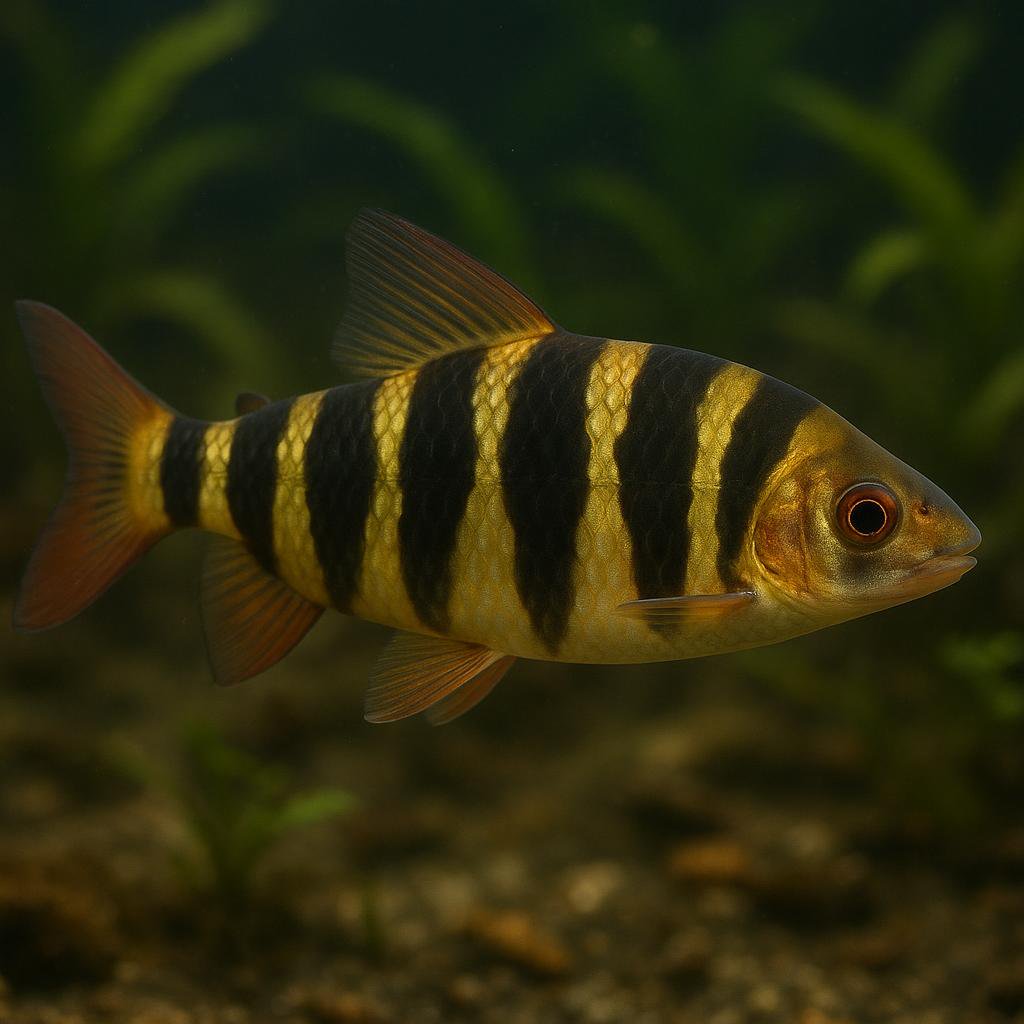
Banded Leporinus
Leporinus fasciatus
Banded Leporinus are those torpedo-shaped, black-and-yellow striped fish that look like they're wearing a little prison outfit-and they stay on the move. They've got a ton of personality and they're awesome to watch cruising and picking at stuff, but they're also the kind of fish that will redecorate your tank and "taste test" anything soft-looking.
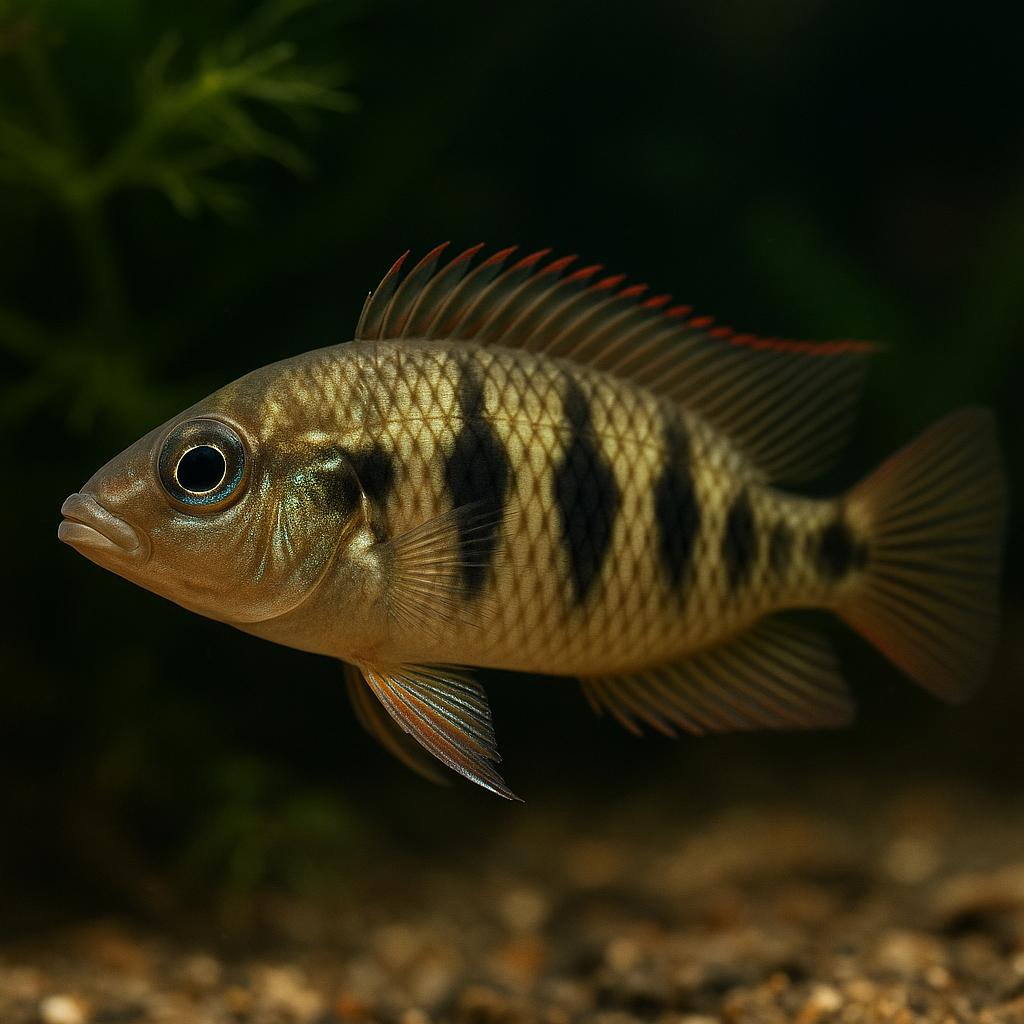
Bandi cichlid
Wallaceochromis signatus
A West African dwarf cichlid from Guinea's Bandi River, this fish shows crisp vertical bars and spotted fins with red highlights. Females have a bold black spot at the base of the tail, and pairs guard eggs and fry in caves, which makes their parental behavior fun to watch.
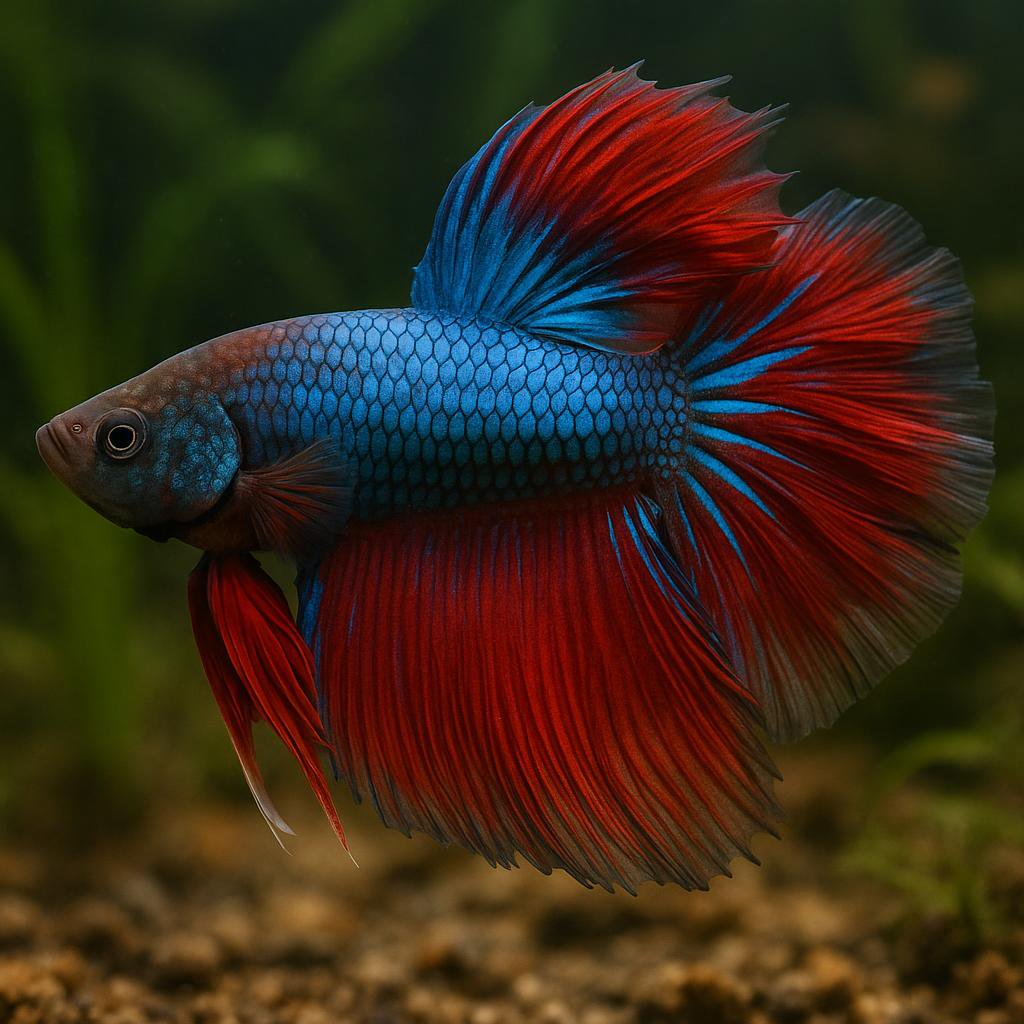
Betta
Betta splendens
Betta fish, also known as Siamese fighting fish, are popular for their striking colors and flowing fins. They are known for their territorial nature, especially males, which can display aggressive behavior towards each other.
Blackhawk catfish
Wallagonia micropogon
Wallagonia micropogon is a giant Southeast Asian sheatfish with an eel-like body and a huge, scoop-like mouth for hunting other fish. It is native to the Mekong and middle Chao Phraya basins and was long confused with Wallagonia leerii, which makes IDs and care notes tricky. Stunning as a juvenile but it grows to true megafish size, so it is only realistic for expert keepers or public aquariums.
Looking for other species?