

Southern longfin goby
Favonigobius lateralis
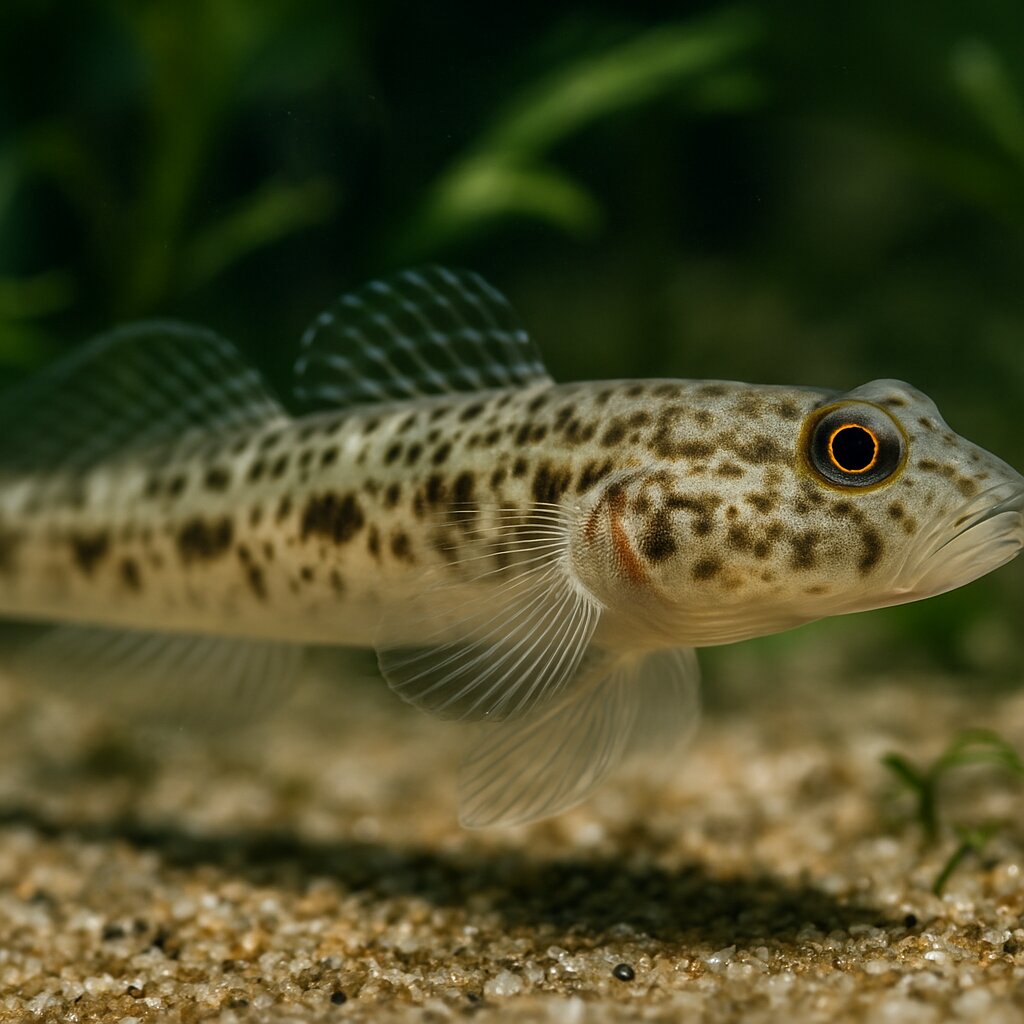
The Southern longfin goby features a slender body, distinctive long dorsal fin, and a pale to dark brown coloration with lighter underbelly.
This page includes AI-generated images. Why am I seeing AI images?
About the Southern longfin goby
Neat little sand-dwelling goby that hangs out in seagrass beds and sandy estuaries around Australia and New Zealand. It perches on the bottom and even shimmies into the sand, so a fine sandy substrate is a must. Keep it in lightly brackish water and it will happily pick at small meaty foods.
Also known as
Quick Facts
Size
9 cm
Temperament
Peaceful
Difficulty
Intermediate
Min Tank Size
30 gallons
Lifespan
1-2 years
Origin
Australia and New Zealand
Diet
Carnivore - small benthic invertebrates; accepts frozen mysis, brine shrimp, finely chopped worms
Water Parameters
14.6-26.2°C
7.5-8.4
12-20 dGH
Need a heater for this species?
This species needs 14.6-26.2°C in a 30 gallon tank. Use our heater calculator to find the right wattage.
Calculate heater sizeCare Notes
- Use a fine sand bed 2-5 cm deep so they can sift and rest; sharp gravel will scrape bellies and fins.
- Run brackish at SG 1.008-1.012 with pH 7.6-8.2 and 20-24 C; check salinity with a refractometer, not a swing-arm.
- They spook-jump, so keep a tight lid and block any escape gaps around cables and filter intakes.
- Feed sinking meaty foods like mysis, chopped prawn, bloodworms, and soft pellets twice a day; target-drop food right in front of them or faster fish will poach it.
- Peaceful but shy - good with mollies, bumblebee gobies, glassfish, and blue-eyes; skip puffers, big monos/scats, crabs, and pushy knight gobies.
- If you want a small group, use a 24-30 inch tank with lots of shells, caves, and broken sightlines; they posture a bit but settle when they can hide.
- Pre-mix water changes to the same SG and temp before adding; big swings invite ich and sulking. Watch for weight loss and white stringy poop in new arrivals and deworm with levamisole or praziquantel if needed.
- They spawn in a cave or shell with the male guarding eggs, but the fry go planktonic and need marine-leaning water and rotifers, so raising them is a live-food project.
Compatibility
Good Tankmates
- Mollies (esp. sailfin and shortfin) and other brackish-tolerant livebearers - busy up top, ignore the goby
- Celebes rainbowfish - gentle midwater schoolers that handle light brackish
- Indian glassfish (undyed) - calm perchlets that will not hassle a sand-sifter
- Halfbeaks (Dermogenys/Nomorhamphus) - top-dwellers that leave bottom gobies alone
- Pseudomugil blue-eyes (signifer, cyanodorsalis) - small, chill estuary shoalers
- Bumblebee gobies - works if you keep a group and give lots of cover; watch for the odd nip
Avoid
- Puffers (figure-eight, green spotted) - classic fin-nippers that will wreck a longfin goby's day
- Archerfish - fast, predatory surface hunters that can swallow or stress small gobies
- Scats and monos - big, frantic feeders that outcompete and may eat smaller bottom fish
- Territorial gobies like knight goby - bottom bullies that will claim the goby's sand patch
Where they come from
Southern longfin gobies are little sand-perchers from estuaries and sheltered bays around southern Australia and New Zealand. Think tidal flats, seagrass beds, and channels where fresh and salt water blend. They are a cooler-water goby that spends a lot of time on the bottom, darting to snatch tiny crustaceans.
They are brackish to coastal fish, not strictly freshwater. They handle a range of salinities, but they do best with some salt in the water.
Setting up their tank
Give them floor space and fine sand. They rest on their bellies and like to sift or nosing around for food, so coarse gravel just scrapes them up. Caves and shells are a big win. They will sit in the cave entrance like little bouncers and feel much braver at feeding time.
- Tank size: 20-30 gallons for a small group, 30+ is nicer. They are active along the bottom.
- Salinity: SG 1.005-1.015 for long term. They tolerate higher, but you do not need to go full marine.
- Temperature: 17-23 C (63-73 F). Keep it on the cool side compared to tropical brackish setups.
- Substrate: fine sand. Add shell rubble, small stones, and a few short PVC pieces or barnacle clusters for caves.
- Flow and oxygen: moderate flow and good surface agitation. They appreciate well-oxygenated water.
- Lid: tight-fitting. They can and will jump, especially during spats or lights-on.
- Plants: low-end brackish tolerant plants like Java fern, Anubias, or Vallisneria can work at SG under ~1.010. Not mandatory.
- Filtration: use an intake sponge. These fish hug the bottom and small ones can get pulled into strong intakes.
Mix marine salt mix, not freshwater aquarium salt. Top off evaporation with freshwater to keep salinity steady, and use a refractometer or a reliable hydrometer.
What has worked for me: a 29 gallon with fine sand, scattered oyster shells, and a few 1/2 inch PVC elbows. SG 1.008-1.012, temp 20-22 C, two sponge filters plus a small powerhead pointed at the surface. They settled in fast and started peeking out of caves by day three.
What to feed them
They are micropredators. New arrivals often ignore dry foods, but they wake right up for moving or meaty stuff. Once they realize food hits the sand in a certain spot, they get bolder.
- Frozen mysis and brine shrimp (soak in vitamin supplement if you can).
- Chopped raw prawn or clam in tiny pieces.
- Live or frozen blackworms and bloodworms.
- Daphnia, copepods, amphipods if you culture them.
- Small sinking pellets after some training (I use fine, high-protein marine pellets).
Target feed with a turkey baster or pipette. Drop food just in front of their caves so bolder midwater fish do not steal it all. Two small meals beat one big dump of food.
How they behave and who they get along with
Most of the time they perch, watch, and do quick dashes for food. Males posture a bit, but it is more fin-fanning and shuffling than real violence if there are enough hides. They ignore fish that stay up in the water column.
- Good tankmates: calm, similar-sized brackish natives that like cooler water, such as empire gudgeons, estuary glassfish (wild-type, not dyed), or other small gobies and gudgeons that are not hyper-aggressive.
- Use caution: sailfin mollies and bumblebee gobies prefer it warmer; mixing can work short term but is not a great long-term match for temperature.
- Avoid: big hunters like archerfish, scats, monos, or anything that can fit a goby in its mouth. Tiny shrimp will become snacks.
Territory helps peace. Aim for one male with two or three females or a small group with more caves than gobies. Line of sight breaks matter.
Breeding tips
They are cave spawners. A male picks a cavity (shell, PVC, barnacle), cleans it, and tries to lure a female. Eggs are usually stuck on the roof and the male guards and fans them. Getting them to lay is not the hard part; raising the larvae is.
- Group: keep a small group so a pair can form. One male to multiple females reduces chasing.
- Caves: offer a mix of shell halves, barnacle clusters, and short PVC sections. Entrance just big enough for the male to squeeze in.
- Conditioning: heavy on live and frozen foods for a few weeks. Keep salinity steady and give them a spring-like photoperiod bump.
- Spawning signs: male darkens and stays glued to a cave. You may see the female enter briefly.
- Hatching: eggs hatch in several days depending on temp. Larvae go pelagic and are tiny.
- Rearing: move the cave to a separate hatching tub with gentle bubbles, or siphon hatchlings at lights-out. Feed rotifers and greenwater initially, then transition to newly hatched brine shrimp once they are big enough. Many folks keep salinity closer to marine for the larval phase.
Spawning is achievable at home, but the larval stage is the hurdle. Do not be discouraged if early attempts do not make it far. Clean water, gentle circular flow, and constant small live foods are the keys.
Common problems to watch for
- Heat stress: above mid-70s F they get skittish, breathe fast, and go off food. Use a fan or keep the room cooler in summer.
- Salinity swings: evaporation creeps SG up. Mark the water line and top off daily with freshwater.
- Refusing dry food: new fish may only take live or frozen. Keep offering a few pellets right after they eat frozen so they associate the spot with food.
- Abrasion: coarse gravel or sharp shells can scrape their bellies and chins. Stick to fine sand and smooth shell pieces.
- Jumping: startled fish go vertical. Keep a lid and cover any cable gaps.
- Filter mishaps: bottom-huggers plus strong intakes equals trouble. Use pre-filter sponges.
- Disease: brackish helps, but they can still pick up gill flukes or ich. Quarantine new arrivals and watch for flashing or clamped fins.
Acclimate to brackish slowly. I drip acclimate into pre-mixed brackish water, bumping SG no more than ~0.002 per day for fish coming from freshwater-held stock.
Similar Species
Other brackish peaceful species you might be interested in.
African moony
Monodactylus sebae
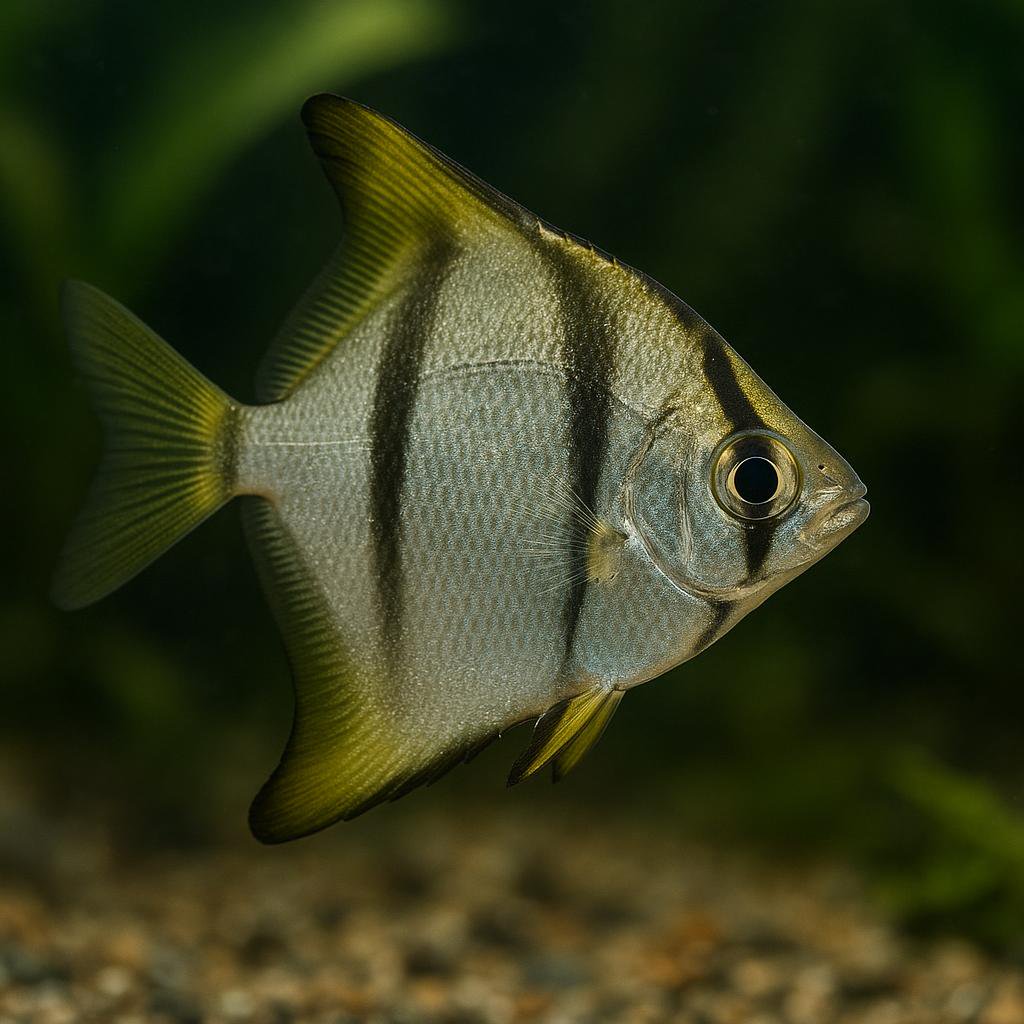
This is that shiny, diamond-shaped "mono" that cruises around in a tight pack and looks like a little silver dinner plate with black bars when it's young. The big thing with African moonies is they're euryhaline-so they'll tolerate freshwater as juveniles, but they really shine long-term in brackish (and can be transitioned toward marine as they mature). Give them a big, open tank and a group, and they turn into nonstop, super fun midwater swimmers.
American shadow goby
Quietula y-cauda
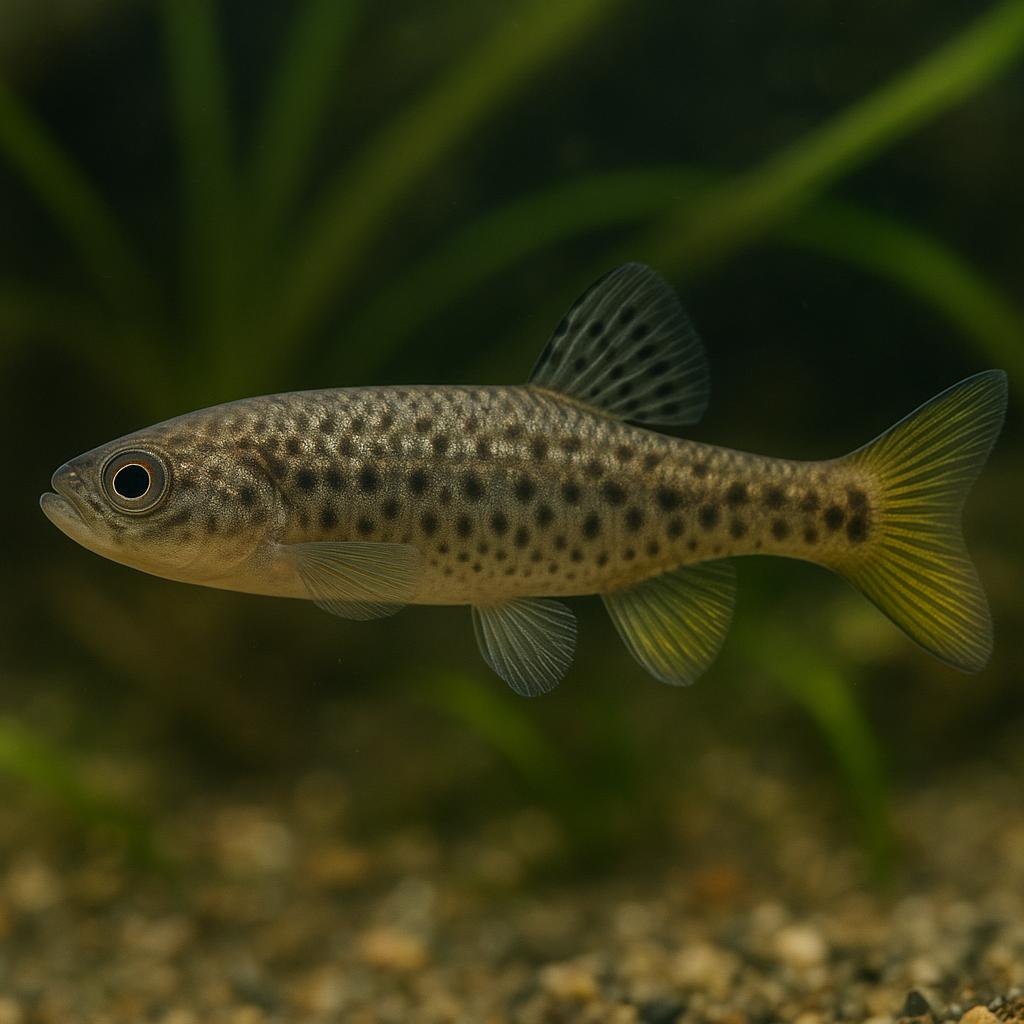
This is a little mudflat goby from California down into the Gulf of California that loves hanging tight to the bottom and vanishing into burrows. The neat tell is that sideways Y-shaped blotch right at the base of the tail, plus the row of dark spots along the side. Its whole vibe is brackish estuary life - calm water, soft substrate, lots of hiding holes.
Banded-tail glassy perchlet
Ambassis urotaenia
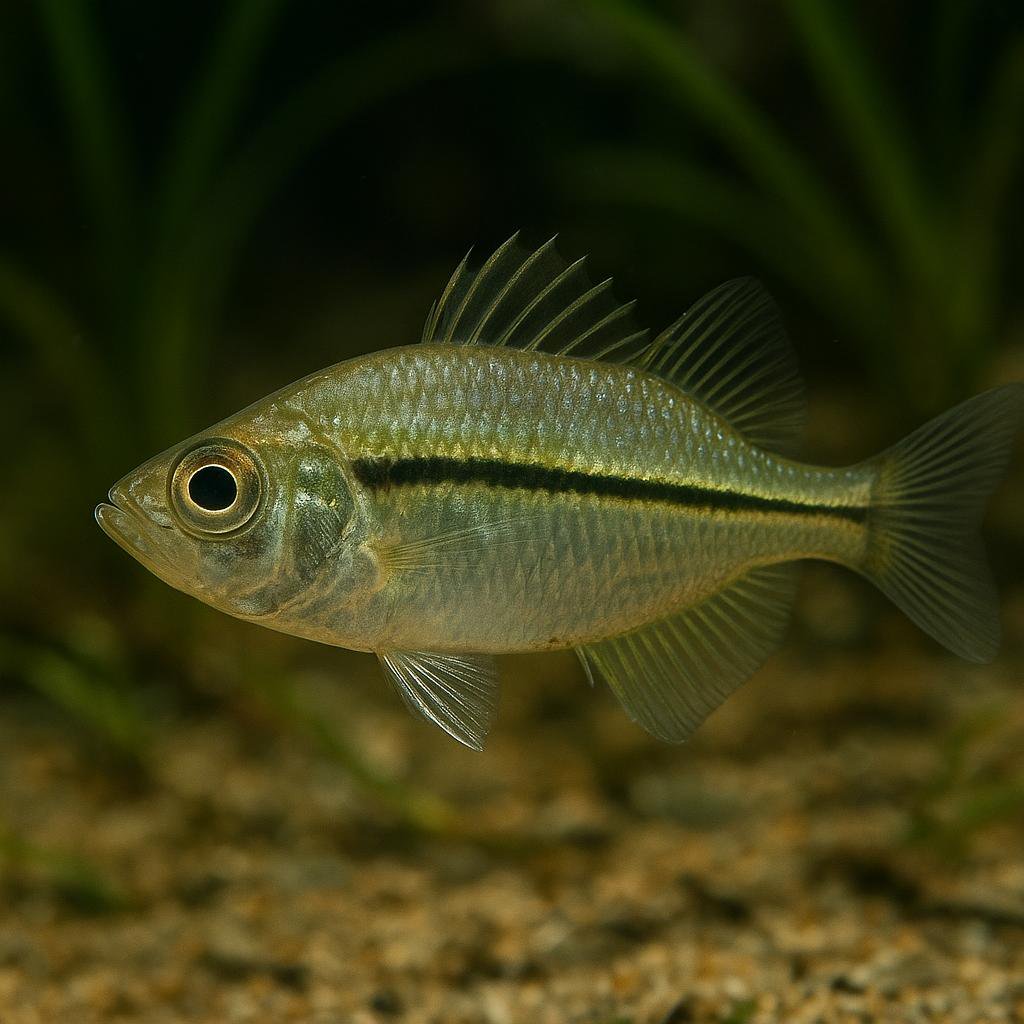
This is one of those see-through glassy perchlets where you can literally watch the organs shimmer when it turns-super cool in the right lighting. In the wild it hangs around river mouths and mangroves and cruises in groups, so it does best when you keep a little gang of them and give them some open swimming room.
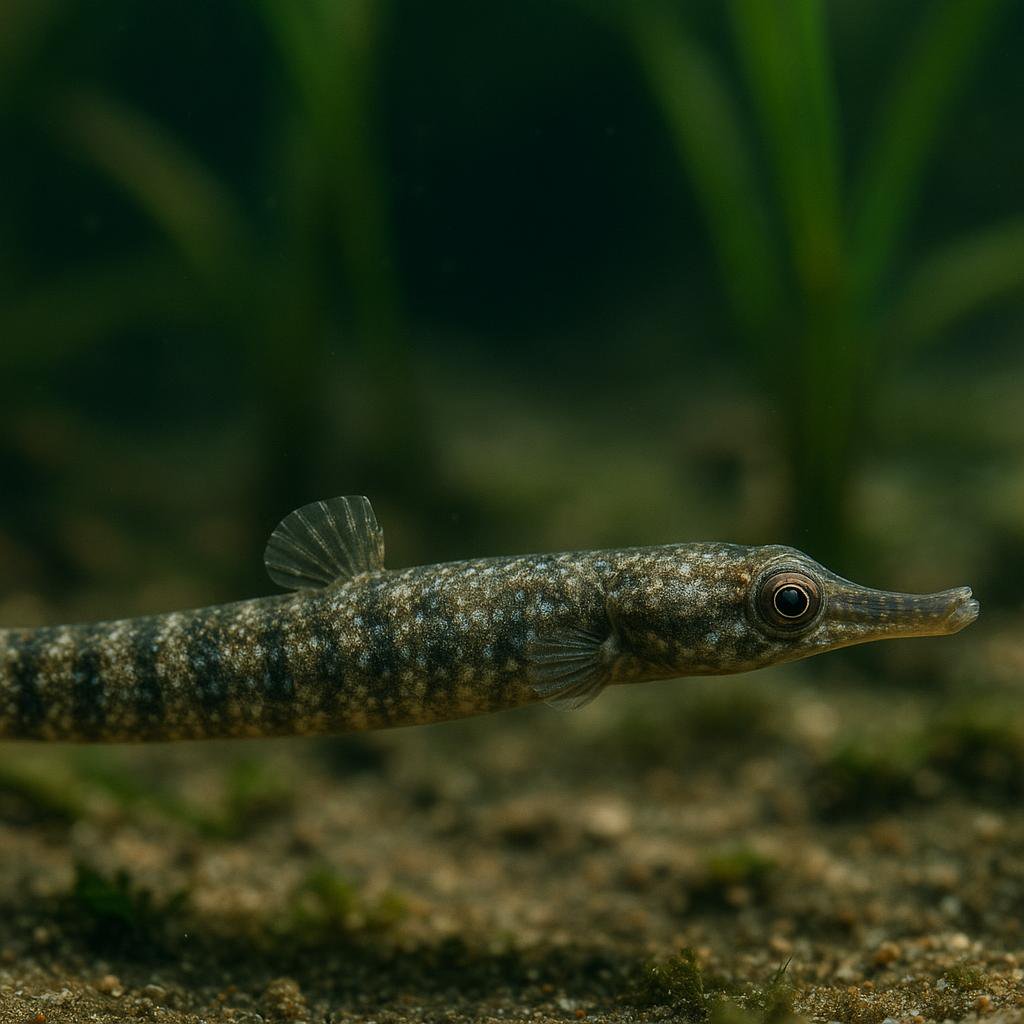
Barbed pipefish
Urocampus nanus
Urocampus nanus (barbed pipefish) occurs in protected inshore and estuarine habitats among seagrass (Zostera) in the Northwest Pacific (southern Japan and adjacent coasts). Like other syngnathids, males brood eggs in a pouch under the tail and produce fully formed young.
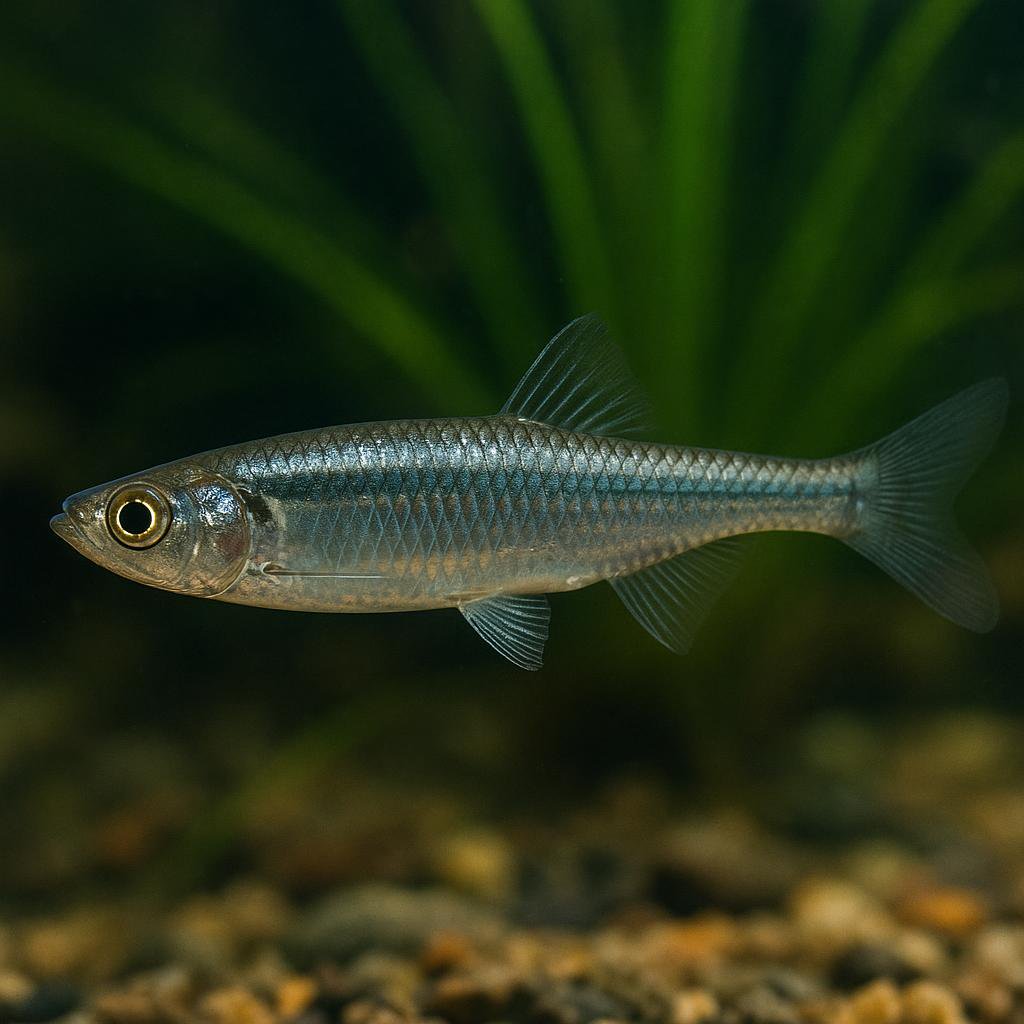
Beach silverside
Atherinella blackburni
This is a little coastal silverside that cruises the shallows in loose groups and flashes like a tiny chrome dart when the light hits it right. In the wild it hangs around beaches, estuaries, and lagoons, picking at small drifting foods in the surf zone. It is cool, but its real "gotcha" is that it is an open-water, salt-tolerant schooling fish that does best in bigger, well-oxygenated setups rather than a typical planted community tank.
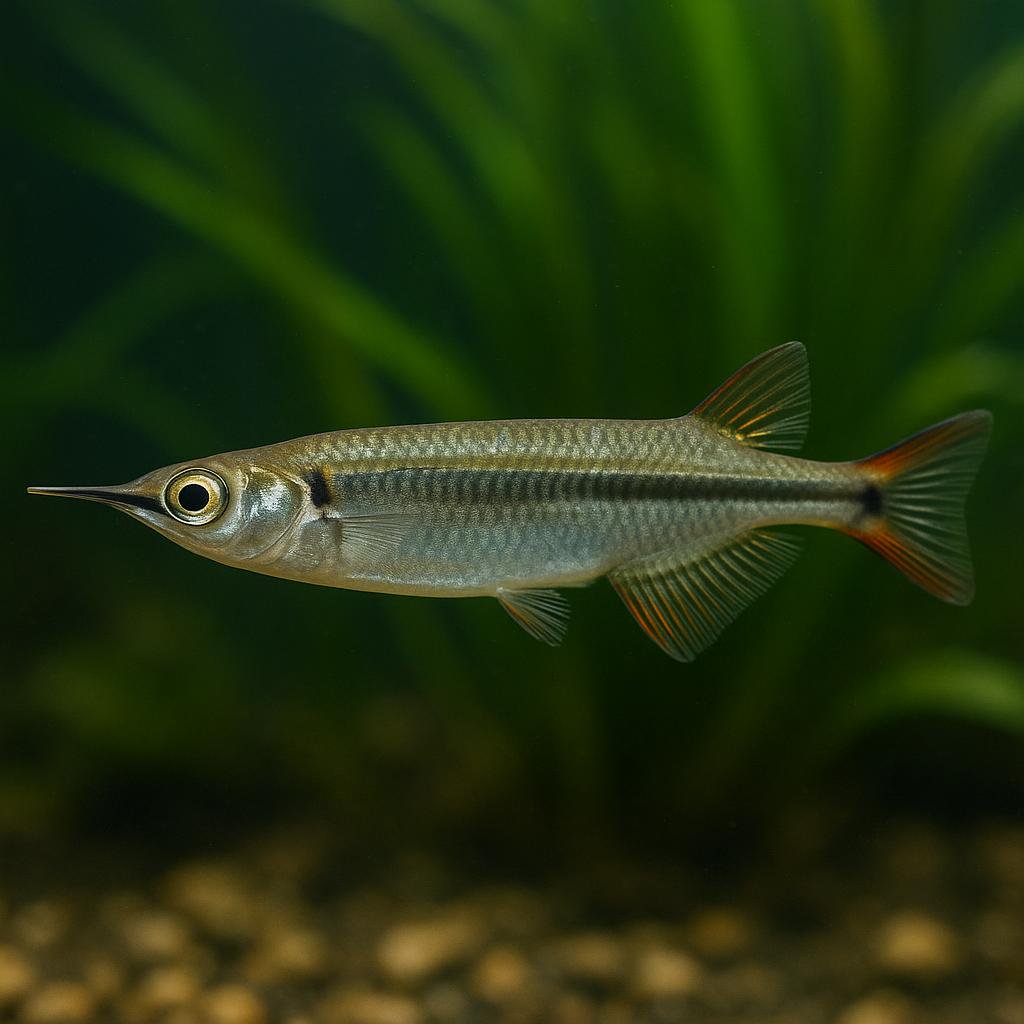
Buffon's river-garfish
Zenarchopterus buffonis
This sleek, surface-dwelling halfbeak has a distinct dark stripe along the snout and is typically found at the surface in coastal waters, estuaries, and rivers where it feeds on terrestrial insects. In aquaria it does best with floating/surface foods and a secure cover, and it requires brackish (or marine) conditions long-term. Reproduction is internally fertilized; FishBase lists the species as ovoviviparous.
More to Explore
Discover more brackish species.
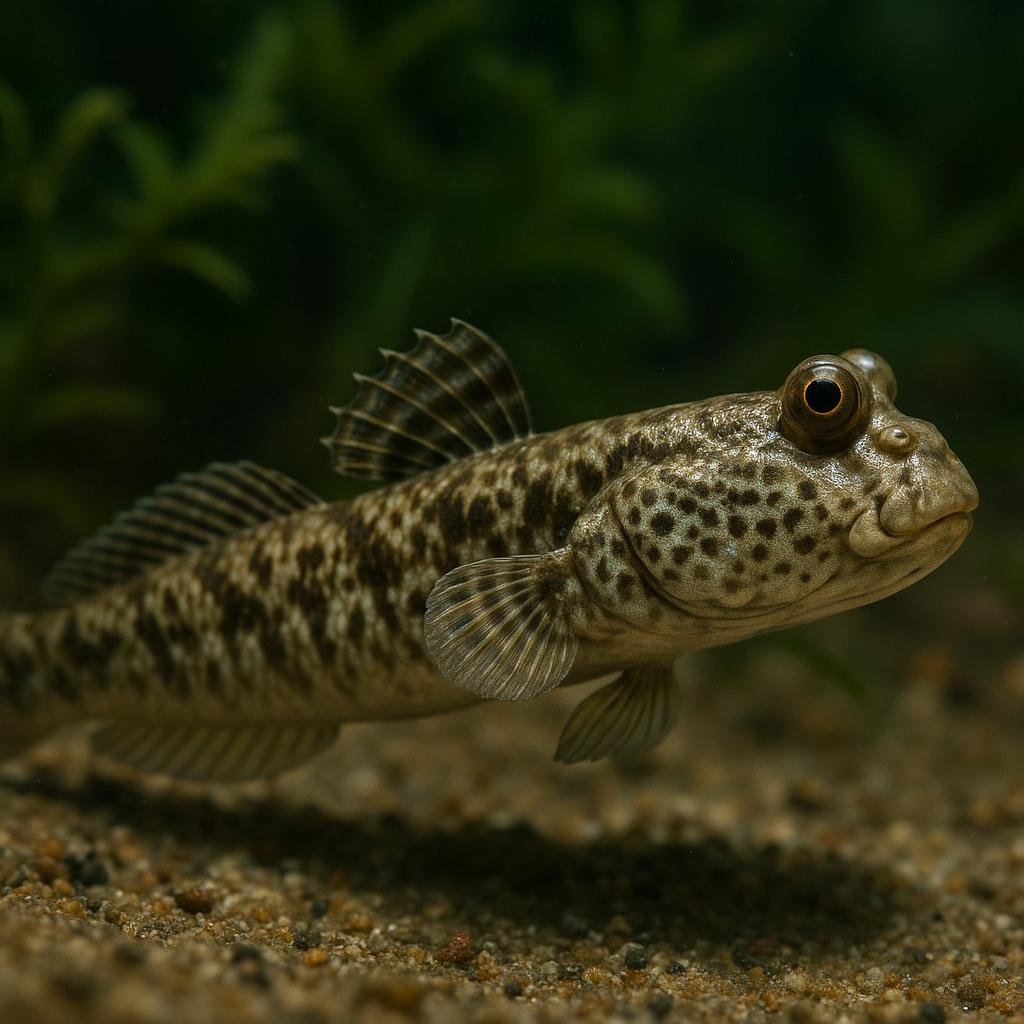
Atlantic Mudskipper
Periophthalmus barbarus
This is that wild little amphibious goby that straight-up climbs around on land like it forgot it was a fish. They've got big googly eyes, tons of personality, and they'll perch, hop, and patrol their territory-honestly more like a tiny crabby lizard than a "regular" aquarium fish.
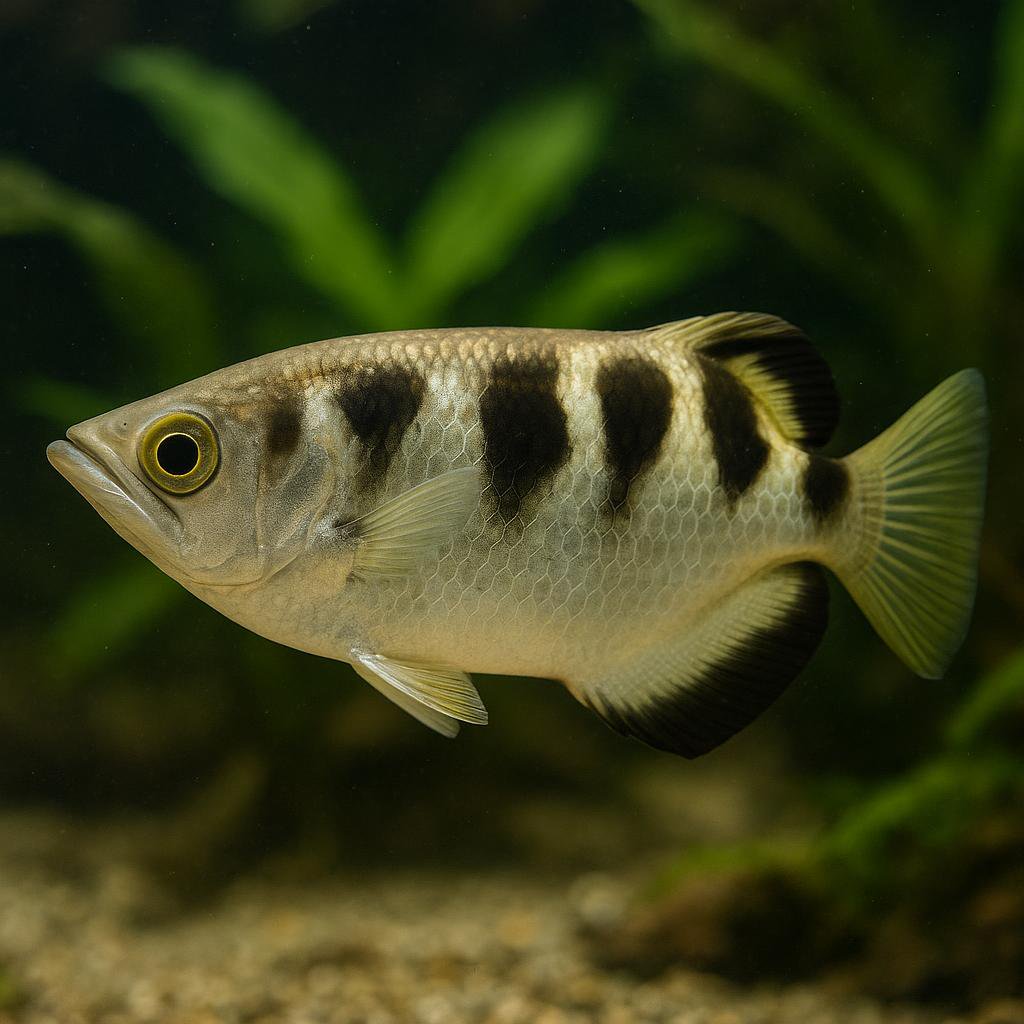
Banded Archerfish
Toxotes jaculatrix
This is the fish that literally spits jets of water to knock insects off branches-watching one "take aim" is unreal. They're super aware of what's going on outside the tank and will even learn to beg and snipe food from the surface once they settle in. Give them height and some open swimming room and they act like little aquatic sharpshooters.
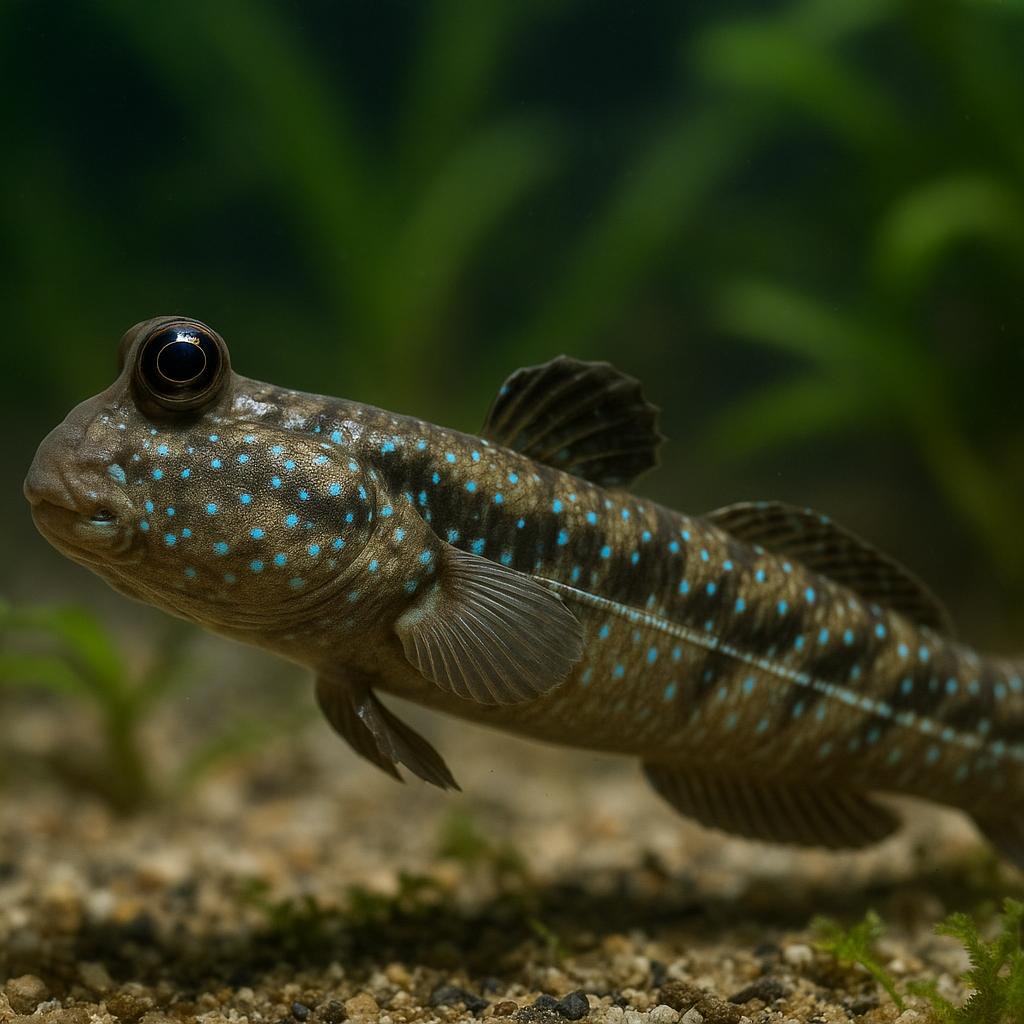
Barred mudskipper
Periophthalmus argentilineatus
This is one of those classic "walks around like it owns the place" mudskippers-big goofy eyes, climbs, hops, and spends a ton of time out on the mud when it's humid. In the wild it lives on intertidal mangrove/nipa mudflats and even shuttles between little pools and open air, hunting worms, insects, and small crustaceans. It's super fun to watch, but it really wants a brackish paludarium setup (not a normal aquarium).
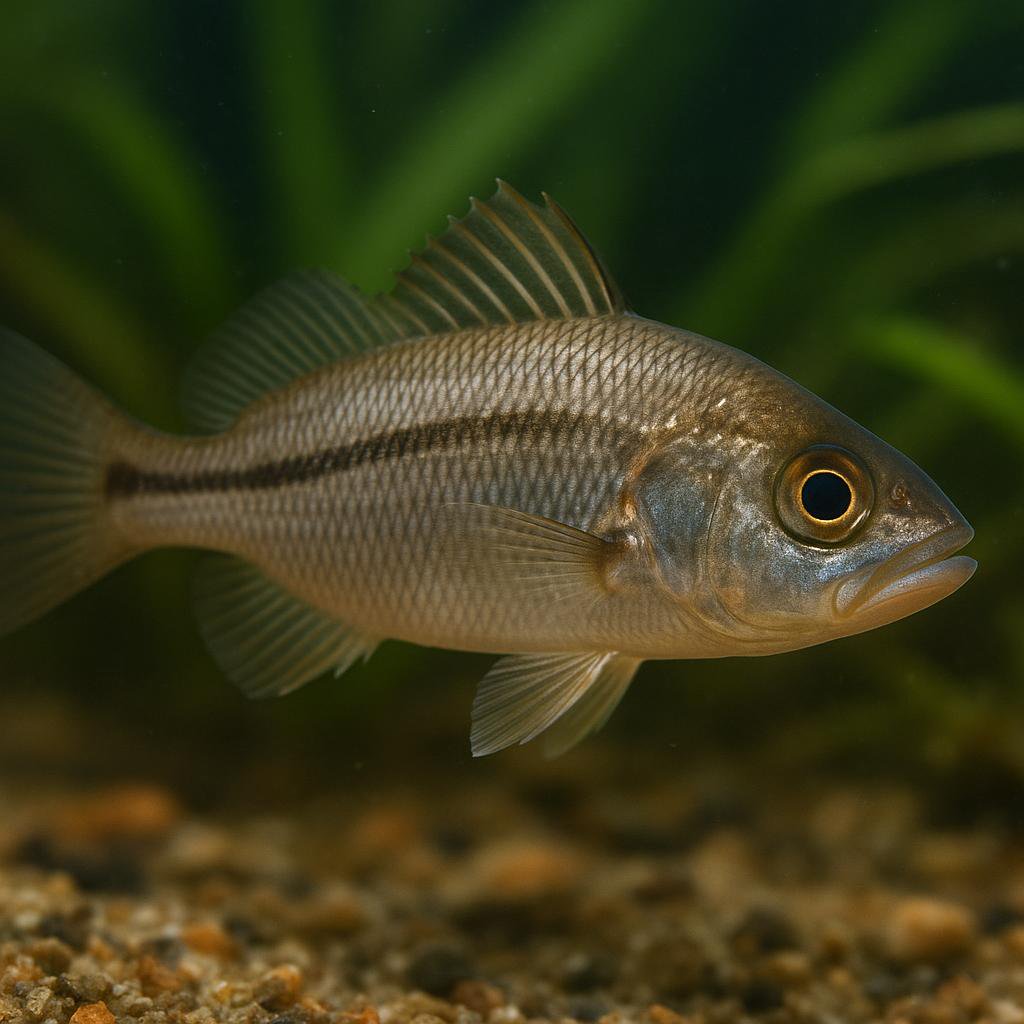
Bellfish
Johnius fuscolineatus
Johnius fuscolineatus (Bellfish/African bearded croaker) is a small coastal sciaenid from the southwestern/western Indian Ocean (Mozambique, South Africa, Madagascar), occurring in shallow marine waters (reported 0–50 m) and also associated with coastal/estuarine habitats.
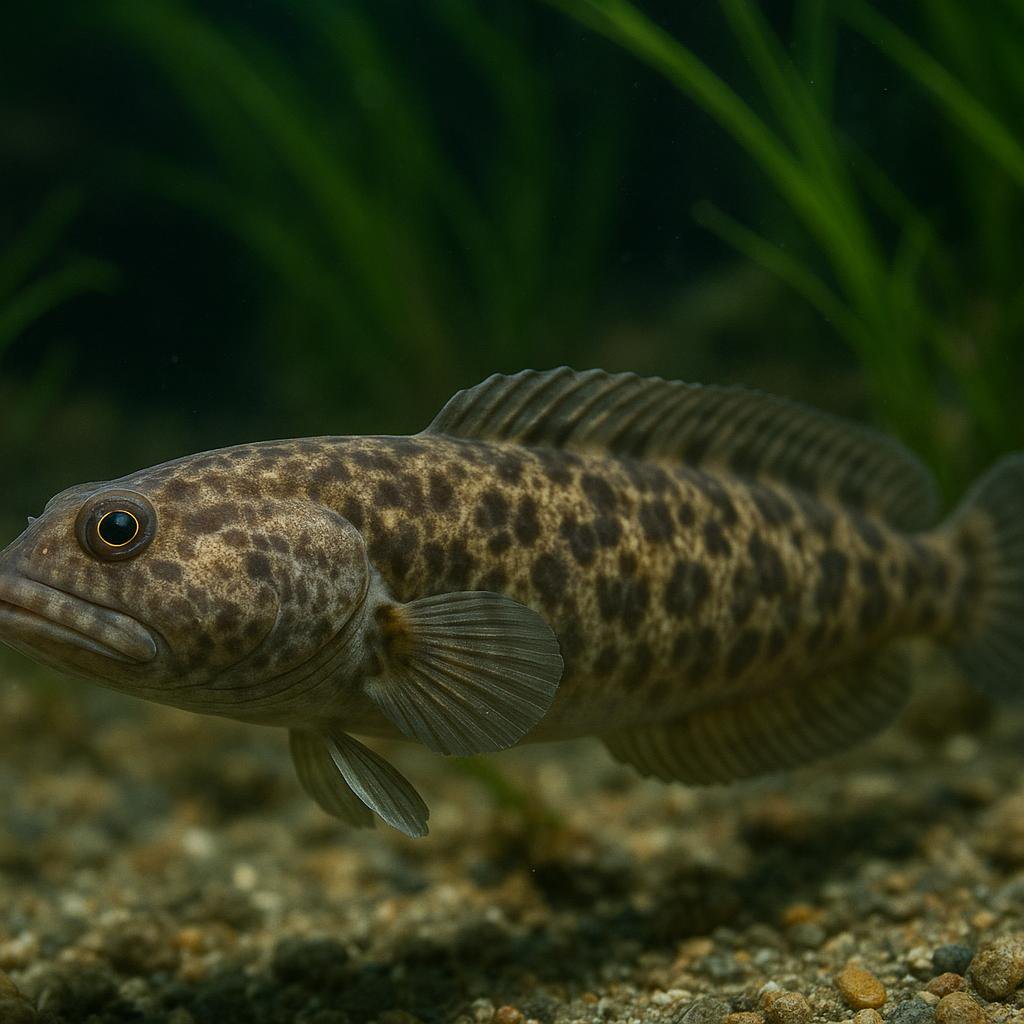
Blotched eelpout
Zoarces gillii
Zoarces gillii is a cold-temperate eelpout from the Northwest Pacific that hugs the bottom over sandy-mud inshore areas and even pushes into estuaries. It's got that long, eel-like body and a sneaky, sit-on-the-bottom predator vibe - very much a cool-water, brackish-to-marine oddball rather than a typical tropical aquarium fish.
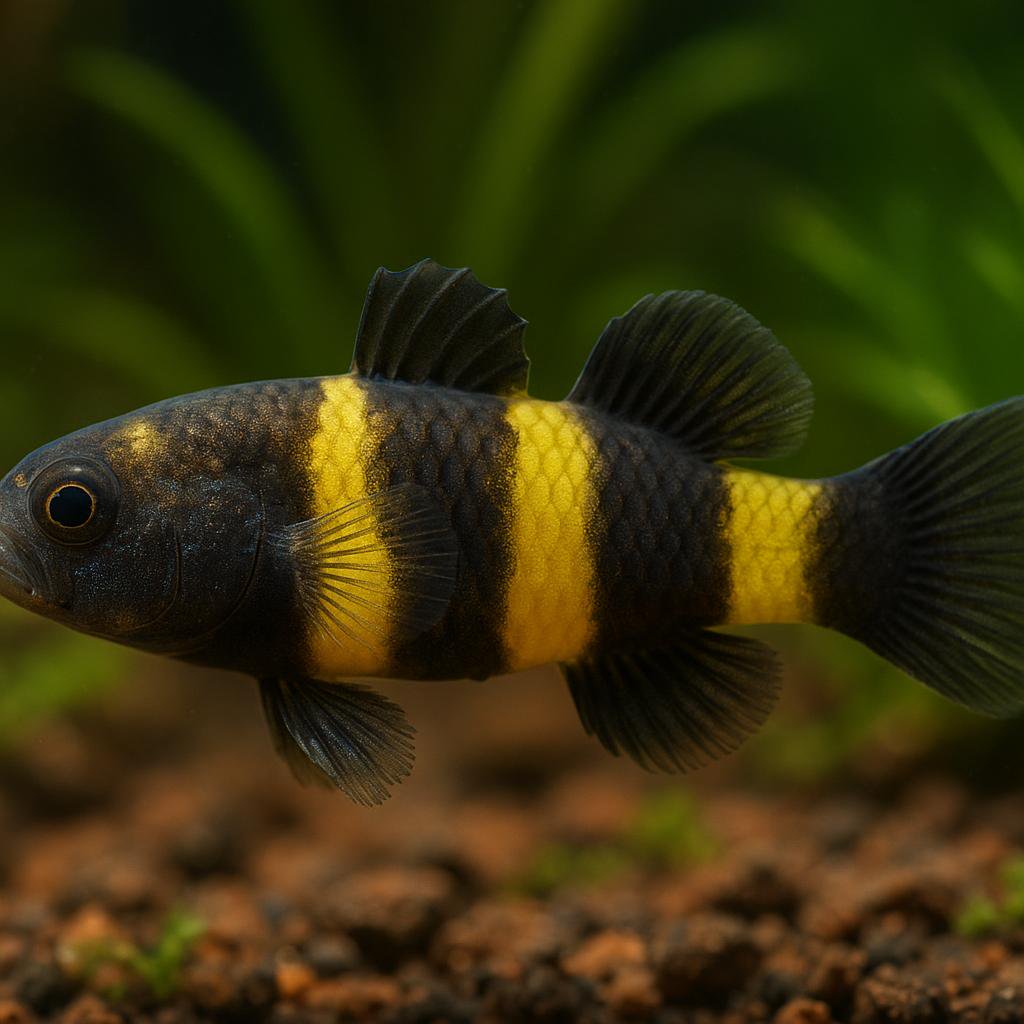
Bumblebee goby
Brachygobius doriae
Brachygobius doriae is one of the classic "bumblebee gobies" - tiny, bottom-hugging little characters that perch on rocks and sand and stare at you like they own the place. They're at their best in a calm setup with lots of caves and leaf litter, and they really shine once you get them eating frozen/live foods reliably (they're slow, picky eaters). Also: they're one of the species that gets mislabeled a lot in shops, so it's super common to see them sold under the wrong bumblebee-goby name.
Looking for other species?