

Three-spined stickleback
Gasterosteus aculeatus
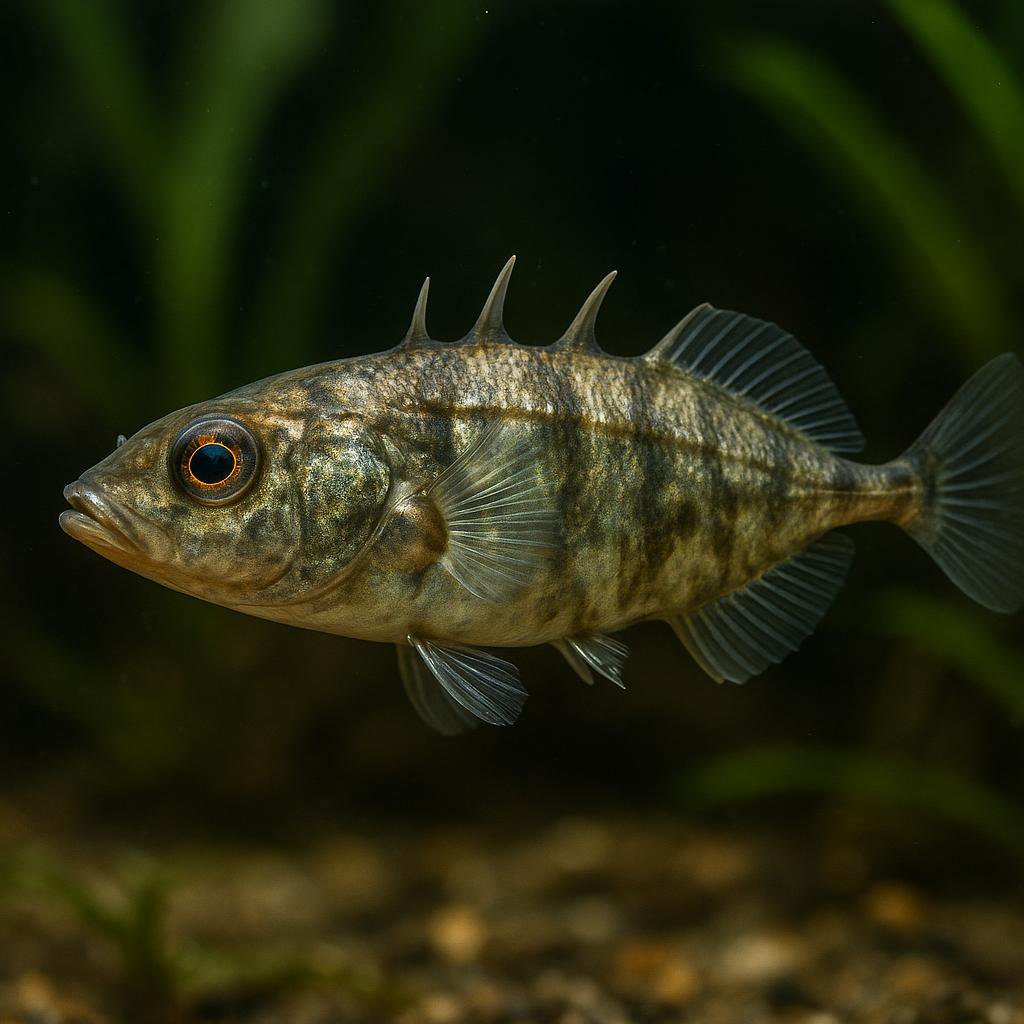
The Three-spined stickleback exhibits a streamlined body with three prominent spines and can display vibrant blue-green nuptial coloration during breeding.
This page includes AI-generated images. Why am I seeing AI images?
About the Three-spined stickleback
The three-spined stickleback is a small, armored fish with bony lateral plates and three prominent dorsal spines used for defense. Males become striking in breeding condition, often developing a red throat/belly and intensified coloration while they build and guard nests. It is highly active and behaviorally interesting, but can be nippy and territorial, especially during breeding.
Quick Facts
Size
11 cm
Temperament
Semi-aggressive
Difficulty
Intermediate
Min Tank Size
21 gallons
Lifespan
2-5 years
Origin
Northern Hemisphere (North America, Europe, and Asia)
Diet
Carnivore/Insectivore - small live/frozen foods (daphnia, brine shrimp, bloodworms), chopped insects; can be trained to accept quality pellets
Water Parameters
4-22°C
6.5-8.5
5-15 dGH
Need a heater for this species?
This species needs 4-22°C in a 21 gallon tank. Use our heater calculator to find the right wattage.
Calculate heater sizeCare Notes
- Give them a long tank with plants/algae-covered rocks and a sandy bottom-sticklebacks cruise and hunt more than they hover, and they love cover to duck into.
- They’re euryhaline (many populations live in fresh, brackish, or marine water). If keeping brackish, typical brackish SG is often ~1.005–1.012 using marine salt mix; keep them cool (many sources recommend staying at or below ~20°C long-term, with tolerance to roughly 22°C).
- They're messy little predators, so use a decent filter and do regular water changes; ammonia/nitrite spikes hit them fast, especially in warmer water.
- Feed small meaty stuff: frozen bloodworms, mysis, chopped shrimp, and live foods like daphnia/blackworms-small meals once or twice a day keeps them hunting without fouling the tank.
- Tankmates: skip slow-finned or timid fish (they nip and bully), and don't mix two males in a small tank-one will claim the whole place when he colors up.
- If you want breeding, give the male fine plant bits or filamentous algae; he'll build a little tunnel nest and turn bright, then guard eggs and fry like a maniac.
- Watch for aggression spikes in spring/warmer periods and for skinny fish that won't eat-new wild-caught sticklebacks often come with parasites, so quarantine and treat if they're flashing or losing weight.
Compatibility
Good Tankmates
- Small brackish gobies (like bumblebee gobies, Brachygobius spp.) - they mostly mind their own business on the bottom, and the sticklebacks usually just do their little patrol-and-posture routine over them.
- Knight gobies (Stigmatogobius sadanundio) in a roomy tank - tough enough to ignore stickleback attitude, hangs low, and doesn't spook easily. Give caves so they can claim a spot and chill.
- Brackish livebearers (mollies are the classic) - fast, used to a bit of salt, and they don't take the sticklebacks too personally. Works best with lots of plants/rockwork so nobody is in anyone's face 24/7.
- Hardy schooling types that can handle brackish (like glassfish/'Indian glassfish' in the right salinity) - they stay midwater, move as a group, and that constant motion tends to diffuse the stickleback 'who's in my space?' vibe.
- Other sticklebacks *only with a plan* - bigger tank, heavy structure, and ideally more females than males. When a male colors up or starts nesting, the whole tank can turn into a soap opera fast.
Avoid
- Figure-8 puffers (Carinotetraodon irrubesco) – fin-nipping risk goes both ways; sticklebacks are prone to nipping and puffers often bite fins, making this pairing high-risk.
- Slow fish with fancy fins (guppies/endlers, long-fin anything) - sticklebacks are classic fin-pickers when they get bored or territorial, and the slow guys can't get away.
- Tiny shrimp/fry-sized stuff (ghost shrimp, baby fish, small snails) - they're opportunistic and will absolutely treat anything bite-sized like a free snack, especially once they're settled in.
- Nippy or aggressive brackish fish (some monos/scats when pushy, or any bully that likes to chase) - you'll get nonstop chasing matches and stressed fish. Sticklebacks don't back down, they just escalate.
- Shy, delicate bottom dwellers (small loaches/cories in 'light brackish', etc.) - even if the water works on paper, the constant stickleback investigating and pecking stresses them out.
1) Where they come from
Three-spined sticklebacks are little tough-guys from coastal areas across the Northern Hemisphere. You’ll find them in everything from cool freshwater streams to brackish ditches and tidal creeks—places where conditions swing around a lot. That “built for chaos” background is a big reason they’re such interesting aquarium fish.
If you’re keeping them brackish, you’re basically copying what a lot of wild populations deal with: slightly salty water, lots of plants/algae, and seasonal changes.
2) Setting up their tank
Give them more footprint than height. A 20 long works nicely for a small group, and bigger is always easier because it spreads out the drama (and they can be dramatic).
For brackish, I’ve had the best luck around low-end brackish—think slightly salty, not “mini reef.” Aim for a steady salinity instead of chasing numbers daily. Mix your saltwater in a bucket first, then add it to the tank. Don’t sprinkle salt into the aquarium.
- Tank size: 20 long for a group; 10g can work for a single fish or a pair short-term, but it gets tense fast
- Temp: cool to moderate (they don’t love tropical heat). Low-to-mid 60s°F is great; low 70s can work if oxygen is high
- Flow/oxygen: they appreciate clean, well-oxygenated water—use a decent filter and consider an airstone
- Substrate: sand or fine gravel; they pick and peck constantly
- Hardscape: piles of small rocks, driftwood, and plant thickets to break line-of-sight
- Plants: hardy options that tolerate brackish (java fern, anubias, some crypts depending on your salinity), plus algae growth is a bonus
Build “visual walls.” If one fish can see another from one end of the tank to the other, somebody’s going to get chased.
Lids matter. Sticklebacks can launch when startled, especially during sparring or breeding mode. I’ve lost one to a tiny gap that I swore was “too small to matter.”
3) What to feed them
These are hunters. They’ll take prepared foods, but you’ll get better color, better body shape, and way more natural behavior if you lean into frozen/live foods.
- Staples I rotate: frozen bloodworms, daphnia, brine shrimp, mysis
- Live treats: blackworms, mosquito larvae (if you can collect safely), live brine shrimp
- Prepared foods: small sinking carnivore pellets or high-protein micro pellets (introduce slowly and mix with frozen at first)
Go easy on bloodworms as the only food. They’ll beg for them forever, but a one-note diet can lead to skinny fish with weird energy levels. Rotate foods.
Feed small amounts 1–2 times a day. If you dump a big meal in, the bold fish eats everything and the shy one fades away. I like to spread the food across the tank so everyone gets a shot.
4) Behavior and tankmates
Sticklebacks are curious, clever, and—depending on the individual—kind of pushy. You’ll see them posture, flare, and chase. A calm tank with lots of cover keeps it interesting instead of stressful.
A group can work, but the social dynamics shift fast once a male decides it’s breeding season. If you want the classic stickleback behavior (nest building and courtship), you’ll also see the classic stickleback attitude.
- Best kept: species-only, especially if you want to see breeding behavior
- If you try tankmates: choose fast, non-nippy fish that can handle brackish and cooler water (and be ready with a backup plan)
- Avoid: slow fish, long fins, shrimp you care about, and tiny fish that fit in a stickleback’s mouth
Breeding males can turn a community tank into a boxing ring. If you notice relentless chasing or torn fins, separate fish sooner rather than later.
5) Breeding tips (the fun part)
Breeding sticklebacks are honestly one of the coolest “small fish” projects you can do. The male builds a nest (usually in plants) and guards it hard. He’ll court the female, herd her to the nest, and then fan the eggs to keep water moving over them.
- Conditioning: lots of frozen/live foods for a couple weeks
- Set the stage: dense plants/algae, fine material (like short plant fibers), and calm corners
- Watch the male: brighter colors and nonstop patrolling usually means he’s ready
- After spawning: consider removing the female (and sometimes other fish) so the male can guard without constant battles
If you want fry, have fry food ready before you see eggs. Newly hatched baby brine shrimp is the easiest path. Infusoria helps for the first days if the fry are tiny.
Once the fry are free-swimming, the male may still guard them for a bit, but eventually they become “just food” if the tank is crowded or he’s stressed. A separate grow-out tank makes life simpler.
6) Common problems to watch for
Most stickleback problems I’ve seen come down to three things: warm stagnant water, poor diet variety, and bullying. They’re hardy, but they don’t forgive “lazy setups” the way some livebearers do.
- Fin damage from aggression: usually starts as ragged fins and stress hiding—add cover, rearrange decor, or separate fish
- Low oxygen/high temp stress: hanging near the surface, fast breathing—cool the tank, increase surface agitation, clean the filter
- Parasites from wild foods/fish: flashing, skinny fish, stringy poop—quarantine new arrivals and be cautious with live foods from unknown sources
- Salinity swings: odd behavior after water changes—pre-mix brackish water and match temperature/salinity before adding
Quarantine is worth it with sticklebacks. They often come in from outdoor systems or wild-type sources, and parasites can show up weeks later.
If you keep the water cool, the tank well-oxygenated, and you manage the social drama, they’re ridiculously rewarding. You’ll actually catch yourself just watching them “think,” which isn’t something I say about every fish.
Similar Species
Other freshwater semi-aggressive species you might be interested in.
American flagfish
Jordanella floridae
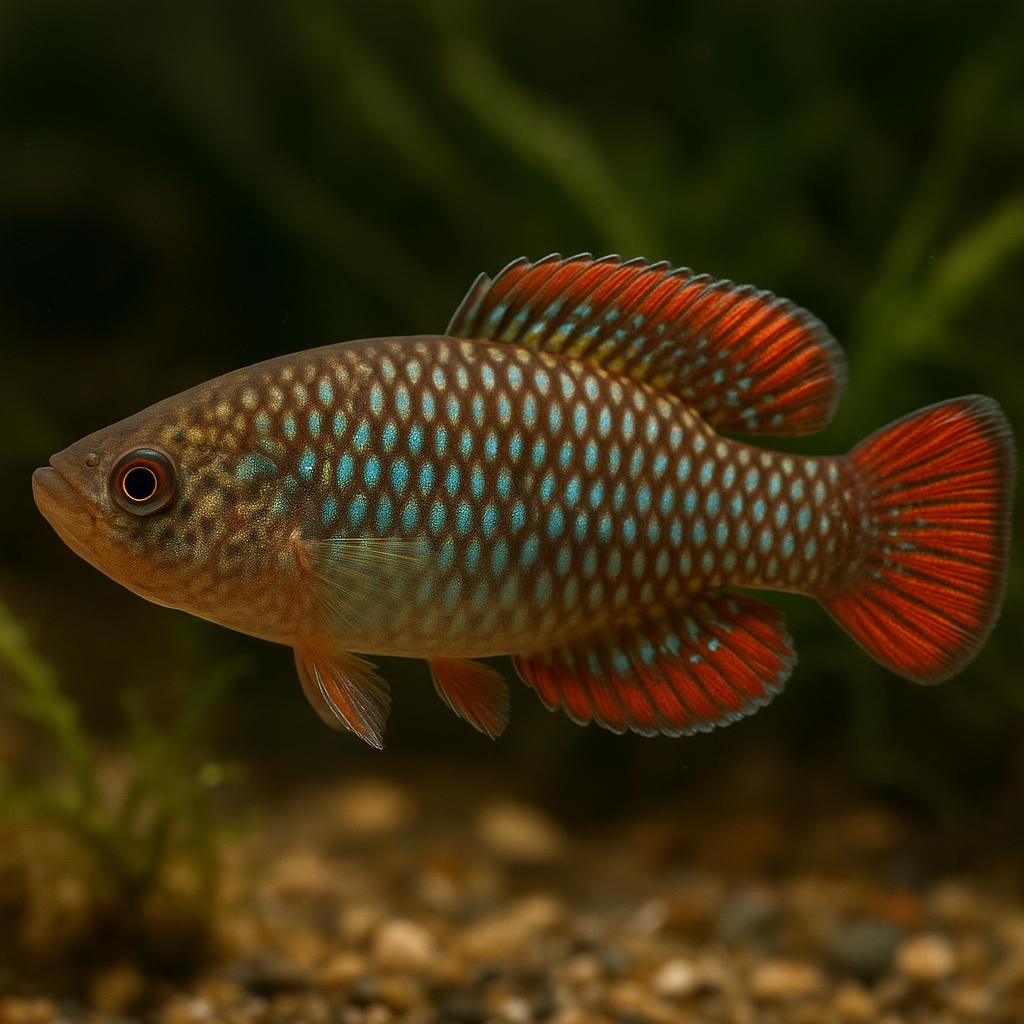
Jordanella floridae is that little Florida native with the red-and-cream striping that really does look like a tiny flag once a male colors up. They graze algae like champs (especially stringy/hair algae), but they have a bit of attitude - give them plants and space so the bossy behavior stays manageable. Bonus: the male guards the eggs and will actively fan them, which is pretty fun to watch.
Banded Leporinus
Leporinus fasciatus
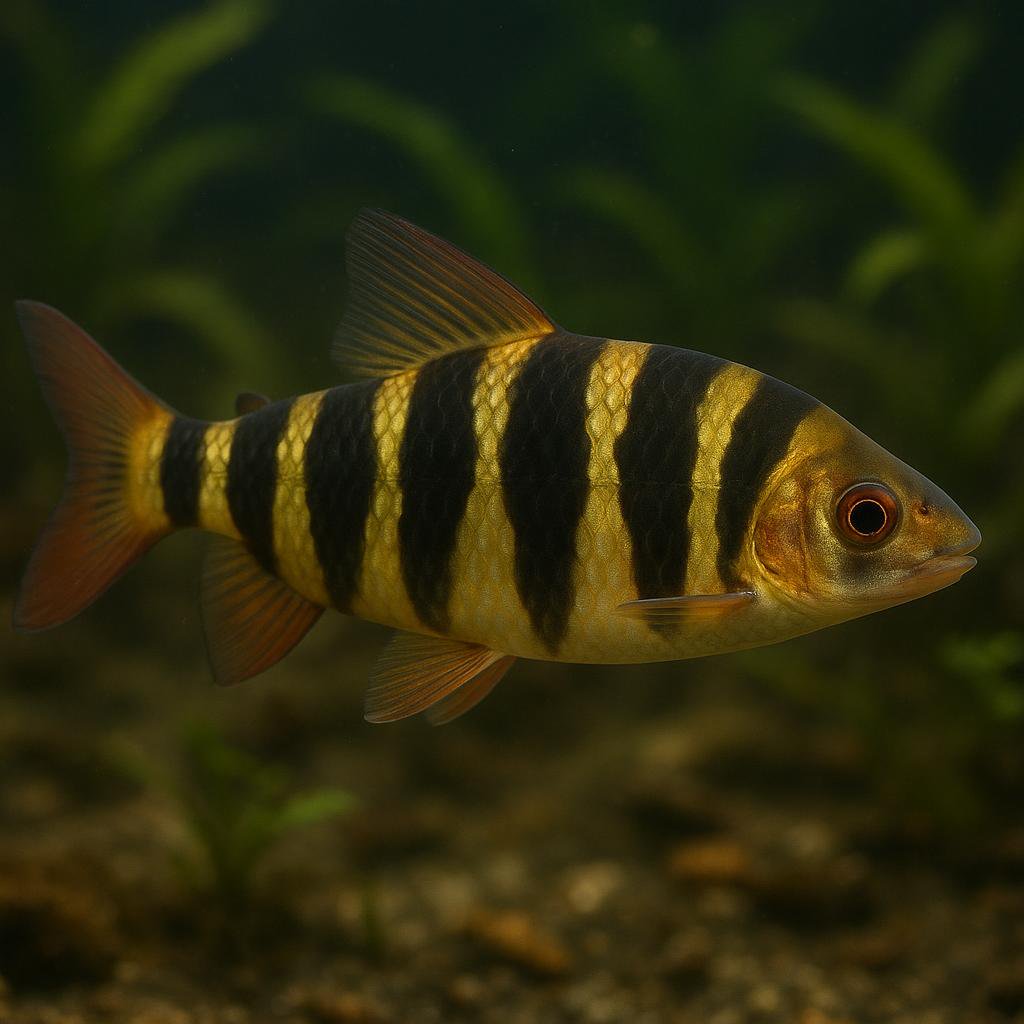
Banded Leporinus are those torpedo-shaped, black-and-yellow striped fish that look like they're wearing a little prison outfit-and they stay on the move. They've got a ton of personality and they're awesome to watch cruising and picking at stuff, but they're also the kind of fish that will redecorate your tank and "taste test" anything soft-looking.
Bandi cichlid
Wallaceochromis signatus
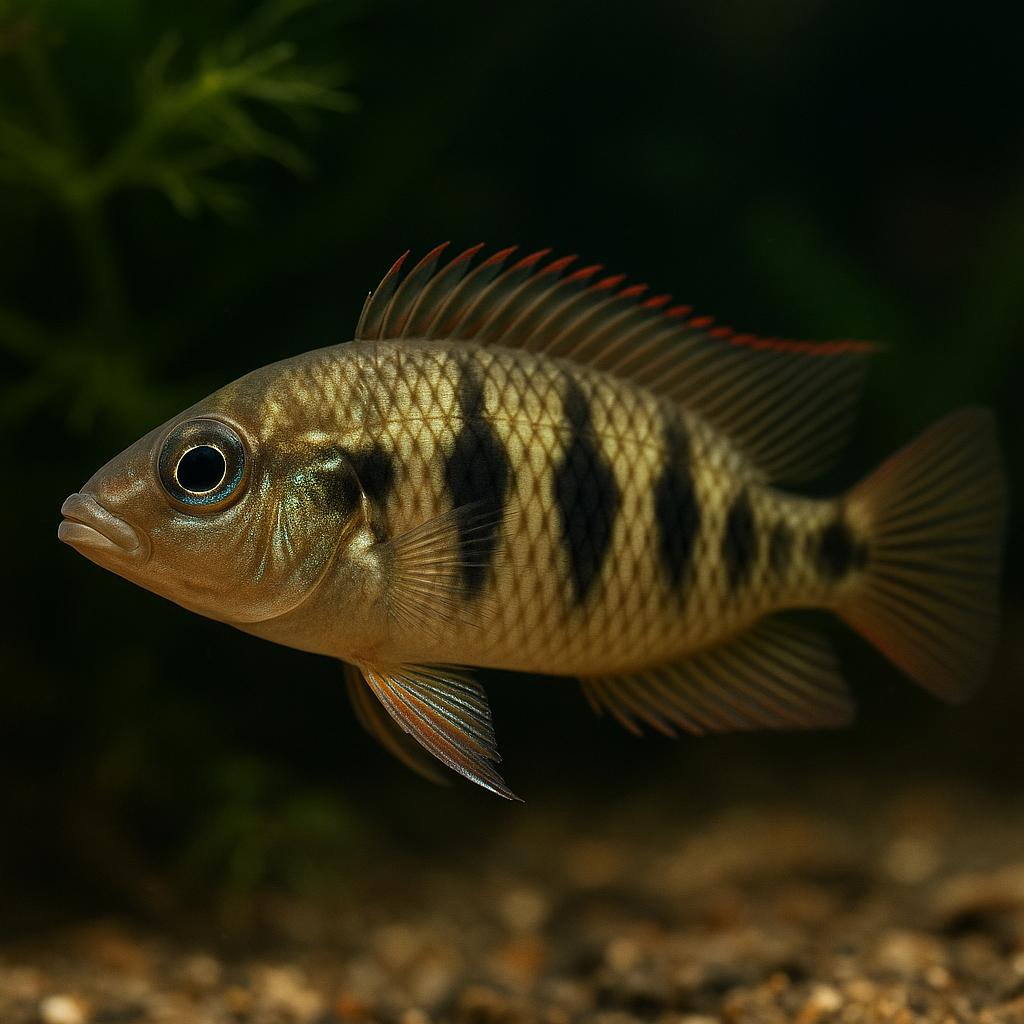
A West African dwarf cichlid from Guinea's Bandi River, this fish shows crisp vertical bars and spotted fins with red highlights. Females have a bold black spot at the base of the tail, and pairs guard eggs and fry in caves, which makes their parental behavior fun to watch.
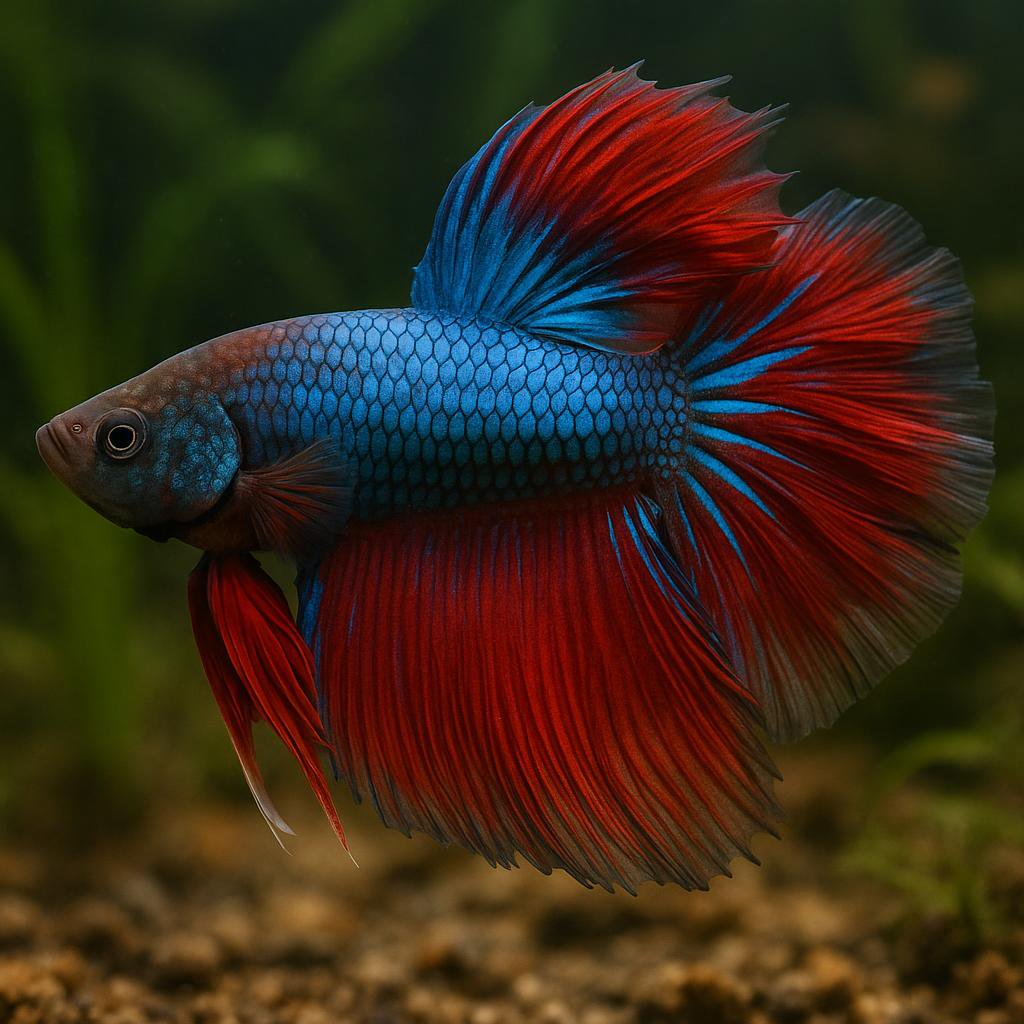
Betta
Betta splendens
Betta fish, also known as Siamese fighting fish, are popular for their striking colors and flowing fins. They are known for their territorial nature, especially males, which can display aggressive behavior towards each other.
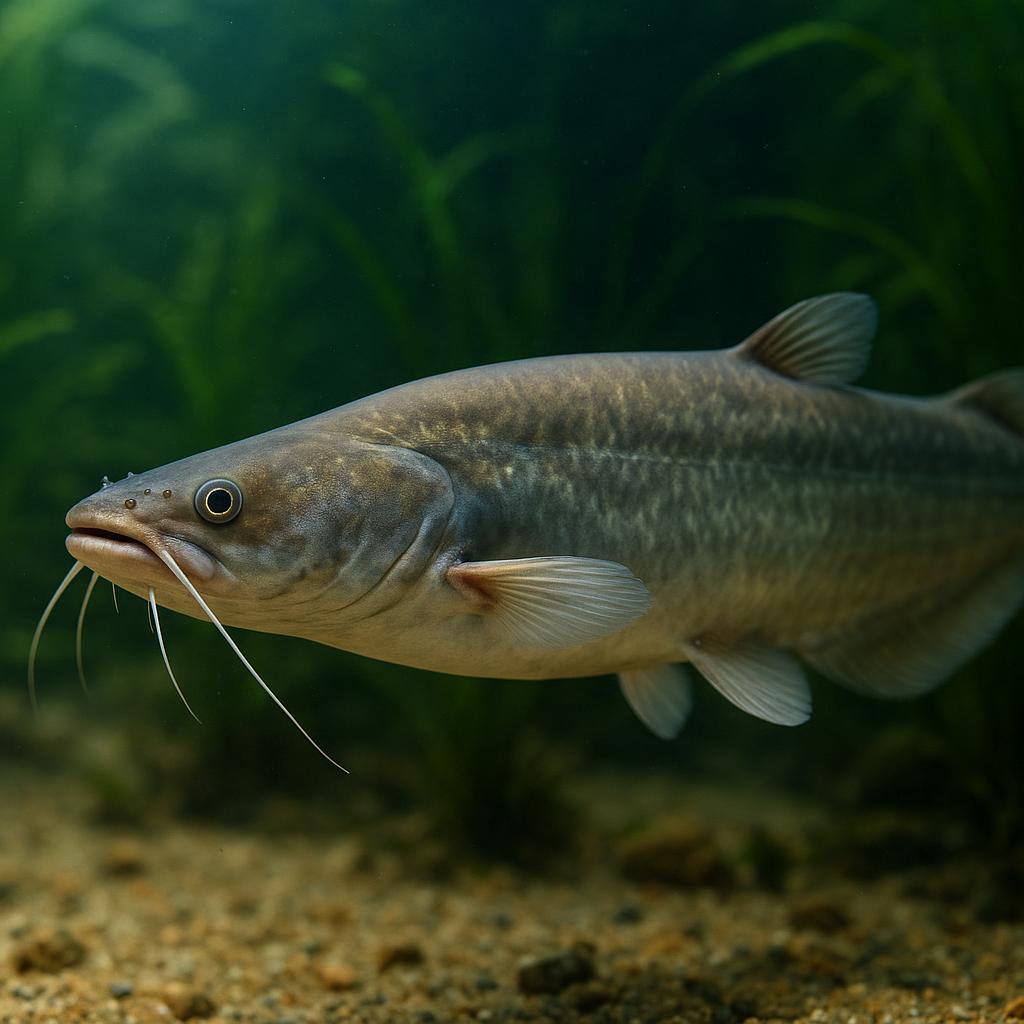
Blackhawk catfish
Wallagonia micropogon
Wallagonia micropogon is a giant Southeast Asian sheatfish with an eel-like body and a huge, scoop-like mouth for hunting other fish. It is native to the Mekong and middle Chao Phraya basins and was long confused with Wallagonia leerii, which makes IDs and care notes tricky. Stunning as a juvenile but it grows to true megafish size, so it is only realistic for expert keepers or public aquariums.
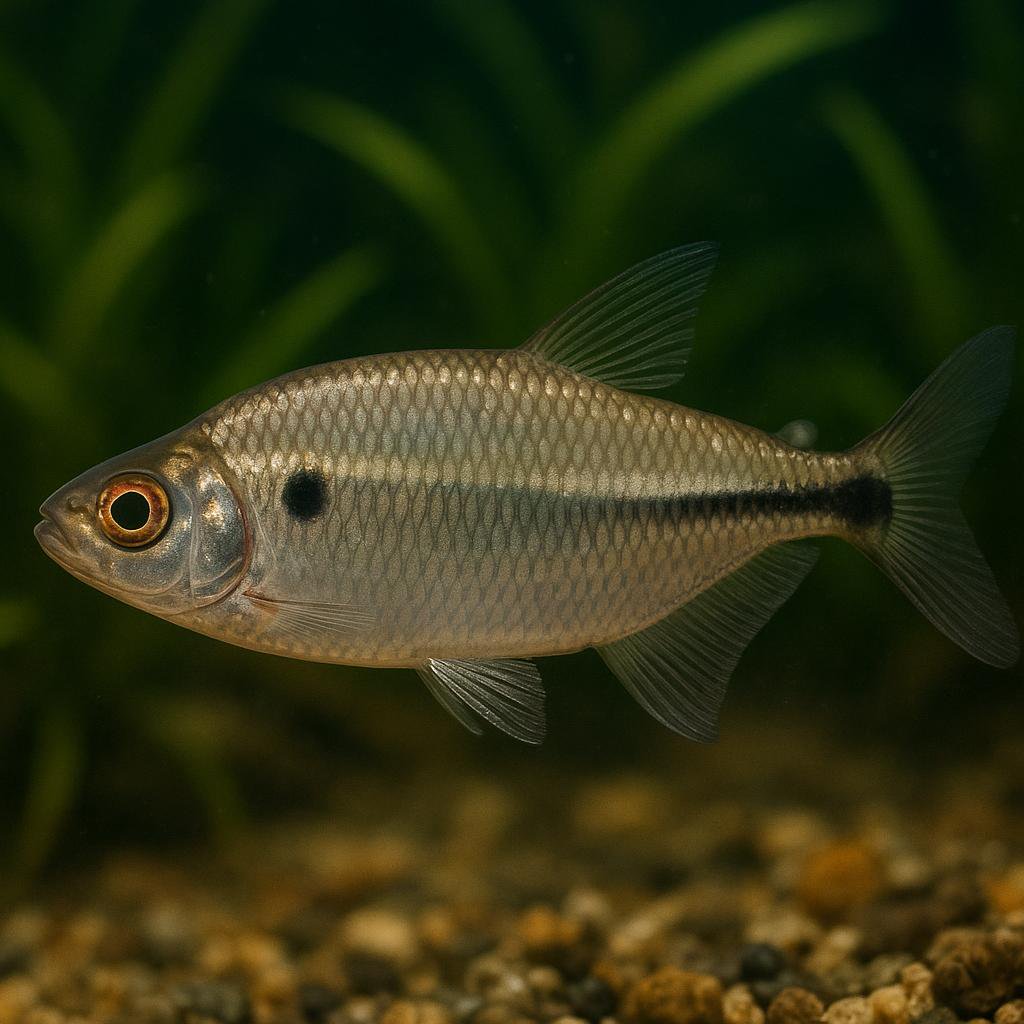
Boulenger's Featherfin Tetra
Bryconaethiops boulengeri
A big, fast African tetra from the Congo River basin, it cruises the mid-to-upper water in active groups and flashes a bold broken stripe along its flanks. In the wild it hunts insects at the surface and can leap, so aquariums need tight lids. Keep it with robust tankmates it cannot swallow.
More to Explore
Discover more freshwater species.
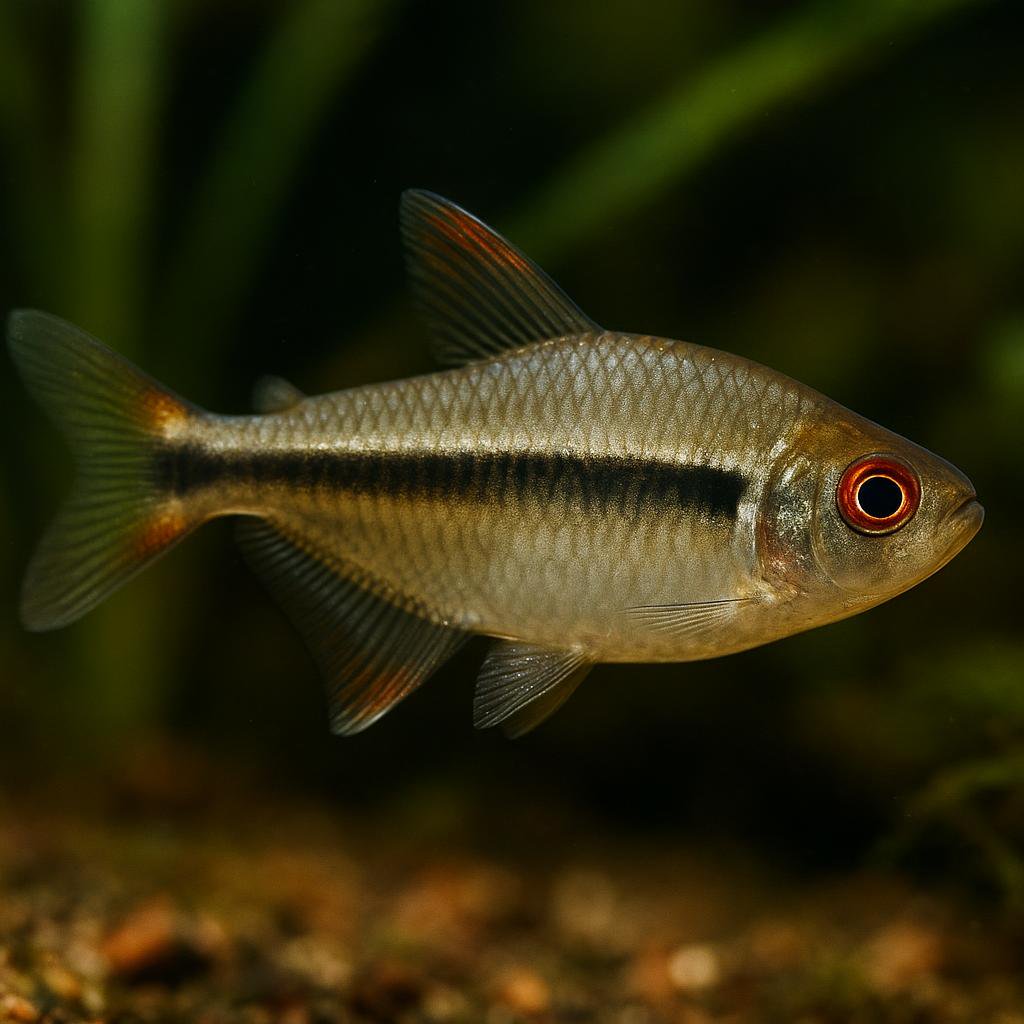
Amapa tetra
Hyphessobrycon amapaensis
This is a tiny, super sleek little tetra with a clean red stripe down the side that really pops once its settled in. It does best in a planted, slightly tinted "creek-style" setup and looks way cooler when you keep a proper group so they school and flash that line together. If you can give it soft, slightly acidic water and a calm community, its an easy fish to fall for.
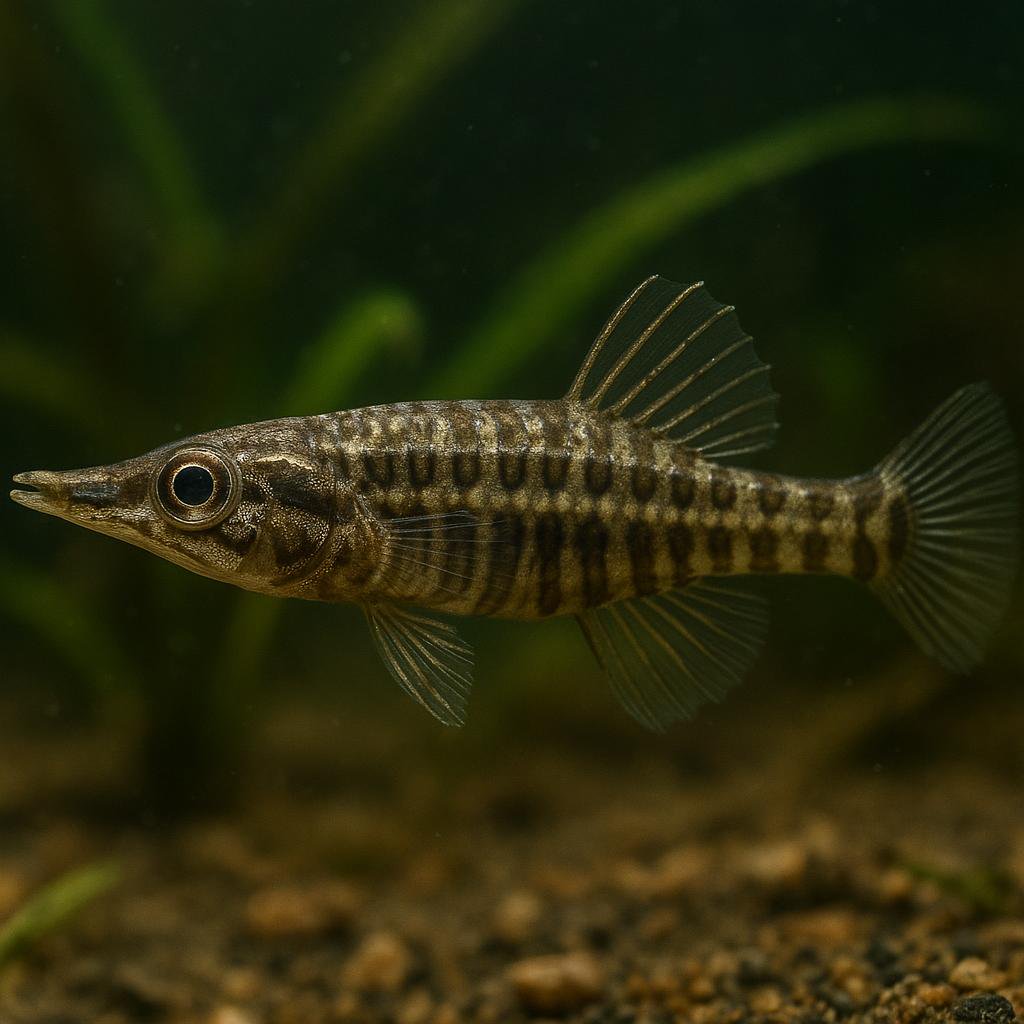
Armoured stickleback
Indostomus paradoxus
This is that goofy little "freshwater seahorse"-looking fish that just kind of perches and scoots around like a tiny armored twig. Its whole vibe is slow, sneaky micropredator - once its settled in, you will catch it stalking microfoods and doing these subtle little posture displays. The big trick is feeding: they do best when you can provide lots of small live foods in a calm, planted tank.
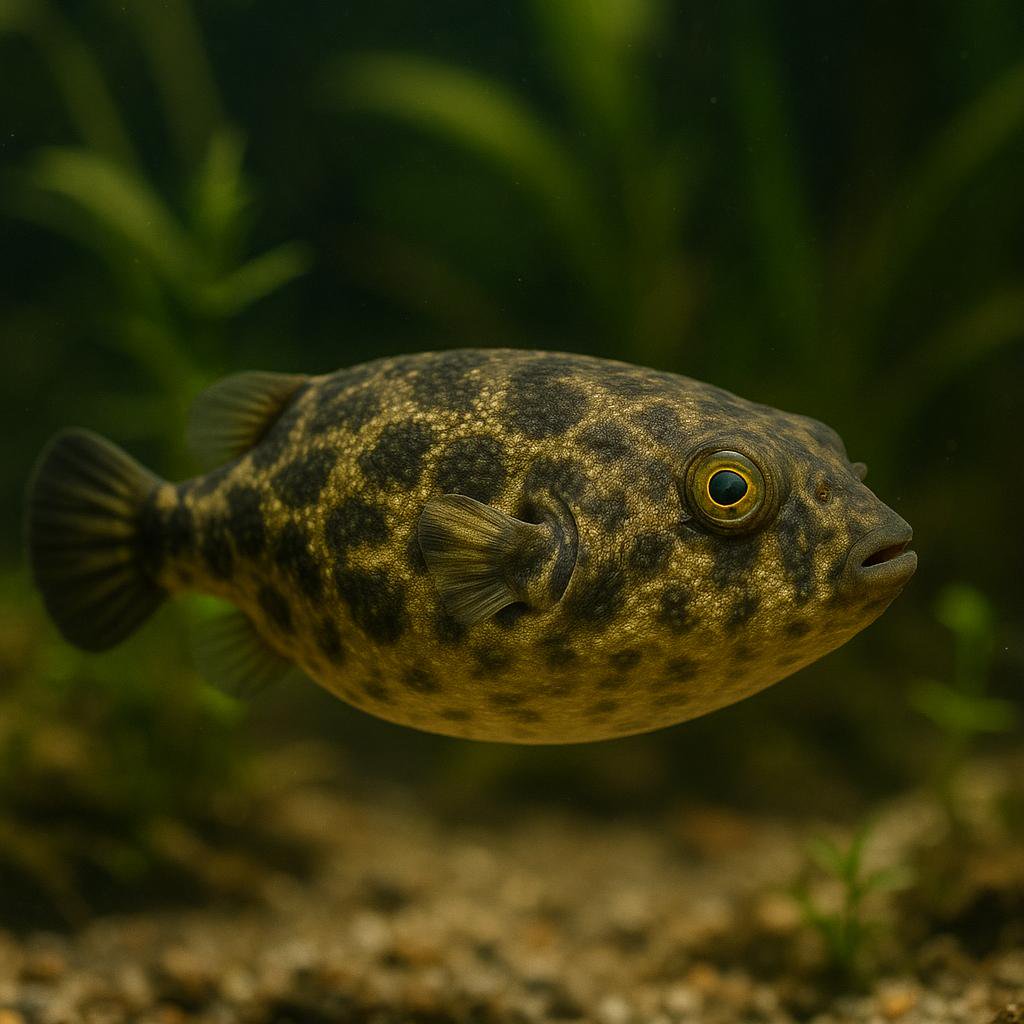
Arrowhead puffer
Pao suvattii
Pao suvattii is that sneaky Mekong puffer that likes to sit low and ambush food, and it has that super recognizable arrow/V pattern on its back. Gorgeous fish with tons of personality, but it is absolutely not a community guy - plan on a solo, species-only setup if you want everybody to stay in one piece.
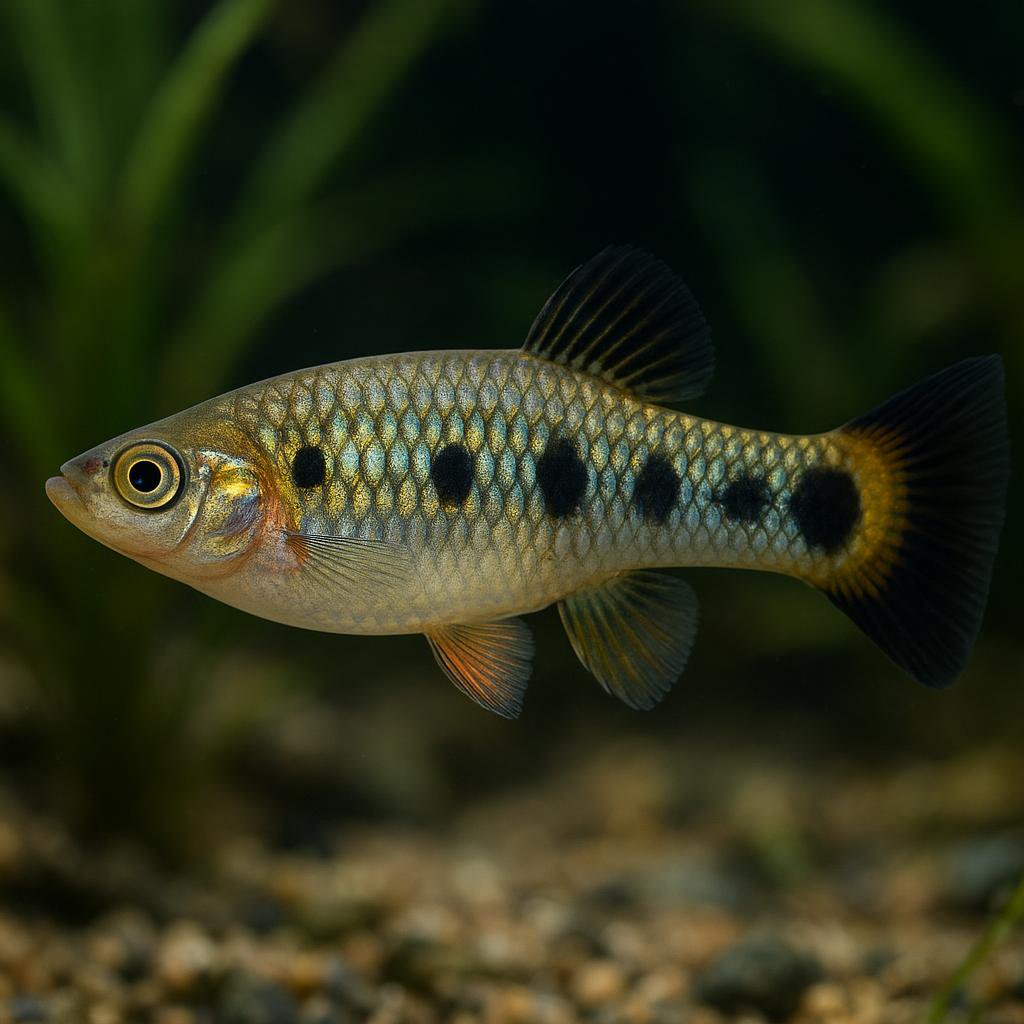
Bishop toothcarp
Brachyrhaphis episcopi
This is a tiny Panamanian livebearer that does best when you treat it more like a shy wild fish than a fancy guppy-lots of cover, calm vibes, and really clean water. The fun part is watching the males posture and spar while the females cruise around dropping fully-formed fry about once a month.
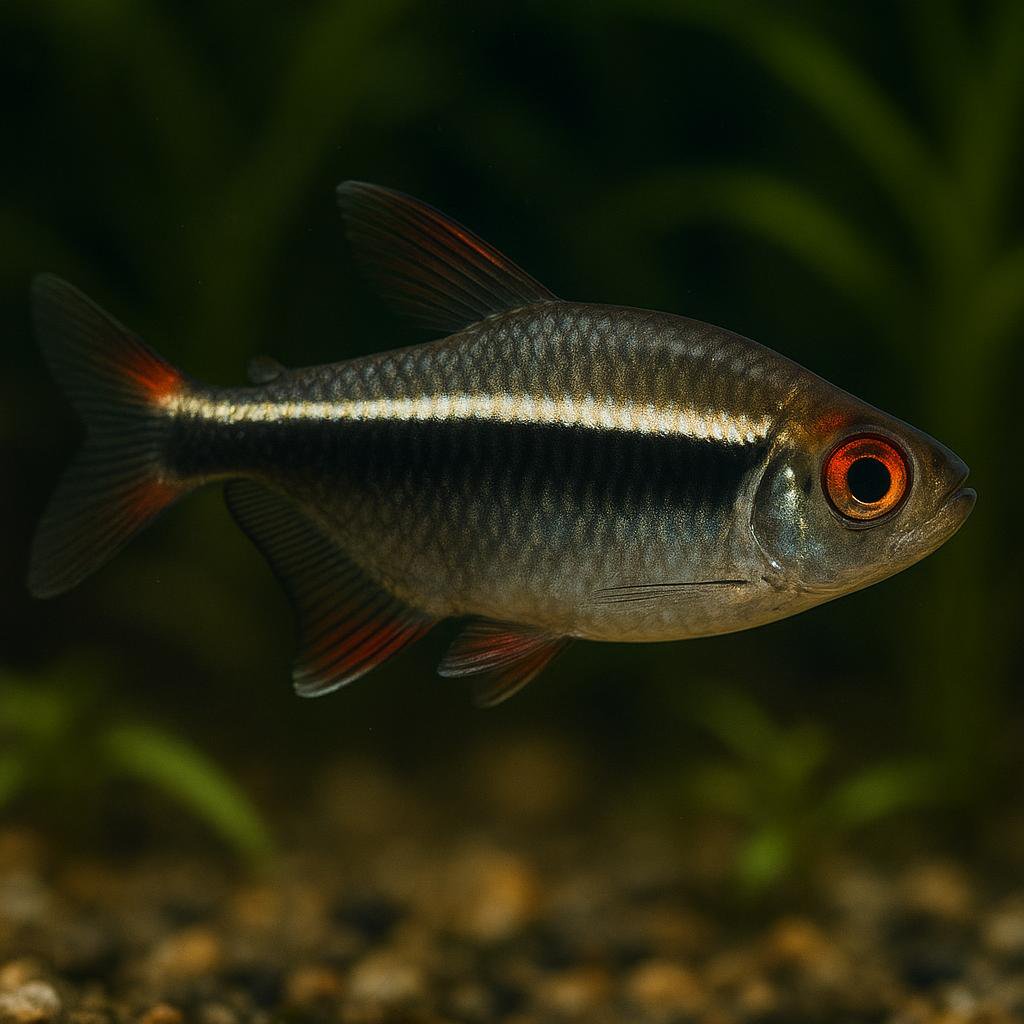
Black Neon Tetra
Hyphessobrycon herbertaxelrodi
Black neons are one of those little tetras that look kinda understated until the light hits them-then that bright stripe pops and they shimmer when the school turns together. They're super chill, always cruising mid-water, and they make a tank feel "alive" without being hectic. If you keep a nice group, they get bolder and you'll see way more of their personality.
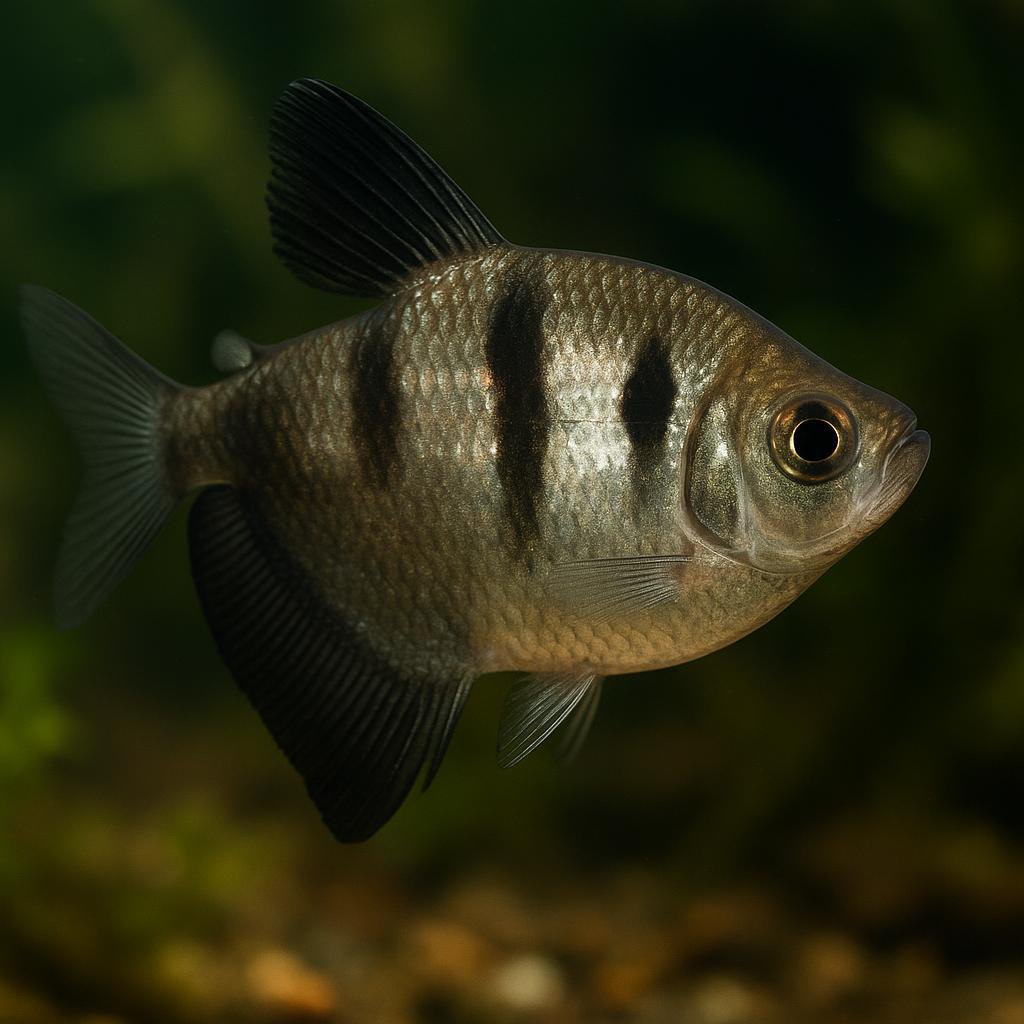
Black Skirt Tetra (Black Widow Tetra)
Gymnocorymbus ternetzi
Black skirts are those little "suit-and-tie" tetras with the dark bands and flowing fins that look way fancier than they should for how tough they are. They're super active midwater fish, and when you keep a proper group they do that tight, zippy schooling thing that makes the whole tank feel alive. Just give them enough buddies and finny tankmates they won't be tempted to nip.
Looking for other species?