

Torrent catfish
Glyptothorax chimtuipuiensis
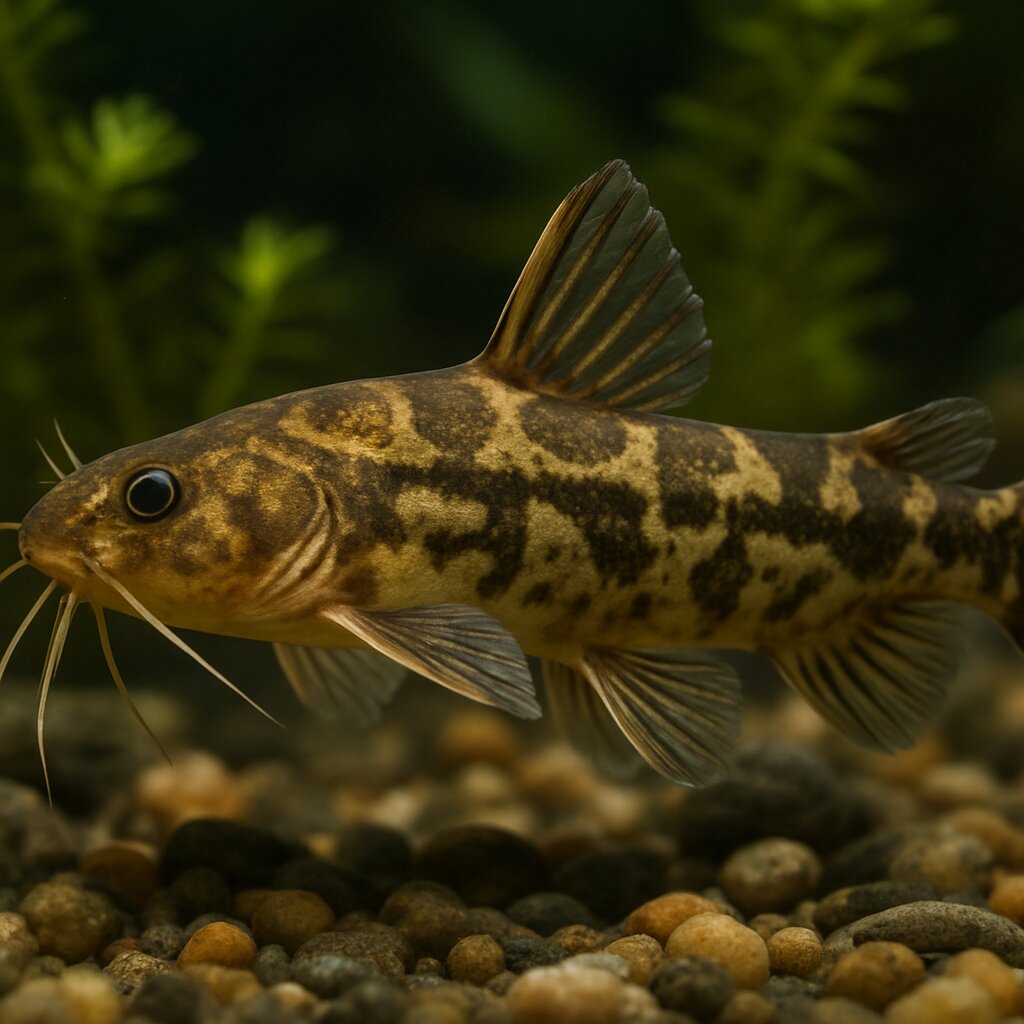
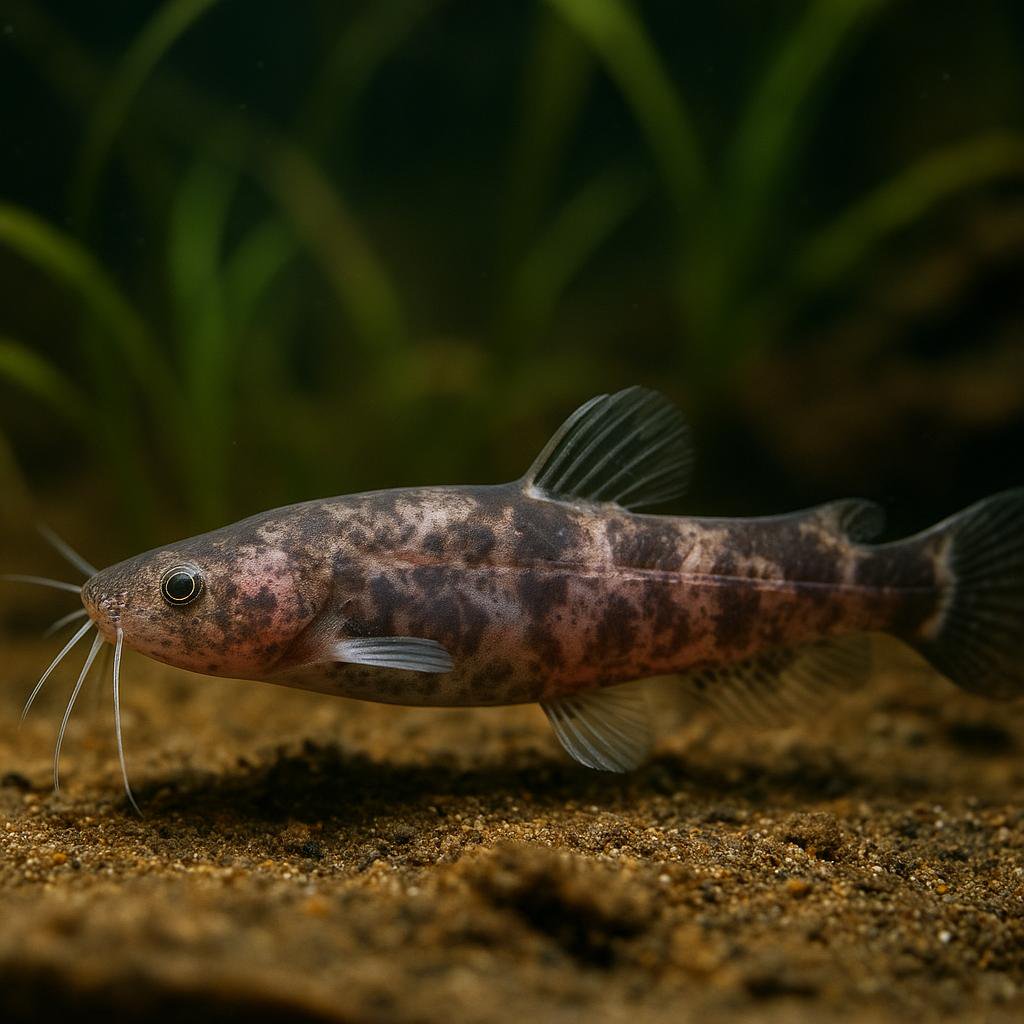
Torrent catfish exhibit a streamlined body, covered in dark brown to black scales, with distinctive white markings along their fins.
This page includes AI-generated images. Why am I seeing AI images?
About the Torrent catfish
A tiny hillstream cat that hugs rock faces with a grippy chest pad, G. chimtuipuiensis comes from fast, cool riffles in Mizoram. Set it up in strong flow with tons of oxygen and it will spend its time scooting from stone to stone like a little river ninja.
Also known as
Quick Facts
Size
5.8 cm SL (about 2.3 inches)
Temperament
Peaceful
Difficulty
Advanced
Min Tank Size
30 gallons
Lifespan
Unknown - likely 3-6 years
Origin
South Asia (Northeast India - Mizoram, Kaladan/Chhimtuipui basin)
Diet
Insectivore - aquatic insect larvae; accepts sinking carnivore pellets and frozen foods
Water Parameters
16-24°C
6-7.5
1-15 dGH
Need a heater for this species?
This species needs 16-24°C in a 30 gallon tank. Use our heater calculator to find the right wattage.
Calculate heater sizeCare Notes
- Set them up in a river-style tank: long footprint, cobbles and sand, plus a powerhead/canister combo giving 15-20x turnover in one direction so they can cling and graze.
- Keep it cool and roaring with oxygen: 64-72 F (18-22 C), pH 6.6-7.6, moderate hardness; use a fan or chiller if your room runs warm.
- Mature tank only; let rocks grow biofilm and diatoms before adding them, or they just starve.
- Feed like a bottom insectivore: sink frozen bloodworms, blackworms, chopped earthworm, small sinking carnivore pellets, or Repashy; pipe it down a feeding tube or drop it upstream so it drifts to them.
- They bicker over holds, so keep 3-6 with lots of rock piles and line-of-sight breaks, or keep a single; avoid slow fish and warmwater species.
- Tankmates that work: hillstream loaches, fast danios/rasboras, Garra, small barbs that love current; skip cichlids, plecos that hog space, shrimp small enough to swallow, and long-finned fish.
- Do big water changes weekly (30-50%), rinse filters often, and vacuum gunk between rocks; they crash fast if oxygen dips or nitrate creeps past the teens.
- Breeding is basically unknown in home tanks, so do not buy hoping for fry; sexing is tough and they likely need monsoon cues.
- Use a specimen container instead of a net (they wedge and have spines), and run a tight lid since they can climb and jump in strong flow.
Compatibility
Good Tankmates
- Fast, cool-water schoolers like zebra danios, Devario, and white clouds - they love the same current and keep the catfish relaxed
- Hillstream loaches that surf the flow (Sewellia, Gastromyzon) - same oxygen-hungry, rocky-river setup
- Garra species like panda garra - busy rock grazers that handle current and do not bother bottom cats
- Rainbow shiners for midwater movement in cool, high-oxygen setups
- Rubbernose plecos (Chaetostoma) or other cool-water loricariids - similar flow and temp needs, just give lots of rock faces
- Roseline barbs if the tank is long and fast - peaceful, quick, and not nippy in a big river-style tank
Avoid
- Slow fish with fancy fins (bettas, angels, fancy guppies) - they hate strong current and get outcompeted for food
- Nippy barbs and sharks (tiger barbs, redtail shark) that harass bottom dwellers
- Big or aggressive cichlids and other predators (oscars, green terrors, bichirs) that see small cats as snacks
- Pushy bottom bullies like yoyo or clown loaches and big common plecos - they body-check and hog the prime rock real estate
Where they come from
Torrent catfish in the genus Glyptothorax are built for speed. This species, G. chimtuipuiensis, is from the Chhimtuipui basin in Mizoram, northeast India. Picture cool, clear, boulder-strewn streams with heavy current and loads of oxygen. They hug rocks with a little adhesive pad on the chest and pick at whatever the current brings.
I have kept Glyptothorax from Indian hill streams, including this species. They reward you if you give them current and oxygen. Without that, they fade fast.
Setting up their tank
Think river, not pond. Long tank, fast water, and spotless, oxygen-rich conditions.
- Tank size: 90 cm/36 in length minimum. I like 40 gallons or more for a small group so you get good flow without turning the tank into a blender.
- Substrate and hardscape: rounded river stones, cobbles, and patches of sand. Stack stones so there are firm ledges and crevices. They press their bellies on rock and hate wobbly piles.
- Flow and filtration: aim for 10-20x turnover per hour. A canister with a strong spray bar plus one or two powerheads works. Point outlets along the length to create a single directional run.
- Aeration: big rippling surface 24/7. Add air stones under the powerhead outflow so the current chops the bubbles into fine microbubbles.
- Water: cool and very clean. 18-24 C (64-75 F), try to sit around 20-22 C. pH 6.5-7.5. Soft to moderate hardness.
- Lighting: moderate. Enough for biofilm to grow on rocks, but keep heat under control.
- Lid: tight-fitting. They climb glass and ride the flow.
DIY river manifold: three pieces of PVC along the tank bottom with intake sponges on one end and powerheads on the other gives you a smooth one-way current. Cheap, quiet, and it keeps food moving past the fish like a conveyor belt.
New tanks are risky. These fish do best in mature systems with algae and biofilm on the rocks. Seed the tank with wood or stones from an established tank and give it a few weeks before adding the catfish.
What to feed them
They are not algae eaters. They graze on insect larvae and small critters caught in the flow, and they will pick at biofilm between meals.
- Frozen or live: bloodworms, blackworms, daphnia, cyclops, brine shrimp, chopped earthworms.
- Prepared: small sinking carnivore pellets, high-protein wafers, and gel foods like Repashy Bottom Scratcher. Press gel into the gaps of rocks so it stays put in current.
- Natural grazing: let algae and microfilm grow on stones. Rotate a few extra stones in a bucket of sunlit water to keep a steady supply.
Target feeding helps a lot. I use a turkey baster or a feeding tube to drop small portions right onto a rock in the flow. Feed smaller amounts twice a day so the filter is not eating better than your catfish.
How they behave and who they get along with
Mostly bottom-huggers that defend a favorite rock, then shuffle a few inches over and resume browsing. Short chases happen, but they are more pushy than violent. Keeping them in a group spreads the attitude and you see more natural behavior.
- Group size: 4-6 is a good start if the tank footprint and flow allow it.
- Good tankmates: fast, current-loving fish from similar water. Devario, Danio, smaller Garra, hillstream loaches (Sewellia, Gastromyzon), cold-tolerant barbs. Avoid fish that hog the bottom nonstop.
- Avoid: big cichlids, slow long-finned fish that cannot handle current, overly boisterous loaches that body-slam, and delicate shrimp that could become snacks.
They can be outcompeted at feeding time by midwater rockets. If the danios are vacuuming everything midstream, switch to heavier sinking foods and target feed on the rocks.
Breeding tips
I have not seen confirmed home-breeding reports for this exact species, and mine never spawned. Wild cycles are strong where they live, so it likely ties to monsoon cues: temp drops, surge in flow, and high food density.
- Set a mature river tank with rounded stones and coarse gravel between them.
- Keep a small group and condition them with meaty foods for several weeks.
- Try a pre-monsoon shift: reduce temp 2-3 C, then gradually increase flow and daily water changes with slightly cooler water.
- If courtship happens, expect scattering among stones. A mesh over the gravel or marbles between rocks may save eggs from hungry mouths.
If you do get eggs or fry, document everything. Times, temps, flow pattern, moon phase if you can. This is still new territory for hobbyists.
Common problems to watch for
- Low oxygen stress: hanging near the surface or powerhead, rapid gill movement. Fix by boosting surface agitation and flow immediately.
- Heat spikes: above 25-26 C for long stretches can wipe them out even if ammonia and nitrite are zero.
- Skin scrapes and fungus: rough rock or sudden scuffles can cause abrasions that fungus over in warm, slow water.
- Internal worms or flukes from wild-caught fish: weight loss despite eating, flashing, or excess mucus. Quarantine and treat once settled.
- Starvation in spotless tanks: if all rock faces are squeaky clean and food gets swept into the filter, they slowly waste away. Feed heavier, more often, and let some biofilm return.
- Filter intake injuries: guard intakes with sponges. They will plaster themselves against anything in the current.
Oxygen and temperature are non-negotiable. A power outage or a hot summer day can be fatal fast. Keep a battery air pump on hand and freeze water bottles to float during heat waves.
Quarantine new arrivals for 3-4 weeks. Gentle deworming (praziquantel for flukes, then levamisole for nematodes) has made a big difference for me, but only treat once they are eating well.
Similar Species
Other freshwater peaceful species you might be interested in.
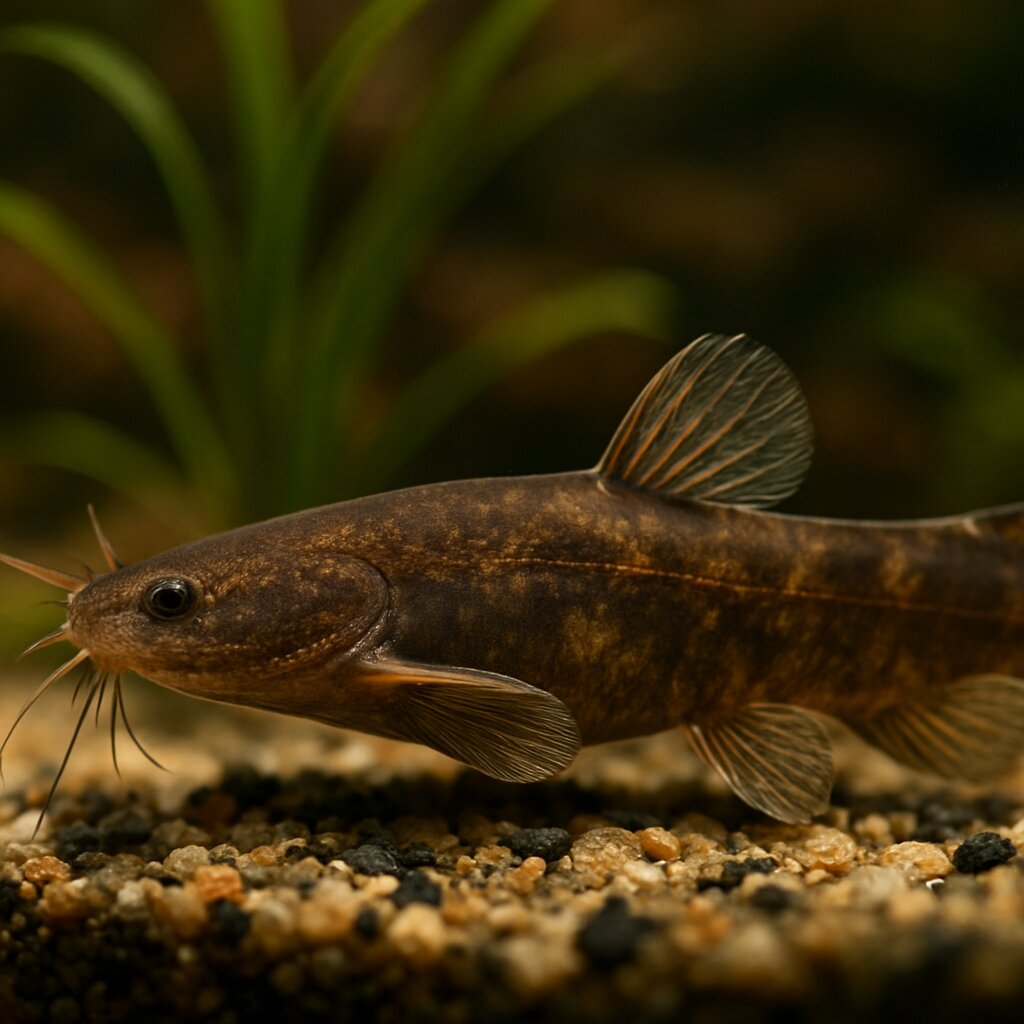
Amphilius dimonikensis
A small loach catfish endemic to the Mpoulou River in the Mayombe (Dimonika Biosphere Reserve), Republic of the Congo. Amphilius dimonikensis has a subtle banded pattern and inhabits fast, clear streams over rock and sand. In aquaria, prioritize strong, well-oxygenated flow with rounded stones and sand to mimic hillstream conditions.
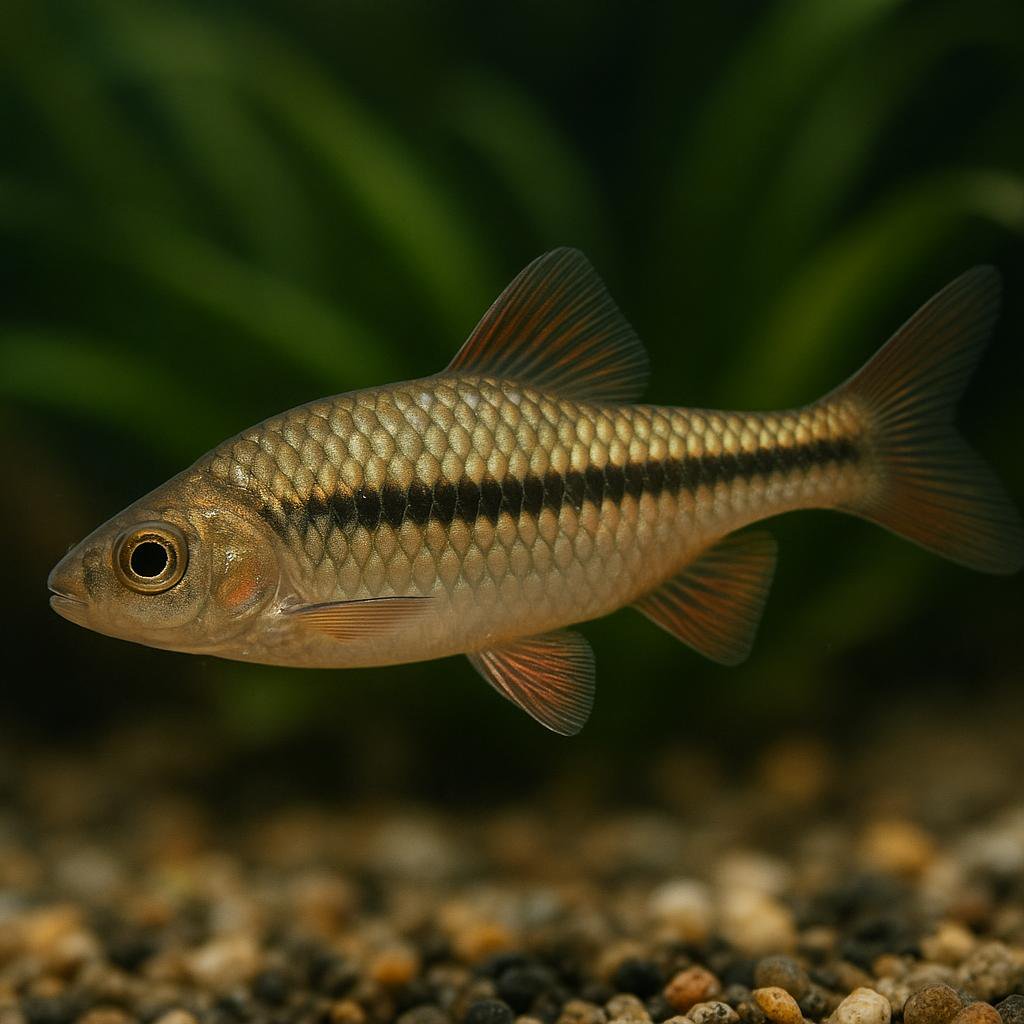
Aboina barb
Enteromius aboinensis
Enteromius aboinensis (the Aboina barb) is a small West African barb with a clean black midline stripe and a little spot right at the base of the tail. It does best when you treat it like a proper schooling fish - keep a decent group and give it plants around the edges with open swimming room in the middle.
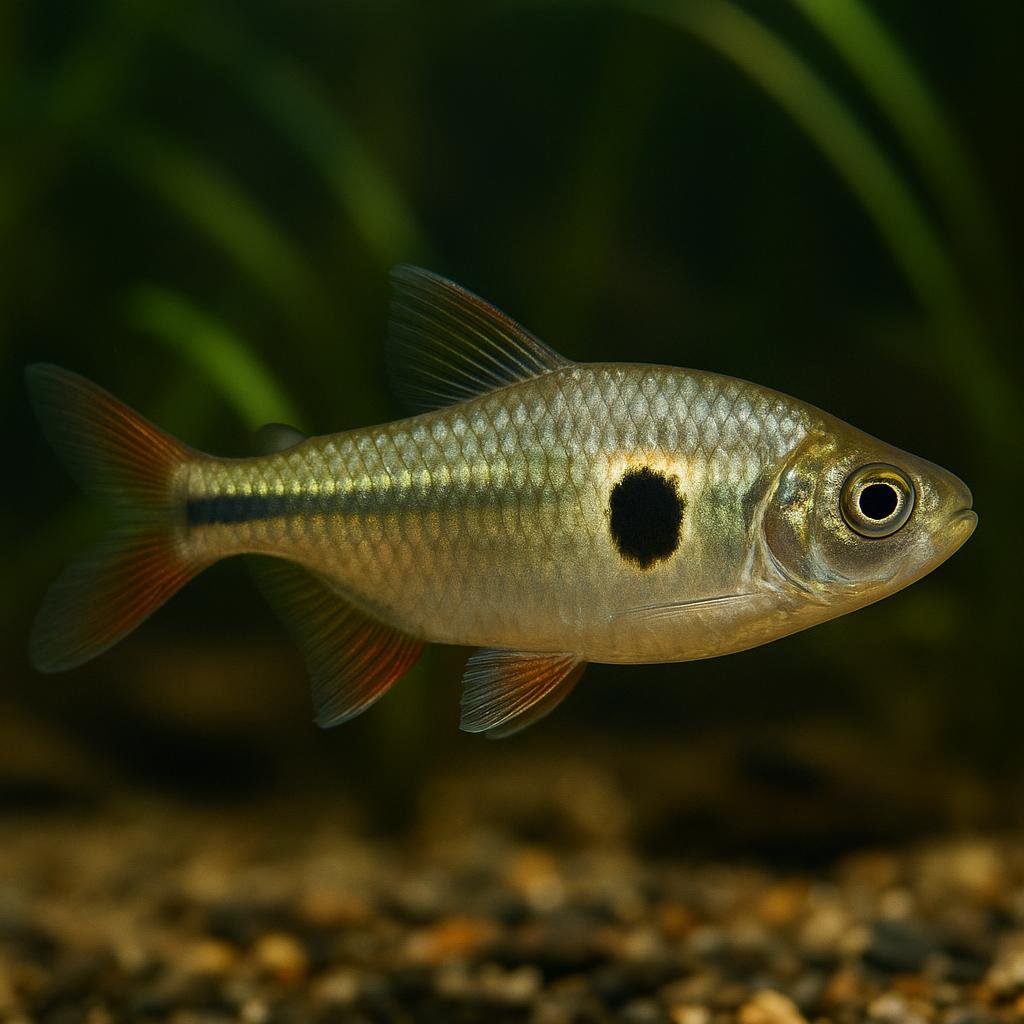
Ajuricaba tetra
Jupiaba ajuricaba
Jupiaba ajuricaba is a South American freshwater characin from the Amazon basin in Brazil (rio Negro, rio Solimões, and rio Tapajós basins). It reaches about 9.5 cm SL and is diagnosed by a narrow dark midlateral stripe, an elongated humeral spot, and an ocellated spot on the upper caudal-fin lobe. Wild specimens have been collected from blackwater forest streams and also oxbow-lake habitats.
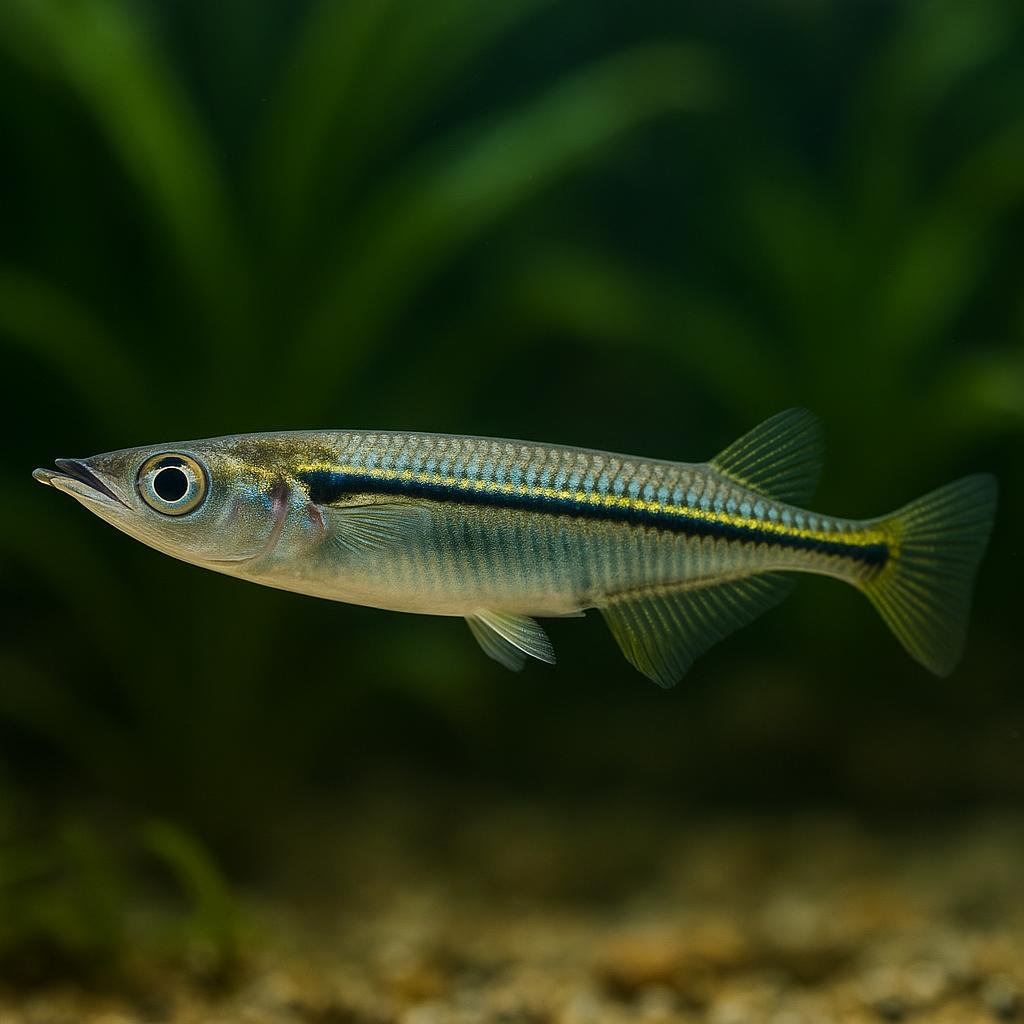
Allen's river garfish
Zenarchopterus alleni
A poorly known freshwater halfbeak endemic to West Papua (Mamberamo River), described from a single specimen (~13 cm SL). Beyond basic habitat/occurrence, little is published about its ecology or aquarium suitability; assume it is a surface-oriented, jump-prone halfbeak only by analogy with related taxa.
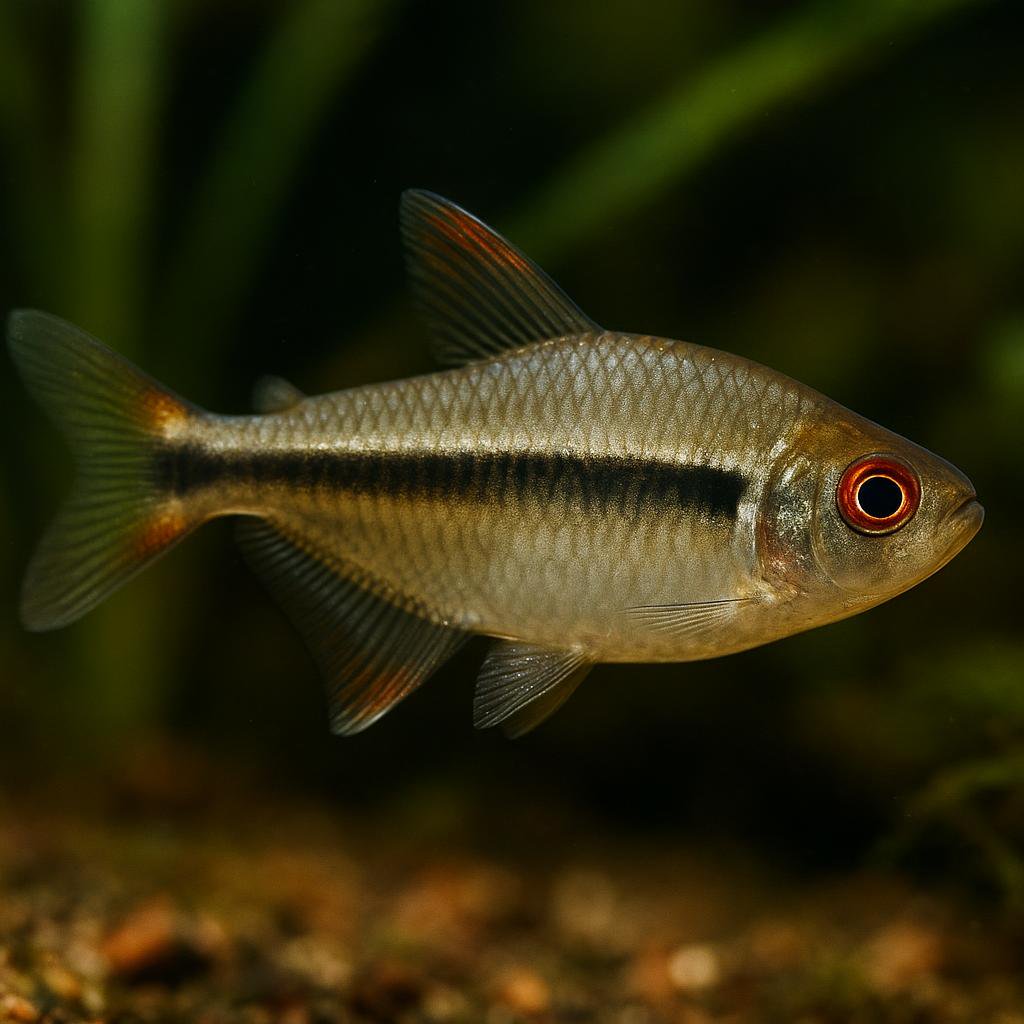
Amapa tetra
Hyphessobrycon amapaensis
This is a tiny, super sleek little tetra with a clean red stripe down the side that really pops once its settled in. It does best in a planted, slightly tinted "creek-style" setup and looks way cooler when you keep a proper group so they school and flash that line together. If you can give it soft, slightly acidic water and a calm community, its an easy fish to fall for.
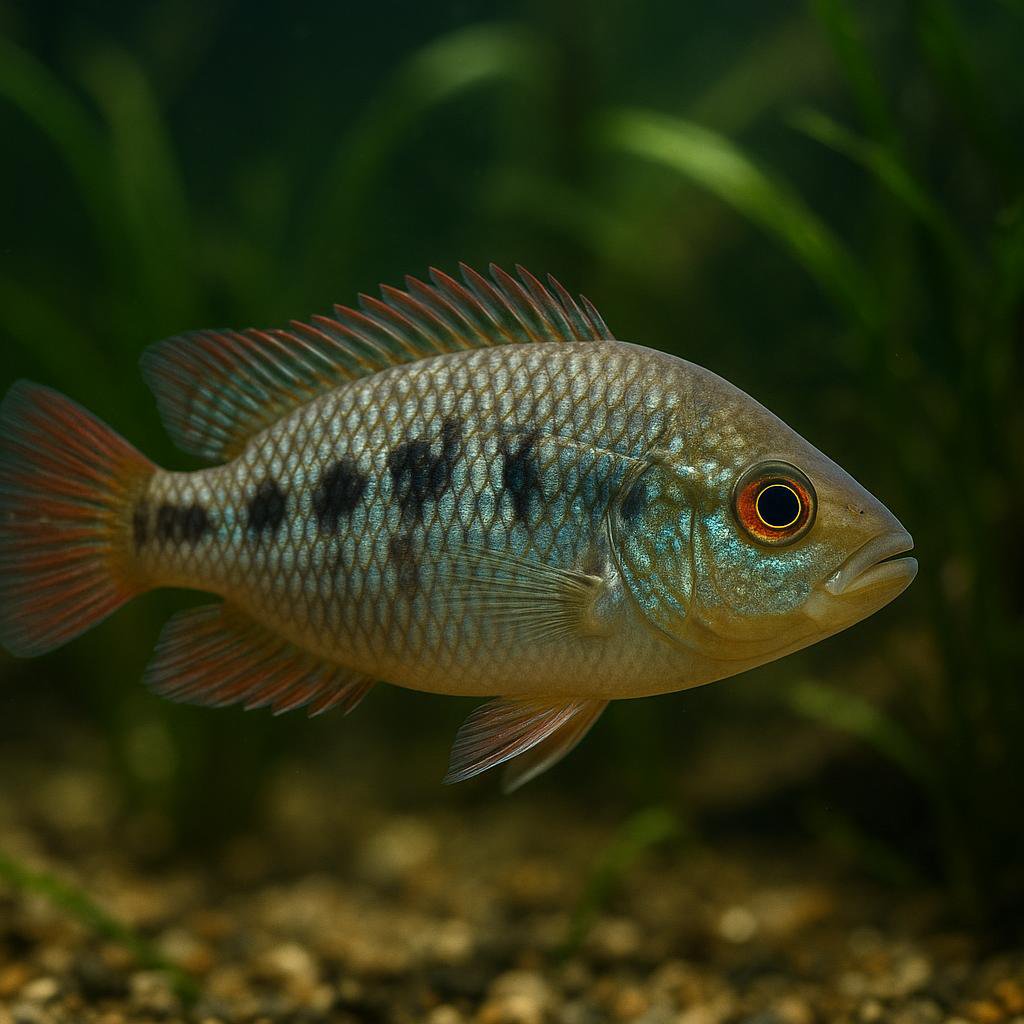
Amatlan chub
Yuriria amatlana
Yuriria amatlana (the Amatlan chub) is a little Mexican native minnow from the Ameca River basin. Its wild range is pretty limited and it is listed as Endangered, so its care info in the aquarium hobby is basically nonexistent and its availability is usually low. In the original species description, preserved fish show a dark lateral stripe with a darker patch on the caudal peduncle, and they can have tiny barbels at the mouth corners.
More to Explore
Discover more freshwater species.
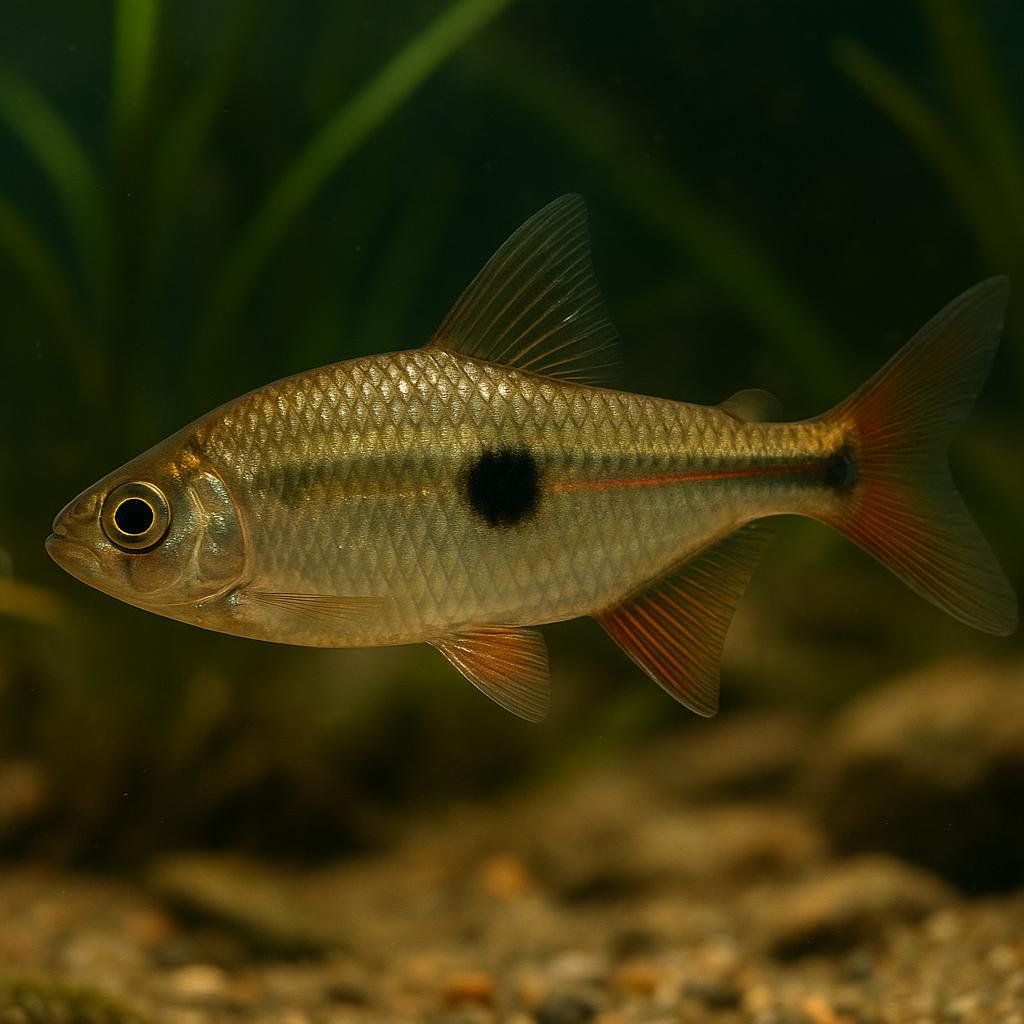
Jupiaba kurua
Small South American characin endemic to the upper rio Curuá (rio Xingu basin, Brazil). Reaches about 8.7 cm SL and inhabits clearwater rivers. Distinguished by dark dots on the bases of many lateral scales and a distinct dark caudal‑peduncle spot. Reported diet indicates omnivory, including aquatic insects, small fishes, and fragments of Podostemaceae and filamentous algae.
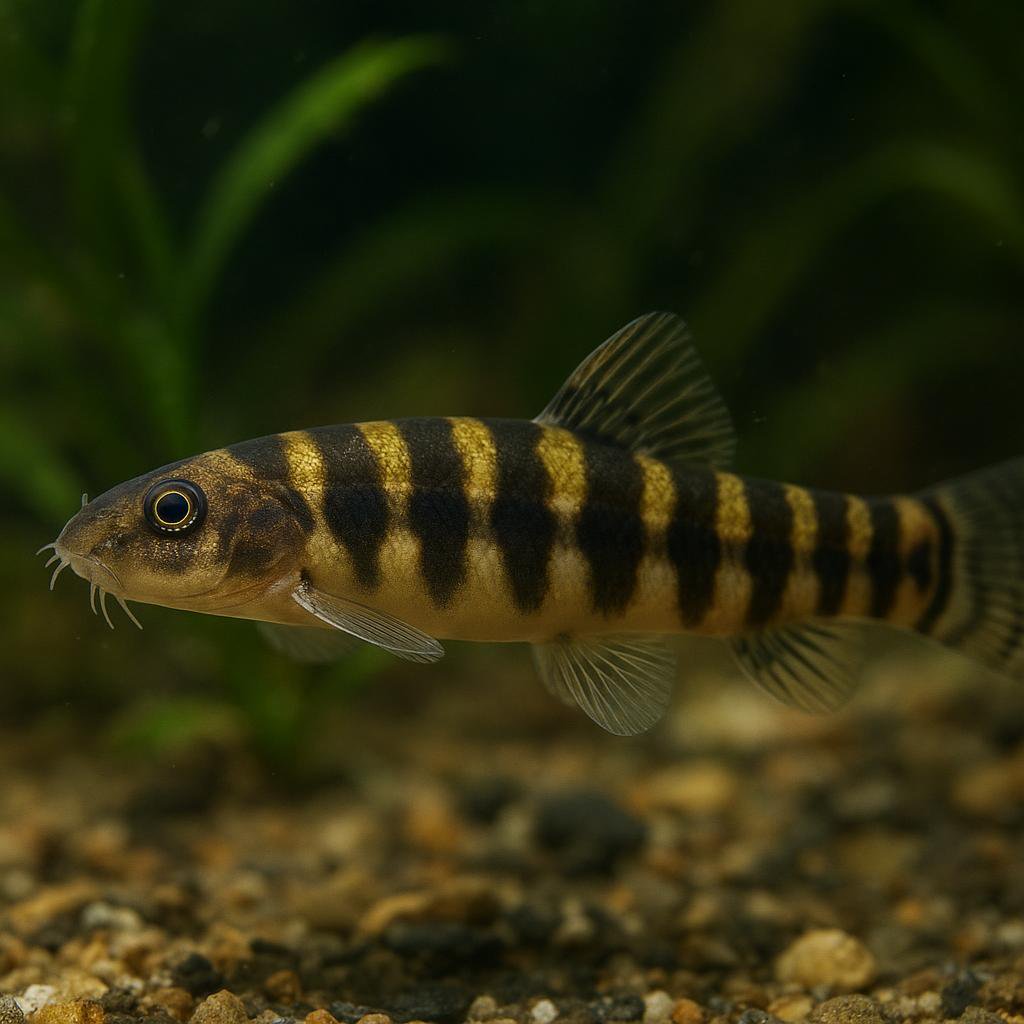
Altipedunculata stone loach
Schistura altipedunculata
Schistura altipedunculata is one of those little stream loaches that wants clean, well-oxygenated water and a bunch of rock nooks to claim as home. It is a bottom-hugger that will spend its day scooting from crevice to crevice, and it tends to get a bit spicy with its own kind if you do not give it enough hiding spots.
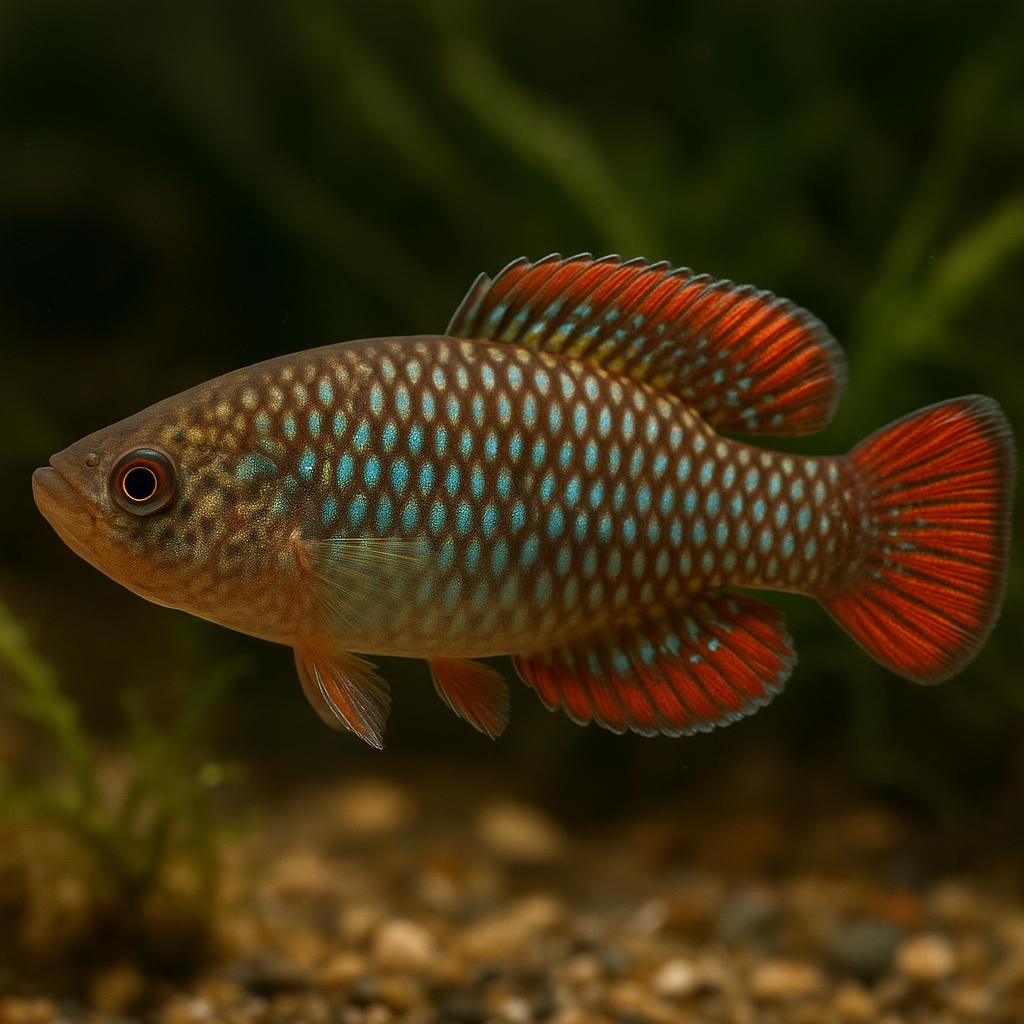
American flagfish
Jordanella floridae
Jordanella floridae is that little Florida native with the red-and-cream striping that really does look like a tiny flag once a male colors up. They graze algae like champs (especially stringy/hair algae), but they have a bit of attitude - give them plants and space so the bossy behavior stays manageable. Bonus: the male guards the eggs and will actively fan them, which is pretty fun to watch.
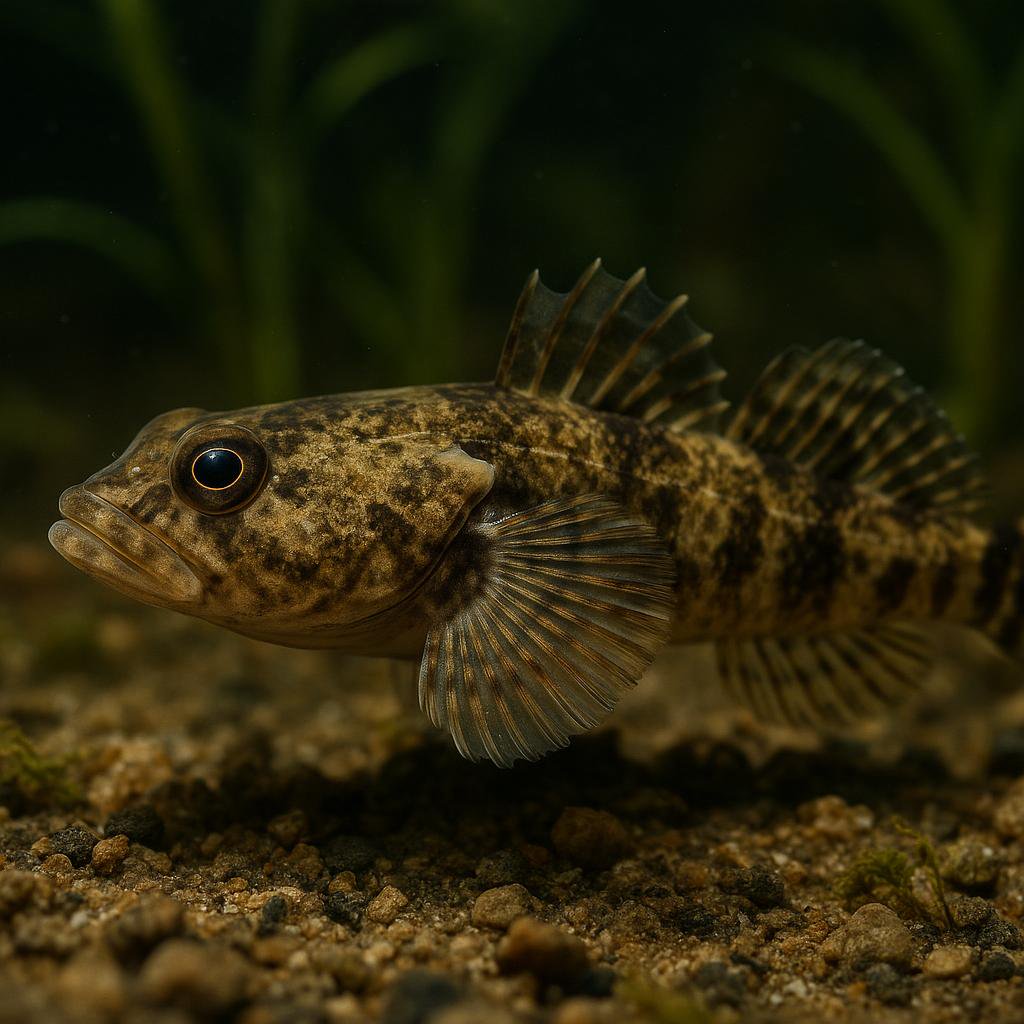
Amur sculpin
Alpinocottus szanaga
This is a little coldwater sculpin from the Amur drainage - a bottom-hugging, rock-and-gravel fish that spends its day wedged under stones and darting out to grab food. Super cool behavior and attitude, but it is absolutely not a warm tropical community fish - it wants chilly, fast, oxygen-rich water and will bicker with other bottom fish.
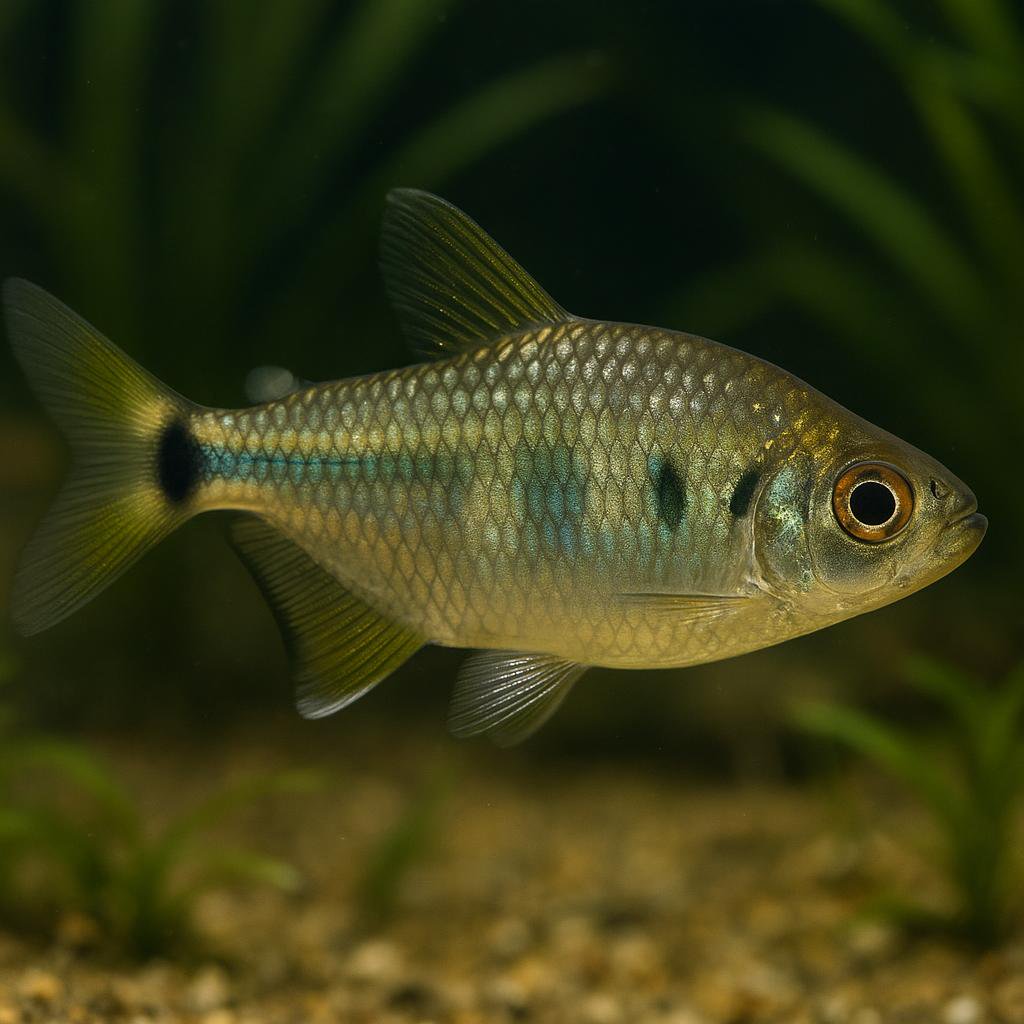
Andrica moenkhausia
Moenkhausia andrica
Moenkhausia andrica is a little Brazilian characin from the Tapajos system that tops out around 7 cm (about 2.8 inches) standard length. It has a neat netted (reticulated) scale pattern plus a dark spot on the caudal peduncle, and the really wild part is that mature females can have tiny fin hooklets too, which is usually a male-only thing in a lot of characins.
Anhanga pygmy pencil catfish
Potamoglanis anhanga
This is a truly tiny Amazonian trichomycterid catfish - like 1.3 cm max - so it is more of a micro-predator oddball than a typical community catfish. It is the kind of fish that disappears into sand, leaf litter, and plant roots, and you will spend way more time setting up the right micro-habitat than you will actually seeing it.
Looking for other species?