

Torrent catfish
Glyptothorax interspinalum
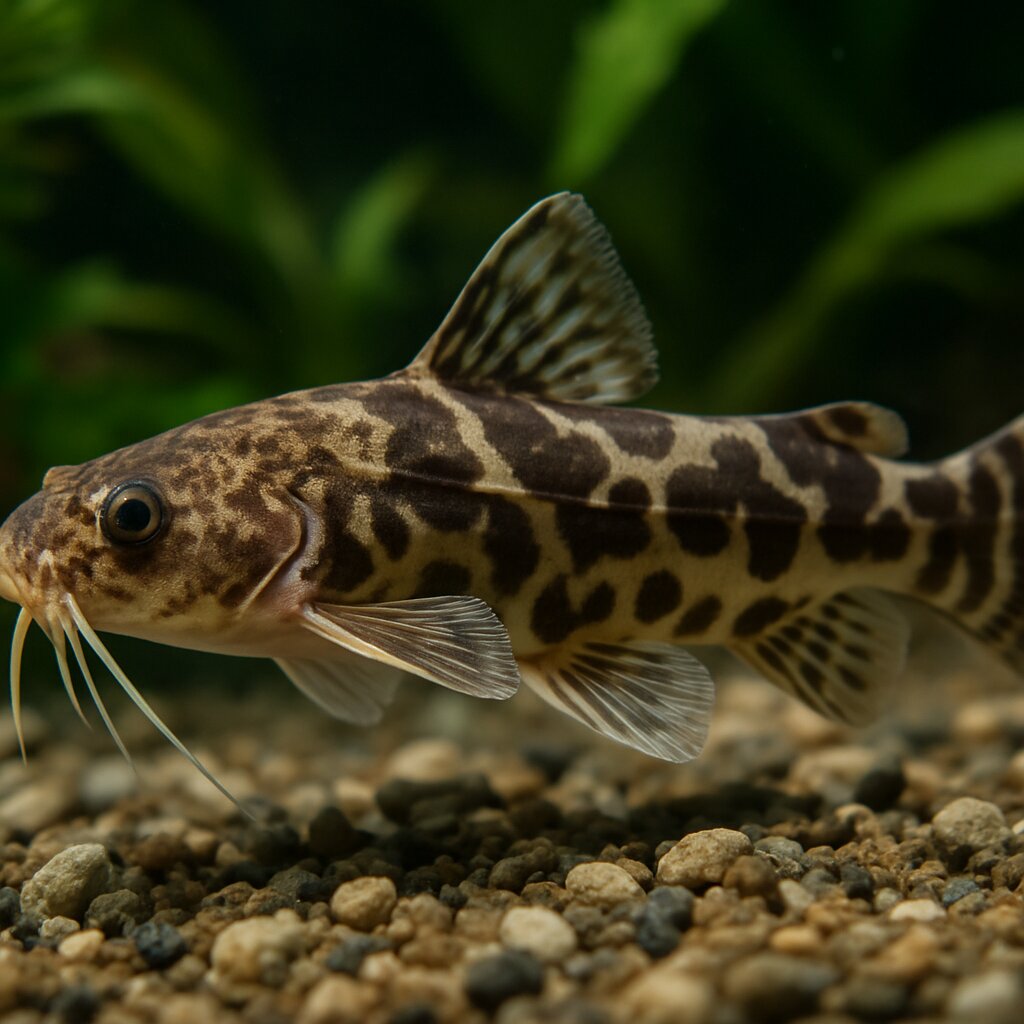
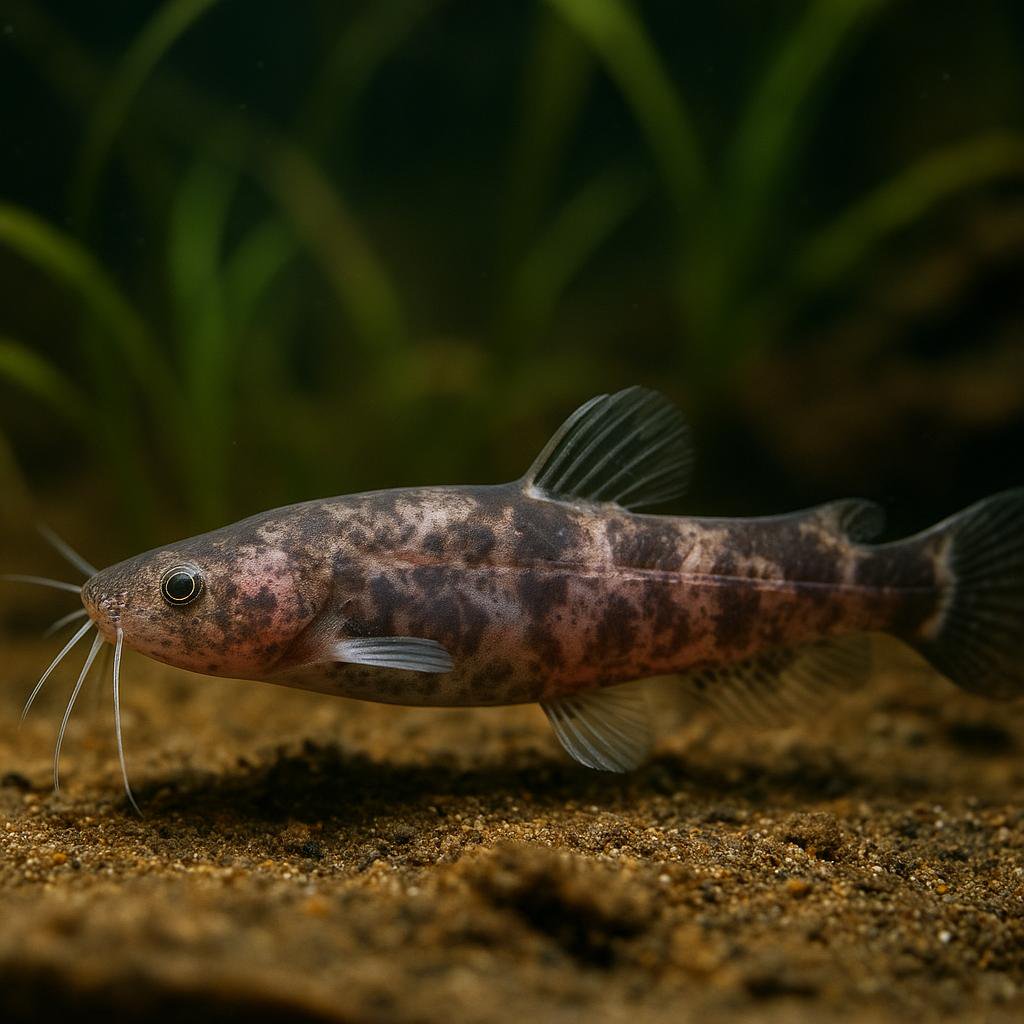
Torrent catfish exhibit a streamlined body with a mottled pattern of dark brown and yellowish spots, adapted for swift river currents.
This page includes AI-generated images. Why am I seeing AI images?
About the Torrent catfish
Think of this as a little river cat that grips rocks with a ribbed chest pad so it can sit right in the rapids. It stays around 10 cm and comes from fast, cool streams in Laos, Vietnam, and southern China, so it shines in a high-flow, high-oxygen tank with smooth stones and meaty foods. ([fishbase.se](https://www.fishbase.se/summary/Glyptothorax-interspinalum))
Also known as
Quick Facts
Size
10.6 cm SL
Temperament
Peaceful
Difficulty
Advanced
Min Tank Size
30 gallons
Lifespan
5-8 years
Origin
Southeast Asia and southern China
Diet
Insectivore - aquatic insect larvae; accepts frozen foods like bloodworms, mosquito larvae, and brine shrimp
Water Parameters
20-24°C
6-7.2
2-15 dGH
Need a heater for this species?
This species needs 20-24°C in a 30 gallon tank. Use our heater calculator to find the right wattage.
Calculate heater sizeCare Notes
- Give them a river tank: long footprint, sand/gravel with smooth cobbles, and a tight lid because they climb; run canister + powerheads for 12-20x turnover and lots of surface agitation.
- Keep it cool and oxygen-rich: 68-75 F (20-24 C), pH 6.5-7.5, soft to medium hardness, and nitrate under 10 ppm; they crash fast if the temp creeps up or O2 drops.
- Feed meaty sinking foods that ride the current: frozen bloodworms, blackworms, chopped earthworm, and small carnivore pellets; drop food into the flow and offer most of it after lights out.
- They spar a bit, so keep one or a small group only if you build multiple rock piles and shaded hides to break sight lines; give them resting eddies next to the main jet.
- Tankmates should like fast water too: hillstream loaches, Garra, danios, and Devario work; skip slow or long-finned fish, shrimp, and pushy cichlids or big barbs.
- Watch for rapid gilling, clamped fins, or belly abrasions if the substrate is rough or dirty; use rounded stones, sponge pre-filters on intakes, and keep the bottom clean.
- Breeding is basically a no-go in home tanks; they are seasonal river spawners, so enjoy them as display fish and do not plan on fry.
- Quarantine 4 weeks with heavy aeration and flow, and go easy on copper or formalin meds; for ich, use salt plus massive aeration instead of cranking the heat.
Compatibility
Good Tankmates
- Fast-water buddies like hillstream loaches (Sewellia, Gastromyzon) that cling to rocks and mind their own business
- Active midwater fish that enjoy cool, strong flow, like danios, devarios, and white clouds
- Small river gobies that graze rocks, like Rhinogobius or Stiphodon, in a well-oxygenated setup
- Peaceful grazers like panda garra and other Garra, as long as the tank has space and line-of-sight breaks
- Calm stone loaches (Schistura, Nemacheilus) in a roomy tank with lots of rock piles
- A small group of their own kind, with multiple hides so no one gets pinned
Avoid
- Nippy or pushy fish like tiger barbs or red-tail black sharks that will stress bottom fish
- Big or aggressive cichlids and other predators that see bottom dwellers as snacks
- Slow fish with fancy fins or that hate current, like bettas, fancy guppies, angelfish, or most gouramis
- Tiny shrimp and newborn fry that get picked off during night foraging
Where they come from
Torrent catfish (Glyptothorax interspinalum) are built for whitewater. Think clear, cool, rocky hill streams in mainland Southeast Asia where the current never really lets up. They hug stones with that little adhesive pad on their chest, scooting around in the boundary layer while insect larvae tumble past. If you picture a stream you can hear before you see, you are on the right track.
They are not just another bottom cat. Their whole body is adapted to fast flow. If your setup feels like a calm riverbank, it is not fast enough.
Setting up their tank
Give them footprint and flow. Height is whatever, but length and current matter. For a small group, a 40 breeder or larger works well. A single fish can live in a 30-inch tank, but they show better behavior with company and room to pick favorite rocks.
- Flow: 15-25x tank volume per hour. Use a river-manifold or multiple powerheads pointed one direction to make a strong, laminar run.
- Oxygenation: heavy surface agitation or airstones. Aim for near 100% saturation; low O2 + warm water is a killer combo.
- Temperature: 20-24 C (68-75 F) most of the year. They handle down to ~18 C; try not to push above 26 C.
- Water: clean and stable. pH 6.8-7.6, soft to moderate hardness. Ammonia and nitrite 0; keep nitrate preferably under 10-20 ppm.
- Substrate and decor: smooth river stones, flat slate, rounded cobbles to grip. Leave open runs for current, with some slower pockets behind big rocks.
- Filtration: oversized canister or HOBs feeding the flow. Pre-filter sponges to catch grit so you are not blasting them with debris.
- Lid: tight-fitting. They will climb glass and ride current right into gaps.
Build a simple river manifold: PVC pipe under the substrate with intake sponges at the back and powerheads at the front pushing water down one side. It makes a consistent, fish-friendly conveyor belt of flow.
Cover intakes with coarse sponge. These cats can pin themselves to bare strainers in strong current.
Light can be moderate so algae and biofilm grow on the rocks, but keep heat under control. I rotate a few stones from a sunny shrimp tank into the catfish tank to seed them with good graze without cooking the water.
Acclimation: keep it cool, drip slowly, lights off, and release them near a high-flow zone so they can stick to something right away.
What to feed them
They pick at small invertebrates and biofilm in the wild. In a tank, think small, meaty foods that sink and ride the current. They are not big on hovering for flakes in midwater.
- Frozen and live: bloodworms, blackworms, daphnia, brine shrimp, chopped earthworm.
- Prepared: high-protein sinking pellets (nano size is easier to grab), Repashy gel blends pressed onto flat stones.
- Natural graze: algae and biofilm on smooth rocks. Rotate in algae-rocks from another tank if yours is too clean.
Feed into the current upstream of their hangout so food drifts past their noses. Small amounts 2-3 times a day beat one big dump they cannot finish.
Avoid fatty feeder foods or tubifex from sketchy sources. These fish are prone to gut issues if you push rich, dirty items.
How they behave and who they get along with
Quiet, businesslike, and surprisingly quick. They spend a lot of time plastered to flat stones, then sprint to intercept drifting snacks. Mine were bolder at dusk and after the room settled down.
They will bicker over prime rocks, but it is mostly posturing if the tank has multiple high-flow perches. I like 3-6 together so no single fish gets bullied, plus you see more natural behavior.
- Good company: hillstream loaches (Sewellia, Gastromyzon), Garra species, river danios and Devario, Barilius, cool-water rasboras, white clouds, rhinogobius-type gobies that like flow.
- Mixed results: small shrimp (often become snacks), very boisterous loaches that compete at night.
- Avoid: warm-water fish that hate current (angels, bettas), long-finned varieties that get battered, large cichlids, and heavy nighttime bottom competitors.
Breeding tips
I have not seen a confirmed home spawning of G. interspinalum, and mine never bred. Closest I got was heightened chasing after a cool front and big water change. Most reports suggest seasonal cues and maybe egg deposition under stones in fast water.
- Set up a species-only tank with many flat stones forming crevices.
- Run very high flow with cooler temps (19-21 C) for a few weeks, feed heavily, then simulate monsoon with a series of large, slightly softer water changes.
- Use a grate or marbles under a stack of flats so eggs can fall out of reach if they do spawn.
- Dim lighting and minimal disturbance. Nighttime is when you are most likely to see activity.
Treat breeding as an experiment. Document everything. Even if they do not spawn, you will learn a lot about their seasonal behavior.
Common problems to watch for
- Overheating and low oxygen: the big killer. If they are gulping at the surface or abandoning the flow, act fast with aeration and a cool water change.
- Starvation in busy communities: they lose food wars to faster midwater fish. Target feed or reduce competition.
- Scrapes and fungus: they wedge into tight spots. Keep rocks smooth and treat small fuzz early with clean water and gentle meds.
- Gill flukes and internal parasites: common on wild fish. Quarantine and deworm before adding to the display.
- Intake injuries: cover strainers; they can get pinned in strong suction.
- Shipping stress: they come in skinny. Do frequent small feeds, pristine water, and low stress for the first month.
Maintenance rhythm that worked for me: 40-60% weekly water changes, pre-filter rinse every few days, and a quick algae-rock swap to keep a steady graze source.
Similar Species
Other freshwater peaceful species you might be interested in.
Amphilius dimonikensis
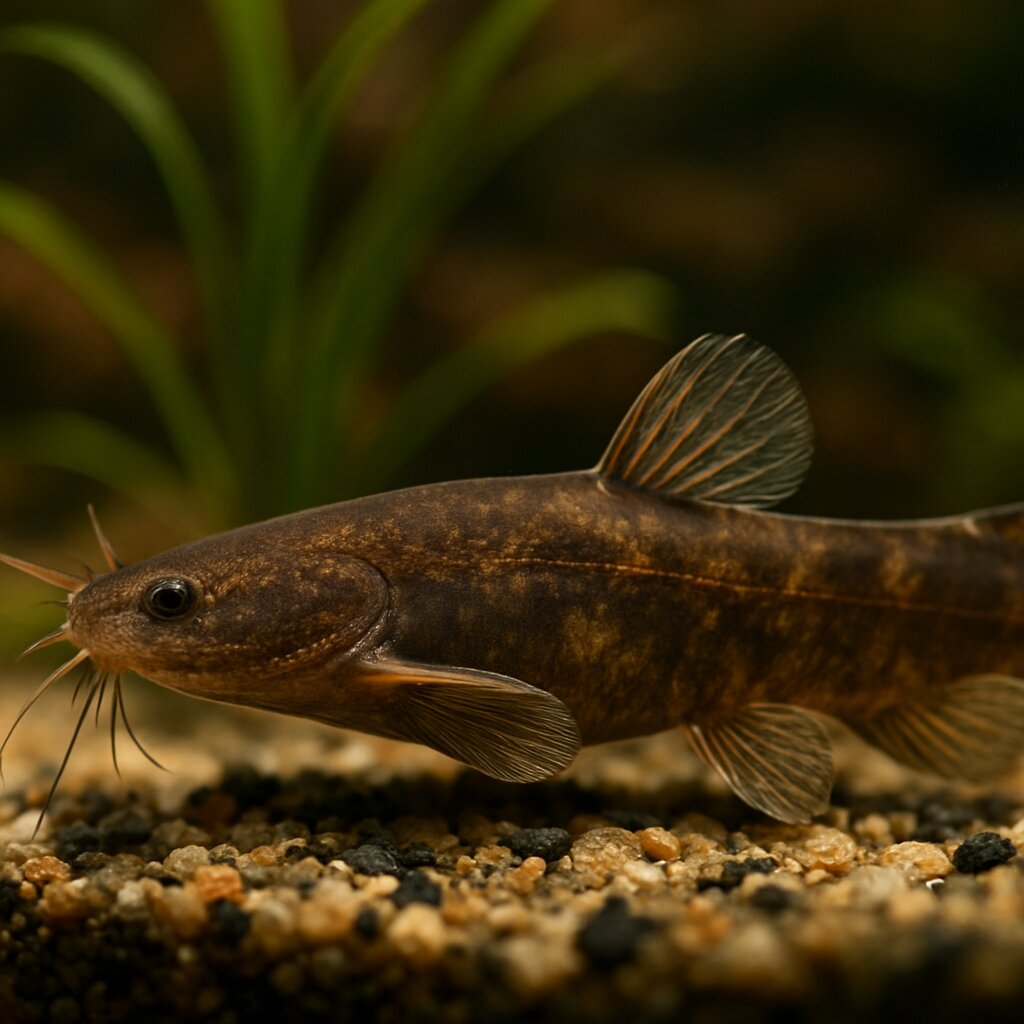
A small loach catfish endemic to the Mpoulou River in the Mayombe (Dimonika Biosphere Reserve), Republic of the Congo. Amphilius dimonikensis has a subtle banded pattern and inhabits fast, clear streams over rock and sand. In aquaria, prioritize strong, well-oxygenated flow with rounded stones and sand to mimic hillstream conditions.
Aboina barb
Enteromius aboinensis
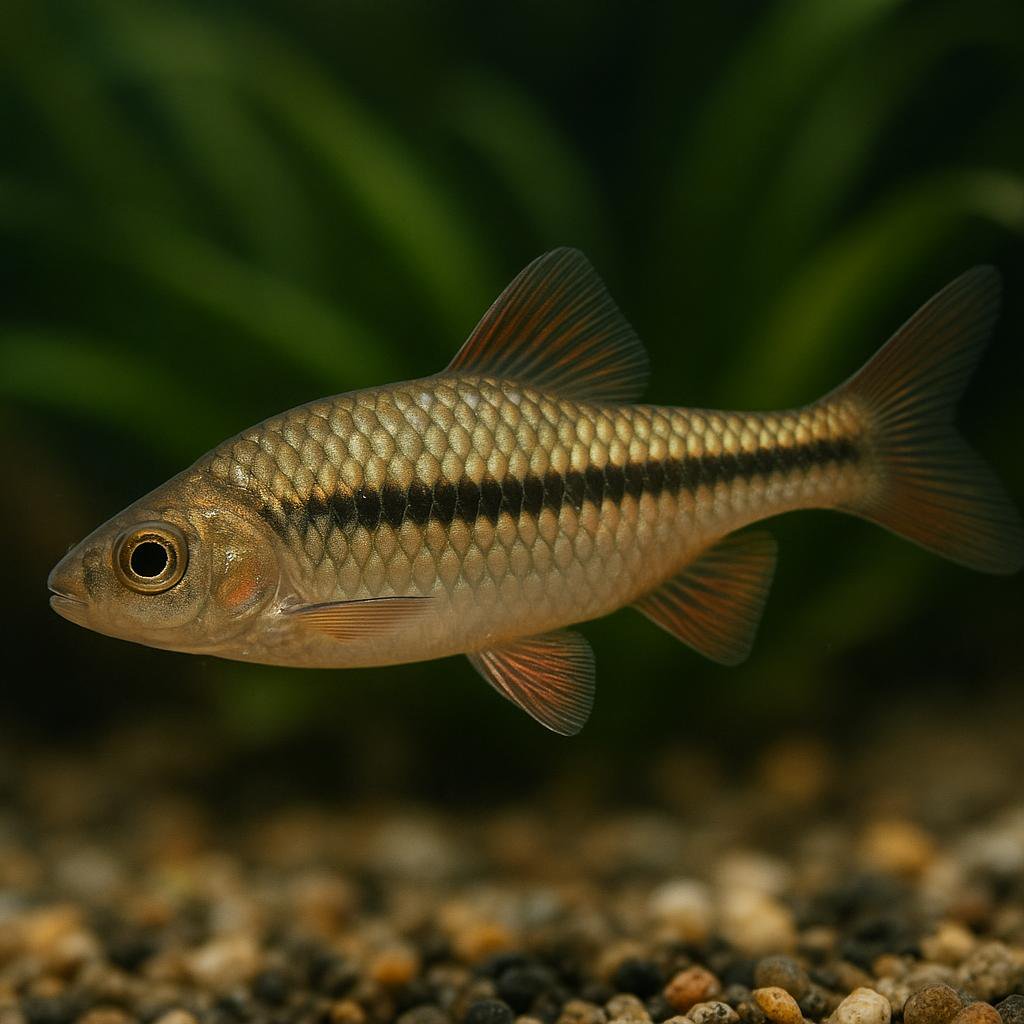
Enteromius aboinensis (the Aboina barb) is a small West African barb with a clean black midline stripe and a little spot right at the base of the tail. It does best when you treat it like a proper schooling fish - keep a decent group and give it plants around the edges with open swimming room in the middle.
Ajuricaba tetra
Jupiaba ajuricaba
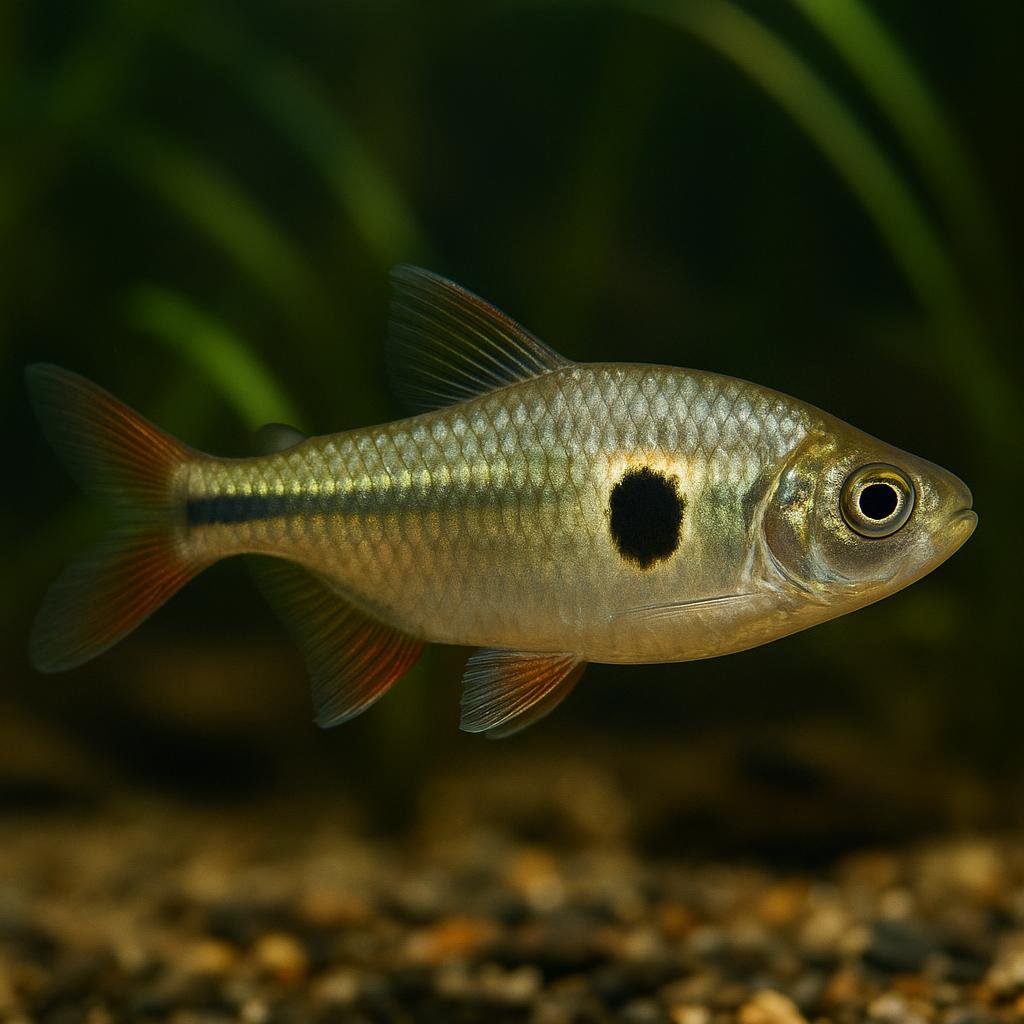
Jupiaba ajuricaba is a South American freshwater characin from the Amazon basin in Brazil (rio Negro, rio Solimões, and rio Tapajós basins). It reaches about 9.5 cm SL and is diagnosed by a narrow dark midlateral stripe, an elongated humeral spot, and an ocellated spot on the upper caudal-fin lobe. Wild specimens have been collected from blackwater forest streams and also oxbow-lake habitats.
Allen's river garfish
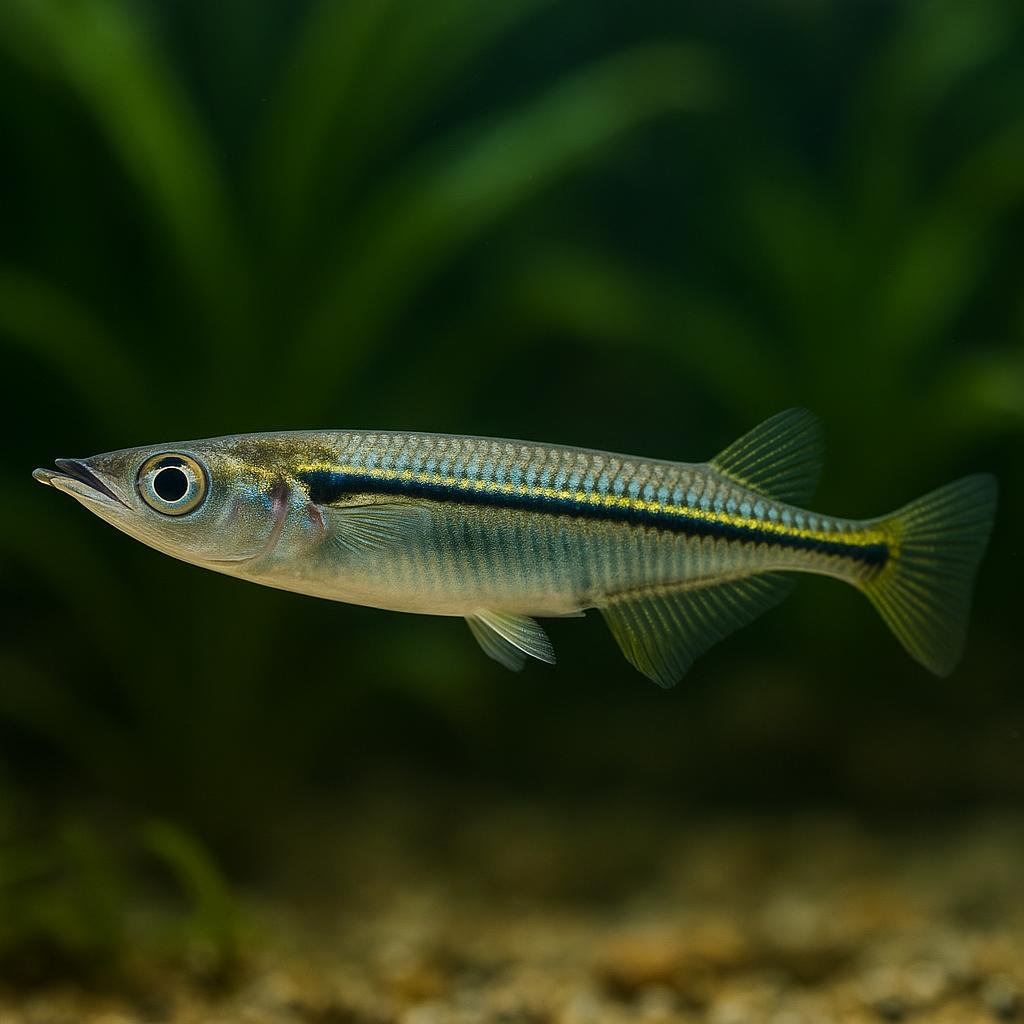
Zenarchopterus alleni
A poorly known freshwater halfbeak endemic to West Papua (Mamberamo River), described from a single specimen (~13 cm SL). Beyond basic habitat/occurrence, little is published about its ecology or aquarium suitability; assume it is a surface-oriented, jump-prone halfbeak only by analogy with related taxa.
Amapa tetra
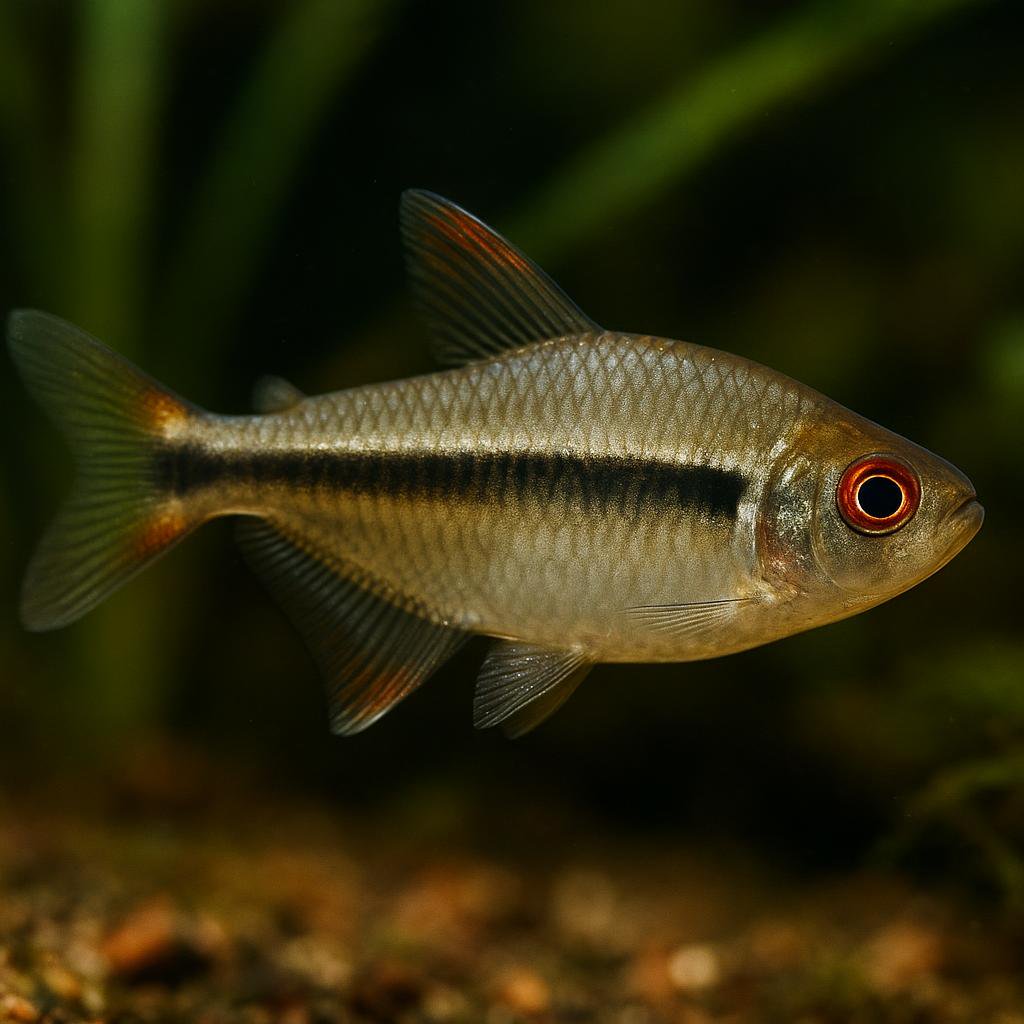
Hyphessobrycon amapaensis
This is a tiny, super sleek little tetra with a clean red stripe down the side that really pops once its settled in. It does best in a planted, slightly tinted "creek-style" setup and looks way cooler when you keep a proper group so they school and flash that line together. If you can give it soft, slightly acidic water and a calm community, its an easy fish to fall for.
Amatlan chub
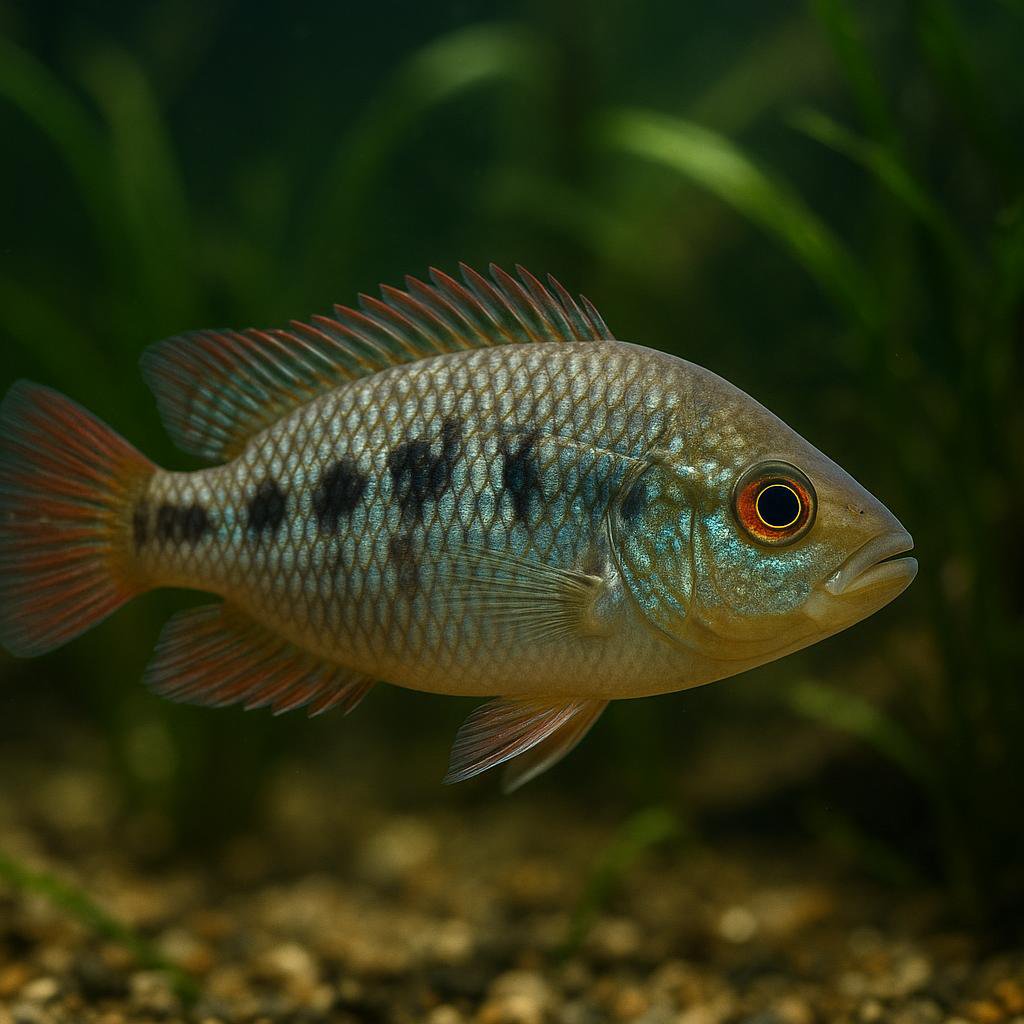
Yuriria amatlana
Yuriria amatlana (the Amatlan chub) is a little Mexican native minnow from the Ameca River basin. Its wild range is pretty limited and it is listed as Endangered, so its care info in the aquarium hobby is basically nonexistent and its availability is usually low. In the original species description, preserved fish show a dark lateral stripe with a darker patch on the caudal peduncle, and they can have tiny barbels at the mouth corners.
More to Explore
Discover more freshwater species.
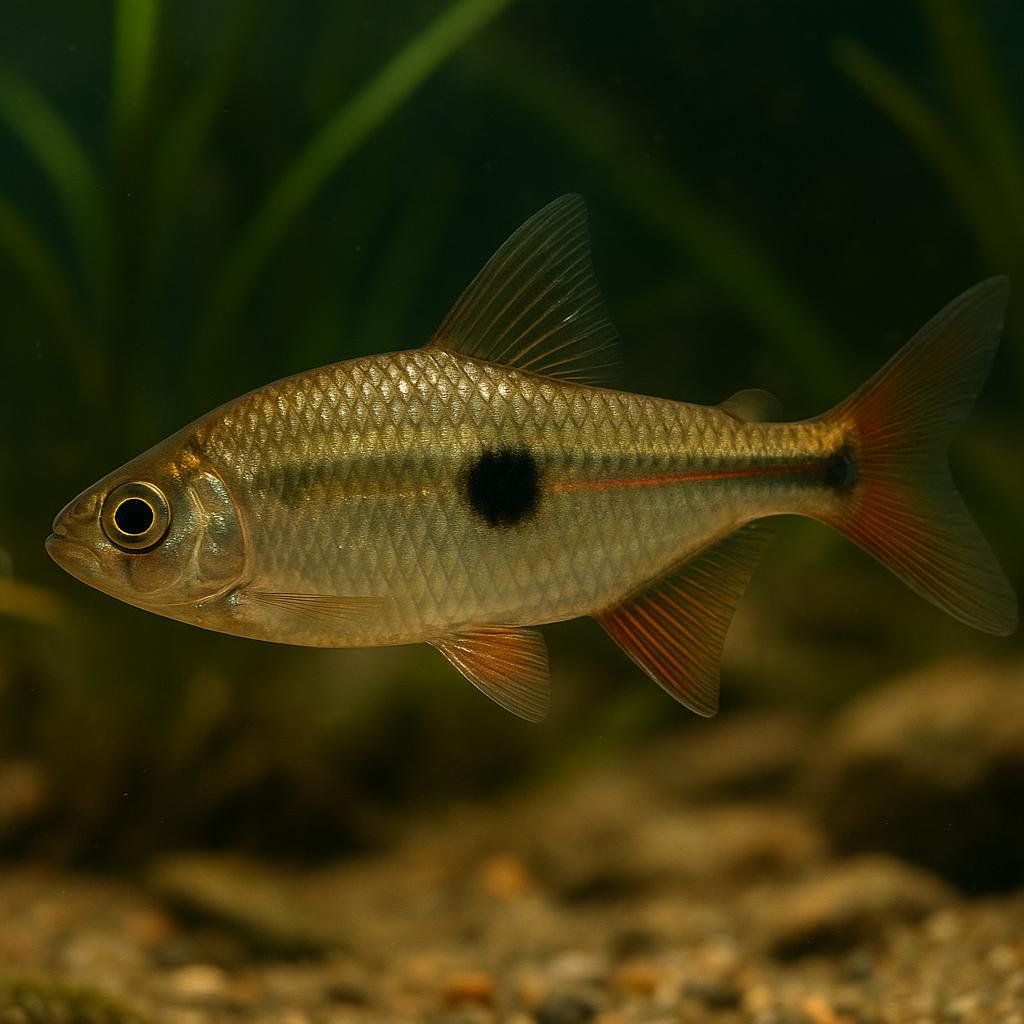
Jupiaba kurua
Small South American characin endemic to the upper rio Curuá (rio Xingu basin, Brazil). Reaches about 8.7 cm SL and inhabits clearwater rivers. Distinguished by dark dots on the bases of many lateral scales and a distinct dark caudal‑peduncle spot. Reported diet indicates omnivory, including aquatic insects, small fishes, and fragments of Podostemaceae and filamentous algae.
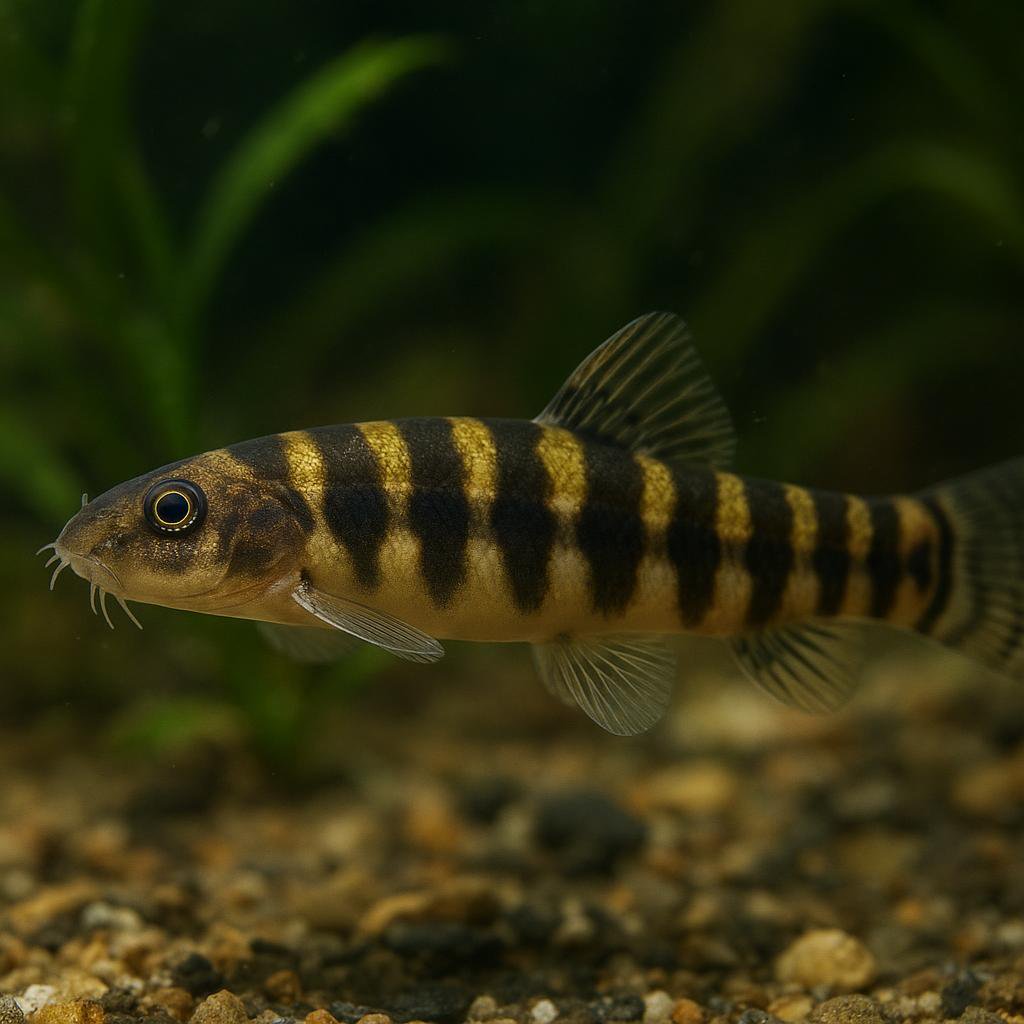
Altipedunculata stone loach
Schistura altipedunculata
Schistura altipedunculata is one of those little stream loaches that wants clean, well-oxygenated water and a bunch of rock nooks to claim as home. It is a bottom-hugger that will spend its day scooting from crevice to crevice, and it tends to get a bit spicy with its own kind if you do not give it enough hiding spots.
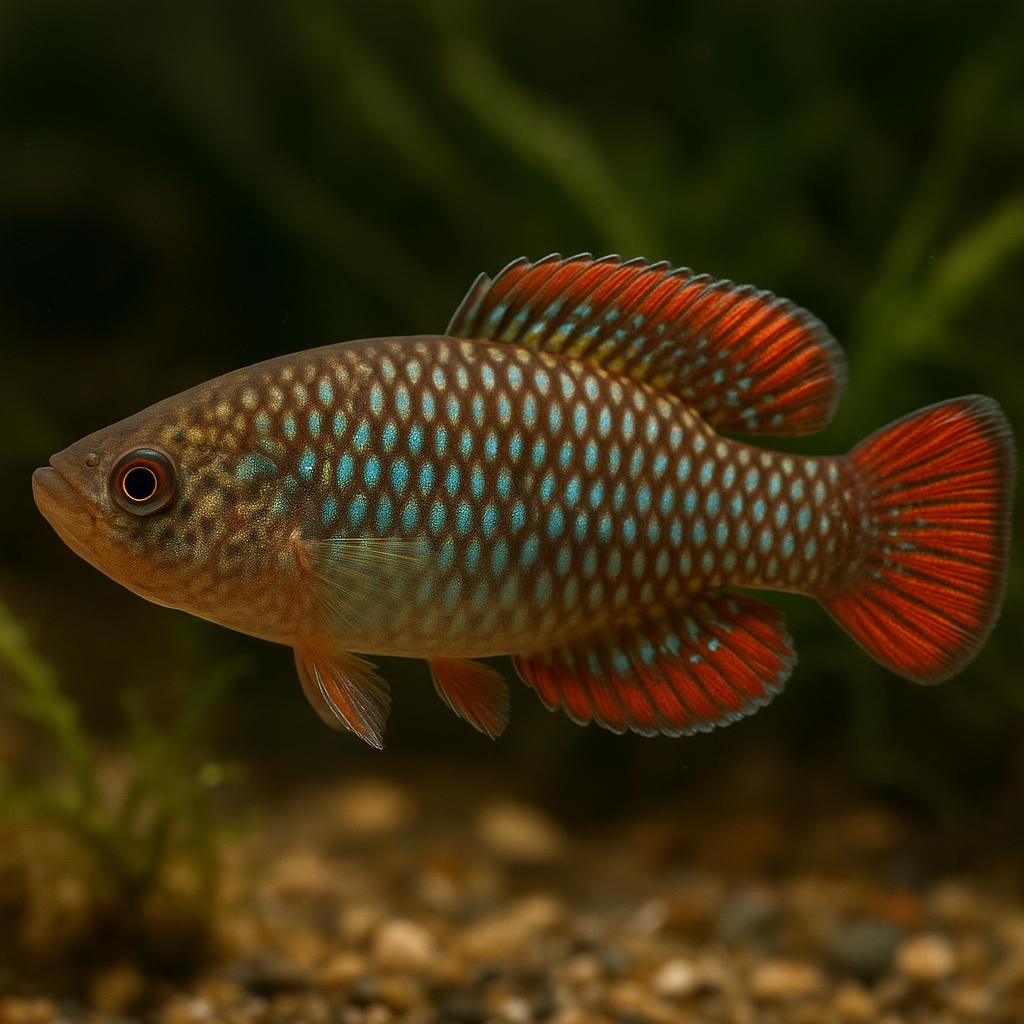
American flagfish
Jordanella floridae
Jordanella floridae is that little Florida native with the red-and-cream striping that really does look like a tiny flag once a male colors up. They graze algae like champs (especially stringy/hair algae), but they have a bit of attitude - give them plants and space so the bossy behavior stays manageable. Bonus: the male guards the eggs and will actively fan them, which is pretty fun to watch.
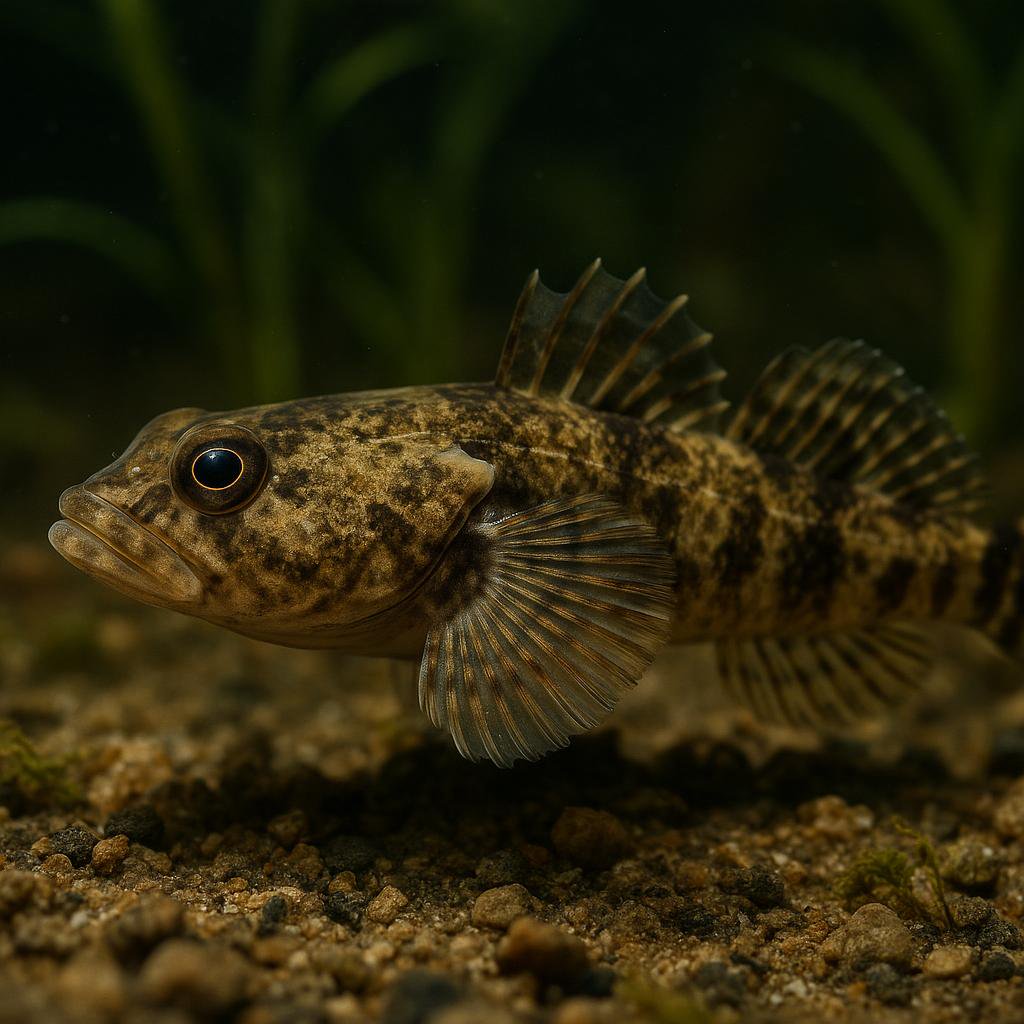
Amur sculpin
Alpinocottus szanaga
This is a little coldwater sculpin from the Amur drainage - a bottom-hugging, rock-and-gravel fish that spends its day wedged under stones and darting out to grab food. Super cool behavior and attitude, but it is absolutely not a warm tropical community fish - it wants chilly, fast, oxygen-rich water and will bicker with other bottom fish.
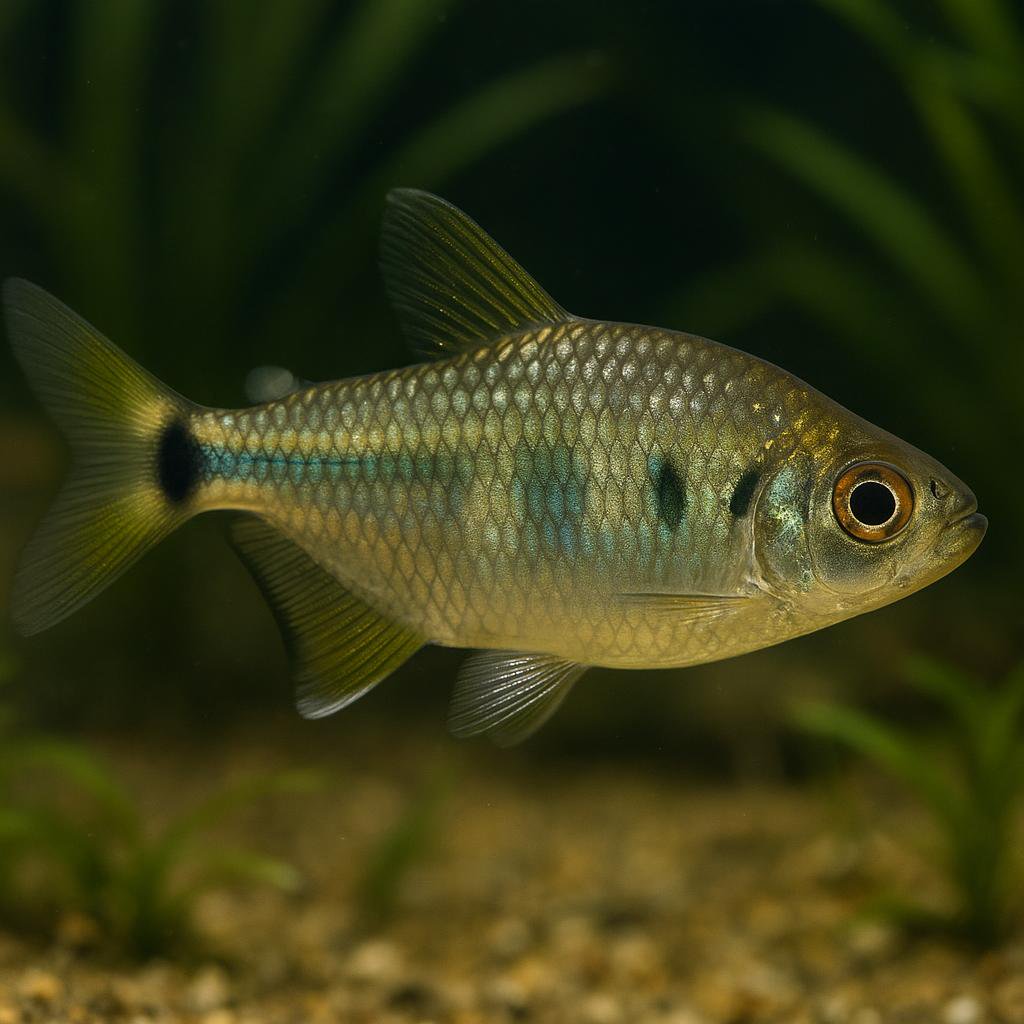
Andrica moenkhausia
Moenkhausia andrica
Moenkhausia andrica is a little Brazilian characin from the Tapajos system that tops out around 7 cm (about 2.8 inches) standard length. It has a neat netted (reticulated) scale pattern plus a dark spot on the caudal peduncle, and the really wild part is that mature females can have tiny fin hooklets too, which is usually a male-only thing in a lot of characins.
Anhanga pygmy pencil catfish
Potamoglanis anhanga
This is a truly tiny Amazonian trichomycterid catfish - like 1.3 cm max - so it is more of a micro-predator oddball than a typical community catfish. It is the kind of fish that disappears into sand, leaf litter, and plant roots, and you will spend way more time setting up the right micro-habitat than you will actually seeing it.
Looking for other species?