

Yellow rockpicker
Haplochromis flavus
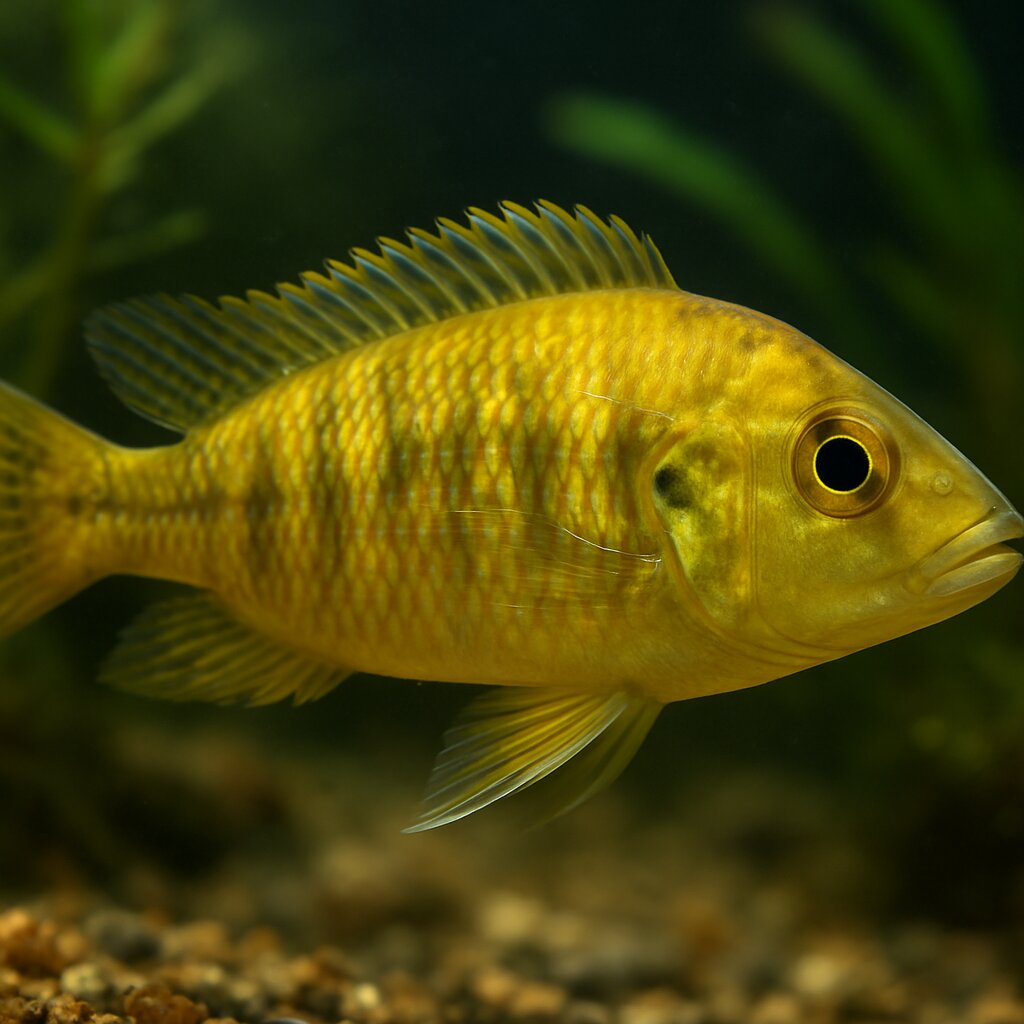
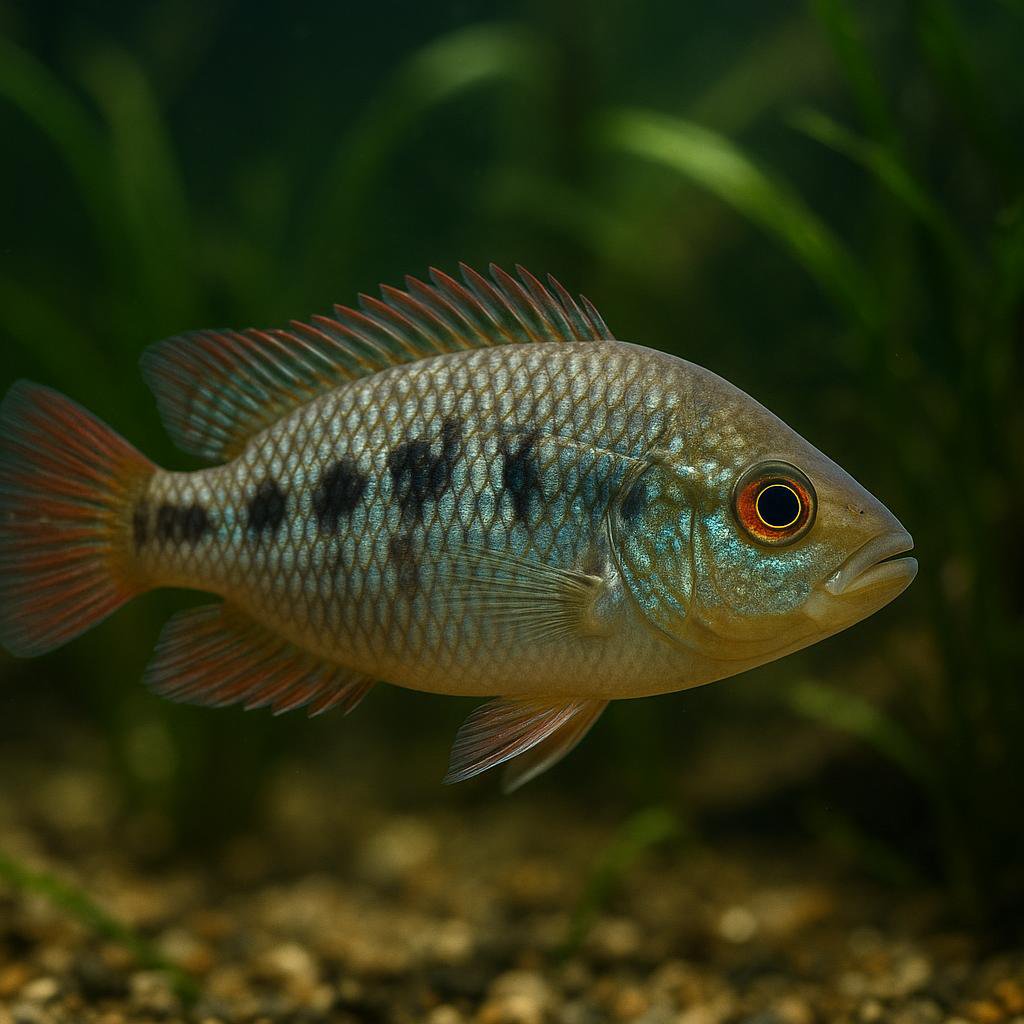
The Yellow rockpicker features a vibrant yellow body with dark vertical bars, and is distinguished by its elongated dorsal fin and pronounced, rounded snout.
This page includes AI-generated images. Why am I seeing AI images?
About the Yellow rockpicker
A bright yellow Victorian hap that spends its day picking tiny critters and algae off the rocks, just like its name hints. Males really glow in a proper rocky setup and they have that classic feisty-but-manageable Lake Victoria attitude. Give them space and they reward you with tons of personality and great color.
Also known as
Quick Facts
Size
11.9 cm SL (about 4.7 inches)
Temperament
Semi-aggressive
Difficulty
Intermediate
Min Tank Size
55 gallons
Lifespan
6-8 years
Origin
East Africa
Diet
Omnivore - algae grazer and micro-invertebrate picker; quality spirulina flakes/pellets plus frozen or live foods
Water Parameters
21-27°C
7-9
2-8 dGH
Need a heater for this species?
This species needs 21-27°C in a 55 gallon tank. Use our heater calculator to find the right wattage.
Calculate heater sizeCare Notes
- Give them a 55 gallon or bigger with a 4-foot footprint, sand substrate, and stacked rock piles that break line of sight and leave open picking lanes.
- Run them at 76-79 F, pH 7.6-8.2, GH 8-15 dGH, KH 6-10; keep nitrate under 20 ppm with 40-50% weekly water changes and good surface agitation.
- Feed small portions twice a day of quality cichlid pellets plus frozen mysis/daphnia; toss in spirulina flakes a couple times a week and skip bloodworms and tubifex.
- Stock 1 male with 3-5 females; if you want more than one male, move to a 75+ gallon and add heavy rockwork so the sub-dominant guy can hide.
- Tankmates work best as other similarly sized Lake Victoria haps; avoid mbuna, big predators, and similar-looking Victorians if you care about preventing hybrids.
- They are maternal mouthbrooders: the female holds 14-21 days; either let her spit in the main tank rockwork or move her near the end to a quiet box and raise fry on crushed flakes and baby brine.
- If one stops eating and swells up, cut feeding, bump aeration, and treat for bloat early (Epsom salt 1 tbsp per 10 gal and metro-laced food).
- Use a tight lid because they jump, and quarantine new fish for a few weeks so you do not seed the tank with parasites.
Compatibility
Good Tankmates
- Other Lake Victoria haps of similar size - Pundamilia nyererei, Astatotilapia latifasciata, Haplochromis obliquidens; run 1 male per species and stack lots of rockwork
- Robust Synodontis catfish (eupterus, multipunctatus, petricola) as tough bottom crew that ignore the cichlid drama
- Bristlenose plecos as armored algae grazers that handle hard, alkaline water and mind their own business
- Milder mbuna that are not maniacs - Labidochromis caeruleus and Iodotropheus sprengerae, size-matched in a roomy, rocky tank
- A proper harem of their own kind - 1 male H. flavus with 3-5 females to spread the heat
Avoid
- Hyper-aggressive mbuna like Melanochromis auratus, Labeotropheus fuelleborni, or Pseudotropheus demasoni
- Slow or flowy-finned fish - angels, gouramis, bettas, fancy goldfish - they get shredded
- Tiny community fish or shrimp; they end up as snacks or get run ragged
- Big predatory Malawi haps like Nimbochromis or Tyrannochromis that will eventually swallow them
Where they come from
Yellow rockpickers (Haplochromis flavus) are Lake Victoria cichlids from the rocky shorelines. They spend their days nipping tiny invertebrates and algae off stones, darting in and out of cracks. Males glow a rich yellow that really pops against dark rock.
Setting up their tank
Think rocks first. Piles of stacked stone with narrow gaps let them claim territory and feel safe. Leave open sand or fine gravel up front for cruising and picking.
- Tank size: 55 gallons for a single male with 3-4 females. If you want multiple males or mixed Victorians, 75+ gallons makes life easier.
- Substrate: sand or small-grain gravel. They like to sift and pick.
- Rocks: lots of them. Build tall stacks with caves and line-of-sight breaks.
- Filtration: strong and steady. They are messy cichlids - think canister or a big HOB, plus extra aeration.
- Water: pH 7.6-8.2, KH 6-10, GH 8-12, temp 76-80 F (24-27 C). Stable beats perfect.
- Lighting: moderate. Let some algae grow on the rocks - free snacking.
Set heavy rocks on the bare glass, then add sand around them. This keeps burrowing from toppling your hardscape.
Use a tight lid. They are quick and can jump during spats or feeding.
I like to overfilter and change 30-50% of the water weekly. Clean water keeps colors up and attitudes down.
What to feed them
In the wild they pick at tiny crustaceans, insect larvae, and a bit of algae. In tanks they do well on a varied, high-quality diet with a lean, insectivorous slant.
- Staple: quality cichlid pellets (medium size) formulated for carnivores/insectivores.
- Frozen foods: mysis, daphnia, brine shrimp, chopped krill. Rotate, do not overdo the rich stuff.
- Dry extras: spirulina flake a few times a week to keep digestion moving and color bright.
- Treats: blackworms or bloodworms very sparingly. Too much can bloat them.
Feed small portions 1-2 times a day. I like one light feeding and one day off each week. They beg like puppies, but keeping them a touch hungry helps with bloat prevention and water quality.
How they behave and who they get along with
Semi-aggressive and very territorial around rocks. A single male will rule a pile of stone like a tiny landlord. Females are tougher than they look but still get chased during courtship.
- Best setup: 1 male with 3-5 females. More females spreads the attention.
- Good tankmates: other similarly sized, robust Victorians that are not too similar in color/pattern; Synodontis catfish for cleanup.
- Use caution: flashy peacocks or timid fish that hate being chased. They will get run down.
- Avoid: fish small enough to be a snack, and any species that looks very similar if you plan to breed (hybrid risk).
Break up sightlines with rock clusters. If two males can always see each other, one will get hammered.
Breeding tips
They are maternal mouthbrooders and not hard to spawn once settled. The male claims a flat stone, dances, and the female lays a clutch. She scoops the eggs and holds for about 3 weeks.
- Set the ratio: 1 male to 3-5 females.
- Give them a flat rock or slate in the male's territory.
- Watch for a holding female: her throat looks full and she skips meals.
- Incubation: roughly 18-21 days. You can strip at day 12-14 if you know how, or let her release naturally in a quiet tank.
- Fry food: freshly hatched brine shrimp, crushed high-quality flake/pellet, and clean, warm water.
- Recondition mom: after release, feed small, rich meals to help her put weight back on.
Victorian cichlids hybridize easily. If breeding, keep them species-only and do not mix lookalikes.
Common problems to watch for
- Bloat: shows up as loss of appetite, swelling, white stringy poop. Prevent with clean water, moderate protein, and no heavy feeding of bloodworms or fatty foods.
- Aggression damage: torn fins and stress stripes. Add rock piles and hiding spots, rebalance sex ratios, or remove extra males.
- Hybridization: easy to create mutts by accident. Keep species-only if fry matter to you.
- Water quality swings: high nitrate dulls color and shortens tempers. Big, regular water changes help a lot.
- Ich and external parasites: new fish should be quarantined. Victorians respond well to quick treatment and added aeration.
If one fish is getting singled out, pull it for a week, rearrange the rocks, and reintroduce after lights out. The reset often breaks the pecking order just enough to stop the bullying.
Similar Species
Other freshwater semi-aggressive species you might be interested in.
Jupiaba kurua
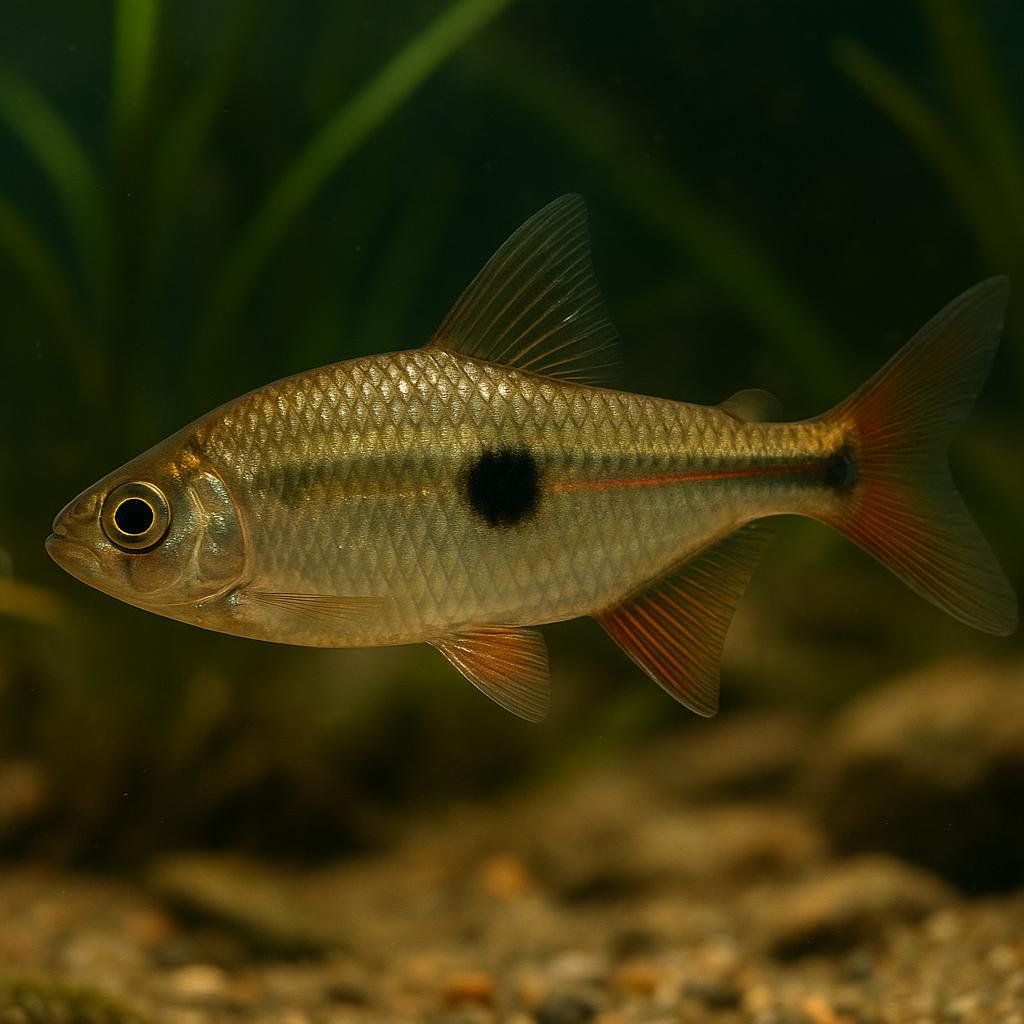
Small South American characin endemic to the upper rio Curuá (rio Xingu basin, Brazil). Reaches about 8.7 cm SL and inhabits clearwater rivers. Distinguished by dark dots on the bases of many lateral scales and a distinct dark caudal‑peduncle spot. Reported diet indicates omnivory, including aquatic insects, small fishes, and fragments of Podostemaceae and filamentous algae.
Altipedunculata stone loach
Schistura altipedunculata
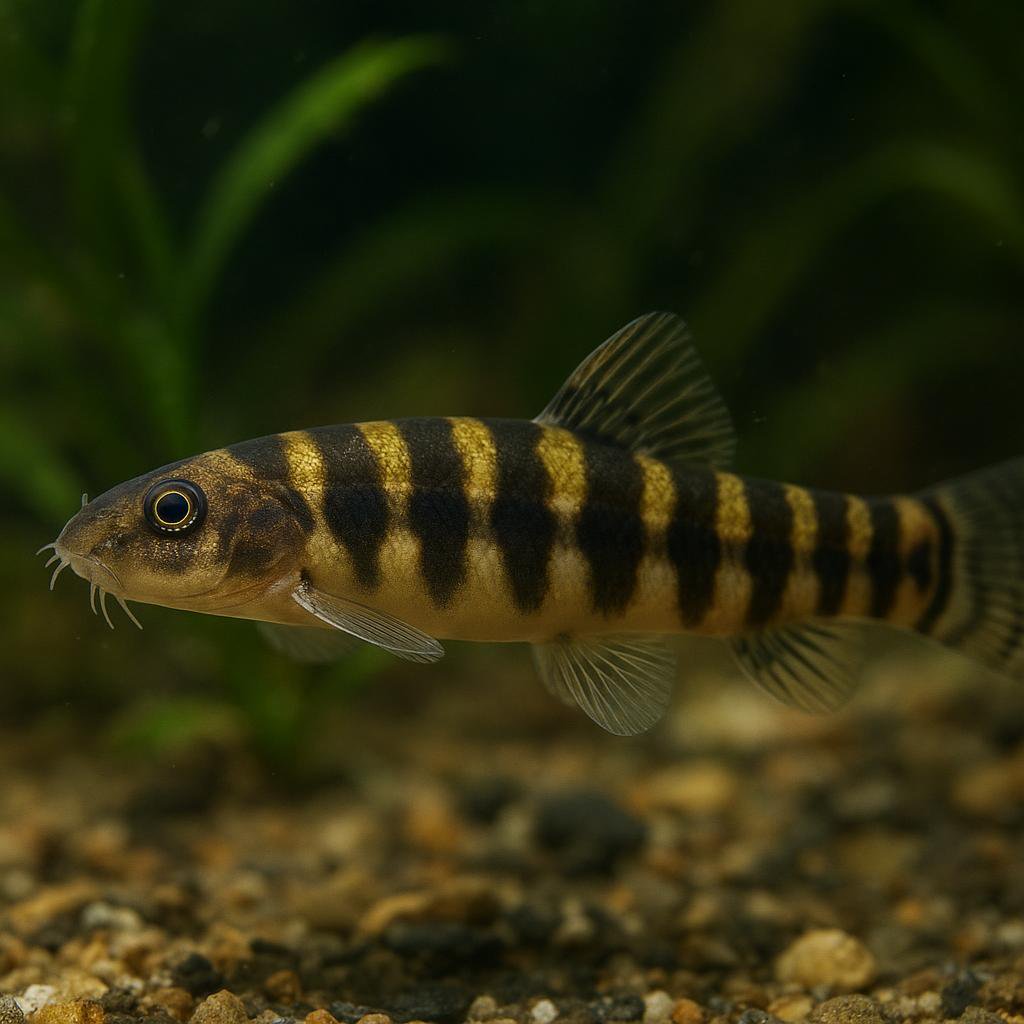
Schistura altipedunculata is one of those little stream loaches that wants clean, well-oxygenated water and a bunch of rock nooks to claim as home. It is a bottom-hugger that will spend its day scooting from crevice to crevice, and it tends to get a bit spicy with its own kind if you do not give it enough hiding spots.
American flagfish
Jordanella floridae
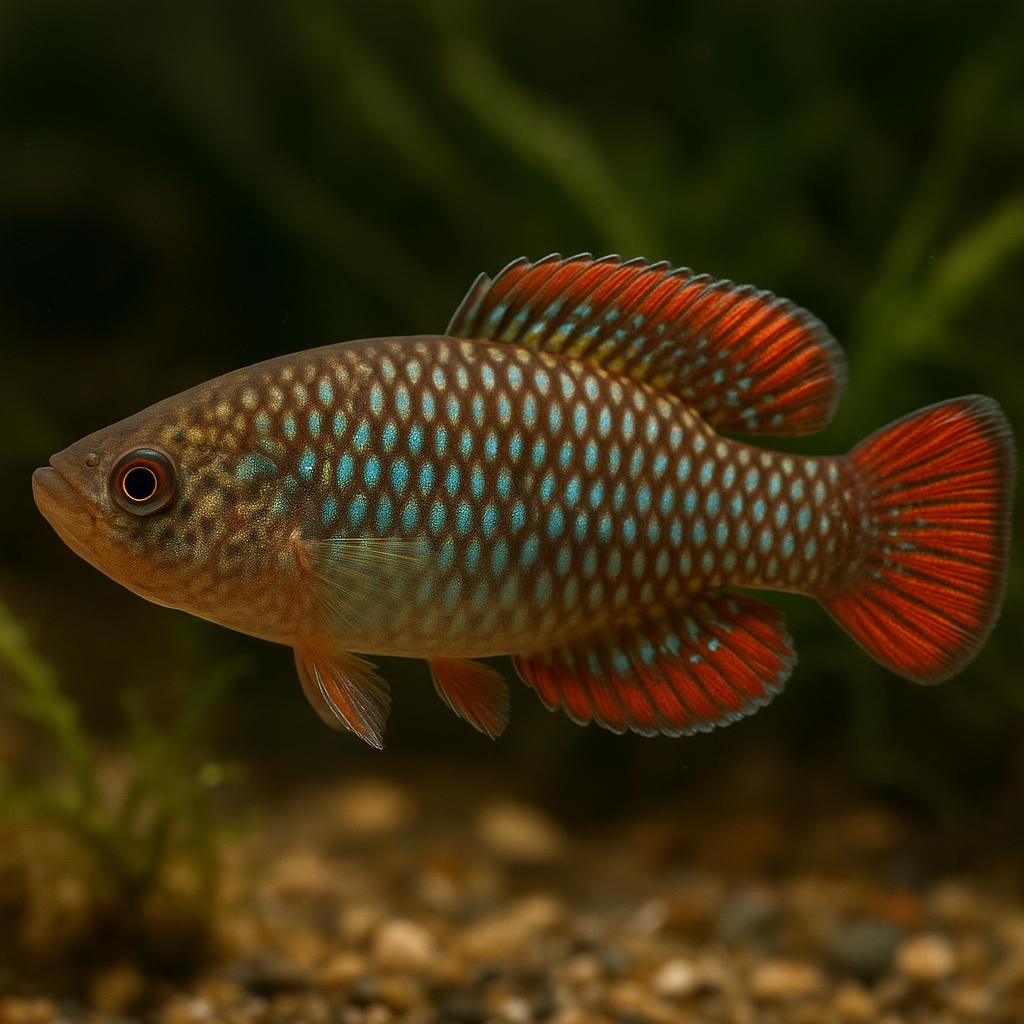
Jordanella floridae is that little Florida native with the red-and-cream striping that really does look like a tiny flag once a male colors up. They graze algae like champs (especially stringy/hair algae), but they have a bit of attitude - give them plants and space so the bossy behavior stays manageable. Bonus: the male guards the eggs and will actively fan them, which is pretty fun to watch.
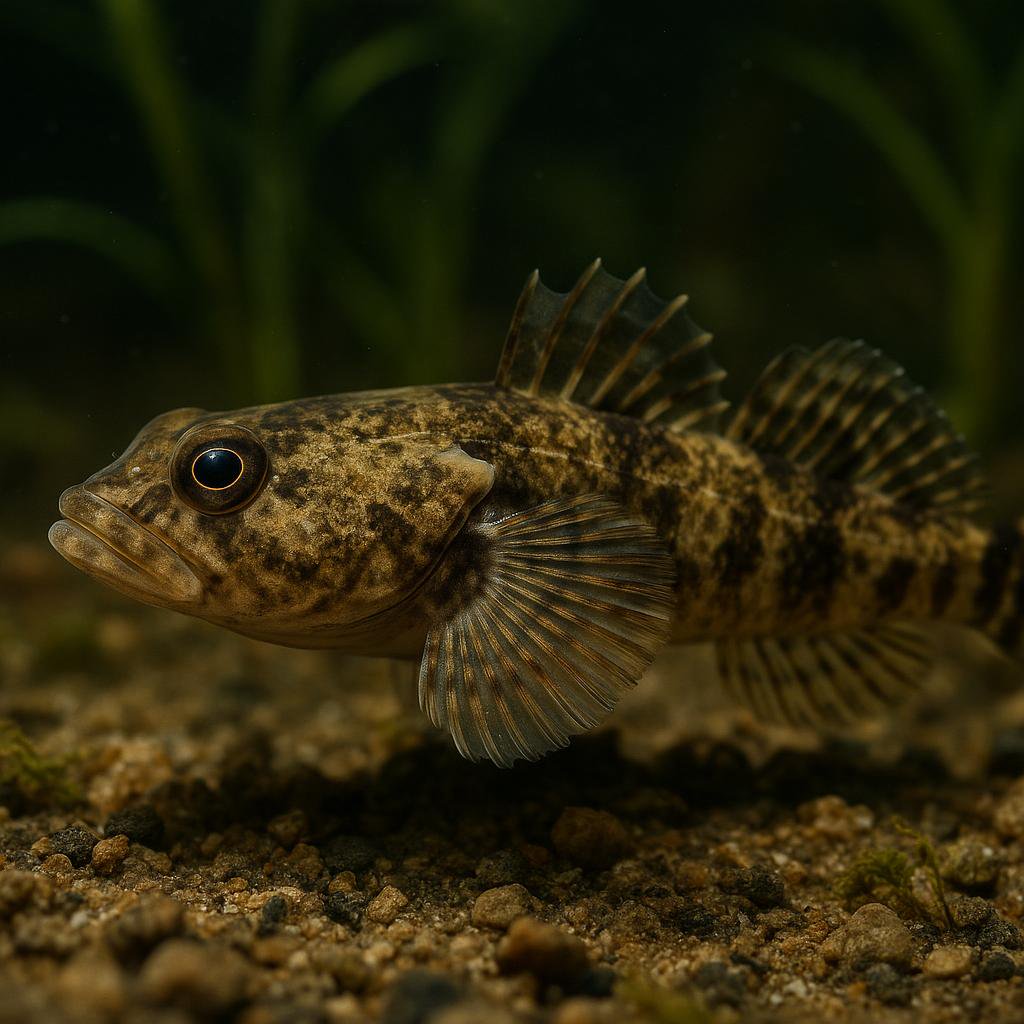
Amur sculpin
Alpinocottus szanaga
This is a little coldwater sculpin from the Amur drainage - a bottom-hugging, rock-and-gravel fish that spends its day wedged under stones and darting out to grab food. Super cool behavior and attitude, but it is absolutely not a warm tropical community fish - it wants chilly, fast, oxygen-rich water and will bicker with other bottom fish.
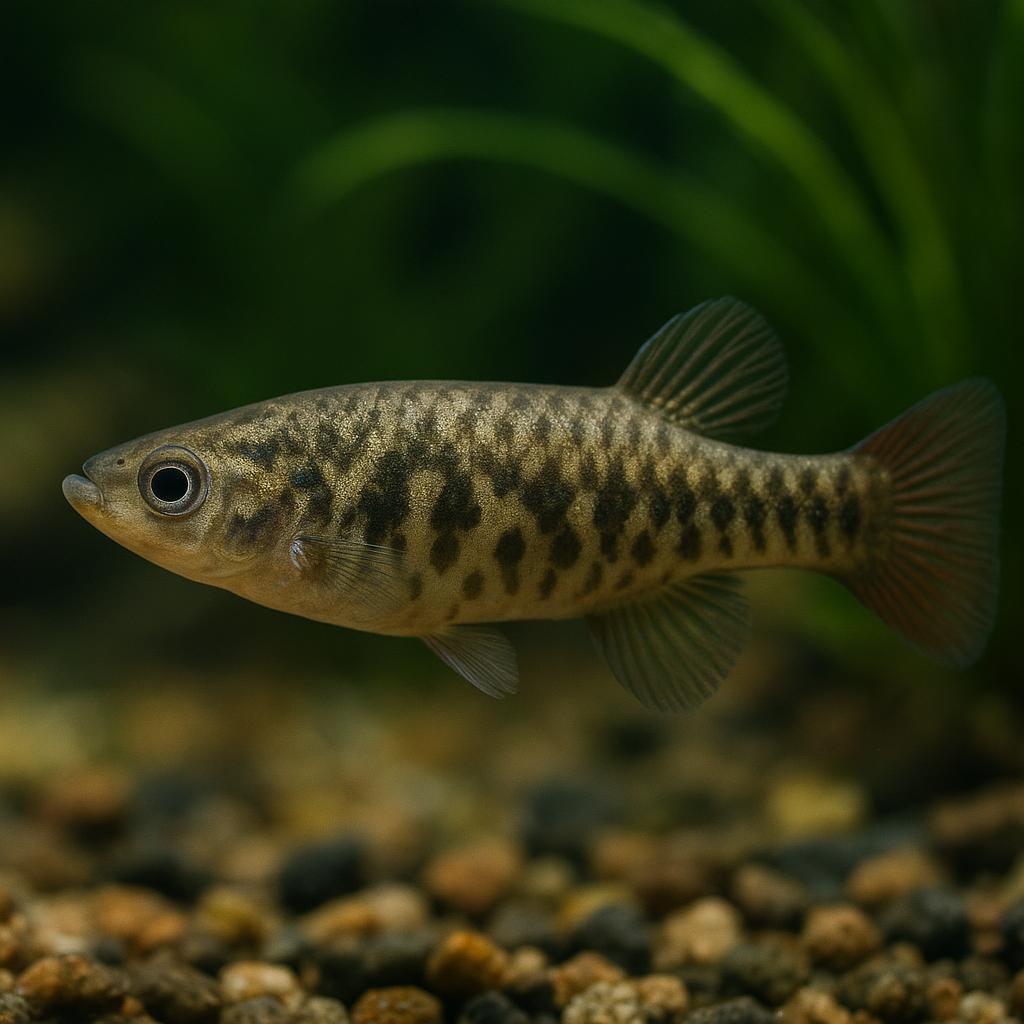
Anitápolis livebearer
Jenynsia weitzmani
Jenynsia weitzmani is a freshwater anablepid livebearer endemic to southern Brazil (currently known only from the type locality near Anitápolis, Santa Catarina). Like other Jenynsia (onesided livebearers), reproduction involves lateralized mating morphology/behavior; aquarium care guidance is not well-documented for this species specifically.
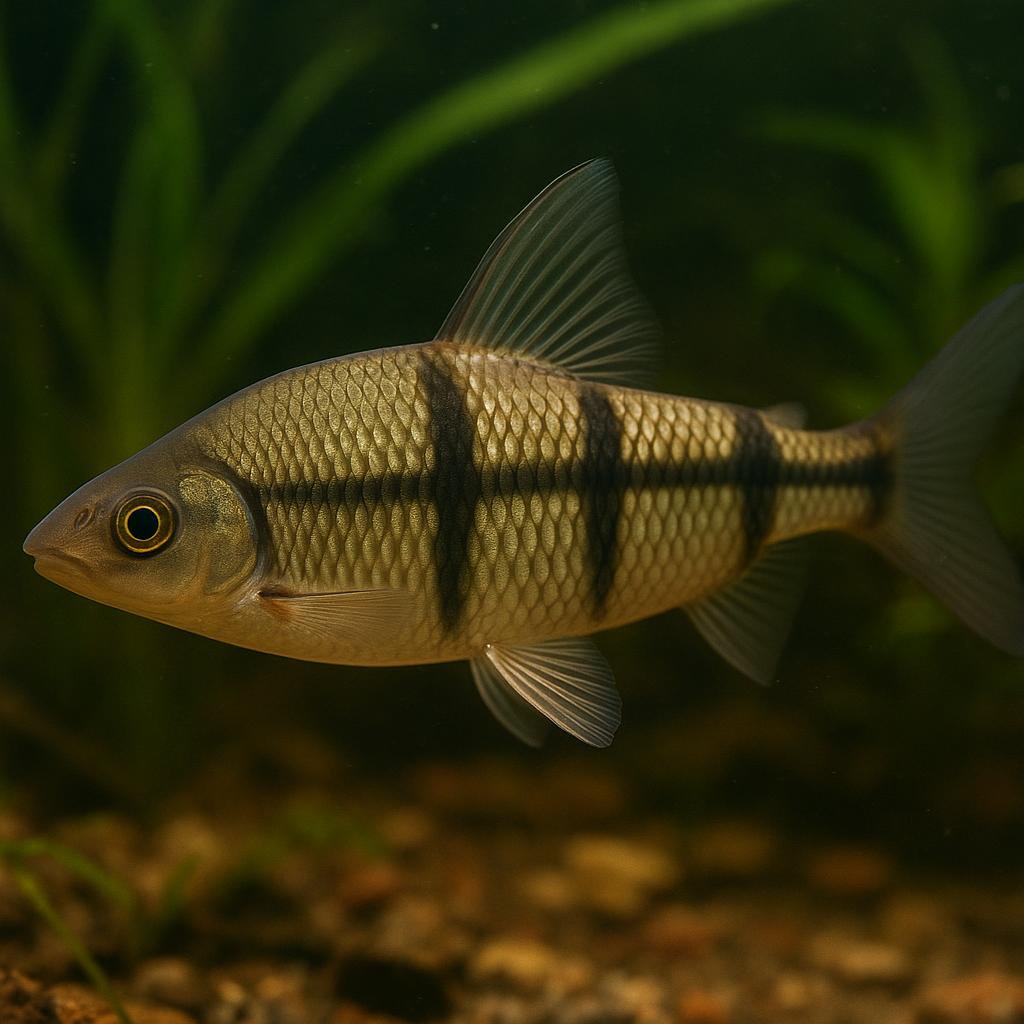
Aracu-comum
Schizodon vittatus
Schizodon vittatus is a large South American anostomid (family Anostomidae). Reported maximum size is about 35 cm standard length; it is harvested/consumed in parts of Brazil and is not commonly covered by mainstream aquarium husbandry references.
More to Explore
Discover more freshwater species.
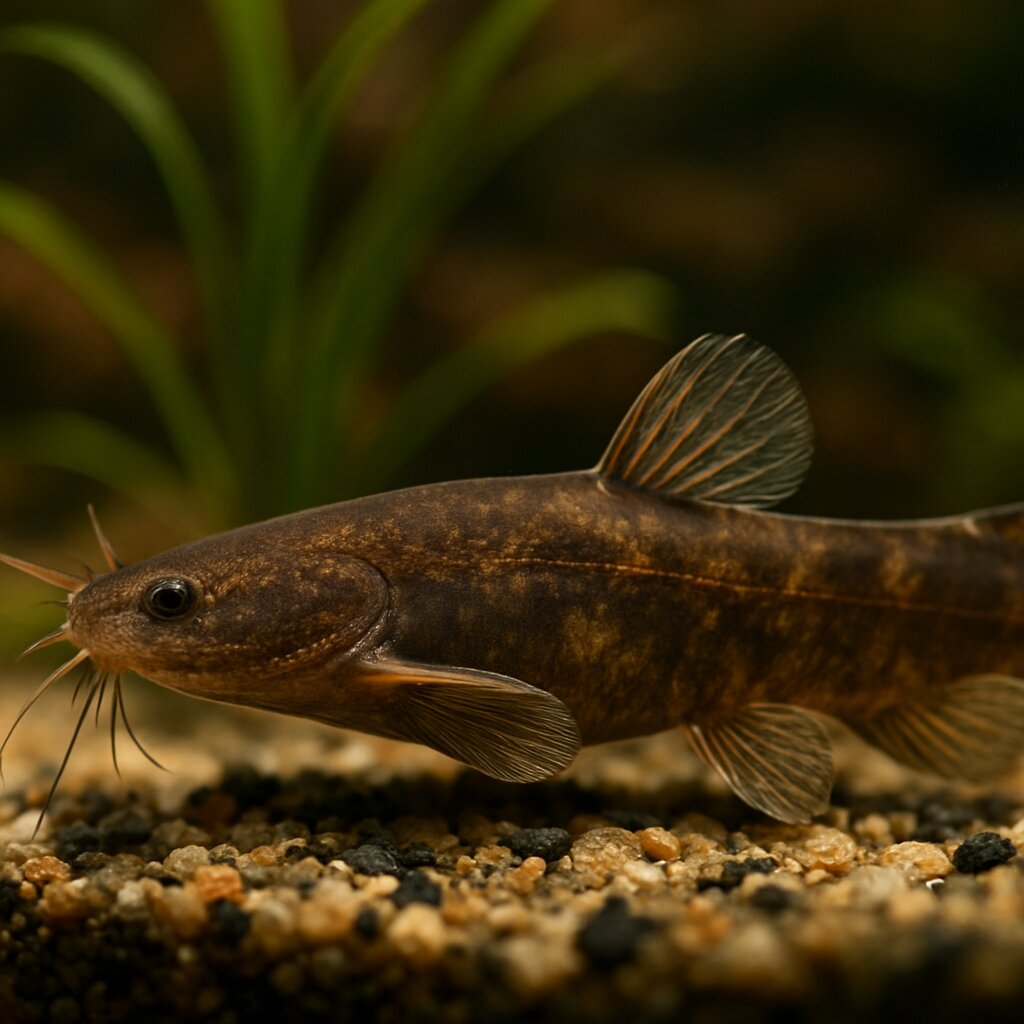
Amphilius dimonikensis
A small loach catfish endemic to the Mpoulou River in the Mayombe (Dimonika Biosphere Reserve), Republic of the Congo. Amphilius dimonikensis has a subtle banded pattern and inhabits fast, clear streams over rock and sand. In aquaria, prioritize strong, well-oxygenated flow with rounded stones and sand to mimic hillstream conditions.
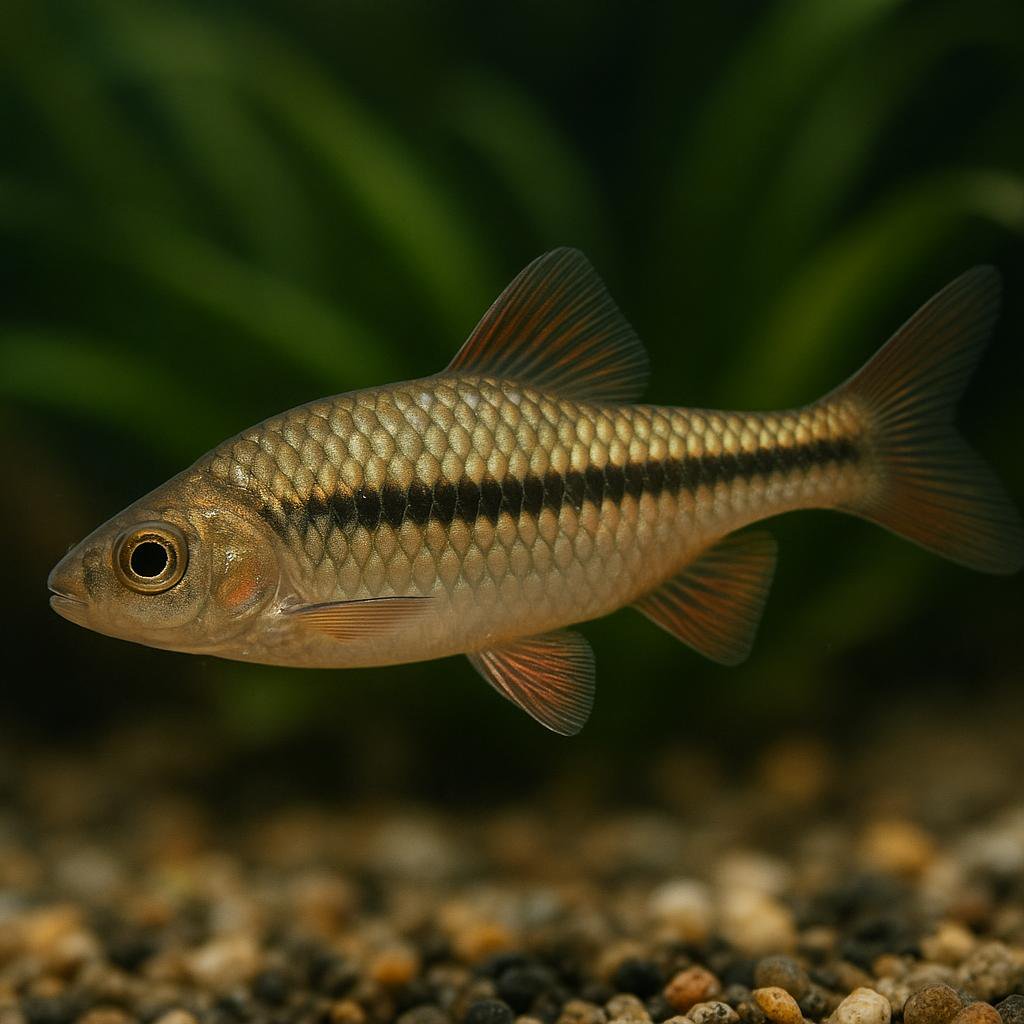
Aboina barb
Enteromius aboinensis
Enteromius aboinensis (the Aboina barb) is a small West African barb with a clean black midline stripe and a little spot right at the base of the tail. It does best when you treat it like a proper schooling fish - keep a decent group and give it plants around the edges with open swimming room in the middle.
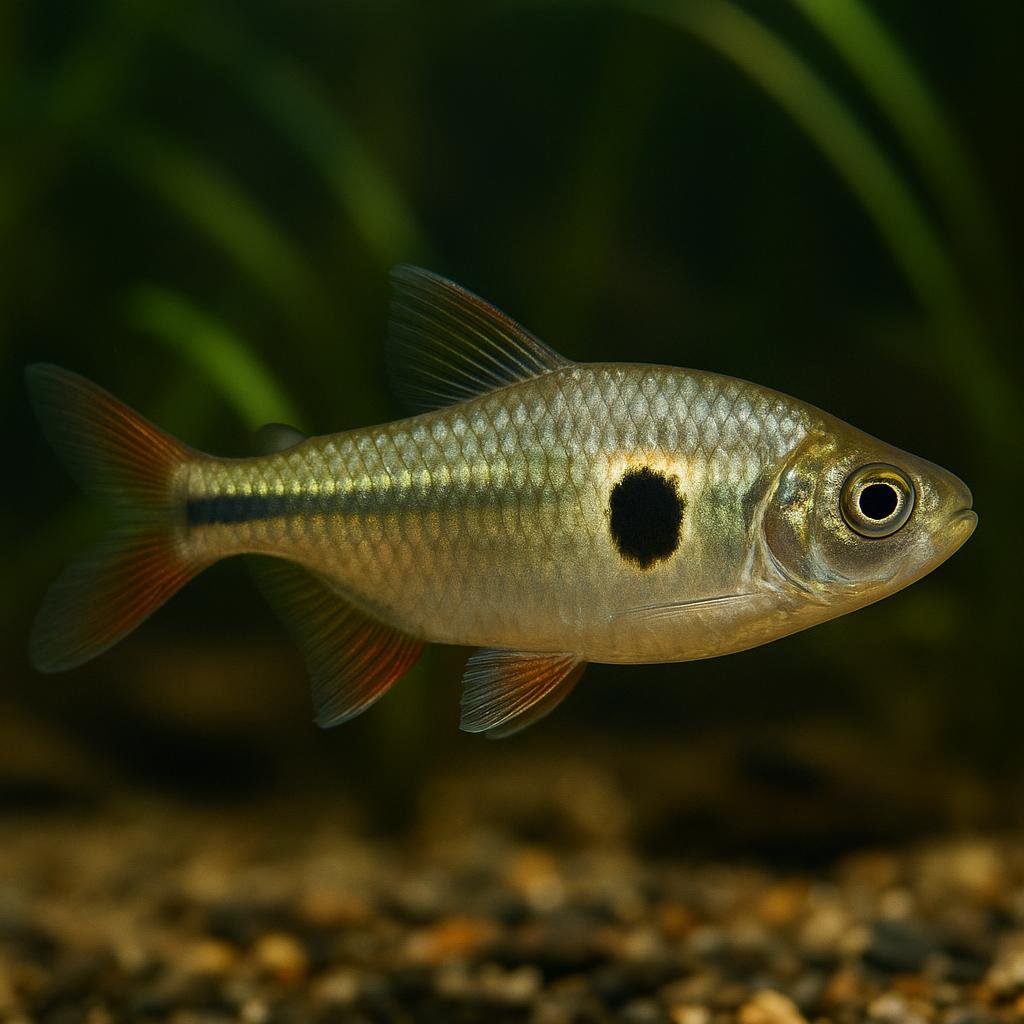
Ajuricaba tetra
Jupiaba ajuricaba
Jupiaba ajuricaba is a South American freshwater characin from the Amazon basin in Brazil (rio Negro, rio Solimões, and rio Tapajós basins). It reaches about 9.5 cm SL and is diagnosed by a narrow dark midlateral stripe, an elongated humeral spot, and an ocellated spot on the upper caudal-fin lobe. Wild specimens have been collected from blackwater forest streams and also oxbow-lake habitats.
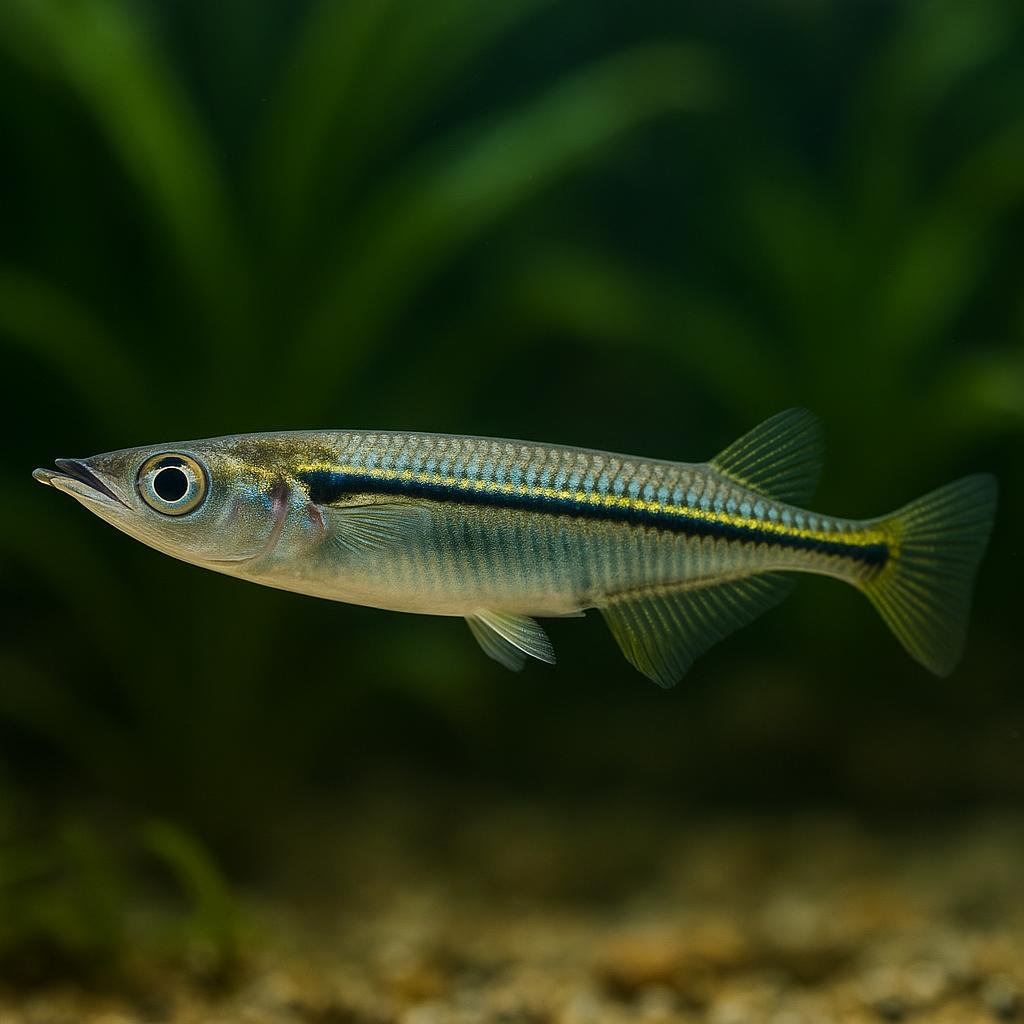
Allen's river garfish
Zenarchopterus alleni
A poorly known freshwater halfbeak endemic to West Papua (Mamberamo River), described from a single specimen (~13 cm SL). Beyond basic habitat/occurrence, little is published about its ecology or aquarium suitability; assume it is a surface-oriented, jump-prone halfbeak only by analogy with related taxa.
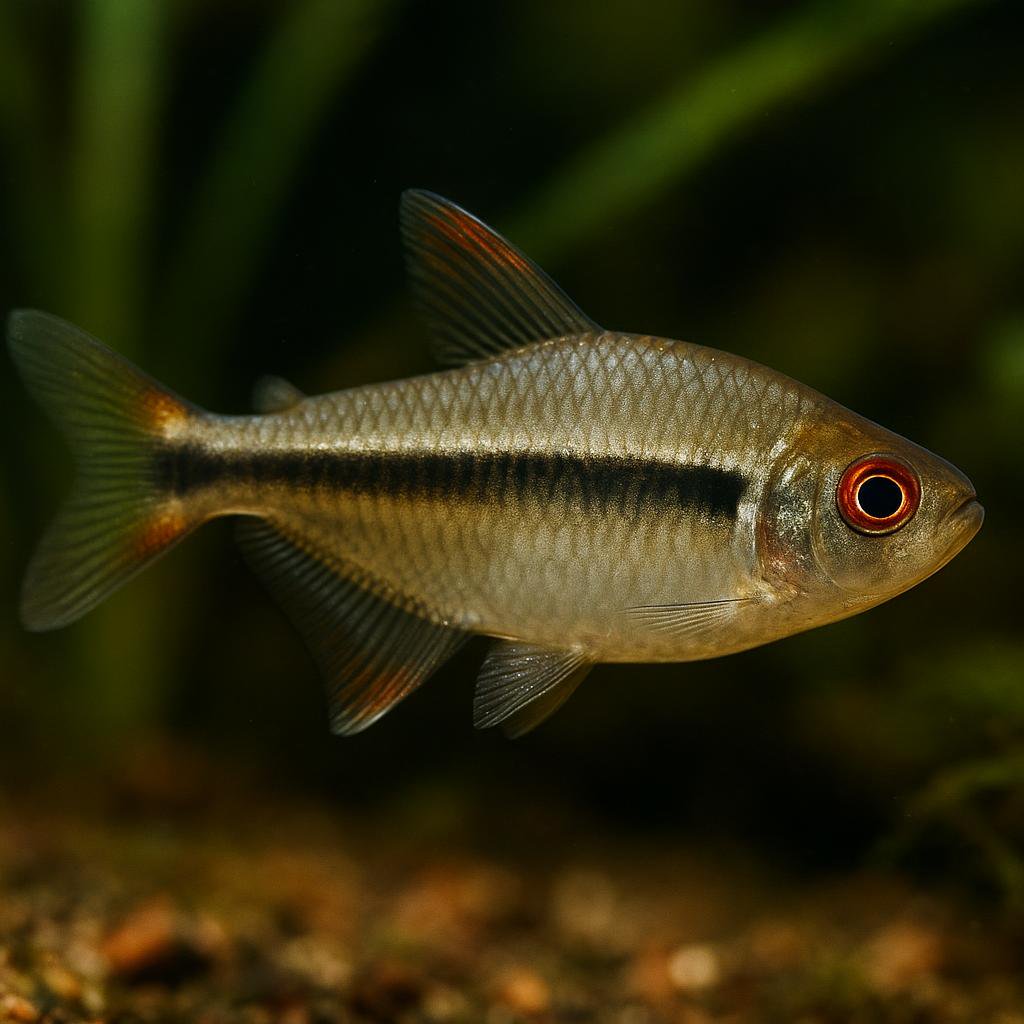
Amapa tetra
Hyphessobrycon amapaensis
This is a tiny, super sleek little tetra with a clean red stripe down the side that really pops once its settled in. It does best in a planted, slightly tinted "creek-style" setup and looks way cooler when you keep a proper group so they school and flash that line together. If you can give it soft, slightly acidic water and a calm community, its an easy fish to fall for.
Amatlan chub
Yuriria amatlana
Yuriria amatlana (the Amatlan chub) is a little Mexican native minnow from the Ameca River basin. Its wild range is pretty limited and it is listed as Endangered, so its care info in the aquarium hobby is basically nonexistent and its availability is usually low. In the original species description, preserved fish show a dark lateral stripe with a darker patch on the caudal peduncle, and they can have tiny barbels at the mouth corners.
Looking for other species?