

Hypostomus scaphyceps (suckermouth armored catfish)
Hypostomus albopunctatus
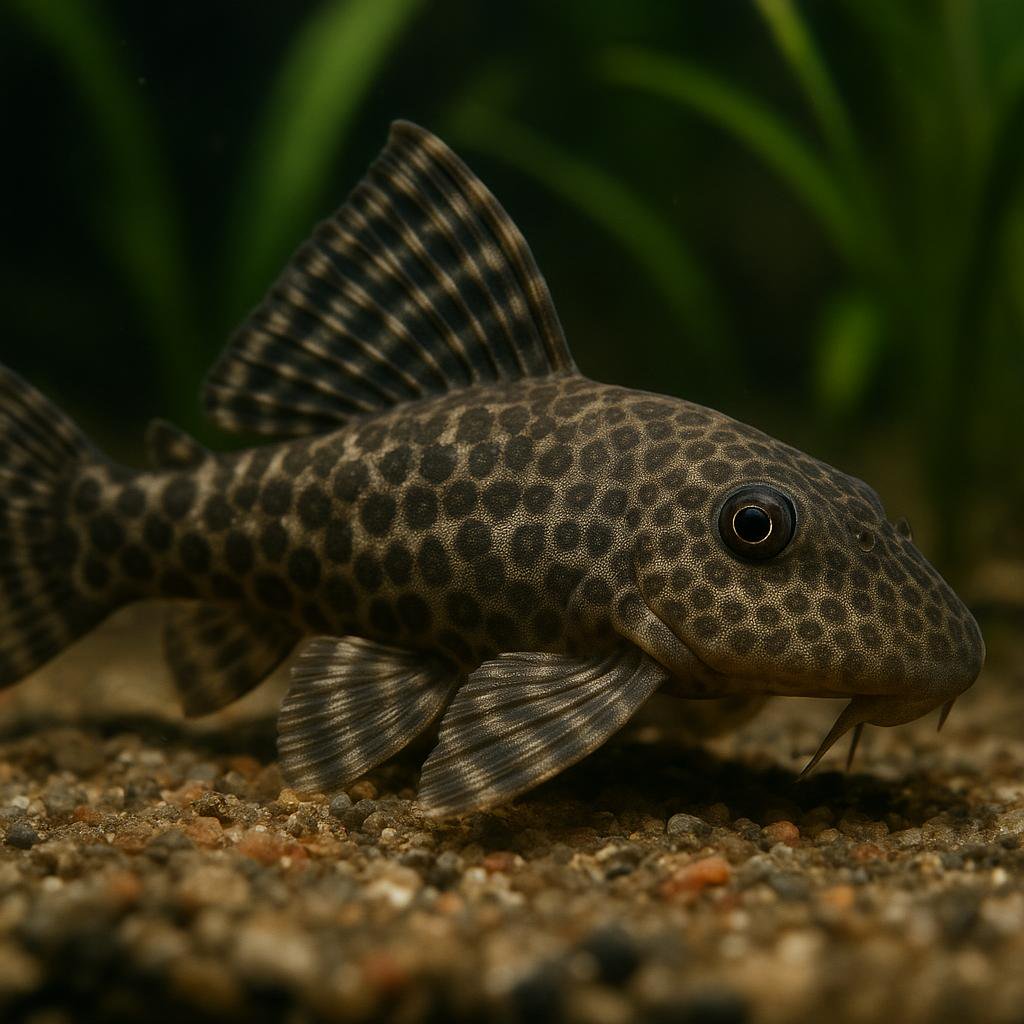
The Paranapanema hypostomus features a robust, flattened body with a distinctive yellow-brown coloration and numerous bony plates along its back.
This page includes AI-generated images. Why am I seeing AI images?
About the Hypostomus scaphyceps (suckermouth armored catfish)
This one is a wild Brazilian Hypostomus from the Paranapanema River basin - basically a true armored suckermouth catfish, not something you usually see labeled clearly in shops. One big gotcha: the often-quoted max size of 3.5 cm is very likely based on a juvenile record, so I would not plan a tiny tank around it.
Also known as
Quick Facts
Size
3.5 cm (1.4 in) SL - FishBase record; likely juvenile
Temperament
Semi-aggressive
Difficulty
Advanced
Min Tank Size
40 gallons
Lifespan
10-15 years
Origin
South America (Brazil - upper Rio Parana system)
Diet
Omnivore - algae/biofilm plus sinking wafers, veggies, and meaty frozen foods
Water Parameters
22-28°C
6.5-7.5
2-20 dGH
Need a heater for this species?
This species needs 22-28°C in a 40 gallon tank. Use our heater calculator to find the right wattage.
Calculate heater sizeCare Notes
- Plan for a big footprint tank, not just gallons - a 5-6 ft tank with lots of floor space, heavy driftwood, and rock piles works way better than a tall setup.
- They are strong and messy, so run oversized filtration and add extra aeration; if you see them hanging near the surface, crank the flow and oxygen before you start chasing other causes.
- Keep water on the warm side (around 75-82F) and stable; they handle a range of pH (roughly 6.5-7.8) but get cranky fast with nitrate creep, so big weekly water changes pay off.
- Feed like an omnivore, not a pure algae-eater: algae wafers and sinking pellets as the base, plus zucchini/green beans and occasional meaty stuff (shrimp, mussel, bloodworms) so they keep weight.
- Give them real wood to rasp on (not just a decoration) and watch the belly - a pinched stomach usually means you are underfeeding or the tankmates are outcompeting them at night.
- Tankmates: sturdy medium-large fish that can handle current are fine; skip slow fancy fish and anything small enough to get pinned against the glass or bullied off food.
- Expect territorial behavior as they mature, especially with other plecos - if you want multiples, break line-of-sight with caves and wood, and provide more hides than fish.
- Breeding is cave-based if you ever try it: tight tubes/caves and heavy feeding can trigger it, but the male will guard eggs hard, so do not keep cave-stealing cichlids in there.
Compatibility
Good Tankmates
- Tough, midwater cichlids that mind their own business - think Severums, Firemouths, or Geophagus types. The pleco mostly wants a cave and food, so sturdy cichlids that are not hyper-territorial usually coexist fine.
- Silver dollar schools (Metynnis/Myleus). Fast, durable, and they do not camp the bottom, so they are rarely in the pleco's way.
- Big, chill characins like Buenos Aires tetras or larger Congo tetra groups. They can handle the 'big tank energy' and will not get bullied just because a pleco bulldozes around at feeding time.
- Robust barbs and rainbows - tiger barbs in a proper group, or larger rainbows (Boesemani, turquoise, etc.). They are quick and not easily stressed by a semi-aggressive bottom fish.
- Other sturdy bottom fish with space - like a big Synodontis (upside-down catfish types) if the tank is roomy and you have multiple hides. Works best when everyone has their own cave and you feed after lights-out too.
- Dojo/Weather loaches in a big tank. They are thick-skinned, active, and not super territorial, so they usually shrug off the pleco's grumpy cave-guard vibe.
Avoid
- Fancy slow fish with big fins - angelfish strains with long fins, fancy guppies, bettas. The pleco can decide their slime coat is a late-night snack, especially if it is underfed or the other fish sleeps on flat surfaces.
- Discus and other 'soft' premium fish. Even if nobody is trying to fight, the pleco's feeding mess and bulldozer behavior is a stress factory, and the slime-coat rasping risk is real.
- Other big plecos or similar cave-hog catfish in tight quarters. Two armored suckermouths in a small footprint tank usually turns into nonstop shoving matches and torn fins.
- Tiny, timid community fish - small tetras/rasboras, dwarf corys. They will not get hunted much, but they get stressed, outcompeted for food, and the pleco's nighttime rampaging can keep them on edge.
Where they come from
Paranapanema Hypostomus (often sold under Hypostomus scaphyceps) comes out of Brazil - think the Paranapanema River system and nearby tributaries. They are the classic South American armored suckermouth type: built for current, rocks, wood, and a life spent scraping and bulldozing around the bottom.
If you have kept smaller plecos and thought, "This is manageable," this one will teach you what "big pleco" really means. Awesome fish, but it is an advanced pick because of size, waste, and their attitude once they settle in.
Setting up their tank
Give them floor space more than height. A long tank with a wide footprint makes your life easier because they cruise, turn, and claim zones. For an adult, I would not do less than a 6-foot tank, and bigger is honestly better if you want tankmates.
- Tank size: plan around the adult fish, not the cute juvenile. Think 180 gallons and up as a realistic long-term home.
- Filtration: heavy. Big canister or sump, plus a powerhead for flow. You want lots of oxygen and a way to move waste to the intakes.
- Substrate: sand or smooth gravel. They will rasp and dig a bit, so skip anything sharp.
- Hardscape: real driftwood (they graze it), rounded rocks, and at least one tight cave they can wedge into.
- Plants: expect them to redecorate. Tough plants attached to wood/rock (anubias, java fern) do better than rooted stuff.
These guys are poop machines. If your maintenance routine is already a stretch, this fish will push it over the edge. Big water changes and steady gravel-vac work are part of the deal.
Water numbers do not need to be exotic: neutral-ish to slightly acidic is fine, warm tropical temps, and stable conditions. What matters more in practice is clean water and oxygen. I run extra surface agitation and I do not let mulm pile up around their favorite cave.
What to feed them
They are not an "algae solution." They will graze, sure, but in a clean tank you are feeding the fish, not the glass. Mine did best with a mix of sinking prepared foods and fresh veg, with some protein so they keep weight on.
- Staples: quality sinking wafers and pleco pellets (rotate brands if you can).
- Veg: zucchini, cucumber, blanched green beans, spinach, romaine. Clip it down so it does not float around.
- Protein: shrimp pellets, sinking carnivore sticks, or occasional frozen foods (bloodworms are messy - go easy).
- Wood: driftwood stays in the tank. They rasp it constantly and it helps with digestion.
Feed after lights-out if you have pushy tankmates. A lot of Hypostomus get bold at night and will actually eat in peace if the cichlids or barbs are sleeping.
Watch the belly line. A healthy fish looks solid and filled out, not pinched behind the head. If it is getting thin, it is usually either getting outcompeted, or you are underfeeding because you assume it is living on algae.
How they behave and who they get along with
Personality-wise, think stubborn bulldozer. They are not typically out hunting fish, but they are strong, territorial about a cave, and they will throw their weight around. Most of the drama happens at night around food or a favorite hide.
- Good tankmates: robust midwater fish that can handle a big tank and do not need the same cave space (larger tetras, silver dollars, larger rainbowfish, many medium-to-large cichlids).
- Use caution: other big plecos, especially similar-looking Hypostomus. You can do it in huge setups with multiple caves, but expect posturing.
- Avoid: slow, flat-bodied fish that rest on the bottom (they can get crowded), and delicate species that hate high waste load.
If you ever see them trying to latch onto big slow fish (common with some plecos), that is usually a diet issue or not enough veg. It can also be a cramped tank problem.
Give them more hides than you think. I like at least two solid caves per large bottom-dweller, spread out so they can claim space without constant face-offs. PVC sections hidden behind wood work great if you do not mind the look.
Breeding tips
Breeding Hypostomus at home is possible, but it is not like popping bristlenose in a 40 breeder. Most successful spawns happen in big, mature tanks where a male can claim a cave and guard eggs. They are cave spawners, and the male does the guarding.
- Start with a group of juveniles if you want a pair. Sexing is not straightforward until they are older and settled.
- Use snug caves or tubes they can wedge into (ceramic, slate, or PVC). The entrance should be just big enough for the male to block.
- Heavy feeding plus big water changes often seems to trigger breeding behavior, especially with a slight temp drop and more flow.
If you do get fry, the grow-out is the real work. They eat a ton, foul water fast, and need frequent water changes to avoid losses.
Common problems to watch for
- Starvation in plain sight: the fish looks "fine" from above but is hollow-bellied. Usually outcompeted or underfed.
- Bloat/constipation: often from too much rich food and not enough fiber. Add veg, back off heavy pellets for a bit, keep wood available.
- Damaged barbels and belly scrapes: sharp gravel/rock edges and tight spaces with rough surfaces cause this.
- Ich and skin issues after purchase: they ship poorly sometimes. Quarantine if you can, and keep oxygen high during treatment.
- Nitrate creep: big plecos quietly push nitrates up. If algae explodes and fish get lethargic, test and increase water changes.
One more thing from experience: watch your heaters and intakes. A large Hypostomus can crack a cheap heater if it wedges behind it, and they will plaster themselves onto intakes if the pre-filter clogs. Heater guards and intake sponges save headaches.
Do not medicate blindly with copper-heavy meds if you are not sure what is going on, especially if you keep other catfish or inverts. Diagnose first, increase aeration, and treat with intention.
Similar Species
Other freshwater semi-aggressive species you might be interested in.
Jupiaba kurua
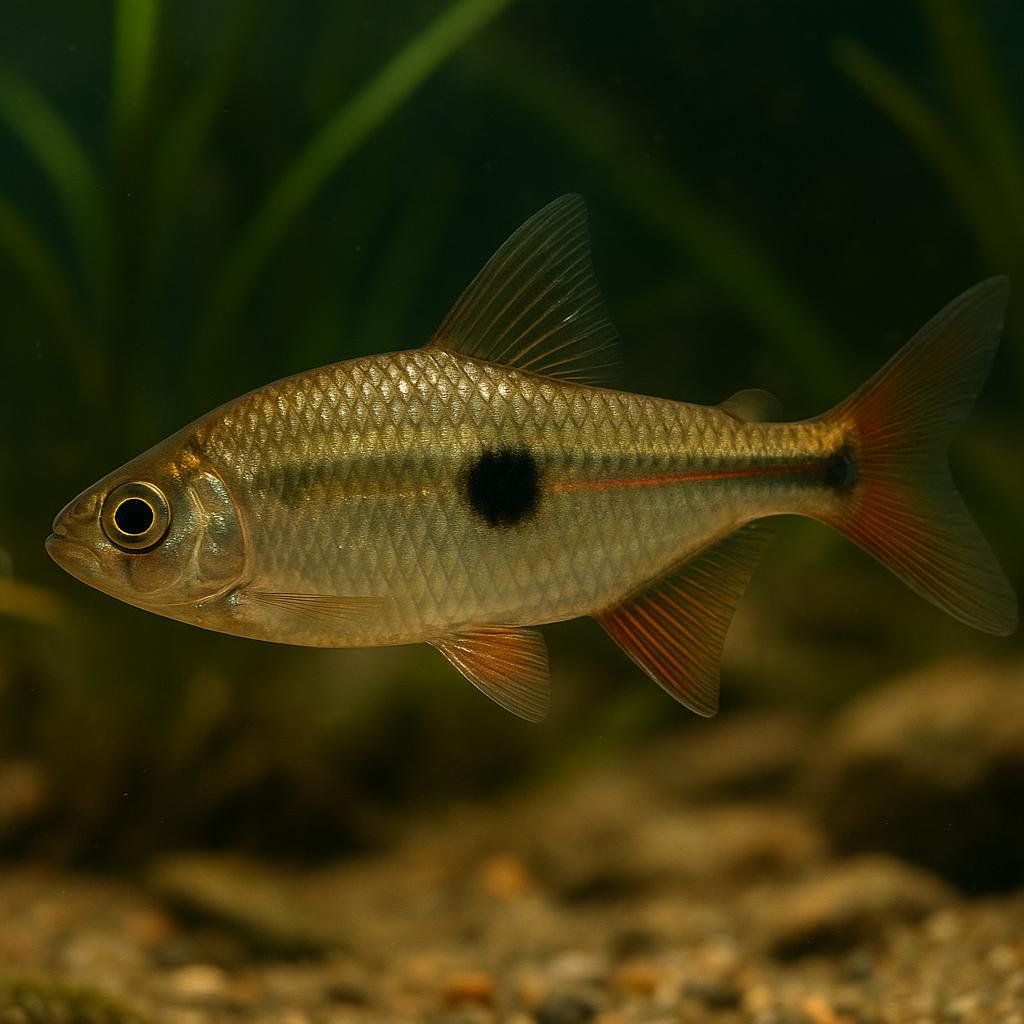
Small South American characin endemic to the upper rio Curuá (rio Xingu basin, Brazil). Reaches about 8.7 cm SL and inhabits clearwater rivers. Distinguished by dark dots on the bases of many lateral scales and a distinct dark caudal‑peduncle spot. Reported diet indicates omnivory, including aquatic insects, small fishes, and fragments of Podostemaceae and filamentous algae.
Altipedunculata stone loach
Schistura altipedunculata
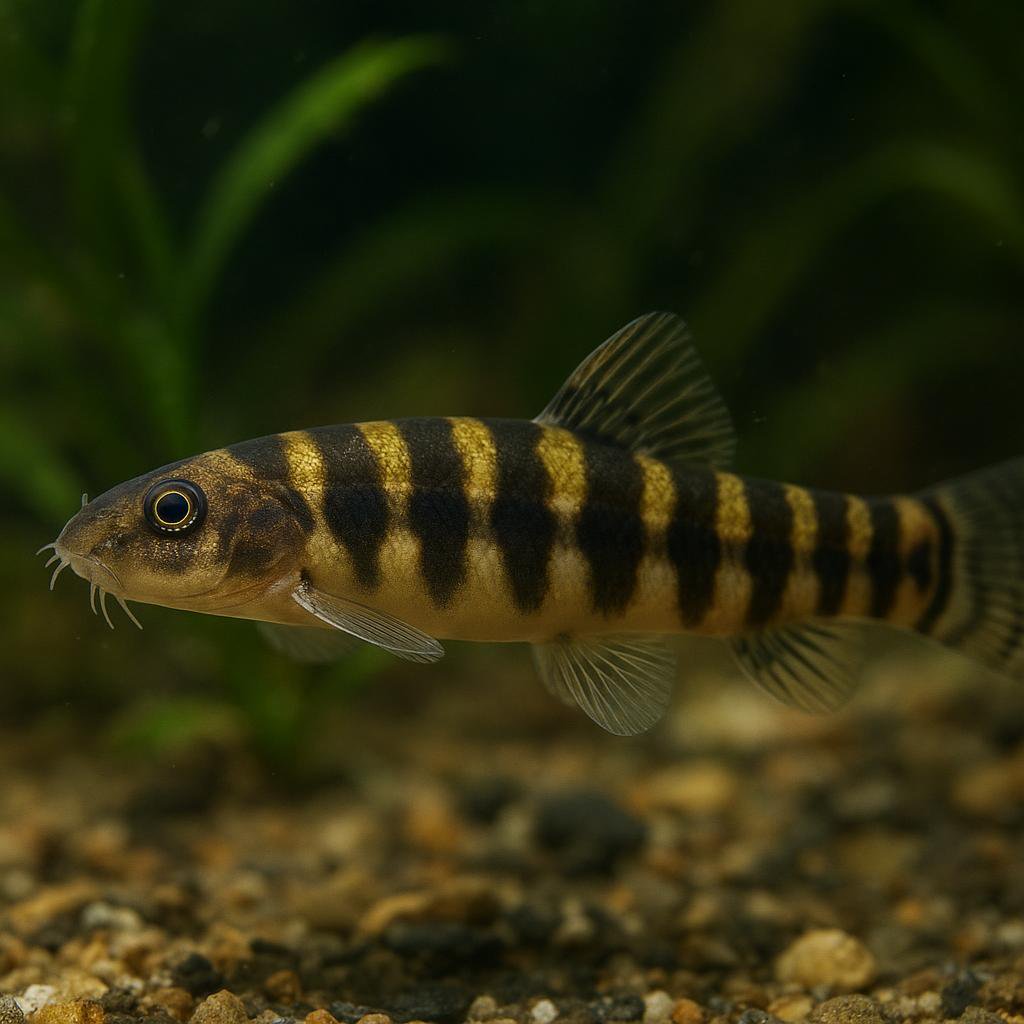
Schistura altipedunculata is one of those little stream loaches that wants clean, well-oxygenated water and a bunch of rock nooks to claim as home. It is a bottom-hugger that will spend its day scooting from crevice to crevice, and it tends to get a bit spicy with its own kind if you do not give it enough hiding spots.
American flagfish
Jordanella floridae
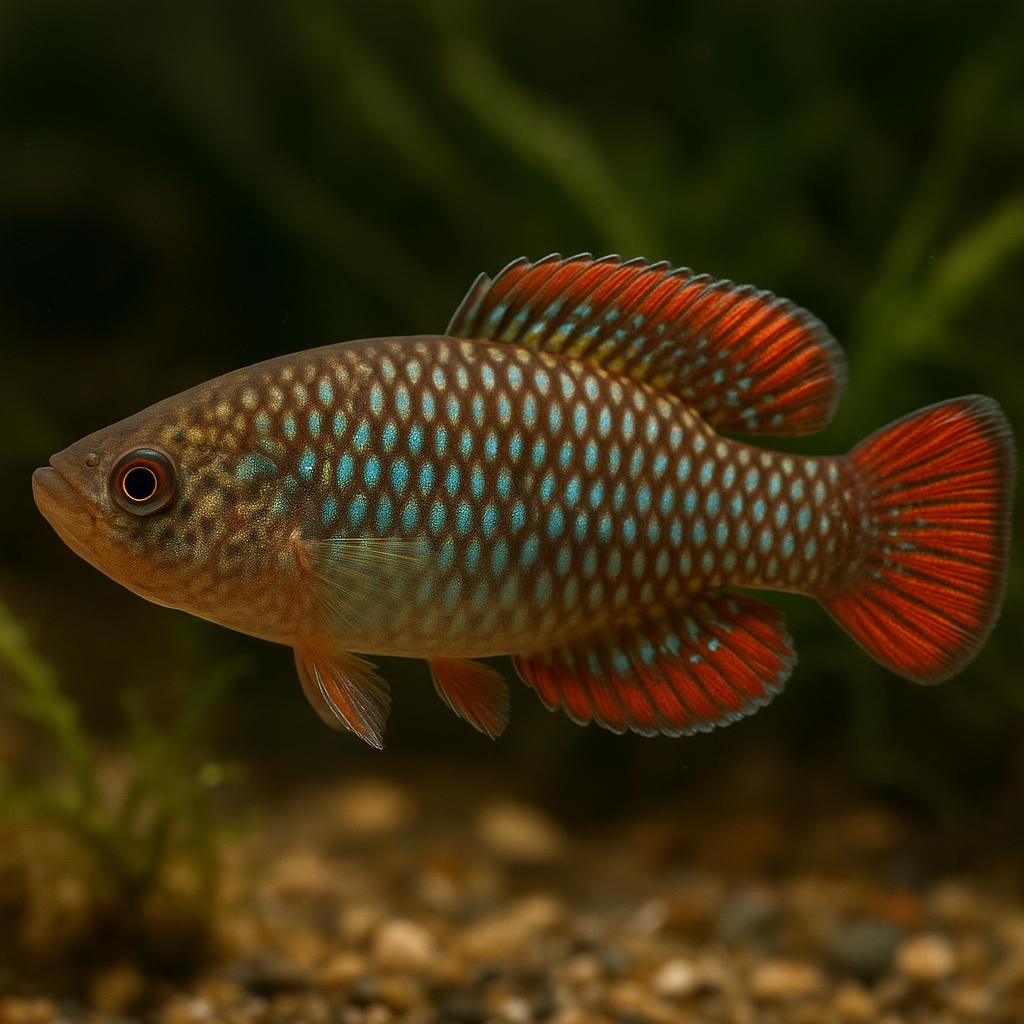
Jordanella floridae is that little Florida native with the red-and-cream striping that really does look like a tiny flag once a male colors up. They graze algae like champs (especially stringy/hair algae), but they have a bit of attitude - give them plants and space so the bossy behavior stays manageable. Bonus: the male guards the eggs and will actively fan them, which is pretty fun to watch.
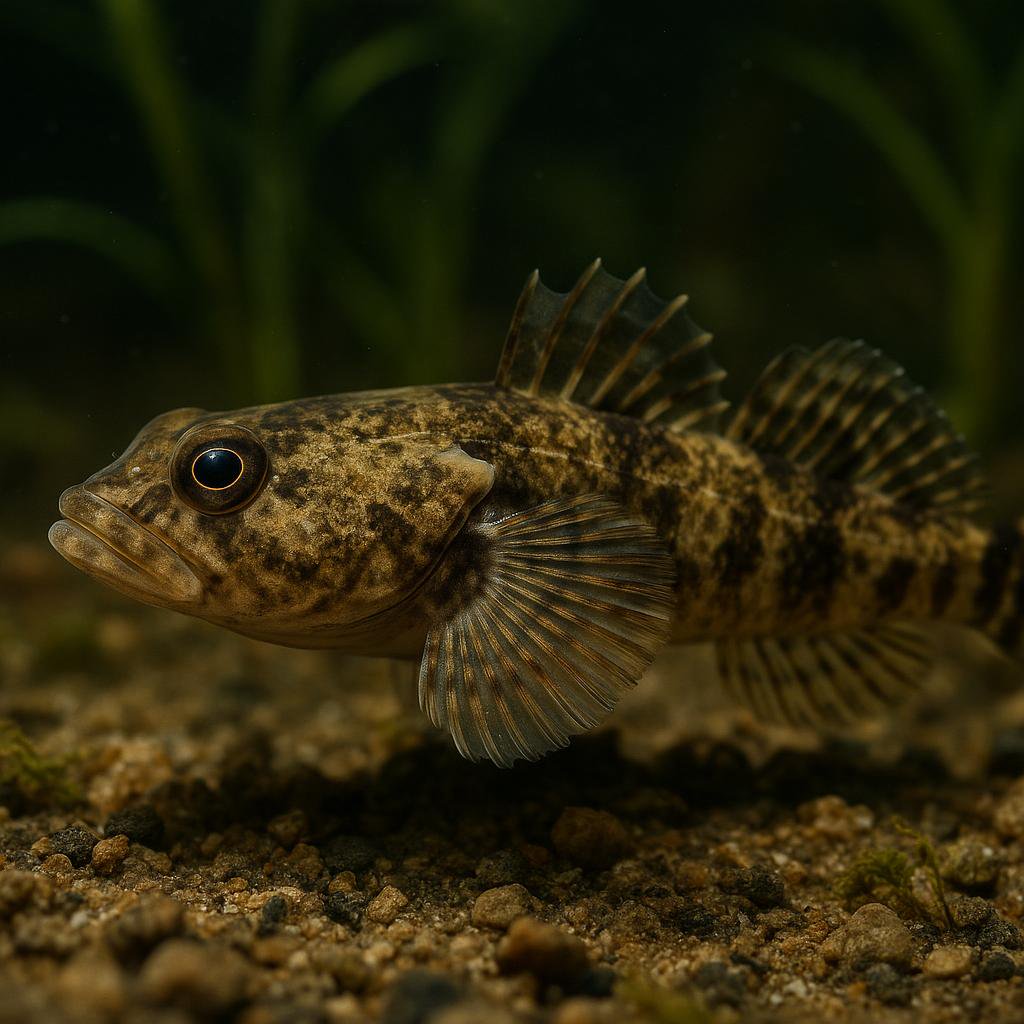
Amur sculpin
Alpinocottus szanaga
This is a little coldwater sculpin from the Amur drainage - a bottom-hugging, rock-and-gravel fish that spends its day wedged under stones and darting out to grab food. Super cool behavior and attitude, but it is absolutely not a warm tropical community fish - it wants chilly, fast, oxygen-rich water and will bicker with other bottom fish.
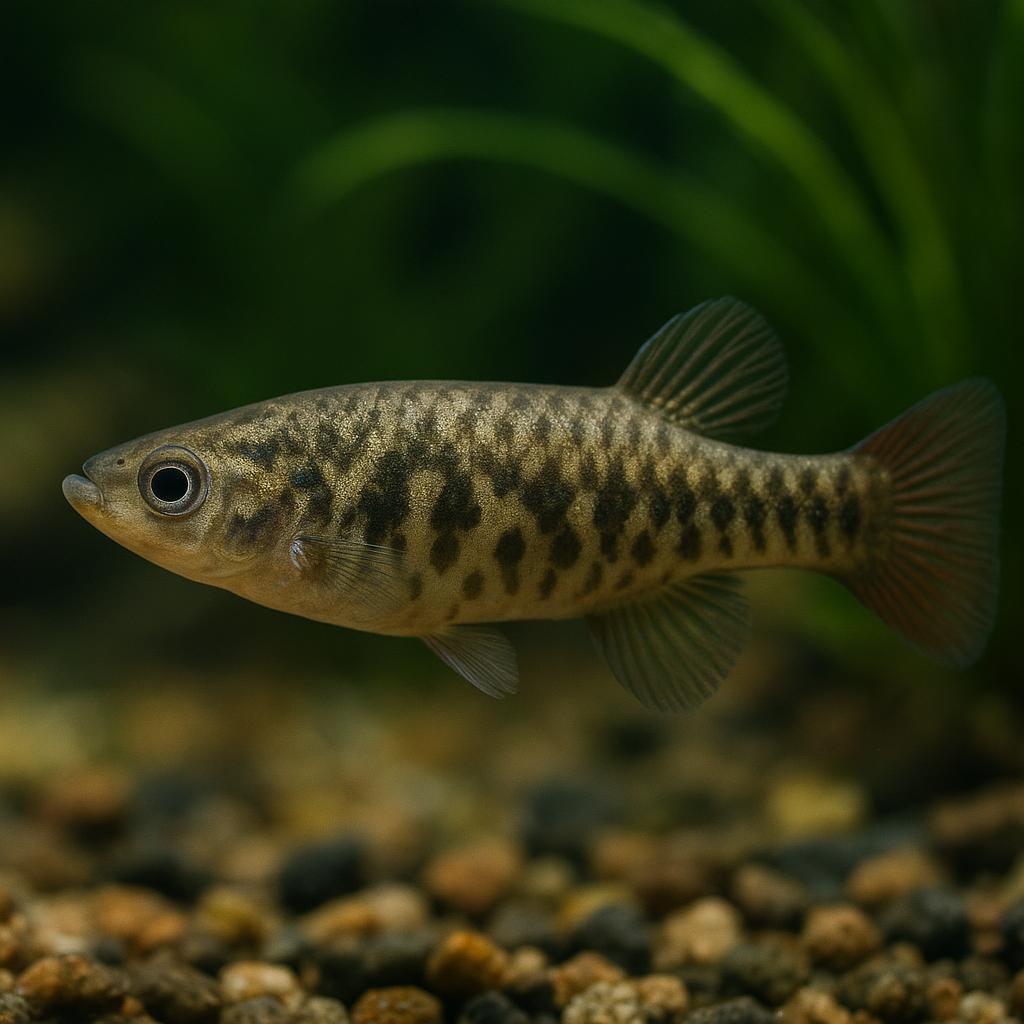
Anitápolis livebearer
Jenynsia weitzmani
Jenynsia weitzmani is a freshwater anablepid livebearer endemic to southern Brazil (currently known only from the type locality near Anitápolis, Santa Catarina). Like other Jenynsia (onesided livebearers), reproduction involves lateralized mating morphology/behavior; aquarium care guidance is not well-documented for this species specifically.
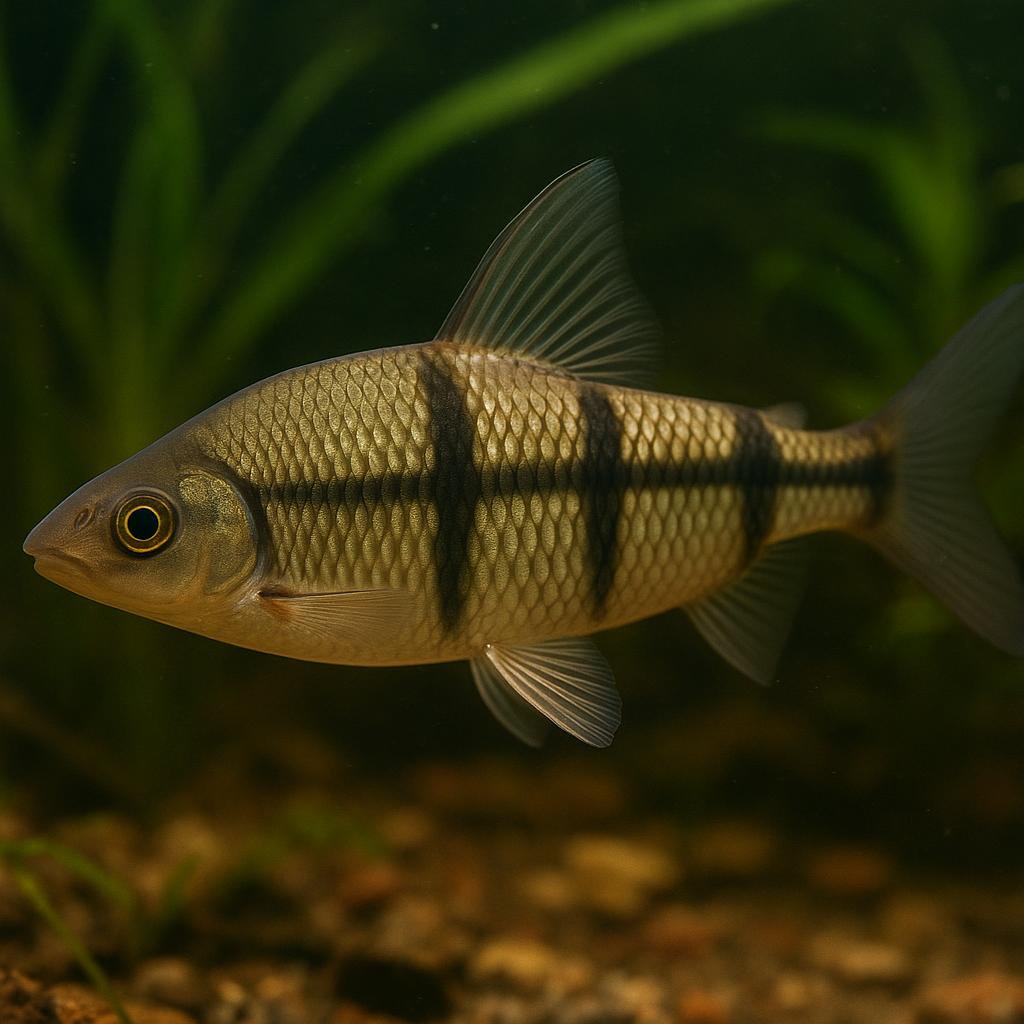
Aracu-comum
Schizodon vittatus
Schizodon vittatus is a large South American anostomid (family Anostomidae). Reported maximum size is about 35 cm standard length; it is harvested/consumed in parts of Brazil and is not commonly covered by mainstream aquarium husbandry references.
More to Explore
Discover more freshwater species.
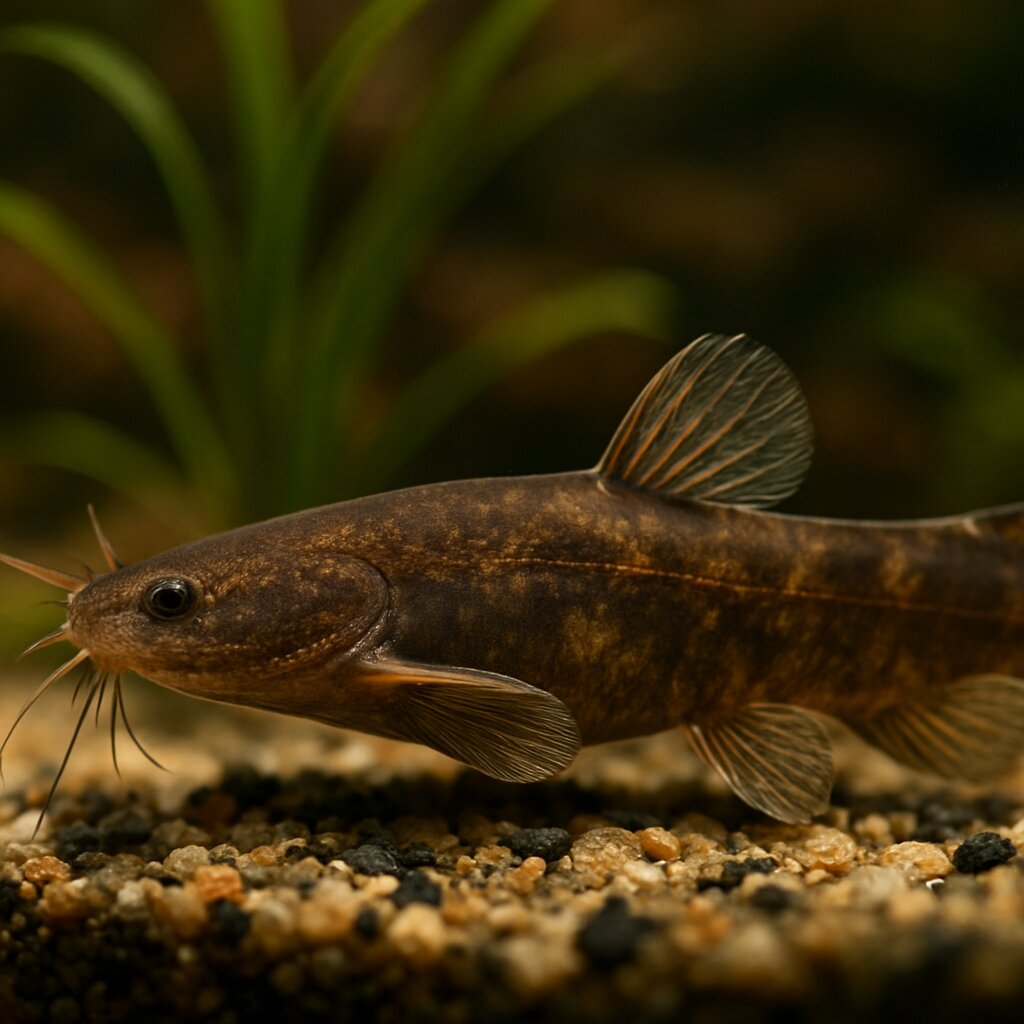
Amphilius dimonikensis
A small loach catfish endemic to the Mpoulou River in the Mayombe (Dimonika Biosphere Reserve), Republic of the Congo. Amphilius dimonikensis has a subtle banded pattern and inhabits fast, clear streams over rock and sand. In aquaria, prioritize strong, well-oxygenated flow with rounded stones and sand to mimic hillstream conditions.
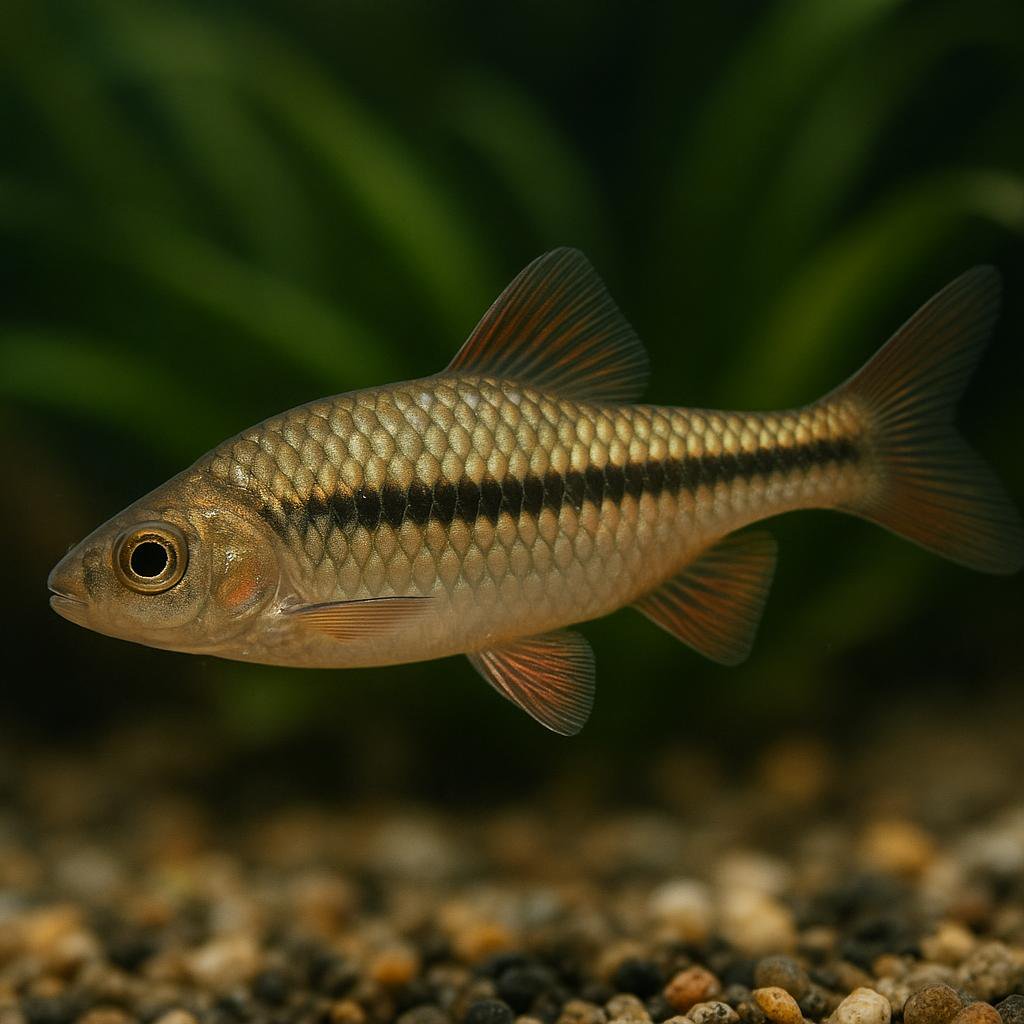
Aboina barb
Enteromius aboinensis
Enteromius aboinensis (the Aboina barb) is a small West African barb with a clean black midline stripe and a little spot right at the base of the tail. It does best when you treat it like a proper schooling fish - keep a decent group and give it plants around the edges with open swimming room in the middle.
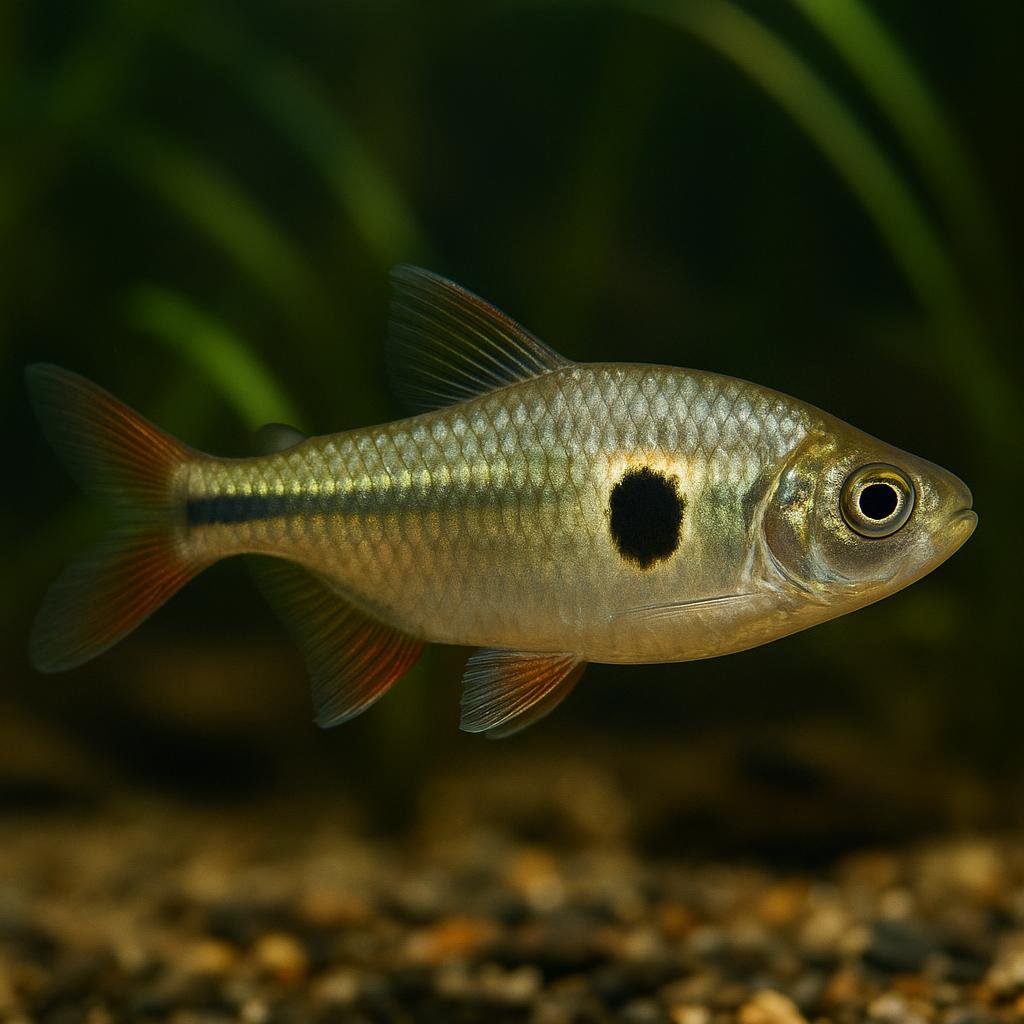
Ajuricaba tetra
Jupiaba ajuricaba
Jupiaba ajuricaba is a South American freshwater characin from the Amazon basin in Brazil (rio Negro, rio Solimões, and rio Tapajós basins). It reaches about 9.5 cm SL and is diagnosed by a narrow dark midlateral stripe, an elongated humeral spot, and an ocellated spot on the upper caudal-fin lobe. Wild specimens have been collected from blackwater forest streams and also oxbow-lake habitats.
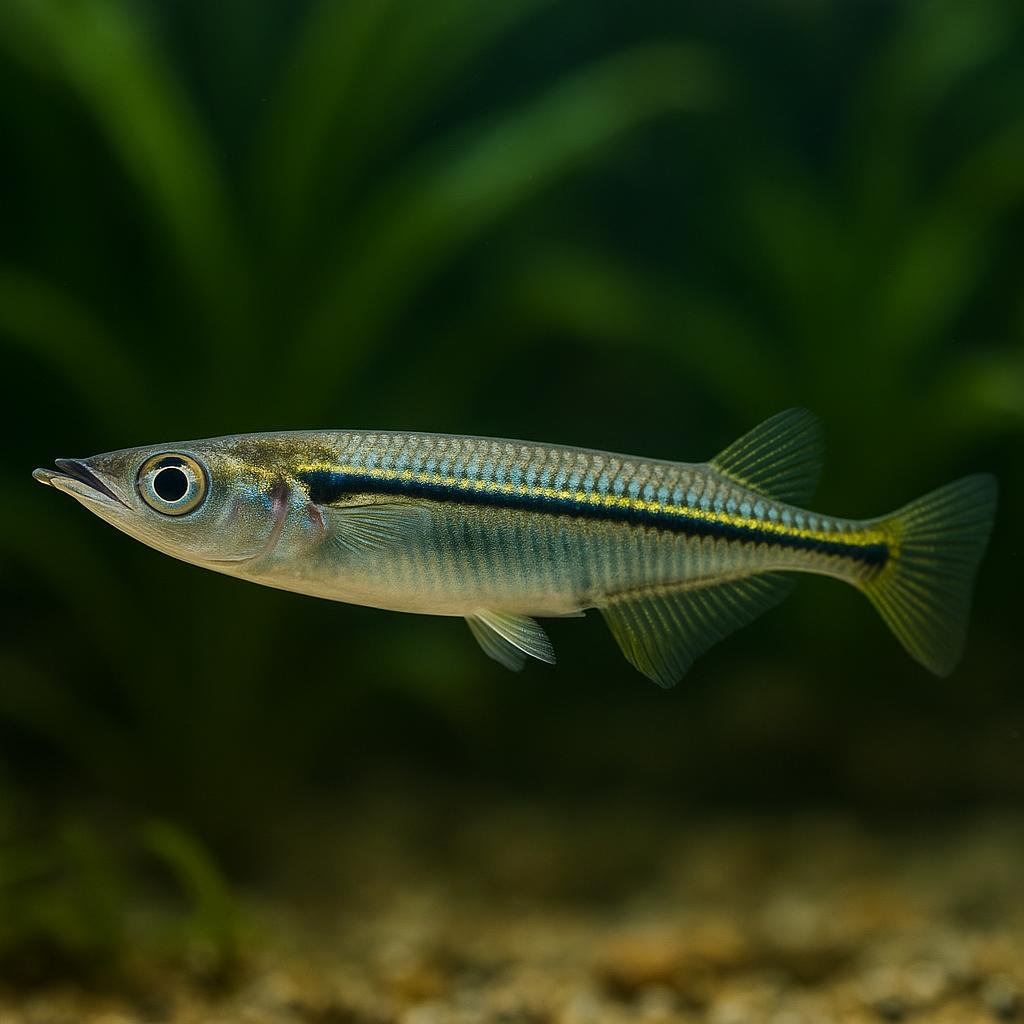
Allen's river garfish
Zenarchopterus alleni
A poorly known freshwater halfbeak endemic to West Papua (Mamberamo River), described from a single specimen (~13 cm SL). Beyond basic habitat/occurrence, little is published about its ecology or aquarium suitability; assume it is a surface-oriented, jump-prone halfbeak only by analogy with related taxa.
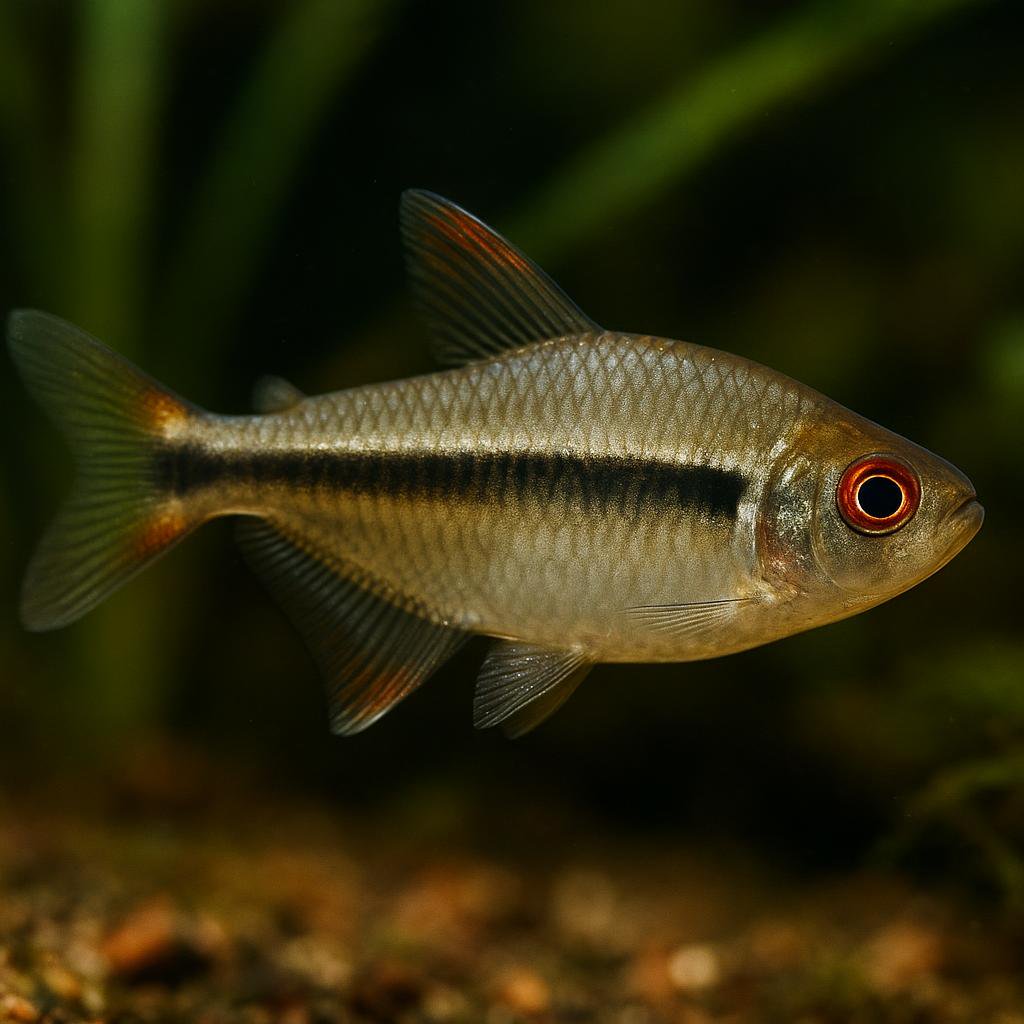
Amapa tetra
Hyphessobrycon amapaensis
This is a tiny, super sleek little tetra with a clean red stripe down the side that really pops once its settled in. It does best in a planted, slightly tinted "creek-style" setup and looks way cooler when you keep a proper group so they school and flash that line together. If you can give it soft, slightly acidic water and a calm community, its an easy fish to fall for.
Amatlan chub
Yuriria amatlana
Yuriria amatlana (the Amatlan chub) is a little Mexican native minnow from the Ameca River basin. Its wild range is pretty limited and it is listed as Endangered, so its care info in the aquarium hobby is basically nonexistent and its availability is usually low. In the original species description, preserved fish show a dark lateral stripe with a darker patch on the caudal peduncle, and they can have tiny barbels at the mouth corners.
Looking for other species?