

Imparfinis nemacheir
Imparfinis nemacheir
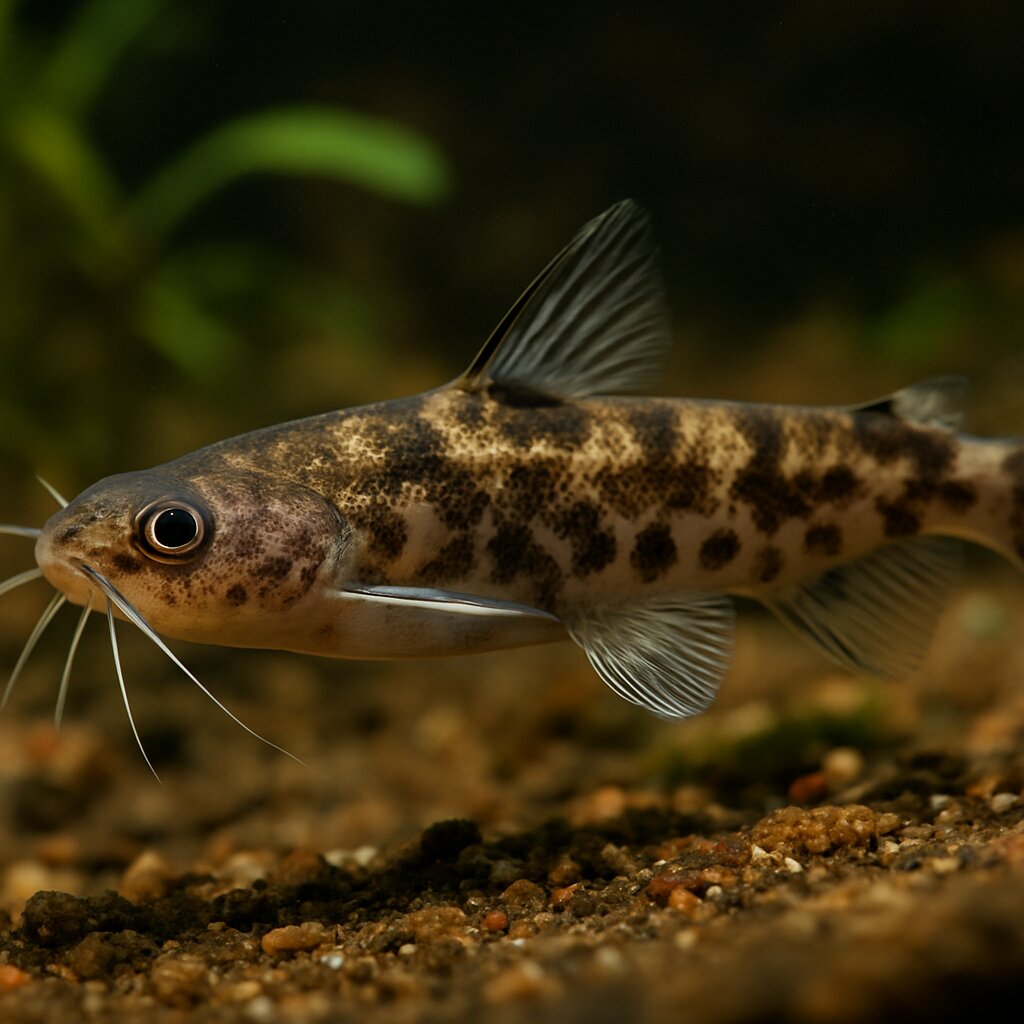
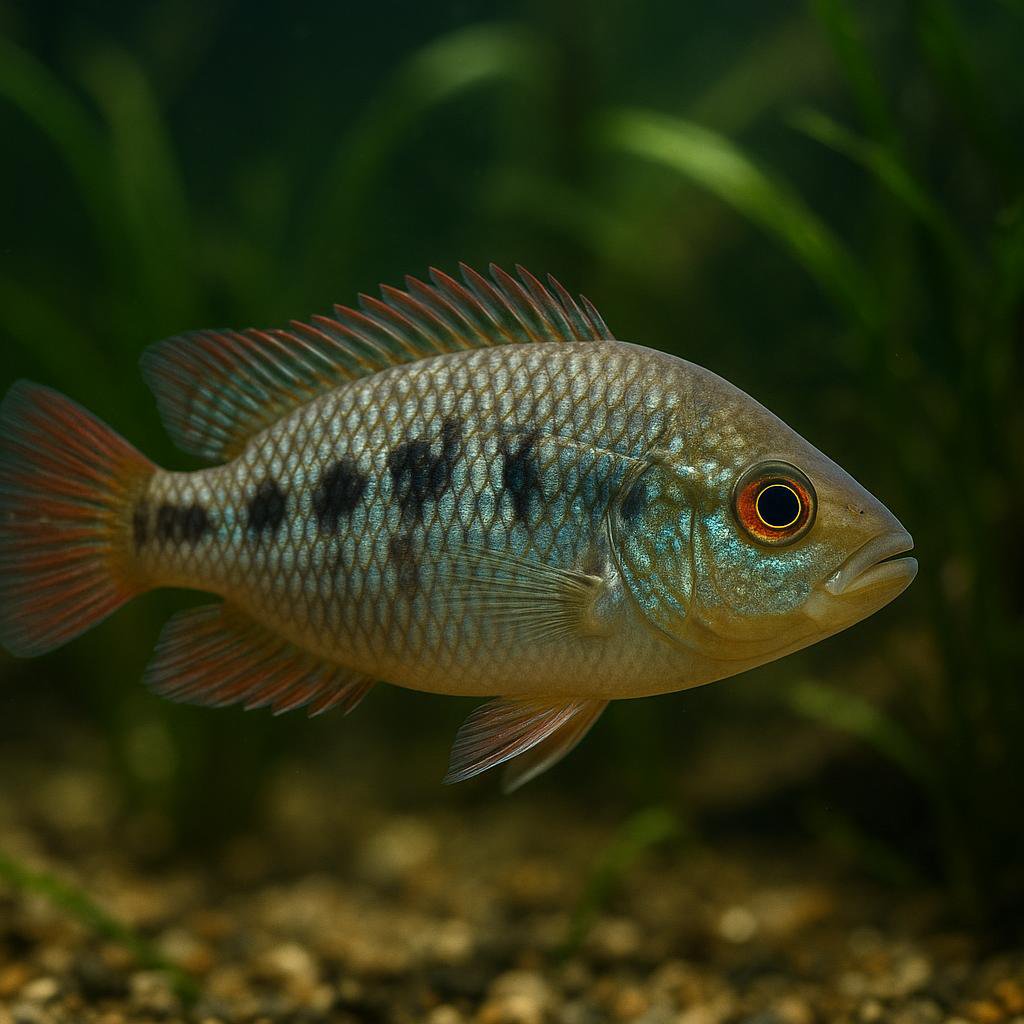
Imparfinis nemacheir exhibits a slender body with a silvery sheen, distinguished by a prominent, elongated dorsal fin and faint dark stripes.
This page includes AI-generated images. Why am I seeing AI images?
About the Imparfinis nemacheir
A small, nocturnal stream catfish from Colombia and the Lake Maracaibo basin, it zips around at lights-out and spends daytime wedged under wood and rocks. The coolest thing about it is the long thread-like first dorsal-fin ray and extra-long whiskers. Give it flow, high oxygen, and meaty bites like insect larvae and it will settle in nicely.
Quick Facts
Size
9.9 cm SL
Temperament
Semi-aggressive
Difficulty
Advanced
Min Tank Size
20 gallons
Lifespan
3-5 years
Origin
Northern South America - trans-Andean Colombia (Atrato and Magdalena drainages) and Lake Maracaibo basin, Venezuela
Diet
Carnivore - insect larvae, worms, small crustaceans; accepts frozen and sinking meaty foods
Water Parameters
23-28°C
6-7.5
2-8 dGH
Need a heater for this species?
This species needs 23-28°C in a 20 gallon tank. Use our heater calculator to find the right wattage.
Calculate heater sizeCare Notes
- Think river tank: strong, continuous current with high oxygen, lots of rounded stones, wood, and tight caves; fine sand is a must for their barbels. Use a tight lid - they launch in fast flow.
- Shoot for 72-77 F, pH 6.2-7.2, soft to moderate hardness, and squeaky-clean water with nitrate under 20 ppm. Big filtration plus extra aeration or powerheads beats a single weak filter.
- They are twilight-night feeders, so drop food after lights out. Offer meaty sinking foods like blackworms, chopped earthworms, mysis, and quality carnivore pellets; rotate foods and keep portions small but regular.
- Tankmates should be quick, midwater river fish too big to fit in their mouth and not jerks (robust tetras, similar-sized peaceful catfish). Skip shrimp, tiny tetras, long-finned slow fish, and pushy cichlids.
- Not a tight shoaler, but they act braver in a small group of 3-5 if you give each fish its own hide and break up sight lines to prevent bickering.
- Use fine sand and smooth rocks to prevent barbel wear, and keep the substrate clean without over-vacuuming their hides. Dead spots collect gunk fast in high-flow tanks, so move the wand around.
- They are scaleless and touchy with meds and salt; avoid copper and formalin, or use half dose with heavy aeration if you have no choice. Keep a battery air pump on hand - they crash fast if oxygen drops.
- Breeding is basically unreported in home tanks; if you want to try, think cooler, softer water and blasting current over cobble crevices, but do not bank on results.
Compatibility
Good Tankmates
- Quick, midwater tetras 2.5-4 inches like red-eye, Colombian, or Buenos Aires - fast, deep-bodied, and too big to be a snack
- Medium rainbowfish that enjoy flow - great dithers that keep the cat busy and out of trouble
- Armored plecos like bristlenose or small Peckoltia - share the bottom fine if you give separate caves and wood
- Bigger Corydoras groups like sterbai or aeneus - tough enough, but add extra hides so the cat is not cranky at night
- Peaceful, medium South American cichlids like keyhole or Laetacara - one pair with clear territories works
- Fast top-dwellers with lids and current, like marbled or silver hatchetfish - the cat ignores them up top
Avoid
- Tiny nano fish and shrimp - nighttime snacks once the lights go out
- Slow fish with fancy fins like bettas, longfin angels, fancy guppies, or gouramis - they get harassed at rest and hate the flow this species likes
- Other territorial nocturnal bottom cats like Pimelodus, bumblebee catfish, or bagrids - cave wars and shredded whiskers
- Large or rough cichlids like convicts, green terrors, or oscars - they will batter or eat Imparfinis
Where they come from
Imparfinis nemacheir is a small heptapterid catfish from fast, clear streams in northern South America. Think rocky runs and riffles along foothill forests, with pockets of leaf litter and sunken wood. Water there is coolish, well-oxygenated, and always moving.
They are twilight and night cruisers in nature. In the day, they pack themselves under stones and wood, then come out to hunt tiny invertebrates after dark.
Setting up their tank
Treat this like a small river slice. A long tank is better than a tall one. For a group, a 30-40 gallon long with strong, clean flow keeps them settled. They do not appreciate a brand-new, immature setup.
- Substrate: fine sand with rounded pebbles and a few fist-sized river stones. Avoid sharp gravel that can fray barbels.
- Hardscape: lots of hides. Stack wood, cobbles, and leaf litter to make crevices. A few short lengths of PVC or slate caves help.
- Filtration and flow: canister or river-manifold style with a powerhead. You want brisk current and surface agitation. Aim for 8-10x turnover.
- Lighting: dim. Floating plants or shaded zones calm them down so they actually come out.
- Water: soft to moderately hard, pH 6.2-7.4, 20-24 C (68-75 F). Keep oxygen high and nitrate low.
- Lid: tight-fitting. They are expert gap-finders during night zoomies.
Scatter a handful of Indian almond leaves or local pesticide-free hardwood leaves. They love rooting around in them, and the microfauna becomes snack time.
These fish are sensitive to poor oxygen and stale water. If your powerhead or airstone stops, they are often the first to show stress.
What to feed them
They are micro-predators. In the tank, they take small meaty foods, mostly after lights out. If you only feed at lunchtime, they slowly starve while the daytime fish clean up.
- Live or frozen: blackworms, bloodworms (in moderation), mosquito larvae, daphnia, baby brine, chopped earthworms, mysis.
- Dry: quality sinking carnivore micro-pellets or wafers. Pre-soak so they sink fast and soften.
- Schedule: feed at lights-off. A red flashlight helps you see who is eating.
- Rotation: mix it up and add a vitamin soak once or twice a week to avoid fatty liver from a bloodworm-only diet.
Drop food upstream so it drifts through their hides. They are much bolder grabbing food from the current than picking at a bowl.
How they behave and who they get along with
Quiet, nocturnal, and reclusive by day. In groups they act more confident, but they still like their own bolt-holes. Expect gentle shoving matches over the best crevice, nothing dramatic.
- Good tankmates: small to medium characins from similar conditions (Hillstream-type tetras, pencils), hatchetfish, peaceful top-dwellers, and calm loricariids that are not pushy at night.
- Use caution: Corydoras and other bottom grazers can outcompete them if space is tight. Make sure everyone has feeding zones.
- Avoid: large cichlids, nippy barbs, and any bruiser that owns the bottom after dark.
- Shrimp: they will snack on small shrimp. Adult Amanos may be fine, but anything bite-sized is food.
Breeding tips
Home breeding is rare and not well documented for this species, but the general playbook for small heptapterid catfish applies. If you want to try, set up a dedicated, quiet tank and be patient.
- Group: start with 5-6 to increase the odds of a pair forming. Sexing by eye is tough; females tend to be a bit rounder when conditioned.
- Layout: lots of tight rock stacks, wood tangles, and short caves with fine sand. Gentle to brisk flow.
- Conditioning: heavy on live/frozen foods over a few weeks.
- Triggers: simulate the start of the rainy season with several cooler, soft-water changes and a bump in flow and oxygen.
- Egg care: likely crevice or scatter spawners. Adults may eat eggs. If you see eggs, move the rock/cave to a hatching box with strong aeration.
- Fry: very small. Start with infusoria/rotifers, then microworms and newly hatched brine.
Do not be discouraged if nothing happens for months. With these cats, just getting them to settle, eat well, and show natural behavior is already a win.
Common problems to watch for
- Silent starvation: they hide at feeding time. Solve it by feeding after lights-out and target-feeding into their hideouts.
- Low oxygen events: gasping, frantic surface dashes. Add more surface agitation and keep temps in the low 70s F.
- Barbel damage: sharp gravel or rough nets can fray barbels and invite infection. Use soft nets and smooth decor.
- Parasites: many are wild-caught. Quarantine and consider a deworming protocol (e.g., praziquantel and levamisole) before they join the display.
- Fungus and bacterial lesions: usually linked to poor water or injuries. Keep the water clean, flow strong, and treat early if you see cottony patches or red sores.
- Jumping and wedging: they launch at night. Cover filter intakes, close cable gaps, and secure lids.
Do not buy these for a brand-new tank. They need a mature biofilter and stable water. If your tank is still cycling, pick another project first.
Similar Species
Other freshwater semi-aggressive species you might be interested in.
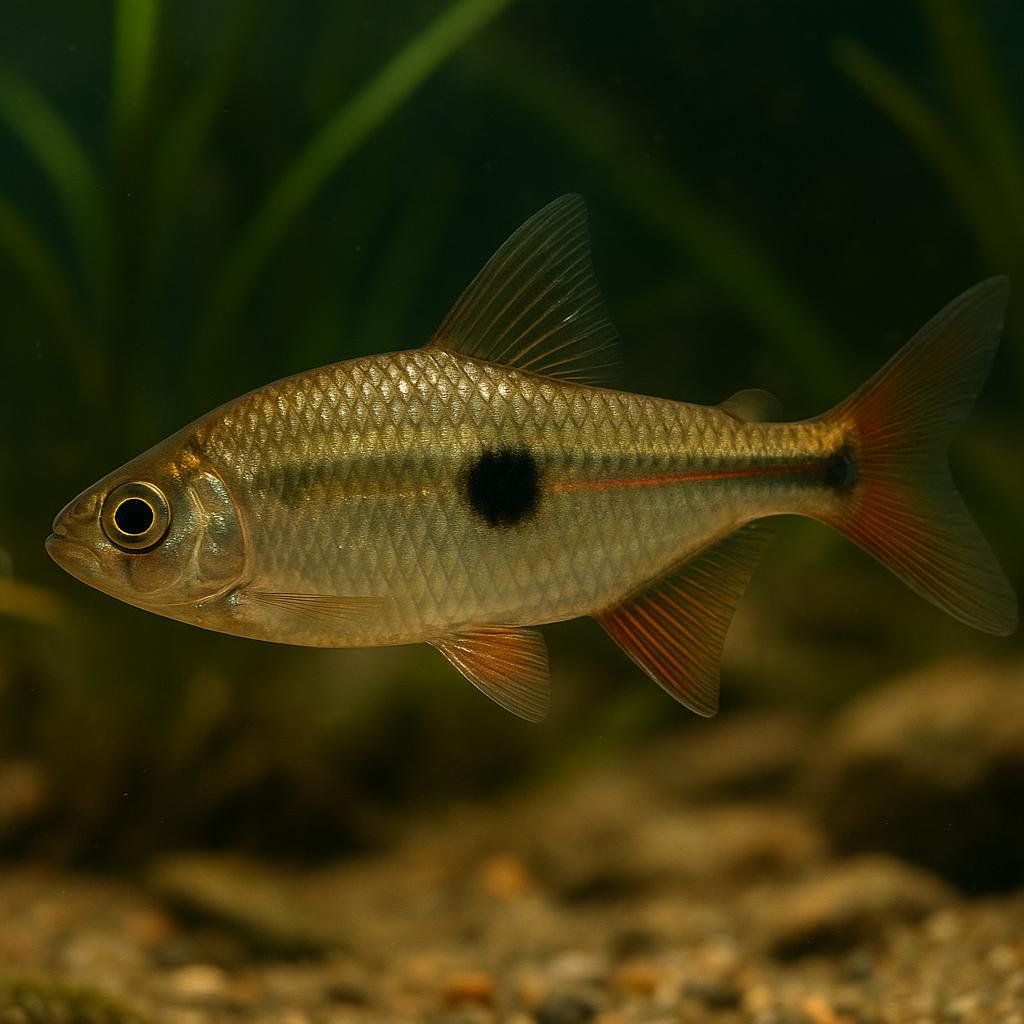
Jupiaba kurua
Small South American characin endemic to the upper rio Curuá (rio Xingu basin, Brazil). Reaches about 8.7 cm SL and inhabits clearwater rivers. Distinguished by dark dots on the bases of many lateral scales and a distinct dark caudal‑peduncle spot. Reported diet indicates omnivory, including aquatic insects, small fishes, and fragments of Podostemaceae and filamentous algae.
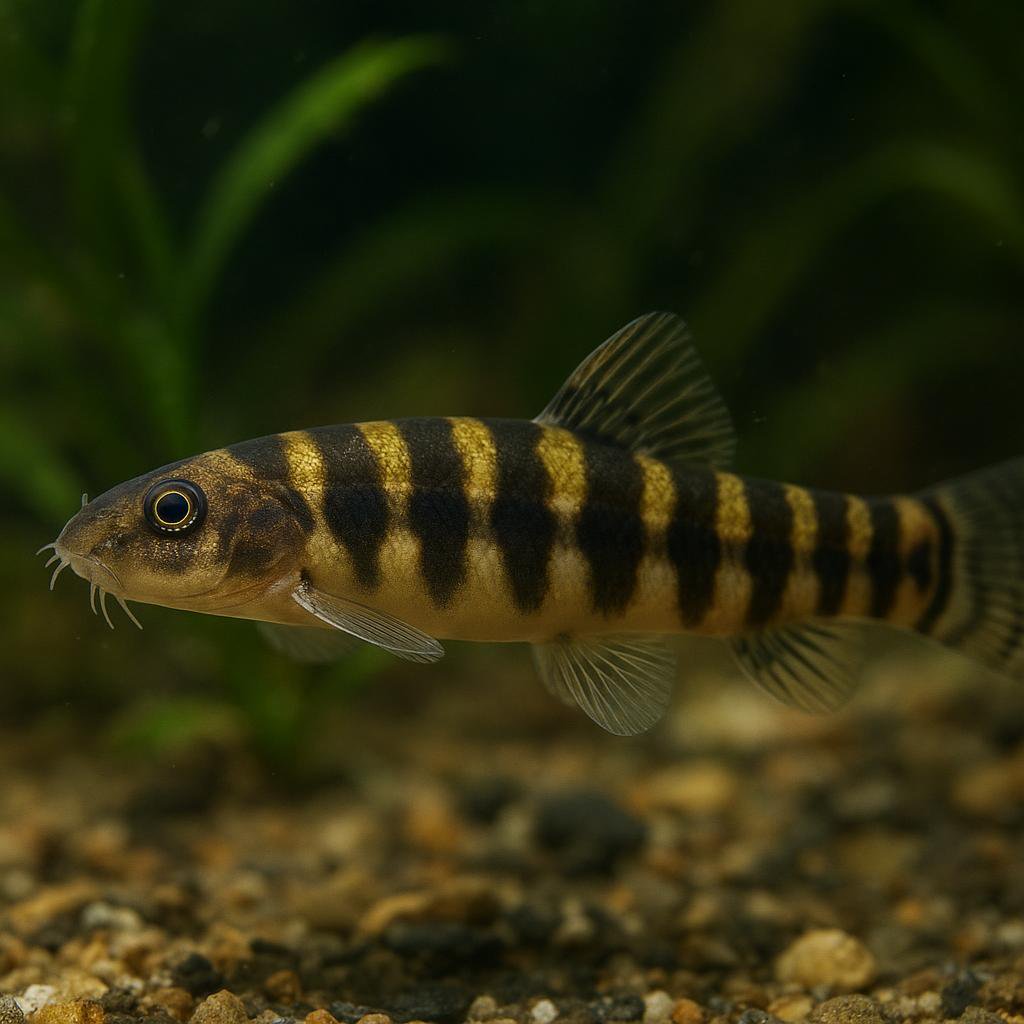
Altipedunculata stone loach
Schistura altipedunculata
Schistura altipedunculata is one of those little stream loaches that wants clean, well-oxygenated water and a bunch of rock nooks to claim as home. It is a bottom-hugger that will spend its day scooting from crevice to crevice, and it tends to get a bit spicy with its own kind if you do not give it enough hiding spots.
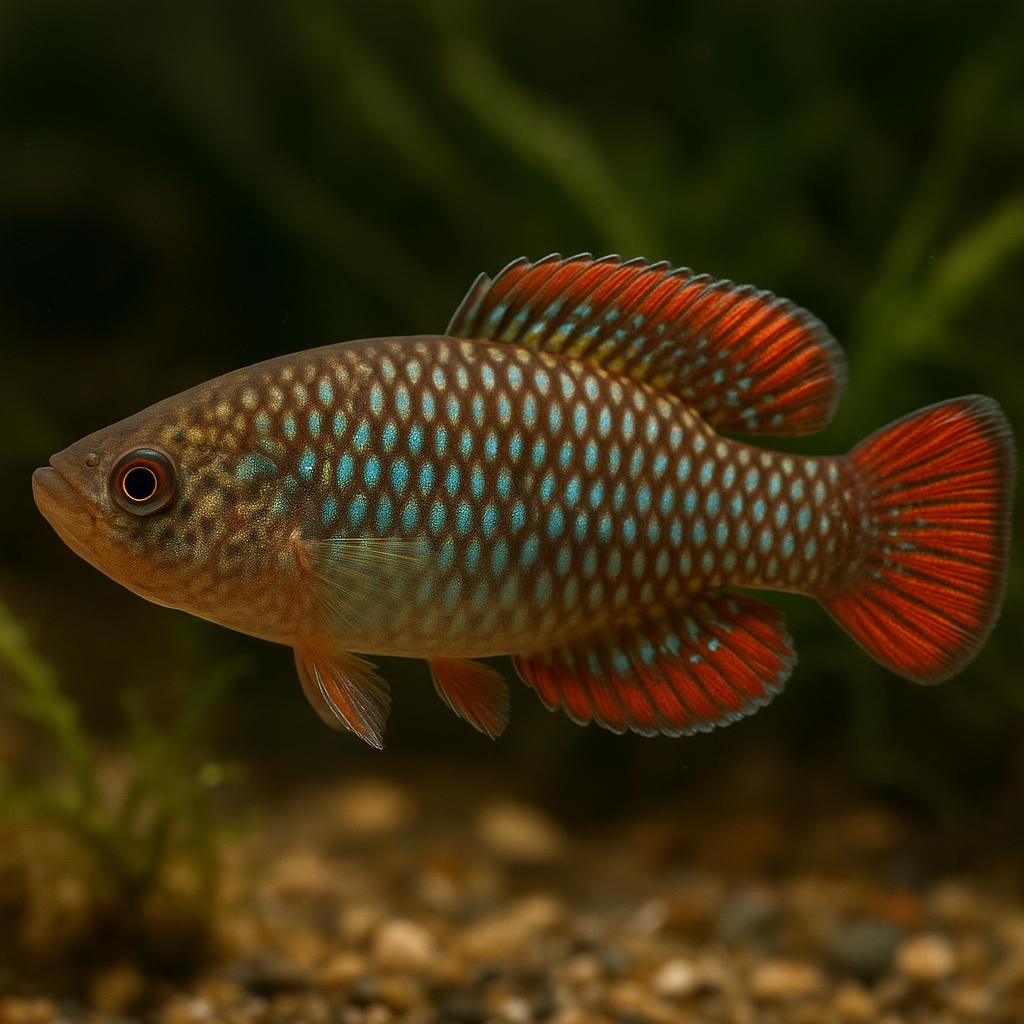
American flagfish
Jordanella floridae
Jordanella floridae is that little Florida native with the red-and-cream striping that really does look like a tiny flag once a male colors up. They graze algae like champs (especially stringy/hair algae), but they have a bit of attitude - give them plants and space so the bossy behavior stays manageable. Bonus: the male guards the eggs and will actively fan them, which is pretty fun to watch.
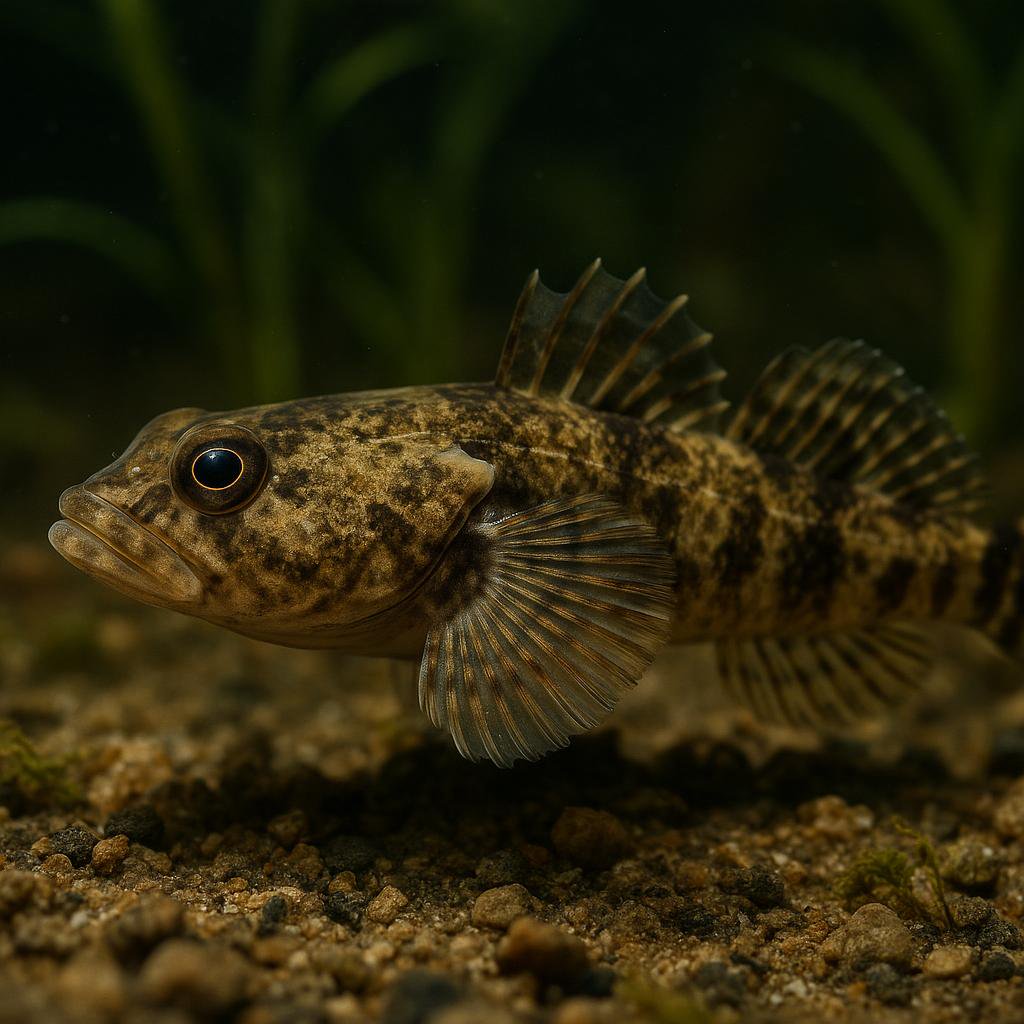
Amur sculpin
Alpinocottus szanaga
This is a little coldwater sculpin from the Amur drainage - a bottom-hugging, rock-and-gravel fish that spends its day wedged under stones and darting out to grab food. Super cool behavior and attitude, but it is absolutely not a warm tropical community fish - it wants chilly, fast, oxygen-rich water and will bicker with other bottom fish.
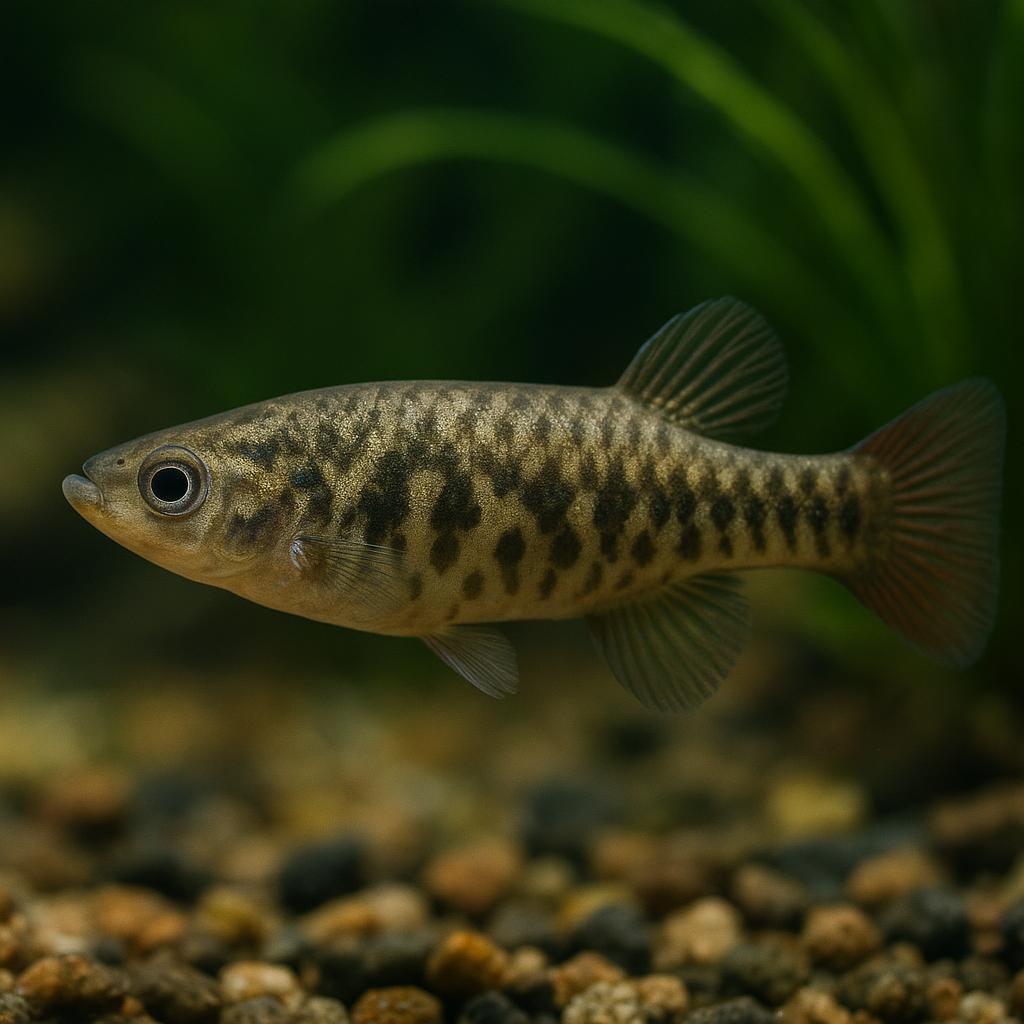
Anitápolis livebearer
Jenynsia weitzmani
Jenynsia weitzmani is a freshwater anablepid livebearer endemic to southern Brazil (currently known only from the type locality near Anitápolis, Santa Catarina). Like other Jenynsia (onesided livebearers), reproduction involves lateralized mating morphology/behavior; aquarium care guidance is not well-documented for this species specifically.
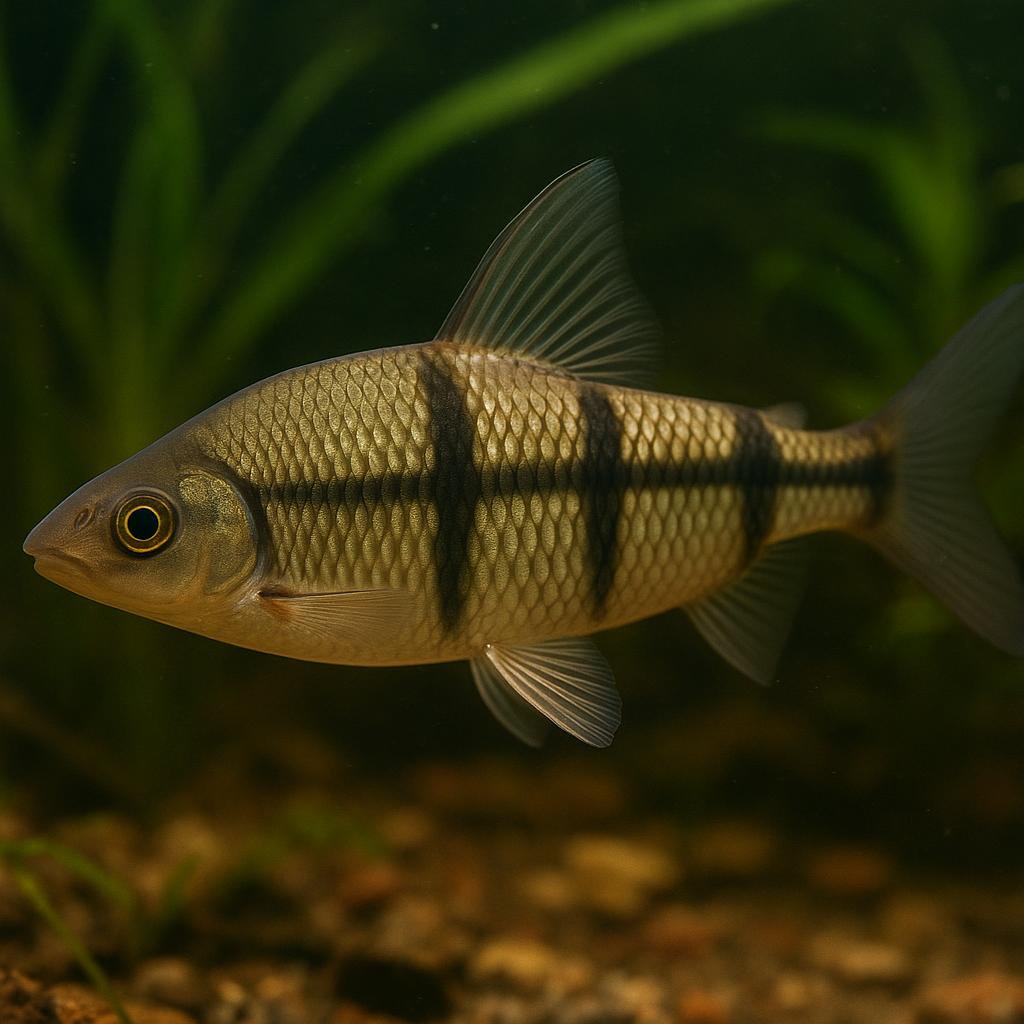
Aracu-comum
Schizodon vittatus
Schizodon vittatus is a large South American anostomid (family Anostomidae). Reported maximum size is about 35 cm standard length; it is harvested/consumed in parts of Brazil and is not commonly covered by mainstream aquarium husbandry references.
More to Explore
Discover more freshwater species.
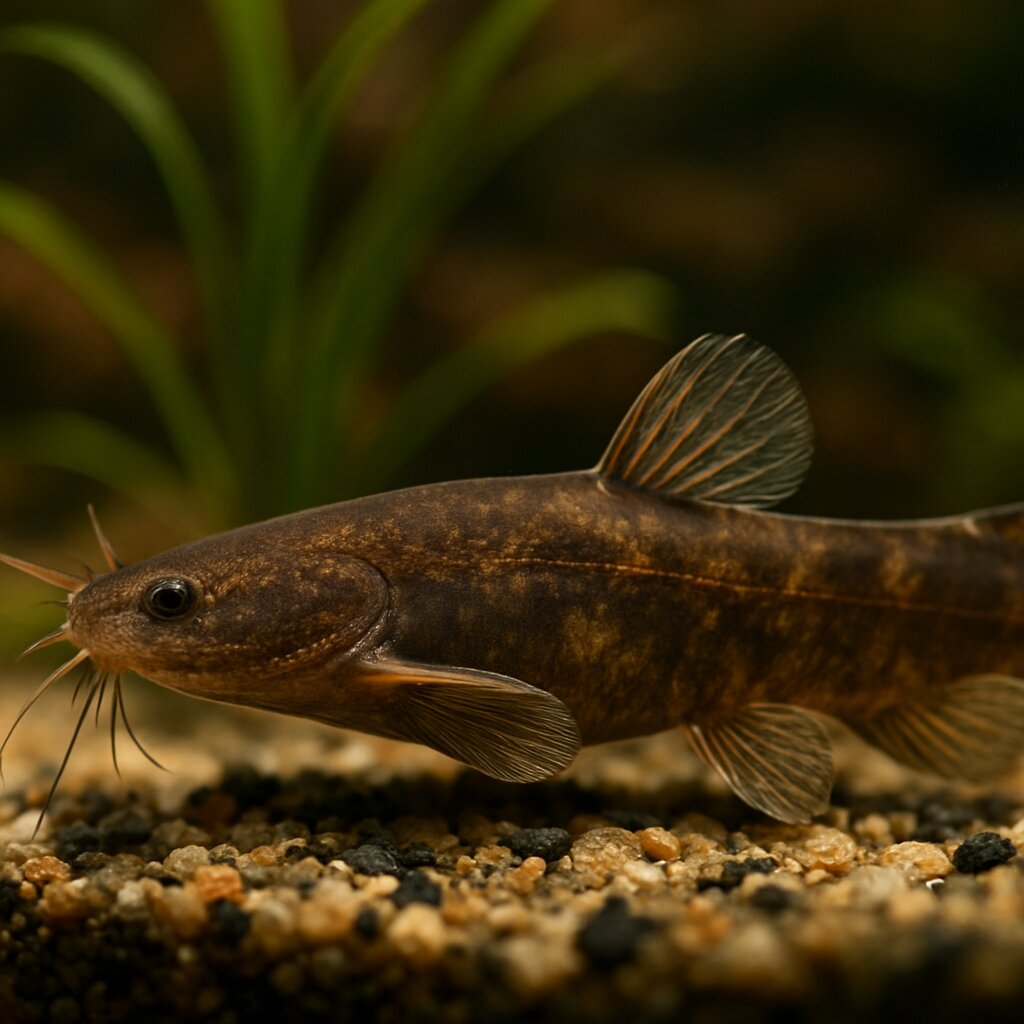
Amphilius dimonikensis
A small loach catfish endemic to the Mpoulou River in the Mayombe (Dimonika Biosphere Reserve), Republic of the Congo. Amphilius dimonikensis has a subtle banded pattern and inhabits fast, clear streams over rock and sand. In aquaria, prioritize strong, well-oxygenated flow with rounded stones and sand to mimic hillstream conditions.
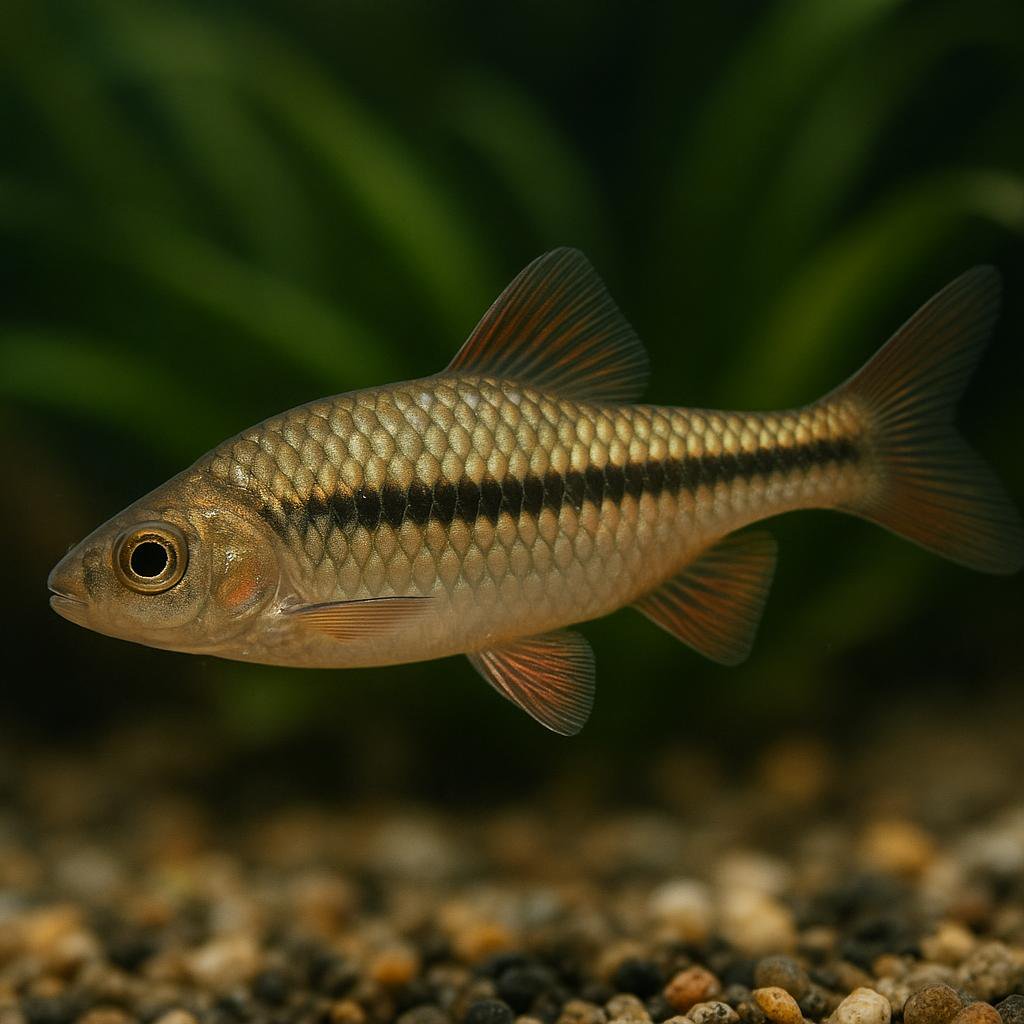
Aboina barb
Enteromius aboinensis
Enteromius aboinensis (the Aboina barb) is a small West African barb with a clean black midline stripe and a little spot right at the base of the tail. It does best when you treat it like a proper schooling fish - keep a decent group and give it plants around the edges with open swimming room in the middle.
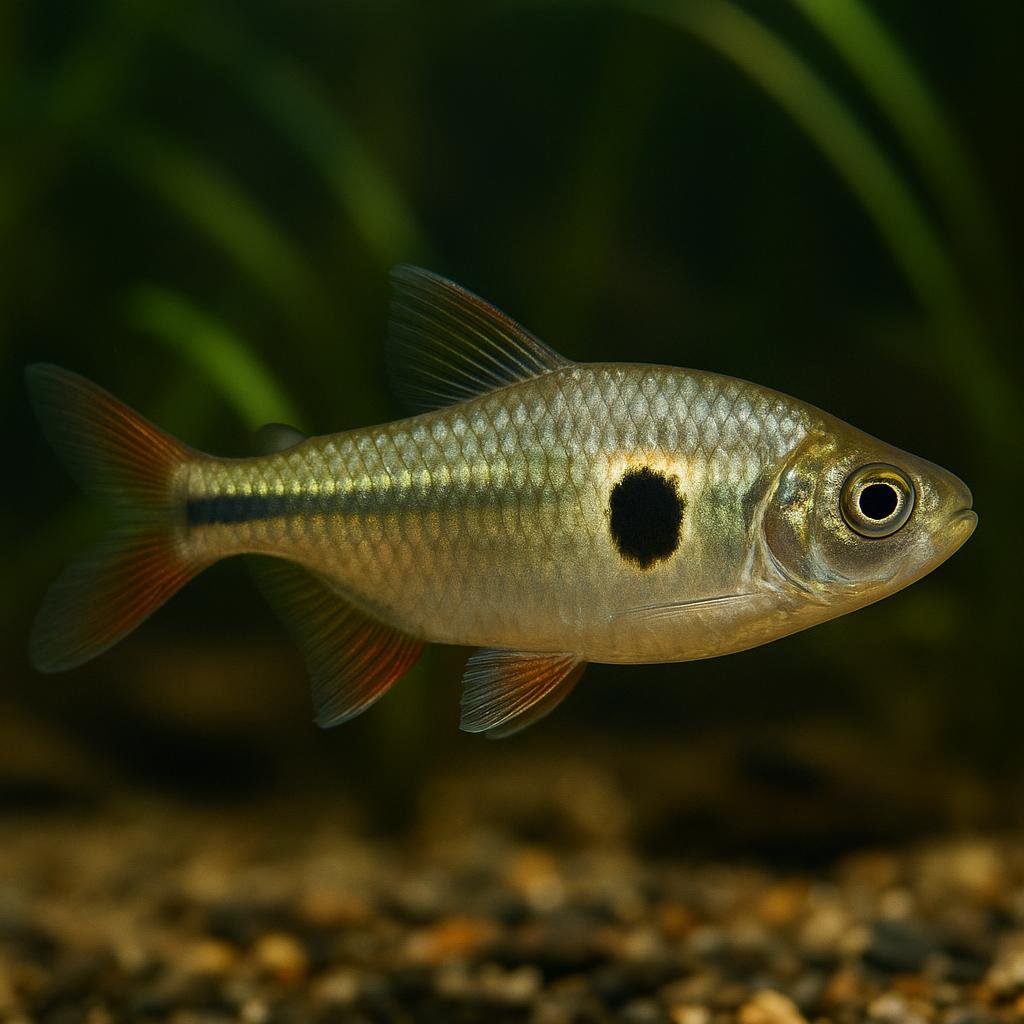
Ajuricaba tetra
Jupiaba ajuricaba
Jupiaba ajuricaba is a South American freshwater characin from the Amazon basin in Brazil (rio Negro, rio Solimões, and rio Tapajós basins). It reaches about 9.5 cm SL and is diagnosed by a narrow dark midlateral stripe, an elongated humeral spot, and an ocellated spot on the upper caudal-fin lobe. Wild specimens have been collected from blackwater forest streams and also oxbow-lake habitats.
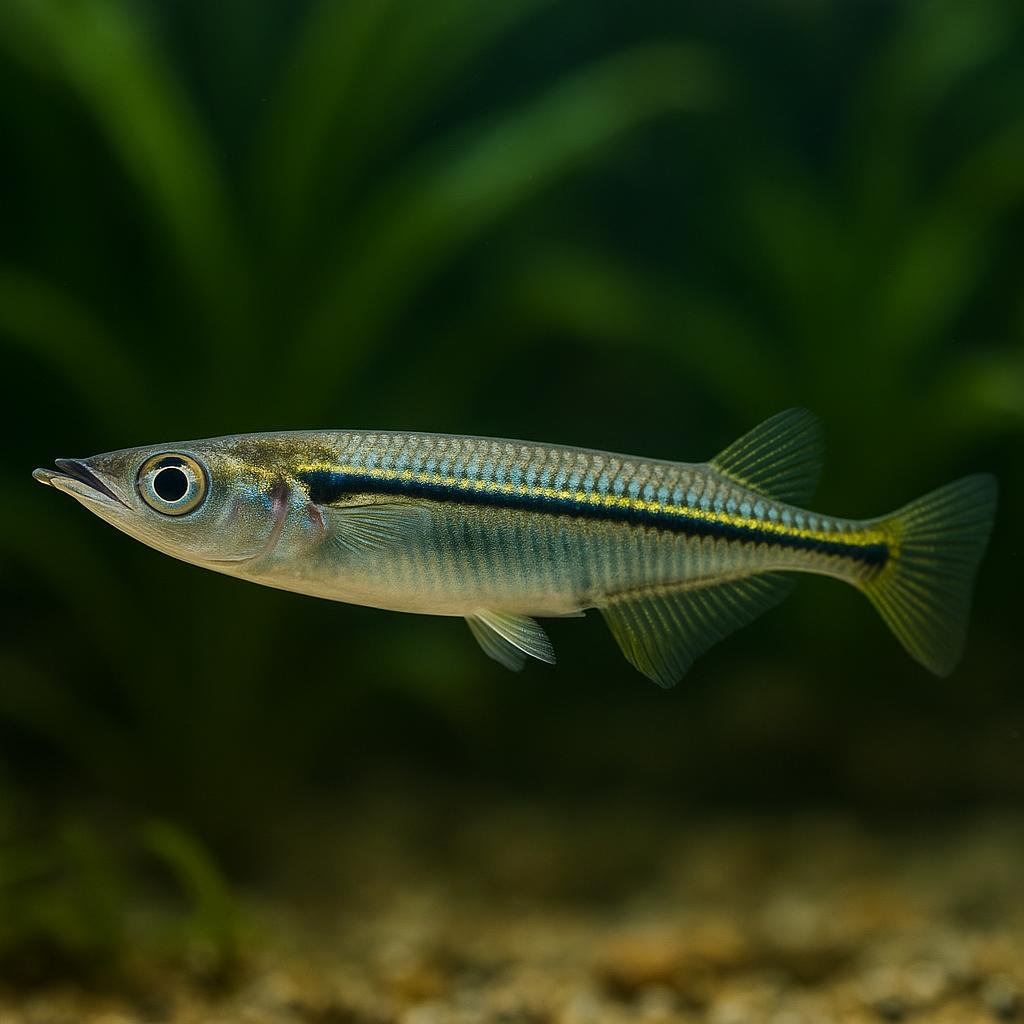
Allen's river garfish
Zenarchopterus alleni
A poorly known freshwater halfbeak endemic to West Papua (Mamberamo River), described from a single specimen (~13 cm SL). Beyond basic habitat/occurrence, little is published about its ecology or aquarium suitability; assume it is a surface-oriented, jump-prone halfbeak only by analogy with related taxa.
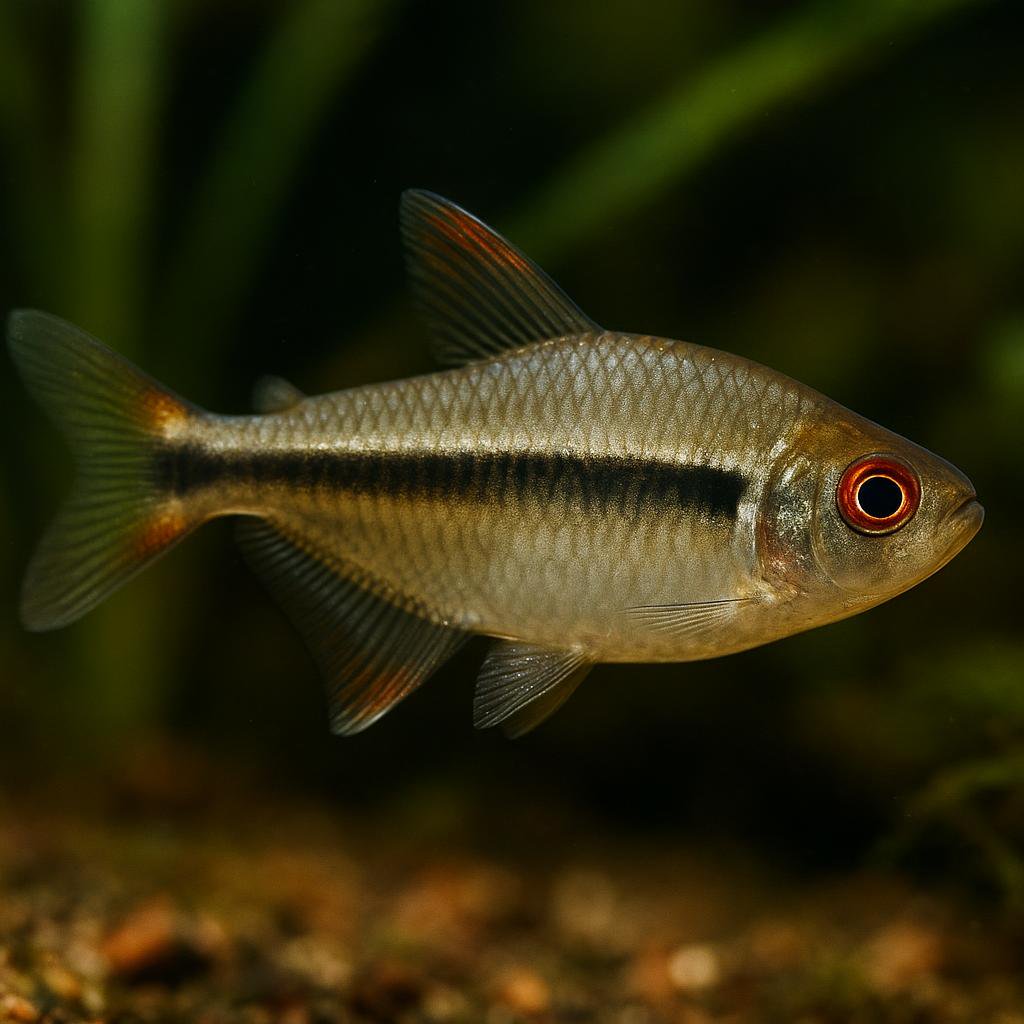
Amapa tetra
Hyphessobrycon amapaensis
This is a tiny, super sleek little tetra with a clean red stripe down the side that really pops once its settled in. It does best in a planted, slightly tinted "creek-style" setup and looks way cooler when you keep a proper group so they school and flash that line together. If you can give it soft, slightly acidic water and a calm community, its an easy fish to fall for.
Amatlan chub
Yuriria amatlana
Yuriria amatlana (the Amatlan chub) is a little Mexican native minnow from the Ameca River basin. Its wild range is pretty limited and it is listed as Endangered, so its care info in the aquarium hobby is basically nonexistent and its availability is usually low. In the original species description, preserved fish show a dark lateral stripe with a darker patch on the caudal peduncle, and they can have tiny barbels at the mouth corners.
Looking for other species?