

Dolphin barb
Incisilabeo behri
Dolphin barbs are characterized by their streamlined bodies, vibrant orange to reddish scales, and distinctively extended dorsal fin.
This page includes AI-generated images. Why am I seeing AI images?
About the Dolphin barb
Big river grazer with a goofy dolphin-like forehead that really pops as it matures. It cruises fast water and spends its day rasping algae and biofilm off rocks, so it appreciates flow and lots of surfaces to graze. Awesome fish if you have the room, but it gets huge and needs a serious tank.
Also known as
Quick Facts
Size
24 inches
Temperament
Semi-aggressive
Difficulty
Advanced
Min Tank Size
180 gallons
Lifespan
10-15 years
Origin
Southeast Asia - Mekong basin
Diet
Herbivore-grazer - algae, biofilm; will take veggie pellets and greens
Water Parameters
24-27°C
6.8-7.5
2-15 dGH
Need a heater for this species?
This species needs 24-27°C in a 180 gallon tank. Use our heater calculator to find the right wattage.
Calculate heater sizeCare Notes
- Go big and fast-flowing: adults hit 20-25 cm, so think 5-6 ft tank and 400+ liters with a canister plus powerheads for strong current and high oxygen. Use rounded stones, sand, and open lanes, and keep a tight lid - they launch.
- Water numbers that keep them happy: 22-26 C, pH 6.6-7.6, GH 4-12; ammonia and nitrite at 0 and nitrates under 15 ppm. They crash in stagnant or hot water, so do 40-60% weekly changes and keep the flow ripping.
- They are periphyton grazers, not carnivore sharks: feed spirulina-heavy pellets, algae wafers, Repashy-type gel foods, and blanched veg. Let algae grow on smooth rocks and rotate them in; meaty foods only 1-2 times a week or they bloat.
- Keep a group of 5+ to spread the sparring; a lone fish often bullies everything. Good tankmates are fast river fish like Devario, large danios, robust barbs, and hillstream types; skip slow or long-finned fish and other labeo-shark lookalikes.
- Give bright-ish light to grow biofilm but provide shaded breaks with wood or floaters so they do not spook. Leave most of the footprint open - they are cruisers, not cave sitters.
- They scuff their lips on sharp decor and during lip-locking fights, which invites fungus, so stick to smooth rock and watch for frayed mouths. If you see gasping or washed-out color, you need more flow and air, not meds.
- Breeding is basically a non-starter at home; they are likely seasonal river spawners and farms use hormones. Do not buy a group expecting fry.
- Quarantine new arrivals 3-4 weeks and add them only to a mature, algae-rich tank. They ship skinny, so start with small, frequent veg-heavy meals and steady current to kick-start feeding.
Compatibility
Good Tankmates
- Fast, midwater schoolers like roseline sharks (Sahyadria denisonii) and giant danios - they match the speed and do fine in flow
- Midsize rainbowfish (Melanotaenia/Glossolepis) that like current and open swimming room
- Sturdy bottom dwellers like yo-yo or zebra loaches that do not mind the hustle
- True Siamese algae eaters and Garra species - quick river fish that will not get bullied
- Scissortail rasboras and other larger rasboras/minnows at 3.5-6 inches
- Armored algae grazers like bristlenose plecos that ignore the commotion
Avoid
- Slow or long-finned fish like angelfish, gouramis, bettas, and fancy guppies - they get chased and nipped
- Tiny community fish and shrimp (neons, embers, cherry shrimp) - too small and stressed
- Territorial shark-minnows and labeos (red tail shark, rainbow shark) - same lane, lots of turf fights
- Combative cichlids like convicts or mbuna - different game and the barbs end up in brawls
Where they come from
Dolphin barbs (Incisilabeo behri) are river fish from Southeast Asia, showing up in fast, rocky streams with cool, clear water and loads of oxygen. Think boulder gardens, strong current, and algae-coated stones. Their mouth shape is built for scraping biofilm, not chasing food in still water.
Setting up their tank
Give them a long tank and real flow. A 4-foot footprint is the starting point for a small group, and longer is better. They are busy swimmers and will pace if they feel cramped. Heavy aeration is non-negotiable with this species.
- Filtration: big canister or a pair of HOBs plus a prefilter sponge. Aim for high turnover.
- Current: powerheads or a river-manifold setup so one end is a jet and the other a calmer return.
- Oxygen: multiple air stones or venturi on the powerheads.
- Substrate and decor: sand or fine gravel, plus rounded cobbles and river stones. Avoid sharp edges that can scrape their lips.
- Plants: optional. Tough epiphytes (Anubias, Bolbitis, Java fern) tied to rocks handle the flow. Expect some nibbling.
They come from cooler water than typical tropical barbs. I keep them roughly 20-24 C (68-75 F), pH around neutral, and moderate hardness. Big weekly water changes keep them perky, and they appreciate slightly tannin-stained but clear water.
Let the tank mature before adding them. You want algae and biofilm on the rocks. A bright light over some rounded stones in a spare tank or a sunny window can grow you algae stones to rotate in.
Tight lid. They spook and jump, especially in the first month. Cover every gap.
What to feed them
They are grazers first, predators second. Think plant-heavy diet with regular access to biofilm. If you feed them like typical barbs, they get pudgy and run into gut issues.
- Staples: spirulina wafers, veggie-based sinking pellets, Repashy Soilent Green or Super Green, blanched zucchini, spinach, or peas.
- Foraging: rotate in algae-covered stones and driftwood. They will spend hours working them over.
- Treats 2-3x per week: small frozen foods (daphnia, cyclops, baby brine). Keep it light on bloodworms.
- Feeding pattern: smaller portions 2-3 times daily beats one big dump of food.
Too much protein = bloat and fatty fish. If you notice stringy poop or lethargy after meaty feeds, cut back and up the greens.
How they behave and who they get along with
They are active, pushy barbs with a clear pecking order. Kept alone, one fish can turn into a bully. In a proper group, the squabbles spread out and stay harmless. I like 6+ if the tank size allows.
- Good company: other fast-water fish that enjoy current and cooler temps - danios (Devario, Danio), hillstream loaches (Sewellia, Gastromyzon), Garra, balitorid loaches, robust rasboras.
- Use caution: slow or long-finned fish (gouramis, fancy guppies), delicate shrimp, or territorial cichlids.
- Layout helps: break line of sight with rock piles so subdominant fish can get a breather.
Dimming the room lights before tank lights go off cuts down on spooking. A bit of flow pointed along the front glass channels their energy and makes viewing easier.
Breeding tips
They are rarely bred in home aquariums. Think seasonal river spawners. If you want to try, you need space, strong flow, and patience. Most reports suggest they scatter eggs in fast water and do not guard them.
- Condition a group on heavy greens and small live foods for a few weeks.
- Simulate a monsoon: a period of cooler, softer water changes, followed by a gradual warm-up and increased flow.
- Add spawning grids or yarn mops in the high-flow lane so eggs can drop out of reach.
- If you spot spawning chases, pull the adults right after. Eggs and fry get eaten instantly.
- Early fry need infusoria and fine powdered foods, then move to baby brine. Strong current is still needed, but give them calmer eddies to rest.
Most commercial production of riverine carps uses hormone stripping. Home breeding without that is possible but uncommon. Set your expectations accordingly.
Common problems to watch for
- Oxygen debt: they arrive stressed and can crash in low O2. Run extra air and surface agitation, especially right after introduction.
- Starvation in new tanks: spotless, algae-free displays look nice but do them no favors. Provide biofilm or veggie-heavy foods from day one.
- Mouth and lip wear: sharp decor or constant glass-pacing rubs their snouts. Use rounded stones and break up reflections.
- Bloat from rich diets: dial back meaty foods and fast a day each week.
- Ich after temperature swings: treat gently, raise aeration during meds, and avoid heavy copper with this group.
- Jumping: any sudden shadow or knock on the glass can send them airborne. Lid stays on.
Quarantine new fish 3-4 weeks. It lets you fatten them up on greens and spot parasites before they hit your main river tank.
Similar Species
Other freshwater semi-aggressive species you might be interested in.
Jupiaba kurua
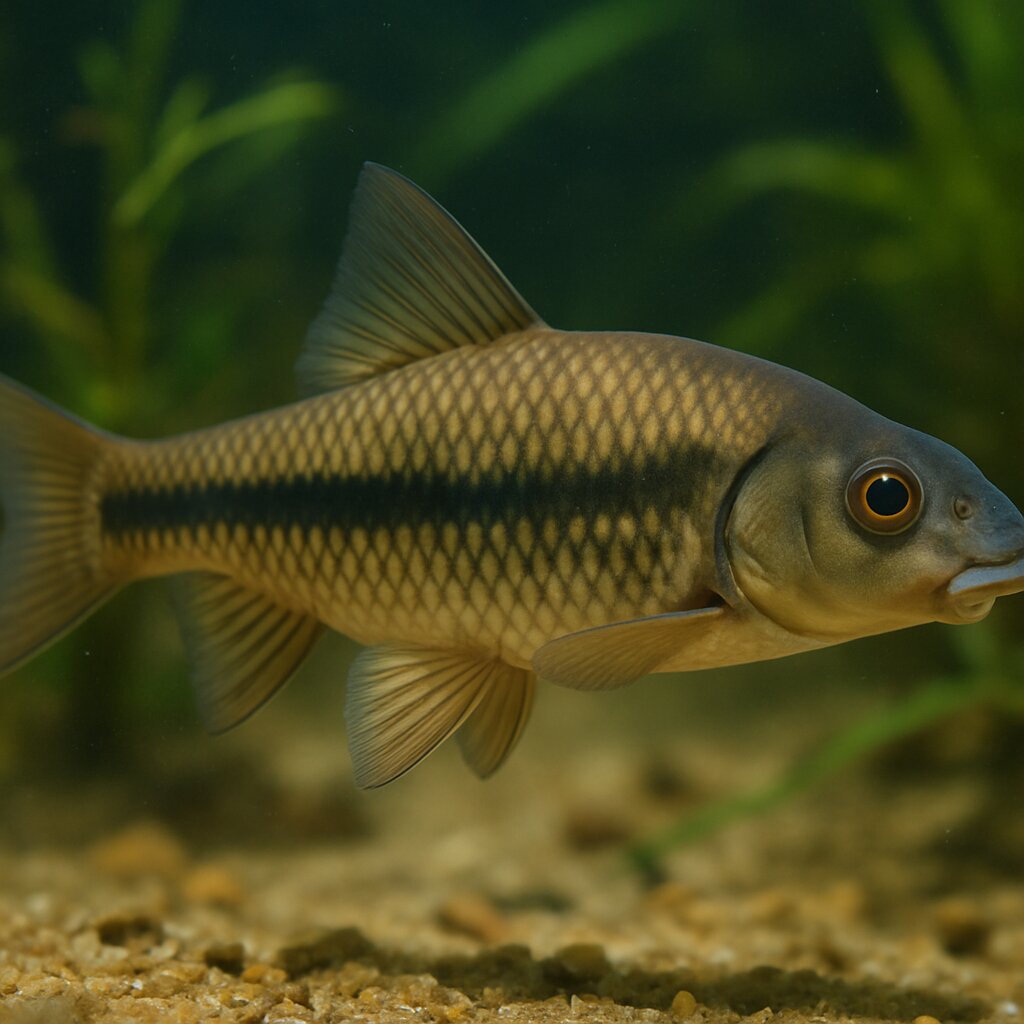
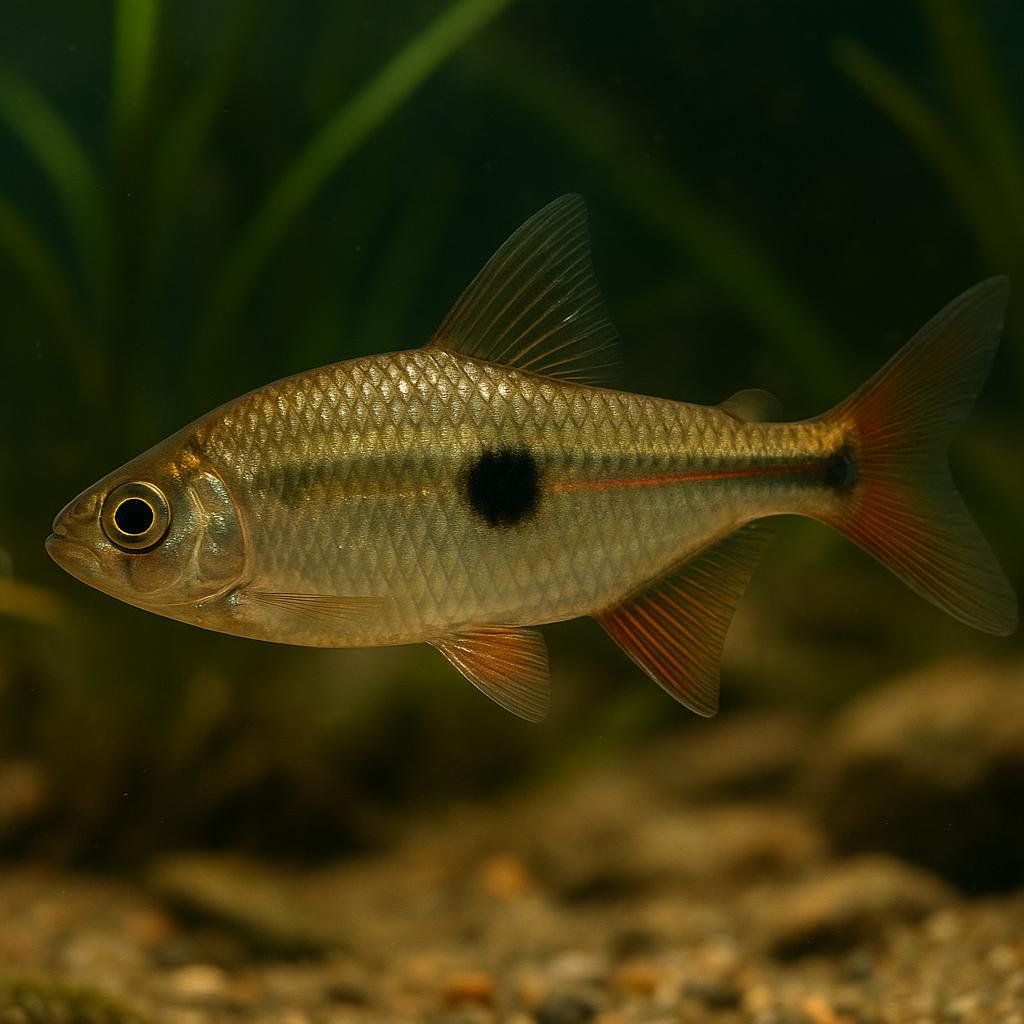
Small South American characin endemic to the upper rio Curuá (rio Xingu basin, Brazil). Reaches about 8.7 cm SL and inhabits clearwater rivers. Distinguished by dark dots on the bases of many lateral scales and a distinct dark caudal‑peduncle spot. Reported diet indicates omnivory, including aquatic insects, small fishes, and fragments of Podostemaceae and filamentous algae.
Altipedunculata stone loach
Schistura altipedunculata
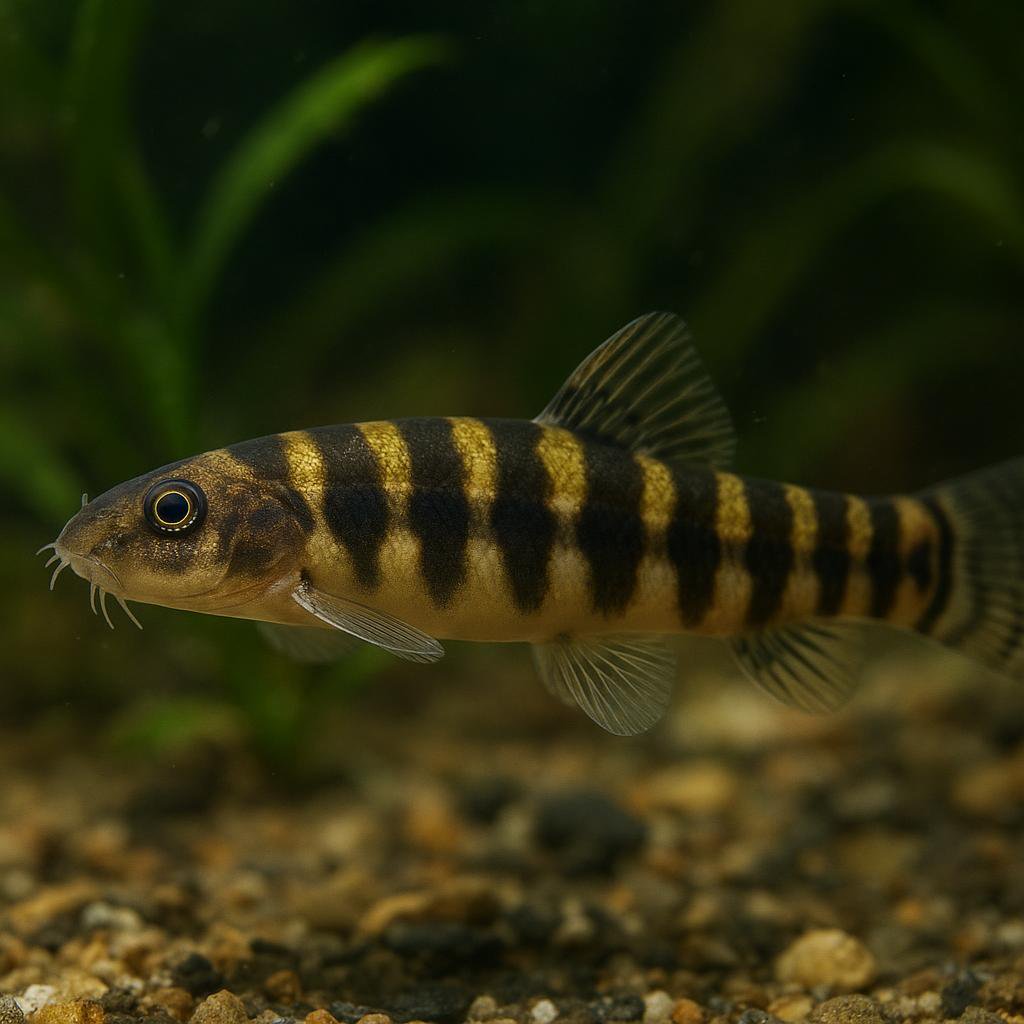
Schistura altipedunculata is one of those little stream loaches that wants clean, well-oxygenated water and a bunch of rock nooks to claim as home. It is a bottom-hugger that will spend its day scooting from crevice to crevice, and it tends to get a bit spicy with its own kind if you do not give it enough hiding spots.
American flagfish
Jordanella floridae
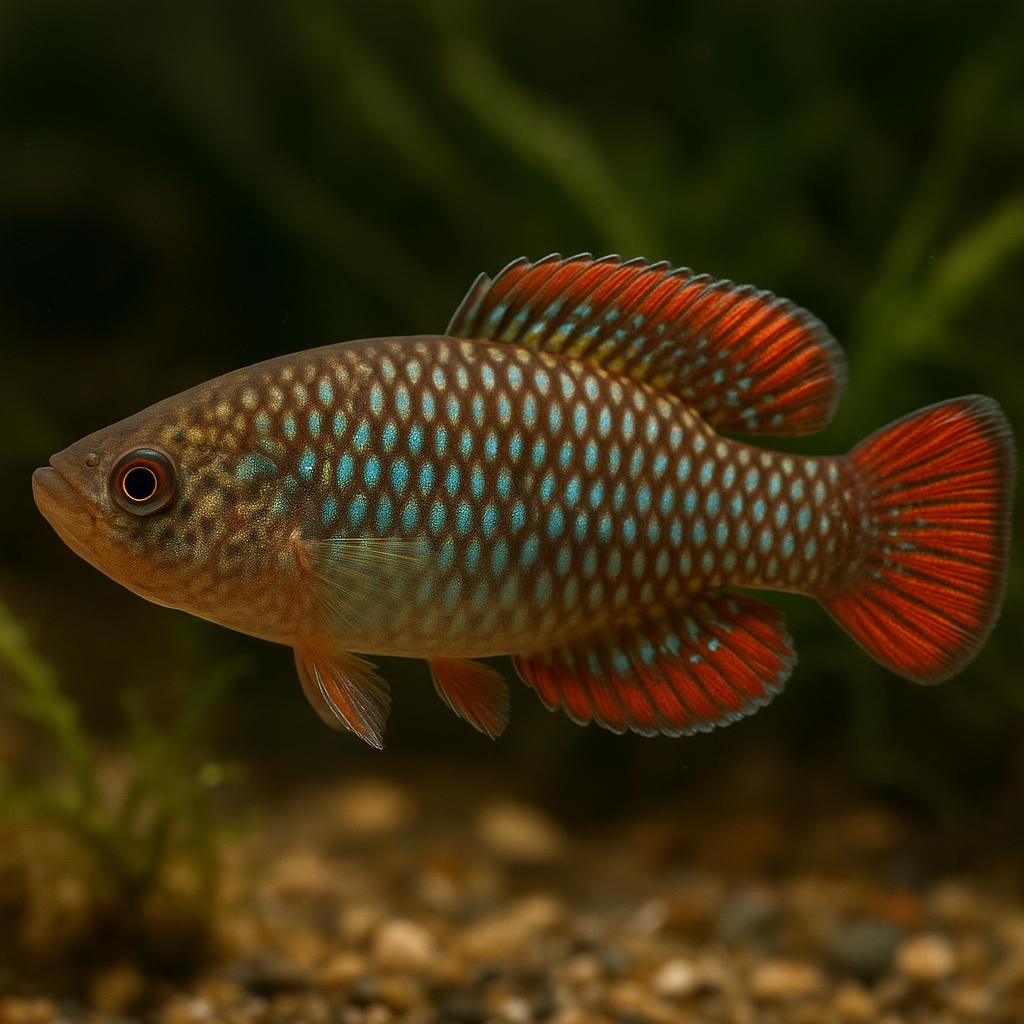
Jordanella floridae is that little Florida native with the red-and-cream striping that really does look like a tiny flag once a male colors up. They graze algae like champs (especially stringy/hair algae), but they have a bit of attitude - give them plants and space so the bossy behavior stays manageable. Bonus: the male guards the eggs and will actively fan them, which is pretty fun to watch.
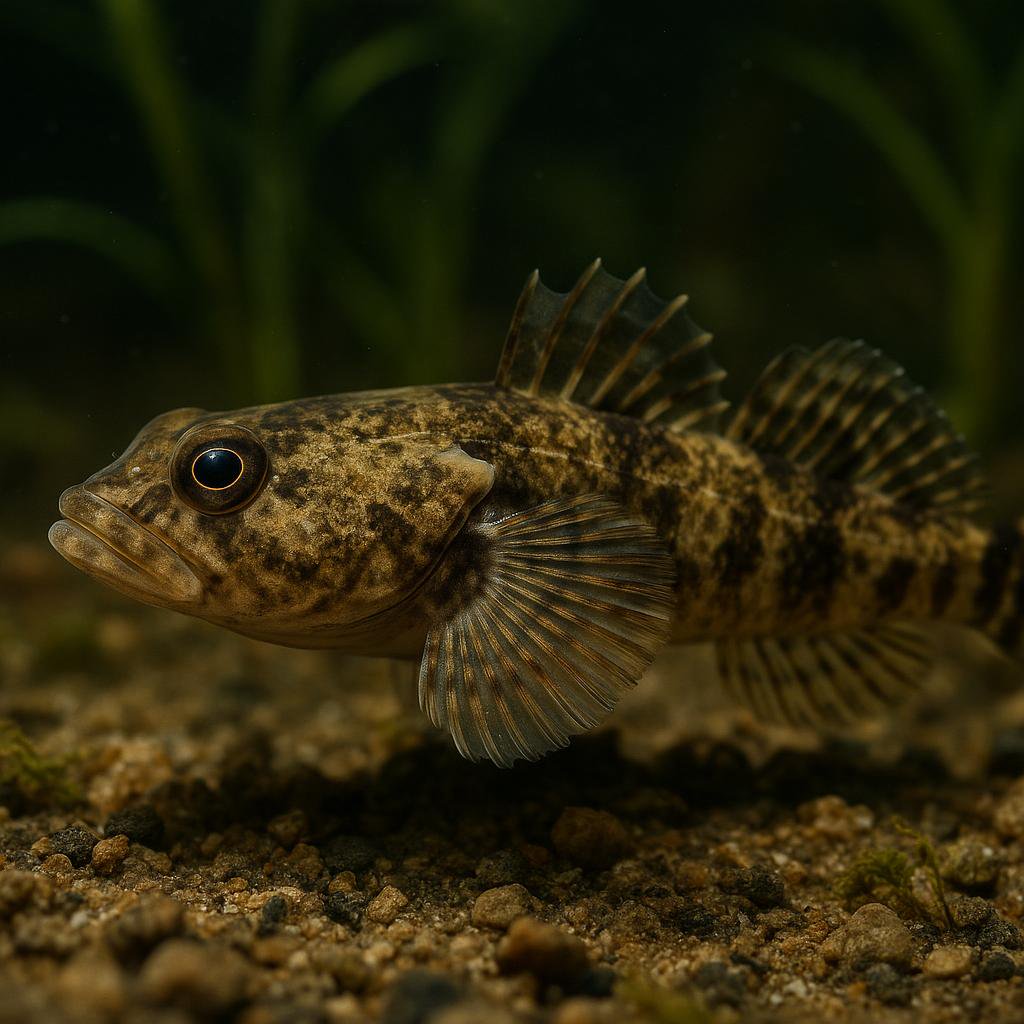
Amur sculpin
Alpinocottus szanaga
This is a little coldwater sculpin from the Amur drainage - a bottom-hugging, rock-and-gravel fish that spends its day wedged under stones and darting out to grab food. Super cool behavior and attitude, but it is absolutely not a warm tropical community fish - it wants chilly, fast, oxygen-rich water and will bicker with other bottom fish.
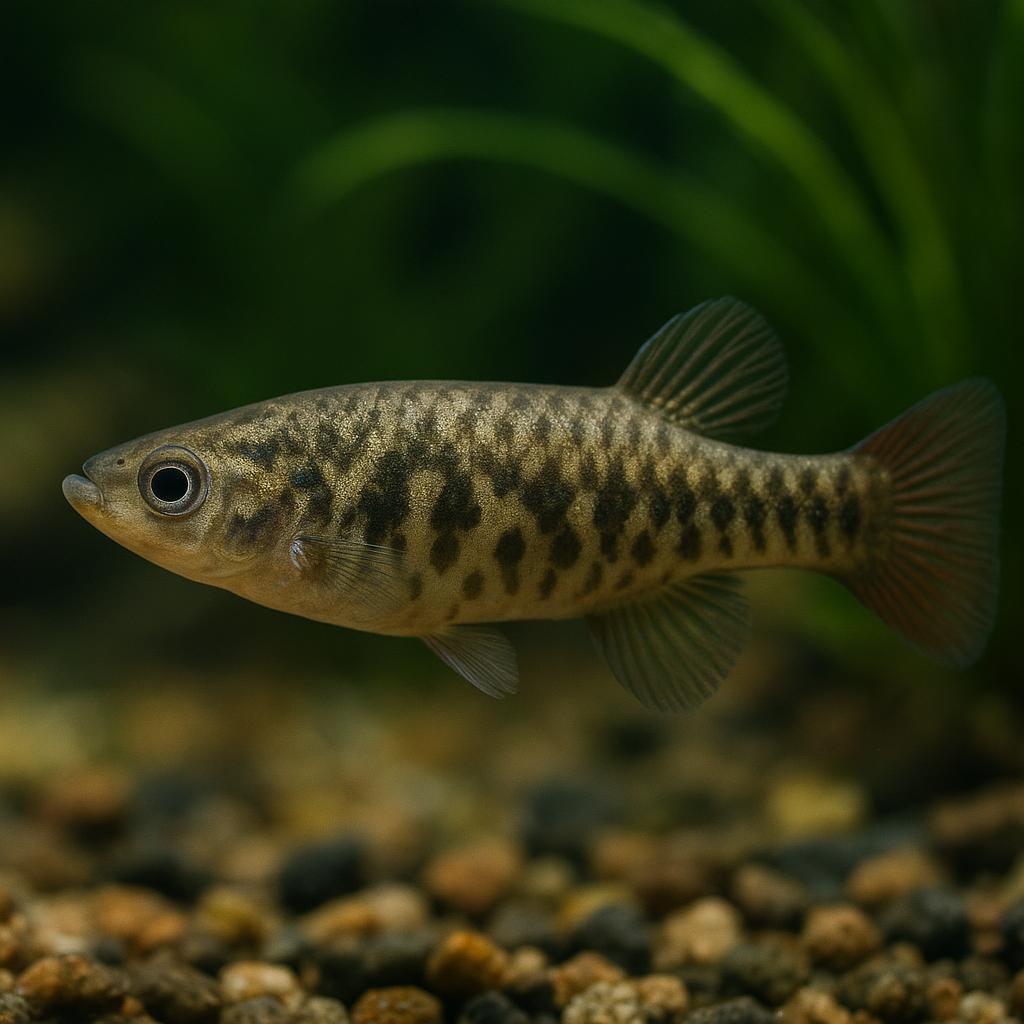
Anitápolis livebearer
Jenynsia weitzmani
Jenynsia weitzmani is a freshwater anablepid livebearer endemic to southern Brazil (currently known only from the type locality near Anitápolis, Santa Catarina). Like other Jenynsia (onesided livebearers), reproduction involves lateralized mating morphology/behavior; aquarium care guidance is not well-documented for this species specifically.
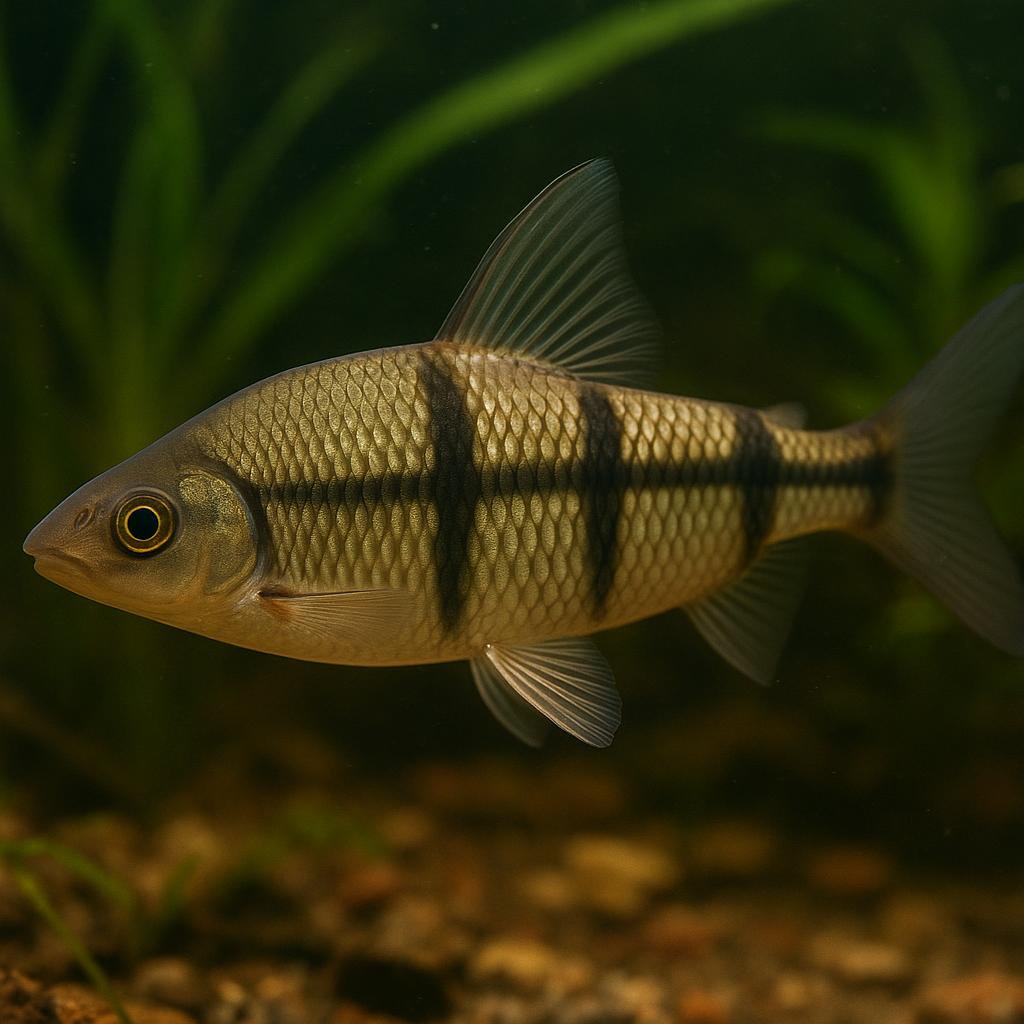
Aracu-comum
Schizodon vittatus
Schizodon vittatus is a large South American anostomid (family Anostomidae). Reported maximum size is about 35 cm standard length; it is harvested/consumed in parts of Brazil and is not commonly covered by mainstream aquarium husbandry references.
More to Explore
Discover more freshwater species.
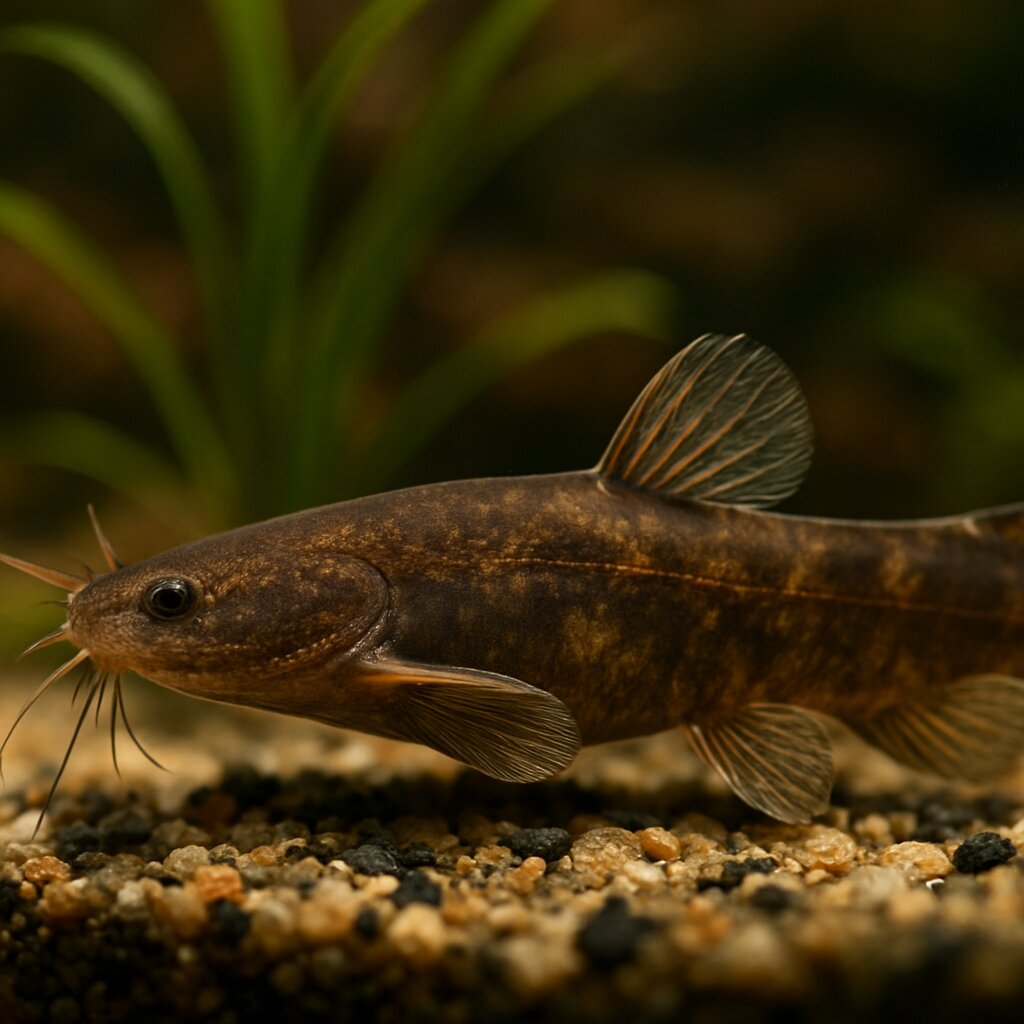
Amphilius dimonikensis
A small loach catfish endemic to the Mpoulou River in the Mayombe (Dimonika Biosphere Reserve), Republic of the Congo. Amphilius dimonikensis has a subtle banded pattern and inhabits fast, clear streams over rock and sand. In aquaria, prioritize strong, well-oxygenated flow with rounded stones and sand to mimic hillstream conditions.
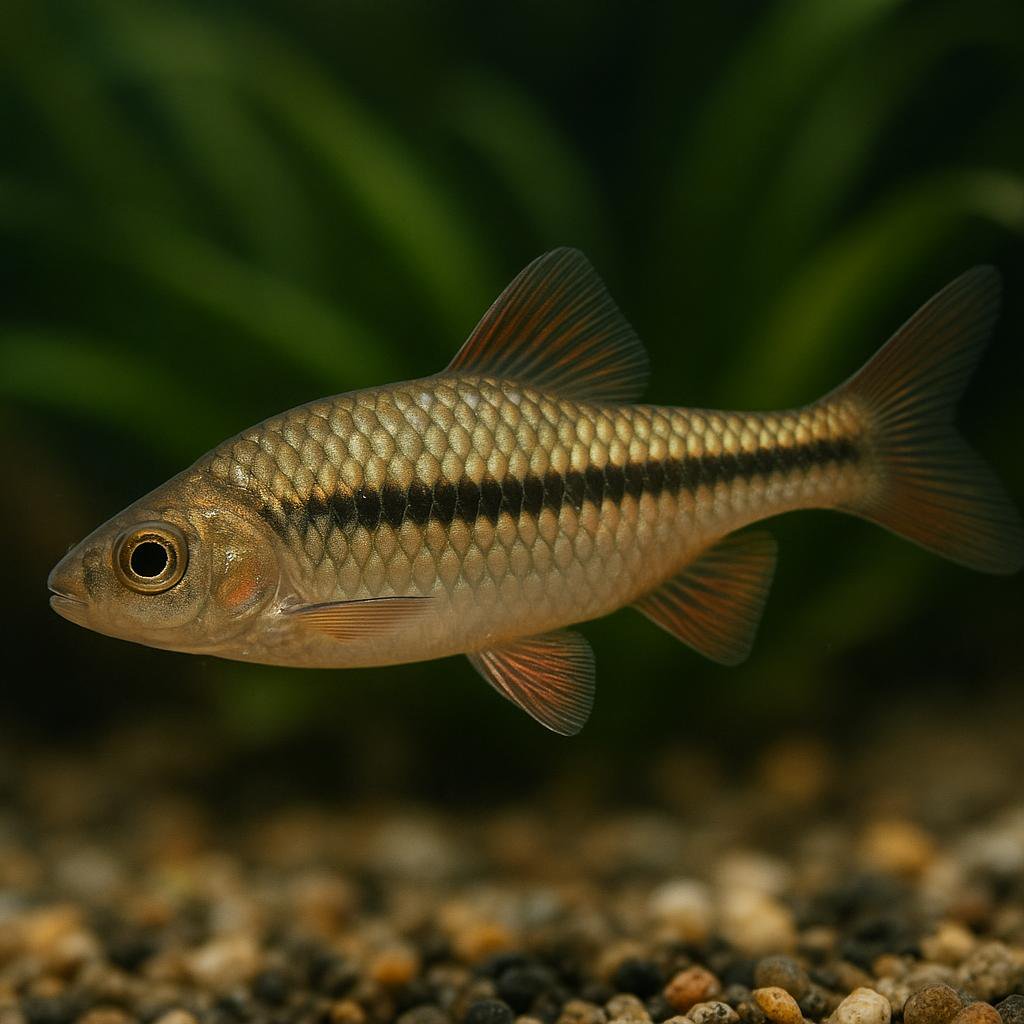
Aboina barb
Enteromius aboinensis
Enteromius aboinensis (the Aboina barb) is a small West African barb with a clean black midline stripe and a little spot right at the base of the tail. It does best when you treat it like a proper schooling fish - keep a decent group and give it plants around the edges with open swimming room in the middle.
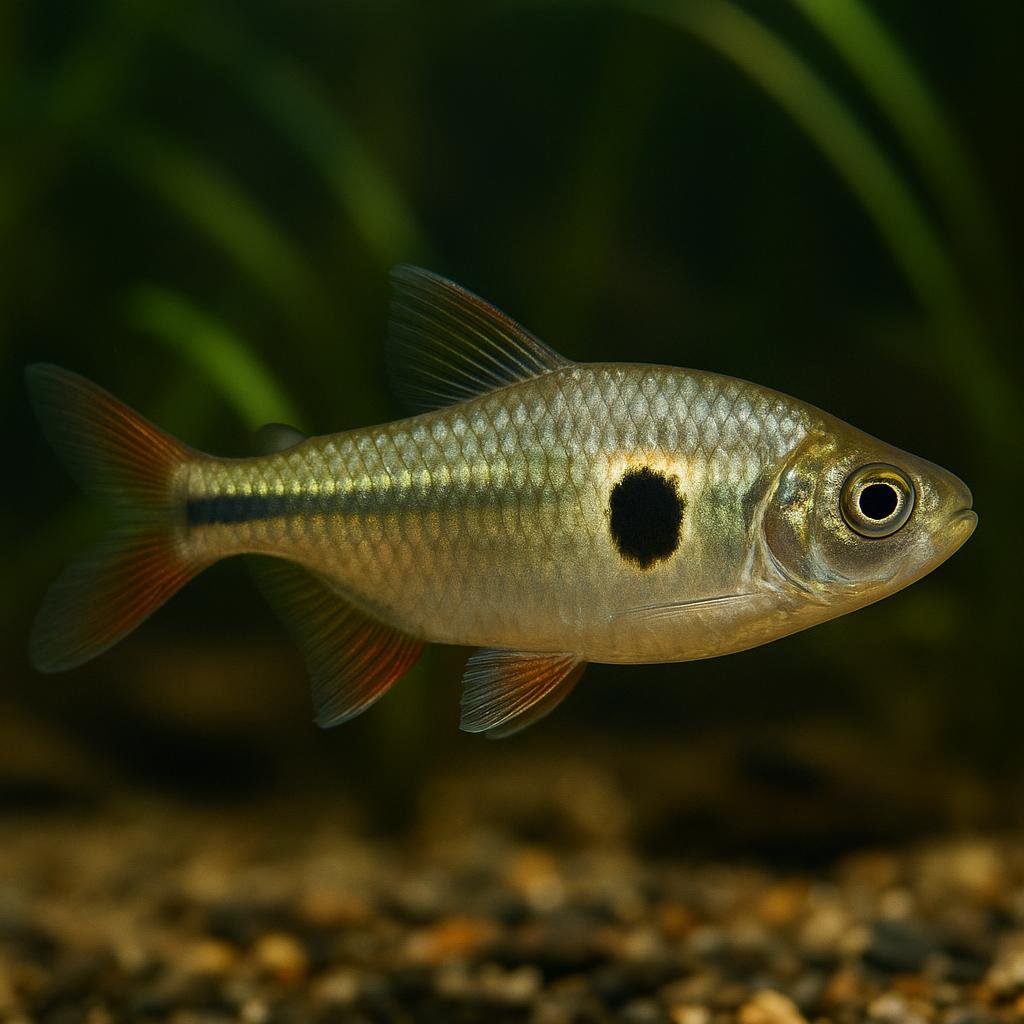
Ajuricaba tetra
Jupiaba ajuricaba
Jupiaba ajuricaba is a South American freshwater characin from the Amazon basin in Brazil (rio Negro, rio Solimões, and rio Tapajós basins). It reaches about 9.5 cm SL and is diagnosed by a narrow dark midlateral stripe, an elongated humeral spot, and an ocellated spot on the upper caudal-fin lobe. Wild specimens have been collected from blackwater forest streams and also oxbow-lake habitats.
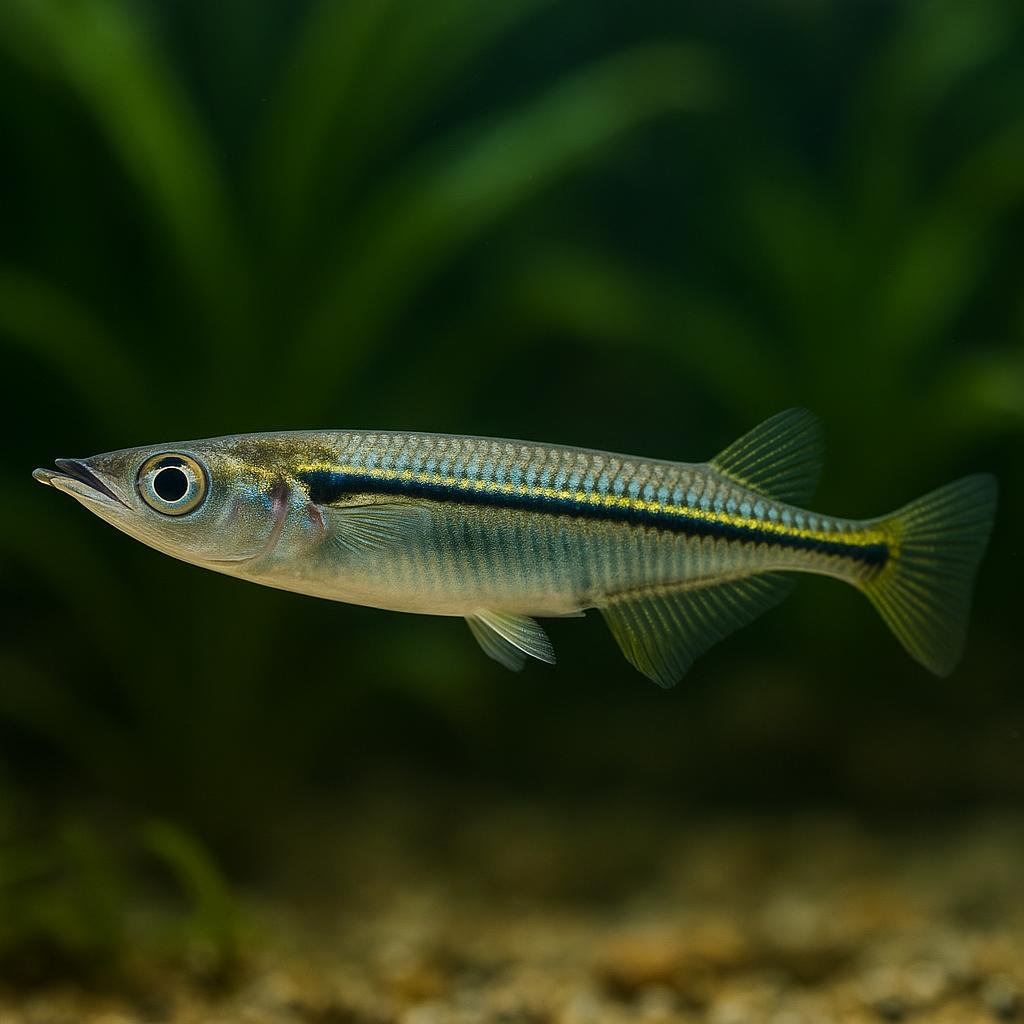
Allen's river garfish
Zenarchopterus alleni
A poorly known freshwater halfbeak endemic to West Papua (Mamberamo River), described from a single specimen (~13 cm SL). Beyond basic habitat/occurrence, little is published about its ecology or aquarium suitability; assume it is a surface-oriented, jump-prone halfbeak only by analogy with related taxa.
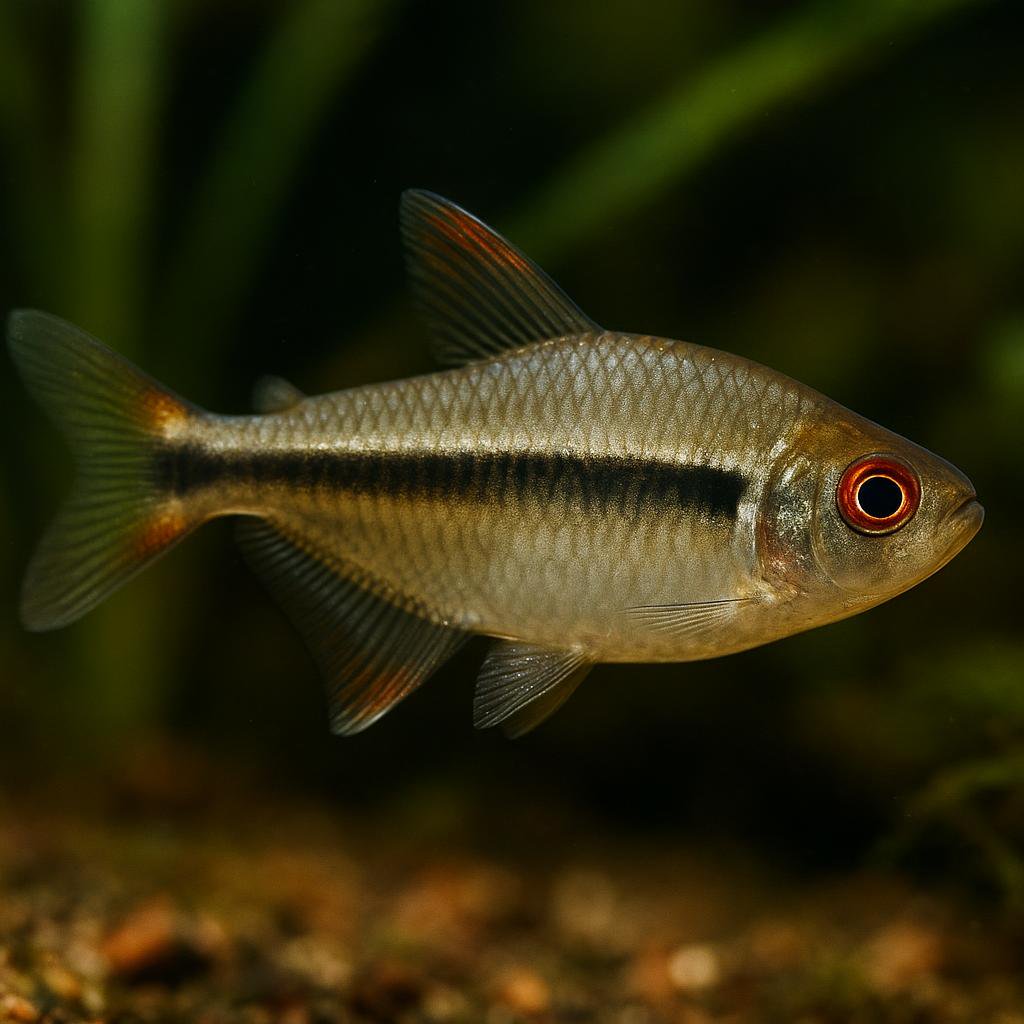
Amapa tetra
Hyphessobrycon amapaensis
This is a tiny, super sleek little tetra with a clean red stripe down the side that really pops once its settled in. It does best in a planted, slightly tinted "creek-style" setup and looks way cooler when you keep a proper group so they school and flash that line together. If you can give it soft, slightly acidic water and a calm community, its an easy fish to fall for.
Amatlan chub
Yuriria amatlana
Yuriria amatlana (the Amatlan chub) is a little Mexican native minnow from the Ameca River basin. Its wild range is pretty limited and it is listed as Endangered, so its care info in the aquarium hobby is basically nonexistent and its availability is usually low. In the original species description, preserved fish show a dark lateral stripe with a darker patch on the caudal peduncle, and they can have tiny barbels at the mouth corners.
Looking for other species?