

Iranian cichlid
Iranocichla hormuzensis
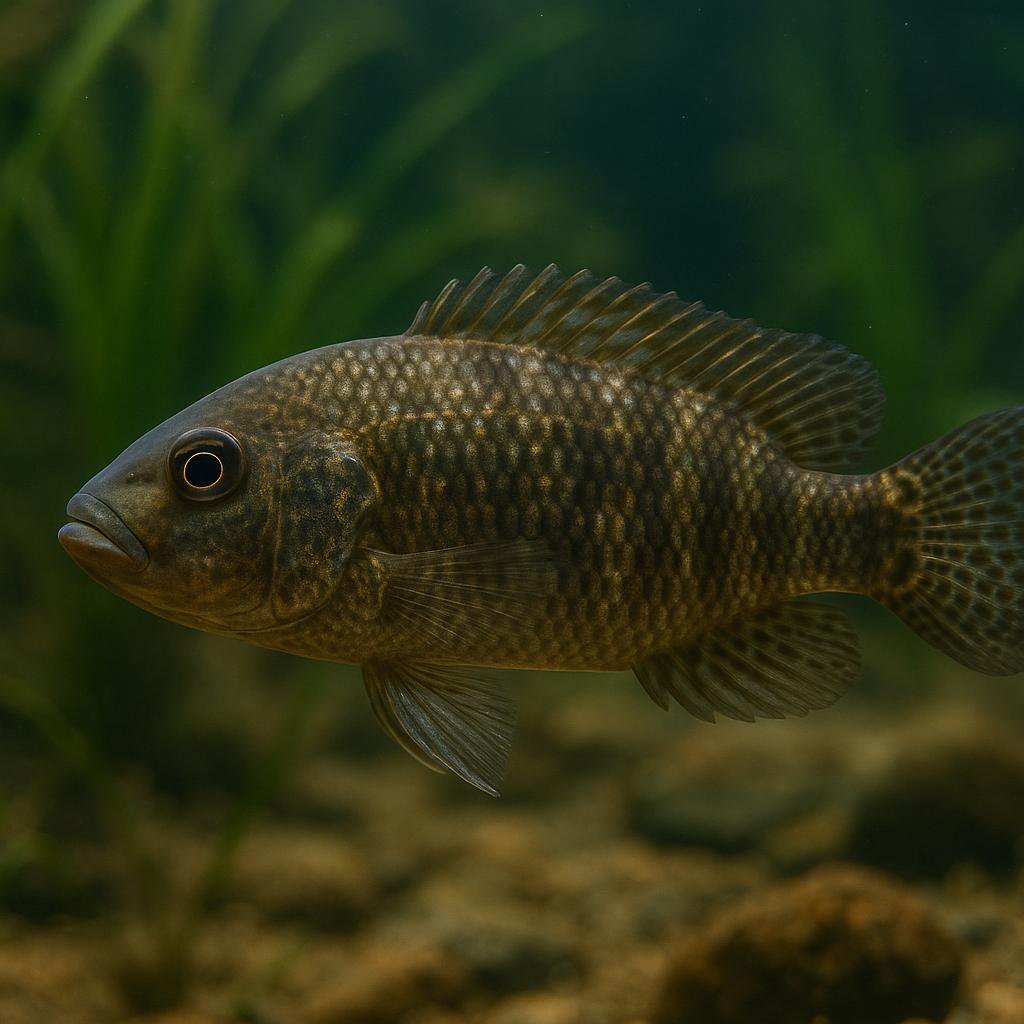
Iranian cichlid exhibits vibrant yellow and black vertical stripes, with a prominent dorsal fin that adds to its striking appearance.
This page includes AI-generated images. Why am I seeing AI images?
About the Iranian cichlid
A tough little desert cichlid from southern Iran that lives in warm, slightly salty streams and oases. Males turn dark with speckles during breeding, and the females mouthbrood small clutches. It is fascinating to keep because it tolerates heat and brackish water that most freshwater fish would hate.
Also known as
Quick Facts
Size
9.7 cm SL
Temperament
Semi-aggressive
Difficulty
Intermediate
Min Tank Size
40 gallons
Lifespan
5-8 years
Origin
West Asia (Southern Iran)
Diet
Herbivore - scrapes algae/aufwuchs and detritus; spirulina flakes and veggie pellets
Water Parameters
20-35°C
7.8-8.6
18-35 dGH
Need a heater for this species?
This species needs 20-35°C in a 40 gallon tank. Use our heater calculator to find the right wattage.
Calculate heater sizeCare Notes
- Start with a 40-gallon tank or bigger; they are small but semi-aggressive, so use rock piles or other hardscape to break sightlines and give grazing surfaces.
- Keep them in brackish, hard, alkaline water: pH 7.8-8.6 and 18-35 dGH, and keep those mineral levels steady rather than bouncing around.
- Make the salinity with a marine salt mix (not freshwater 'aquarium/tonic' salt) to hit a low-end brackish level and supply needed minerals.
- They handle heat well at 20-35 C; if you run them hot, add strong surface agitation or air to keep oxygen levels up.
- They are herbivores that scrape algae and aufwuchs; base the diet on spirulina flakes and quality veggie pellets, and let some algae grow on rocks for them to graze.
- Pick only robust, brackish-tolerant tankmates of similar size; skip delicate freshwater community fish.
- During breeding the male turns dark with speckles, and the female mouthbroods a small clutch; if you spot a holding female, give her quiet cover and do not harass her.
- Soft, acidic freshwater is a common failure point; keep hardness and alkalinity in range long-term and avoid sudden drops in salinity.
Compatibility
Good Tankmates
- Robust brackish livebearers like sailfin and common mollies (Poecilia latipinna/sphenops) - heat- and salt-tolerant, quick enough to avoid a semi-aggressive cichlid
- Knight goby (Stigmatogobius sadanundio) - similar size, brackish, uses caves and lower levels; works if territories and sight breaks are provided
- Desert goby (Chlamydogobius eremius) - hardy bottom goby that thrives in warm, hard, slightly salty water; generally holds its own with structure
- Orange chromide (Etroplus maculatus) - small brackish cichlid with comparable water needs; keep a group and avoid the much larger green chromide
- Hard-shelled brackish nerite snails (Neritina/Nerita spp.) - tough algae grazers that are usually ignored by these cichlids
- Own species in a managed group with more females than males, in 40+ gallons with rockwork and sight breaks to spread aggression
Avoid
- Fin-nipping or predatory brackish fish like figure-8 or green spotted puffers - will harass and shred fins
- Large, fast estuarine fish such as scats (Scatophagus), monos (Monodactylus), or archerfish (Toxotes) - outcompete, stress, or may eat small cichlids
- Very small nano fish and shrimp (bumblebee gobies, glass/ghost shrimp) - likely to be bullied or eaten
- Slow, long-finned or strictly freshwater community fish (bettas, fancy guppies, tetras, Corydoras) - cannot tolerate hard, alkaline brackish water and risk fin-nipping
The Iranian cichlid (Iranocichla hormuzensis) is a small, heat-tolerant, brackish-water cichlid from southern Iran. It lives in hard, alkaline streams and oases with a bit of salt. Males turn dark with fine speckling in breeding condition, and females mouthbrood small clutches. It is a tough fish for specialized setups rather than a mainstream community tank.
At a glance
- Size: up to 9.7 cm SL
- Lifespan: 5-8 years
- Temperament: semi-aggressive
- Care level: intermediate
- Water: brackish, hard, alkaline
- Temperature: 20-35 C
- pH: 7.8-8.6
- Hardness: 18-35 dGH
- Minimum tank: 40 US gallons
- Diet: herbivore - scrapes algae/aufwuchs and detritus; accepts spirulina flakes and veggie pellets
Origin and natural habitat
Iranocichla hormuzensis is native to southern Iran in West Asia. It occupies warm, mineral-rich waters where slight salinity is normal, such as desert streams and oases. These habitats run hard and alkaline and can heat up significantly in summer, conditions that most typical freshwater fish avoid.
This species tolerates very warm water and slight salinity that would stress many freshwater fishes.
Aquarium setup and water conditions
Plan on a tank of 40 gallons or larger. Use hardscape to create broken lines of sight and a few solid retreats so fish can get out of view; this reduces sparring. Keep the water hard and alkaline, with a modest amount of salt to mimic its natural brackish conditions. Maintain stable parameters rather than chasing numbers.
- Temperature: 20-35 C
- pH: 7.8-8.6
- Hardness: 18-35 dGH
- Water type: brackish (slightly salty)
High temperatures reduce dissolved oxygen. Provide strong surface agitation and steady aeration, especially above 28 C.
Diet and feeding
In nature this fish grazes algae and other aufwuchs and picks at fine detritus. In the aquarium it does well on vegetable-based foods. Offer spirulina flakes, quality veggie pellets, and opportunities to graze on algae-grown rock or hardscape. Meaty, protein-heavy diets are unnecessary.
Behaviour and tankmates
Iranian cichlids are semi-aggressive and territorial, especially as they mature. Give them room and visual barriers to manage disputes. Choose tankmates with care: any companions must be comfortable in hard, alkaline, slightly salty water and handle warm temperatures. Avoid delicate or timid fishes and species that require soft, acidic, or strictly freshwater conditions.
Do not combine with species that cannot tolerate brackish, hard, alkaline water or higher temperatures.
Breeding
This species is a maternal mouthbrooder. During breeding, males darken and show fine speckles, and females carry a small clutch in the mouth. Provide stable warm, hard, slightly salty water and plenty of cover so the female can withdraw while brooding. Separating a brooding female can help her hold to term and protect the fry once released.
Common problems and how to avoid them
- Soft or acidic water: This species needs hard, alkaline conditions. Keep pH 7.8-8.6 and 18-35 dGH.
- Skipping salt entirely: It comes from slightly brackish habitats. Maintain a modest salinity and keep it stable.
- Overheating without aeration: Warm water holds less oxygen. Provide vigorous surface movement at higher temps.
- Crowding and bare layouts: Semi-aggressive fish need space and line-of-sight breaks to limit chasing.
- Inappropriate diet: Emphasize algae- and plant-based foods such as spirulina flakes and veggie pellets.
Similar Species
Other brackish semi-aggressive species you might be interested in.
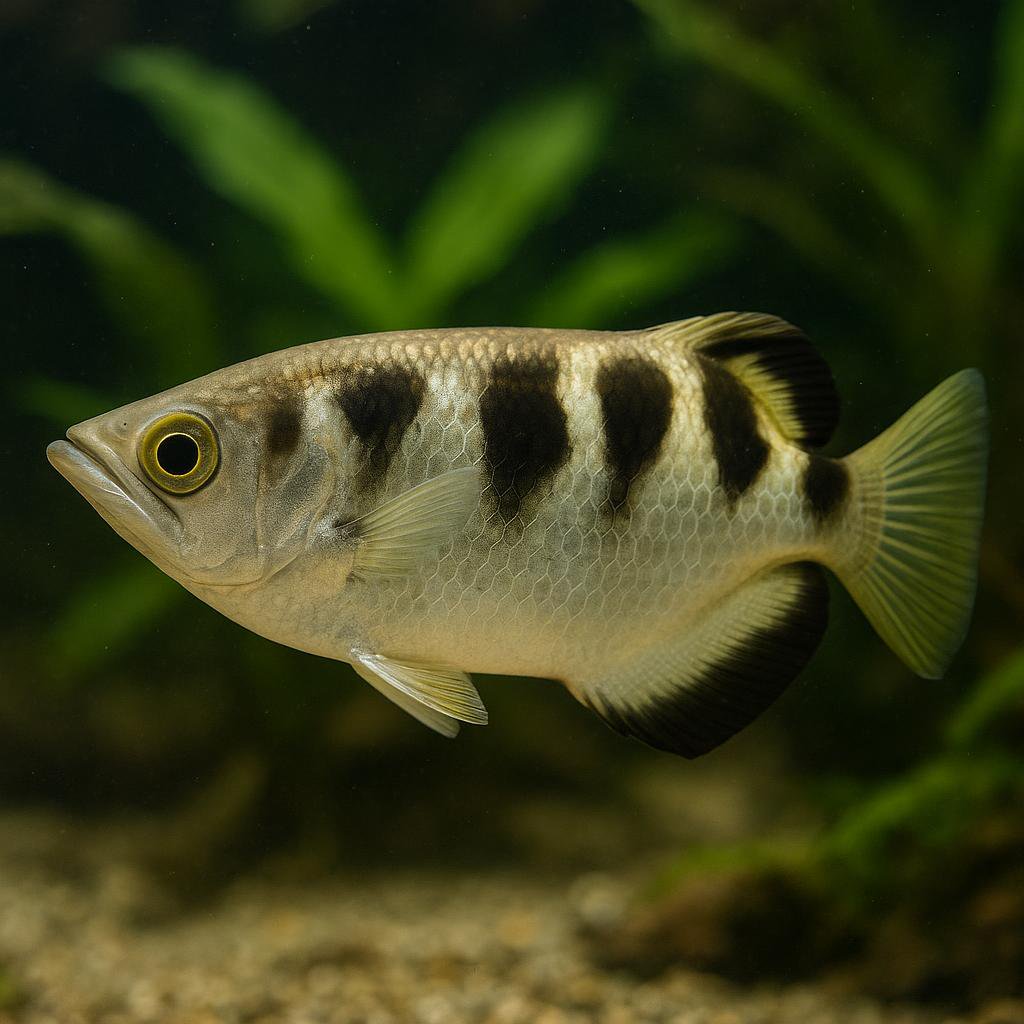
Banded Archerfish
Toxotes jaculatrix
This is the fish that literally spits jets of water to knock insects off branches-watching one "take aim" is unreal. They're super aware of what's going on outside the tank and will even learn to beg and snipe food from the surface once they settle in. Give them height and some open swimming room and they act like little aquatic sharpshooters.
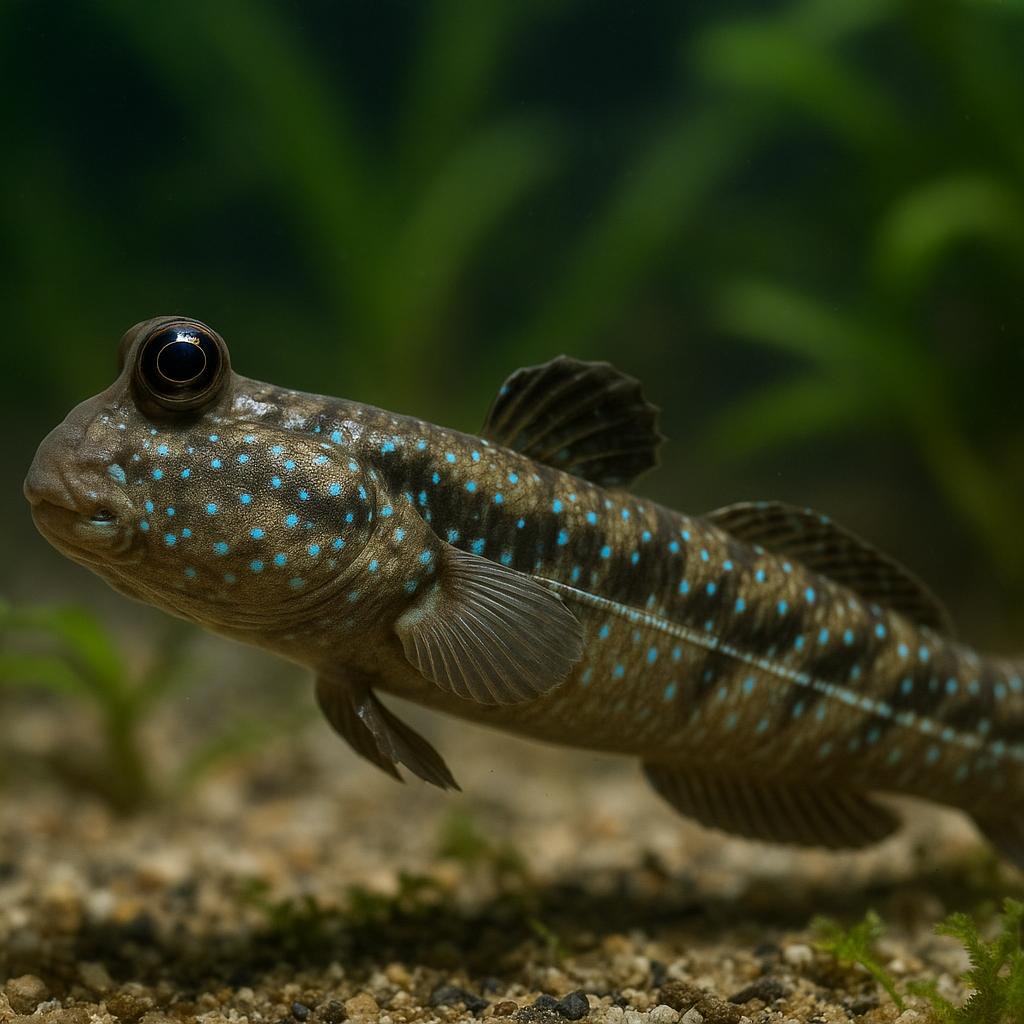
Barred mudskipper
Periophthalmus argentilineatus
This is one of those classic "walks around like it owns the place" mudskippers-big goofy eyes, climbs, hops, and spends a ton of time out on the mud when it's humid. In the wild it lives on intertidal mangrove/nipa mudflats and even shuttles between little pools and open air, hunting worms, insects, and small crustaceans. It's super fun to watch, but it really wants a brackish paludarium setup (not a normal aquarium).
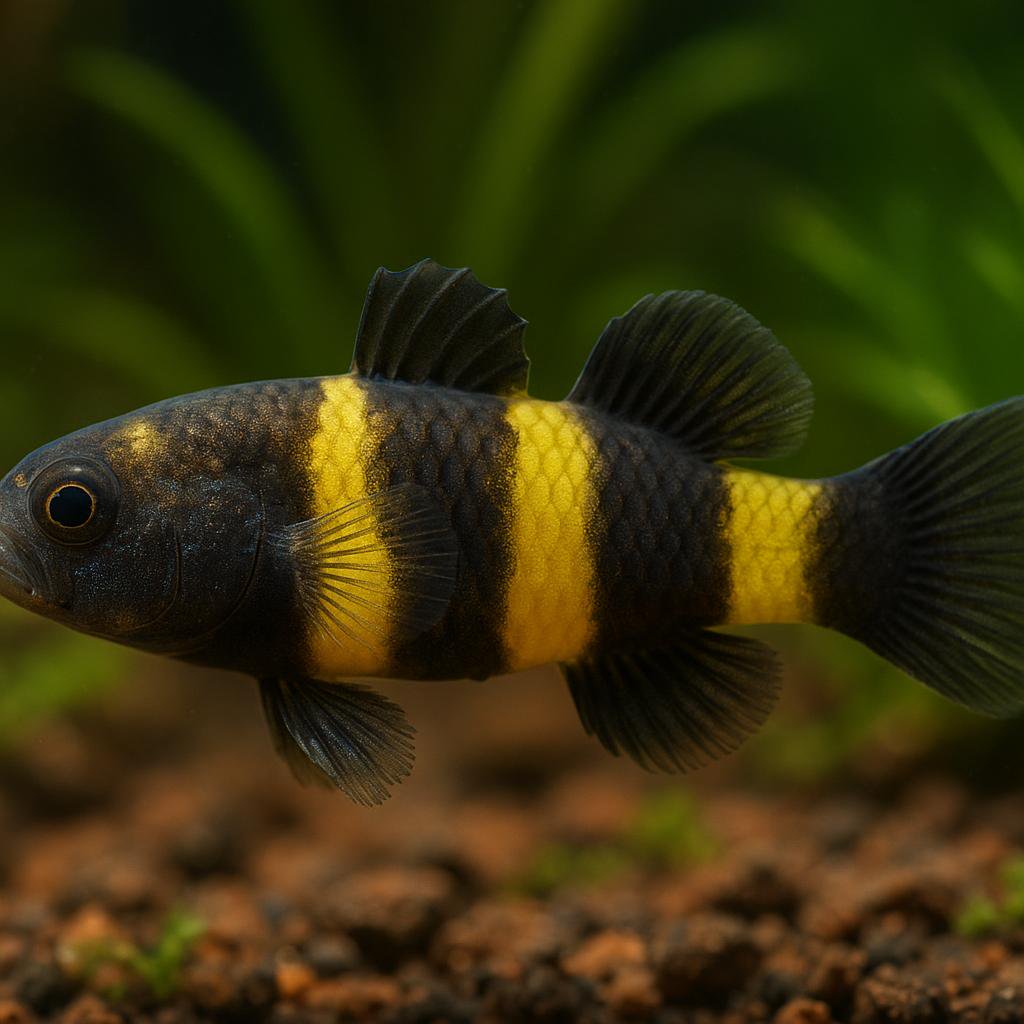
Bumblebee goby
Brachygobius doriae
Brachygobius doriae is one of the classic "bumblebee gobies" - tiny, bottom-hugging little characters that perch on rocks and sand and stare at you like they own the place. They're at their best in a calm setup with lots of caves and leaf litter, and they really shine once you get them eating frozen/live foods reliably (they're slow, picky eaters). Also: they're one of the species that gets mislabeled a lot in shops, so it's super common to see them sold under the wrong bumblebee-goby name.
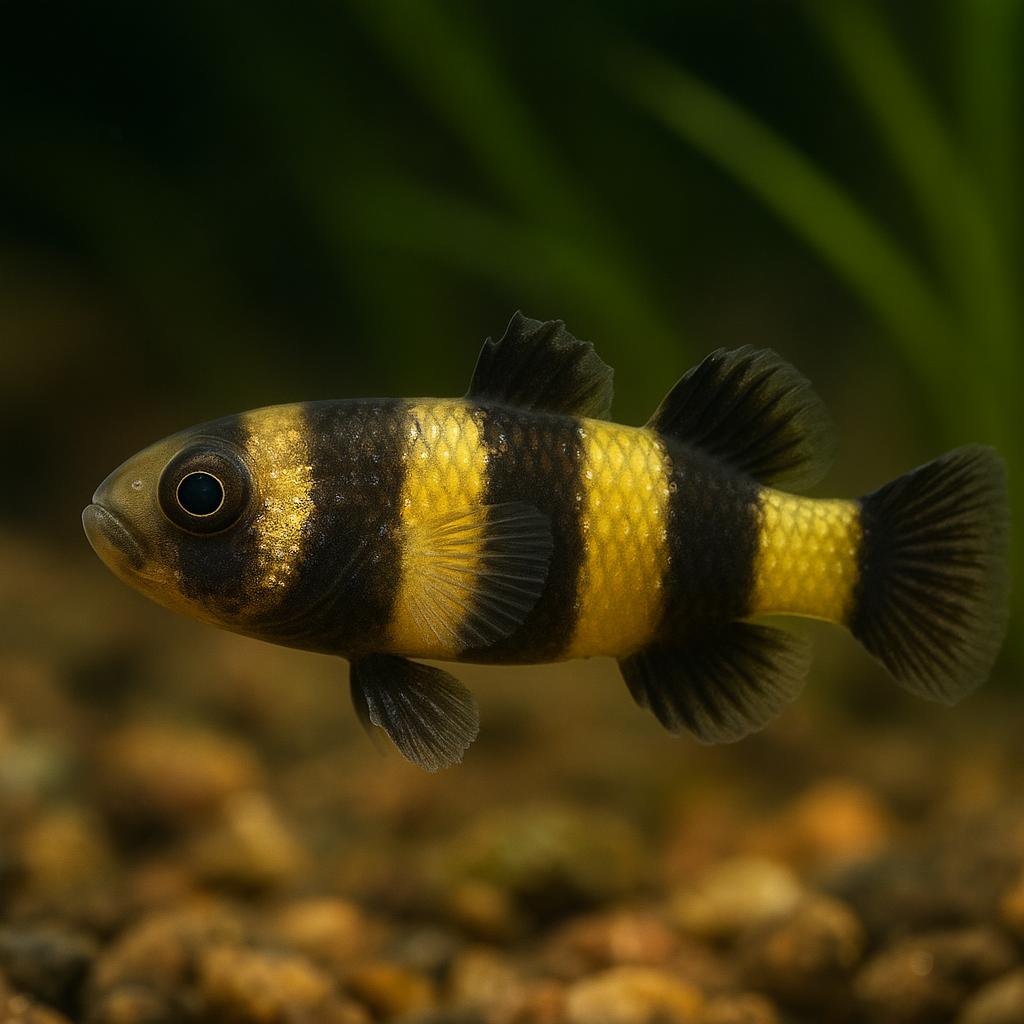
Bumblebee goby (Bumblebee fish)
Brachygobius xanthozonus
This is that tiny little goby with the bold black-and-yellow bands that likes to perch on the bottom and stare back at you like it owns the place. It's happiest in lightly brackish water with lots of little caves and sight-breaks, and it's one of those fish that often refuses flakes-frozen/live meaty foods usually flip the "yes, I will eat" switch.
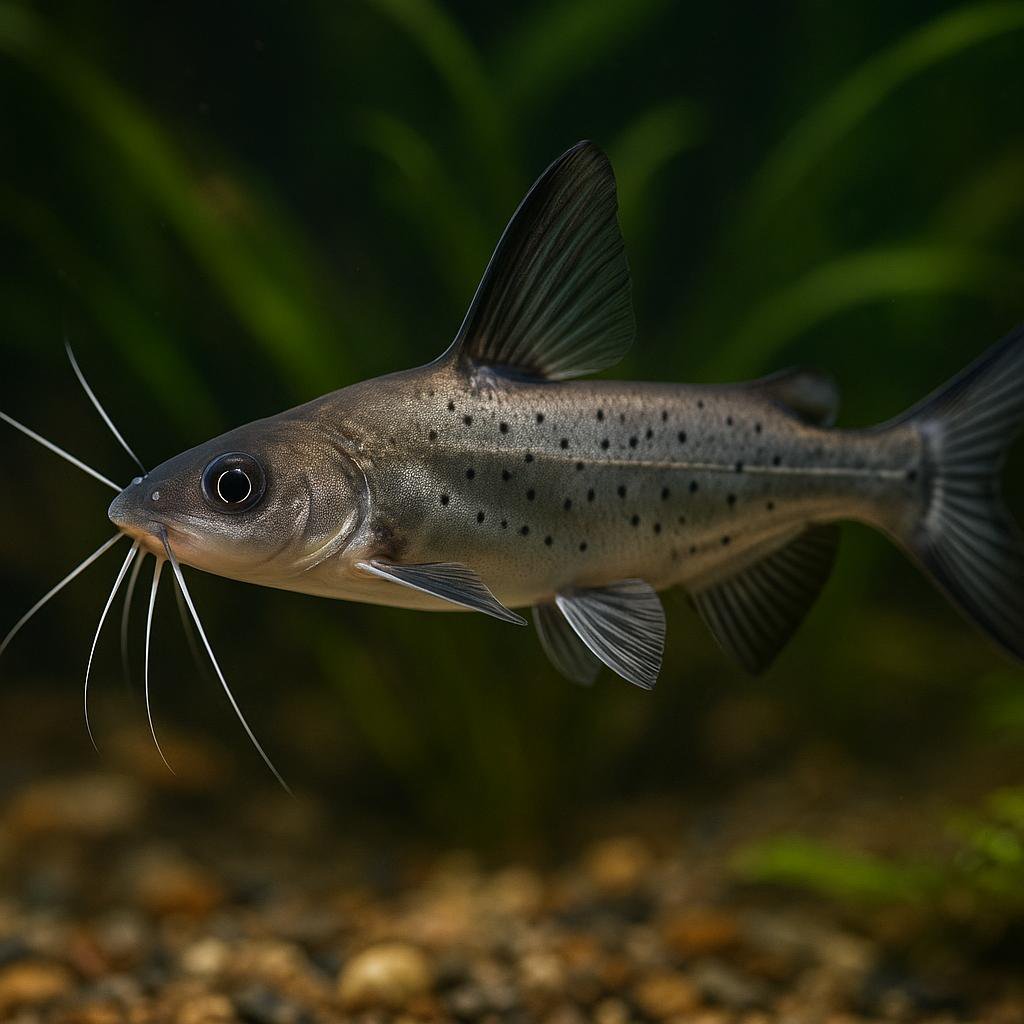
Colombian shark catfish
Ariopsis seemanni
This is that slick silver "shark-looking" catfish with the black fins and white tips that cruises around like it owns the place. The big gotcha is it's not a true freshwater community fish long-term-juveniles show up in shops as "freshwater," but as it grows it really wants brackish and eventually full marine conditions, plus a lot of swimming room.
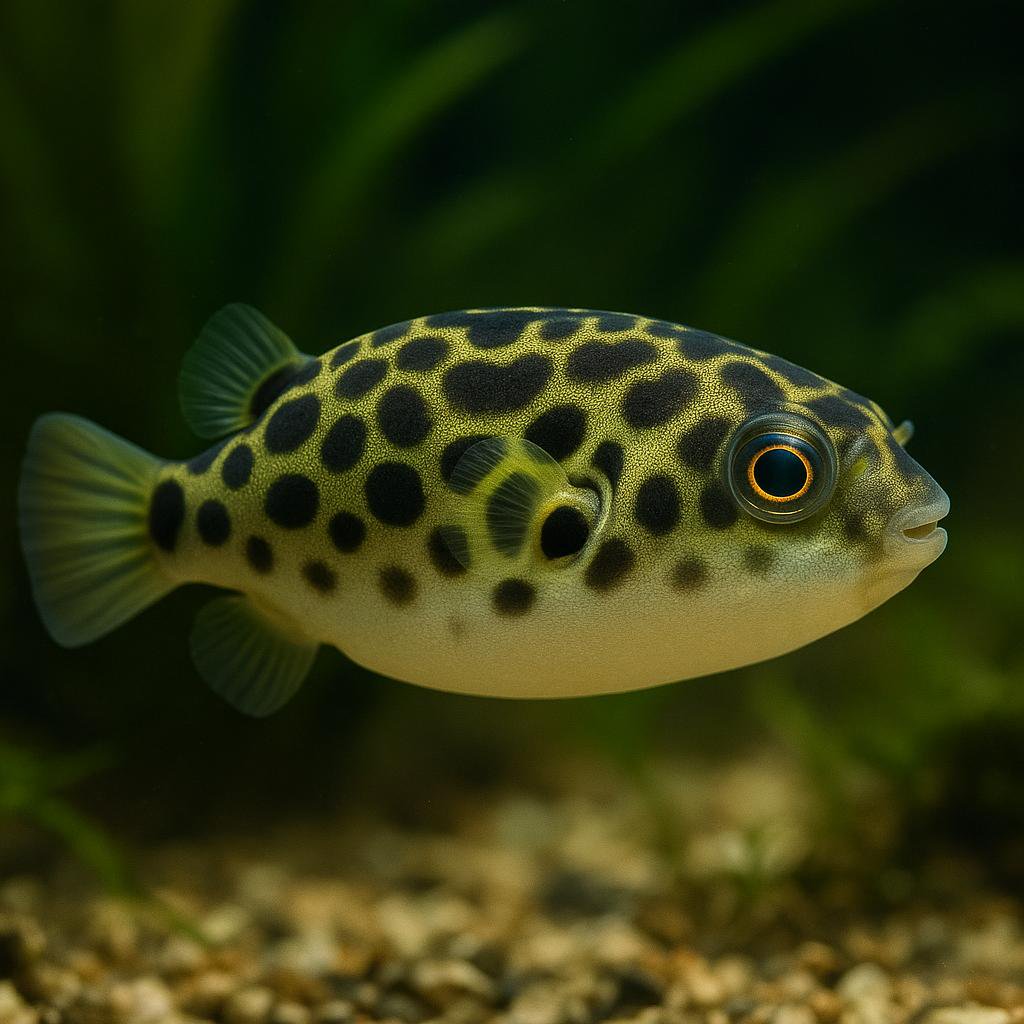
Eyespot pufferfish (Figure-8 puffer)
Dichotomyctere ocellatus
This is the little "figure-8" puffer with the yellow-green squiggles and the two bold eyespots near the tail-tons of personality in a small body. They're basically snail-hunting machines with a curious, interactive vibe, but they can be spicy with their own kind, so you plan the tank around that.
More to Explore
Discover more brackish species.
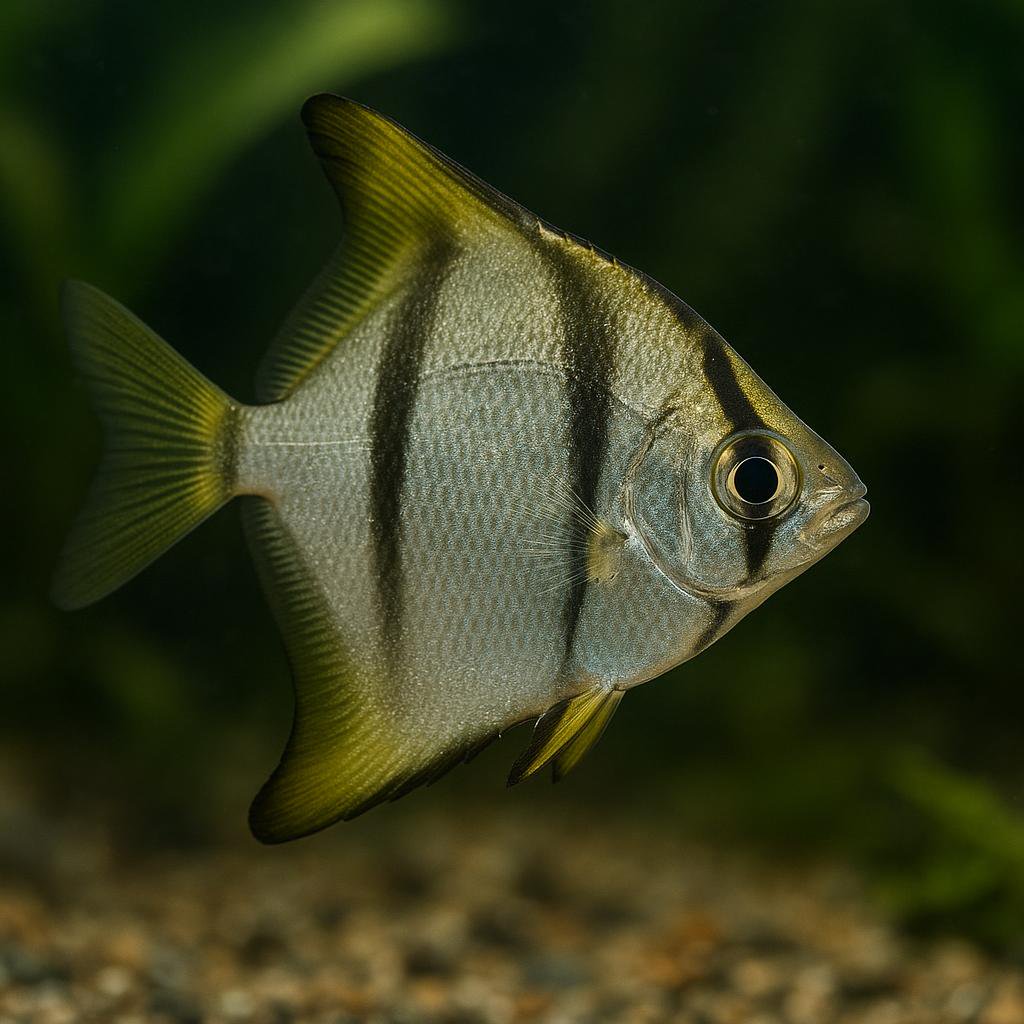
African moony
Monodactylus sebae
This is that shiny, diamond-shaped "mono" that cruises around in a tight pack and looks like a little silver dinner plate with black bars when it's young. The big thing with African moonies is they're euryhaline-so they'll tolerate freshwater as juveniles, but they really shine long-term in brackish (and can be transitioned toward marine as they mature). Give them a big, open tank and a group, and they turn into nonstop, super fun midwater swimmers.
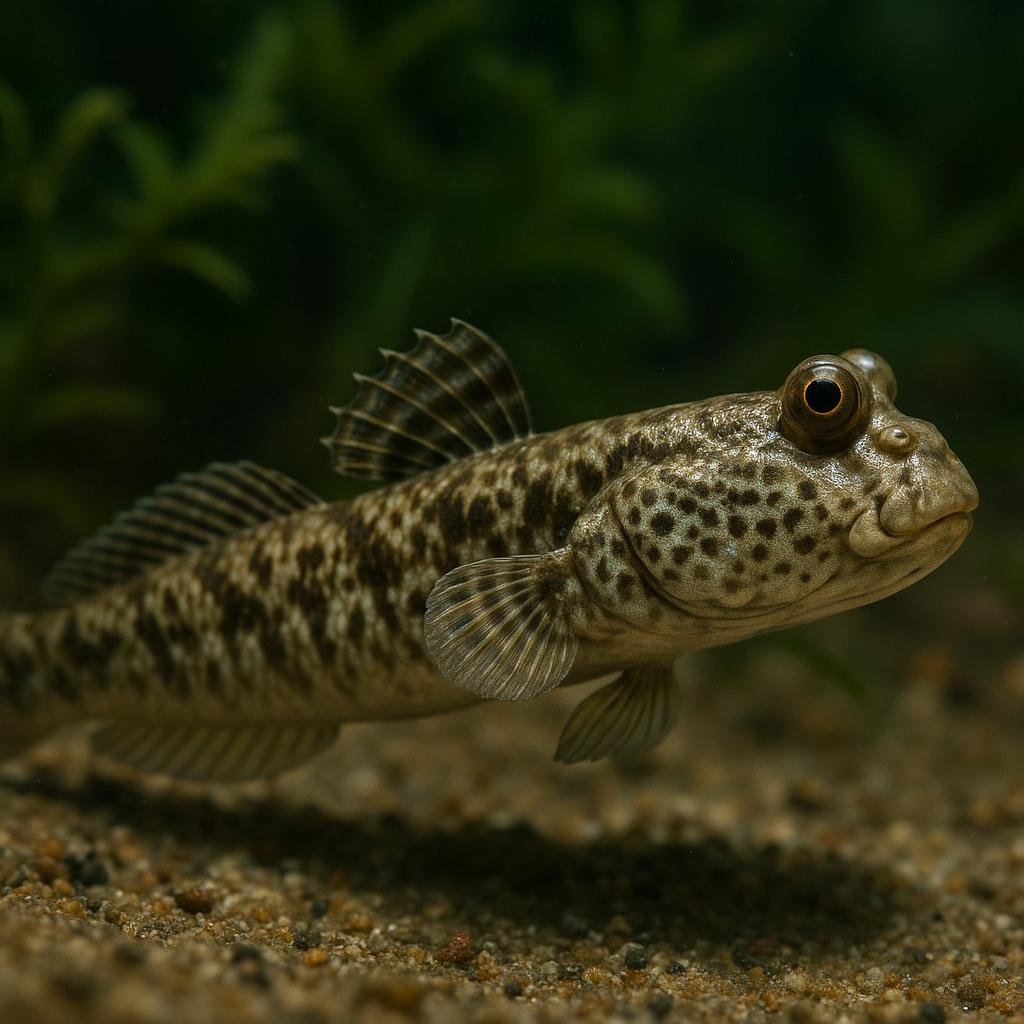
Atlantic Mudskipper
Periophthalmus barbarus
This is that wild little amphibious goby that straight-up climbs around on land like it forgot it was a fish. They've got big googly eyes, tons of personality, and they'll perch, hop, and patrol their territory-honestly more like a tiny crabby lizard than a "regular" aquarium fish.
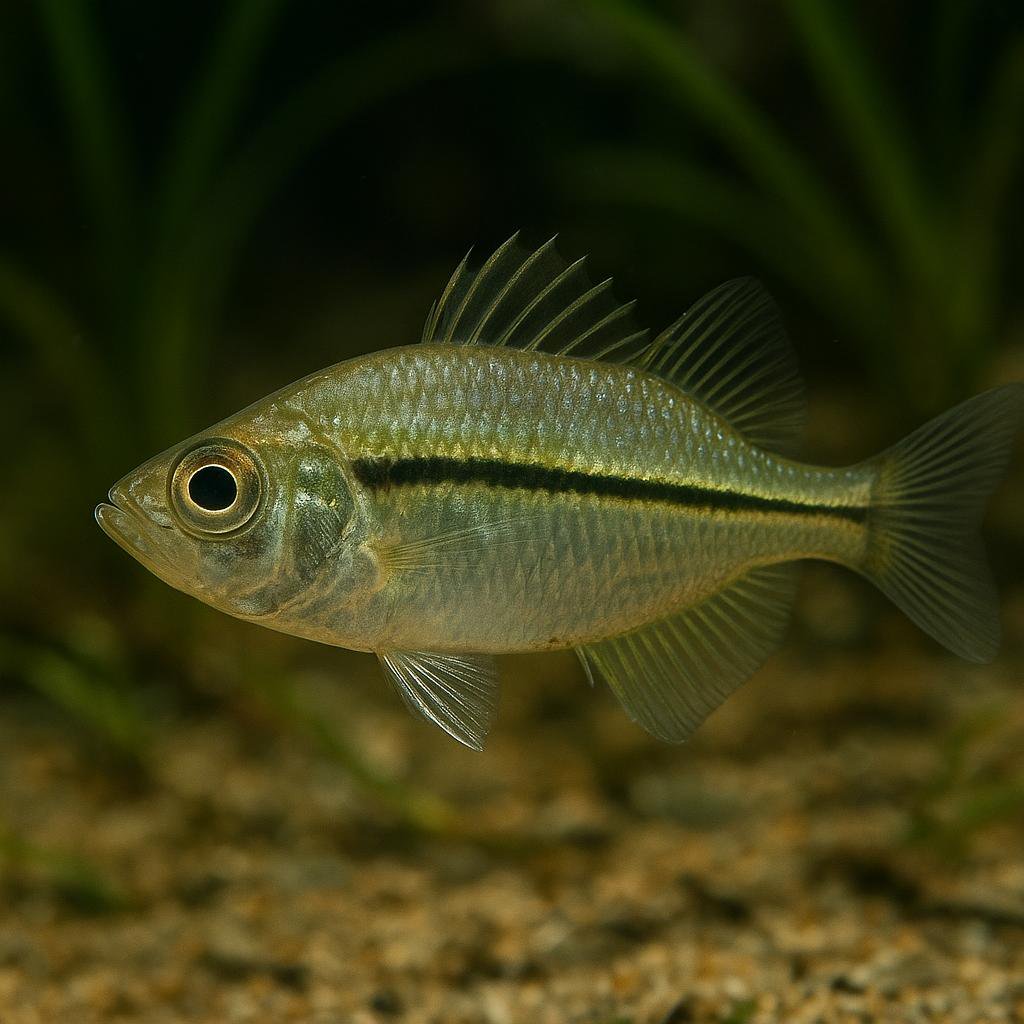
Banded-tail glassy perchlet
Ambassis urotaenia
This is one of those see-through glassy perchlets where you can literally watch the organs shimmer when it turns-super cool in the right lighting. In the wild it hangs around river mouths and mangroves and cruises in groups, so it does best when you keep a little gang of them and give them some open swimming room.
-1771643191.jpg)
Elongate mudskipper (pointed-tailed goby)
Pseudapocryptes elongatus (syn. Pseudapocryptes lanceolatus)
This is that super-cool "mudskipper-ish" goby that mostly stays in the water, but will park itself in the shallows and periscope its eyes above the surface like it's keeping watch. It's an obligate air-breather from tidal rivers/estuaries, so it really appreciates shallow, brackish setups with soft mud/sand and gentle flow-more of a mangrove vibe than a typical community tank.
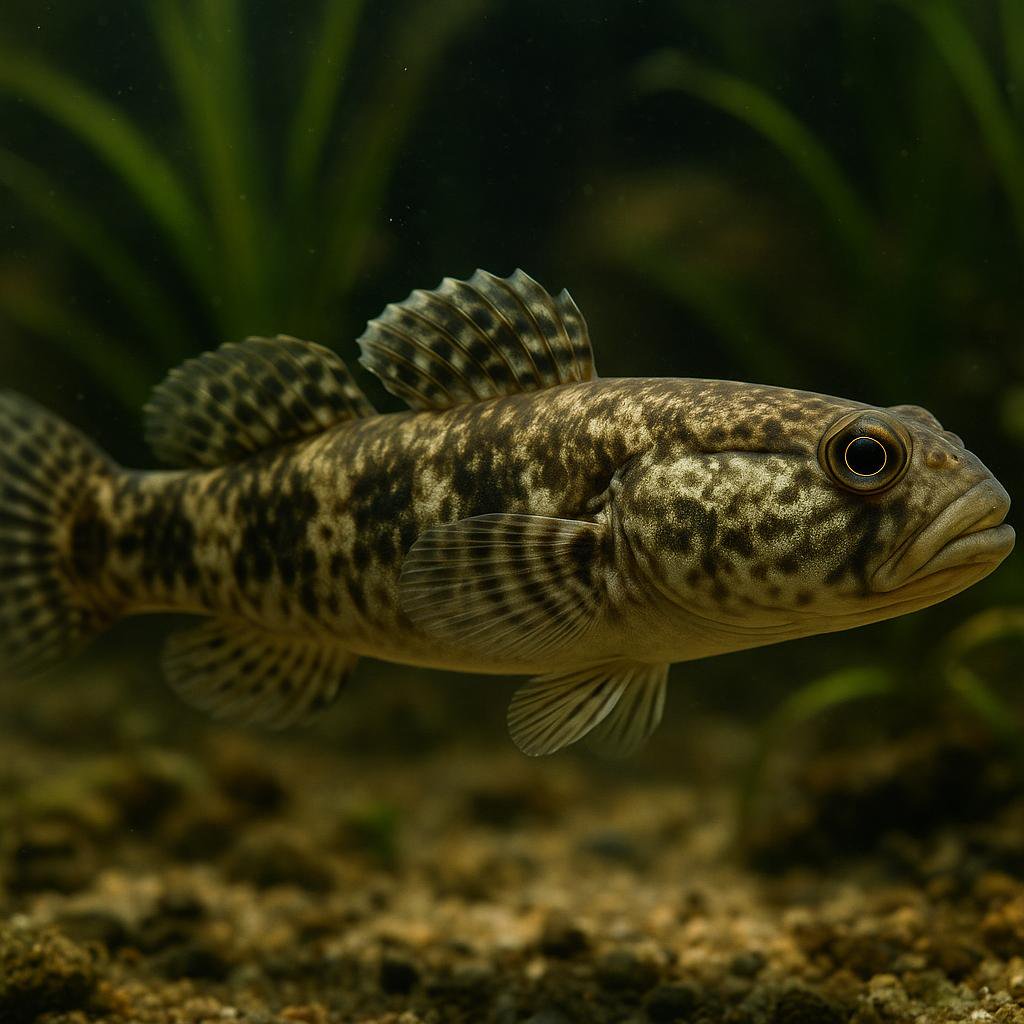
Fat sleeper
Dormitator maculatus
Dormitator maculatus is that chunky "sleeper goby" type fish with the bulldog head and the attitude of a little vacuum cleaner-always sifting and nosing around the bottom. It'll do freshwater or brackish and it can get way bigger than most people expect, so it's one of those fish that's awesome... as long as you plan the tank around the adult size, not the baby you bought.
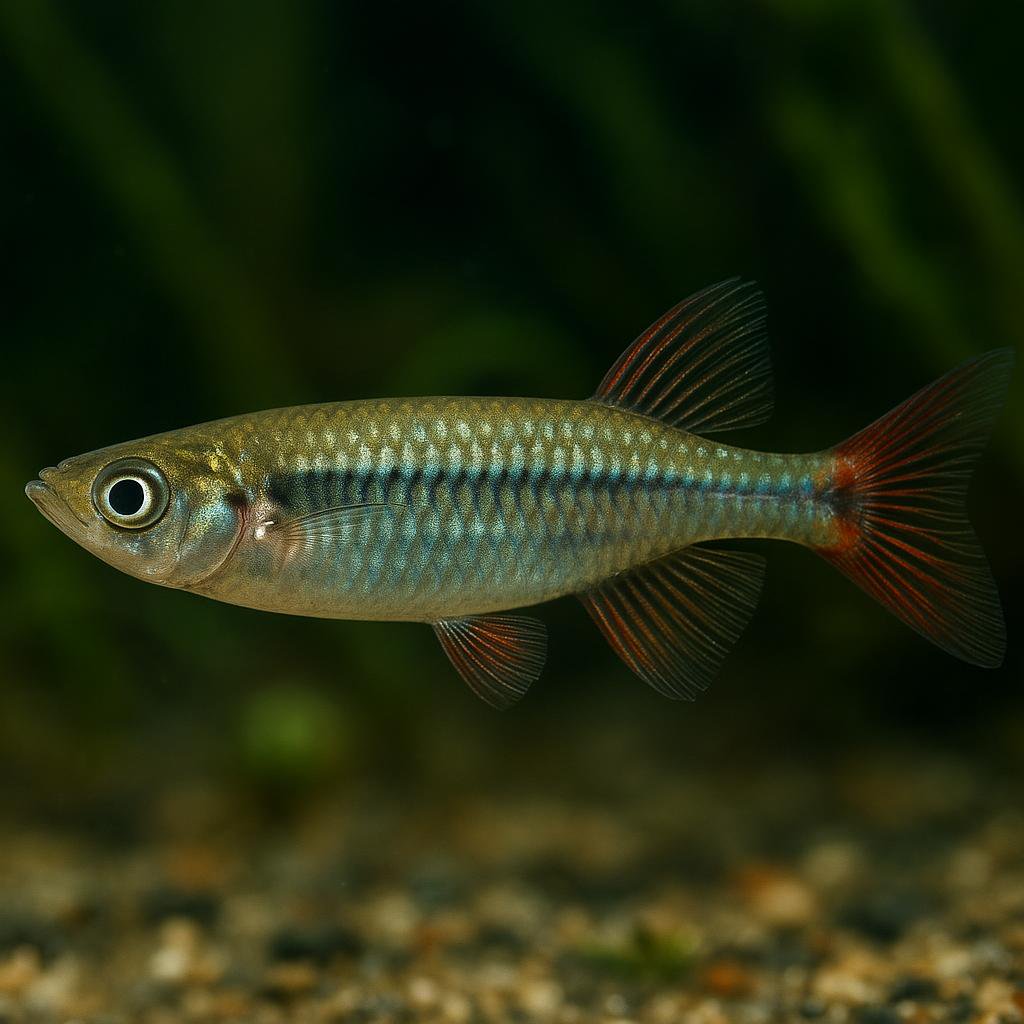
Feathered river-garfish
Zenarchopterus dispar
Zenarchopterus dispar is a surface-hanging halfbeak from mangroves and sheltered bays, with that classic long lower jaw for snapping up insects and other floaty foods. Males get those funky elongated fin rays (the "feathered" look), and they are livebearers, so once they settle in you can occasionally get surprise babies. Biggest thing with this fish is giving it calm water up top, room to cruise, and a tight lid because halfbeaks can rocket-jump.
Looking for other species?