

Jupiaba yarina
Jupiaba yarina
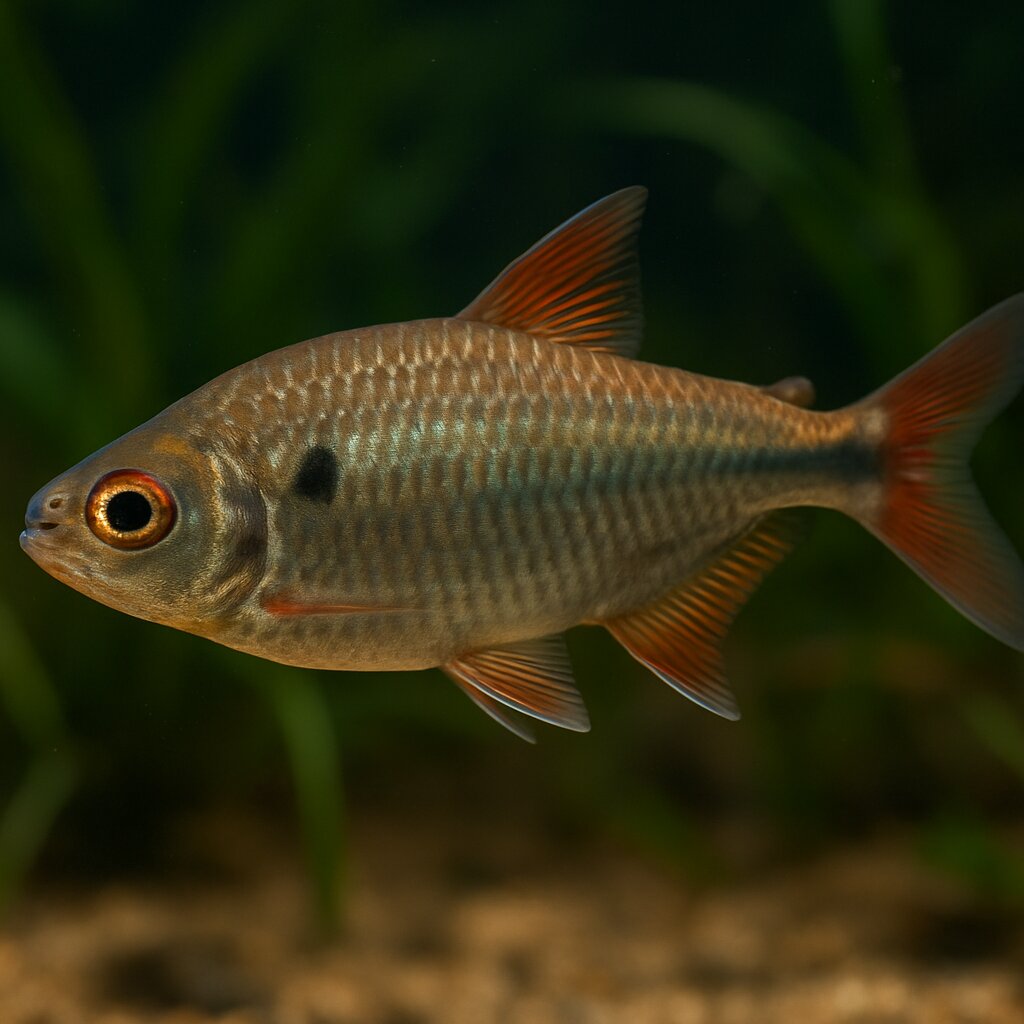
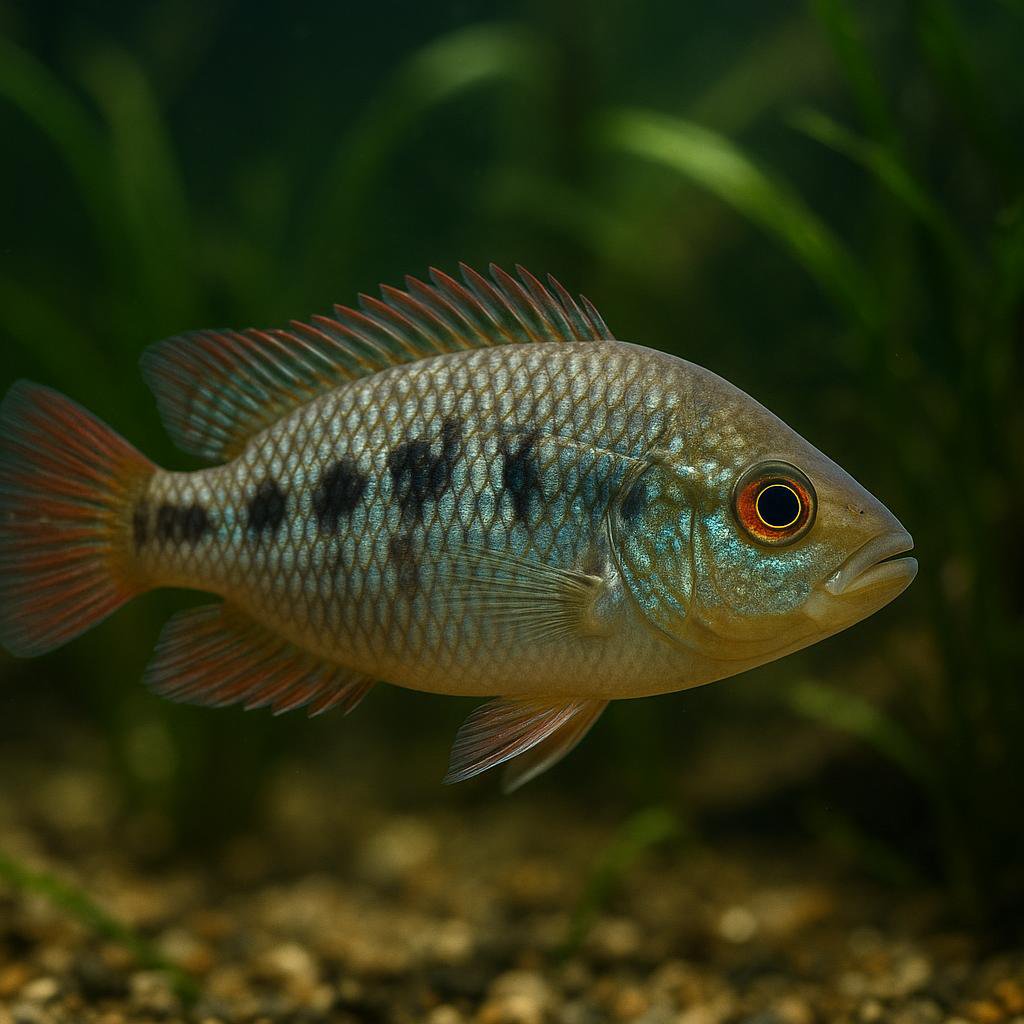
Jupiaba yarina exhibits a slender body with a striking pattern of dark vertical bars against a light yellowish background.
This page includes AI-generated images. Why am I seeing AI images?
About the Jupiaba yarina
A small characin endemic to Brazil’s Tapajós River drainage (type locality: Rio Arinos) that reaches about 7.7 cm SL. It inhabits clearwater streams with low conductivity and slightly acidic pH (about 6.0–6.8); keep in clean, well‑oxygenated water and a group to encourage schooling behavior.
Quick Facts
Size
7.7 cm SL
Temperament
Semi-aggressive
Difficulty
Advanced
Min Tank Size
30 gallons
Lifespan
3-5 years
Origin
Brazil (Tapajós River drainage)
Diet
Likely micro‑invertebrate/insectivorous omnivore; in captivity offer small live and frozen foods (e.g., Daphnia, Artemia nauplii, insect larvae) with high‑quality micro‑pellets as supplement.
Water Parameters
24-28°C
5.5-7
0-6 dGH
Need a heater for this species?
This species needs 24-28°C in a 30 gallon tank. Use our heater calculator to find the right wattage.
Calculate heater sizeCare Notes
- Provide a tight lid, good surface agitation, and moderate current with high dissolved oxygen, reflecting clearwater stream habitats.
- Tapajós clearwater habitats are typically slightly acidic with low conductivity; aim for stable, clean water around pH 6.0–6.8 with good oxygenation and regular water changes rather than extreme blackwater conditions.
- Provide cover (wood, plants, leaf litter) and subdued lighting to reduce skittishness; tannins are optional in clearwater biotopes.
- Offer small live and frozen invertebrate foods (e.g., Daphnia, Artemia nauplii, insect larvae) with quality micro‑pellets as a supplement; feed modest portions.
- Tank mates should be quick and short-finned (other small tetras, pencils, corys); skip bettas, guppies, angels, or shrimp, as they will nip or snack.
- Most are wild-caught, so quarantine, deworm, and watch for gill flukes and weight loss; drip acclimate and avoid big swings, because hard or alkaline water knocks them down fast.
Where they come from
Jupiaba yarina is a small characin from forest streams in the western Amazon basin, showing up around blackwater and clearwater creeks with leaf litter, sandy bottoms, and good flow. Think tea-colored water, tons of tannins, and very low mineral content. They are not a common import, so most you see are wild-caught.
Setting up their tank
Give them space and clean, soft water with real current. They are fast swimmers that use the whole midwater area and look best in a tight group.
- Tank size: 90 cm/36 in long minimum (40 breeder works); 120 cm is nicer for a big group.
- Temperature: 24-28 C (75-82 F).
- pH: 5.0-6.8. They handle low 7s short term, but they relax in the acidic side.
- Hardness: soft (0-5 dGH). Keep conductivity low if you can.
- Flow: moderate to strong, high oxygen. Use a powerhead or a river-style manifold.
Substrate-wise, I like fine sand with a mix of leaf litter, a few pieces of driftwood, and some rounded stones. The leaves keep them bold and add that tea-stain they seem to switch on color in. Floating plants help break the light and calm them.
Tight lid, always. They are fast, nervous jumpers. Any gap is an exit.
Aim your filter return along the length of the tank so they can swim into the current and rest in calmer eddies. They’ll naturally group up and forage that way.
Do big, regular water changes. I do 40-60% weekly with remineralized RO to keep it soft and stable. Pre-warm and pre-condition water so you are not swinging temperature or pH.
What to feed them
They are micro-predators and can be picky at first. Wild fish usually start on moving foods and then accept prepared stuff later.
- Starter foods: live daphnia, mosquito larvae, baby brine shrimp, grindal/white worms.
- Frozen: cyclops, daphnia, mysis, finely chopped bloodworm (small pieces).
- Dry: small soft pellets or fine granules, high-protein flakes crushed down.
Feed small amounts 2-3 times a day. They often grab and spit the first few tries; keep portions tiny so nothing rots.
Once they recognize you as the food source, training to quality dry foods gets easier. Mixing a pinch of pellets with thawed frozen and letting it soak for a minute helps.
How they behave and who they get along with
They are quick, midwater schooling fish. In a group of 10+ they settle down, show better color, and spread any sparring across the group. Solo or tiny groups get skittish and nippy.
- Good tankmates: other active riverine characins, hatchetfish up top (with a lid), robust Corydoras species, small loricariids that like flow.
- Use caution: slow, long-finned fish (gouramis, angels, bettas) can get pestered by their speed and curiosity.
- Keep the pace matched: fish that enjoy current and high oxygen do best with them.
They relax with dimmer light and cover. A patch of floating plants and leaf litter does more for their confidence than any background color ever could.
Breeding tips
They are open-water/leaf-litter scatter spawners that go at dawn, and they will eat the eggs. Spawning is doable but takes soft, very clean water and patience.
- Condition a group with lots of live and frozen foods.
- Set up a separate dim tank with soft, acidic water (pH 5.5-6.2), temp around 26-27 C.
- Use a mesh grate, marbles, or a thick leaf-litter bed so eggs drop out of reach.
- Do a slightly cooler, larger water change in the evening to trigger them; leave them overnight.
- Remove adults right after you see the morning chase and scatter.
Eggs hatch in about a day, and fry are free-swimming a few days later. Start with infusoria/green water or paramecia, then move to vinegar eels/rotifers, and finally baby brine once they can take it. Keep light low; many characin eggs are light-sensitive.
Common problems to watch for
- Jumping: any sudden movement or lights-on can launch them. Use a lid and bring room lights up before tank lights.
- Low oxygen: they hate stale water. If you see rapid gilling near the surface, increase surface agitation and check filter flow.
- Import stress and parasites: quarantine new arrivals. I routinely observe 3-4 weeks and treat for external parasites if needed. For internal worms, use a proven dewormer per directions.
- Refusing dry foods: mix tiny amounts with frozen and be patient. Overfeeding while you coax them onto pellets is the usual mistake.
- Fin nips and scuffs: they are fast and curious. Decor with sharp edges or cramped spaces leads to split fins and mouth rubs. Keep wood and rocks smooth and give them runway.
- Water quality swings: they sulk on hard, alkaline water and crash with big parameter jumps. Keep it soft and stable; large but consistent water changes work better than small, erratic ones.
Go easy with harsh meds and copper on soft-water characins. If you must treat, dose carefully, boost aeration, and monitor closely.
If they stay flighty, try upping the group size, add more cover up top, and point some flow along the length of the tank. That combo usually flips the switch from jittery to confident.
Similar Species
Other freshwater semi-aggressive species you might be interested in.
Jupiaba kurua
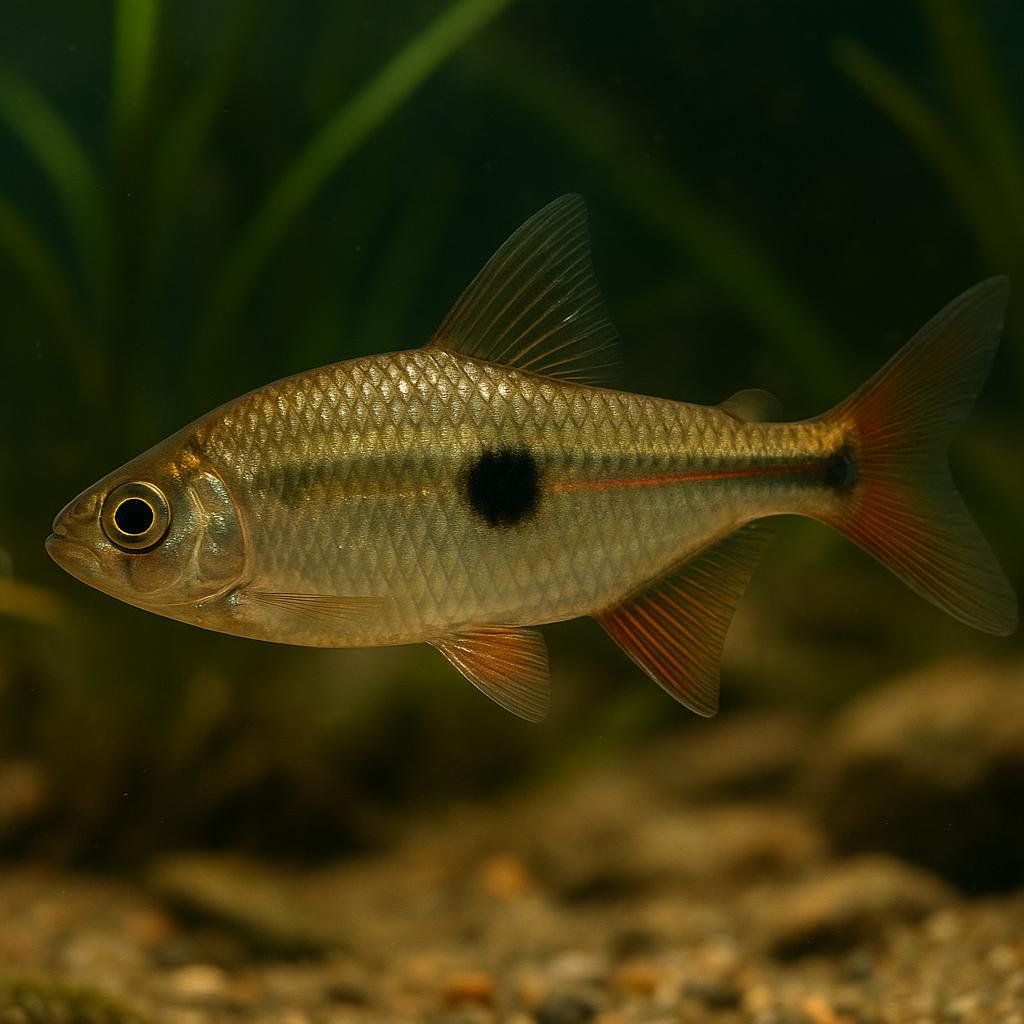
Small South American characin endemic to the upper rio Curuá (rio Xingu basin, Brazil). Reaches about 8.7 cm SL and inhabits clearwater rivers. Distinguished by dark dots on the bases of many lateral scales and a distinct dark caudal‑peduncle spot. Reported diet indicates omnivory, including aquatic insects, small fishes, and fragments of Podostemaceae and filamentous algae.
Altipedunculata stone loach
Schistura altipedunculata
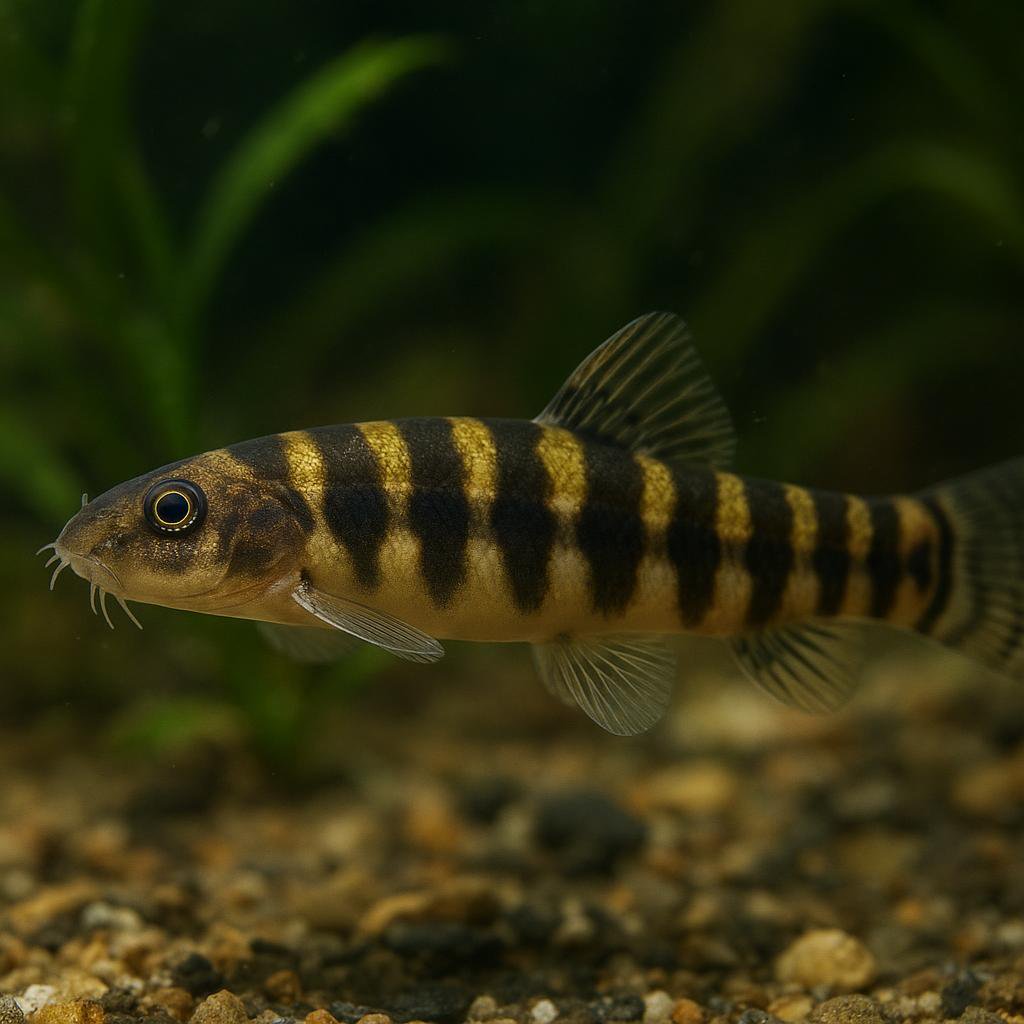
Schistura altipedunculata is one of those little stream loaches that wants clean, well-oxygenated water and a bunch of rock nooks to claim as home. It is a bottom-hugger that will spend its day scooting from crevice to crevice, and it tends to get a bit spicy with its own kind if you do not give it enough hiding spots.
American flagfish
Jordanella floridae
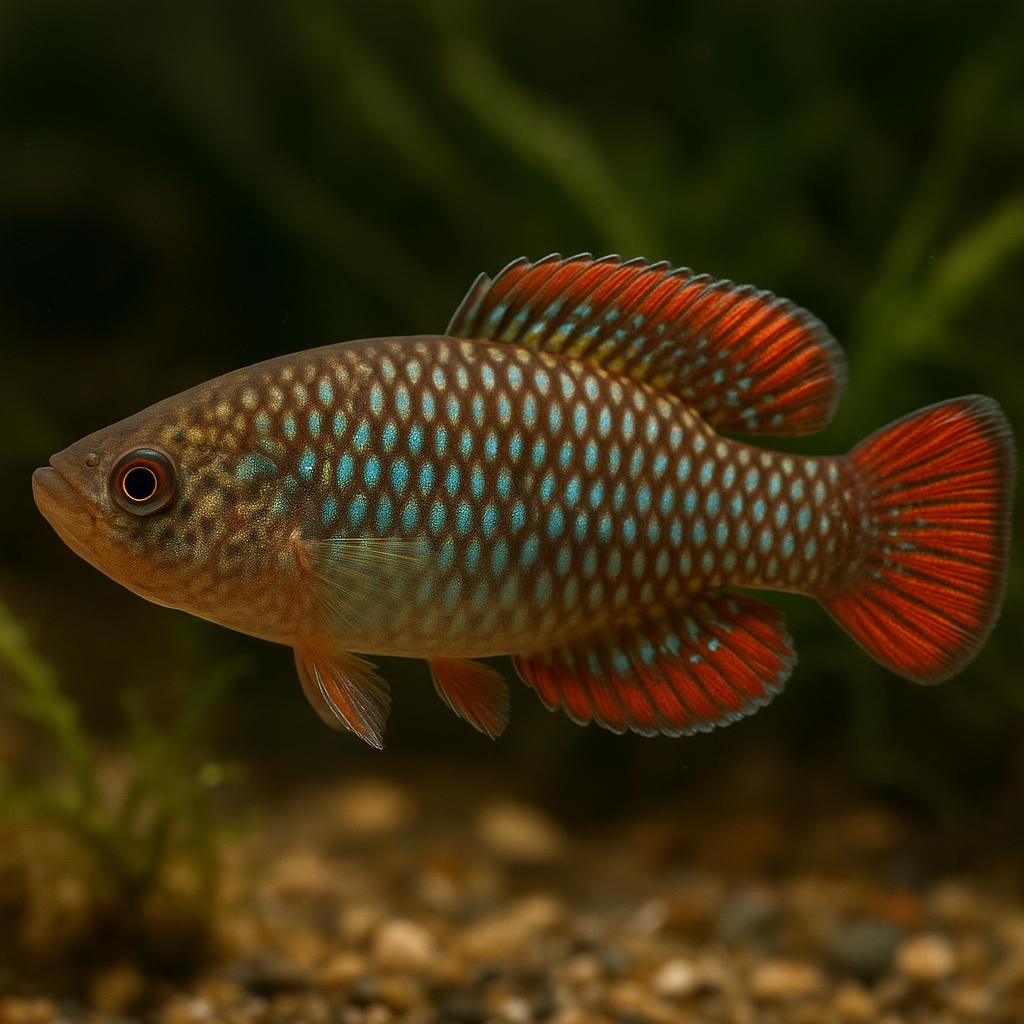
Jordanella floridae is that little Florida native with the red-and-cream striping that really does look like a tiny flag once a male colors up. They graze algae like champs (especially stringy/hair algae), but they have a bit of attitude - give them plants and space so the bossy behavior stays manageable. Bonus: the male guards the eggs and will actively fan them, which is pretty fun to watch.
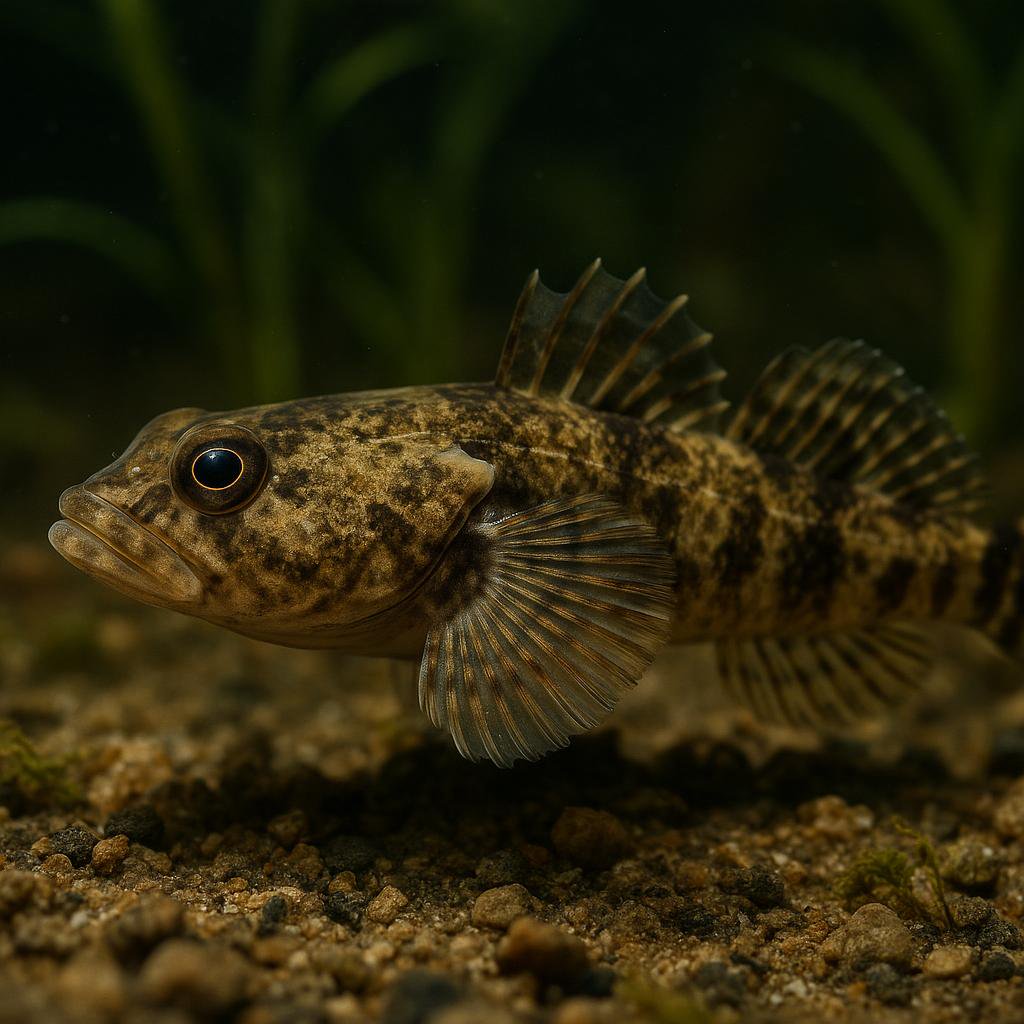
Amur sculpin
Alpinocottus szanaga
This is a little coldwater sculpin from the Amur drainage - a bottom-hugging, rock-and-gravel fish that spends its day wedged under stones and darting out to grab food. Super cool behavior and attitude, but it is absolutely not a warm tropical community fish - it wants chilly, fast, oxygen-rich water and will bicker with other bottom fish.
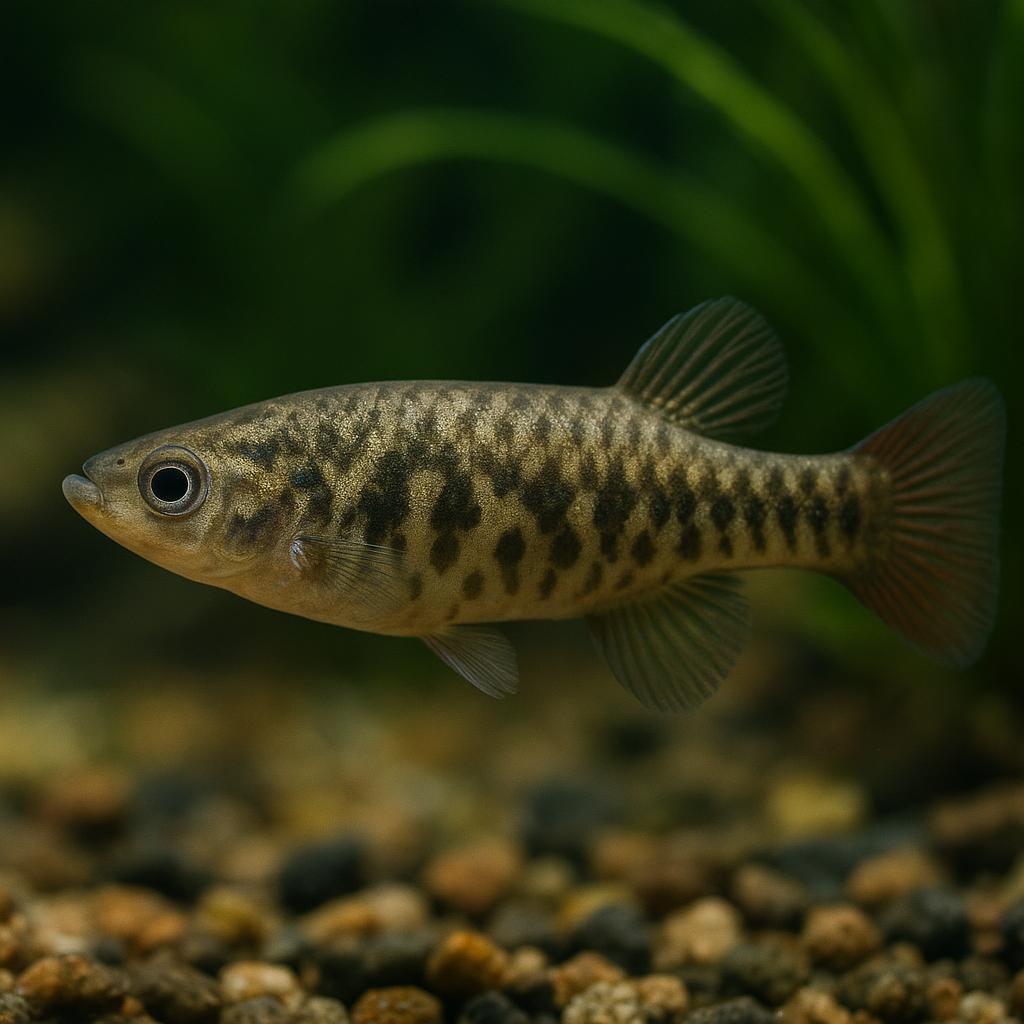
Anitápolis livebearer
Jenynsia weitzmani
Jenynsia weitzmani is a freshwater anablepid livebearer endemic to southern Brazil (currently known only from the type locality near Anitápolis, Santa Catarina). Like other Jenynsia (onesided livebearers), reproduction involves lateralized mating morphology/behavior; aquarium care guidance is not well-documented for this species specifically.
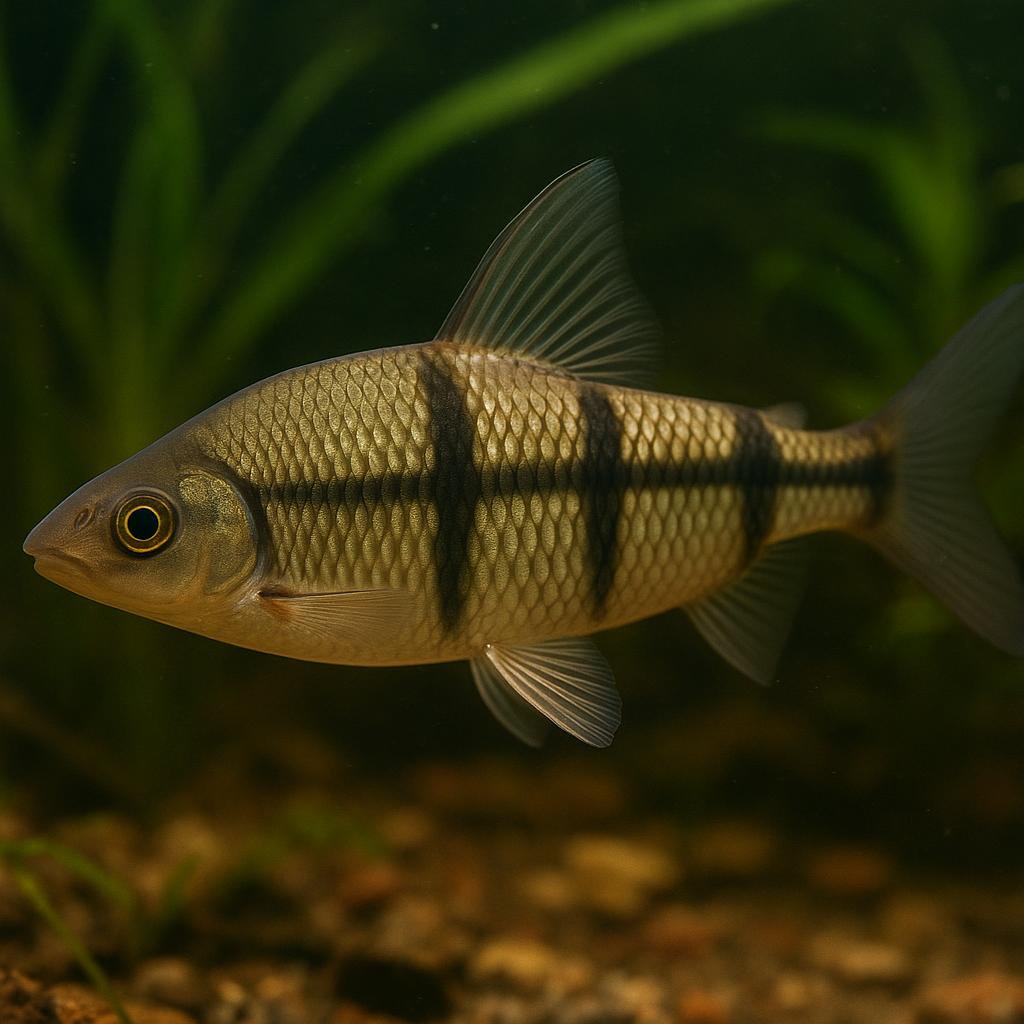
Aracu-comum
Schizodon vittatus
Schizodon vittatus is a large South American anostomid (family Anostomidae). Reported maximum size is about 35 cm standard length; it is harvested/consumed in parts of Brazil and is not commonly covered by mainstream aquarium husbandry references.
More to Explore
Discover more freshwater species.
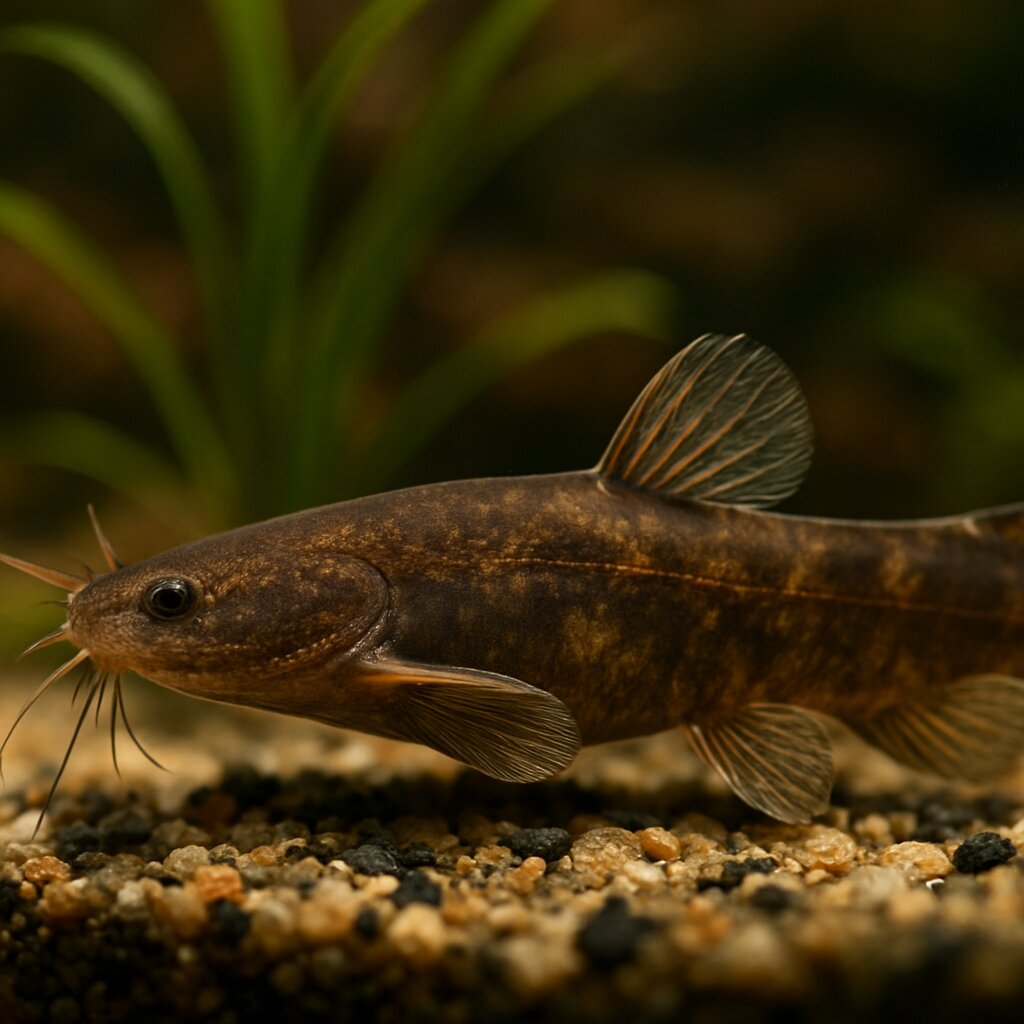
Amphilius dimonikensis
A small loach catfish endemic to the Mpoulou River in the Mayombe (Dimonika Biosphere Reserve), Republic of the Congo. Amphilius dimonikensis has a subtle banded pattern and inhabits fast, clear streams over rock and sand. In aquaria, prioritize strong, well-oxygenated flow with rounded stones and sand to mimic hillstream conditions.
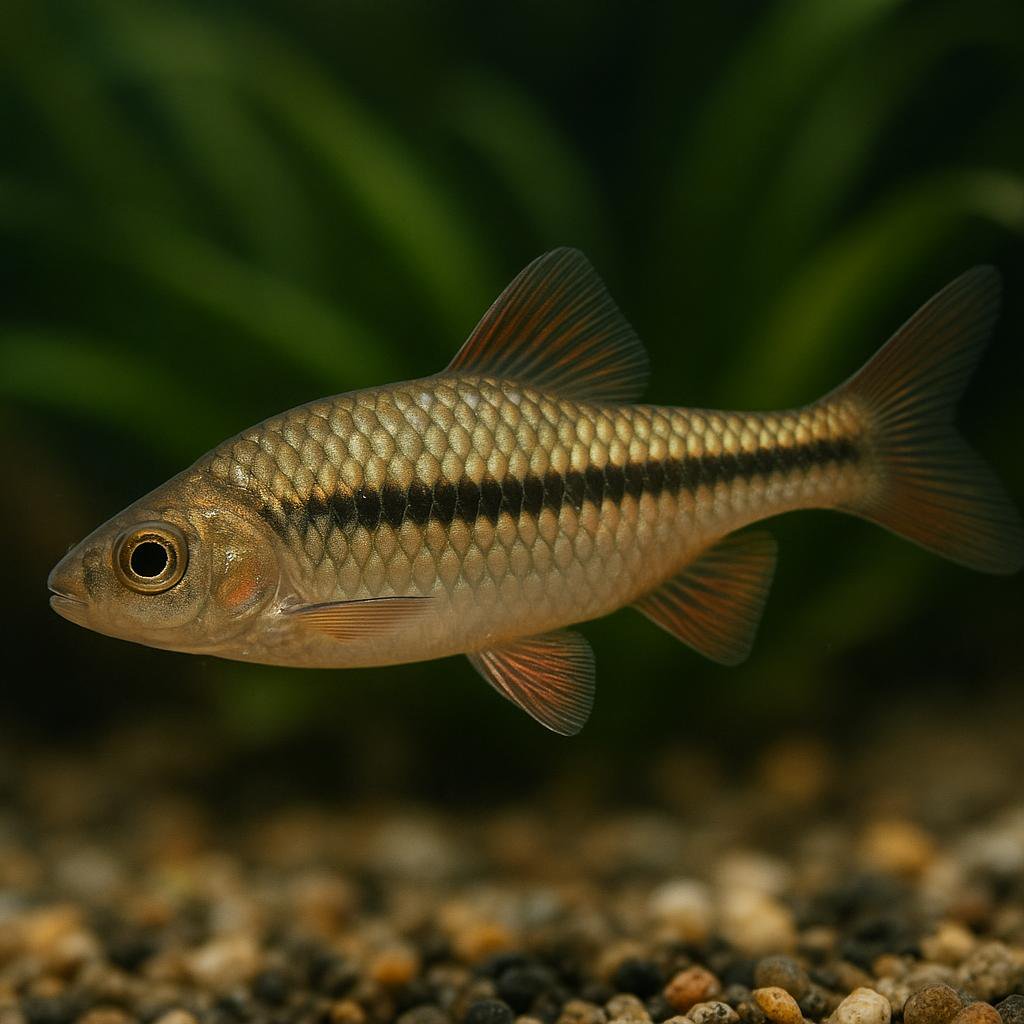
Aboina barb
Enteromius aboinensis
Enteromius aboinensis (the Aboina barb) is a small West African barb with a clean black midline stripe and a little spot right at the base of the tail. It does best when you treat it like a proper schooling fish - keep a decent group and give it plants around the edges with open swimming room in the middle.
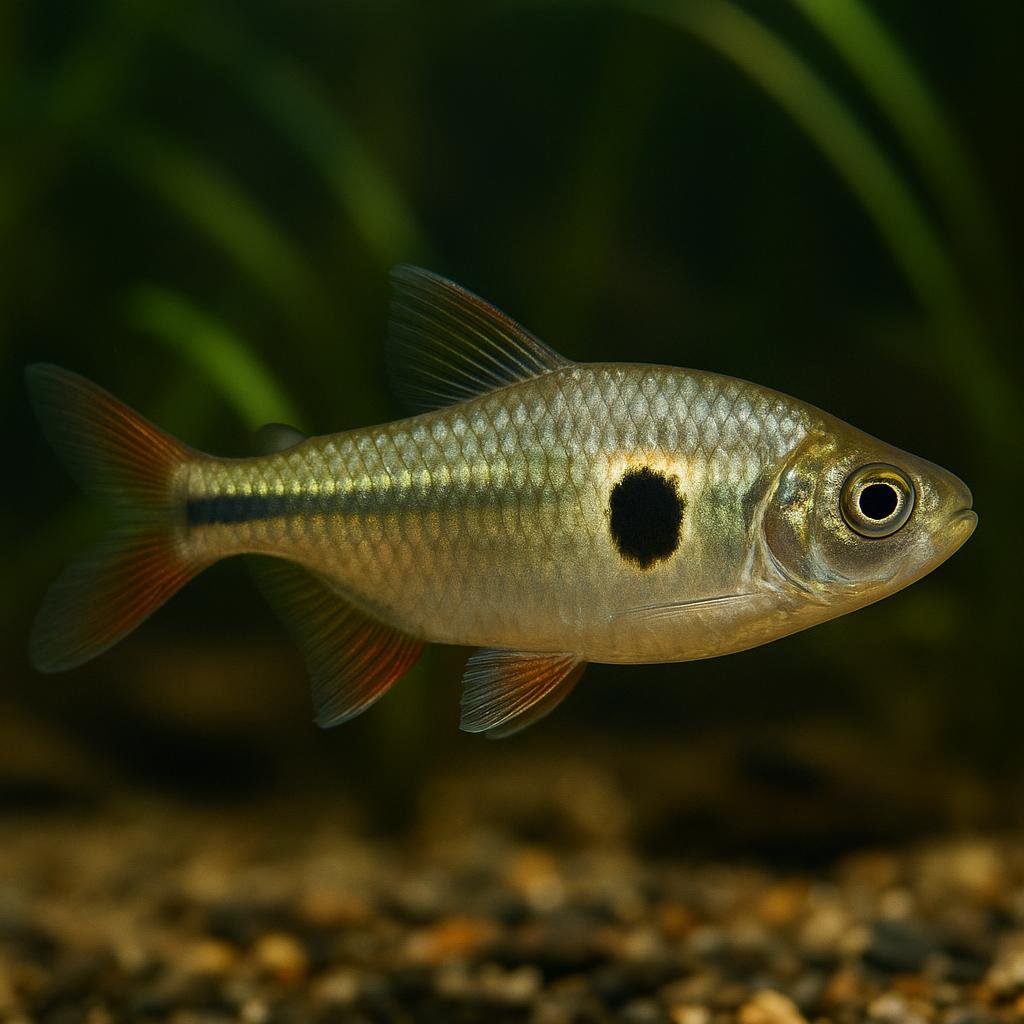
Ajuricaba tetra
Jupiaba ajuricaba
Jupiaba ajuricaba is a South American freshwater characin from the Amazon basin in Brazil (rio Negro, rio Solimões, and rio Tapajós basins). It reaches about 9.5 cm SL and is diagnosed by a narrow dark midlateral stripe, an elongated humeral spot, and an ocellated spot on the upper caudal-fin lobe. Wild specimens have been collected from blackwater forest streams and also oxbow-lake habitats.
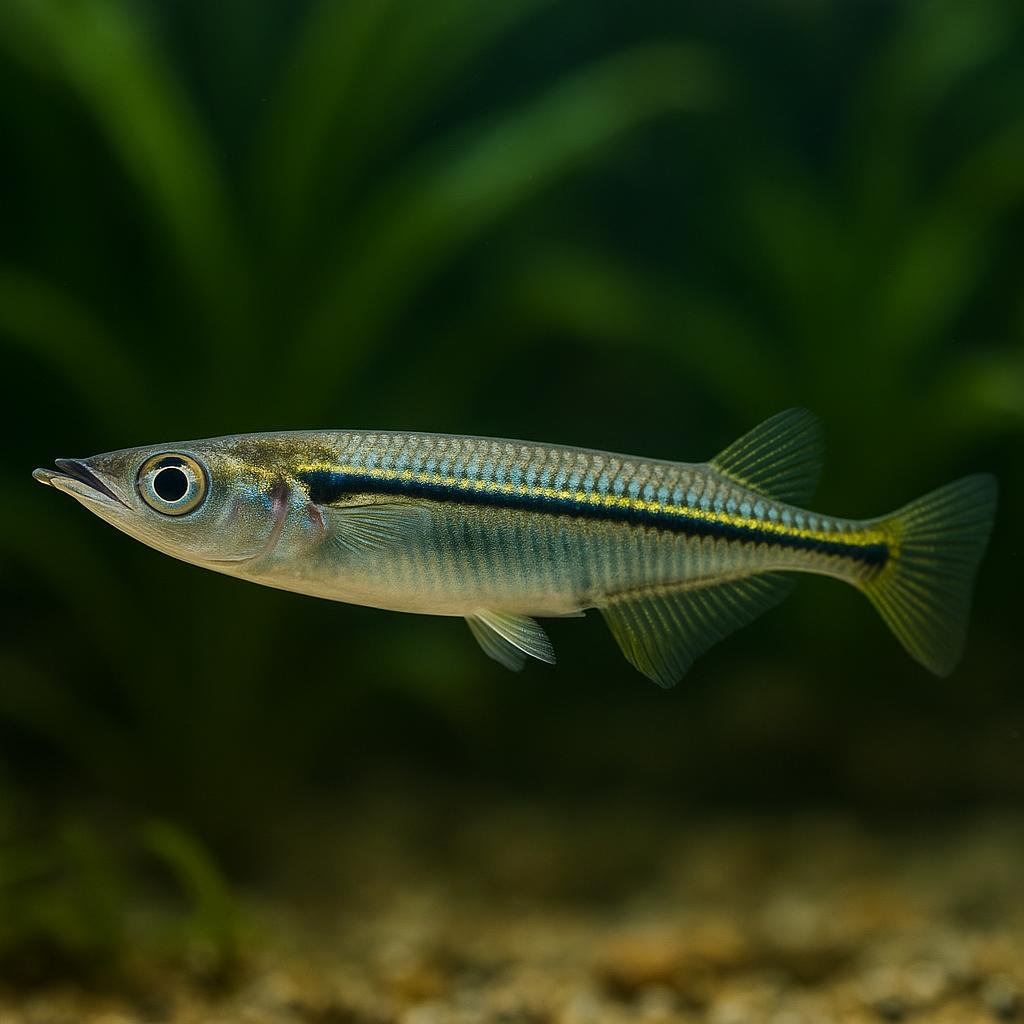
Allen's river garfish
Zenarchopterus alleni
A poorly known freshwater halfbeak endemic to West Papua (Mamberamo River), described from a single specimen (~13 cm SL). Beyond basic habitat/occurrence, little is published about its ecology or aquarium suitability; assume it is a surface-oriented, jump-prone halfbeak only by analogy with related taxa.
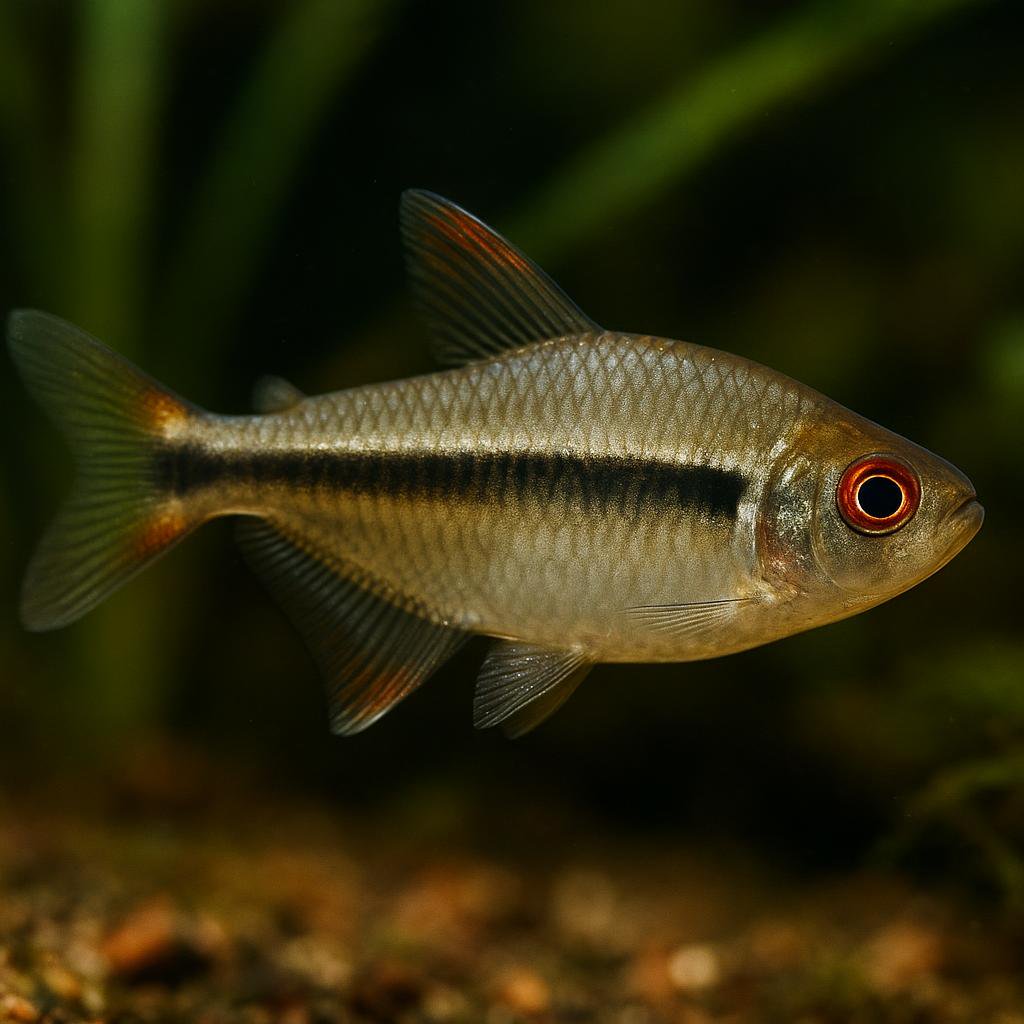
Amapa tetra
Hyphessobrycon amapaensis
This is a tiny, super sleek little tetra with a clean red stripe down the side that really pops once its settled in. It does best in a planted, slightly tinted "creek-style" setup and looks way cooler when you keep a proper group so they school and flash that line together. If you can give it soft, slightly acidic water and a calm community, its an easy fish to fall for.
Amatlan chub
Yuriria amatlana
Yuriria amatlana (the Amatlan chub) is a little Mexican native minnow from the Ameca River basin. Its wild range is pretty limited and it is listed as Endangered, so its care info in the aquarium hobby is basically nonexistent and its availability is usually low. In the original species description, preserved fish show a dark lateral stripe with a darker patch on the caudal peduncle, and they can have tiny barbels at the mouth corners.
Looking for other species?