

Dotted gizzard shad
Konosirus punctatus
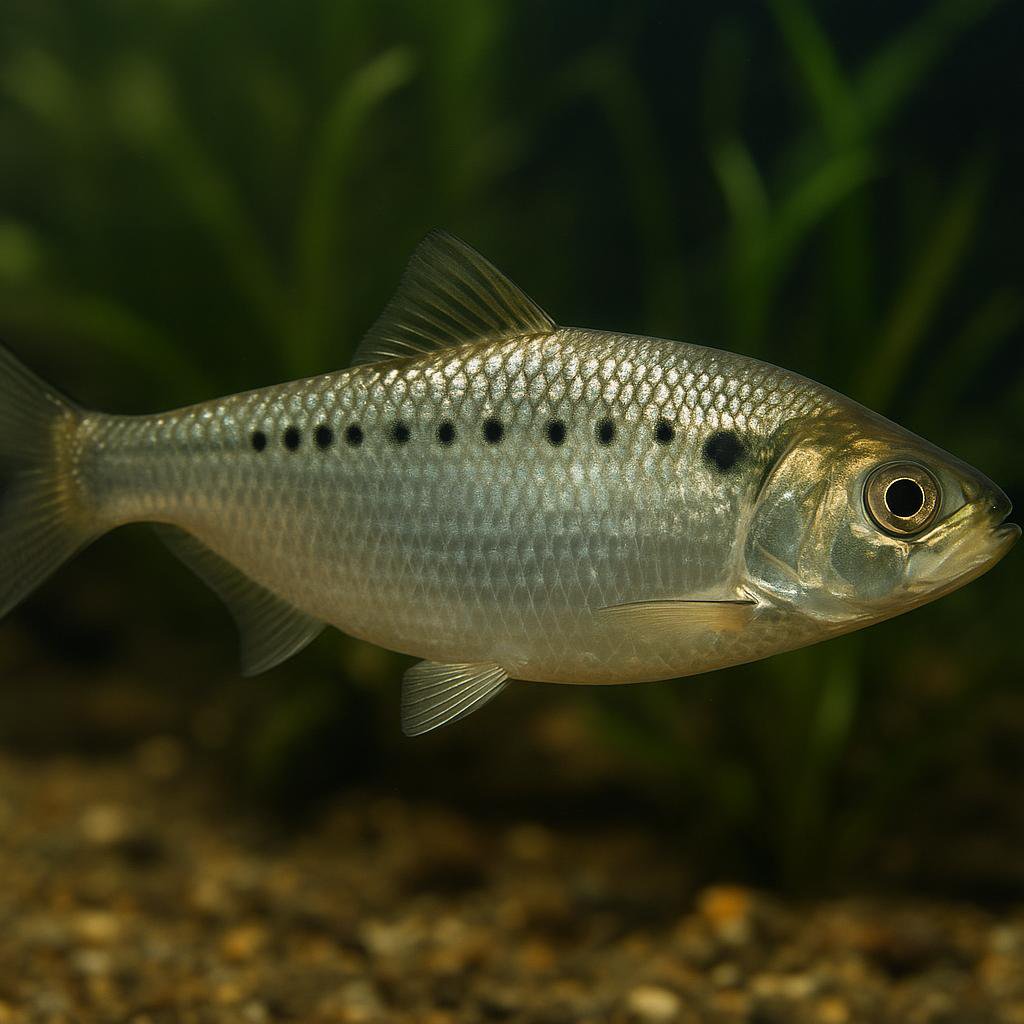
The Dotted gizzard shad features a silver body with distinct black spots along its sides and a deeply forked tail.
This page includes AI-generated images. Why am I seeing AI images?
About the Dotted gizzard shad
Konosirus punctatus is a coastal, open-water schooling shad from East Asia that runs in and out of bays and brackish estuaries to breed. It gets fairly big for a "shad" and is built for constant cruising, so its care is much closer to a coolwater baitfish setup than a typical home aquarium community fish.
Also known as
Quick Facts
Size
32 cm
Temperament
Peaceful
Difficulty
Expert
Min Tank Size
180 gallons
Lifespan
4-6 years
Origin
Northwest Pacific (East Asia)
Diet
Omnivore/planktivore - phytoplankton, zooplankton, algae; in captivity would take fine frozen foods and small pellets if acclimated
Water Parameters
16.1-23.8°C
7.8-8.4
10-25 dGH
Need a heater for this species?
This species needs 16.1-23.8°C in a 180 gallon tank. Use our heater calculator to find the right wattage.
Calculate heater sizeCare Notes
- Give them a long, open tank (think 5-6 ft footprint) with serious flow and tons of oxygen - they are nonstop cruisers and crash fast in tight quarters.
- Run true brackish, not "kinda" brackish: keep salinity stable around SG 1.005-1.012 (swinging salinity is a great way to burn their gills).
- They are jumpy and spook easily, so use a tight lid and keep lights from snapping on suddenly - a startled shad can slam the glass hard.
- Feed like a planktivore: frequent small meals of fine foods (rotifers-sized powders, cyclops, baby brine, finely blended seafood) and keep it moving in the current so they actually take it.
- Do not expect them to live on flakes alone - if they are not eating within a day or two, pivot to live or frozen microfoods and watch bellies, not just "interest" at the surface.
- Tankmates need to be fast, non-nippy, and brackish-tolerant; avoid puffers, scats, monos, and anything that will harass their fins or outcompete them at feeding time.
- Watch for mouth/nose damage from panic dashes and for rapid breathing from low oxygen - both are common when the tank is too small, too still, or too warm.
- Breeding in home tanks is basically a no - they are seasonal school spawners that broadcast eggs in big water, so focus on keeping a healthy group rather than pairing them up.
Compatibility
Good Tankmates
- Knight gobies (Stigmatogobius sadanundio) - good bottom hangers that dont mess with the shad up in the water column, and they handle brackish fine
- Bumblebee gobies (Brachygobius spp.) - small, peaceful little perchers for the lower levels, works best if you are set up to target-feed them so the shad dont Hoover up everything first
- Mollies (Poecilia spp.) - super easy brackish buddies, active but not nasty, and they dont mind the same salinity range most folks run for shad in aquaria
Avoid
- Monodactylus spp. (monos) in typical home-aquarium contexts due to differing long-term salinity needs (many monos are commonly maintained toward full marine as adults) and high activity/feeding competition in mixed tanks.
- Scatophagus argus (scats) in most aquarium setups due to boisterous feeding behavior and high competition/stress risk for shy, open-water schooling shads.
- Figure-8 puffers (Dichotomyctere ocellatus) due to fin-nipping/biting risk and stress risk to schooling shads.
- Anything aggressive or predatory like groupers, big snappers, or green chromide cichlids - they will stress the shad nonstop, and once a shad is spooked it can go downhill fast
- Nippy fin-biters like tiger barbs (even in light brackish) - shad are peaceful and skittish, and constant chasing turns them into a pinball
- Big puffer species (dogface, stars and stripes, etc.) - the shad look like 'moving snacks' and puffers love taking test bites, which is a bad time for a soft-bodied, schooling fish
- Slow, delicate fish with fancy fins (bettas, guppies with huge tails) - even if nobody is 'mean', the shad are fast, food-driven schoolers and the slowpokes just get bullied at mealtime
Where they come from
Dotted gizzard shad (Konosirus punctatus) are coastal fish from East Asia. You see them moving between bays, estuaries, and lower rivers where the water can swing from nearly fresh to fairly salty. That constant change is a big clue about why they can be touchy in aquariums.
They are a schooling, open-water filter-feeder type of fish. If you are picturing a "show fish" that hangs around rocks, forget it. These guys want room to cruise, and they spend most of their time midwater.
Setting up their tank
This is an expert fish mostly because of space, flow, and food, not because the water numbers are mysterious. Think more like setting up for active pelagic fish than a typical brackish community.
- Tank size: big and long. I would not bother under 6 ft length, and bigger is better if you want a stable school.
- Shape matters: long footprint beats tall. They turn fast and spook easily.
- Filtration: heavy. They produce a surprising amount of fine waste, and you will be feeding tiny foods often.
- Flow and oxygen: strong surface agitation and high dissolved oxygen. They act stressed in "still" tanks.
- Lighting: moderate is fine. What matters more is keeping them calm and eating.
They are jumpers and panic swimmers. Use a tight lid with no gaps around plumbing, and pad or cover hard edges inside the tank if you can. A single spook can turn into a nose scrape party.
For brackish, pick a target salinity and hold it steady. I have had the best luck keeping them in the "estuary" range rather than trying to bounce them around like the wild. A specific gravity around 1.005-1.012 is a sensible starting band, and you can adjust based on how your fish arrived and what tankmates you want.
- Substrate: optional. Bare bottom makes it easier to keep water clean and see uneaten micro-foods.
- Decor: keep it minimal and pushed to the sides. Give them a clear racetrack.
- Cycling: do not rush this species. They hate ammonia and nitrite, and they do not forgive new-tank swings.
- Acclimation: slow. Salinity and temperature changes hit them harder than most brackish fish.
If you can, quarantine in a dimmer, calmer tank with lots of oxygenation and gentle flow, then move them once they are eating aggressively. The first 2 weeks is where most people lose them.
What to feed them
This is the make-or-break part. Dotted gizzard shad are not "pellet pigs" right out of the bag. They are built to pick at tiny plankton and suspended foods all day. If you only offer big chunks twice a day, they slowly fade even if they look like they are "trying."
- Best staples: enriched baby brine shrimp, copepods, small daphnia (if they will take it in brackish), finely minced mysis, and quality micro-pellets once trained.
- What usually works for training: start with live or moving foods, then mix in frozen finely shaved foods, then dust in micro-pellets so they accidentally take them.
- Feeding rhythm: small amounts, many times. 3-6 feedings a day is not crazy for this fish.
- Vitamins: worth using on frozen foods. They can look "fine" until they suddenly do not.
Watch their bellies from the side. A well-fed fish looks gently rounded behind the head and along the midline. Sunken bellies usually means they are missing meals even if you see them pecking.
Be ready for messy feeding. Tiny foods spread everywhere, so you will be leaning on mechanical filtration, frequent rinsing of filter socks/sponges, and regular water changes. I like to siphon the bottom after heavier feed days, especially in bare-bottom setups.
How they behave and who they get along with
They are a schooling fish, and you will see a big difference between a nervous, skittish group and a calm, confident one. Singles or pairs tend to act like they are always on edge. In a decent-sized group, they settle in and cruise.
- Group size: aim for a real school, not a token pair. More fish spreads out stress.
- Temperament: peaceful, but easily intimidated by pushy feeders.
- Activity: constant midwater movement. Plan tankmates around that.
- Spooking triggers: sudden lights on/off, tapping the glass, fast netting, aggressive tankmates, and shadows overhead.
Tankmates should be calm, non-nippy, and not so predatory that they turn the shad into permanent victims. Also think about feeding competition: if you keep them with fast, aggressive eaters, the shad will lose weight even though food is going in.
Avoid fin-nippers and anything that treats them like moving snacks. Even "peaceful" brackish predators can harass them just by being too interested.
Breeding tips
Breeding them in home aquariums is basically a long shot. In the wild they spawn in seasonal cycles with big environmental cues (temperature, salinity shifts, food blooms) and they are used to massive open water. Getting adults to condition is hard, and raising planktonic larvae is a whole separate level.
- If you want to try anyway: start with a large group, not a pair.
- Feed heavy on live and enriched foods for conditioning.
- Simulate seasons slowly: gradual temp and salinity changes over weeks, not days.
- Have rotifers/copepod cultures ready before you see any spawning behavior.
Most hobbyists treat this species as a display schooling fish, not a breeding project. If your goal is breeding brackish fish, there are much more realistic options.
Common problems to watch for
- Starvation in plain sight: they "eat" but lose weight because foods are too big or feedings are too few.
- Spooking and injury: nose scrapes, split fins, and sudden deaths after a panic sprint.
- Oxygen stress: hanging near the surface, rapid breathing, especially after heavy feeding or warm days.
- Water quality spirals: frequent micro-feeding can blow up nitrates and organics fast.
- Parasites on new imports: flashing, excess slime, clamped fins, refusal to eat.
If they stop eating, do not just keep tossing in more food and hoping. First check oxygen and flow, then test for ammonia/nitrite, then look at salinity and temperature stability. After that, think parasites. Quarantine and observation pays off with this species more than most.
The fastest way to lose them is a combo of heavy feeding + weak filtration + low oxygen. You get cloudy water, stressed fish, and then they crash. Over-filter, over-aerate, and do smaller, more frequent feedings.
Similar Species
Other brackish peaceful species you might be interested in.
African moony
Monodactylus sebae
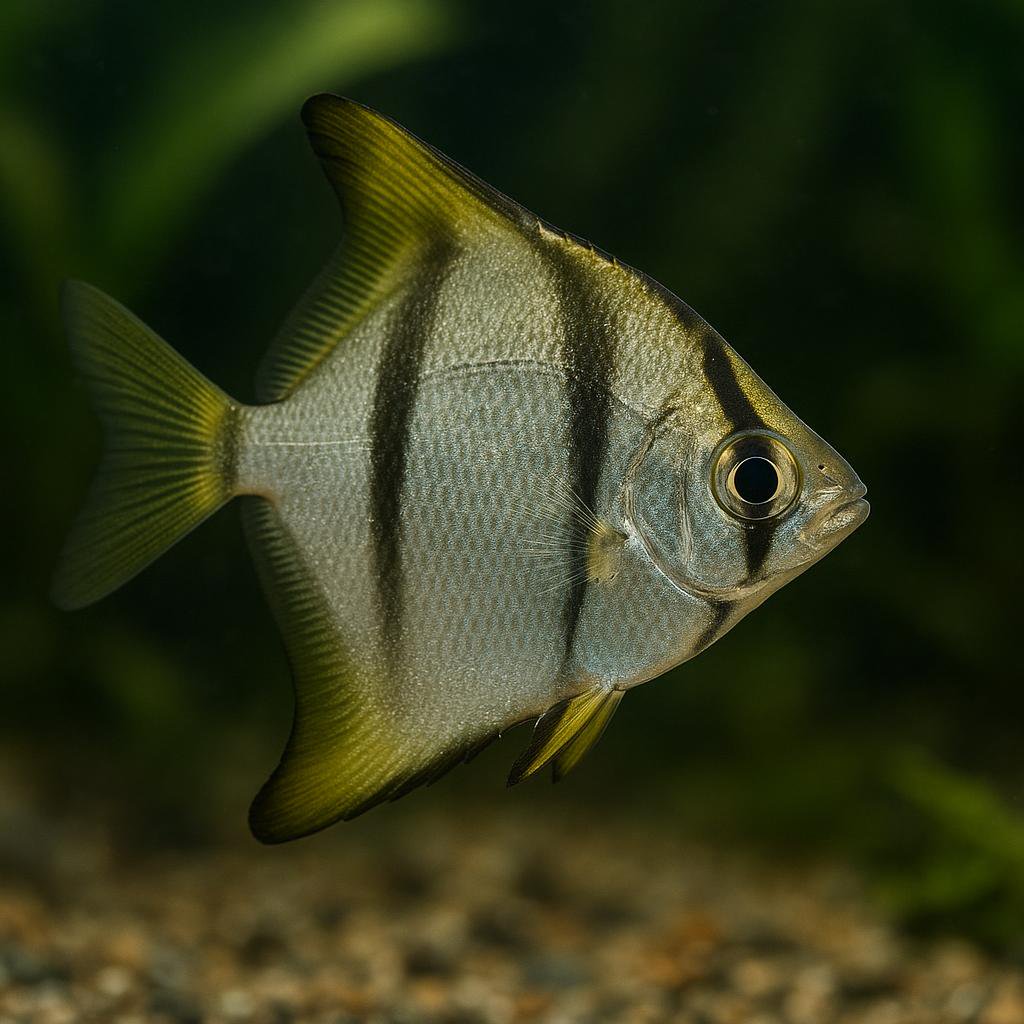
This is that shiny, diamond-shaped "mono" that cruises around in a tight pack and looks like a little silver dinner plate with black bars when it's young. The big thing with African moonies is they're euryhaline-so they'll tolerate freshwater as juveniles, but they really shine long-term in brackish (and can be transitioned toward marine as they mature). Give them a big, open tank and a group, and they turn into nonstop, super fun midwater swimmers.
American shadow goby
Quietula y-cauda
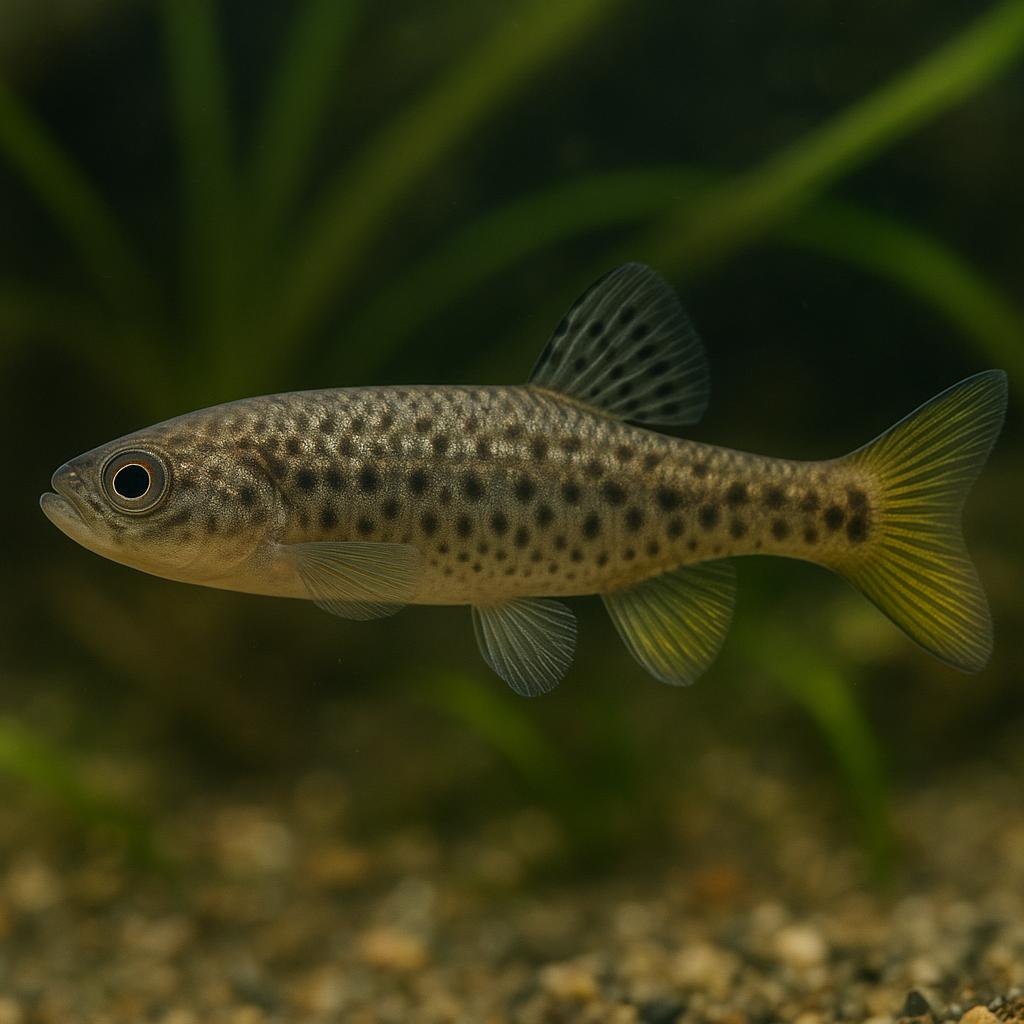
This is a little mudflat goby from California down into the Gulf of California that loves hanging tight to the bottom and vanishing into burrows. The neat tell is that sideways Y-shaped blotch right at the base of the tail, plus the row of dark spots along the side. Its whole vibe is brackish estuary life - calm water, soft substrate, lots of hiding holes.
Banded-tail glassy perchlet
Ambassis urotaenia
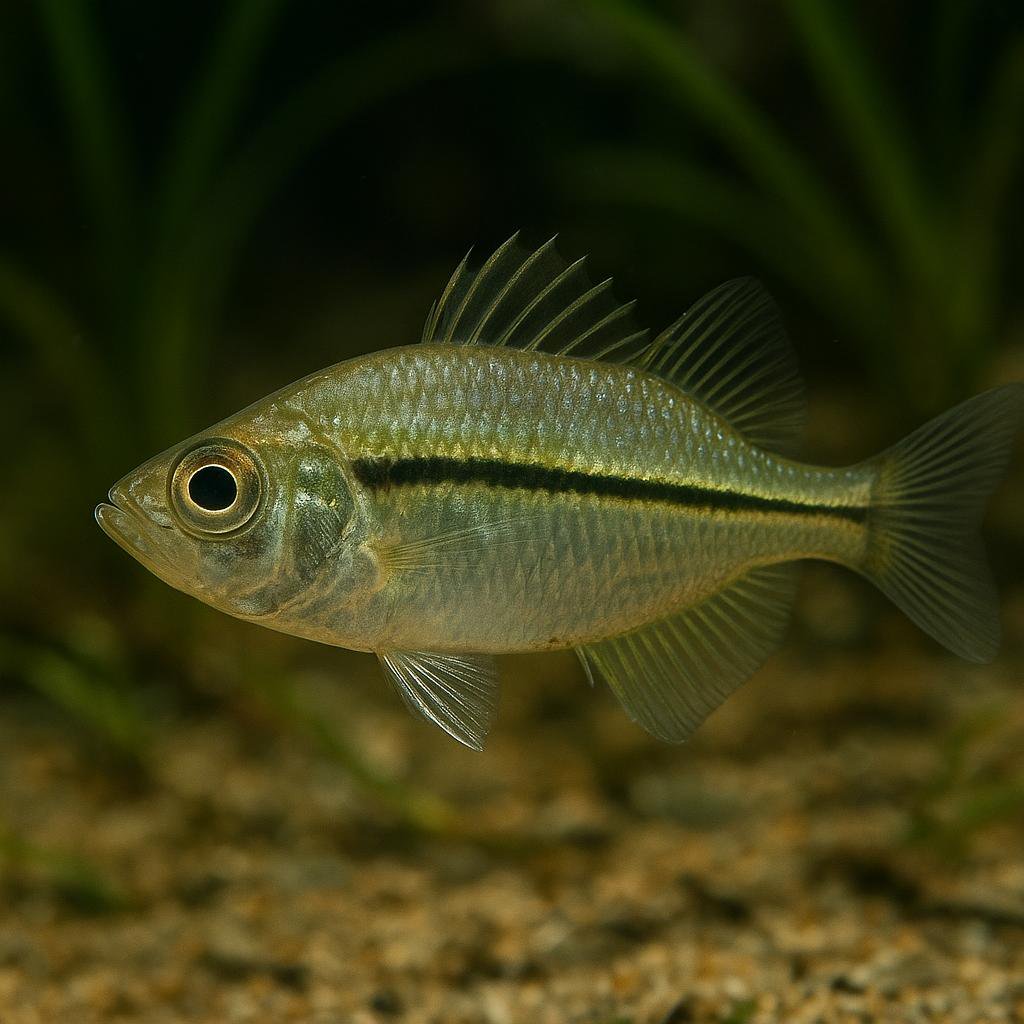
This is one of those see-through glassy perchlets where you can literally watch the organs shimmer when it turns-super cool in the right lighting. In the wild it hangs around river mouths and mangroves and cruises in groups, so it does best when you keep a little gang of them and give them some open swimming room.
Barbed pipefish
Urocampus nanus
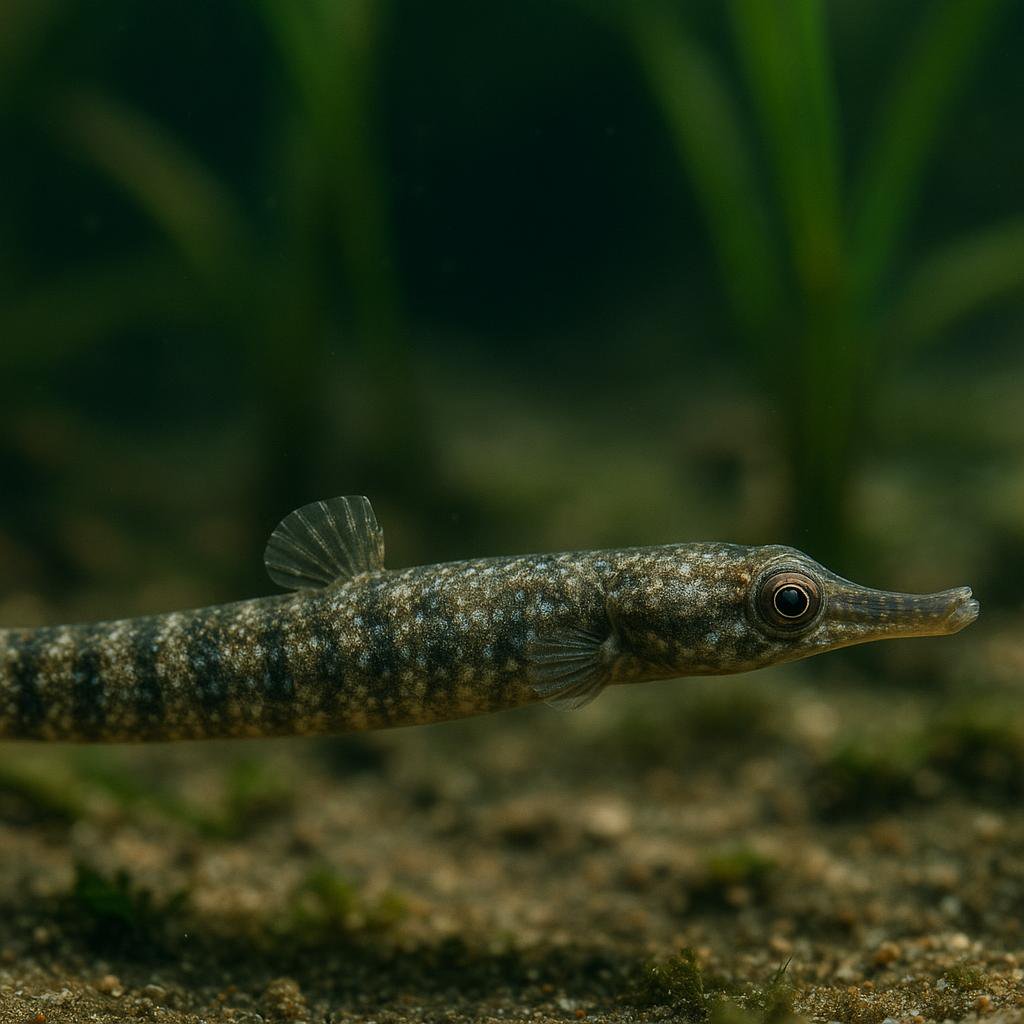
Urocampus nanus (barbed pipefish) occurs in protected inshore and estuarine habitats among seagrass (Zostera) in the Northwest Pacific (southern Japan and adjacent coasts). Like other syngnathids, males brood eggs in a pouch under the tail and produce fully formed young.
Beach silverside
Atherinella blackburni
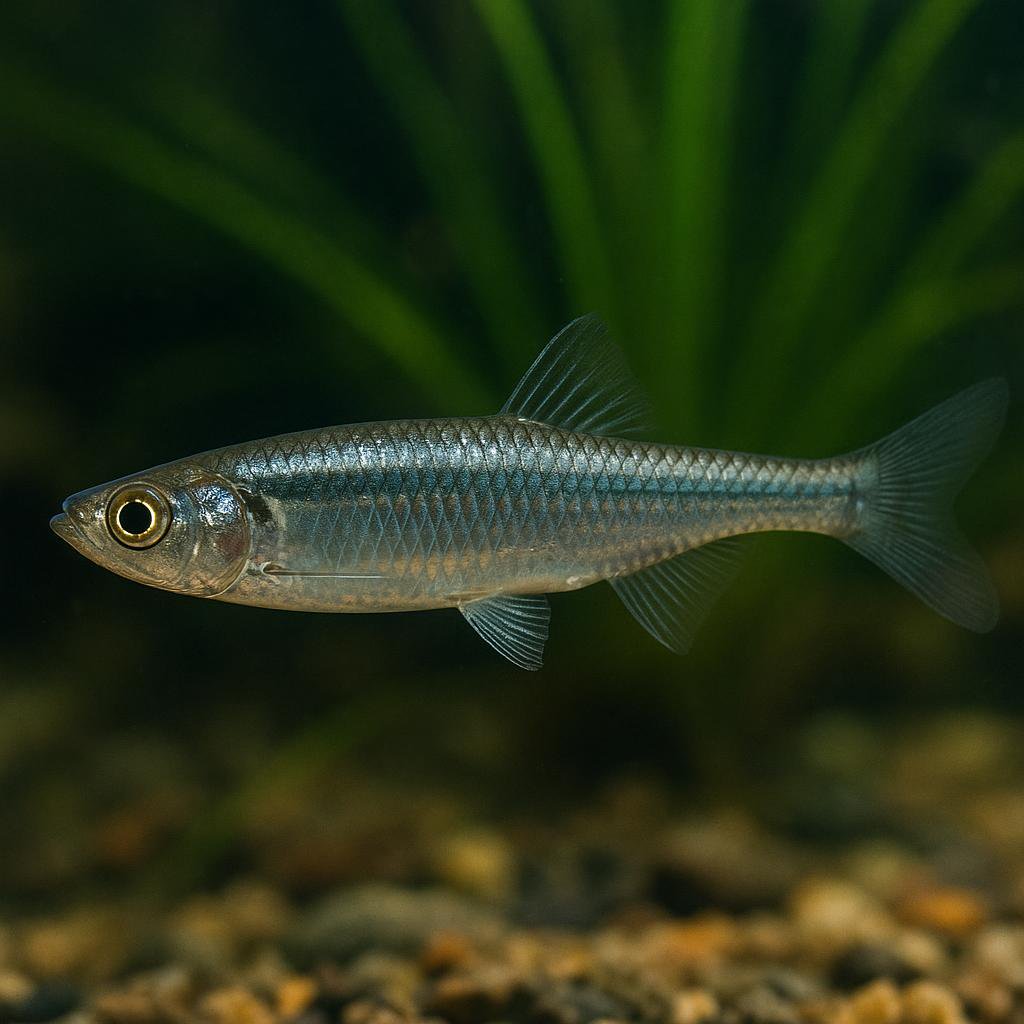
This is a little coastal silverside that cruises the shallows in loose groups and flashes like a tiny chrome dart when the light hits it right. In the wild it hangs around beaches, estuaries, and lagoons, picking at small drifting foods in the surf zone. It is cool, but its real "gotcha" is that it is an open-water, salt-tolerant schooling fish that does best in bigger, well-oxygenated setups rather than a typical planted community tank.
Buffon's river-garfish
Zenarchopterus buffonis
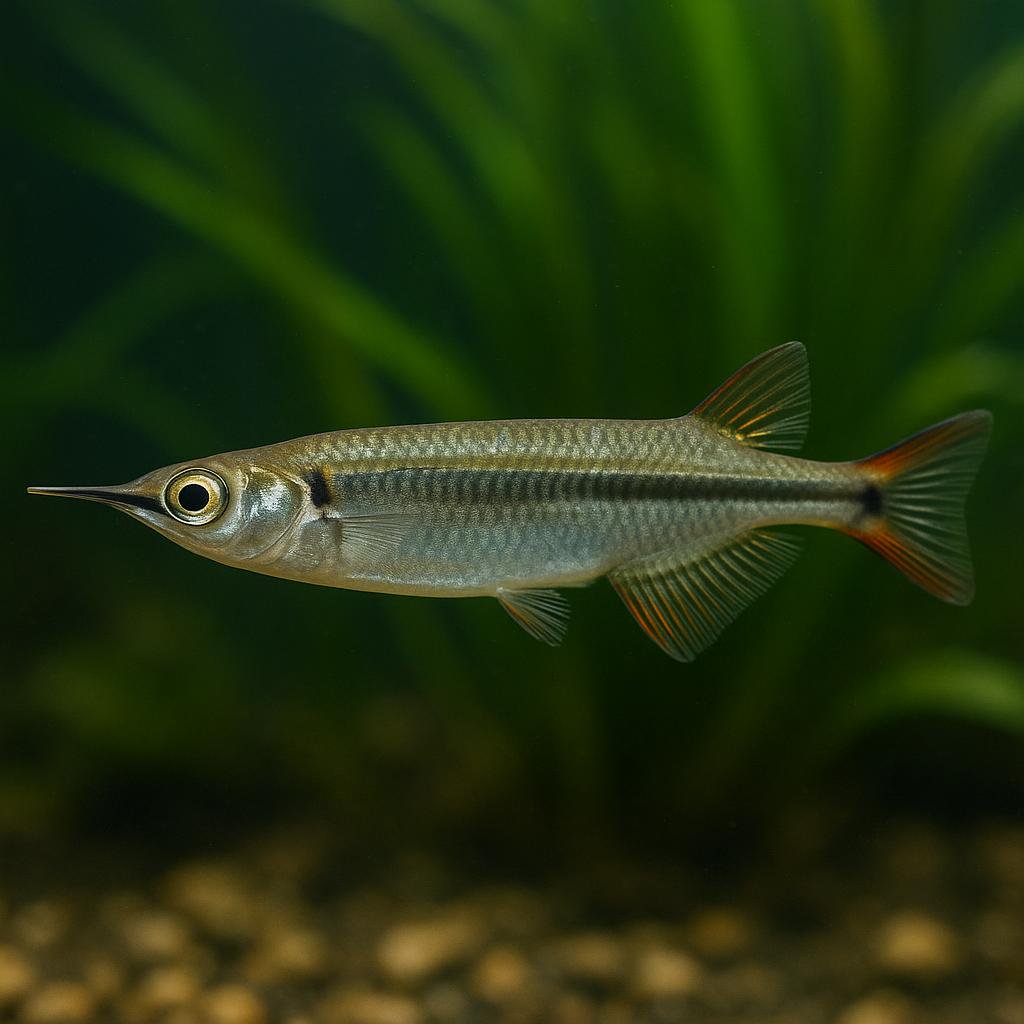
This sleek, surface-dwelling halfbeak has a distinct dark stripe along the snout and is typically found at the surface in coastal waters, estuaries, and rivers where it feeds on terrestrial insects. In aquaria it does best with floating/surface foods and a secure cover, and it requires brackish (or marine) conditions long-term. Reproduction is internally fertilized; FishBase lists the species as ovoviviparous.
More to Explore
Discover more brackish species.
Atlantic Mudskipper
Periophthalmus barbarus
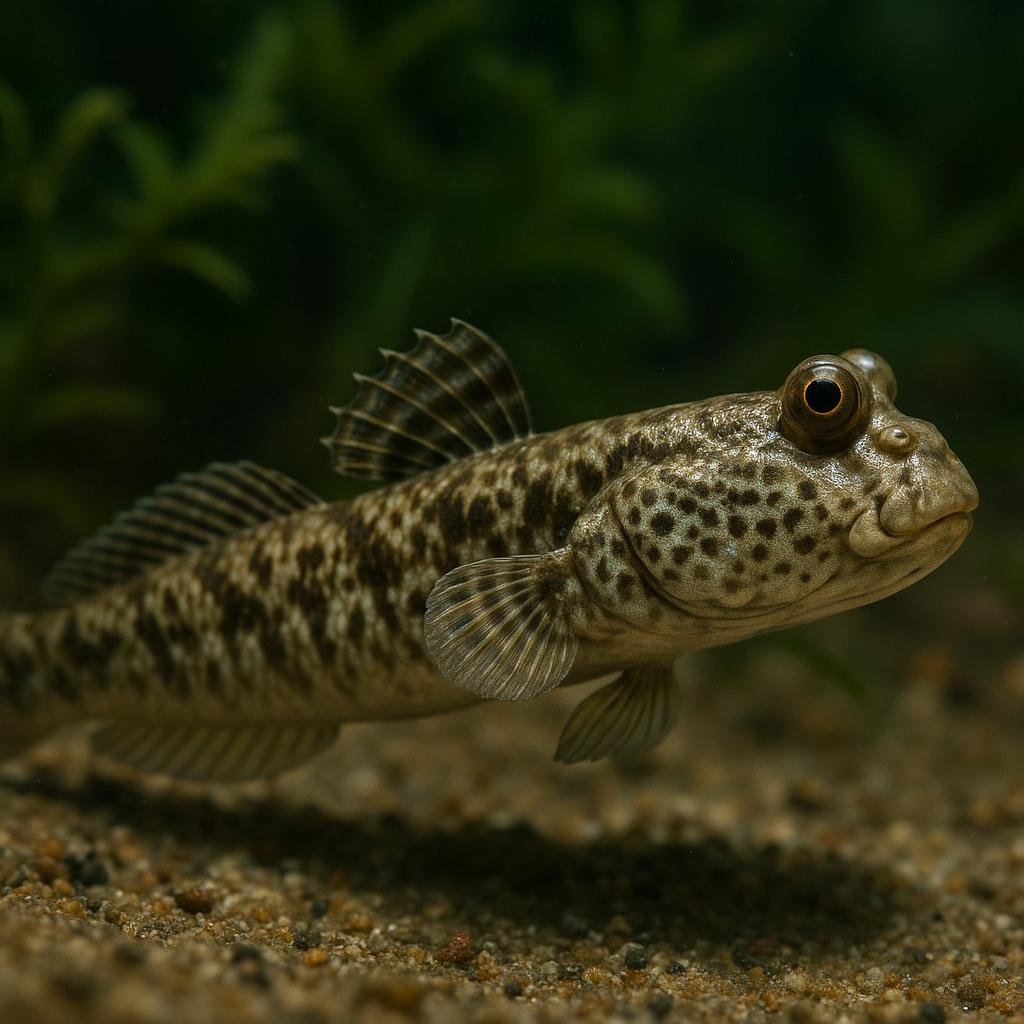
This is that wild little amphibious goby that straight-up climbs around on land like it forgot it was a fish. They've got big googly eyes, tons of personality, and they'll perch, hop, and patrol their territory-honestly more like a tiny crabby lizard than a "regular" aquarium fish.
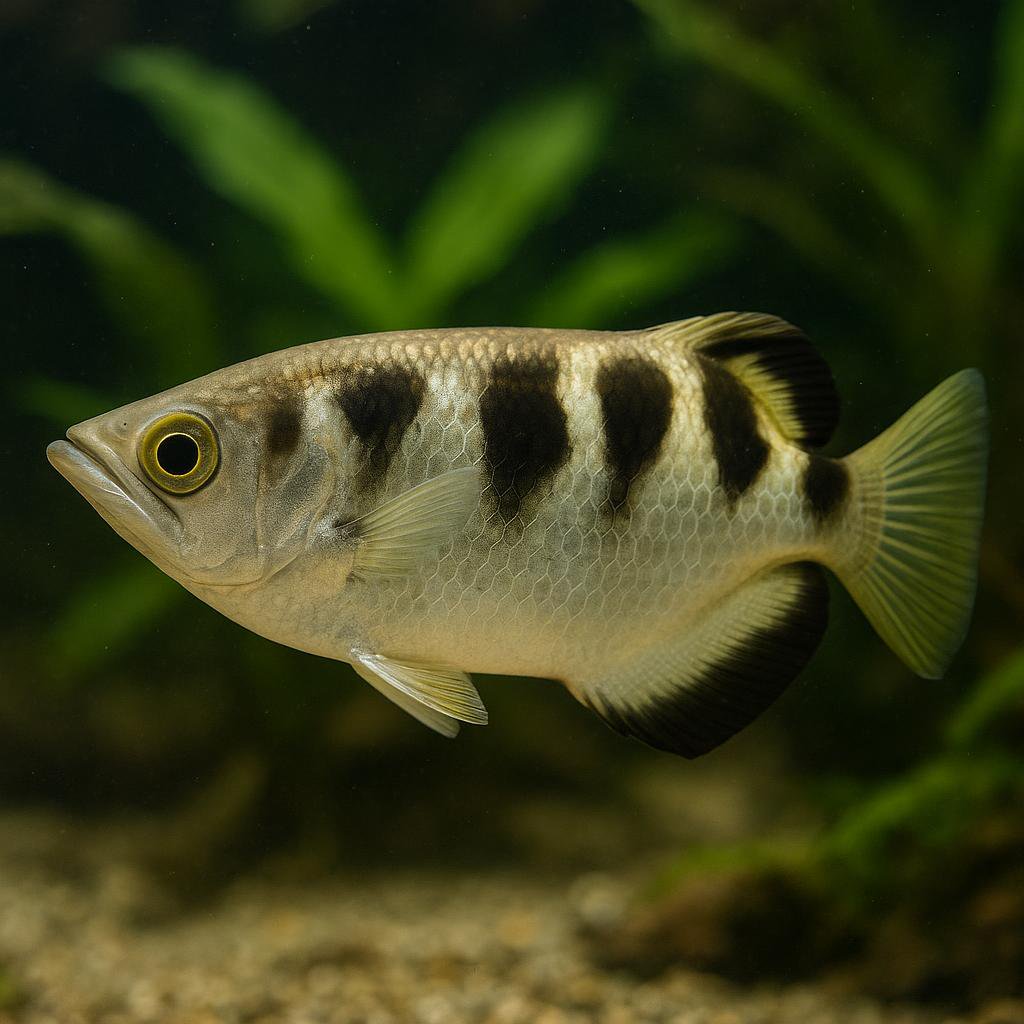
Banded Archerfish
Toxotes jaculatrix
This is the fish that literally spits jets of water to knock insects off branches-watching one "take aim" is unreal. They're super aware of what's going on outside the tank and will even learn to beg and snipe food from the surface once they settle in. Give them height and some open swimming room and they act like little aquatic sharpshooters.
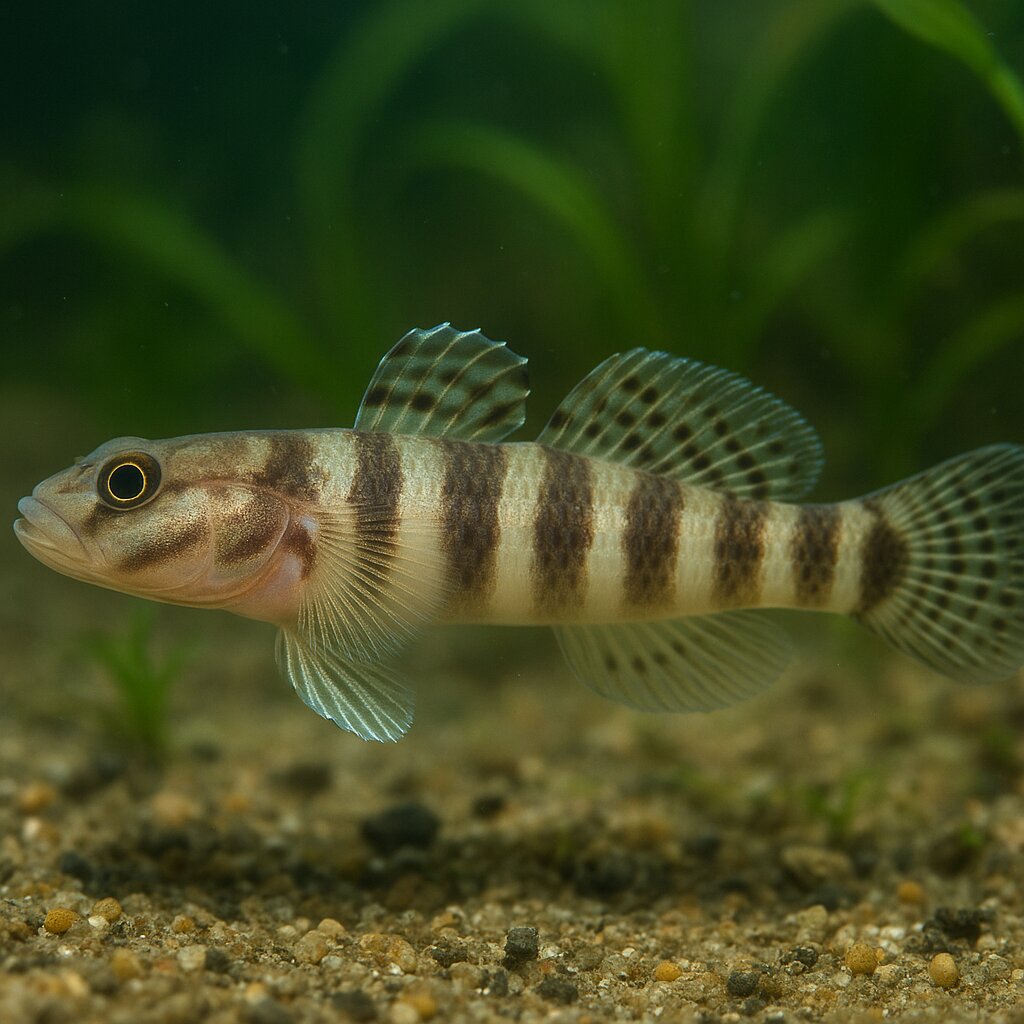
Banded mulletgoby
Hemigobius hoevenii
Neat little mangrove goby that hugs the bottom and hangs around leaf litter. The bold diagonal bars and tail spot look great, and it hunts like a tiny ambush predator, darting out for bites. Keep it gently brackish and it settles in nicely, cruising among roots and wood.
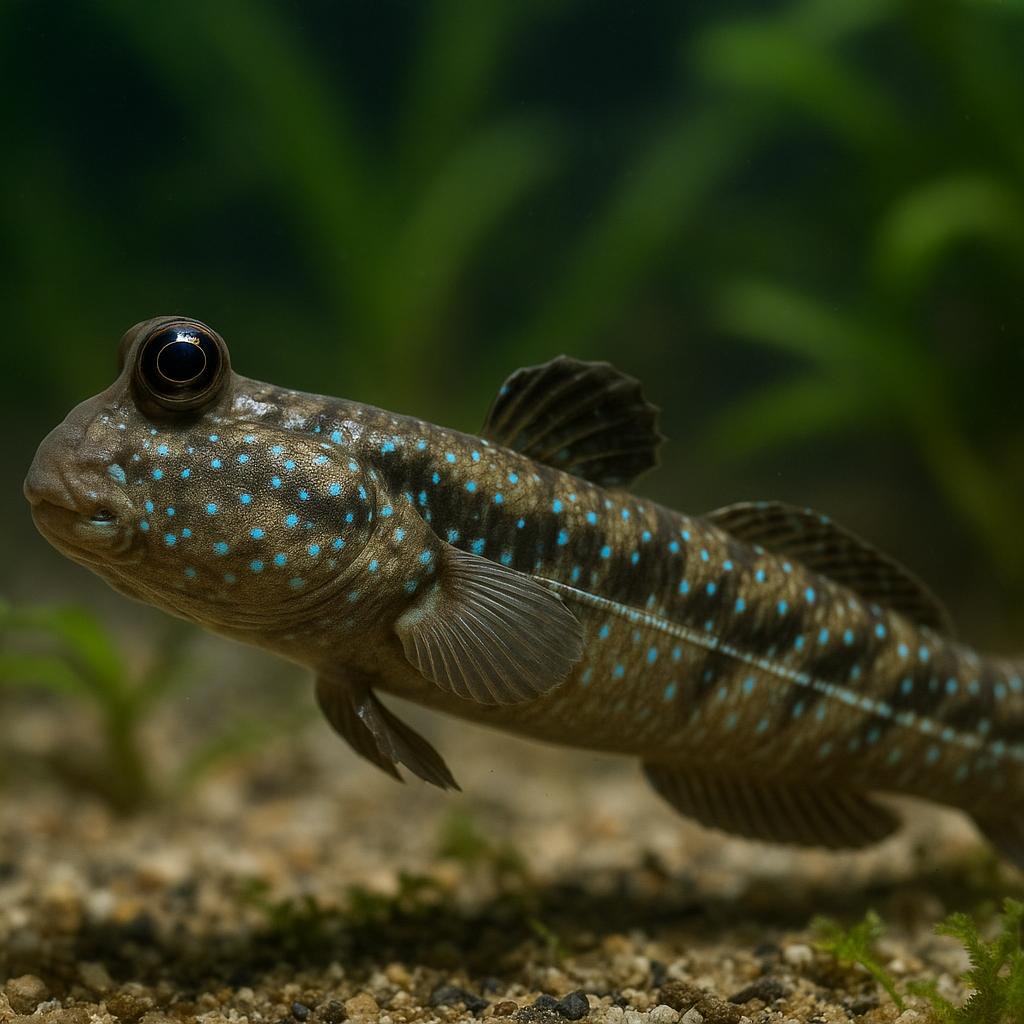
Barred mudskipper
Periophthalmus argentilineatus
This is one of those classic "walks around like it owns the place" mudskippers-big goofy eyes, climbs, hops, and spends a ton of time out on the mud when it's humid. In the wild it lives on intertidal mangrove/nipa mudflats and even shuttles between little pools and open air, hunting worms, insects, and small crustaceans. It's super fun to watch, but it really wants a brackish paludarium setup (not a normal aquarium).
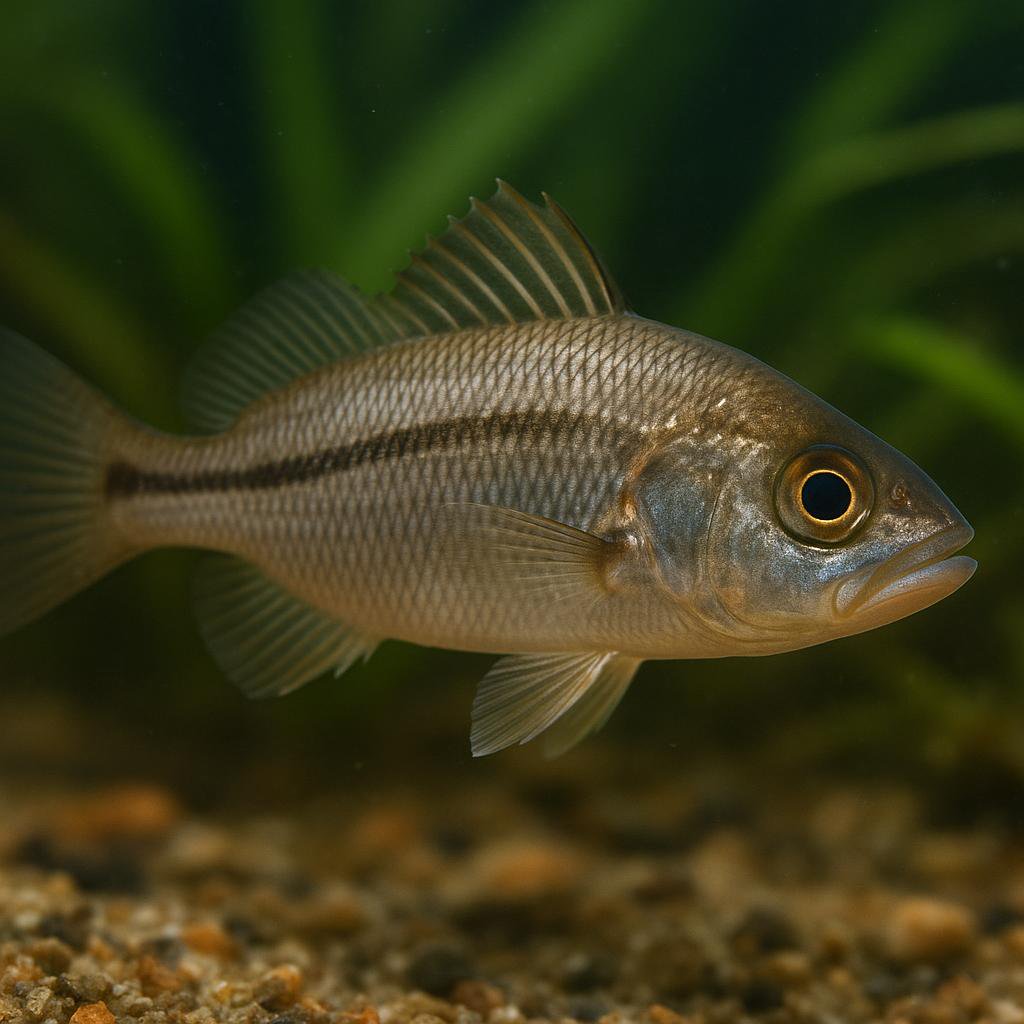
Bellfish
Johnius fuscolineatus
Johnius fuscolineatus (Bellfish/African bearded croaker) is a small coastal sciaenid from the southwestern/western Indian Ocean (Mozambique, South Africa, Madagascar), occurring in shallow marine waters (reported 0–50 m) and also associated with coastal/estuarine habitats.
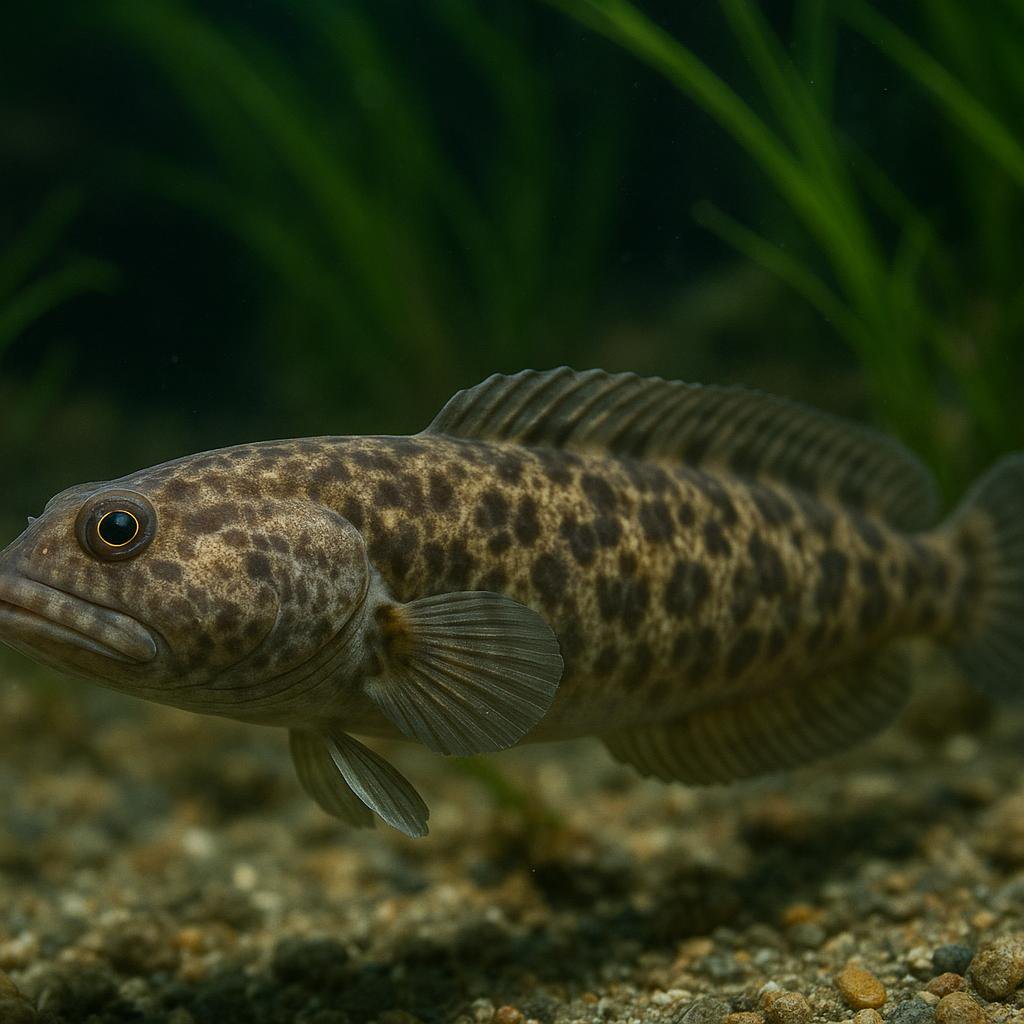
Blotched eelpout
Zoarces gillii
Zoarces gillii is a cold-temperate eelpout from the Northwest Pacific that hugs the bottom over sandy-mud inshore areas and even pushes into estuaries. It's got that long, eel-like body and a sneaky, sit-on-the-bottom predator vibe - very much a cool-water, brackish-to-marine oddball rather than a typical tropical aquarium fish.
Looking for other species?