

Gracile rivulus (Kryptolebias)
Kryptolebias gracilis
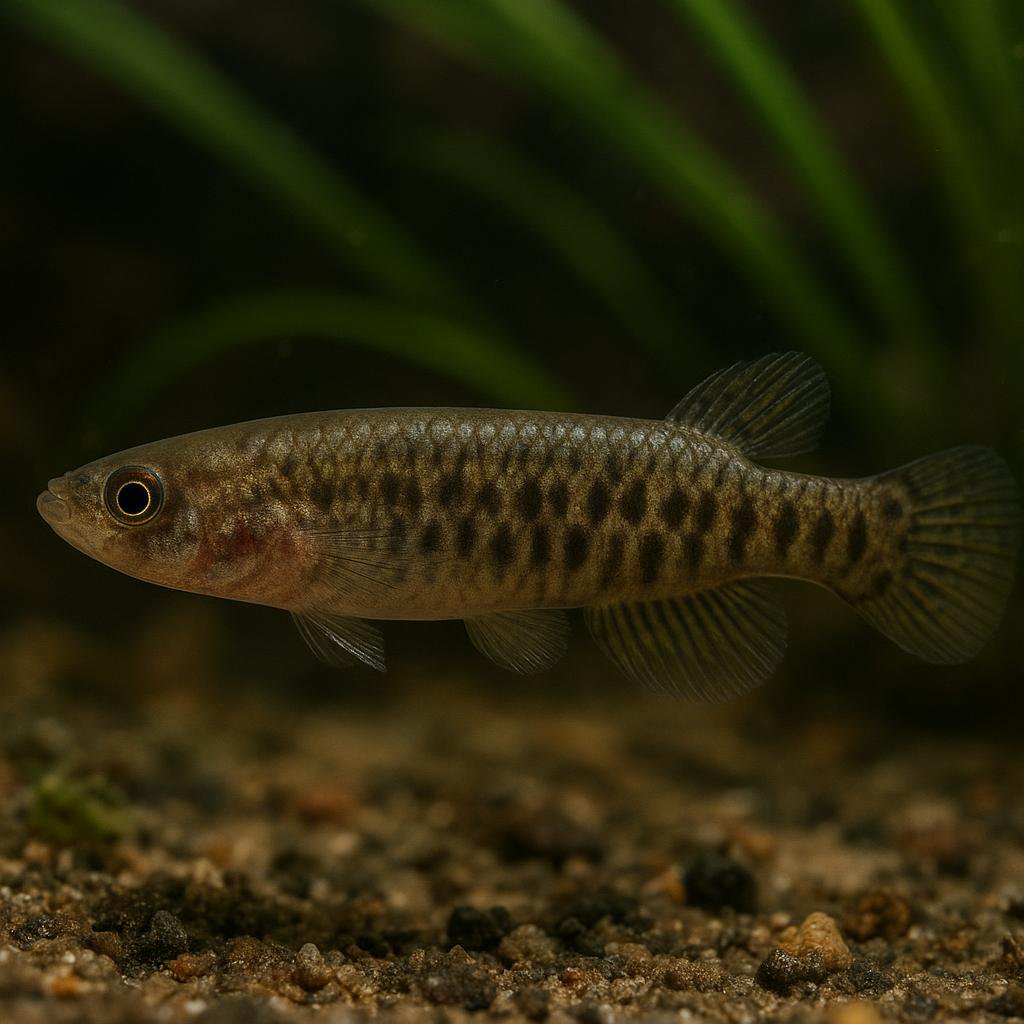
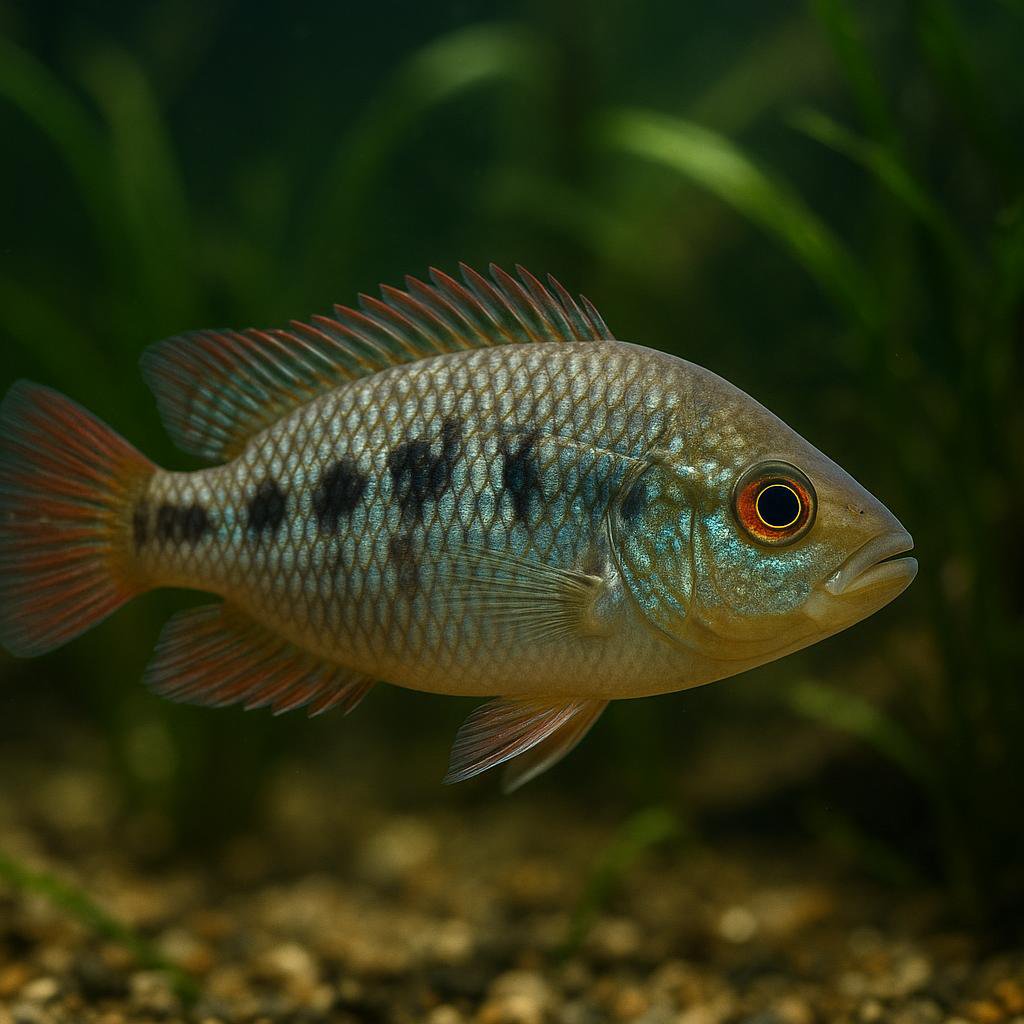
Gracile rivulus exhibits a slender body with a mosaic of green, blue, and gold scales, featuring a distinctive elongated dorsal fin.
This page includes AI-generated images. Why am I seeing AI images?
About the Gracile rivulus (Kryptolebias)
Kryptolebias gracilis is a very small Brazilian rivulid killifish from the Saquarema Lagoon basin (Rio de Janeiro State). It occurs in creeks and swamps in open vegetation, often in very shallow water (~5–10 cm), in both clear and tea-coloured water, and feeds mainly on small crustaceans (e.g., ostracods) and terrestrial arthropods.
Quick Facts
Size
2.8 cm SL
Temperament
Semi-aggressive
Difficulty
Advanced
Min Tank Size
10 gallons
Lifespan
2-4 years
Origin
South America
Diet
Carnivore/insectivore - live and frozen foods (small insects/larvae, micro-crustaceans), will sometimes take very small pellets
Water Parameters
22-26°C
5.5-7.5
1-12 dGH
Need a heater for this species?
This species needs 22-26°C in a 10 gallon tank. Use our heater calculator to find the right wattage.
Calculate heater sizeCare Notes
- Keep the aquarium tightly covered; like many rivulid killifishes, Kryptolebias are capable jumpers and are often encountered in very shallow habitats.
- Go heavy on cover: leaf litter, tangled moss, fine plants, and some caves. Dim light makes them way less skittish and they show better behavior.
- They do best in soft to moderately hard freshwater around pH 6.0-7.5, mid-70s F (24-26 C). Keep ammonia/nitrite at zero and don't let nitrate creep up - they sulk and fade fast in dirty water.
- Feed like a picky predator: live or frozen foods (blackworms, grindal worms, daphnia, mosquito larvae, baby shrimp). Many ignore flakes/pellets at first, so have real food ready.
- Solo or species tank is easiest; males can be nasty in small tanks and will harass weaker fish. If you mix, pick calm tankmates that stay out of their face and avoid fin-nippers and anything that will outcompete them for food.
- They appreciate low flow and shallow-ish setups more than a tall, blasting filter. Use a sponge filter or baffle the output so they are not fighting current all day.
- Breeding is doable but not plug-and-play: give mops or dense moss and check for eggs regularly, because adults will snack on them. Raise fry on microworms/vinegar eels then baby brine once they can take it.
- Watch for velvet/ich after shipping and for skinny fish that refuse food - stress hits them hard. Quarantine new arrivals and keep the tank stable, because sudden swings in temp or pH are when they crash.
Compatibility
Good Tankmates
- Tough little livebearers like guppies (plain tails), Endlers, or platies - theyre quick and dont freak out, and they can handle the occasional attitude as long as theres cover and space
- Not well established for this species; consider a species-only setup or carefully selected, peaceful companions (if any) based on observation.
- Small, non-nippy tetras that arent super timid (think black neon tetras or pristella/x-ray tetras) - keep them in a real group so one fish doesnt get singled out
- Peaceful bottom crews like Corydoras (pandas/peppers, etc.) - they mostly mind their own business, and the rivulus usually claims the upper areas and edges
- Brindle-type plecos and similar algae grazers like bristlenose plecos - theyre armored, nocturnal-ish, and not interested in the rivuluss territory
- Small, chill loaches like kuhli loaches - they hide a lot, come out to forage, and generally dont push the rivulus buttons
Avoid
- Long-finned slowpokes like bettas or fancy guppies - the rivulus can get snippy, and anything that drifts around with big fins is asking to get harassed
- Nippy schooling fish like tiger barbs or serpae tetras - youll get a mess of fin damage and constant chasing from both sides
- Other killifish or anything similar-shaped/territorial (including another Kryptolebias in a small tank) - they tend to treat each other like rivals and it turns into corner-patrol drama fast
- Bigger pushy cichlids (convicts, firemouths, etc.) - the rivulus has attitude but not the size to back it up, so it usually ends up stressed or beaten up
Where they come from
Gracile rivulus (Kryptolebias gracilis) is one of those little, easy-to-overlook fish that gets really interesting once you dig in. They come from tropical parts of Central/South America where the water can be shallow, plant-choked, and not always "nice" aquarium water. Think slow ditches, puddly edges, swampy backwaters, leaf litter, that sort of vibe.
That background explains a lot: they are tough in some ways, picky in others, and they do best when the tank feels like a messy, cover-filled margin rather than a bright open display.
Setting up their tank
If you try to keep these in a bare tank, you will mostly see a stressed fish hiding and refusing food. Give them structure. Lots of it. They relax fast once they have overhead cover and little "lanes" to move through.
- Tank size: 10 gallons works for a single or a pair, but more floor space makes life easier (especially if you try multiple fish).
- Lid: a tight lid is non-negotiable. They can jump, and they are good at finding gaps around airline tubing.
- Layout: leaf litter, moss, wood, and dense plants. Floating plants help a ton with security and lighting.
- Filtration: gentle sponge filter or a small HOB baffled down. They do not need a river current.
- Substrate: sand or fine gravel is fine. I like dark substrate because it calms them down and you see their colors better.
- Lighting: keep it on the dim side, or at least break it up with floaters.
Do not underestimate their ability to jump. Cover every hole. If you have a tank with a cutout lid, stuff the gaps with sponge or craft mesh.
Water-wise, stable beats chasing numbers. Freshwater is the right call here. Slightly acidic to neutral is usually where they settle in easiest, but the bigger deal is clean water and not letting the tank swing all over the place. They do not love strong flow, but they also do not love stale, dirty water.
If you want them to act natural, add a handful of dried leaves (Indian almond, oak, magnolia). The tannins tint the water, the microfauna builds up, and the fish seem way bolder.
What to feed them
These are little predators. In my tanks they have always done best on meaty foods, and they can be annoyingly unimpressed by plain flakes.
- Staples: live or frozen bloodworms, blackworms, daphnia, cyclops, brine shrimp (adult or baby depending on fish size).
- If you can: mosquito larvae are like a cheat code for getting shy fish to eat.
- Pellets: some individuals learn small sinking carnivore pellets, but I would not count on it at first.
- Variety: rotate foods. They do better (and color up nicer) when you do not feed the same thing every day.
If a new fish is acting spooky, feed after lights have been on a while, keep the room quiet, and drop food near cover. They often grab food confidently once they realize nobody is going to chase them out into the open.
Go easy on quantity. They are enthusiastic eaters once settled, but in small tanks it is easy to foul the water. Small portions, more often, beats dumping in a big cube of frozen and hoping for the best.
How they behave and who they get along with
Gracile rivulus are not "community fish" in the classic sense. They are more like little ambush hunters that want personal space. You will see a lot of sitting still, slow stalking, and quick darts at food.
Temperament depends on the individual, but plan for territorial behavior, especially in tight quarters. If you cram them together, you will get fin nips and constant stress.
- Best kept: singly, or a carefully watched pair in a heavily planted tank.
- Tankmates: I usually skip them. If you insist, pick calm, non-nippy fish that will not outcompete them for food.
- Avoid: fast feeders (danios, many barbs), fin nippers, aggressive cichlids, and anything tiny enough to be viewed as food (shrimplets, small fry).
- Inverts: snails are generally fine. Shrimp are a gamble depending on size and hiding spots.
They do a lot better with visual barriers. A tank that is "too pretty" and open often leads to a fish you rarely see.
Breeding tips
Kryptolebias are famous because some species can self-fertilize (they are the weirdos of the killifish world), and depending on the exact fish you have, you may see lone individuals producing eggs. That said, do not assume every fish will do that reliably, and do not be shocked if you need a pair to get consistent results.
If you want to try breeding them, set up a simple breeding tank: lots of cover, low flow, and a place for eggs to end up where the adults are less likely to find them.
- Spawning sites: fine-leaved plants (Java moss, guppy grass), mops, or dense roots of floating plants.
- Egg collection: check the moss/mop every day or two and move eggs to a small container with tank water.
- Incubation: keep the eggs in clean water with gentle aeration. Fungus is the main enemy.
- First foods: infusoria/microfoods for the tiniest fry, then baby brine shrimp once they can take it.
Adults may snack on eggs and fry. If you want numbers, pull eggs or raise fry in their own container.
Common problems to watch for
Most of the trouble with this species comes from three things: stress from an exposed tank, food issues, and water quality sliding in a small setup.
- Jumping: the #1 heartbreak. Tight lid, no gaps.
- Not eating: usually new fish stress, too much light, too much activity around the tank, or food that is too dry/boring. Start with live/frozen.
- Skinny fish: can be internal parasites, or just being outcompeted if housed with faster tankmates.
- Fungus on eggs: common if you are collecting eggs. Keep water clean, add gentle aeration, and remove bad eggs fast.
- Fin damage: usually from cramped quarters or incompatible tankmates. Add cover or separate fish.
- Ammonia/nitrite spikes: small tanks + heavy foods = trouble. Feed smaller and do more frequent water changes.
A fish that is hanging at the surface, clamped up, and not reacting normally is often telling you the water went bad fast. Check ammonia/nitrite right away and do a big water change if anything looks off.
If you give them a calm, covered tank and feed them like the little predators they are, they are genuinely rewarding. They are not a "show fish" that parades around, but once they trust the setup, you will catch a lot of cool behavior in the plants and leaf litter.
Similar Species
Other freshwater semi-aggressive species you might be interested in.
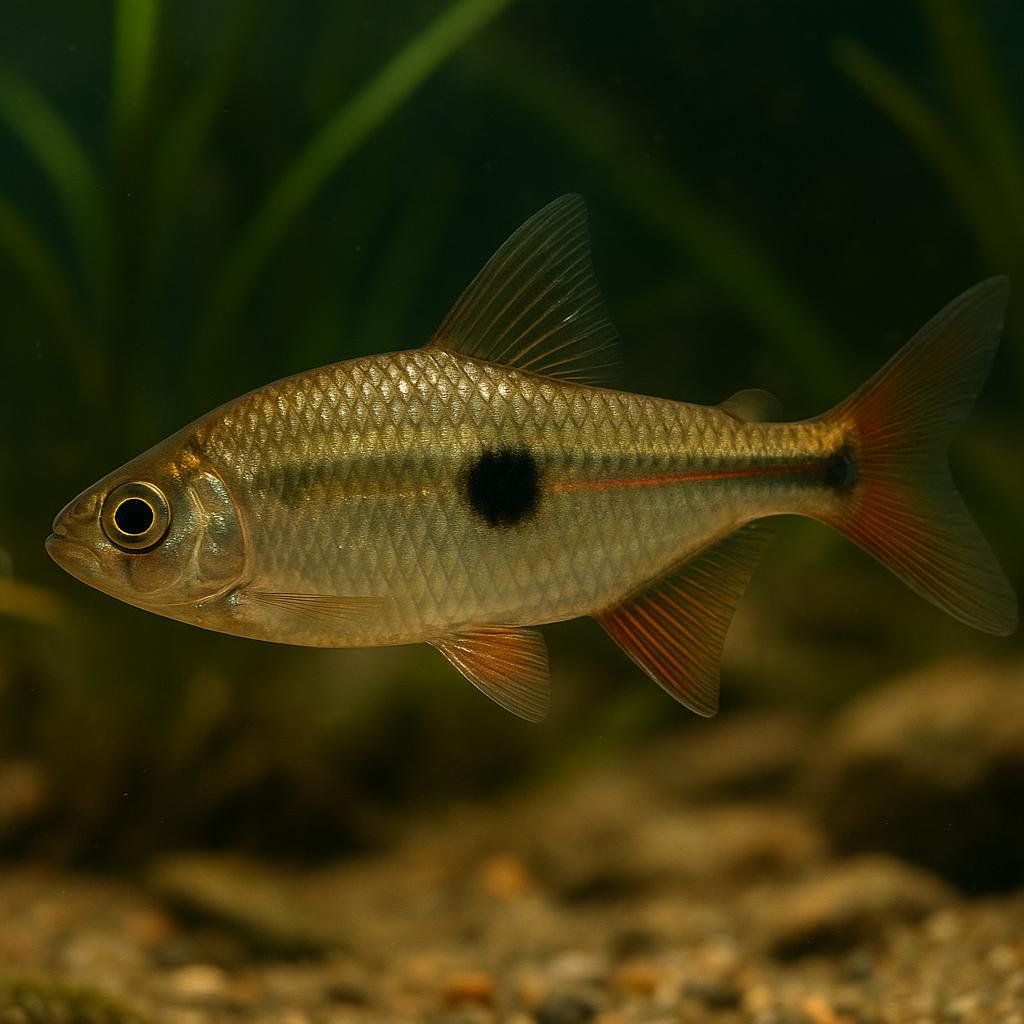
Jupiaba kurua
Small South American characin endemic to the upper rio Curuá (rio Xingu basin, Brazil). Reaches about 8.7 cm SL and inhabits clearwater rivers. Distinguished by dark dots on the bases of many lateral scales and a distinct dark caudal‑peduncle spot. Reported diet indicates omnivory, including aquatic insects, small fishes, and fragments of Podostemaceae and filamentous algae.
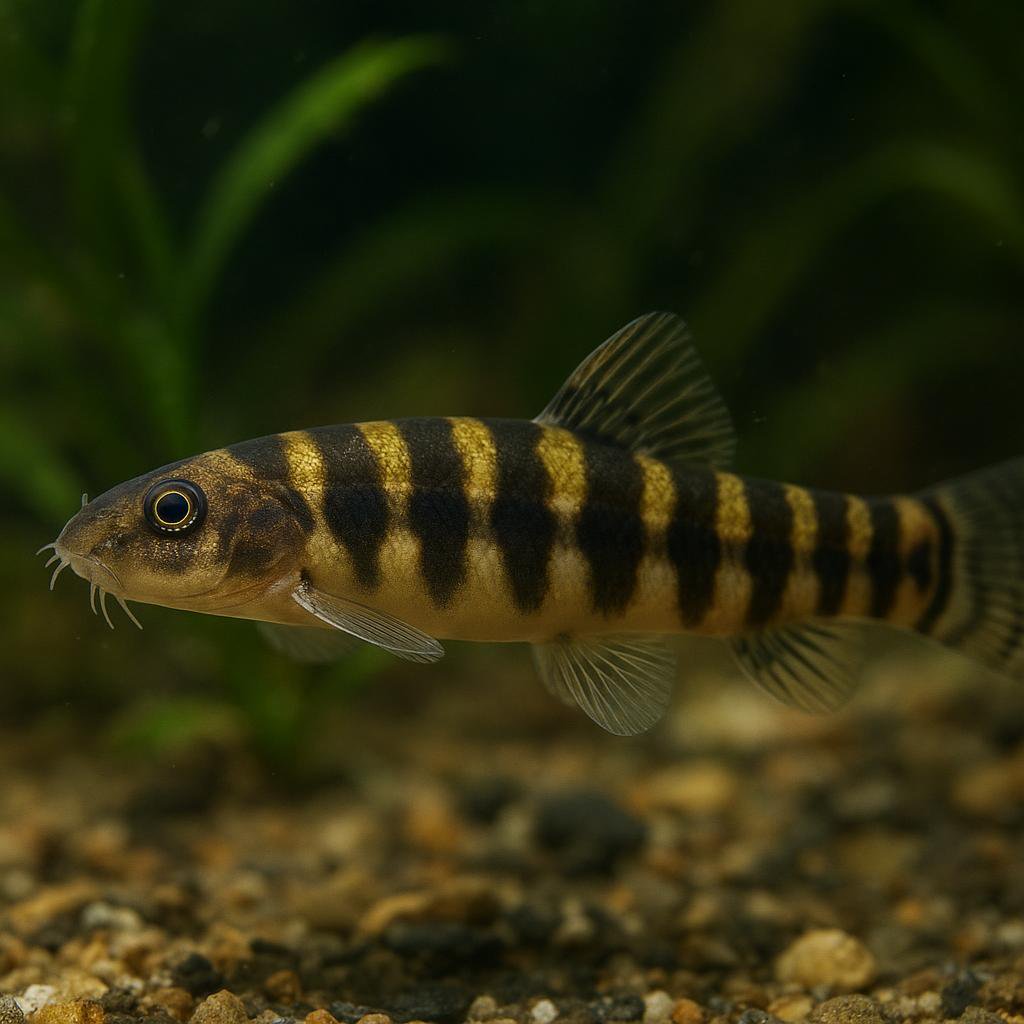
Altipedunculata stone loach
Schistura altipedunculata
Schistura altipedunculata is one of those little stream loaches that wants clean, well-oxygenated water and a bunch of rock nooks to claim as home. It is a bottom-hugger that will spend its day scooting from crevice to crevice, and it tends to get a bit spicy with its own kind if you do not give it enough hiding spots.
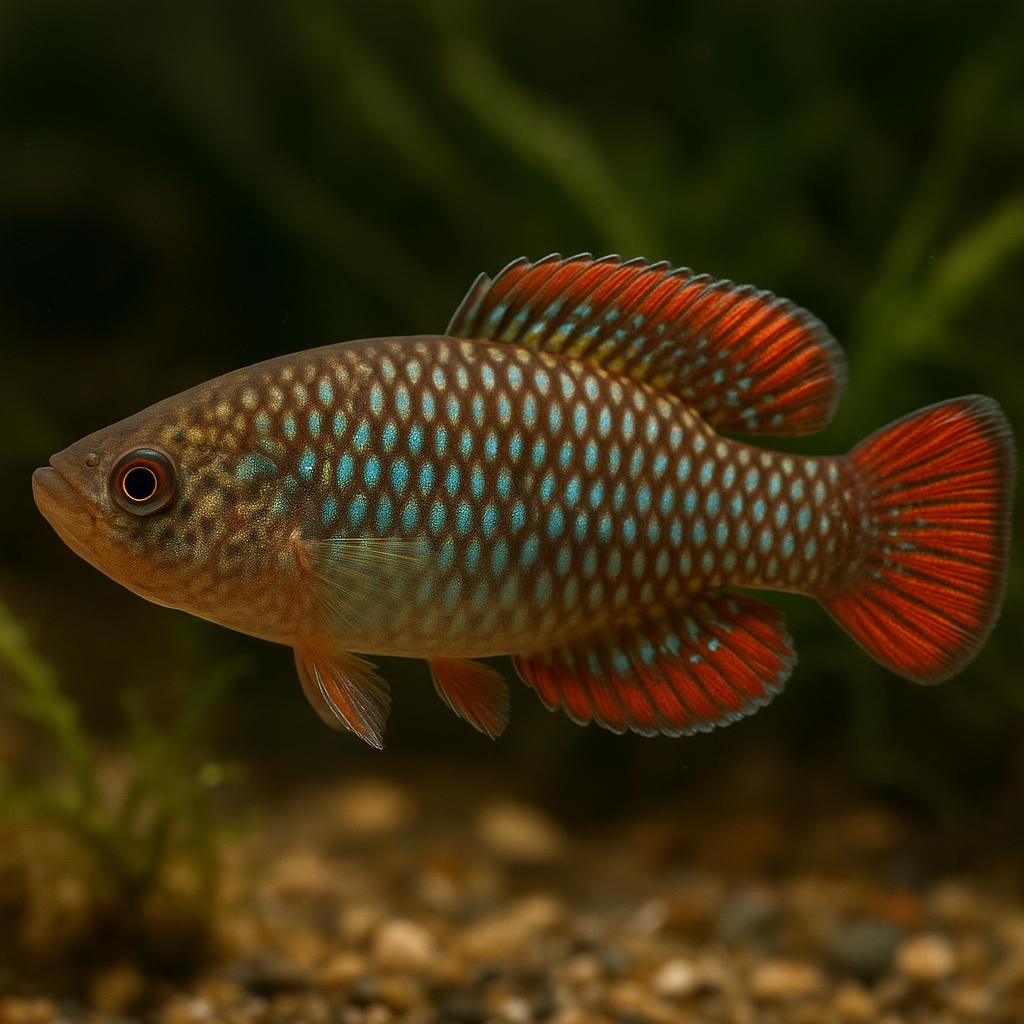
American flagfish
Jordanella floridae
Jordanella floridae is that little Florida native with the red-and-cream striping that really does look like a tiny flag once a male colors up. They graze algae like champs (especially stringy/hair algae), but they have a bit of attitude - give them plants and space so the bossy behavior stays manageable. Bonus: the male guards the eggs and will actively fan them, which is pretty fun to watch.
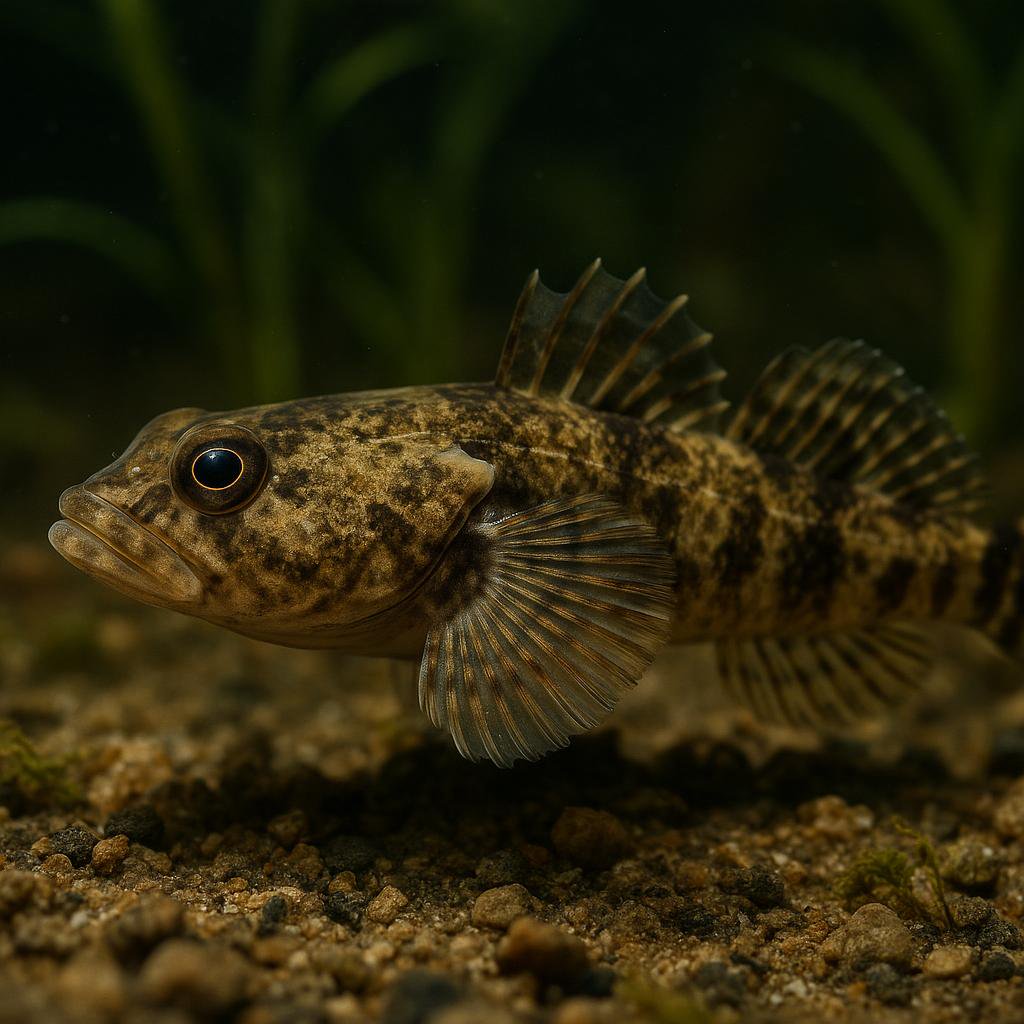
Amur sculpin
Alpinocottus szanaga
This is a little coldwater sculpin from the Amur drainage - a bottom-hugging, rock-and-gravel fish that spends its day wedged under stones and darting out to grab food. Super cool behavior and attitude, but it is absolutely not a warm tropical community fish - it wants chilly, fast, oxygen-rich water and will bicker with other bottom fish.
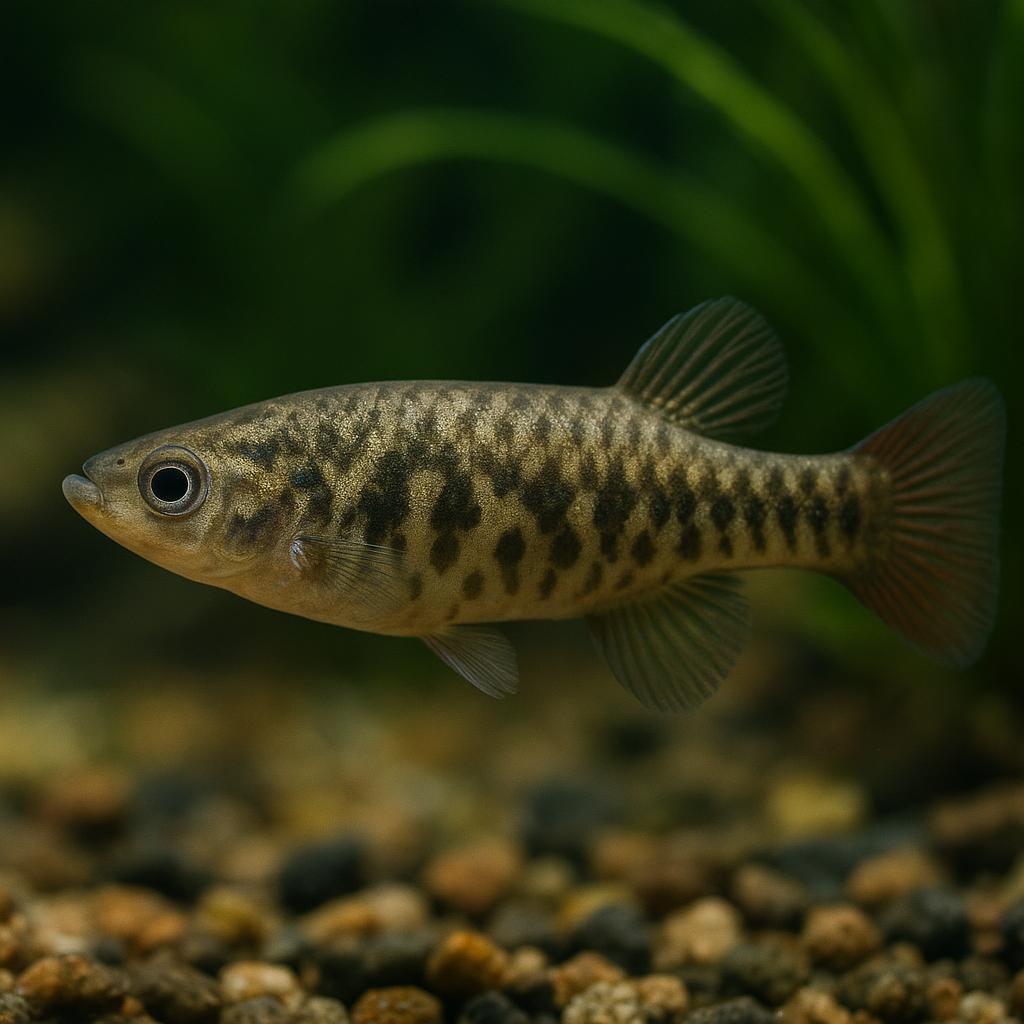
Anitápolis livebearer
Jenynsia weitzmani
Jenynsia weitzmani is a freshwater anablepid livebearer endemic to southern Brazil (currently known only from the type locality near Anitápolis, Santa Catarina). Like other Jenynsia (onesided livebearers), reproduction involves lateralized mating morphology/behavior; aquarium care guidance is not well-documented for this species specifically.
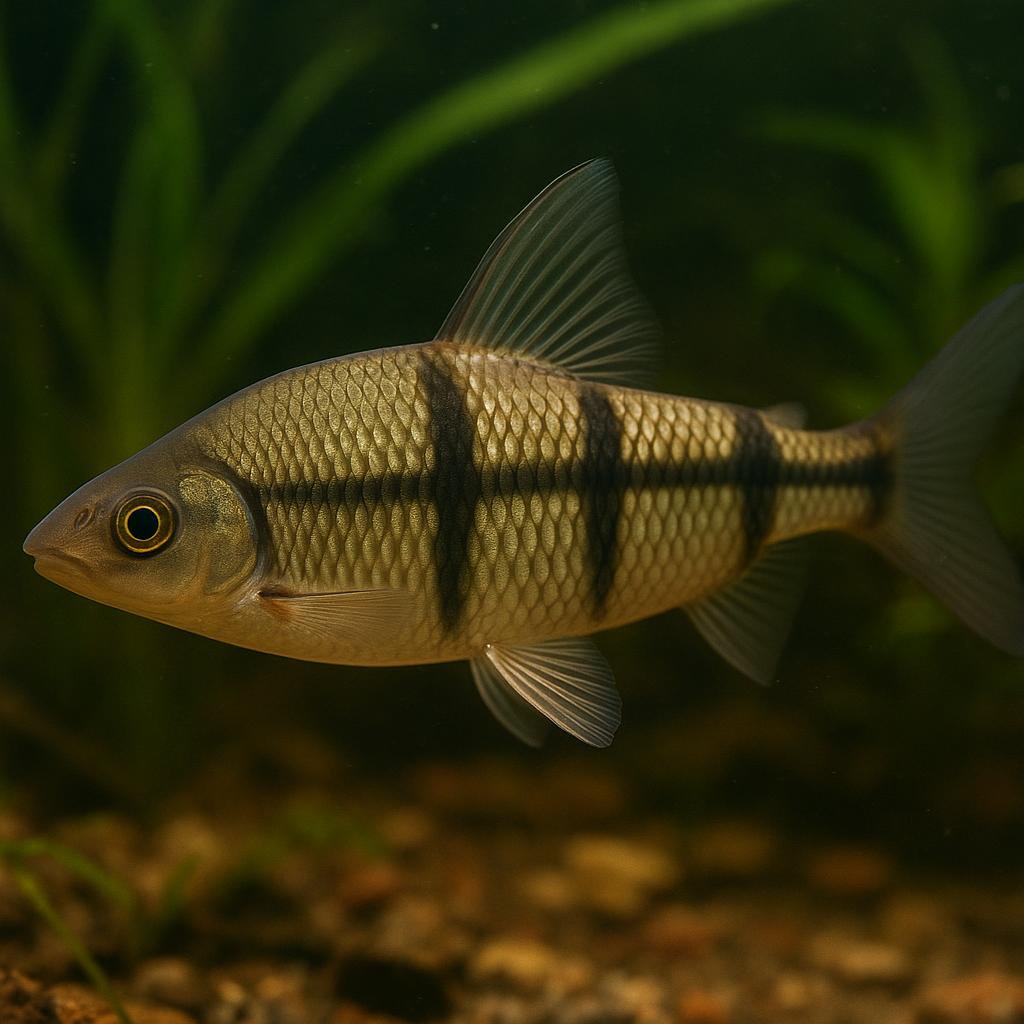
Aracu-comum
Schizodon vittatus
Schizodon vittatus is a large South American anostomid (family Anostomidae). Reported maximum size is about 35 cm standard length; it is harvested/consumed in parts of Brazil and is not commonly covered by mainstream aquarium husbandry references.
More to Explore
Discover more freshwater species.
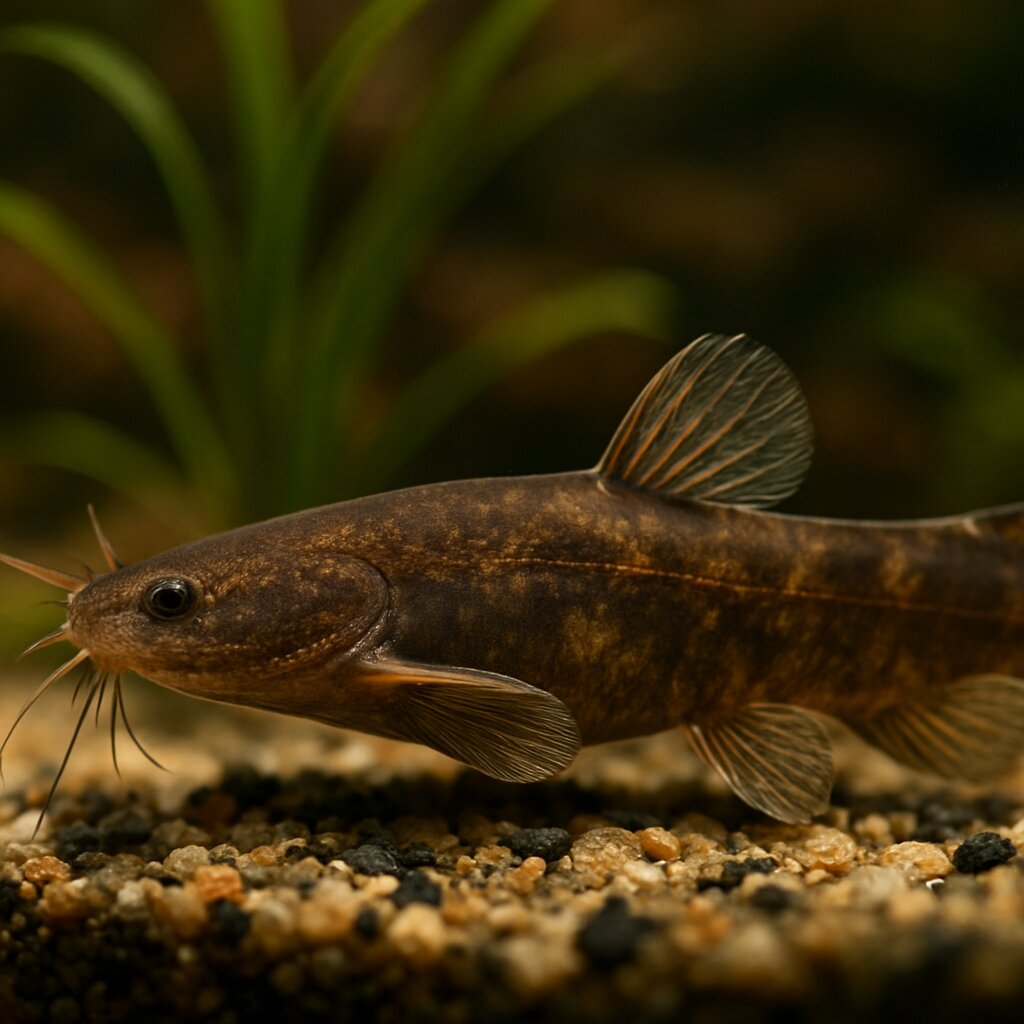
Amphilius dimonikensis
A small loach catfish endemic to the Mpoulou River in the Mayombe (Dimonika Biosphere Reserve), Republic of the Congo. Amphilius dimonikensis has a subtle banded pattern and inhabits fast, clear streams over rock and sand. In aquaria, prioritize strong, well-oxygenated flow with rounded stones and sand to mimic hillstream conditions.
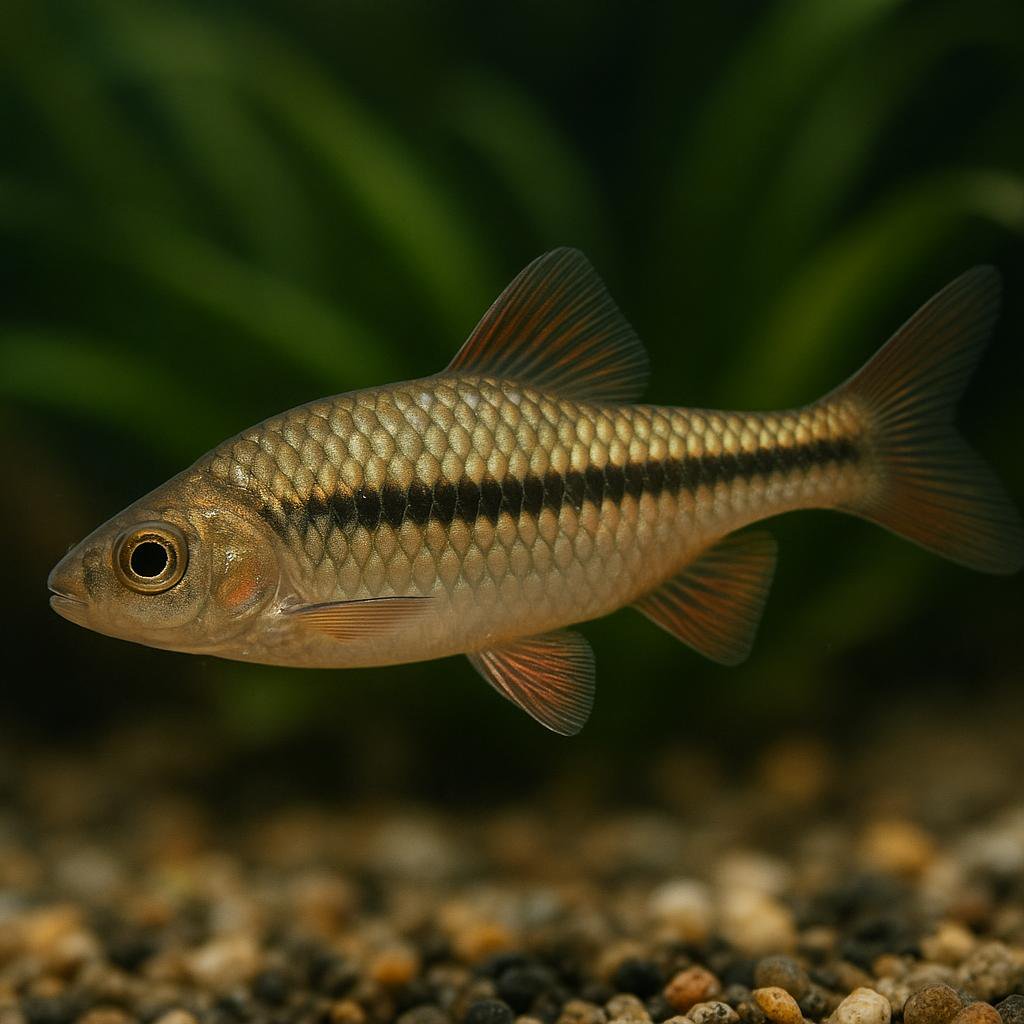
Aboina barb
Enteromius aboinensis
Enteromius aboinensis (the Aboina barb) is a small West African barb with a clean black midline stripe and a little spot right at the base of the tail. It does best when you treat it like a proper schooling fish - keep a decent group and give it plants around the edges with open swimming room in the middle.
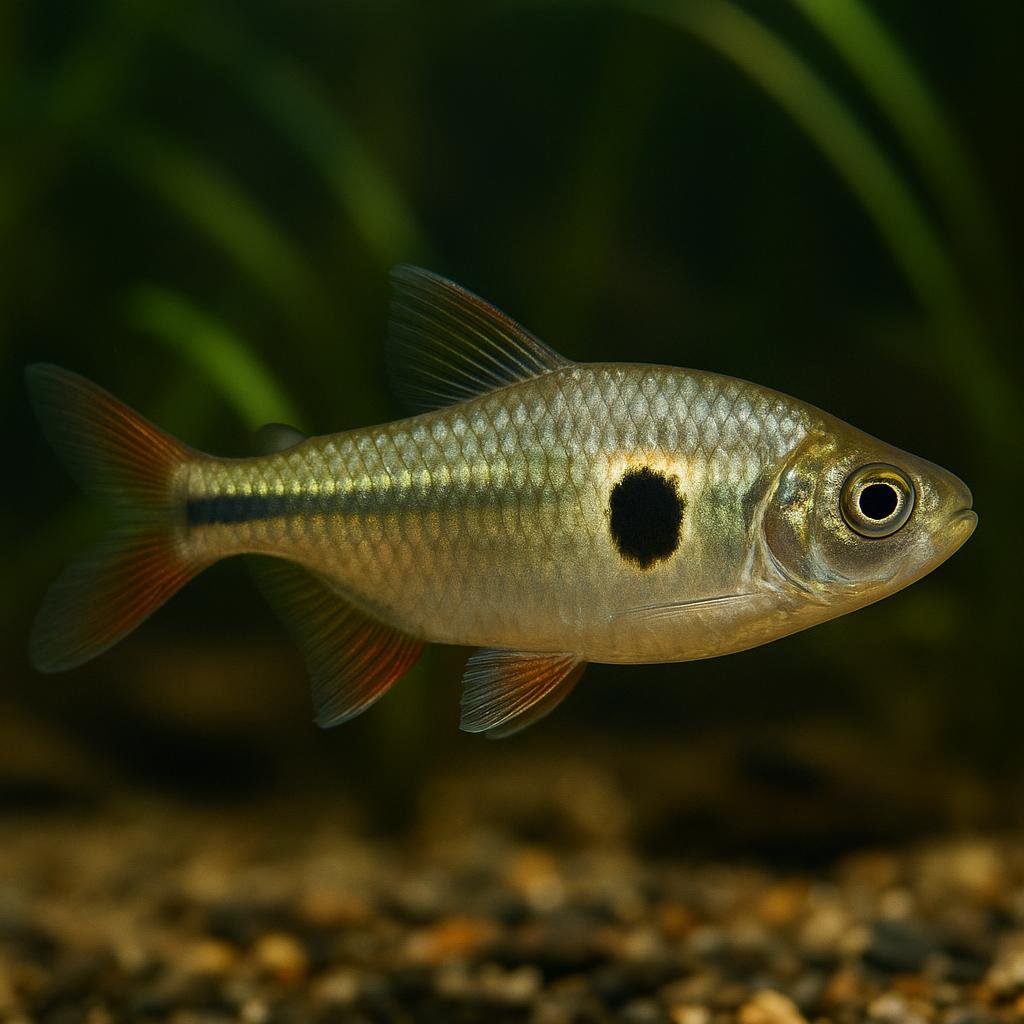
Ajuricaba tetra
Jupiaba ajuricaba
Jupiaba ajuricaba is a South American freshwater characin from the Amazon basin in Brazil (rio Negro, rio Solimões, and rio Tapajós basins). It reaches about 9.5 cm SL and is diagnosed by a narrow dark midlateral stripe, an elongated humeral spot, and an ocellated spot on the upper caudal-fin lobe. Wild specimens have been collected from blackwater forest streams and also oxbow-lake habitats.
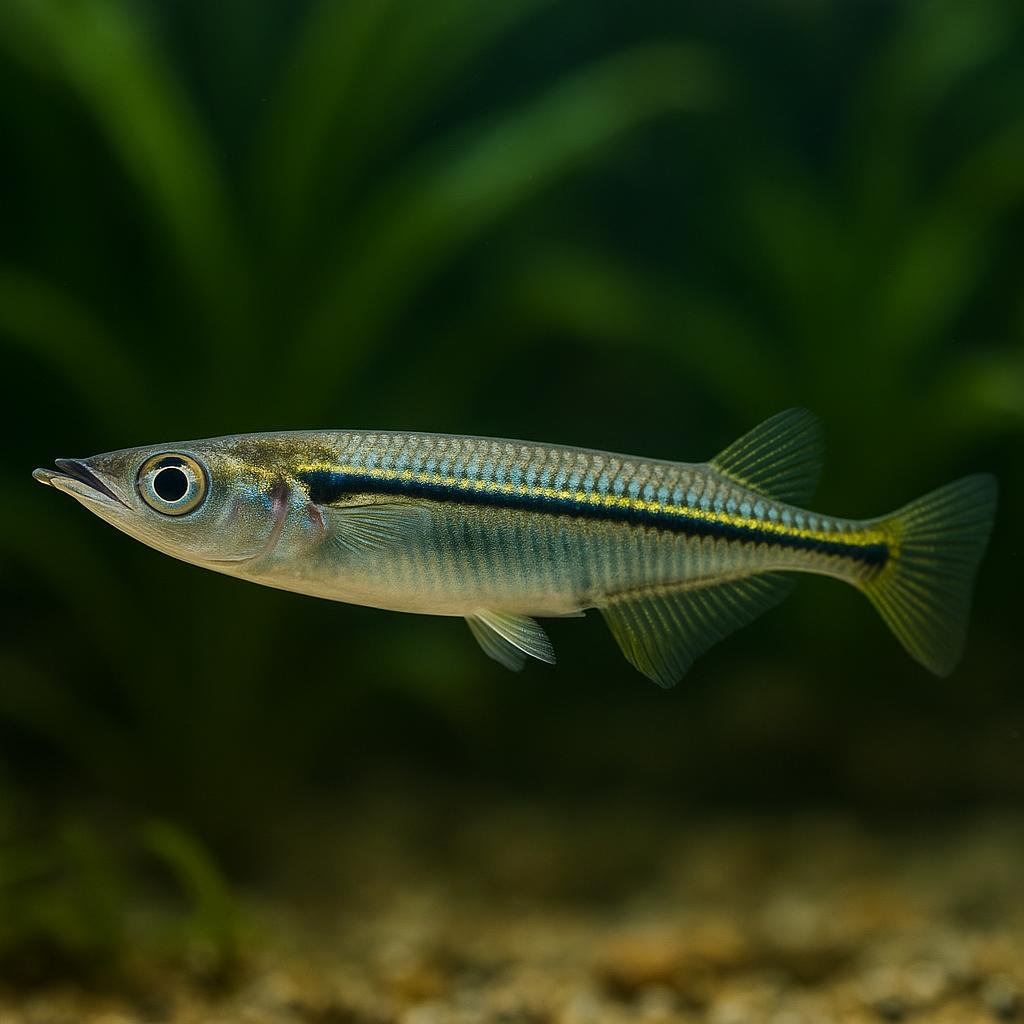
Allen's river garfish
Zenarchopterus alleni
A poorly known freshwater halfbeak endemic to West Papua (Mamberamo River), described from a single specimen (~13 cm SL). Beyond basic habitat/occurrence, little is published about its ecology or aquarium suitability; assume it is a surface-oriented, jump-prone halfbeak only by analogy with related taxa.
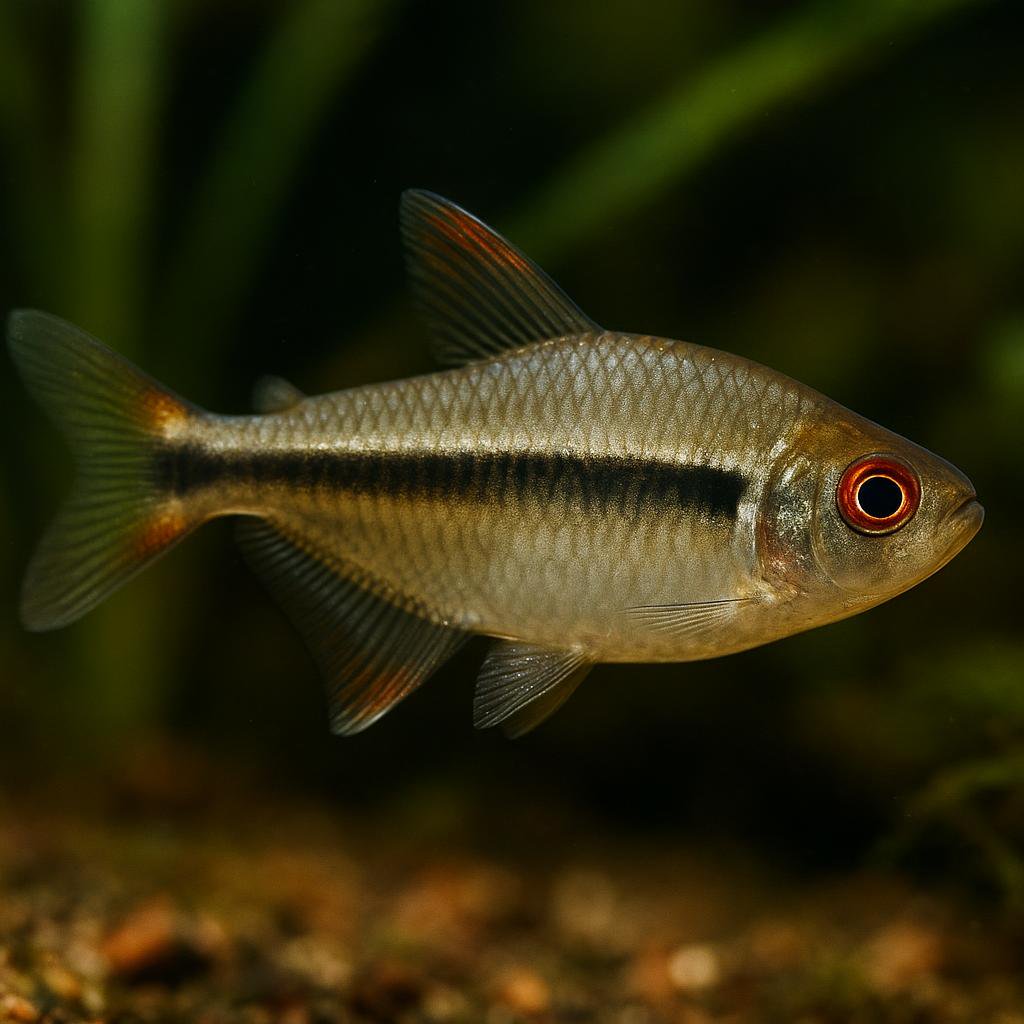
Amapa tetra
Hyphessobrycon amapaensis
This is a tiny, super sleek little tetra with a clean red stripe down the side that really pops once its settled in. It does best in a planted, slightly tinted "creek-style" setup and looks way cooler when you keep a proper group so they school and flash that line together. If you can give it soft, slightly acidic water and a calm community, its an easy fish to fall for.
Amatlan chub
Yuriria amatlana
Yuriria amatlana (the Amatlan chub) is a little Mexican native minnow from the Ameca River basin. Its wild range is pretty limited and it is listed as Endangered, so its care info in the aquarium hobby is basically nonexistent and its availability is usually low. In the original species description, preserved fish show a dark lateral stripe with a darker patch on the caudal peduncle, and they can have tiny barbels at the mouth corners.
Looking for other species?