

Hermaphroditus mangrove killifish
Kryptolebias hermaphroditus
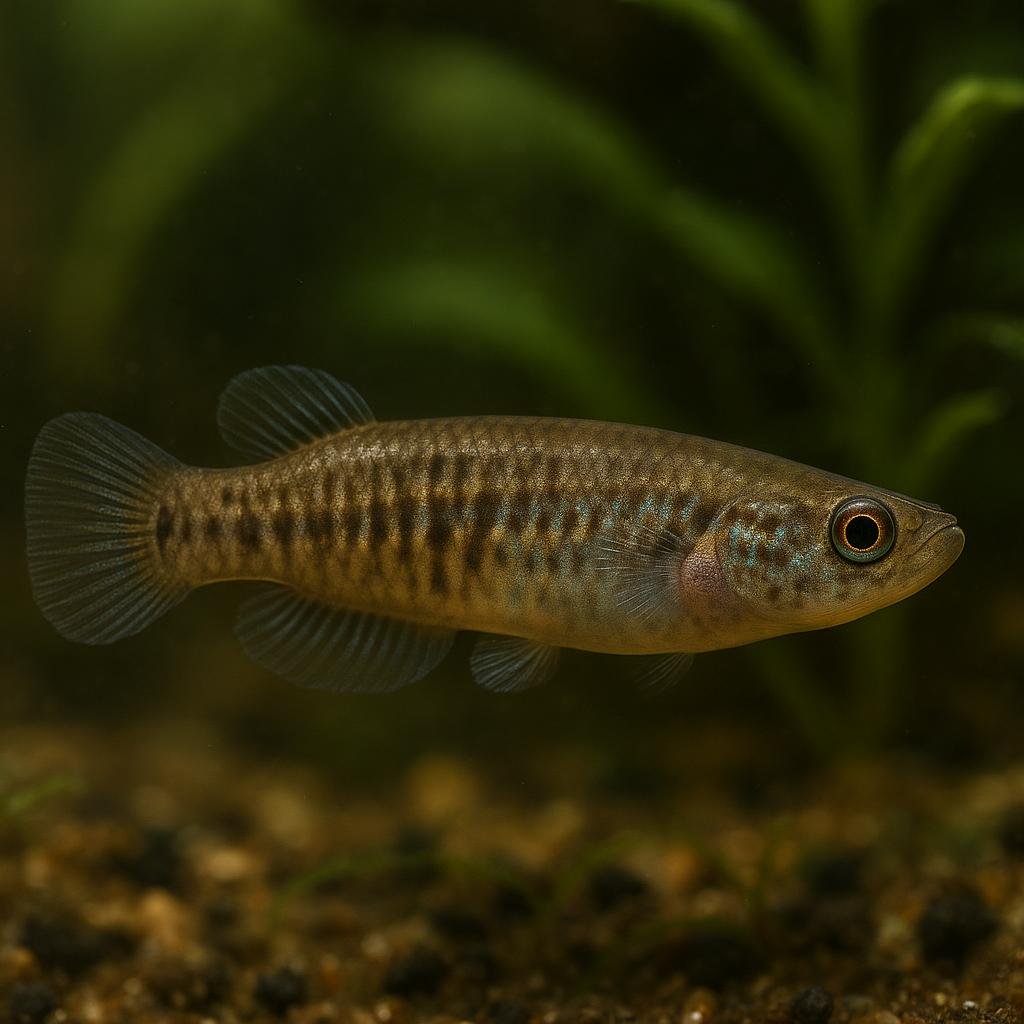
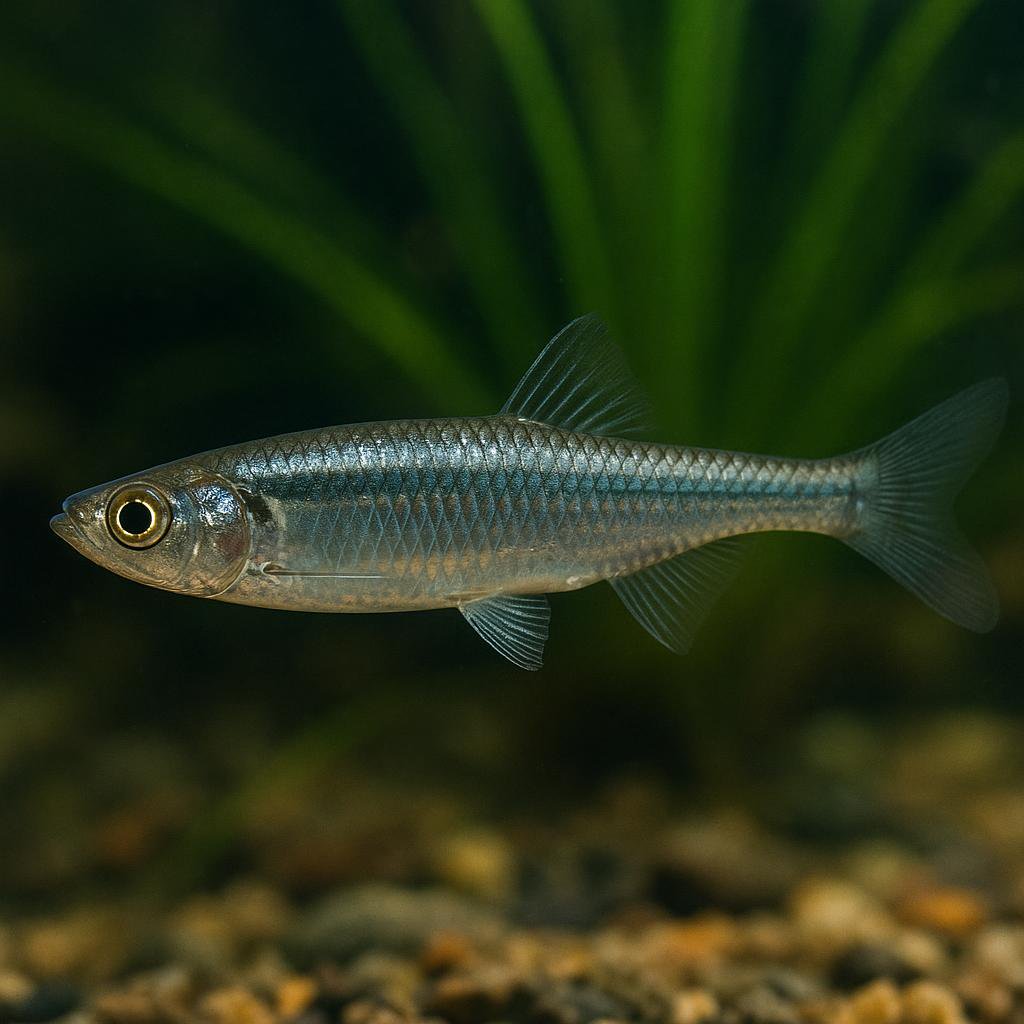
Hermaphroditus mangrove killifish exhibits a slender body with a mottled pattern of brown and green, alongside distinctive elongated fins.
This page includes AI-generated images. Why am I seeing AI images?
About the Hermaphroditus mangrove killifish
This is one of those weirdly amazing little mangrove killifish where most individuals are self-fertile hermaphrodites, so a single fish can produce eggs on its own. In the wild its tied to Brazilian mangroves and coastal canals, and it tends to live a pretty secretive, solo life in shallow, mucky, low-oxygen spots.
Quick Facts
Size
4-5 cm
Temperament
Semi-aggressive
Difficulty
Advanced
Min Tank Size
10 gallons
Lifespan
5-8 years
Origin
Southeastern and Northeastern Brazil (Atlantic mangrove coast)
Diet
Carnivore/insectivore - small live/frozen foods (mosquito larvae, daphnia, brine shrimp), will take tiny pellets once settled
Water Parameters
20-30°C
6.5-8.5
5-20 dGH
Need a heater for this species?
This species needs 20-30°C in a 10 gallon tank. Use our heater calculator to find the right wattage.
Calculate heater sizeCare Notes
- Keep a tight lid with no gaps; this amphibious species frequently emerses and will leave the water if stressed or exploring.
- Brackish-to-marine salinity is appropriate; aim roughly 15–35 ppt (SG ~1.011–1.026) for K. hermaphroditus, as wild populations are commonly found at >30 ppt. They are euryhaline but avoid very low salinity in many mangrove systems. Use a marine salt mix and keep salinity stable.
- Give them lots of cover and structure (mangrove roots/branches, leaf litter, caves) and keep the water shallow-ish if you can - they like creeping and lurking more than open swimming.
- Feed small meaty stuff and vary it: live/frozen blackworms, brine shrimp, daphnia, mosquito larvae, chopped bloodworms; many ignore flakes/pellets unless you train them with frozen first.
- Skip most community setups - they will snack on tiny tankmates and can get nasty with similar-shaped fish; if you want companions, think tough brackish species that are too big to be food and not fin-nippy.
- Most individuals self-fertilize; they deposit single eggs on mops or structure. Adults may consume eggs, so collect them frequently for hatching.
- Watch for ammonia spikes and rapid salinity swings - they tolerate a lot, but quick changes trigger stress, hiding, and jump attempts, and a dirty tank brings fin rot fast.
Compatibility
Good Tankmates
- Hardy livebearers that can handle low-end brackish, like mollies (regular or sailfin). They are quick, not easily bullied, and they like the same kind of salty setup.
- Small brackish gobies, like bumblebee gobies (Brachygobius spp.). They mostly mind their own business on the bottom, and the killifish usually cruises mid-top and leaves them alone if you have hiding spots.
Avoid
- Knight gobies (predatory toward smaller fish; may eat diminutive tankmates like mangrove killifish).
- Figure 8 puffers and other pufferfish (nippy, often aggressive; risk to small, slender tankmates like mangrove killifish).
- Archerfish. Predatory surface-hunters that will take small fish; poor choice with tiny mangrove killifish.
- Monodactylus/Scatophagus (monos/scats). Boisterous, predatory/omnivorous species; size and behavior make them unsafe with tiny killifish.
- Slow, long-finned fish like bettas, fancy guppies, or fancy gouramis. Mangrove killis can be little ambush punks and will go after fins, especially in tight quarters.
- Other mangrove killifish (or similar killis) in small tanks. They can be surprisingly territorial, and you will see chasing, lip-locking, and stress unless you are running a bigger tank with tons of cover.
- Tiny nano fish and shrimp that fit in a mouth - think small tetras/rasboras or ghost shrimp. If it looks like food, sooner or later it usually becomes food.
- Hyper-nippy or aggressive brackish fish, like green chromides or any cichlid-ish bruiser. The killi will not back down, and it turns into nonstop sparring and torn fins.
Where they come from
Kryptolebias hermaphroditus is one of those weird little fish that makes you fall down a research hole. They live around mangroves and coastal swamps in parts of South America, where the water can swing from nearly fresh to pretty salty depending on tides and rain.
In the wild they deal with warm, shallow water, leaf litter, mud, and low oxygen. That background explains a lot of their behavior in an aquarium: they are tough in some ways, but not forgiving if you slack on basics like clean water and a secure lid.
Setting up their tank
Think small, tight, and controlled. A species tank is easiest. You can keep a single fish in something like a 5-10 gallon, but if you want to observe breeding behavior and have room for egg collection, 10-20 gallons feels a lot nicer to work in.
- Lid: non-negotiable. They jump and they can wriggle through tiny gaps.
- Filtration: gentle sponge filter or a small HOB turned down. They do not need a river current.
- Heater: keep it steady and warm (mid-70s to low-80s F is a comfortable zone).
- Substrate: sand or bare-bottom both work. I like sand with leaf litter so the fish feels secure.
- Hardscape: roots, mangrove-style branches, caves, piles of dried leaves. Give them places to disappear.
Brackish is the way to go, even though you will see people keep them in fresh. My best results were at low-end brackish where the fish stayed chunky, active, and less prone to mystery funk. I mix marine salt (not aquarium "tonic" salt) and aim for a stable specific gravity in the 1.005-1.010 ballpark, then keep it there.
Mix saltwater in a bucket first, then add it to the tank. Topping off for evaporation should be fresh water, not saltwater, or your salinity will creep up.
They appreciate cover near the surface. Floating plants can work if your salinity is mild (some people use hornwort short-term, but it often melts). A more reliable move is plastic craft mesh, floating cork bark, or even just a mat of fake plants. It gives them that "mangrove edge" vibe without turning into mush.
Seal every opening: filter cutouts, airline gaps, and feeding doors. If a pencil can fit, a killifish can probably fit.
What to feed them
These guys are tiny predators. If you offer only flakes, they will often eat, but you will not see their best color or body shape. Live and frozen foods make a huge difference.
- Staples: frozen bloodworms, frozen brine shrimp, daphnia (live or frozen), chopped mysis for larger adults
- Live treats: grindal worms, microworms, baby brine shrimp, small crickets or fruit flies (use sparingly and only if you are comfortable doing it safely)
- Backup dry: small sinking micro pellets (I use these as a "between frozen days" option)
Feed small portions. They will beg, and they will also happily foul a small tank if you overdo it. I like short, frequent feedings: a little in the morning, a little at night, with one lighter day each week.
If your fish is picky, start with live baby brine shrimp for a few days, then mix in frozen. Once they recognize food hits the water and sinks, they usually stop acting suspicious.
How they behave and who they get along with
They are curious and surprisingly bold once they settle in, but they are not a "community fish" in the usual sense. They spend a lot of time parked under cover, then dart out like a little ambush predator.
Tankmates are tricky. In brackish, your options are already limited, and this fish has a talent for both getting bullied and picking on anything smaller. I have had the smoothest experience keeping them alone or in a dedicated setup.
- Best match: species-only tank
- Possible but fussy: small, peaceful brackish fish that will not outcompete them at feeding time (still a gamble)
- Avoid: fin nippers, fast feeders that hog everything, tiny shrimp fry or microfauna you want to keep, and anything that can fit in their mouth
They are air-breathing capable and handle low oxygen better than many fish, but that does not mean you can run a dirty, stagnant tank. They still get stressed by bad water.
Breeding tips
This is where the "advanced" label really fits. K. hermaphroditus is famous for self-fertilization. In practice, that means you can end up with eggs and fry even if you only own one fish. Sounds easy, right? The hard part is actually finding the eggs, keeping them from getting eaten or fungusing, and raising tiny fry in brackish water without crashing water quality.
Give them obvious places to lay. I have the best luck with spawning mops (yarn mops work, but use material that will not shed fibers everywhere) and tight clumps of cover near the surface. Check the mop every couple days. Eggs are small and easy to miss until you know what you are looking for.
- Use a dark-colored mop so the eggs stand out
- Pull the mop, swish it in a cup of tank water, and inspect under a bright light
- Move eggs to a small container with water from the parents' tank and gentle aeration
- Pull any white, fuzzy eggs quickly so they do not spread fungus
Because many lines are very inbred (selfing does that), do not be surprised by uneven hatch rates or occasional oddball fry. Start more eggs than you think you need.
For first foods, baby brine shrimp is the easiest win once the fry are big enough, but you may need microworms, vinegar eels, or infusoria early on depending on fry size and your line. Keep the rearing container clean with small water changes. In brackish, tiny volumes can swing fast, so I prefer a slightly larger grow-out tub with a seasoned sponge filter.
Common problems to watch for
Most issues I have seen come down to three things: unstable salinity, escape attempts, and water quality slipping in a small tank.
- Jumping: they will launch at night, during water changes, or after a scare
- Salinity creep: topping off with saltwater by mistake slowly pushes them into much higher brackish than you intended
- Bloat/constipation: common if you feed heavy bloodworms with no variety
- Skin and fin issues: usually tied to dirty water, sharp decor, or bullying
- Refusing food after a move: normal for a few days, but persistent fasting often means stress from salinity swings or not enough cover
If you find one on the floor and it is still moist and moving, get it back in the tank immediately. Dim the lights and leave it alone. I have had jumpers recover that I was sure were done for.
My routine that kept them looking good was simple: steady brackish mix, lots of hiding spots, light feeding with variety, and frequent small water changes. They are not a "set and forget" fish, but if you like weird projects, they are incredibly rewarding.
Similar Species
Other brackish semi-aggressive species you might be interested in.
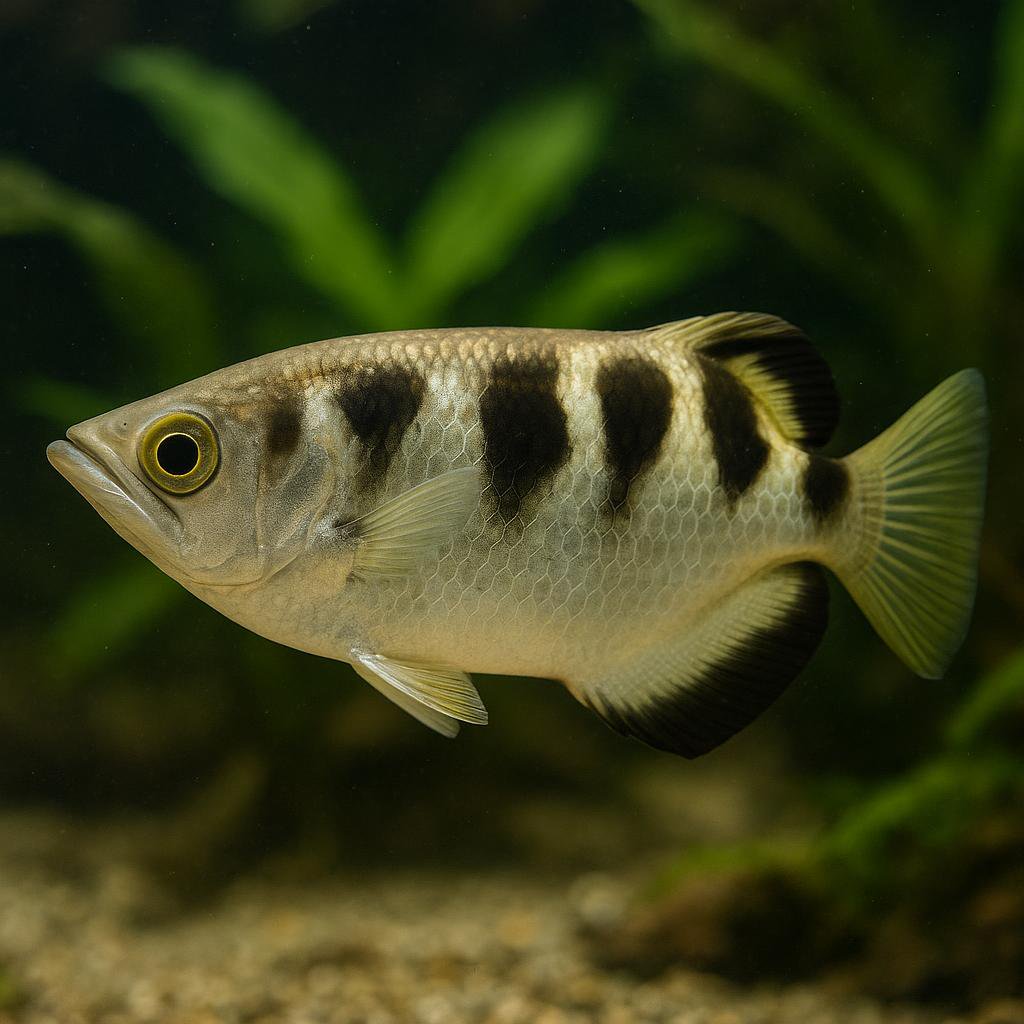
Banded Archerfish
Toxotes jaculatrix
This is the fish that literally spits jets of water to knock insects off branches-watching one "take aim" is unreal. They're super aware of what's going on outside the tank and will even learn to beg and snipe food from the surface once they settle in. Give them height and some open swimming room and they act like little aquatic sharpshooters.
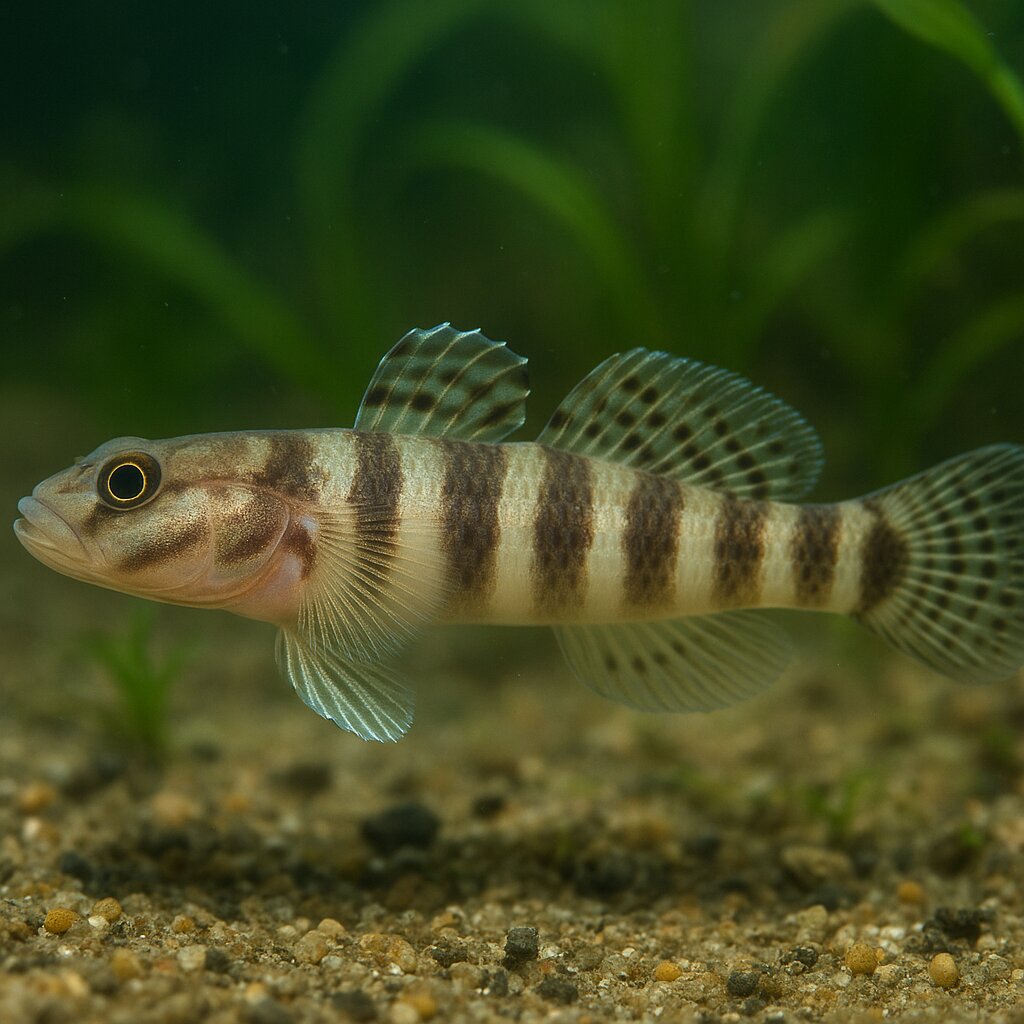
Banded mulletgoby
Hemigobius hoevenii
Neat little mangrove goby that hugs the bottom and hangs around leaf litter. The bold diagonal bars and tail spot look great, and it hunts like a tiny ambush predator, darting out for bites. Keep it gently brackish and it settles in nicely, cruising among roots and wood.
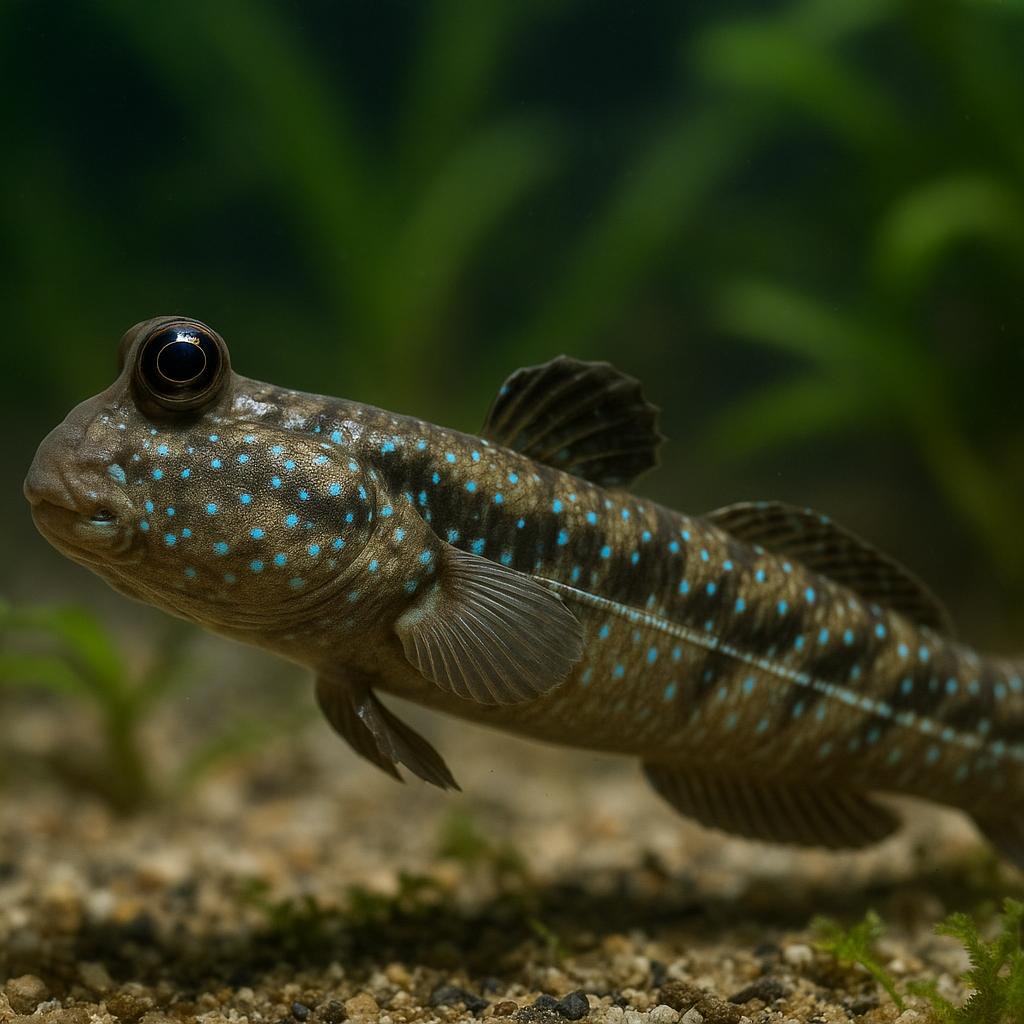
Barred mudskipper
Periophthalmus argentilineatus
This is one of those classic "walks around like it owns the place" mudskippers-big goofy eyes, climbs, hops, and spends a ton of time out on the mud when it's humid. In the wild it lives on intertidal mangrove/nipa mudflats and even shuttles between little pools and open air, hunting worms, insects, and small crustaceans. It's super fun to watch, but it really wants a brackish paludarium setup (not a normal aquarium).
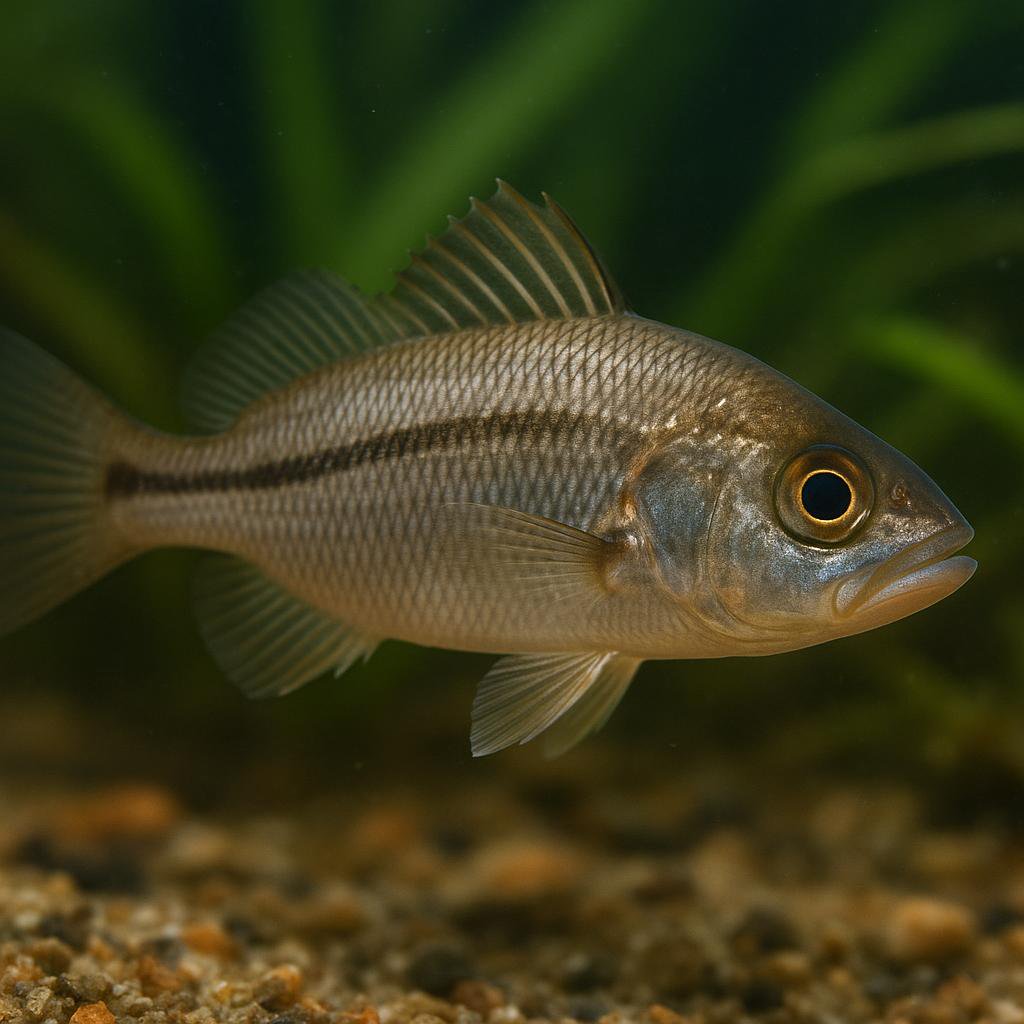
Bellfish
Johnius fuscolineatus
Johnius fuscolineatus (Bellfish/African bearded croaker) is a small coastal sciaenid from the southwestern/western Indian Ocean (Mozambique, South Africa, Madagascar), occurring in shallow marine waters (reported 0–50 m) and also associated with coastal/estuarine habitats.
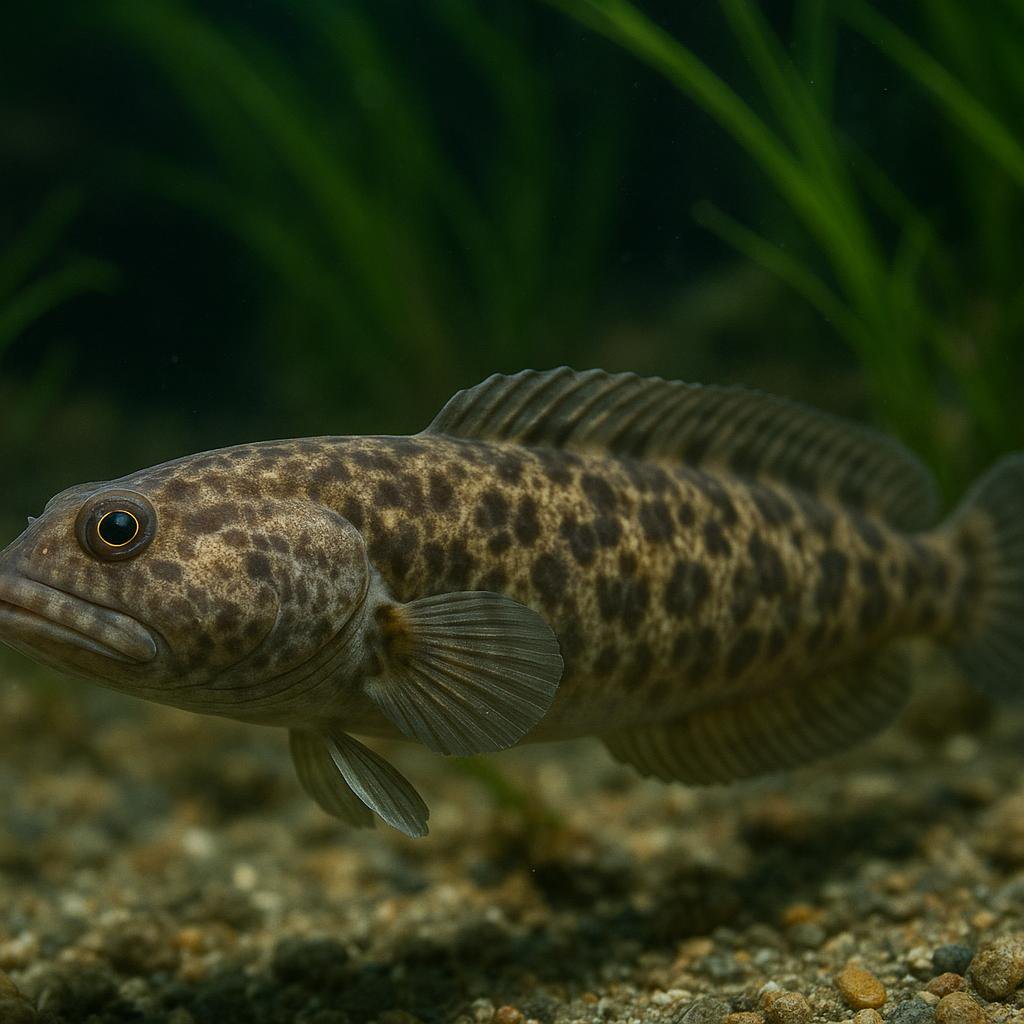
Blotched eelpout
Zoarces gillii
Zoarces gillii is a cold-temperate eelpout from the Northwest Pacific that hugs the bottom over sandy-mud inshore areas and even pushes into estuaries. It's got that long, eel-like body and a sneaky, sit-on-the-bottom predator vibe - very much a cool-water, brackish-to-marine oddball rather than a typical tropical aquarium fish.
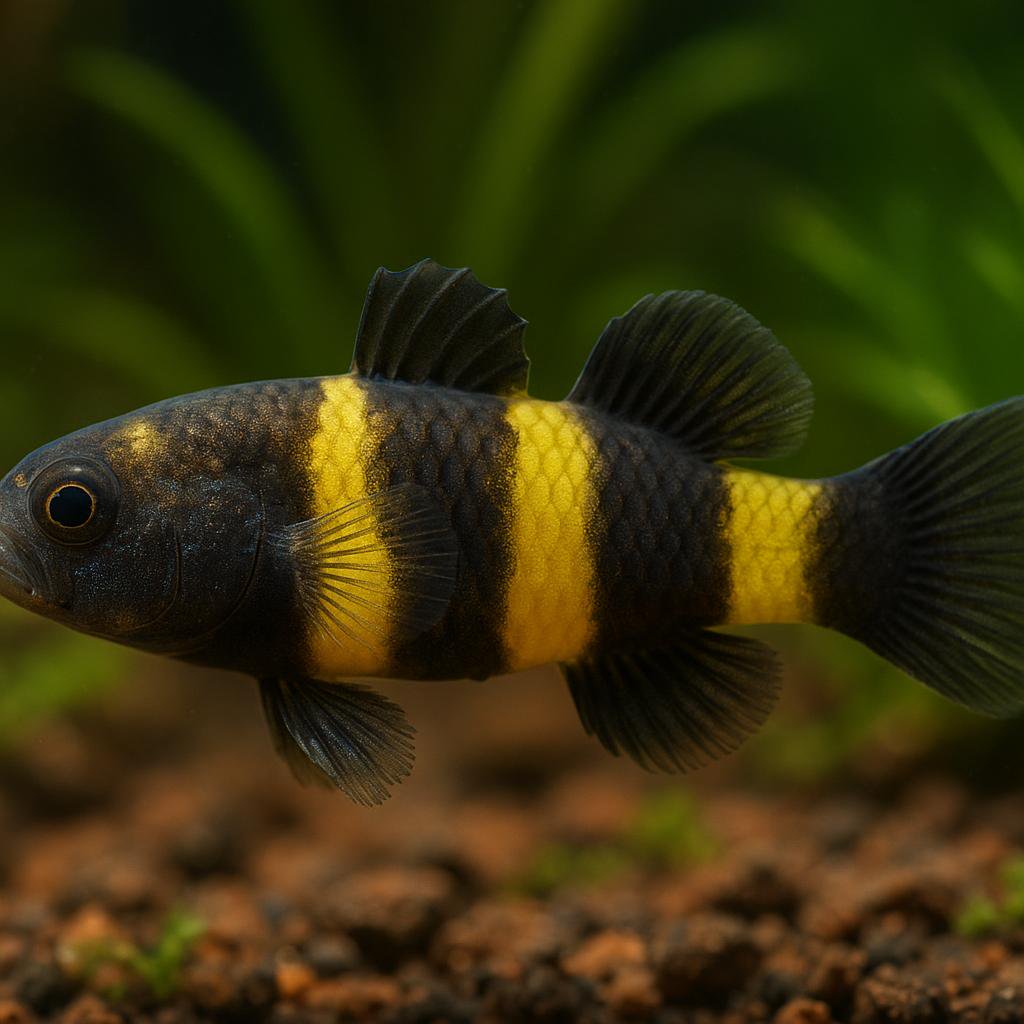
Bumblebee goby
Brachygobius doriae
Brachygobius doriae is one of the classic "bumblebee gobies" - tiny, bottom-hugging little characters that perch on rocks and sand and stare at you like they own the place. They're at their best in a calm setup with lots of caves and leaf litter, and they really shine once you get them eating frozen/live foods reliably (they're slow, picky eaters). Also: they're one of the species that gets mislabeled a lot in shops, so it's super common to see them sold under the wrong bumblebee-goby name.
More to Explore
Discover more brackish species.
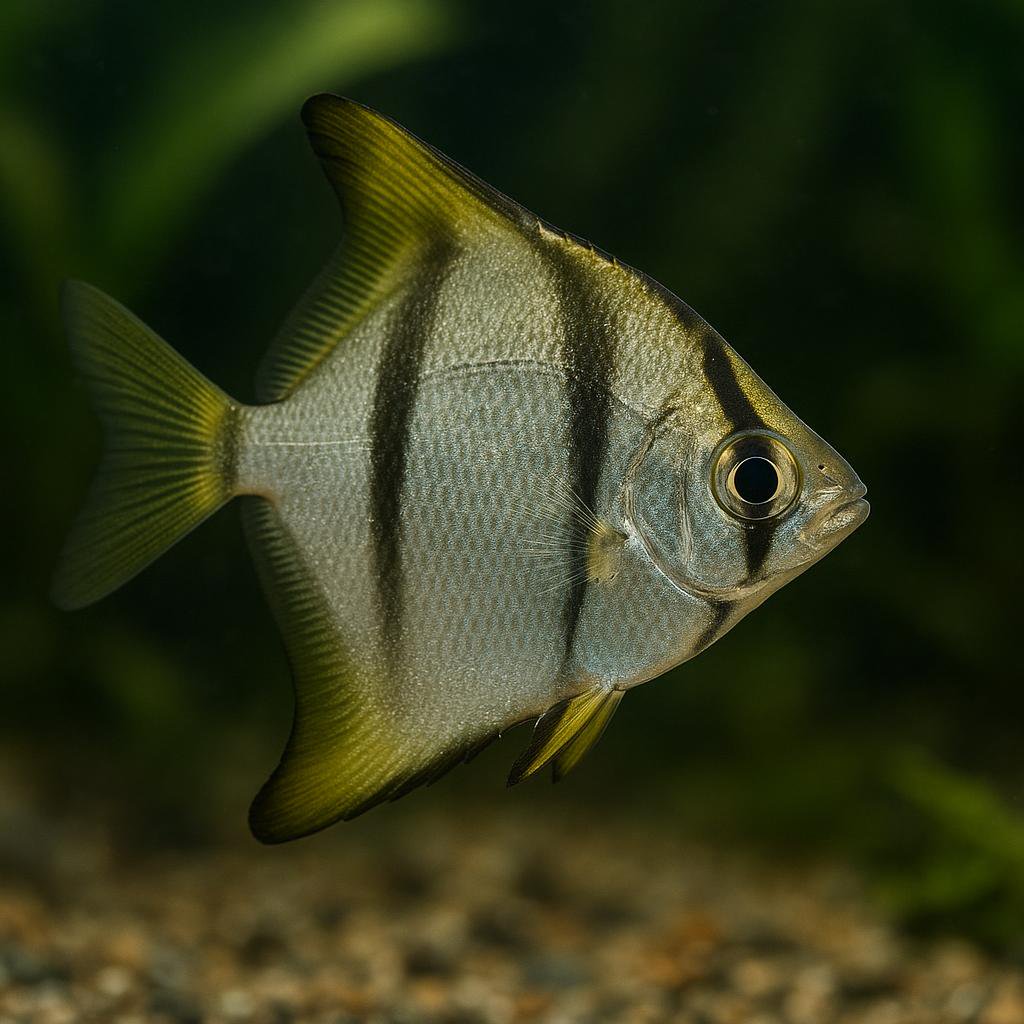
African moony
Monodactylus sebae
This is that shiny, diamond-shaped "mono" that cruises around in a tight pack and looks like a little silver dinner plate with black bars when it's young. The big thing with African moonies is they're euryhaline-so they'll tolerate freshwater as juveniles, but they really shine long-term in brackish (and can be transitioned toward marine as they mature). Give them a big, open tank and a group, and they turn into nonstop, super fun midwater swimmers.
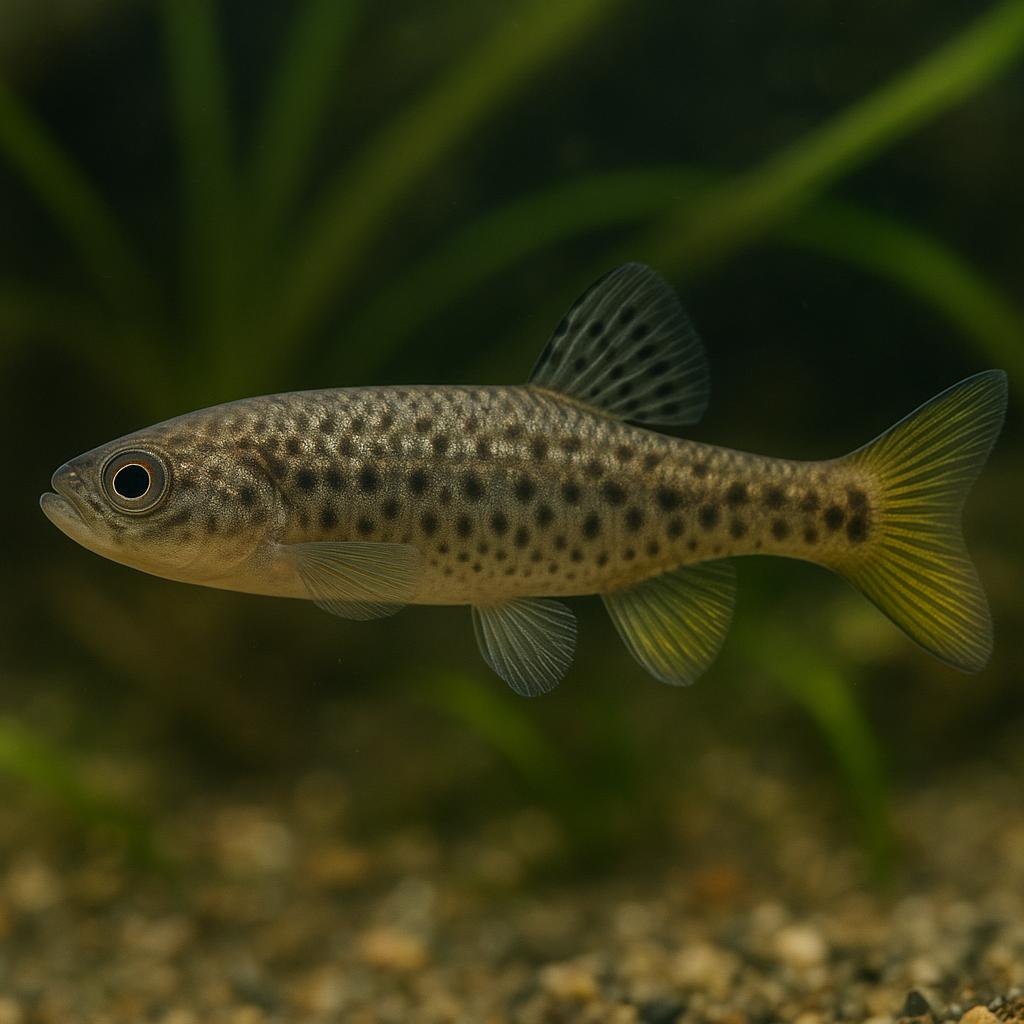
American shadow goby
Quietula y-cauda
This is a little mudflat goby from California down into the Gulf of California that loves hanging tight to the bottom and vanishing into burrows. The neat tell is that sideways Y-shaped blotch right at the base of the tail, plus the row of dark spots along the side. Its whole vibe is brackish estuary life - calm water, soft substrate, lots of hiding holes.
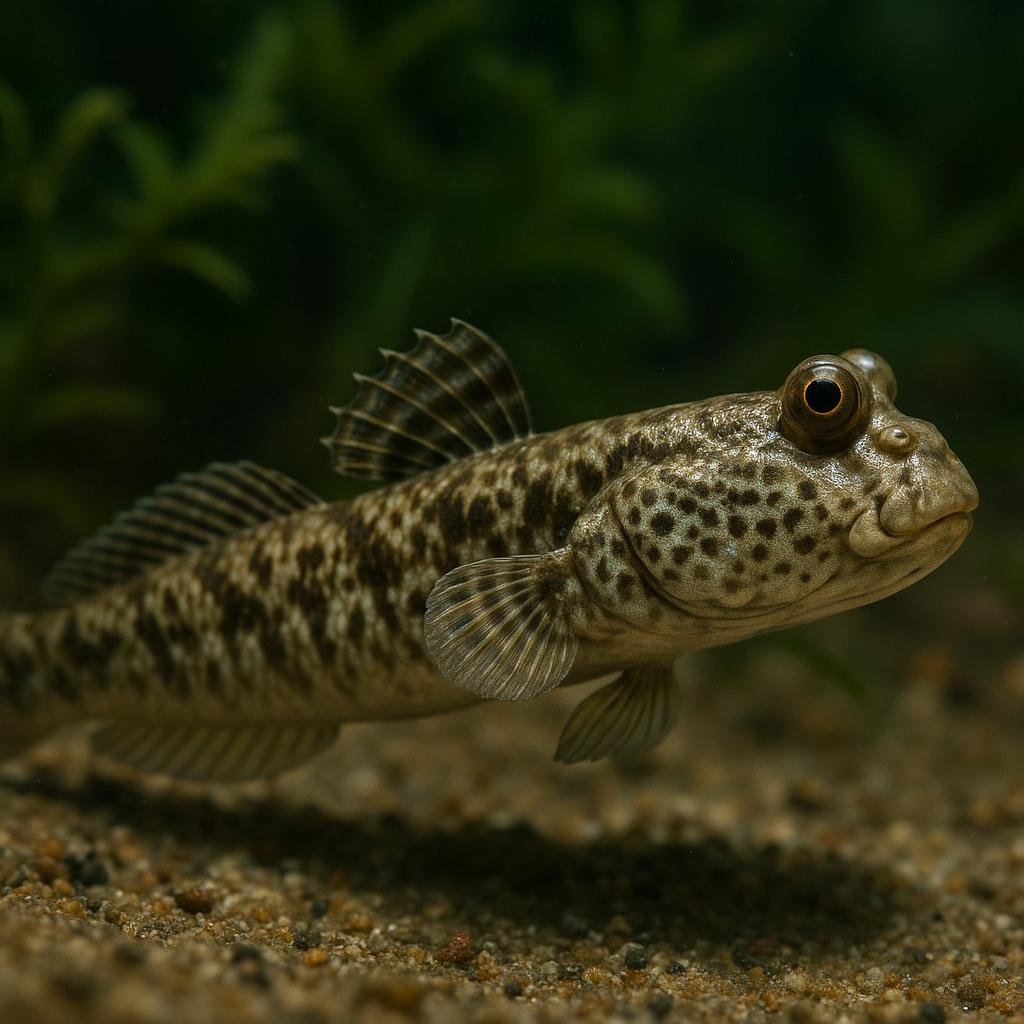
Atlantic Mudskipper
Periophthalmus barbarus
This is that wild little amphibious goby that straight-up climbs around on land like it forgot it was a fish. They've got big googly eyes, tons of personality, and they'll perch, hop, and patrol their territory-honestly more like a tiny crabby lizard than a "regular" aquarium fish.
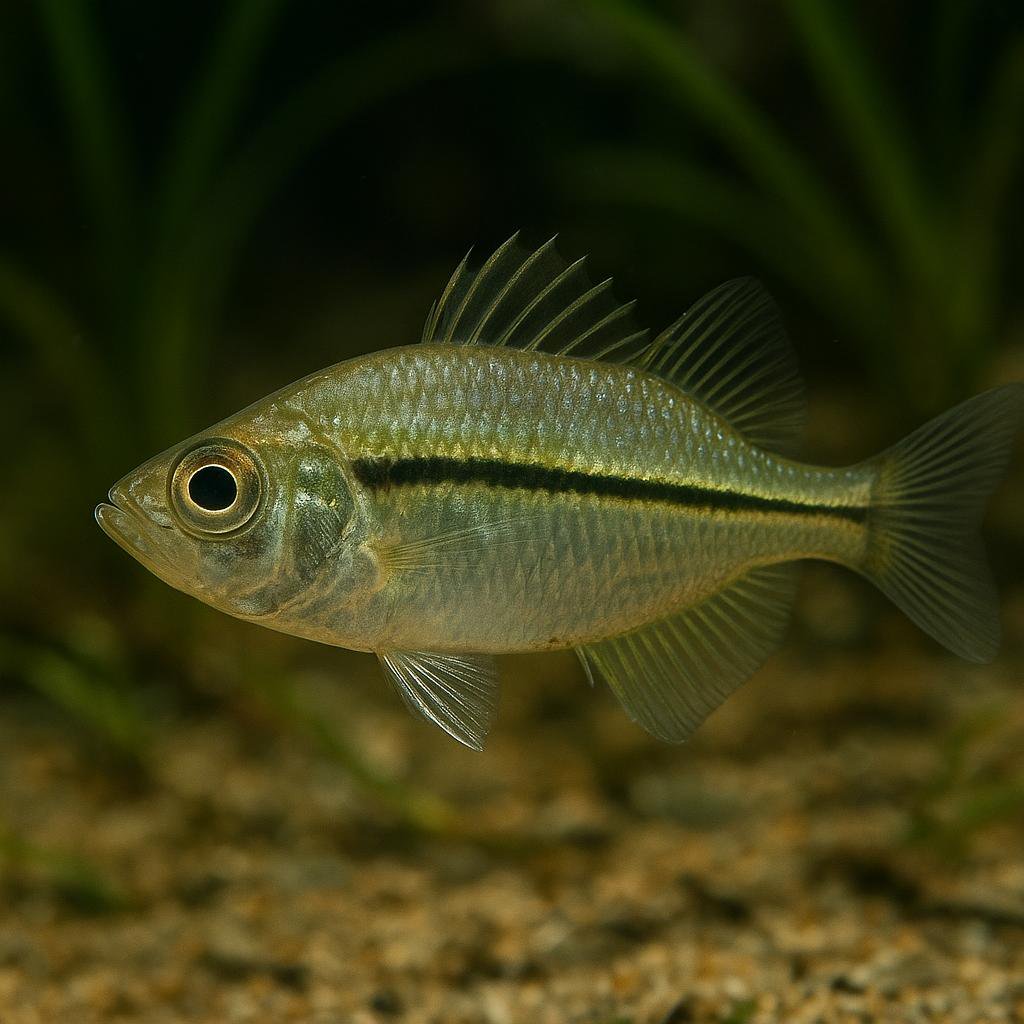
Banded-tail glassy perchlet
Ambassis urotaenia
This is one of those see-through glassy perchlets where you can literally watch the organs shimmer when it turns-super cool in the right lighting. In the wild it hangs around river mouths and mangroves and cruises in groups, so it does best when you keep a little gang of them and give them some open swimming room.
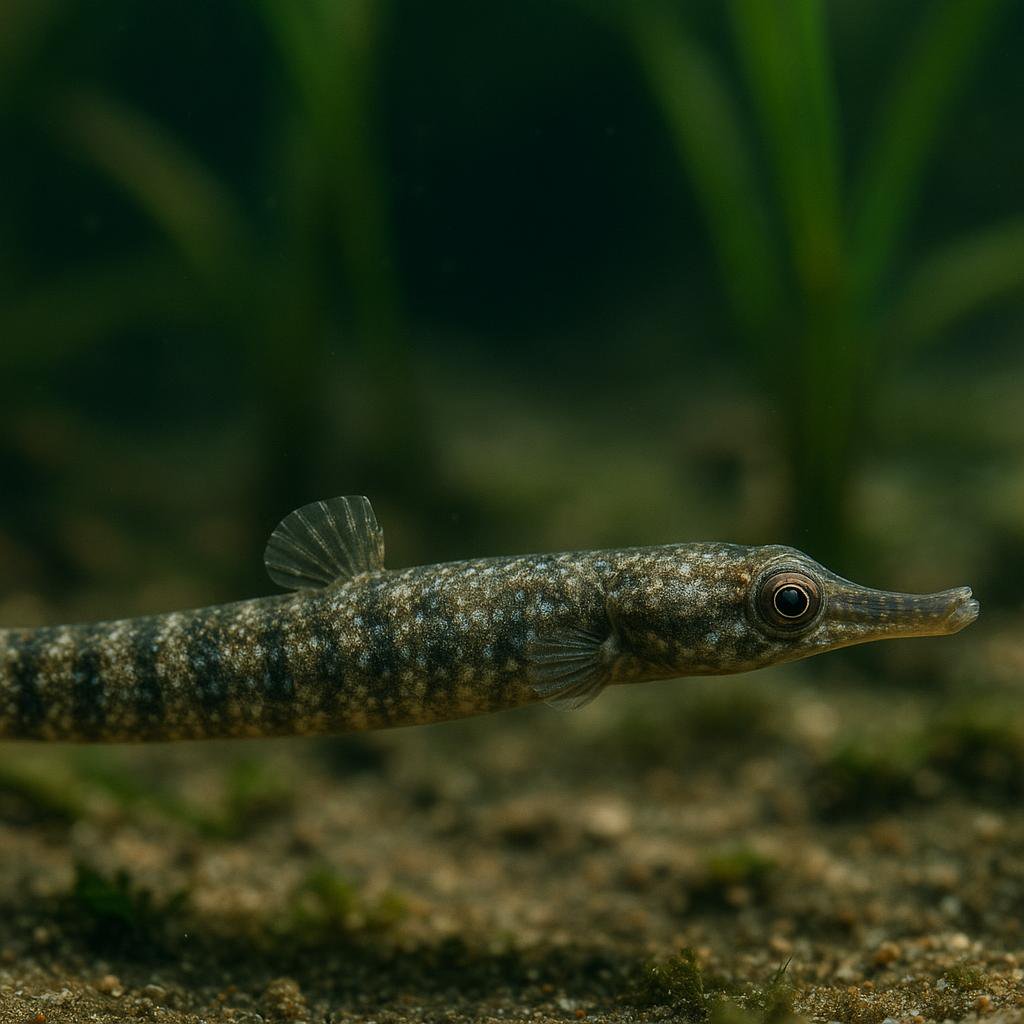
Barbed pipefish
Urocampus nanus
Urocampus nanus (barbed pipefish) occurs in protected inshore and estuarine habitats among seagrass (Zostera) in the Northwest Pacific (southern Japan and adjacent coasts). Like other syngnathids, males brood eggs in a pouch under the tail and produce fully formed young.
Beach silverside
Atherinella blackburni
This is a little coastal silverside that cruises the shallows in loose groups and flashes like a tiny chrome dart when the light hits it right. In the wild it hangs around beaches, estuaries, and lagoons, picking at small drifting foods in the surf zone. It is cool, but its real "gotcha" is that it is an open-water, salt-tolerant schooling fish that does best in bigger, well-oxygenated setups rather than a typical planted community tank.
Looking for other species?