

Critter Goby
Lentipes crittersius
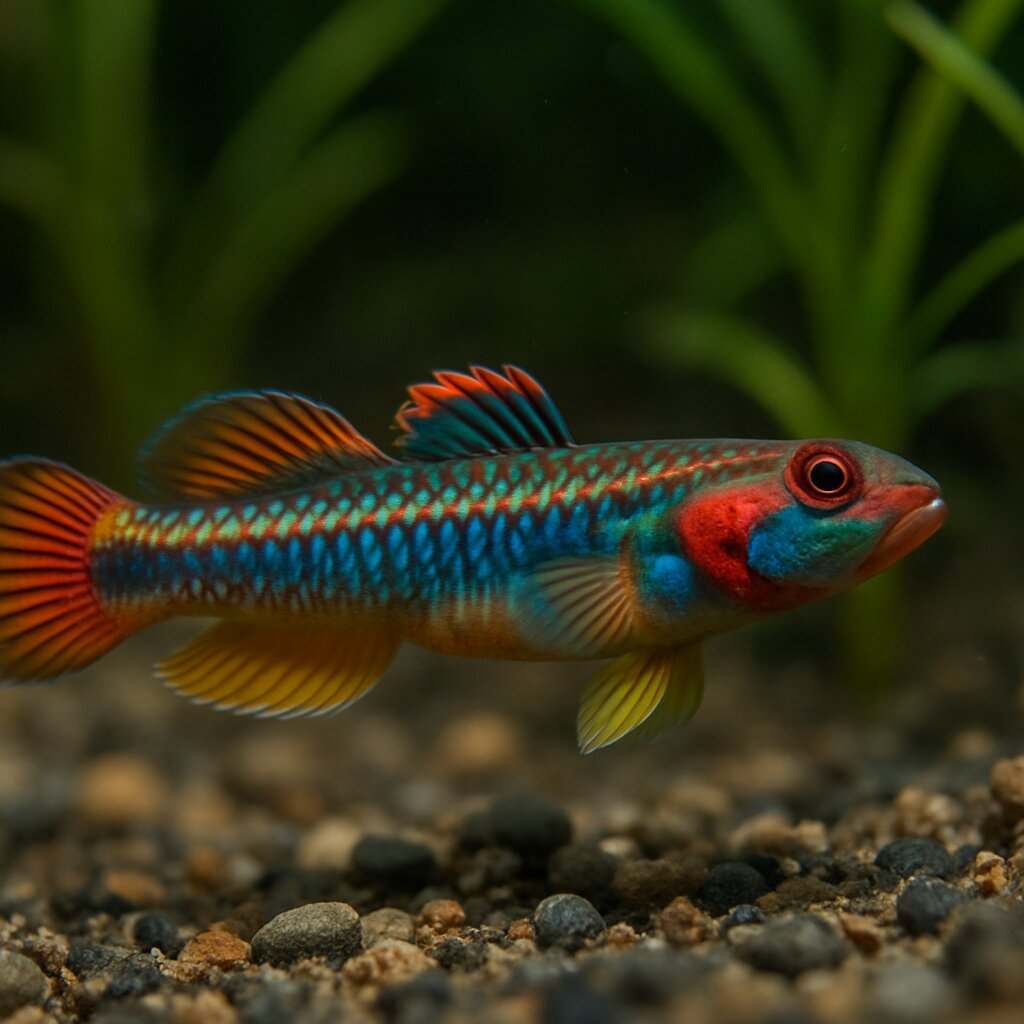
Critter Gobies exhibit a slender body with vibrant yellow and blue markings, and elongated fins that enhance their agile swimming.
This page includes AI-generated images. Why am I seeing AI images?
About the Critter Goby
Tiny stream goby from West Papua that sticks to rocks and loves fast, super-clean water. It spends the day scooting over stones to graze algae and biofilm, then dashes into the current like a little surfer. Give it a mature, high-flow tank and it will show loads of personality.
Also known as
Quick Facts
Size
3.1 cm SL (about 1.2 inches)
Temperament
Peaceful
Difficulty
Intermediate
Min Tank Size
15 gallons
Lifespan
3-5 years
Origin
Indonesia (Western New Guinea)
Diet
Aufwuchs grazer - algae and biofilm; will take small frozen/live foods and algae-based sinking diets
Water Parameters
22-26°C
6.8-7.5
2-15 dGH
Need a heater for this species?
This species needs 22-26°C in a 15 gallon tank. Use our heater calculator to find the right wattage.
Calculate heater sizeCare Notes
- Set them up like a shallow river - strong flow, high oxygen, smooth stones for grazing, and a tight lid because they climb and jump.
- Aim for 22-26 C (72-79 F), pH 6.5-7.5, 4-15 dGH, zero ammonia/nitrite, and nitrate under 10 ppm; provide strong flow and surface agitation to keep oxygen high.
- They need a mature tank with algae and biofilm, so pre-season a pile of rocks under bright light for a couple weeks and avoid dropping them into a brand new sterile setup.
- Feed like an aufwuchs grazer - smear Repashy Soilent Green or Super Green on rocks, offer algae wafers and powdered spirulina, and use live baby brine or daphnia as an occasional treat.
- Peaceful tankmates that enjoy current work best - white clouds, small danios, hillstream loaches, and shrimp; skip cichlids, barbs, big tetras, and fin nippers.
- Males get territorial over stones, so in smaller tanks stick to one male; add females only if you have a long footprint, tons of sight breaks, and heavy flow.
- They will court and spawn under stones, but the larvae need a marine phase, so expect zero surviving fry unless you set up a dedicated saltwater larval rearing project.
- Watch for two killers: weak flow or warm water causing gasping, and slow starvation in tanks without biofilm; a thinning belly despite eating can also mean worms - deworm with levamisole or fenbendazole per label.
Compatibility
Good Tankmates
- Fast, peaceful midwater fish that like current, like zebra or pearl danios and white clouds
- Other stream gobies that graze biofilm, like Stiphodon species, if you give lots of rock patches so nobody crowds
- Hillstream loaches (Sewellia, Gastromyzon) if the tank is mature and there is abundant algae/biofilm to avoid competition for grazing surfaces
- Shrimp and snails, like Neocaridina, Caridina, and nerites, since the gobies ignore them
- Small blue-eye rainbows or ricefish that handle flow and are quick but not pushy at feeding time
- Calm micro tetras or rasboras hanging in the quieter eddies, as long as you build some low-flow zones
Avoid
- Anything nippy or rowdy, like tiger barbs, serpae tetras, or giant danios that like to chase
- Territorial or predatory cichlids that claim the bottom, like convicts or larger acara
- Big plecos and bulldozer loaches that hog algae and shove gobies off rocks (common pleco, yoyo or clown loach)
- Slow fish with heavy fins that hate strong flow, like bettas and fancy guppies
Where they come from
Critter Gobies are high-energy stream fish from volcanic islands in the Indo-Pacific, especially Indonesia and Papua New Guinea. Adults live in clear, fast, rocky headwaters. Their larvae drift to the sea and later come back up into the streams, so they are built for current and spotless, oxygen-rich water.
That upstream lifestyle explains their look and behavior: a suction-cup belly, constant grazing, and a love for roaring flow.
Setting up their tank
Give them a river, not a pond. A long tank with heavy flow works best. Mine are happiest in a 20-long and up, packed with smooth stones and a few calm pockets to rest in.
- Turnover: 10-20x per hour. Pair a strong canister with a powerhead or two pointed lengthwise.
- Oxygen: keep surface agitation high. Add an airstone under the flow for good measure.
- Substrate: sand or fine gravel with big smooth river rocks and cobbles. They graze those rock faces all day.
- Hardscape: stack stones to make gaps and overhangs. They like hugging the undersides.
- Plants: optional. Use tough epiphytes (Anubias, Java fern) in the slack zones. Hair algae on rocks is a bonus buffet.
- Lid: tight-fitting. They climb glass and can find the tiniest gap.
- Lighting: moderate to bright to grow biofilm on rocks.
Water numbers that have worked for me: 22-26 C (72-79 F), pH 6.8-7.6, GH 3-10, TDS 80-200. Big weekly water changes (30-50%) keep them perky.
Heat waves can wipe them out by stripping oxygen. If your room hits the 80s F, plan for a fan across the surface or a chiller.
Pre-seed a bucket or spare tank of rocks under strong light for a couple of weeks. Swap these into the display so they have biofilm to graze from day one.
Use sponge pre-filters on powerhead intakes. These gobies explore everything and can get pinned on strong inlets.
What to feed them
They are biofilm and algae scrapers first, micro-invertebrate pickers second. If you feed only meaty stuff, they get fat-liver and fade. Keep it green-forward with small, frequent meals.
- Staples: spirulina flake, small spirulina pellets, Repashy Soilent Green/Community blends smeared on rocks.
- Grazing boosters: nori strips wrapped on a stone, blanched spinach or zucchini clipped down.
- Treats: frozen cyclops, daphnia, baby brine. Go easy on bloodworms and high-fat foods.
- Powders: shrimp baby food or algae powders dusted over rocks for juveniles.
Smear Repashy onto warm rocks, let it set, then place them in the flow. They will spend hours rasping it off like they would natural periphyton.
How they behave and who they get along with
Active but not aggressive. Males posture and guard little patches of rock, mostly flaring and displaying. Chases are quick and short. Females are calmer and spend more time grazing.
- Group idea: 1 male with 2-4 females works well. Multiple males are fine if the tank is long and rockwork breaks up sightlines.
- Good neighbors: hillstream loaches, Rhinogobius-type gobies, white cloud mountain minnows, danios that like current, Caridina/Neocaridina shrimp in established tanks.
- Avoid: big cichlids, boisterous barbs, slow long-finned fish that hate current, anything that will outcompete them at feeding time.
They are fearless around hands and will graze your knuckles. That makes maintenance fun, just watch for jump attempts during lid-off time.
Breeding tips
They will court and spawn in freshwater, usually under a rock ledge or inside a crevice. The catch: larvae are amphidromous. They hatch tiny and need to drift into saltwater to develop, then return to freshwater later. Getting past that stage at home is a serious project.
- Trigger: cool, fresh water changes and heavy feeding often start courtship. Males light up red and dance at cave mouths.
- Spawning site: flat stone undersides or small PVC caves facing into gentle flow.
- Raising fry: eggs hatch into pelagic larvae that need immediate transfer to marine or strong brackish water with constant greenwater and tiny live plankton (rotifers, copepod nauplii). After weeks, they can be stepped back to freshwater. Few hobbyists pull this off.
Seeing the spawn is very doable. Raising the larvae is near research-level. If you try, set up a separate marine larval rearing system before they hatch.
Common problems to watch for
- Starvation in new setups: a bare, sterile tank offers nothing to graze. Pre-seed rocks and feed green foods from day one.
- Low oxygen: panting, hanging near the outflow, reduced color. Turn up surface agitation or add air.
- Overheating: they crash fast in hot, still water. Keep temps in the mid-70s F and flow strong.
- Medication sensitivity: go light and add extra aeration during treatments. Test a half-dose first if the med allows.
- Jumping and climbing: they can scale silicone seams. Block every gap around hoses and cables.
- Rich, meaty diets: leads to bloat and lethargy. Keep a plant-based backbone and use meaty foods as accents.
Acclimate slowly. A 45-60 minute drip helps them handle TDS swings. Keep lights dim the first day and offer a rock smeared with Repashy so they can graze right away.
Do not add them to a brand-new tank. Give the system time to grow algae and biofilm, or you will be fighting a losing battle from week one.
Similar Species
Other freshwater peaceful species you might be interested in.
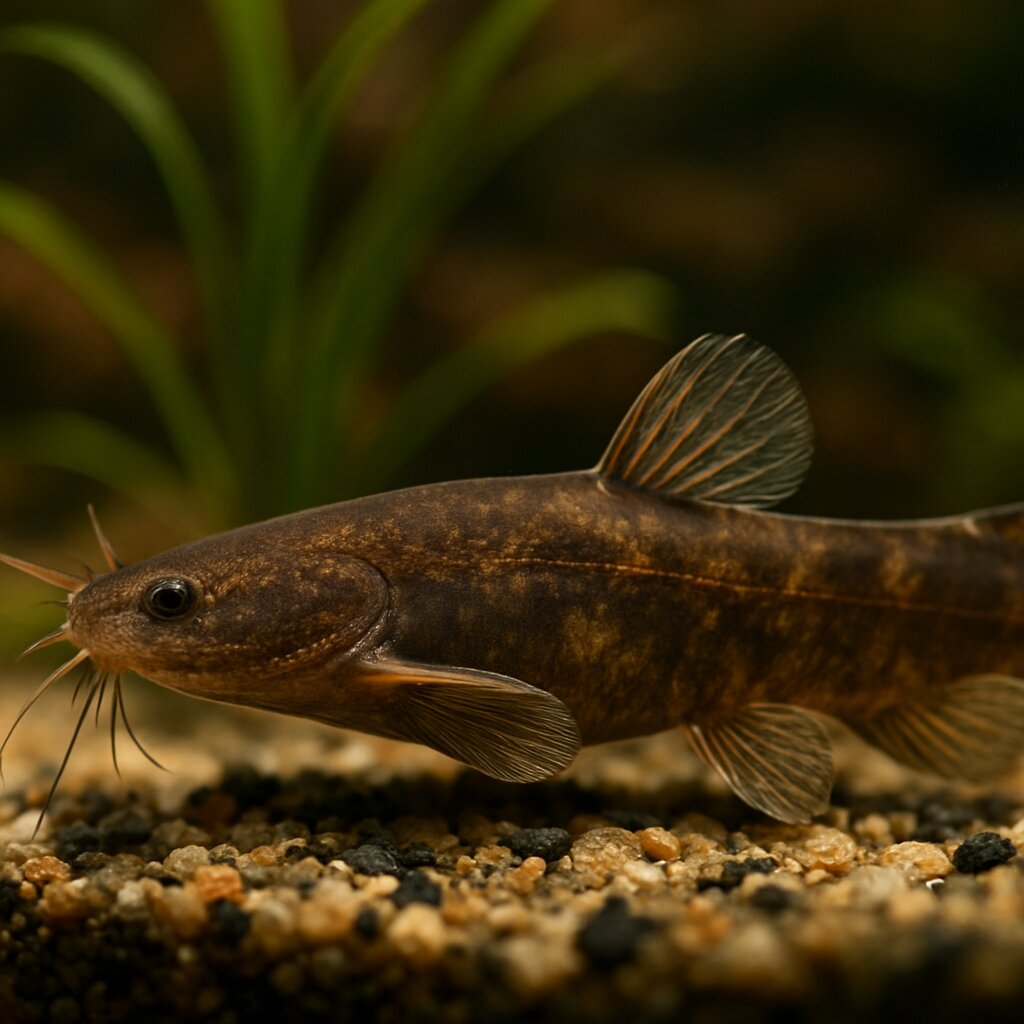
Amphilius dimonikensis
A small loach catfish endemic to the Mpoulou River in the Mayombe (Dimonika Biosphere Reserve), Republic of the Congo. Amphilius dimonikensis has a subtle banded pattern and inhabits fast, clear streams over rock and sand. In aquaria, prioritize strong, well-oxygenated flow with rounded stones and sand to mimic hillstream conditions.
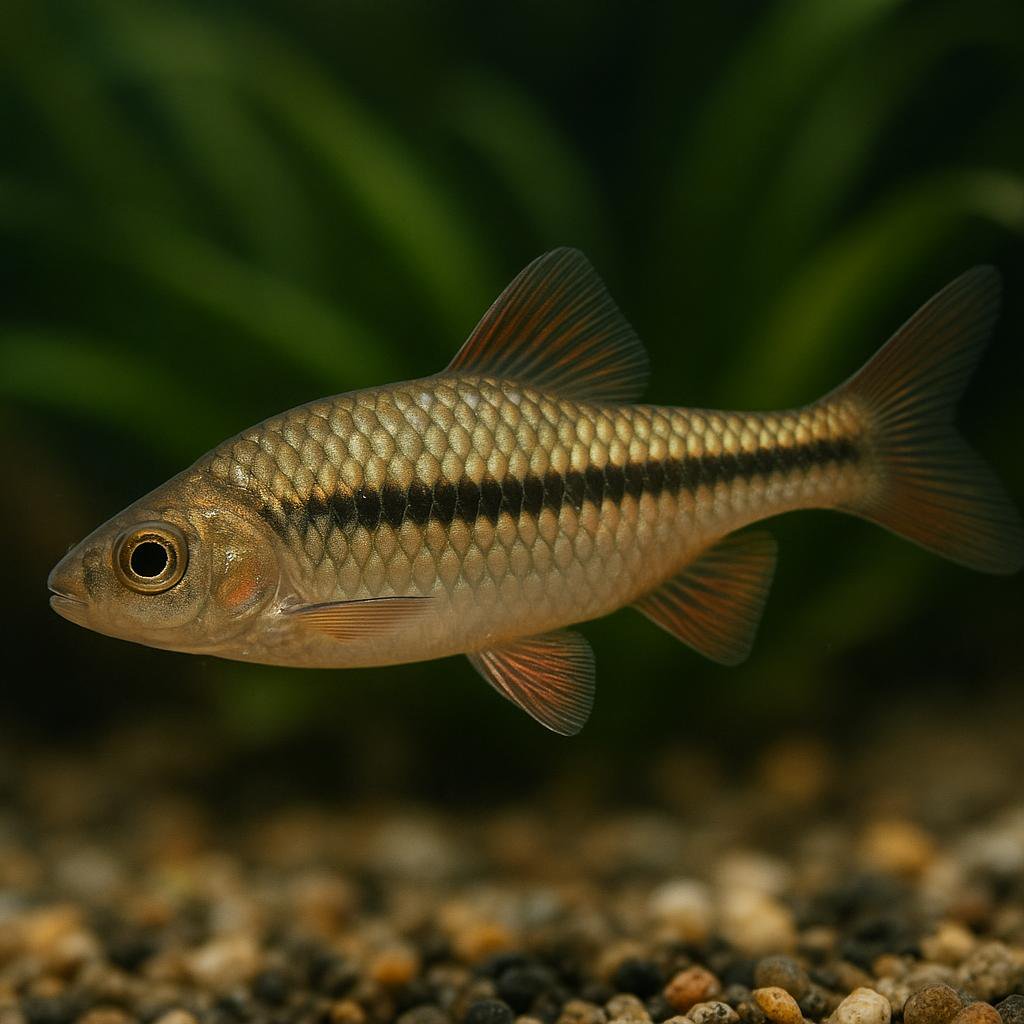
Aboina barb
Enteromius aboinensis
Enteromius aboinensis (the Aboina barb) is a small West African barb with a clean black midline stripe and a little spot right at the base of the tail. It does best when you treat it like a proper schooling fish - keep a decent group and give it plants around the edges with open swimming room in the middle.
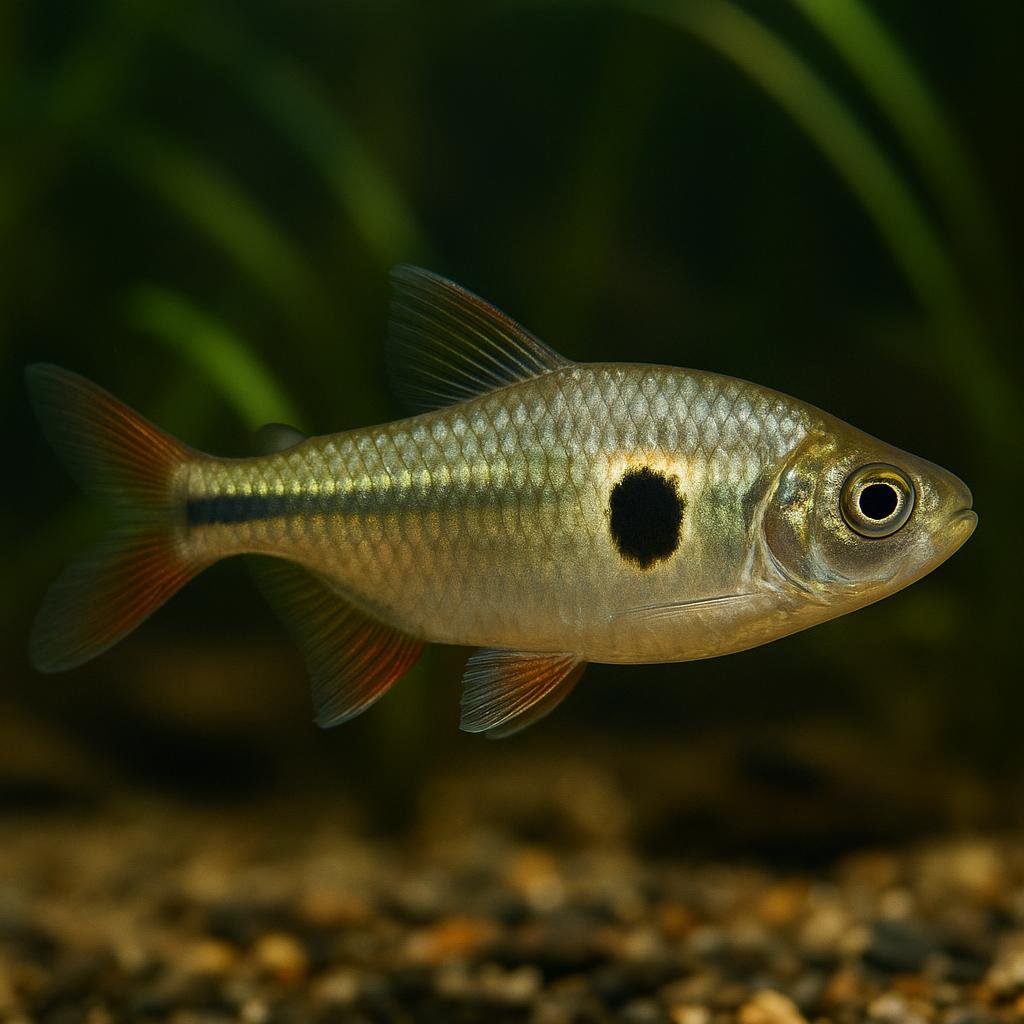
Ajuricaba tetra
Jupiaba ajuricaba
Jupiaba ajuricaba is a South American freshwater characin from the Amazon basin in Brazil (rio Negro, rio Solimões, and rio Tapajós basins). It reaches about 9.5 cm SL and is diagnosed by a narrow dark midlateral stripe, an elongated humeral spot, and an ocellated spot on the upper caudal-fin lobe. Wild specimens have been collected from blackwater forest streams and also oxbow-lake habitats.
Allen's river garfish
Zenarchopterus alleni
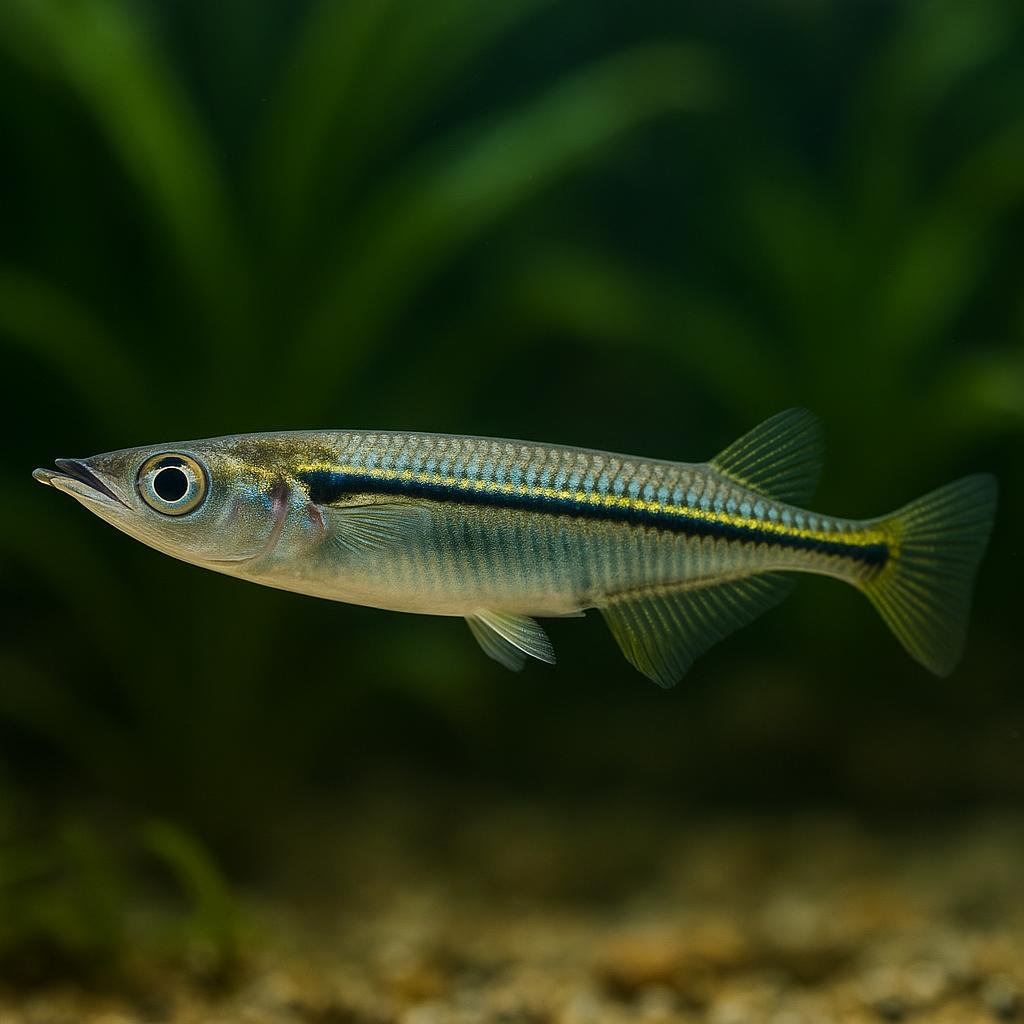
A poorly known freshwater halfbeak endemic to West Papua (Mamberamo River), described from a single specimen (~13 cm SL). Beyond basic habitat/occurrence, little is published about its ecology or aquarium suitability; assume it is a surface-oriented, jump-prone halfbeak only by analogy with related taxa.
Amapa tetra
Hyphessobrycon amapaensis
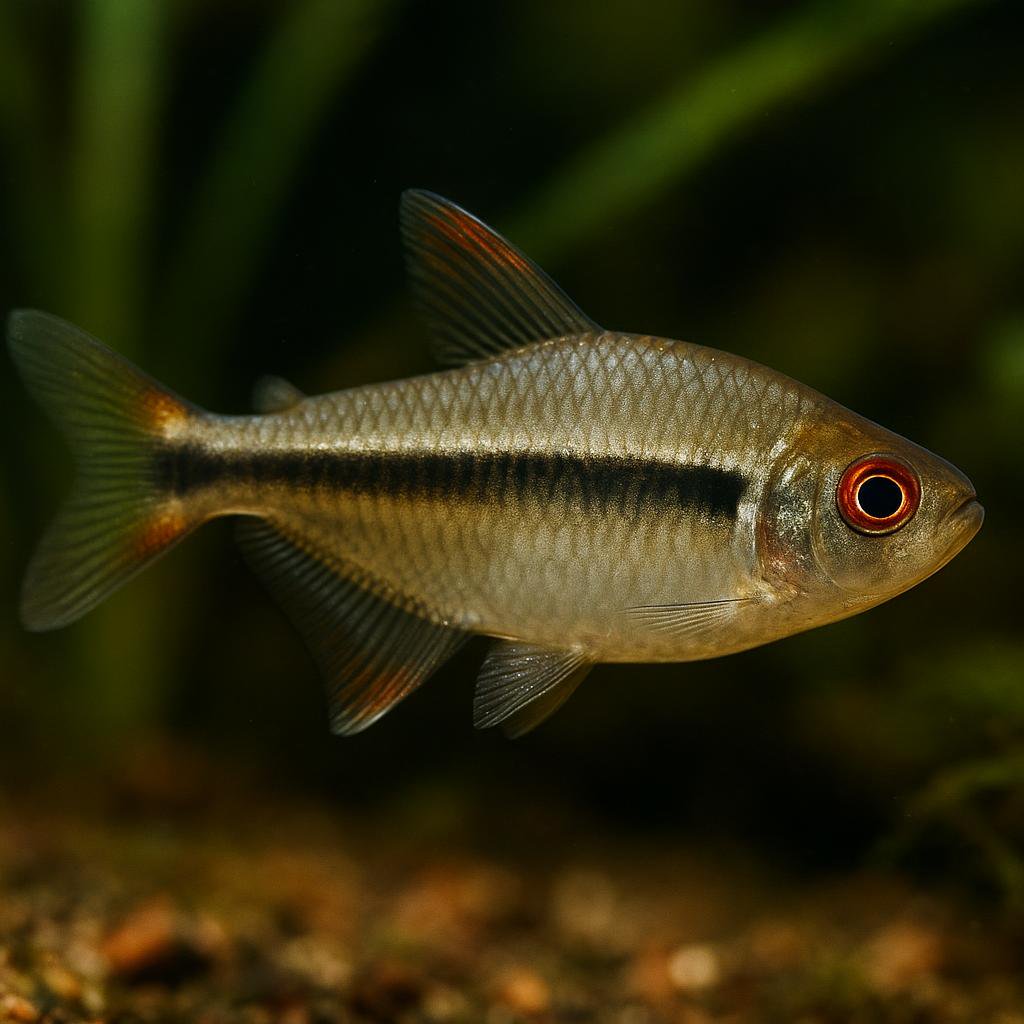
This is a tiny, super sleek little tetra with a clean red stripe down the side that really pops once its settled in. It does best in a planted, slightly tinted "creek-style" setup and looks way cooler when you keep a proper group so they school and flash that line together. If you can give it soft, slightly acidic water and a calm community, its an easy fish to fall for.
Amatlan chub
Yuriria amatlana
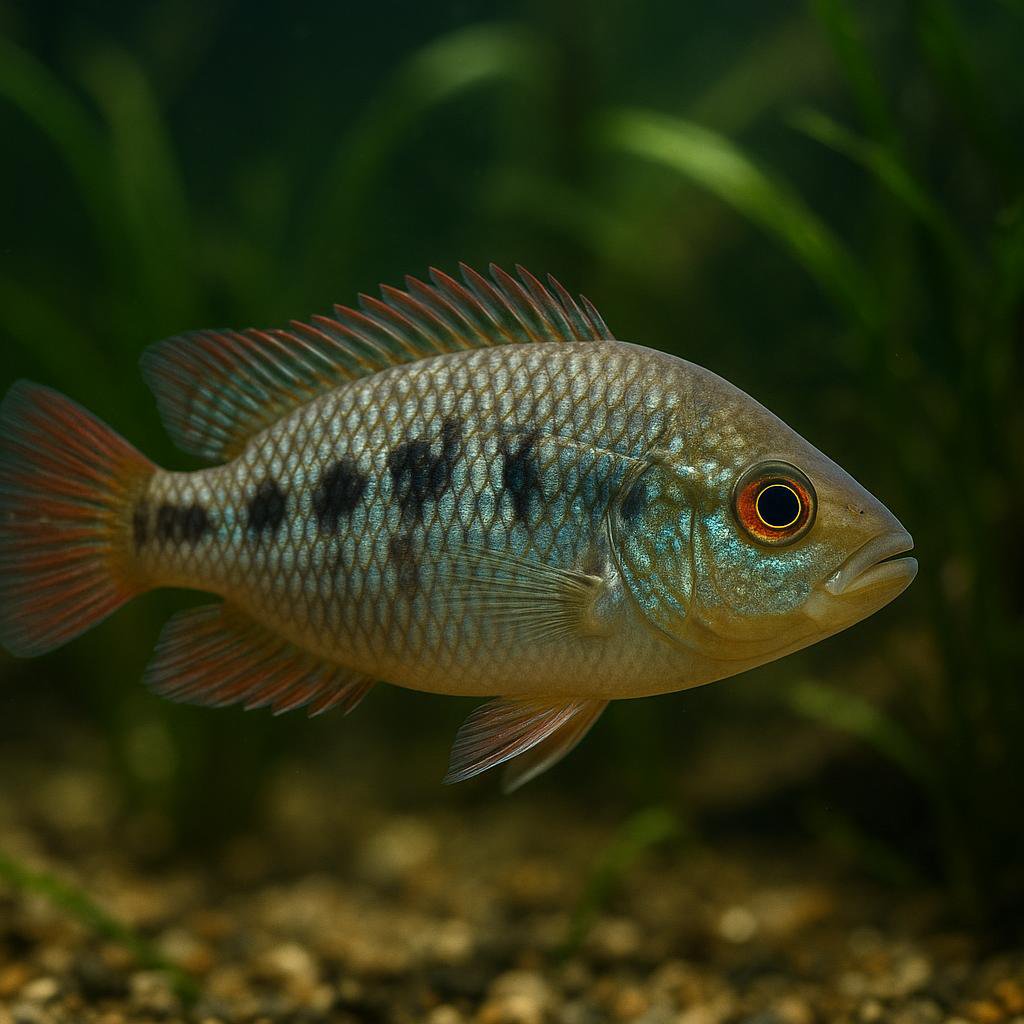
Yuriria amatlana (the Amatlan chub) is a little Mexican native minnow from the Ameca River basin. Its wild range is pretty limited and it is listed as Endangered, so its care info in the aquarium hobby is basically nonexistent and its availability is usually low. In the original species description, preserved fish show a dark lateral stripe with a darker patch on the caudal peduncle, and they can have tiny barbels at the mouth corners.
More to Explore
Discover more freshwater species.
Jupiaba kurua
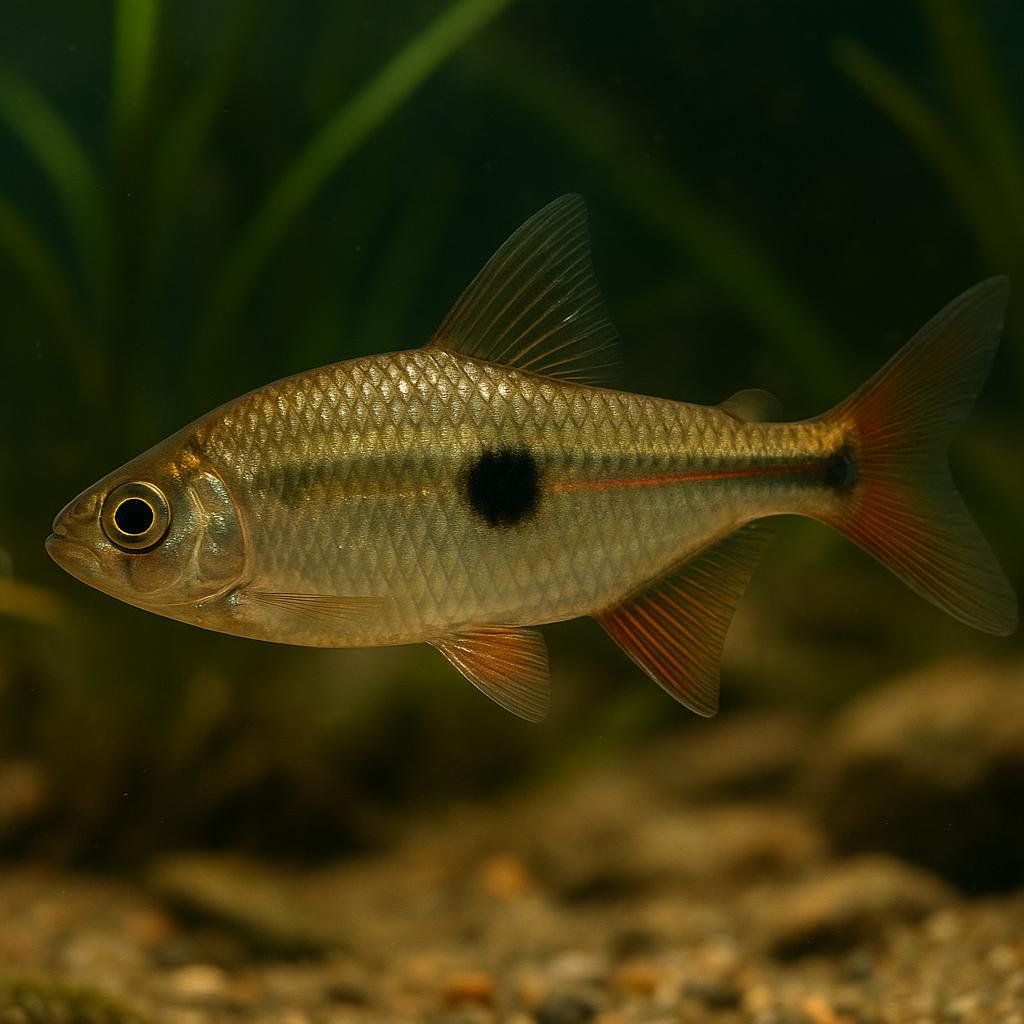
Small South American characin endemic to the upper rio Curuá (rio Xingu basin, Brazil). Reaches about 8.7 cm SL and inhabits clearwater rivers. Distinguished by dark dots on the bases of many lateral scales and a distinct dark caudal‑peduncle spot. Reported diet indicates omnivory, including aquatic insects, small fishes, and fragments of Podostemaceae and filamentous algae.
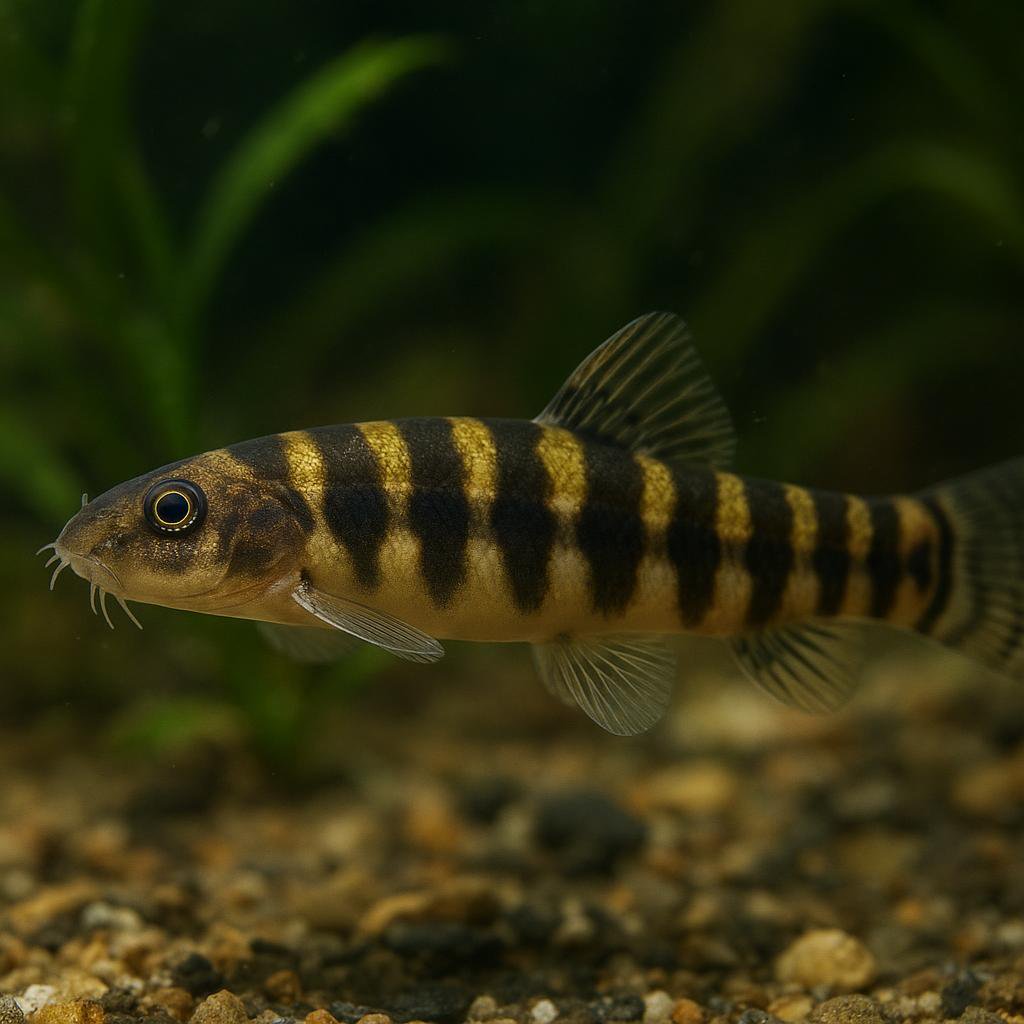
Altipedunculata stone loach
Schistura altipedunculata
Schistura altipedunculata is one of those little stream loaches that wants clean, well-oxygenated water and a bunch of rock nooks to claim as home. It is a bottom-hugger that will spend its day scooting from crevice to crevice, and it tends to get a bit spicy with its own kind if you do not give it enough hiding spots.
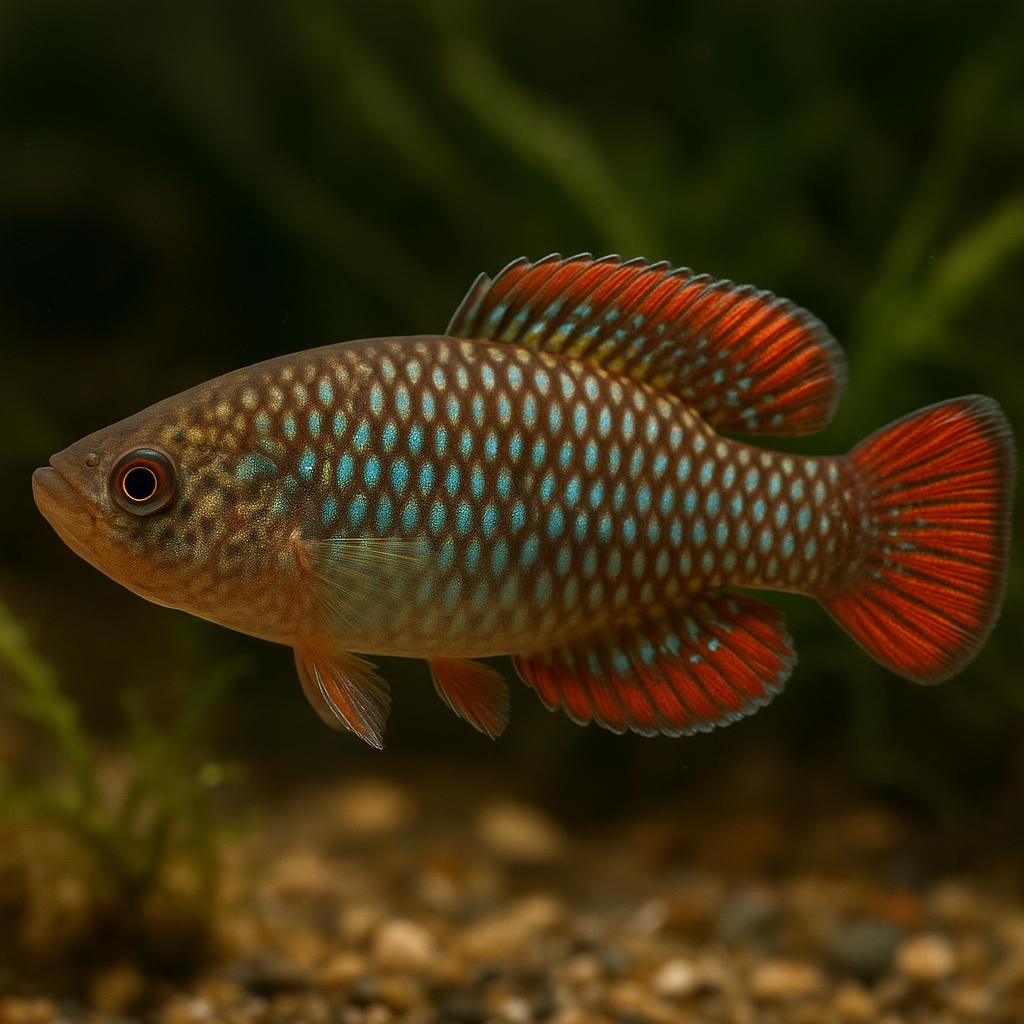
American flagfish
Jordanella floridae
Jordanella floridae is that little Florida native with the red-and-cream striping that really does look like a tiny flag once a male colors up. They graze algae like champs (especially stringy/hair algae), but they have a bit of attitude - give them plants and space so the bossy behavior stays manageable. Bonus: the male guards the eggs and will actively fan them, which is pretty fun to watch.
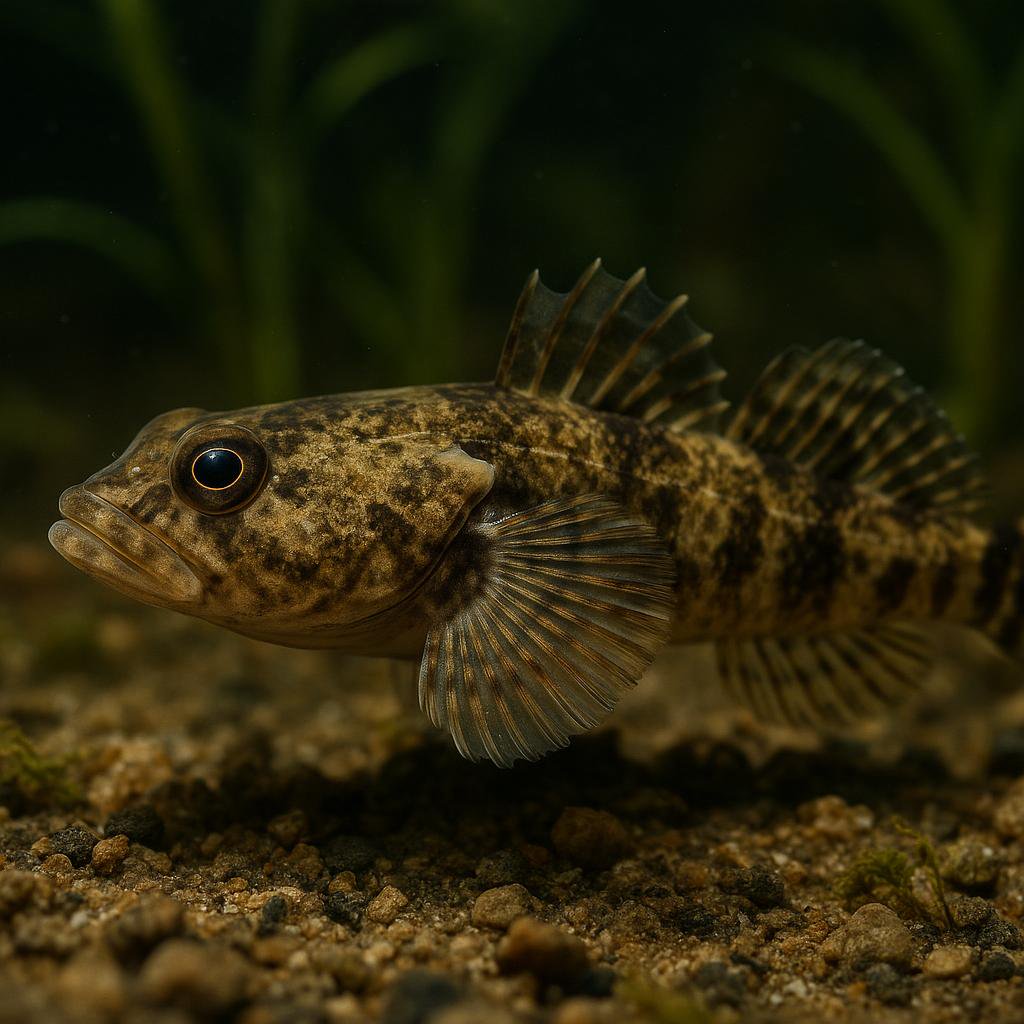
Amur sculpin
Alpinocottus szanaga
This is a little coldwater sculpin from the Amur drainage - a bottom-hugging, rock-and-gravel fish that spends its day wedged under stones and darting out to grab food. Super cool behavior and attitude, but it is absolutely not a warm tropical community fish - it wants chilly, fast, oxygen-rich water and will bicker with other bottom fish.
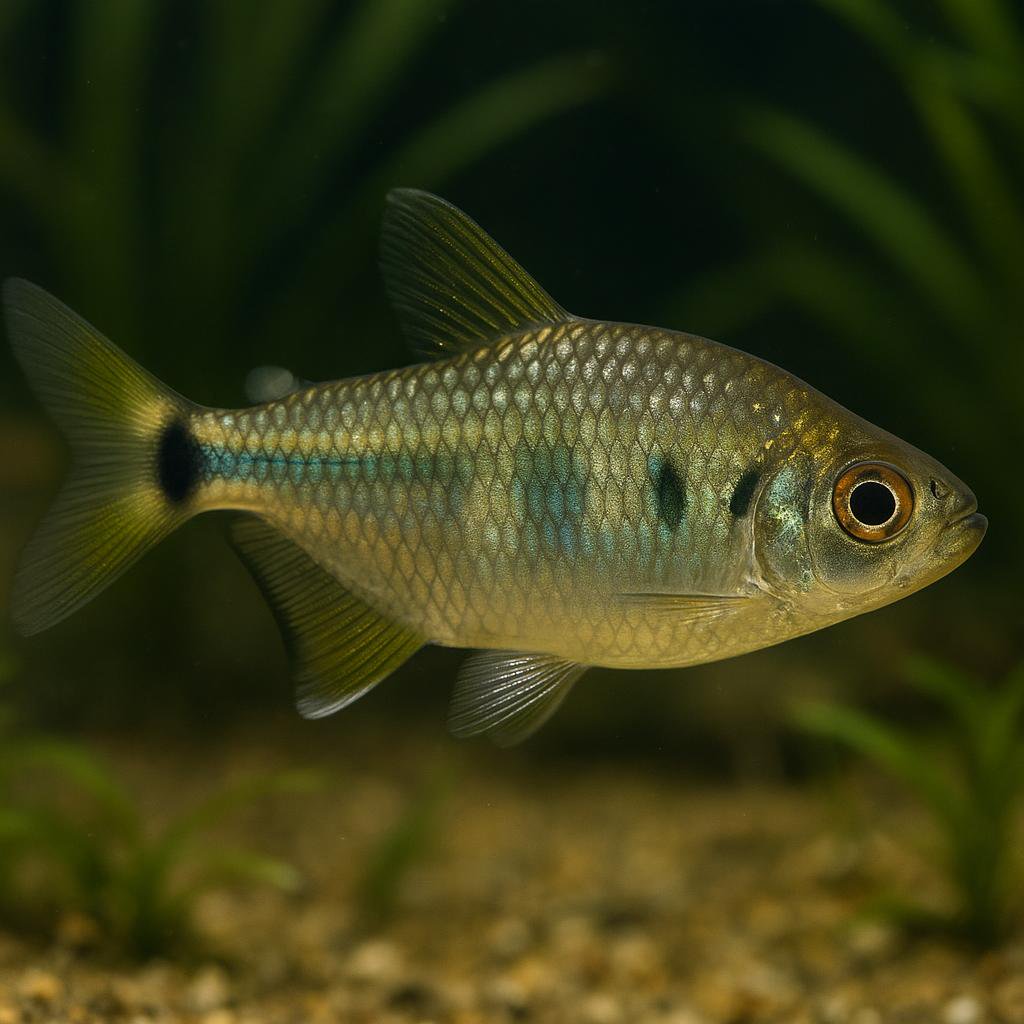
Andrica moenkhausia
Moenkhausia andrica
Moenkhausia andrica is a little Brazilian characin from the Tapajos system that tops out around 7 cm (about 2.8 inches) standard length. It has a neat netted (reticulated) scale pattern plus a dark spot on the caudal peduncle, and the really wild part is that mature females can have tiny fin hooklets too, which is usually a male-only thing in a lot of characins.
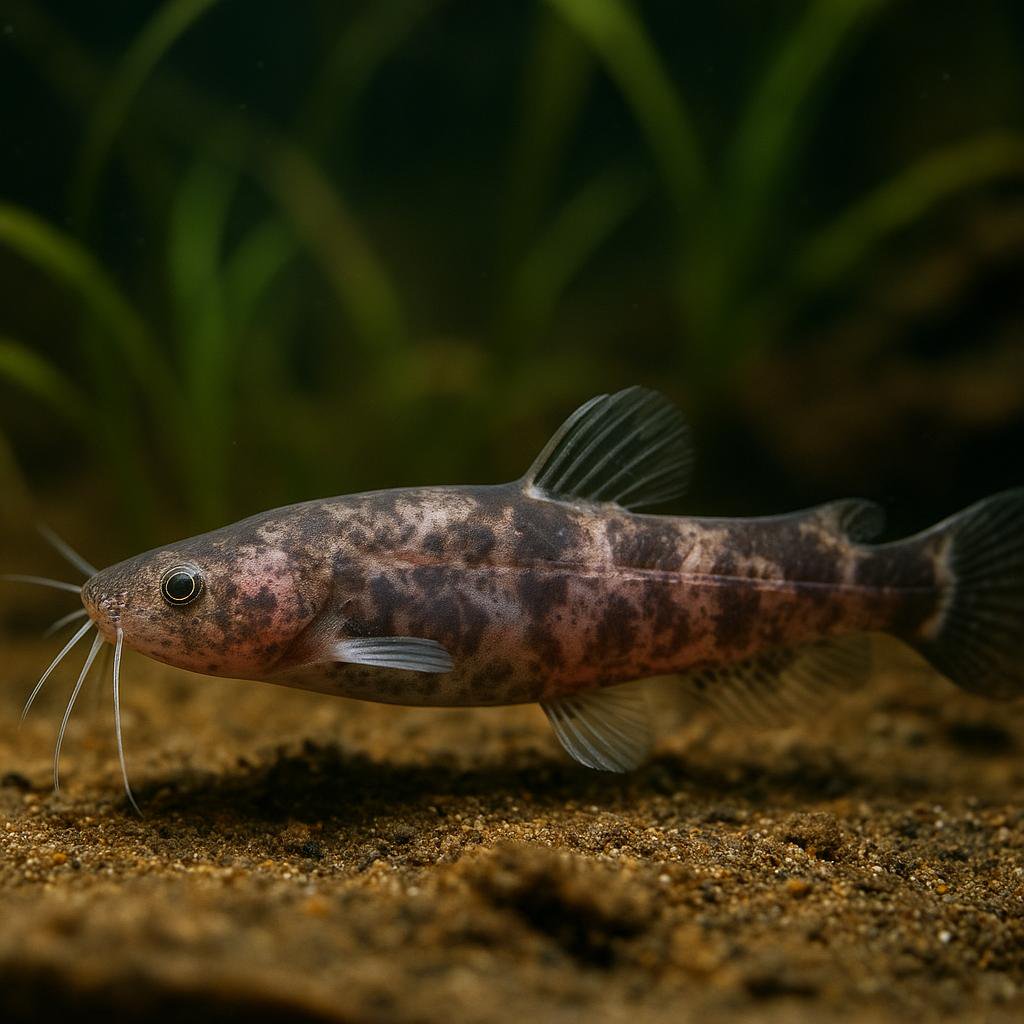
Anhanga pygmy pencil catfish
Potamoglanis anhanga
This is a truly tiny Amazonian trichomycterid catfish - like 1.3 cm max - so it is more of a micro-predator oddball than a typical community catfish. It is the kind of fish that disappears into sand, leaf litter, and plant roots, and you will spend way more time setting up the right micro-habitat than you will actually seeing it.
Looking for other species?