

Thac Ba spiny eel
Mastacembelus thacbaensis
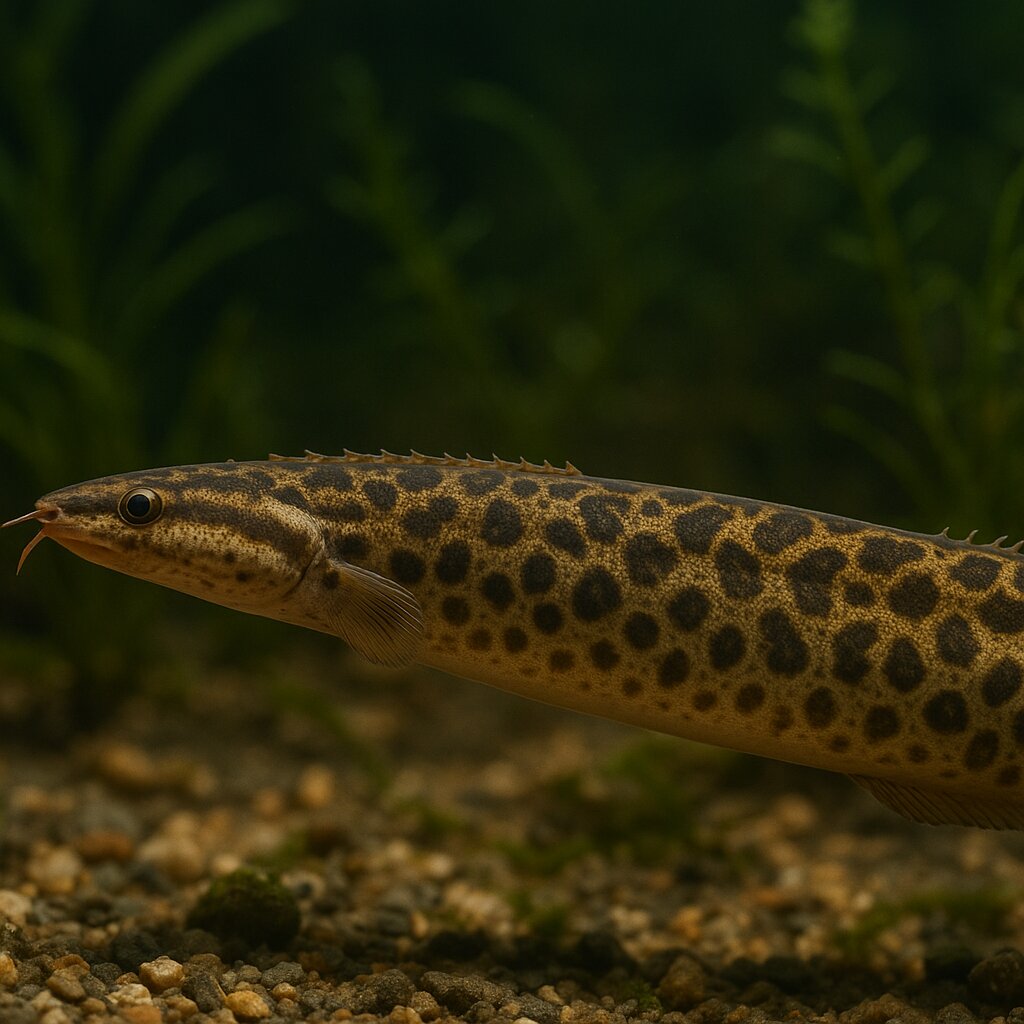
The Thac Ba spiny eel exhibits a slender, elongated body with a distinctive pattern of dark brown and yellow stripes, enhancing its camouflage in freshwater habitats.
This page includes AI-generated images. Why am I seeing AI images?
About the Thac Ba spiny eel
A super-rare spiny eel from Thac Ba Lake in northern Vietnam, you almost never see this one in the hobby. There is very little published beyond its locality, so care is best treated like other Mastacembelus eels - sandy substrate, lots of hides, and meaty foods. If you stumble on one, plan for a big, secure tank because these guys are strong, secretive burrowers.
Quick Facts
Size
unknown
Temperament
Semi-aggressive
Difficulty
Advanced
Min Tank Size
75 gallons
Lifespan
8-15 years
Origin
Vietnam
Diet
Carnivore - worms, shrimp, insect larvae; takes frozen foods once settled
Water Parameters
22-28°C
6-7.5
2-12 dGH
Need a heater for this species?
This species needs 22-28°C in a 75 gallon tank. Use our heater calculator to find the right wattage.
Calculate heater sizeCare Notes
- Plan for an adult around 10-14 inches; give a 4-foot tank, 55 gallons minimum and 75+ is nicer, with fine sand 2-3 cm deep and lots of snug tubes and wood to hide in. Use a tight lid and plug every gap; these eels are escape artists.
- Run 24-28 C (75-82 F), pH 6.5-7.5, soft to moderate hardness, and keep nitrates under 20 ppm. Keep good surface agitation and sponge over filter intakes so it does not wedge itself in.
- Start with live blackworms, earthworms, and chopped prawn to get it eating, then tong-train to frozen bloodworm, mysis, and fish strips. Feed at dusk in small portions and do not count on pellets.
- Tankmates should be calm midwater fish too big to swallow, like larger rasboras, rainbowfish, or peaceful gouramis. Skip nippy barbs, puffers, crayfish, big aggressive cichlids, and any small fish or shrimp.
- Only try multiples in a big tank with many hides; they scrap and lip-lock when cramped. Add them all at once and spread food so the shy one gets a turn.
- They are scaleless and sensitive to meds and salt, so use half-doses and fix problems with water changes first. Quarantine new eels and keep substrates smooth or you will be treating skin infections.
- Expect it to bury and vanish for days; resist digging around unless you see distress or smell decay. Keep lighting dim and use floating plants if you want bolder behavior.
- Breeding in home tanks is basically unheard of without hormones. Do not buy a pair expecting eggs.
Compatibility
Good Tankmates
- Mid-sized, fast dither fish like giant danios and adult rainbowfish. They are quick, too big to swallow, and keep the eel confident without getting in its face.
- Denison barbs and other calm 4-6 inch barbs. Not nippy, plenty fast, and they ignore the eel.
- Peaceful medium cichlids like severums or geophagus in a roomy tank. Big enough not to get hunted and not the type to harass an eel.
- Synodontis catfish. Night-active like the eel, sturdy, and they do not get mistaken for food.
- Bristlenose or rubberlip plecos. They mind their own business and do not rasp the eel like some commons will.
- Adult Congo tetras or similar larger tetras. Keep them in a group and start with adults so they are not snack-sized.
Avoid
- Small fish that fit in the mouth, like neons, ember tetras, guppies, or small rasboras. They will vanish once the lights are out.
- Fin-nippers like tiger barbs and serpae tetras. They pick at the eel during feeding and stress it out.
- Aggressive cichlids such as convicts, jack dempseys, or mbuna. They will claim the bottom and bully the eel.
- Small armored catfish like Corydoras or otos. Risky mix because the eel may try to eat one and get a spine stuck.
Where they come from
Thac Ba spiny eels are from northern Vietnam, named after Thac Ba Lake. Think flooded valleys, rocky margins, and pockets of soft sand between roots and stones. The water tends to be on the softer side with leaf tannins, and flow varies from calm coves to gentle currents.
If you picture a dim, snag-filled shoreline with sand you can burrow into, you are on the right track for how they like their tanks set up.
Setting up their tank
Give them room. An adult hits the size of a hefty sub sandwich, so a 4-foot tank (55-75 gallons) for one is my floor. Bigger is better if you want a group. Tight lid is non-negotiable. They are expert escape artists and will find any gap around cables or the filter.
- Substrate: fine sand, at least 2 inches. They like to bury with just the snout sticking out. Skip sharp gravel.
- Hides: driftwood tangles, PVC or bamboo tubes, rock piles with sand underneath. Give them several choices.
- Lighting: on the dimmer side. Floating plants help them feel bolder.
- Filtration: strong biofiltration with gentle to moderate flow. Add a pre-filter sponge on the intake so they do not get their face stuck.
- Heater: stable 75-82 F (24-28 C). Use a heater guard or an external/inline heater so they cannot burn themselves while wedged under it.
Water numbers that have worked for me: pH 6.5-7.5, soft to medium hardness. Keep it clean and oxygenated. They sulk and go off food if nitrates creep high, so aim for regular 25-30% weekly water changes.
Lid check: tape, clips, or weights on every opening. They will climb heater cords and airline tubing to push lids up.
What to feed them
They hunt by smell, not sight. New arrivals usually want live or moving foods at dusk. Earthworms (cut for smaller eels), blackworms, bloodworms, chopped prawn, and small snails get them going. Once they settle, most can be taught to take frozen and even soft sinking sticks.
- Staples: chopped nightcrawlers, blackworms, frozen bloodworms, mysis, prawn/shrimp, tilapia slivers.
- Extras: live snails (for enrichment), insect larvae, thawed mussel or clam.
- Dry foods (after training): soft sinking carnivore sticks or pellets.
Weaning trick: feed at the same spot with tongs. Start with a wiggly earthworm, then swap in a mix of worm and a pellet, then just the pellet once they are grabbing by smell. Lights low, current gentle.
Feed smaller amounts 4-5 times a week. They overeat fast and get gut issues. I like to add a vitamin soak to frozen foods once or twice a week, especially for wild fish coming out of quarantine.
How they behave and who they get along with
They are shy at first, mostly active at dusk. Give them cover and they relax. Mine spends mornings buried with just the snorkel-nose out, then cruises the bottom at lights out. They are not bullies, but they are predators. If a fish can fit in that tube mouth, it is a snack sooner or later.
- Good tankmates: medium rainbows, larger rasboras, peaceful barbs that are not nippy, robust tetras too big to swallow, calm gouramis, and non-pushy cichlids like severums (watch personalities).
- Use caution: loaches and fast bottom feeders will outcompete them at dinner. Feed the eel by tongs so it gets its share.
- Avoid: tiny fish (neons, endlers), fin nippers, very aggressive cichlids, and spiny or spiky fish they might try to eat.
Do not mix with Corydoras or other catfish that lock out their spines. An eel trying to swallow one can end in a fatal impalement. Also watch some plecos; a few will rasp the eel's slime coat at night.
You can keep one, or a small group if the tank is big and there are lots of hides. In cramped quarters, they bicker with body shoves, but with space they mostly ignore each other.
Breeding tips
Real talk: hobbyist reports of breeding this species are basically unheard of. Farms use hormones with spiny eels. If you want to experiment, think very large tank, soft warm water, tons of cover with fine plants or mops, heavy feeding, and big cool-water changes to mimic rainy season. Females get rounder when full of eggs, but sexing is not obvious. If spawning does happen, they scatter eggs; remove adults right away. Do not be discouraged if nothing happens for months.
Common problems to watch for
- Escapes: most losses happen on night one. Seal every gap and keep the room floor dry and clear while they settle.
- Not eating: keep lights low, offer live worms first, and feed after lights out. Target feed with tongs so tankmates do not steal it.
- Internal parasites in wild-caught fish: skinny despite eating, white stringy poop. Quarantine and deworm under guidance. They are sensitive, so choose meds and dosing carefully.
- Ich and med sensitivity: they have reduced scales. Use gentler treatments and lower doses, add extra aeration, and avoid copper unless you know what you are doing.
- Injuries from decor: sharp rocks and coarse gravel scrape their skin. Switch to sand and rounded wood.
- Heater burns and filter mishaps: protect heaters and sponge the intakes.
- Water quality sulks: elevated nitrate makes them hide and refuse food. Increase water change frequency and clean the sand with a gentle siphon.
Quarantine new eels for 4-6 weeks. Keep it simple: sand, hides, mature sponge filter, and dim light. Once they eat confidently and look solid, move them to the display.
Similar Species
Other freshwater semi-aggressive species you might be interested in.
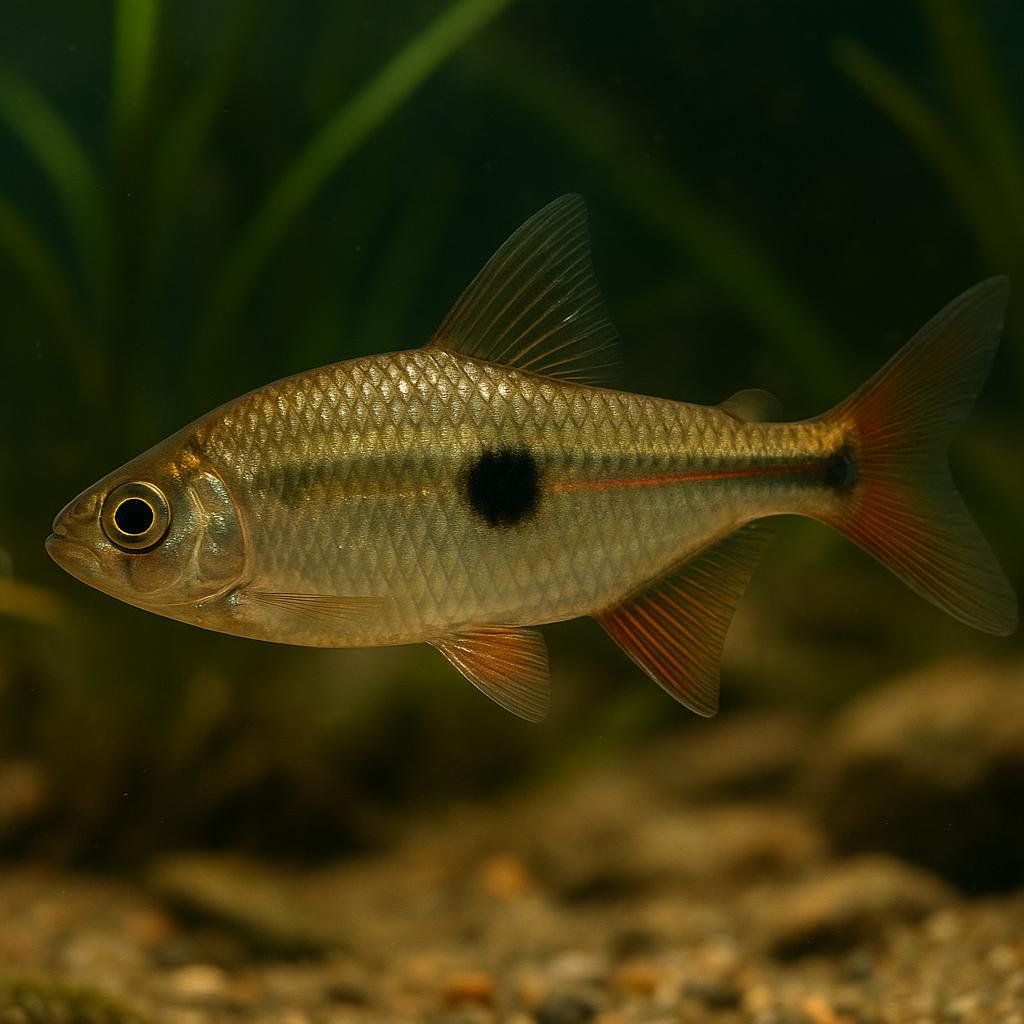
Jupiaba kurua
Small South American characin endemic to the upper rio Curuá (rio Xingu basin, Brazil). Reaches about 8.7 cm SL and inhabits clearwater rivers. Distinguished by dark dots on the bases of many lateral scales and a distinct dark caudal‑peduncle spot. Reported diet indicates omnivory, including aquatic insects, small fishes, and fragments of Podostemaceae and filamentous algae.
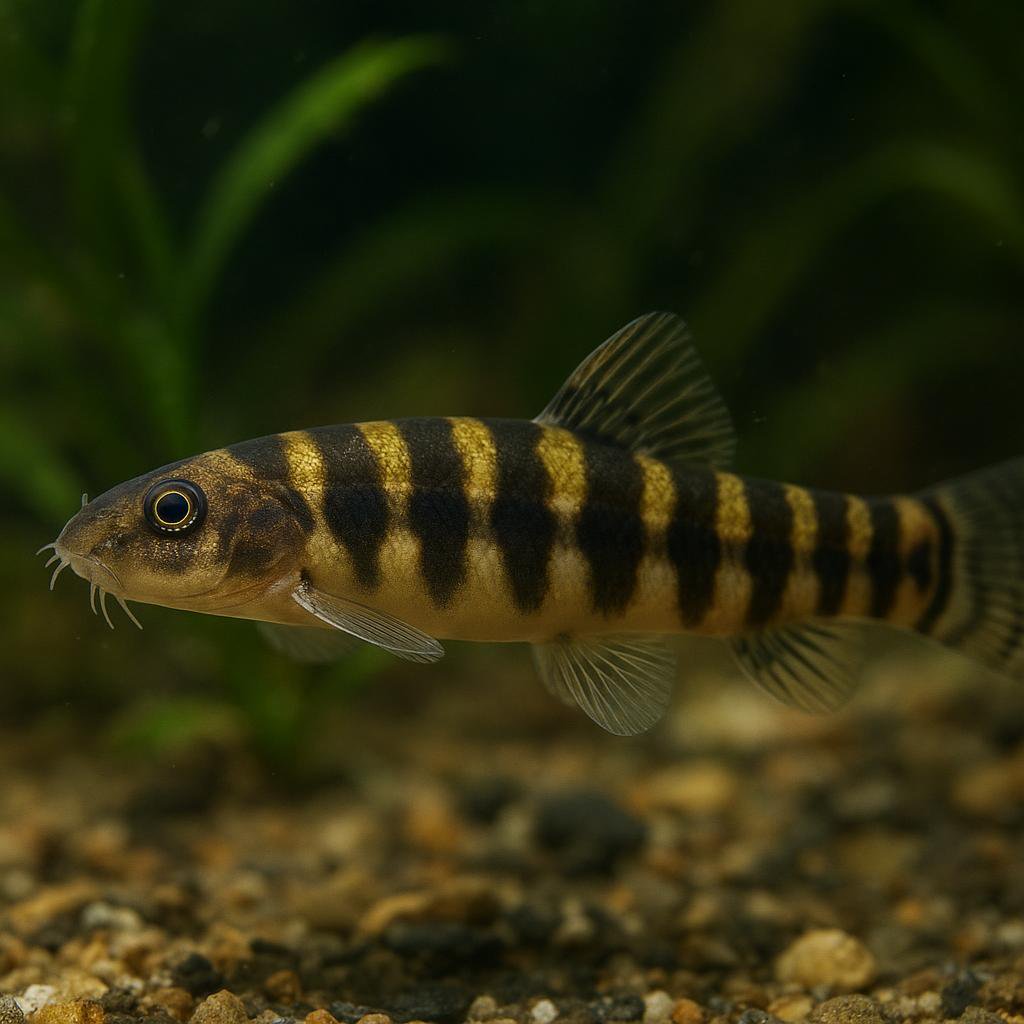
Altipedunculata stone loach
Schistura altipedunculata
Schistura altipedunculata is one of those little stream loaches that wants clean, well-oxygenated water and a bunch of rock nooks to claim as home. It is a bottom-hugger that will spend its day scooting from crevice to crevice, and it tends to get a bit spicy with its own kind if you do not give it enough hiding spots.
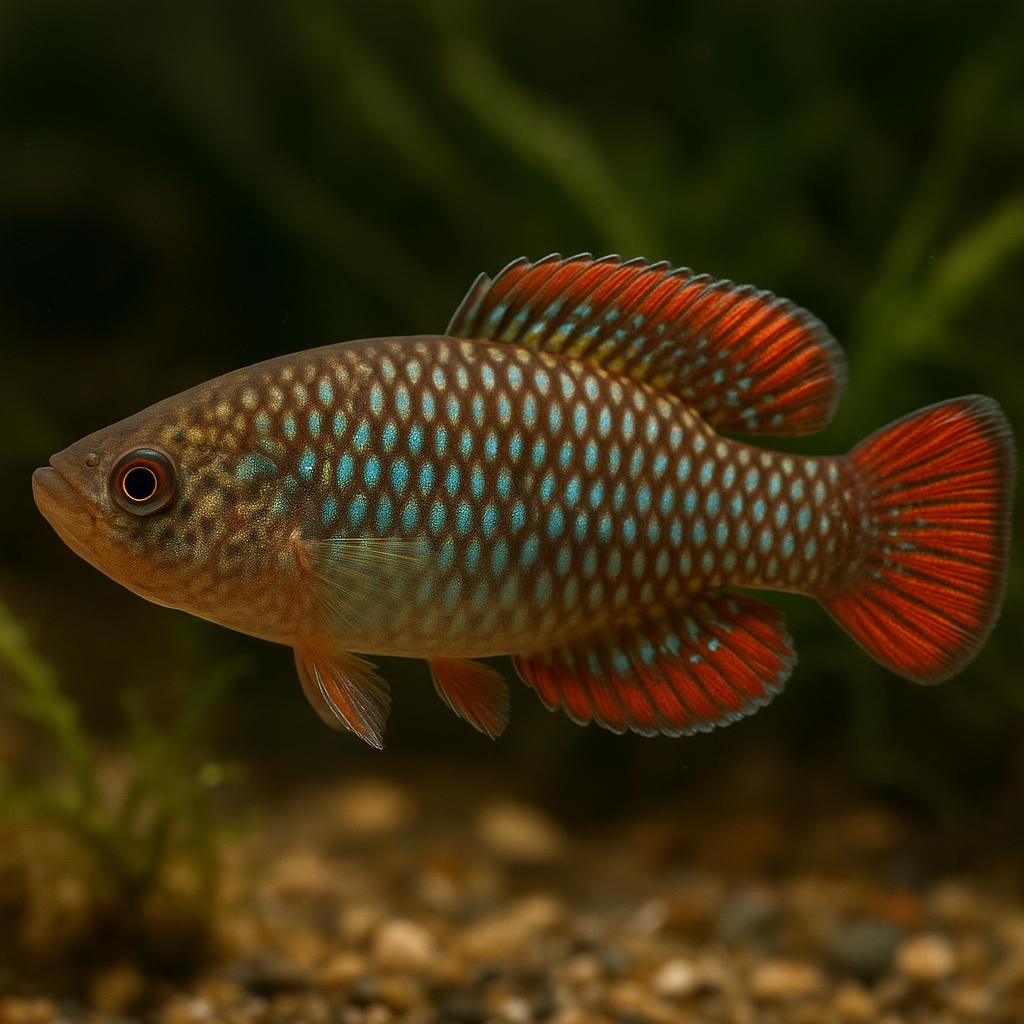
American flagfish
Jordanella floridae
Jordanella floridae is that little Florida native with the red-and-cream striping that really does look like a tiny flag once a male colors up. They graze algae like champs (especially stringy/hair algae), but they have a bit of attitude - give them plants and space so the bossy behavior stays manageable. Bonus: the male guards the eggs and will actively fan them, which is pretty fun to watch.
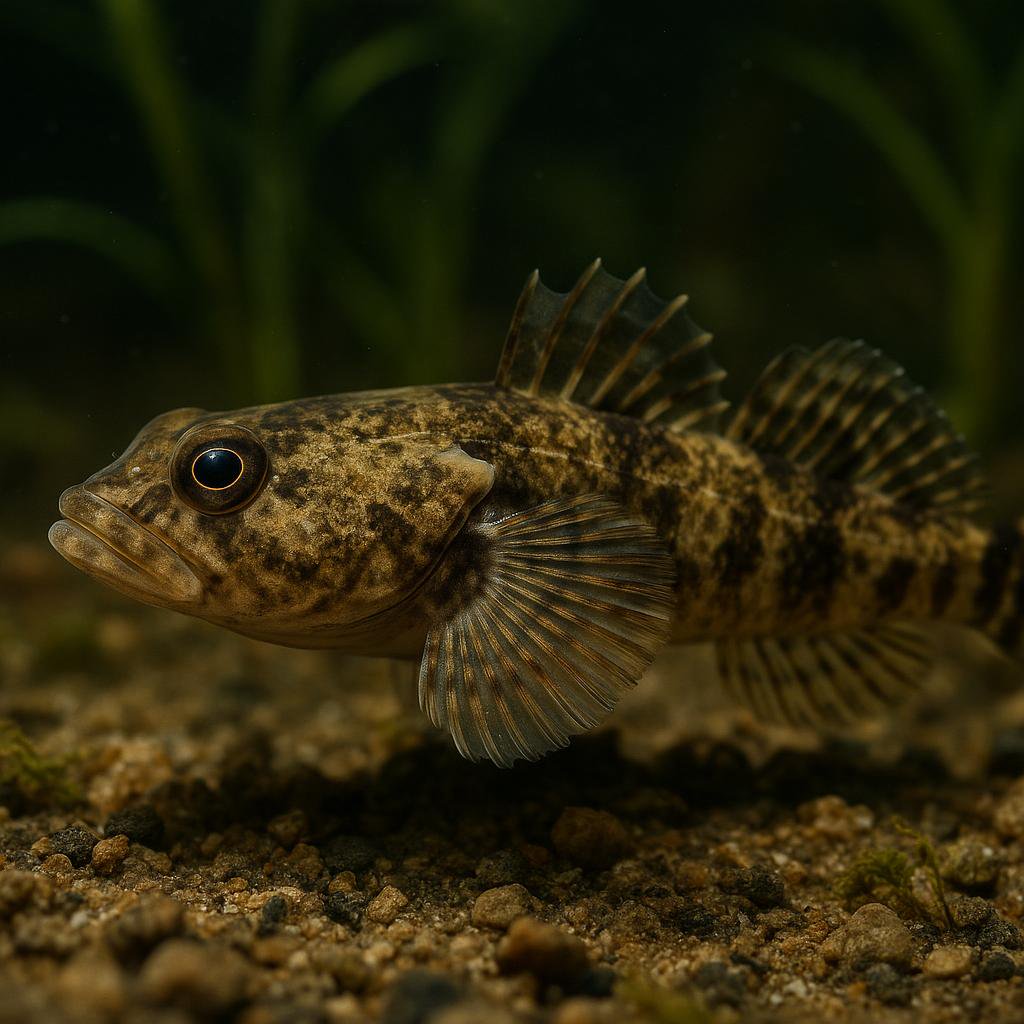
Amur sculpin
Alpinocottus szanaga
This is a little coldwater sculpin from the Amur drainage - a bottom-hugging, rock-and-gravel fish that spends its day wedged under stones and darting out to grab food. Super cool behavior and attitude, but it is absolutely not a warm tropical community fish - it wants chilly, fast, oxygen-rich water and will bicker with other bottom fish.
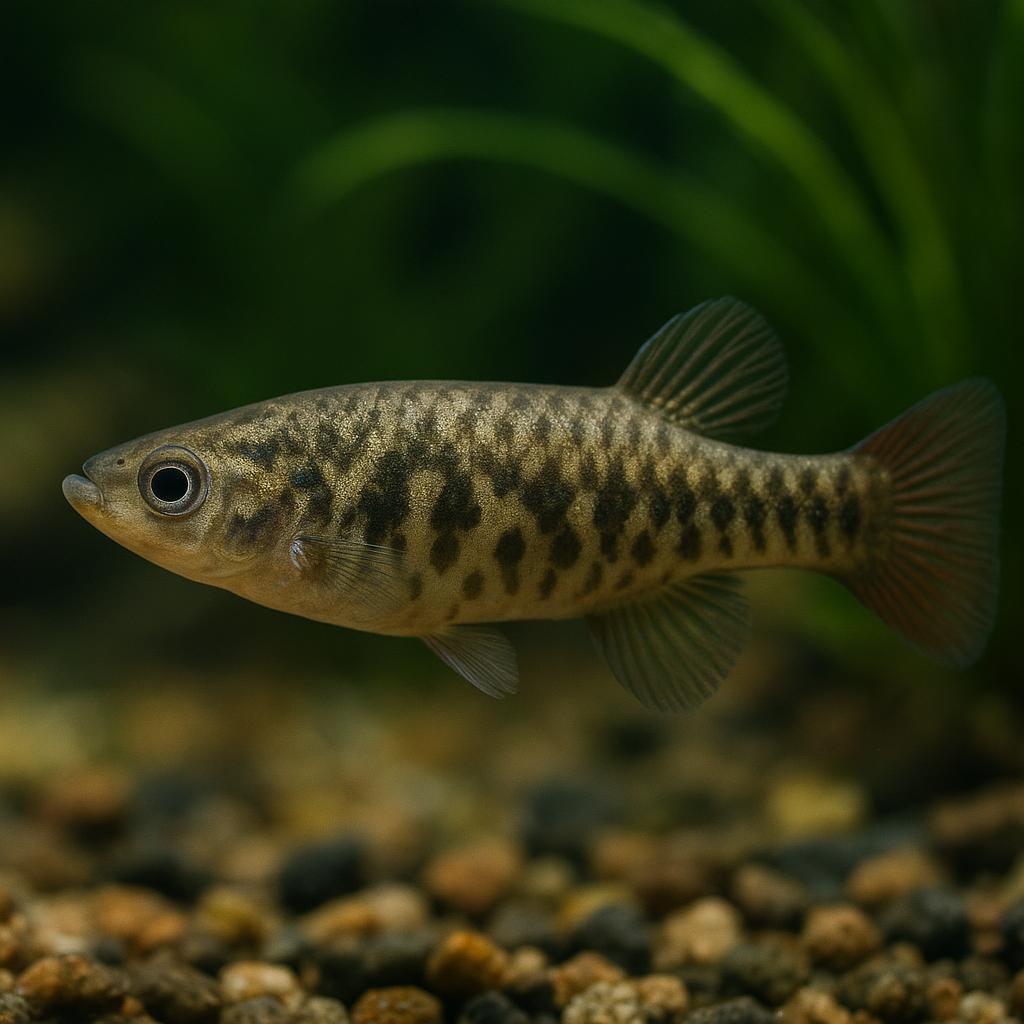
Anitápolis livebearer
Jenynsia weitzmani
Jenynsia weitzmani is a freshwater anablepid livebearer endemic to southern Brazil (currently known only from the type locality near Anitápolis, Santa Catarina). Like other Jenynsia (onesided livebearers), reproduction involves lateralized mating morphology/behavior; aquarium care guidance is not well-documented for this species specifically.
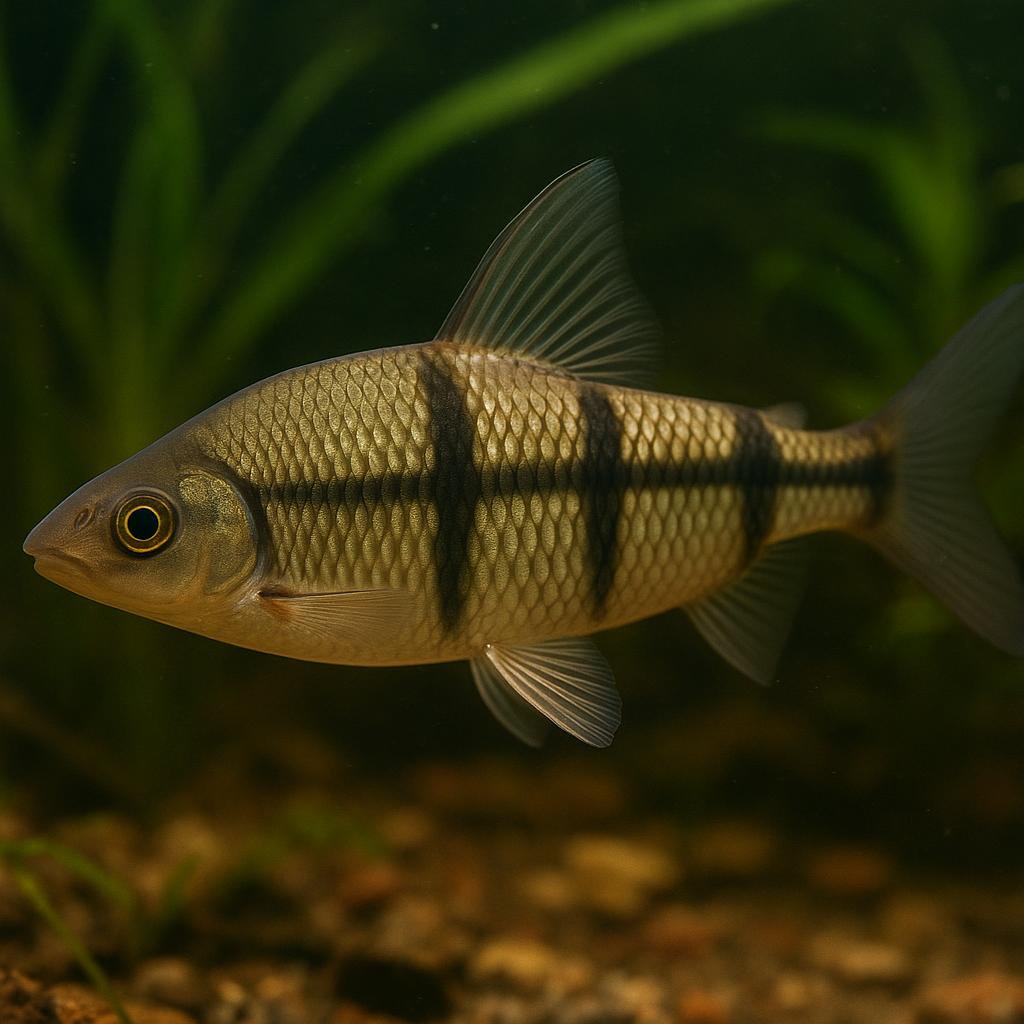
Aracu-comum
Schizodon vittatus
Schizodon vittatus is a large South American anostomid (family Anostomidae). Reported maximum size is about 35 cm standard length; it is harvested/consumed in parts of Brazil and is not commonly covered by mainstream aquarium husbandry references.
More to Explore
Discover more freshwater species.
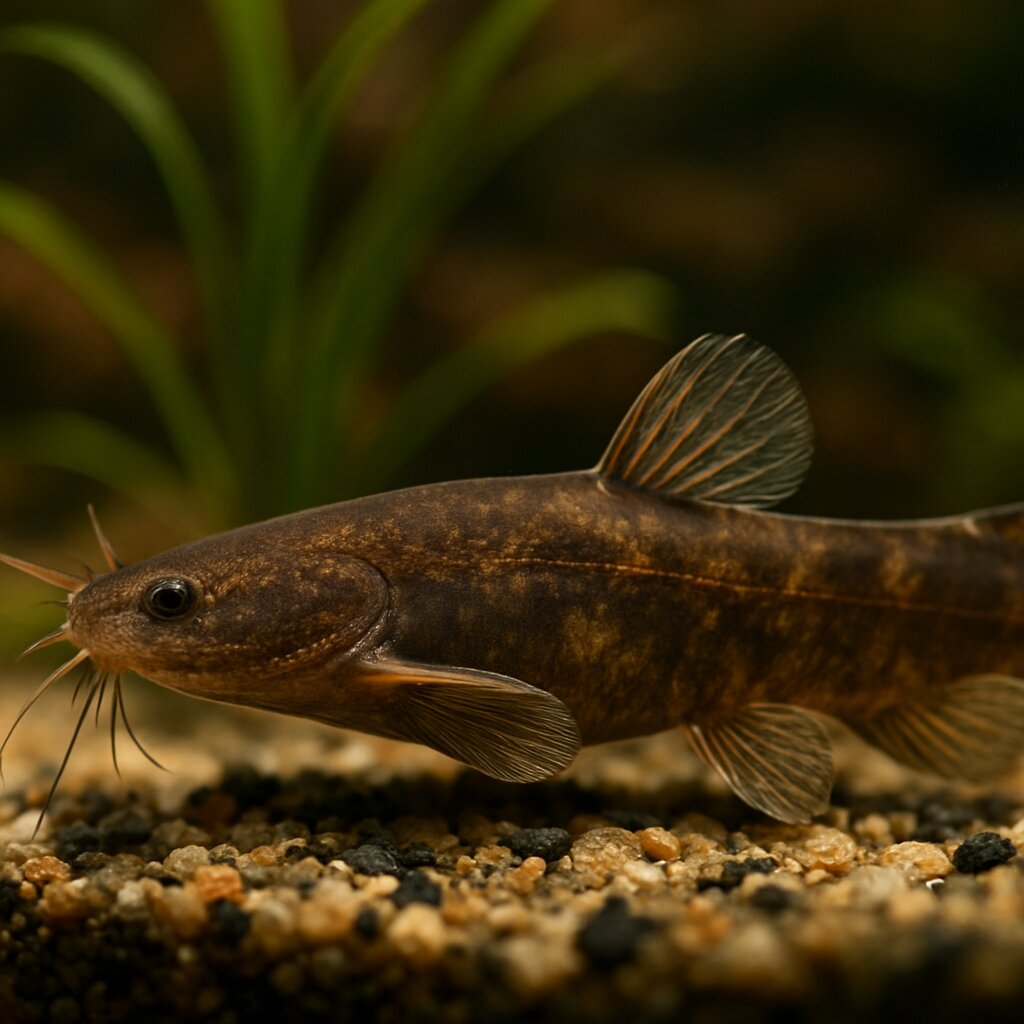
Amphilius dimonikensis
A small loach catfish endemic to the Mpoulou River in the Mayombe (Dimonika Biosphere Reserve), Republic of the Congo. Amphilius dimonikensis has a subtle banded pattern and inhabits fast, clear streams over rock and sand. In aquaria, prioritize strong, well-oxygenated flow with rounded stones and sand to mimic hillstream conditions.
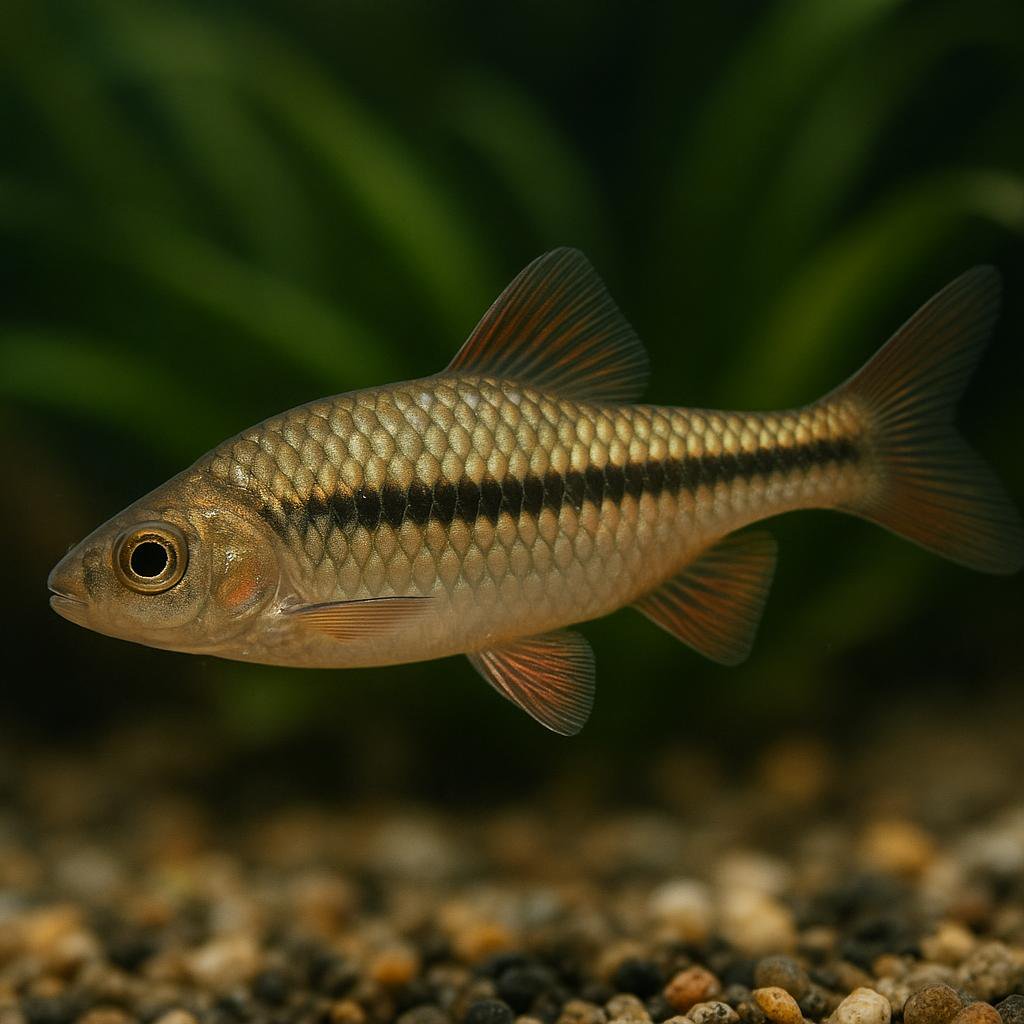
Aboina barb
Enteromius aboinensis
Enteromius aboinensis (the Aboina barb) is a small West African barb with a clean black midline stripe and a little spot right at the base of the tail. It does best when you treat it like a proper schooling fish - keep a decent group and give it plants around the edges with open swimming room in the middle.
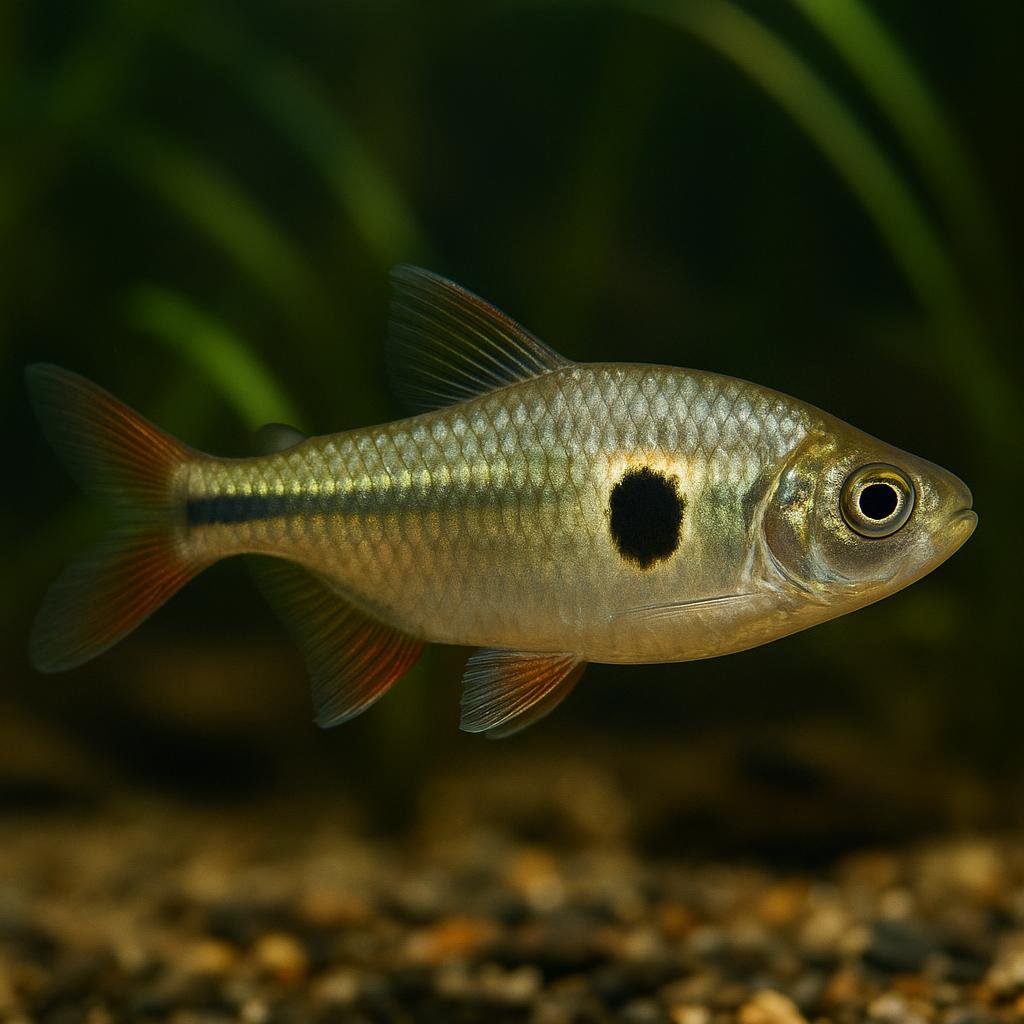
Ajuricaba tetra
Jupiaba ajuricaba
Jupiaba ajuricaba is a South American freshwater characin from the Amazon basin in Brazil (rio Negro, rio Solimões, and rio Tapajós basins). It reaches about 9.5 cm SL and is diagnosed by a narrow dark midlateral stripe, an elongated humeral spot, and an ocellated spot on the upper caudal-fin lobe. Wild specimens have been collected from blackwater forest streams and also oxbow-lake habitats.
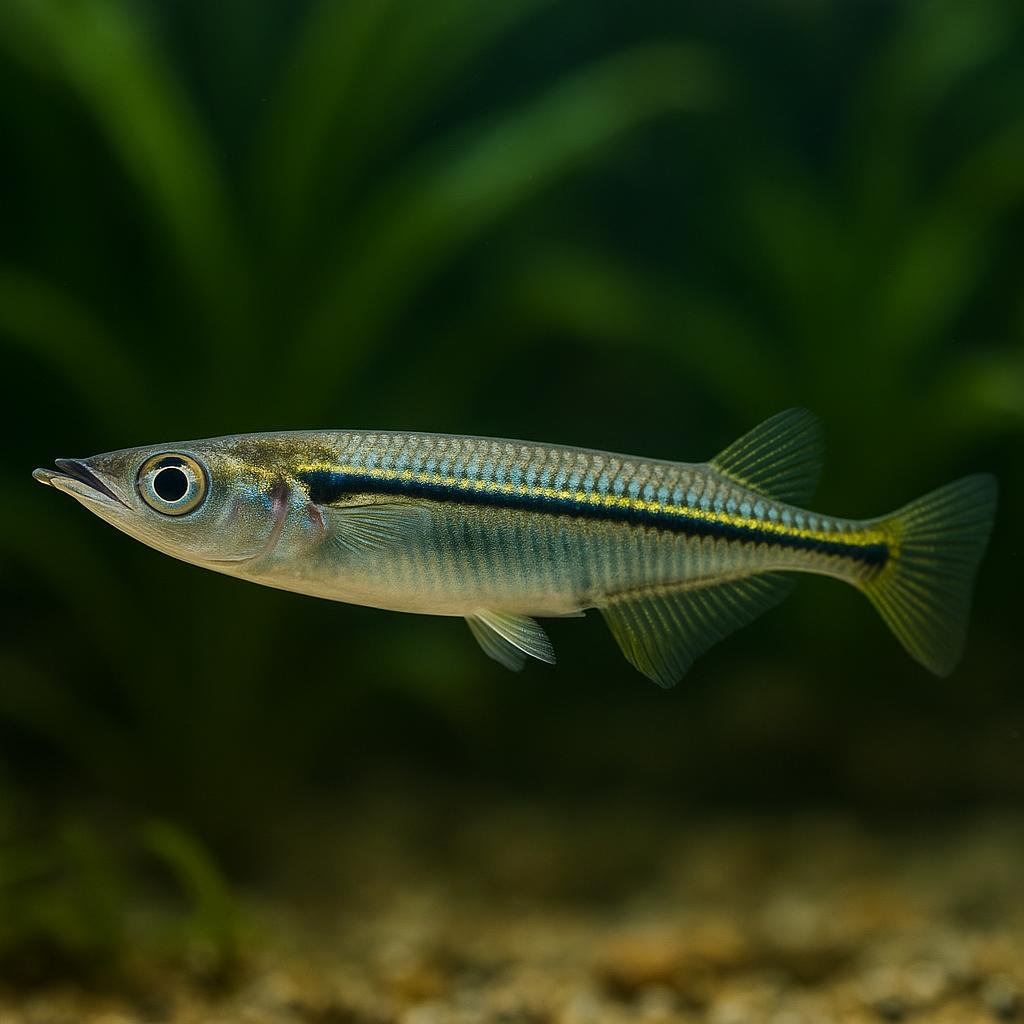
Allen's river garfish
Zenarchopterus alleni
A poorly known freshwater halfbeak endemic to West Papua (Mamberamo River), described from a single specimen (~13 cm SL). Beyond basic habitat/occurrence, little is published about its ecology or aquarium suitability; assume it is a surface-oriented, jump-prone halfbeak only by analogy with related taxa.
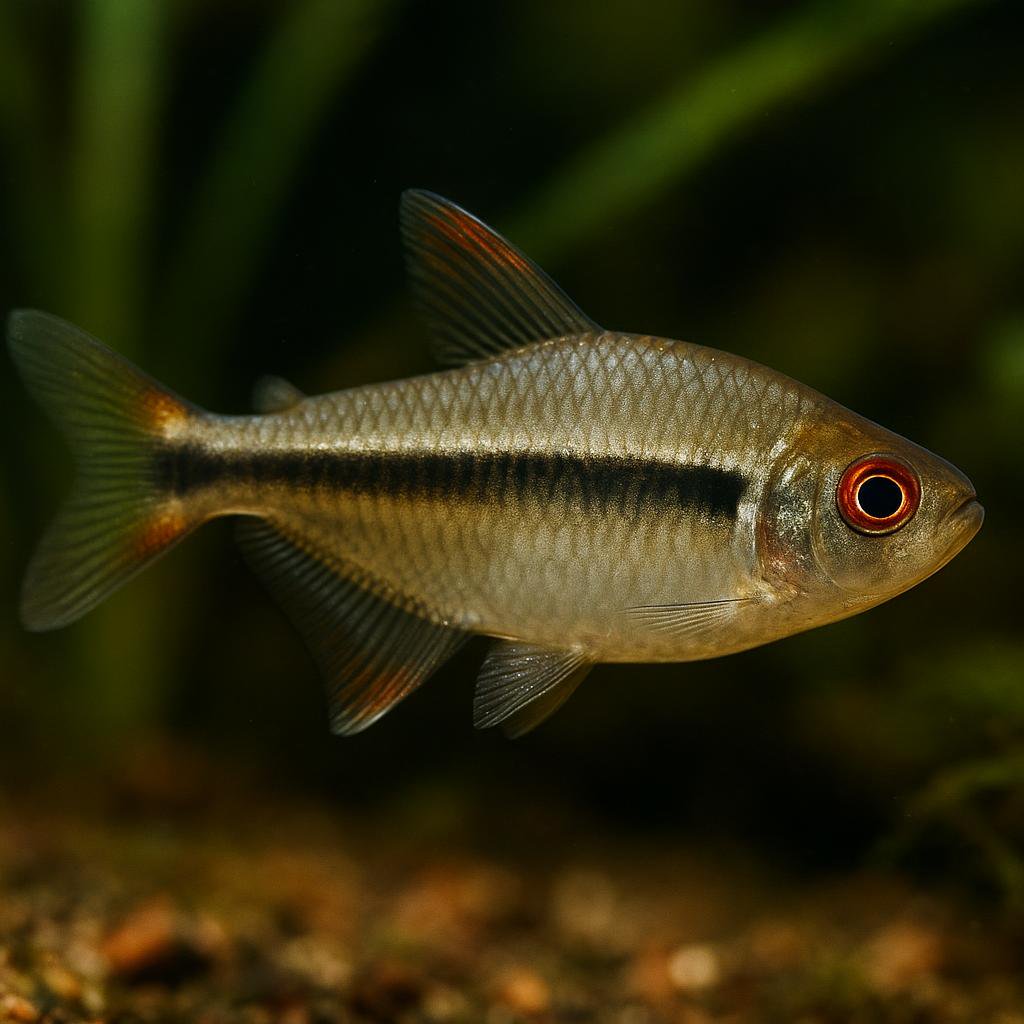
Amapa tetra
Hyphessobrycon amapaensis
This is a tiny, super sleek little tetra with a clean red stripe down the side that really pops once its settled in. It does best in a planted, slightly tinted "creek-style" setup and looks way cooler when you keep a proper group so they school and flash that line together. If you can give it soft, slightly acidic water and a calm community, its an easy fish to fall for.
Amatlan chub
Yuriria amatlana
Yuriria amatlana (the Amatlan chub) is a little Mexican native minnow from the Ameca River basin. Its wild range is pretty limited and it is listed as Endangered, so its care info in the aquarium hobby is basically nonexistent and its availability is usually low. In the original species description, preserved fish show a dark lateral stripe with a darker patch on the caudal peduncle, and they can have tiny barbels at the mouth corners.
Looking for other species?