

Least pencilfish
Nannostomus minimus
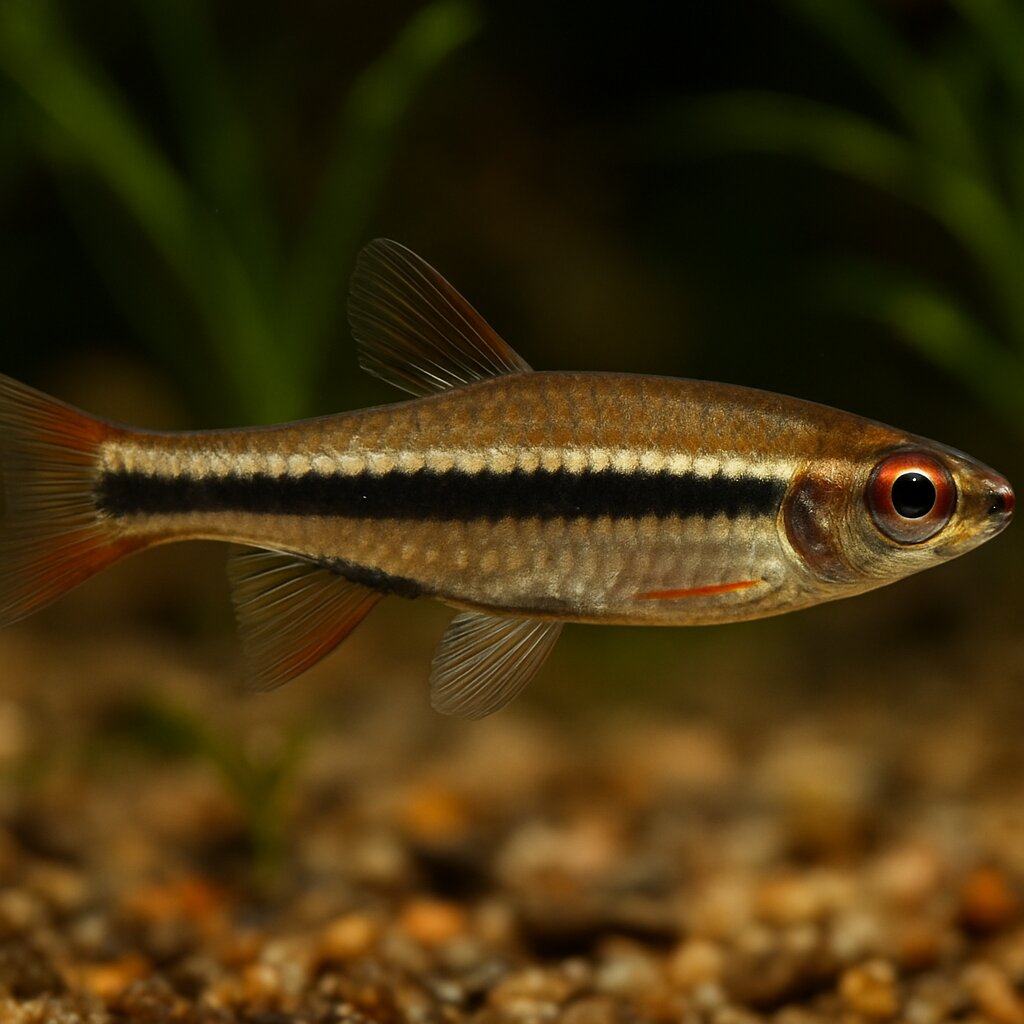
Least pencilfish exhibits a slender, elongated body, with striking vertical black stripes and a translucent, iridescent sheen.
This page includes AI-generated images. Why am I seeing AI images?
About the Least pencilfish
Think of these as tiny floating dashes of color that cruise just under the surface in a loose group. They stay under an inch, show a crisp dark stripe with little red flecks, and really come into their own in soft, tea-colored water with plants and leaves. Super chill, but they do best in a decent-sized group so they feel secure.
Quick Facts
Size
2.3 cm SL
Temperament
Peaceful
Difficulty
Intermediate
Min Tank Size
15 gallons
Lifespan
3 years
Origin
South America (Guyana)
Diet
Carnivore - micro live and frozen foods; accepts fine flakes and micro-pellets
Water Parameters
22-26°C
4-6.5
1-8 dGH
Need a heater for this species?
This species needs 22-26°C in a 15 gallon tank. Use our heater calculator to find the right wattage.
Calculate heater sizeCare Notes
- Start with a group of 10-12 in a 15 gallon long; they are tiny but need elbow room and cover to chill out.
- Run a sponge filter with gentle flow, tight lid, dim light, floating plants, and some leaf litter.
- They like soft, acidic, tea-colored water: pH 4.5-6.5, GH 1-5, 75-82 F.
- Keep nitrates under 10 ppm and do small weekly changes, not big swings.
- They are micro-predators with pinhole mouths, so feed small portions 2-3x daily.
- Baby brine shrimp, cyclops, daphnia, and fine powders or crushed micro-pellets work great.
- Pick calm nano buddies only: other small pencils, ember or chili rasboras, pygmy corys, and otos.
- Skip guppies, danios, barbs, bettas, and anything that hogs food or nips.
- They hang near the surface and hate strong current; baffle the outflow so the top stays quiet.
- Dark substrate and tannins bring out the stripes and confidence.
- For spawning, use a dim 5-10 gallon with very soft acidic water, a spawning mop or fine plants, and tons of microfoods for conditioning.
- They scatter tiny eggs and will eat them, so pull the adults; start fry on infusoria, then baby brine after 3-4 days.
- Wild-caught fish often carry parasites, so quarantine and deworm with levamisole or praziquantel once they are eating.
- They are sensitive to copper and aggressive dosing; add extra aeration if you medicate.
- They jump when spooked, so seal every lid gap and keep the water line an inch below the rim.
- Go easy on sudden bright lights or banging near the tank.
Compatibility
Good Tankmates
- Tiny, chill schoolers like chili rasboras, ember tetras, or green neons
- Other small pencilfish that mind their manners, like Nannostomus marginatus or N. eques
- Peaceful bottom crews like pygmy corydoras or dwarf corys
- Otocinclus groups that keep to the glass and leaves
- Shrimp and snails for cleanup - adults are fine, expect them to munch some shrimplets
- Mellow bottom noodles like kuhli loaches
Avoid
- Anything nippy or hyper, like tiger barbs, serpae tetras, or zebra danios
- Bettas or gouramis that guard the surface and outcompete at feeding time
- Bigger cichlids and angels that see tiny pencils as snacks
- Surface-hunting killifish that strike fast
Where they come from
Least pencilfish are tiny blackwater fish from northern South America, showing up in slow forest creeks and flooded swamps in places like Guyana and Suriname. Picture tea-colored water, leaf litter, overhanging branches, and almost no current. They spend their days picking at micro-life in the safe shade of plants and twigs.
They come from very soft, acidic water stained by leaves. You do not have to run full blackwater at home, but they relax a lot more with tannins and dim light.
Setting up their tank
Go for a mature, low-flow setup with a tight lid. A 10-gallon works for a small group, but they look better and act bolder in a 15-20 long. Use a sponge filter or a gentle canister with a spray bar aimed at the glass. Floating plants, fine-leaved stems, and a handful of catappa or oak leaves help a ton. Keep the lighting soft.
- Group size: 10+ is best so they stop hiding and show color
- Temperature: 75-82 F (24-28 C)
- pH: 4.5-6.8 preferred; they can adapt up to around 7.0 if stable
- Hardness: low - under ~6 dGH, low KH
- Flow: gentle; they hate being blasted
- Water quality: ammonia and nitrite 0, nitrate kept low
Let the tank run and settle for a few weeks before adding them. Add botanicals gradually, and put a sponge pre-filter on any intake so the little ones do not get sucked in.
They jump. Use a snug lid and cover any gaps, especially around filter pipes and cables.
What to feed them
They have tiny mouths and act like micro-predators. If food is too big or sinks fast, they just stare at it. Offer small, moving foods often and use dry foods as a supplement, not the whole menu.
- Live: freshly hatched baby brine shrimp, moina/daphnia, grindal/microworms, vinegar eels for fry
- Frozen: cyclops, baby brine, daphnia (thawed and swirled so it stays suspended)
- Dry: fine powders and true nano pellets, crushed high-quality flakes
Two to three small feedings a day beats one big one. Pre-soak dry foods so they hang in the water column. If you can culture bbs or microworms, these fish reward you with better color and fuller bellies.
How they behave and who they get along with
Peaceful, shy, and very group-focused. They hang in the mid to upper water and hover in little squads, then dart for tiny snacks. Males spar a bit with flared fins but it is harmless if the group is big enough and there are plenty of plants.
- Good tankmates: other gentle nanos like ember tetras, small rasboras, chili rasboras, dwarf corys (pygmaeus/habrosus), otocinclus, small peaceful Apistogramma kept mellow, kuhli loaches in bigger setups
- Shrimp: adults are fine, but shrimplets are snacks
- Avoid: fin-nippers, anything boisterous, and fish that need strong current
They get outcompeted easily. If you mix them with faster feeders, they lose. Feed in multiple spots and float food so it stays where pencilfish like to eat.
Breeding tips
They scatter eggs among fine plants and do not guard them. A dedicated breeding box or nano tank makes it doable. Males are a bit slimmer and more vivid; females carry a fuller belly when ready.
- Setup: 5-10 gallon with sponge filter, dim light, clumps of moss/fine plants, a layer of leaf litter
- Water: very soft and acidic (pH 5-6.5), warm 78-80 F
- Conditioning: several days of live and frozen foods for the group or a 1:1-2 male to female pair
- Trigger: small cool water change and lights on low in the morning
- After spawning: pull adults the same day; they eat eggs
- Eggs/Fry: eggs hatch in ~24-36 hours, free-swimming a few days later; start with infusoria/green water, then vinegar eels or microworms, then baby brine by the end of week 1-2
Keep the tank dim and cover the filter intake with fine sponge. A couple of catappa leaves help with tannins and biofilm, which is free first food for fry.
Common problems to watch for
- New fish arrive skinny and get pushed off food - fix with live foods and calm tankmates
- Jumping during water changes or startled by bright lights
- Ich after temperature swings; they are small and do not tolerate sudden changes
- Stress bars and fin clamping under harsh light or strong flow
- Ammonia and nitrite sensitivity - they need a mature, stable tank
- Sucked into filter inlets without a pre-filter sponge
Quarantine new arrivals. Wild-caught fish sometimes carry worms; a round of levamisole or praziquantel during quarantine has saved me headaches later.
If they hide and refuse food, dial back the light, add floating plants, split feedings into tiny portions, and check your flow. Steady, small water changes beat big swings for these guys.
Similar Species
Other freshwater peaceful species you might be interested in.
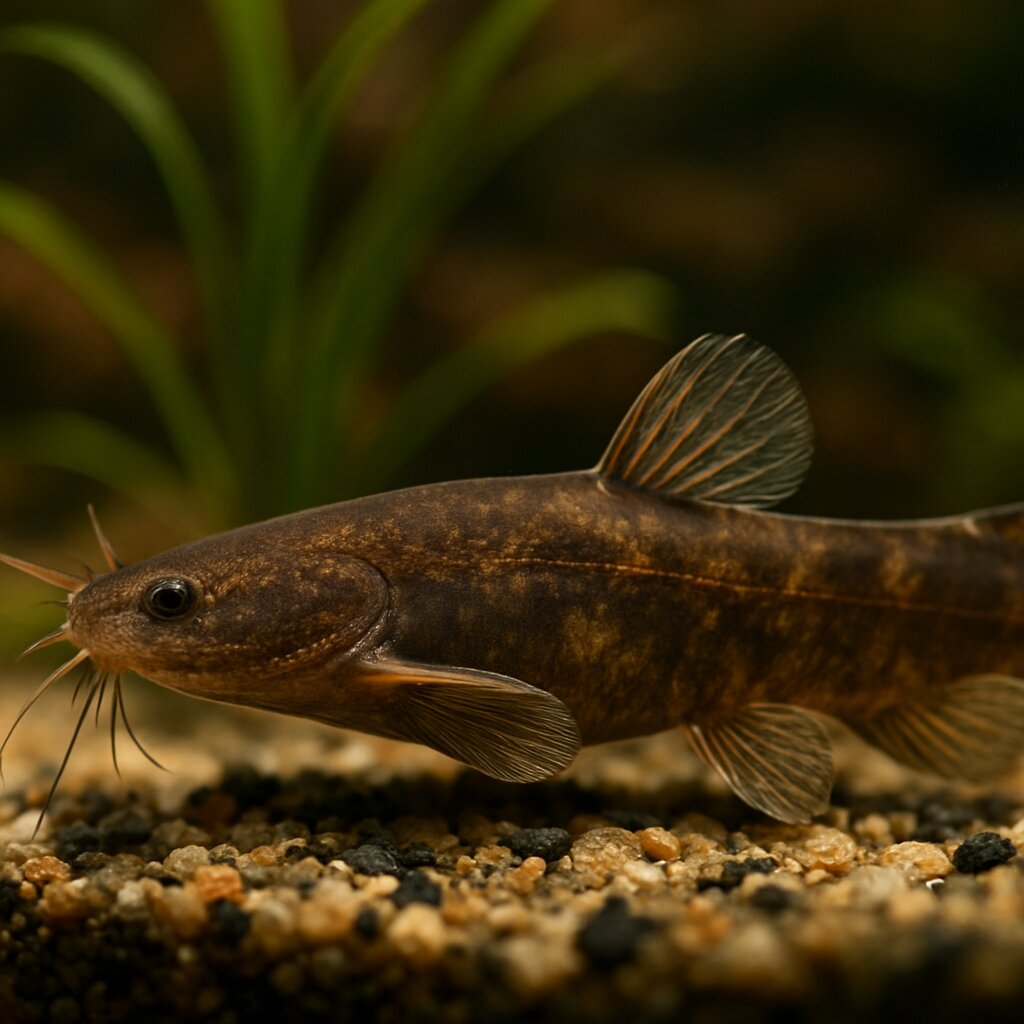
Amphilius dimonikensis
A small loach catfish endemic to the Mpoulou River in the Mayombe (Dimonika Biosphere Reserve), Republic of the Congo. Amphilius dimonikensis has a subtle banded pattern and inhabits fast, clear streams over rock and sand. In aquaria, prioritize strong, well-oxygenated flow with rounded stones and sand to mimic hillstream conditions.
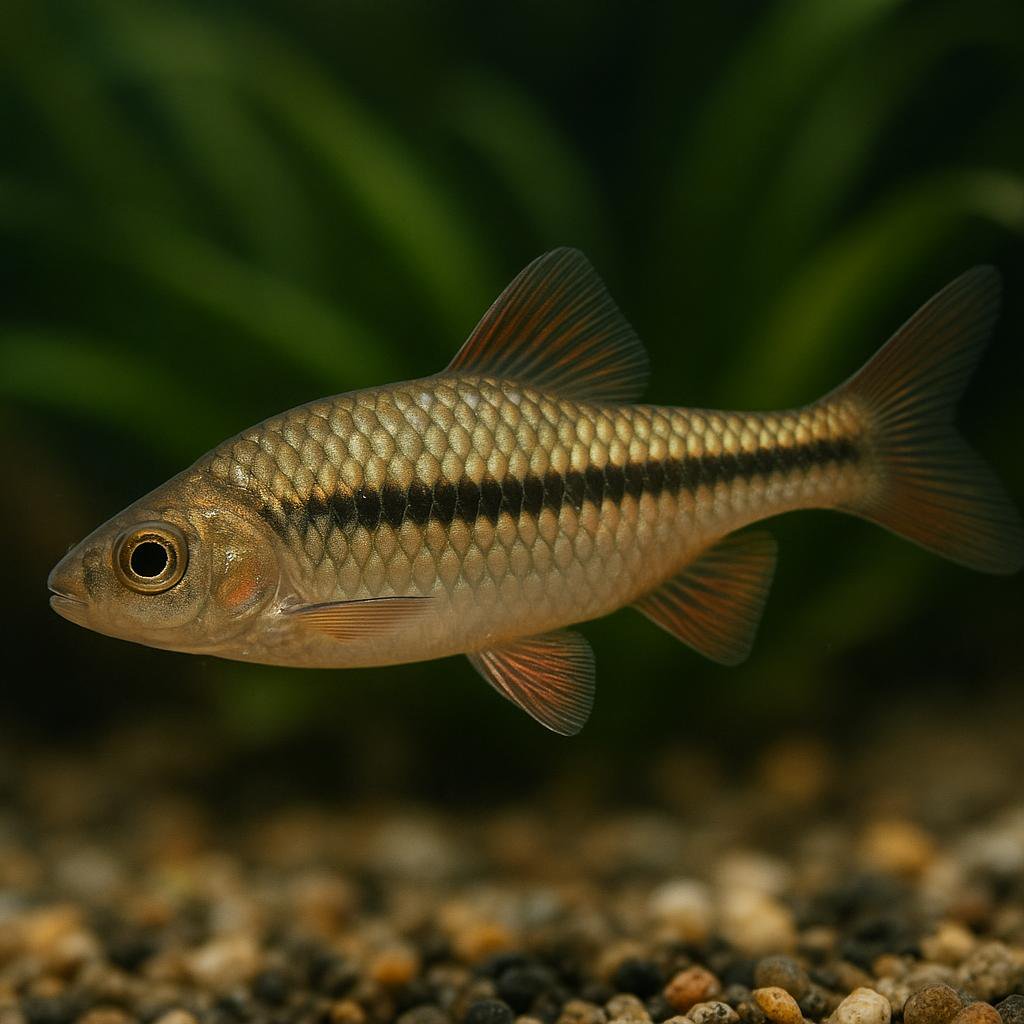
Aboina barb
Enteromius aboinensis
Enteromius aboinensis (the Aboina barb) is a small West African barb with a clean black midline stripe and a little spot right at the base of the tail. It does best when you treat it like a proper schooling fish - keep a decent group and give it plants around the edges with open swimming room in the middle.
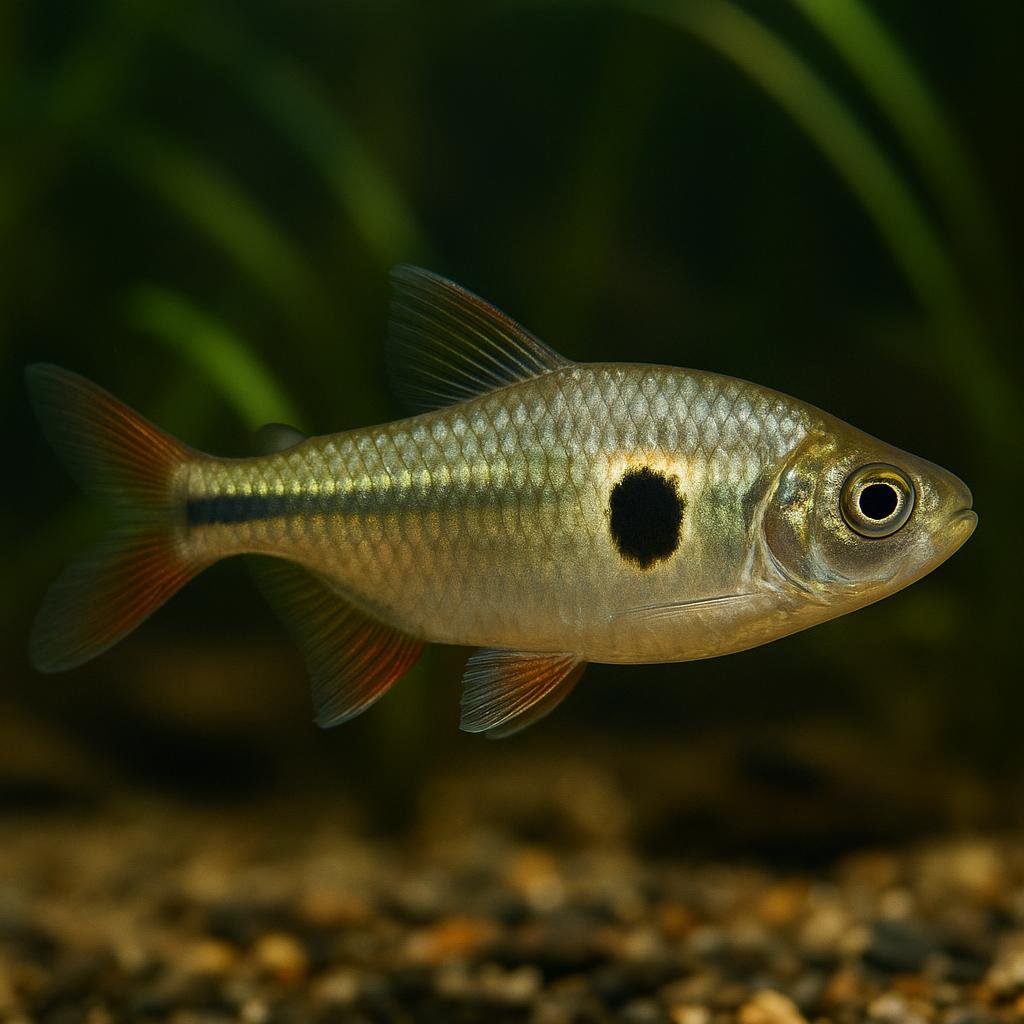
Ajuricaba tetra
Jupiaba ajuricaba
Jupiaba ajuricaba is a South American freshwater characin from the Amazon basin in Brazil (rio Negro, rio Solimões, and rio Tapajós basins). It reaches about 9.5 cm SL and is diagnosed by a narrow dark midlateral stripe, an elongated humeral spot, and an ocellated spot on the upper caudal-fin lobe. Wild specimens have been collected from blackwater forest streams and also oxbow-lake habitats.
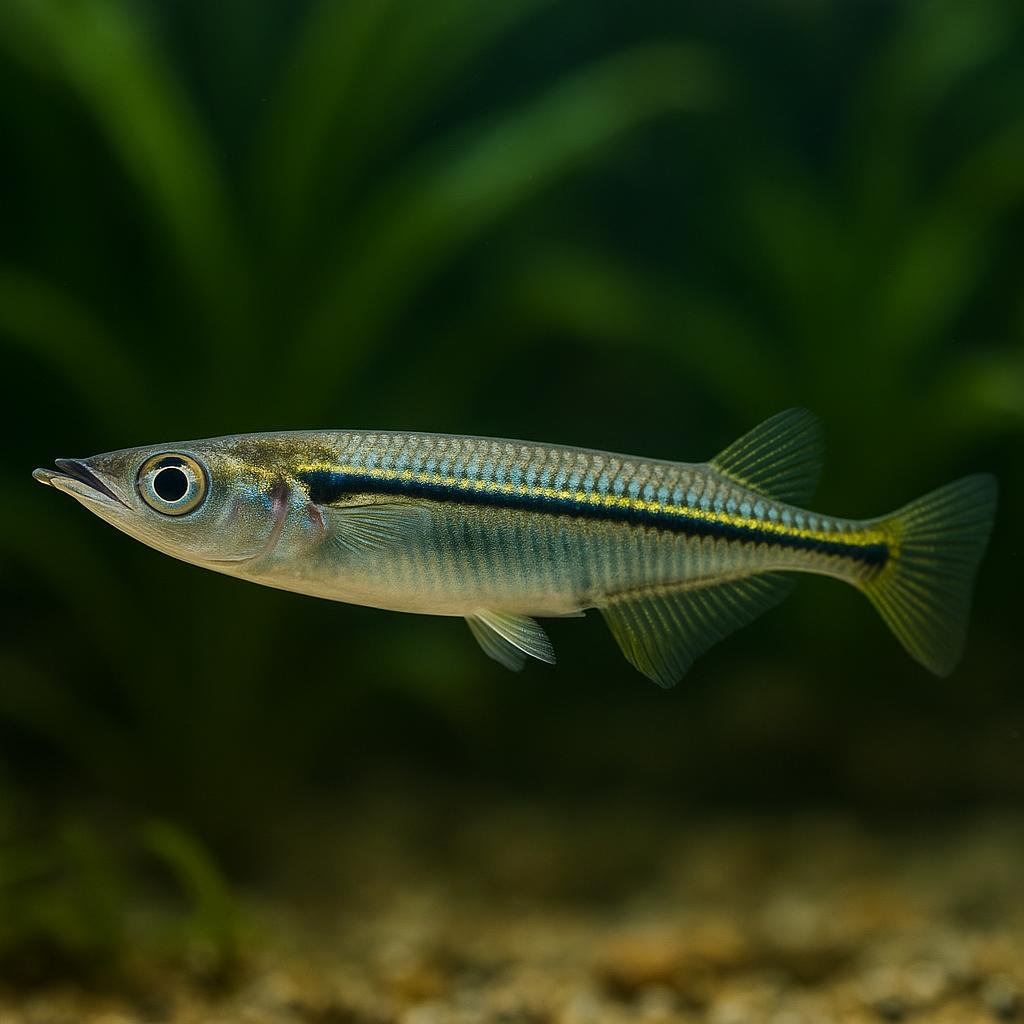
Allen's river garfish
Zenarchopterus alleni
A poorly known freshwater halfbeak endemic to West Papua (Mamberamo River), described from a single specimen (~13 cm SL). Beyond basic habitat/occurrence, little is published about its ecology or aquarium suitability; assume it is a surface-oriented, jump-prone halfbeak only by analogy with related taxa.
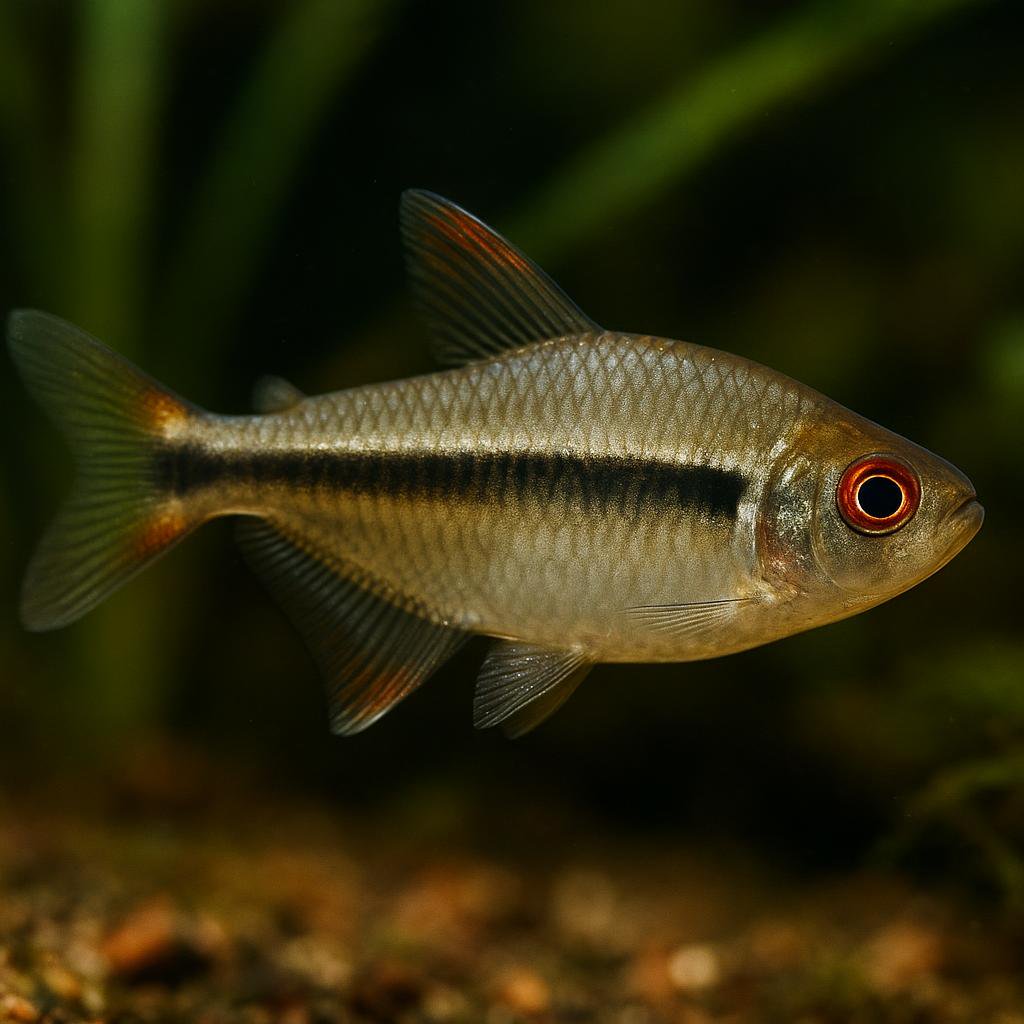
Amapa tetra
Hyphessobrycon amapaensis
This is a tiny, super sleek little tetra with a clean red stripe down the side that really pops once its settled in. It does best in a planted, slightly tinted "creek-style" setup and looks way cooler when you keep a proper group so they school and flash that line together. If you can give it soft, slightly acidic water and a calm community, its an easy fish to fall for.
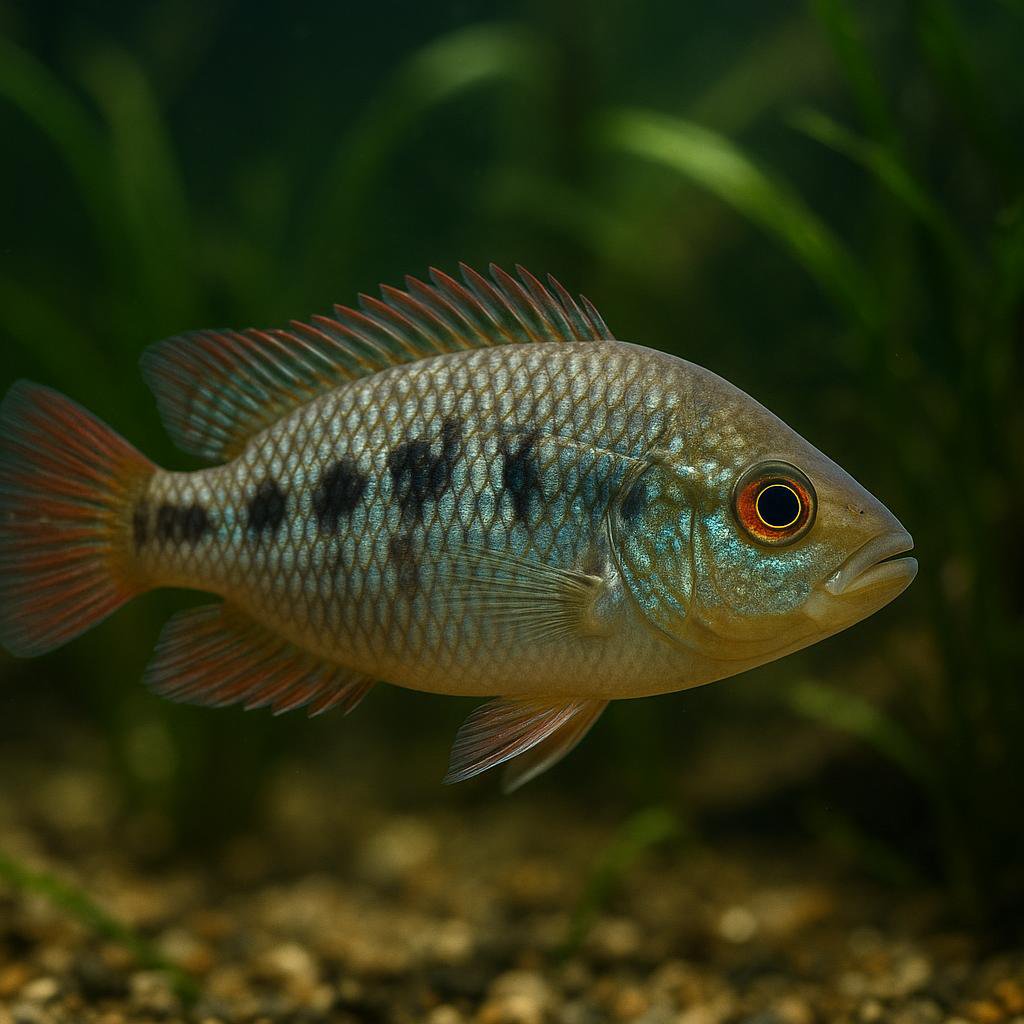
Amatlan chub
Yuriria amatlana
Yuriria amatlana (the Amatlan chub) is a little Mexican native minnow from the Ameca River basin. Its wild range is pretty limited and it is listed as Endangered, so its care info in the aquarium hobby is basically nonexistent and its availability is usually low. In the original species description, preserved fish show a dark lateral stripe with a darker patch on the caudal peduncle, and they can have tiny barbels at the mouth corners.
More to Explore
Discover more freshwater species.
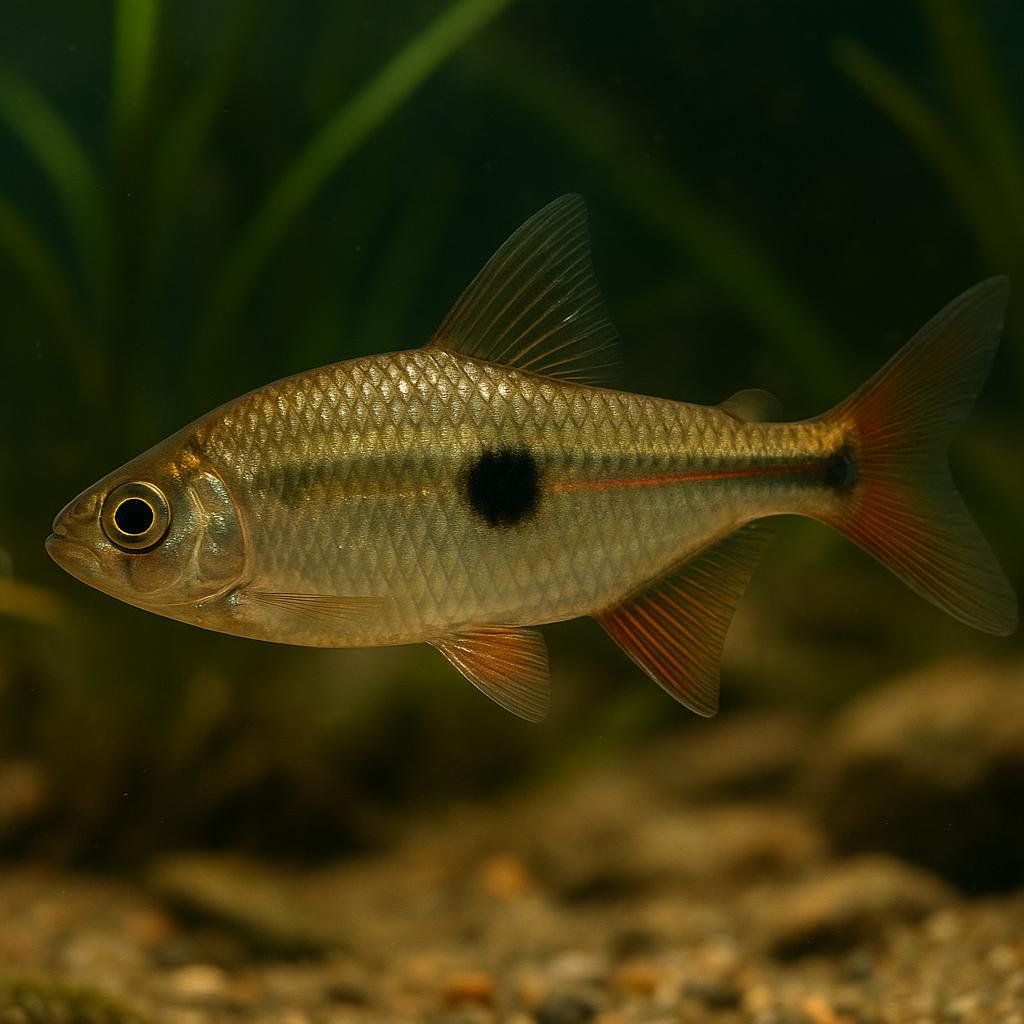
Jupiaba kurua
Small South American characin endemic to the upper rio Curuá (rio Xingu basin, Brazil). Reaches about 8.7 cm SL and inhabits clearwater rivers. Distinguished by dark dots on the bases of many lateral scales and a distinct dark caudal‑peduncle spot. Reported diet indicates omnivory, including aquatic insects, small fishes, and fragments of Podostemaceae and filamentous algae.
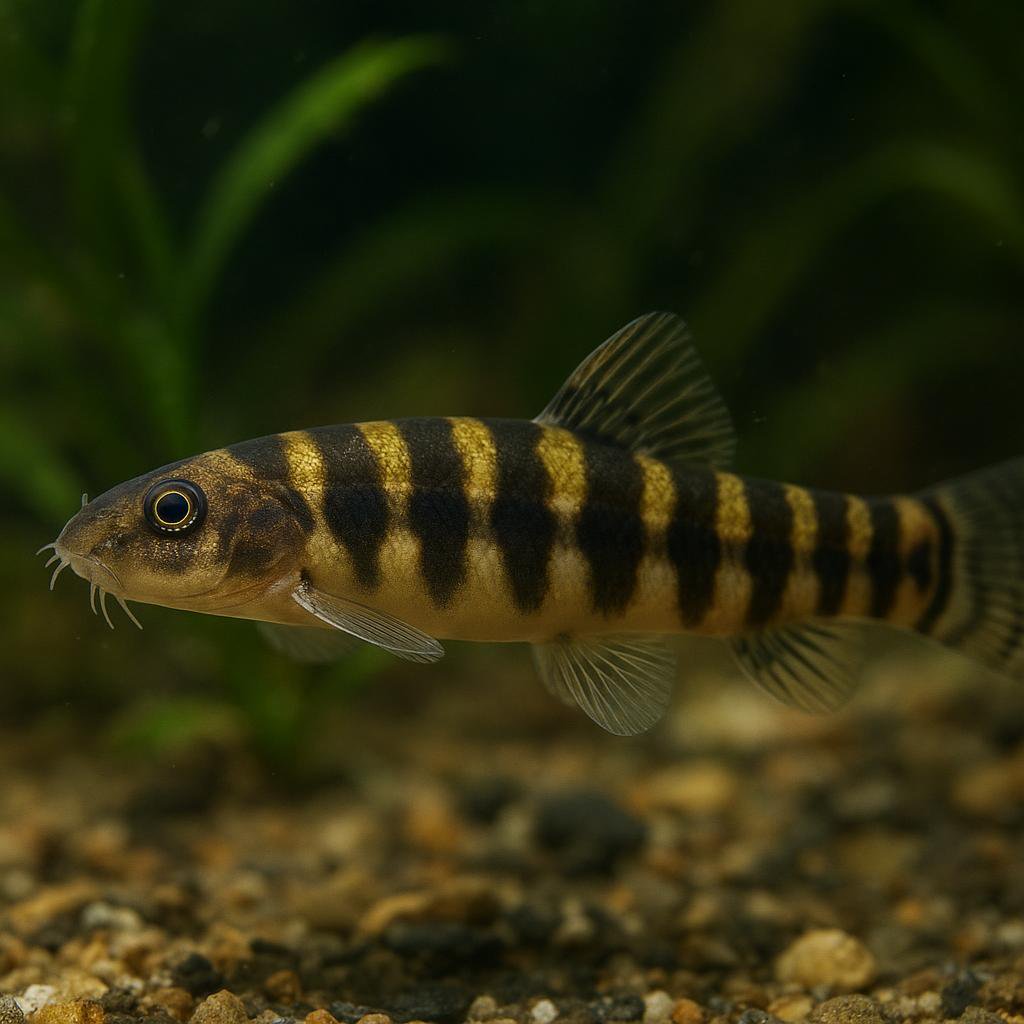
Altipedunculata stone loach
Schistura altipedunculata
Schistura altipedunculata is one of those little stream loaches that wants clean, well-oxygenated water and a bunch of rock nooks to claim as home. It is a bottom-hugger that will spend its day scooting from crevice to crevice, and it tends to get a bit spicy with its own kind if you do not give it enough hiding spots.
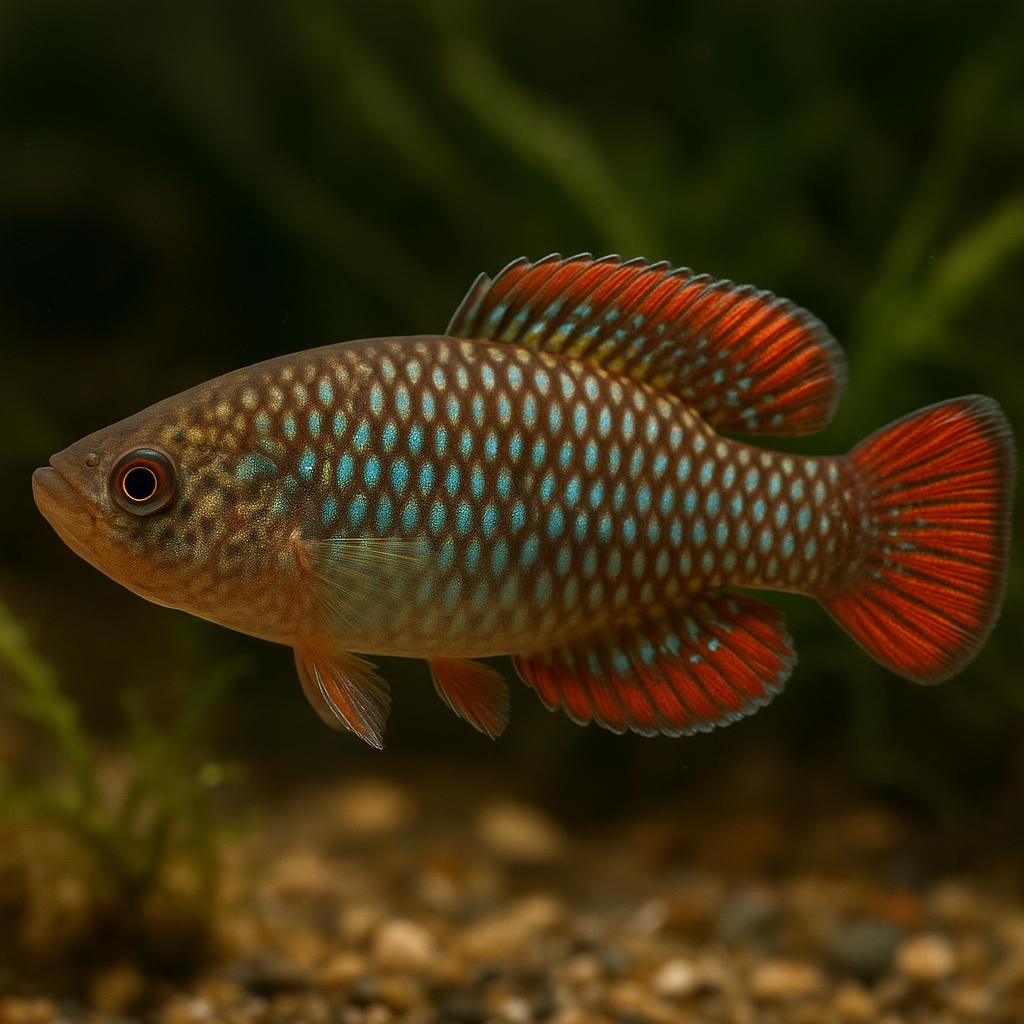
American flagfish
Jordanella floridae
Jordanella floridae is that little Florida native with the red-and-cream striping that really does look like a tiny flag once a male colors up. They graze algae like champs (especially stringy/hair algae), but they have a bit of attitude - give them plants and space so the bossy behavior stays manageable. Bonus: the male guards the eggs and will actively fan them, which is pretty fun to watch.
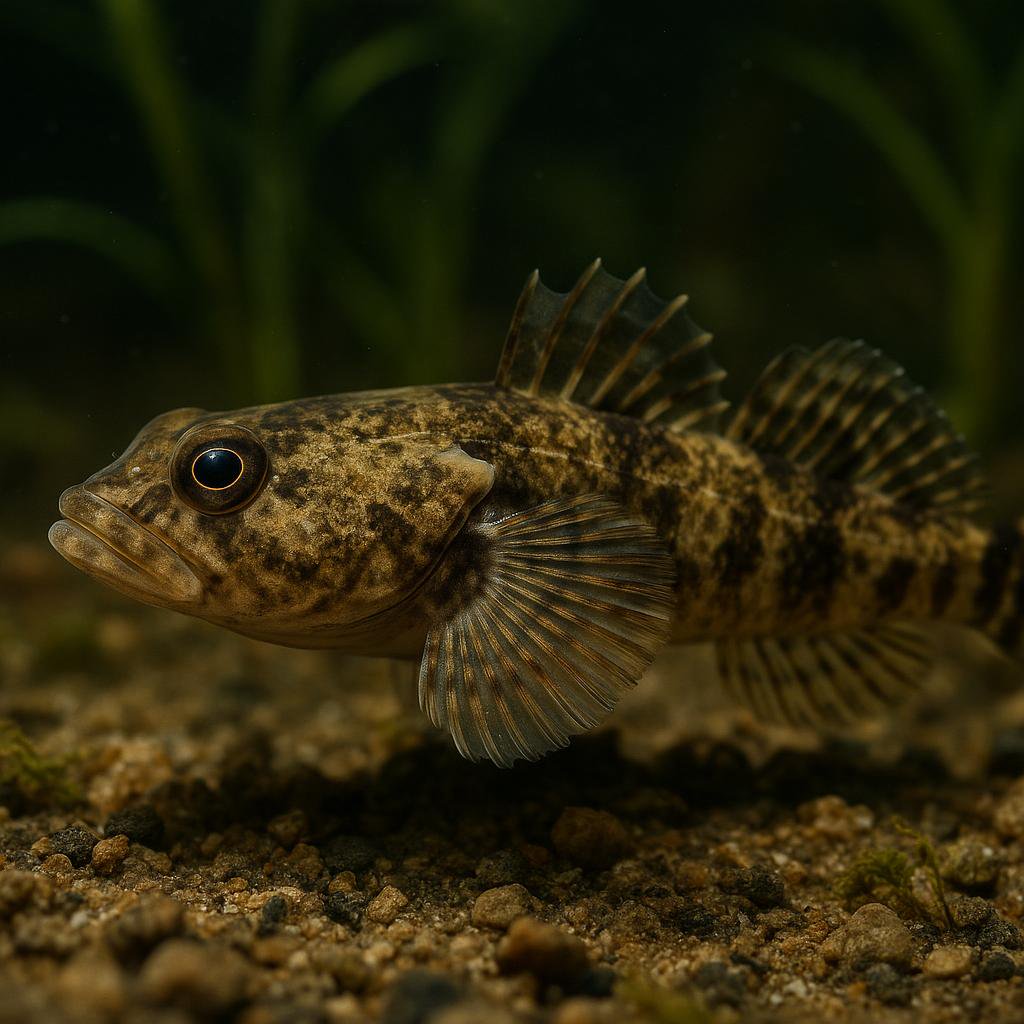
Amur sculpin
Alpinocottus szanaga
This is a little coldwater sculpin from the Amur drainage - a bottom-hugging, rock-and-gravel fish that spends its day wedged under stones and darting out to grab food. Super cool behavior and attitude, but it is absolutely not a warm tropical community fish - it wants chilly, fast, oxygen-rich water and will bicker with other bottom fish.
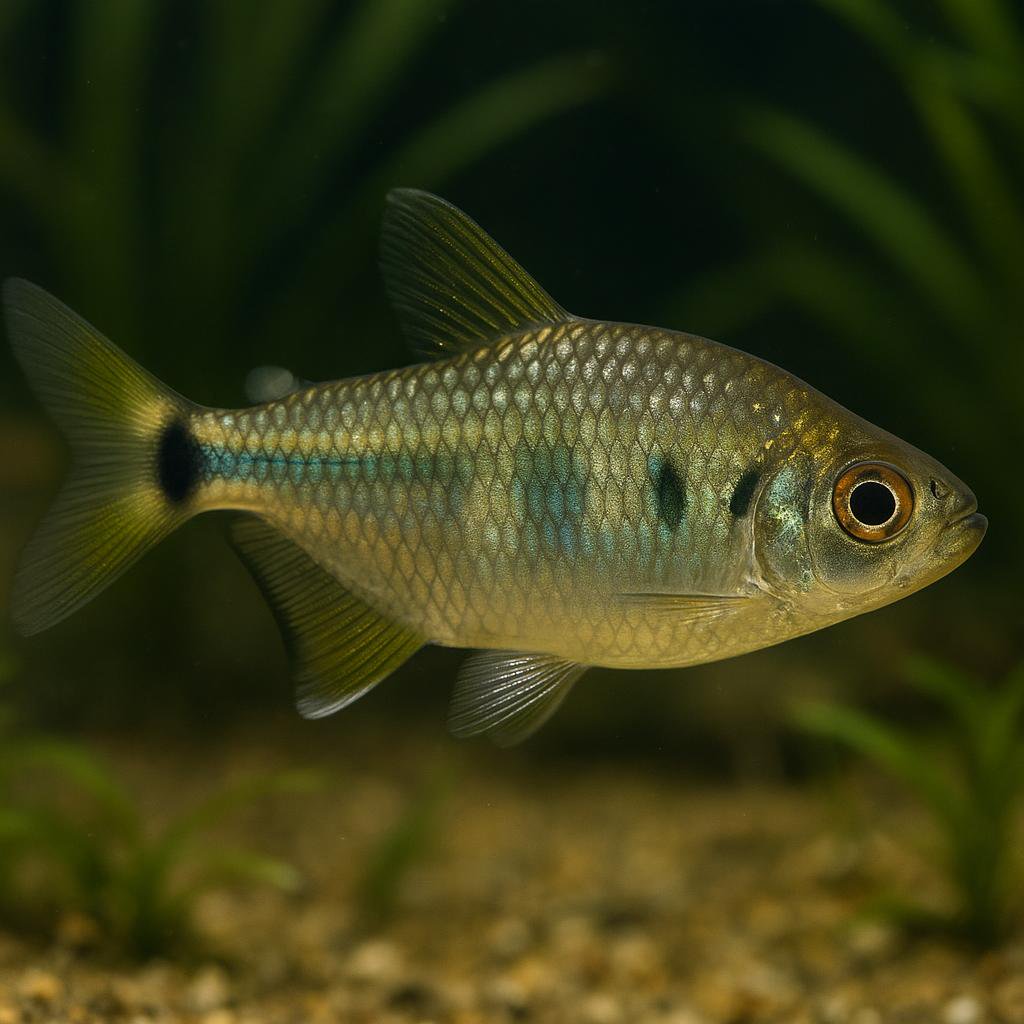
Andrica moenkhausia
Moenkhausia andrica
Moenkhausia andrica is a little Brazilian characin from the Tapajos system that tops out around 7 cm (about 2.8 inches) standard length. It has a neat netted (reticulated) scale pattern plus a dark spot on the caudal peduncle, and the really wild part is that mature females can have tiny fin hooklets too, which is usually a male-only thing in a lot of characins.
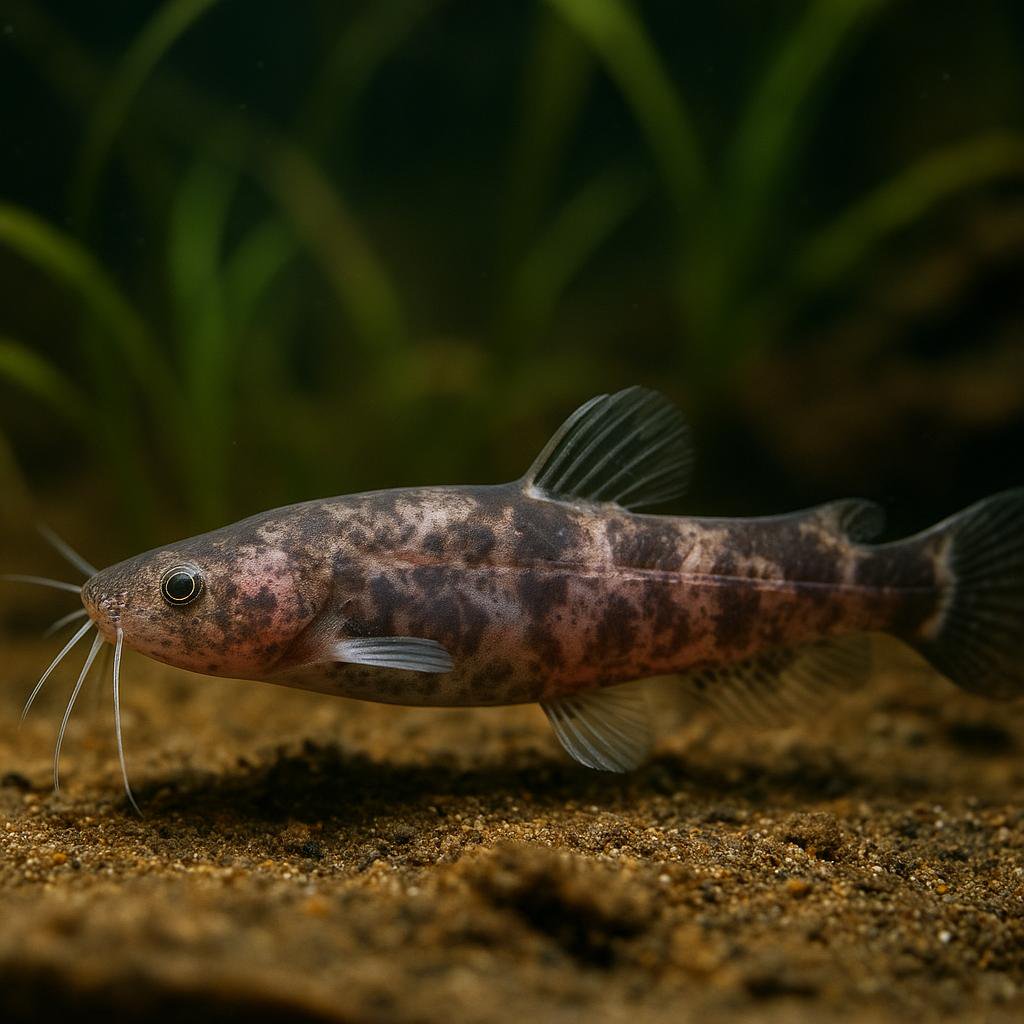
Anhanga pygmy pencil catfish
Potamoglanis anhanga
This is a truly tiny Amazonian trichomycterid catfish - like 1.3 cm max - so it is more of a micro-predator oddball than a typical community catfish. It is the kind of fish that disappears into sand, leaf litter, and plant roots, and you will spend way more time setting up the right micro-habitat than you will actually seeing it.
Looking for other species?