

Timid lamprologine cichlid
Neolamprologus timidus
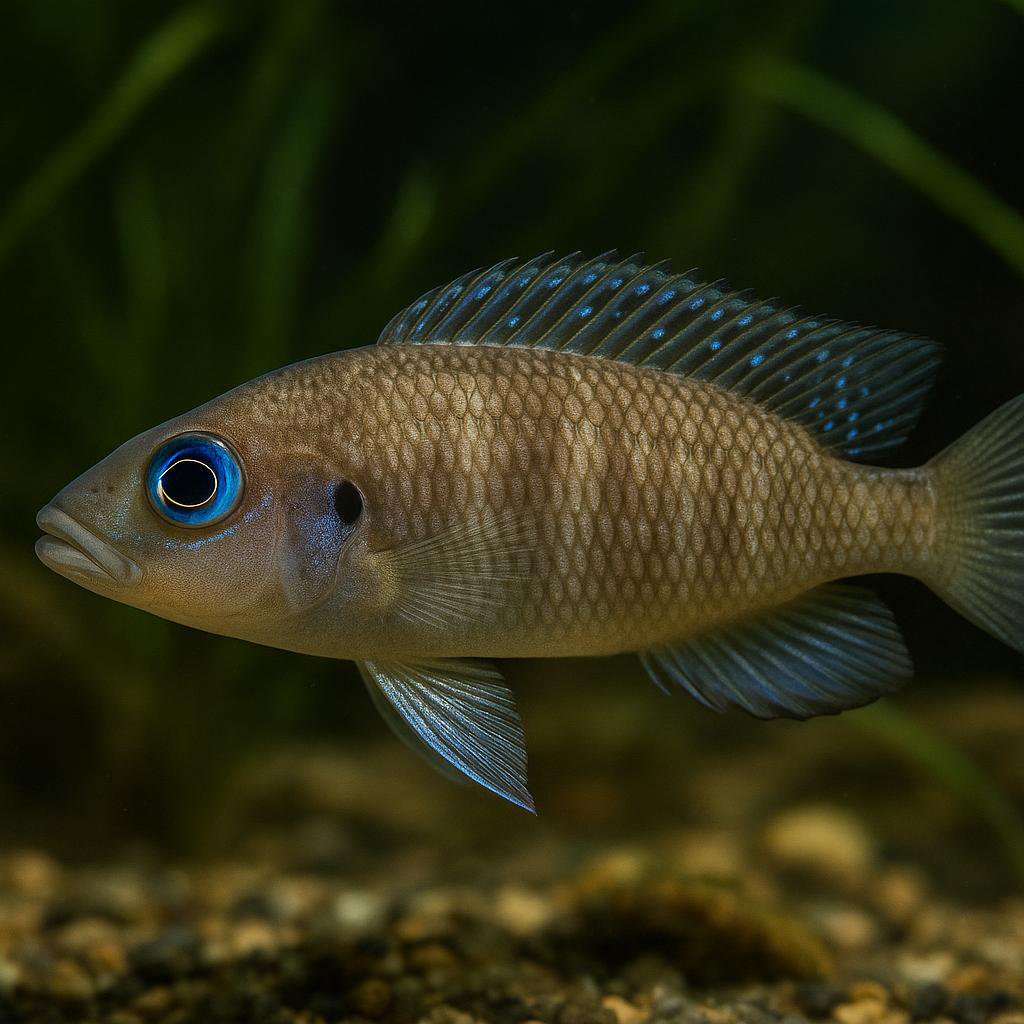
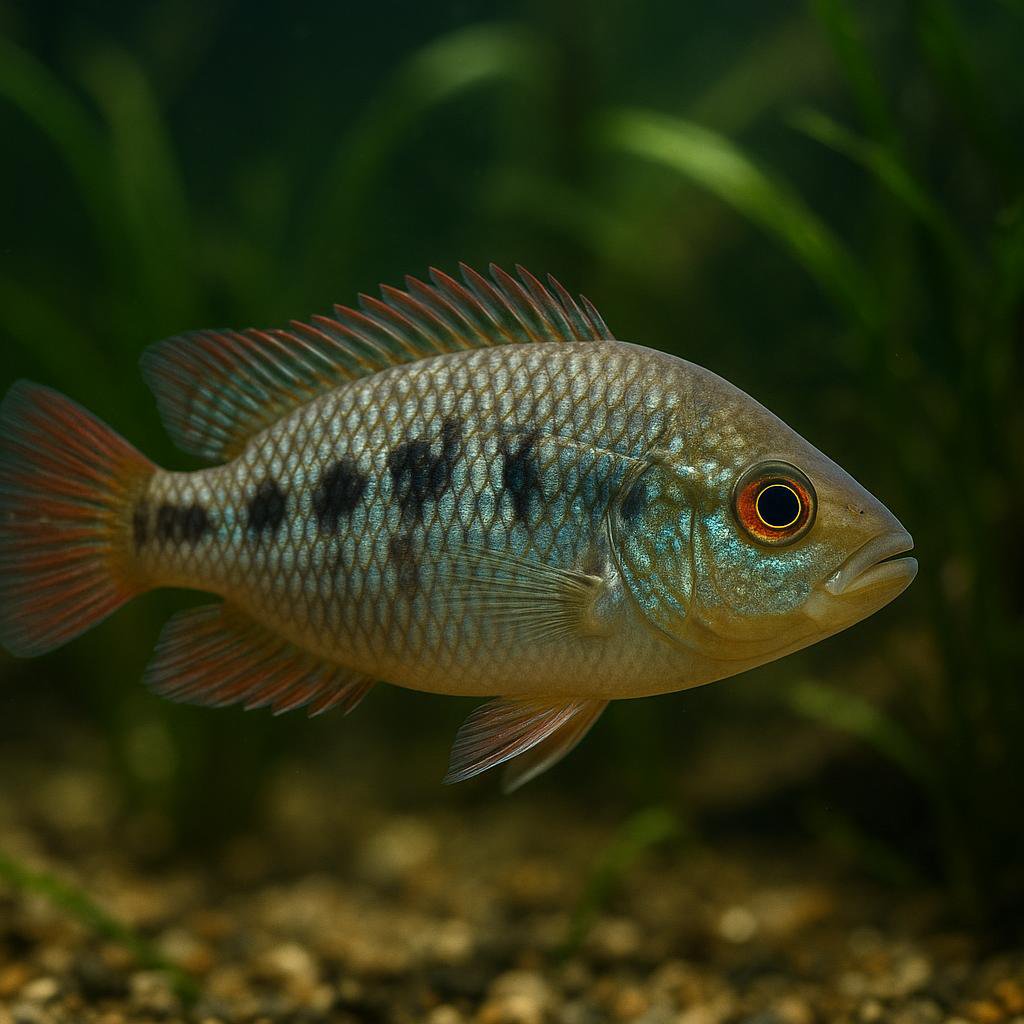
Timid lamprologine cichlids exhibit a sleek, elongated body with a pale yellow hue and distinctive dark horizontal stripes.
This page includes AI-generated images. Why am I seeing AI images?
About the Timid lamprologine cichlid
This is a Lake Tanganyika rock-cave cichlid that acts exactly like its name - it tends to be shy and hangs in hard-to-reach caves, often even sitting upside down under overhangs. It tops out around 10 cm and is more of a "pair with a cave" fish than a busy open-water swimmer, so the whole setup is about rocks, shadows, and stable Tanganyika water.
Also known as
Quick Facts
Size
10 cm SL
Temperament
Semi-aggressive
Difficulty
Advanced
Min Tank Size
30 gallons
Lifespan
5-8 years
Origin
Africa - Lake Tanganyika (Tanzania)
Diet
Carnivore/invertivore - quality cichlid pellets plus frozen/live foods (brine shrimp, mysis, cyclops, etc.)
Water Parameters
24-28°C
7.8-9
10-25 dGH
Need a heater for this species?
This species needs 24-28°C in a 30 gallon tank. Use our heater calculator to find the right wattage.
Calculate heater sizeCare Notes
- Give them a Tanganyika-style rock pile with lots of tight cracks plus a few small shells or caves - they stay way calmer when they can vanish instantly.
- Keep the water hard and alkaline (aim around pH 8.0-9.0, GH 10-20, KH 10+), and keep nitrate low; they get skittish and sulky fast in dirty water.
- They do best around 24-26 C (75-79 F) with strong filtration and good surface agitation; they hate stale water but also hate being blasted by a powerhead right at their cave.
- Feed small meaty stuff they can grab quickly: frozen cyclops, brine shrimp, daphnia, finely chopped mysis, and good small pellets - go light because they are prone to bloat if you overdo rich foods.
- Tankmates need to be calm and not competitive at feeding time; avoid fast greedy fish (most Mbuna, big Julies, Tropheus) or they will hide and slowly starve.
- Best setup is species-only or with other gentle Tanganyikans that stick to their own zones (small shell dwellers, calm Altolamprologus juveniles if the tank is big, or a single pair of a mild Julidochromis).
- If you want breeding, stack multiple caves and let a pair pick one; once fry appear, keep hands out and feed tiny foods (baby brine, crushed flake) because the parents will guard a small area hard.
- Watch for 'mysterious' weight loss from bullying and missed meals, and for bloat after heavy feeding; if one fish is always hiding with clamped fins, something in the social setup is off.
Compatibility
Good Tankmates
- Small, calm Tanganyikan shell-dwellers (like Neolamprologus brevis or ocellatus) - they mostly mind their own business in their shells, and timidus usually just does the stare-down-from-a-cave thing instead of nonstop brawling.
- Julidochromis (ornatus or transcriptus especially) - rock/cave types that stick to their lanes. In my experience they can do the whole 'neighbor cichlid' thing without turning the tank into a warzone if you give lots of rockwork and broken sight lines.
- Cyprichromis (leptosoma style open-water schoolers) - they hang up top and midwater, so they are not constantly poking into timidus territory. Great for making the tank feel active without stressing the bottom fish.
- Small, peaceful Tanganyikan sand sifters like Xenotilapia (the more mild ones) - as long as the tank has room, they cruise the sand and usually do not obsess over caves, so timidus does not take it personally.
- Synodontis catfish that stay reasonable-sized (like Synodontis petricola or lucipinnis) - they are tough enough to ignore a little cichlid attitude and mostly come out on their own schedule. Good 'bottom buddy' if you have caves and hiding spots.
- Altolamprologus compressiceps (smaller individuals, not a huge bruiser) - can work in bigger, rock-heavy setups because they are not constant chasers, but keep an eye out at feeding time since they can be pushy and predatory with tiny tankmates.
Avoid
- Mbuna and other hyper-territorial rock bullies (Melanochromis, some Pseudotropheus, etc.) - they will out-muscle and harass timidus until it just hides and stops eating.
- Big, in-your-face cichlids (Frontosa, big aggressive Hap/Peacock mixes, or anything that claims the whole tank) - timidus is 'semi-aggressive' but not built for constant pressure, and it gets pinned into a corner fast.
- Fin-nippers and nonstop pestering fish (serpae-type tetras, tiger barbs, or similar) - timidus does not like being buzzed, and it tends to either sulk or start snapping back all day.
- Tiny fry-sized fish or shrimp you care about - timidus is a lamprologine and will absolutely treat small bite-sized stuff like free snacks once it settles in.
Where they come from
Neolamprologus timidus is a Tanganyika shell-dweller from Africa's Lake Tanganyika. They hang around sandy stretches with scattered shells and rocks, living life close to the bottom. The name fits - they are not bold show-off fish, and that shy streak is a big part of why people struggle with them.
If your tank looks like a bright, wide-open stage, timidus will act like a fish with stage fright. Give them cover and shell real estate and you will see way more natural behavior.
Setting up their tank
Think sand, shells, and predictable territory lines. I have had the best results keeping them in a species setup or with only very calm Tanganyika neighbors. They are advanced mostly because they do not compete well and they stress easily if the tank is too busy.
- Tank size: 20 gallons is workable for a pair or small group, but 30+ gallons makes everything easier and calmer
- Substrate: fine sand (they like to sift and it lets shells sit naturally)
- Shells: give more shells than fish - I like 3-5 shells per fish as a starting point
- Layout: shells in clusters with small rock piles or rock lines to break up sight lines
- Filtration: strong and stable, but avoid blasting the shell bed with flow
- Lighting: not too intense; floating plants can help dim things even in Tanganyika-style tanks
Water wise, treat them like typical Tanganyika cichlids: hard, alkaline, and very stable. The stability part is what bites people. These fish do not like sudden swings, and they will hide and stop eating long before they actually crash.
Use rockwork to create little "hallways" and blind corners. If they can duck out of view fast, they spend more time out in the open.
What to feed them
They are small-mouthed pickers. In my tanks they did best on small foods offered calmly and consistently. If you dump in big pellets and hope for the best, the bolder fish eat everything and timidus learns to stay hungry.
- Staples: small cichlid pellets or granules that sink slowly
- Frozen: cyclops, baby brine shrimp, finely chopped mysis, daphnia
- Live (great for shy new fish): baby brine shrimp, grindal worms, blackworms if you trust your source
- Avoid: large chunks of food they cannot take, and heavy high-fat feeding that fouls water fast
Feed in two spots. I drop a pinch near the shell bed and another pinch away from it. That way the nervous fish can eat without having to push through traffic.
How they behave and who they get along with
They are not aggressive bruisers. They are more like tiny landlords with anxiety. They will defend a shell and a small patch of sand, but they are easy to intimidate. If they feel watched, they disappear.
If you want to actually see them, pick tankmates that do not hover over the shell zone or constantly patrol the bottom. I have watched timidus shut down completely with pushy Julidochromis or any fast, nosy midwater fish that keeps darting around.
- Best: species tank, or a calm Tanganyika community with lots of space and clear territories
- Use caution: other shell-dwellers (they will compete for shells and can bully them)
- Avoid: aggressive lamprologines, fast feeders, big bottom cruisers, or anything that loves to investigate shells
If you add them to an established tank full of confident fish, they often never settle. I have had much better luck adding timidus first, letting them claim shells, then adding calm fish later.
Breeding tips
They are shell spawners. Once a pair settles, the female will spend a lot of time deep in the shell, and the male usually patrols the immediate area. The hard part is not getting eggs - it is getting the adults comfortable enough to act natural.
- Start with a small group and let them pair off, or buy a proven pair if you can find one
- Give multiple shell sizes and a few tight, sheltered spots (a shell tucked near a rock seems to get used more)
- Keep feeding small foods and do not change everything around the tank right when they start showing breeding behavior
- Fry foods: baby brine shrimp, microworms, crushed flakes, and fine powder foods
If you need to move fry, move the whole shell instead of chasing the babies with a net. Less stress, less chaos, and you do not break the pair bond by wrecking their territory.
Common problems to watch for
Most issues with timidus look like "mystery fish" problems: hiding, not eating, and slowly fading. Usually it is not a disease at first - it is social pressure, too much activity, or a tank that is too exposed.
- Shyness that never improves: tank too bright, too open, or tankmates too pushy
- Not eating: food too large, feeding too competitive, or they are stressed by constant movement near their shells
- Torn fins: territorial disputes over shells or harassment from larger fish
- Bloat and stringy poop: overfeeding rich foods, poor water quality, or chronic stress
- Sudden losses after water changes: big swings in temperature, pH, or hardness
Do not "fix" a timid fish by tearing the tank apart every week. Big rescapes and constant hands-in-tank maintenance can keep them in permanent hiding mode. Make changes slowly and give them time.
Similar Species
Other freshwater semi-aggressive species you might be interested in.
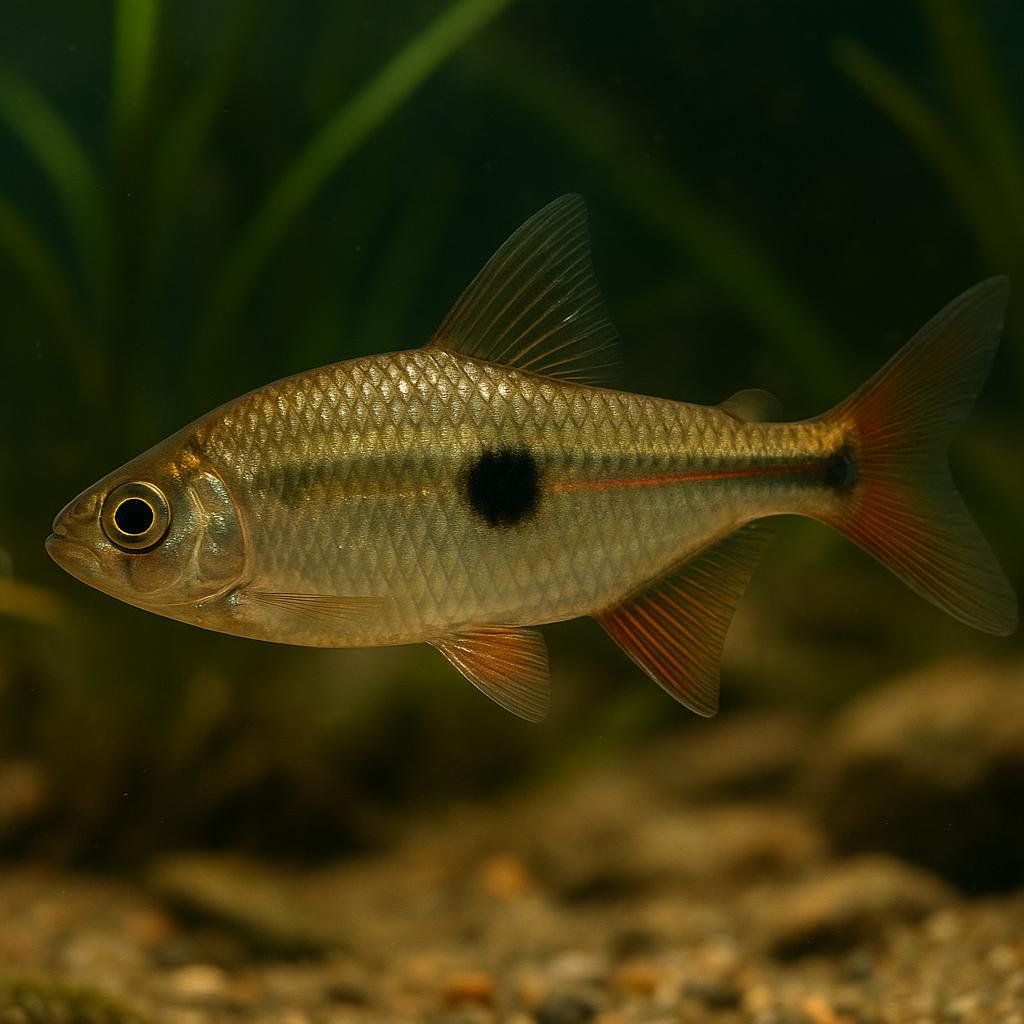
Jupiaba kurua
Small South American characin endemic to the upper rio Curuá (rio Xingu basin, Brazil). Reaches about 8.7 cm SL and inhabits clearwater rivers. Distinguished by dark dots on the bases of many lateral scales and a distinct dark caudal‑peduncle spot. Reported diet indicates omnivory, including aquatic insects, small fishes, and fragments of Podostemaceae and filamentous algae.
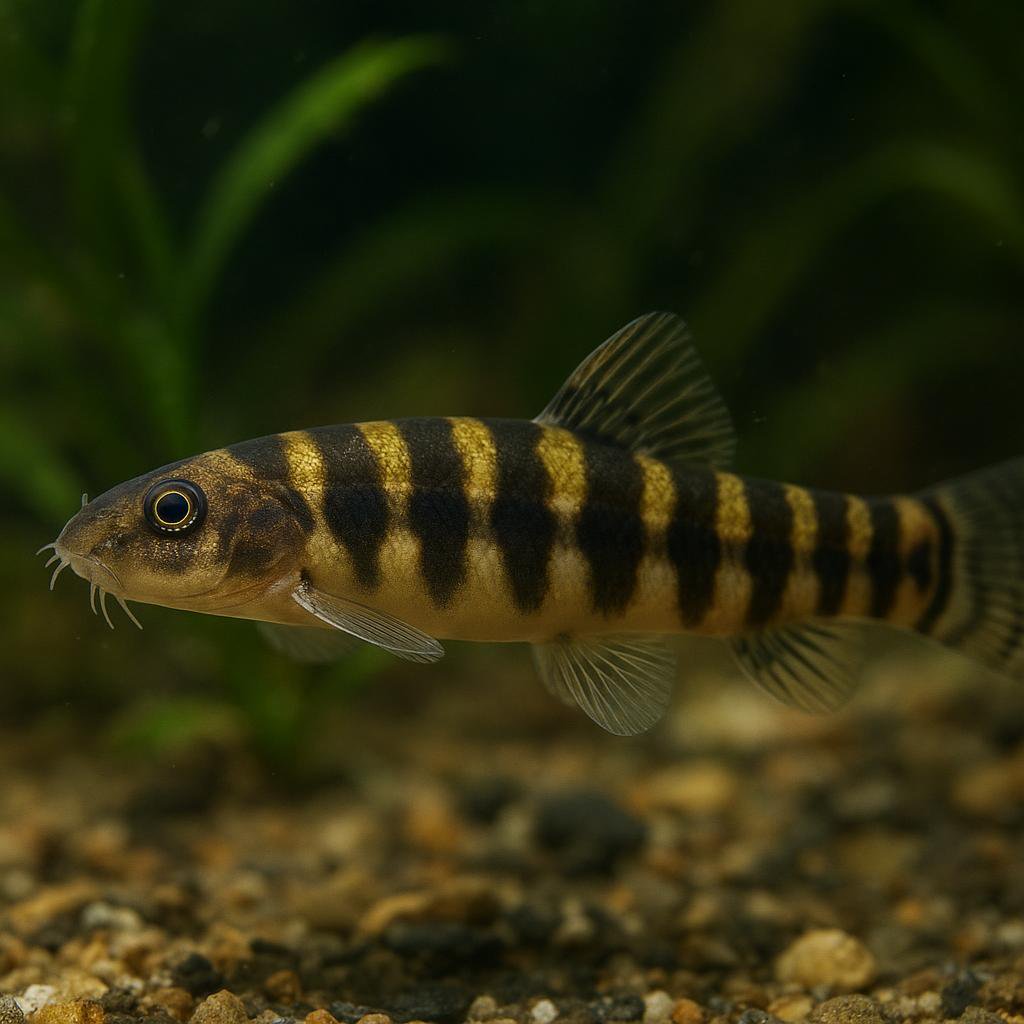
Altipedunculata stone loach
Schistura altipedunculata
Schistura altipedunculata is one of those little stream loaches that wants clean, well-oxygenated water and a bunch of rock nooks to claim as home. It is a bottom-hugger that will spend its day scooting from crevice to crevice, and it tends to get a bit spicy with its own kind if you do not give it enough hiding spots.
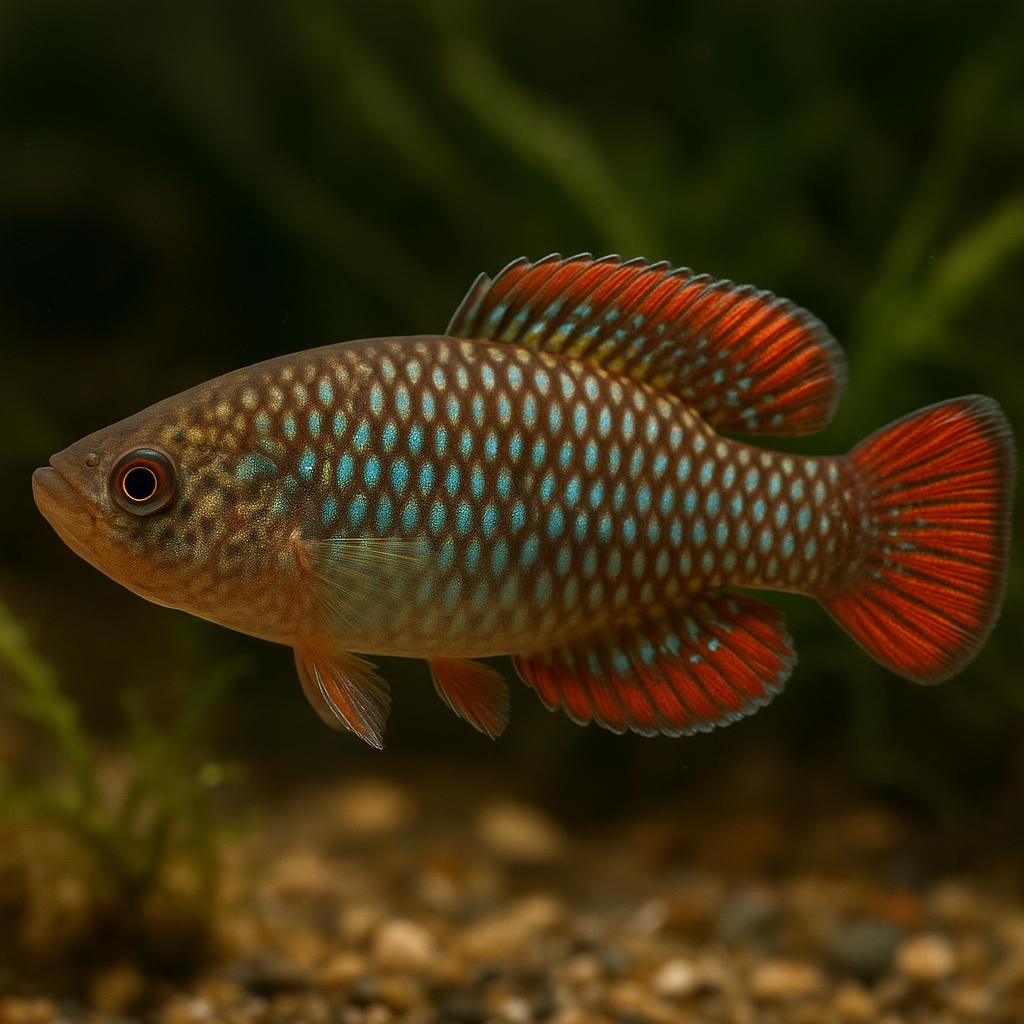
American flagfish
Jordanella floridae
Jordanella floridae is that little Florida native with the red-and-cream striping that really does look like a tiny flag once a male colors up. They graze algae like champs (especially stringy/hair algae), but they have a bit of attitude - give them plants and space so the bossy behavior stays manageable. Bonus: the male guards the eggs and will actively fan them, which is pretty fun to watch.
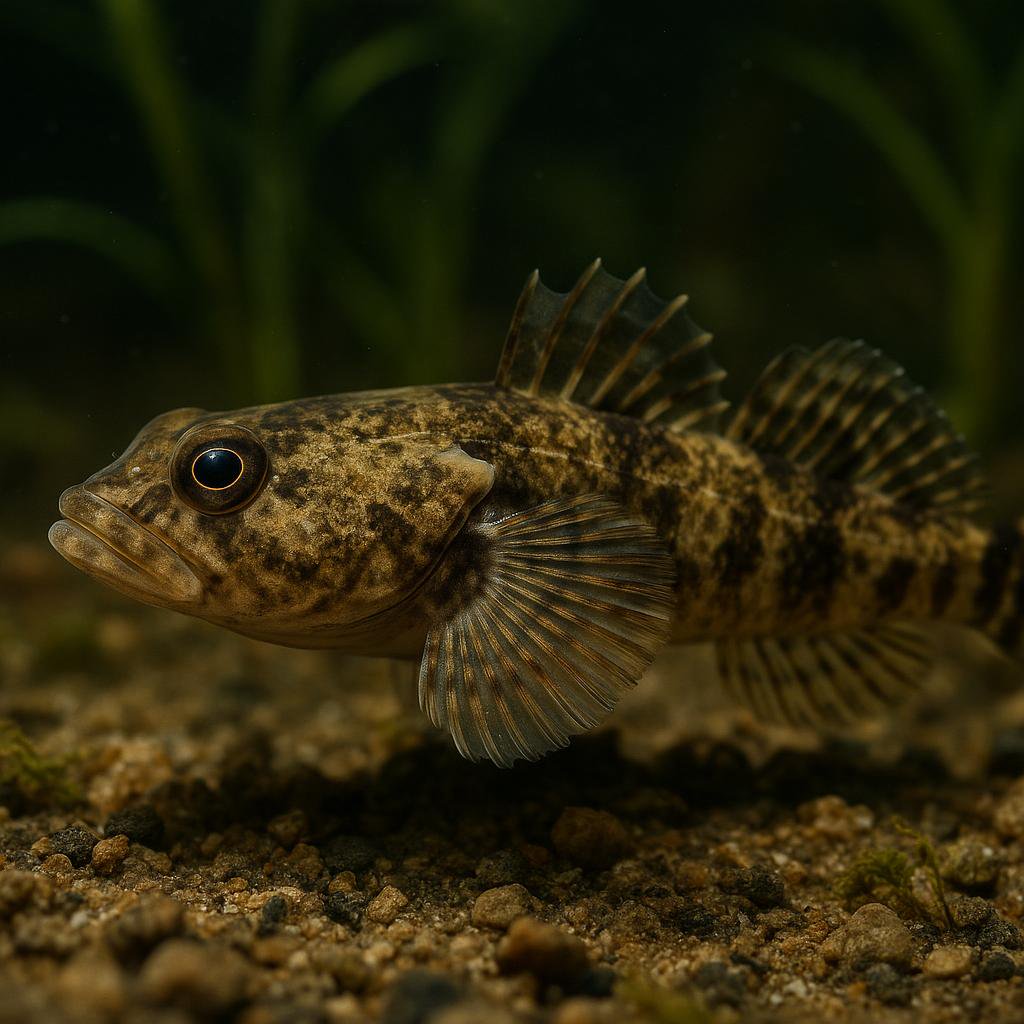
Amur sculpin
Alpinocottus szanaga
This is a little coldwater sculpin from the Amur drainage - a bottom-hugging, rock-and-gravel fish that spends its day wedged under stones and darting out to grab food. Super cool behavior and attitude, but it is absolutely not a warm tropical community fish - it wants chilly, fast, oxygen-rich water and will bicker with other bottom fish.
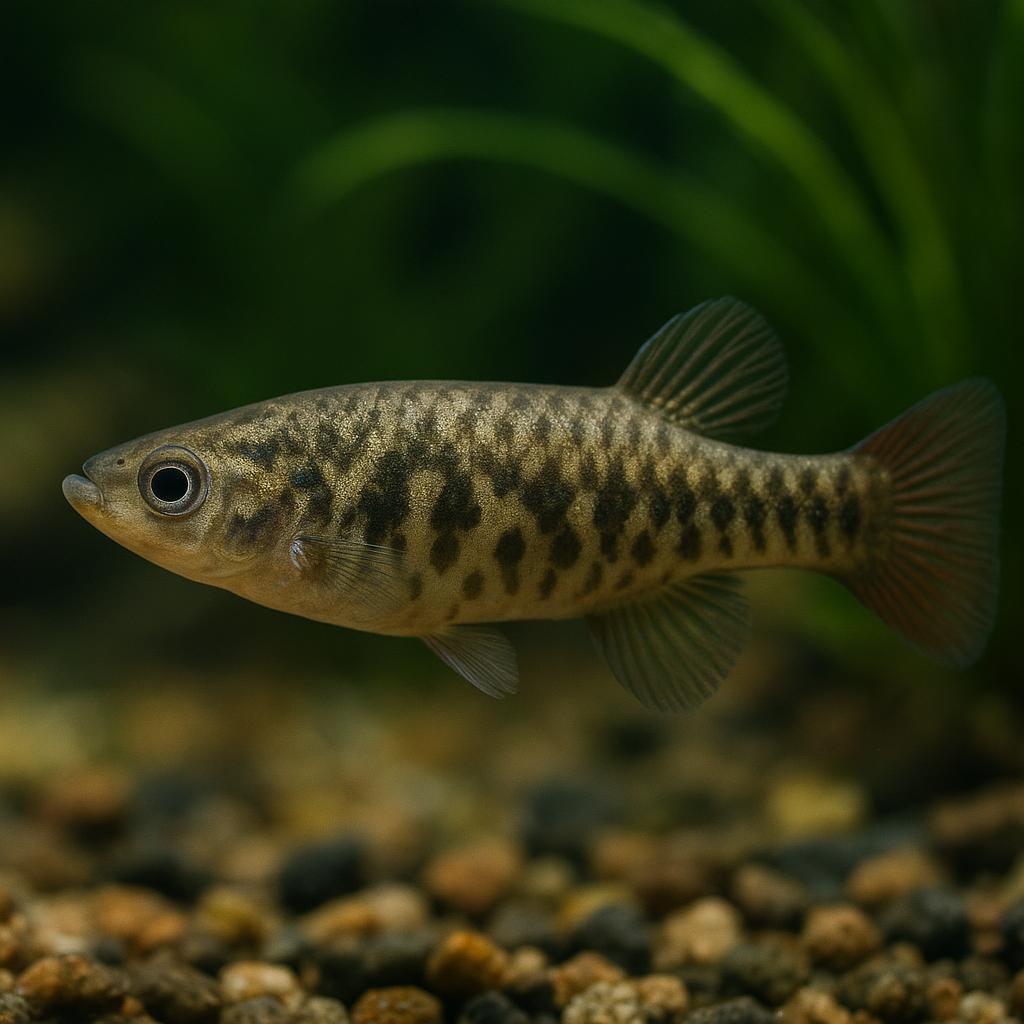
Anitápolis livebearer
Jenynsia weitzmani
Jenynsia weitzmani is a freshwater anablepid livebearer endemic to southern Brazil (currently known only from the type locality near Anitápolis, Santa Catarina). Like other Jenynsia (onesided livebearers), reproduction involves lateralized mating morphology/behavior; aquarium care guidance is not well-documented for this species specifically.
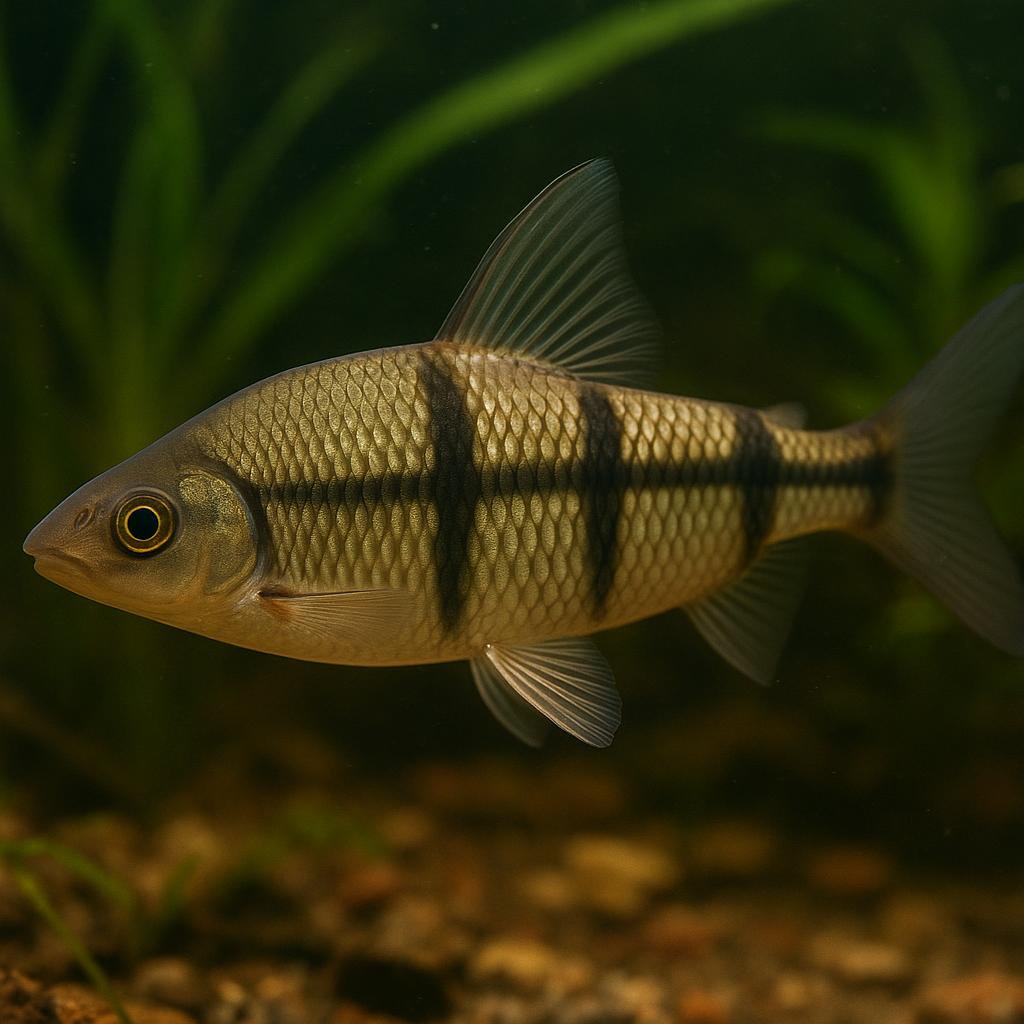
Aracu-comum
Schizodon vittatus
Schizodon vittatus is a large South American anostomid (family Anostomidae). Reported maximum size is about 35 cm standard length; it is harvested/consumed in parts of Brazil and is not commonly covered by mainstream aquarium husbandry references.
More to Explore
Discover more freshwater species.
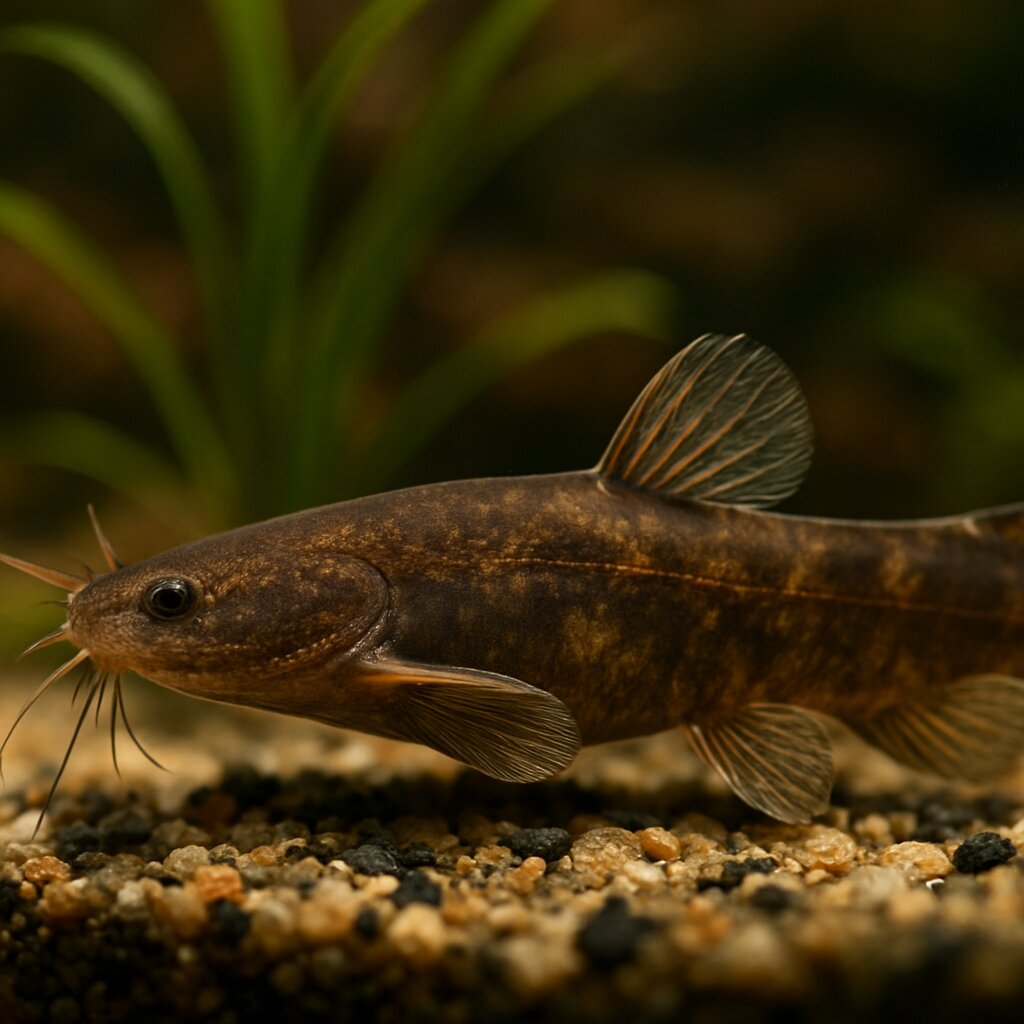
Amphilius dimonikensis
A small loach catfish endemic to the Mpoulou River in the Mayombe (Dimonika Biosphere Reserve), Republic of the Congo. Amphilius dimonikensis has a subtle banded pattern and inhabits fast, clear streams over rock and sand. In aquaria, prioritize strong, well-oxygenated flow with rounded stones and sand to mimic hillstream conditions.
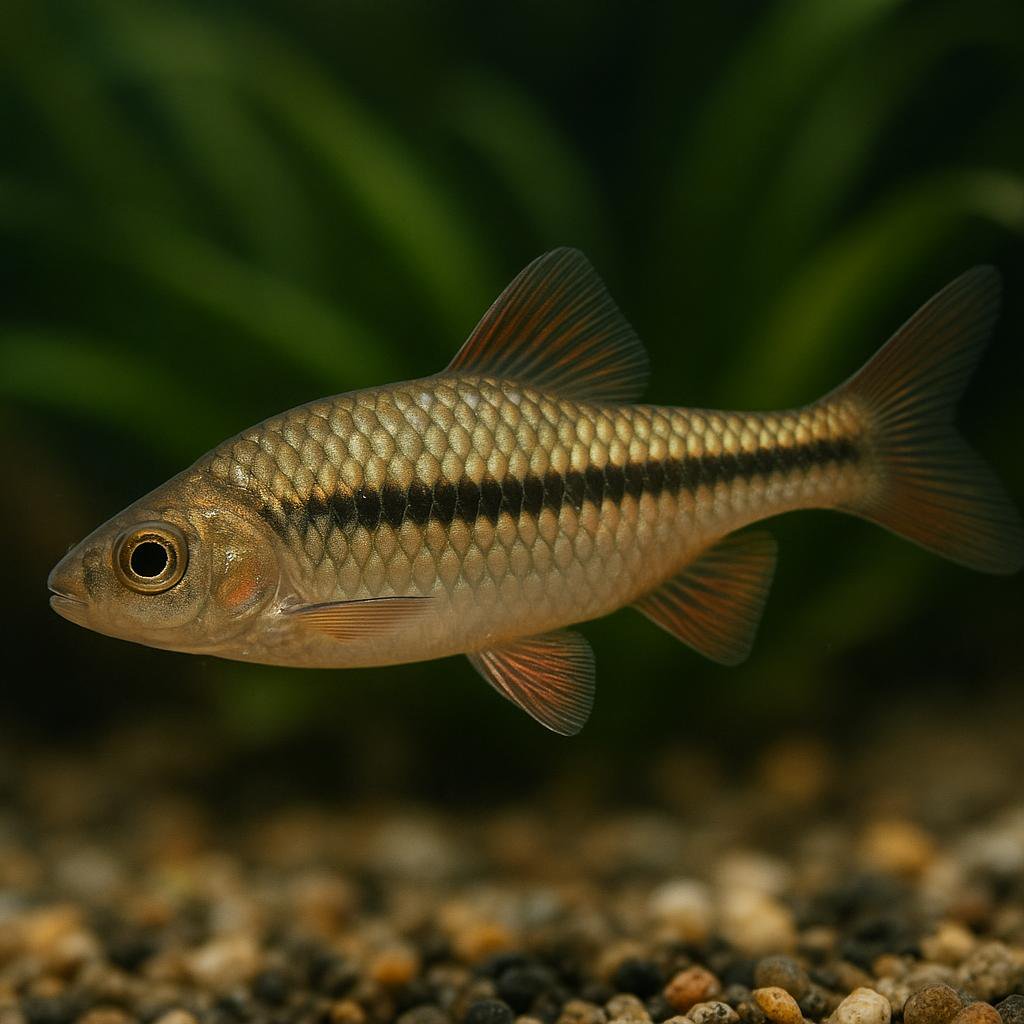
Aboina barb
Enteromius aboinensis
Enteromius aboinensis (the Aboina barb) is a small West African barb with a clean black midline stripe and a little spot right at the base of the tail. It does best when you treat it like a proper schooling fish - keep a decent group and give it plants around the edges with open swimming room in the middle.
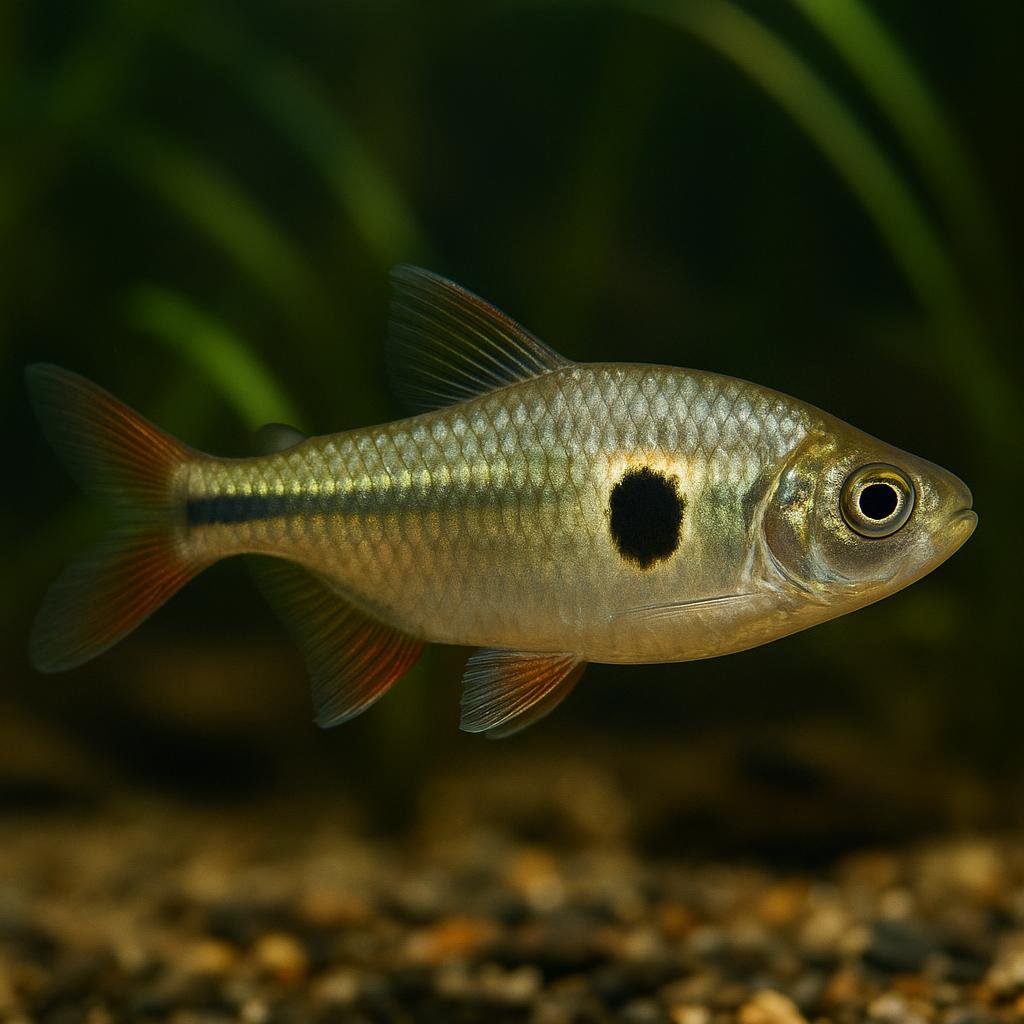
Ajuricaba tetra
Jupiaba ajuricaba
Jupiaba ajuricaba is a South American freshwater characin from the Amazon basin in Brazil (rio Negro, rio Solimões, and rio Tapajós basins). It reaches about 9.5 cm SL and is diagnosed by a narrow dark midlateral stripe, an elongated humeral spot, and an ocellated spot on the upper caudal-fin lobe. Wild specimens have been collected from blackwater forest streams and also oxbow-lake habitats.
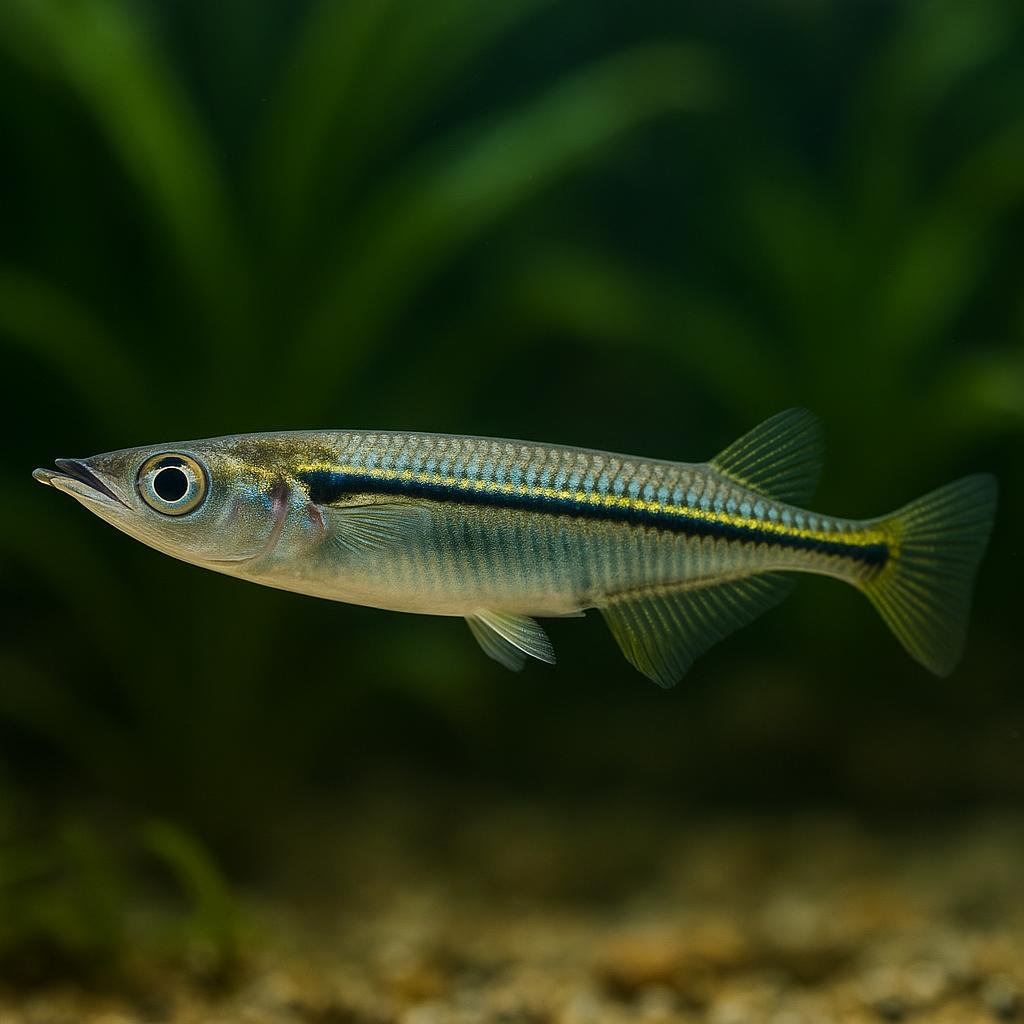
Allen's river garfish
Zenarchopterus alleni
A poorly known freshwater halfbeak endemic to West Papua (Mamberamo River), described from a single specimen (~13 cm SL). Beyond basic habitat/occurrence, little is published about its ecology or aquarium suitability; assume it is a surface-oriented, jump-prone halfbeak only by analogy with related taxa.
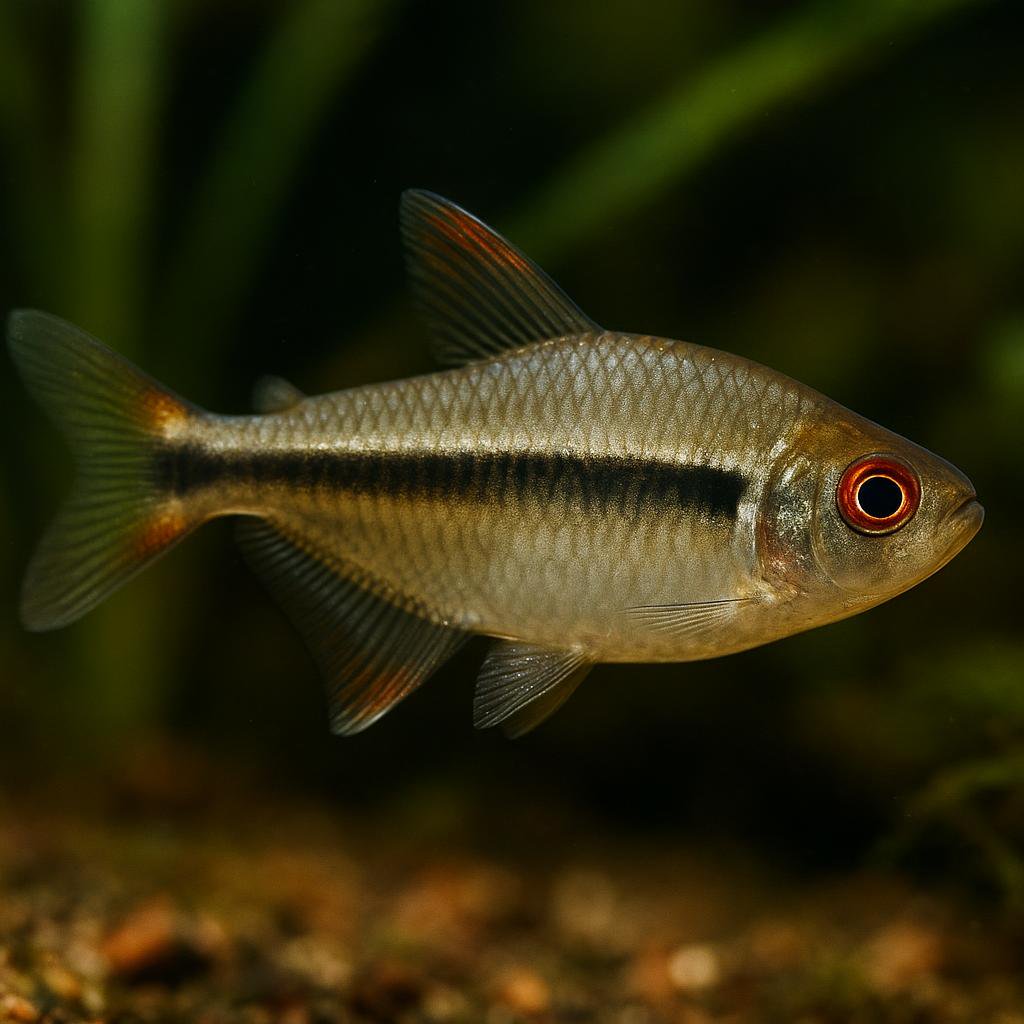
Amapa tetra
Hyphessobrycon amapaensis
This is a tiny, super sleek little tetra with a clean red stripe down the side that really pops once its settled in. It does best in a planted, slightly tinted "creek-style" setup and looks way cooler when you keep a proper group so they school and flash that line together. If you can give it soft, slightly acidic water and a calm community, its an easy fish to fall for.
Amatlan chub
Yuriria amatlana
Yuriria amatlana (the Amatlan chub) is a little Mexican native minnow from the Ameca River basin. Its wild range is pretty limited and it is listed as Endangered, so its care info in the aquarium hobby is basically nonexistent and its availability is usually low. In the original species description, preserved fish show a dark lateral stripe with a darker patch on the caudal peduncle, and they can have tiny barbels at the mouth corners.
Looking for other species?