

Fewpored gudgeon
Oxyeleotris paucipora
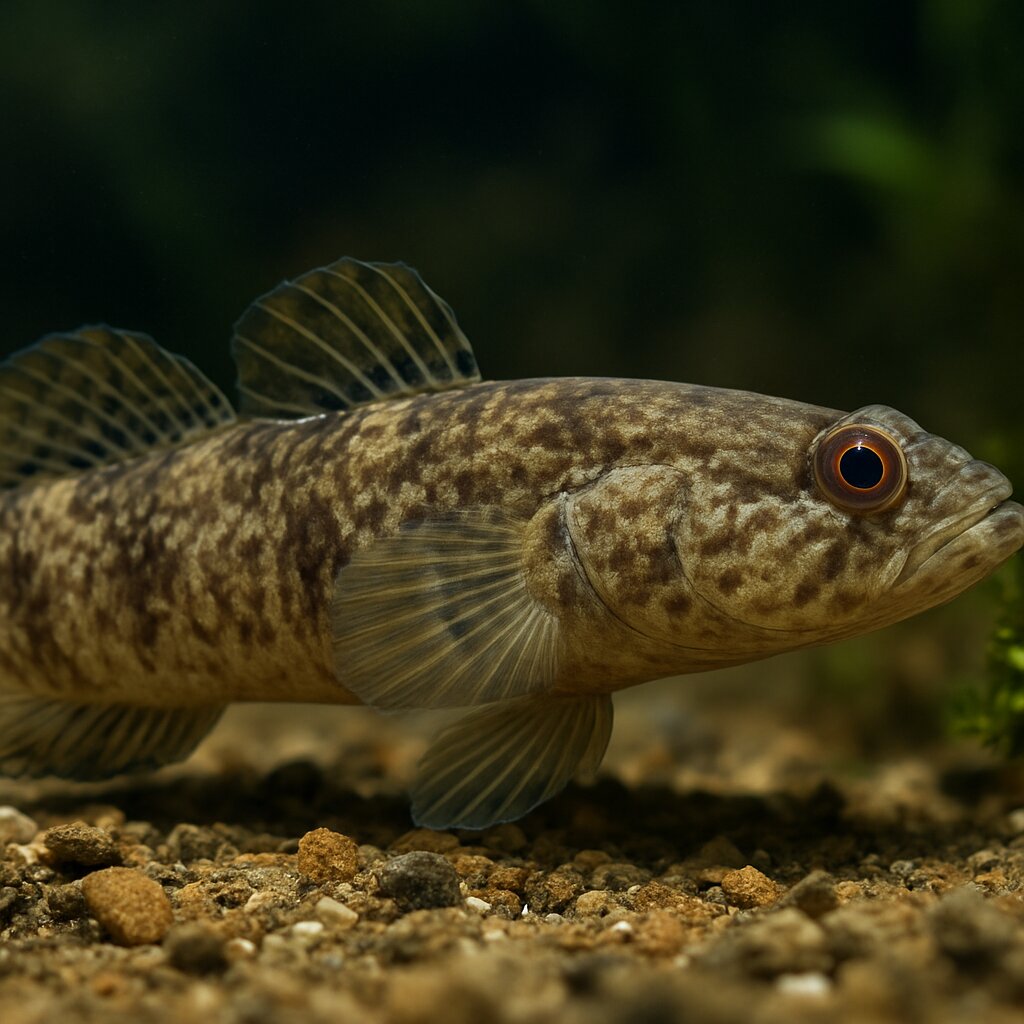
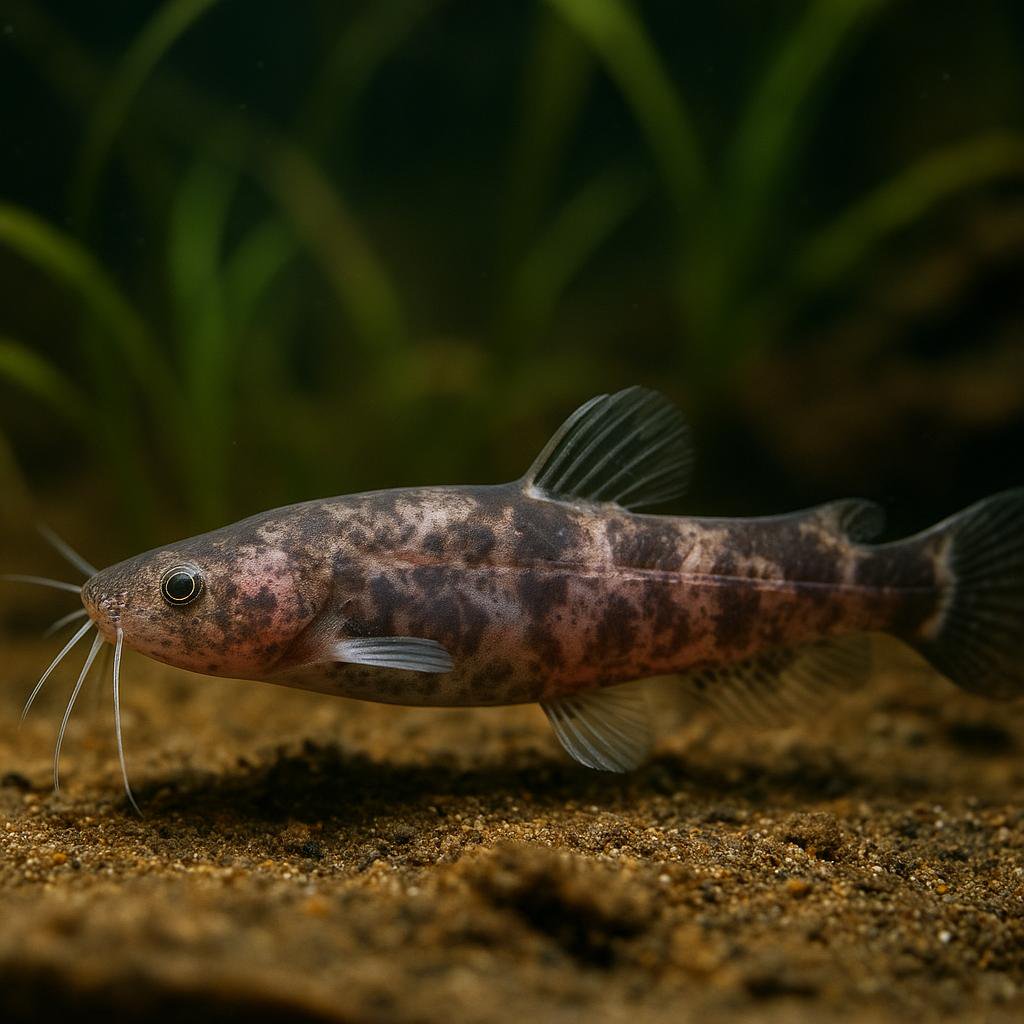
The Fewpored gudgeon features a slender body with a pale yellow to light brown coloration, marked by distinctive scattered dark spots.
This page includes AI-generated images. Why am I seeing AI images?
About the Fewpored gudgeon
A tiny sleeper goby from New Guinea, this little gudgeon hangs out in weedy backwaters and leaf-littered creeks and does short dash-and-grab hunts for bite-size critters. Think of it as a shy, bottom-perching micro-predator that appreciates calm water, cover, and gentle tankmates.
Also known as
Quick Facts
Size
4.5 cm SL
Temperament
Peaceful
Difficulty
Intermediate
Min Tank Size
10 gallons
Lifespan
2-4 years
Origin
New Guinea (Indonesia and Papua New Guinea)
Diet
Carnivore - small live and frozen foods (daphnia, baby brine, bloodworms); will take fine sinking pellets
Water Parameters
24-28°C
6-7.5
1-12 dGH
Need a heater for this species?
This species needs 24-28°C in a 10 gallon tank. Use our heater calculator to find the right wattage.
Calculate heater sizeCare Notes
- Give it floor space more than height - a 40 breeder or larger works - with fine sand, wood, rock caves/PVC, leaf litter, and a tight lid (they jump).
- Aim for 75-82 F (24-28 C), pH 6.8-7.8, moderate hardness, gentle flow, and strong aeration; keep nitrates under ~20 with big weekly water changes.
- It is full freshwater; skip the salt unless you are treating something short-term.
- Feed meaty sinking stuff - prawn, earthworms, blackworms, mussel, quality carnivore pellets; mix pellets with frozen to wean, and feed juveniles daily, adults every other day.
- Ambush predator alert: anything that fits in the mouth is food, so pair with similarly sized, calm tankmates that do not harass the bottom, or run it solo; no shrimp, guppies, or small tetras.
- They like dim light and cover; set up multiple caves with blocked lines of sight or one fish will claim the whole tank.
- Breeding is cave-style: the male guards eggs stuck to the cave roof; warm it to ~78-82 F, pile on live/frozen foods, and be ready with a sponge-filtered fry tank because the babies start tiny (paramecium/rotifers first, then baby brine).
- Quarantine new arrivals and deworm (prazi/levamisole); watch for belly sores from rough gravel and grubby substrate, and bump aeration if you see rapid gilling.
Compatibility
Good Tankmates
- Calm midwater schoolers like blue-eyes (Pseudomugil) and the smaller rainbows - they cruise up top and ignore the gudgeon
- Chill community fish like rasboras and medium tetras that are too big to be a snack
- Peaceful bottom crew like Corydoras, kuhli loaches, and small bristlenose plecos - everyone minds their own lane
- Other mellow gudgeons like peacock gudgeon if you give plenty of hides and sight breaks
- Cleanup crew like amano shrimp and larger snails - baby shrimp will get picked off
- Easygoing livebearers like platies and mollies that will not pester bottom sitters
Avoid
- Nippy or hyper fish like tiger barbs, serpae tetras, or giant danios - they stress gudgeons and steal food
- Tiny nano fish or shrimplets that fit in a gudgeon mouth - chili rasboras, celestial danios, neo shrimp babies
- Big or pushy cichlids and other predators that can bully or swallow a bottom sitter
- Clawed crustaceans like crayfish or macro shrimp - they grab sleeping fish at lights out
Where they come from
Fewpored gudgeons are an Oxyeleotris from Australia-New Guinea country. Think warm, slow backwaters, side creeks, floodplain pools, and billabongs with leaf litter, roots, and sand-mud bottoms. They spend a lot of time parked on the substrate, watching for bite-size movement.
This species pops up under a few common names and is easy to mix up with other Oxyeleotris. If you bought it as a fewpored gudgeon, double-check the adult size with the seller. Most in the hobby reach around 10-15 cm (4-6 in), but misidentified fish can get much larger.
Setting up their tank
Give them a footprint to roam, not just height. A single adult does well in a 30-40 gallon tank with a 30-inch or longer footprint. A pair or a small group needs more like a 55+. They appreciate dimmer light and lots of cover.
- Substrate: sand or fine smooth gravel. They like to sit and scoot.
- Hardscape: stacked rocks, driftwood, PVC elbows, and tight caves. Multiple hide spots reduce scuffles.
- Plants: optional. Tough plants on wood/rock (Anubias, Java fern) or floaters to break light.
- Flow: gentle. Use a spray bar or baffle. They are not river rockets.
- Lid: tight-fitting with no gaps. They can and will jump.
- Filtration: steady and mature. Aim for low nitrate and spotless ammonia/nitrite.
- Water: 24-28 C (75-82 F), pH 6.5-7.8, GH 2-12 dGH. They handle a range if it is stable and clean.
Leaf litter or a handful of Indian almond leaves helps mimic their native feel, tints the water slightly, and encourages them to settle in.
Introduce them to a mature tank. New, cycling tanks are a fast track to losses with ambush predators like this.
What to feed them
They are carnivores and prefer meaty foods. Most will take frozen from day one and can be trained to quality sinking pellets with a little persistence.
- Staples: frozen prawn/shrimp pieces, bloodworms, mysis, chopped earthworm, blackworms (rinsed).
- Dry foods: sinking carnivore pellets or soft pellets. Start by mixing with frozen to get them interested.
- Treats: live foods to spark appetite, but do not rely on feeders. Quarantine anything live.
Target feed with tongs near their hide so faster fish do not steal everything. Small, frequent portions beat big dumps of food.
Feed once daily, with one light day or skip day per week. They pack on weight easily. A slightly lean gudgeon is healthier than a stuffed one.
Avoid feeder fish. They add parasites and fat without much nutrition. If you must, home-breed and quarantine.
How they behave and who they get along with
Think quiet ambush hunter. They sit, stare, and pounce. Not hyper, not shy once settled. They pick territories around a cave or log.
- Good tankmates: medium, calm fish that use other zones. Rainbowfish (medium species), larger tetras/barbs, peaceful cichlids of similar size, and tougher catfish like bristlenose.
- Questionable: bottom-dwelling gobies/gudgeons of similar shape and size. Expect posturing and nips unless the tank is big with multiple caves.
- Not suitable: nano fish, tiny rasboras, shrimp, or anything bite-sized. Eventually they become snacks.
If you want more than one, provide at least one more cave than fish, break line of sight with wood and plants, and feed in separate spots.
Breeding tips
They are cave spawners. A conditioned pair will choose a snug cavity, the female sticks eggs on the roof or wall, and the male guards and fans them.
- Sexing: males often show a broader head and may color up a bit more around the head and fins when in the mood. It is subtle.
- Triggers: slightly warmer water (around 27-28 C), heavy feeding on live/frozen, and a recent big water change.
- Spawning site: narrow tubes (1-1.5 inch PVC elbows, bamboo, rock crevices). Entrance should be just wide enough for the male.
- Post-spawn: the male stays on eggs. You can leave him or pull the cave if other fish are nosy.
Hatching is fairly quick, but raising the larvae is the hard part. Reports vary by collection locality. Some batches take newly hatched brine shrimp after yolk absorption; others produce much smaller larvae that need rotifers/infusoria first. Be ready with greenwater and rotifers in case they ignore brine shrimp.
If your larvae scatter into the water column and hug light, treat them like tiny pelagic fry: gentle air, no filter intakes, and microscopic foods for the first week.
Common problems to watch for
- Jumping during the first week or after spooks. Keep the lid tight and the room calm.
- Overfeeding and fatty liver. Keep portions modest and vary foods.
- Injury from territory fights with lookalike bottom dwellers. Add caves and breaks in sight lines.
- Internal parasites from wild-caught or live foods. Quarantine new fish and deworm if you see stringy white feces or weight loss.
- Bacterial or fungal fuzz on scrapes. Clean water and a little salt can help; medicate if it spreads.
- Stress from bright light and bare tanks. Add shade and cover.
Weekly 30-50% water changes, gentle filter maintenance, and testing after big feedings will keep them steady. They are forgiving on pH as long as ammonia and nitrite stay at zero and nitrate stays low (<20 ppm).
Similar Species
Other freshwater peaceful species you might be interested in.
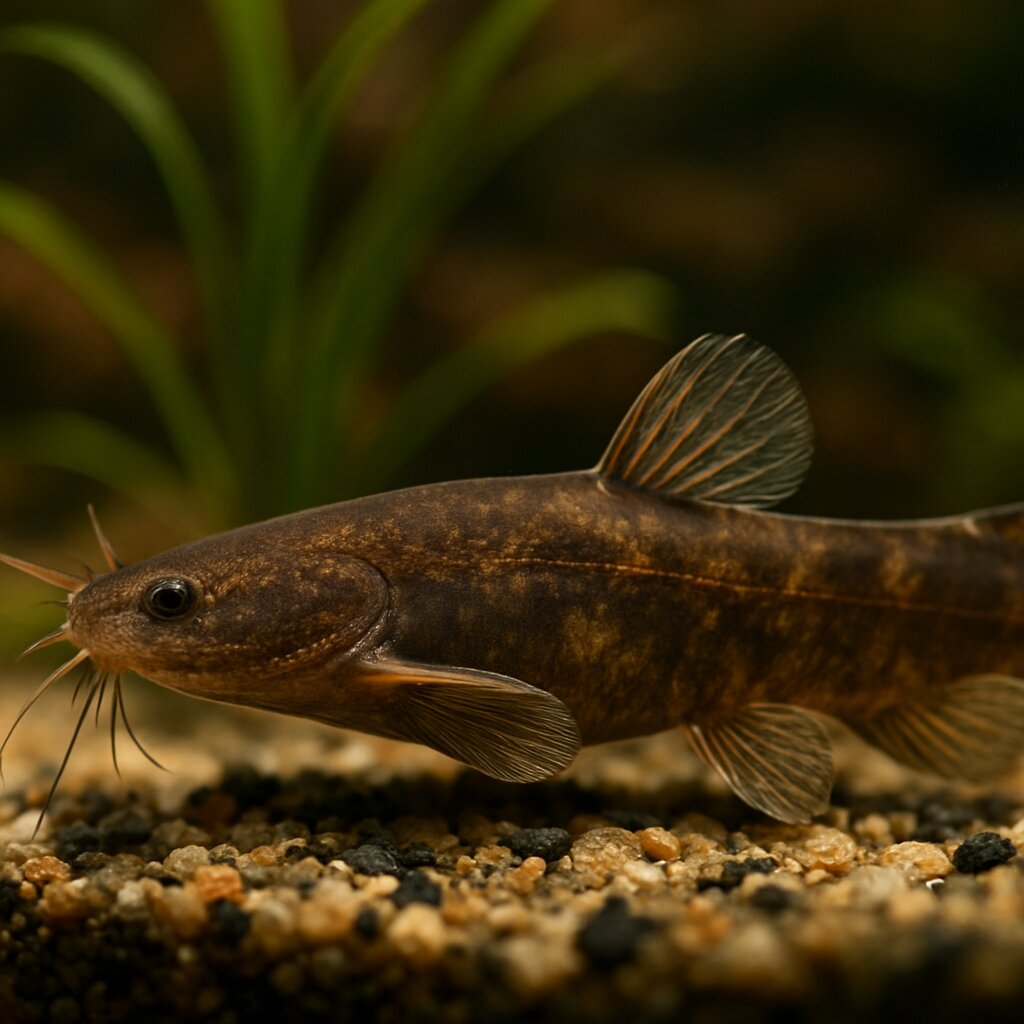
Amphilius dimonikensis
A small loach catfish endemic to the Mpoulou River in the Mayombe (Dimonika Biosphere Reserve), Republic of the Congo. Amphilius dimonikensis has a subtle banded pattern and inhabits fast, clear streams over rock and sand. In aquaria, prioritize strong, well-oxygenated flow with rounded stones and sand to mimic hillstream conditions.
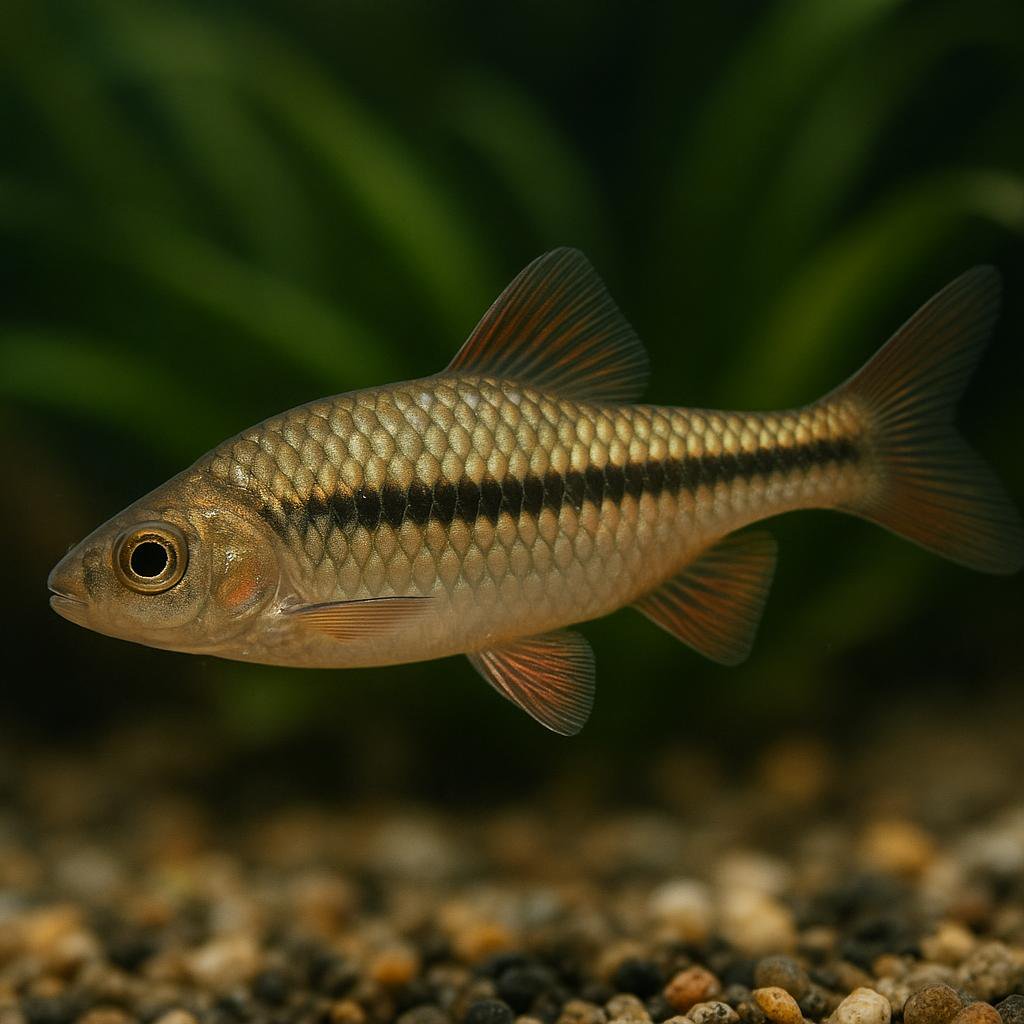
Aboina barb
Enteromius aboinensis
Enteromius aboinensis (the Aboina barb) is a small West African barb with a clean black midline stripe and a little spot right at the base of the tail. It does best when you treat it like a proper schooling fish - keep a decent group and give it plants around the edges with open swimming room in the middle.
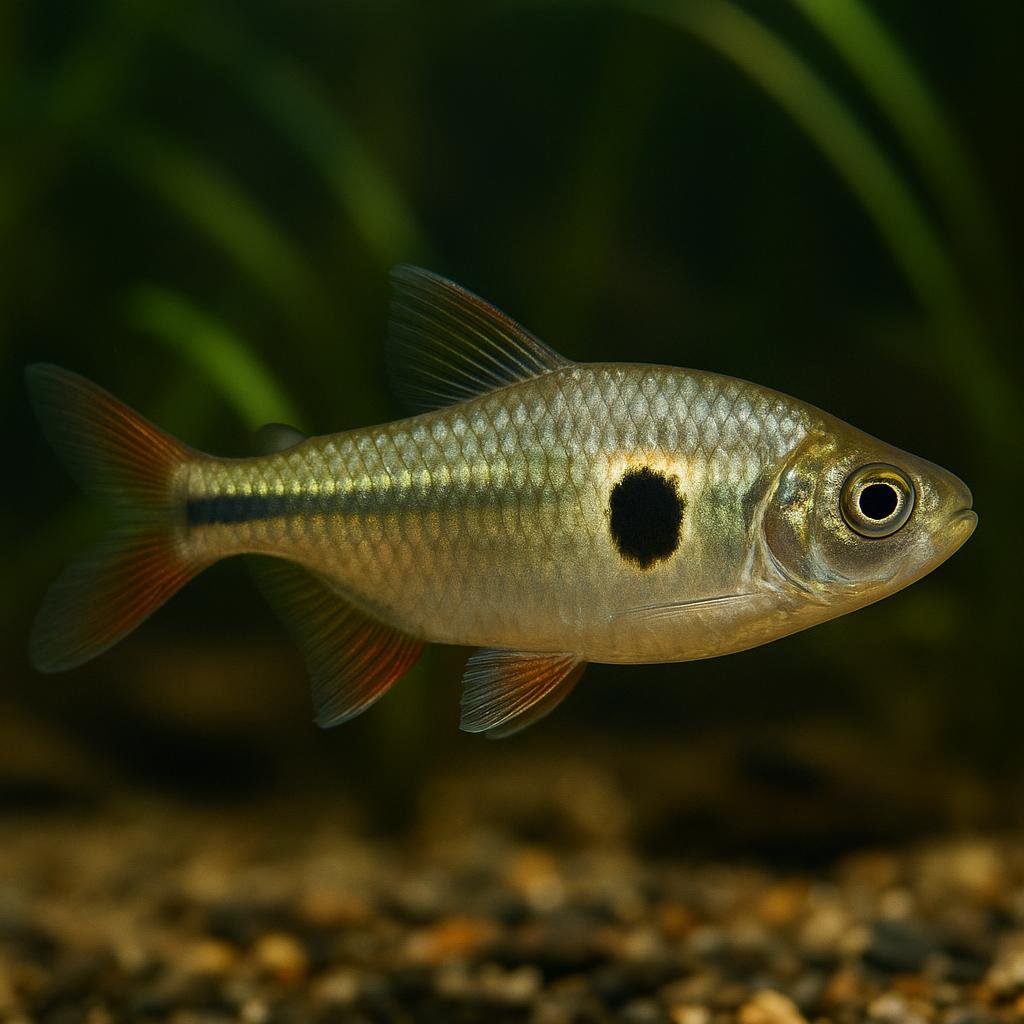
Ajuricaba tetra
Jupiaba ajuricaba
Jupiaba ajuricaba is a South American freshwater characin from the Amazon basin in Brazil (rio Negro, rio Solimões, and rio Tapajós basins). It reaches about 9.5 cm SL and is diagnosed by a narrow dark midlateral stripe, an elongated humeral spot, and an ocellated spot on the upper caudal-fin lobe. Wild specimens have been collected from blackwater forest streams and also oxbow-lake habitats.
Allen's river garfish
Zenarchopterus alleni
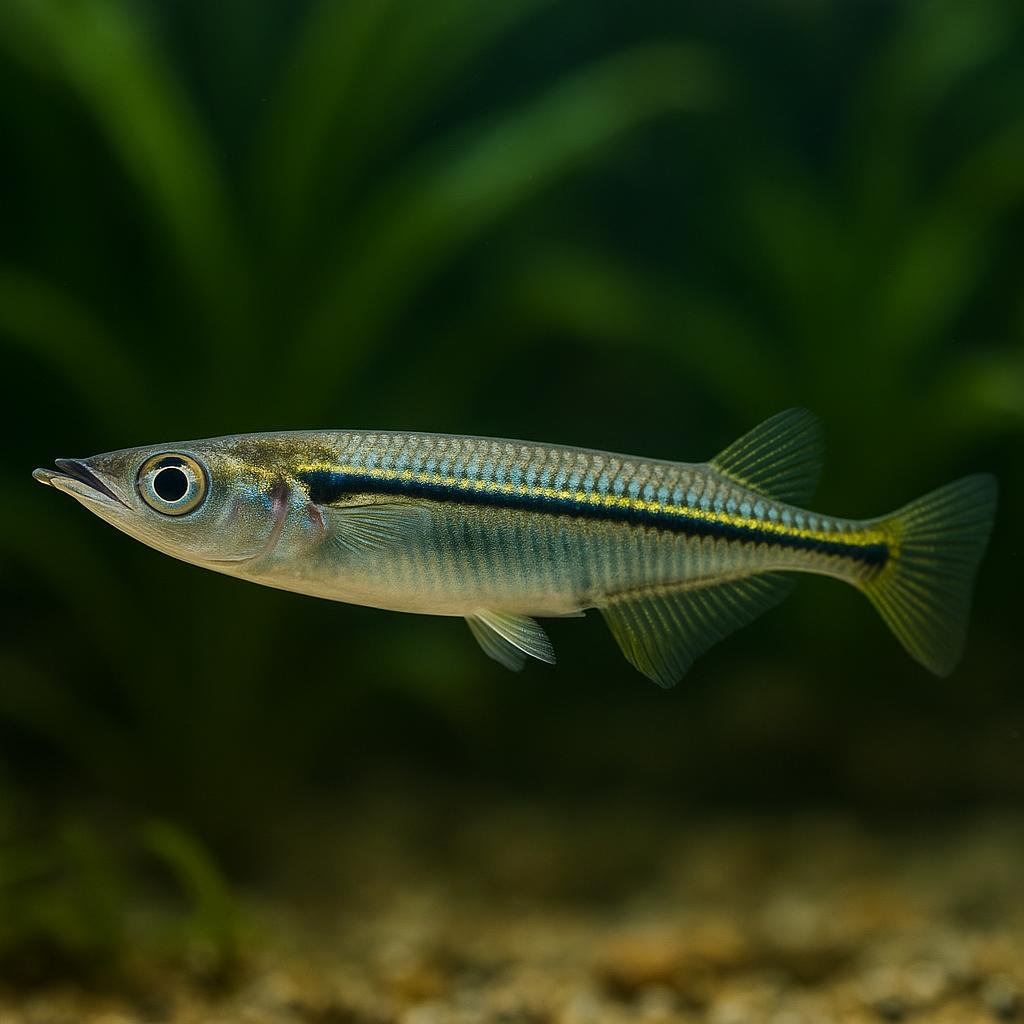
A poorly known freshwater halfbeak endemic to West Papua (Mamberamo River), described from a single specimen (~13 cm SL). Beyond basic habitat/occurrence, little is published about its ecology or aquarium suitability; assume it is a surface-oriented, jump-prone halfbeak only by analogy with related taxa.
Amapa tetra
Hyphessobrycon amapaensis
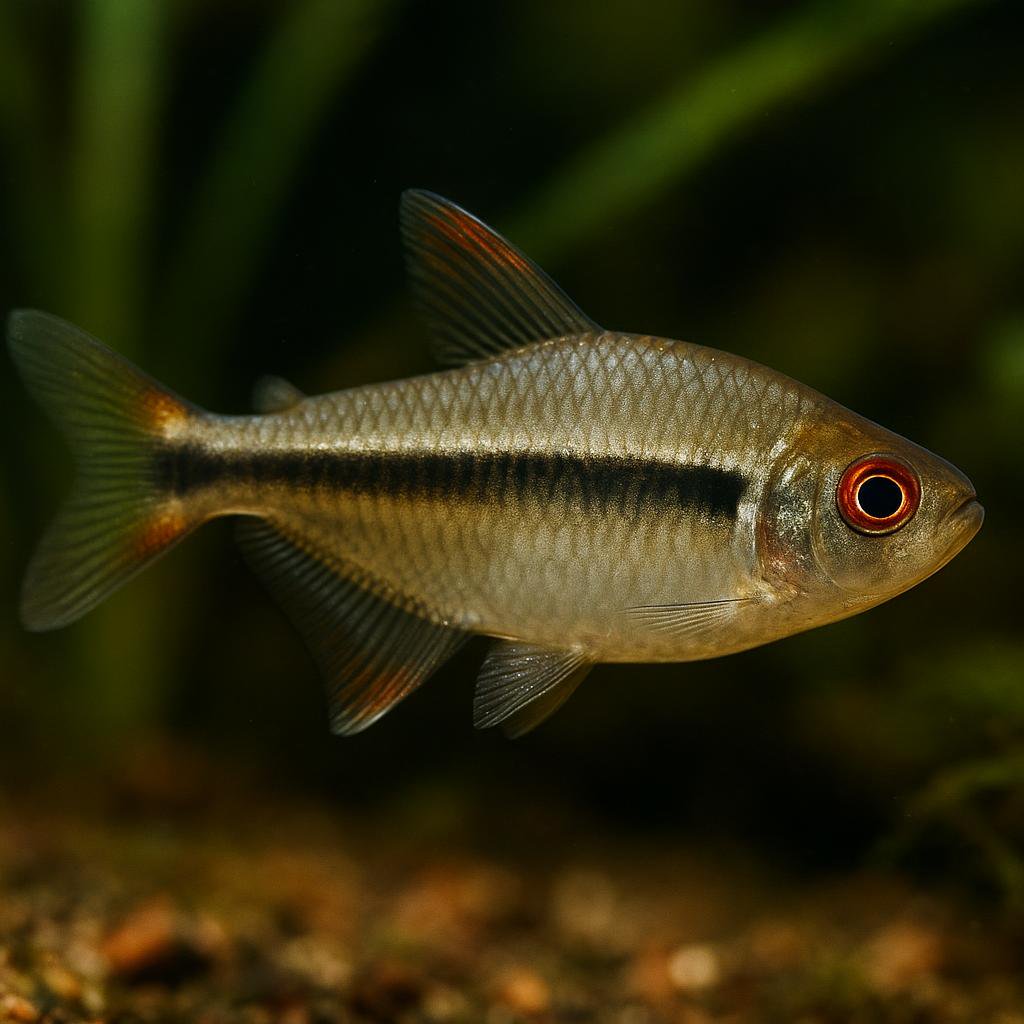
This is a tiny, super sleek little tetra with a clean red stripe down the side that really pops once its settled in. It does best in a planted, slightly tinted "creek-style" setup and looks way cooler when you keep a proper group so they school and flash that line together. If you can give it soft, slightly acidic water and a calm community, its an easy fish to fall for.
Amatlan chub
Yuriria amatlana
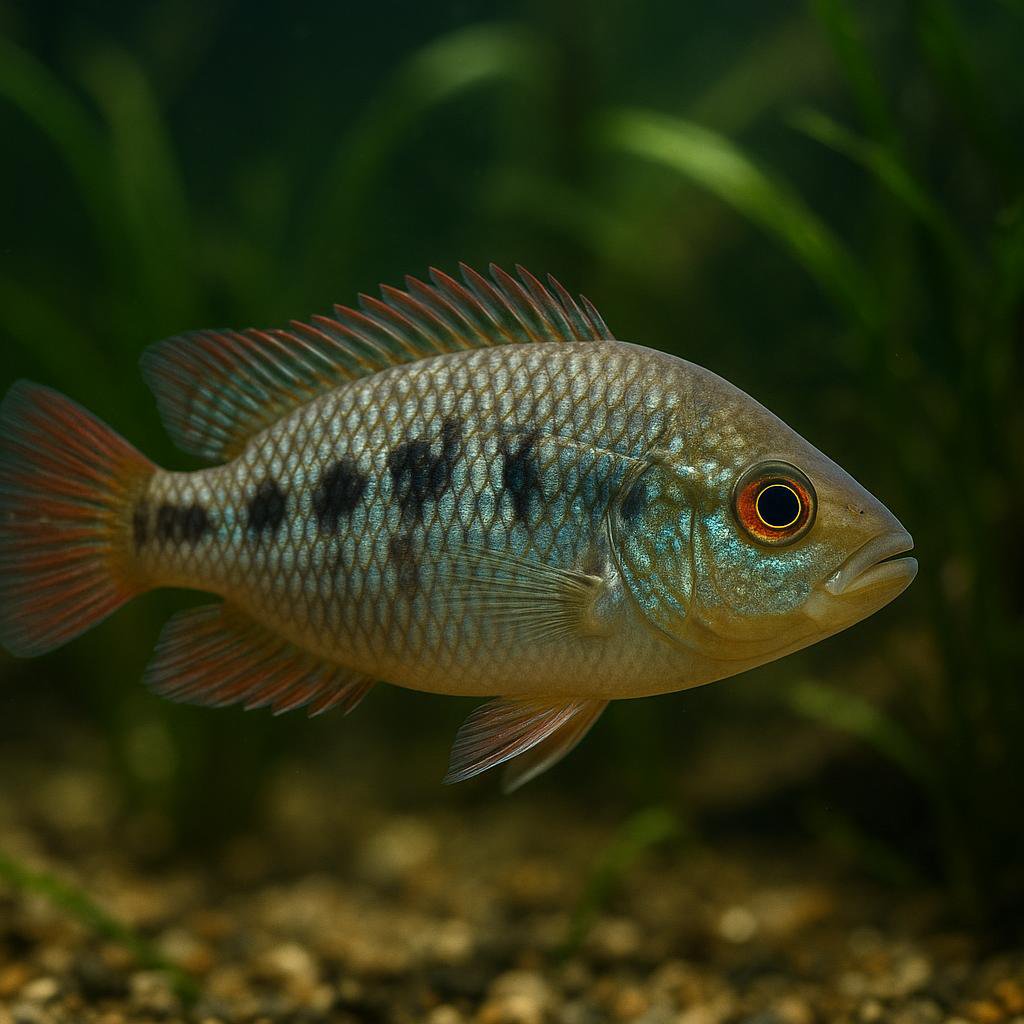
Yuriria amatlana (the Amatlan chub) is a little Mexican native minnow from the Ameca River basin. Its wild range is pretty limited and it is listed as Endangered, so its care info in the aquarium hobby is basically nonexistent and its availability is usually low. In the original species description, preserved fish show a dark lateral stripe with a darker patch on the caudal peduncle, and they can have tiny barbels at the mouth corners.
More to Explore
Discover more freshwater species.
Jupiaba kurua
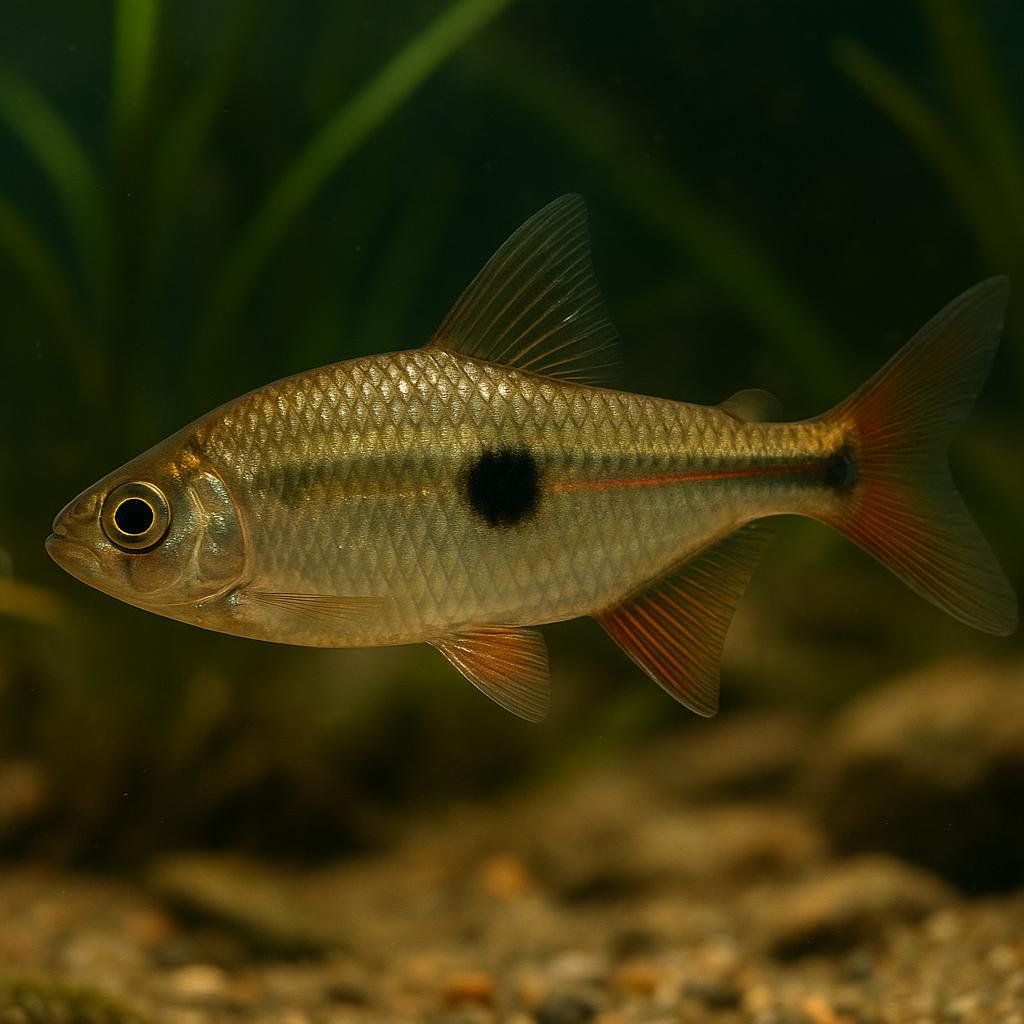
Small South American characin endemic to the upper rio Curuá (rio Xingu basin, Brazil). Reaches about 8.7 cm SL and inhabits clearwater rivers. Distinguished by dark dots on the bases of many lateral scales and a distinct dark caudal‑peduncle spot. Reported diet indicates omnivory, including aquatic insects, small fishes, and fragments of Podostemaceae and filamentous algae.
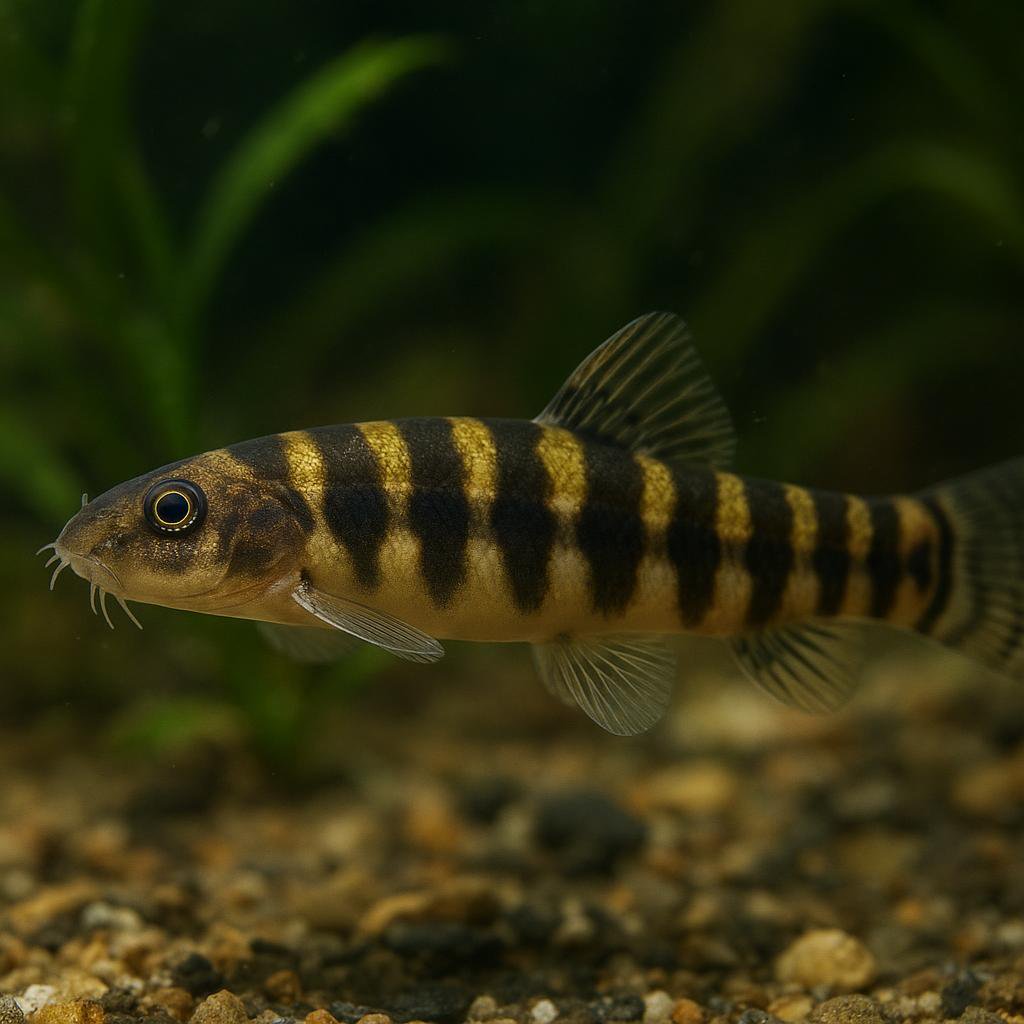
Altipedunculata stone loach
Schistura altipedunculata
Schistura altipedunculata is one of those little stream loaches that wants clean, well-oxygenated water and a bunch of rock nooks to claim as home. It is a bottom-hugger that will spend its day scooting from crevice to crevice, and it tends to get a bit spicy with its own kind if you do not give it enough hiding spots.
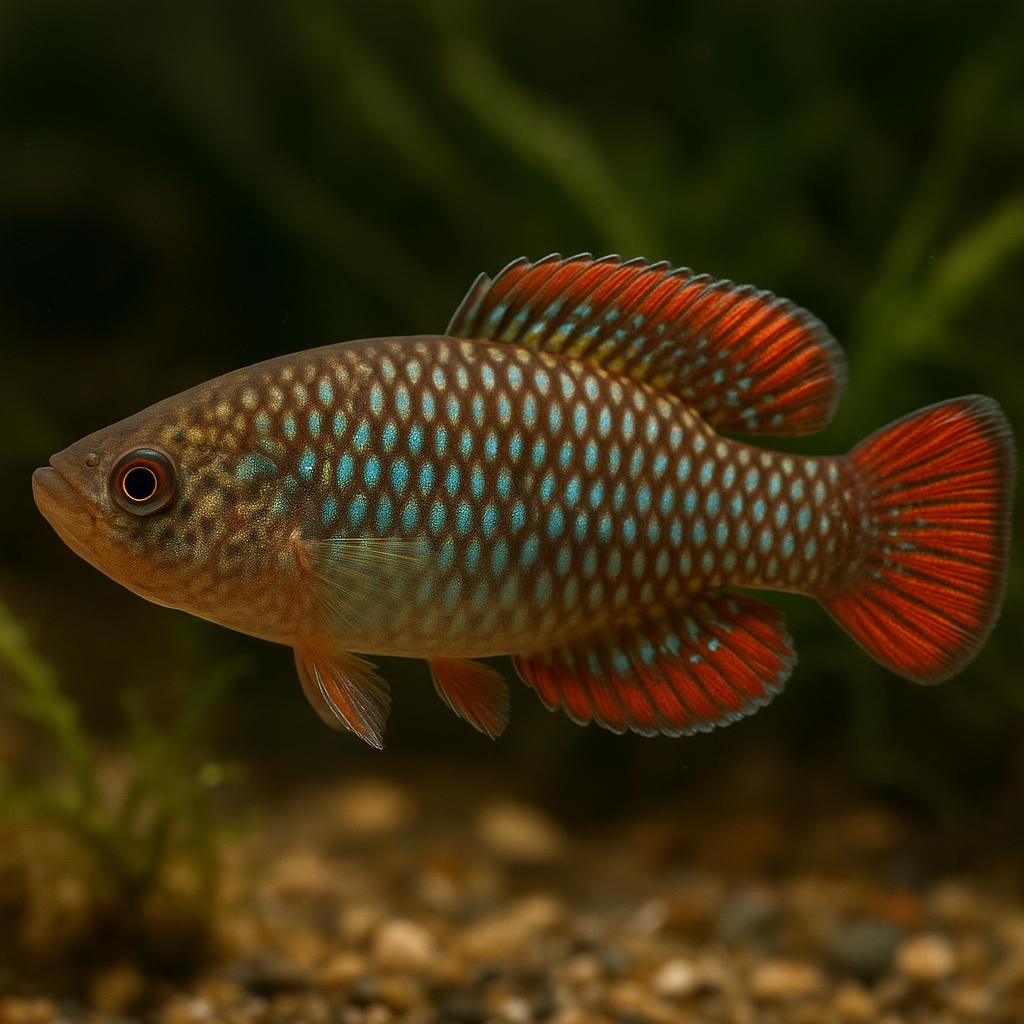
American flagfish
Jordanella floridae
Jordanella floridae is that little Florida native with the red-and-cream striping that really does look like a tiny flag once a male colors up. They graze algae like champs (especially stringy/hair algae), but they have a bit of attitude - give them plants and space so the bossy behavior stays manageable. Bonus: the male guards the eggs and will actively fan them, which is pretty fun to watch.
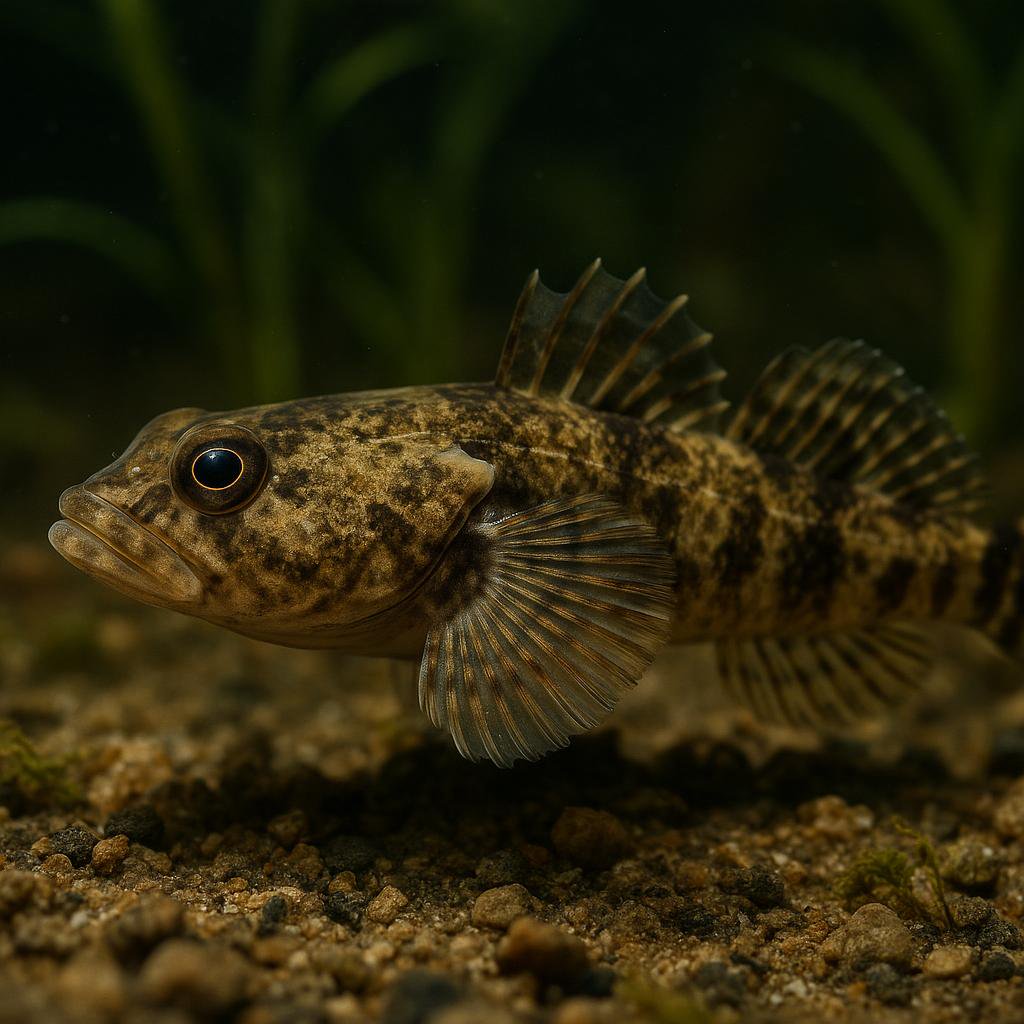
Amur sculpin
Alpinocottus szanaga
This is a little coldwater sculpin from the Amur drainage - a bottom-hugging, rock-and-gravel fish that spends its day wedged under stones and darting out to grab food. Super cool behavior and attitude, but it is absolutely not a warm tropical community fish - it wants chilly, fast, oxygen-rich water and will bicker with other bottom fish.
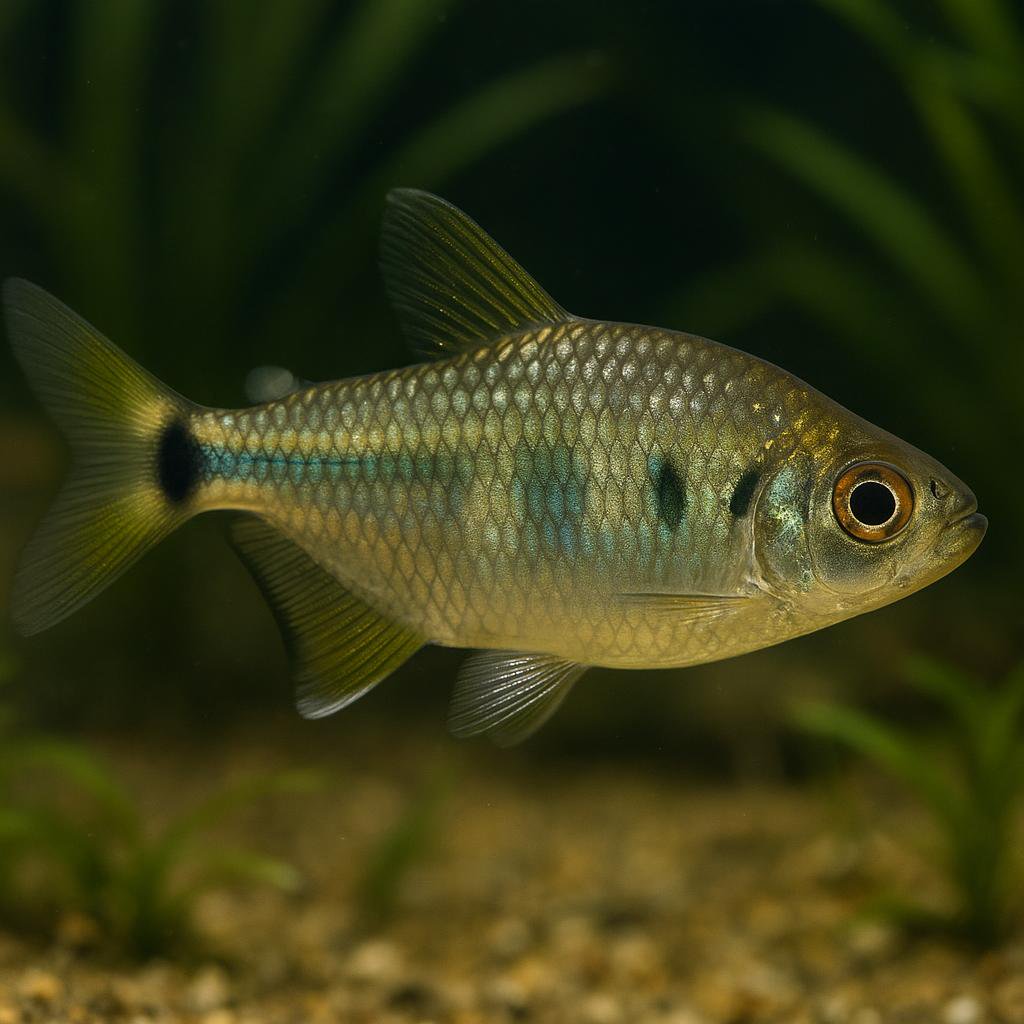
Andrica moenkhausia
Moenkhausia andrica
Moenkhausia andrica is a little Brazilian characin from the Tapajos system that tops out around 7 cm (about 2.8 inches) standard length. It has a neat netted (reticulated) scale pattern plus a dark spot on the caudal peduncle, and the really wild part is that mature females can have tiny fin hooklets too, which is usually a male-only thing in a lot of characins.
Anhanga pygmy pencil catfish
Potamoglanis anhanga
This is a truly tiny Amazonian trichomycterid catfish - like 1.3 cm max - so it is more of a micro-predator oddball than a typical community catfish. It is the kind of fish that disappears into sand, leaf litter, and plant roots, and you will spend way more time setting up the right micro-habitat than you will actually seeing it.
Looking for other species?