

Raconda
Raconda russeliana
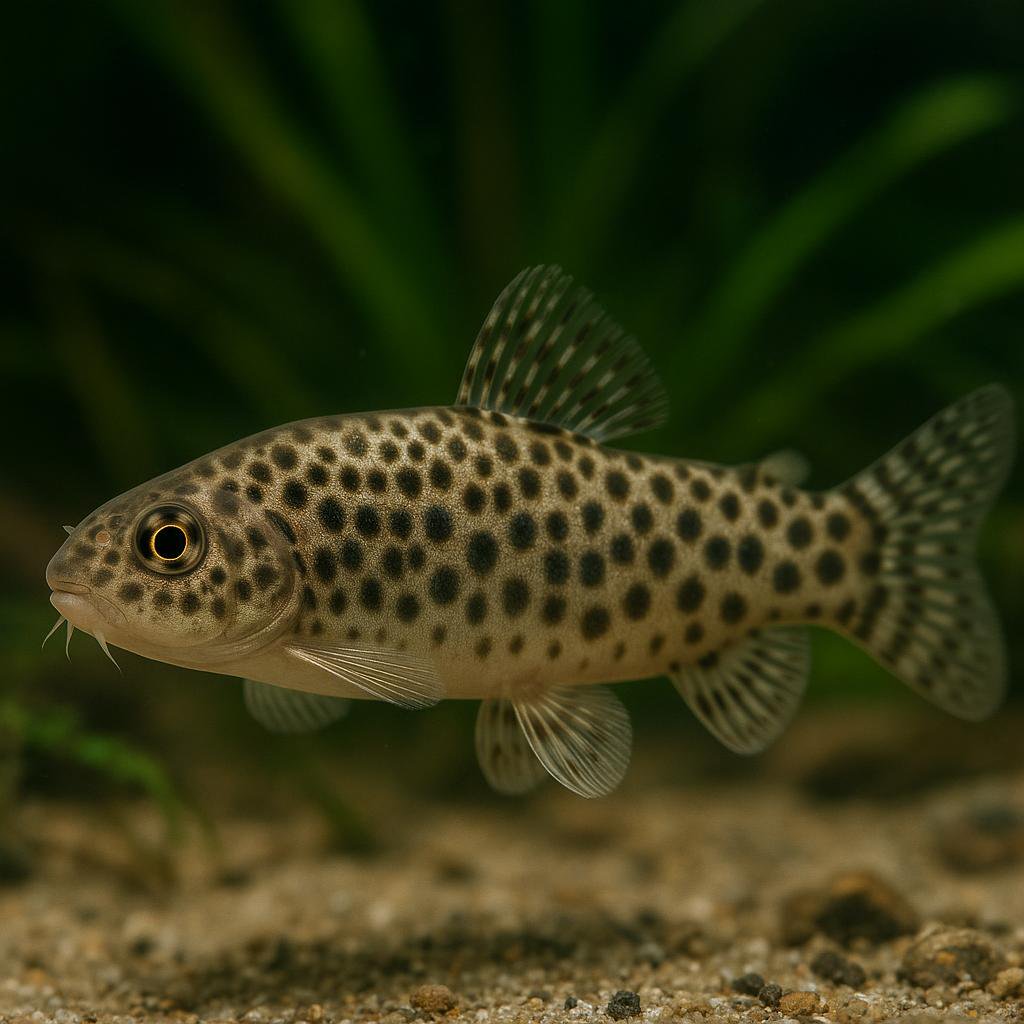
Racondas are noted for their distinctive olive-brown bodies adorned with darker, irregular blotches and a long, tapered snout.
This page includes AI-generated images. Why am I seeing AI images?
About the Raconda
A pelagic-neritic pristigasterid (longfin herring) occurring in marine coastal waters and often in estuaries; elongate, compressed body with a sharp keel of scutes and a very long anal fin; feeds mainly on prawns (especially Acetes) and also copepods.
Also known as
Quick Facts
Size
19 cm SL
Temperament
Peaceful
Difficulty
Expert
Min Tank Size
180 gallons
Lifespan
unknown
Origin
Indo-Pacific (eastern Indian Ocean to far western Pacific)
Diet
Carnivore (planktivore) - prawns (especially Acetes) and copepods
Water Parameters
27.7-29.3°C
7.8-8.4
8-20 dGH
Need a heater for this species?
This species needs 27.7-29.3°C in a 180 gallon tank. Use our heater calculator to find the right wattage.
Calculate heater sizeCare Notes
- Give Raconda a long tank with real current (powerhead or river-manifold style) and a tight lid - they cruise and they jump when spooked.
- Use sand or smooth gravel with rounded rocks/driftwood to break sight lines; they like to wedge and dash, and sharp decor will shred fins and scales.
- Feed meaty stuff: chopped shrimp, mussel, earthworms, quality sinking carnivore pellets; they do way better with smaller meals daily than one big dump.
- Tankmates need to be tough and brackish-friendly (bigger scats/monos, larger gobies, bumblebee gobies in roomy setups); skip slow fancy fish and anything small enough to be inhaled.
- They get territorial as they size up, so plan on extra space and spare hiding spots; if you see lip-locking and one fish pinned in a corner, you are already late on separating.
- Watch for bloat and 'stringy poop' from overeating or parasites - fast them for a day, switch to leaner foods, and treat new fish in quarantine because meds in brackish can be a pain later.
Compatibility
Good Tankmates
- Knight gobies (Stigmatogobius sadanundio) - good match in brackish if you have sand and caves; they mostly mind their own business on the bottom while Racondas work the midwater
- Bumblebee gobies (Brachygobius spp.) - works in lightly brackish if you keep them well fed; Racondas are peaceful and generally do not hassle them, just make sure the gobies are not getting outcompeted at mealtime
- Scats (Scatophagus argus) - only if your tank is big and everybody is sized sensibly; Scats are generally not bullies, but they get huge and they are pigs at feeding time, so think 'big brackish community' not a small tank
- Monos (Monodactylus spp.) - similar deal to Scats, best in a roomy brackish tank with open swimming space; they are fast but usually not mean, and Racondas tend to ignore them
- Archerfish (Toxotes spp.) - in a larger brackish setup they can coexist fine since Racondas are peaceful; just keep an eye on feeding because archers are quick and can hog food
Avoid
- Fin-nippers and rough customers like tiger barbs or most brackish pufferfish - Racondas are peaceful and do not appreciate being harassed or bitten up
- Big aggressive brackish predators like most scorpionfish and other gulpers - even if they are not 'mean', they can decide a peaceful tank mate is lunch once it fits
- Super slow, fancy-finned fish (bettas, longfin guppies, etc.) - not really a brackish community vibe and they tend to get stressed or shredded when mixed with faster brackish feeders
Where they come from
Raconda (Raconda russeliana) are one of those brackish oddballs that make you realize how different coastal fish life is. They show up around estuaries and lower river stretches where the water swings between fresh and salty depending on tides and season. That constant change is a big hint for how you should run their tank.
If you're used to freshwater fish, the hardest mental shift is accepting that stable brackish (and clean water) matters more than chasing a specific pH number.
Setting up their tank
I would not keep Raconda in anything small. They are active, easily spooked, and they carry themselves like a fish that wants personal space. Give them footprint more than height, and build the scape so they can break line-of-sight and settle down.
- Tank size: I would start at 40-55 gallons for a single adult, larger if you want tankmates.
- Filtration: oversize it. You want strong biofiltration and good turnover, but aim flow so there are calmer zones.
- Substrate: sand or fine gravel. They do a lot of nosing around and you do not want shredded mouths.
- Hardscape: roots, rounded rock, and scattered cover. Make a few hideouts that are not all in one corner.
- Lighting: medium is fine. Too bright with no cover makes them edgy.
For brackish, use marine salt mix, not aquarium salt. I keep them best in low-to-mid brackish, and I pick a target salinity and stick to it instead of bouncing around. A refractometer makes life easier, but a good hydrometer is better than guessing.
Do not wing salinity by tablespoons. Measure it. Raconda react badly to sloppy, swingy salinity, especially right after water changes.
- Temperature: mid 70s to low 80s F (24-28 C) is a comfortable window.
- Salinity: keep it consistent in the brackish range (pick a specific specific gravity and hold it).
- Water changes: smaller and frequent beats big and occasional. Match temperature and salinity every time.
- Lid: mandatory. If they startle, they can launch.
What to feed them
They eat like a predator that still wants variety. In my tanks they did best on meaty frozen and live foods, and I used pellets more like a backup once they were settled. New arrivals can be picky, so I plan for a week or two of coaxing.
- Staples: frozen shrimp, krill, chopped mussel, squid, and good-quality carnivore pellets once they accept them.
- Treats: live blackworms, live shrimp, or earthworm pieces (not every day, but great for conditioning).
- Feeding rhythm: smaller portions 1-2 times a day beats dumping a big meal and fouling the tank.
If they ignore food at first, dim the lights and feed after the room has been quiet for a bit. They often eat better when they feel like nobody is watching.
How they behave and who they get along with
Raconda are not community-fish-friendly in the usual sense. They are alert, can be pushy at feeding time, and small fish look like snacks. They are also the kind of fish that will sulk if constantly harassed, so you want tankmates that can handle themselves without being jerks.
- Good matches: sturdy brackish species of similar size that are not fin-nippy and do not crowd them.
- Avoid: tiny fish, slow long-finned fish, and anything that competes in the exact same "bottom ambush" niche.
- Best setup: either species-only, or a carefully chosen brackish mix with lots of space and sight breaks.
Watch feeding time. A tank that looks peaceful at noon can turn into a food-fight in 10 seconds, and Raconda usually win those.
Breeding tips
Breeding Raconda in home tanks is one of those "possible, but bring patience" projects. In my experience, the hurdle is not just getting a pair, its getting them comfortable enough to show natural behavior while still keeping the water pristine. If you want to try, treat it like a long conditioning game rather than a weekend project.
- Start with a group if you can, so you have a shot at ending up with a compatible pair.
- Condition with heavy water changes and rich foods (shrimp, worms, shellfish).
- Give them a quieter tank with lots of cover and minimal foot traffic.
- If you attempt a trigger, do it gently: small seasonal-style shifts (slightly cooler, then warmer) instead of sudden big swings.
If you see serious chasing or mouth damage during pairing attempts, separate them. Raconda can escalate fast, and a stressed, beat-up fish in brackish water is a magnet for infections.
Common problems to watch for
Most issues I have seen with Raconda come down to two things: unstable salinity and dirty water from heavy feeding. They are not forgiving like some hardy brackish fish. If something is off, they usually tell you by going off food, clamping fins, hiding constantly, or breathing faster than normal.
- Salinity swing stress: happens after sloppy top-offs or water changes. Top off evaporation with fresh water, not saltwater.
- Nitrate creep: meaty diets can overwhelm filtration. Test and do regular water changes.
- Skin and fin infections: often follow stress or injury. Clean water and early intervention matter a lot.
- Parasites on new fish: quarantine is your friend, but remember to match salinity in the QT.
Keep a log for salinity and water changes. With expert brackish fish like this, the difference between "mysteriously not eating" and "doing great" is often one sloppy maintenance week.
Similar Species
Other marine peaceful species you might be interested in.
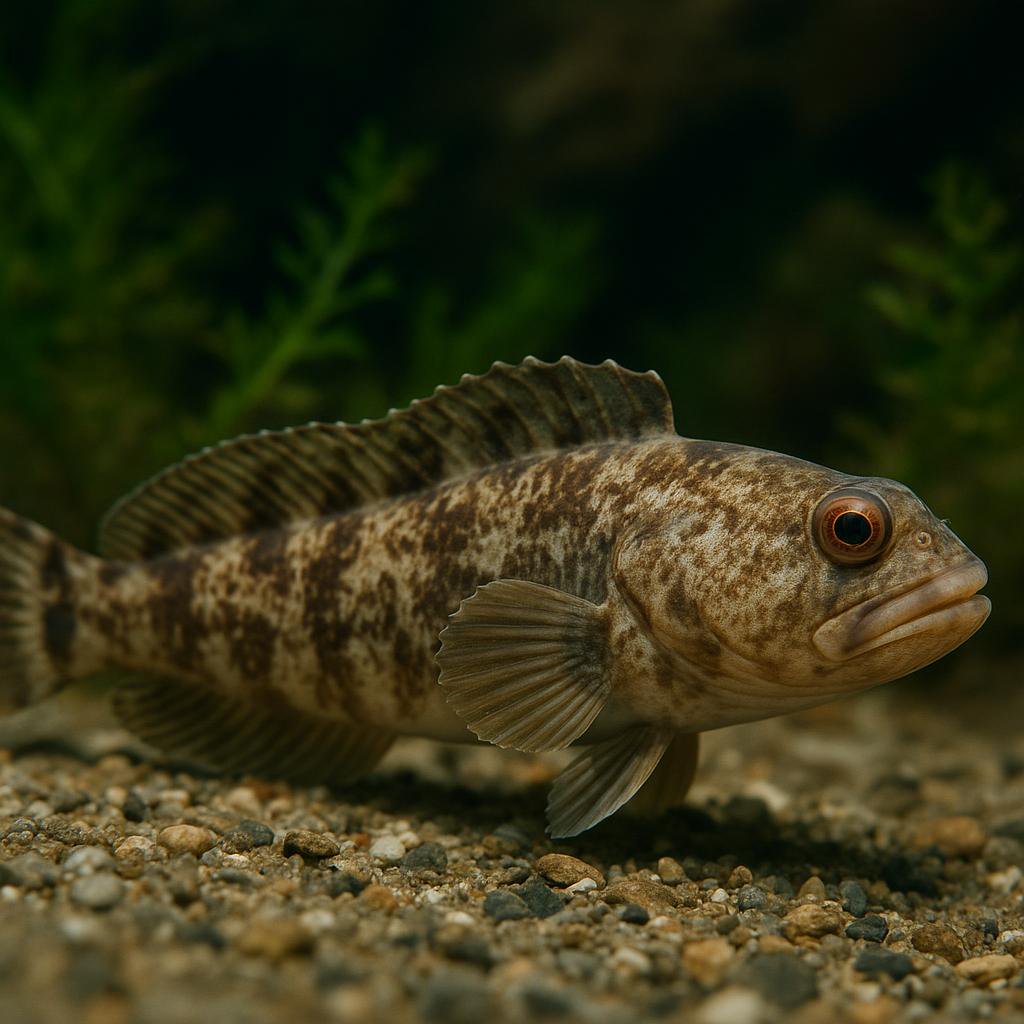
Abe's eelpout
Japonolycodes abei
Japonolycodes abei is a temperate, deepwater demersal eelpout (family Zoarcidae) endemic to Japan (Kumano-nada Sea reported; other sources also report Sagami Bay and Tosa Bay). It is the only species in the genus Japonolycodes and occurs roughly 40-300 m depth, making it an uncommon/atypical aquarium species.
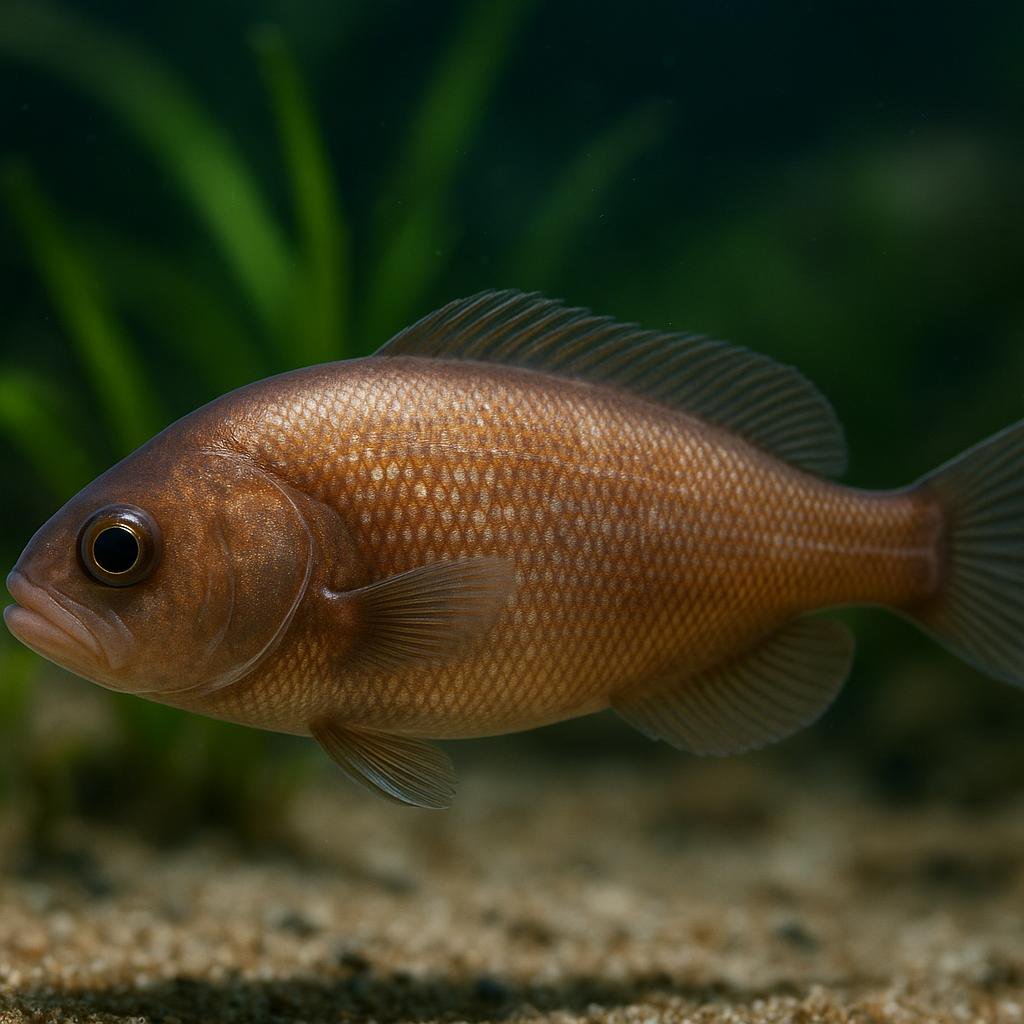
Affinis blind cusk-eel
Barathronus affinis
Barathronus affinis is a tiny, super-weird deep-sea blind cusk-eel from the western-central Indian Ocean. It is one of those gelatinous, loose-skinned brotula-type fishes that live way down in the dark and are basically never seen alive, so almost everything we know comes from preserved specimens and taxonomic work.
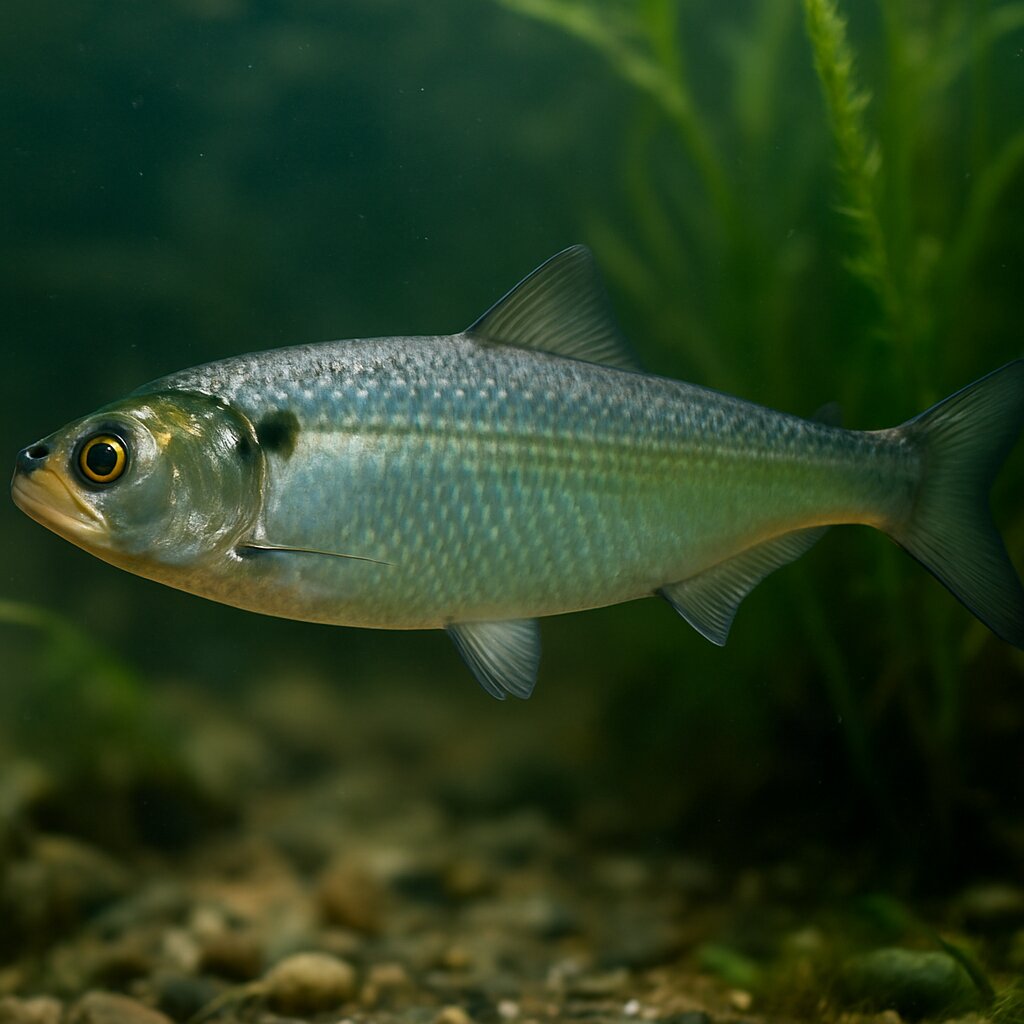
Allis shad
Alosa alosa
Gorgeous silver, fast-swimming shad that spends most of its life in the sea and then surges up big rivers in noisy, surface-spawning schools. It grows huge for a herring-type fish and needs cool, ultra-oxygenated water and tons of open space, so it is a public-aquarium species rather than a home tank fish.
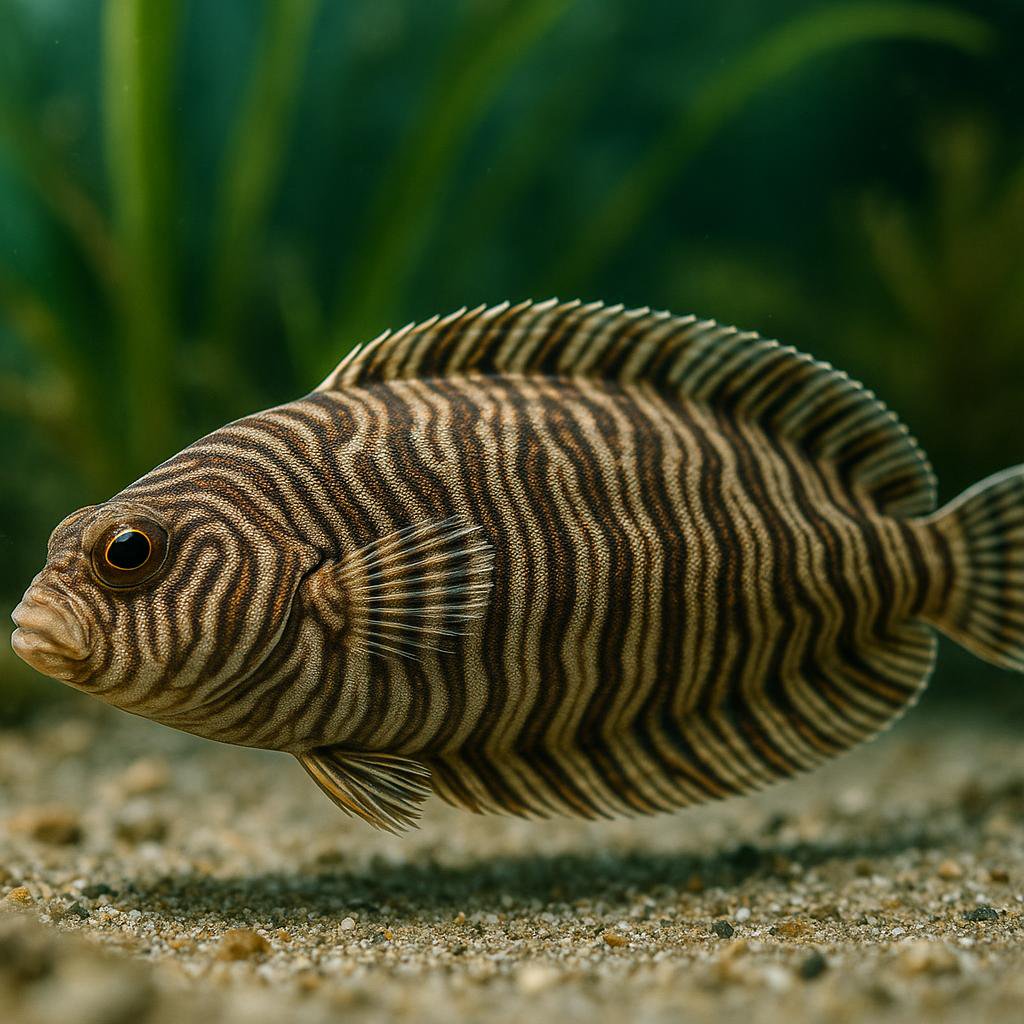
Annandale's zebra sole
Zebrias annandalei
Zebrias annandalei is a small demersal sole from coastal India that inhabits sandy or muddy bottoms and buries for camouflage. It is rarely kept in home aquaria and would require a specialized marine sand-bottom setup and appropriate feeding.
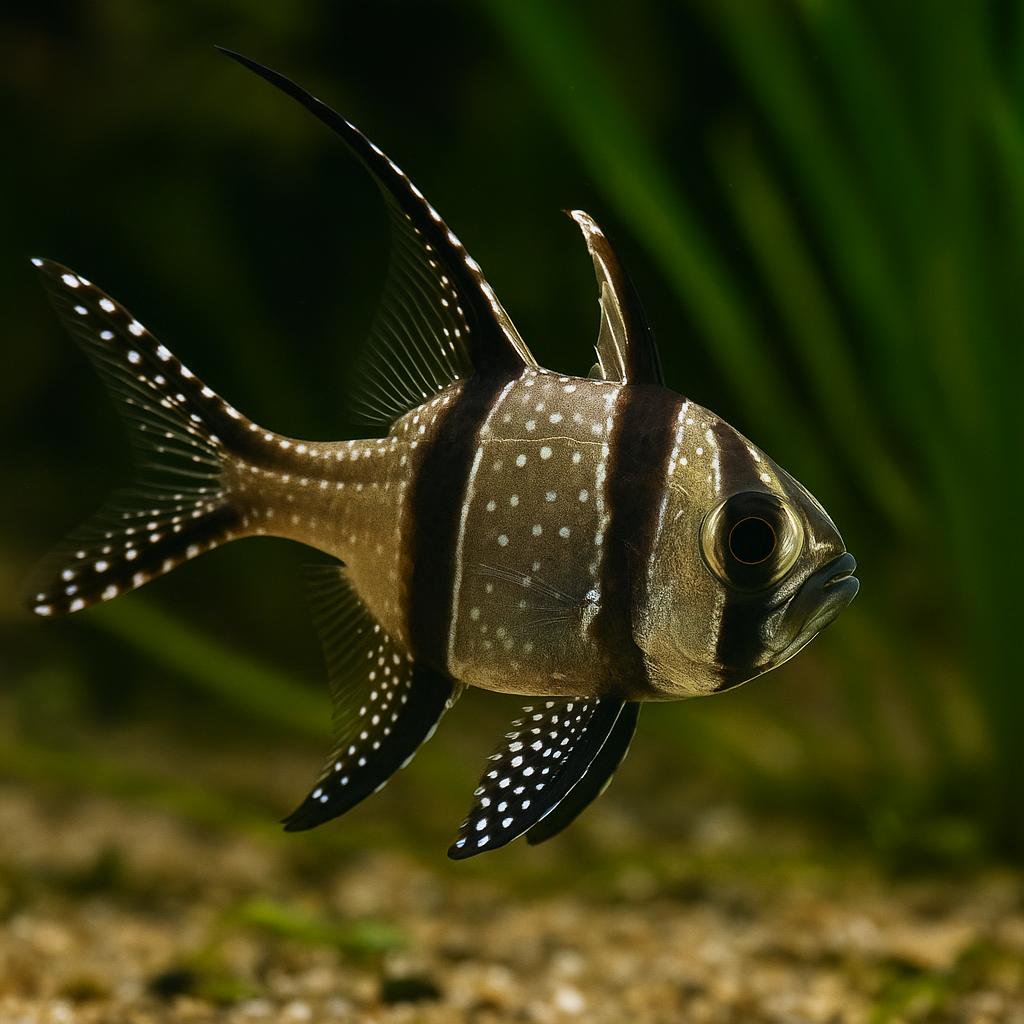
Banggai Cardinalfish
Pterapogon kauderni
Banggai cardinals just sort of hover like little underwater satellites, and the bold black bars with those long, polka-dotted fins look unreal under reef lighting. They're super chill most of the time, but once a pair forms you'll see real "fish drama," and the male will even mouthbrood the babies like a champ.
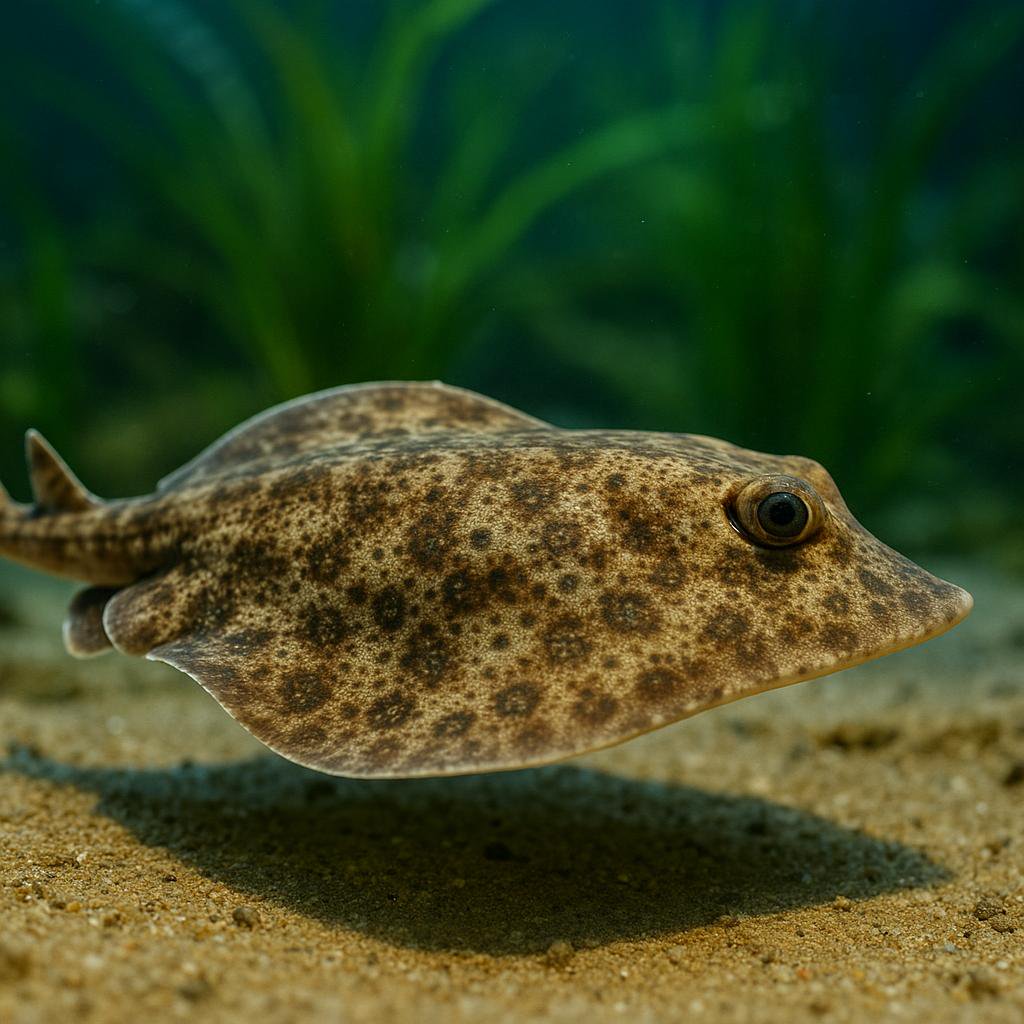
Barbedwire-tailed skate
Notoraja martinezi
Notoraja martinezi is a deepwater skate from the eastern Pacific (Costa Rica down to Ecuador) that lives way down on soft bottoms. The tail is the giveaway - it is lined with strong, hooked thorns that really do look like barbed wire. This is absolutely not an aquarium fish; it is a cold, high-pressure deep-sea animal with basically no practical home care info because it is not kept in the hobby.
More to Explore
Discover more marine species.
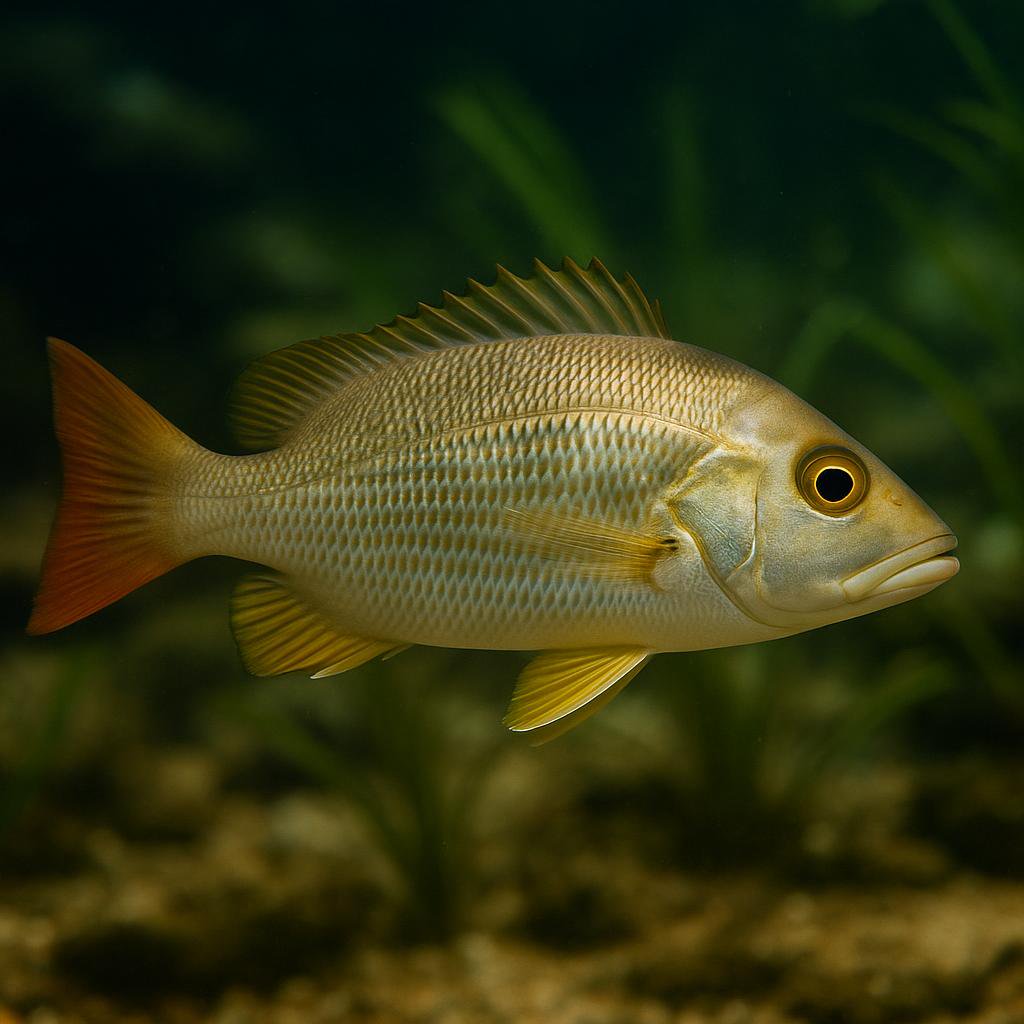
African red snapper
Lutjanus agennes
This is a true snapper from West Africa - a big, fast-growing predator that goes from coastal reefs to brackish lagoons and estuaries (especially as a juvenile). Super cool fish in the wild, but it gets absolutely huge and will eat smaller tankmates once it has the mouth for it, so its really more of a public-aquarium scale animal than a home-aquarium fish.
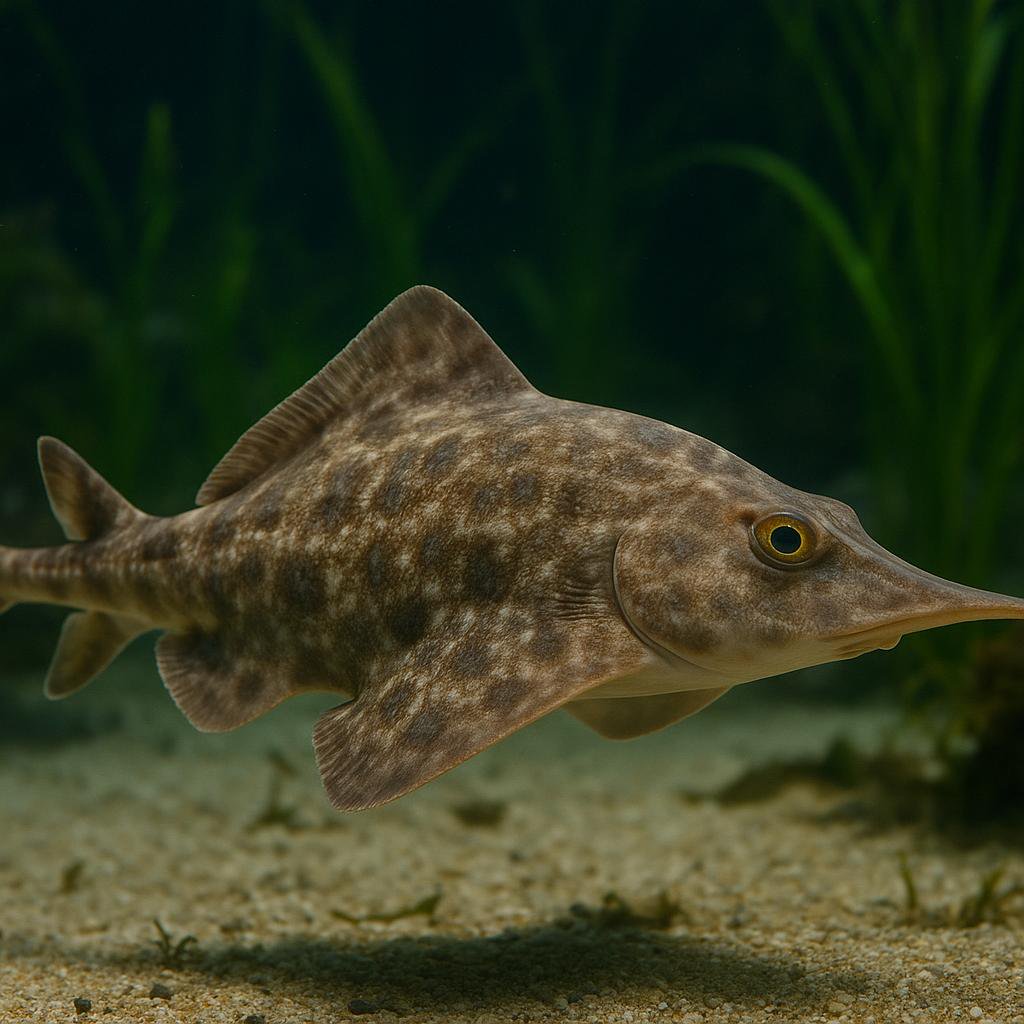
Aleutian skate
Bathyraja aleutica
This is a big, cold-water deep-slope skate from the North Pacific that cruises muddy bottoms and eats chunky benthic prey like crabs and shrimp. The really cool bit is its egg-laying skate life - it does distinct pairing (the classic skate "embrace") and drops those tough egg cases on the seafloor. Not an aquarium fish at all unless you're basically running a public-aquarium-style chilled system.
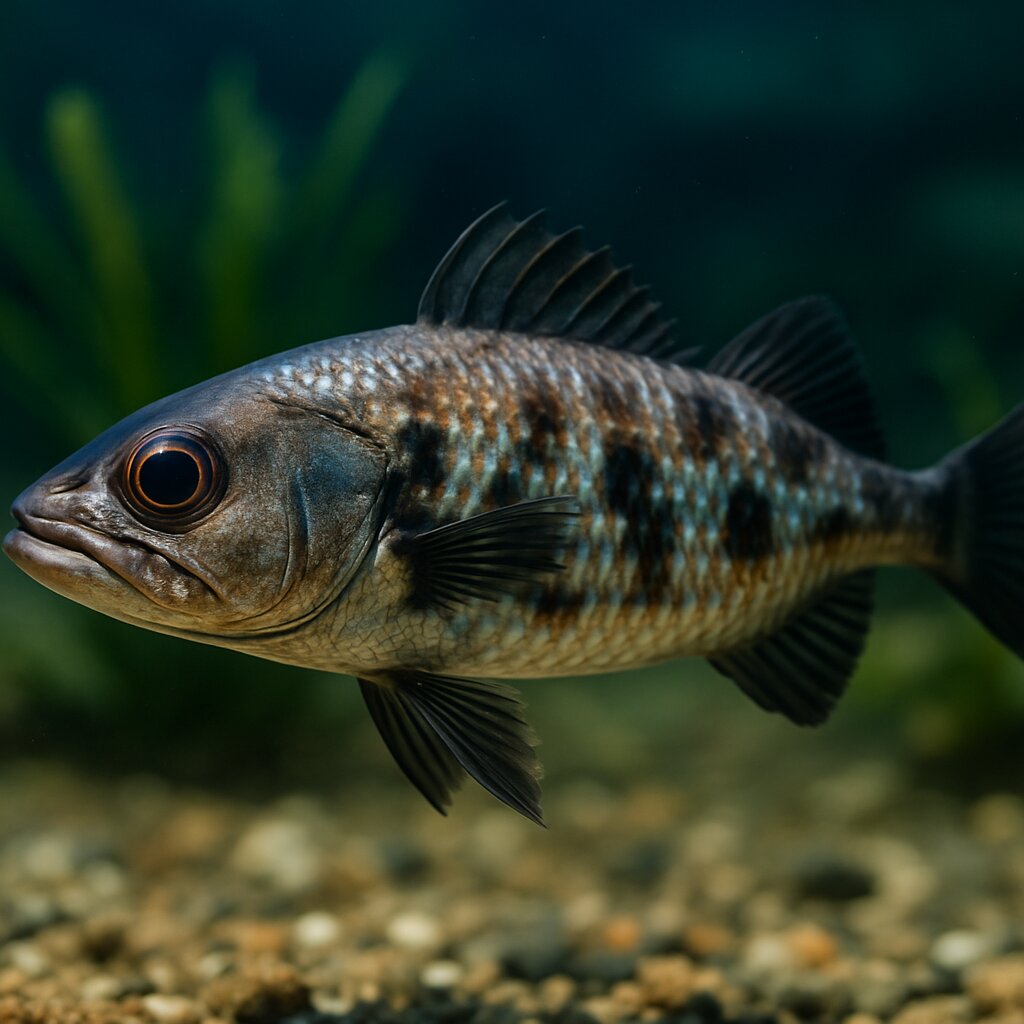
Antarctic dragonfish
Vomeridens infuscipinnis
Deep down around Antarctica, this sleek dragonfish cruises the water column like a little submarine, nearly neutrally buoyant so it can hover above the seafloor. It munches almost exclusively on Antarctic krill and lives in near-freezing water 500-800 m down, so it is a cool species to read about, not one for home tanks.
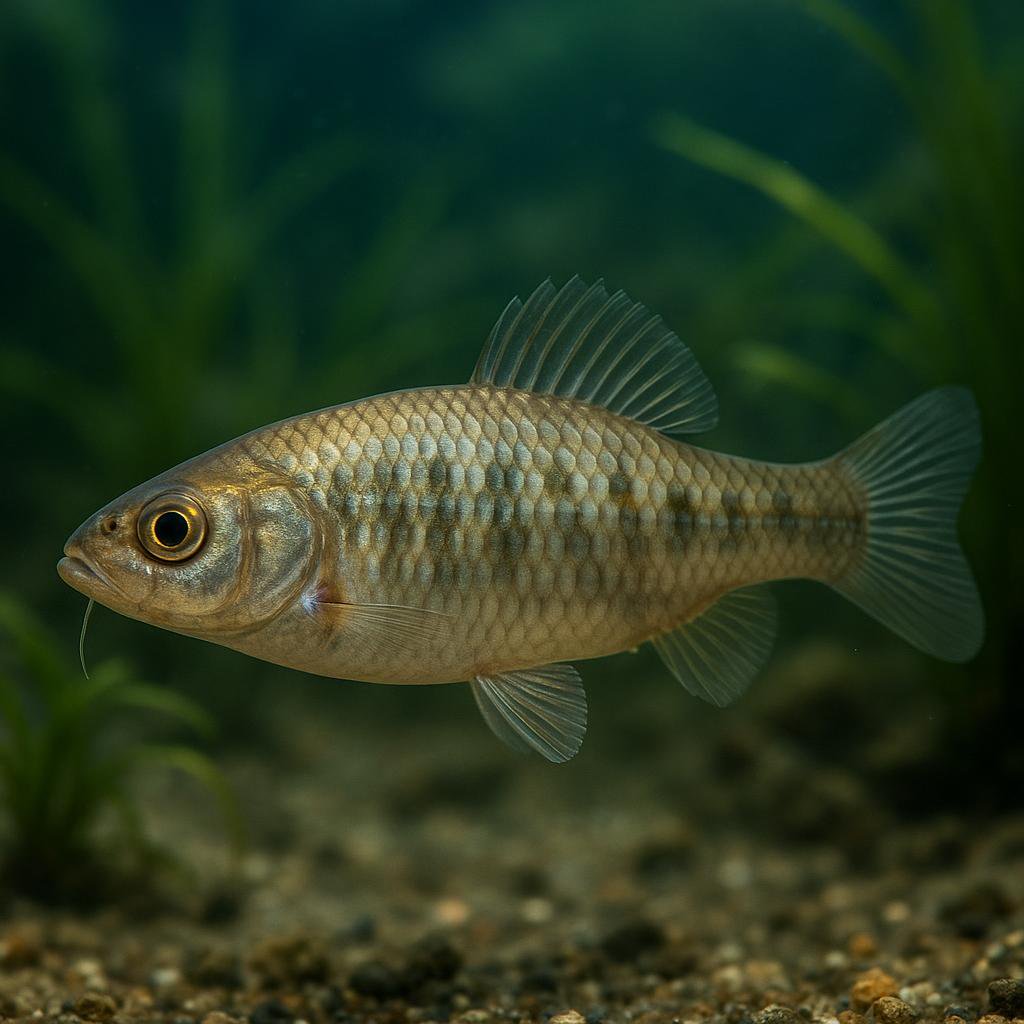
Arabian spiny eel
Notacanthus indicus
Notacanthus indicus is a deep-sea spiny eel (family Notacanthidae; not a true eel) known from the Arabian Sea on the continental slope at roughly ~960–1,046 m depth, with reported maximum length around 20 cm TL; it is a deep-water bycatch species and not established in the aquarium trade.
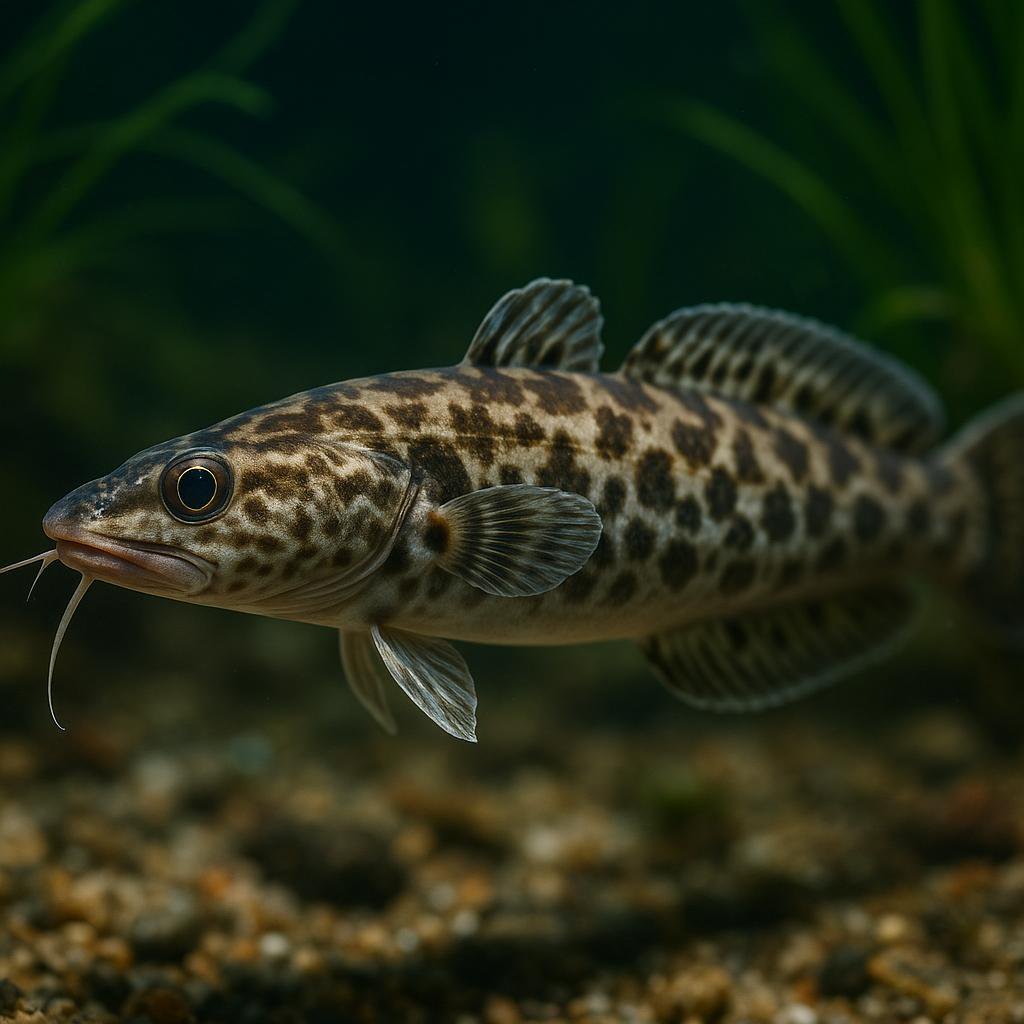
Arctic rockling
Gaidropsarus argentatus
This is a deepwater North Atlantic rockling (a cod relative) that hangs out on soft bottoms way down the slope. It is a cold-water, bottom-hugging predator that snoots around for crustaceans and will also take small fish when it gets the chance.
Atlantic pomfret
Brama brama
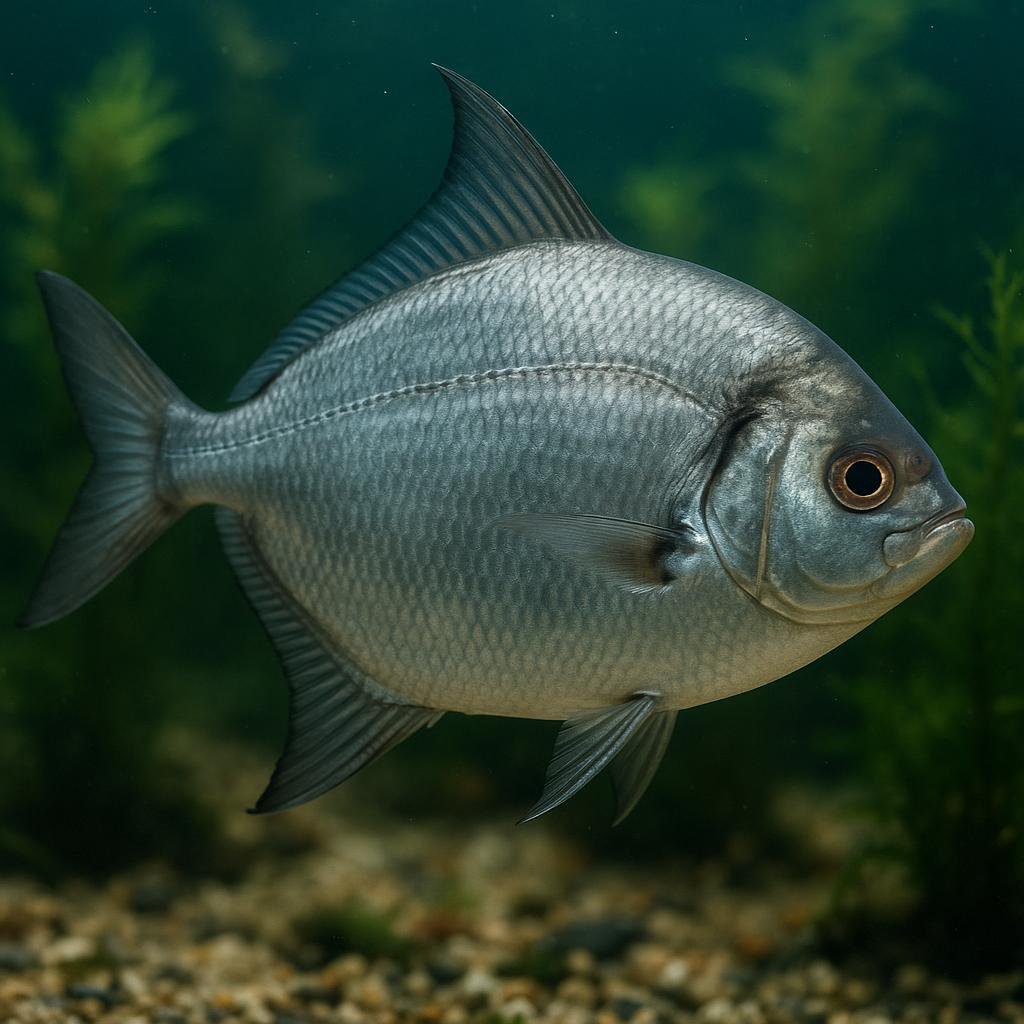
Brama brama is the Atlantic pomfret (aka Ray's bream) - a deep-bodied, open-ocean pelagic fish that cruises around in small schools and follows water temps. It is a legit big, wild marine species (not an aquarium fish) that eats other small sea critters like fish and squid, and it ranges across a huge chunk of the Atlantic plus parts of the Indian and South Pacific.
Looking for other species?