

Speckled goby
Redigobius isognathus
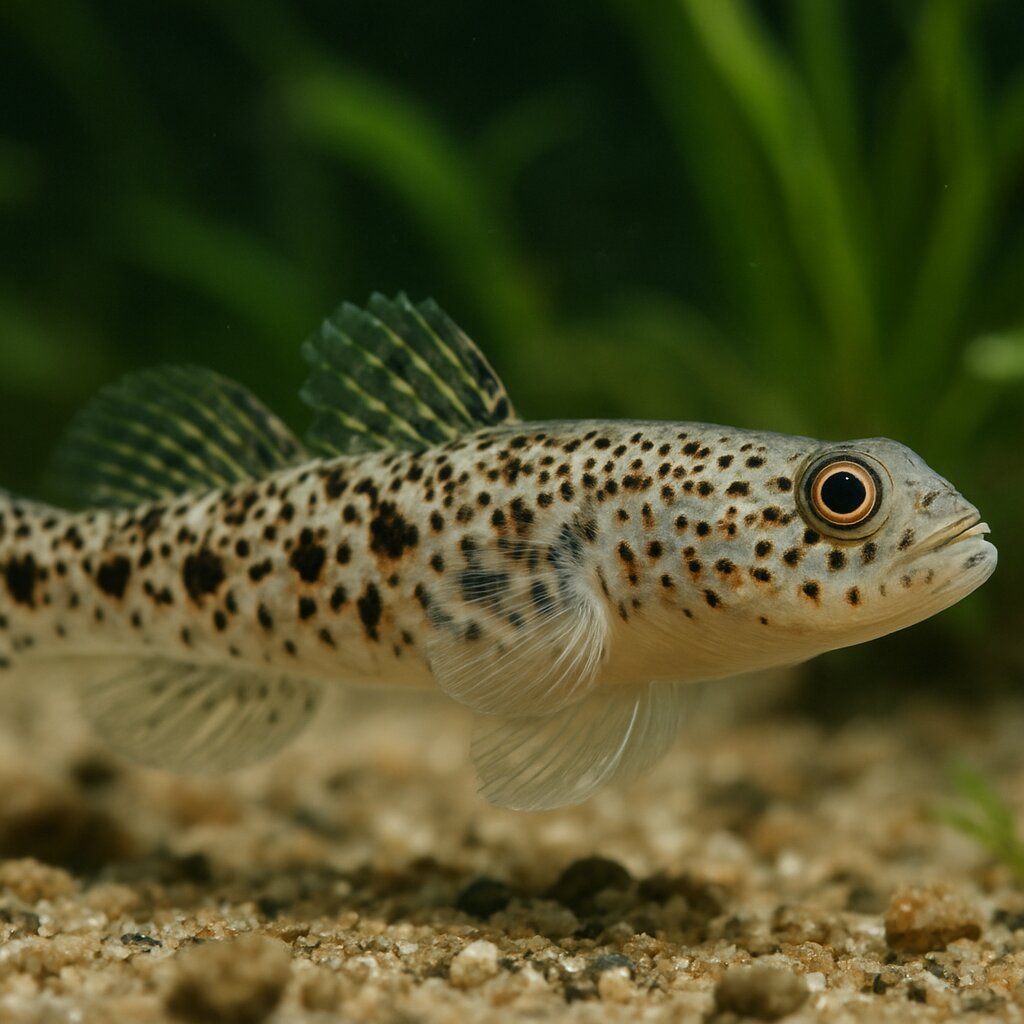
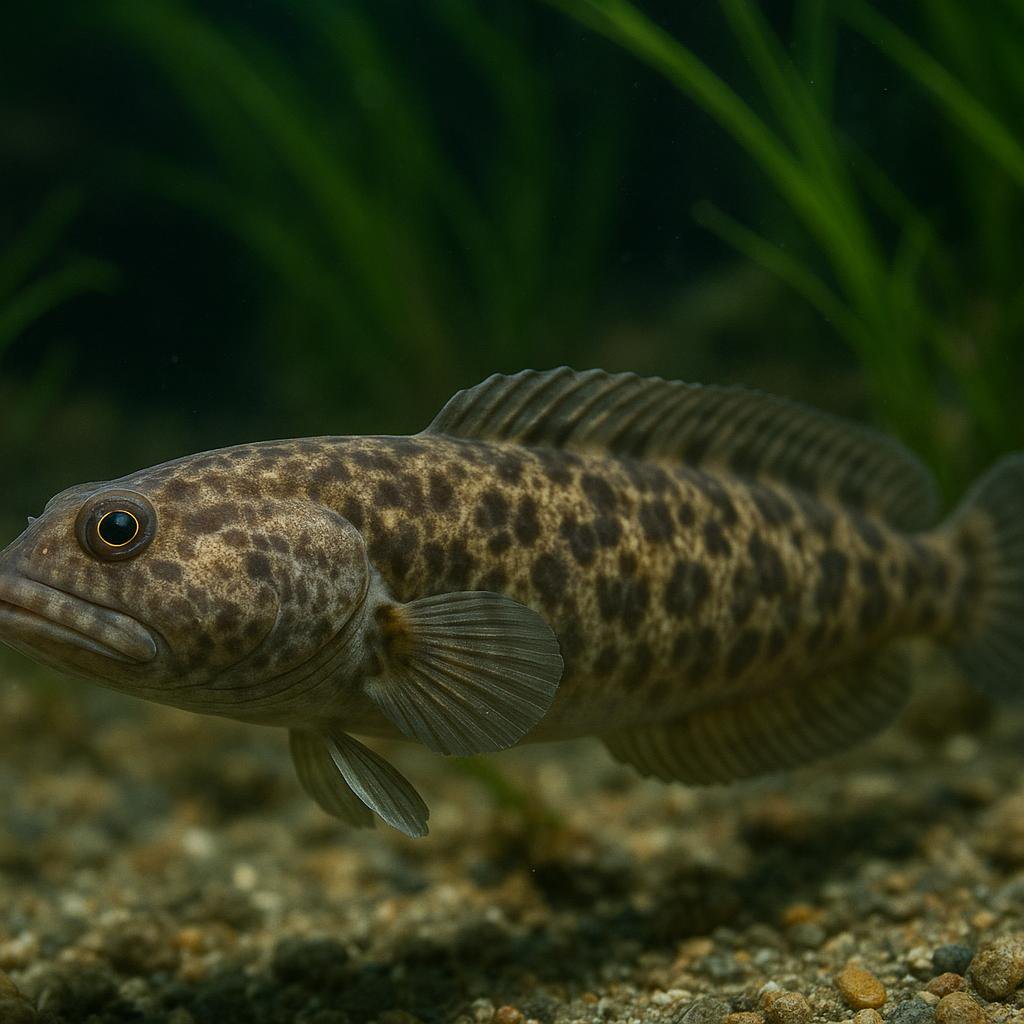
The Speckled goby has a slender body, distinctive dark spots on a light beige background, and a long dorsal fin that highlights its streamlined shape.
This page includes AI-generated images. Why am I seeing AI images?
About the Speckled goby
A tiny estuary goby with a neat checkered body pattern and a surprisingly big mouth for such a small fish. It hangs out on the bottom, scooting between shells and rocks, and will happily pick at tiny crustaceans and other bite-size foods. Folks sometimes confuse it with the similar R. bikolanus, and it does great in lightly brackish setups with hard, alkaline water.
Also known as
Quick Facts
Size
6 cm
Temperament
Peaceful
Difficulty
Intermediate
Min Tank Size
10 gallons
Lifespan
1-3 years
Origin
Southeast Asia
Diet
Omnivore - small inverts, microcrustaceans, algae; takes frozen and prepared foods
Water Parameters
24-30°C
7.5-8.4
8-20 dGH
Need a heater for this species?
This species needs 24-30°C in a 10 gallon tank. Use our heater calculator to find the right wattage.
Calculate heater sizeCare Notes
- Give them a 20-long or bigger with sand, rounded stones, leaf litter, and lots of tiny caves or shells; tight lid because they jump.
- Run low-end brackish at SG 1.003-1.008 with hard, alkaline water (pH 7.5-8.2) around 75-81 F; raise or lower salinity in small steps over days, not in one hit.
- Use a marine salt mix (not aquarium salt), and do 20-30% weekly changes with temp and SG matched; add a sponge prefilter so they do not get pinned to the intake.
- They are micropredators, so lean on live or frozen foods like baby brine, daphnia, cyclops, and chopped bloodworm; once settled, mix in fine sinking pellets and feed 2-3 small meals a day.
- Good neighbors: Celebes rainbowfish, mollies, and brackish-tolerant ricefish that stay midwater; skip knight gobies, puffers, scats, cichlids, or anything big or nippy.
- Keep either one male with 2-3 females or a small group with lots of cover; males spar and will bully if the layout is too open.
- Breeding is cave-style with the male guarding eggs, but the larvae need marine salinity and planktonic foods, so you wont raise fry unless you set up a separate saltwater rearing tank.
- Watch for food competition and weight loss; fast feeders (including bumblebee gobies) will mug them at mealtime, so spot-feed with a pipette right to their hangouts.
Compatibility
Good Tankmates
- Small brackish livebearers like mollies and hardy guppies - mid to top swimmers that ignore bottom gobies
- Celebes rainbowfish - gentle midwater buddies that cruise above them without drama
- Indian glassfish - peaceful schoolers that leave the gobies alone
- Ricefish like Oryzias dancena - small surface fish that handle low to mid brackish and do not pester bottoms
- Pseudomugil blue-eyes (like P. cyanodorsalis) - fast, mild dithers that help the gobies feel safe
- Bumblebee gobies - similar size and salinity; works fine with lots of hides and target feeding
Avoid
- Figure 8 puffers - nippy and curious, they will harass and chew on small gobies
- Archerfish - big, fast, and opportunistic; small gobies can become snacks
- Knight gobies - more territorial and predatory, likely to outcompete or bite
- Scats and monos - grow large and pushy, overwhelm feeding time and can injure tiny gobies
Where they come from
Speckled gobies (Redigobius isognathus) hang out in tidal creeks, mangrove edges, and the lower parts of rivers across parts of Australasia and the Indo-Pacific. They live where the salinity swings with the tide, so they are naturally tough little fish that like a bit of salt in the water.
You usually find them perched on sand or mud, scooting between leaf litter and roots. That perch-and-dash lifestyle is exactly how they act in the tank.
Setting up their tank
Give them a shallow footprint tank with gentle to moderate flow and lots of small hides. They are small (about 3-5 cm) but do better in groups, so do not go tiny on volume.
- Tank: 20-gallon long or larger for a group of 6-8
- Salinity: low-end brackish long-term, SG 1.003-1.008 (they can handle swings, but keep it steady)
- Temperature: 24-27 C (75-81 F)
- pH: 7.2-8.0, hardness on the medium-hard side
- Substrate: fine sand so they can sift and rest without frayed fins
- Filtration/flow: well-oxygenated, gentle to moderate current; a spray bar or sponge filter works great
- Lid: tight-fitting with no gaps - they are jumpers
- Decor: small caves (shells, half-coconut, tiny clay pots), rooty wood, rounded stones; leave open sand patches for foraging
- Plants: brackish-tolerant like Java fern, Anubias, some Vallisneria; mangrove seedlings if you are into that
Use a marine salt mix to make brackish water. Aquarium salt or table salt will not give the right minerals or buffering.
I like a few empty nerite snail shells and stacks of flat stones. They choose little territories and feel a lot braver with multiple line-of-sight breaks.
They will launch themselves through the smallest opening during feeding or spats. Cover filter intakes and any cable holes.
Let the tank mature. A couple of months with stable salinity builds up biofilm and microfauna, which these gobies constantly pick at between meals.
What to feed them
They are micro-predators. New arrivals usually ignore flakes and go straight for moving foods. Once settled, most can be coaxed onto small sinking pellets, but start with meaty stuff.
- Live or frozen baby brine shrimp, daphnia, cyclops
- Frozen mysis chopped if needed, bloodworms in moderation
- Quality micro pellets or nano granules (slow-sinking) after they are eating well
- Occasional grindal worms or blackworms as a treat
To train them to pellets, thaw a bit of frozen food and mix in a few pellets. Over a week or two, shift the ratio. They will mouth and spit at first, then figure it out.
Small meals 2-3 times a day beat big dumps of food. They hunt by sight and prefer food that sinks near them.
How they behave and who they get along with
Bottom-oriented, lots of perching and short dashes. Males posture and spar, but it is mostly bluffing if there are enough hides. A group works best: one male to two or three females, or just a big enough group to spread the attention.
- Good tankmates: bumblebee gobies, glassfish, small mollies, golden or empire gudgeons, knight gobies that are not oversized, peaceful halfbeaks up top
- Borderline: bee shrimp and tiny crabs are snacks; larger amano-type shrimp might be left alone but risk is real
- Avoid: big scats/monos/archers, aggressive cichlids, fin-nippy barbs, anything that will outcompete them at the bottom
They are not fast eaters. In a mixed tank, target-feed with a pipette so faster fish do not steal everything.
Breeding tips
They will spawn in home aquaria if comfortable. The male cleans a cave roof (shell, pot, underside of wood), the female lays adhesive eggs, and the male guards and fans them. Cool part to watch.
- Condition adults with live/frozen foods
- Provide multiple small caves so pairs can choose
- Run low-end brackish or even near-fresh for spawning, then deal with larvae separately
- A slight temp drop and a solid water change often kickstarts activity
The hard part is raising the larvae. Like many estuary gobies, the fry hatch tiny and drift. They tend to need much saltier water and microscopic food. I move hatch-night larvae with a dim flashlight and airline siphon into a separate tank at SG 1.015-1.020, green-tinted with phytoplankton, gentle air only (no filter intake). Feed rotifers first, then newly hatched brine shrimp once they can take it. Expect low survival on early tries.
Eggs usually hatch in 3-6 days depending on temperature. The guarding male may eat the next batch if he is stressed, so keep human traffic low around the tank.
Common problems to watch for
- Not eating dry foods: start with live/frozen and blend pellets in slowly
- Salinity swings: big jumps shock them. Change by no more than 0.002-0.003 SG per day
- Low oxygen: warm brackish water holds less O2. Keep surface agitation up
- Jumping: lost fish almost always coincided with a missed lid gap
- Internal parasites or skinny new fish: many are wild-caught; quarantine and treat if needed
- Mis-ID: several Redigobius look similar. Size and markings vary, but husbandry is basically the same
Quarantine new fish for 2-3 weeks. I have had good results deworming with a praziquantel + levamisole rotation, but dose based on real water volume and follow the product instructions.
Do not use table salt or randomly scoop salt to the tank. Mix marine salt in a bucket with dechlorinated water, aerate, measure with a refractometer or calibrated hydrometer, then add.
Similar Species
Other brackish peaceful species you might be interested in.
African moony
Monodactylus sebae
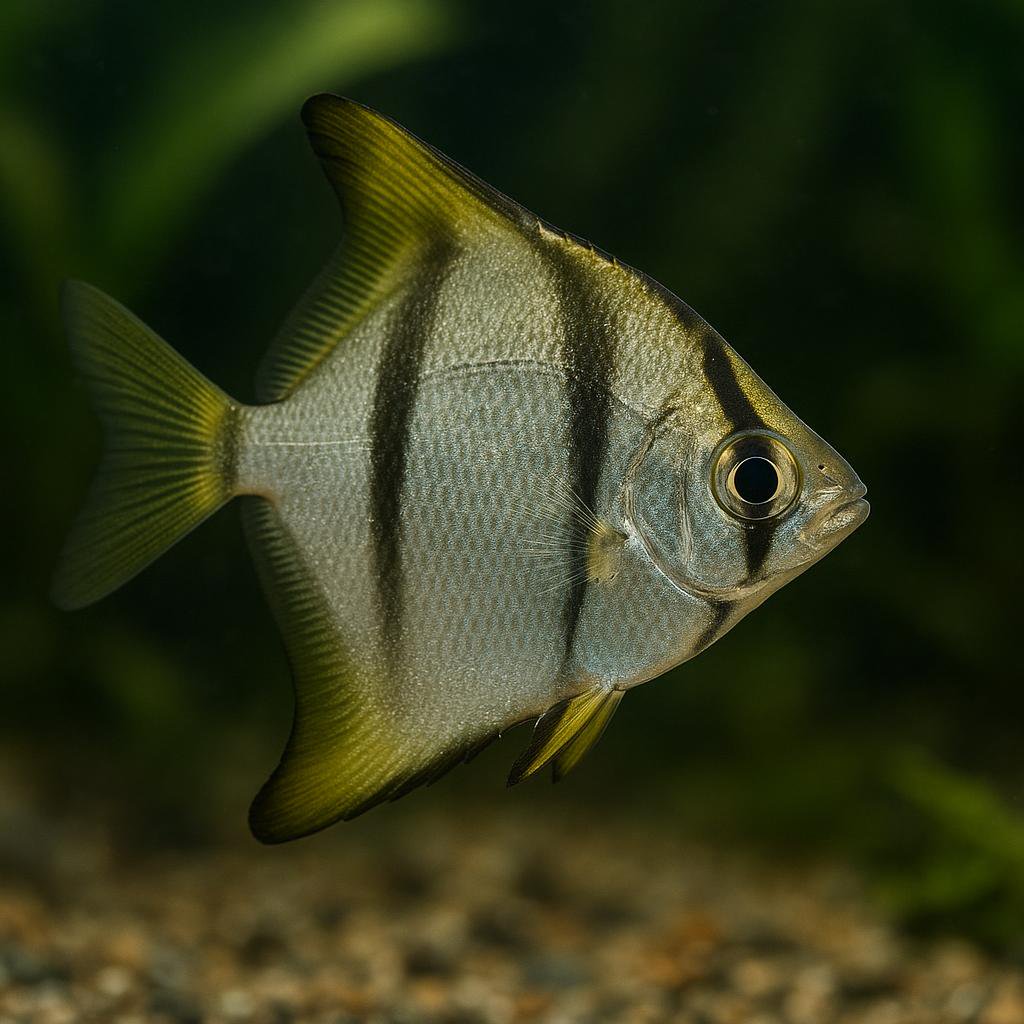
This is that shiny, diamond-shaped "mono" that cruises around in a tight pack and looks like a little silver dinner plate with black bars when it's young. The big thing with African moonies is they're euryhaline-so they'll tolerate freshwater as juveniles, but they really shine long-term in brackish (and can be transitioned toward marine as they mature). Give them a big, open tank and a group, and they turn into nonstop, super fun midwater swimmers.
American shadow goby
Quietula y-cauda
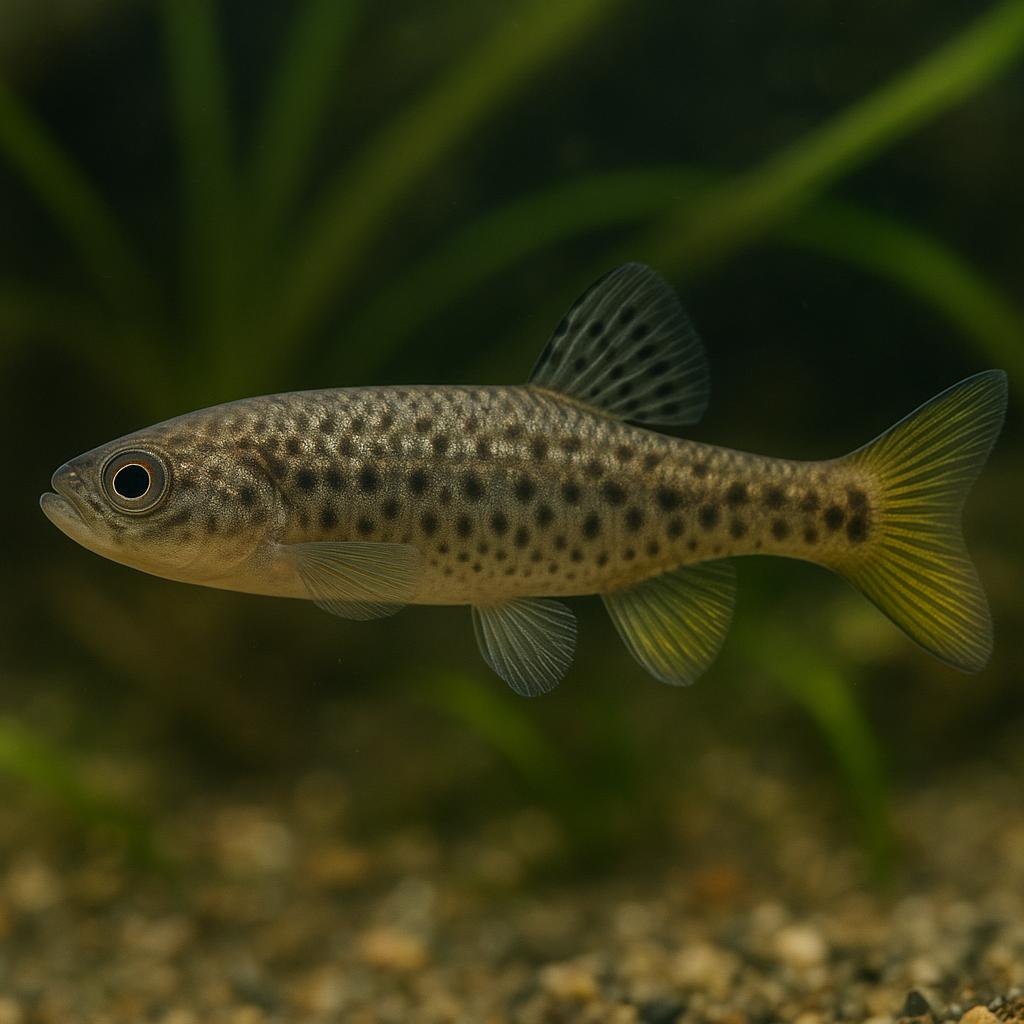
This is a little mudflat goby from California down into the Gulf of California that loves hanging tight to the bottom and vanishing into burrows. The neat tell is that sideways Y-shaped blotch right at the base of the tail, plus the row of dark spots along the side. Its whole vibe is brackish estuary life - calm water, soft substrate, lots of hiding holes.
Banded-tail glassy perchlet
Ambassis urotaenia
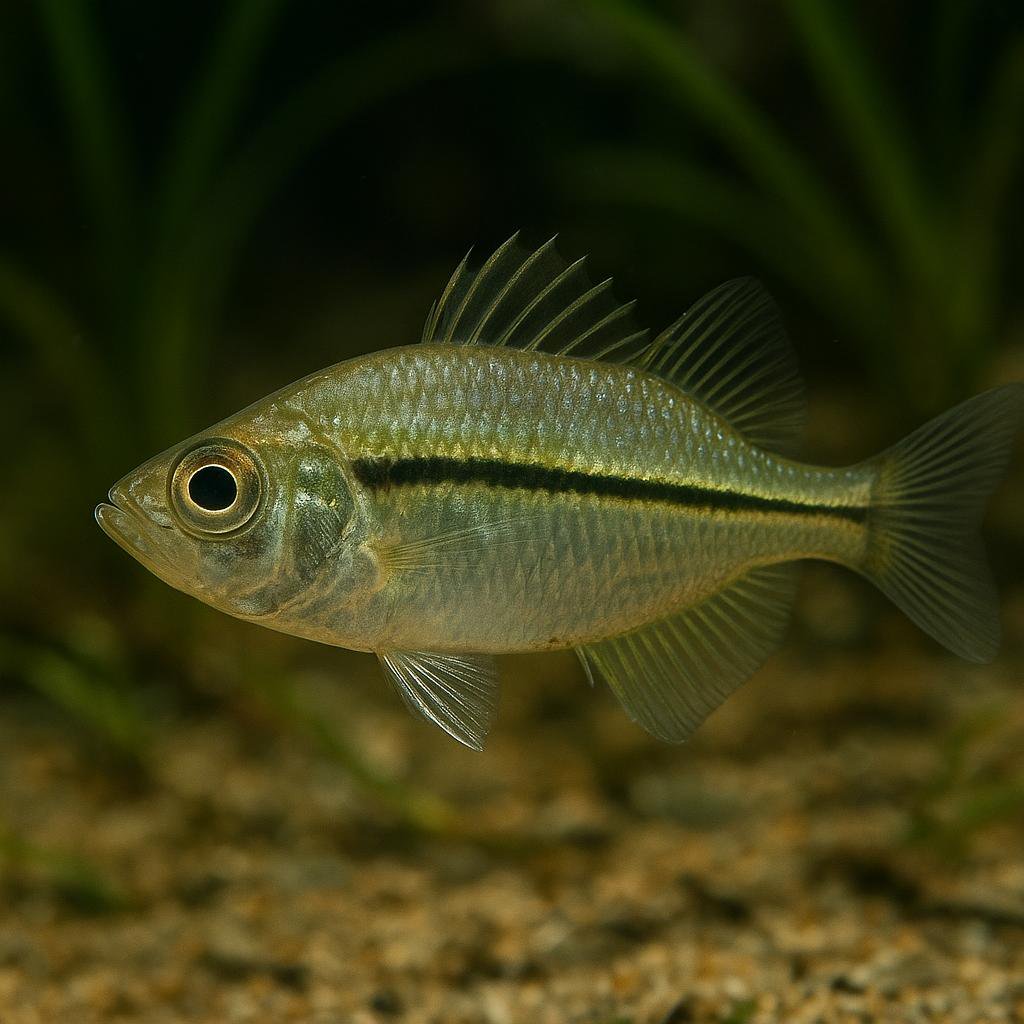
This is one of those see-through glassy perchlets where you can literally watch the organs shimmer when it turns-super cool in the right lighting. In the wild it hangs around river mouths and mangroves and cruises in groups, so it does best when you keep a little gang of them and give them some open swimming room.
Barbed pipefish
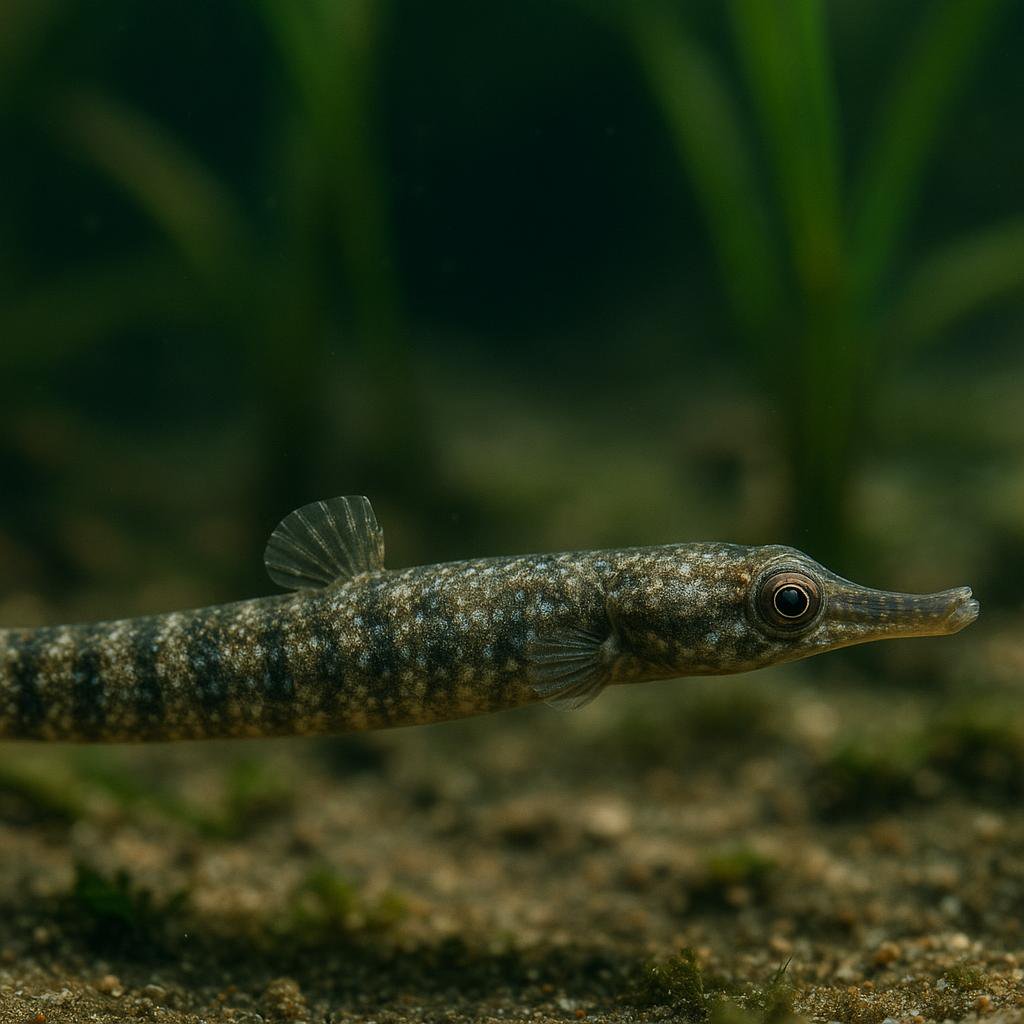
Urocampus nanus
Urocampus nanus (barbed pipefish) occurs in protected inshore and estuarine habitats among seagrass (Zostera) in the Northwest Pacific (southern Japan and adjacent coasts). Like other syngnathids, males brood eggs in a pouch under the tail and produce fully formed young.
Beach silverside
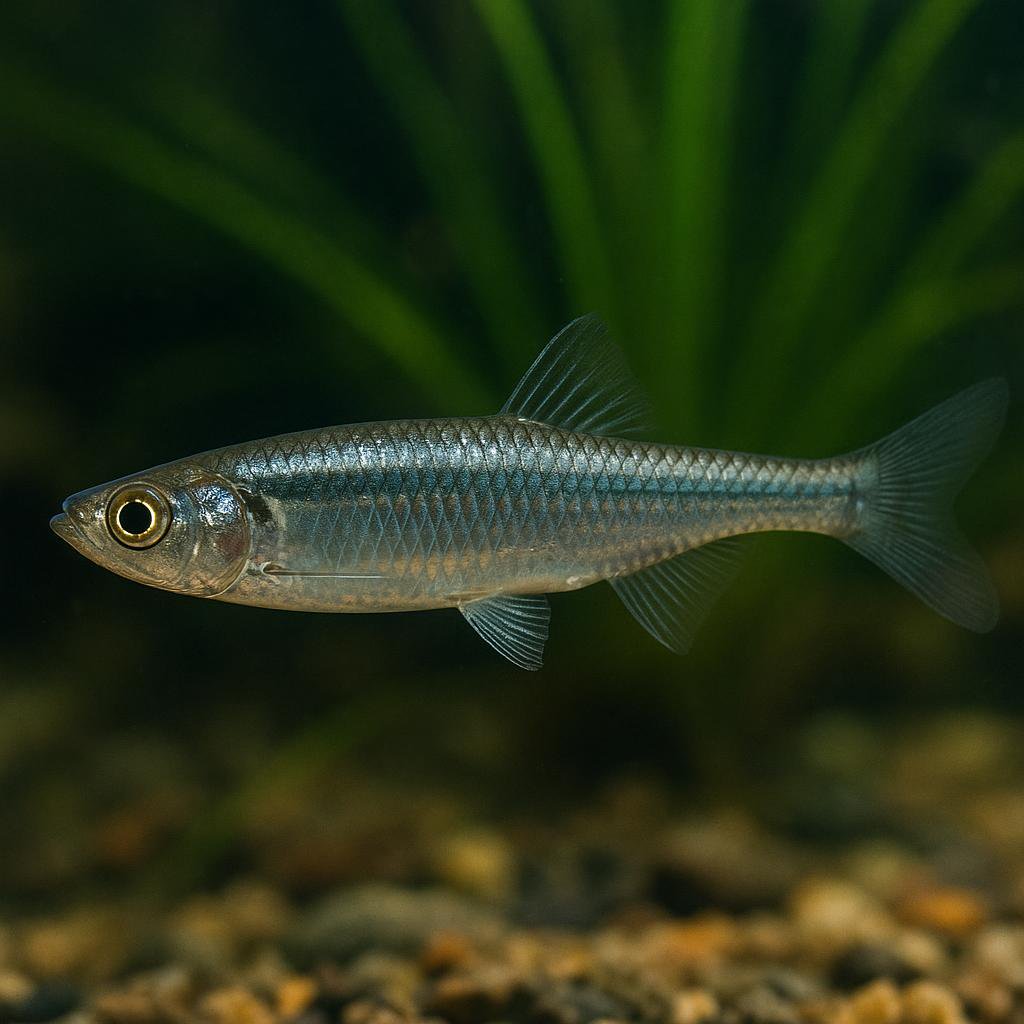
Atherinella blackburni
This is a little coastal silverside that cruises the shallows in loose groups and flashes like a tiny chrome dart when the light hits it right. In the wild it hangs around beaches, estuaries, and lagoons, picking at small drifting foods in the surf zone. It is cool, but its real "gotcha" is that it is an open-water, salt-tolerant schooling fish that does best in bigger, well-oxygenated setups rather than a typical planted community tank.
Buffon's river-garfish
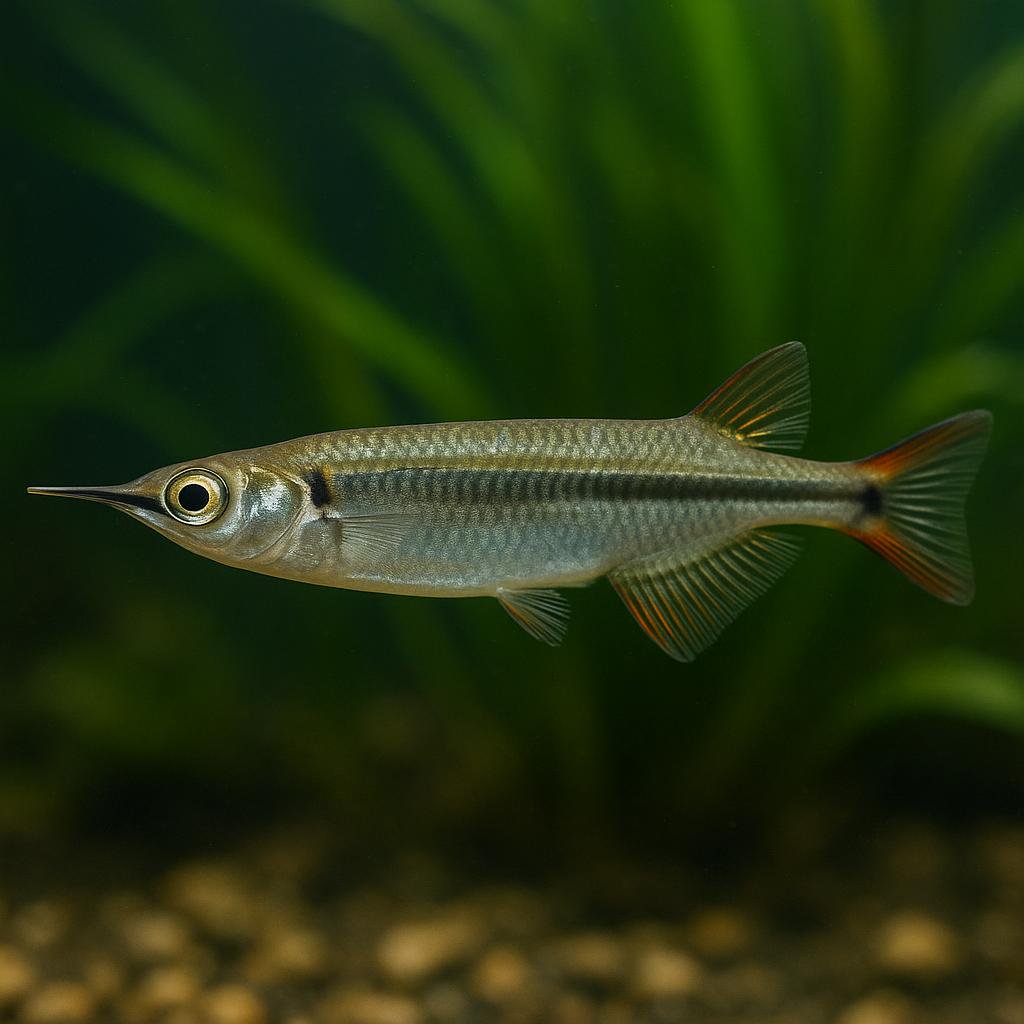
Zenarchopterus buffonis
This sleek, surface-dwelling halfbeak has a distinct dark stripe along the snout and is typically found at the surface in coastal waters, estuaries, and rivers where it feeds on terrestrial insects. In aquaria it does best with floating/surface foods and a secure cover, and it requires brackish (or marine) conditions long-term. Reproduction is internally fertilized; FishBase lists the species as ovoviviparous.
More to Explore
Discover more brackish species.
Atlantic Mudskipper
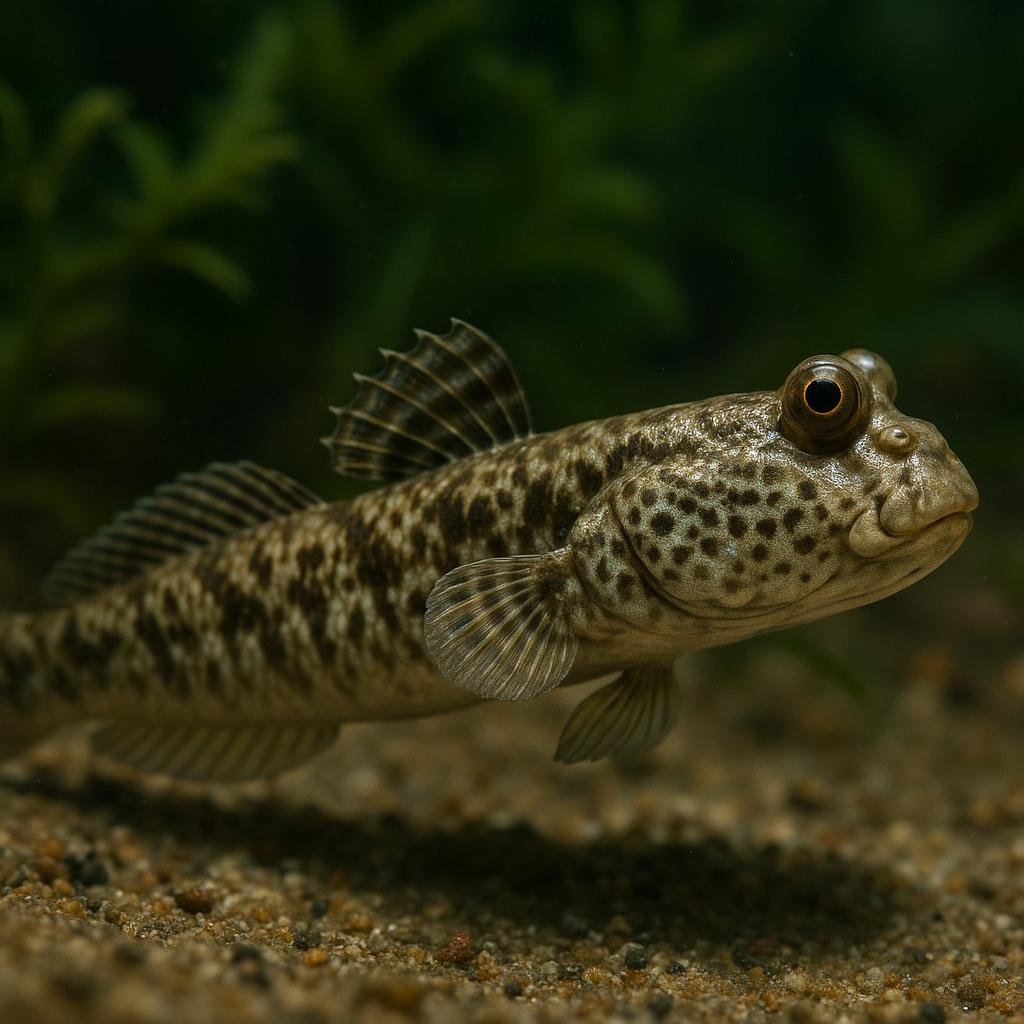
Periophthalmus barbarus
This is that wild little amphibious goby that straight-up climbs around on land like it forgot it was a fish. They've got big googly eyes, tons of personality, and they'll perch, hop, and patrol their territory-honestly more like a tiny crabby lizard than a "regular" aquarium fish.
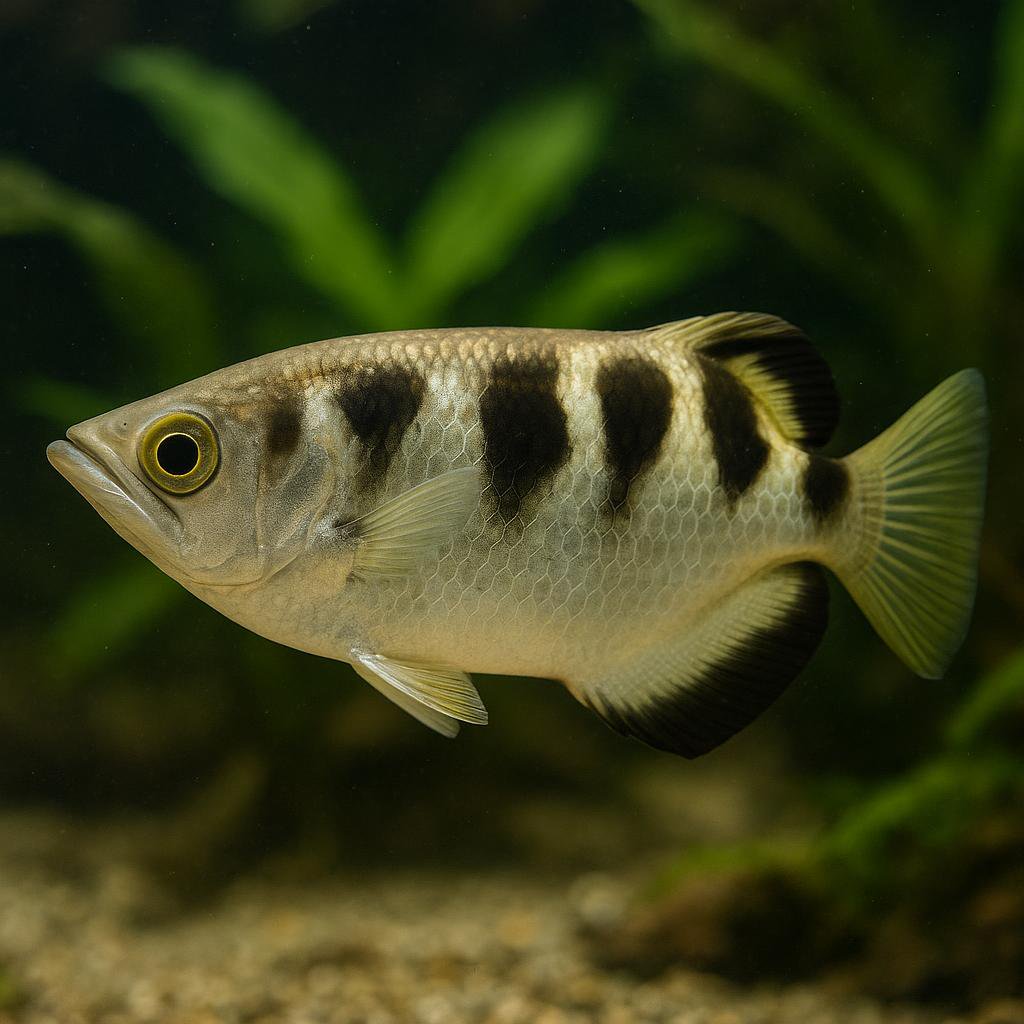
Banded Archerfish
Toxotes jaculatrix
This is the fish that literally spits jets of water to knock insects off branches-watching one "take aim" is unreal. They're super aware of what's going on outside the tank and will even learn to beg and snipe food from the surface once they settle in. Give them height and some open swimming room and they act like little aquatic sharpshooters.
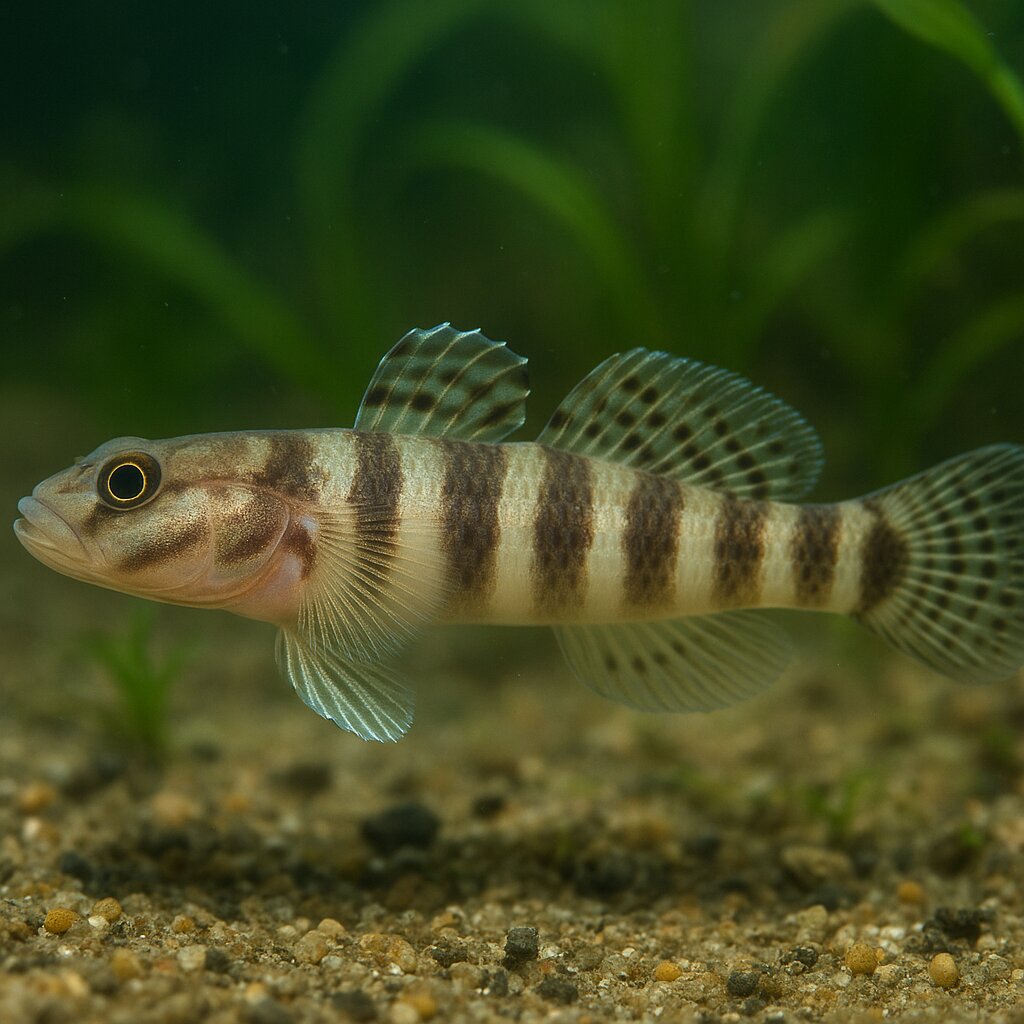
Banded mulletgoby
Hemigobius hoevenii
Neat little mangrove goby that hugs the bottom and hangs around leaf litter. The bold diagonal bars and tail spot look great, and it hunts like a tiny ambush predator, darting out for bites. Keep it gently brackish and it settles in nicely, cruising among roots and wood.
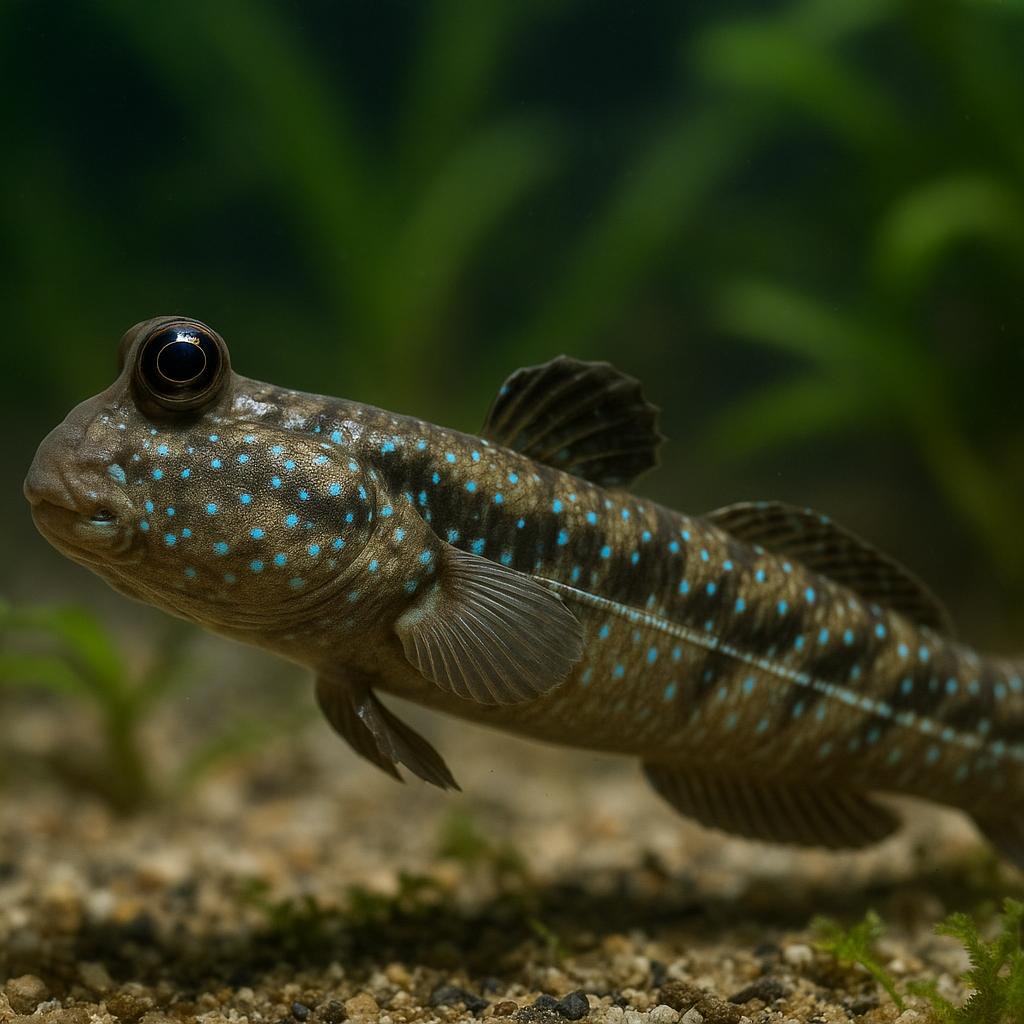
Barred mudskipper
Periophthalmus argentilineatus
This is one of those classic "walks around like it owns the place" mudskippers-big goofy eyes, climbs, hops, and spends a ton of time out on the mud when it's humid. In the wild it lives on intertidal mangrove/nipa mudflats and even shuttles between little pools and open air, hunting worms, insects, and small crustaceans. It's super fun to watch, but it really wants a brackish paludarium setup (not a normal aquarium).
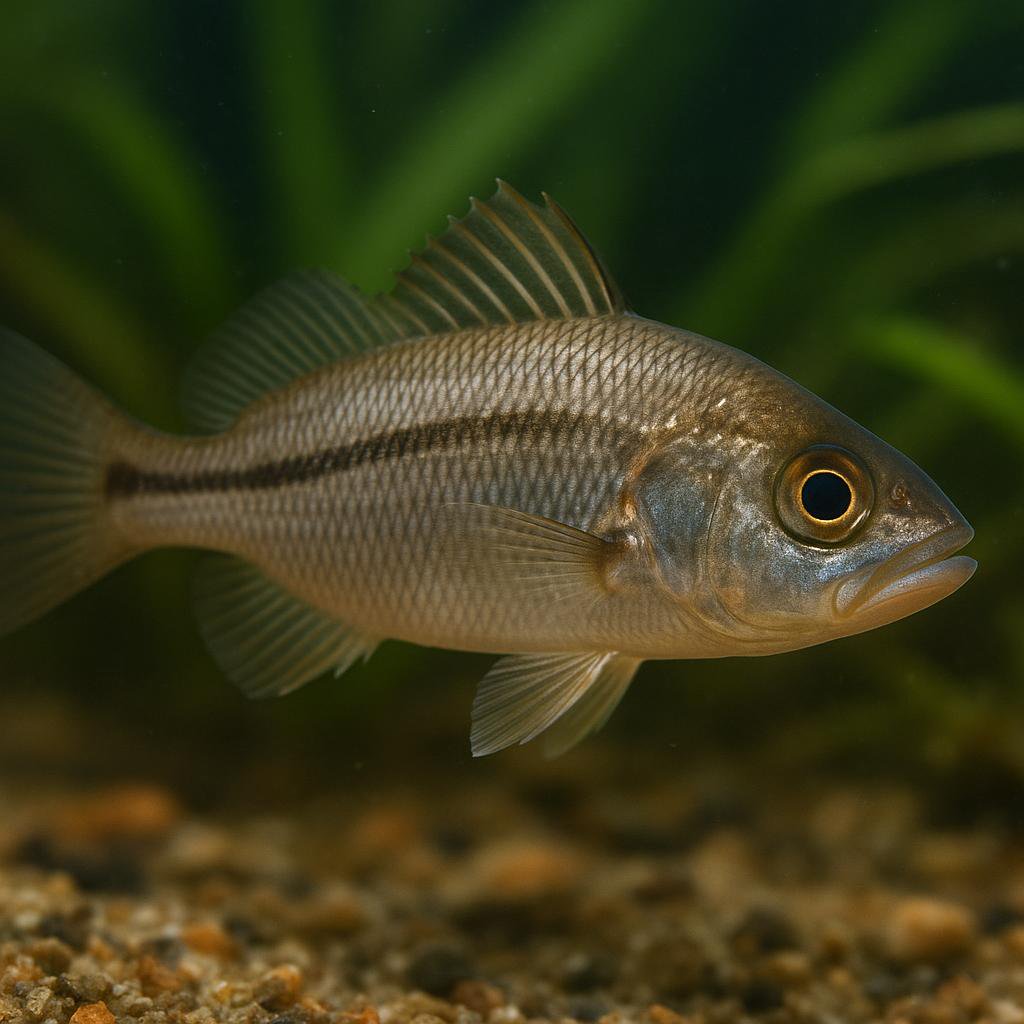
Bellfish
Johnius fuscolineatus
Johnius fuscolineatus (Bellfish/African bearded croaker) is a small coastal sciaenid from the southwestern/western Indian Ocean (Mozambique, South Africa, Madagascar), occurring in shallow marine waters (reported 0–50 m) and also associated with coastal/estuarine habitats.
Blotched eelpout
Zoarces gillii
Zoarces gillii is a cold-temperate eelpout from the Northwest Pacific that hugs the bottom over sandy-mud inshore areas and even pushes into estuaries. It's got that long, eel-like body and a sneaky, sit-on-the-bottom predator vibe - very much a cool-water, brackish-to-marine oddball rather than a typical tropical aquarium fish.
Looking for other species?