

Tigerfish
Rhamphochromis longiceps
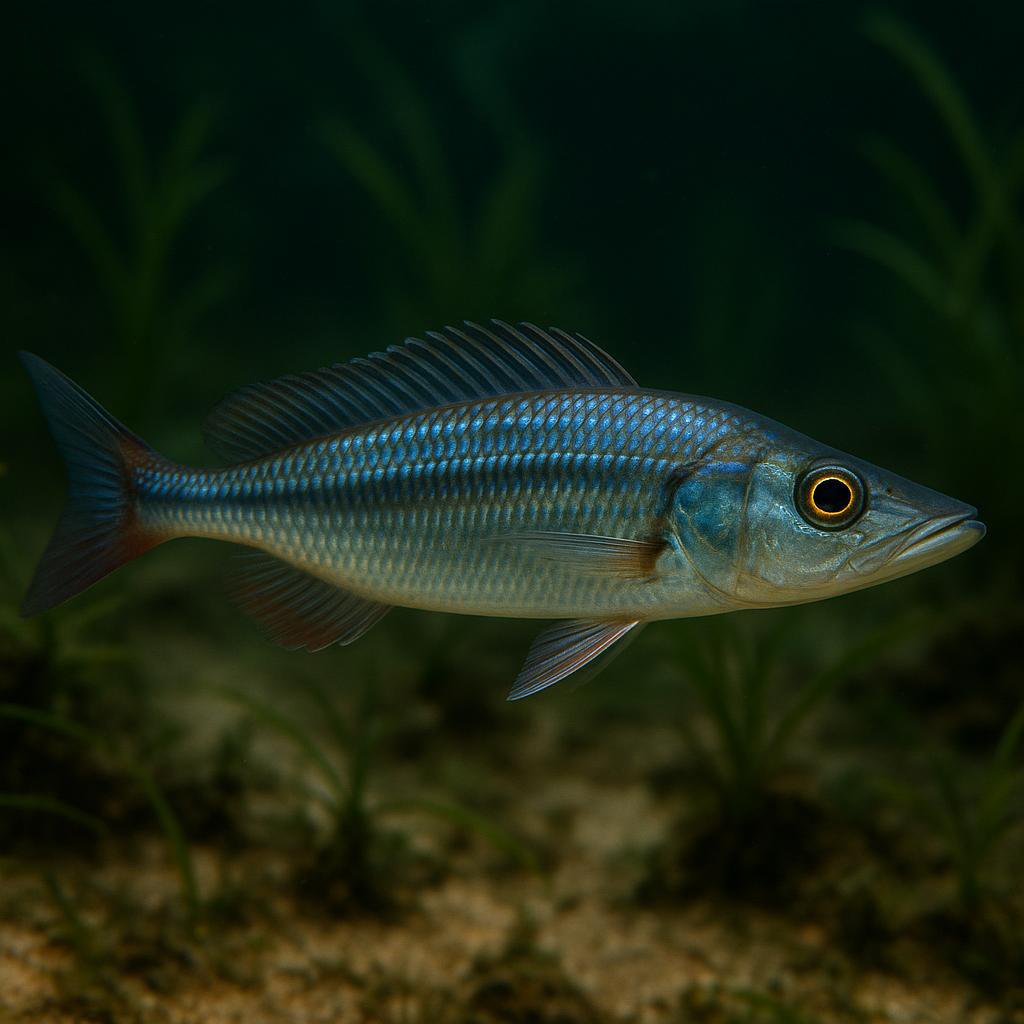
Tigerfish exhibit elongated bodies with sharp teeth, boasting striking silver-blue scales and distinctive black vertical stripes.
This page includes AI-generated images. Why am I seeing AI images?
About the Tigerfish
This is one of Lake Malawi's sleek, open-water predator haps - long, torpedo-shaped, and built to chase down smaller fish. Adults can get a cool greenish metallic sheen on the back and mature males may look more bluish-grey, plus the females are classic mouthbrooders.
Quick Facts
Size
28 cm
Temperament
Semi-aggressive
Difficulty
Advanced
Min Tank Size
125 gallons
Lifespan
6-10 years
Origin
Africa (Lake Malawi, Upper Shire River)
Diet
Piscivore - meaty foods (quality pellets, frozen/tilapia, shrimp) and the occasional live foods; avoid feeder fish long-term
Care Notes
- Give them a long tank, not a tall one - they are built to sprint. I'd call 6 ft minimum for an adult, with a tight lid because they can launch.
- Keep the water hard and alkaline like Lake Malawi: pH around 7.8-8.6, steady temps about 24-27 C (75-81 F). They hate swings, so set your heater and leave it alone.
- Run oversized filtration and add a powerhead for current - these fish cruise and dump a lot of waste. Big weekly water changes (30-50%) keep them from getting ragged and edgy.
- Feed like a predator but don't turn them into a fat missile: quality carnivore pellets as the staple, plus silversides/krill/shrimp chunks a few times a week. Skip feeder fish - parasites and thiaminase problems are not worth it.
- Tankmates need to be big, fast, and not bite-sized - think larger Malawi haps/peacocks or other robust open-water types. Anything smaller will be food, and slow fancy fish will get bullied or shredded.
- Use open swimming space with a few rock piles at the ends for breaks; too many rocks in the middle just turns their tank into a bumper course. Dimmer lighting helps them stay calmer and hunt less nervously.
- Watch for mouth injuries and split fins from smashing into glass during spooks; cover three sides of the tank and avoid sudden room lights. Quarantine new fish because tigerfish stress out fast when parasites show up.
- Breeding is possible but not a casual project: they are maternal mouthbrooders, and the male gets pushy in tight quarters. If you try it, give a big female-to-male ratio and be ready to strip/raise fry separately or they will become snacks.
Compatibility
Good Tankmates
- Other Malawi open-water predators like big Rhamphochromis (same vibe, same speed) - best in a big tank with a group so one fish is not taking all the heat
- Fast, sturdy Hap and Peacock cichlids that are not pushovers (think larger Aulonocara and medium-to-large Haps) - they can handle the pace and usually stay out of the tigerfish's face
- Synodontis catfish (Malawi types) - tough, spiny, and mostly mind their own business on the bottom while the tigerfish patrols mid-water
- Big, no-nonsense plecos (like common or sailfin) if you need an algae crew - only in a large setup, and make sure the pleco is too big to be viewed as lunch
- Large, robust loaches (clown loach size and attitude) - quick, hard to bully, and not easily intimidated, but give them caves and room
- Other big, fast Malawi cichlids that stick to rock edges (some larger Mbuna that are not super psycho) - works when the tank is big and the stocking spreads aggression
Avoid
- Small schooling fish like tetras, danios, juvenile rainbows, or any 'snack-sized' fish - if it fits in the mouth, it is on the menu sooner or later
- Slow fish with fancy fins (angels, longfin livebearers, fancy goldfish, etc.) - they get harassed, fin-nipped, or just stressed out by the constant chasing
- Super aggressive brawlers that want to own the whole tank (big Central American cichlids, mean Oscars, etc.) - turns into nonstop turf wars and shredded fins
- Tiny bottom dwellers like small Corydoras or young bristlenose - they get picked on at night or disappear once the tigerfish is settled and hunting
Where they come from
Rhamphochromis longiceps is a Lake Malawi predator. Not a rock-dwelling mbuna, not a gentle open-water peacock either - this is one of the lake's true chase-and-eat fish. In the wild they're built for speed, spending a lot of time in open water and hunting smaller fish.
If you've only kept typical Malawi cichlids, this one feels more like keeping a freshwater barracuda that happens to come from Malawi.
Setting up their tank
Tank size is the whole game with tigerfish. They get long, they move fast, and they spook easily if they're cramped. You want a long footprint more than a tall tank. For an adult, I'd personally treat 6 feet as the starting point, and bigger is always easier. Keeping a group means going even larger.
- Tank: long tank, 6 ft minimum for an adult (bigger for multiples)
- Filtration: heavy, with strong mechanical pickup and lots of bio capacity
- Flow: moderate to strong, but avoid blasting one end so they pin themselves
- Cover: tight lid - they can jump when startled
- Lighting: not too harsh, or give shaded areas with floating plants (if they will tolerate your water chemistry)
- Decor: keep it open for swimming, with a few big rock piles or vertical structure to break sight lines
I like a layout with open runway space and just a couple of big, stable rock mounds. Skip sharp dragon stone-style edges. These fish hit the glass and decor hard during spooks, and scrapes happen fast.
They are panic swimmers. Sudden lights-on, people rushing past the tank, or kids tapping the glass can turn into nose dents and missing scales. A background, subdued lighting, and a calm location help a lot.
Water-wise, think Lake Malawi: hard, alkaline, clean. They are messy eaters, so you will be doing real water changes. I ran mine like a predator tank that happens to be Malawi - over-filtered, lots of turnover, and I did not get lazy about maintenance.
What to feed them
They are fish-eaters by nature, and they'll act like it. The trick in captivity is getting them onto foods that keep them in shape without wrecking water quality or their digestion.
- Staples: quality carnivore pellets (the kind that sinks slowly), meaty frozen like prawns/shrimp, white fish, and the occasional squid
- Treats: earthworms or insects (rinse well), krill in moderation
- Avoid: feeder fish as a routine (parasites, thiaminase issues, and it trains them to only want live prey)
Most tigerfish will take pellets if you are consistent. Start with frozen, then mix pellets in the flow so they drift like prey. Once they recognize pellets as food, life gets way easier and your water stays cleaner.
Feed smaller portions more often instead of one huge dump. Big meals make them burp up food, foul the tank, and sometimes bloat.
How they behave and who they get along with
They are predatory, high-strung, and surprisingly sensitive to bullying. They'll eat anything that fits in their mouth, but they also do not love constant harassment from hyper-aggressive tankmates.
I had the best results with large, steady fish that hold their own without being nonstop terrors. Think bigger Malawi haps, larger Synodontis catfish, and other robust open-water types. Tiny peacocks, small mbuna, and anything slender enough to swallow will disappear sooner or later.
- Good candidates: large haps (similar size), big Synodontis, robust non-nippy cichlids
- Risky: mbuna (often too nippy and chaotic), delicate species, long-finned fish
- Not a match: anything small enough to fit in the mouth, slow bottom sitters that get picked on
They can and will inhale fish you thought were 'too big to eat' once they get some size on them. If a tankmate is even close to mouth-sized, plan for it to be food.
If you keep more than one tigerfish, watch the hierarchy. A dominant fish can keep others pinned and stressed, especially in shorter tanks. Lots of open space and a group size that spreads attention (or just keeping a single specimen) can save you headaches.
Breeding tips
Breeding them in a home setup is possible but not something most people stumble into. They are mouthbrooders like many Malawi cichlids, and the females will carry, but getting a compatible group and giving them the room to settle is the hard part.
- Start with a group of juveniles and let pairs form naturally
- Keep the tank calm and spacious so spooking does not cause the female to spit
- If you see a holding female, consider moving her to a quiet tank or use a divider to reduce stress
- Expect fry to need very fine foods at first (baby brine, crushed pellets) and lots of clean water
Holding females can get hammered in community setups. Stress makes them swallow or spit early. Sometimes the best 'breeding tip' is simply giving her peace.
Common problems to watch for
Most issues I saw were not mysterious diseases. They were knock-on effects from tank size, stress, and messy feeding.
- Spook injuries: scraped flanks, damaged snouts from glass hits
- Bloat/constipation: often from overfeeding rich foods or big single meals
- Hole-in-the-head style erosion: usually tied to long-term water quality and nutrition issues
- Internal parasites: common in wild-caught or poorly quarantined fish (stringy white poop, weight loss, appetite changes)
- Aggression stress: one fish losing weight and staying in corners from being dominated
Quarantine is your friend with this species. Treating parasites is way easier in a bare tank than trying to catch a torpedo-shaped fish out of a big display.
If your tigerfish goes off food, don't instantly throw meds at the tank. Check ammonia/nitrite, check nitrate, look for bullying, and look at your feeding routine. Nine times out of ten, fixing stress and water gets them eating again.
Similar Species
Other freshwater semi-aggressive species you might be interested in.
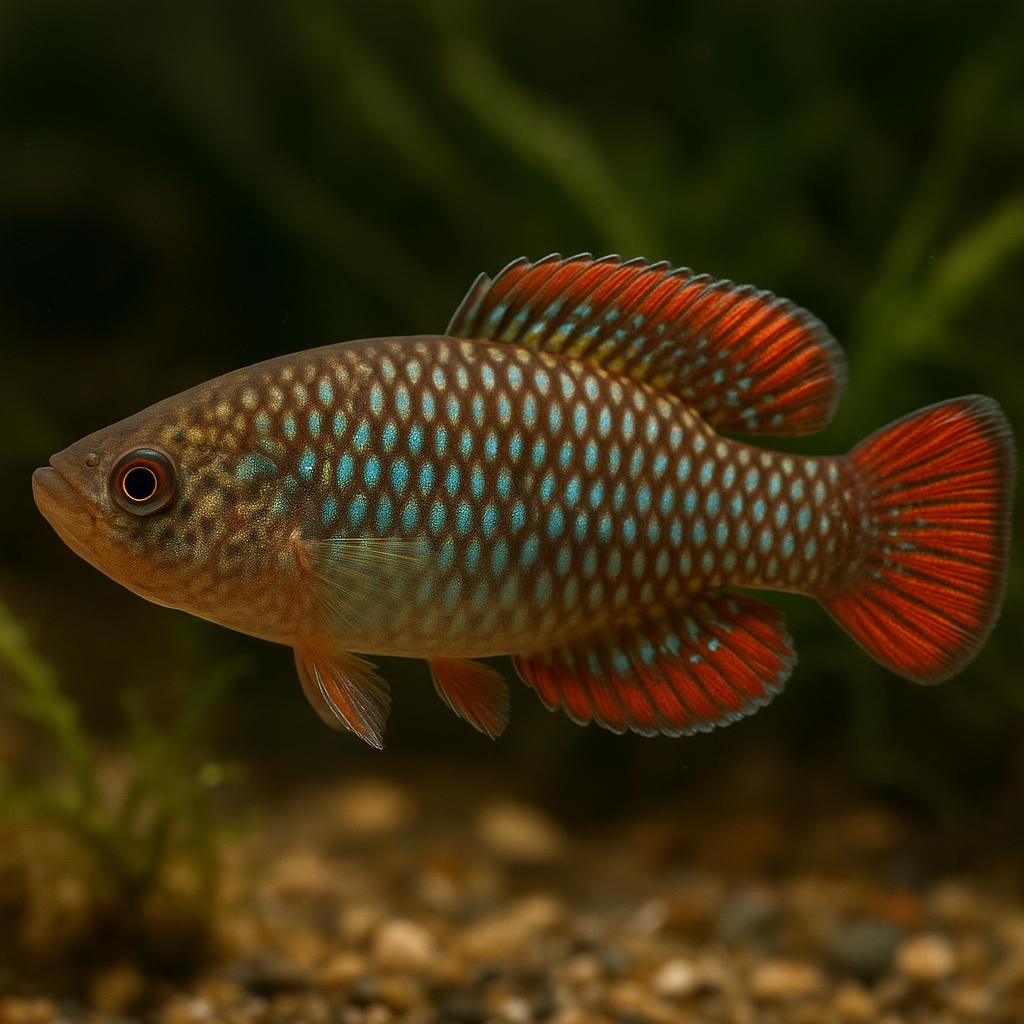
American flagfish
Jordanella floridae
Jordanella floridae is that little Florida native with the red-and-cream striping that really does look like a tiny flag once a male colors up. They graze algae like champs (especially stringy/hair algae), but they have a bit of attitude - give them plants and space so the bossy behavior stays manageable. Bonus: the male guards the eggs and will actively fan them, which is pretty fun to watch.
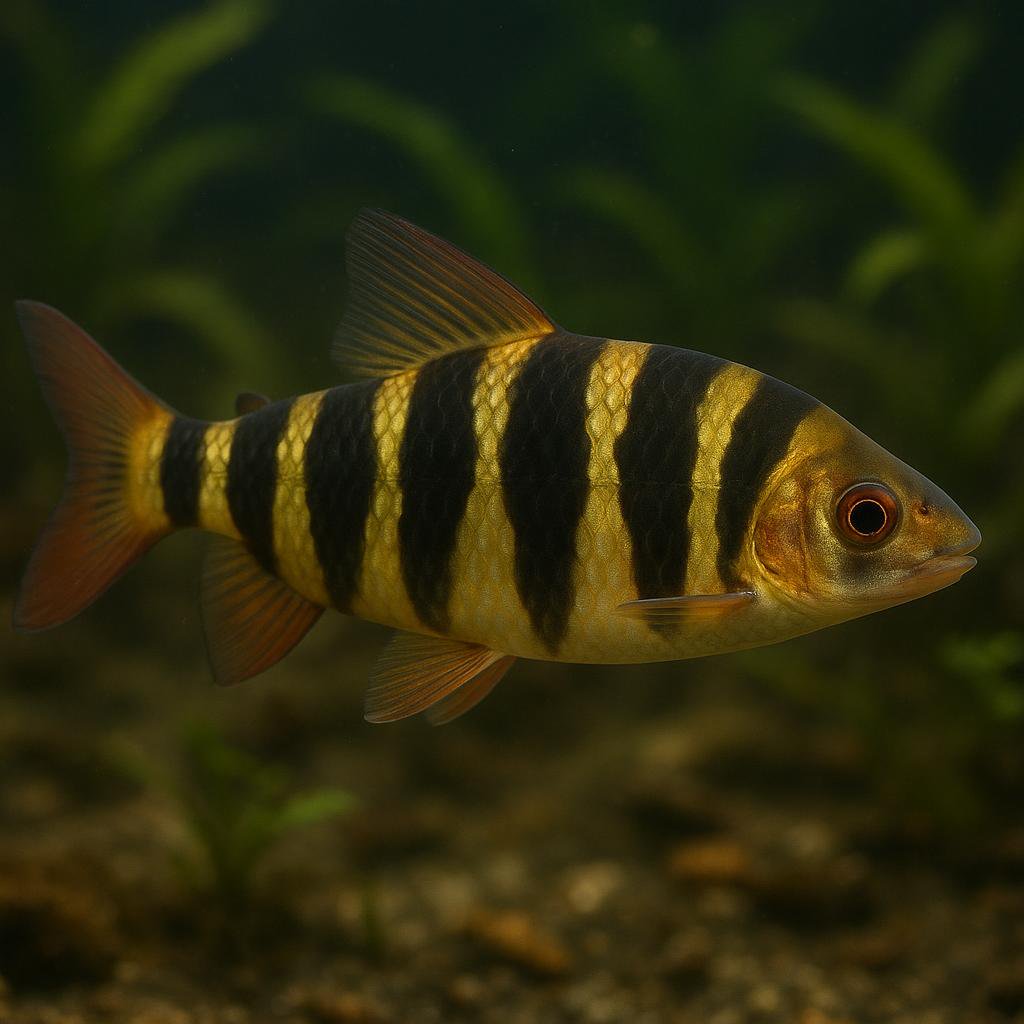
Banded Leporinus
Leporinus fasciatus
Banded Leporinus are those torpedo-shaped, black-and-yellow striped fish that look like they're wearing a little prison outfit-and they stay on the move. They've got a ton of personality and they're awesome to watch cruising and picking at stuff, but they're also the kind of fish that will redecorate your tank and "taste test" anything soft-looking.
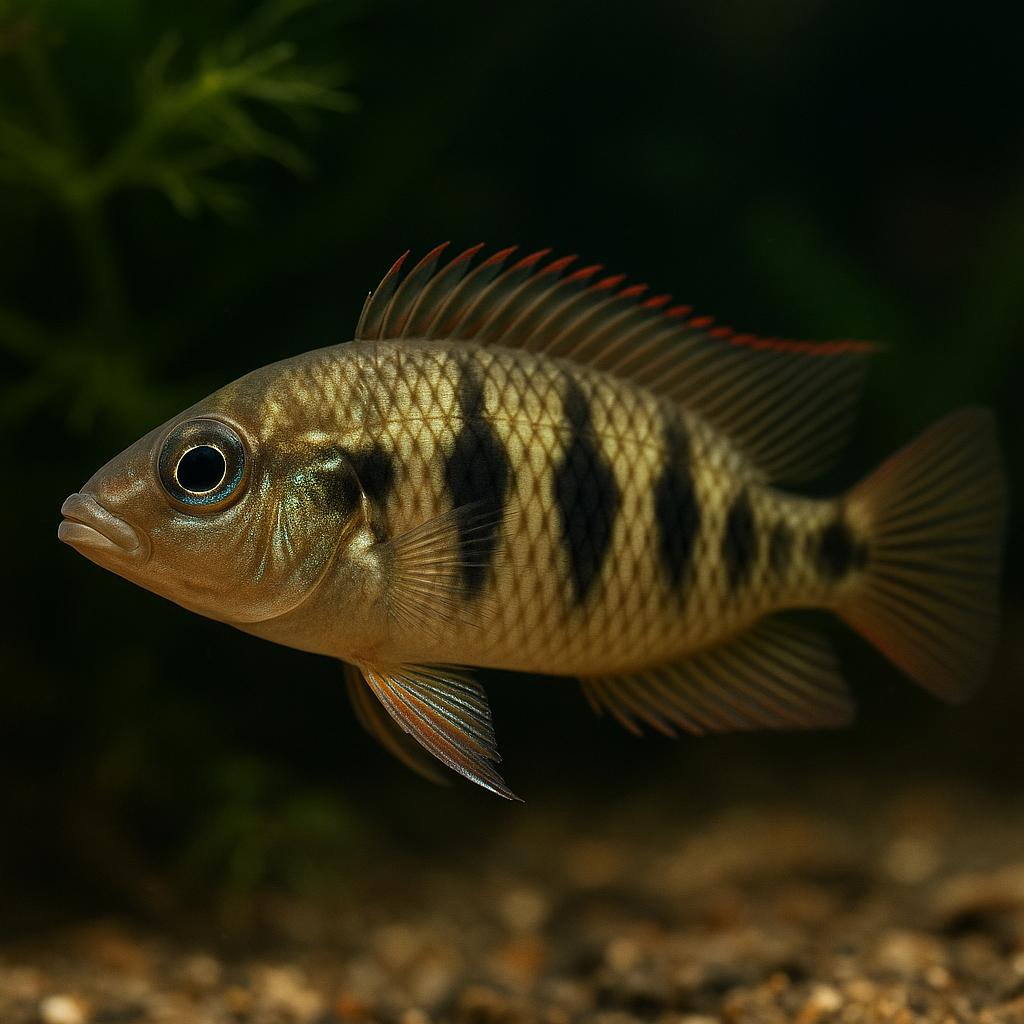
Bandi cichlid
Wallaceochromis signatus
A West African dwarf cichlid from Guinea's Bandi River, this fish shows crisp vertical bars and spotted fins with red highlights. Females have a bold black spot at the base of the tail, and pairs guard eggs and fry in caves, which makes their parental behavior fun to watch.
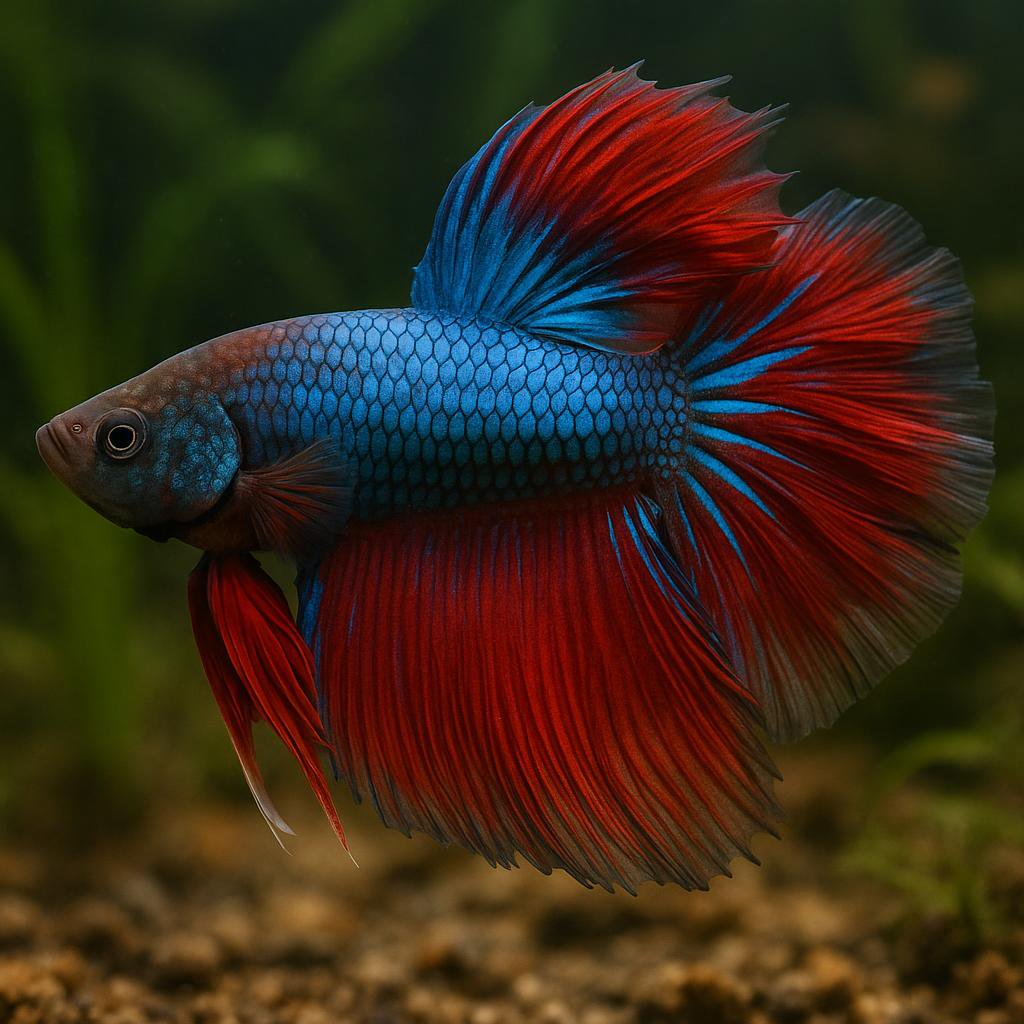
Betta
Betta splendens
Betta fish, also known as Siamese fighting fish, are popular for their striking colors and flowing fins. They are known for their territorial nature, especially males, which can display aggressive behavior towards each other.
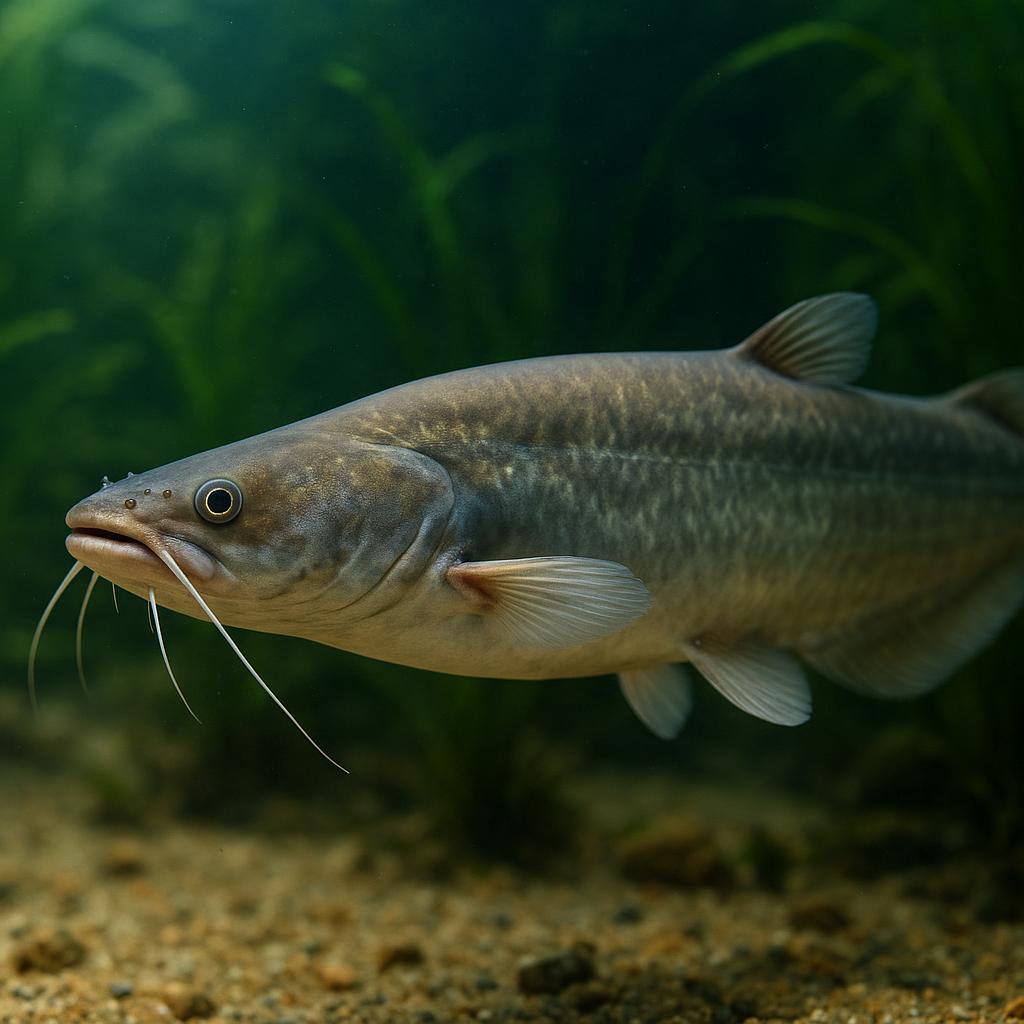
Blackhawk catfish
Wallagonia micropogon
Wallagonia micropogon is a giant Southeast Asian sheatfish with an eel-like body and a huge, scoop-like mouth for hunting other fish. It is native to the Mekong and middle Chao Phraya basins and was long confused with Wallagonia leerii, which makes IDs and care notes tricky. Stunning as a juvenile but it grows to true megafish size, so it is only realistic for expert keepers or public aquariums.
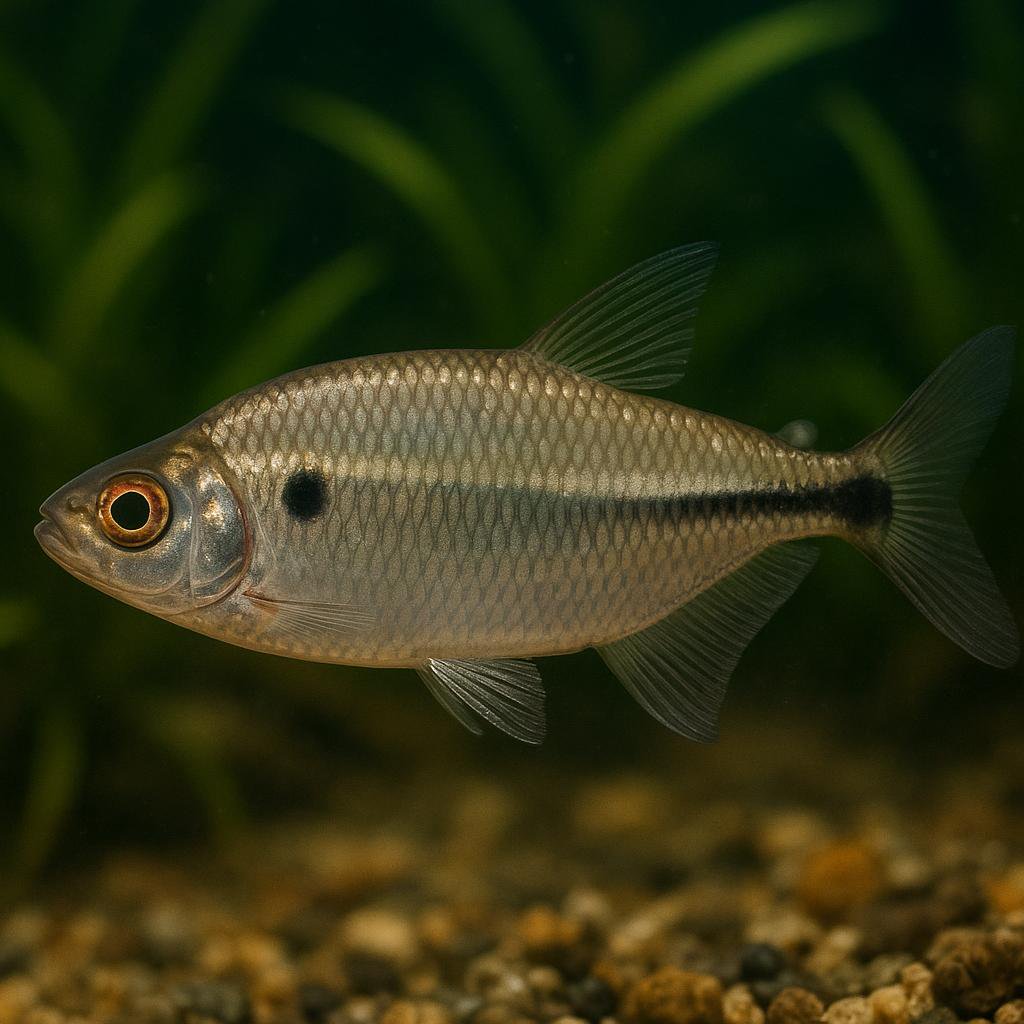
Boulenger's Featherfin Tetra
Bryconaethiops boulengeri
A big, fast African tetra from the Congo River basin, it cruises the mid-to-upper water in active groups and flashes a bold broken stripe along its flanks. In the wild it hunts insects at the surface and can leap, so aquariums need tight lids. Keep it with robust tankmates it cannot swallow.
More to Explore
Discover more freshwater species.
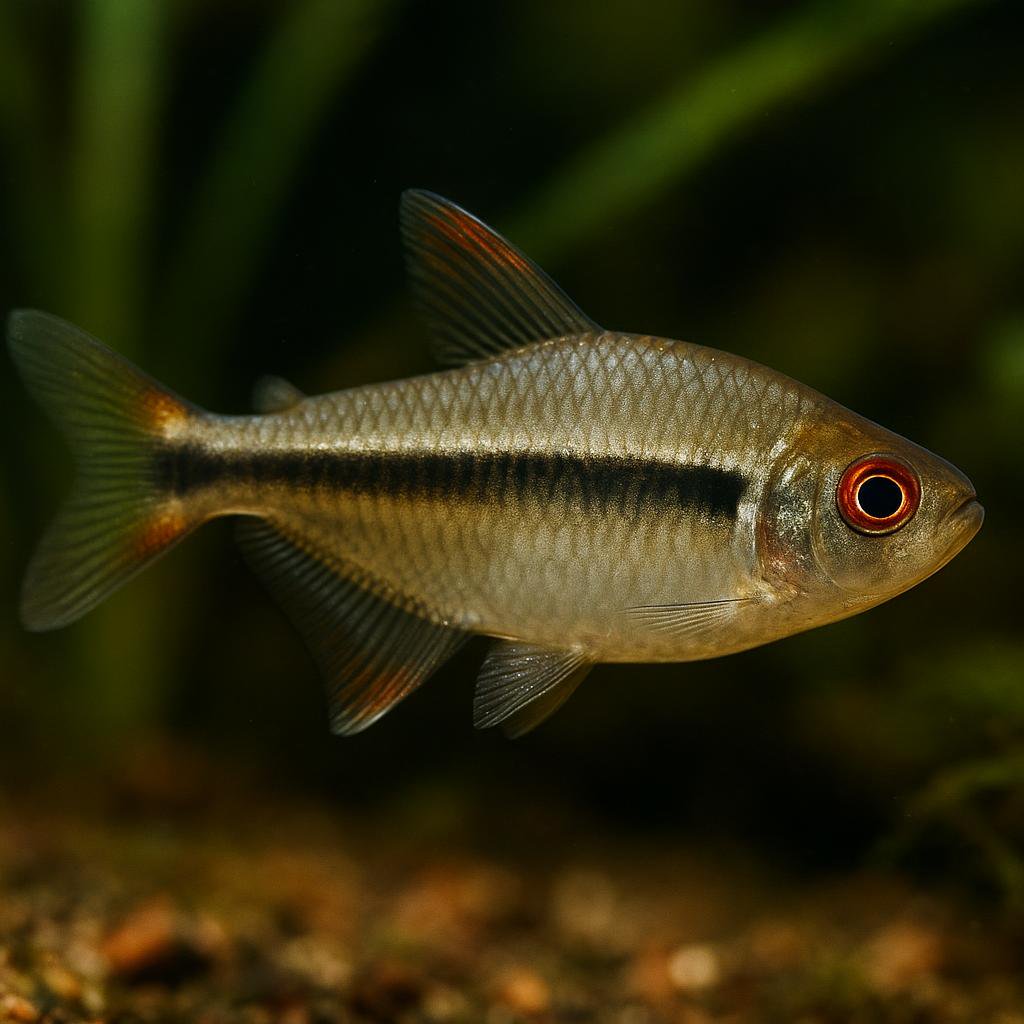
Amapa tetra
Hyphessobrycon amapaensis
This is a tiny, super sleek little tetra with a clean red stripe down the side that really pops once its settled in. It does best in a planted, slightly tinted "creek-style" setup and looks way cooler when you keep a proper group so they school and flash that line together. If you can give it soft, slightly acidic water and a calm community, its an easy fish to fall for.
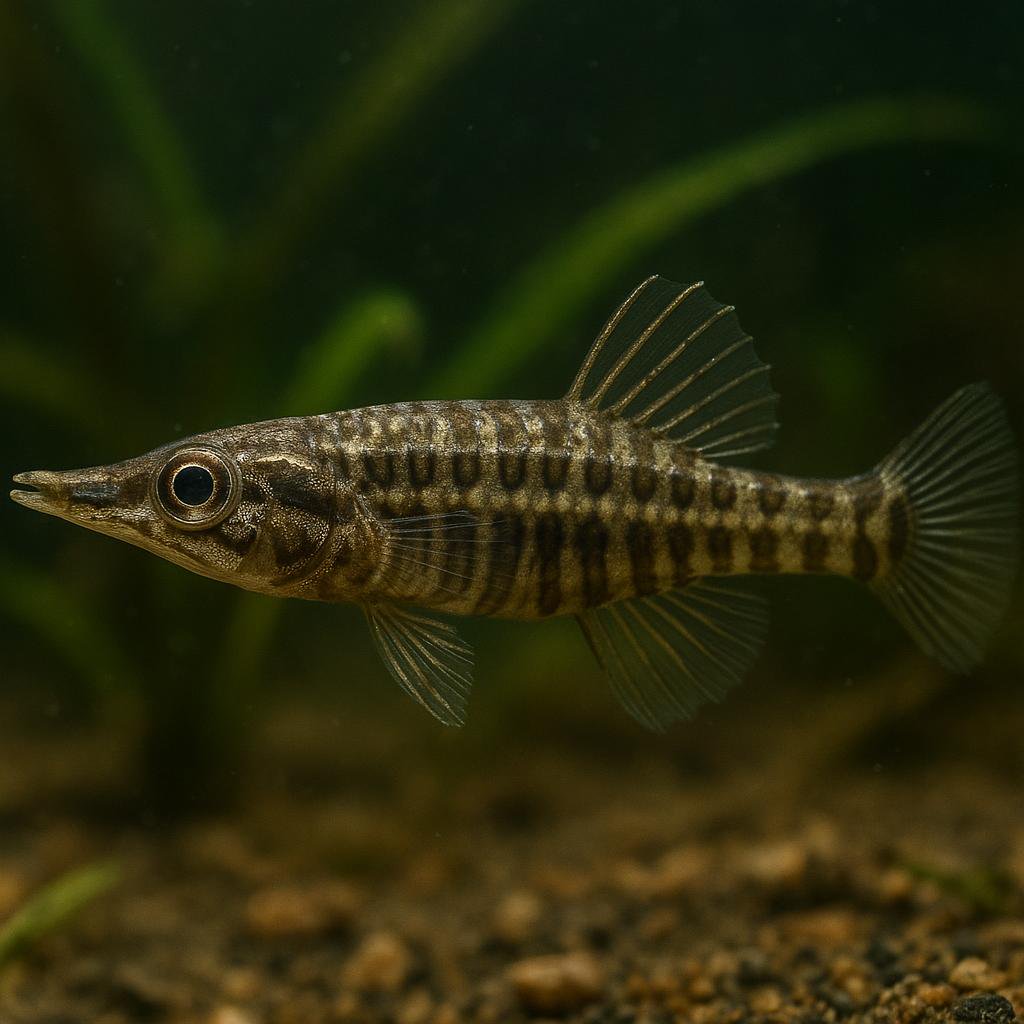
Armoured stickleback
Indostomus paradoxus
This is that goofy little "freshwater seahorse"-looking fish that just kind of perches and scoots around like a tiny armored twig. Its whole vibe is slow, sneaky micropredator - once its settled in, you will catch it stalking microfoods and doing these subtle little posture displays. The big trick is feeding: they do best when you can provide lots of small live foods in a calm, planted tank.
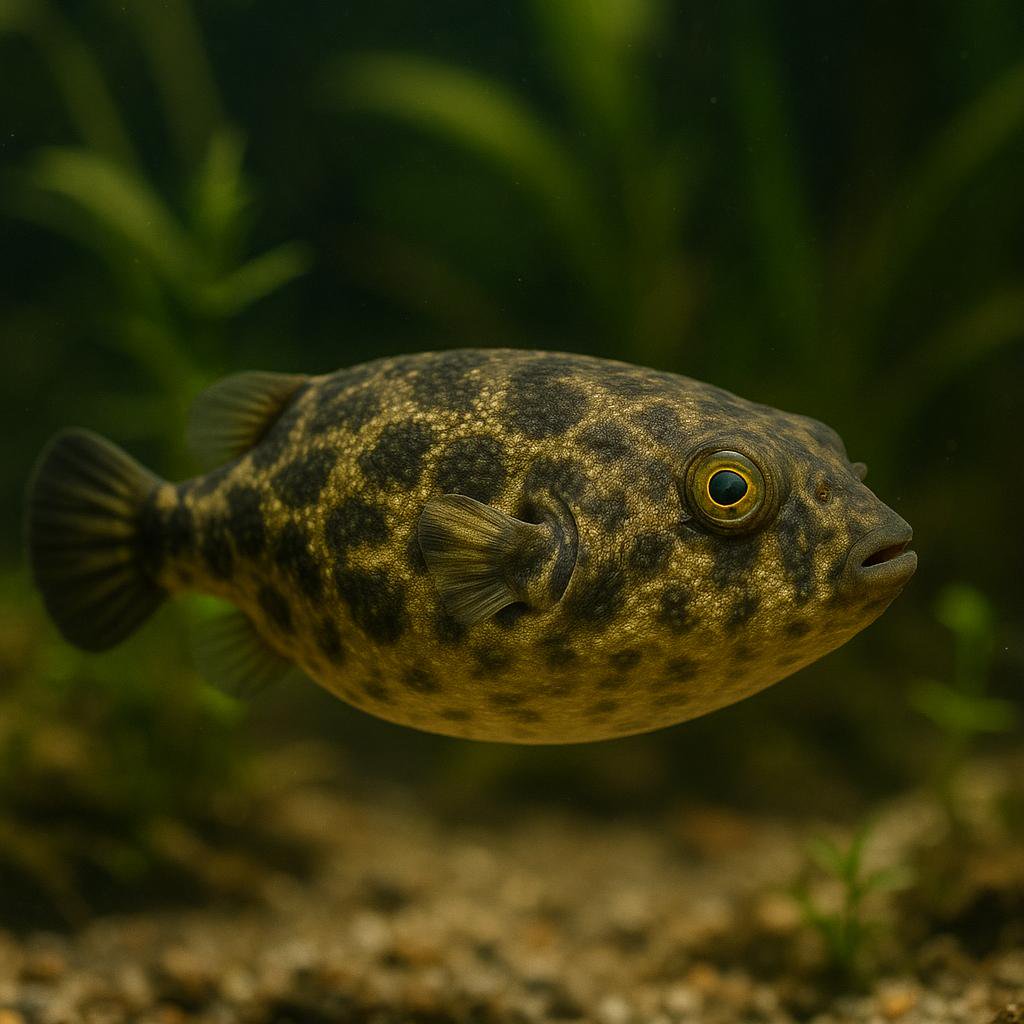
Arrowhead puffer
Pao suvattii
Pao suvattii is that sneaky Mekong puffer that likes to sit low and ambush food, and it has that super recognizable arrow/V pattern on its back. Gorgeous fish with tons of personality, but it is absolutely not a community guy - plan on a solo, species-only setup if you want everybody to stay in one piece.
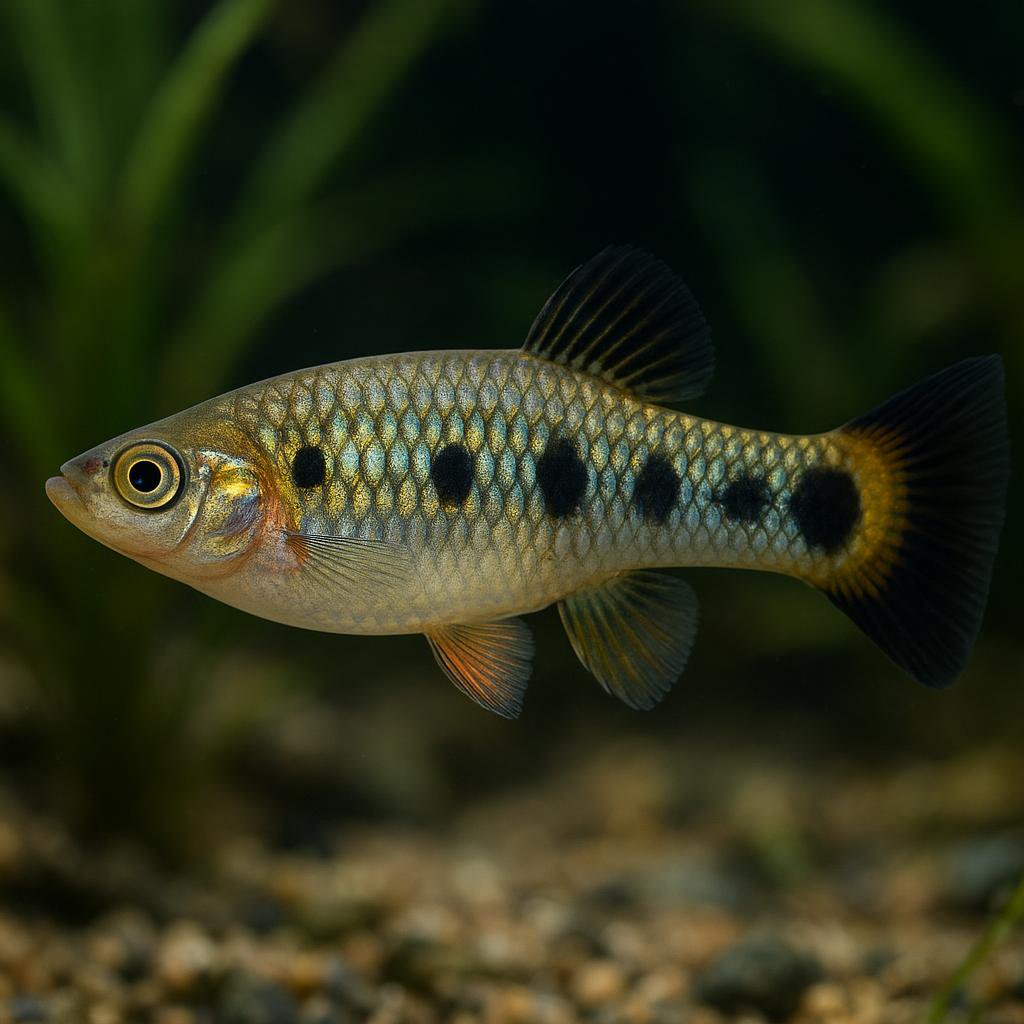
Bishop toothcarp
Brachyrhaphis episcopi
This is a tiny Panamanian livebearer that does best when you treat it more like a shy wild fish than a fancy guppy-lots of cover, calm vibes, and really clean water. The fun part is watching the males posture and spar while the females cruise around dropping fully-formed fry about once a month.
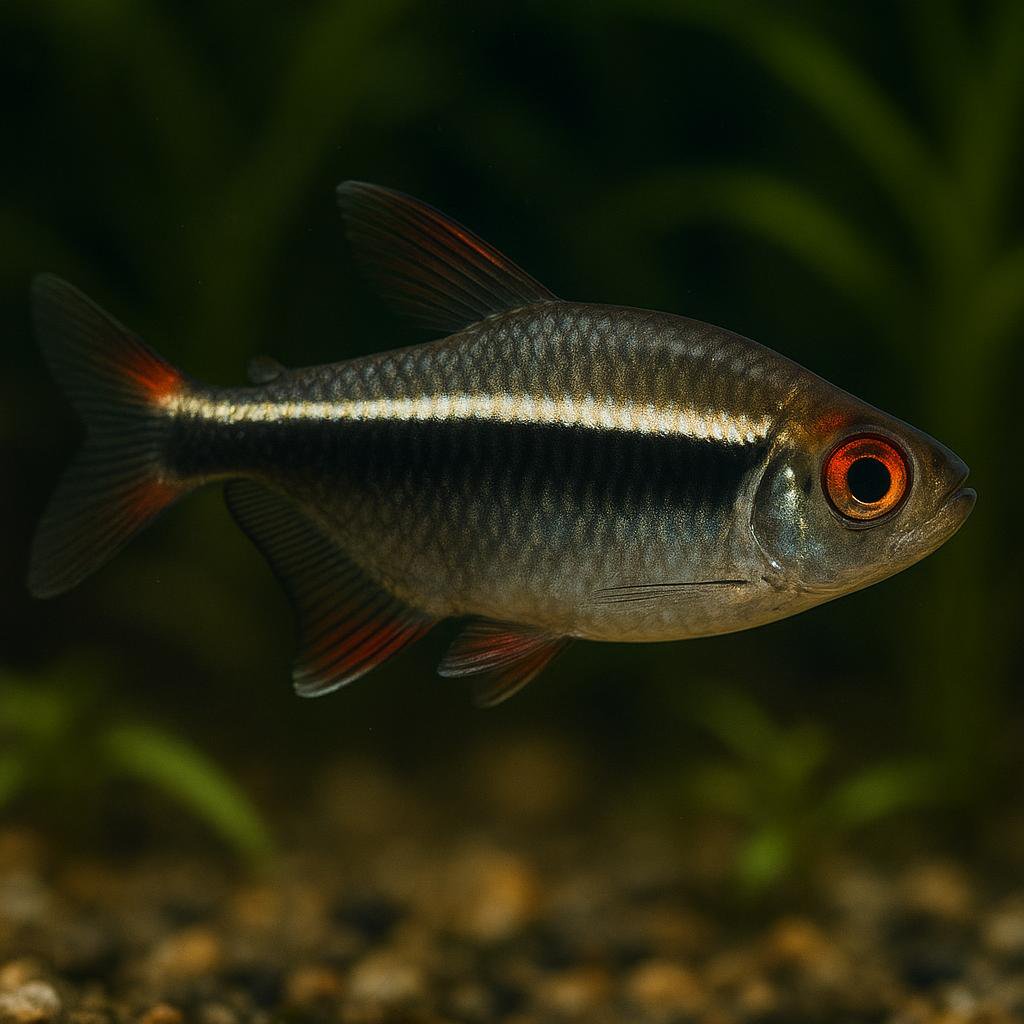
Black Neon Tetra
Hyphessobrycon herbertaxelrodi
Black neons are one of those little tetras that look kinda understated until the light hits them-then that bright stripe pops and they shimmer when the school turns together. They're super chill, always cruising mid-water, and they make a tank feel "alive" without being hectic. If you keep a nice group, they get bolder and you'll see way more of their personality.
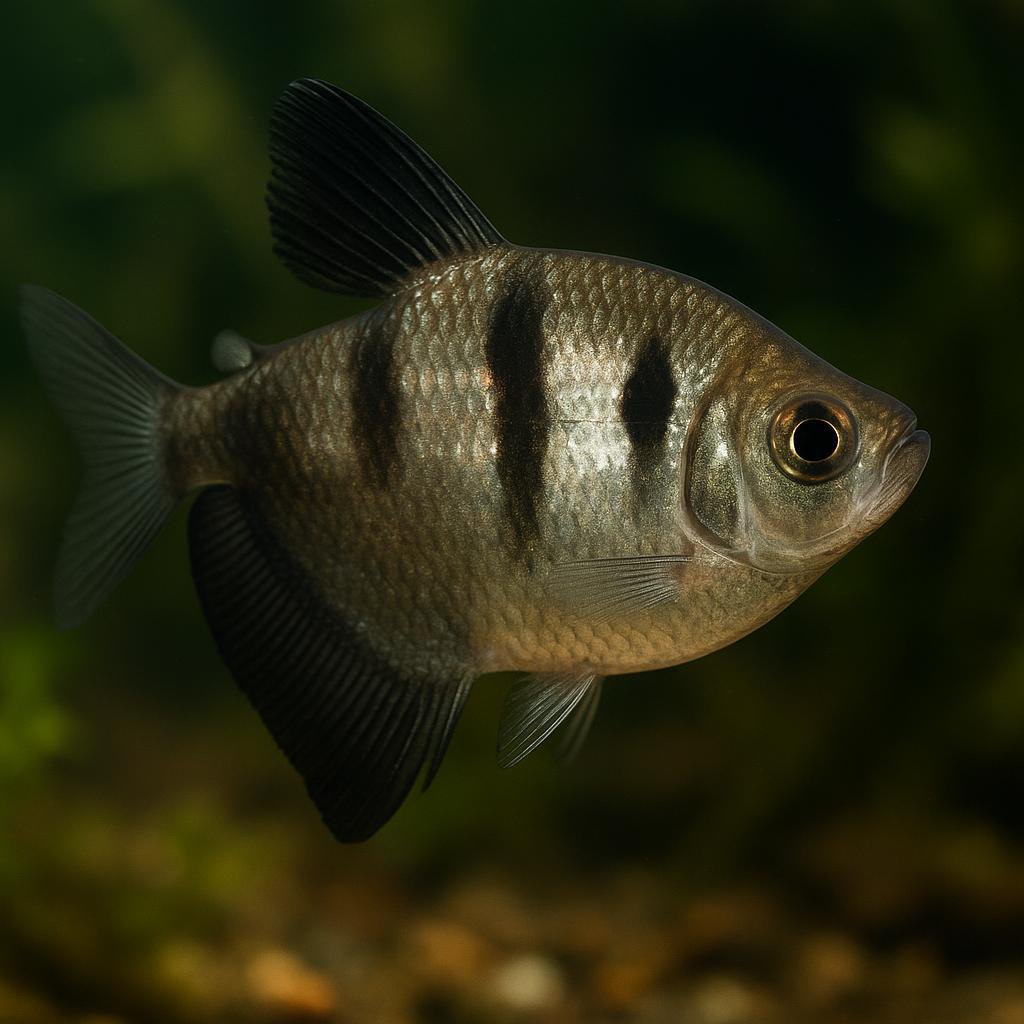
Black Skirt Tetra (Black Widow Tetra)
Gymnocorymbus ternetzi
Black skirts are those little "suit-and-tie" tetras with the dark bands and flowing fins that look way fancier than they should for how tough they are. They're super active midwater fish, and when you keep a proper group they do that tight, zippy schooling thing that makes the whole tank feel alive. Just give them enough buddies and finny tankmates they won't be tempted to nip.
Looking for other species?