

White-cheeked goby
Rhinogobius duospilus
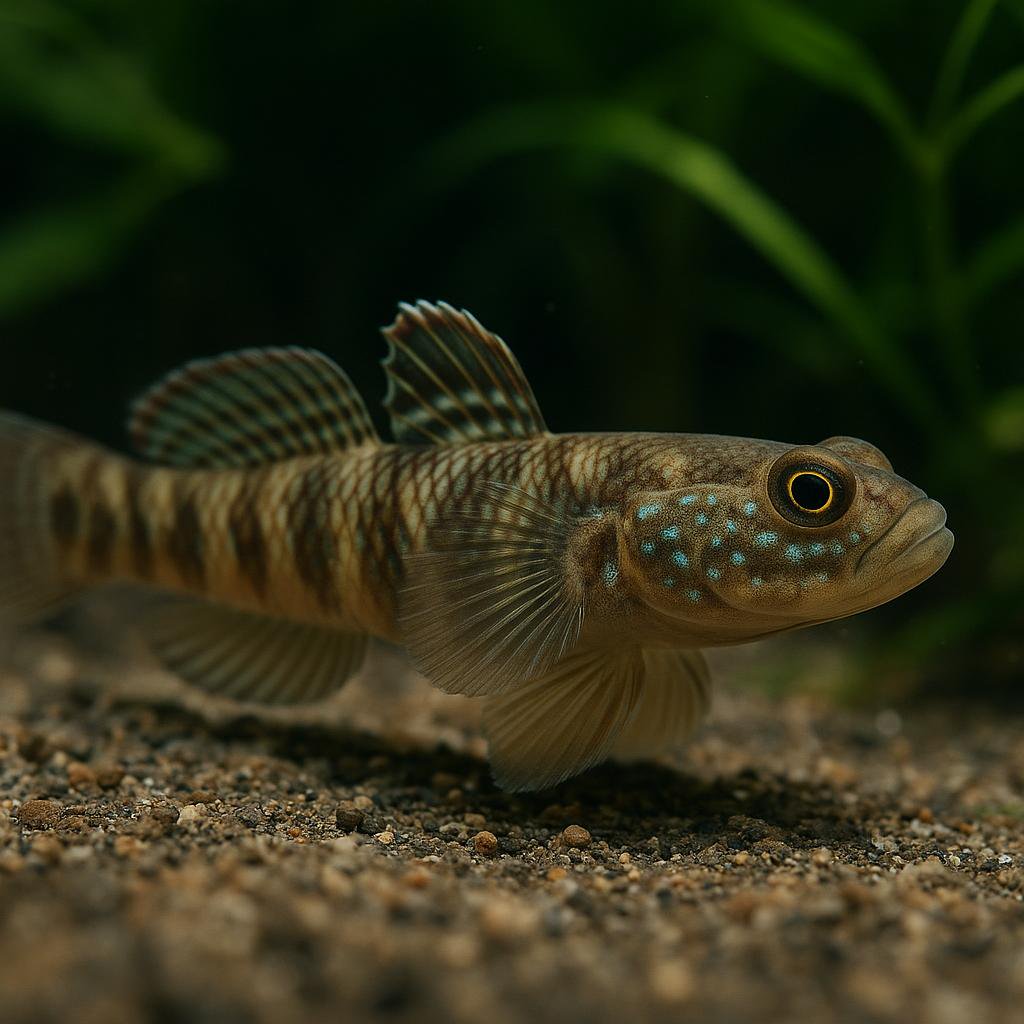
The White-cheeked goby features a slender body with distinctive white cheek patches and a mottled pattern of brown and yellowish hues on its flanks.
This page includes AI-generated images. Why am I seeing AI images?
About the White-cheeked goby
This is one of those little stream gobies that acts like it's glued to the rocks-its pelvic fins form a suction-cup so it can hang out in flow. Males can color up really nicely and they'll claim a favorite cave/stone like a tiny bouncer, but in a well-structured tank they're super fun to watch cruise the bottom and perch.
Also known as
Quick Facts
Size
6.2 cm SL
Temperament
Semi-aggressive
Difficulty
Intermediate
Min Tank Size
16 gallons
Lifespan
5-8 years
Origin
East Asia (China and Vietnam)
Diet
Carnivore/invertivore - small frozen/live foods (bloodworms, brine shrimp, daphnia, cyclops); some will learn to take small sinking pellets
Water Parameters
15-25°C
7-8
5-15 dGH
Need a heater for this species?
This species needs 15-25°C in a 16 gallon tank. Use our heater calculator to find the right wattage.
Calculate heater sizeCare Notes
- Set them up like a little stream tank: sand or smooth gravel, lots of rounded rocks, and a couple tight caves (half coconut, rock piles, small tubes) so they can claim a spot.
- They hate stale water-give them decent flow and high oxygen (sponge filter + powerhead works great), and keep the temp on the cool-to-mid side around 20-24°C / 68-75°F.
- Aim for stable, clean water more than chasing a magic number: pH roughly 6.5-7.5 and moderate hardness is fine, but keep ammonia/nitrite at 0 and don't let nitrates creep up.
- Feed like a predator that lives on the bottom: frozen bloodworms, brine shrimp, daphnia, chopped earthworms, and small sinking pellets-small portions, 1-2 times a day so leftovers don't rot in the rocks.
- They're chill with fast midwater fish (danios, rasboras) and other peaceful streamy stuff, but don't mix two males in a small tank unless you've got lots of broken sightlines and extra caves.
- Avoid slow, long-finned tankmates and tiny shrimp-white-cheeked gobies aren't piranhas, but they will snack on anything that fits in their mouth, especially at night.
- If you want breeding behavior, give a male a cave and a well-fed female; he'll lure her in, then guard the eggs hard-keep the tank calm because he'll stop eating and gets cranky while guarding.
Compatibility
Good Tankmates
- Fast midwater schoolers like danios (zebras, leopards, pearls) - they stay out of the goby's "personal cave zone" and are quick enough to ignore the bluff-charging
- White Cloud Mountain minnows - tough little fish, like cooler water, and they don't hang on the bottom where the goby gets territorial
- Small rasboras (harlequin, espei, lambchop) - calm, mid/top swimmers that don't compete for the same real estate
- Hillstream loaches (Sewellia / Gastromyzon types) in a high-flow setup - they cling to rocks/glass and usually don't care about goby posturing
- Amano shrimp (bigger ones) and nerite snails - generally fine if the goby is well-fed and you've got lots of rockwork/cover; expect the occasional "get outta my cave" moment
Avoid
- Bottom-hogging lookalikes like other Rhinogobius gobies or most small, perchy gobies - that's when you see real territory fights over caves and prime spots
- Long-finned slowpokes like bettas, fancy guppies, or long-finned endlers - the goby isn't a fin-nipper on purpose, but it'll harass anything that drifts into its zone and the slow fish always lose that argument
- Big pushy fish (most cichlids, larger barbs) - they'll either bully the goby nonstop or turn the whole tank into a stress fest
Where they come from (the quick, interesting version)
White-cheeked gobies (Rhinogobius duospilus) are little stream gobies from East Asia. Think shallow, fast-ish water, lots of rocks, leaf litter, and little pockets of calm behind stones. That background explains basically everything about how they act in our tanks—perch, pounce, and argue over “their” favorite rock.
Setting up their tank
If you set these up like a tiny riverbank, they’ll reward you with great behavior and color. They don’t need a huge tank, but they do want floor space and a layout that breaks line-of-sight.
- Tank size: I’d start at 20 gallons long for a small group, or 10–15 gallons for a single pair. More footprint beats more height.
- Substrate: sand or smooth small gravel. They spend a lot of time on the bottom and you don’t want sharp stuff.
- Hardscape: piles of rounded rocks, pebbles, and driftwood. Make multiple caves and “nooks” so everyone can claim a spot.
- Flow + oxygen: a decent filter and some current is your friend. Add a sponge prefilter if you use an intake—these guys explore everything.
- Plants: optional. They’re not plant murderers, but they’ll appreciate hardy stuff like Java fern, Anubias, Bolbitis, moss, or floaters for shade.
- Temperature: cool to mid-range temps tend to suit them best. Room-temp tanks often work great unless your house runs hot.
- Lid: they can hop, especially during squabbles or chasing. A tight lid saves heartbreak.
Build the tank like a maze. If one goby can’t see the other from across the tank, you’ll get way less drama.
They do best in clean water, but you don’t need to chase numbers like a maniac. Stable, well-filtered freshwater with regular water changes is what keeps them looking sharp and acting normal.
What to feed them
These are little predators. Mine acted like tiny ambush hunters—sit still, then lightning strike. Most will learn pellets, but it’s a lot easier if you start with foods that wiggle.
- My go-to staples: frozen bloodworms, brine shrimp, daphnia, and mysis (chopped if needed).
- Live foods (great for conditioning and picky eaters): baby brine shrimp, blackworms, grindal worms, mosquito larvae where safe/legal.
- Pellets: small sinking pellets or micro pellets once they recognize it as food. Drop them near their perches.
Target feeding works wonders. Use a turkey baster or pipette and deliver food right to the bottom near each fish’s hangout—less waste, less fighting, and shy fish actually get dinner.
Feed smaller portions more often at first. If you dump a big cube of frozen food in, the boldest goby and any tankmates will hog it, and the leftovers rot in the rocks.
Behavior and tankmates
White-cheeked gobies have big personalities in small bodies. They’re not “community peaceful,” but they’re also not murder machines if you set the tank up right. Expect posturing, fin flaring, and short chases—especially between males.
- Temperament: territorial around caves and favorite rocks, especially during breeding mode.
- Best groupings: one male with one or more females usually goes smoother than multiple males in a tight space.
- They’re bottom-oriented: most conflict happens down low, not midwater.
Tankmates should be fast, not nippy, and comfortable in similar cooler, well-oxygenated water. I’ve had the best luck with small schooling fish that keep to midwater, plus peaceful inverts if you don’t mind some risk.
Shrimp are a gamble. Adults sometimes survive if there’s heavy cover, but shrimplets are basically a snack. If you want a shrimp colony, pick a different fish.
- Usually okay: danios, white clouds, smaller barbs (the peaceful kinds), some hillstream-type setups with the right space/flow.
- Avoid: long-finned slow fish (they get stressed), aggressive bottom dwellers, and anything that will outcompete them for sinking foods.
Breeding tips (if you want to go down that rabbit hole)
They’re cave spawners, and watching the male guard a nest is honestly one of the best parts of keeping Rhinogobius. If you give them snug caves and feed them well, they’ll often figure it out without you doing anything fancy.
- Give choices: multiple tight caves (small clay tubes, stacked stones, coconut cave) with a single entrance.
- Conditioning: heavier feeding with frozen/live foods for a couple weeks.
- Water changes: a good-sized cool-ish water change can act like a “rainy season” hint.
The male usually claims a cave, courts a female, then guards the eggs. If you want fry, be ready: parents won’t read your plans and the community tank will happily eat babies.
Some Rhinogobius species have larvae that need a brackish phase. For duospilus, local lines can vary and IDs in the hobby get messy. If your fry keep disappearing after hatching, don’t assume you’re failing—double-check the species/collection info and be open to the possibility of a larval requirement.
Common problems to watch for
Most issues I’ve seen come from three things: too-warm stagnant water, not enough hiding spots, and fish slowly starving because food never reaches the bottom.
- Bullying and stress: torn fins, hiding constantly, or one fish pinned in a corner usually means the tank needs more caves/line breaks or fewer males.
- Skinny goby syndrome: the shy one gets outcompeted. Fix with target feeding and adding more feeding stations.
- Dirty pockets in rock piles: leftover food rots and you get cloudy water or mystery deaths. Vacuum around hardscape and don’t overfeed.
- Heat + low oxygen: rapid breathing, hanging near flow, lethargy. Add aeration, increase surface movement, and keep temps from creeping up.
Quarantine if you can. Wild-caught stream gobies sometimes arrive with parasites, and they don’t bounce back fast if they’re already stressed from shipping.
If you keep the tank clean, give them lots of little territories, and make sure each fish actually gets food, they’re pretty straightforward. And honestly? Watching them stake out a rock and do that quick goby “hop” around the tank never gets old.
Similar Species
Other freshwater semi-aggressive species you might be interested in.
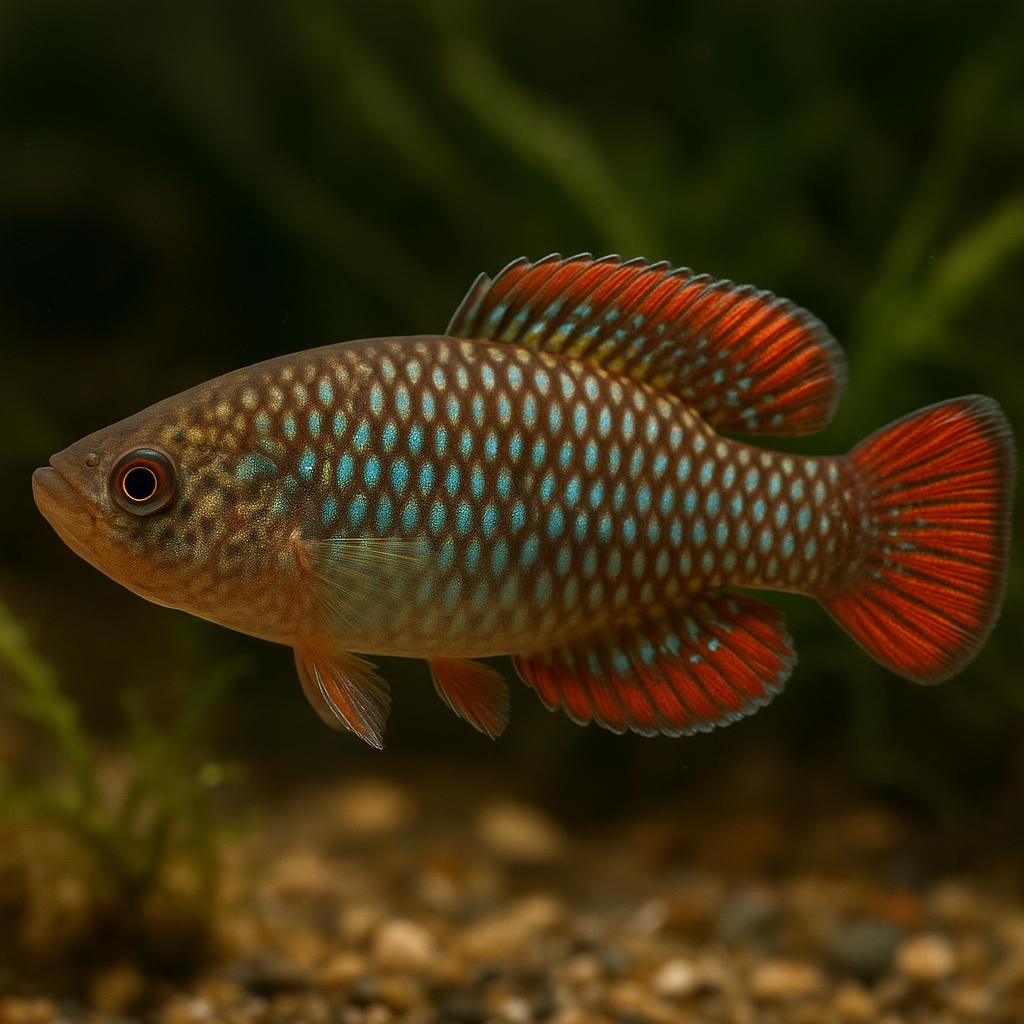
American flagfish
Jordanella floridae
Jordanella floridae is that little Florida native with the red-and-cream striping that really does look like a tiny flag once a male colors up. They graze algae like champs (especially stringy/hair algae), but they have a bit of attitude - give them plants and space so the bossy behavior stays manageable. Bonus: the male guards the eggs and will actively fan them, which is pretty fun to watch.
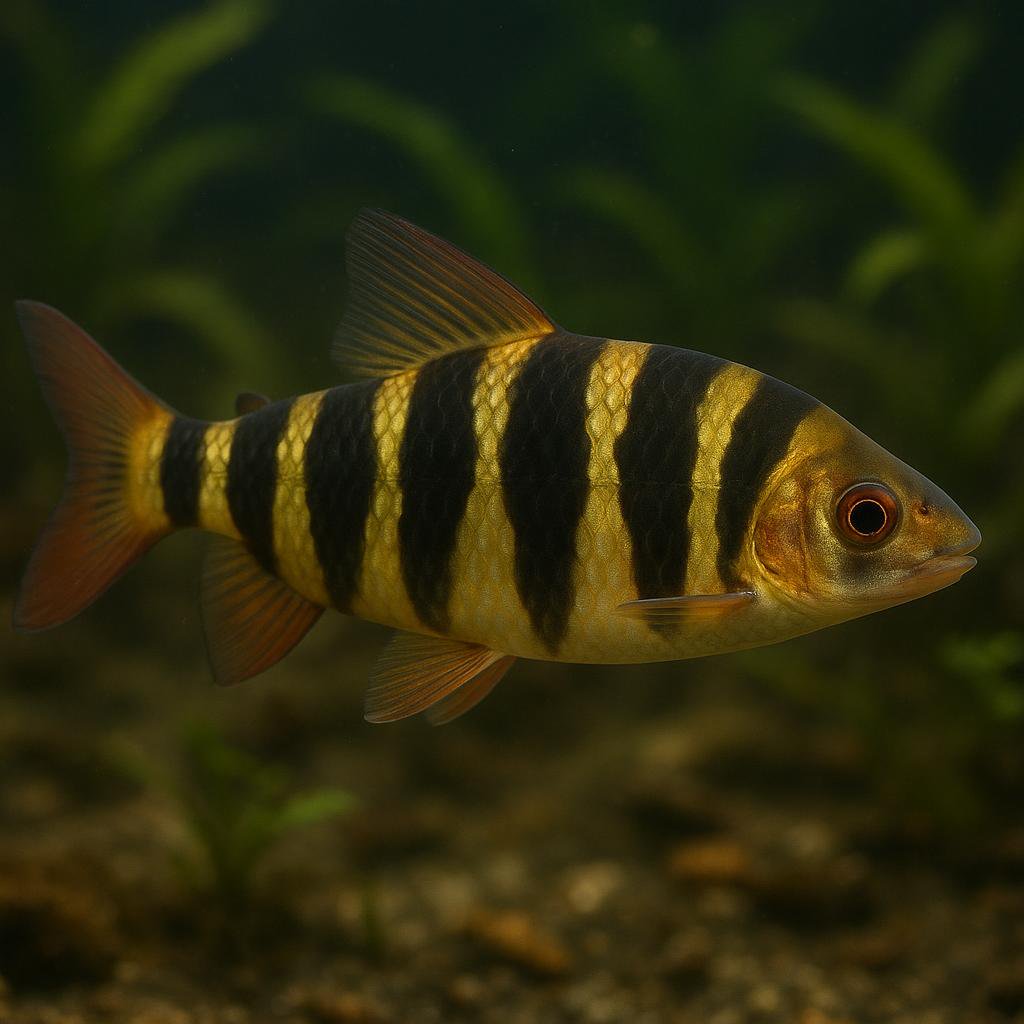
Banded Leporinus
Leporinus fasciatus
Banded Leporinus are those torpedo-shaped, black-and-yellow striped fish that look like they're wearing a little prison outfit-and they stay on the move. They've got a ton of personality and they're awesome to watch cruising and picking at stuff, but they're also the kind of fish that will redecorate your tank and "taste test" anything soft-looking.
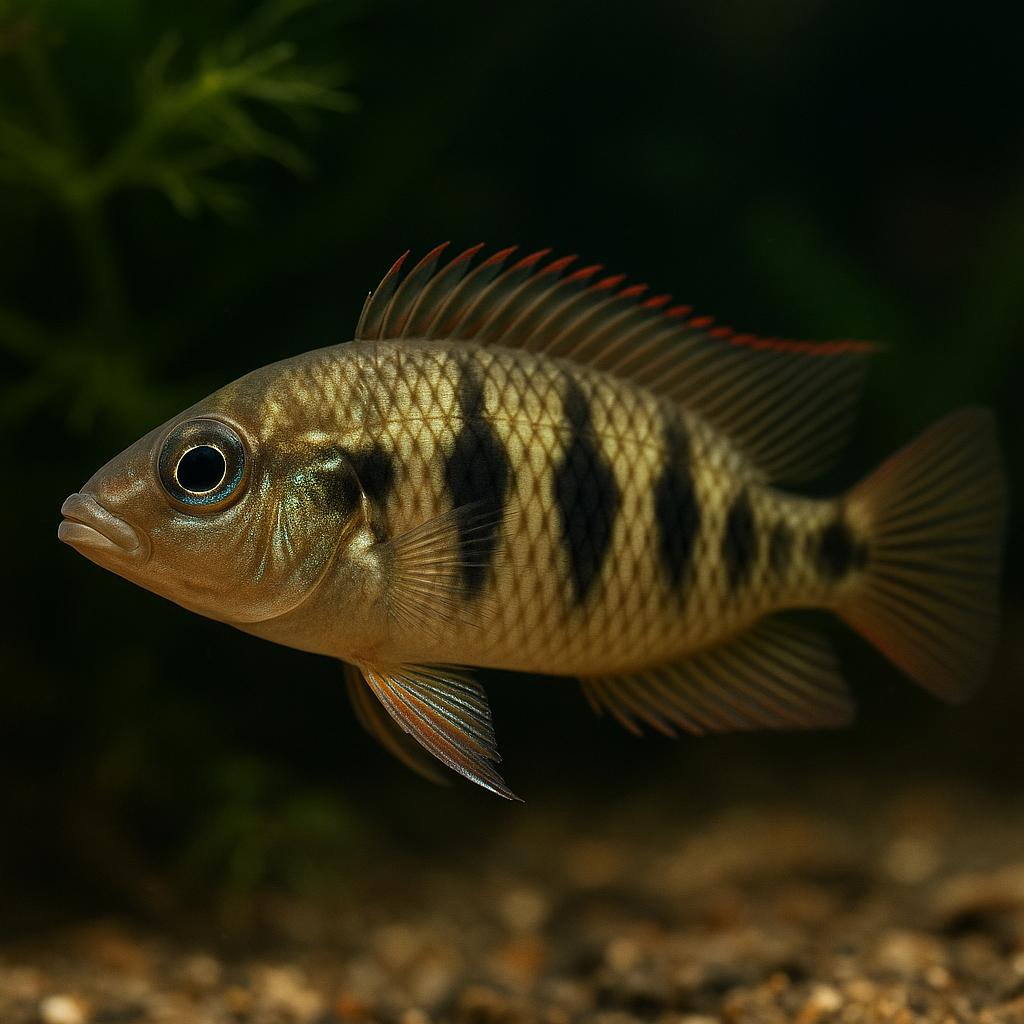
Bandi cichlid
Wallaceochromis signatus
A West African dwarf cichlid from Guinea's Bandi River, this fish shows crisp vertical bars and spotted fins with red highlights. Females have a bold black spot at the base of the tail, and pairs guard eggs and fry in caves, which makes their parental behavior fun to watch.
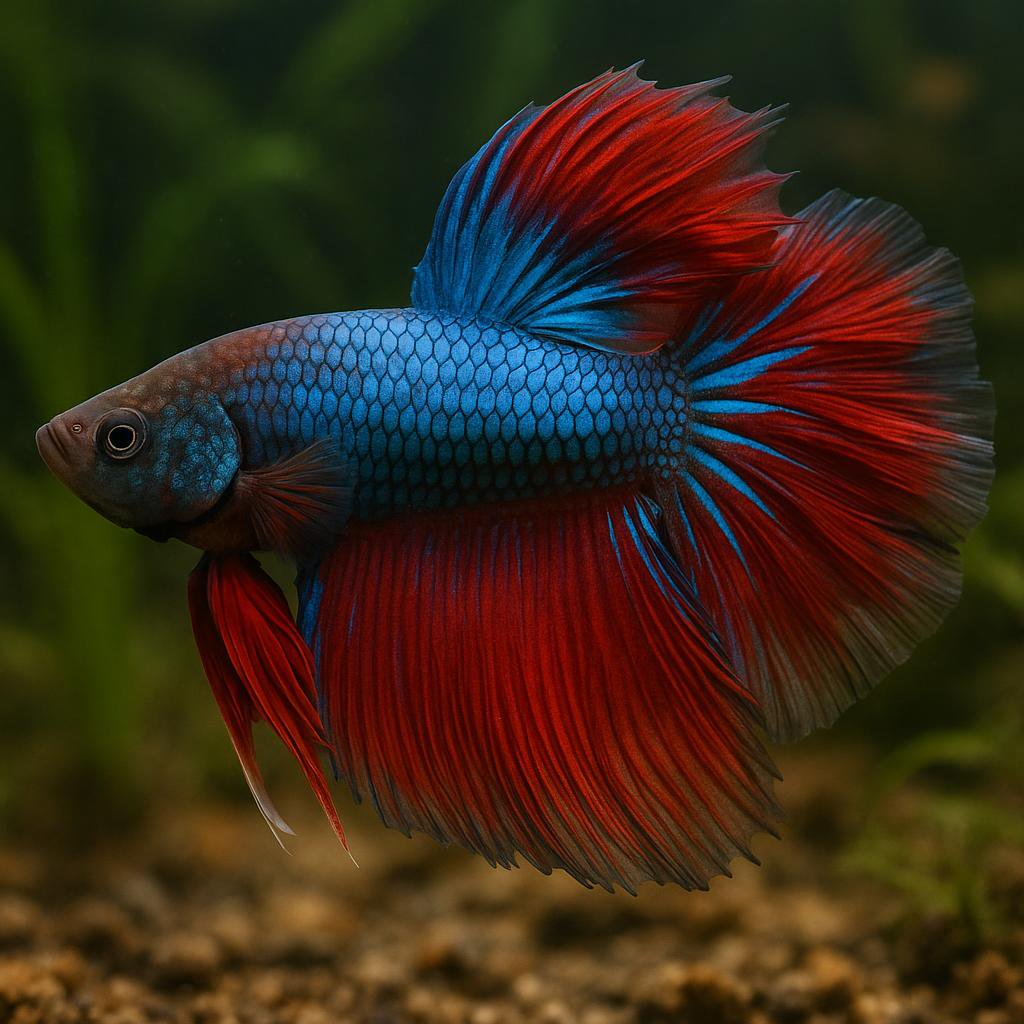
Betta
Betta splendens
Betta fish, also known as Siamese fighting fish, are popular for their striking colors and flowing fins. They are known for their territorial nature, especially males, which can display aggressive behavior towards each other.
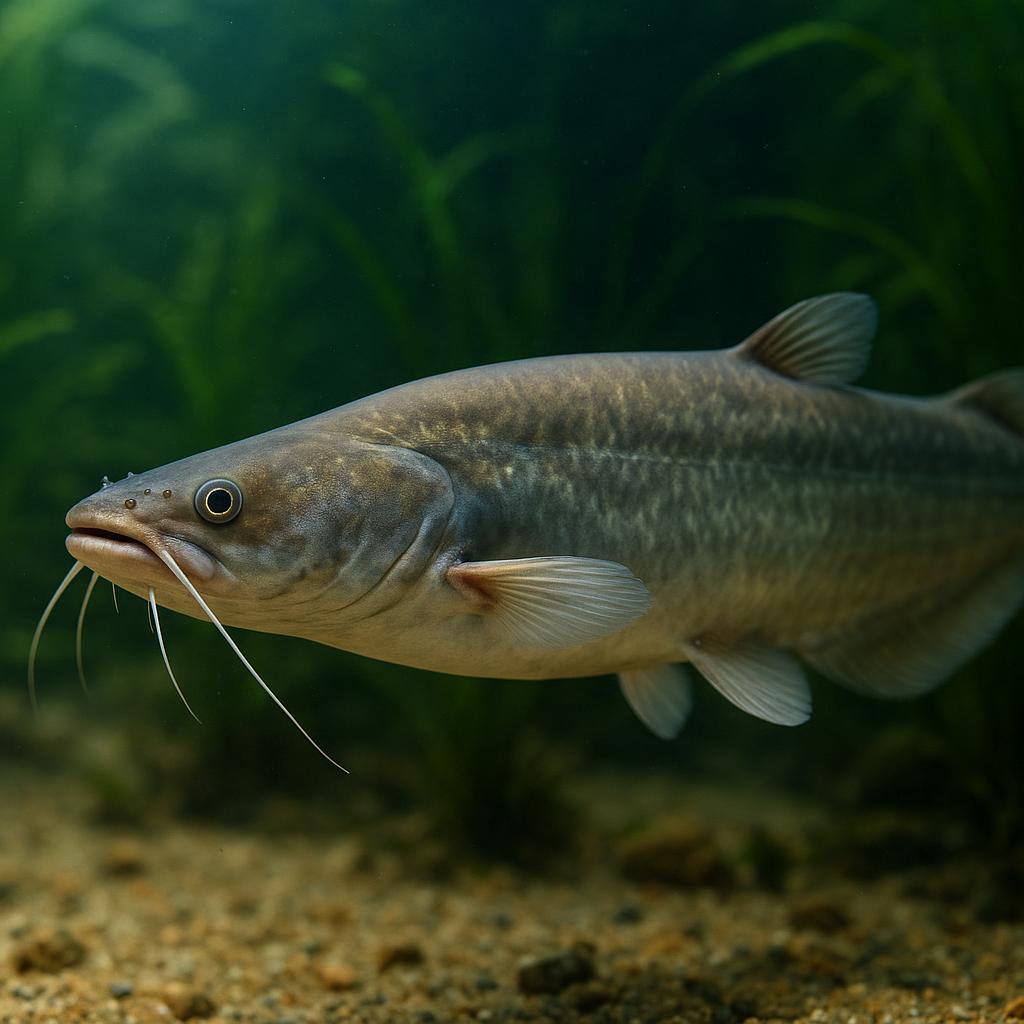
Blackhawk catfish
Wallagonia micropogon
Wallagonia micropogon is a giant Southeast Asian sheatfish with an eel-like body and a huge, scoop-like mouth for hunting other fish. It is native to the Mekong and middle Chao Phraya basins and was long confused with Wallagonia leerii, which makes IDs and care notes tricky. Stunning as a juvenile but it grows to true megafish size, so it is only realistic for expert keepers or public aquariums.
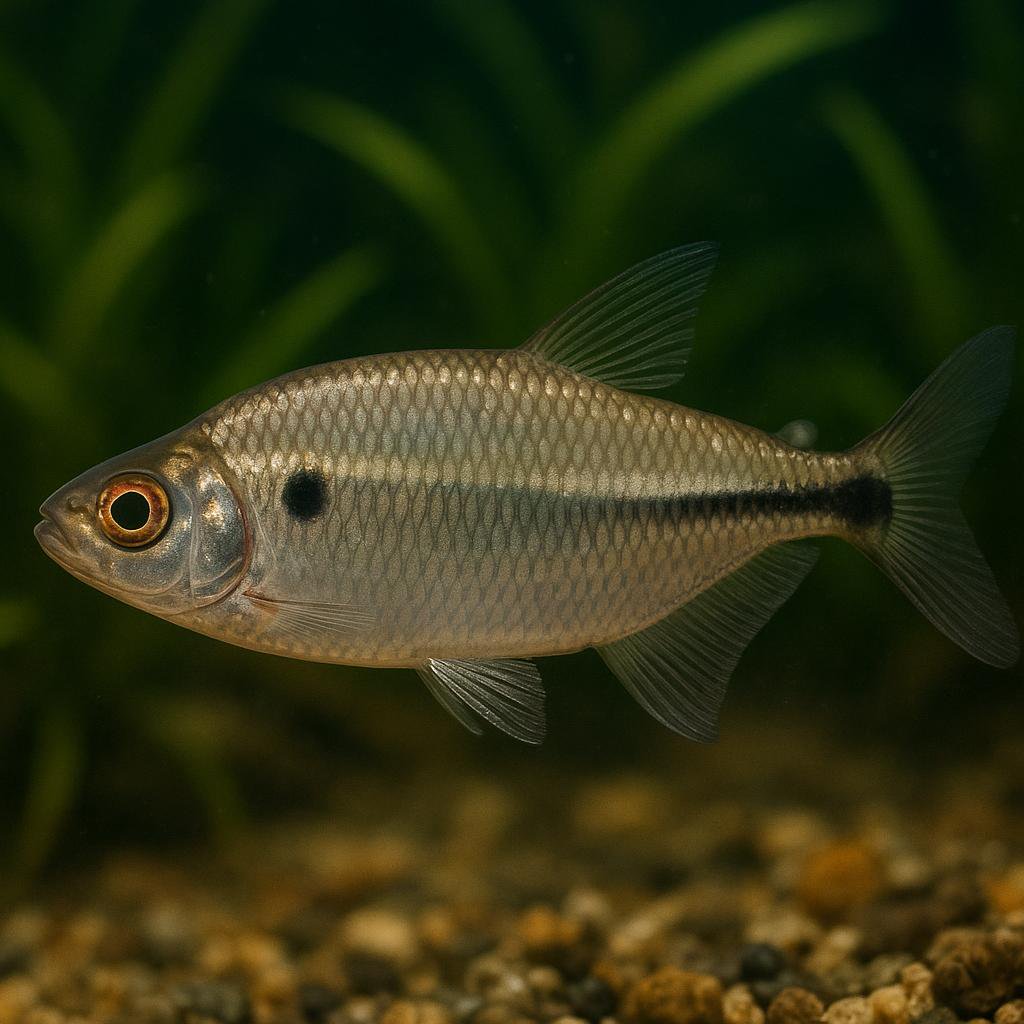
Boulenger's Featherfin Tetra
Bryconaethiops boulengeri
A big, fast African tetra from the Congo River basin, it cruises the mid-to-upper water in active groups and flashes a bold broken stripe along its flanks. In the wild it hunts insects at the surface and can leap, so aquariums need tight lids. Keep it with robust tankmates it cannot swallow.
More to Explore
Discover more freshwater species.
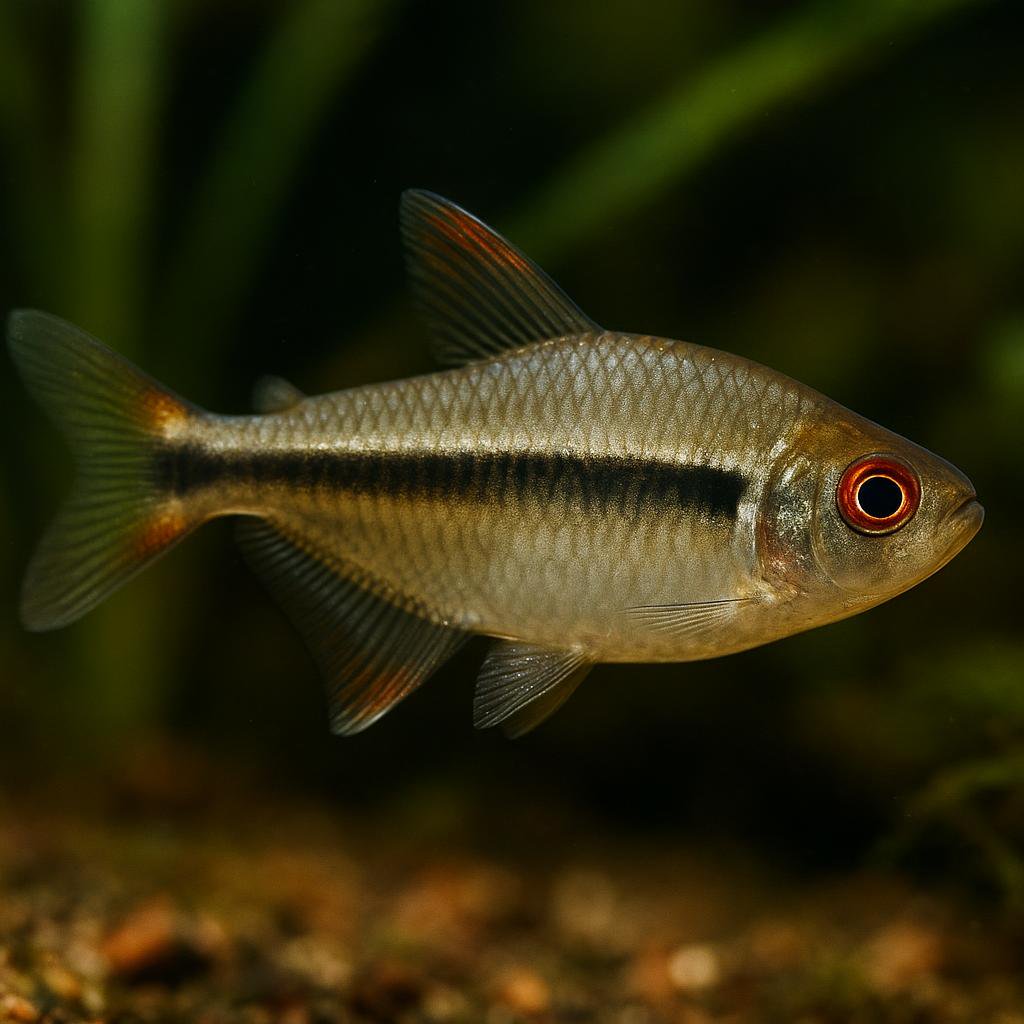
Amapa tetra
Hyphessobrycon amapaensis
This is a tiny, super sleek little tetra with a clean red stripe down the side that really pops once its settled in. It does best in a planted, slightly tinted "creek-style" setup and looks way cooler when you keep a proper group so they school and flash that line together. If you can give it soft, slightly acidic water and a calm community, its an easy fish to fall for.
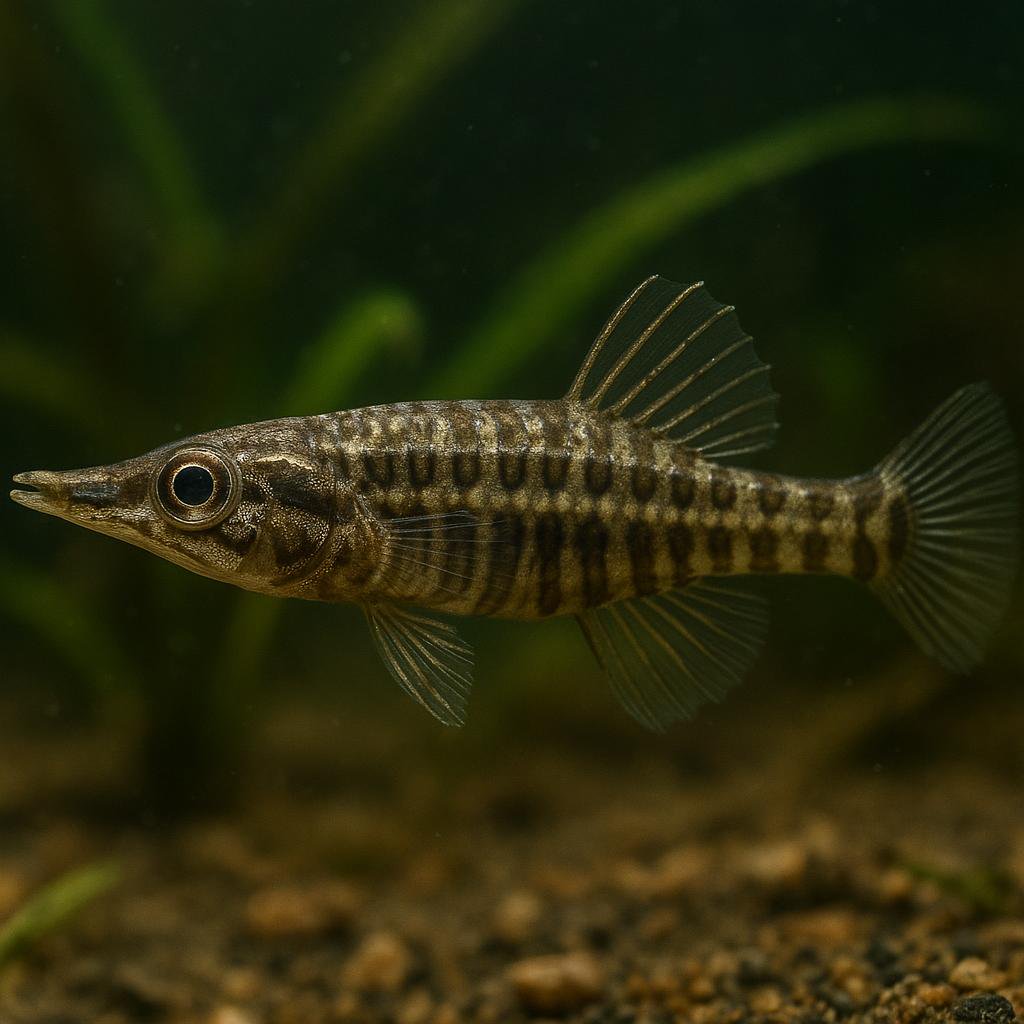
Armoured stickleback
Indostomus paradoxus
This is that goofy little "freshwater seahorse"-looking fish that just kind of perches and scoots around like a tiny armored twig. Its whole vibe is slow, sneaky micropredator - once its settled in, you will catch it stalking microfoods and doing these subtle little posture displays. The big trick is feeding: they do best when you can provide lots of small live foods in a calm, planted tank.
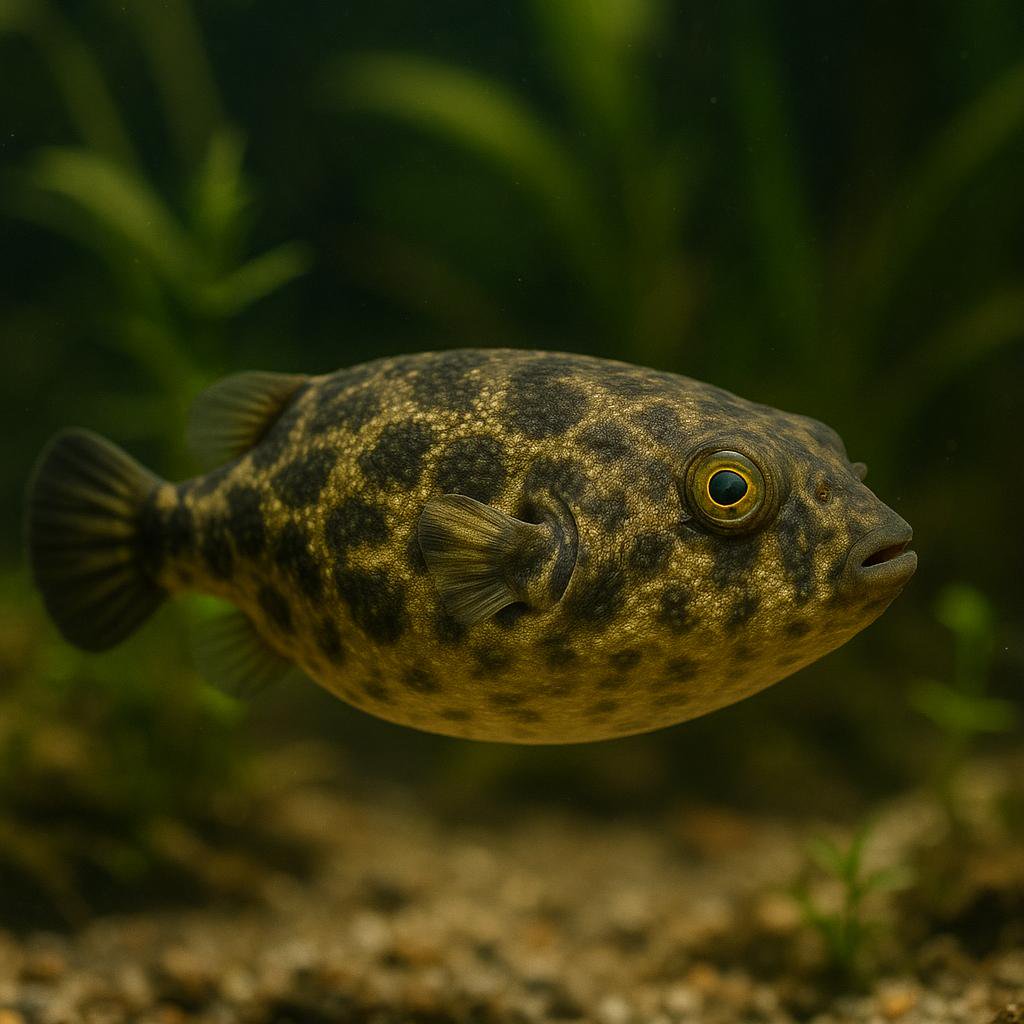
Arrowhead puffer
Pao suvattii
Pao suvattii is that sneaky Mekong puffer that likes to sit low and ambush food, and it has that super recognizable arrow/V pattern on its back. Gorgeous fish with tons of personality, but it is absolutely not a community guy - plan on a solo, species-only setup if you want everybody to stay in one piece.
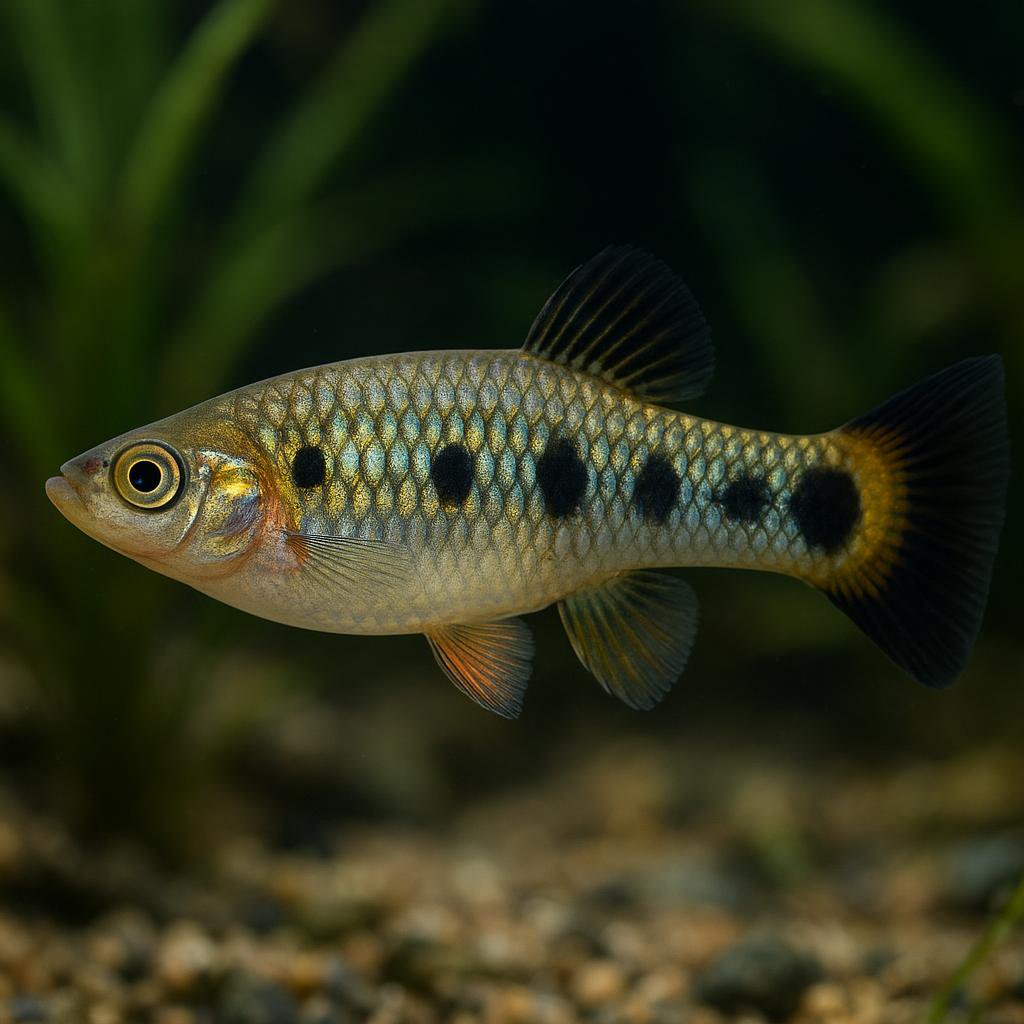
Bishop toothcarp
Brachyrhaphis episcopi
This is a tiny Panamanian livebearer that does best when you treat it more like a shy wild fish than a fancy guppy-lots of cover, calm vibes, and really clean water. The fun part is watching the males posture and spar while the females cruise around dropping fully-formed fry about once a month.
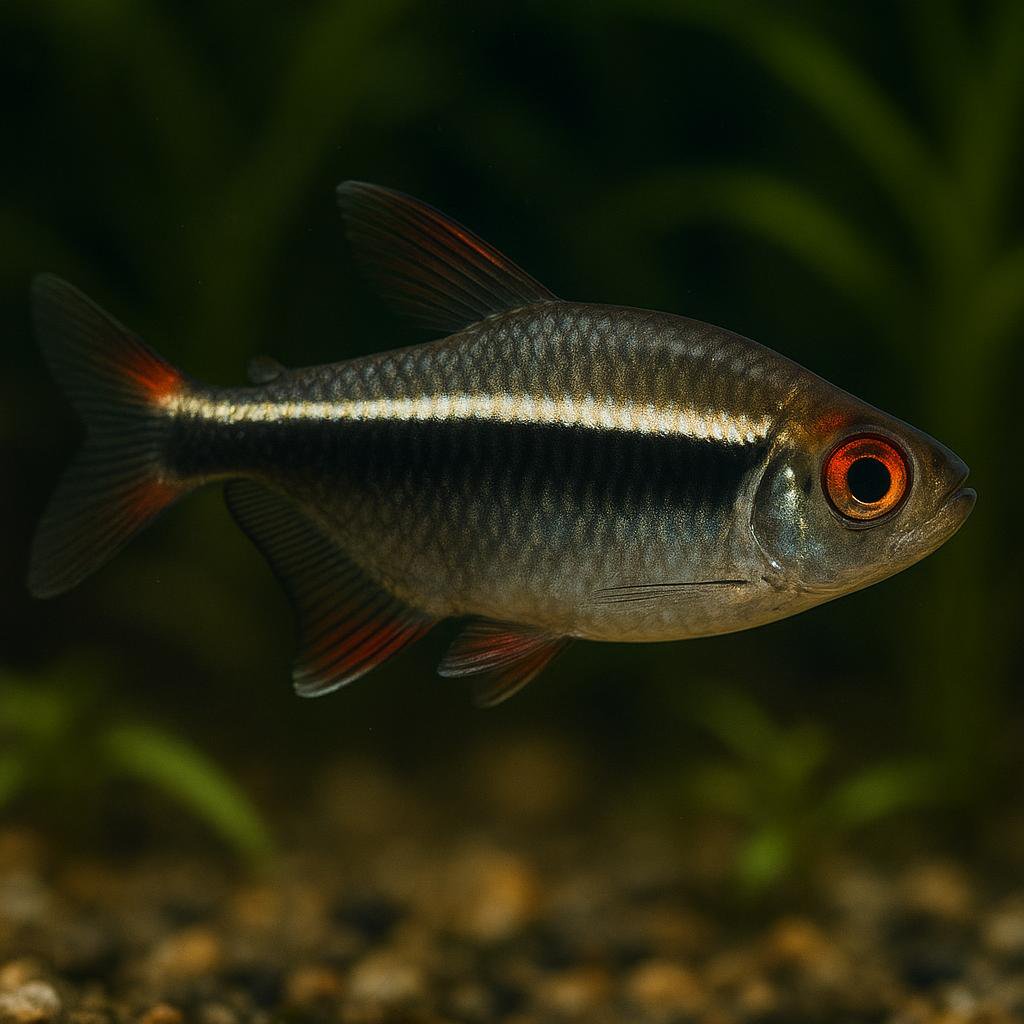
Black Neon Tetra
Hyphessobrycon herbertaxelrodi
Black neons are one of those little tetras that look kinda understated until the light hits them-then that bright stripe pops and they shimmer when the school turns together. They're super chill, always cruising mid-water, and they make a tank feel "alive" without being hectic. If you keep a nice group, they get bolder and you'll see way more of their personality.
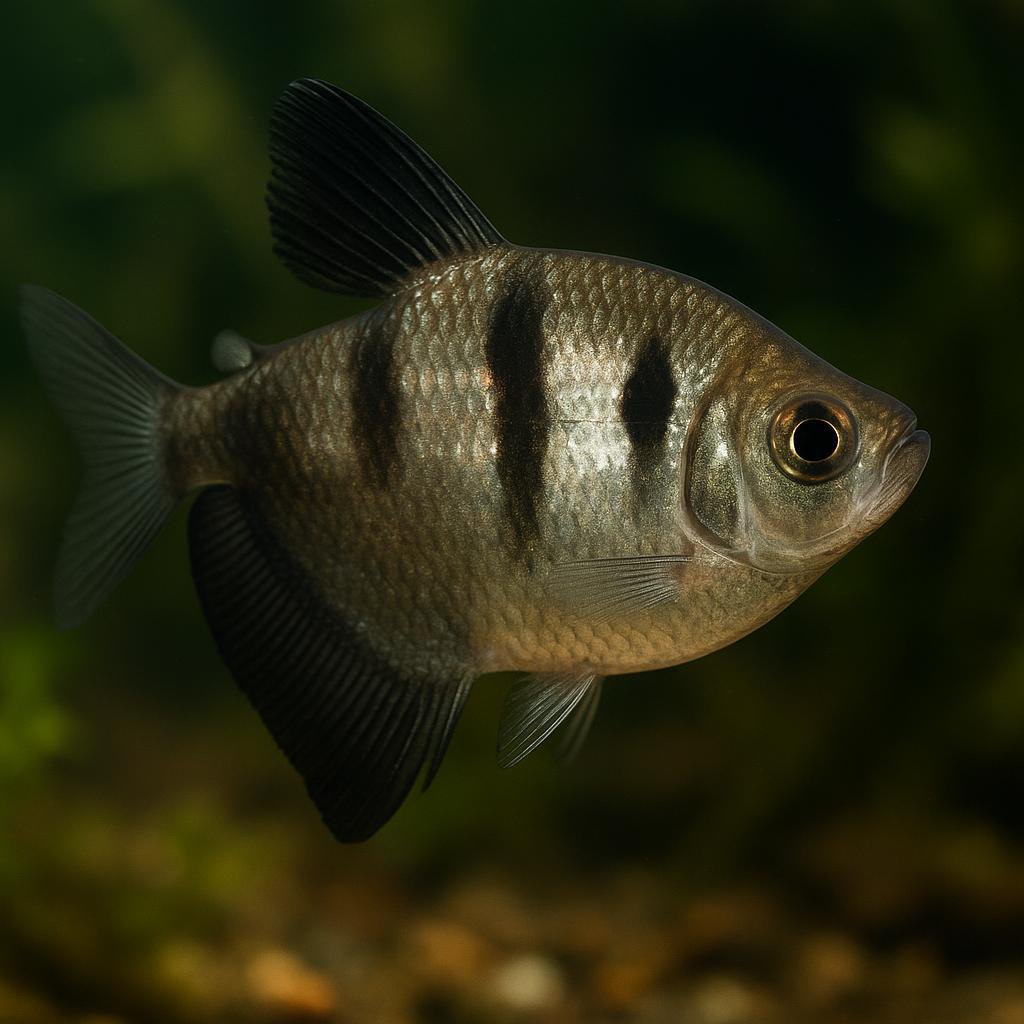
Black Skirt Tetra (Black Widow Tetra)
Gymnocorymbus ternetzi
Black skirts are those little "suit-and-tie" tetras with the dark bands and flowing fins that look way fancier than they should for how tough they are. They're super active midwater fish, and when you keep a proper group they do that tight, zippy schooling thing that makes the whole tank feel alive. Just give them enough buddies and finny tankmates they won't be tempted to nip.
Looking for other species?