

Goby
Rhinogobius flavoventris
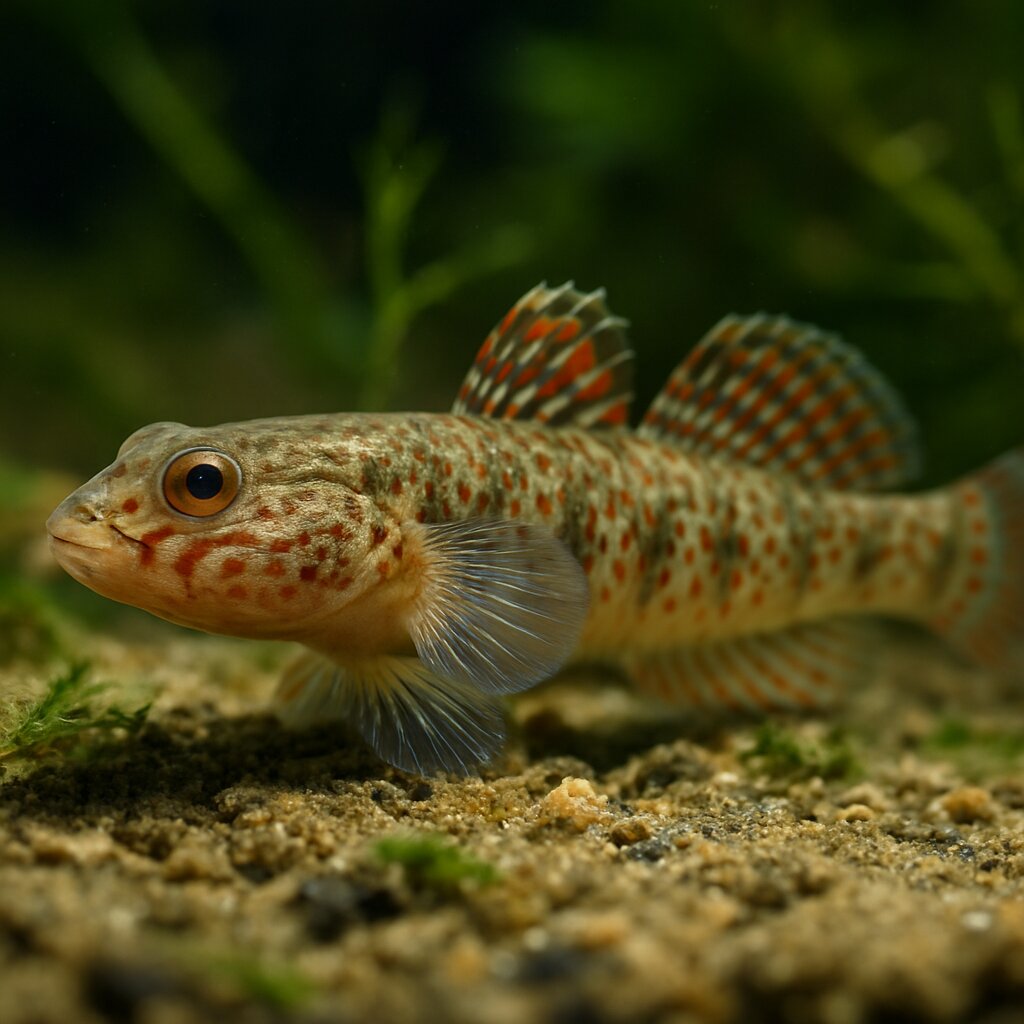
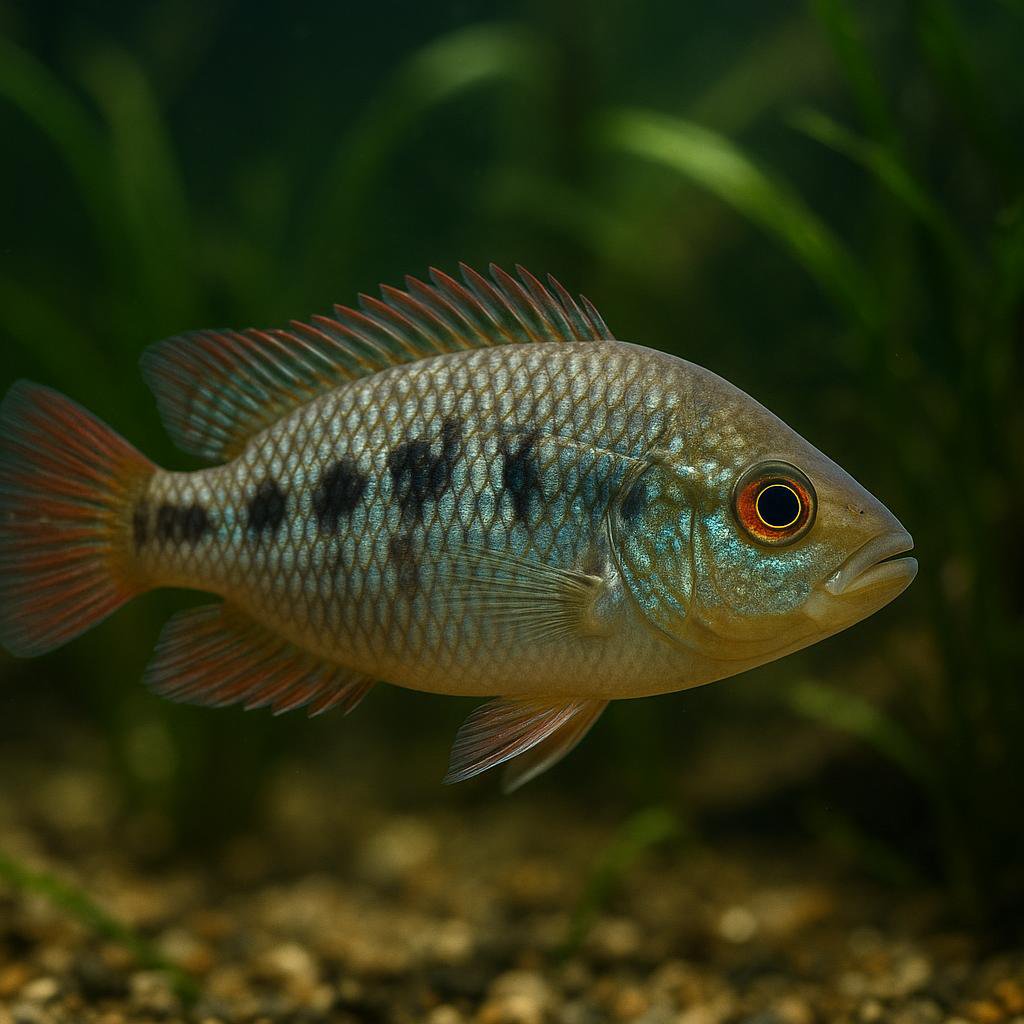
The Goby (Rhinogobius flavoventris) exhibits a slender body with vibrant yellow-orange ventral surfaces and distinctive dark spots along its flanks.
This page includes AI-generated images. Why am I seeing AI images?
About the Goby
Tiny lake-dwelling goby from the Philippines with a buttery-yellow belly and a curious, perch-and-dash way of exploring the tank. Males pick a little cave under a rock and fiercely guard the eggs, which is awesome to watch. Give it clean, well-oxygenated water and small meaty foods and it will show loads of personality.
Also known as
Quick Facts
Size
3.7 cm
Temperament
Semi-aggressive
Difficulty
Intermediate
Min Tank Size
15 gallons
Lifespan
3-5 years
Origin
Southeast Asia
Diet
Carnivore - frozen/live bloodworms, brine shrimp, small invertebrates
Water Parameters
26-31°C
7.5-8.5
8-16 dGH
Need a heater for this species?
This species needs 26-31°C in a 15 gallon tank. Use our heater calculator to find the right wattage.
Calculate heater sizeCare Notes
- Set them up like a cool, fast stream: 20-gallon long or bigger, fine sand or small gravel, piles of rounded rocks, and lots of tight caves; use a tight lid because they jump.
- Shoot for 64-72 F, pH 6.5-7.5, GH 4-12, and big-time oxygen with strong flow and surface ripples; change 30-50% water weekly and keep nitrate under 20 ppm.
- They are micro-predators and often snub dry food, so target feed frozen or live baby brine, daphnia, mosquito larvae, and chopped worm with a pipette near their hide 1-2x daily.
- Tank mates should like cool, moving water and stay off the bottom, like white clouds and danios; skip shrimp and tiny fry, and avoid slow or long-finned fish that struggle in current.
- Males are pushy about territory; do 1 male with 2-3 females, or multiple males only if each gets its own snug cave and you block lines of sight with rock stacks.
- Breeding is cave style: male cleans a hole, female sticks eggs to the roof, and the male guards; fry are tiny and some populations have pelagic larvae, so raising them can be tough without species-specific research.
- Summer heat is the silent killer with these; crank surface agitation with a powerhead and use a fan or chiller to keep temps down when the room warms up.
- Wild-caughts often bring parasites, so quarantine new fish and consider a deworming round with praziquantel or levamisole before they meet the main tank.
Compatibility
Good Tankmates
- Fast coolwater schoolers like white cloud mountain minnows - they zip midwater and make great dithers
- Zebra danios and other small danios that enjoy current - tough, too quick to be bothered
- Top-dwelling ricefish like medaka or Pacific blue-eyes - stay up high and do fine in cooler flowy setups
- Hillstream loaches and Gastromyzon types - works when you pile in rocks and caves and break up lines of sight so nobody fights over the same crack
- Hardy livebearers kept cool, like platies - adults are fine, just expect the gobies to mop up fry
- Snails like nerites and mysteries - gobies ignore them and the snails handle algae in the flow
Avoid
- Shrimp and tiny inverts - snack food for Rhinogobius, even juvenile amanos are risky
- Other bottom-claimers with a similar build, like other Rhinogobius males, darters, or cave-loving loaches - too much turf war
- Nippy or brawly fish like tiger barbs, giant danios, or cichlids - wrong vibe and they will stress the gobies
- Slow long-finned fish like bettas or fancy guppies - they hate the flow and can get harassed at feeding time
Where they come from
Rhinogobius flavoventris is a small stream goby from East Asia, most often collected from cool, fast-flowing creeks with rocky bottoms. Think chest-deep boulder runs, clear water, and a ton of oxygen. In the tank, you want to copy that feel more than chase a magic number.
You will notice why the name makes sense: mine show a yellow wash on the belly, especially females that are ready to spawn.
Setting up their tank
Footprint beats height. A 24-30 inch long tank lets them stake little territories without constant fighting. I run them in a 20-long (75 liters) for a small group.
- Temperature: 18-23 C (65-73 F). Cooler end keeps color sharp and tempers aggression.
- pH: 6.8-7.6. Hardness: mid-range is fine (GH 5-12, KH 2-8).
- Flow: strong. Aim powerheads or use a spray bar so the whole tank has current without being a blender.
- Substrate: sand or fine gravel with cobbles/rounded river stones. They perch and dash, so keep it smooth.
- Hides: flat stones, small caves, stacked slate, bits of PVC elbows. Break line of sight.
- Plants: optional. Hardy, low plants (Anubias, Microsorum) tied to rocks handle flow well.
- Lid: tight fitting. They launch when startled.
I like a river-style layout: pump at one end pushing across a rock field. Pre-filter sponges on intakes save a lot of grief and baby gobies.
If your room gets warm in summer, plan ahead. A small fan across the surface or a chiller keeps them happy. Warm, stagnant water is the fast track to sulking gobies.
What to feed them
They are micro-predators that hunt the bottom. New fish often ignore flakes at first. Start with movement, then nudge them onto prepared foods.
- Go-to foods: live or frozen baby brine shrimp, daphnia, bloodworms (chopped for small fish), mosquito larvae, grindal/white worms.
- Prepared options: small sinking carnivore pellets, Repashy gel (bottom-fed), quality nano granules. Soak and drop right in front of them.
- Feeding rhythm: 1-2 modest meals a day. I do a light fasting day weekly to keep them lean and active.
Target feeding helps. Use a turkey baster to puff food onto their rock perches so midwater fish do not steal everything.
Quarantine live blackworms. They are great, but they can carry nasties. Rinse well and do not overdo it or you will end up with bloated, lazy gobies.
How they behave and who they get along with
They are classic perch-and-pounce fish. Males square up, do side displays, and chase rivals off their chosen rock or cave. It looks dramatic, but with space and sight breaks it rarely turns ugly.
- Best social setup: 1 male with 2-3 females, or a group in a larger footprint with many hides.
- Good neighbors: hillstream loaches, danios, white cloud mountain minnows, small rasboras, Rhinogobius of different appearance (watch for cross-aggro), Amano shrimp (adults usually fine).
- Iffy neighbors: delicate shrimp like Neocaridina babies (will be snacks), very slow or long-finned fish that hang near the bottom.
- Skip: big pushy algae grazers that bulldoze caves, large cichlids, or anything that needs warm, still water.
Sexing tip from the rack: males get a broader head and brighter edging on fins; females are rounder in the belly and often show that yellow belly blush when ripe.
Breeding tips
Give them caves and they will usually figure out the rest. Flat stones stacked with a finger-wide gap, small clay caves, or 1/2 inch PVC elbows work well. A male will clean a ceiling spot, invite a female, and guard the sticky eggs.
- Conditioning: cool, clean water and plenty of live/frozen food.
- Spawning trigger: small water change with slightly cooler water and a bump in flow.
- Egg care: the male fans and guards. Eggs darken and hatch in about a week at 20-22 C.
Raising the babies depends on the population. Watch the hatchlings closely:
- If they are benthic right away and can sit on surfaces, you can rear them in freshwater on newly hatched baby brine shrimp and microworms.
- If they are tiny, midwater drifters, that points to a planktonic phase. Those do better with a brackish nursery (around SG 1.005-1.010) and greenwater/rotifers for the first week or two before moving to baby brine.
Move the guarded cave to a breeder box with the male the night before hatch. He will do the fanning for you and you can pull him the day after the fry are free.
Common problems to watch for
- Heat and low oxygen: panting on the substrate, dull colors, random dashes to the surface. Add surface agitation, lower temp, and increase flow.
- Internal parasites (common in wild-caught): stringy white poop, weight loss despite eating. Quarantine and treat with praziquantel or levamisole as appropriate.
- Territorial scrapes: fin nips or missing scales around caves. Add more hides and sight breaks; rebalance sex ratio if you have too many males.
- Refusing dry food: mix a few crushed pellets with frozen and target feed. They usually switch within a week.
- Jumping: startled fish will clear a gap. Keep a tight lid and block cable holes with mesh.
- Fungused eggs: first-time dads sometimes fail. Pull eggs to a small container with an airstone and a drop of methylene blue, or just let them practice on the next round.
Do not let detritus pack under the rock piles. Vacuum lightly between stones during water changes or lift sections and swish them in old tank water. Hidden muck plus warm temps can crash a goby tank fast.
Similar Species
Other freshwater semi-aggressive species you might be interested in.
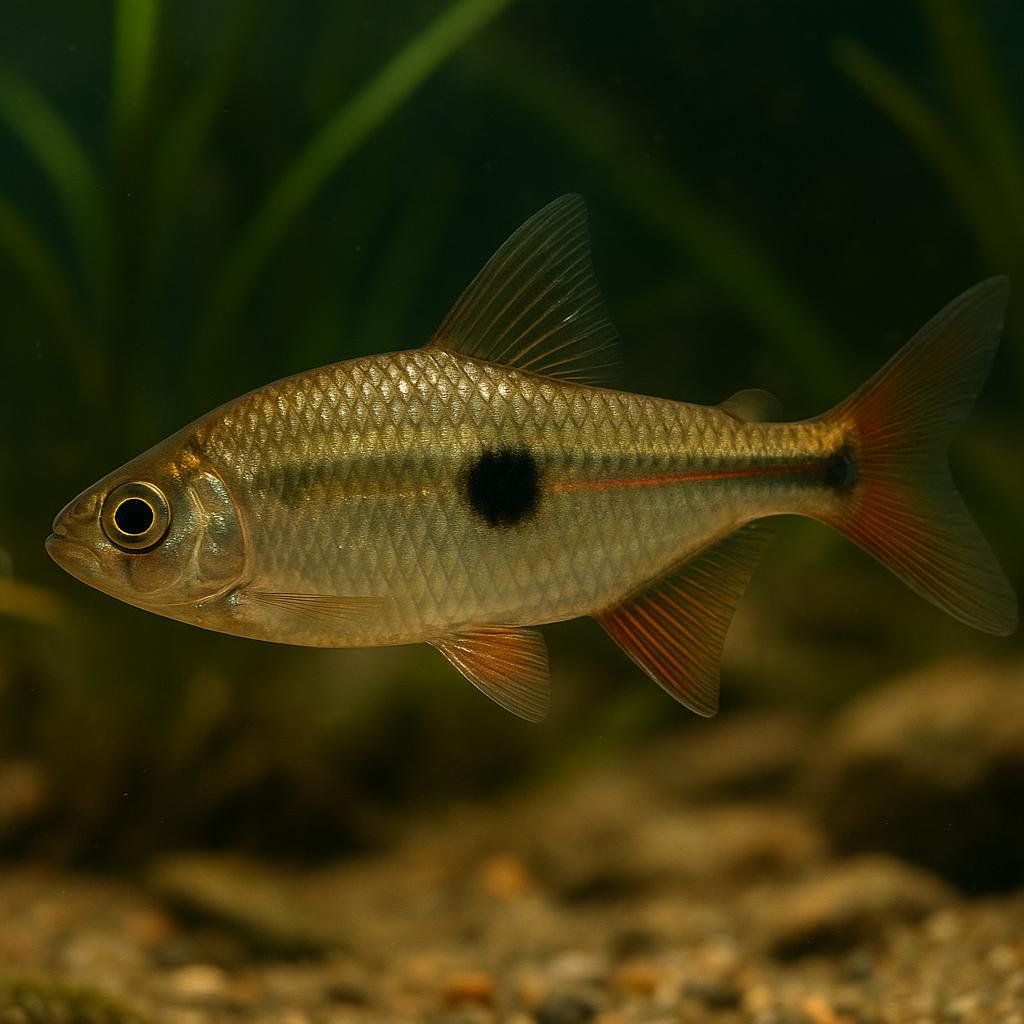
Jupiaba kurua
Small South American characin endemic to the upper rio Curuá (rio Xingu basin, Brazil). Reaches about 8.7 cm SL and inhabits clearwater rivers. Distinguished by dark dots on the bases of many lateral scales and a distinct dark caudal‑peduncle spot. Reported diet indicates omnivory, including aquatic insects, small fishes, and fragments of Podostemaceae and filamentous algae.
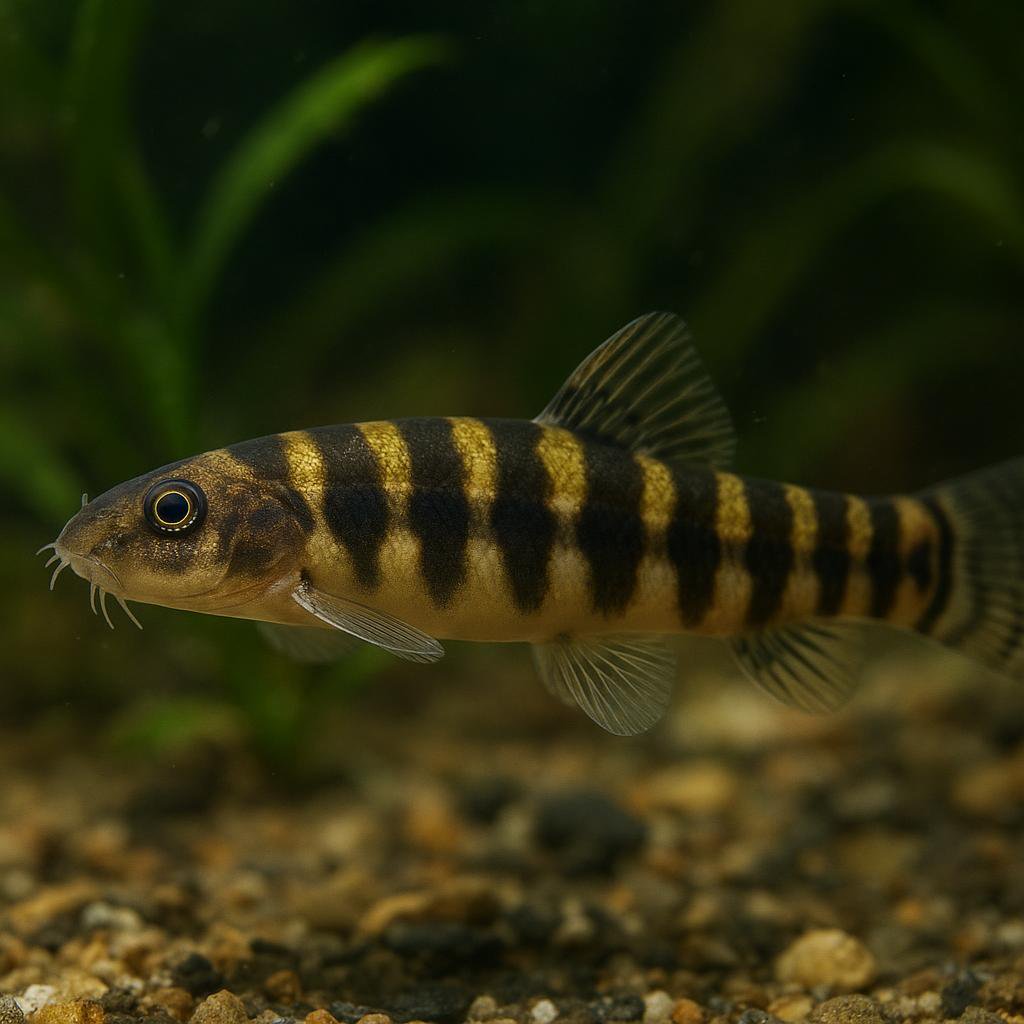
Altipedunculata stone loach
Schistura altipedunculata
Schistura altipedunculata is one of those little stream loaches that wants clean, well-oxygenated water and a bunch of rock nooks to claim as home. It is a bottom-hugger that will spend its day scooting from crevice to crevice, and it tends to get a bit spicy with its own kind if you do not give it enough hiding spots.
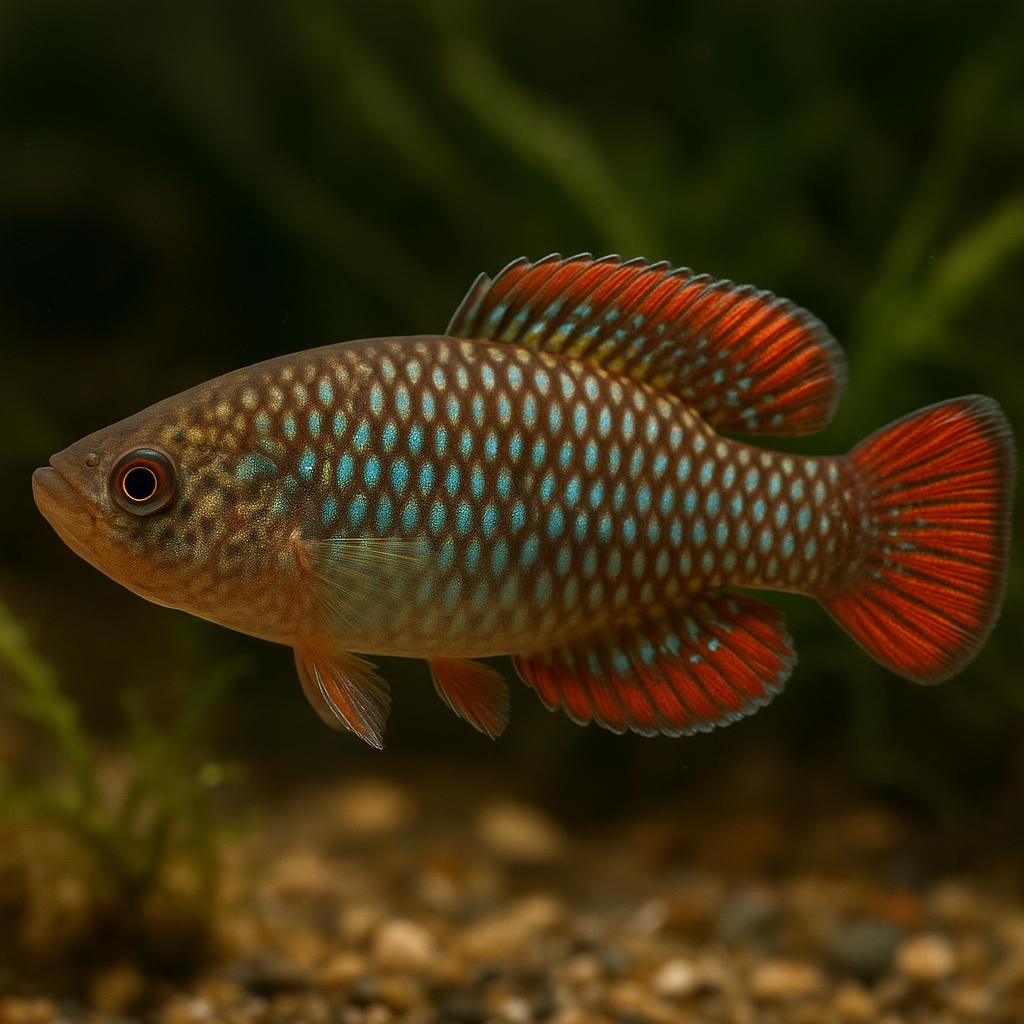
American flagfish
Jordanella floridae
Jordanella floridae is that little Florida native with the red-and-cream striping that really does look like a tiny flag once a male colors up. They graze algae like champs (especially stringy/hair algae), but they have a bit of attitude - give them plants and space so the bossy behavior stays manageable. Bonus: the male guards the eggs and will actively fan them, which is pretty fun to watch.
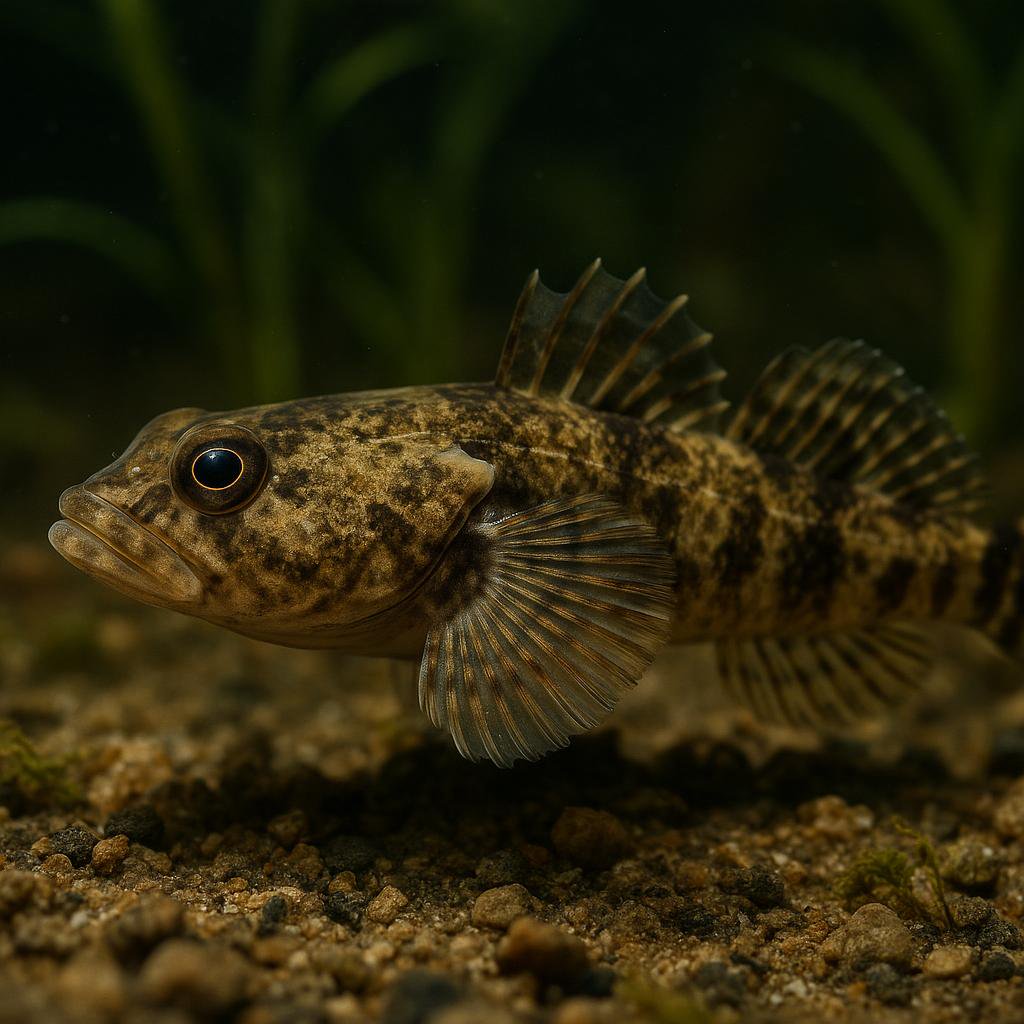
Amur sculpin
Alpinocottus szanaga
This is a little coldwater sculpin from the Amur drainage - a bottom-hugging, rock-and-gravel fish that spends its day wedged under stones and darting out to grab food. Super cool behavior and attitude, but it is absolutely not a warm tropical community fish - it wants chilly, fast, oxygen-rich water and will bicker with other bottom fish.
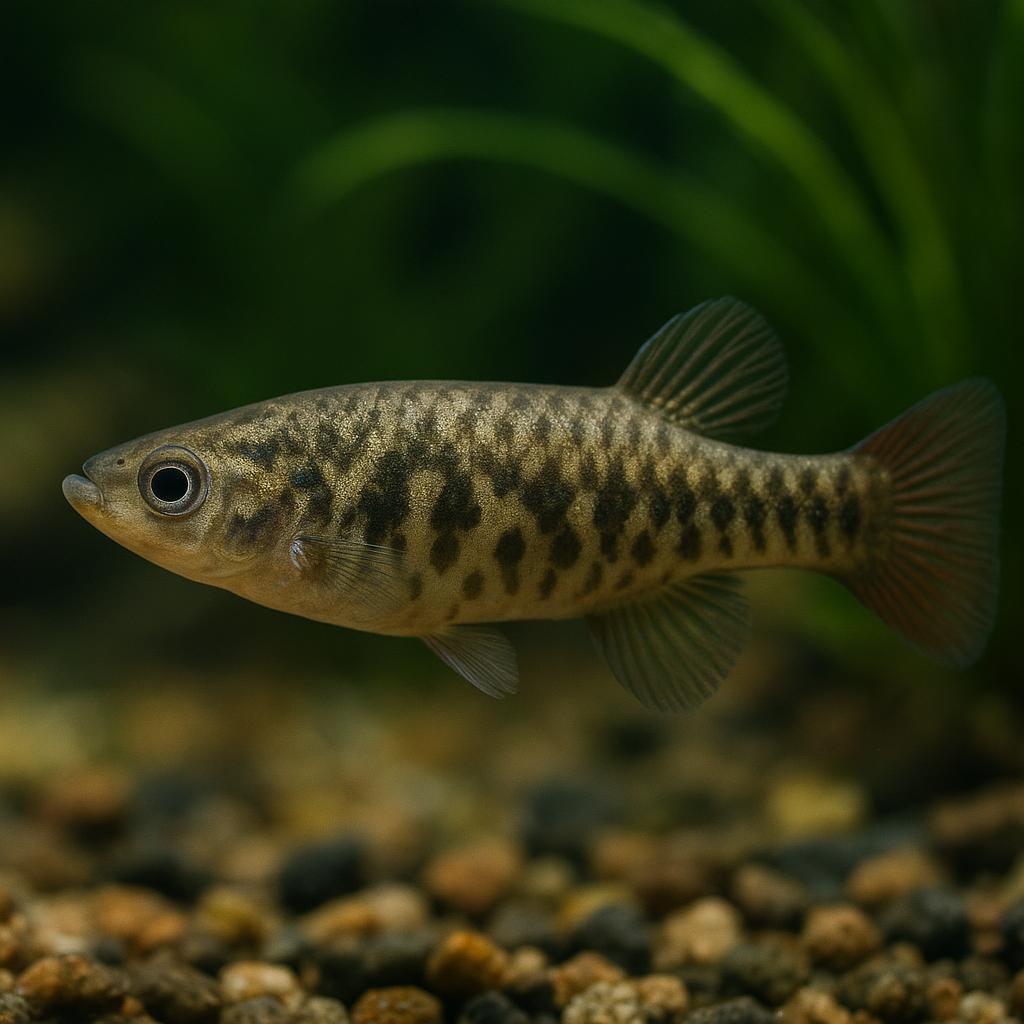
Anitápolis livebearer
Jenynsia weitzmani
Jenynsia weitzmani is a freshwater anablepid livebearer endemic to southern Brazil (currently known only from the type locality near Anitápolis, Santa Catarina). Like other Jenynsia (onesided livebearers), reproduction involves lateralized mating morphology/behavior; aquarium care guidance is not well-documented for this species specifically.
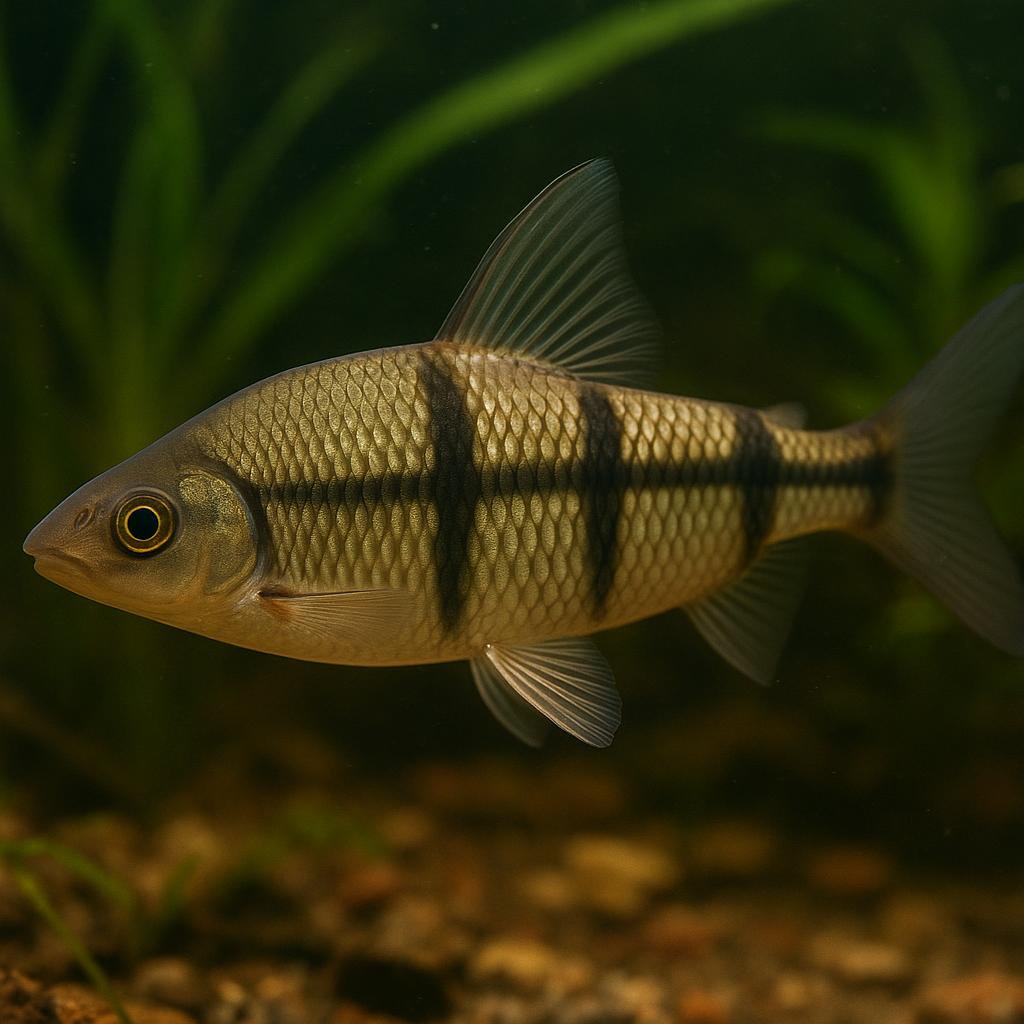
Aracu-comum
Schizodon vittatus
Schizodon vittatus is a large South American anostomid (family Anostomidae). Reported maximum size is about 35 cm standard length; it is harvested/consumed in parts of Brazil and is not commonly covered by mainstream aquarium husbandry references.
More to Explore
Discover more freshwater species.
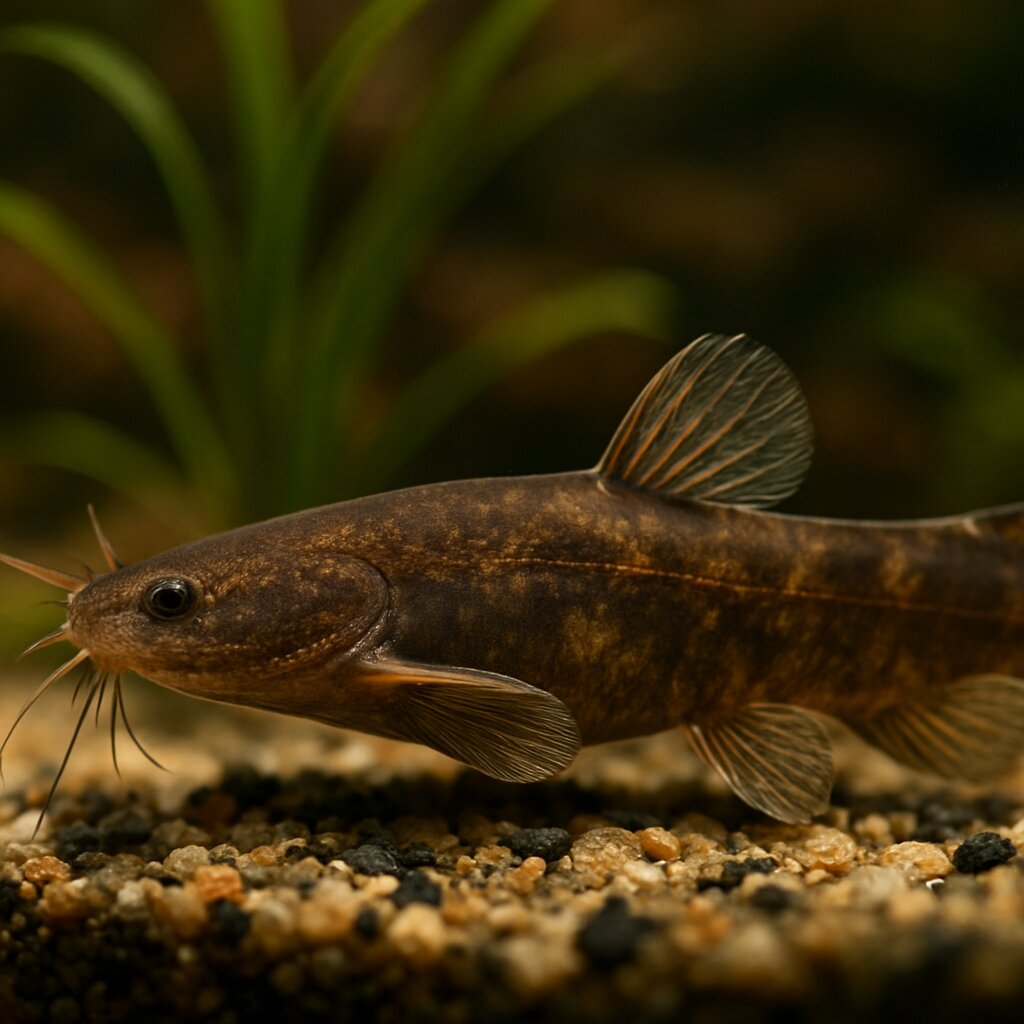
Amphilius dimonikensis
A small loach catfish endemic to the Mpoulou River in the Mayombe (Dimonika Biosphere Reserve), Republic of the Congo. Amphilius dimonikensis has a subtle banded pattern and inhabits fast, clear streams over rock and sand. In aquaria, prioritize strong, well-oxygenated flow with rounded stones and sand to mimic hillstream conditions.
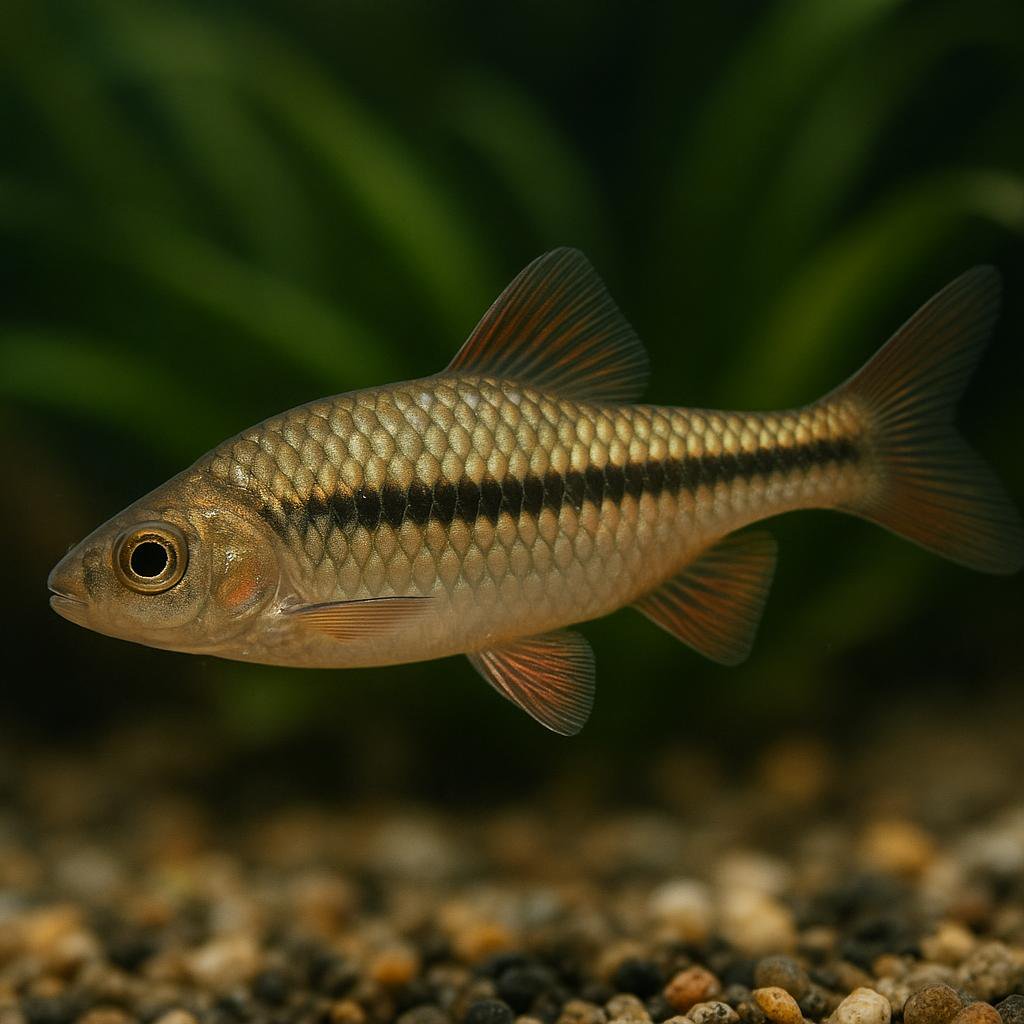
Aboina barb
Enteromius aboinensis
Enteromius aboinensis (the Aboina barb) is a small West African barb with a clean black midline stripe and a little spot right at the base of the tail. It does best when you treat it like a proper schooling fish - keep a decent group and give it plants around the edges with open swimming room in the middle.
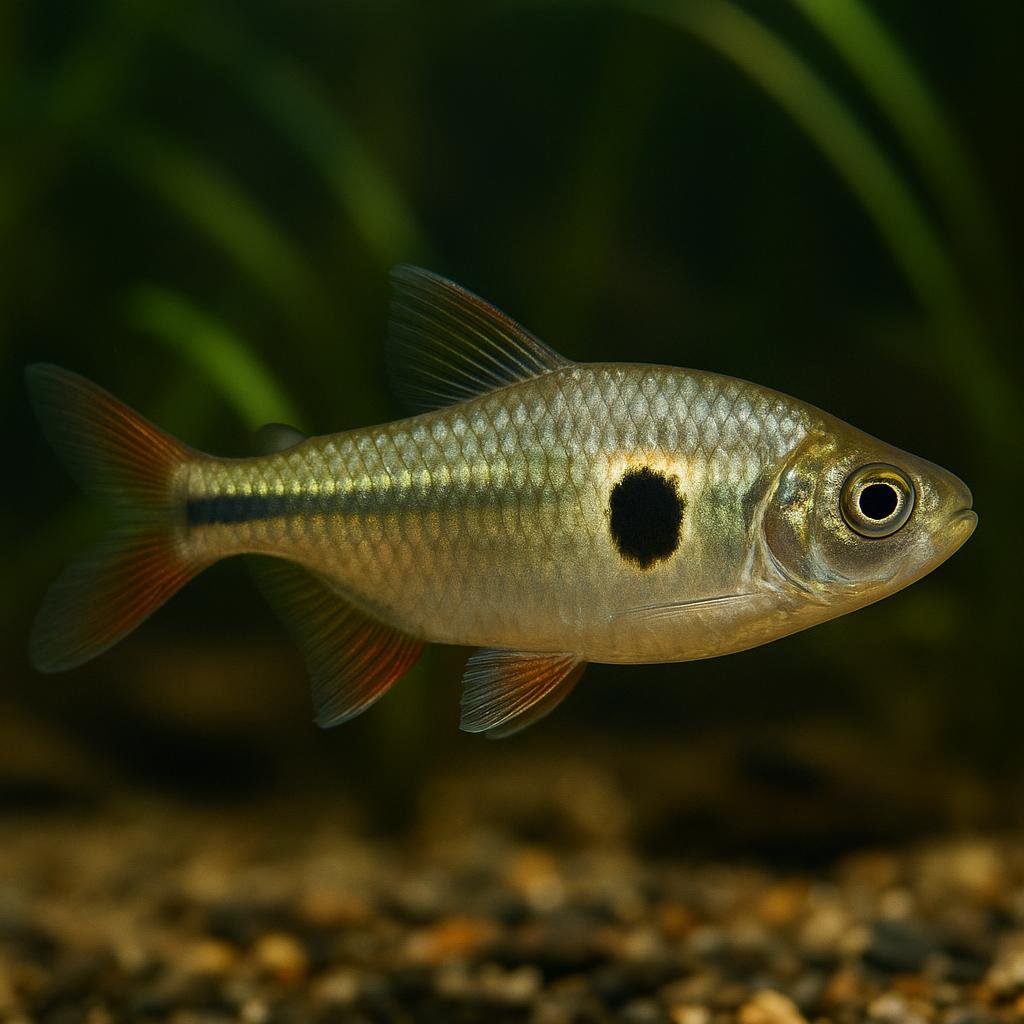
Ajuricaba tetra
Jupiaba ajuricaba
Jupiaba ajuricaba is a South American freshwater characin from the Amazon basin in Brazil (rio Negro, rio Solimões, and rio Tapajós basins). It reaches about 9.5 cm SL and is diagnosed by a narrow dark midlateral stripe, an elongated humeral spot, and an ocellated spot on the upper caudal-fin lobe. Wild specimens have been collected from blackwater forest streams and also oxbow-lake habitats.
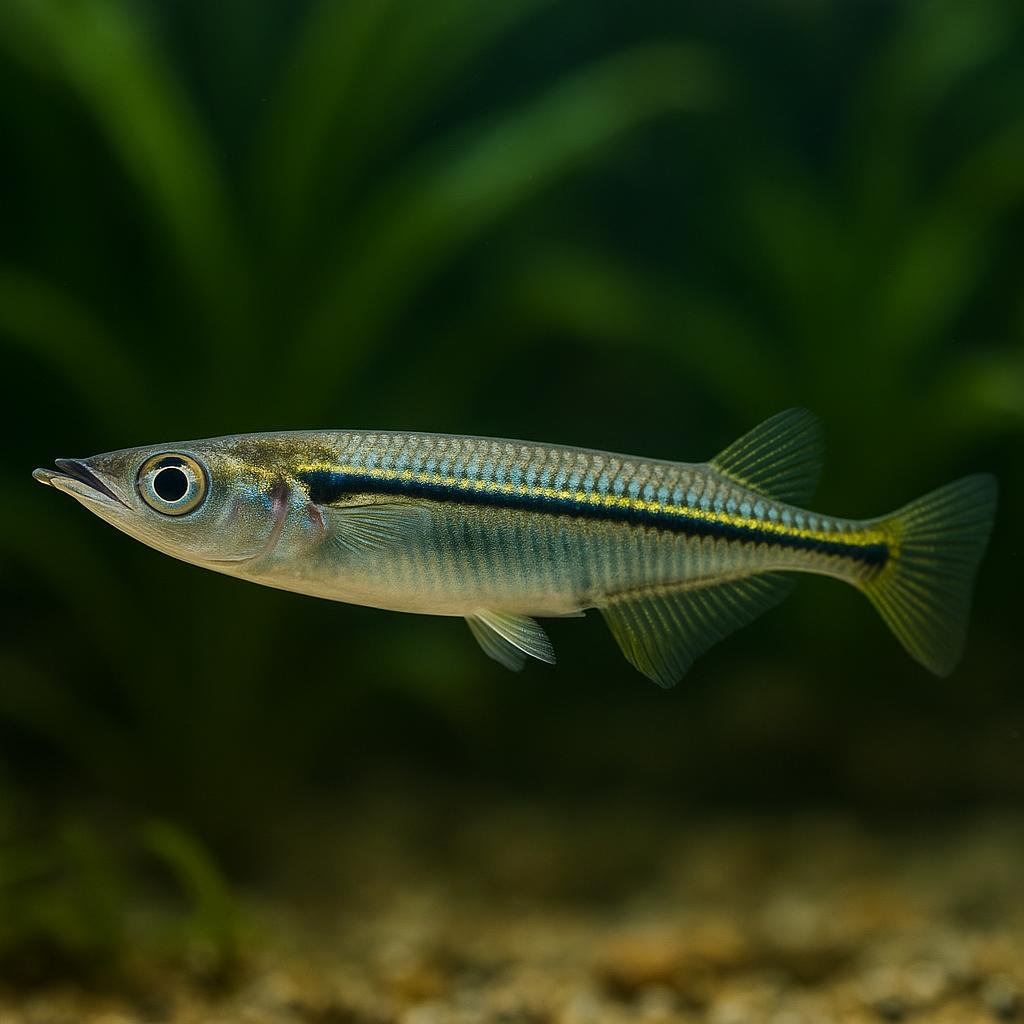
Allen's river garfish
Zenarchopterus alleni
A poorly known freshwater halfbeak endemic to West Papua (Mamberamo River), described from a single specimen (~13 cm SL). Beyond basic habitat/occurrence, little is published about its ecology or aquarium suitability; assume it is a surface-oriented, jump-prone halfbeak only by analogy with related taxa.
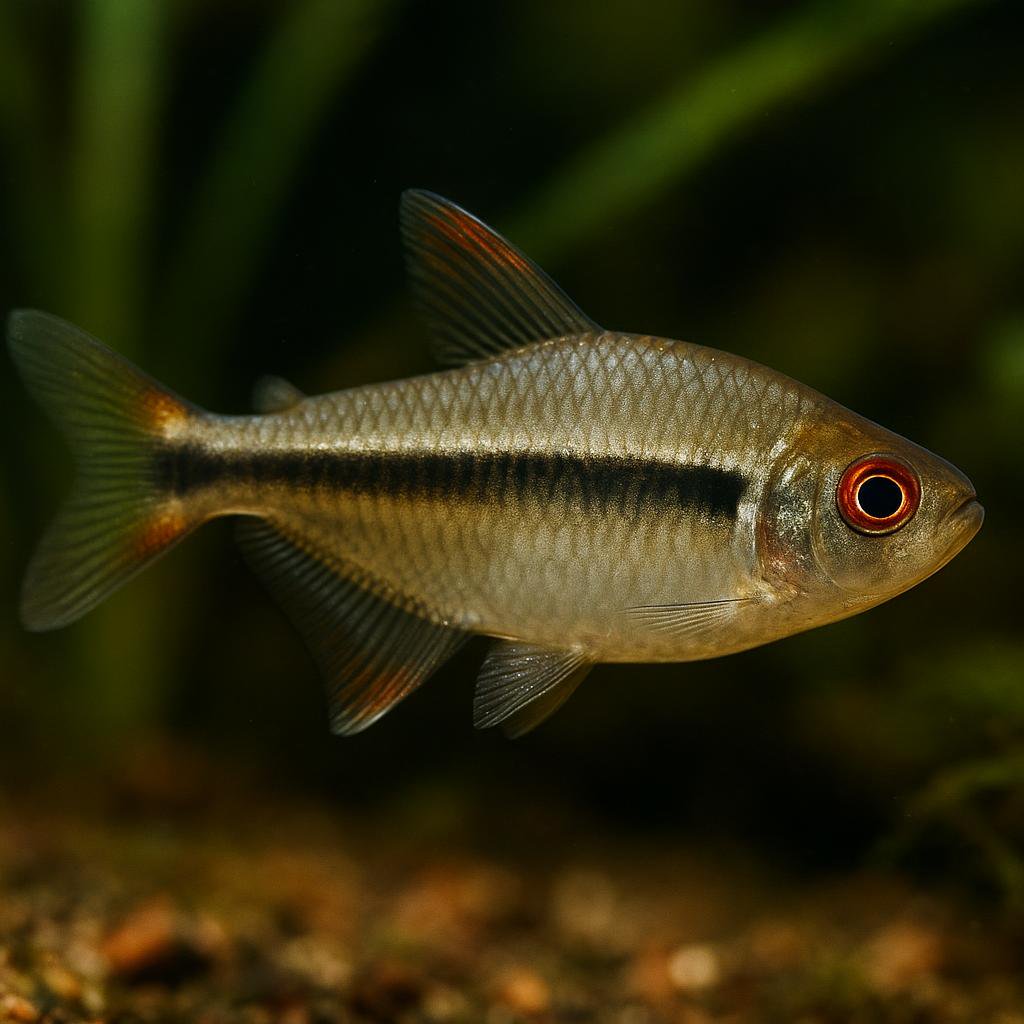
Amapa tetra
Hyphessobrycon amapaensis
This is a tiny, super sleek little tetra with a clean red stripe down the side that really pops once its settled in. It does best in a planted, slightly tinted "creek-style" setup and looks way cooler when you keep a proper group so they school and flash that line together. If you can give it soft, slightly acidic water and a calm community, its an easy fish to fall for.
Amatlan chub
Yuriria amatlana
Yuriria amatlana (the Amatlan chub) is a little Mexican native minnow from the Ameca River basin. Its wild range is pretty limited and it is listed as Endangered, so its care info in the aquarium hobby is basically nonexistent and its availability is usually low. In the original species description, preserved fish show a dark lateral stripe with a darker patch on the caudal peduncle, and they can have tiny barbels at the mouth corners.
Looking for other species?