

No established common name
Salvelinus maxillaris
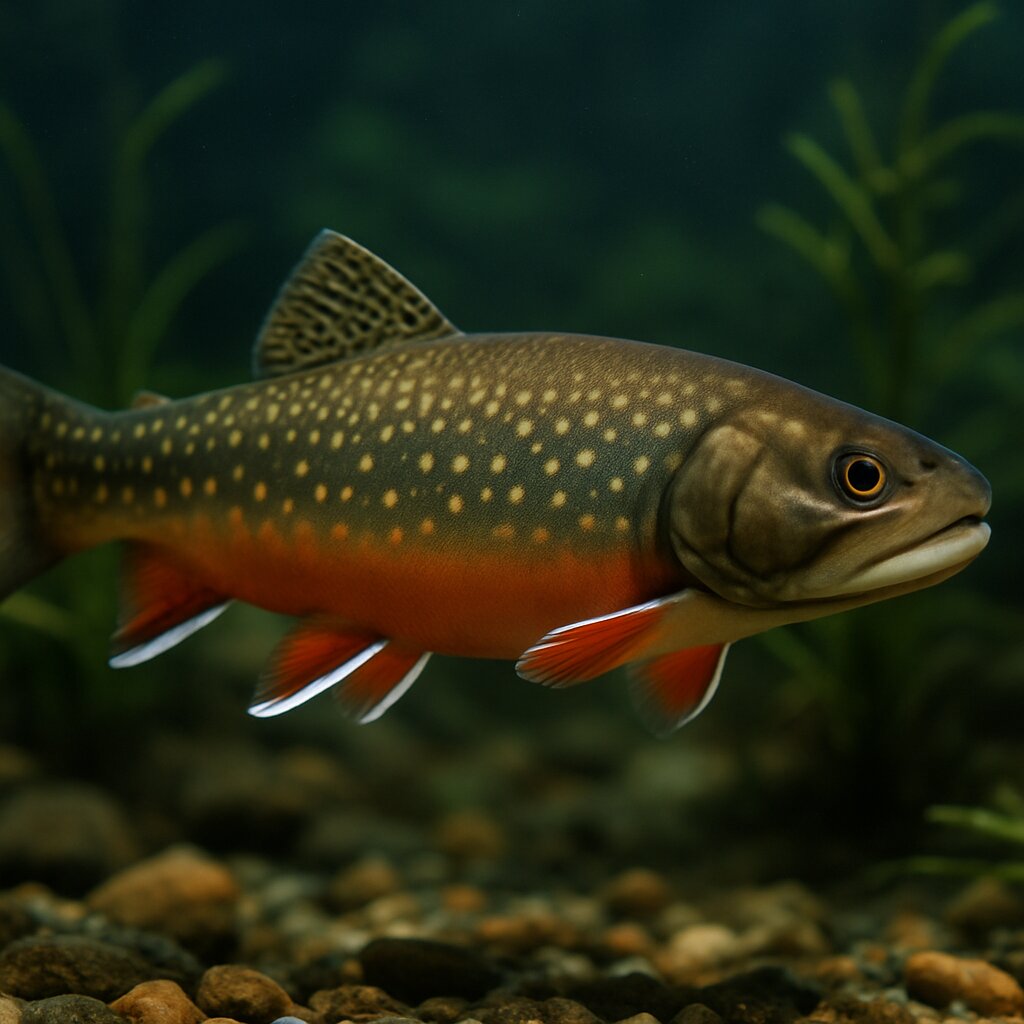
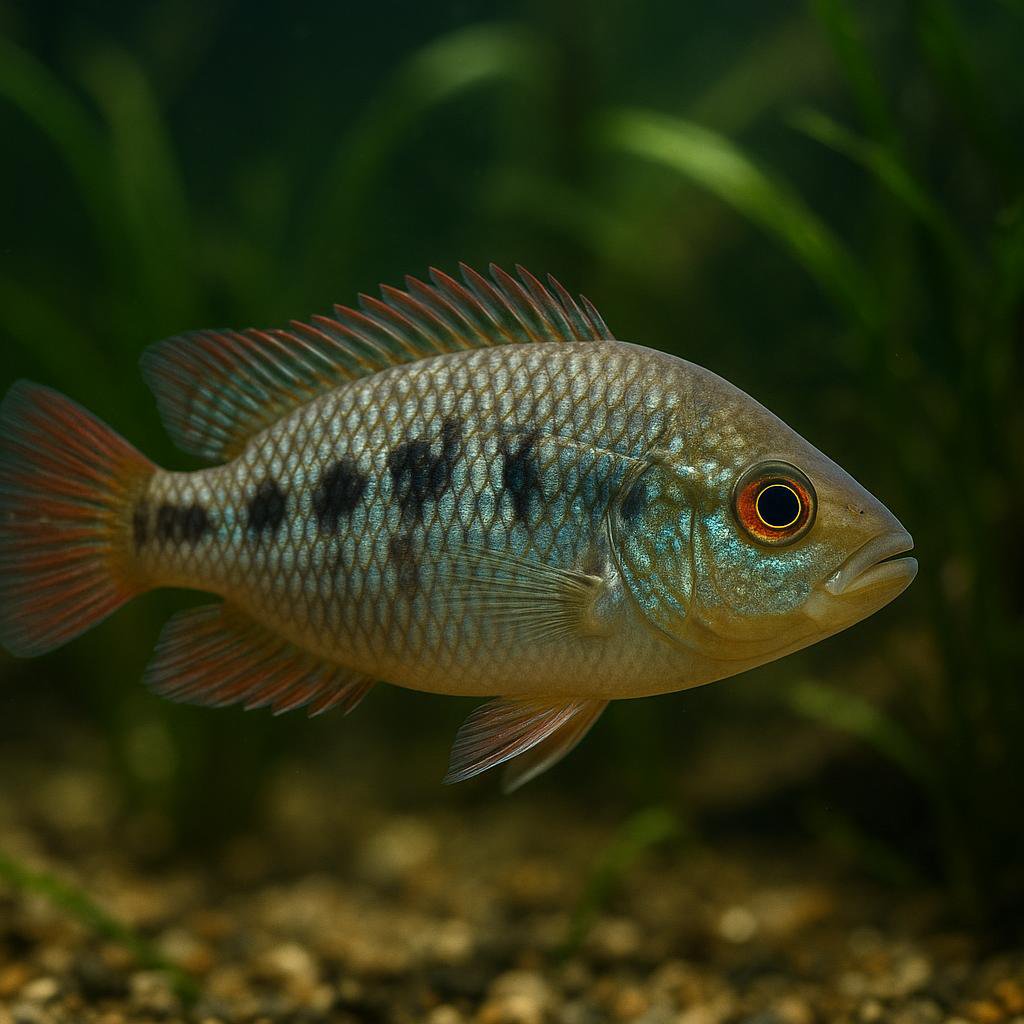
Salvelinus maxillaris exhibits a streamlined body, marked by a dark olive-green back, light-colored belly, and distinct pale spots.
This page includes AI-generated images. Why am I seeing AI images?
About the No established common name
This is a small Scottish char with a long lower jaw on big males and those crisp white fin edges that make chars look sharp. It grows to about 27 cm, cruises cold, highly oxygenated lake water, and would need a serious chiller and tons of flow in captivity. The orange belly on mature males is stunning, but this one really suits big, cool-water setups or public aquaria.
Quick Facts
Size
27 cm
Temperament
Semi-aggressive
Difficulty
Expert
Min Tank Size
150 gallons
Lifespan
4-8 years
Origin
Europe - Scotland
Diet
Carnivore - trout pellets, worms, insect larvae, crustaceans, small fish
Water Parameters
10-18°C
6.5-8
6-8.5 dGH
Need a heater for this species?
This species needs 10-18°C in a 150 gallon tank. Use our heater calculator to find the right wattage.
Calculate heater sizeCare Notes
- House it in a long, coldwater setup - think 400+ gallons, 8+ ft of swim room, tight-fitting lid, and a raceway-style current (8-15x turnover). Budget for a chiller sized for the full system volume.
- Keep temps 6-12 C (43-54 F) and never let it park above 14 C (57 F); run heavy aeration so DO stays >8 mg/L. Warm spikes kill chars fast.
- Run oversized biofiltration and strong mechanical polish; ammonia/nitrite must be zero, nitrate under 15-20 ppm, and pH 6.8-8.0 with moderate hardness. Do big, pre-chilled water changes (25-40% weekly) or a small flow-through trickle.
- Feed high-protein salmonid pellets (45-50% protein) as the staple, with thawed prawn, mussel, or nightcrawlers as treats (skip fatty feeder fish). Aim for 1-2% of body weight per day split into 2-4 small meals; back off feeding when water drops below 6 C or creeps toward 14 C.
- Tankmates are risky - it will eat anything bite-size and can bully slower fish in current. Best kept solo or with similar-sized coldwater salmonids in a big footprint with line-of-sight breaks.
- Give fast flow with resting seams, rounded boulders, and overhead cover; keep lighting subdued to cut stress. They jump hard when startled, so keep every gap covered.
- Watch for heat stress (surface gasping, rosy gills, frantic cruising) and fungus on scrapes; drop temperature and boost aeration fast if you see trouble. Handle with wet, knotless nets and minimal air exposure.
- Breeding in home tanks is basically off the table; they need a seasonal photoperiod and a gravel raceway for redds with icy, oxygen-rich flow. Eggs fungus quickly without constant current and clean gravel.
Compatibility
Good Tankmates
- Similar-sized coldwater salmonids in a big, chilled river setup (brook char, Arctic char, rainbows). Size-match and give lots of sight breaks.
- Fast, deep-bodied river minnows and dace that top out 6-8 inches+ and can handle 50-57 F and heavy current (golden shiners, larger chubs). Too big to be snacks.
- Hefty, cold-tolerant bottom dwellers that mind their business, like weather loaches/dojos, with piles of hides so they can duck out of sight.
- Native sculpins and other benthic rock-huggers from cold streams. They stick to the bottom and do fine in hard flow if they are too broad to swallow.
- Large, peaceful coolwater grazers in truly enormous systems (Chinese high-fin banded shark juveniles, temperate suckers like hogsuckers). Different niche, ignore each other.
- Adult temperate river fish built for current and cooler temps that get big and fast enough not to be bullied (barbel-type cyprinids, large dace) in very large tanks.
Avoid
- Anything small enough to fit in the mouth - white clouds, danios, small tetras. They will get hunted once the char settles in.
- Slow fish or fancy fins that invite nips and get outcompeted (goldfish, fancy goldfish, angelfish). Wrong temp and wrong pace.
- Warmwater or pushy tropicals that hate cold and scrap in tight quarters (most cichlids, tiger barbs). Temp mismatch and attitude clash.
- Crustaceans and ornamental inverts - shrimp become snacks, and crayfish will clip fins or grab a resting char at night.
Where they come from
Salvelinus maxillaris is a cold-water char from clear, rocky streams and lakes in the northern hemisphere. Think high-elevation or high-latitude water that stays cold year-round, with strong current and loads of dissolved oxygen. If you have kept brook trout or Arctic char, the vibe is similar.
This is a rarely kept salmonid. Double-check local regulations and sourcing. Wild salmonids and their hybrids are often protected, require permits, or come with movement restrictions.
Setting up their tank
Give them running river energy, not a placid pond. They want length, current, and cold, clean water. An 8-foot tank or indoor trough is a realistic starting point for a small group, and a proper chiller is non-negotiable. Lids need to be tight; they jump hard when spooked.
- Tank: 300-600+ liters for a single or pair; 800-1200+ liters for a small group. More length than height.
- Chiller: Size it for at least 2-3x the tank volume with headroom. Aim for 6-12 C most of the year.
- Flow: 10-15x turnover. Use river manifold pipes or directional pumps to make a strong, one-way current.
- Oxygen: Big surface agitation, venturis, or oxygen cone if you run dense stocking. Keep DO high.
- Substrate: Rounded cobble and pea gravel. Build some current seams and a few quiet eddies.
- Hardscape: Big stones for breaks in flow; no sharp edges. Minimal plants.
- Filtration: Oversized sump or canisters. Mechanical prefilter you can rinse every few days.
- Lighting: Dim to moderate. They relax with overhead shade or a dark back panel.
Heat and low oxygen kill salmonids fast. Keep temps under 14 C, ideally 6-12 C. Run redundant aeration and have a battery-backed air pump for outages.
These fish are wastey and hate ammonia. I run heavy biofiltration and change 20-30% weekly, more if feeding hard. Trickling water over media boosts oxygen but can add heat, so insulate lines and place the chiller after the pumps.
- Temperature: 6-12 C typical, brief seasonal swing 3-15 C if you want natural cues.
- pH: 6.8-7.8. GH/KH low to moderate. Stability beats chasing a number.
- Dissolved oxygen: Keep it high; aim for 8 mg/L or more at your set temp.
- Flow layout: Strong laminar section for cruising, and eddies to rest.
What to feed them
They are carnivores that key on movement. A good salmonid pellet is the backbone; supplement with clean frozen or fresh foods. They learn to hand-feed but scatter pellets into the current so everyone eats without brawling.
- Staple: Quality cold-water salmonid pellets (sinking, small size to start).
- Extras: Earthworms, blackworms, chopped prawn, mussel, smelt, and the occasional insect larvae.
- Treats: Live river shrimp or crayfish pieces for enrichment, not daily.
- Schedule: 1-2 small feedings per day. Skip one day a week to keep water pristine.
Go easy on fatty warmwater fare like beef heart. It fouls water and is not great long term. If you see them gulping air after feeding, you are feeding too much or too fast for your oxygen level.
How they behave and who they get along with
They are sight hunters and can be spooky. In current they hold stations behind rocks and bicker over the best lanes. In tight quarters they will bully the weakest fish, especially near food.
- Best kept: Solo or as a small, evenly sized group in a very large system with multiple current lanes.
- Tankmates: Other cold-water salmonids of similar size can work, but be ready to separate. Most smaller fish become food.
- Avoid: Warmwater species, invertebrates, and anything that cannot handle 6-12 C and heavy flow.
Predation is not personal with these guys. If it fits, it gets eaten. Mixing sizes is asking for trouble.
Breeding tips
Spawning at home is a project. You need seasons, cold water, a gravel bed, and very steady water quality. Males will color up and develop a little hook on the jaw as temperatures drop in fall.
- Cycle: Spring 8-10 C, summer 10-12 C, fall drop to 4-8 C with shortening day length.
- Site: 10-20 cm of clean gravel with strong downwelling flow. No silt.
- Adults: Well-fed but lean going into fall. Separate bullies so a pair can work the redd.
- Eggs: They settle in the gravel. Keep flow strong and clean; do not hover with a net.
- Raising young: Once hatched and yolk is absorbed, start very fine salmonid starter crumble in flow. Zero ammonia, zero nitrite.
A flow-through or raceway-style setup makes this vastly easier. In a standard tank, egg fungus and silt accumulation are your main enemies.
Common problems to watch for
- Heat stress: Rapid gilling, hugging returns, going off food. Drop temp and blast aeration.
- Low oxygen: Surface gasping or hanging in the strongest jet. Increase agitation and cut feeding.
- Ammonia or nitrite spikes: Lethargy, red gills. Big water change, heavy aeration. For nitrite, a short-term 1-2 g/L plain salt blocks uptake.
- Saprolegnia fungus: Cottony patches on scrapes or eggs. Improve flow and cleanliness; treat promptly if it spreads.
- Gas bubble issues: From supersaturation via venturis or leaky pumps. Watch for bubbles under skin or in fins; fix the gas source.
- Jumping injuries: Tight lids and soft covers stop panic launches.
Quarantine anything wet. Parasites on salmonids can be stubborn, and treating in a chilled display tank is messy. Keep a spare, cycled, chilled hospital tub if you plan to keep chars long term.
Similar Species
Other freshwater semi-aggressive species you might be interested in.
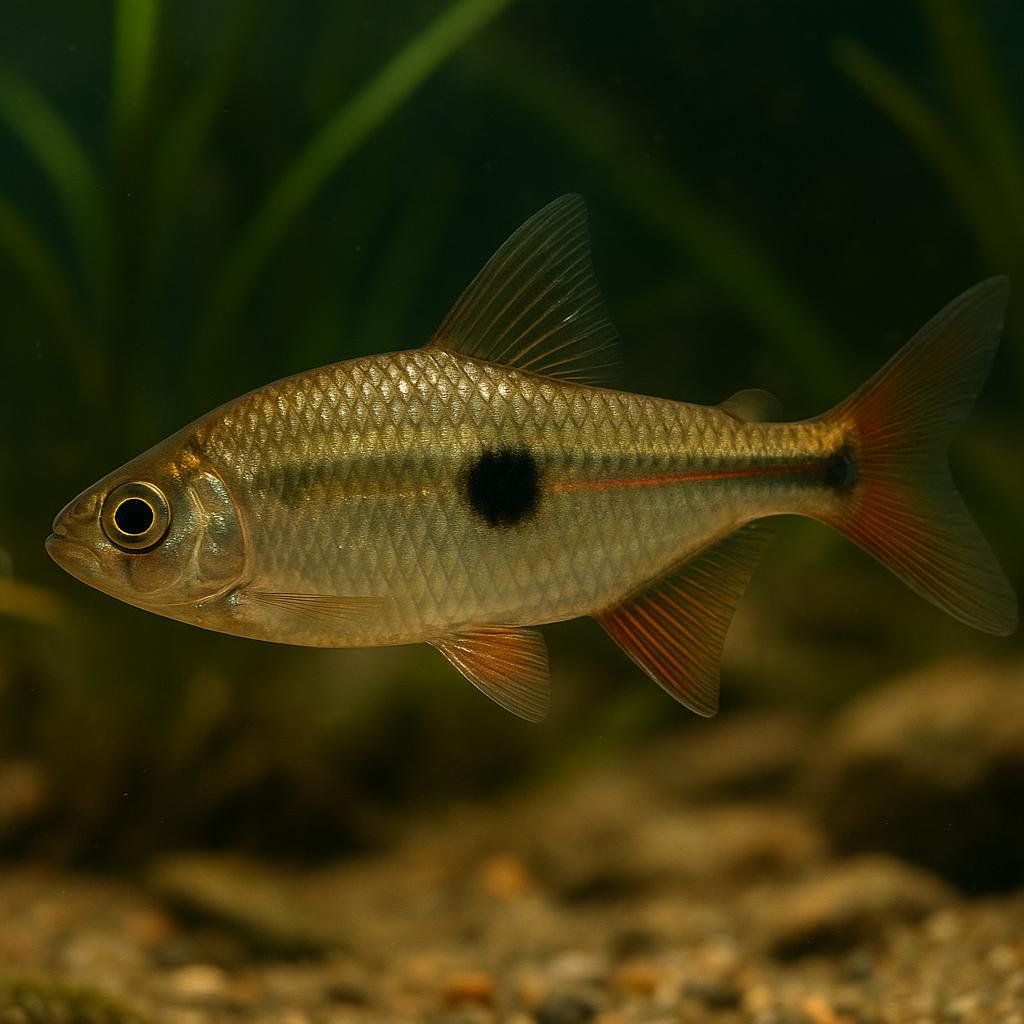
Jupiaba kurua
Small South American characin endemic to the upper rio Curuá (rio Xingu basin, Brazil). Reaches about 8.7 cm SL and inhabits clearwater rivers. Distinguished by dark dots on the bases of many lateral scales and a distinct dark caudal‑peduncle spot. Reported diet indicates omnivory, including aquatic insects, small fishes, and fragments of Podostemaceae and filamentous algae.
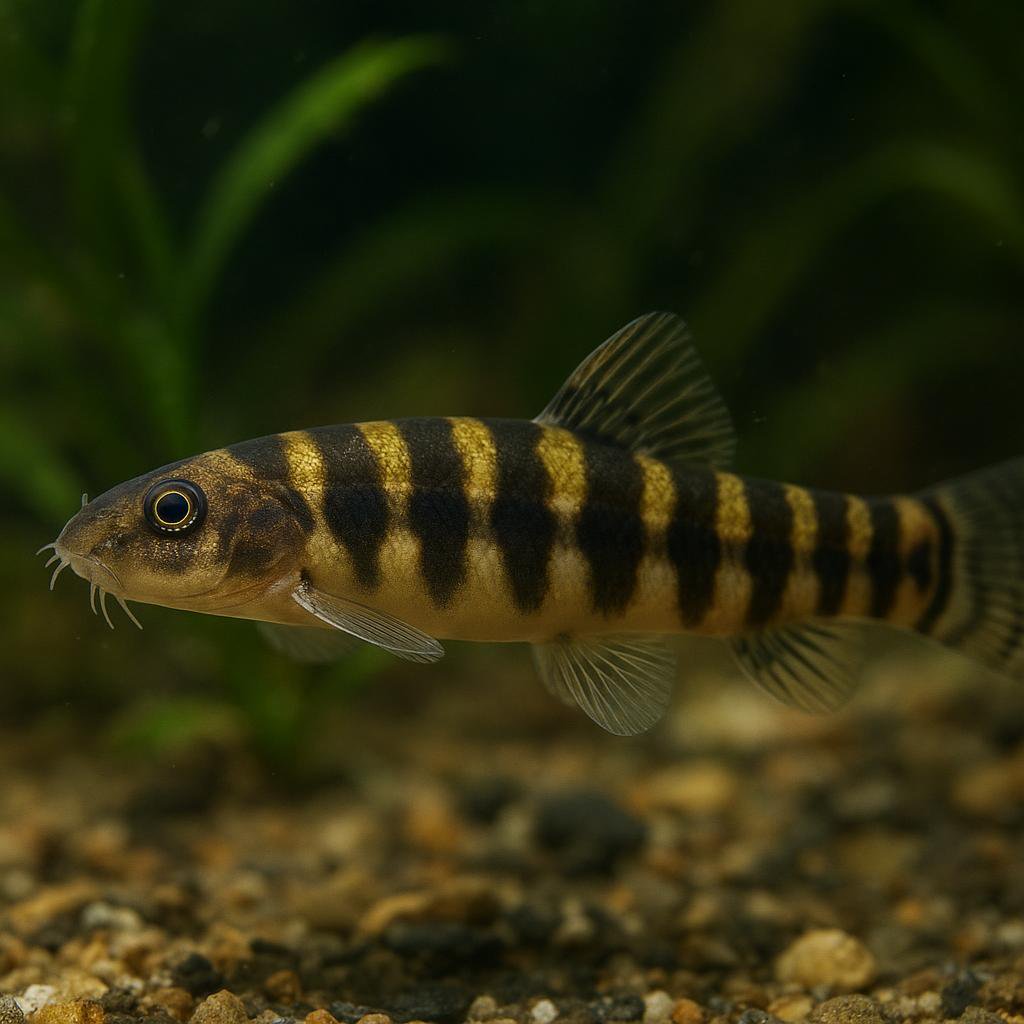
Altipedunculata stone loach
Schistura altipedunculata
Schistura altipedunculata is one of those little stream loaches that wants clean, well-oxygenated water and a bunch of rock nooks to claim as home. It is a bottom-hugger that will spend its day scooting from crevice to crevice, and it tends to get a bit spicy with its own kind if you do not give it enough hiding spots.
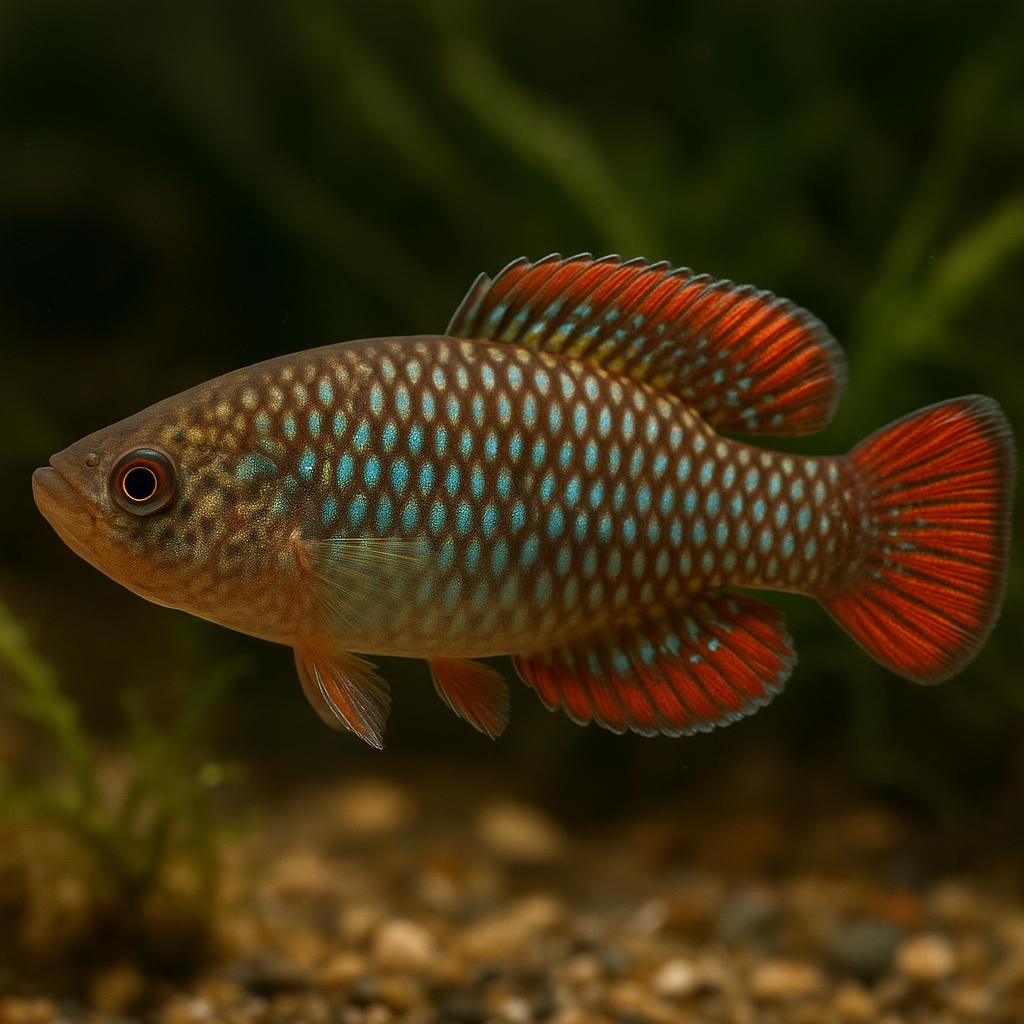
American flagfish
Jordanella floridae
Jordanella floridae is that little Florida native with the red-and-cream striping that really does look like a tiny flag once a male colors up. They graze algae like champs (especially stringy/hair algae), but they have a bit of attitude - give them plants and space so the bossy behavior stays manageable. Bonus: the male guards the eggs and will actively fan them, which is pretty fun to watch.
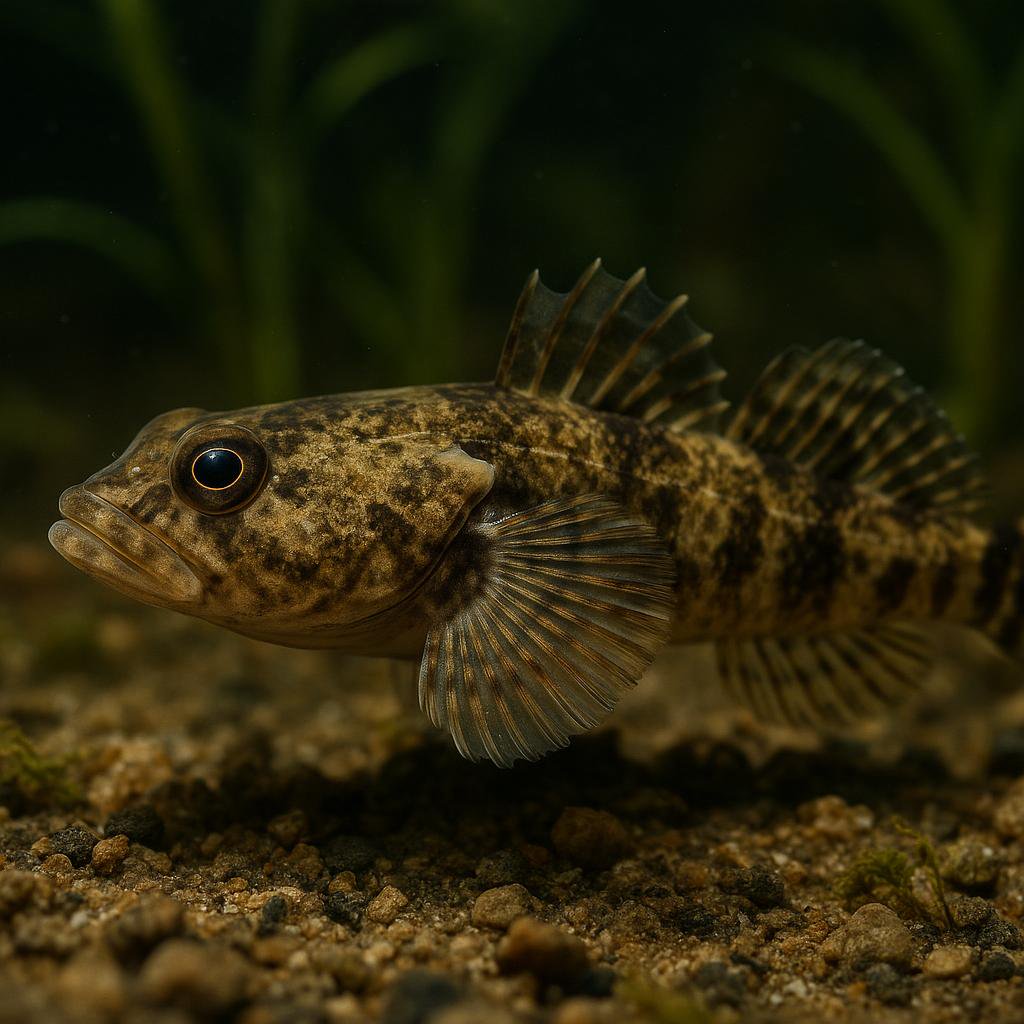
Amur sculpin
Alpinocottus szanaga
This is a little coldwater sculpin from the Amur drainage - a bottom-hugging, rock-and-gravel fish that spends its day wedged under stones and darting out to grab food. Super cool behavior and attitude, but it is absolutely not a warm tropical community fish - it wants chilly, fast, oxygen-rich water and will bicker with other bottom fish.
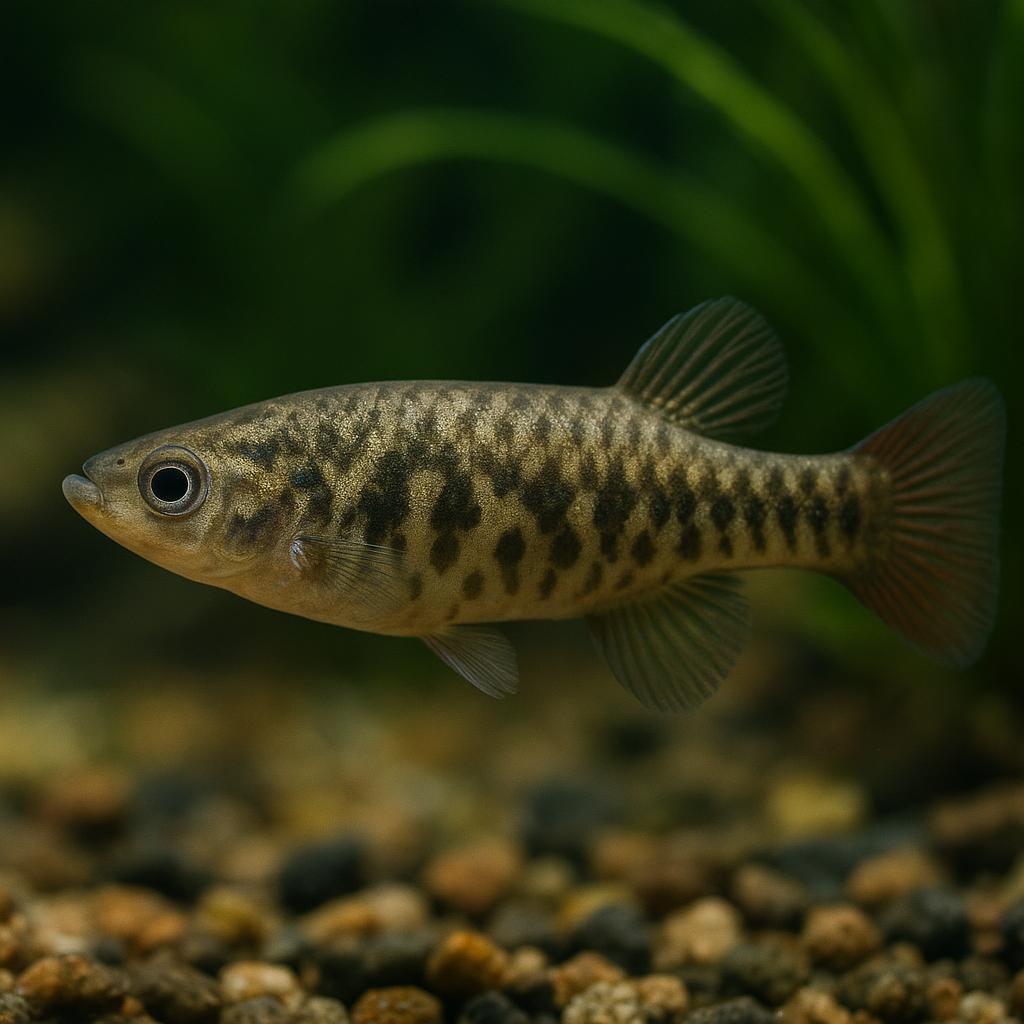
Anitápolis livebearer
Jenynsia weitzmani
Jenynsia weitzmani is a freshwater anablepid livebearer endemic to southern Brazil (currently known only from the type locality near Anitápolis, Santa Catarina). Like other Jenynsia (onesided livebearers), reproduction involves lateralized mating morphology/behavior; aquarium care guidance is not well-documented for this species specifically.
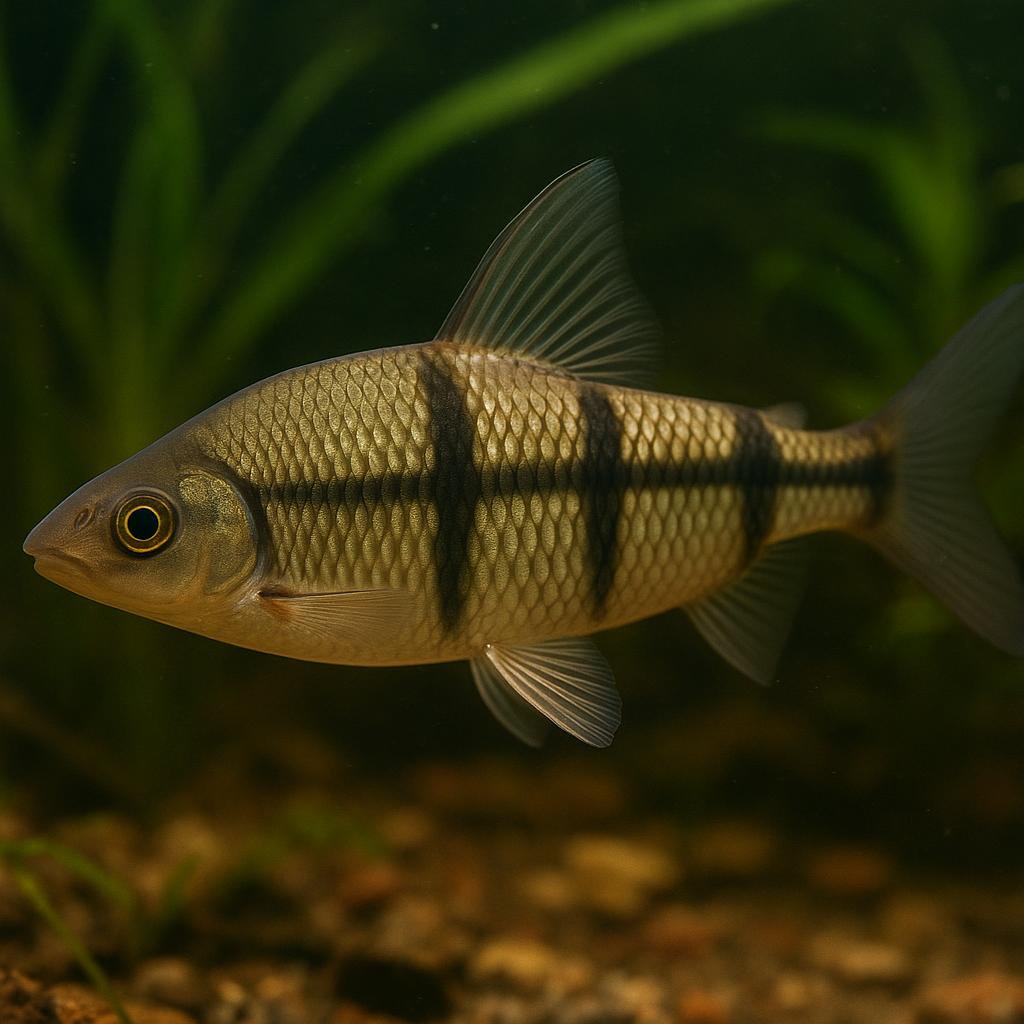
Aracu-comum
Schizodon vittatus
Schizodon vittatus is a large South American anostomid (family Anostomidae). Reported maximum size is about 35 cm standard length; it is harvested/consumed in parts of Brazil and is not commonly covered by mainstream aquarium husbandry references.
More to Explore
Discover more freshwater species.
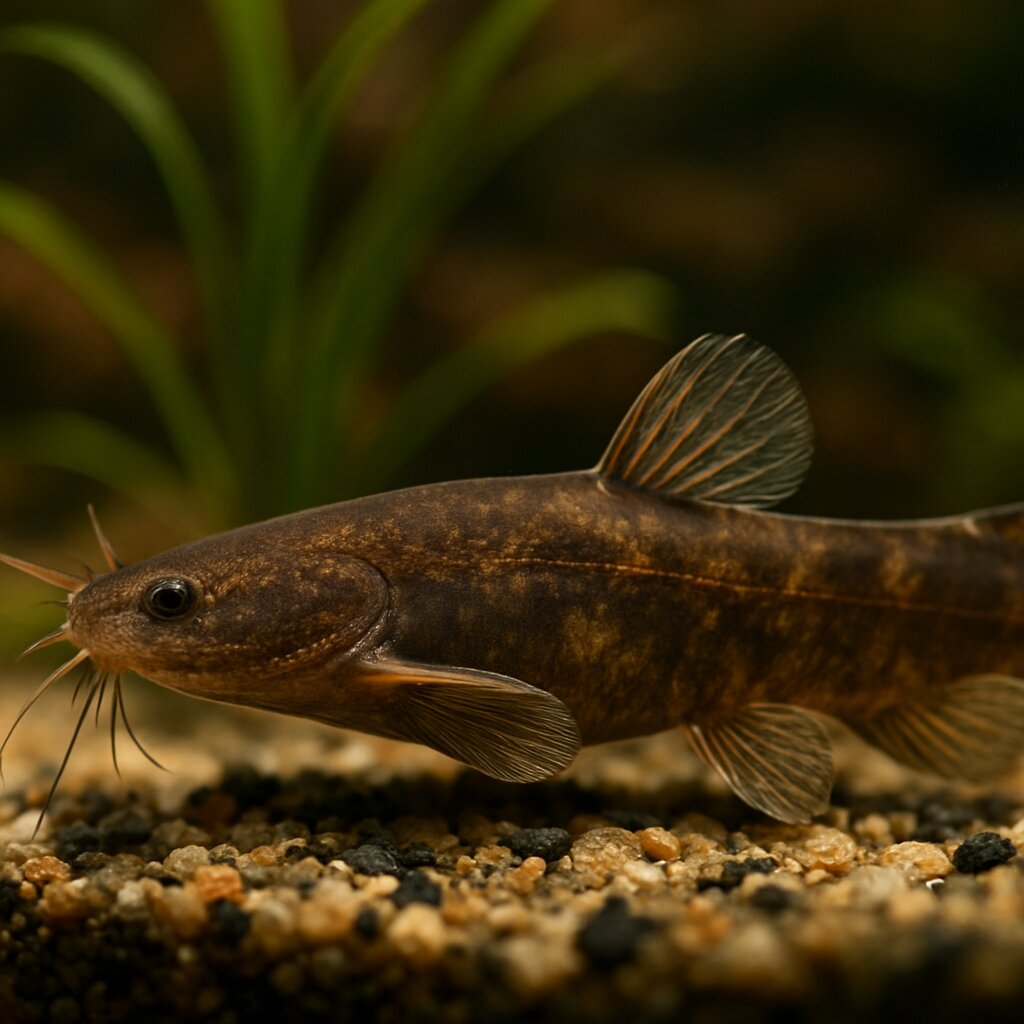
Amphilius dimonikensis
A small loach catfish endemic to the Mpoulou River in the Mayombe (Dimonika Biosphere Reserve), Republic of the Congo. Amphilius dimonikensis has a subtle banded pattern and inhabits fast, clear streams over rock and sand. In aquaria, prioritize strong, well-oxygenated flow with rounded stones and sand to mimic hillstream conditions.
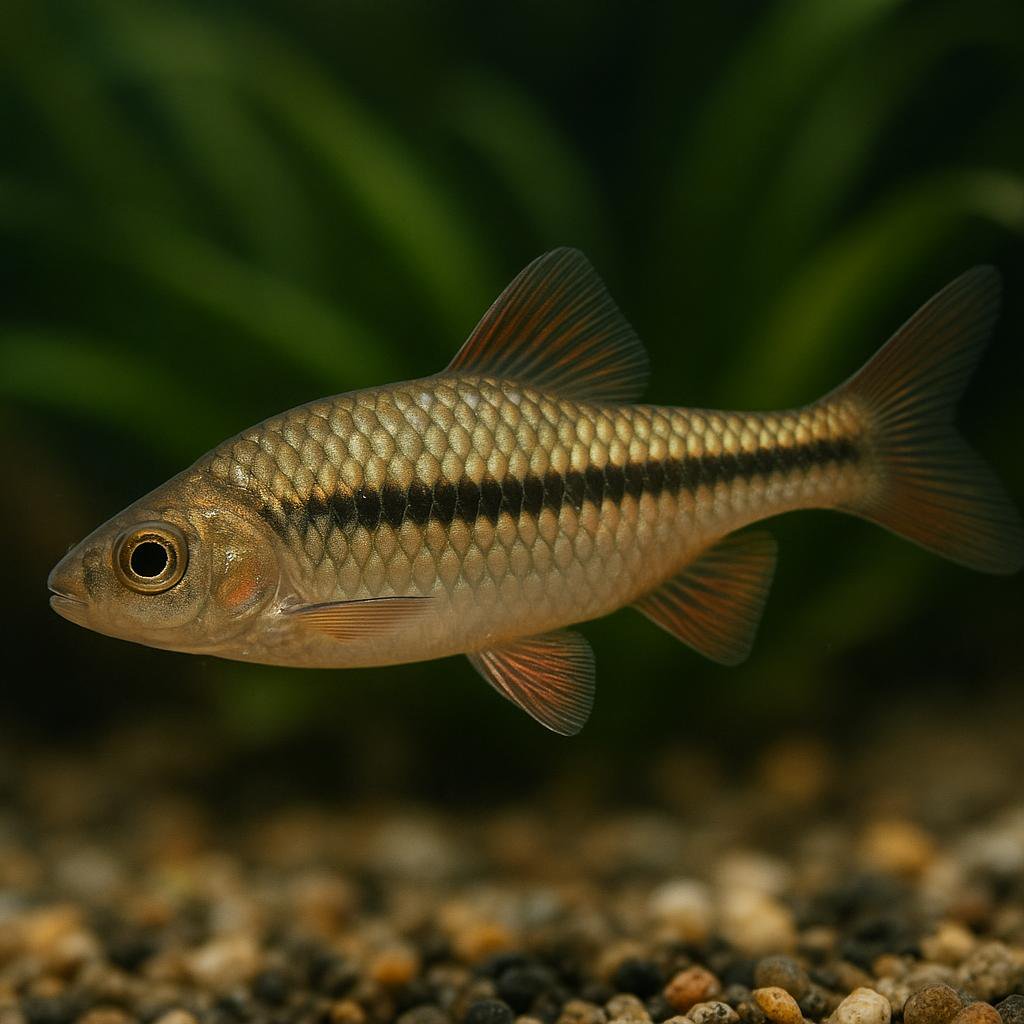
Aboina barb
Enteromius aboinensis
Enteromius aboinensis (the Aboina barb) is a small West African barb with a clean black midline stripe and a little spot right at the base of the tail. It does best when you treat it like a proper schooling fish - keep a decent group and give it plants around the edges with open swimming room in the middle.
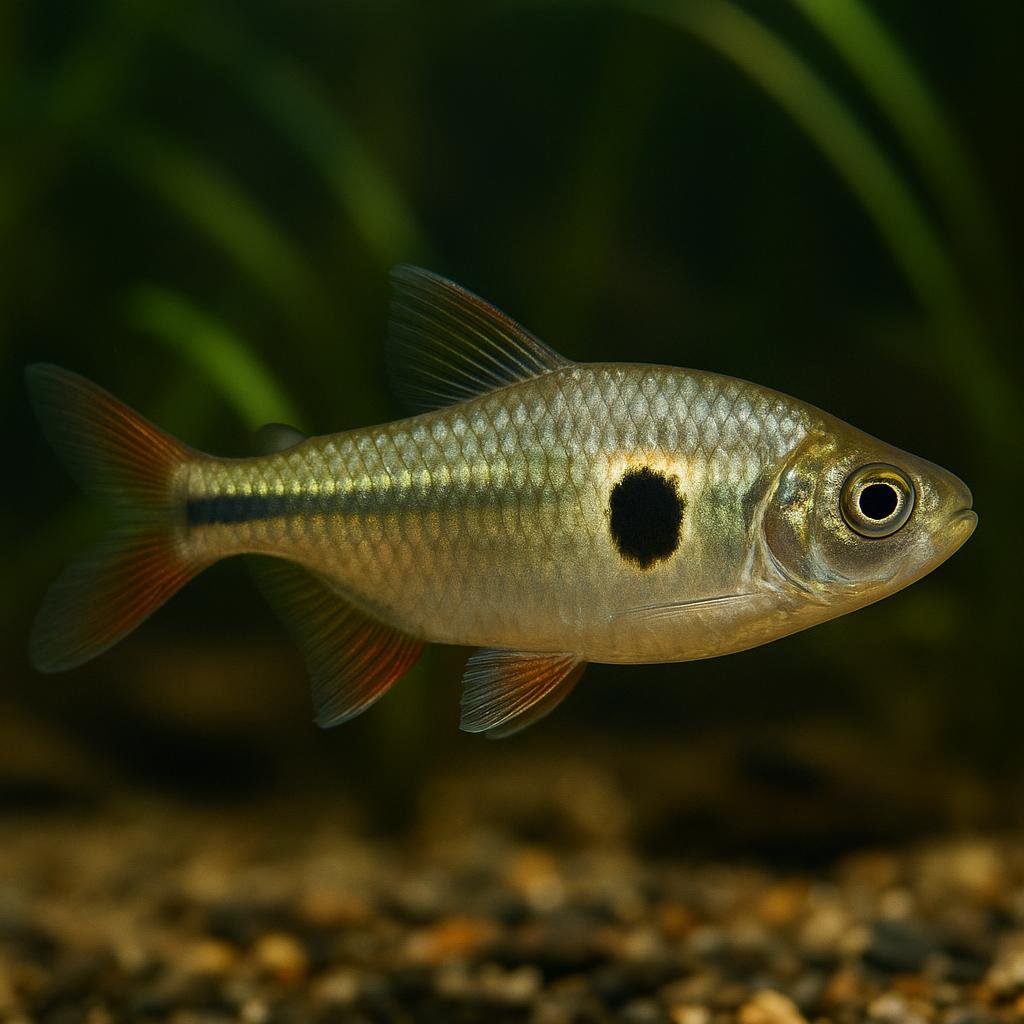
Ajuricaba tetra
Jupiaba ajuricaba
Jupiaba ajuricaba is a South American freshwater characin from the Amazon basin in Brazil (rio Negro, rio Solimões, and rio Tapajós basins). It reaches about 9.5 cm SL and is diagnosed by a narrow dark midlateral stripe, an elongated humeral spot, and an ocellated spot on the upper caudal-fin lobe. Wild specimens have been collected from blackwater forest streams and also oxbow-lake habitats.
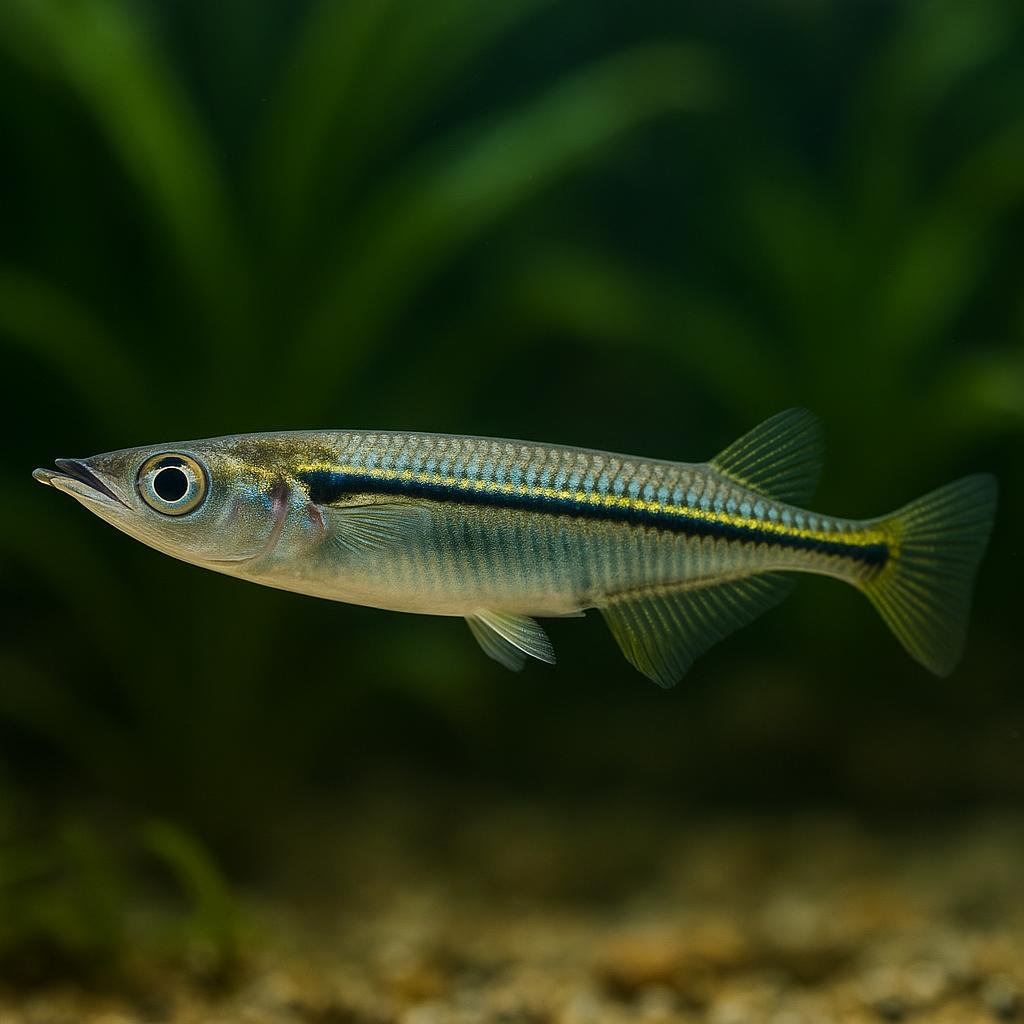
Allen's river garfish
Zenarchopterus alleni
A poorly known freshwater halfbeak endemic to West Papua (Mamberamo River), described from a single specimen (~13 cm SL). Beyond basic habitat/occurrence, little is published about its ecology or aquarium suitability; assume it is a surface-oriented, jump-prone halfbeak only by analogy with related taxa.
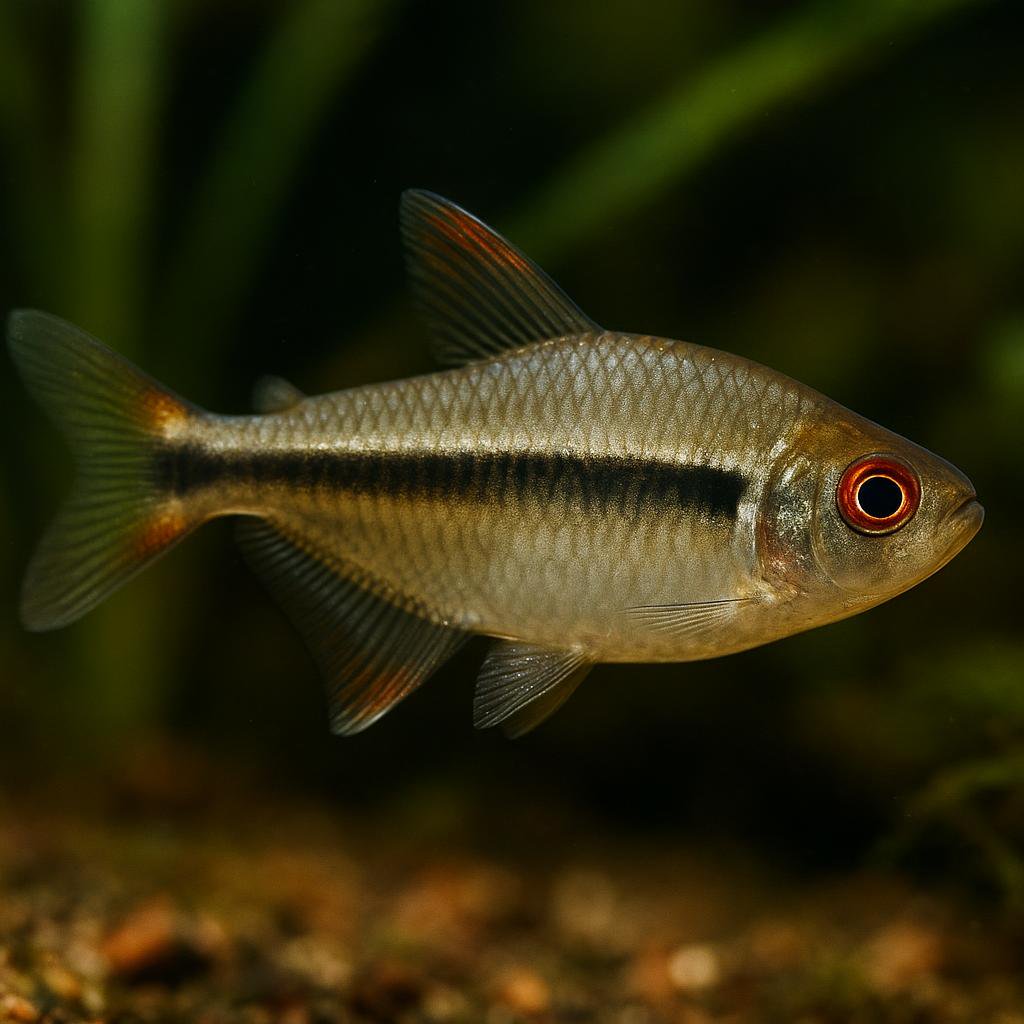
Amapa tetra
Hyphessobrycon amapaensis
This is a tiny, super sleek little tetra with a clean red stripe down the side that really pops once its settled in. It does best in a planted, slightly tinted "creek-style" setup and looks way cooler when you keep a proper group so they school and flash that line together. If you can give it soft, slightly acidic water and a calm community, its an easy fish to fall for.
Amatlan chub
Yuriria amatlana
Yuriria amatlana (the Amatlan chub) is a little Mexican native minnow from the Ameca River basin. Its wild range is pretty limited and it is listed as Endangered, so its care info in the aquarium hobby is basically nonexistent and its availability is usually low. In the original species description, preserved fish show a dark lateral stripe with a darker patch on the caudal peduncle, and they can have tiny barbels at the mouth corners.
Looking for other species?