

Reticulated hillstream loach
Sewellia lineolata
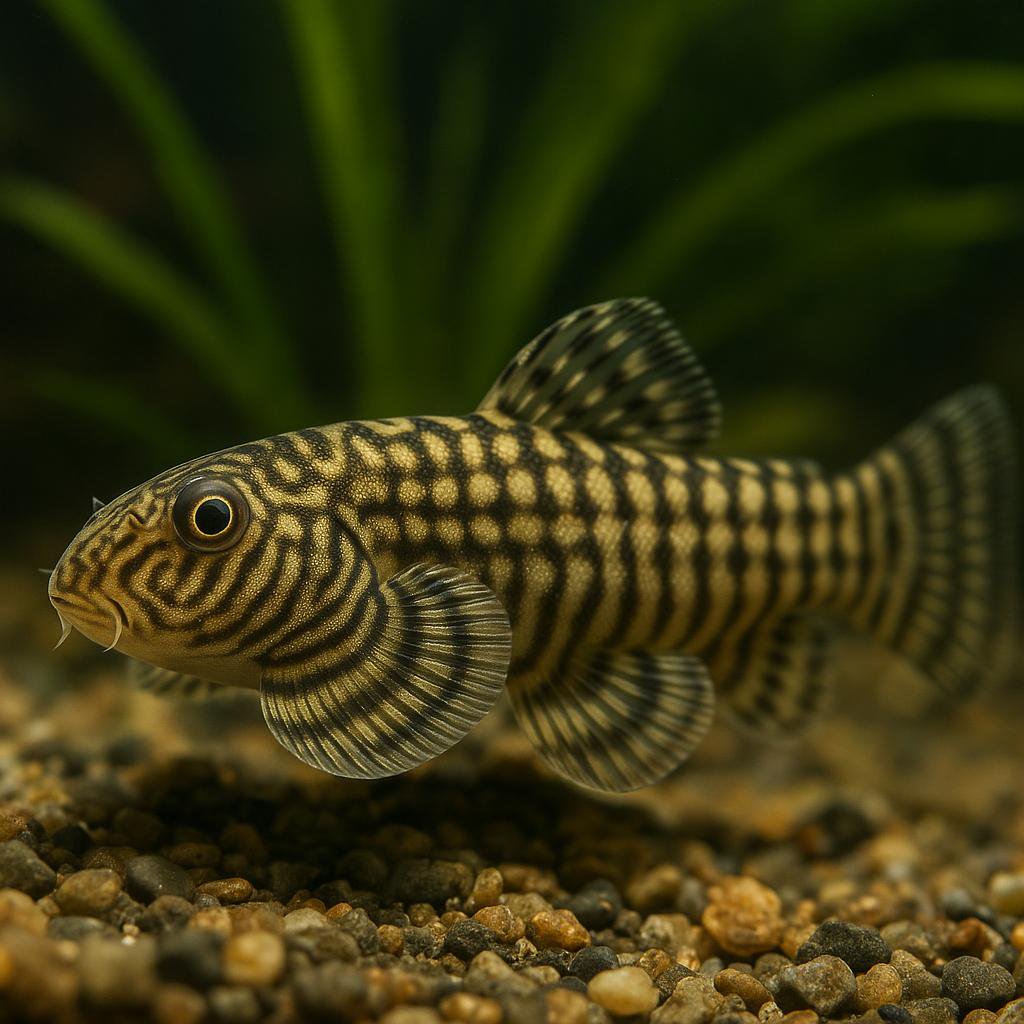
The Reticulated hillstream loach exhibits a flattened body with a distinctive net-like pattern of dark brown and gold, enabling camouflage among riverbed rocks.
This page includes AI-generated images. Why am I seeing AI images?
About the Reticulated hillstream loach
This is the little "stingray-shaped" loach that parks itself on rocks and glass like it's magnetized, then cruises around in the current like a tiny river skate. Give it cool, super-oxygenated, fast-moving water and lots of smooth stones with biofilm, and it'll spend all day grazing and doing hilarious little dominance shuffles with its own kind.
Also known as
Quick Facts
Size
6 cm (2.5 inches)
Temperament
Peaceful
Difficulty
Intermediate
Min Tank Size
30 gallons
Lifespan
5-10 years
Origin
Southeast Asia (primarily Vietnam; reports also place it in the Mekong system in Cambodia/China/Laos depending on source)
Diet
Omnivore grazer - biofilm/algae, sinking algae wafers/spirulina, blanched veg; also small frozen/live inverts
Water Parameters
20-24°C
6-7.5
1-12 dGH
Need a heater for this species?
This species needs 20-24°C in a 30 gallon tank. Use our heater calculator to find the right wattage.
Calculate heater sizeCare Notes
- Give them a long tank with a serious current-powerhead or strong canister return-plus smooth river stones and wood they can graze on all day.
- They hate warm, stale water; keep it cool-ish (around 68-75°F / 20-24°C), well-oxygenated, and steady-ammonia/nitrite at 0 and nitrates kept low with water changes.
- Start the tank mature: they do best when rocks have real biofilm/aufwuchs on them, not a sterile new setup.
- Feed like you're feeding an algae grazer that also likes protein: algae wafers, Repashy Soilent Green/gel foods, blanched zucchini/spinach, plus small frozen foods (baby brine, daphnia) a few times a week.
- Don't count on them to "clean the tank" if there's no algae-spot-feed after lights out so faster fish don't steal everything.
- Tankmates: stick with other cool-water, current-loving peaceful fish (danios, white clouds, small barbs) and avoid big bullies, fin-nippers, and slow fancy fish that hate flow.
- They'll scrap with their own kind if the tank is cramped; a small group works best when you've got lots of flat rocks and separate "perches" so everyone can claim a spot.
- Watch for skinny bellies and clamped fins-usually they're getting outcompeted for food or the water's too warm/low oxygen; they crash fast in low-flow tanks.
Compatibility
Good Tankmates
- White Cloud Mountain minnows (and other small, fast "cool-water" minnows) - they love the same brisk flow and don't bother the loaches
- Zebra danios / leopard danios - nonstop swimmers that thrive in current, so the hillstreams don't get stressed by sluggish tank vibes
- Small rasboras (harlequin, hengeli, espe's, etc.) - peaceful mid-water fish that won't compete much for the loach's grazing spots
- Rainbow shiners and other similar stream-type schooling fish - great match if you're running a real 'river' setup with high oxygen and flow
- Other gentle algae/biofilm grazers like Otocinclus - usually fine as long as you've got enough surfaces and you're actually feeding (not just 'hoping for algae')
- More reticulated hillstream loaches - they're way more confident in a little group; you'll see their goofy chasing/posing without it turning into real damage if there's space and rocks
Avoid
- Big aggressive stuff (cichlids that throw weight around, especially mbuna/central americans) - hillstreams are peaceful and get bullied off food and hiding spots
- Nippy fin-biters like tiger barbs - they don't care that the loach is 'armored,' they'll still harass and stress them out
- Slow, fancy-finned fish (bettas, longfin guppies, fancy goldfish) - bad mix because hillstreams want strong flow and cooler, oxygen-rich water, and the slow fish hate that
- Chunky predatory bottom fish (big pictus cats, larger loaches, anything that can mouth-grab) - if it can fit a hillstream in its mouth, it'll eventually try
1) Where they come from
Reticulated hillstream loaches (Sewellia lineolata) come from fast, cool-ish streams in Vietnam and nearby areas. Think shallow water ripping over smooth stones, tons of oxygen, and biofilm growing on every surface. If you build your tank around that vibe, they’re surprisingly hardy.
2) Setting up their tank
These guys aren’t “bottom fish” in the usual sense—they’re more like little suction-cup hovercrafts. They want flow, oxygen, and lots of hard surfaces to graze. A pretty tank that’s low-flow and plant-jungle usually disappoints them.
- Tank size: 20 gallons long is a great starting point (bigger is easier).
- Flow: aim for brisk current across the bottom; powerheads or a strong filter return help a lot.
- Oxygen: surface agitation matters; they act stressed in stagnant water.
- Substrate: sand or small smooth gravel—skip sharp stuff.
- Hardscape: smooth river stones, rounded cobbles, and some driftwood for biofilm.
- Plants: use tougher stuff that tolerates flow (Anubias, Java fern, Bolbitis).
If you can, set up a “river manifold” style flow (or even just a powerhead pushing along the back wall). The difference in their activity level is night and day.
Water-wise, they do best in clean, stable freshwater. I’ve had the best luck keeping them on the cooler side with strong circulation. They can handle a range, but they don’t love warm, sluggish tanks.
- Temperature: ~68–74°F (20–23°C) is a sweet spot in most homes.
- pH: usually fine anywhere around neutral (roughly 6.5–7.5).
- Hardness: moderate is totally workable—stability beats chasing numbers.
- Maintenance: frequent small water changes beat occasional big ones.
Don’t add them to a brand-new tank. They rely a lot on biofilm/algae growth, and immature tanks often lead to slow starvation even if you’re offering food.
3) What to feed them
They look like algae-eaters (and they are), but they’re not a magic cleanup crew. In a bare or super-clean tank they’ll run out of natural grazing fast. In my tanks, the best results came from treating them like constant grazers plus a little “real food” every day.
- Staples: algae wafers, spirulina pellets, Repashy Soilent Green (or similar gel foods).
- Frozen: baby brine shrimp, daphnia, cyclops (great for variety).
- Fresh: blanched zucchini/cucumber (works better if you rough up the skin a bit).
- Natural: encourage biofilm—let some rocks sit under bright light in a spare container and rotate them in.
Feed after lights out sometimes. They’re active all day, but in community tanks they can get outcompeted. Night feeding helps them keep weight on.
Watch their bellies. A well-fed Sewellia has a gently rounded belly and spends a lot of time calmly grazing. A pinched belly + frantic glass surfing is your cue to increase food availability and check flow/oxygen.
4) Behavior and tankmates
They’re peaceful, but they do have a little “king of the rock” attitude with each other. You’ll see chasing and posturing—like tiny stingrays having a disagreement. It’s usually harmless if the tank has enough surface area and multiple perches.
- Best group size: 3–6+ if you have room (they’re more fun in a group).
- Territory: give lots of flat stones so nobody has to fight over the one good spot.
- Good tankmates: danios, white clouds, small barbs, rasboras, and other current-loving peaceful fish.
- Also works: other hillstream species if the tank is big and food is plentiful.
Avoid slow, long-finned fish that hate current (bettas, many gouramis) and avoid aggressive bottom fish that want the same real estate (some larger loaches/cichlids). Also be careful with fish that bulldoze food—your Sewellia may lose out.
They spend a lot of time on glass, stones, and broad leaves. If you never see them out, something’s off—usually not enough oxygen/flow, too much harassment, or not enough grazing spots.
5) Breeding tips
They can breed in captivity, and it’s one of the cooler “surprise spawns” in the hobby. Most people who pull it off weren’t running a dedicated breeding tank—they just had a mature, high-flow setup with lots of crevices and they fed well.
- Start with a group so you likely have both sexes (sexing is subtle until they’re mature).
- Mature tank: lots of biofilm, stable parameters, and plenty of hiding cracks between stones.
- Conditioning: heavier feeding with frozen foods + quality algae-based foods.
- Spawning sites: rock piles with gaps, rounded pebbles, and sometimes filter intake areas.
If fry show up, they’re tiny and won’t compete well. Fine foods (powdered fry food, infusoria-style foods, and biofilm-rich surfaces) help a lot. Gentle flow zones also help them not get pinned.
6) Common problems to watch for
Most Sewellia issues come down to the “river fish in a lake tank” mismatch: not enough oxygen, not enough flow, or not enough grazing. Fix the environment and they usually bounce back fast.
- Slow starvation: they eat, but still get thin because there’s not enough constant grazing. Add biofilm surfaces and feed more frequently.
- Outcompeted at meals: common in busy community tanks. Try target feeding or night feeding.
- Low oxygen/low flow stress: glass surfing, hanging near the surface, lethargy. Increase surface agitation and current.
- New tank syndrome: they do poorly in unstable tanks—ammonia/nitrite spikes hit them hard.
- Ich/parasites after purchase: they can come in rough from shipping; quarantine helps a lot.
- Medication sensitivity: like many loaches, they can react badly to strong doses (especially copper). Go slow and research the med first.
If you ever see rapid breathing + clamped fins in a hillstream setup, don’t just reach for meds. Check oxygen and temperature first—warm water holds less oxygen, and these fish feel it quickly.
Once you nail the flow + oxygen + food availability, they’re one of those fish that make you stop and watch the tank. Mine spend the day grazing in little patrol routes, and the occasional rock-top wrestling match is basically free entertainment.
Similar Species
Other freshwater peaceful species you might be interested in.
Amapa tetra
Hyphessobrycon amapaensis
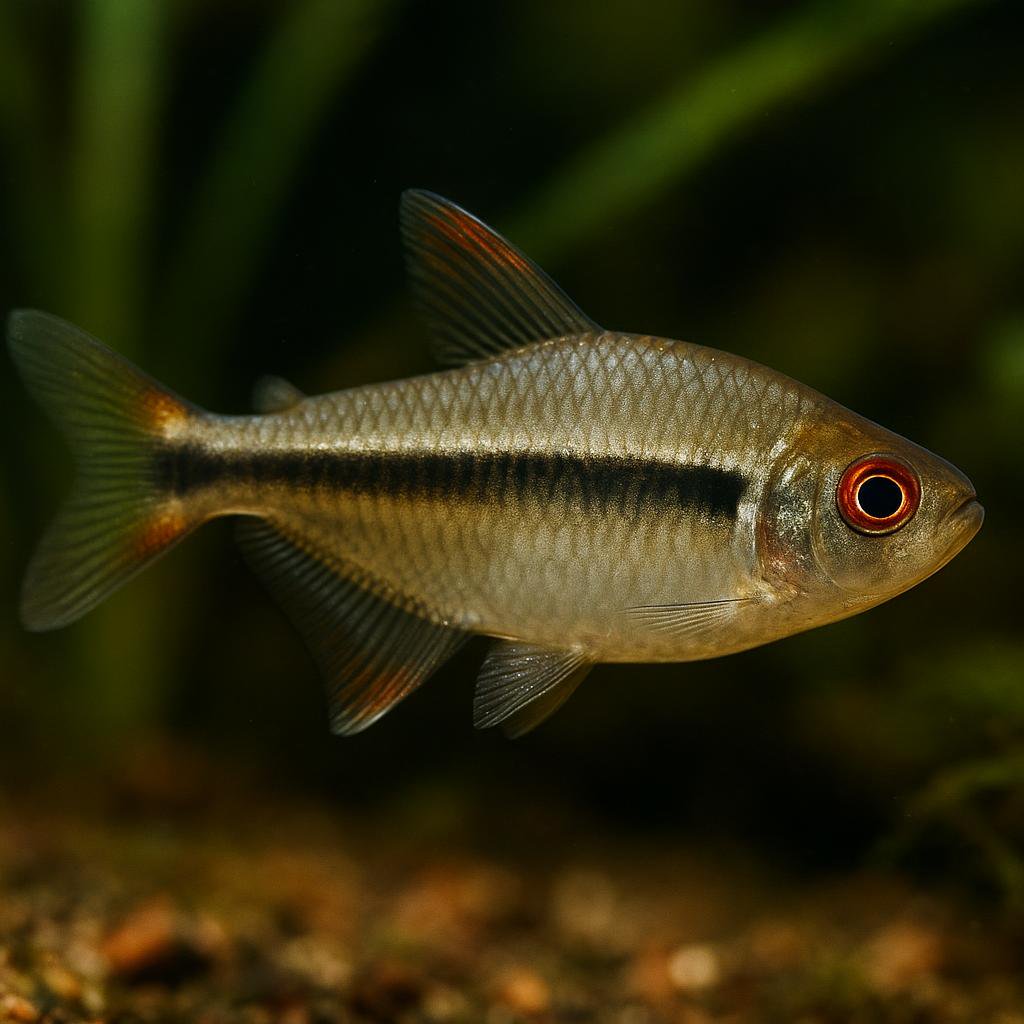
This is a tiny, super sleek little tetra with a clean red stripe down the side that really pops once its settled in. It does best in a planted, slightly tinted "creek-style" setup and looks way cooler when you keep a proper group so they school and flash that line together. If you can give it soft, slightly acidic water and a calm community, its an easy fish to fall for.
Armoured stickleback
Indostomus paradoxus
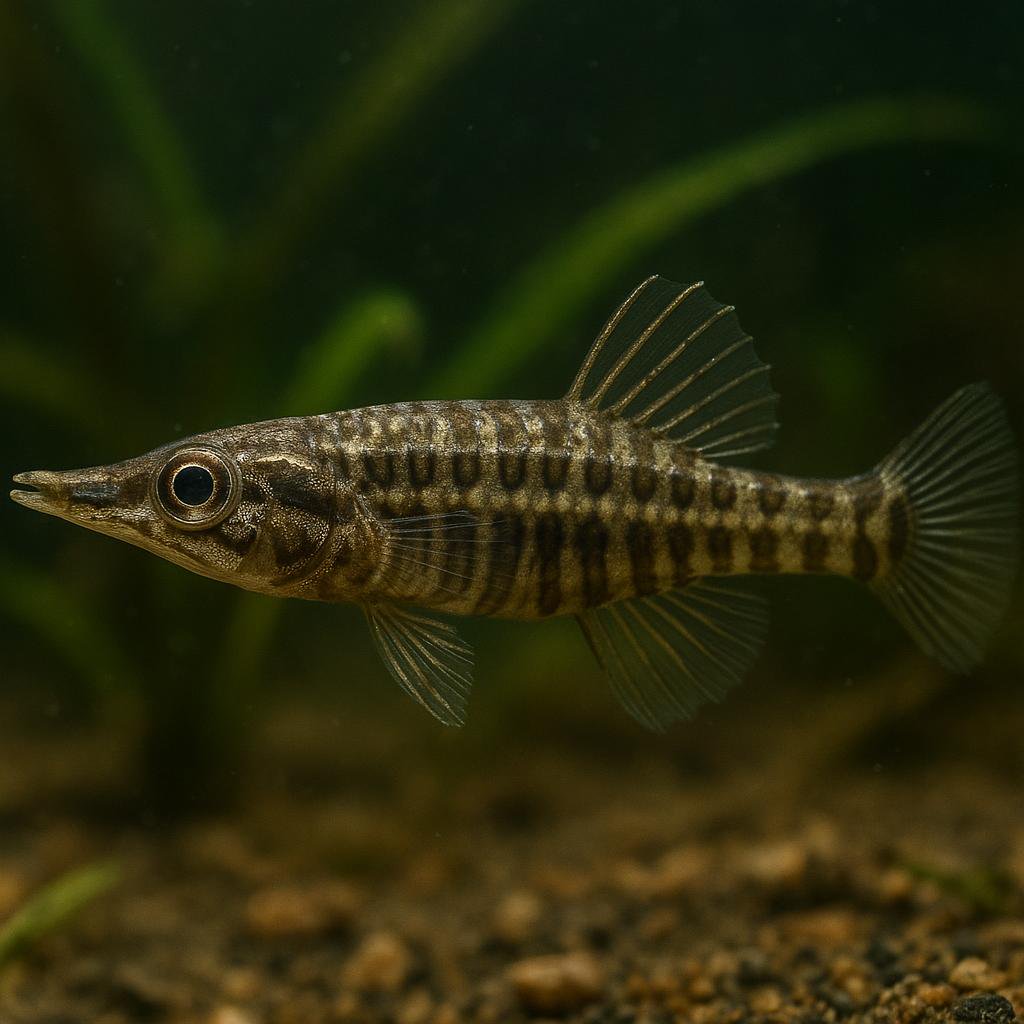
This is that goofy little "freshwater seahorse"-looking fish that just kind of perches and scoots around like a tiny armored twig. Its whole vibe is slow, sneaky micropredator - once its settled in, you will catch it stalking microfoods and doing these subtle little posture displays. The big trick is feeding: they do best when you can provide lots of small live foods in a calm, planted tank.
Bishop toothcarp
Brachyrhaphis episcopi
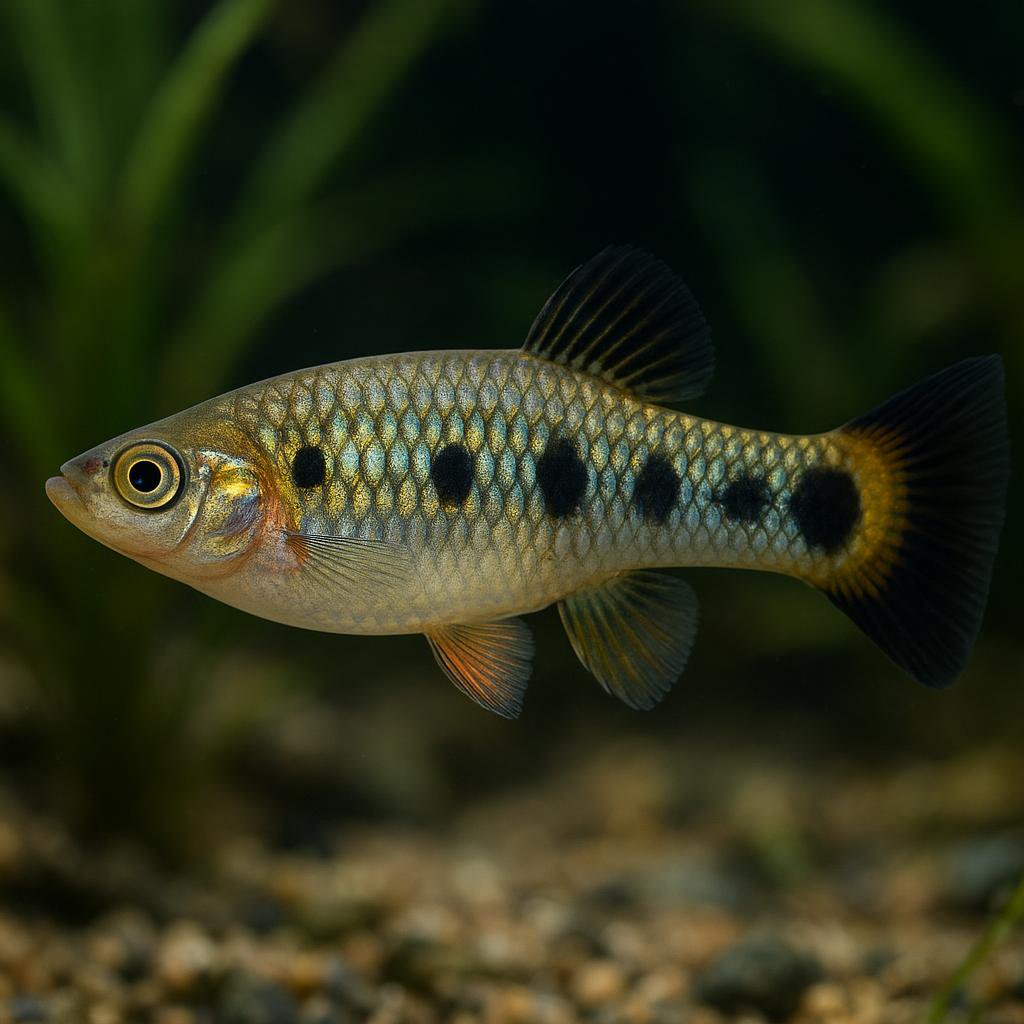
This is a tiny Panamanian livebearer that does best when you treat it more like a shy wild fish than a fancy guppy-lots of cover, calm vibes, and really clean water. The fun part is watching the males posture and spar while the females cruise around dropping fully-formed fry about once a month.
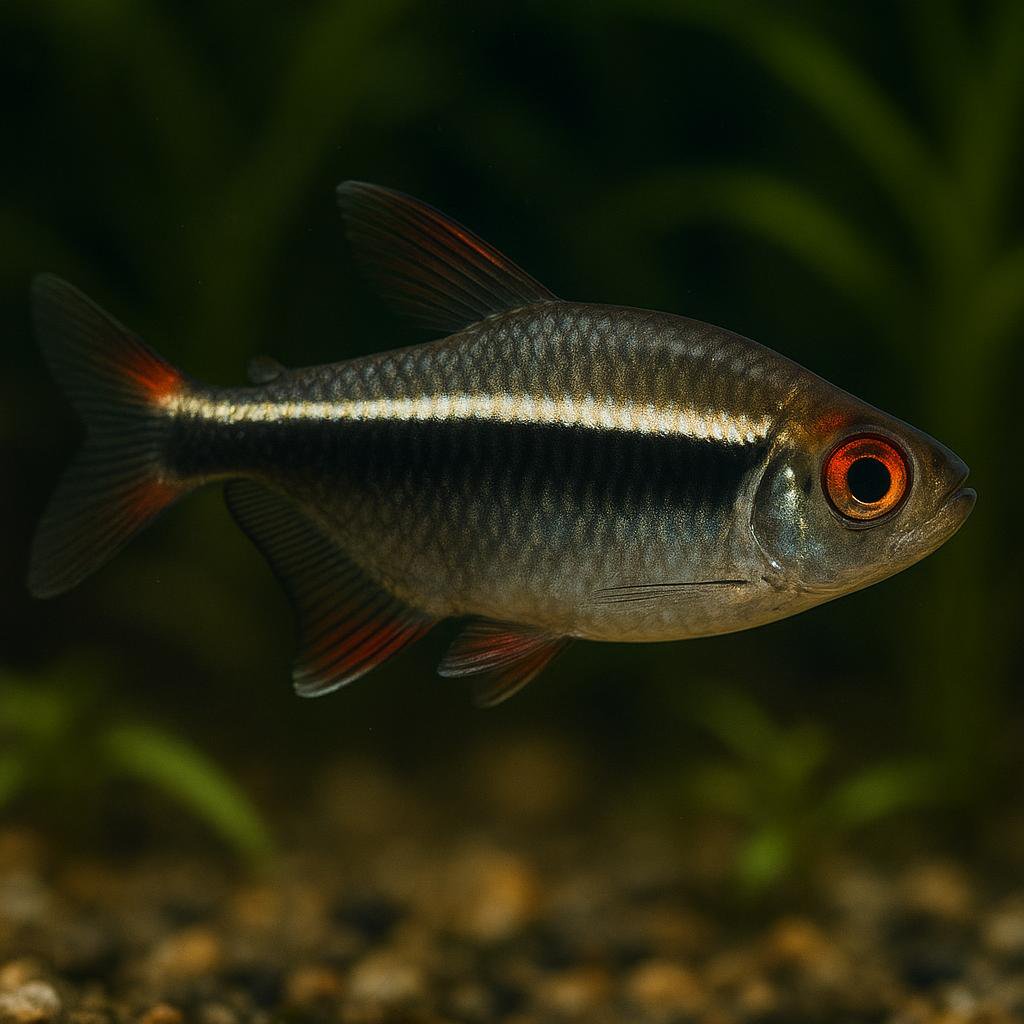
Black Neon Tetra
Hyphessobrycon herbertaxelrodi
Black neons are one of those little tetras that look kinda understated until the light hits them-then that bright stripe pops and they shimmer when the school turns together. They're super chill, always cruising mid-water, and they make a tank feel "alive" without being hectic. If you keep a nice group, they get bolder and you'll see way more of their personality.
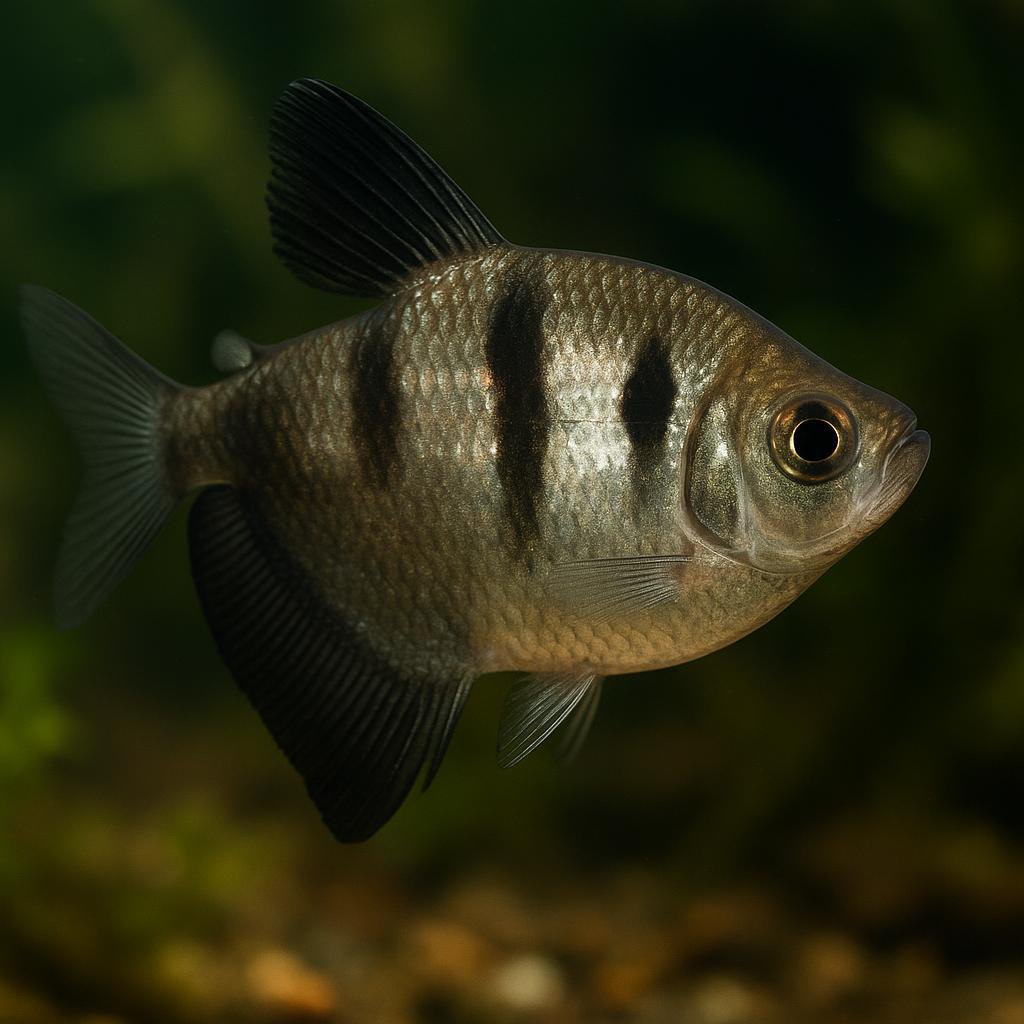
Black Skirt Tetra (Black Widow Tetra)
Gymnocorymbus ternetzi
Black skirts are those little "suit-and-tie" tetras with the dark bands and flowing fins that look way fancier than they should for how tough they are. They're super active midwater fish, and when you keep a proper group they do that tight, zippy schooling thing that makes the whole tank feel alive. Just give them enough buddies and finny tankmates they won't be tempted to nip.
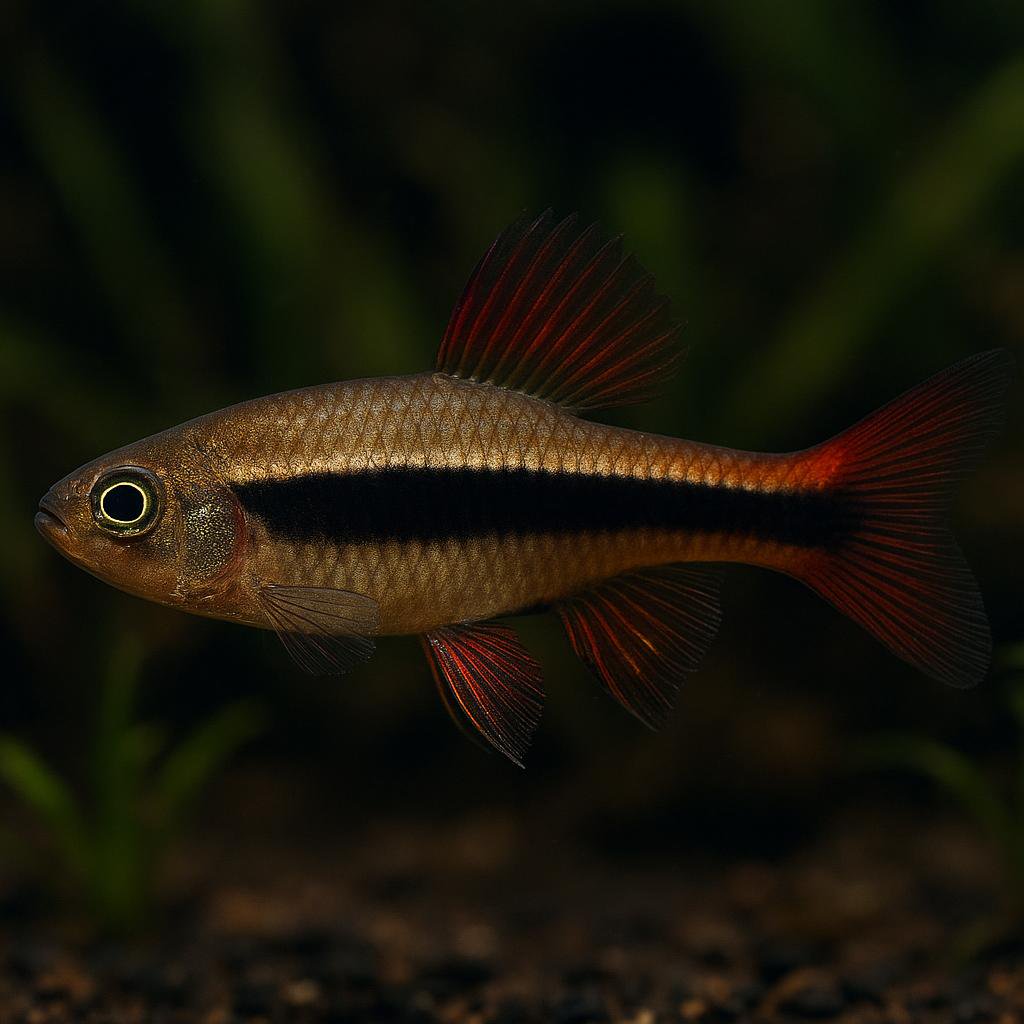
Black morpho tetra
Poecilocharax weitzmani
Poecilocharax weitzmani is one of those tiny blackwater oddballs that acts more like a little darter than a typical tetra - it hangs low, darts between cover, and the males can get pretty showy with fin-flares. The really cool part is they are cave breeders with male brood care, which is not what most people expect from a small characin. Give them very soft, acidic, super-clean water and lots of leaf litter and hidey holes, and they settle in and start showing their best colors.
More to Explore
Discover more freshwater species.
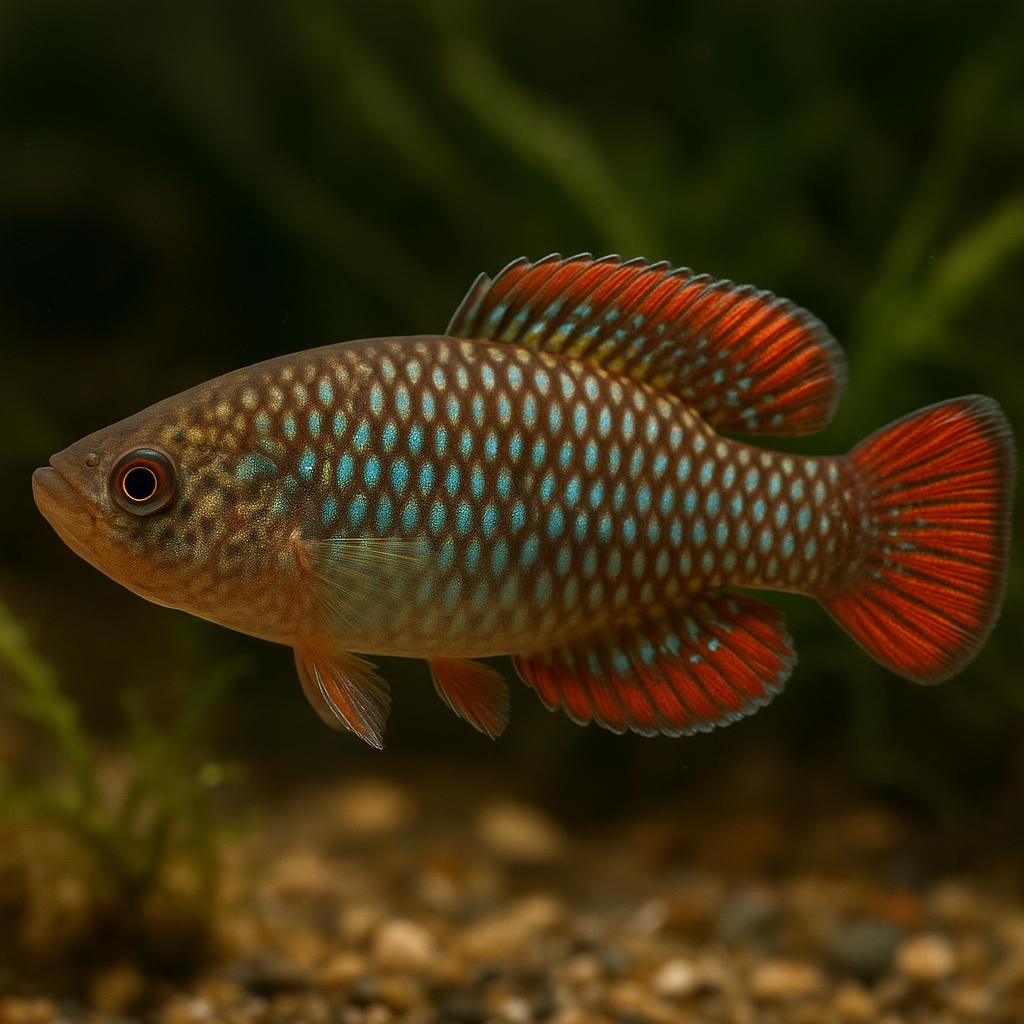
American flagfish
Jordanella floridae
Jordanella floridae is that little Florida native with the red-and-cream striping that really does look like a tiny flag once a male colors up. They graze algae like champs (especially stringy/hair algae), but they have a bit of attitude - give them plants and space so the bossy behavior stays manageable. Bonus: the male guards the eggs and will actively fan them, which is pretty fun to watch.
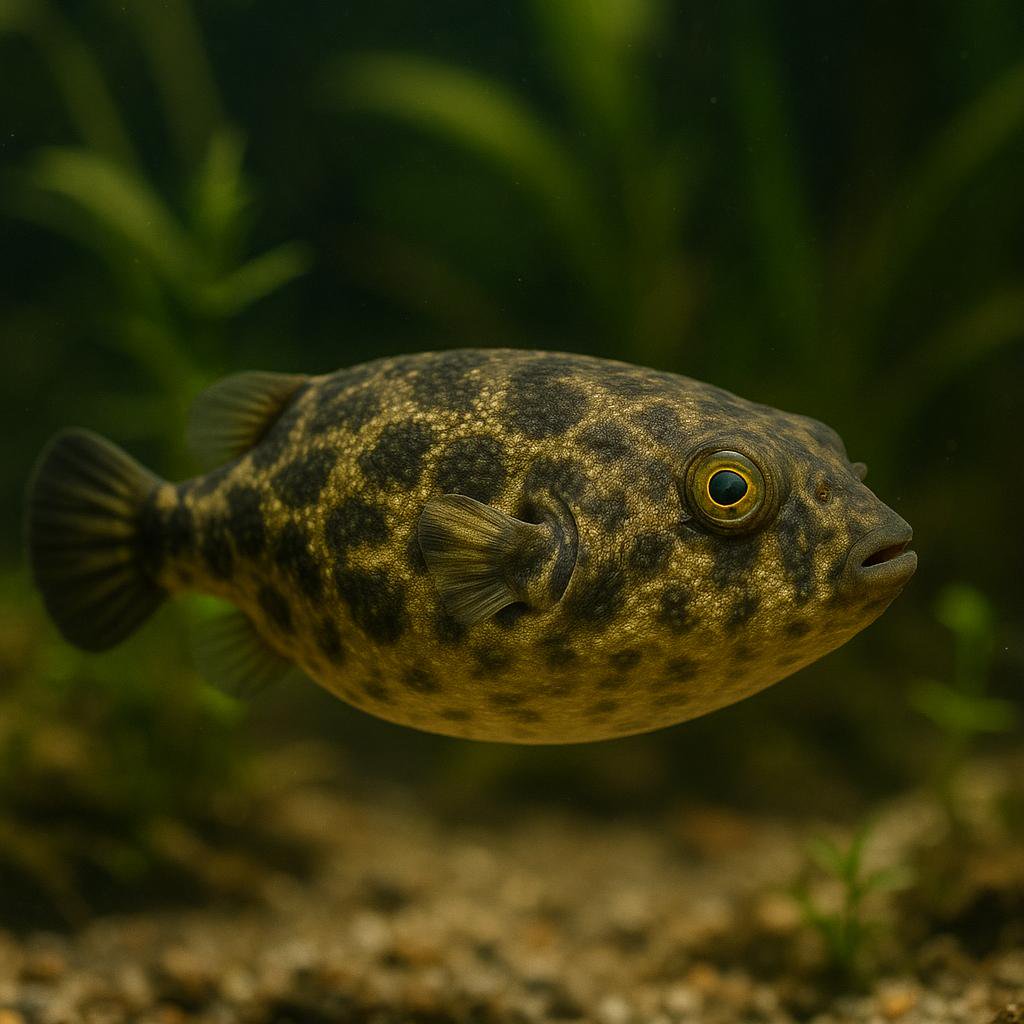
Arrowhead puffer
Pao suvattii
Pao suvattii is that sneaky Mekong puffer that likes to sit low and ambush food, and it has that super recognizable arrow/V pattern on its back. Gorgeous fish with tons of personality, but it is absolutely not a community guy - plan on a solo, species-only setup if you want everybody to stay in one piece.
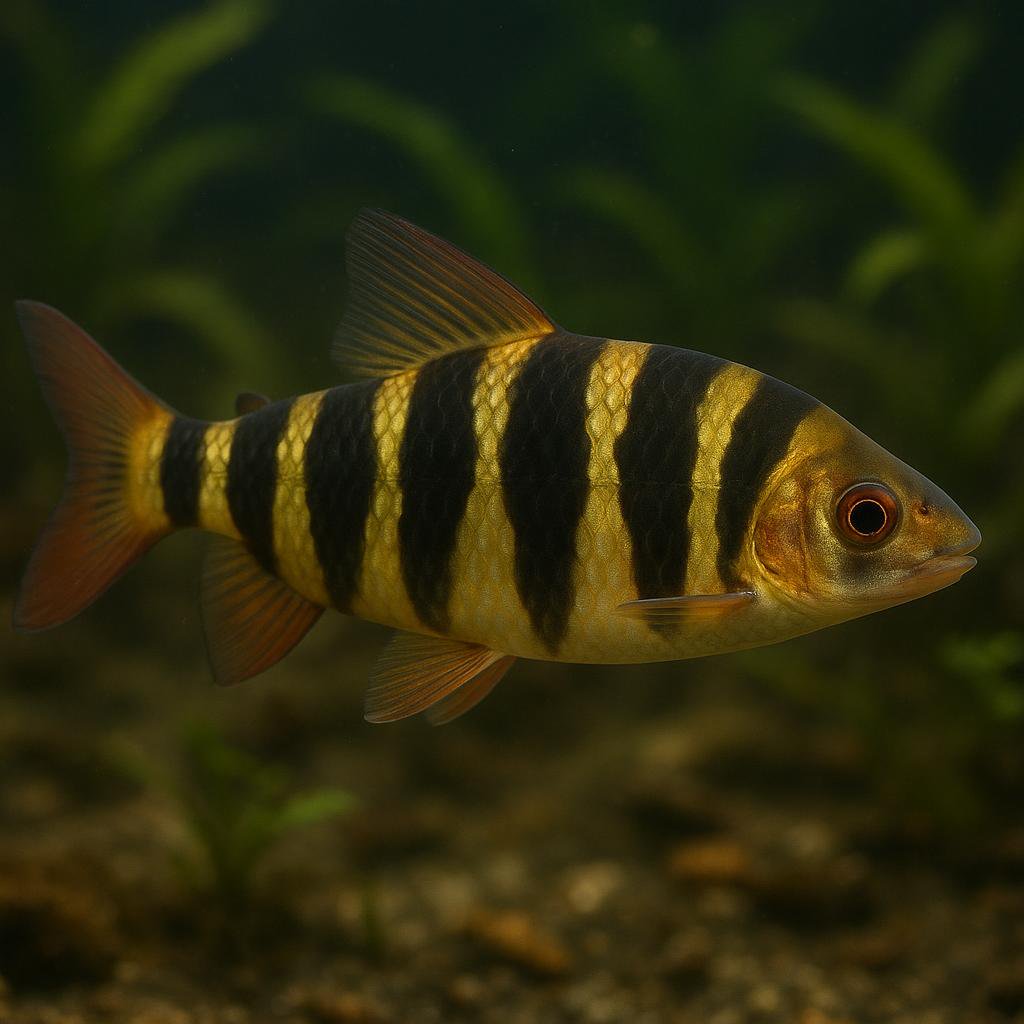
Banded Leporinus
Leporinus fasciatus
Banded Leporinus are those torpedo-shaped, black-and-yellow striped fish that look like they're wearing a little prison outfit-and they stay on the move. They've got a ton of personality and they're awesome to watch cruising and picking at stuff, but they're also the kind of fish that will redecorate your tank and "taste test" anything soft-looking.
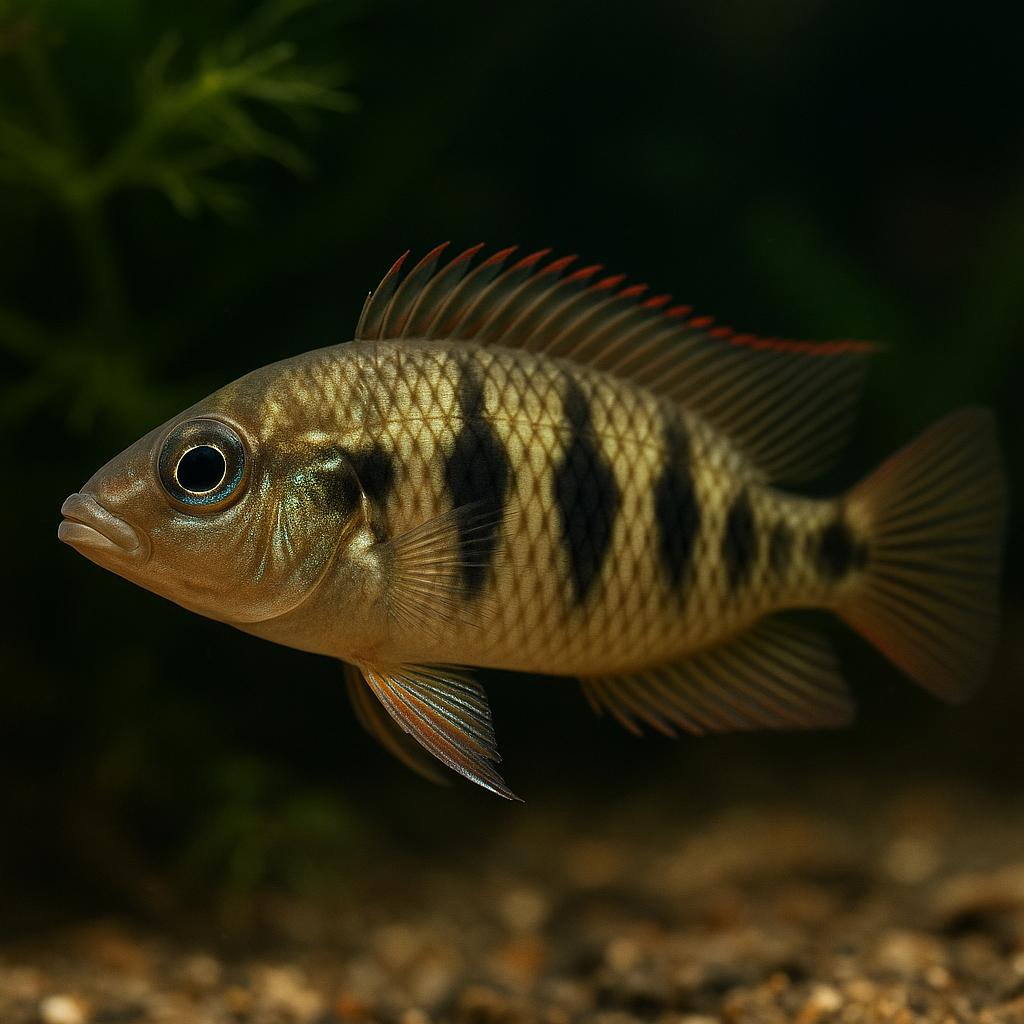
Bandi cichlid
Wallaceochromis signatus
A West African dwarf cichlid from Guinea's Bandi River, this fish shows crisp vertical bars and spotted fins with red highlights. Females have a bold black spot at the base of the tail, and pairs guard eggs and fry in caves, which makes their parental behavior fun to watch.
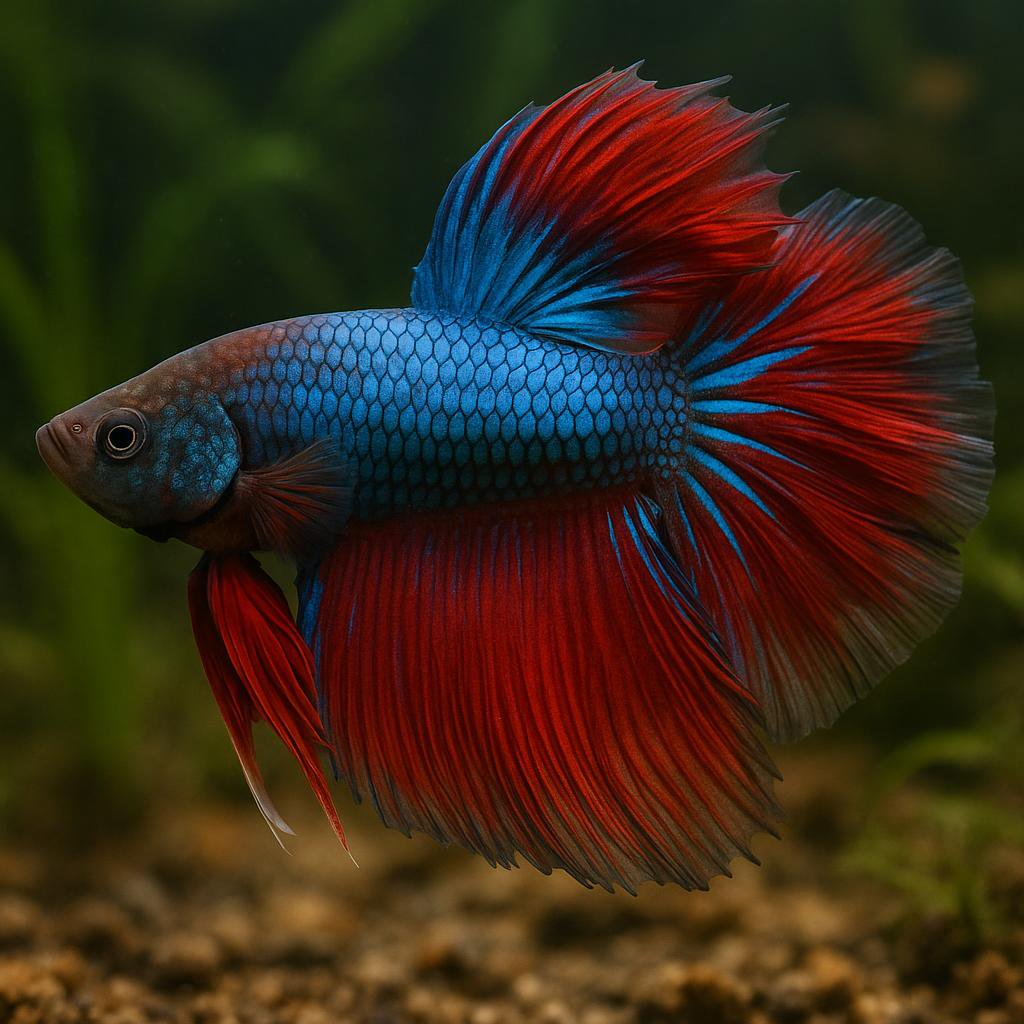
Betta
Betta splendens
Betta fish, also known as Siamese fighting fish, are popular for their striking colors and flowing fins. They are known for their territorial nature, especially males, which can display aggressive behavior towards each other.
Blackhawk catfish
Wallagonia micropogon
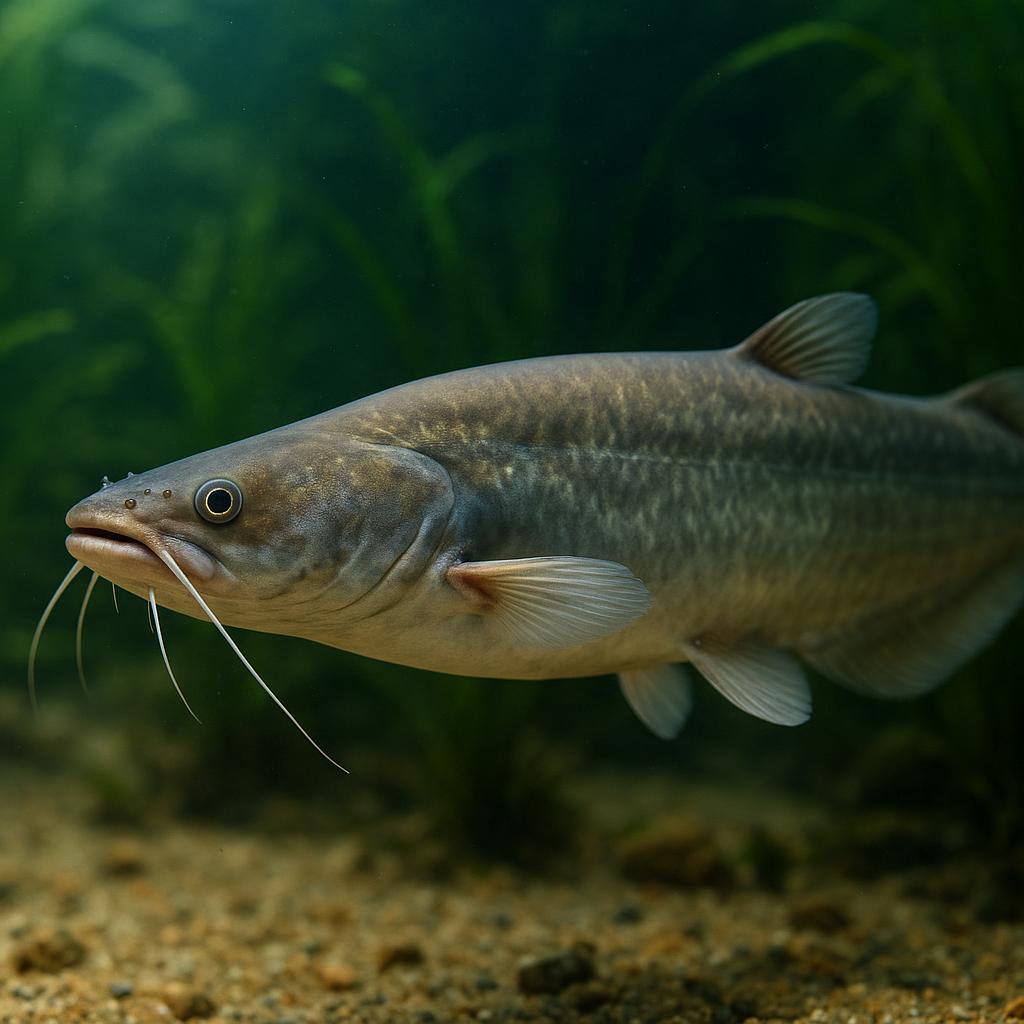
Wallagonia micropogon is a giant Southeast Asian sheatfish with an eel-like body and a huge, scoop-like mouth for hunting other fish. It is native to the Mekong and middle Chao Phraya basins and was long confused with Wallagonia leerii, which makes IDs and care notes tricky. Stunning as a juvenile but it grows to true megafish size, so it is only realistic for expert keepers or public aquariums.
Looking for other species?