

Figure 8 Puffer (Eyespot puffer)
Dichotomyctere ocellatus (syn. Tetraodon biocellatus)
-1771033122.jpg)
The Figure 8 Puffer is distinguished by its unique pattern of dark brown spots on a pale yellow background and a rounded, bulbous body.
This page includes AI-generated images. Why am I seeing AI images?
About the Figure 8 Puffer (Eyespot puffer)
This is the small "Figure 8"/eyespot puffer with two bold eyespots and a yellow-green maze-like pattern. They're interactive and can be fin-nippy and territorial, especially toward other puffers. Husbandry advice on salinity varies by source: FishBase lists it as a freshwater species, while many aquarium references recommend low-end brackish (often around SG ~1.005-1.008) for long-term keeping, with very clean, stable water.
Also known as
Quick Facts
Size
8 cm (about 3 inches)
Temperament
Semi-aggressive
Difficulty
Intermediate
Min Tank Size
20 gallons
Lifespan
5-15 years
Origin
Southeast Asia
Diet
Carnivore/molluscivore – snails and other shelled foods, crustaceans, worms; use crunchy foods to prevent beak overgrowth
Water Parameters
22-26°C
6.5-7.5
5-12 dGH
Need a heater for this species?
This species needs 22-26°C in a 20 gallon tank. Use our heater calculator to find the right wattage.
Calculate heater sizeCare Notes
- Keep a single Figure 8 in at least a 20g long; they're curious and need floor space, plants, and caves, not a tall column of water.
- Salinity advice varies by source: many keepers run low-end brackish around SG 1.005-1.008 and measure it with a hydrometer/refractometer using marine salt mix (not "aquarium salt"). FishBase, however, lists the species as freshwater (and not a brackish water species), so treat brackish as a husbandry approach rather than an absolute requirement and adjust based on your fish's history and long-term response.
- They're messy predators-big filter, steady flow, and frequent water changes keep nitrates from creeping up; ammonia/nitrite should stay at zero or they sulk fast.
- Feed crunchy stuff to wear the beak down: snails (ramshorns/bladders), small crab/shrimp pieces, mussel, clams, and the occasional earthworm; skip feeder fish and don't live on bloodworms.
- If it stops eating, check the teeth-overgrown beaks are super common when they don't get hard foods, and you'll notice "pecking" then spitting food out.
- Tankmates are a gamble: they're fin-nippy and snacky, so avoid slow long-finned fish and most shrimp/snails; if you must try companions, go with fast, tough brackish fish and have a backup plan.
- Breeding is rare in the average home tank-needs a bonded pair, plenty of cover, and usually higher salinity/space; most "pairs" just turn into one bullied puffer.
Compatibility
Good Tankmates
- Bumblebee gobies (Brachygobius spp.) - they like the same low-end brackish setup and mostly mind their own business on the bottom. Give lots of rocks/caves so the puffers don't "inspect" them too much.
- Knight gobies / tank-goby types (Stigmatogobius spp.) - tough little brackish gobies that can handle themselves. Still, add territories and keep them well-fed so the puffer isn't constantly testing them.
- Mollies (Poecilia sphenops/velifera) - classic brackish dither fish. Fast, hardy, and they don't usually freak out the puffer. Expect the occasional fin-nip if the molly is slow or has long fins.
- Bigger, tougher brackish livebearers like some platies/variatus types (only if they're doing well in your salinity) - basically anything quick and not delicate. Keep numbers up so one fish doesn't get singled out.
- Mono juveniles (Monodactylus spp.) - can work short-term in bigger tanks since they're speedy schooling fish and don't have dangly fins. Just know most monos outgrow a typical F8 setup and want more salt as they mature.
- Small scats (Scatophagus argus) - same story as monos: they can be okay as tankmates if the tank is large and you're matching salinity, but they get big and turn into 'upgrade-required' fish fast.
Avoid
- Slow fish with fancy fins (bettas, guppies, fancy mollies, long-fin anything) - the Figure 8 will 100% get curious and start sampling fins. It's not 'if,' it's 'when.'
- Other puffers (especially other Figure 8s in small tanks) - they can be little missiles with teeth. Unless you've got a roomy tank, heavy planting/rockwork, and a backup plan, it usually turns into fin damage and stress.
- Tiny peaceful community fish (neons, rasboras, little danios, etc.) - most don't belong in brackish long-term, and even if they survive, they look like snacks and get harassed.
- Bottom dwellers that can't handle brackish (cory cats, most otos/plecos) - wrong water and they're too chill to deal with puffer 'attention.' Even if they live, they usually get bullied.
1) Where they come from (the quick backstory)
Figure 8 puffers come from slow rivers, estuaries, and mangrove-y areas in Southeast Asia (Thailand/Malaysia/Indonesia region). Think "freshwater mixing with seawater," lots of roots, leaf litter, and little critters to hunt. That’s why they’re brackish fish in the hobby, even if the store tank looks like plain freshwater.
Most Figure 8s you see are wild-caught. They usually arrive skinny or with parasites, so plan on a little TLC at the start.
2) Setting up their tank
Give them space and stuff to explore. A single Figure 8 can live in a 15–20 gallon, but 20 long is way nicer because they cruise and investigate everything. If you’re thinking about multiple puffers, go bigger and expect some drama anyway.
Brackish doesn’t mean "a pinch of salt." Use marine salt mix (not aquarium/tonic salt) and actually measure it with a refractometer or hydrometer. I’ve had the best long-term results keeping them at a steady low brackish level rather than bouncing around with random salt doses.
- Tank size: 20 gal for one (recommended); 15 gal minimum if you’re disciplined with maintenance
- Salinity: aim around SG 1.005–1.010 (stable matters more than chasing a magic number)
- Temp: mid-to-high 70s °F (24–27°C)
- Filtration: they’re messy eaters—oversize your filter and plan on regular water changes
- Substrate/decor: sand or fine gravel, driftwood/roots, rock piles, caves, lots of line-of-sight breaks
- Plants: tough options like Java fern/Anubias can work at low brackish; many plants melt as salinity rises
Set the tank up like a little maze. If the puffer can’t see the whole tank at once, you’ll get less pacing and fewer "drive-by" bites if you try tankmates.
No sharp decor. Puffers wedge themselves into places and can scrape up their belly and fins, which turns into infections fast in dirty water.
3) What to feed them
They’re hunters, not pellet grazers. Some will learn to take frozen, but many Figure 8s stay picky. Variety is the trick—if you feed one thing over and over, they’ll either refuse later or start looking rough.
The big puffer-specific thing: teeth. If you don’t offer crunchy foods, their beak keeps growing and eventually they can’t eat. I try to work in snails or shelled foods regularly.
- Staples: live/frozen snails (pond/bladder/ramshorn), frozen bloodworms, brine shrimp, mysis
- Great "crunch": small ramshorns, Malaysian trumpet snails, chopped clam/mussel in shell, cockle
- Occasional: earthworms (rinsed well), blackworms, small pieces of shrimp or fish (not all the time)
- Usually a miss: flakes (they spit it out) and random "puffer pellets" (some take them, many don’t)
Start a snail tub. Seriously. A plastic bin + sponge filter + a bit of fish food and you’ll have endless puffer dental care on hand.
Don’t use feeder fish. You’ll import parasites, and the nutrition is all over the place. Figure 8s do way better on inverts and quality frozen.
4) Behavior + tankmates (the honest version)
Figure 8s have huge personality. They watch you, beg, and act like tiny wet dogs. They’re also nippy and get bored easily. A bored puffer will redecorate the tank and test-bite anything that moves.
Tankmates are a gamble. Some individuals are surprisingly chill, and some are little torpedoes with teeth. If you want the least stress, keep one puffer as the centerpiece and call it a day.
- Best tankmate: another setup (a species tank is easiest)
- Risky but sometimes works: fast, sturdy brackish fish with short fins (some monos/scats are too big and need higher salinity later)
- Usually ends badly: slow fish, long fins, bottom sitters, anything that can’t get away
- Guaranteed snacks: shrimp, snails you want to keep, most small crabs
Do not mix Figure 8 puffers with community freshwater fish and assume it’ll be fine. Even if the puffer behaves for months, it can flip the switch overnight.
Give them something to do: rearrange a rock now and then, add new shells, rotate foods, and use a feeding stick so they "hunt". It cuts down on random aggression in my experience.
5) Breeding tips (realistic expectations)
Breeding Figure 8 puffers in home tanks isn’t common. Sexing them is tricky, and getting a compatible pair is the hard part. Most hobbyists keep singletons, so breeding talk is mostly "cool trivia" rather than something you’ll accidentally stumble into.
If you do want to try: you’ll need a well-fed group to let pairs form, lots of cover, and top-notch water. They’re egg scatterers, and adults may snack on eggs/fry, so you’ll want a plan to separate or collect eggs.
If your goal is raising fry, you’re signing up for tiny live foods (infusoria/microworms/baby brine) and a bunch of small water changes. It’s doable, just not a casual weekend project.
6) Common problems to watch for
Most Figure 8 issues come from three things: wrong/unstable salinity, dirty water (they’re messy), and diet problems. Catch stuff early and they’re surprisingly hardy.
- Overgrown teeth: refusing food, picking and spitting, weight loss (fix with more crunchy foods; severe cases need trimming by an experienced keeper/vet)
- Skinny new fish: often parasites or just not eating in a new tank (offer live foods like snails/blackworms and keep stress low)
- Ich/white spot: can happen, especially on new arrivals—treat carefully and research meds (puffers can be sensitive; avoid copper unless you truly know what you’re doing)
- Fin/nose scrapes turning into infections: usually from sharp decor or ammonia/nitrite problems
- Bloating: sometimes constipation from a poor diet; sometimes something more serious—try fasting a day and offering shelled foods, and check water quality
Never try to "make them puff up" for fun. It stresses them and can injure them internally. If your puffer is puffing, something is freaking it out—fix the cause.
Keep a test kit handy and don’t get lazy with water changes. Figure 8s can look fine right up until they don’t—clean, stable water keeps their appetite and personality where you want it.
Similar Species
Other brackish semi-aggressive species you might be interested in.
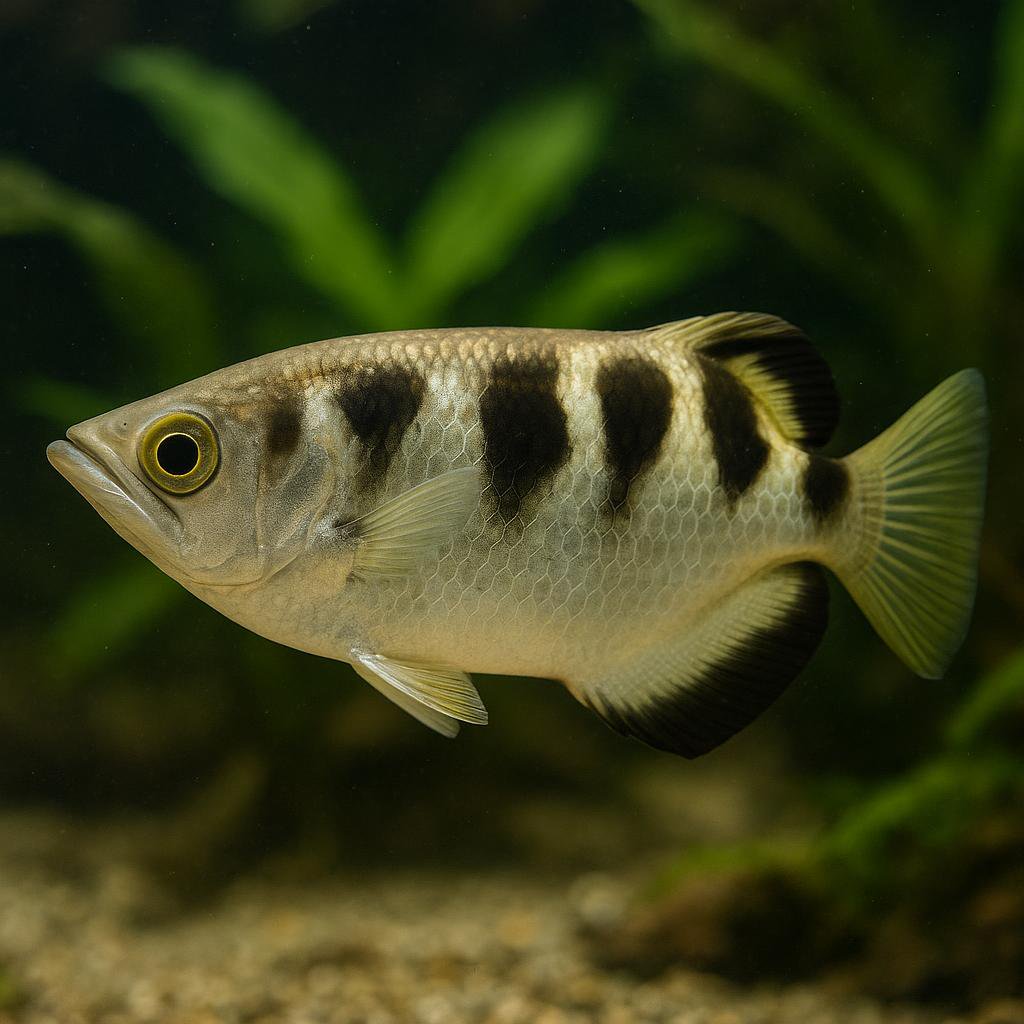
Banded Archerfish
Toxotes jaculatrix
This is the fish that literally spits jets of water to knock insects off branches-watching one "take aim" is unreal. They're super aware of what's going on outside the tank and will even learn to beg and snipe food from the surface once they settle in. Give them height and some open swimming room and they act like little aquatic sharpshooters.
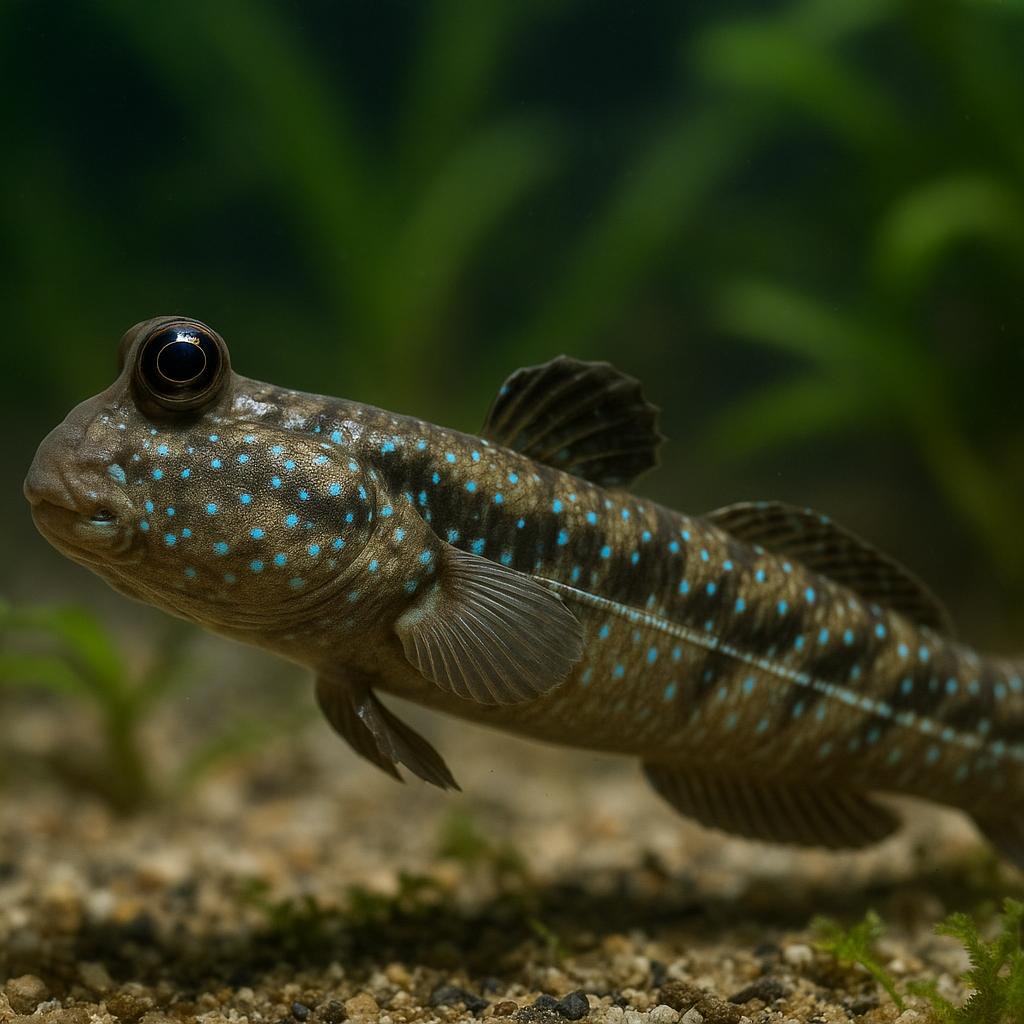
Barred mudskipper
Periophthalmus argentilineatus
This is one of those classic "walks around like it owns the place" mudskippers-big goofy eyes, climbs, hops, and spends a ton of time out on the mud when it's humid. In the wild it lives on intertidal mangrove/nipa mudflats and even shuttles between little pools and open air, hunting worms, insects, and small crustaceans. It's super fun to watch, but it really wants a brackish paludarium setup (not a normal aquarium).
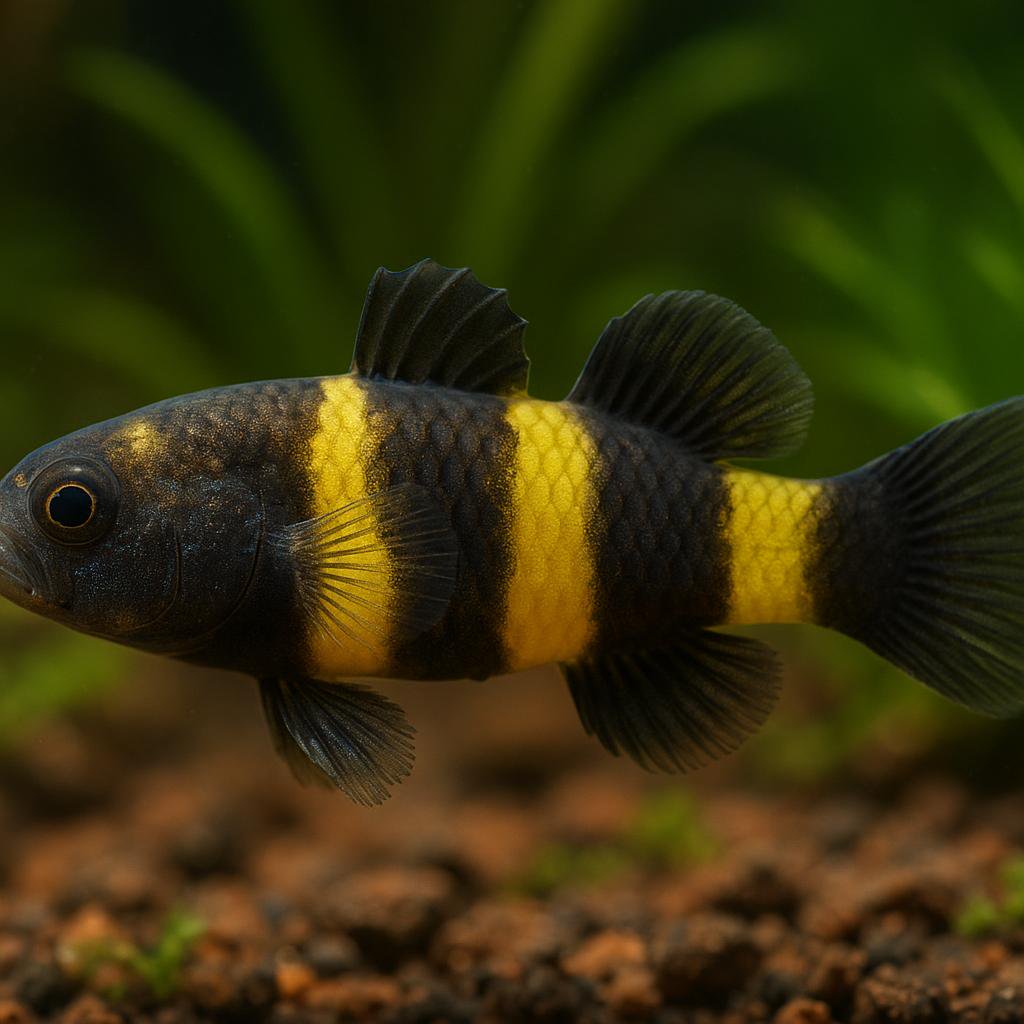
Bumblebee goby
Brachygobius doriae
Brachygobius doriae is one of the classic "bumblebee gobies" - tiny, bottom-hugging little characters that perch on rocks and sand and stare at you like they own the place. They're at their best in a calm setup with lots of caves and leaf litter, and they really shine once you get them eating frozen/live foods reliably (they're slow, picky eaters). Also: they're one of the species that gets mislabeled a lot in shops, so it's super common to see them sold under the wrong bumblebee-goby name.
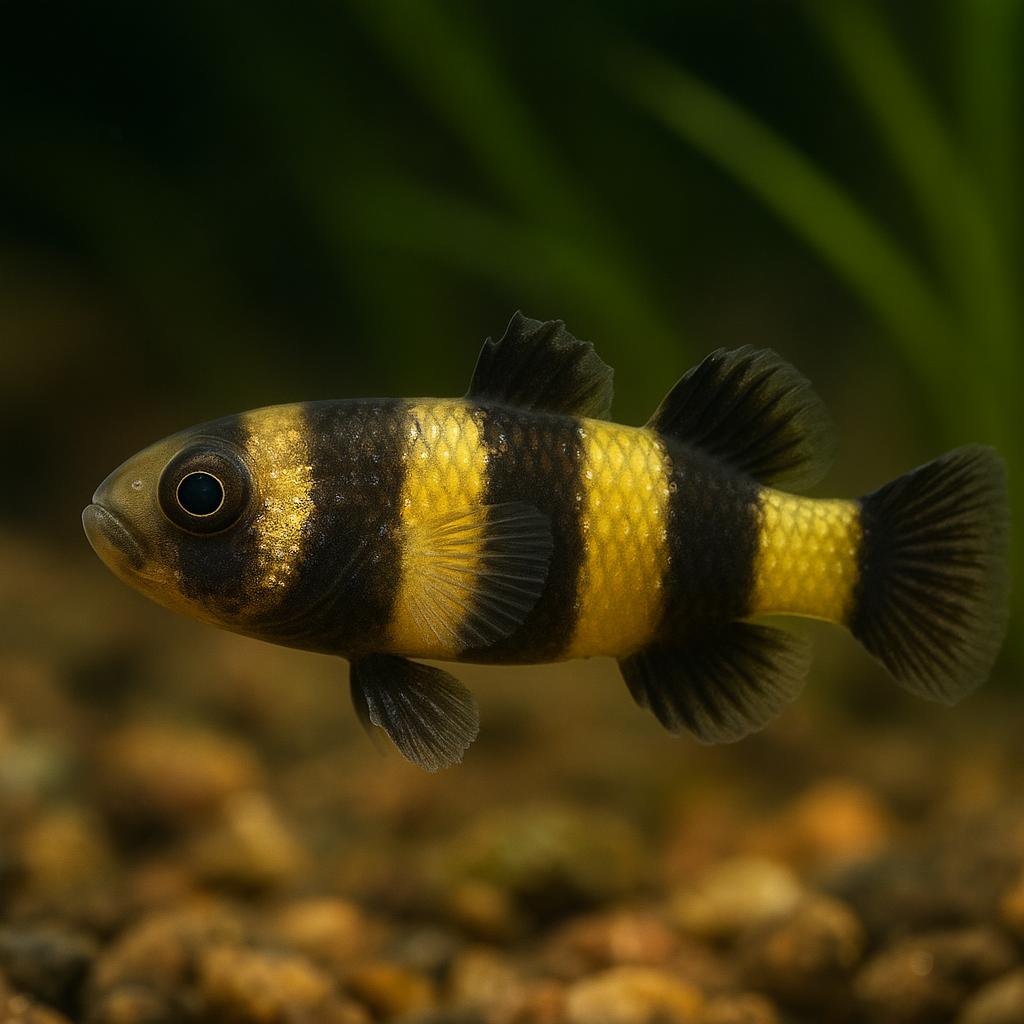
Bumblebee goby (Bumblebee fish)
Brachygobius xanthozonus
This is that tiny little goby with the bold black-and-yellow bands that likes to perch on the bottom and stare back at you like it owns the place. It's happiest in lightly brackish water with lots of little caves and sight-breaks, and it's one of those fish that often refuses flakes-frozen/live meaty foods usually flip the "yes, I will eat" switch.
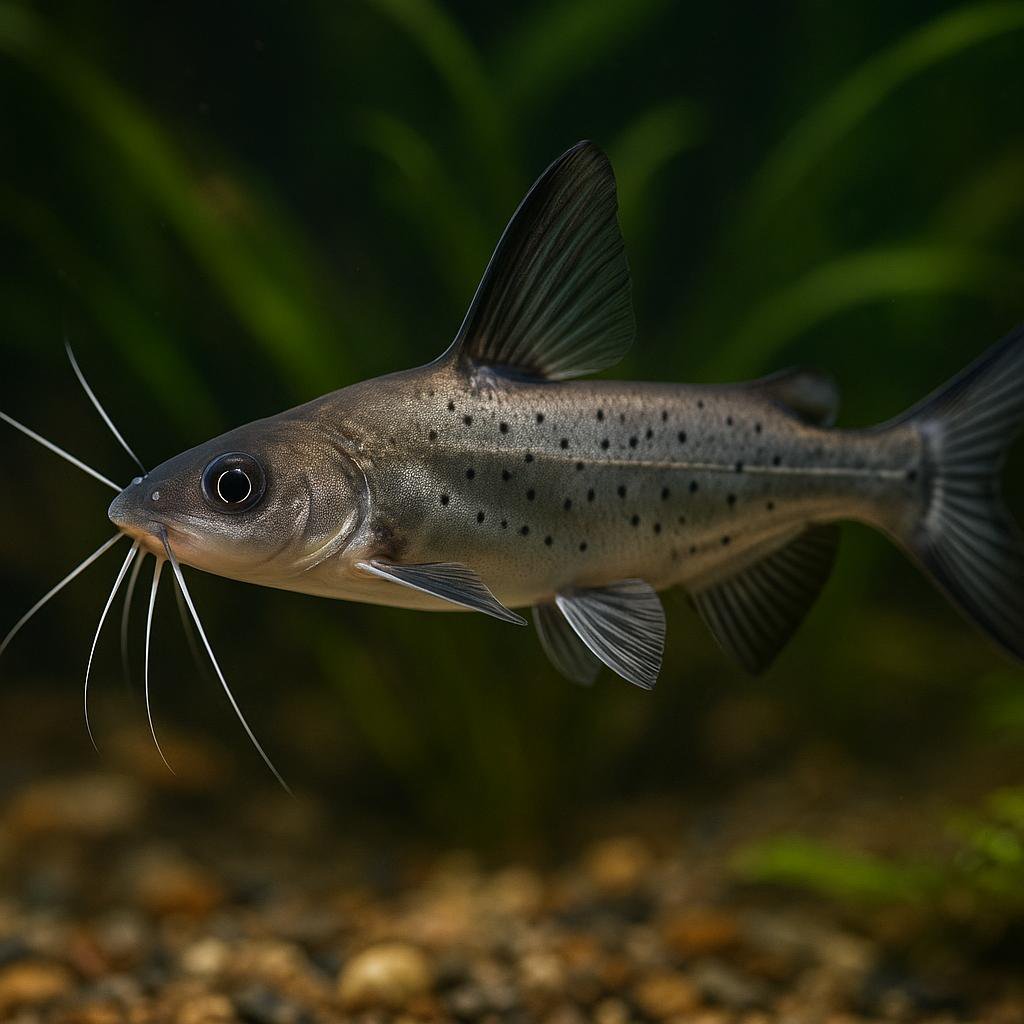
Colombian shark catfish
Ariopsis seemanni
This is that slick silver "shark-looking" catfish with the black fins and white tips that cruises around like it owns the place. The big gotcha is it's not a true freshwater community fish long-term-juveniles show up in shops as "freshwater," but as it grows it really wants brackish and eventually full marine conditions, plus a lot of swimming room.
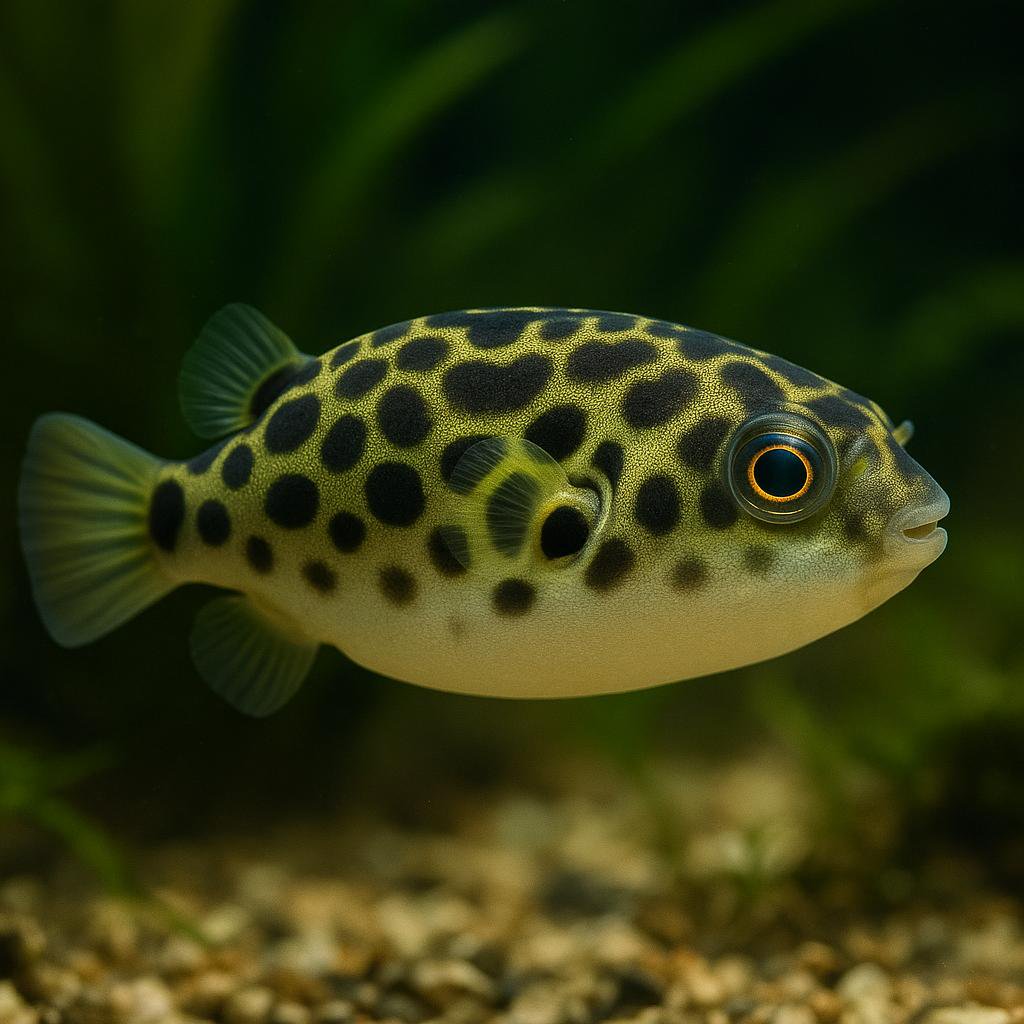
Eyespot pufferfish (Figure-8 puffer)
Dichotomyctere ocellatus
This is the little "figure-8" puffer with the yellow-green squiggles and the two bold eyespots near the tail-tons of personality in a small body. They're basically snail-hunting machines with a curious, interactive vibe, but they can be spicy with their own kind, so you plan the tank around that.
More to Explore
Discover more brackish species.
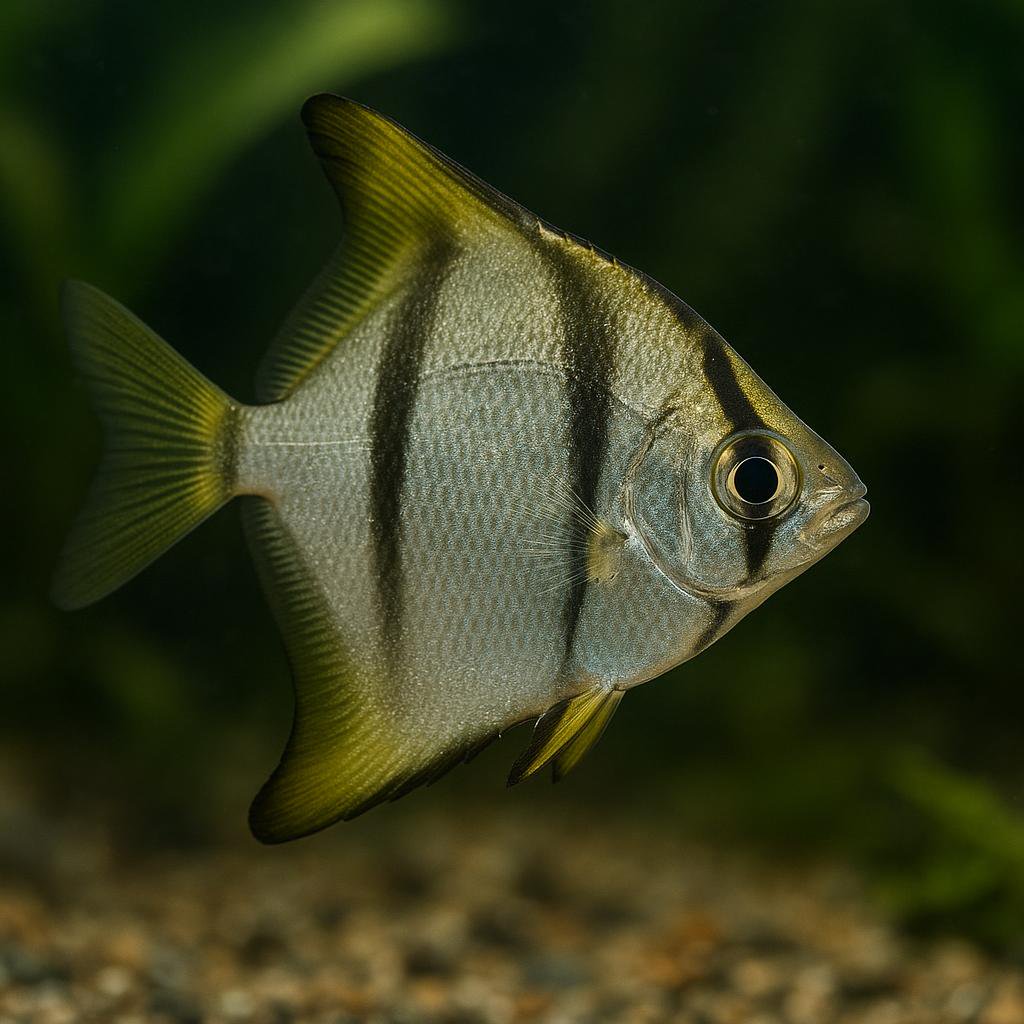
African moony
Monodactylus sebae
This is that shiny, diamond-shaped "mono" that cruises around in a tight pack and looks like a little silver dinner plate with black bars when it's young. The big thing with African moonies is they're euryhaline-so they'll tolerate freshwater as juveniles, but they really shine long-term in brackish (and can be transitioned toward marine as they mature). Give them a big, open tank and a group, and they turn into nonstop, super fun midwater swimmers.
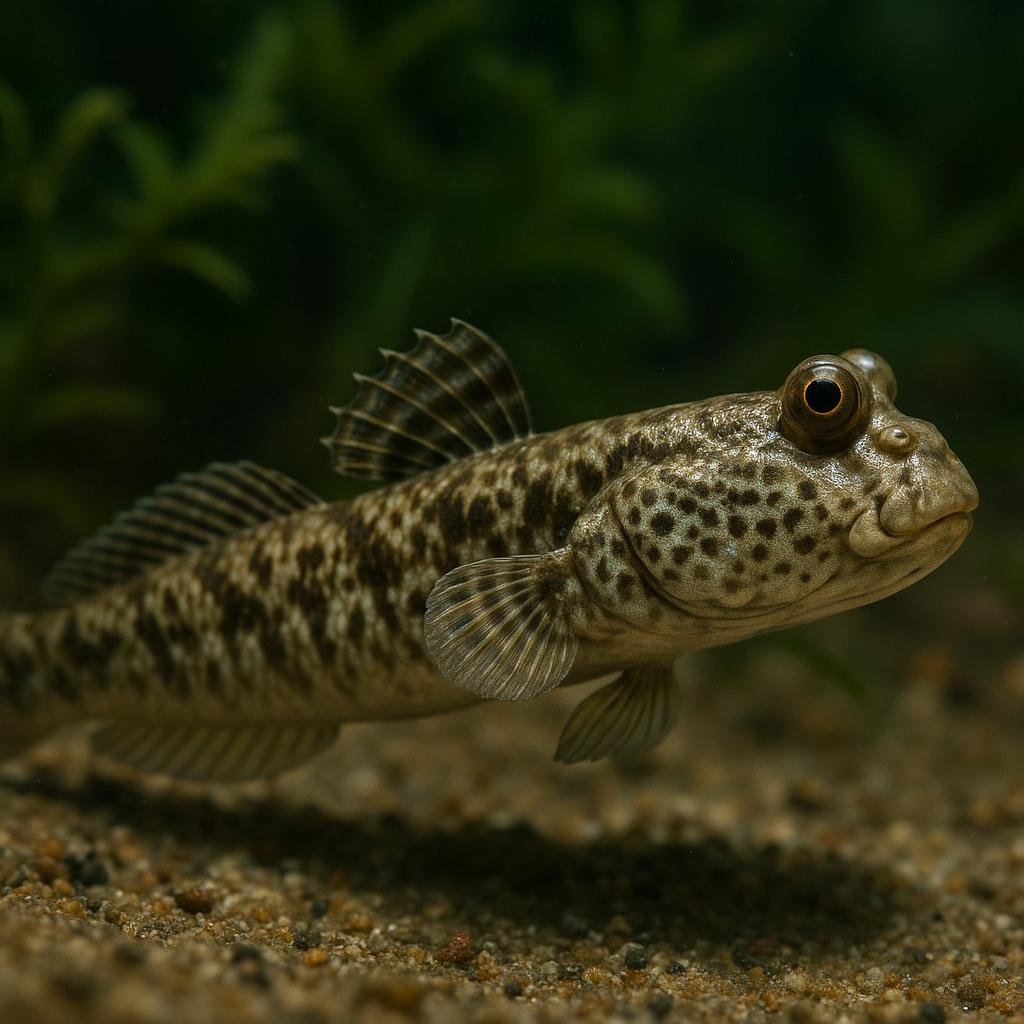
Atlantic Mudskipper
Periophthalmus barbarus
This is that wild little amphibious goby that straight-up climbs around on land like it forgot it was a fish. They've got big googly eyes, tons of personality, and they'll perch, hop, and patrol their territory-honestly more like a tiny crabby lizard than a "regular" aquarium fish.
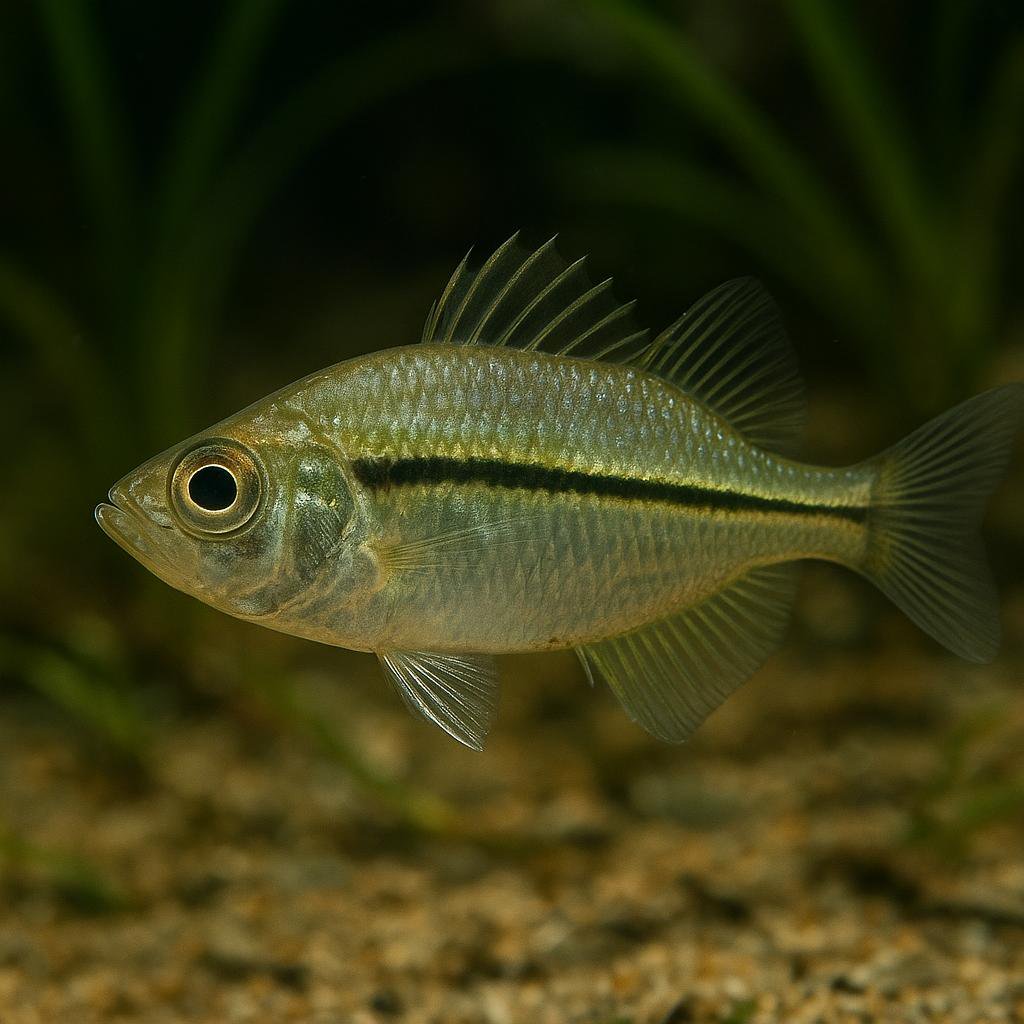
Banded-tail glassy perchlet
Ambassis urotaenia
This is one of those see-through glassy perchlets where you can literally watch the organs shimmer when it turns-super cool in the right lighting. In the wild it hangs around river mouths and mangroves and cruises in groups, so it does best when you keep a little gang of them and give them some open swimming room.
-1771643191.jpg)
Elongate mudskipper (pointed-tailed goby)
Pseudapocryptes elongatus (syn. Pseudapocryptes lanceolatus)
This is that super-cool "mudskipper-ish" goby that mostly stays in the water, but will park itself in the shallows and periscope its eyes above the surface like it's keeping watch. It's an obligate air-breather from tidal rivers/estuaries, so it really appreciates shallow, brackish setups with soft mud/sand and gentle flow-more of a mangrove vibe than a typical community tank.
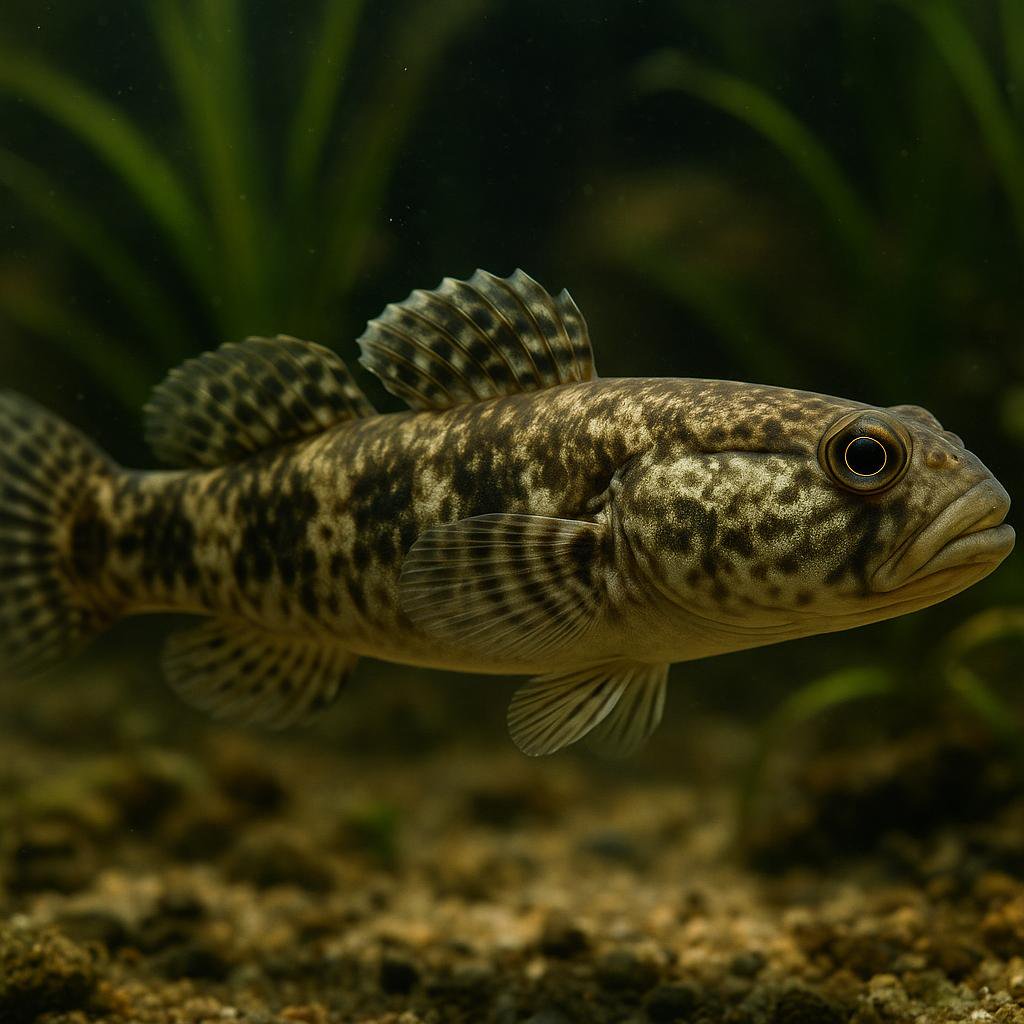
Fat sleeper
Dormitator maculatus
Dormitator maculatus is that chunky "sleeper goby" type fish with the bulldog head and the attitude of a little vacuum cleaner-always sifting and nosing around the bottom. It'll do freshwater or brackish and it can get way bigger than most people expect, so it's one of those fish that's awesome... as long as you plan the tank around the adult size, not the baby you bought.
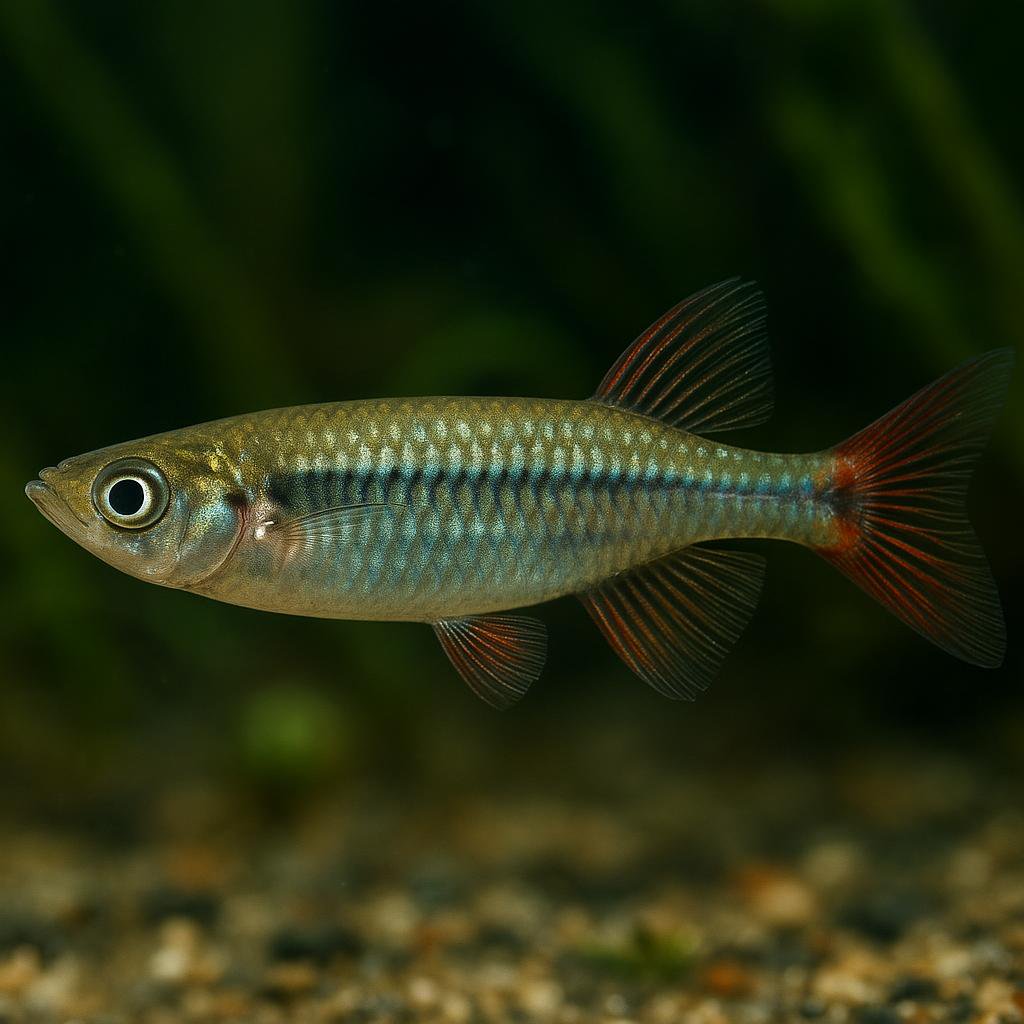
Feathered river-garfish
Zenarchopterus dispar
Zenarchopterus dispar is a surface-hanging halfbeak from mangroves and sheltered bays, with that classic long lower jaw for snapping up insects and other floaty foods. Males get those funky elongated fin rays (the "feathered" look), and they are livebearers, so once they settle in you can occasionally get surprise babies. Biggest thing with this fish is giving it calm water up top, room to cruise, and a tight lid because halfbeaks can rocket-jump.
Looking for other species?