

Spotted archerfish
Toxotes chatareus
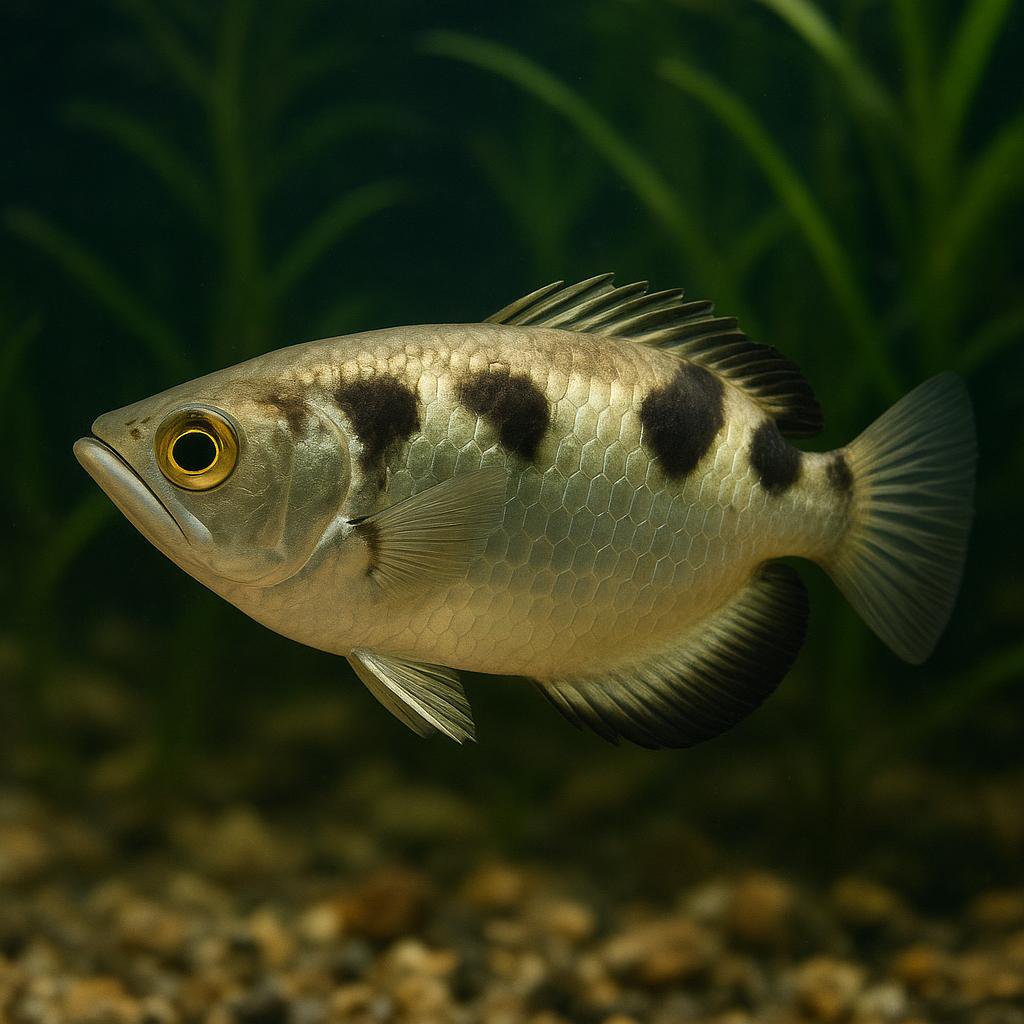
The Spotted archerfish features a slender body with a series of dark spots and a distinctively elongated dorsal fin.
This page includes AI-generated images. Why am I seeing AI images?
About the Spotted archerfish
This is the classic archerfish that'll actually "shoot" insects with a jet of water-ridiculously fun to watch once it settles in. It's a surface-hunter from mangroves and estuaries, so it likes harder, alkaline water and lots of open top-level swimming room (with a tight lid, because they jump). Give it a big, long tank and a group of similar-sized buddies, and it turns into a real centerpiece fish.
Also known as
Quick Facts
Size
40 cm (15.7 in)
Temperament
Semi-aggressive
Difficulty
Advanced
Min Tank Size
125 gallons
Lifespan
5-10 years
Origin
South & Southeast Asia to Oceania (New Guinea, northern Australia)
Diet
Omnivore leaning carnivore - insects (surface), crustaceans, small fish; will take floating pellets/frozen once trained
Water Parameters
25-30°C
7-8
8-12 dGH
Need a heater for this species?
This species needs 25-30°C in a 125 gallon tank. Use our heater calculator to find the right wattage.
Calculate heater sizeCare Notes
- Give them a long, open tank with a tight lid-archerfish are jumpy surface hunters; plan for a very large aquarium for a group, as adults can reach ~40 cm (many keepers use ~125g/130g+ as a practical minimum for a small group).
- Run brackish from the start and keep salinity stable; many references keep Toxotes chatareus at low-end brackish SG (e.g., ~1.002-1.007) and may increase brackishness with age depending on husbandry goals-avoid swings.
- They're messy predators, so overfilter like you mean it and do big water changes; high nitrates make them go off food and sulk at the top.
- Feed like a hunter: floating insects, shrimp, silversides, and quality floating pellets-use tongs or stick food above the water to trigger the spitting behavior, but don't let them live on feeder fish.
- Tankmates need to handle brackish and attitude-think monos, scats, larger mollies, some brackish gobies; skip slow finny fish and anything small enough to fit in their mouth.
- Keep décor to mangrove-style roots and tough plants (or fake plants) with lots of surface room; most freshwater plants melt once you're at real archer salinity.
- Watch for mouth damage and cloudy eyes if they smash into glass during feeding or spook; dimmer lighting, a background, and not tapping the tank helps a lot.
- Breeding is basically a project: they're seasonal spawners and usually need big setups and higher salinity shifts to trigger it; most 'baby archers' you see are wild-caught, not home-bred.
Compatibility
Good Tankmates
- Monos (Mono argentus / Mono sebae) - they like the same brackish setup, school nicely, and they're quick enough to not get bullied when the archers get food-hyped.
- Scats (Scatophagus argus) - tough, fast, and not easily intimidated. Great 'busy' midwater fish that don't mind the archerfish vibe (just keep everyone well-fed).
- Figure-8 puffer (Dichotomyctere ocellatus) - can work in bigger tanks with lots of line-of-sight breaks. They're curious but not usually pushovers, and both do well brackish (watch for any fin-nipping though).
- Knight goby (Stigmatogobius sadanundio) - solid bottom buddy for brackish. They keep to themselves, have some attitude if bothered, and the archers mostly stay top/mid.
- Columbian shark catfish (Ariopsis seemanni) - best in a roomy brackish tank. They cruise the lower levels, handle the salinity, and don't take the archerfish's 'food first' attitude personally.
Avoid
- Brackish bumblebee gobies (Brachygobius spp.) - generally risky because they are small and may be eaten as archers grow; only attempt with very large adult archers if gobies are well-established, have heavy cover, and size difference is safe.
- Tiny fish that fit in an archer's mouth (guppies, small mollies, little glass fish, baby anything) - if it looks like a snack, it becomes a snack. Archers are basically polite predators until feeding time.
- Slow, fancy-finned fish (bettas, fancy guppies, angels in low-salt setups) - archers are quick, competitive feeders and will outcompete and stress them, plus brackish isn't ideal for most of these long-term.
- Fin-nippers and hard bullies (tiger barbs, some cichlids, super-territorial stuff) - archers don't need extra drama, and constant chasing turns them skittish and mean.
1) Where they come from
Spotted archerfish (Toxotes chatareus) are mangrove and estuary fish from Southeast Asia and northern Australia—places where rivers meet the sea. That’s why they’re so comfortable in brackish water and why they act like little predators hanging under overhanging roots and branches.
And yes, the spitting thing is real. The first time you watch one nail a bug, you’ll forget you planned to leave the room.
2) Setting up their tank
These aren’t “cute medium fish for a community brackish tank.” They get big, they’re active, and they appreciate space more than fancy décor. Think long tank, open swimming room, and a secure lid.
- Tank size: I’d start at 75–90 gallons for a small group, bigger if you can. A single adult still likes room.
- Footprint matters: longer is better than taller, but they do use the surface a lot.
- Lid: tight-fitting, no gaps. They jump, and they shoot water—your lights and rim will get splashed.
- Filtration: strong and steady. They’re messy eaters and they like clean water, but don’t blast them with a firehose current.
For brackish, I mix marine salt (not freshwater “aquarium salt”) and aim for a stable specific gravity rather than chasing numbers daily. Most shop juveniles are kept too fresh; as they grow, they generally do better with more salt in the mix.
Use a refractometer if you can. Hydrometers work, but they’re often off just enough to make you doubt yourself. Stability beats perfection.
Décor-wise, give them line-of-sight breaks without turning the tank into a rock pile. Driftwood roots, mangrove-style branches, and tough brackish-tolerant plants (or plastic/silk) do the job. Leave clear surface lanes—they hunt up there.
Keep the waterline a bit lower than the lid and protect the light. They will pepper the underside with spit, and salty splash + electricity is a bad combo.
3) What to feed them
Archerfish are predators with a party trick. They’ll eat pellets if you train them, but they’re at their best with a varied menu. The more variety you give, the better their growth and overall condition looks.
- Staples: quality floating carnivore pellets/sticks once they accept them
- Frozen: shrimp, prawn, krill, silversides, mussel, chopped fish flesh
- Live/feeder treats: crickets, roaches, flies, mealworms (sparingly), earthworms
- Occasional: snails or small crustaceans if you have them available
If you want the spitting behavior, you can offer insects above the water (tongs help). Start close to the surface so they succeed, then gradually raise the target. They learn fast, and they get competitive.
Don’t make live feeder fish your routine. It’s a parasite/disease pipeline and it teaches them to view tankmates as food. If you do it at all, quarantine and gut-load—same as you would for reptiles.
4) Behavior and tankmates
They’re smart, alert, and a little pushy—especially at feeding time. In a group you’ll see a pecking order, and the boss fish will hog the best shooting lane.
Tankmates need to be: big enough not to be snacks, tough enough for brackish, and not so aggressive that they turn the tank into a brawl. Also, archerfish are surface-focused, so it helps to choose fish that use different zones.
- Good fits (depending on salinity): monos, scats (with caution—they’re pigs at feeding time), larger bumblebee gobies in appropriate setups, some brackish catfish species
- Avoid: small fish (will get eaten), slow long-finned fish (will get harassed), and hyper-territorial species that claim the whole surface
If you keep more than one archerfish, buy them as a small group of similar size. Mixing one big adult with a couple small juveniles usually ends with the juveniles stressed and outcompeted.
5) Breeding tips
Breeding spotted archers in the home aquarium is possible but not something most people stumble into. In the wild they’re tied to coastal systems and seasonal changes, and a lot of the successful reports involve big setups, mature groups, and careful control of salinity and conditioning.
If you want to try, focus on raising a group to adulthood, feeding heavy with high-quality foods, and giving them space. You’ll likely need a dedicated plan for eggs/larvae, since even if they spawn, survival is the hard part.
If breeding is your main goal, read up on documented breeding attempts first and be ready for a project tank. For most of us, archers are best enjoyed as a behavior fish, not a “let’s get fry” fish.
6) Common problems to watch for
- Wrong water type long-term: juveniles may tolerate fresher water, but many do poorly if kept too fresh as they grow—slow decline, poor appetite, recurring issues
- Spiky salinity: topping off with saltwater instead of fresh (or vice versa) can swing salinity fast; top off evaporated water with fresh water
- Skin/fin issues after shipping: they’re often stressed imports—watch for white spots, cloudy patches, frayed fins, and heavy breathing
- Food competition: dominant fish can starve others; spread food along the surface and use tongs to target-feed
- Jumping and lid gaps: they’re strong jumpers, especially during spats or when startled
The most common “mystery problem” I see with archers is actually husbandry drift: salinity bouncing around, messy feeding without enough water changes, and a tank that’s just too small once they hit their stride. Fix those three and they suddenly look like different fish.
If you’re treating disease, remember that brackish setups can change how some meds behave and how biofilters respond. Pull carbon, watch ammonia/nitrite like a hawk, and don’t dose blindly—measure and observe.
Similar Species
Other brackish semi-aggressive species you might be interested in.
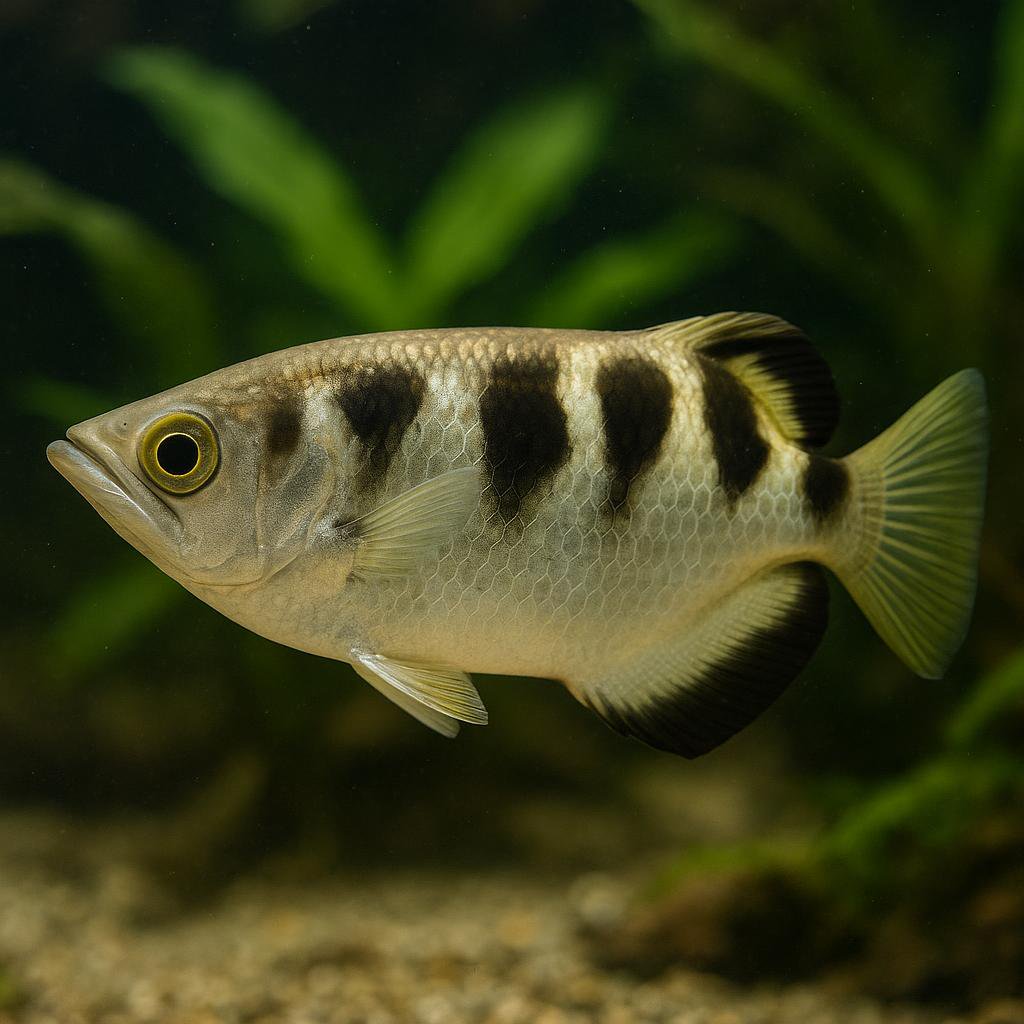
Banded Archerfish
Toxotes jaculatrix
This is the fish that literally spits jets of water to knock insects off branches-watching one "take aim" is unreal. They're super aware of what's going on outside the tank and will even learn to beg and snipe food from the surface once they settle in. Give them height and some open swimming room and they act like little aquatic sharpshooters.
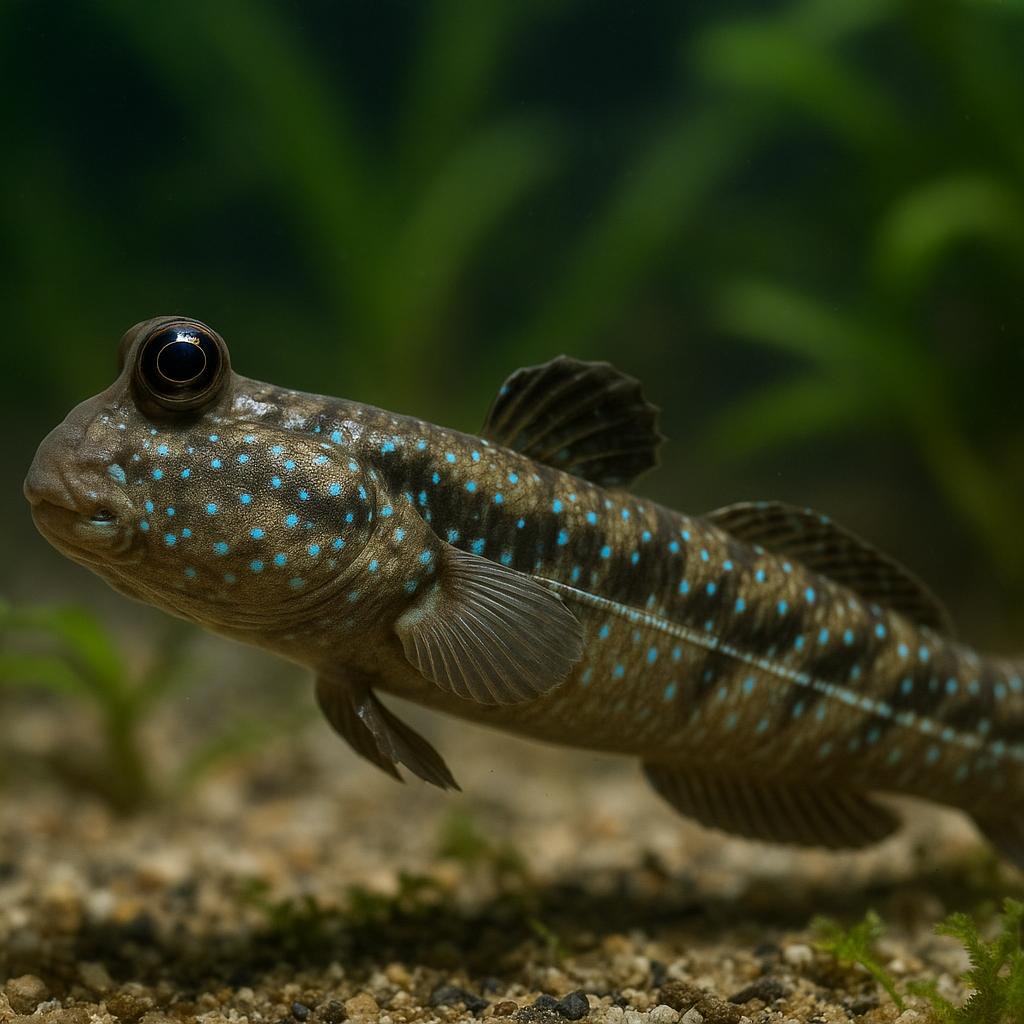
Barred mudskipper
Periophthalmus argentilineatus
This is one of those classic "walks around like it owns the place" mudskippers-big goofy eyes, climbs, hops, and spends a ton of time out on the mud when it's humid. In the wild it lives on intertidal mangrove/nipa mudflats and even shuttles between little pools and open air, hunting worms, insects, and small crustaceans. It's super fun to watch, but it really wants a brackish paludarium setup (not a normal aquarium).
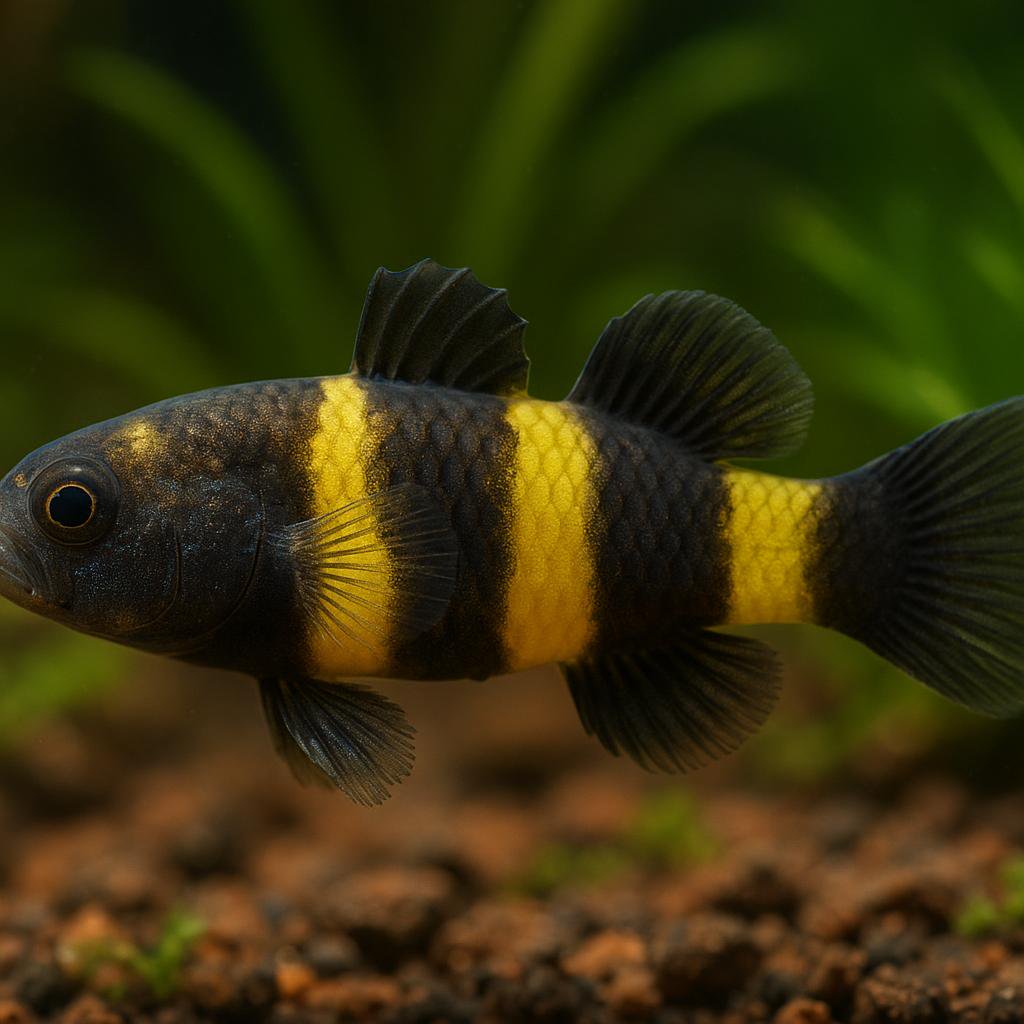
Bumblebee goby
Brachygobius doriae
Brachygobius doriae is one of the classic "bumblebee gobies" - tiny, bottom-hugging little characters that perch on rocks and sand and stare at you like they own the place. They're at their best in a calm setup with lots of caves and leaf litter, and they really shine once you get them eating frozen/live foods reliably (they're slow, picky eaters). Also: they're one of the species that gets mislabeled a lot in shops, so it's super common to see them sold under the wrong bumblebee-goby name.
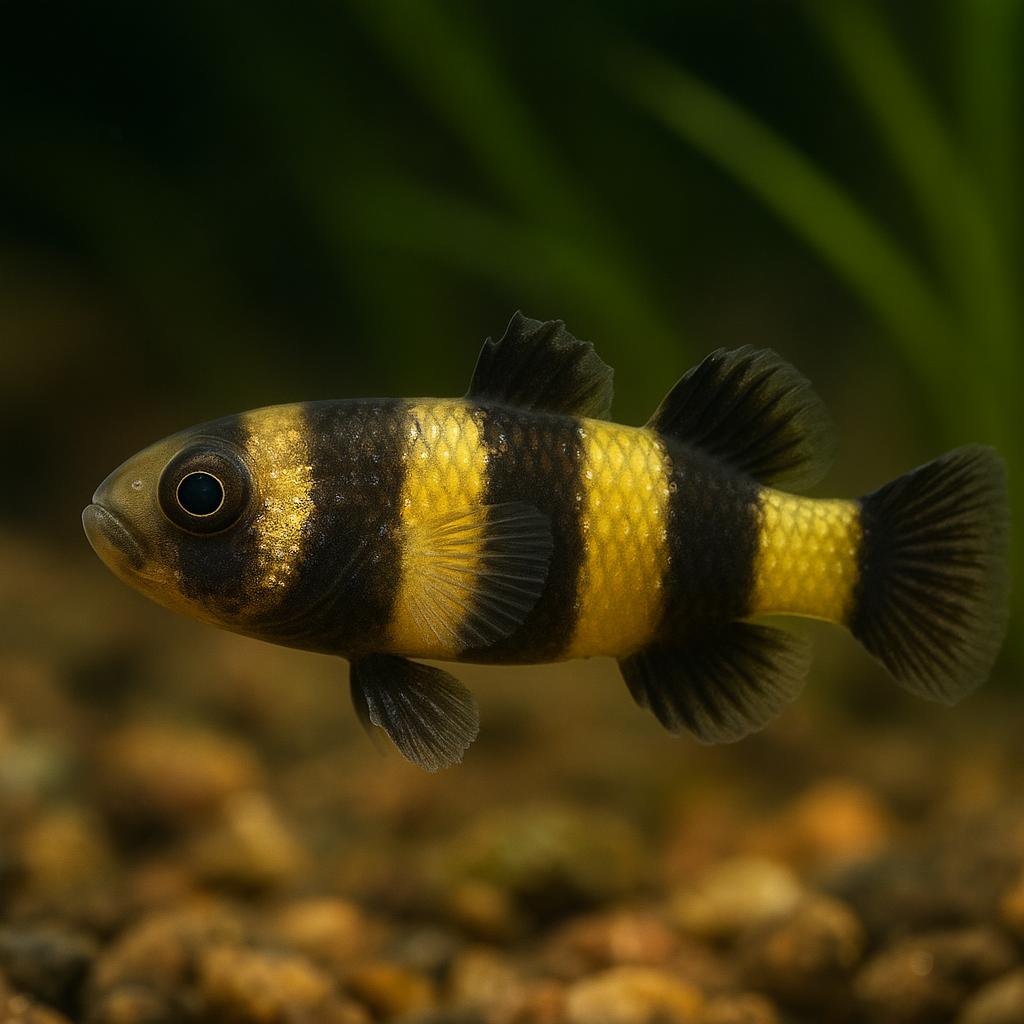
Bumblebee goby (Bumblebee fish)
Brachygobius xanthozonus
This is that tiny little goby with the bold black-and-yellow bands that likes to perch on the bottom and stare back at you like it owns the place. It's happiest in lightly brackish water with lots of little caves and sight-breaks, and it's one of those fish that often refuses flakes-frozen/live meaty foods usually flip the "yes, I will eat" switch.
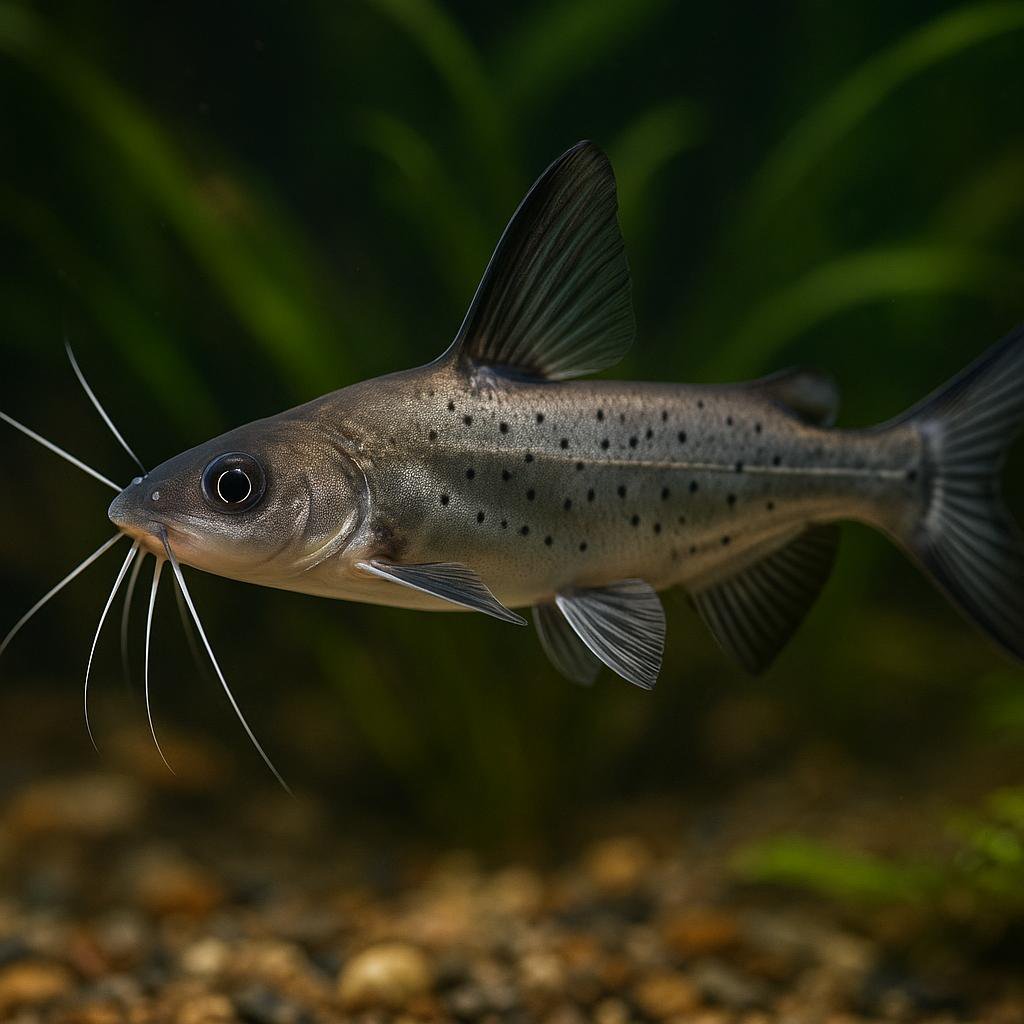
Colombian shark catfish
Ariopsis seemanni
This is that slick silver "shark-looking" catfish with the black fins and white tips that cruises around like it owns the place. The big gotcha is it's not a true freshwater community fish long-term-juveniles show up in shops as "freshwater," but as it grows it really wants brackish and eventually full marine conditions, plus a lot of swimming room.
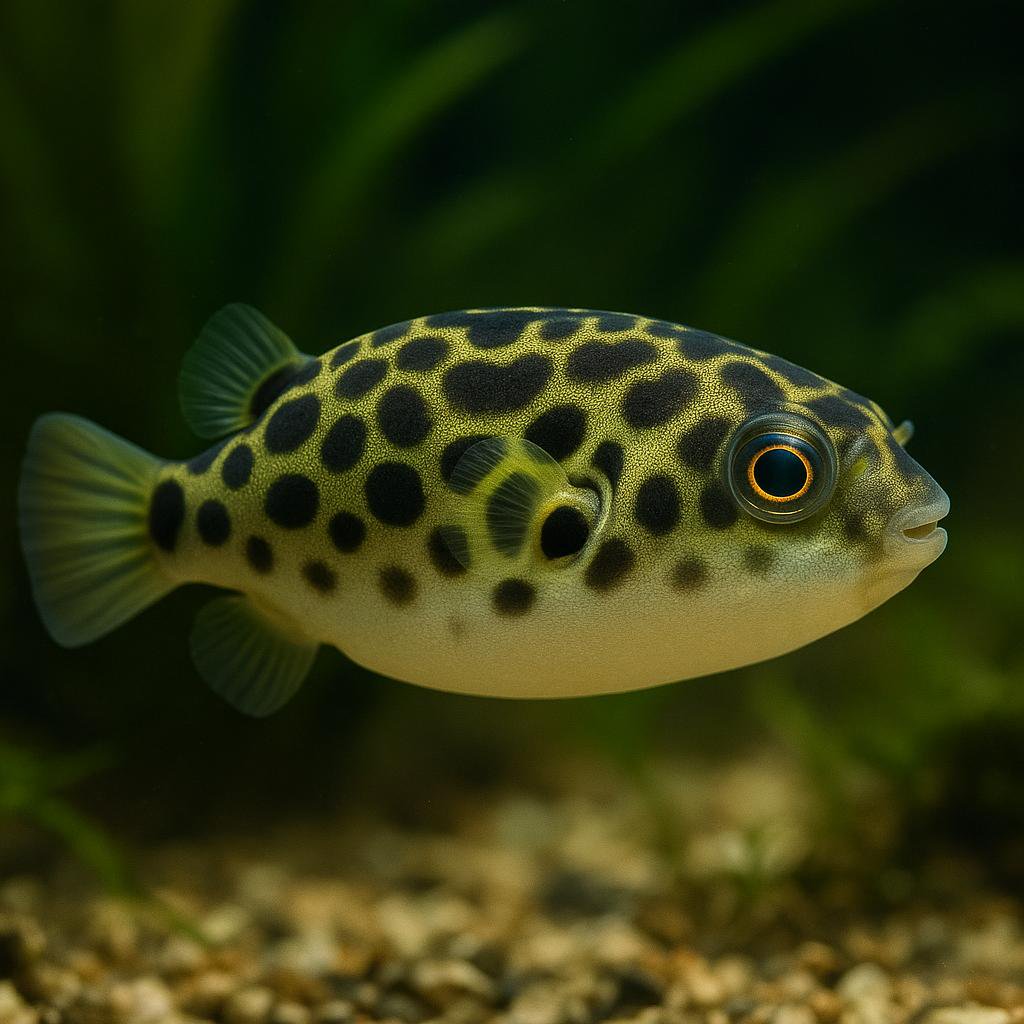
Eyespot pufferfish (Figure-8 puffer)
Dichotomyctere ocellatus
This is the little "figure-8" puffer with the yellow-green squiggles and the two bold eyespots near the tail-tons of personality in a small body. They're basically snail-hunting machines with a curious, interactive vibe, but they can be spicy with their own kind, so you plan the tank around that.
More to Explore
Discover more brackish species.
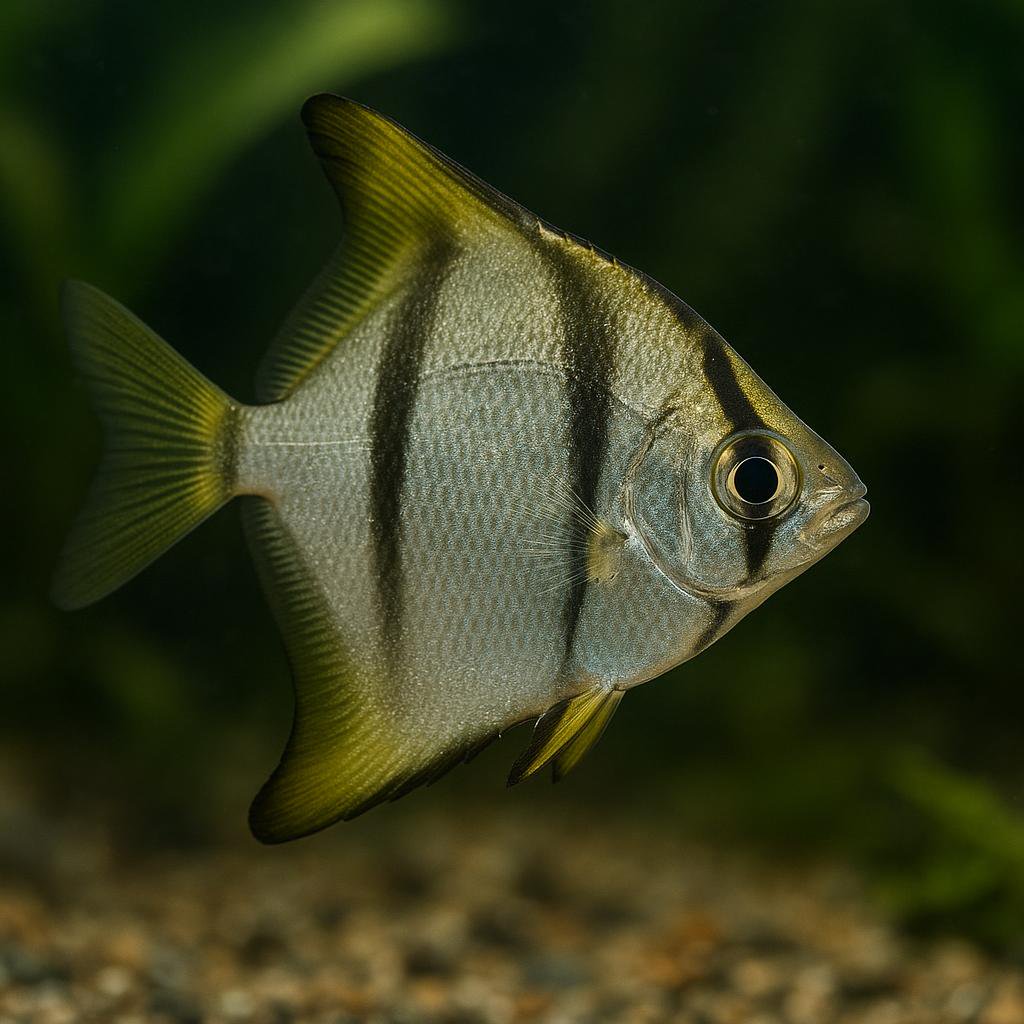
African moony
Monodactylus sebae
This is that shiny, diamond-shaped "mono" that cruises around in a tight pack and looks like a little silver dinner plate with black bars when it's young. The big thing with African moonies is they're euryhaline-so they'll tolerate freshwater as juveniles, but they really shine long-term in brackish (and can be transitioned toward marine as they mature). Give them a big, open tank and a group, and they turn into nonstop, super fun midwater swimmers.
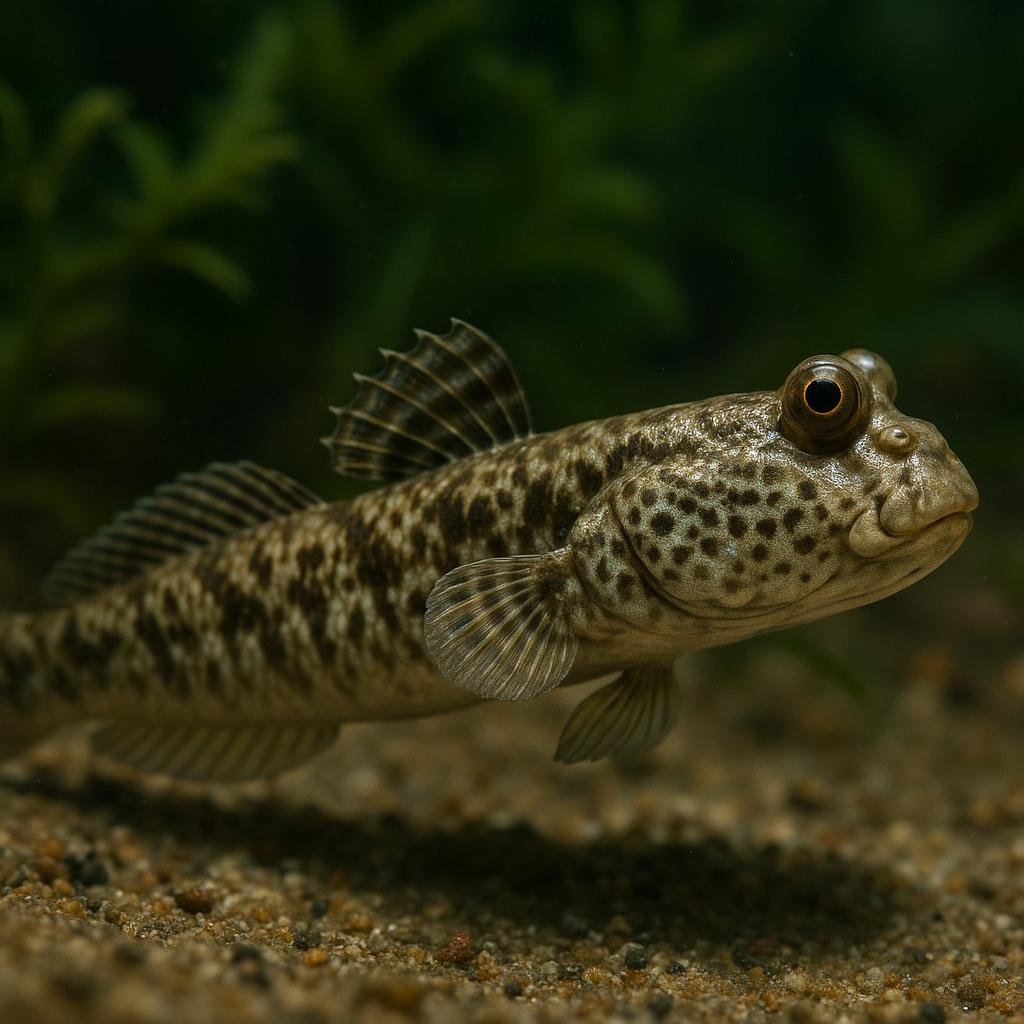
Atlantic Mudskipper
Periophthalmus barbarus
This is that wild little amphibious goby that straight-up climbs around on land like it forgot it was a fish. They've got big googly eyes, tons of personality, and they'll perch, hop, and patrol their territory-honestly more like a tiny crabby lizard than a "regular" aquarium fish.
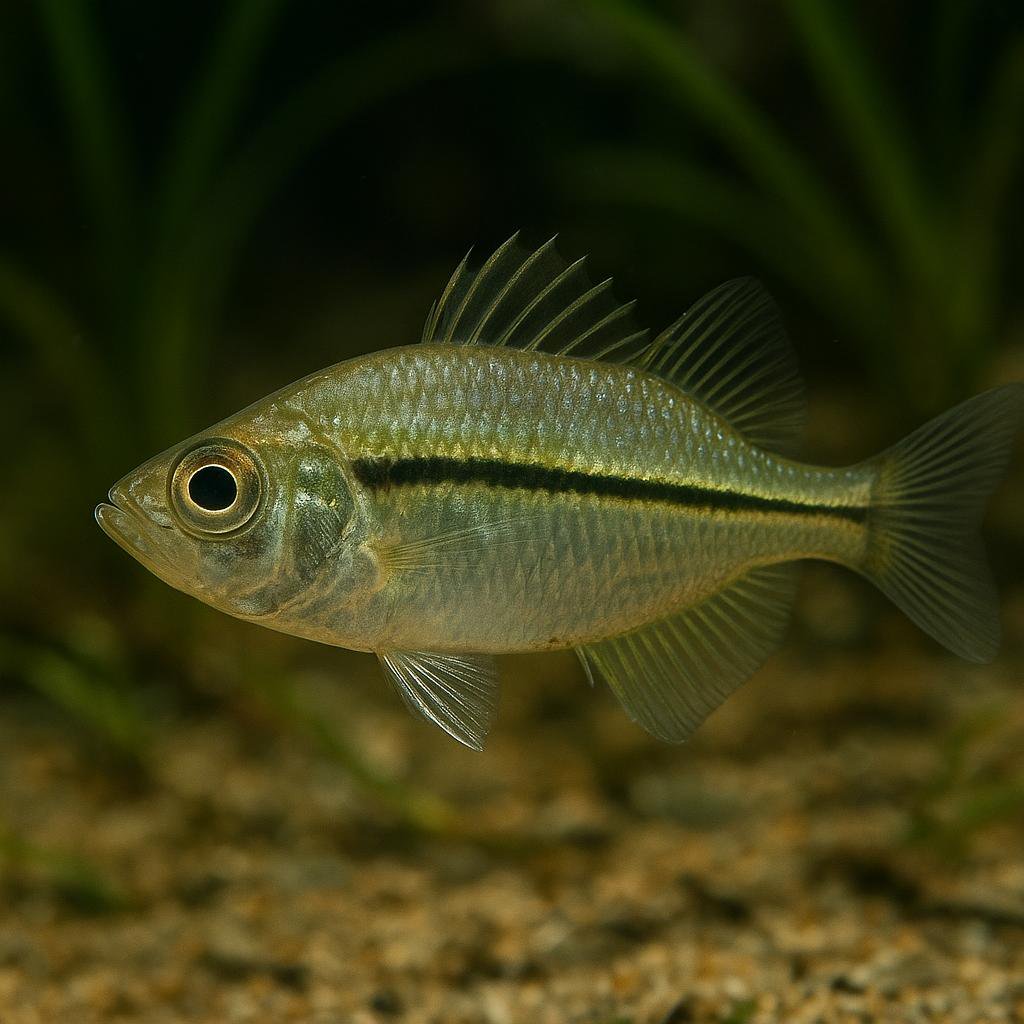
Banded-tail glassy perchlet
Ambassis urotaenia
This is one of those see-through glassy perchlets where you can literally watch the organs shimmer when it turns-super cool in the right lighting. In the wild it hangs around river mouths and mangroves and cruises in groups, so it does best when you keep a little gang of them and give them some open swimming room.
-1771643191.jpg)
Elongate mudskipper (pointed-tailed goby)
Pseudapocryptes elongatus (syn. Pseudapocryptes lanceolatus)
This is that super-cool "mudskipper-ish" goby that mostly stays in the water, but will park itself in the shallows and periscope its eyes above the surface like it's keeping watch. It's an obligate air-breather from tidal rivers/estuaries, so it really appreciates shallow, brackish setups with soft mud/sand and gentle flow-more of a mangrove vibe than a typical community tank.
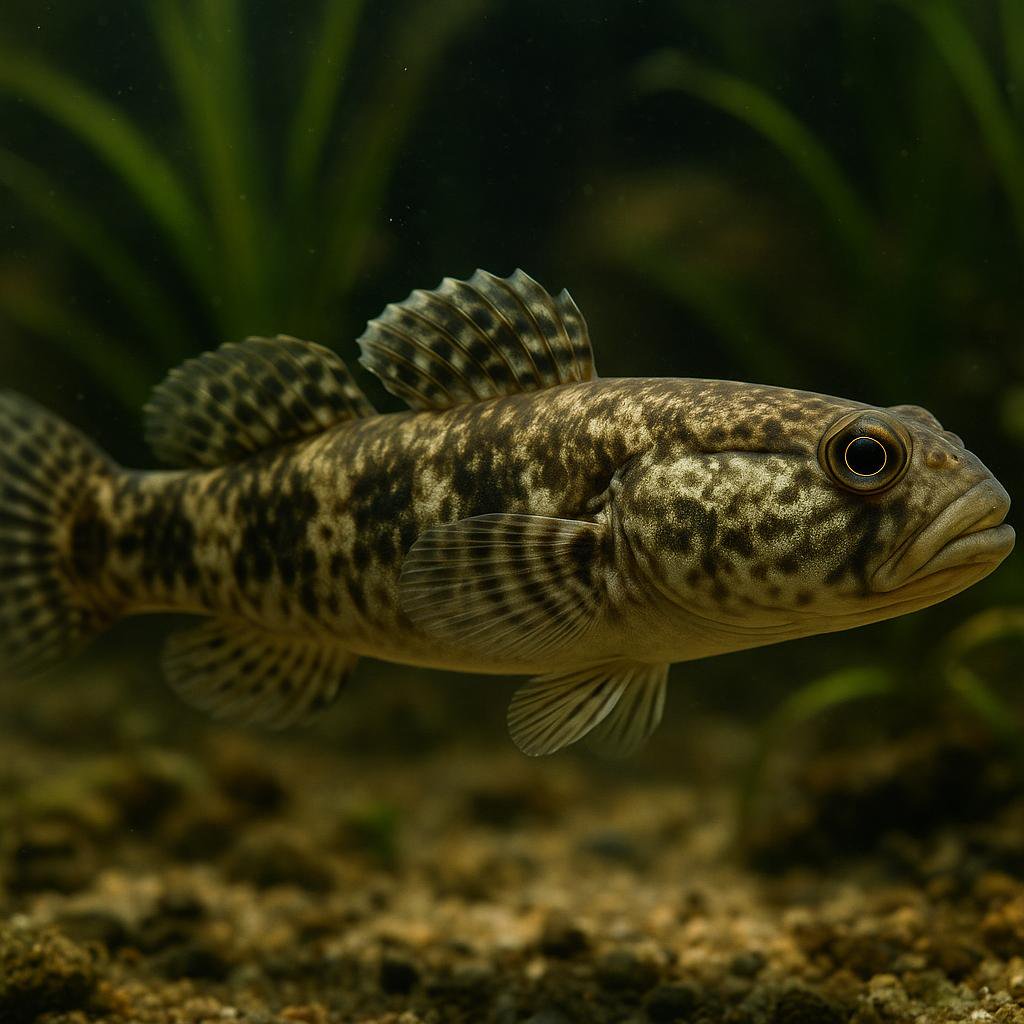
Fat sleeper
Dormitator maculatus
Dormitator maculatus is that chunky "sleeper goby" type fish with the bulldog head and the attitude of a little vacuum cleaner-always sifting and nosing around the bottom. It'll do freshwater or brackish and it can get way bigger than most people expect, so it's one of those fish that's awesome... as long as you plan the tank around the adult size, not the baby you bought.
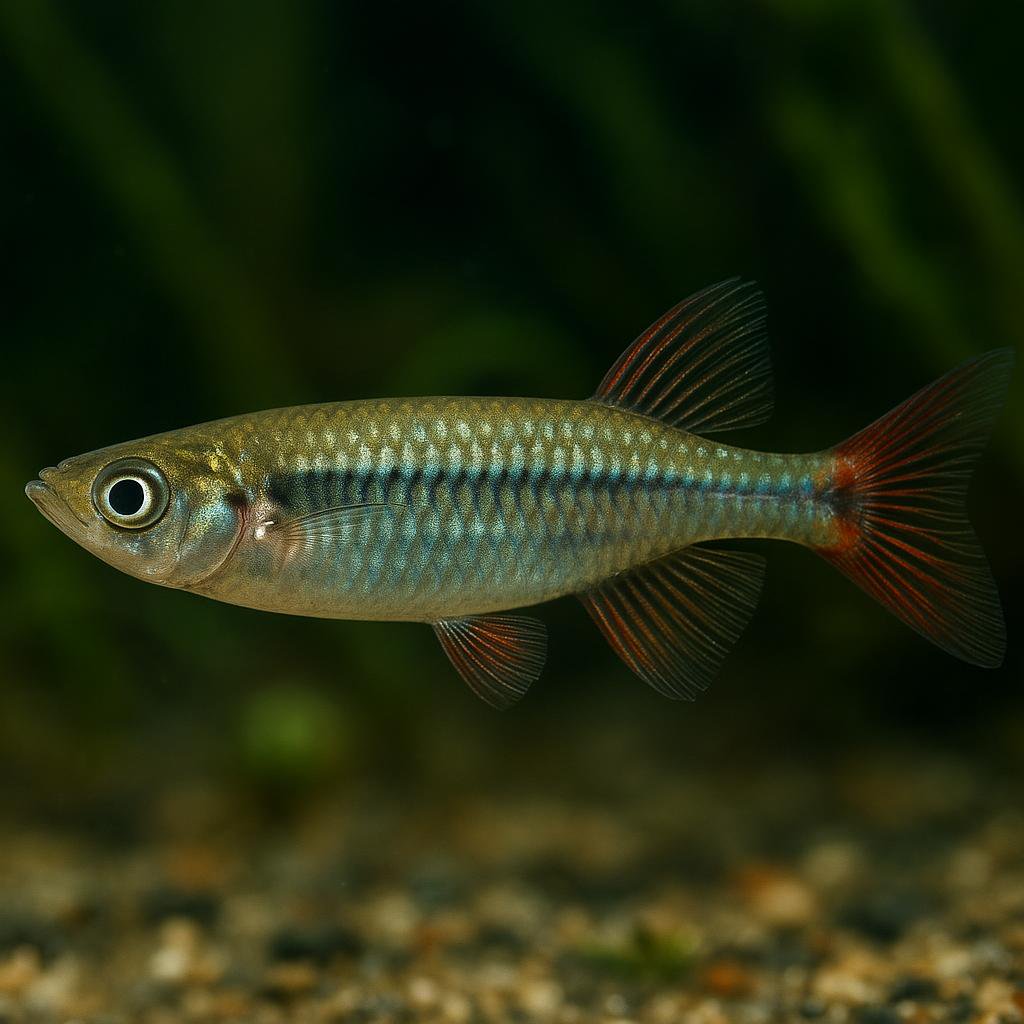
Feathered river-garfish
Zenarchopterus dispar
Zenarchopterus dispar is a surface-hanging halfbeak from mangroves and sheltered bays, with that classic long lower jaw for snapping up insects and other floaty foods. Males get those funky elongated fin rays (the "feathered" look), and they are livebearers, so once they settle in you can occasionally get surprise babies. Biggest thing with this fish is giving it calm water up top, room to cruise, and a tight lid because halfbeaks can rocket-jump.
Looking for other species?