

Uaru (Triangle cichlid)
Uaru amphiacanthoides
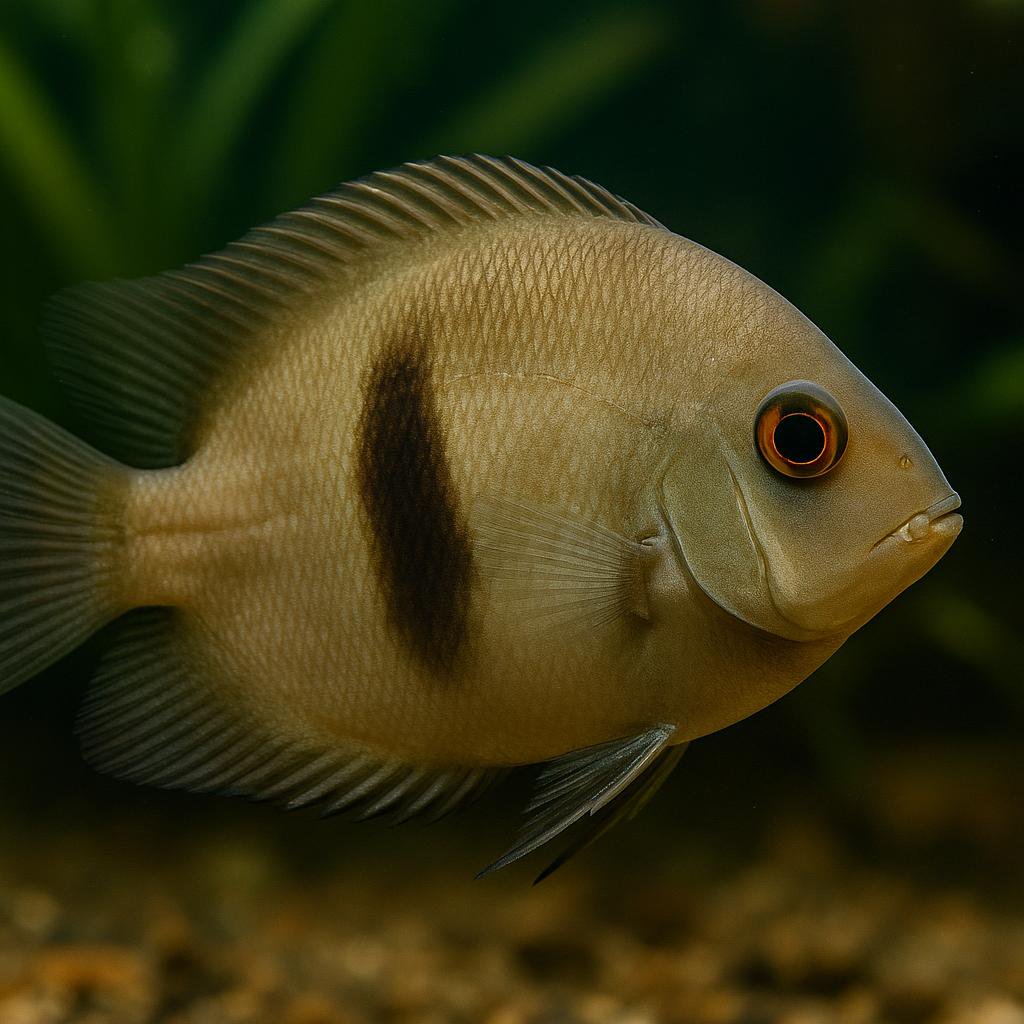
Uaru amphiacanthoides features a robust, oval body with a distinctive triangular shape and iridescent green to blue coloration, accentuated by dark horizontal stripes.
This page includes AI-generated images. Why am I seeing AI images?
About the Uaru (Triangle cichlid)
Uaru are big, mellow Amazon cichlids with that neat disc-and-triangle body shape and a surprisingly "gentle giant" vibe. They graze and pick at food all day, act super social when kept in a group, and they are famous for serious parent duty when they breed (both parents guard and tend the young).
Quick Facts
Size
25 cm SL (about 10 inches)
Temperament
Peaceful
Difficulty
Intermediate
Min Tank Size
75 gallons
Lifespan
8-12 years
Origin
South America (Amazon Basin)
Diet
Omnivore with a strong plant component - quality pellets, vegetables/greens, plus frozen/live foods (worms, insects, crustaceans)
Care Notes
- Give them space - a single adult really wants at least a 75g, and a pair or group is way happier in 125g+ because they get big and they like to cruise.
- Keep the water warm and steady (about 78-84F) and on the soft/acidic side (roughly pH 5.5-7.0); they sulk and get hole-in-the-head way faster in dirty, hard water.
- They are shredders, so use sand or fine gravel, sturdy driftwood, and tough plants like Anubias or Java fern tied to wood - anything soft-leaved will get salad-chomped.
- Feed like an omnivore that loves veggies: spirulina flakes/pellets, blanched zucchini/spinach/peas, plus quality cichlid pellets and occasional frozen foods; go easy on fatty meaty stuff.
- They are usually gentle for big cichlids, so think peaceful tankmates like silver dollars, larger tetras, plecos, or mild geos - skip aggressive Central Americans and fin-nippers.
- Buy a group of juveniles if you want a pair; they pair up on their own and will claim a flat rock or wood to spawn on, then turn pretty cranky about their corner.
- Watch for stress signs like dark blotchy color, clamped fins, and head pits; big water changes and cleaner food fixes a lot of 'mystery' problems with Uaru.
Compatibility
Good Tankmates
- Medium-to-large, calm tetras that can handle warm water - think Congo tetras or a big school of rummynose/black skirt in a big tank. Uaru are gentle, but they like dither fish and they do best when the tetras are not tiny snack-sized.
- Peaceful South American cichlids with similar vibes - keyhole cichlids, severums, or a mellow angelfish group if the tank is roomy. Uaru are usually softies for a cichlid, but they still want space and stable tankmates.
- Big, chill bottom crews - bristlenose plecos, clown plecos, or a smaller Panaqolus. They mostly mind their own business and clean up, and Uaru generally ignore them.
- Sandy-bottom catfish that are not bitey - Corydoras in a big group (stick to the bigger species) or peaceful pimelodids like pictus only if you know your lines and have room. Uaru like a calm bottom layer, not chaos.
- Non-nippy midwater fish with some size - larger rainbowfish can work if your water is not super soft/acid and you keep it warm enough. The main thing is: no fin-nippers, and nothing that stresses them out.
- Other Uaru - honestly, they look way more comfortable in a small group, and you get less weird bullying than with a random mix of cichlids. Just give them a big footprint and lots of wood/plant cover.
Avoid
- Anything aggressive or territory-obsessed - most Central American cichlids (convicts, jack dempseys, firemouths) will push Uaru around and turn the tank into a stress fest.
- Big bruisers like Oscars or green terrors - even if the Oscar seems 'nice,' it is still a bulldozer that can outcompete them at feeding time and rough them up.
- Nippy stuff - tiger barbs, serpae tetras, some big danios. Uaru are slow, gentle grazers and they get ragged fins fast with fin-biters.
- Tiny fish or shrimp you actually want to keep - small neon-size tetras, guppy fry, dwarf shrimp. Uaru are not murder machines, but they will absolutely snack if it fits in their mouth.
Where they come from
Uaru come from the Amazon basin, mostly slow, warm stretches with tannin-stained water, leaf litter, and sunken wood. The first time you see a group of them picking through leaves like little freshwater goats, the "eartheater" vibe makes total sense.
They are often called Triangle cichlids, but they behave way less "cichlid mean" than their looks suggest - until they pair up.
Setting up their tank
Plan around two things: they get big, and they like to redecorate. Adults are dinner-plate fish with a calm presence, but they will move sand, uproot plants, and rasp at wood like they are tasting it.
- Tank size: 75g is a workable start for a single young fish, but 125g+ is where a pair or small group feels comfortable long term. Bigger footprint beats taller every time.
- Temp: 80-84F is my sweet spot. They stay more relaxed and eat better for me on the warmer side.
- pH and hardness: they adapt, but they look best and act calm in softer, slightly acidic water (think pH 6.0-7.0). Stability matters more than chasing a number.
- Substrate: fine sand if you can. They like to sift and you will see natural behavior right away.
- Hardscape: driftwood, chunky branches, and a few smooth rocks. Give them sight breaks so they can get out of each other's face.
- Filtration: they are messy plant-and-food shredders. Use real filtration and do your water changes.
If you want plants, go with tough stuff and accept some losses. I have had the best luck with floating plants, pothos roots in the water, and big clumps of Java fern/Anubias tied to wood. Anything in the sand is fair game.
Lids matter. Uaru are not famous jumpers like hatchetfish, but a startled adult can launch, especially during spats or night frights.
What to feed them
Uaru are basically big, gentle omnivores that lean heavily herbivorous. If you feed them like Oscars (all protein, all the time), you will get greasy fish, fast waste buildup, and the water will go downhill.
- Staple: quality pellets made for herbivorous/omnivorous cichlids (spirulina-based works well).
- Veggies: zucchini, cucumber, blanched spinach, shelled peas, romaine (sparingly). Clip it down and pull leftovers before they foul the tank.
- Protein as a side dish: krill, mysis, brine shrimp, chopped shrimp, and the occasional earthworm. Think a couple times a week, not every meal.
- Avoid: lots of beefheart and super fatty foods. Also be careful with feeder fish - disease and parasites are not worth it.
If your Uaru keep "kissing" wood and glass and you are seeing long, stringy poop, bump the vegetable portion up and back off heavy protein for a bit. It has helped me more than once.
How they behave and who they get along with
Most of the time they are peaceful for a big cichlid. They have a schooling vibe as juveniles, and they look fantastic in a small group if you have the space. The drama starts when a pair forms - then they claim a zone and defend it like any other cichlid.
- Good tankmates: larger, calm fish that can handle warm water - silver dollars, larger tetras, peaceful loricariids (plecos), and sturdy bottom fish.
- Caution tankmates: other cichlids. Some work (severums sometimes), but you need space and lots of line-of-sight breaks.
- Avoid: small bite-sized fish (they will eventually get tested), fin-nippers, and hyper-aggressive Central American cichlids.
They can be sneaky plant eaters. Even if they do not shred a plant, they will graze tender leaves. If you are attached to a planted aquascape, Uaru will break your heart.
Breeding tips
Breeding Uaru is doable, but pairing is the whole game. The easiest route is buying 5-6 juveniles, growing them out, and letting a pair happen. Once they bond, they are pretty serious about it.
- Spawning setup: a big flat rock or slate and a calm corner they can claim.
- Water: warm and clean. Frequent water changes seem to flip the switch more than anything else.
- Behavior: they clean a surface together, get darker, and start driving others away.
- Fry care: parents usually guard well. Have a plan in case they decide tankmates are not welcome anymore (because they will).
If you are trying to breed them in a community, be ready to move either the pair or everybody else. A breeding pair in a crowded tank turns a "peaceful" fish into a bouncer.
Common problems to watch for
Most Uaru issues I have seen come from diet, water quality, or stress from cramped tanks. They are hardy once settled, but they show you quickly when something is off.
- Hole-in-the-head / lateral line erosion: often tied to dirty water, poor diet, or lack of variety. Clean water and more greens usually helps.
- Bloat and stringy poop: commonly from too much rich food or internal parasites. Try lighter feeding and more veg first, then treat if it persists.
- Shyness and dark coloration: stress from aggressive tankmates, no cover, or too much traffic. Add wood, tall sight breaks, and calm roommates.
- Fin damage: usually from pairing fights or a bully in the tank. Watch them at lights-out too - some fish turn nasty at night.
Do not ignore rapid breathing, clamped fins, and refusal to eat in a Uaru. They can go from "fine" to "in trouble" fast if ammonia/nitrite show up or if the tank is overloaded.
Similar Species
Other freshwater peaceful species you might be interested in.
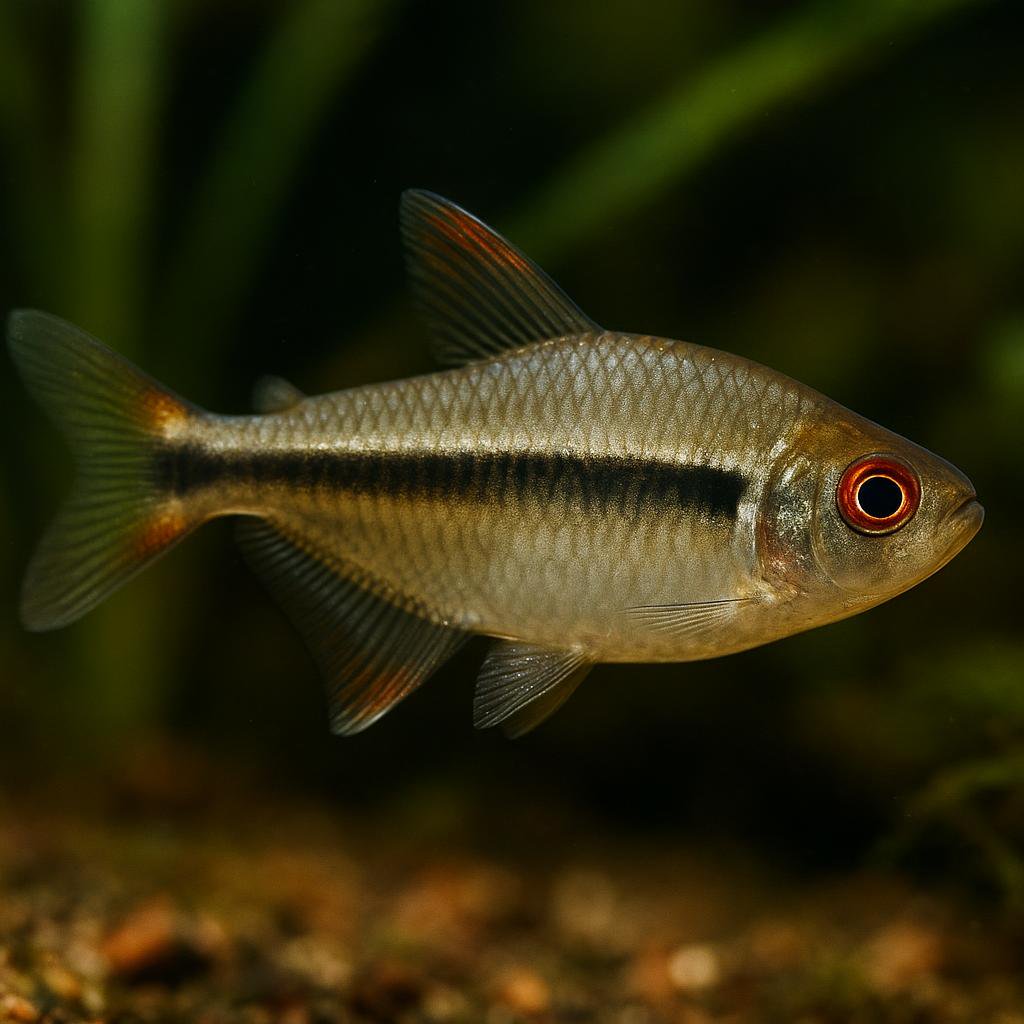
Amapa tetra
Hyphessobrycon amapaensis
This is a tiny, super sleek little tetra with a clean red stripe down the side that really pops once its settled in. It does best in a planted, slightly tinted "creek-style" setup and looks way cooler when you keep a proper group so they school and flash that line together. If you can give it soft, slightly acidic water and a calm community, its an easy fish to fall for.
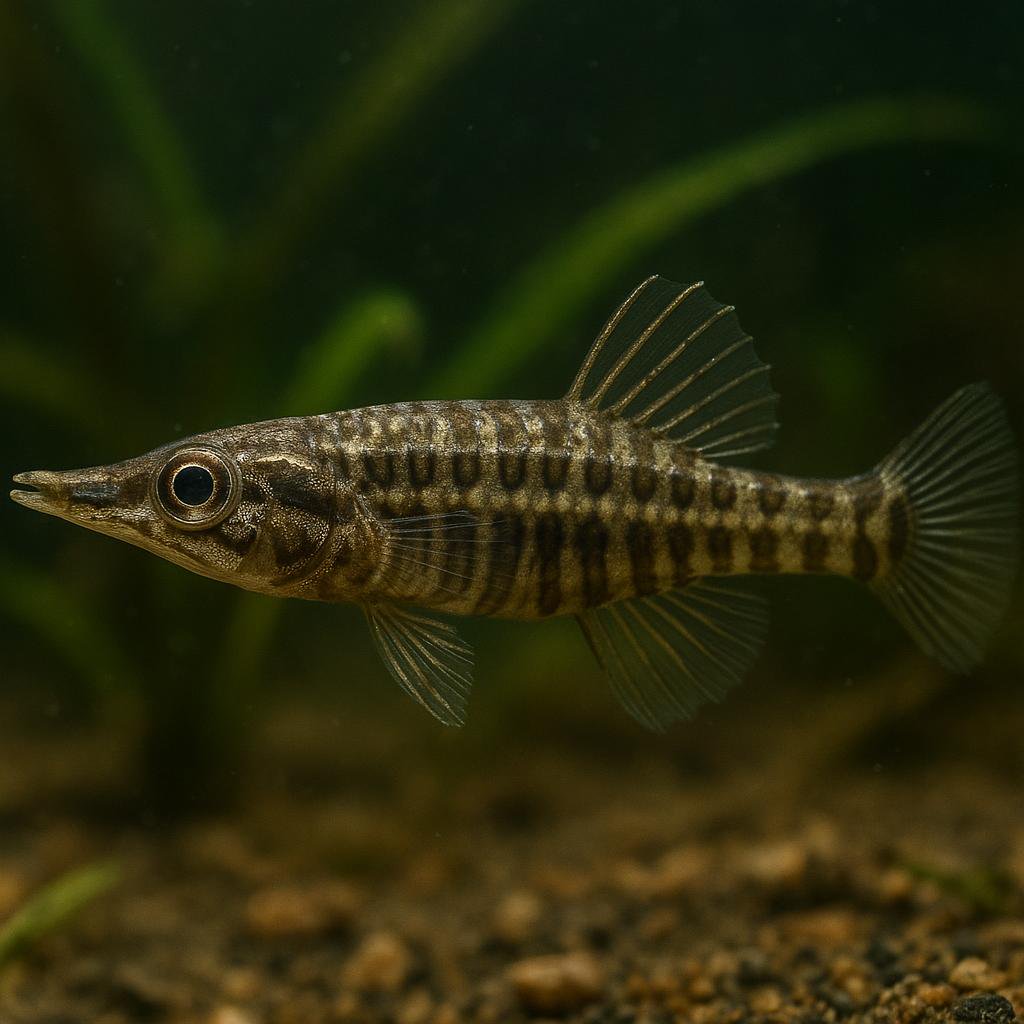
Armoured stickleback
Indostomus paradoxus
This is that goofy little "freshwater seahorse"-looking fish that just kind of perches and scoots around like a tiny armored twig. Its whole vibe is slow, sneaky micropredator - once its settled in, you will catch it stalking microfoods and doing these subtle little posture displays. The big trick is feeding: they do best when you can provide lots of small live foods in a calm, planted tank.
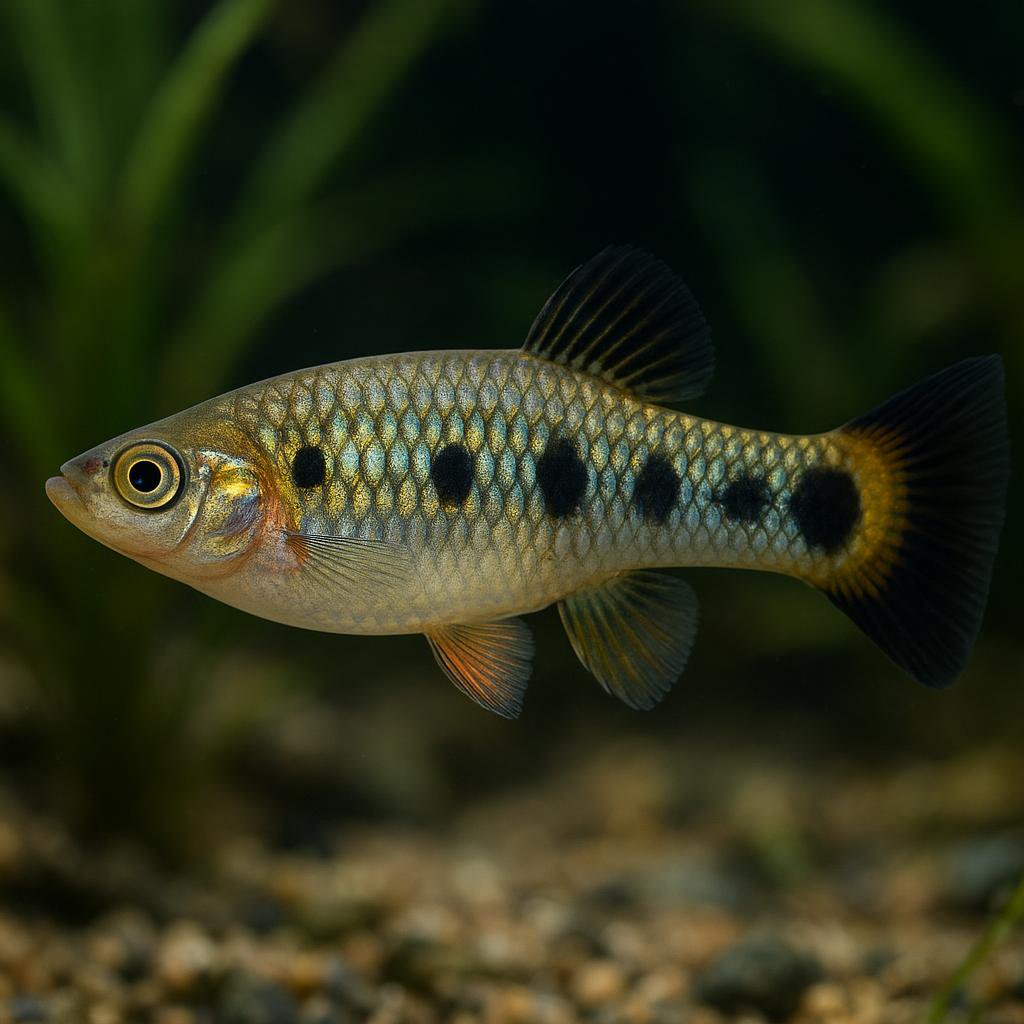
Bishop toothcarp
Brachyrhaphis episcopi
This is a tiny Panamanian livebearer that does best when you treat it more like a shy wild fish than a fancy guppy-lots of cover, calm vibes, and really clean water. The fun part is watching the males posture and spar while the females cruise around dropping fully-formed fry about once a month.
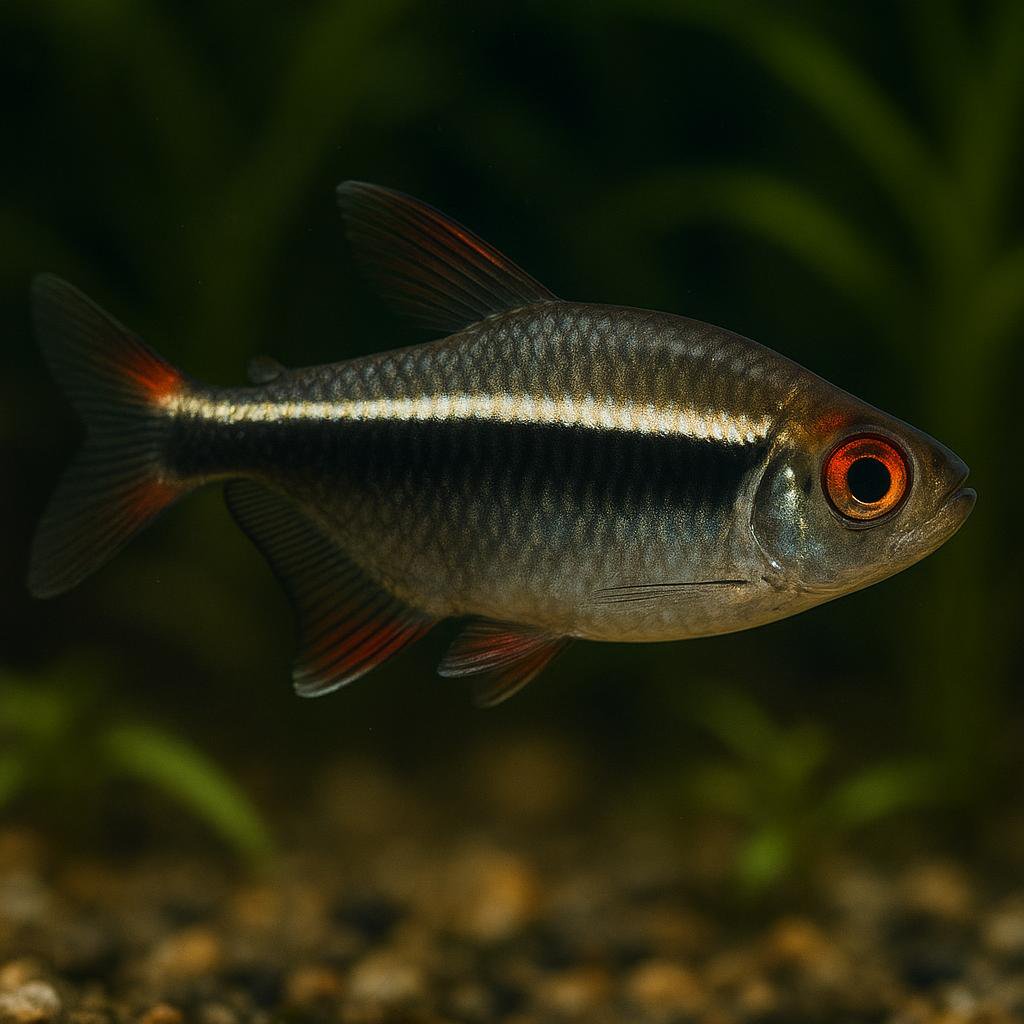
Black Neon Tetra
Hyphessobrycon herbertaxelrodi
Black neons are one of those little tetras that look kinda understated until the light hits them-then that bright stripe pops and they shimmer when the school turns together. They're super chill, always cruising mid-water, and they make a tank feel "alive" without being hectic. If you keep a nice group, they get bolder and you'll see way more of their personality.
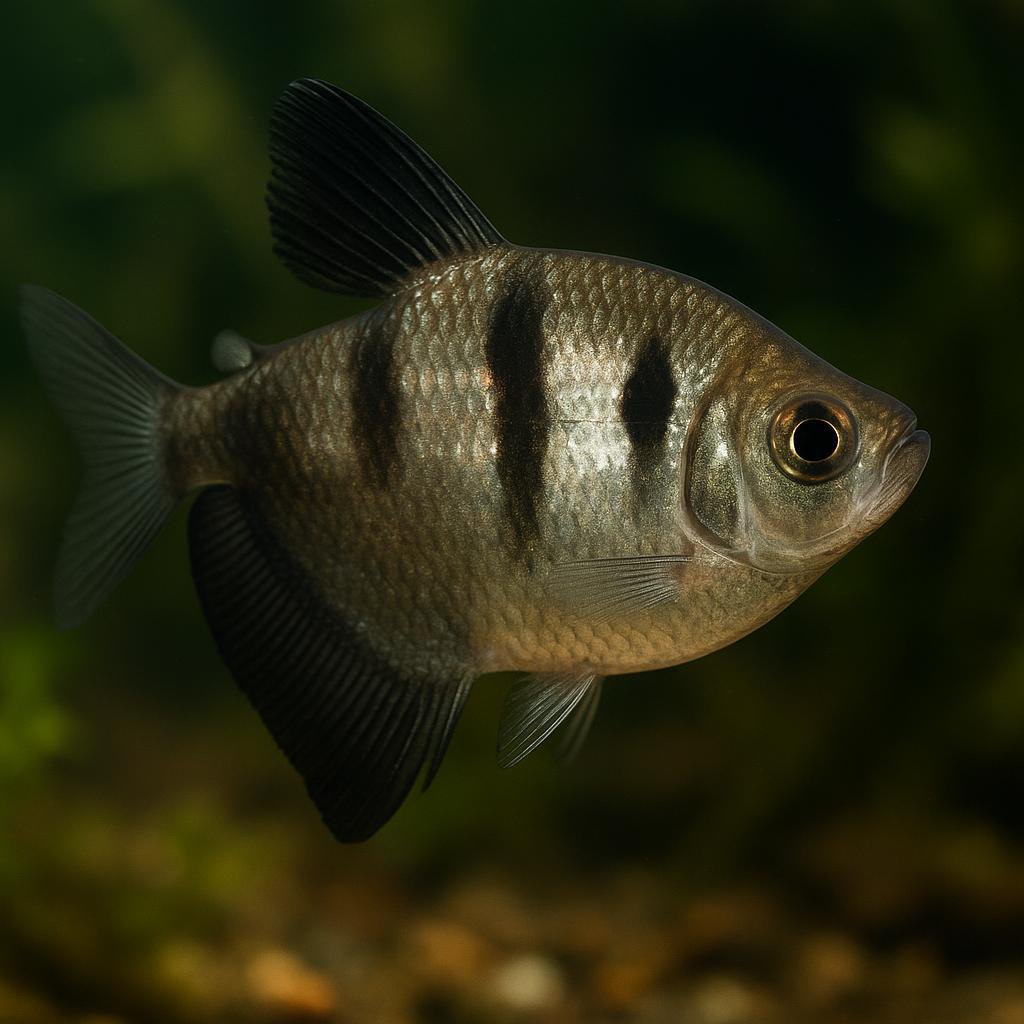
Black Skirt Tetra (Black Widow Tetra)
Gymnocorymbus ternetzi
Black skirts are those little "suit-and-tie" tetras with the dark bands and flowing fins that look way fancier than they should for how tough they are. They're super active midwater fish, and when you keep a proper group they do that tight, zippy schooling thing that makes the whole tank feel alive. Just give them enough buddies and finny tankmates they won't be tempted to nip.
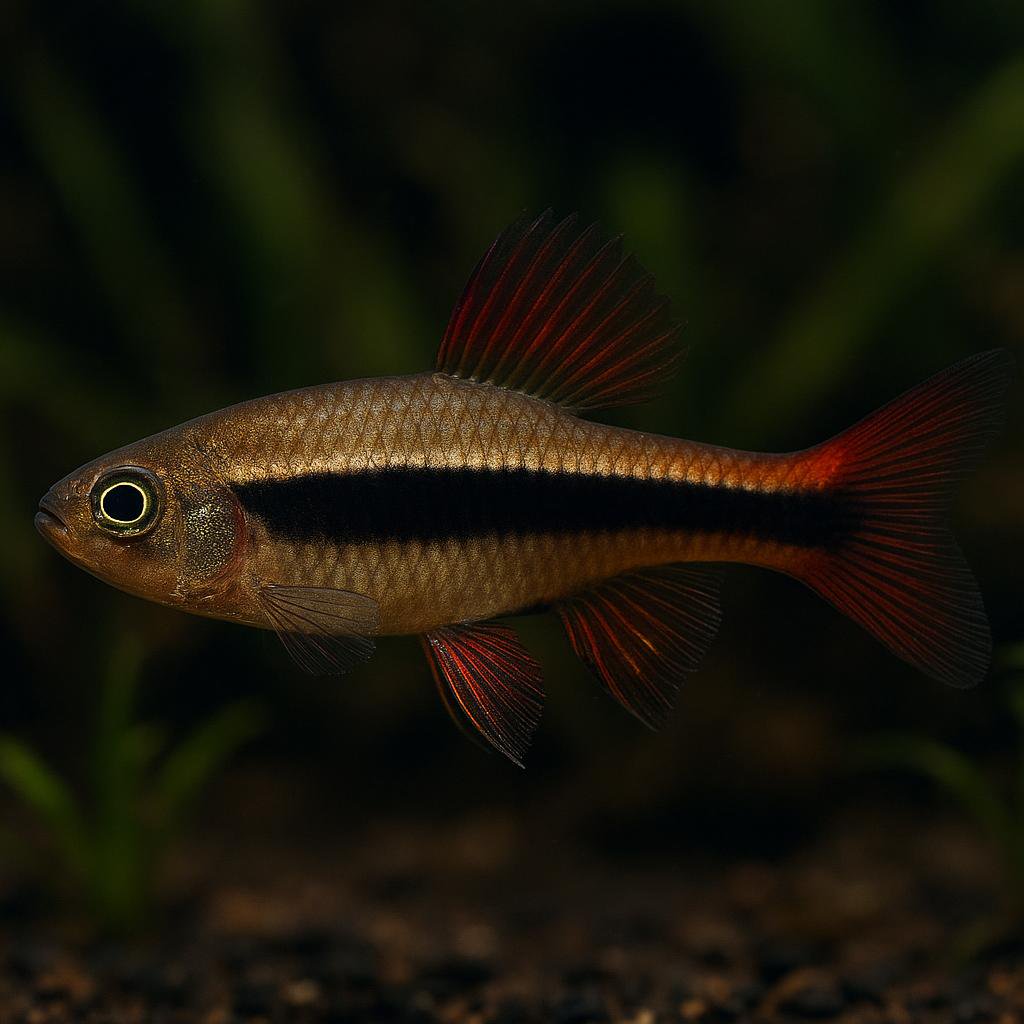
Black morpho tetra
Poecilocharax weitzmani
Poecilocharax weitzmani is one of those tiny blackwater oddballs that acts more like a little darter than a typical tetra - it hangs low, darts between cover, and the males can get pretty showy with fin-flares. The really cool part is they are cave breeders with male brood care, which is not what most people expect from a small characin. Give them very soft, acidic, super-clean water and lots of leaf litter and hidey holes, and they settle in and start showing their best colors.
More to Explore
Discover more freshwater species.
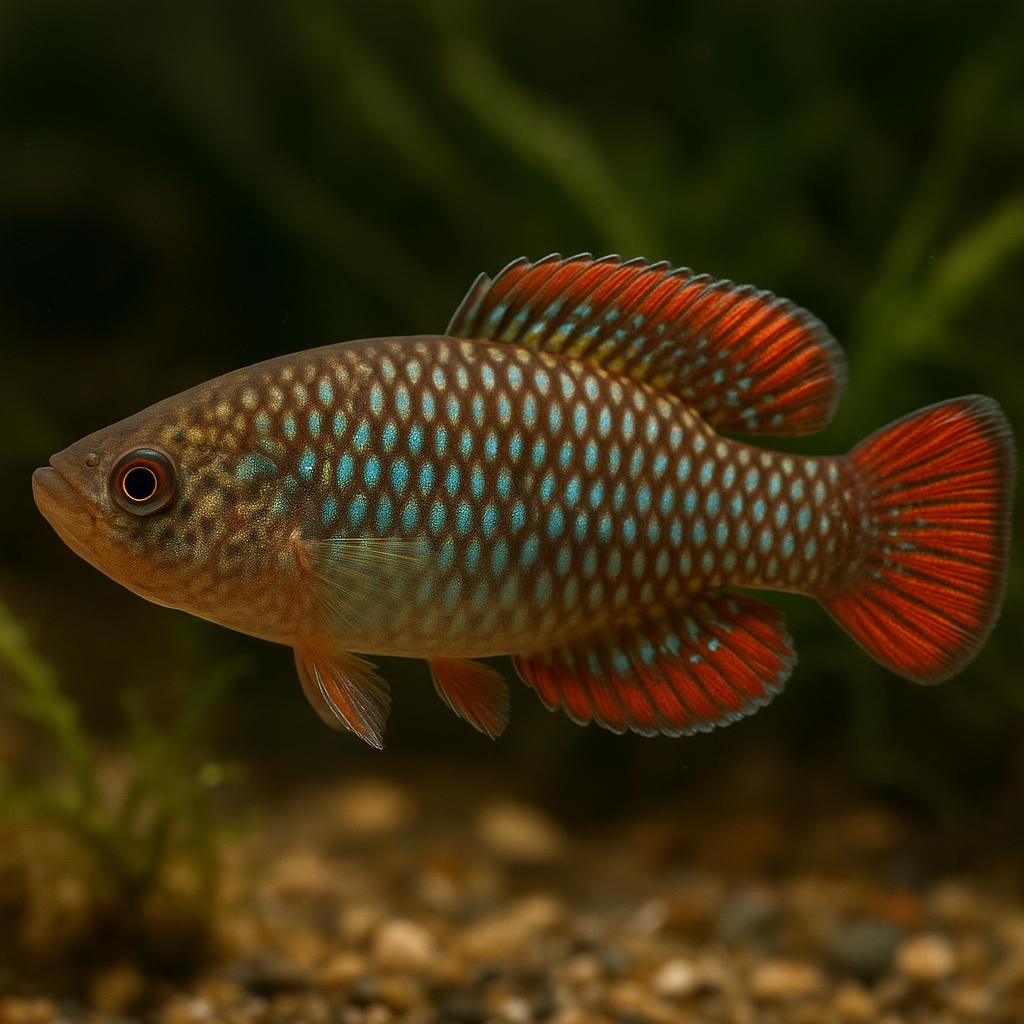
American flagfish
Jordanella floridae
Jordanella floridae is that little Florida native with the red-and-cream striping that really does look like a tiny flag once a male colors up. They graze algae like champs (especially stringy/hair algae), but they have a bit of attitude - give them plants and space so the bossy behavior stays manageable. Bonus: the male guards the eggs and will actively fan them, which is pretty fun to watch.
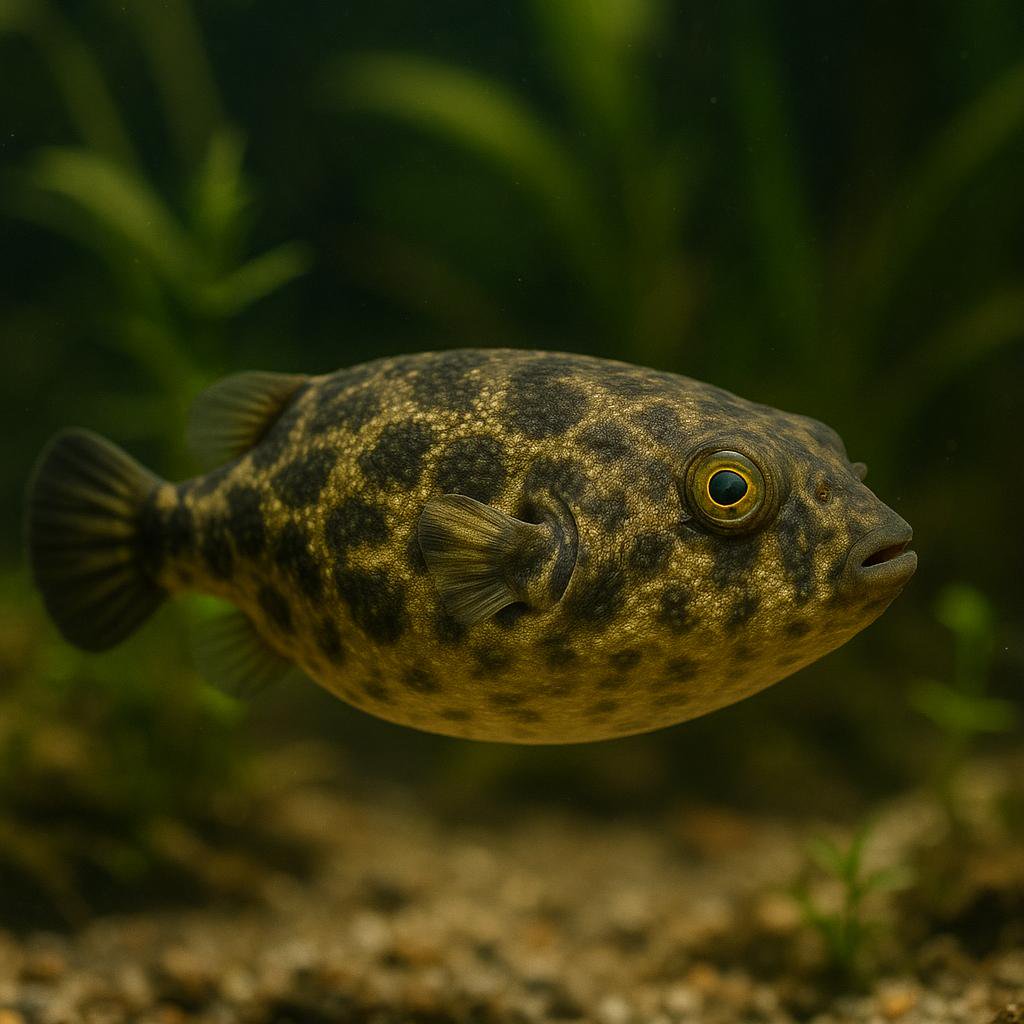
Arrowhead puffer
Pao suvattii
Pao suvattii is that sneaky Mekong puffer that likes to sit low and ambush food, and it has that super recognizable arrow/V pattern on its back. Gorgeous fish with tons of personality, but it is absolutely not a community guy - plan on a solo, species-only setup if you want everybody to stay in one piece.
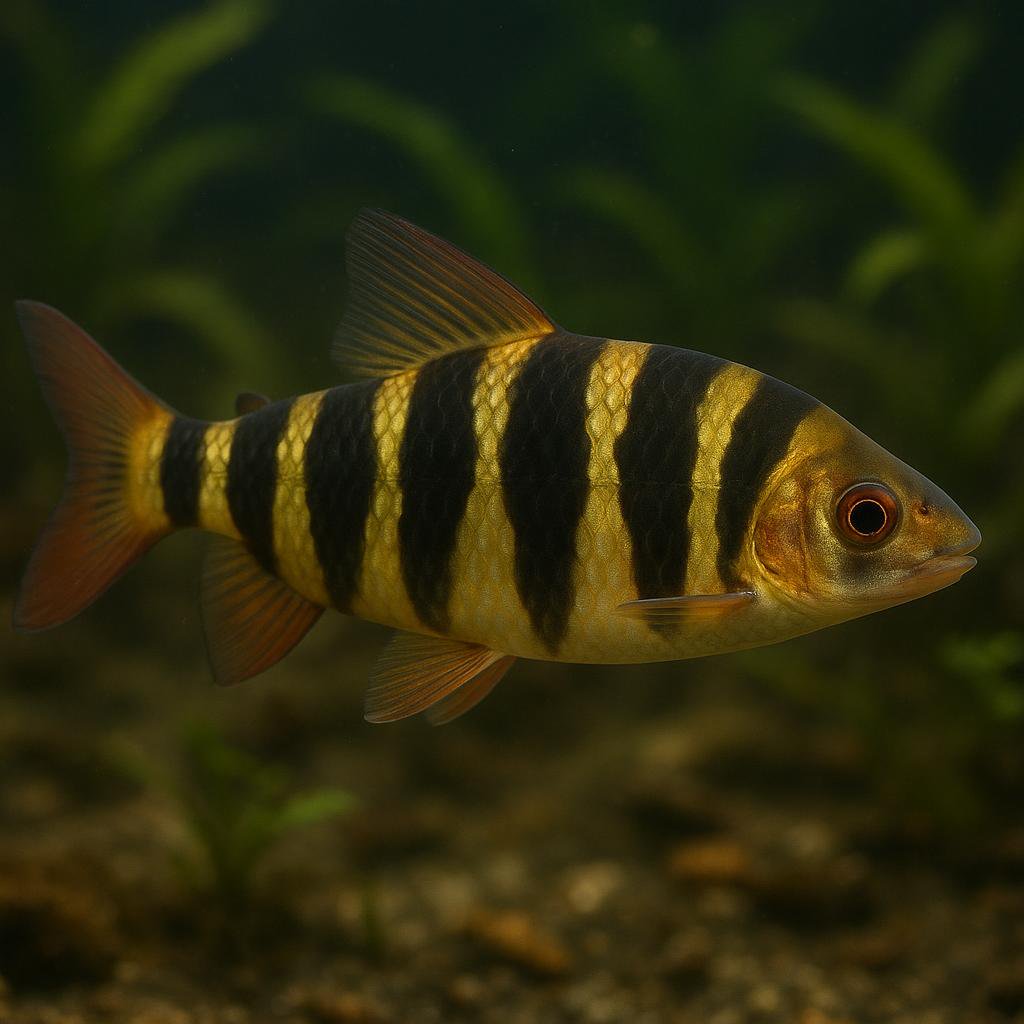
Banded Leporinus
Leporinus fasciatus
Banded Leporinus are those torpedo-shaped, black-and-yellow striped fish that look like they're wearing a little prison outfit-and they stay on the move. They've got a ton of personality and they're awesome to watch cruising and picking at stuff, but they're also the kind of fish that will redecorate your tank and "taste test" anything soft-looking.
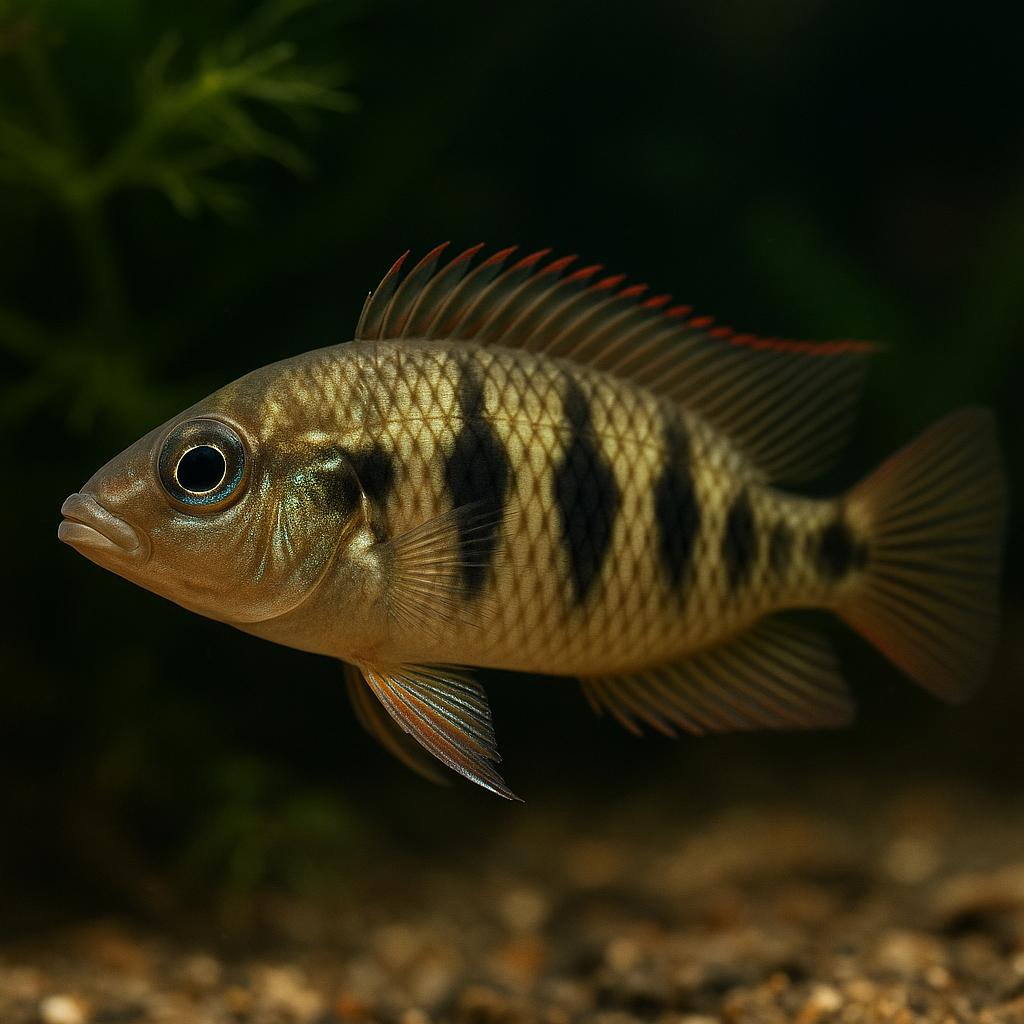
Bandi cichlid
Wallaceochromis signatus
A West African dwarf cichlid from Guinea's Bandi River, this fish shows crisp vertical bars and spotted fins with red highlights. Females have a bold black spot at the base of the tail, and pairs guard eggs and fry in caves, which makes their parental behavior fun to watch.
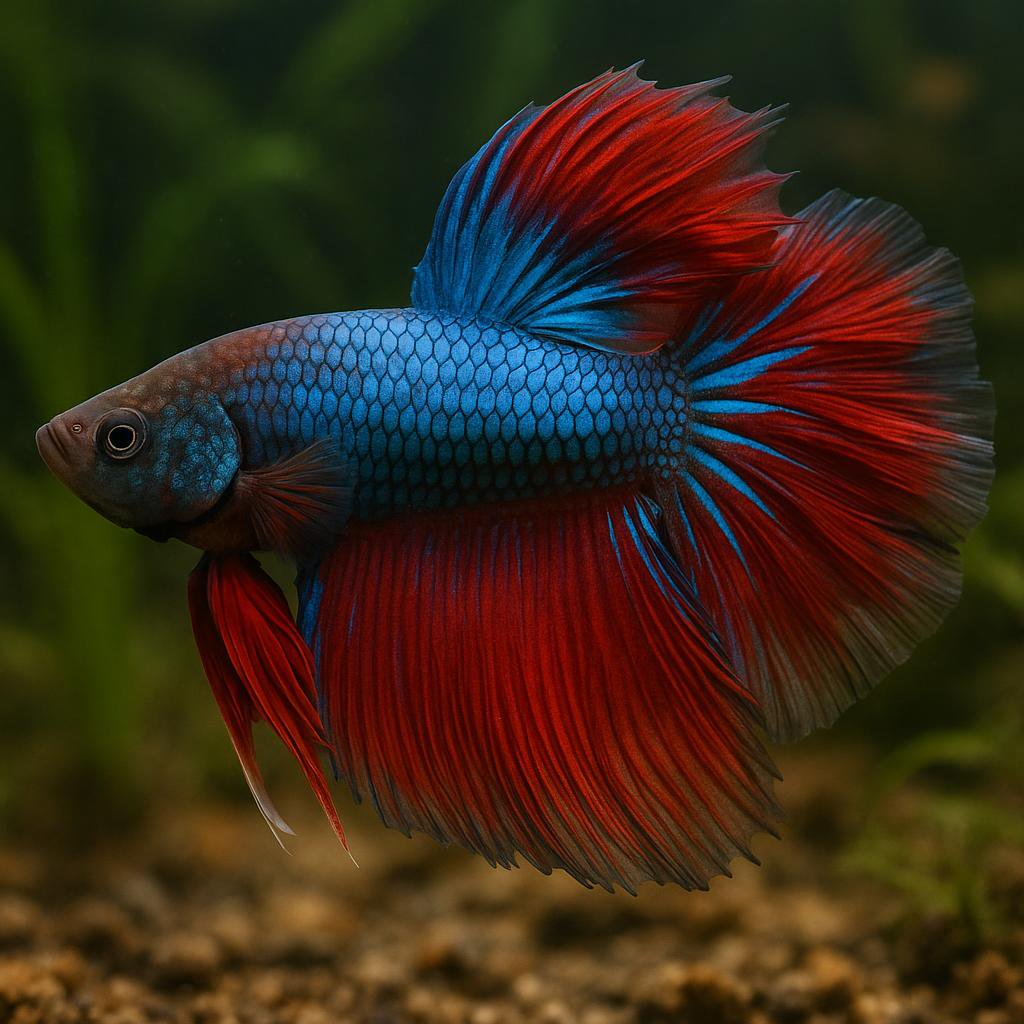
Betta
Betta splendens
Betta fish, also known as Siamese fighting fish, are popular for their striking colors and flowing fins. They are known for their territorial nature, especially males, which can display aggressive behavior towards each other.
Blackhawk catfish
Wallagonia micropogon
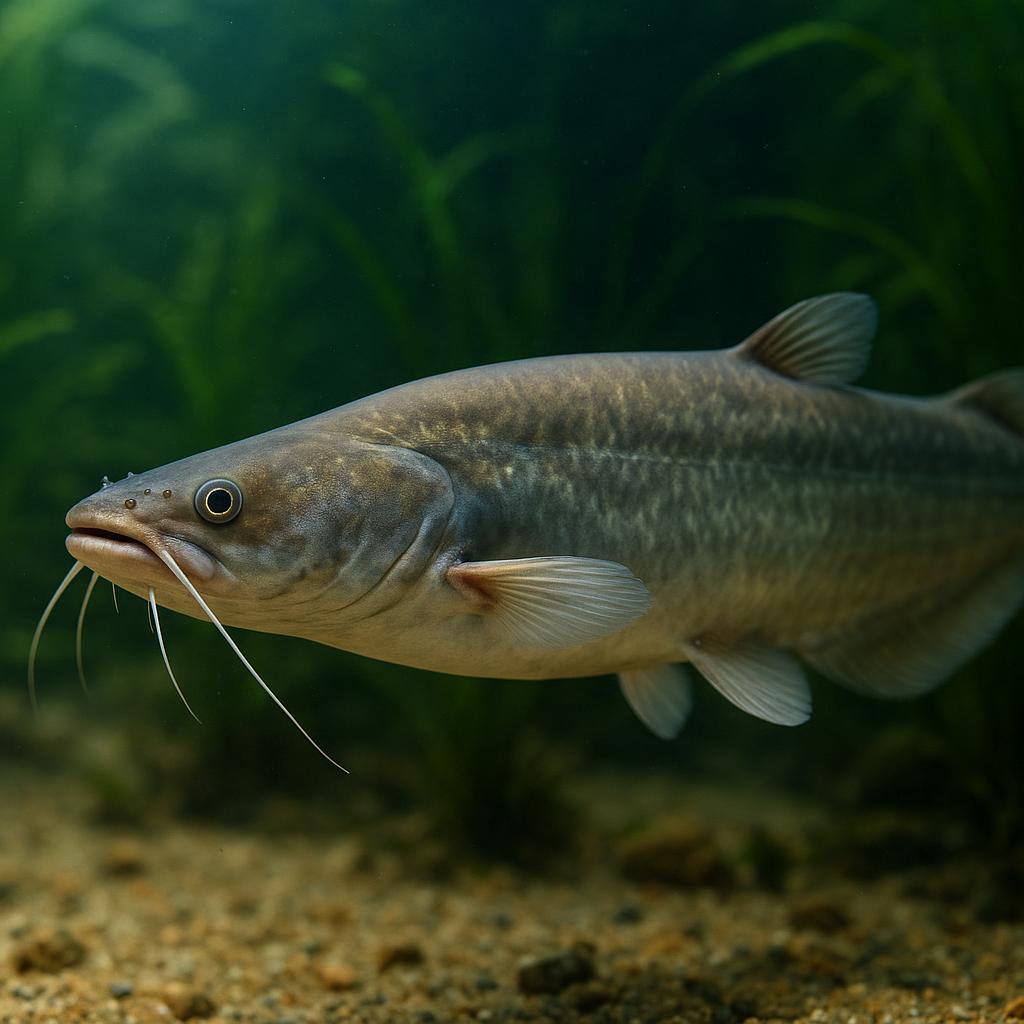
Wallagonia micropogon is a giant Southeast Asian sheatfish with an eel-like body and a huge, scoop-like mouth for hunting other fish. It is native to the Mekong and middle Chao Phraya basins and was long confused with Wallagonia leerii, which makes IDs and care notes tricky. Stunning as a juvenile but it grows to true megafish size, so it is only realistic for expert keepers or public aquariums.
Looking for other species?