

Hairy pipefish
Urocampus carinirostris
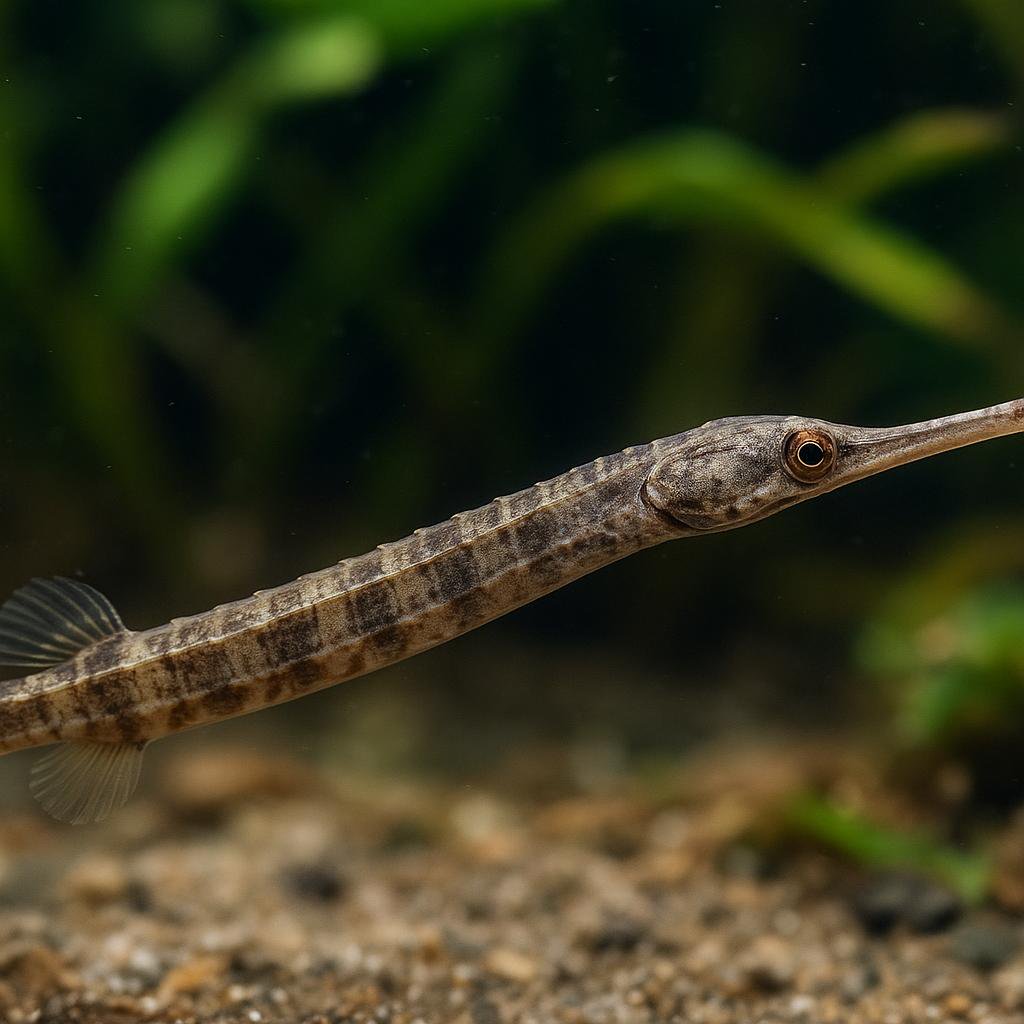
The Hairy pipefish (Urocampus carinirostris) is distinguished by its elongated body, prominent dorsal fin, and a fringe of filamentous appendages.
This page includes AI-generated images. Why am I seeing AI images?
About the Hairy pipefish
This is a tiny, stick-thin pipefish that lives in seagrass and algae beds and uses its prehensile tail to hang on like a little underwater chameleon. The coolest part is the "hairy" fringing (little filaments) all over the body that breaks up its outline, and like other syngnathids the male carries the eggs in a brood pouch under the tail.
Quick Facts
Size
10 cm
Temperament
Peaceful
Difficulty
Expert
Min Tank Size
20 gallons
Lifespan
1-3 years
Origin
Western Pacific (Australia and Papua New Guinea)
Diet
Carnivore - live pods (copepods/amphipods), tiny crustaceans; sometimes trained to frozen with effort
Care Notes
- Run them in a mature brackish tank with lots of fine branching cover (macroalgae, fake gorgs, or twiggy rock) so they can hitch all day - a bare tank freaks them out and they stop eating.
- Keep salinity stable in the low brackish range (about 1.005-1.012 SG) and do small, frequent water changes; they hate swings more than they hate slightly off numbers.
- Feed like you are feeding a picky seahorse: live enriched baby brine or copepods at first, then try to wean onto frozen Cyclops/mysis by squirting it right in front of their snout with a pipette.
- They are slow, methodical hunters, so turn down the flow and use a feeding station or target feeding; if food is blasting around the tank, the quicker fish will steal it all.
- Tankmates need to be calm and non-competitive - tiny gobies, peaceful bumblebee gobies, or small shrimp work; skip anything nippy or fast like mollies, monos, scats, bigger gobies, or most crabs.
- Watch for starvation (sunken belly) and snout damage from rough decor or aggressive tankmates; once they get beat up they often spiral fast.
- If you get a pair, the male broods the eggs, but raising babies is a rotifer/copepod grind in a separate setup; plan on live food cultures before you even try.
Compatibility
Good Tankmates
- Bumblebee gobies (Brachygobius spp.) - small, brackish-friendly, and they mostly mind their own business on the bottom. Just make sure everyone is eating frozen/live foods because neither species is a fast feeder.
- Figure-8 puffers (Tetraodon biocellatus) - only if you have a big, heavily planted tank and a very mellow individual. I have seen it work, but it is a gamble because pipefish are slow and puffers can get curious and mouthy.
- Wrestling halfbeaks (Dermogenys/related brackish halfbeaks) - good top-dwellers that usually ignore pipefish. Feed the halfbeaks well so they are not competing hard at mealtime.
- Small, peaceful monos when young (Monodactylus spp.) - they are brackish and generally not aggressive, but only as juveniles and only if the tank is roomy. Big monos turn into fast, pushy dinner hogs.
- Knight gobies (Stigmatogobius sadanundio) - can work in a larger setup with lots of hides and broken sight lines. Pick smaller individuals and keep them well-fed, because big knights can get a bit too bossy around food.
- Amano shrimp or other larger brackish-tolerant shrimp - not fish, but honestly great companions. They help clean up, and pipefish usually ignore adults (tiny shrimp will get picked off).
Avoid
- Archerfish (Toxotes spp.) - awesome brackish fish, but way too intense here. They are fast, competitive feeders and will outcompete pipefish every single meal.
- Scats (Scatophagus spp.) - same issue as archerfish, plus they get big and boisterous. Hairy pipefish will be stressed and will struggle to get enough food.
- Any nippy stuff like tiger barbs or fin-nippers in general - pipefish are basically all fins and slow movement, so they are an easy target.
- Bigger puffers or cranky puffers (green spotted, etc.) - they are notorious for biting and 'testing' tankmates. A pipefish cannot handle that kind of attention.
Where they come from
Hairy pipefish (Urocampus carinirostris) show up in shallow coastal areas where fresh and salt water mix - mangroves, estuaries, seagrass edges, that kind of place. They spend their lives pretending to be bits of algae or seagrass, swaying in the current and waiting for tiny prey to drift by.
That "hairy" look is those little skin filaments that break up their outline. In a tank, it means they do best in a setup that lets them vanish and perch, not a bare glass box with a powerhead blasting them around.
Setting up their tank
These are not beginner brackish fish. Think of them like finicky seahorse cousins: slow, deliberate, and not built for competing at mealtime. If you want a real shot at keeping them long term, give them a calm, mature tank that is basically made for pipefish.
- Tank size: I would not do less than 20 gallons for a pair, and bigger is easier because it stays stable.
- Maturity: 3-6+ months old with lots of micro-life (pods) is your friend.
- Flow: gentle to moderate, with calm zones. They like to hang and hunt, not fight current all day.
- Filtration: stable biofiltration plus a prefilter sponge on intakes (they will get pinned otherwise).
- Aquascape: lots of hitching posts - macroalgae (real or fake), branching rock, seagrass-like decor, mangrove-style roots. Give them vertical and horizontal perches.
- Substrate: sand is nice. Bare bottom works but looks stark and gives them fewer "natural" spots.
- Lighting: whatever your macros tolerate. They do not need reef lighting.
Do not mix them into a typical "community brackish" tank with fast feeders (mollies, scats, monos) unless you like watching pipefish slowly starve.
For salinity, keep it steady. They can handle a brackish range, but swings are what get you. Pick a specific gravity that matches where yours were kept (ask the seller), then stick with it. Top off with freshwater (not saltwater) so evaporation does not creep your salinity up.
I keep a cheap refractometer and check weekly. With pipefish, "close enough" turns into "mystery deaths" way too easily.
What to feed them
Feeding is the whole game with hairy pipefish. Most of them ignore flakes and pellets. They want tiny moving food, and they hunt by sight with that little vacuum-snout.
- Best staples: enriched live brine shrimp (adult or nauplii depending on fish size), live copepods, live mysis if you can get it.
- Frozen options (sometimes accepted): small frozen mysis, Cyclops, finely chopped krill - but do not assume they will take it.
- Enrichment: use HUFA enrichment (or at least feed the brine well) so it is not just empty calories.
- Frequency: small feedings 2-4 times a day beats one big dump.
If you cannot commit to regular live or enriched foods, this species will punish you for it. They can look "fine" right up until they suddenly are not.
Target feeding helps a lot. I have had the best luck using a turkey baster or pipette and gently releasing food right in front of their hitching spot. They learn where the "food cloud" appears and start picking.
Watch the belly line. A well-fed pipefish looks a bit rounded through the abdomen. A pinched, angular belly means you need to change something fast.
How they behave and who they get along with
Hairy pipefish are calm, observant little weirdos. They spend a lot of time hitched or hovering, making tiny corrections with their fins, then snapping at passing prey. You will not see constant swimming like a molly. If yours is racing around the glass, something is off.
- Good tankmates: other slow, non-competitive fish that will not steal every bite. In practice, I like species-only or pipefish with a couple of very chill, small companions.
- Avoid: fin nippers, aggressive feeders, anything that will perch and ambush them, and anything that treats them like a snack.
- Inverts: small shrimp can be ok, but remember shrimp also steal food. Crabs are a hard no.
Do not keep them with scats, monos, archerfish, puffers, or most "brackish showcase" fish. Those setups are built around speed and appetite, and pipefish lose both contests.
They are usually peaceful with each other. Give them enough hitching spots so they are not forced to share one favorite corner. If you see persistent chasing or one fish keeping the other from food, separate or rearrange the tank.
Breeding tips
Like seahorses, the males carry the babies. If you have a healthy pair and you are feeding heavy, you may see courtship: synchronized swimming, tail-to-tail hovering, and the male looking a bit "full" in the brood area.
- Keep the tank calm and consistent. They do not like constant rescapes, big water chemistry swings, or new pushy tankmates.
- Feed more, not less. Conditioning is mostly calories and variety.
- If you get fry: plan ahead. Newborns need tiny live foods (rotifers/copepod nauplii) and clean, stable water. Most people lose them because the food size is wrong.
Raising pipefish fry is a separate hobby. If you are not already set up to culture tiny live foods, do not feel bad if you cannot pull it off.
Common problems to watch for
Most losses come from slow starvation, stress from flow/tankmates, or infections that get a foothold because the fish is run down. They are tough enough to survive "almost right" for a while, then they crash.
- Starvation: belly pinching, weak hunting response, hanging in odd spots. Fix by increasing feeding frequency, switching to live/enriched foods, and reducing competition.
- Intake accidents: they can get stuck to filter intakes. Use sponge guards and avoid strong suction near their perches.
- Snout injuries: bumping decor or getting spooked can damage the snout, which means they cannot feed well. Keep the layout smooth and give them quiet zones.
- Bacterial issues (tail/snout rot): fraying, redness, or fuzzy patches. Quarantine helps a lot, and clean water plus early treatment makes a huge difference.
- Gas bubble problems: can show up as buoyancy weirdness. Often tied to stress, supersaturated water, or poor husbandry. Improve aeration, reduce microbubbles, and stabilize conditions.
- Acclimation shock: they do not like fast salinity changes. Slow drip acclimation is worth the time.
If you buy them, quarantine them in a calm, pipefish-friendly setup (with hitching posts and live foods ready). A bare hospital tank with nothing to grab onto can stress them out badly.
Similar Species
Other brackish peaceful species you might be interested in.
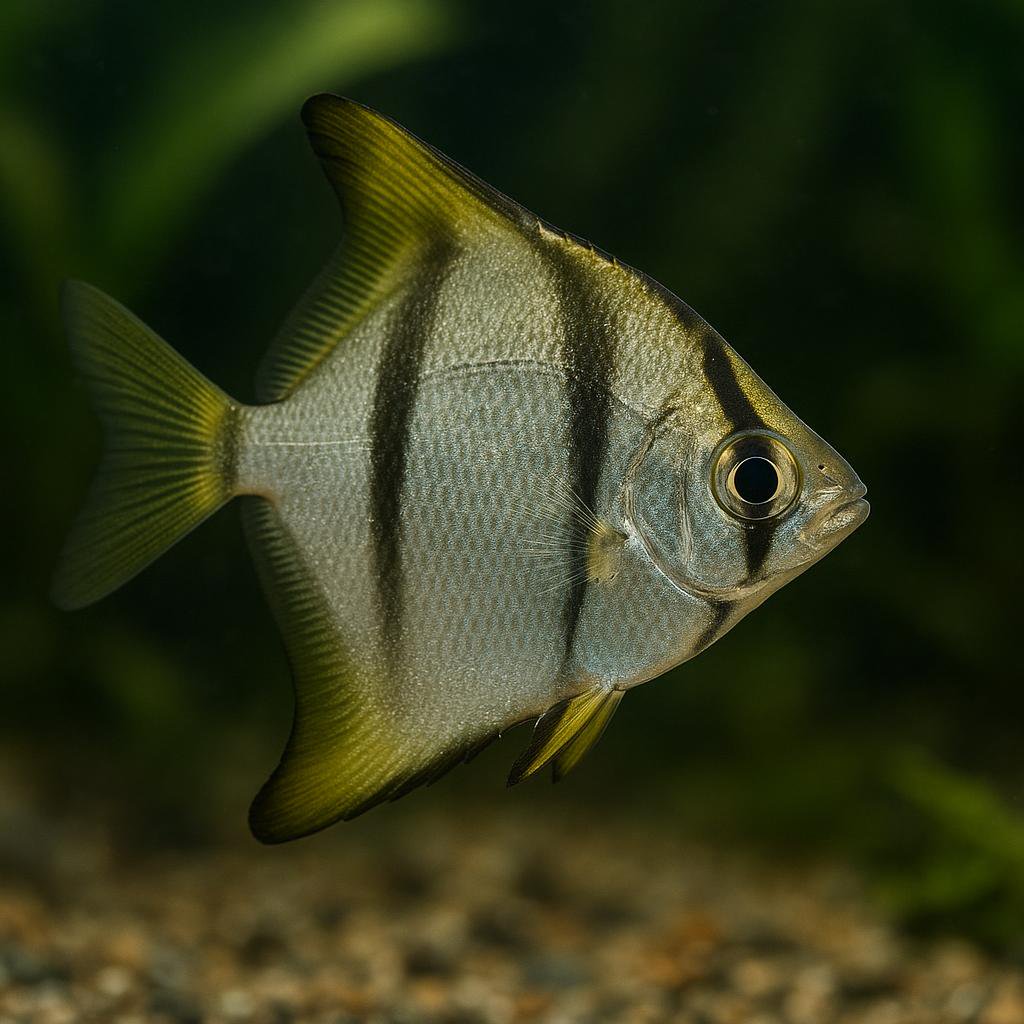
African moony
Monodactylus sebae
This is that shiny, diamond-shaped "mono" that cruises around in a tight pack and looks like a little silver dinner plate with black bars when it's young. The big thing with African moonies is they're euryhaline-so they'll tolerate freshwater as juveniles, but they really shine long-term in brackish (and can be transitioned toward marine as they mature). Give them a big, open tank and a group, and they turn into nonstop, super fun midwater swimmers.
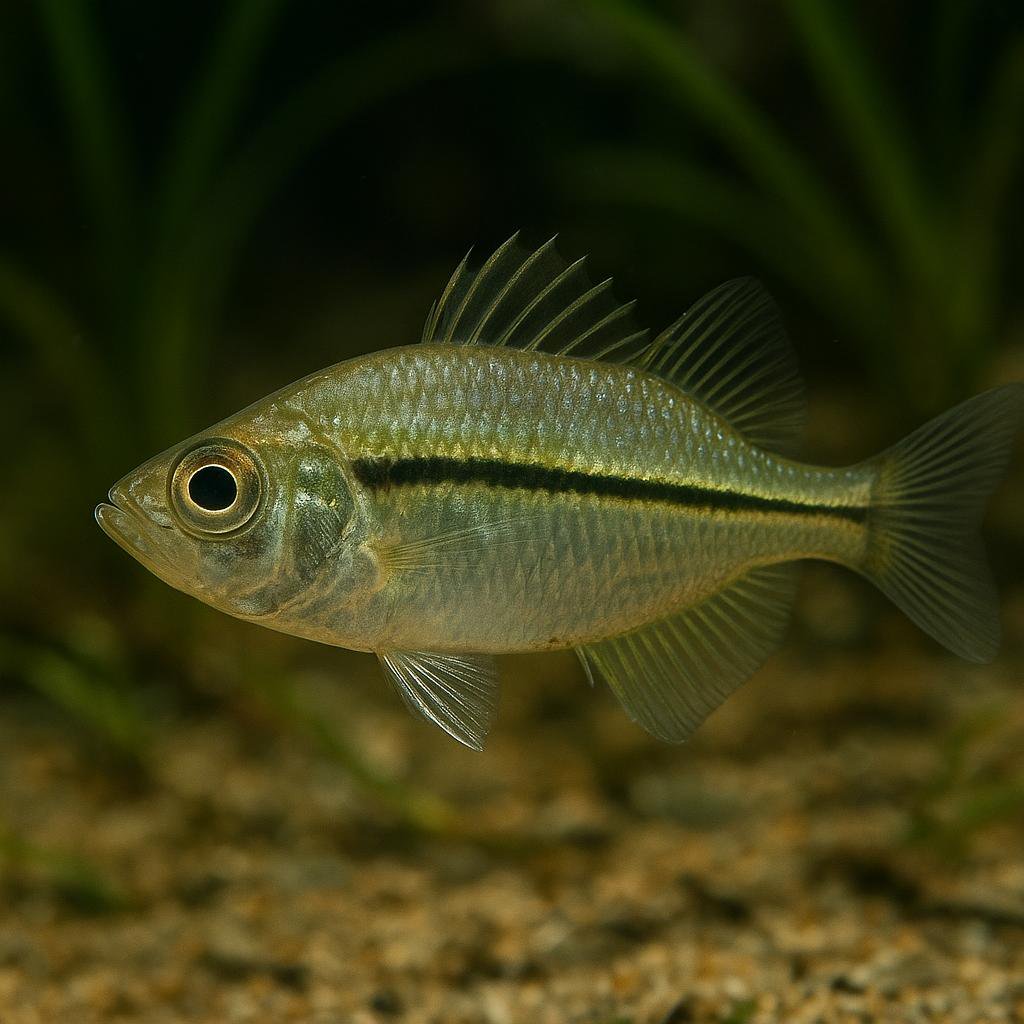
Banded-tail glassy perchlet
Ambassis urotaenia
This is one of those see-through glassy perchlets where you can literally watch the organs shimmer when it turns-super cool in the right lighting. In the wild it hangs around river mouths and mangroves and cruises in groups, so it does best when you keep a little gang of them and give them some open swimming room.
-1771643191.jpg)
Elongate mudskipper (pointed-tailed goby)
Pseudapocryptes elongatus (syn. Pseudapocryptes lanceolatus)
This is that super-cool "mudskipper-ish" goby that mostly stays in the water, but will park itself in the shallows and periscope its eyes above the surface like it's keeping watch. It's an obligate air-breather from tidal rivers/estuaries, so it really appreciates shallow, brackish setups with soft mud/sand and gentle flow-more of a mangrove vibe than a typical community tank.
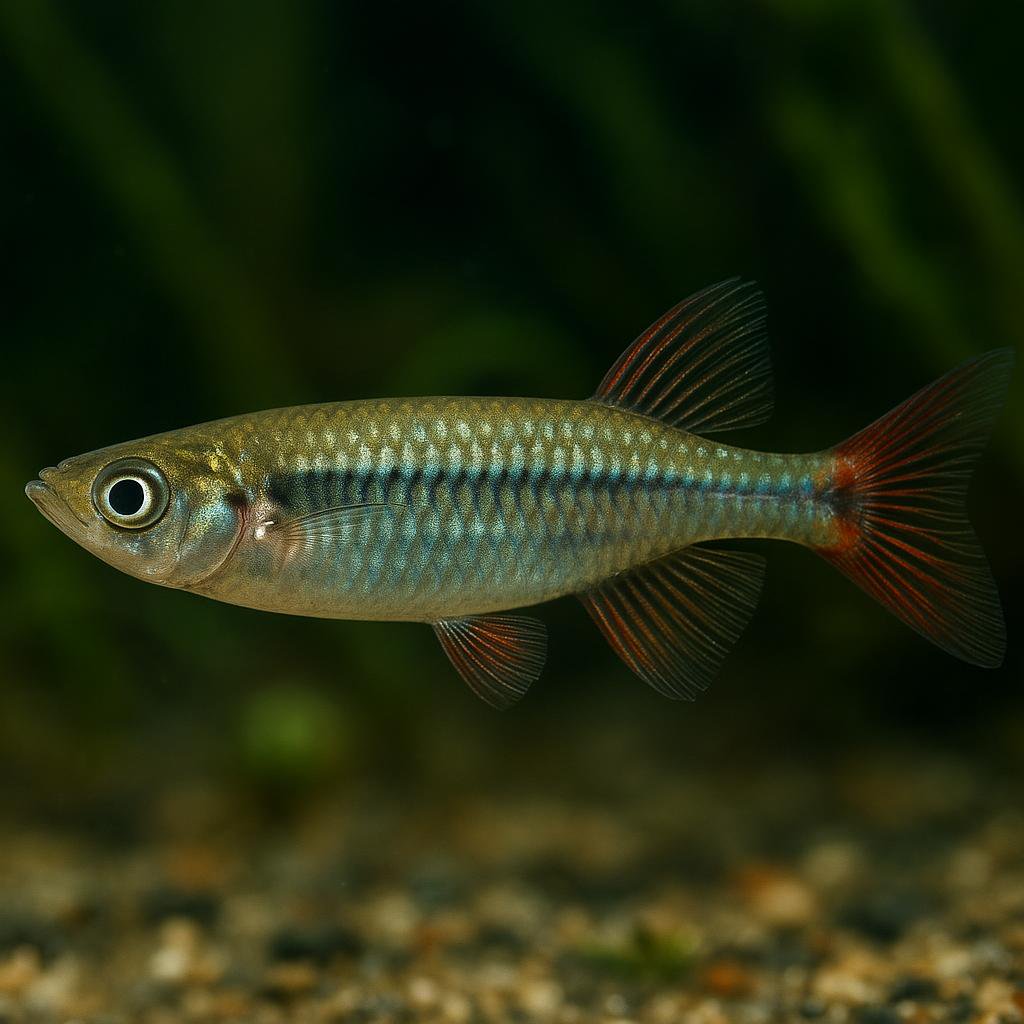
Feathered river-garfish
Zenarchopterus dispar
Zenarchopterus dispar is a surface-hanging halfbeak from mangroves and sheltered bays, with that classic long lower jaw for snapping up insects and other floaty foods. Males get those funky elongated fin rays (the "feathered" look), and they are livebearers, so once they settle in you can occasionally get surprise babies. Biggest thing with this fish is giving it calm water up top, room to cruise, and a tight lid because halfbeaks can rocket-jump.
-1771297475.jpg)
Orange chromide
Pseudetroplus maculatus (syn. Etroplus maculatus)
This is that cute little Indian/Sri Lankan cichlid with the big black "shoulder" spot and a warm gold/orange glow when it's happy. It'll do the classic cichlid thing where it gets a bit pushy when breeding, but most of the time it's pretty chill-especially if you keep a small group. Super cool bonus: the parents actively tend the eggs and fry, and the babies even graze on the parents' skin mucus for a bit.
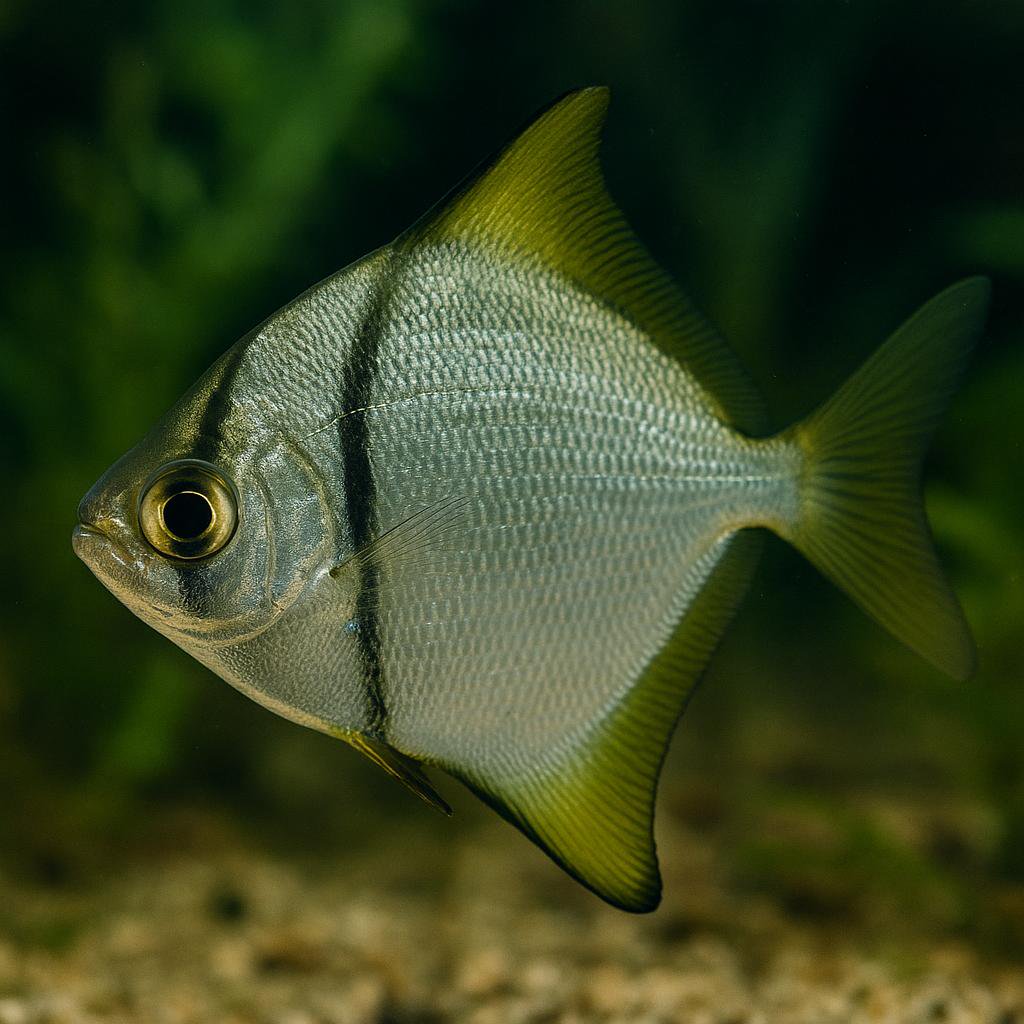
Silver moony (Mono)
Monodactylus argenteus
Silver moonies are those shiny, diamond-shaped "mono" fish you see cruising nonstop in brackish tanks-super active and way more fun to watch when they're in a proper group. They start out in estuaries (often sold too small and too fresh), and the big "gotcha" is they really want you to ramp them up to stronger brackish/near-marine as they grow. Feed them like a hungry, messy omnivore and give them swimming room, and they're absolute show-stealers.
More to Explore
Discover more brackish species.
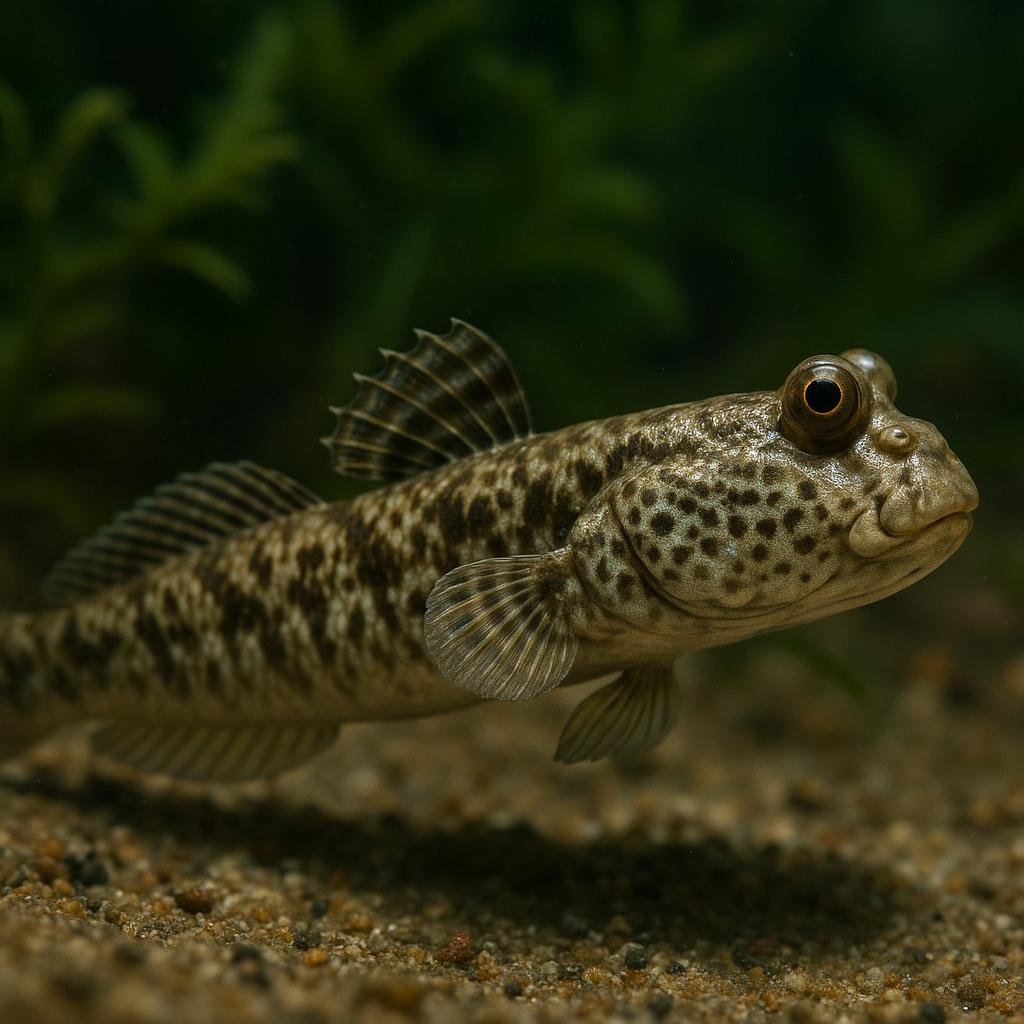
Atlantic Mudskipper
Periophthalmus barbarus
This is that wild little amphibious goby that straight-up climbs around on land like it forgot it was a fish. They've got big googly eyes, tons of personality, and they'll perch, hop, and patrol their territory-honestly more like a tiny crabby lizard than a "regular" aquarium fish.
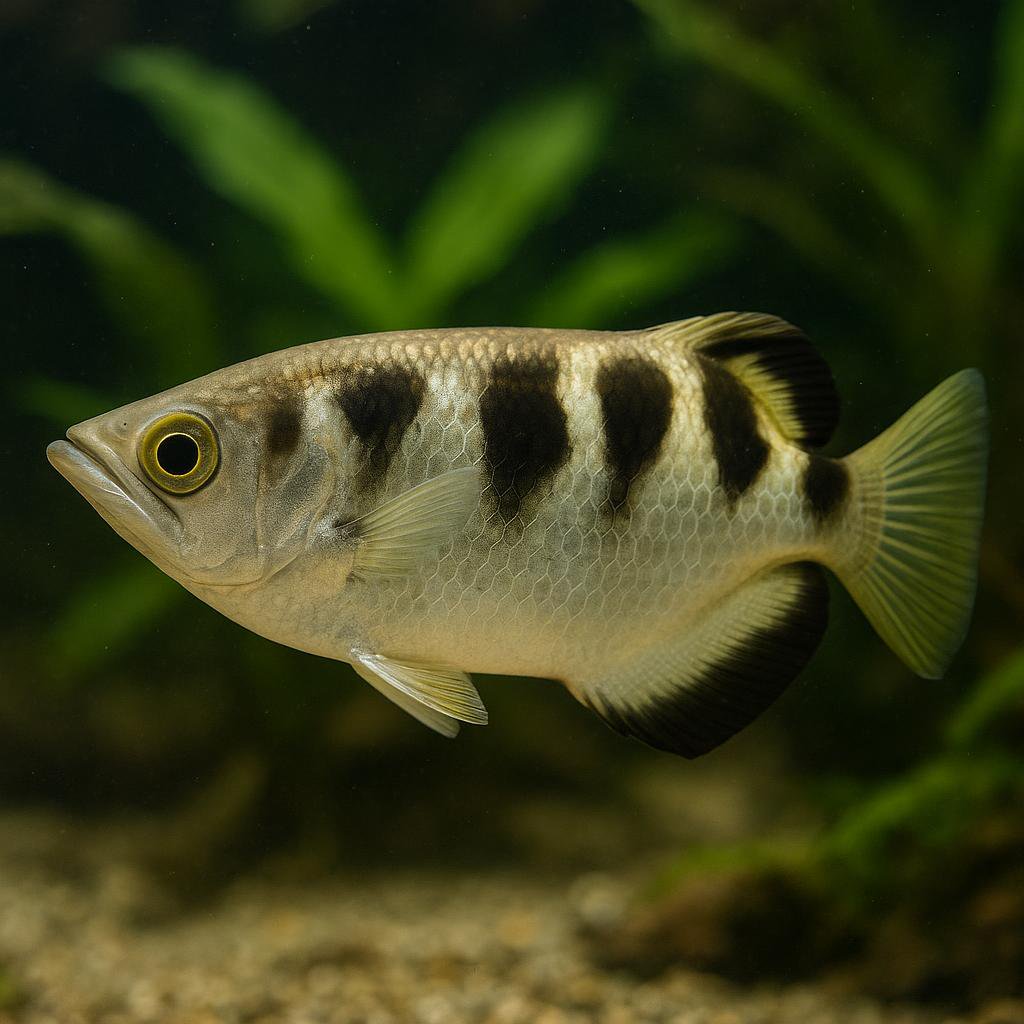
Banded Archerfish
Toxotes jaculatrix
This is the fish that literally spits jets of water to knock insects off branches-watching one "take aim" is unreal. They're super aware of what's going on outside the tank and will even learn to beg and snipe food from the surface once they settle in. Give them height and some open swimming room and they act like little aquatic sharpshooters.
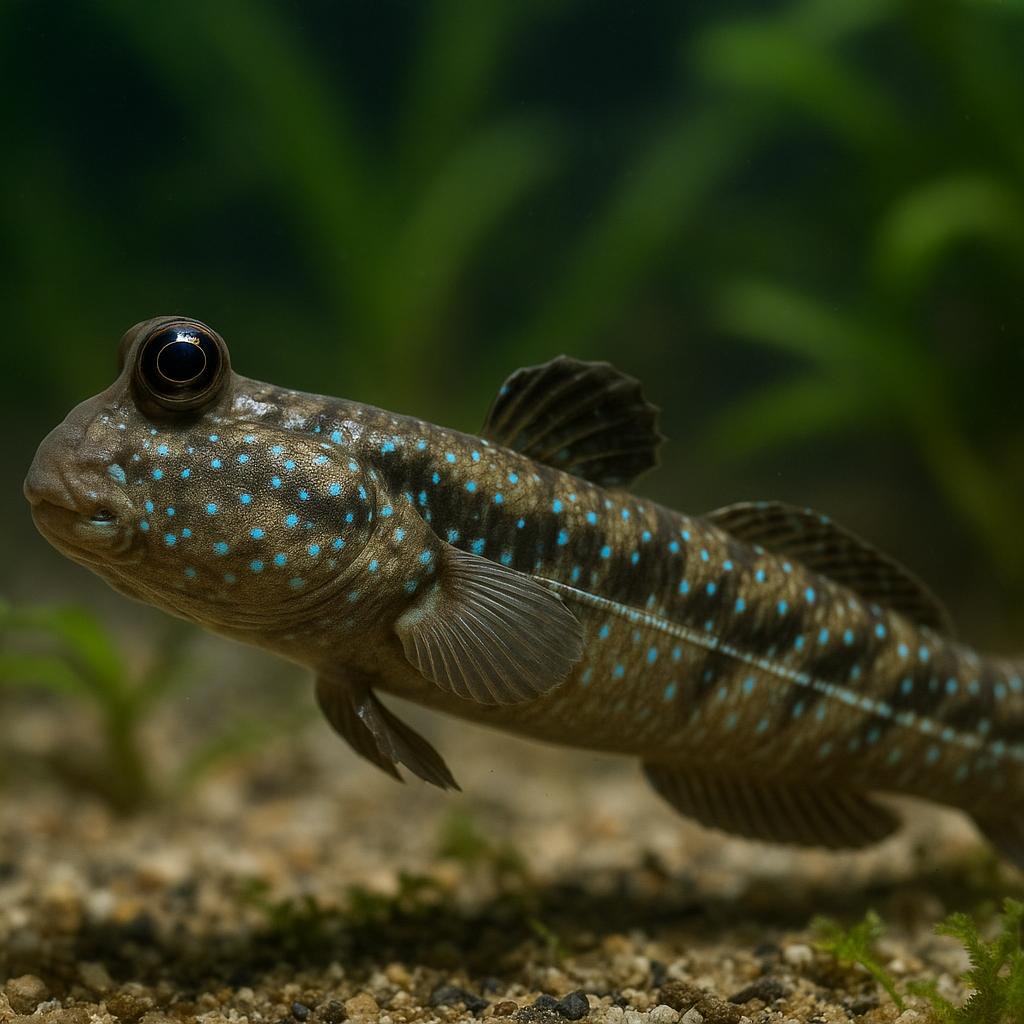
Barred mudskipper
Periophthalmus argentilineatus
This is one of those classic "walks around like it owns the place" mudskippers-big goofy eyes, climbs, hops, and spends a ton of time out on the mud when it's humid. In the wild it lives on intertidal mangrove/nipa mudflats and even shuttles between little pools and open air, hunting worms, insects, and small crustaceans. It's super fun to watch, but it really wants a brackish paludarium setup (not a normal aquarium).
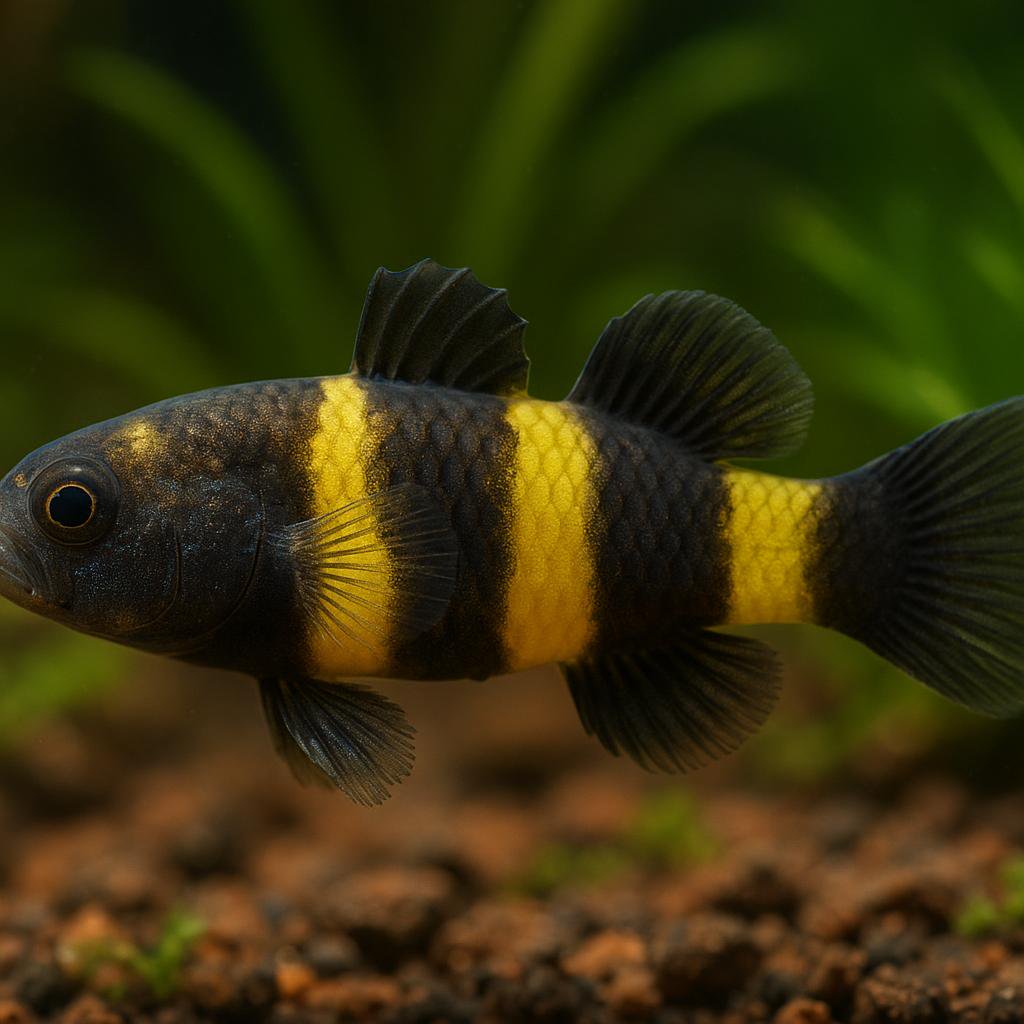
Bumblebee goby
Brachygobius doriae
Brachygobius doriae is one of the classic "bumblebee gobies" - tiny, bottom-hugging little characters that perch on rocks and sand and stare at you like they own the place. They're at their best in a calm setup with lots of caves and leaf litter, and they really shine once you get them eating frozen/live foods reliably (they're slow, picky eaters). Also: they're one of the species that gets mislabeled a lot in shops, so it's super common to see them sold under the wrong bumblebee-goby name.
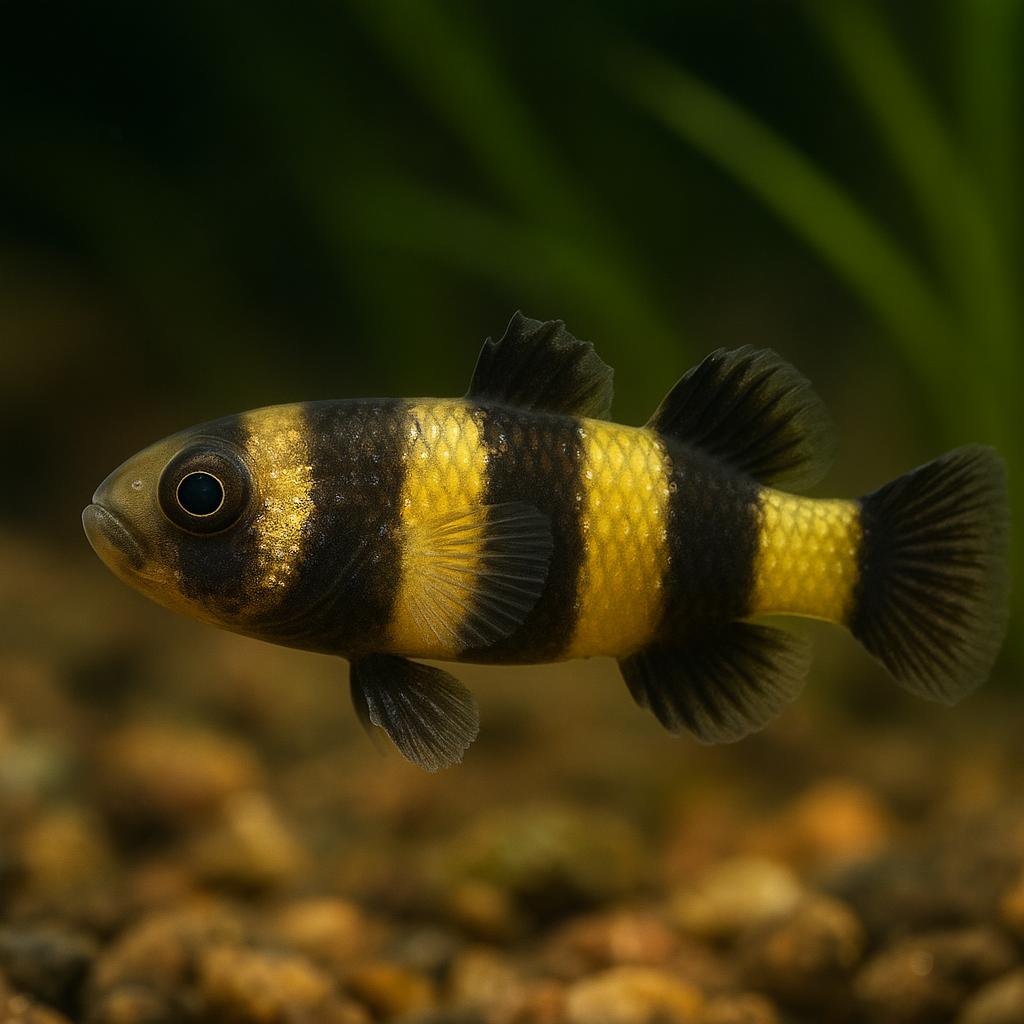
Bumblebee goby (Bumblebee fish)
Brachygobius xanthozonus
This is that tiny little goby with the bold black-and-yellow bands that likes to perch on the bottom and stare back at you like it owns the place. It's happiest in lightly brackish water with lots of little caves and sight-breaks, and it's one of those fish that often refuses flakes-frozen/live meaty foods usually flip the "yes, I will eat" switch.
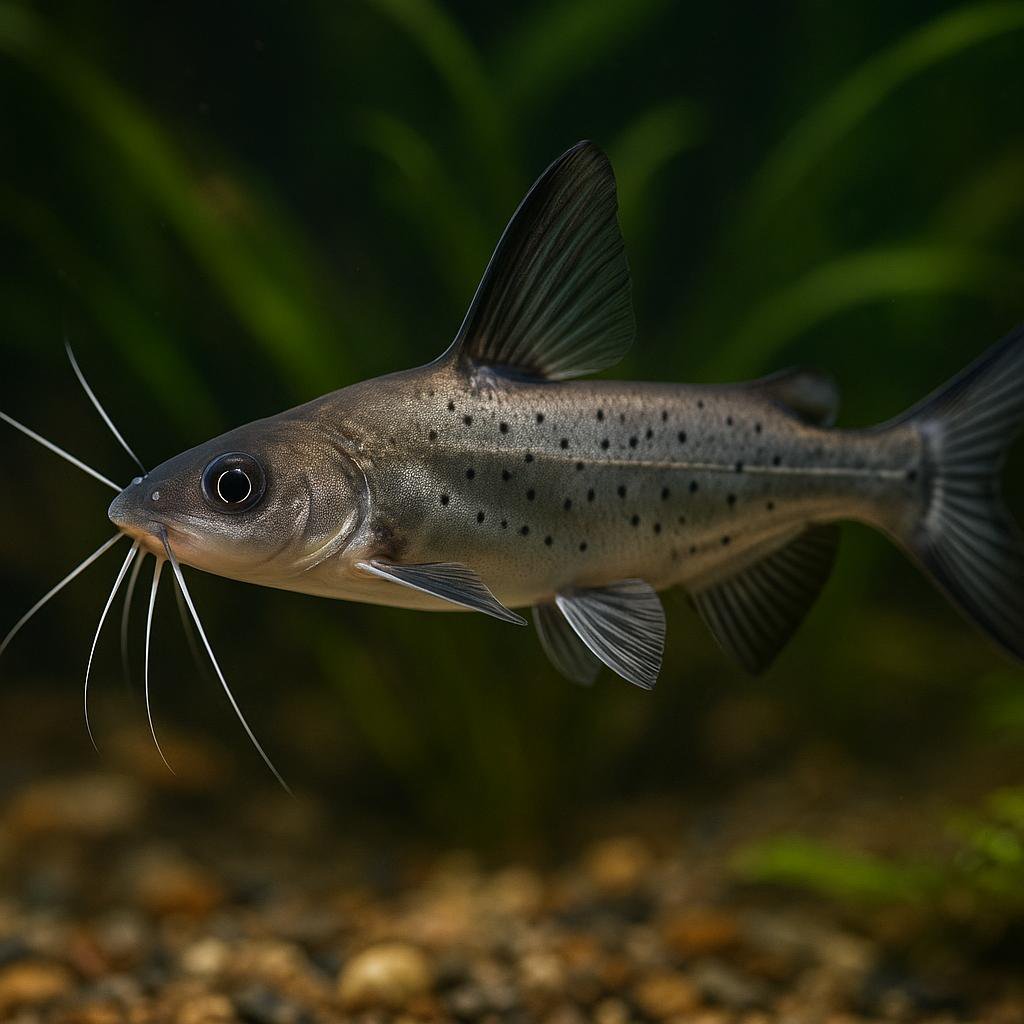
Colombian shark catfish
Ariopsis seemanni
This is that slick silver "shark-looking" catfish with the black fins and white tips that cruises around like it owns the place. The big gotcha is it's not a true freshwater community fish long-term-juveniles show up in shops as "freshwater," but as it grows it really wants brackish and eventually full marine conditions, plus a lot of swimming room.
Looking for other species?