

Vanmanenia loach
Vanmanenia ventrosquamata
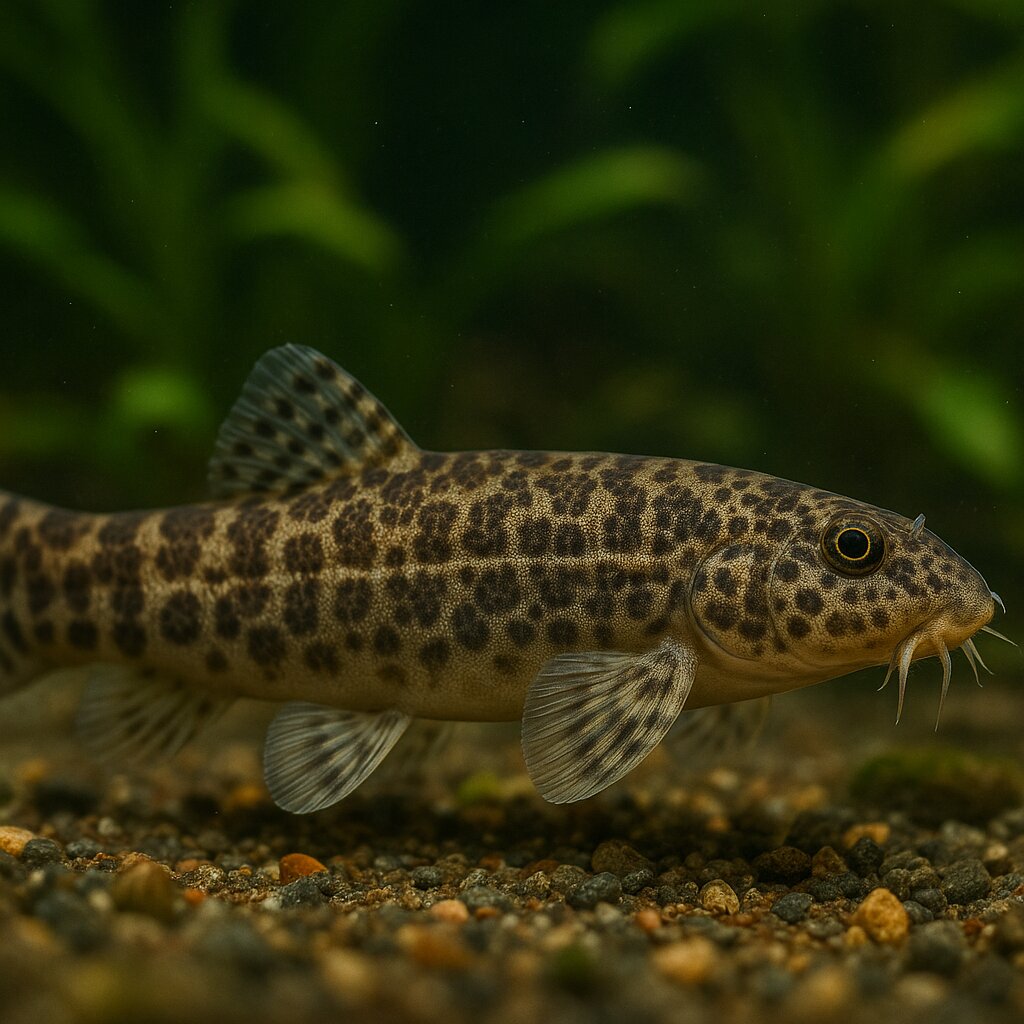
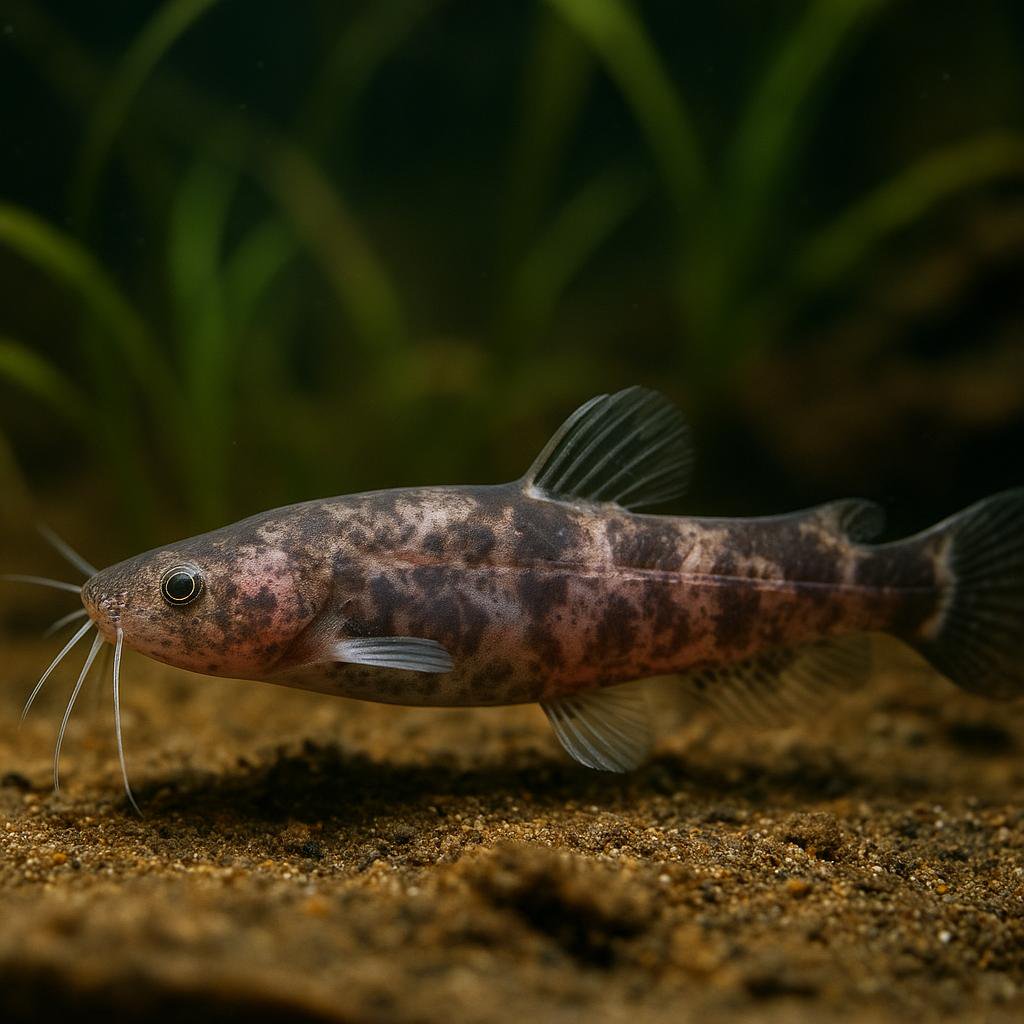
Vanmanenia loach features a slender body with a distinctive orange-brown coloration and small, scattered dark spots, along with elongated barbels.
This page includes AI-generated images. Why am I seeing AI images?
About the Vanmanenia loach
A rarely seen hillstream lizard-loach from northern Vietnam, this little sucker-bodied grazer hugs rocks and zooms around in the current. It shines in a mature, high-oxygen tank with algae and biofilm to munch, and it will show tons of personality once it settles in.
Quick Facts
Size
7.3 cm SL (about 3 inches)
Temperament
Peaceful
Difficulty
Intermediate
Min Tank Size
30 gallons
Lifespan
6-10 years
Origin
Southeast Asia - northern Vietnam (Cau/Red River drainages reported)
Diet
Omnivore - grazes biofilm/algae; accepts sinking wafers, Repashy gels, blanched veggies, and small frozen foods
Water Parameters
20-24°C
6.5-7.5
5-12 dGH
Need a heater for this species?
This species needs 20-24°C in a 30 gallon tank. Use our heater calculator to find the right wattage.
Calculate heater sizeCare Notes
- Give them a river: long tank (20 long for one, 30-40 gal for a group) with a canister and powerheads pushing 10-15x turnover and tons of surface ripples.
- Keep it cool and clean: 64-72 F (18-22 C), pH 6.5-7.5, soft to moderate hardness (2-10 dGH), 0 ammonia and nitrite, nitrate under 15 ppm; if the room hits 75 F+, crank aeration and use a fan or ice packs to drop temps.
- Use smooth river stones over sand (no sharp gravel) and let algae coat them; park a few spare rocks in a sunny bucket or tank to seed biofilm and rotate them in.
- They are grazers first, so smear Repashy Soilent Green or SuperGreen on rocks, add spirulina wafers, blanched zucchini, and occasional frozen daphnia or baby brine; feed small portions twice daily and drop food into the flow so it sticks to the stones where they browse.
- Tankmates should be cool, quick, and peaceful: white clouds, danios, river rasboras, and other hillstream loaches work; skip cichlids, goldfish, and warmwater species.
- Keep 4+ Vanmanenia to spread sparring and stack rock piles to break sight lines so no single fish gets bullied.
- They surf and climb, so run a tight lid and sponge every intake or they will end up in the filter.
- Quarantine new arrivals; many come in skinny from parasites, so treat with praziquantel or levamisole if they keep eating but lose weight.
Compatibility
Good Tankmates
- Other hillstream loaches that love current (Sewellia, Gastromyzon, Pseudogastromyzon) - similar speed, usually just minor shoving if you give lots of rocks
- Cool-water danios and white clouds (zebra, pearl, Tanichthys) that zip midwater and handle strong flow
- Small river gobies that perch on stones (Rhinogobius sp.) - same temp and oxygen needs; add caves so nobody argues
- Shrimp crew like Amanos and hardy Neocaridina - they graze together and the loaches ignore them
- Nerite and other peaceful snails - safe, plus their shells grow good biofilm for grazing
Avoid
- Nippy or pushy fish that harass bottoms (tiger barbs, Chinese algae eaters, big SAEs) - they outcompete and pick at loaches
- Big predators or territorial cichlids (oscars, green terrors, jack dempseys) - stressful and risky
- Warm, slow, long-finned fish that hate current (bettas, fancy guppies, angels) - wrong temp and too much flow
- Huge or boisterous loaches and plecos (clown loach, weather loach, common pleco) that bulldoze and steal food
Where they come from
Vanmanenia loaches are classic hillstream fish from fast, rocky streams in southern China and northern Vietnam. Picture clear, cool water blasting over cobbles, tons of dissolved oxygen, and stones coated in algae. That river energy is the whole key to keeping them happy at home.
Think of them as freshwater limpet-goats. They cling to rocks and graze the biofilm all day.
Setting up their tank
Footprint matters more than height. A 30-inch long tank (75-90 cm) is a solid starting point for a small group. These guys want current and space to skim across rocks.
- Flow: Aim for 10-20x turnover. Powerheads pointed along the length of the tank work well. A river-manifold setup is even better.
- Oxygen: Strong surface agitation plus an airstone. Hillstreams suffer fast if O2 dips.
- Substrate: Sand or fine gravel with piles of smooth rounded stones and cobbles. Avoid sharp edges.
- Hardscape: Mix of flat rocks for grazing and a few caves/crevices for line-of-sight breaks.
- Plants: Optional. Hardy, low-profile types (Anubias, Microsorum) attached to rocks do fine in current.
- Lighting: Moderate to bright to grow algae on the rocks. I keep a spare tray of stones in a sunny tub to rotate in.
- Lid: Tight-fitting. They can climb glass and power cords.
Build a simple river manifold with PVC, a couple sponge intakes on one end, and powerheads pushing water through to the other. It creates a clean, laminar flow lane they love.
- Temperature: 68-74 F (20-23 C). Short dips cooler are fine; avoid sustained heat.
- pH: 6.6-7.8
- Hardness: Soft to moderately hard is fine (roughly 2-12 dGH).
- Nitrates: Keep under 20 ppm. Lots of flow does not replace water changes.
Do not rely on canister return alone for oxygen. Add extra aeration. In warm weather, bump airflow and float frozen water bottles if needed.
What to feed them
They are biofilm grazers first. Give them rocks with green growth to rasp, then back it up with prepared foods. Think more greens, less meaty stuff.
- Daily: Algae and biofilm on stones. Rotate in pre-grown rocks from a tub if your tank is too clean.
- Staples: Repashy Soilent Green/Super Green, high-quality algae wafers, spirulina pellets.
- Veggies: Blanched zucchini, spinach, kale chips (quick blanch), sliced cucumber.
- Treats (2-3x/week): Frozen daphnia, baby brine shrimp, or small amounts of bloodworms. Go light on protein to avoid bloat.
Smear Repashy gel thinly on flat stones and let it set. It mimics natural grazing and keeps the peace at feeding time.
How they behave and who they get along with
They scoot, cling, and spar. Expect short chases and side-by-side shoving matches on favorite rocks. It looks intense but rarely causes damage if the group and space are right.
- Group size: 4-6+ spreads out the squabbles.
- Good neighbors: Other hillstream loaches, small danios, white clouds, Tanichthys-like minnows, peaceful gobies (Stiphodon/Rhinogobius with similar temps), and shrimp in well-planted setups.
- Avoid: Big or pushy fish, warmwater species, long-finned slow fish, and heavy feeders that hog all the food.
They are most active in the flow lane. If you see everyone stuck in the corners, the current or oxygen is off.
Breeding tips
Spawning in home tanks is rare and not something I would count on. If you want to try, set up a dedicated stream tank and think seasonally.
- Sexing: Females are usually rounder; males may have more pronounced head/pectoral features.
- Layout: Deep bed of mixed pebbles and river stones with strong linear flow and high oxygen.
- Season cues: Cool period with heavy feeding, then gradual temp rise and big water changes using slightly cooler water.
- Eggs: Likely scattered into gaps under stones. Adults may eat them, so use pebble trays you can lift to a rearing tank.
- Fry: Very small and algae-focused at first. Biofilm rocks, powdered spirulina, and green water help.
Documented home breedings are uncommon. Most individuals in shops are wild-collected. No shame in just keeping a healthy display group.
Common problems to watch for
- Overheating and oxygen crashes: The big killer. Anything above 75 F without extra aeration is risky.
- Starvation in clean tanks: Bare, algae-free stones lead to weight loss. Grow biofilm or feed gel foods often.
- Import skinny and parasites: Quarantine new fish. Many arrive thin and may carry flukes. Use gentler meds and boost oxygen during treatment.
- Bloat from rich foods: Too much bloodworm or high-protein pellets can swell them up. Keep protein as a treat.
- Abrasions: Rough rock or frantic chasing on sharp decor causes scrapes. Use smooth stones and keep water pristine to prevent infections.
- Medication sensitivity: Go half-dose with copper/formalin/malachite green. Prioritize heat-free methods and heavy aeration.
I lost a pair during a heat wave before I doubled airflow. Learn from my mistake: plan backup cooling and extra aeration before summer hits.
Weekly 30-50% water changes, filter maintenance, and a quick algae-rock rotation routine keep Vanmanenia looking full-bellied and active.
Similar Species
Other freshwater peaceful species you might be interested in.
Amphilius dimonikensis
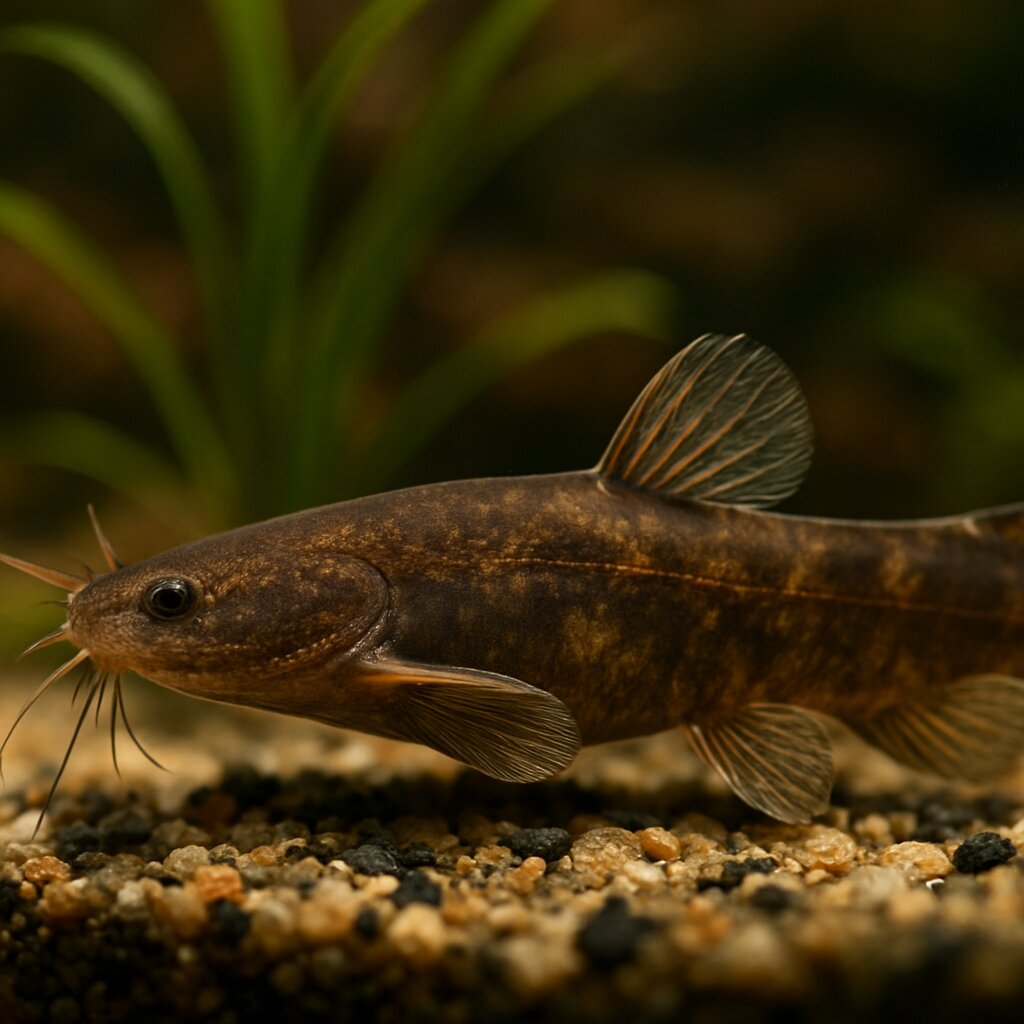
A small loach catfish endemic to the Mpoulou River in the Mayombe (Dimonika Biosphere Reserve), Republic of the Congo. Amphilius dimonikensis has a subtle banded pattern and inhabits fast, clear streams over rock and sand. In aquaria, prioritize strong, well-oxygenated flow with rounded stones and sand to mimic hillstream conditions.
Aboina barb
Enteromius aboinensis
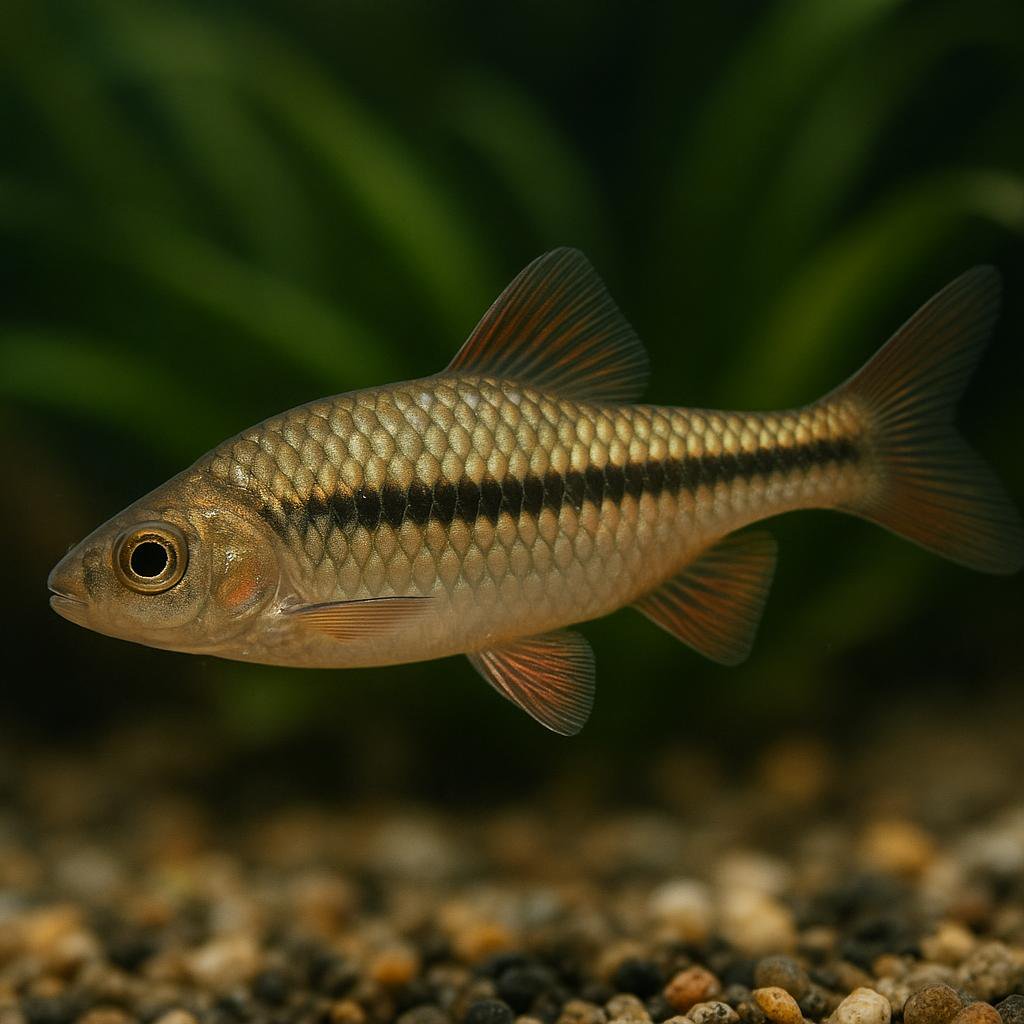
Enteromius aboinensis (the Aboina barb) is a small West African barb with a clean black midline stripe and a little spot right at the base of the tail. It does best when you treat it like a proper schooling fish - keep a decent group and give it plants around the edges with open swimming room in the middle.
Ajuricaba tetra
Jupiaba ajuricaba
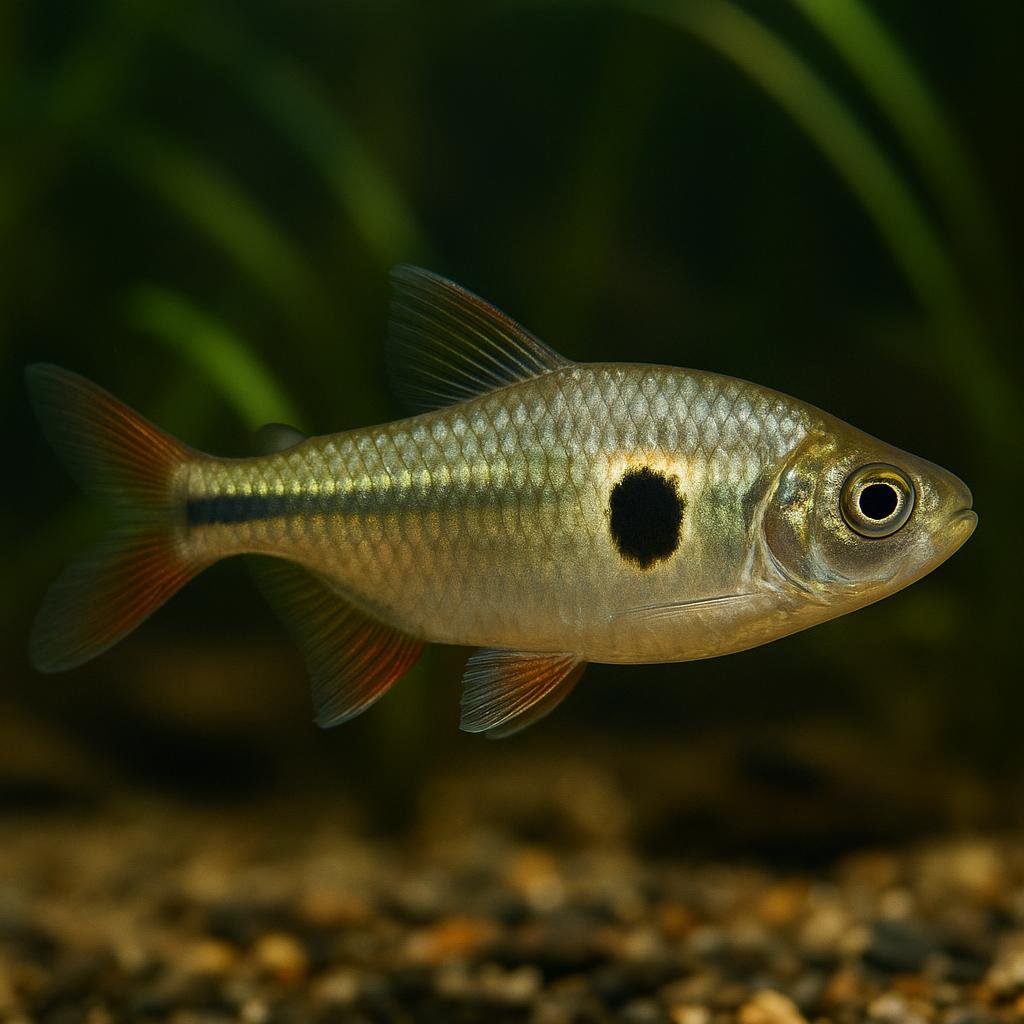
Jupiaba ajuricaba is a South American freshwater characin from the Amazon basin in Brazil (rio Negro, rio Solimões, and rio Tapajós basins). It reaches about 9.5 cm SL and is diagnosed by a narrow dark midlateral stripe, an elongated humeral spot, and an ocellated spot on the upper caudal-fin lobe. Wild specimens have been collected from blackwater forest streams and also oxbow-lake habitats.
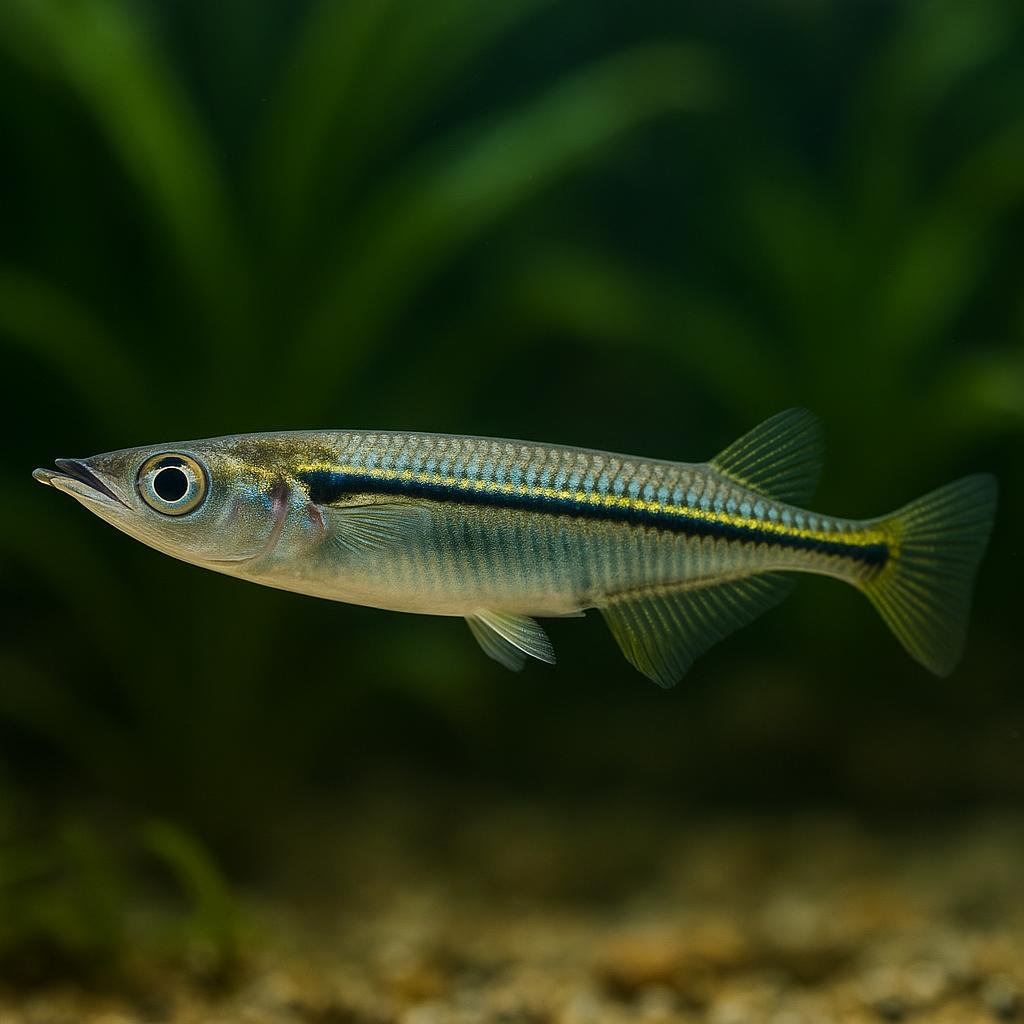
Allen's river garfish
Zenarchopterus alleni
A poorly known freshwater halfbeak endemic to West Papua (Mamberamo River), described from a single specimen (~13 cm SL). Beyond basic habitat/occurrence, little is published about its ecology or aquarium suitability; assume it is a surface-oriented, jump-prone halfbeak only by analogy with related taxa.
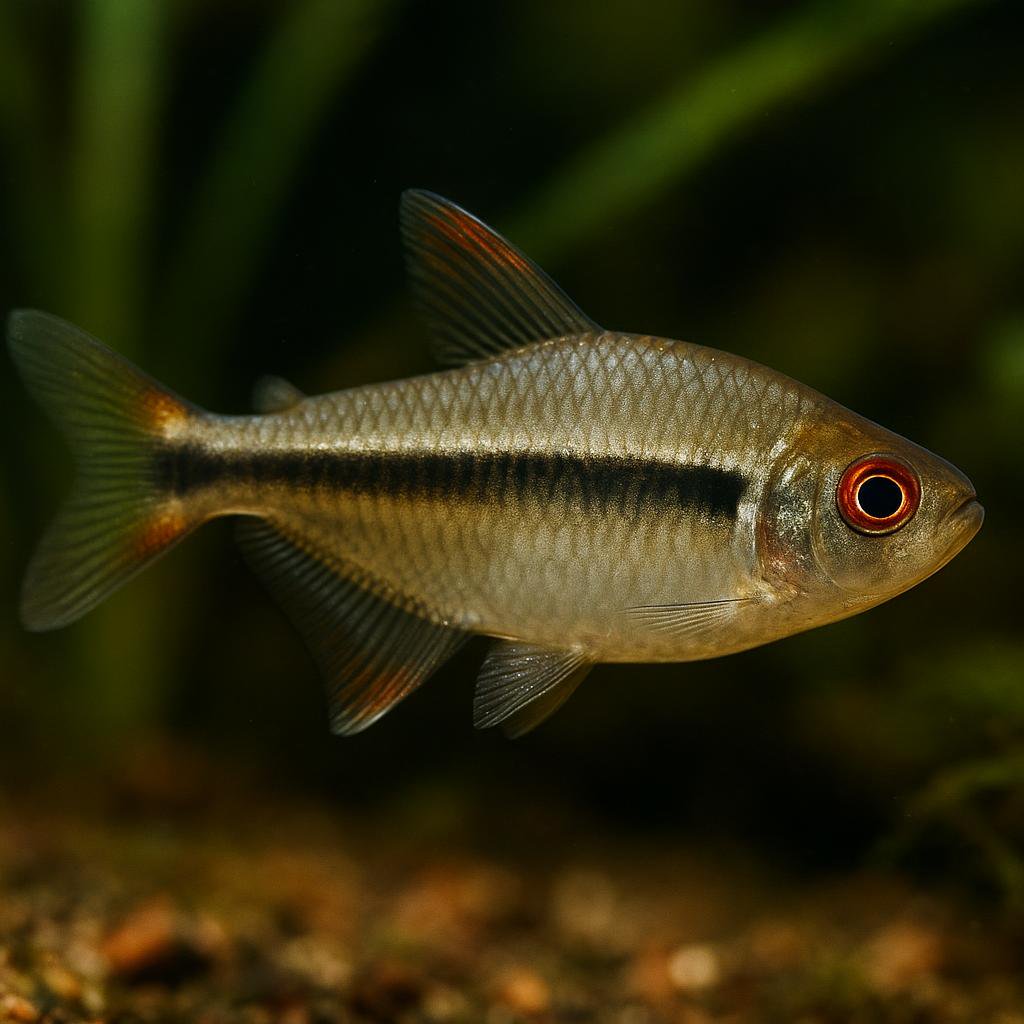
Amapa tetra
Hyphessobrycon amapaensis
This is a tiny, super sleek little tetra with a clean red stripe down the side that really pops once its settled in. It does best in a planted, slightly tinted "creek-style" setup and looks way cooler when you keep a proper group so they school and flash that line together. If you can give it soft, slightly acidic water and a calm community, its an easy fish to fall for.
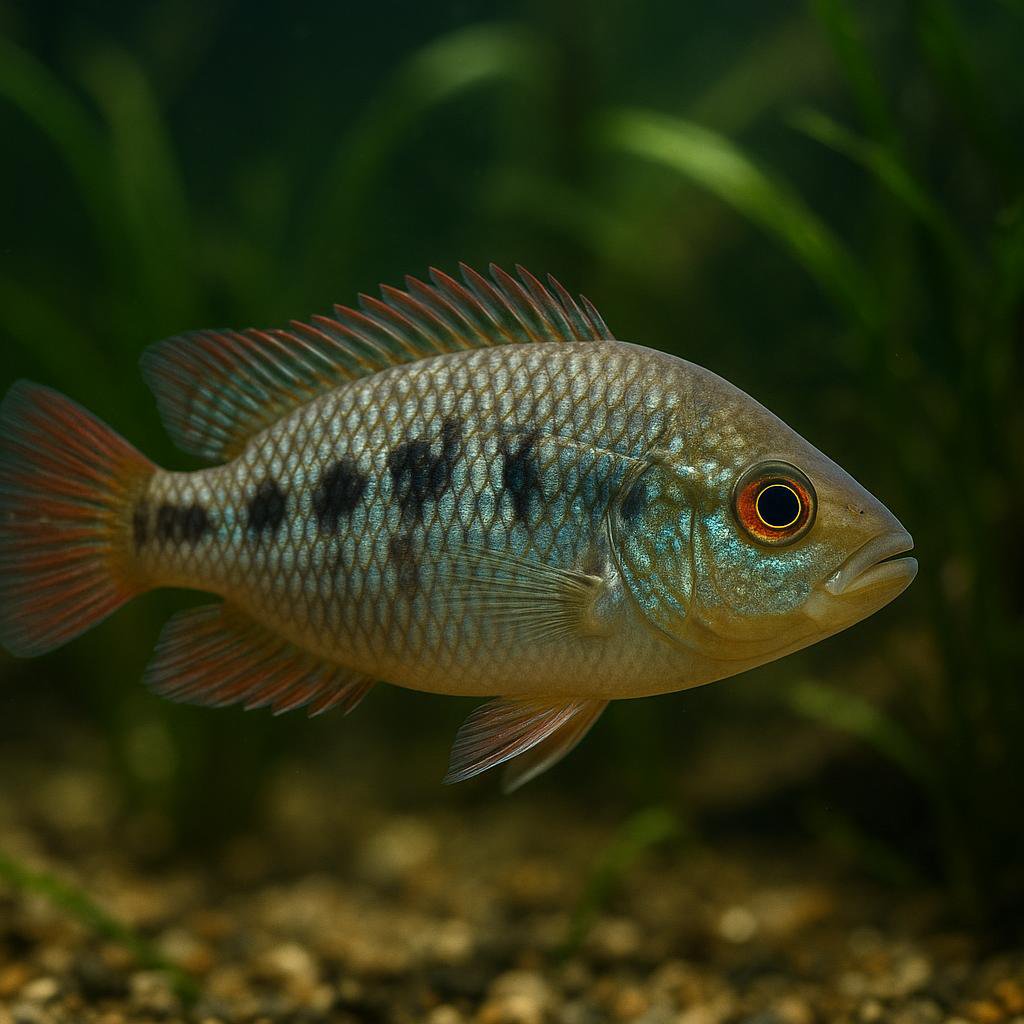
Amatlan chub
Yuriria amatlana
Yuriria amatlana (the Amatlan chub) is a little Mexican native minnow from the Ameca River basin. Its wild range is pretty limited and it is listed as Endangered, so its care info in the aquarium hobby is basically nonexistent and its availability is usually low. In the original species description, preserved fish show a dark lateral stripe with a darker patch on the caudal peduncle, and they can have tiny barbels at the mouth corners.
More to Explore
Discover more freshwater species.
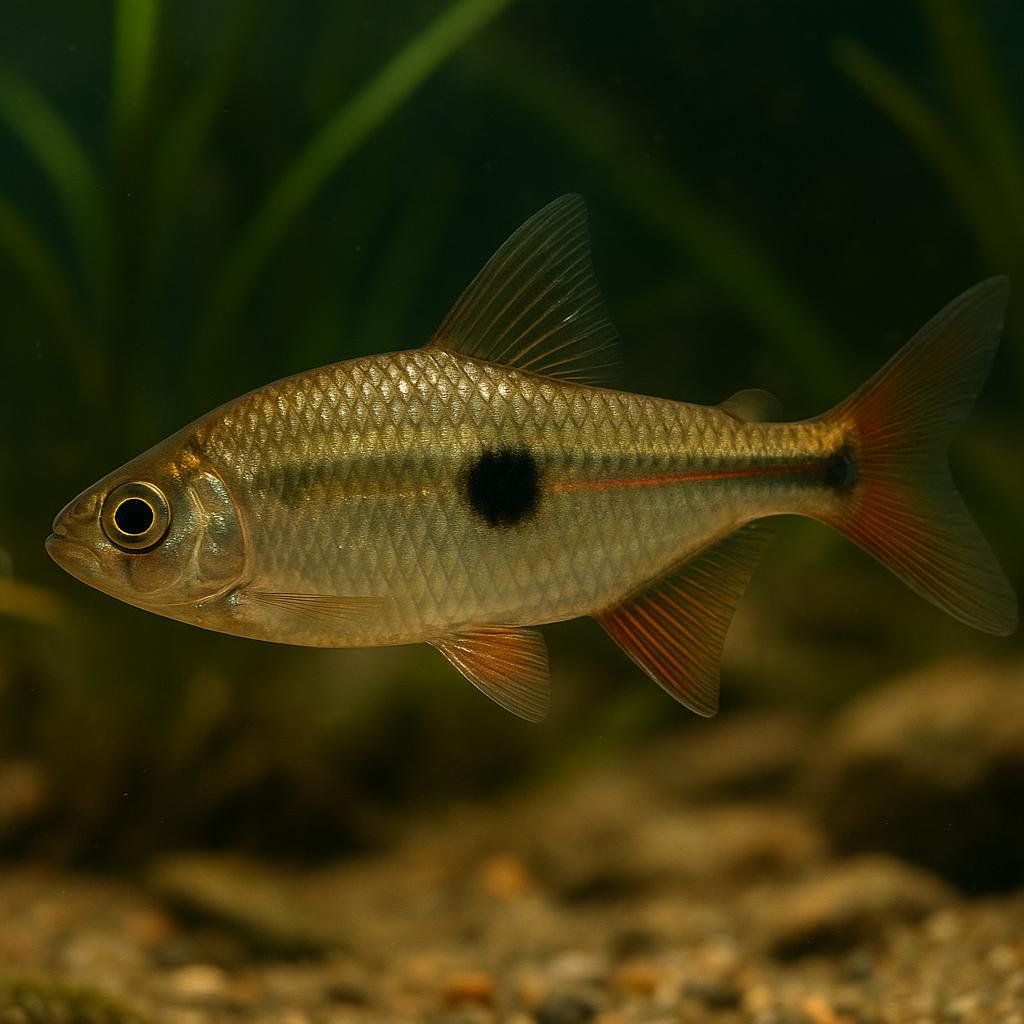
Jupiaba kurua
Small South American characin endemic to the upper rio Curuá (rio Xingu basin, Brazil). Reaches about 8.7 cm SL and inhabits clearwater rivers. Distinguished by dark dots on the bases of many lateral scales and a distinct dark caudal‑peduncle spot. Reported diet indicates omnivory, including aquatic insects, small fishes, and fragments of Podostemaceae and filamentous algae.
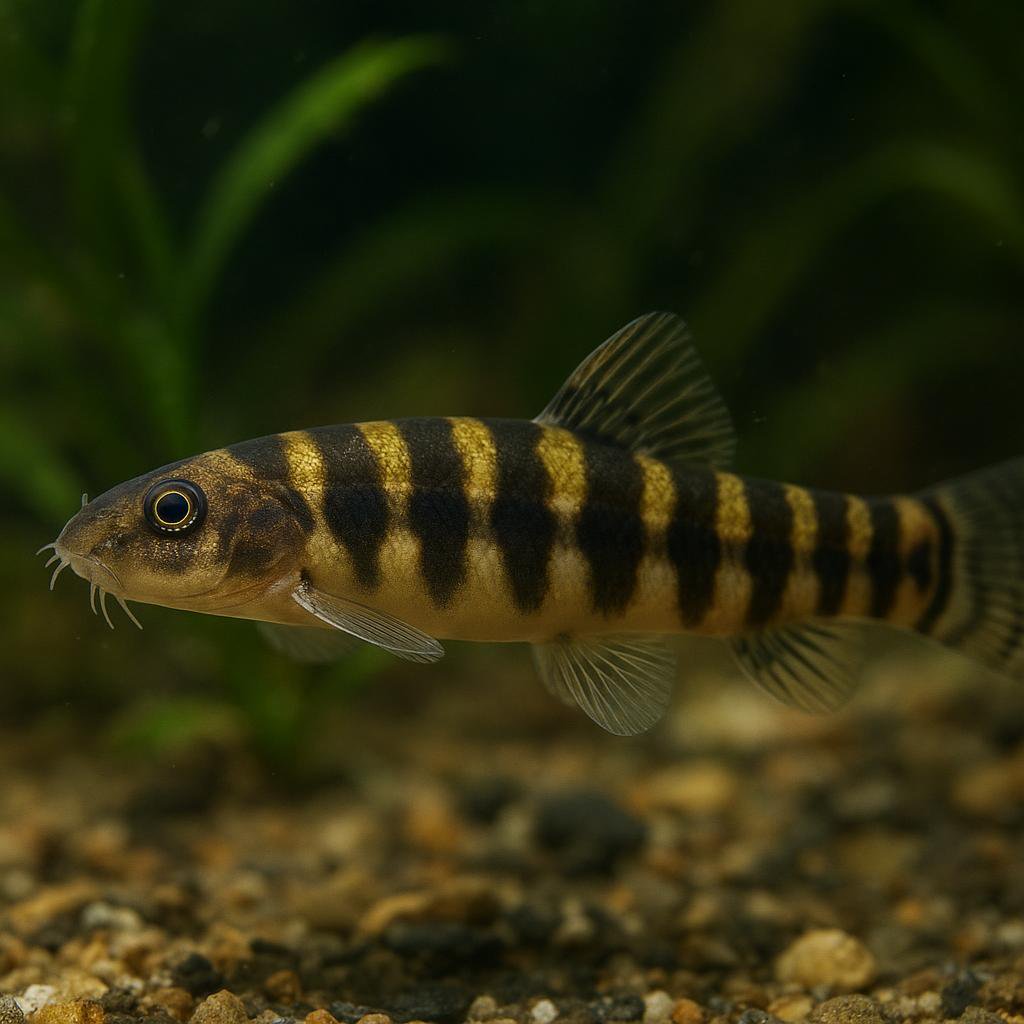
Altipedunculata stone loach
Schistura altipedunculata
Schistura altipedunculata is one of those little stream loaches that wants clean, well-oxygenated water and a bunch of rock nooks to claim as home. It is a bottom-hugger that will spend its day scooting from crevice to crevice, and it tends to get a bit spicy with its own kind if you do not give it enough hiding spots.
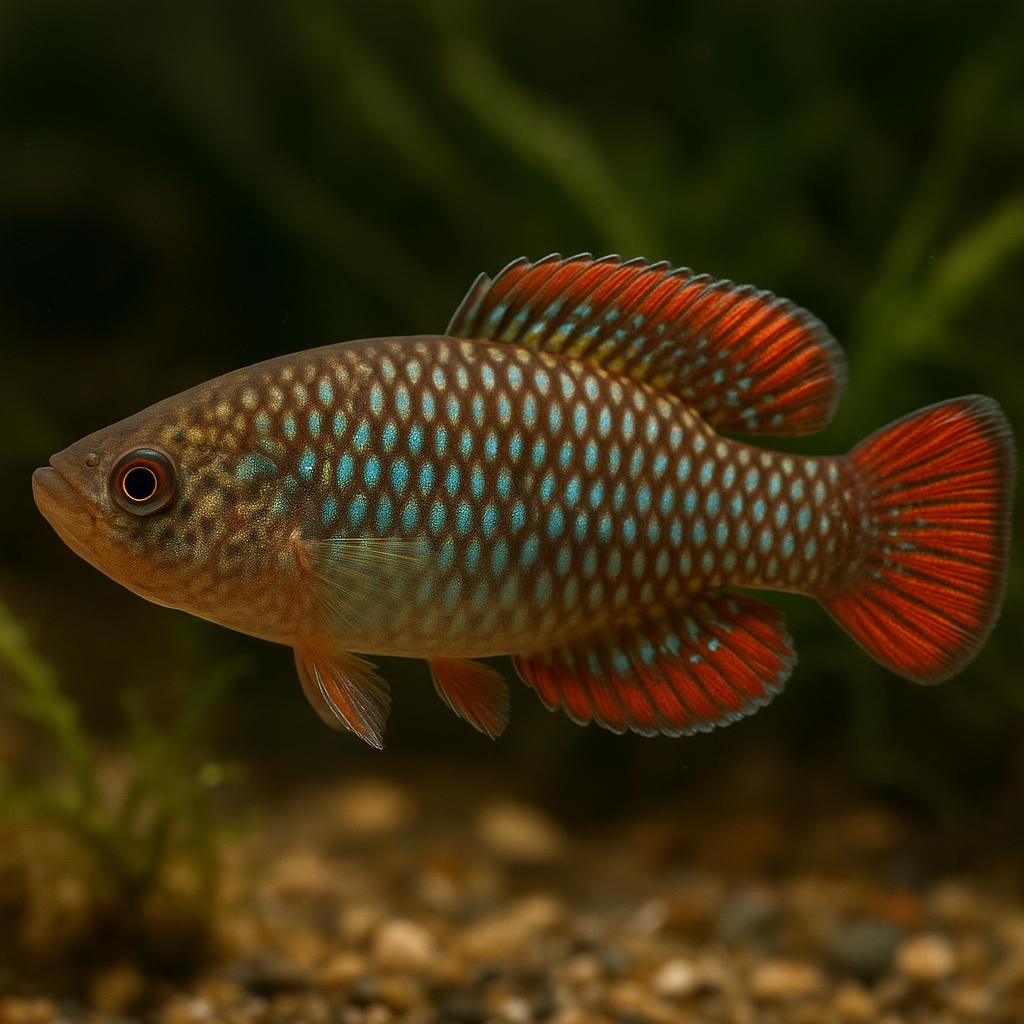
American flagfish
Jordanella floridae
Jordanella floridae is that little Florida native with the red-and-cream striping that really does look like a tiny flag once a male colors up. They graze algae like champs (especially stringy/hair algae), but they have a bit of attitude - give them plants and space so the bossy behavior stays manageable. Bonus: the male guards the eggs and will actively fan them, which is pretty fun to watch.
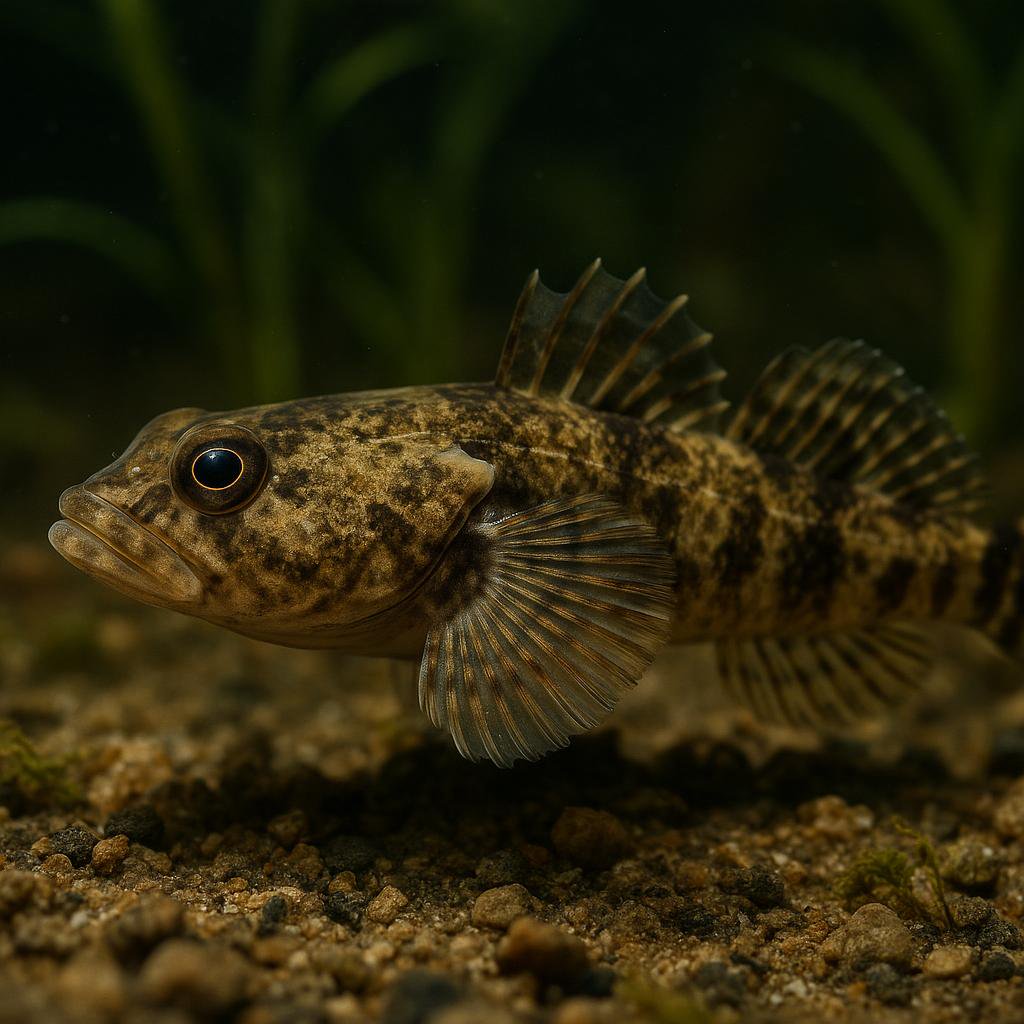
Amur sculpin
Alpinocottus szanaga
This is a little coldwater sculpin from the Amur drainage - a bottom-hugging, rock-and-gravel fish that spends its day wedged under stones and darting out to grab food. Super cool behavior and attitude, but it is absolutely not a warm tropical community fish - it wants chilly, fast, oxygen-rich water and will bicker with other bottom fish.
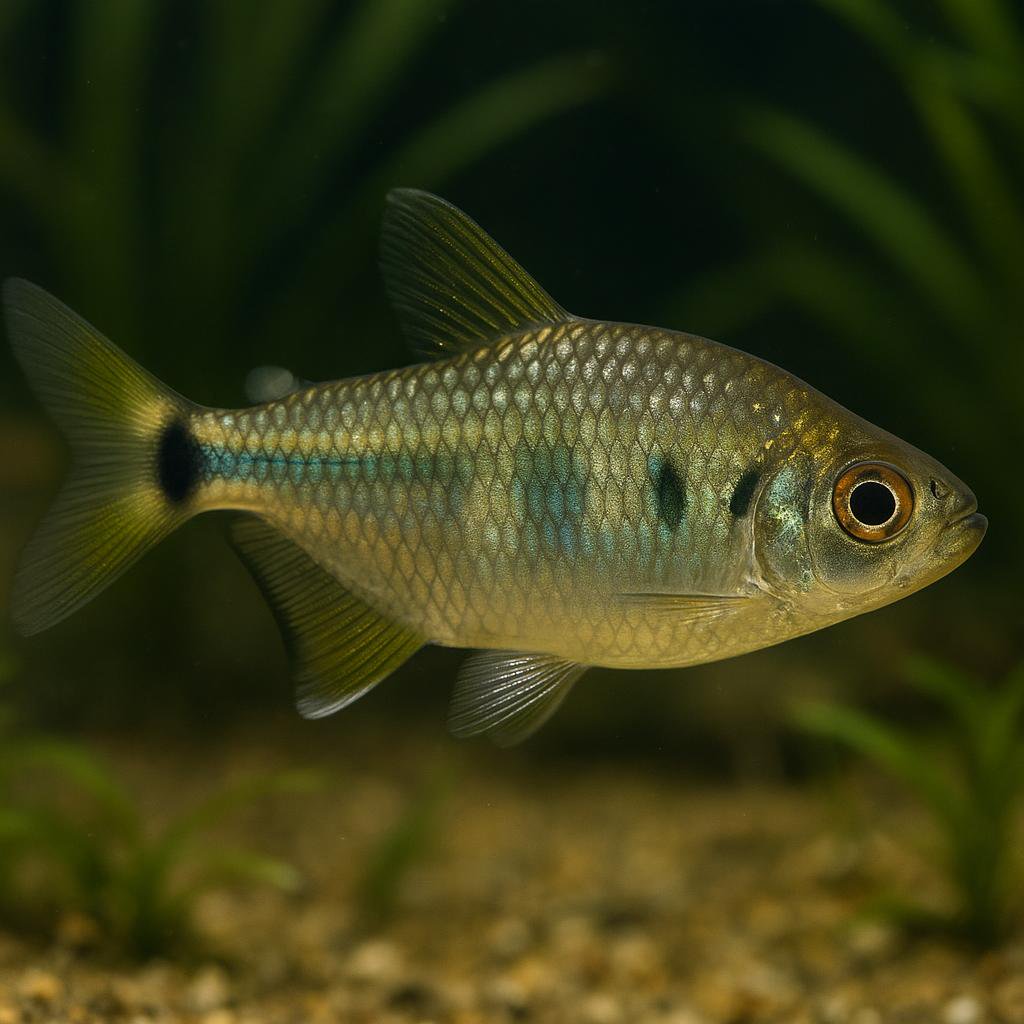
Andrica moenkhausia
Moenkhausia andrica
Moenkhausia andrica is a little Brazilian characin from the Tapajos system that tops out around 7 cm (about 2.8 inches) standard length. It has a neat netted (reticulated) scale pattern plus a dark spot on the caudal peduncle, and the really wild part is that mature females can have tiny fin hooklets too, which is usually a male-only thing in a lot of characins.
Anhanga pygmy pencil catfish
Potamoglanis anhanga
This is a truly tiny Amazonian trichomycterid catfish - like 1.3 cm max - so it is more of a micro-predator oddball than a typical community catfish. It is the kind of fish that disappears into sand, leaf litter, and plant roots, and you will spend way more time setting up the right micro-habitat than you will actually seeing it.
Looking for other species?