

Red-lipped Wallaceochromis
Wallaceochromis rubrolabiatus
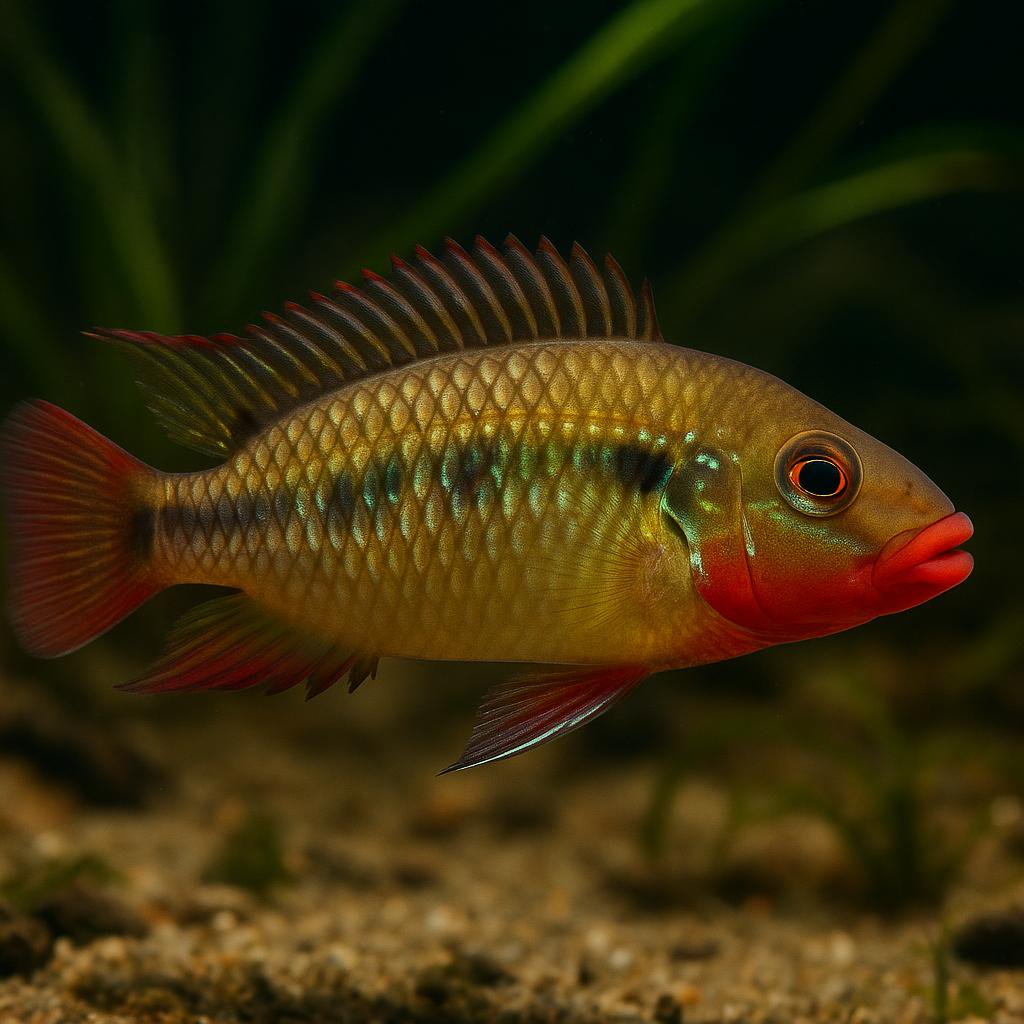
Red-lipped Wallaceochromis exhibits a vibrant blue body with striking red lips and distinctive yellow-orange markings along its fins.
This page includes AI-generated images. Why am I seeing AI images?
About the Red-lipped Wallaceochromis
A small West African dwarf cichlid from the Kolente-Bandi system in Guinea, males sport striking red lips and both parents guard their brood in caves. It behaves like a krib relative but can get pushy when breeding, so give a pair room and cover. Wild populations are localized, and in aquaria it does best in soft, slightly acidic water. ([fishbase.org](https://www.fishbase.org/Summary/wallaceochromis-rubrolabiatus))
Also known as
Quick Facts
Size
10 cm
Temperament
Semi-aggressive
Difficulty
Intermediate
Min Tank Size
30 gallons
Lifespan
3-5 years
Origin
West Africa
Diet
Omnivore - live, frozen, and dry foods
Water Parameters
23-27°C
5-6.5
1-5 dGH
Need a heater for this species?
This species needs 23-27°C in a 30 gallon tank. Use our heater calculator to find the right wattage.
Calculate heater sizeCare Notes
- House a pair in at least a 30-gallon tank with lots of cover and several caves; like kribs, they get pushy when breeding and need room to break line of sight.
- Run soft, slightly acidic water: 23-27 C, pH 5-6.5, hardness 1-5 dGH; keep parameters stable.
- Feed a varied omnivore diet of live or frozen fare (e.g., daphnia, brine shrimp, bloodworms) plus quality pellets or flakes.
- Choose tankmates that enjoy soft, acidic water and stay out of the caves; avoid other cave-spawning cichlids or bottom dwellers in tight quarters.
- Expect cave spawning with both parents guarding eggs and fry; aggression spikes during this period, so extra space and visual barriers help.
- They reach up to about 10 cm and are semi-aggressive, so crowding or sparse cover can trigger bullying.
- Wild populations are localized in Guinea, so seek captive-bred fish when possible, and aim for long-term care of 3-5 years.
Compatibility
Good Tankmates
- Small, peaceful West African tetras (Alestidae) kept in a group as midwater dithers; soft, acidic-water species that are quick enough to avoid breeding territories
- Lampeye killifish for the surface (Poropanchax/Lacustricola spp.); soft-water tolerant, non-nippy, and they stay high in the tank away from cave sites
- Upside-down catfish, stick to small, calm Synodontis like S. nigriventris; nocturnal hiders that do fine in soft water and do not provoke cave-guarding cichlids
- Pencilfish (Nannostomus spp.) as gentle top-mid dithers in soft, acidic water; slim and fast enough to avoid skirmishes
- Small hatchetfish (Carnegiella spp.) for the top; peaceful, soft-water surface dwellers that ignore cichlid territories
- Otocinclus catfish group for algae control; soft-water specialists that keep to surfaces and are usually ignored by the pair
Avoid
- Other cichlids in a small tank (including Pelvicachromis/Wallaceochromis or South American dwarfs like rams/Apistogramma); overlapping territories trigger fights when breeding
- Cave-invading bottom dwellers that get chased and may raid eggs, e.g., Corydoras catfish and kuhli/other burrowing loaches
- Fin-nippers and boisterous schooling fish (tiger barbs, larger danios, serpae-type tetras) that harass or outcompete calmer dithers
- Tiny shrimp and micro fish that fit in a 10 cm cichlid's mouth (Neocaridina/Caridina shrimp, chili rasboras, celestial pearl danios) - likely to be eaten
Red-lipped Wallaceochromis (Wallaceochromis rubrolabiatus) is a small West African dwarf cichlid known for the male's vivid red lips and confident, krib-like behavior. Adults top out around 10 cm and live about 3-5 years. It is a freshwater species that prefers soft, slightly acidic water and suits aquarists comfortable with semi-aggressive cichlids.
Origin and natural habitat
This species is native to the Kolente-Bandi river system in Guinea, West Africa. Wild populations are localized. In nature and in aquaria it uses caves and tight cover, and both parents take an active role in guarding brood inside these shelters.
Aquarium setup and water conditions
A 30 US gallon tank is the minimum for a pair. Provide multiple caves (rock piles, inverted pots, or tight wood crevices), visual barriers, and open floor space so the fish can establish a territory without dominating the entire tank. Fine sand or small rounded gravel works well. Sturdy plants and driftwood help break sightlines and give subdominant fish places to slip away.
- Temperature: 23-27 C
- pH: 5.0-6.5
- Hardness: 1-5 dGH (very soft to soft)
Set up more caves than you have cichlids. Extra options reduce fights and make pairing and brood care smoother.
Diet and feeding
An omnivore that accepts live, frozen, and quality dry foods. Offer a varied rotation: items like frozen or live baby brine shrimp, daphnia, bloodworms, and small sinking pellets or granules formulated for cichlids. Feed modest portions and avoid letting rich foods dominate every meal.
Behaviour and tankmates
Semi-aggressive and very much a krib relative in attitude. A settled pair can be confident and will get pushy, especially around a chosen cave. Choose tankmates that are not easily bullied and that occupy different levels of the tank. Avoid similarly shaped cave-spawning cichlids in close quarters, and skip very timid fish that will be stressed by territorial displays.
Expect a sharp uptick in aggression during breeding. Provide space and line-of-sight breaks, and be prepared to move tankmates if necessary.
Breeding
Captive breeding is documented. Red-lipped Wallaceochromis are cave spawners; a bonded pair will select a tight shelter, lay eggs inside, and both parents will guard eggs and fry. Soft, slightly acidic water helps. Once free-swimming, the fry can be started on very small foods such as newly hatched brine shrimp and similarly sized fare. During this period, the parents intensify territorial defense, so keeping them alone or with carefully chosen, unobtrusive tankmates is safest.
Common problems and how to avoid them
- Water too hard or alkaline: This species does best in soft, slightly acidic water. Keep within 1-5 dGH and pH 5.0-6.5.
- Cramped layouts: Sparse decor funnels all traffic past the pair’s cave and triggers fights. Add caves, plants, and wood to create multiple paths and sight breaks.
- Overstocking with similar cichlids: Look-alike, cave-dwelling species invite constant conflict in a 30-gallon tank.
- Heavy feeding and poor maintenance: Rich foods and infrequent water changes degrade water quality. Offer varied meals and keep a steady maintenance routine.
Similar Species
Other freshwater semi-aggressive species you might be interested in.
American flagfish
Jordanella floridae
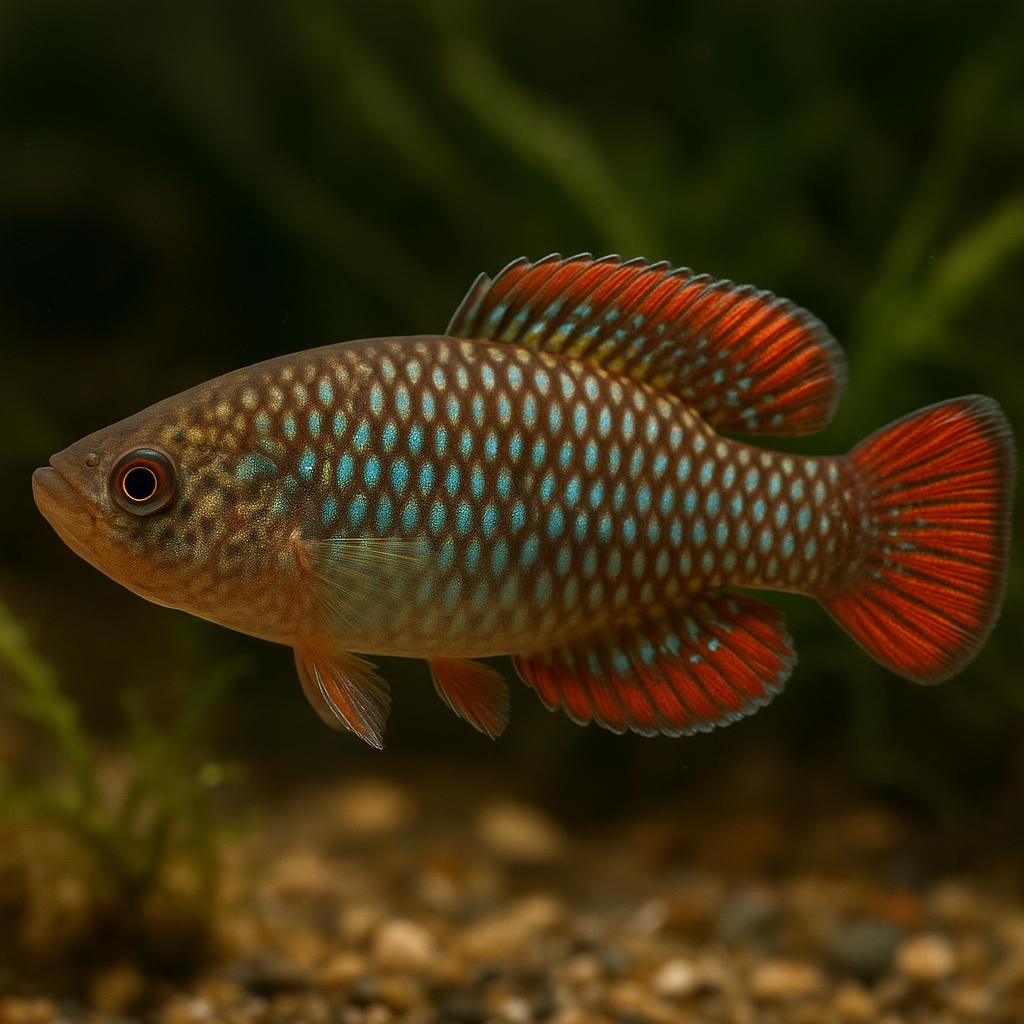
Jordanella floridae is that little Florida native with the red-and-cream striping that really does look like a tiny flag once a male colors up. They graze algae like champs (especially stringy/hair algae), but they have a bit of attitude - give them plants and space so the bossy behavior stays manageable. Bonus: the male guards the eggs and will actively fan them, which is pretty fun to watch.
Banded Leporinus
Leporinus fasciatus
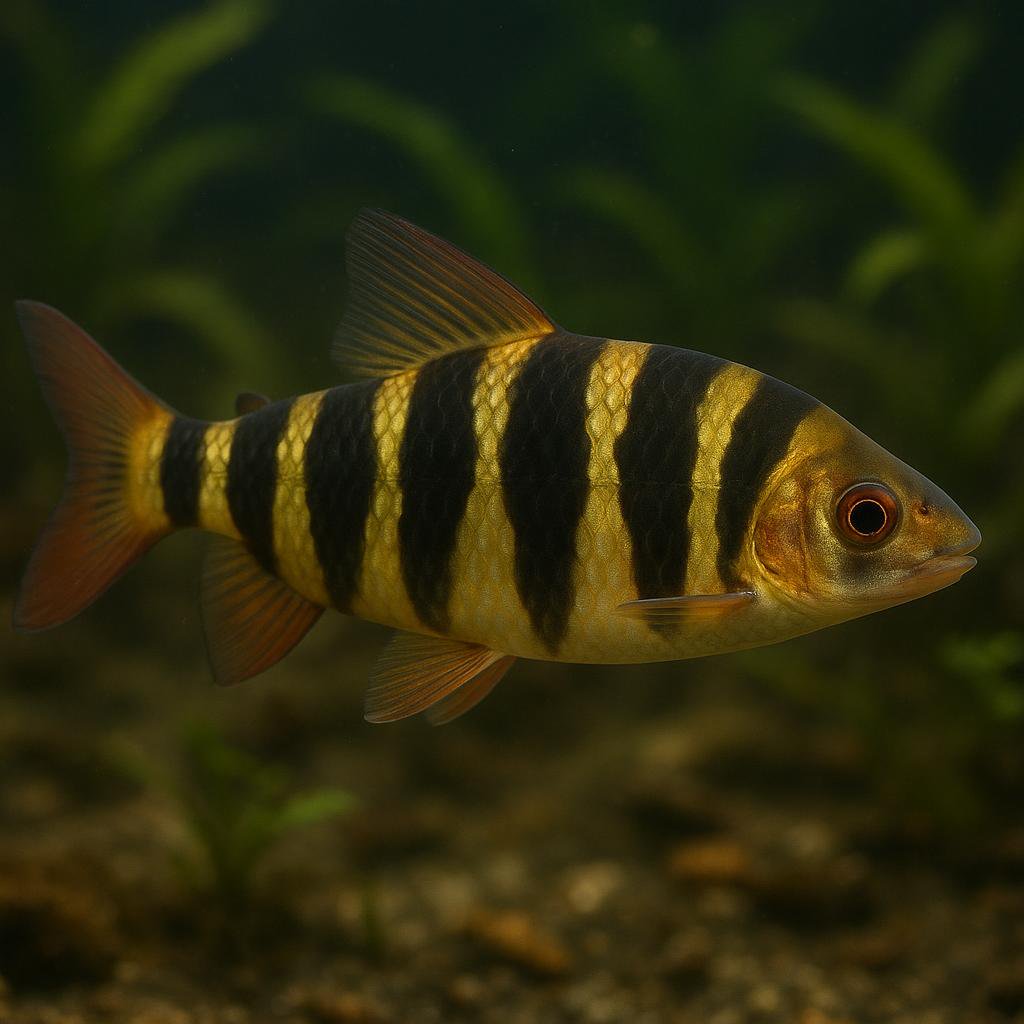
Banded Leporinus are those torpedo-shaped, black-and-yellow striped fish that look like they're wearing a little prison outfit-and they stay on the move. They've got a ton of personality and they're awesome to watch cruising and picking at stuff, but they're also the kind of fish that will redecorate your tank and "taste test" anything soft-looking.
Bandi cichlid
Wallaceochromis signatus
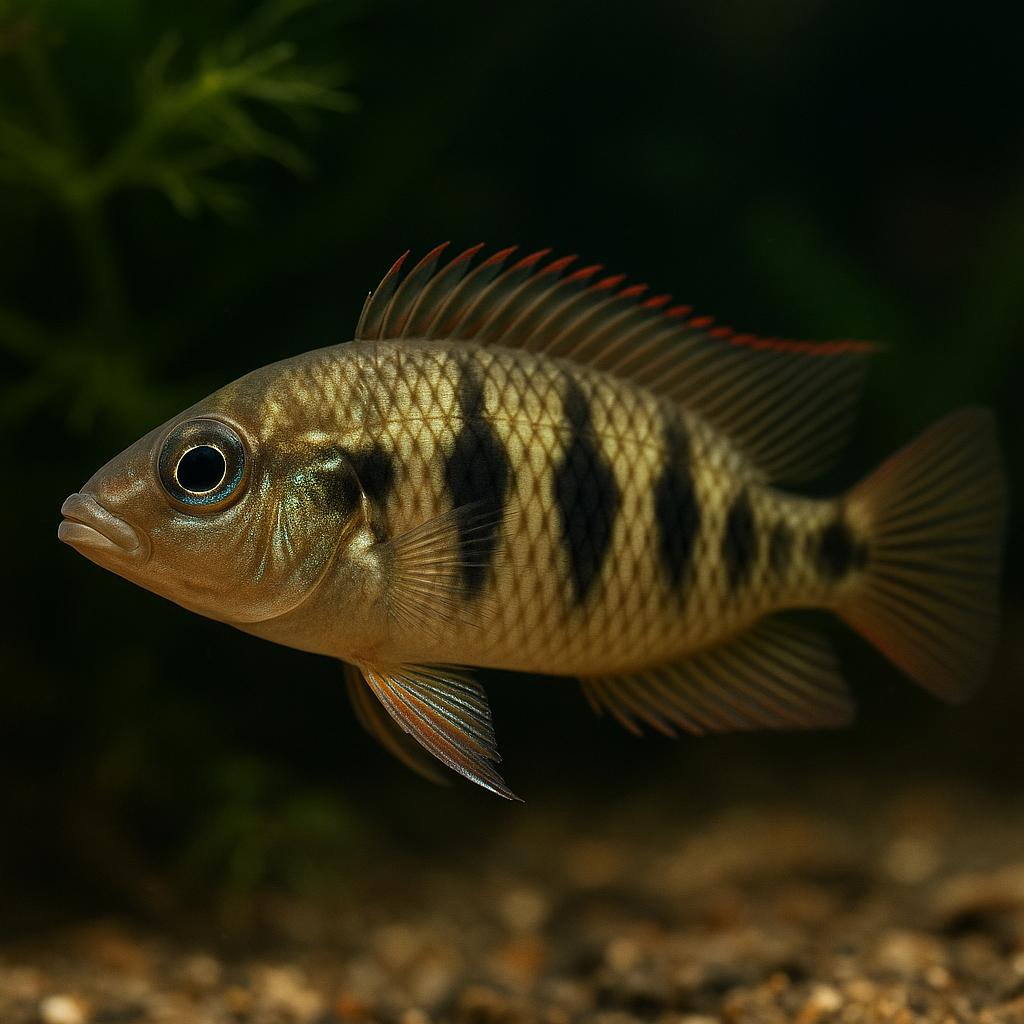
A West African dwarf cichlid from Guinea's Bandi River, this fish shows crisp vertical bars and spotted fins with red highlights. Females have a bold black spot at the base of the tail, and pairs guard eggs and fry in caves, which makes their parental behavior fun to watch.
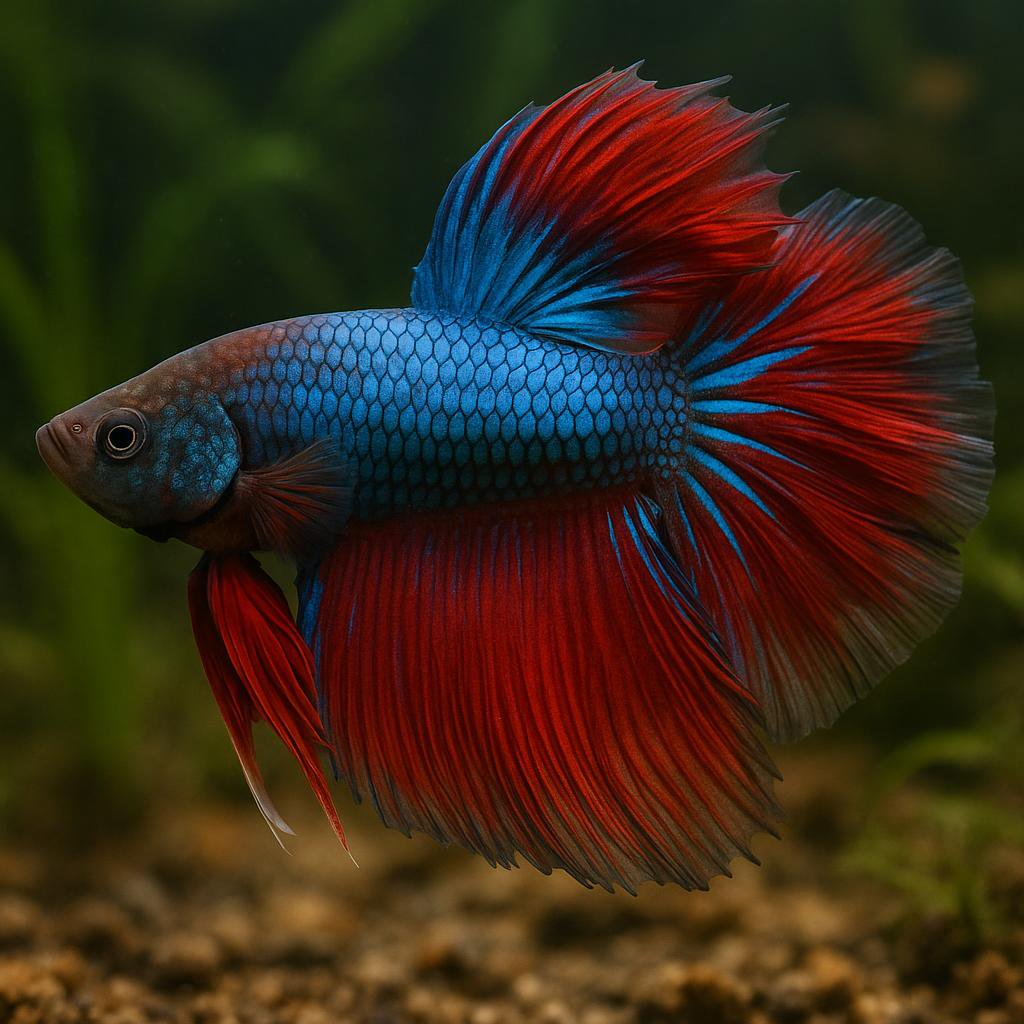
Betta
Betta splendens
Betta fish, also known as Siamese fighting fish, are popular for their striking colors and flowing fins. They are known for their territorial nature, especially males, which can display aggressive behavior towards each other.
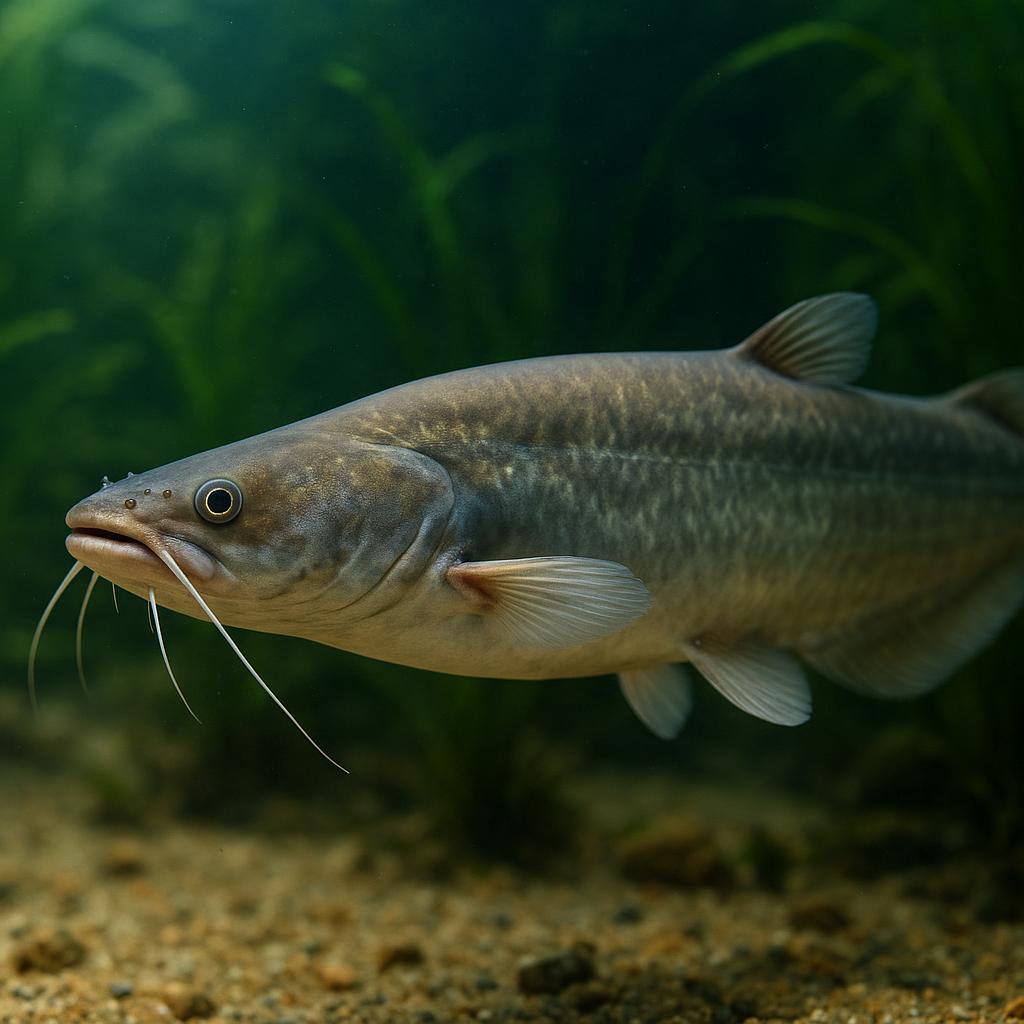
Blackhawk catfish
Wallagonia micropogon
Wallagonia micropogon is a giant Southeast Asian sheatfish with an eel-like body and a huge, scoop-like mouth for hunting other fish. It is native to the Mekong and middle Chao Phraya basins and was long confused with Wallagonia leerii, which makes IDs and care notes tricky. Stunning as a juvenile but it grows to true megafish size, so it is only realistic for expert keepers or public aquariums.
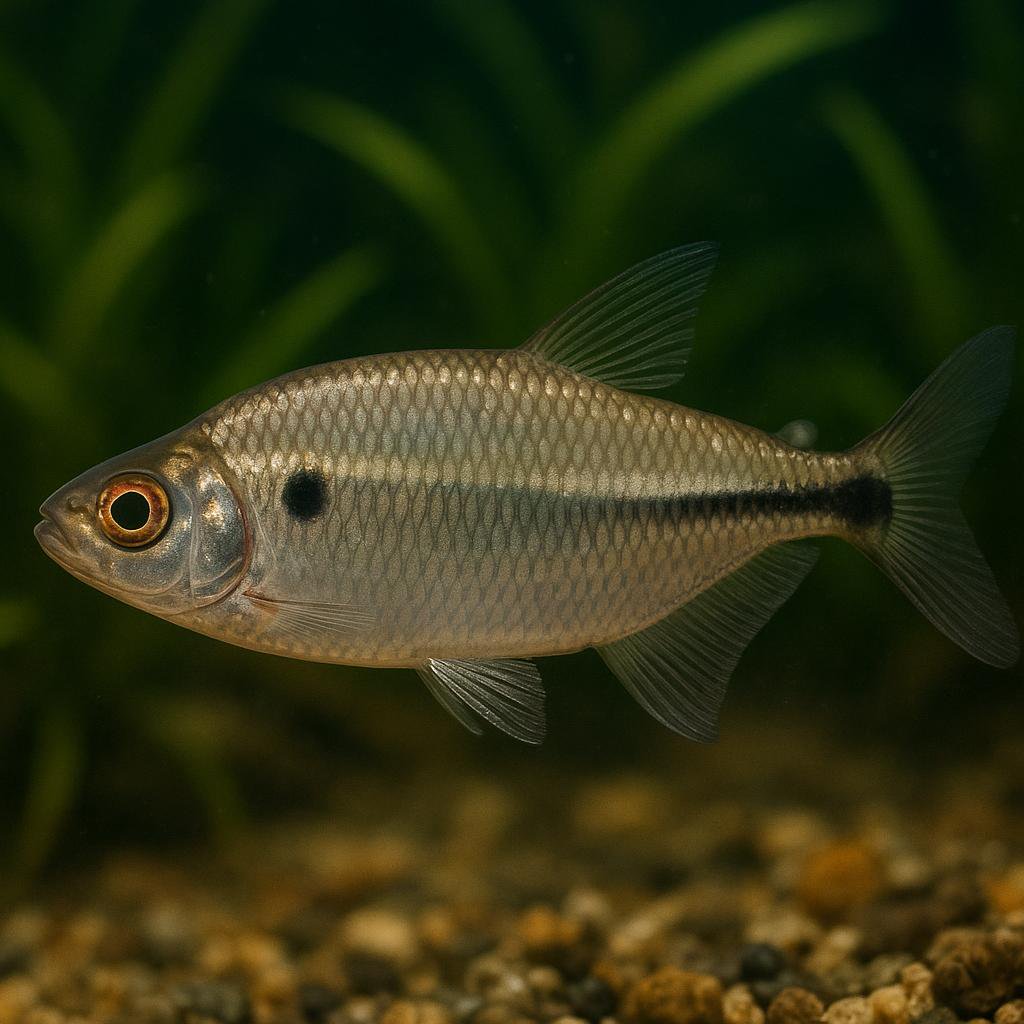
Boulenger's Featherfin Tetra
Bryconaethiops boulengeri
A big, fast African tetra from the Congo River basin, it cruises the mid-to-upper water in active groups and flashes a bold broken stripe along its flanks. In the wild it hunts insects at the surface and can leap, so aquariums need tight lids. Keep it with robust tankmates it cannot swallow.
More to Explore
Discover more freshwater species.
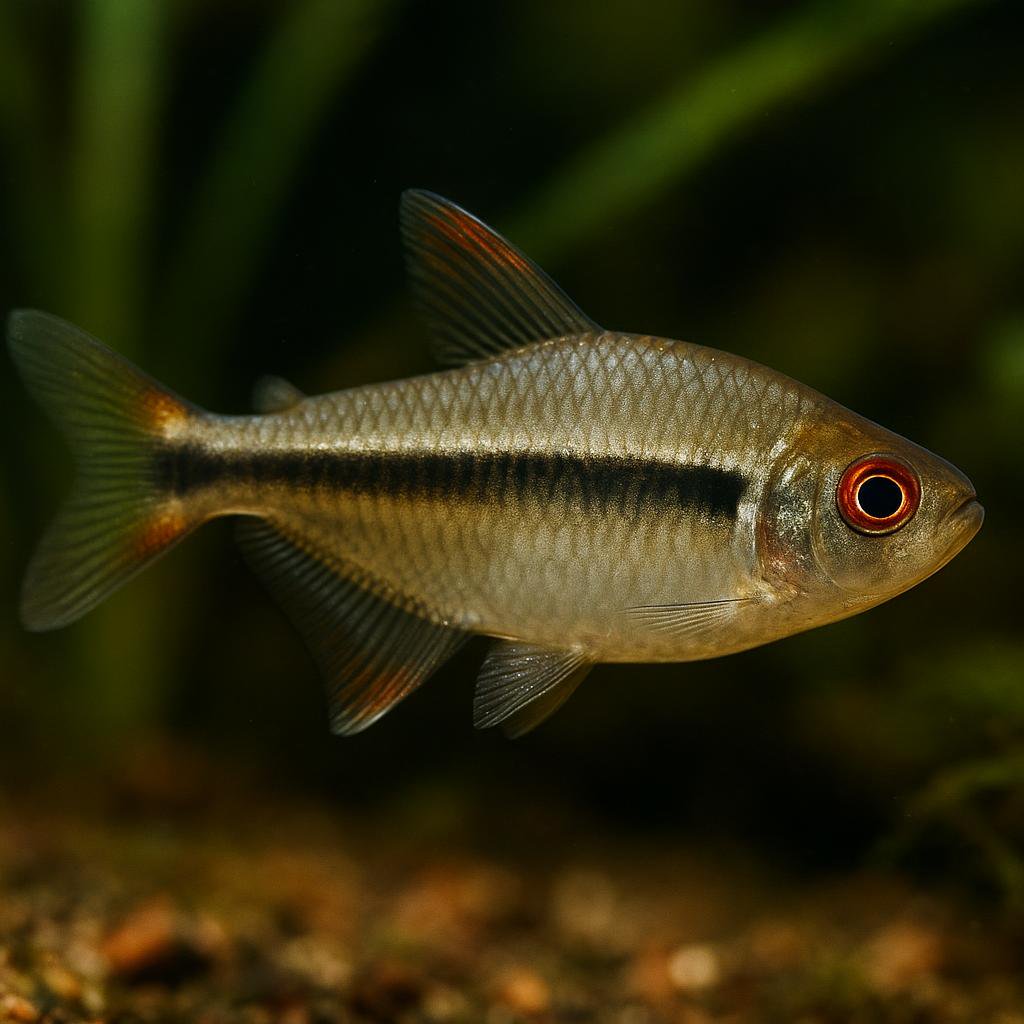
Amapa tetra
Hyphessobrycon amapaensis
This is a tiny, super sleek little tetra with a clean red stripe down the side that really pops once its settled in. It does best in a planted, slightly tinted "creek-style" setup and looks way cooler when you keep a proper group so they school and flash that line together. If you can give it soft, slightly acidic water and a calm community, its an easy fish to fall for.
Armoured stickleback
Indostomus paradoxus
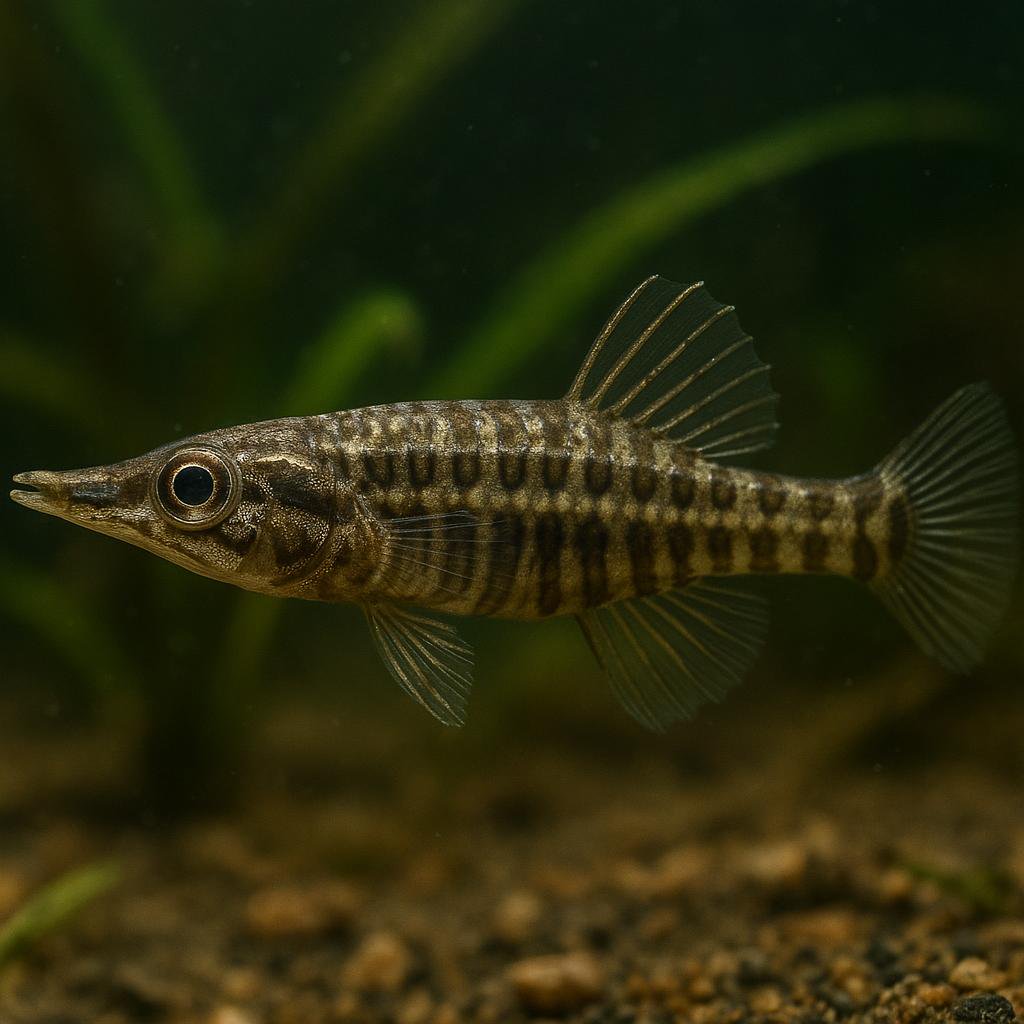
This is that goofy little "freshwater seahorse"-looking fish that just kind of perches and scoots around like a tiny armored twig. Its whole vibe is slow, sneaky micropredator - once its settled in, you will catch it stalking microfoods and doing these subtle little posture displays. The big trick is feeding: they do best when you can provide lots of small live foods in a calm, planted tank.
Arrowhead puffer
Pao suvattii
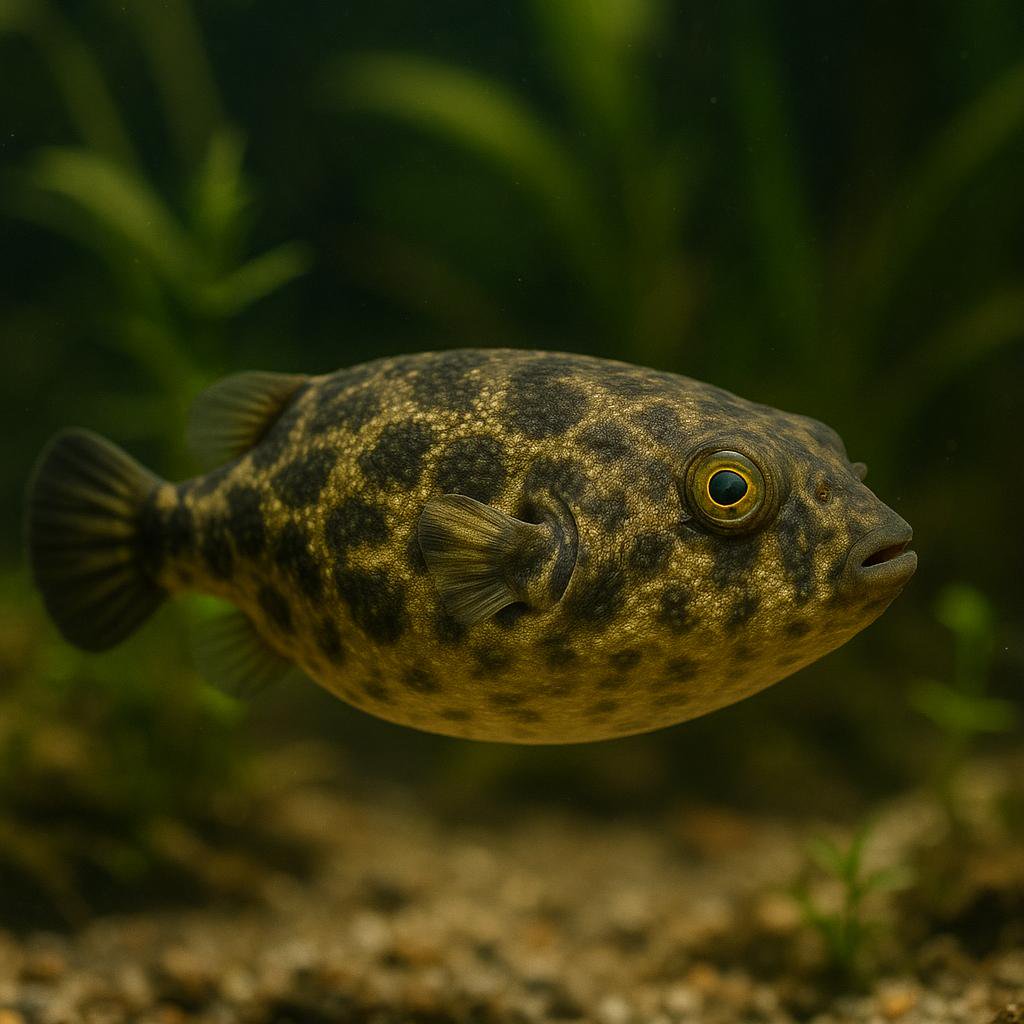
Pao suvattii is that sneaky Mekong puffer that likes to sit low and ambush food, and it has that super recognizable arrow/V pattern on its back. Gorgeous fish with tons of personality, but it is absolutely not a community guy - plan on a solo, species-only setup if you want everybody to stay in one piece.
Bishop toothcarp
Brachyrhaphis episcopi
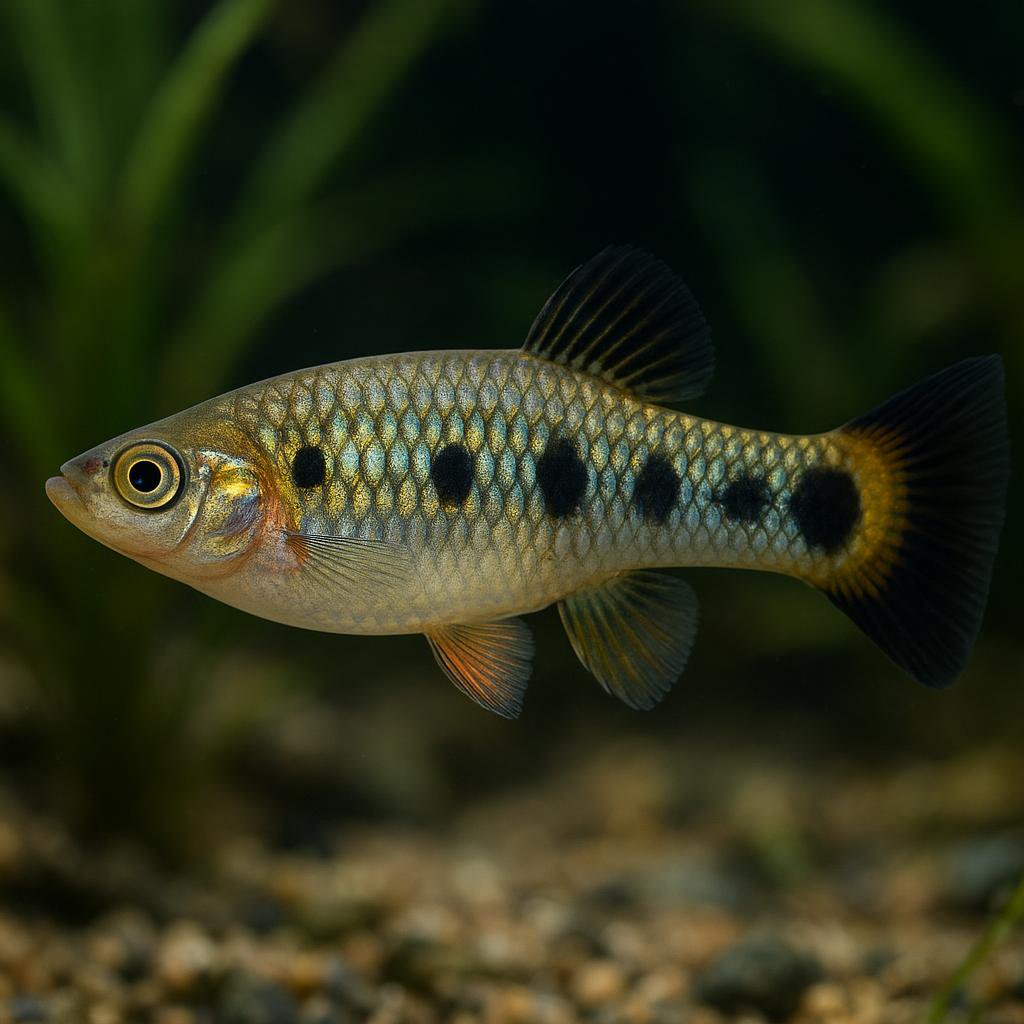
This is a tiny Panamanian livebearer that does best when you treat it more like a shy wild fish than a fancy guppy-lots of cover, calm vibes, and really clean water. The fun part is watching the males posture and spar while the females cruise around dropping fully-formed fry about once a month.
Black Neon Tetra
Hyphessobrycon herbertaxelrodi
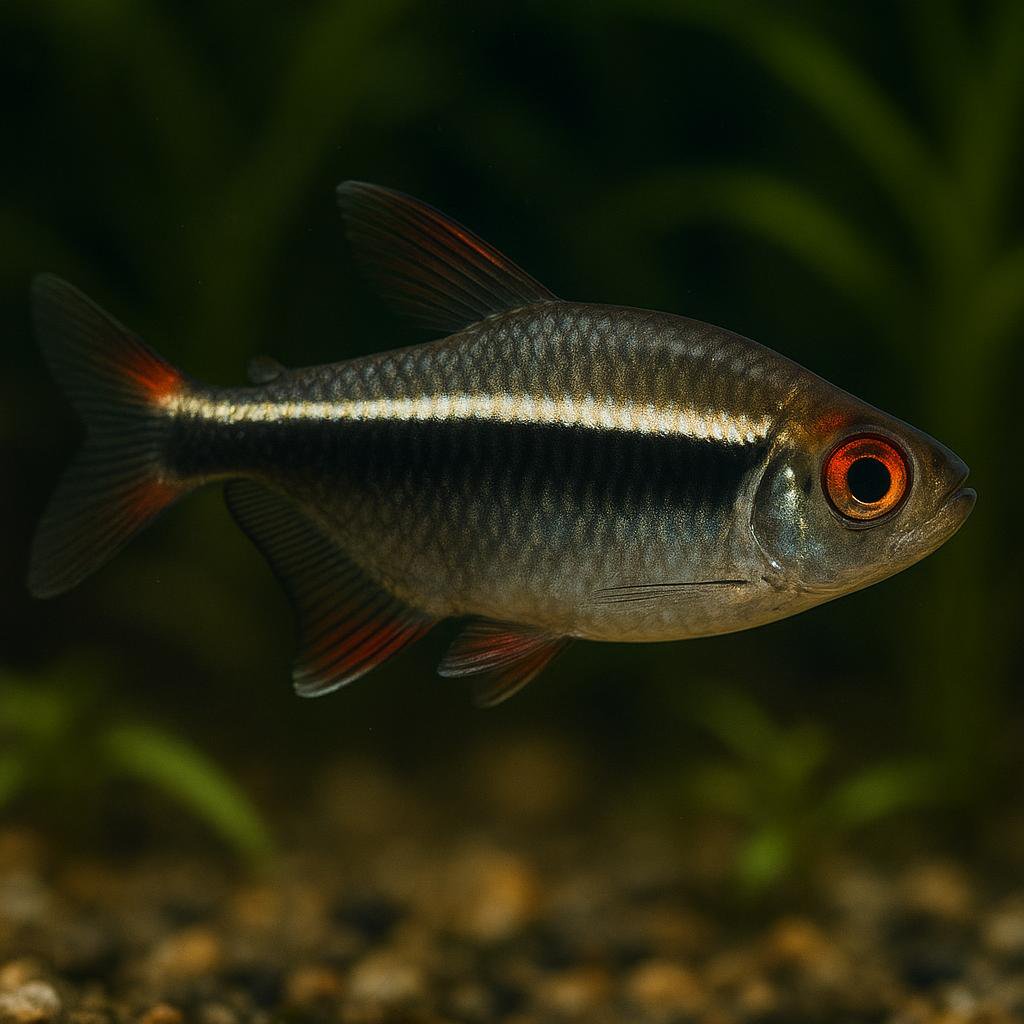
Black neons are one of those little tetras that look kinda understated until the light hits them-then that bright stripe pops and they shimmer when the school turns together. They're super chill, always cruising mid-water, and they make a tank feel "alive" without being hectic. If you keep a nice group, they get bolder and you'll see way more of their personality.
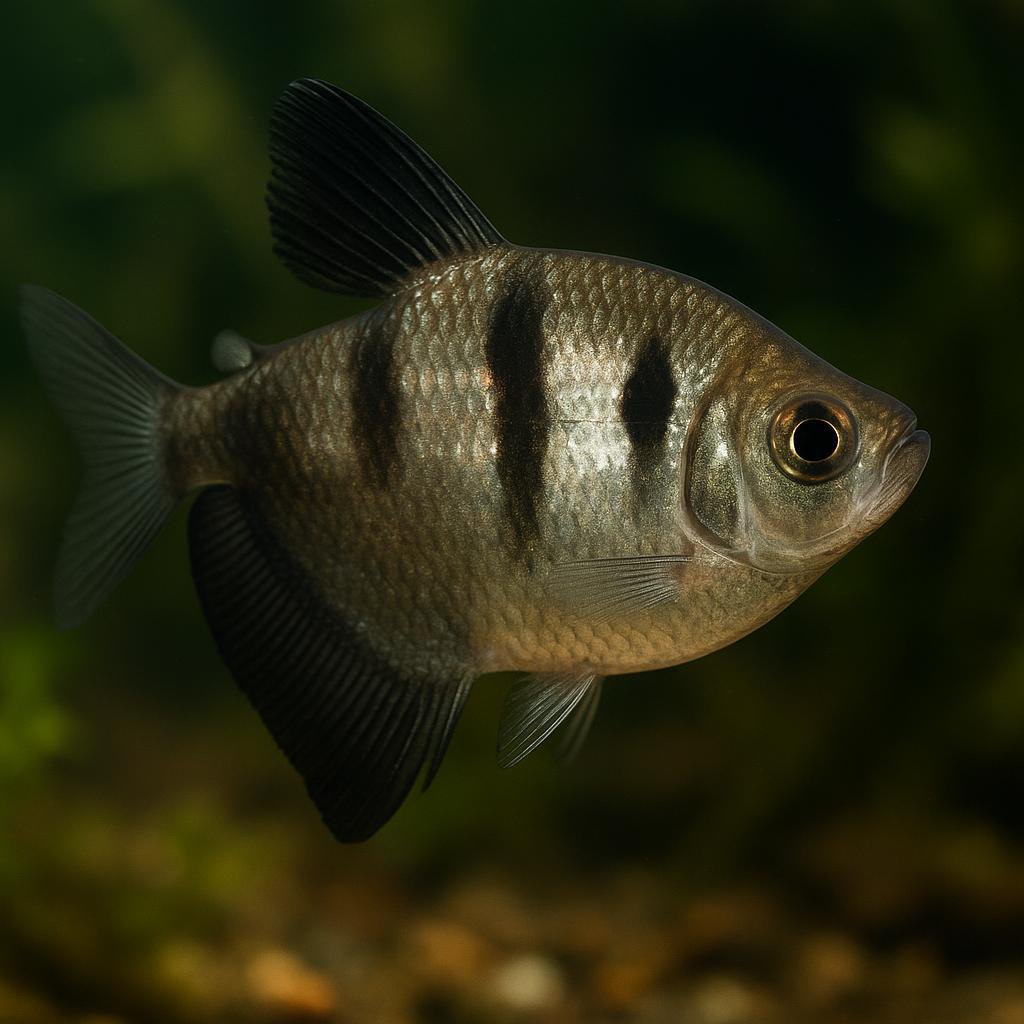
Black Skirt Tetra (Black Widow Tetra)
Gymnocorymbus ternetzi
Black skirts are those little "suit-and-tie" tetras with the dark bands and flowing fins that look way fancier than they should for how tough they are. They're super active midwater fish, and when you keep a proper group they do that tight, zippy schooling thing that makes the whole tank feel alive. Just give them enough buddies and finny tankmates they won't be tempted to nip.
Looking for other species?