

Cricare killifish
Xenurolebias cricarensis
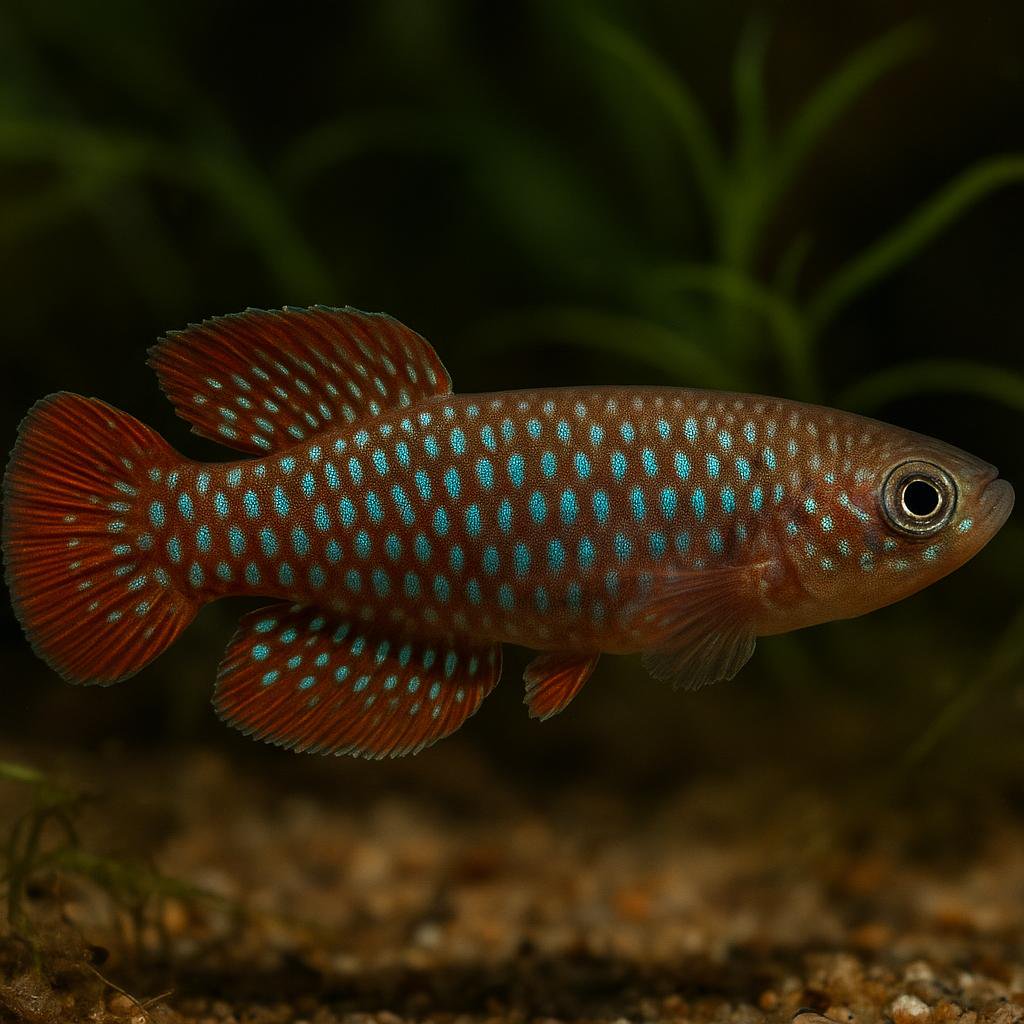
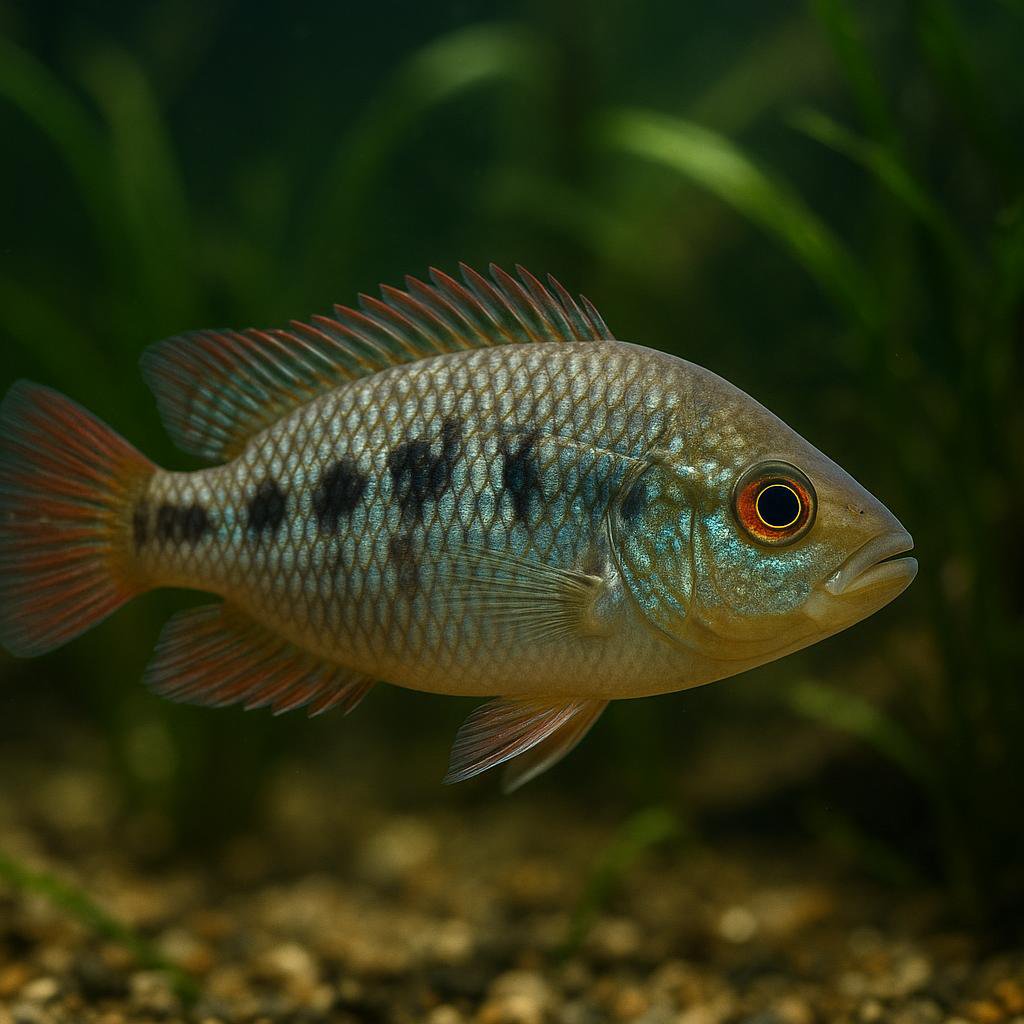
Cricare killifish exhibit a slender body with vibrant green and blue iridescence, marked by a prominent dorsal fin and distinctive yellow spots.
This page includes AI-generated images. Why am I seeing AI images?
About the Cricare killifish
This is a tiny Brazilian annual killifish from temporary marshes in the rio Sao Mateus (rio Cricare) floodplain. In the wet season it grows fast, colors up, spawns in the bottom, and the eggs ride out the dry season in the substrate - super cool life cycle, but it also means its not a long-lived "pet fish" the way most community fish are.
Also known as
Quick Facts
Size
3.5 cm SL
Temperament
Semi-aggressive
Difficulty
Expert
Min Tank Size
10 gallons
Lifespan
0.5-1.5 years
Origin
South America
Diet
Carnivore/insectivore - live and frozen foods (baby brine shrimp, daphnia, mosquito larvae, bloodworms); will sometimes take small prepared foods once settled
Water Parameters
20-26°C
5.5-7.5
1-10 dGH
Need a heater for this species?
This species needs 20-26°C in a 10 gallon tank. Use our heater calculator to find the right wattage.
Calculate heater sizeCare Notes
- Give them a species tank and keep it low and dim - leaf litter, clumps of moss, and lots of line-of-sight breaks. They spook easily and will wedge themselves into corners if the tank is too bare/bright.
- Soft, acidic water is where they settle in: think pH roughly 5.5-6.8 and very low GH/KH, with gentle filtration. Sudden parameter swings hit them hard, so match new water closely and do small changes more often.
- Keep the temp moderate, about 70-75F (21-24C); they do better cool than hot. Warm water tends to shorten their already short lifespan and makes them crash faster if anything goes off.
- They are live-food snobs at first - blackworms, whiteworms, grindal, mosquito larvae, daphnia, and baby brine are your staples. Once they are eating, you can try frozen, but do not count on flakes or pellets.
- Avoid most community fish; even 'peaceful' tetras will outcompete them and stress them into hiding. If you must mix, only with tiny, calm stuff and lots of cover, but honestly they are happier alone.
- Breeding is usually an annual-killi style deal: give a peat/coir spawning tub and let them bury eggs. Pull the substrate and incubate it damp (not wet), then re-wet to trigger hatching when eyes are developed.
- Watch for bloat and random deaths after heavy feeding - they will gorge, so feed small portions and skip a day now and then. Tight lids are non-negotiable too; they can hop when startled.
Compatibility
Good Tankmates
- Quick, midwater schooling fish like ember tetras or black neons - theyre fast enough to stay out of the killis face and usually dont bother it back
- Hardy, no-drama livebearers like platies (and bigger endlers) - they hold their own, dont have long fins, and usually ignore the killi posturing
- Tough little bottom crews like Corydoras (pandas, bronzes) - they keep to the floor and dont compete for the same turf
- Small, peaceful plecos like bristlenose (Ancistrus) - stays on wood and glass, not the killis business, and not easy to bully
- Calm loaches that mind their own business like kuhli loaches - they mostly come out at dusk and dont get into sparring matches
Avoid
- Any other killifish, especially same species males - theyll square up, claim corners, and you can end up with shredded fins or a stressed fish hiding all day
- Slow fish with fancy fins like guppies (big tails), bettas, or longfin tetras - the killi will test-bite and the slow guys cant get away
- Nippy or pushy fish like tiger barbs or serpae tetras - theyll turn it into a fin-nipping mess and the killi will fire back
- Anything that can eat it or intimidate it like cichlids (convicts, jewels) or big gouramis - the killi acts tough but it loses that matchup fast
Where they come from
Xenurolebias cricarensis (the Cricare killifish) is one of those South American annual killis that feels like it was designed to humble experienced fishkeepers. They come from temporary pools around the Cricare region in Brazil - water that shows up for a season, then disappears. The fish live fast, spawn hard, and the next generation waits out the dry spell as eggs in the substrate.
If you have only kept "normal" killifish or community fish, treat this like a different branch of the hobby. These are annuals with a totally different rhythm and a narrower comfort zone.
Setting up their tank
Keep the tank simple and built around stability. I have had the best luck with a small species tank where you control everything: light, temperature, water chemistry, and especially the substrate they will use for spawning.
A 10-15 gallon works for a trio or a small group if you keep up with maintenance. They do not need a tall tank. They do appreciate floor space and cover so they do not feel exposed.
- Tank size: 10-20 gallons is a sweet spot for managing water quality without swinging parameters too fast
- Filtration: gentle sponge filter (air-driven) so fry and adults do not get blasted
- Flow: low - they come from still, shallow water
- Cover: floating plants and clumps of moss or fine-leaved stems to break lines of sight
- Lid: tight fitting - killis jump, and annuals seem to do it at the worst possible time
For water, aim soft and on the acidic side. You do not need lab-grade numbers, but you do want consistency and low hardness. If your tap is hard, mix in RO/DI and remineralize lightly. I keep them warmer than most people expect, but not hot - mid 70s F is a comfortable place to start and tweak from there based on the strain and your room.
They really do not like "new tank" vibes. Set the tank up, let it mature, and make sure the filter is seeded. Sudden ammonia or nitrite spikes can wipe them fast.
The big decision is spawning substrate. These are peat spawners. You can run a bare-bottom tank with a removable peat container (my preference), or you can use a thin peat layer in a tray. Removable is cleaner and makes egg collection way easier.
- Spawning setup I use: a plastic food container with a hole in the lid, filled with boiled/rinsed peat or coco peat
- Depth: a couple inches of peat in the container so they can really dive in
- Placement: where you can still siphon around it and keep waste from building up
What to feed them
Live and frozen foods are your bread and butter here. Most Cricare killifish I have kept ignored dry foods or only picked at them. They color up, spawn, and stay in better shape on meaty stuff.
- Staples: frozen bloodworms, blackworms (if you can get clean ones), daphnia
- Great conditioning foods: live baby brine shrimp for younger fish, grindal worms, mosquito larvae (collected safely)
- Occasional: high-quality micro pellets if they will take them, but do not rely on it
Feed small amounts more often rather than one huge dump. They are pigs, and heavy feeding plus warm water can foul a small tank quickly. I usually do 1-2 feedings a day, and I vacuum the bottom lightly every couple days.
If you are trying to get them spawning, a week of heavier feeding with live foods, then a big cool-ish water change (still within their comfort range) can act like a "rain" signal.
How they behave and who they get along with
They are not community fish in the way people mean it. Males can be pushy, especially in tight quarters, and females get harassed if you do not give them cover and enough space. In a species tank with plants and a peat box, their behavior is way more relaxed.
Tankmates are usually a bad trade. Small tetras and similar fish can outcompete them for food, stress them, or snack on eggs and fry. Shrimp are hit-or-miss - adults may ignore big shrimp but will absolutely eat babies.
- Best option: species-only tank
- If you must mix: pick calm, tiny fish that like the same soft acidic water, and accept you may not get eggs/fry
- Keep 1 male with 2-3 females if you want less constant sparring
Males will escalate if the tank is too open. Floating plants and visual barriers are not decoration with these fish - they change the whole vibe.
Breeding tips
Breeding is the main reason people keep Xenurolebias, and also the part that makes them "expert" level. You are basically managing a fish and an egg bank at the same time. Adults spawn into peat, the eggs need a dry incubation phase, and then you "wet" them to hatch.
Condition the adults well, then give them a peat container. They will dive in and deposit eggs over days to weeks. I like to leave the container in for 1-2 weeks, then swap it for a fresh one so I can stagger batches. That way you are not betting everything on one incubation.
- Collecting peat: squeeze gently until it is damp, not dripping
- Bagging: put peat in a zip bag with a little air, label it with date and species
- Storage: dark place at stable room temp (avoid baking hot shelves)
- Checking: every couple weeks, open and sniff - sour smell usually means too wet and going anaerobic
Incubation length varies with species, line, and temperature. With annuals, patience is part of the game. If you wet too early you get nothing or weak hatches. If you wait too long you can miss the best hatch window. I usually test-wet a small pinch first rather than the whole bag.
Do not keep peat soaking wet in the bag. That is the fastest way to ruin a batch. Damp like a wrung-out sponge beats "mud" every time.
For hatching, use shallow water in a small container, same soft water you keep the adults in. Some people add a tiny bit of infusoria starter or a leaf for microorganisms. Once fry are up, they need tiny live foods quickly. Baby brine shrimp works once they are big enough, but be ready with microworms, vinegar eels, or infusoria for the first days if the fry are small.
- First foods: infusoria (or a mature sponge filter squeeze), vinegar eels, microworms
- After they can take it: baby brine shrimp
- Grow-out: frequent small water changes and lots of food, but keep it clean
Common problems to watch for
Most issues come from water quality swings, overfeeding, or rushing the incubation process. These fish do not give you much time to "fix it later." If something is off, they show it fast: clamped fins, hiding, refusing food, or sudden losses.
- Bloating and stringy poop: often from rich foods or internal issues - switch to lighter foods like daphnia and tighten up water changes
- Mouth fungus/fin rot: usually follows stress or dirty water - clean up the tank and treat early
- Jumping: gaps in lids and airline holes are a real problem
- Egg loss in peat: too wet (anaerobic), too dry (desiccation), or overheated storage
I keep a notebook for annuals: dates of peat pulls, storage temp spot, and first wet test. It sounds nerdy, but it saves you from guessing three months later.
If you are struggling, simplify. Species tank, sponge filter, soft water, heavy cover, controlled feeding, and a removable peat container. Once you can keep adults steady for a couple months, the breeding side gets much less mysterious.
Similar Species
Other freshwater semi-aggressive species you might be interested in.
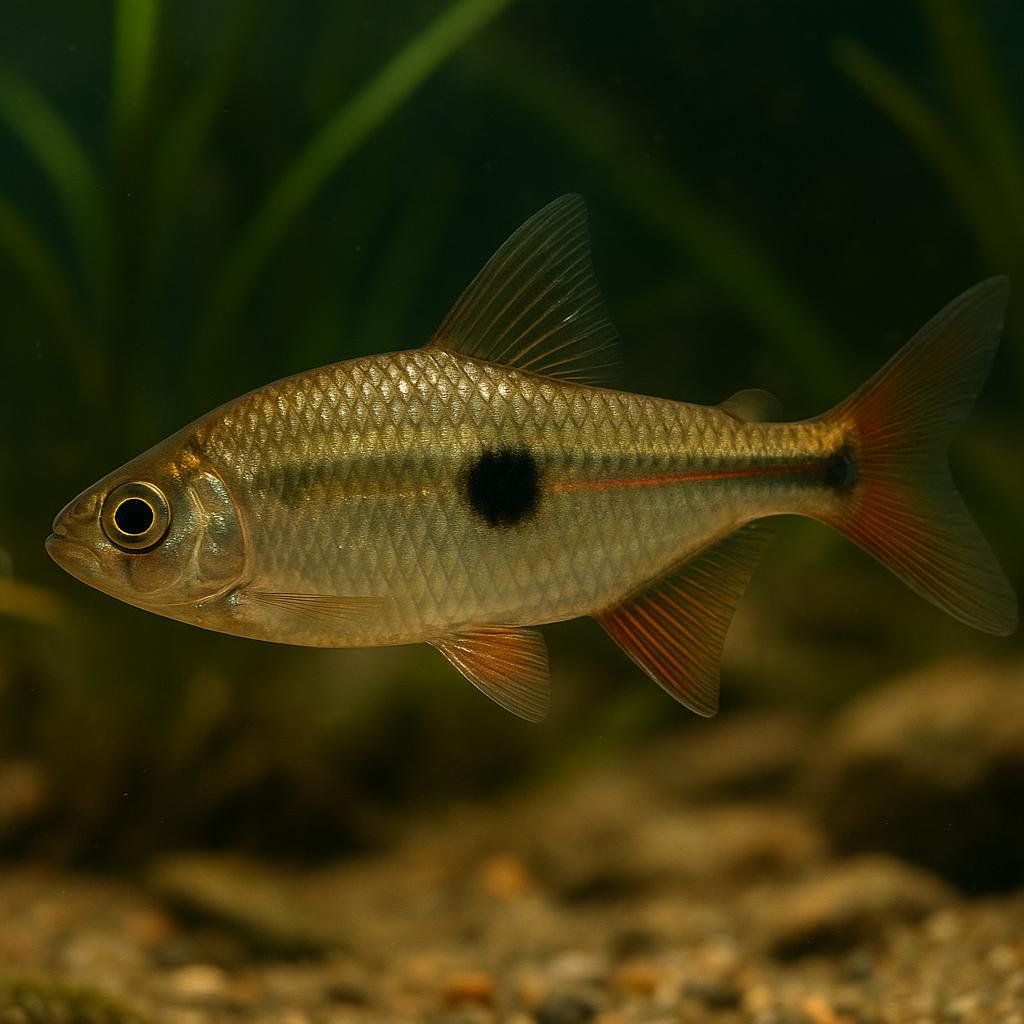
Jupiaba kurua
Small South American characin endemic to the upper rio Curuá (rio Xingu basin, Brazil). Reaches about 8.7 cm SL and inhabits clearwater rivers. Distinguished by dark dots on the bases of many lateral scales and a distinct dark caudal‑peduncle spot. Reported diet indicates omnivory, including aquatic insects, small fishes, and fragments of Podostemaceae and filamentous algae.
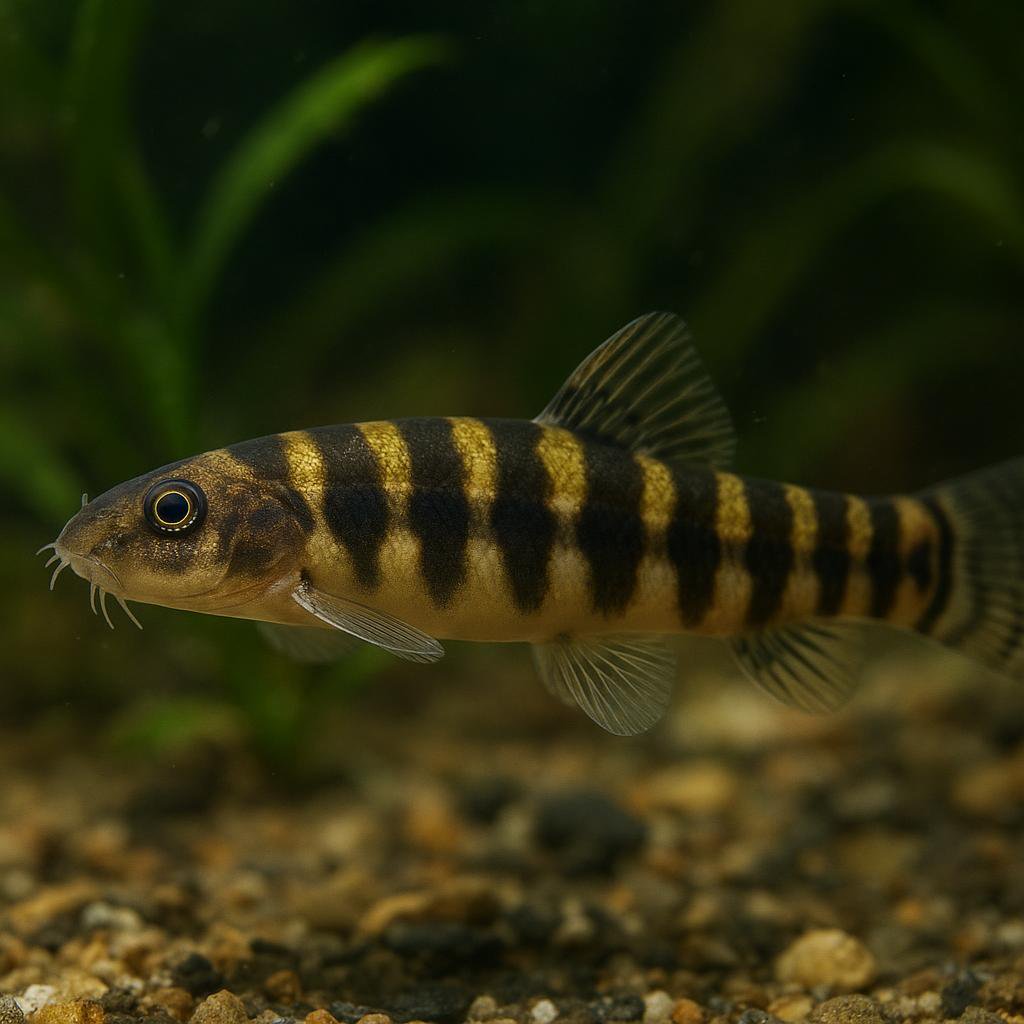
Altipedunculata stone loach
Schistura altipedunculata
Schistura altipedunculata is one of those little stream loaches that wants clean, well-oxygenated water and a bunch of rock nooks to claim as home. It is a bottom-hugger that will spend its day scooting from crevice to crevice, and it tends to get a bit spicy with its own kind if you do not give it enough hiding spots.
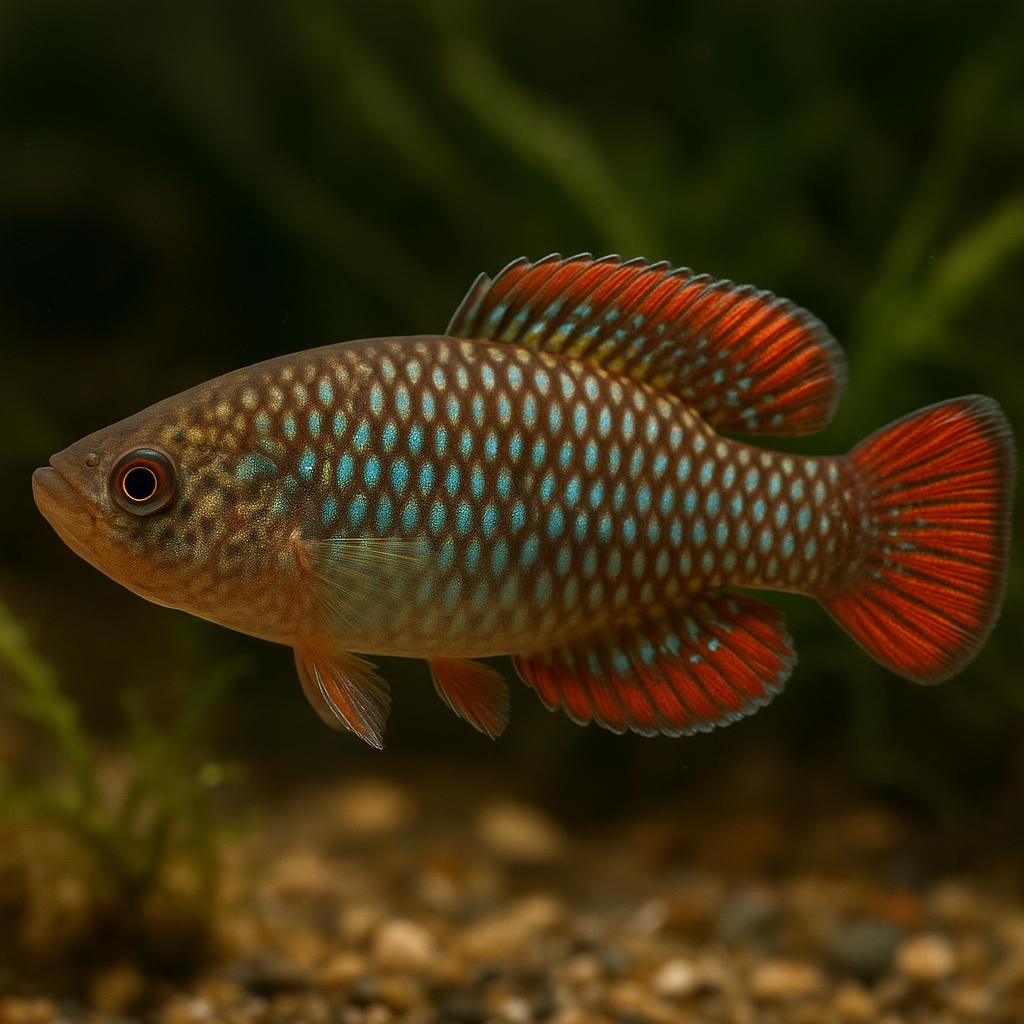
American flagfish
Jordanella floridae
Jordanella floridae is that little Florida native with the red-and-cream striping that really does look like a tiny flag once a male colors up. They graze algae like champs (especially stringy/hair algae), but they have a bit of attitude - give them plants and space so the bossy behavior stays manageable. Bonus: the male guards the eggs and will actively fan them, which is pretty fun to watch.
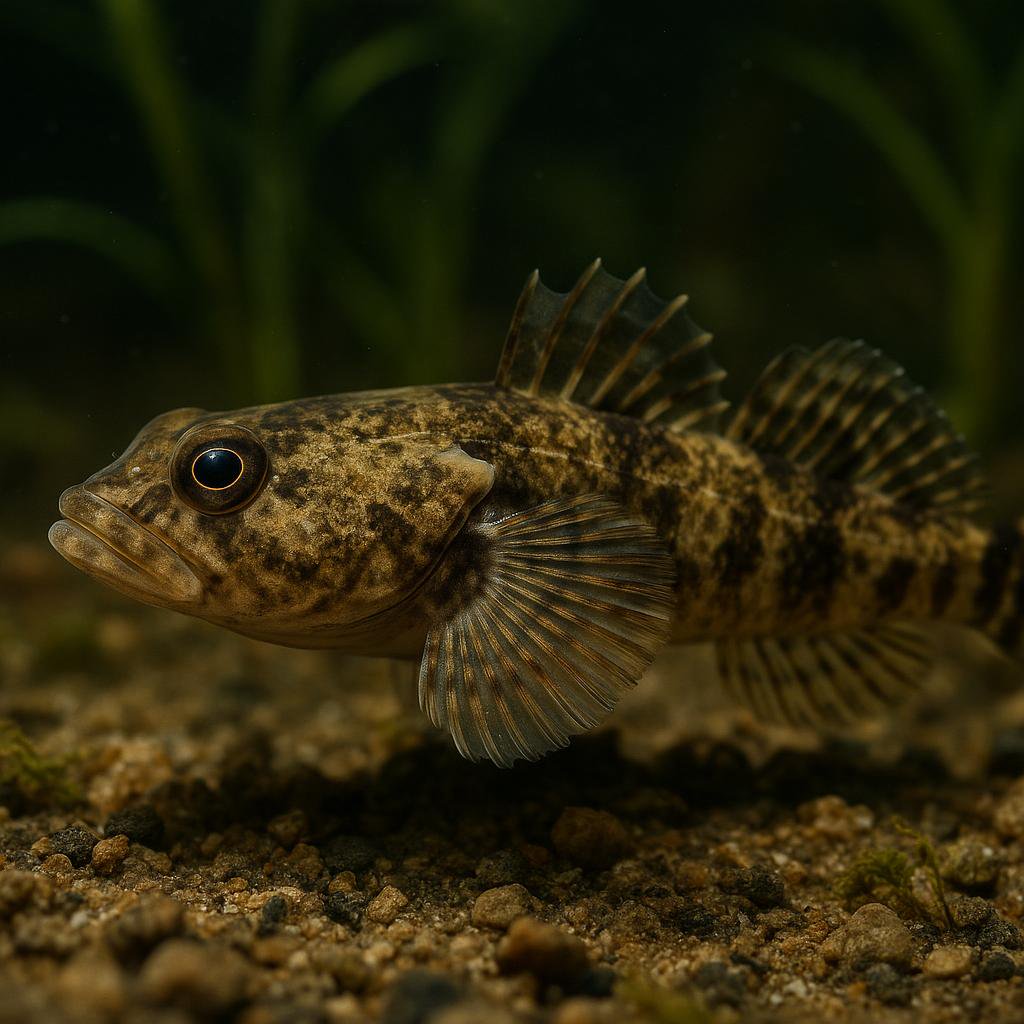
Amur sculpin
Alpinocottus szanaga
This is a little coldwater sculpin from the Amur drainage - a bottom-hugging, rock-and-gravel fish that spends its day wedged under stones and darting out to grab food. Super cool behavior and attitude, but it is absolutely not a warm tropical community fish - it wants chilly, fast, oxygen-rich water and will bicker with other bottom fish.
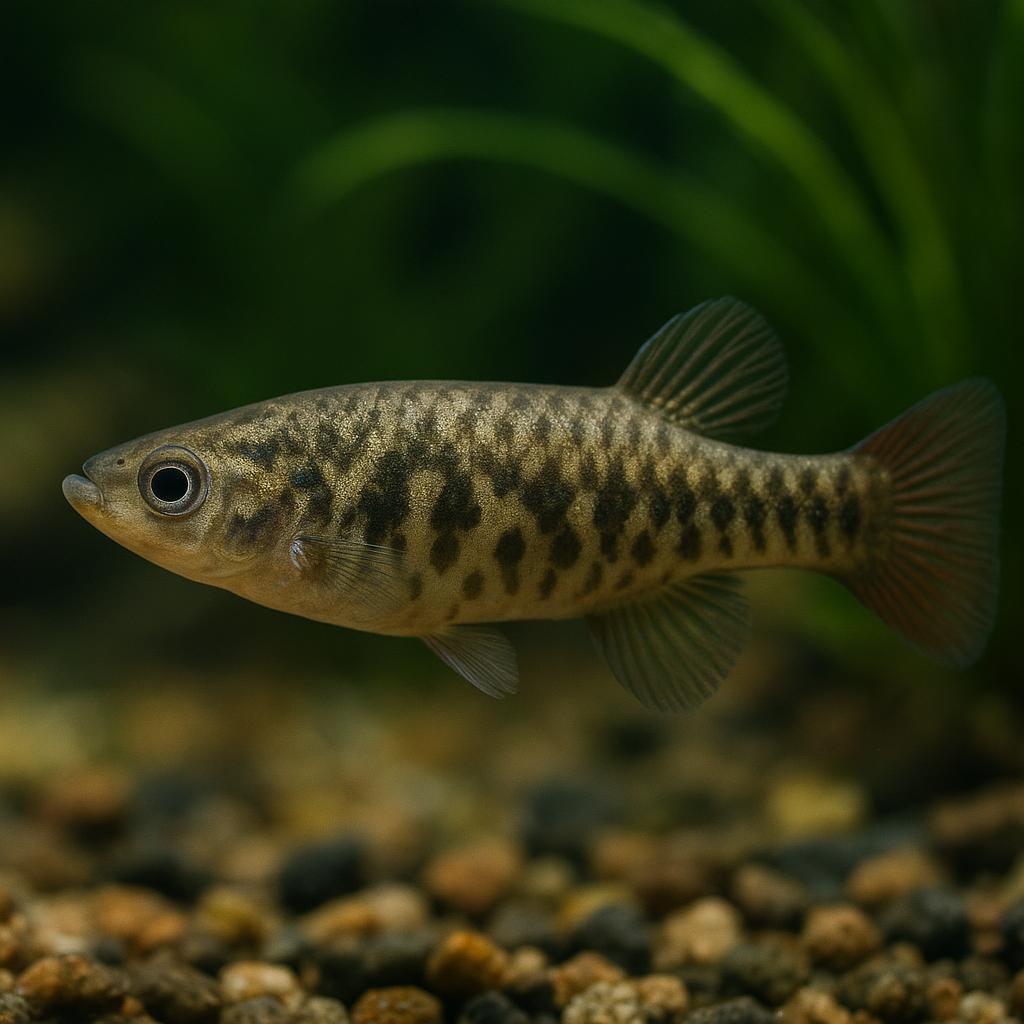
Anitápolis livebearer
Jenynsia weitzmani
Jenynsia weitzmani is a freshwater anablepid livebearer endemic to southern Brazil (currently known only from the type locality near Anitápolis, Santa Catarina). Like other Jenynsia (onesided livebearers), reproduction involves lateralized mating morphology/behavior; aquarium care guidance is not well-documented for this species specifically.
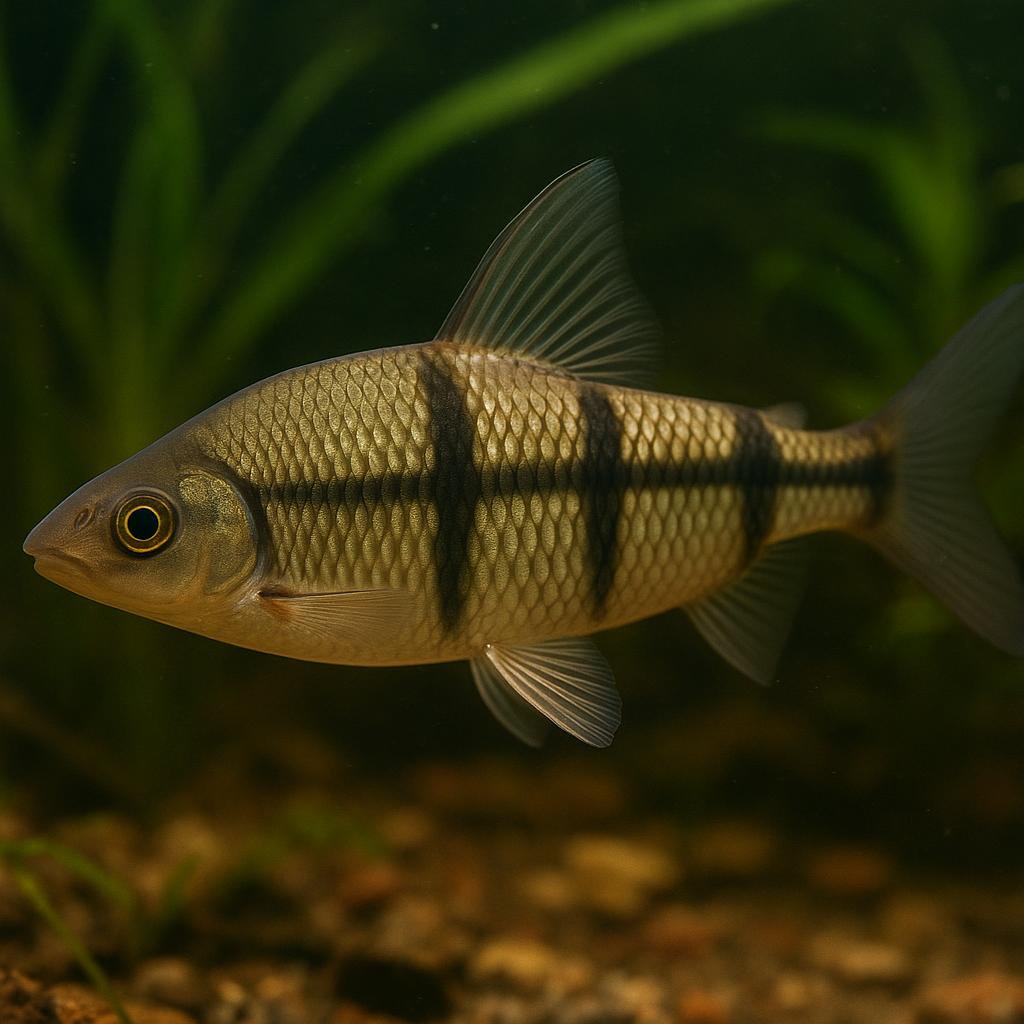
Aracu-comum
Schizodon vittatus
Schizodon vittatus is a large South American anostomid (family Anostomidae). Reported maximum size is about 35 cm standard length; it is harvested/consumed in parts of Brazil and is not commonly covered by mainstream aquarium husbandry references.
More to Explore
Discover more freshwater species.
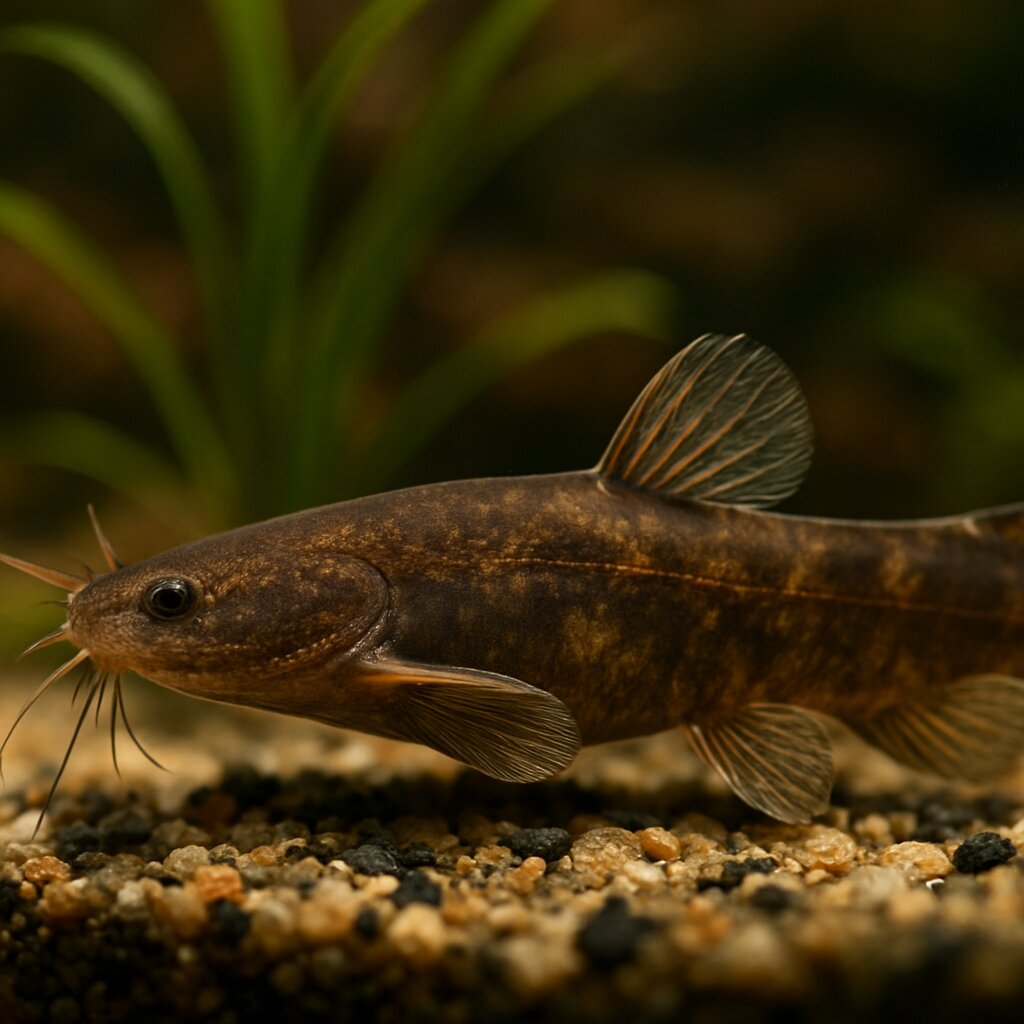
Amphilius dimonikensis
A small loach catfish endemic to the Mpoulou River in the Mayombe (Dimonika Biosphere Reserve), Republic of the Congo. Amphilius dimonikensis has a subtle banded pattern and inhabits fast, clear streams over rock and sand. In aquaria, prioritize strong, well-oxygenated flow with rounded stones and sand to mimic hillstream conditions.
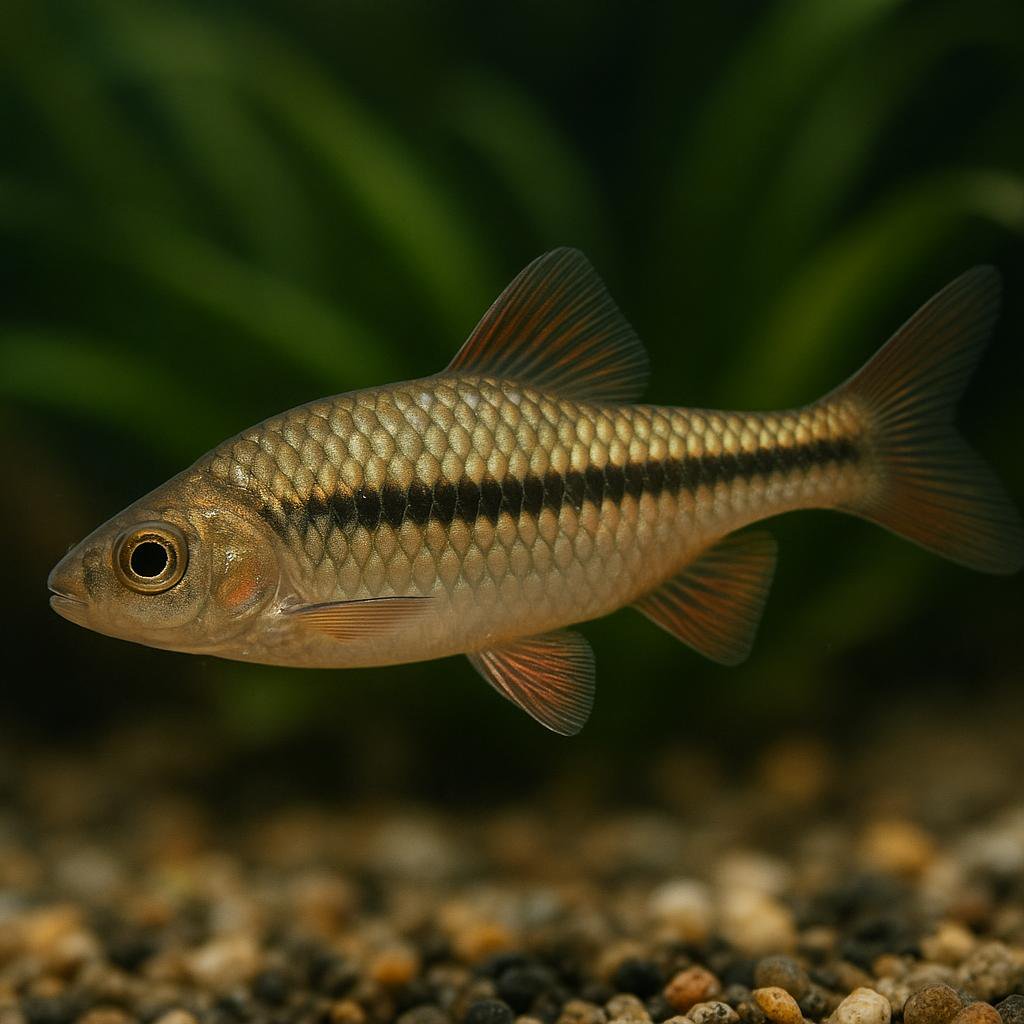
Aboina barb
Enteromius aboinensis
Enteromius aboinensis (the Aboina barb) is a small West African barb with a clean black midline stripe and a little spot right at the base of the tail. It does best when you treat it like a proper schooling fish - keep a decent group and give it plants around the edges with open swimming room in the middle.
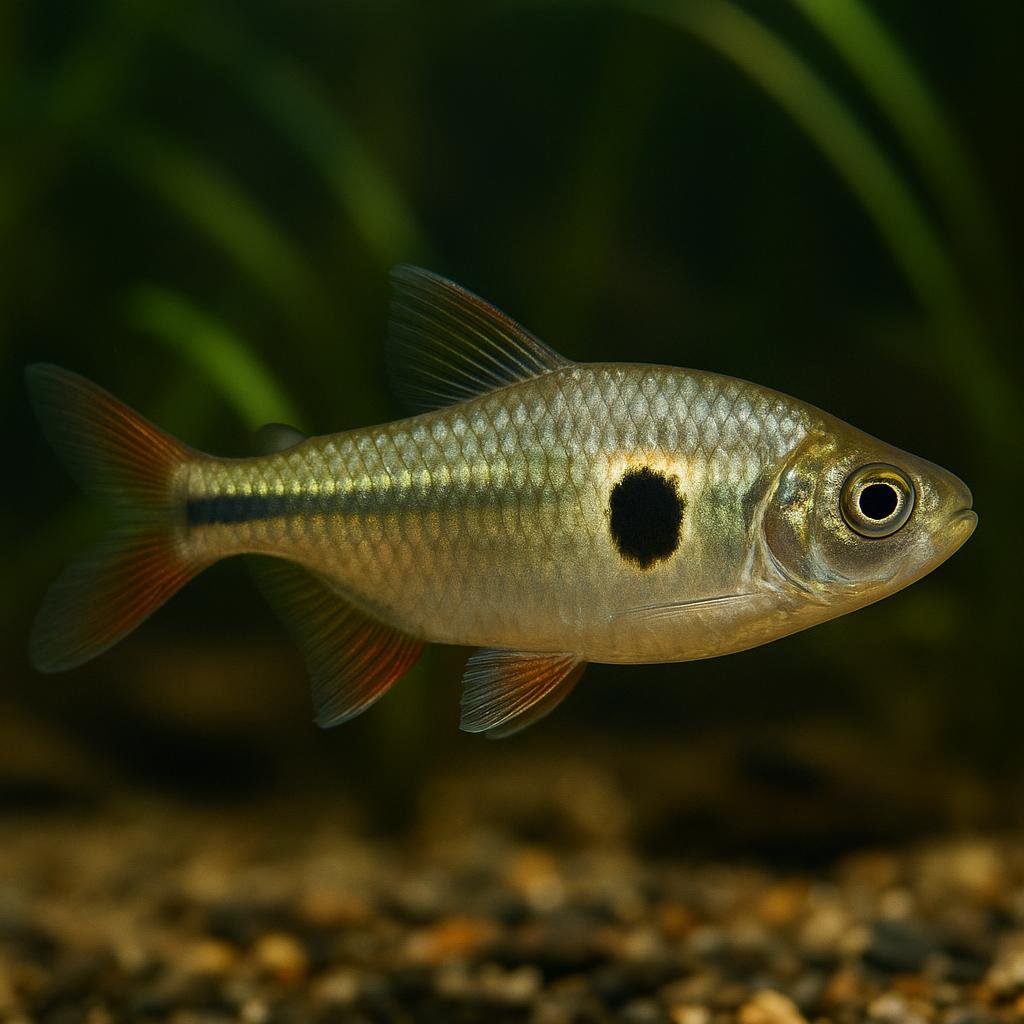
Ajuricaba tetra
Jupiaba ajuricaba
Jupiaba ajuricaba is a South American freshwater characin from the Amazon basin in Brazil (rio Negro, rio Solimões, and rio Tapajós basins). It reaches about 9.5 cm SL and is diagnosed by a narrow dark midlateral stripe, an elongated humeral spot, and an ocellated spot on the upper caudal-fin lobe. Wild specimens have been collected from blackwater forest streams and also oxbow-lake habitats.
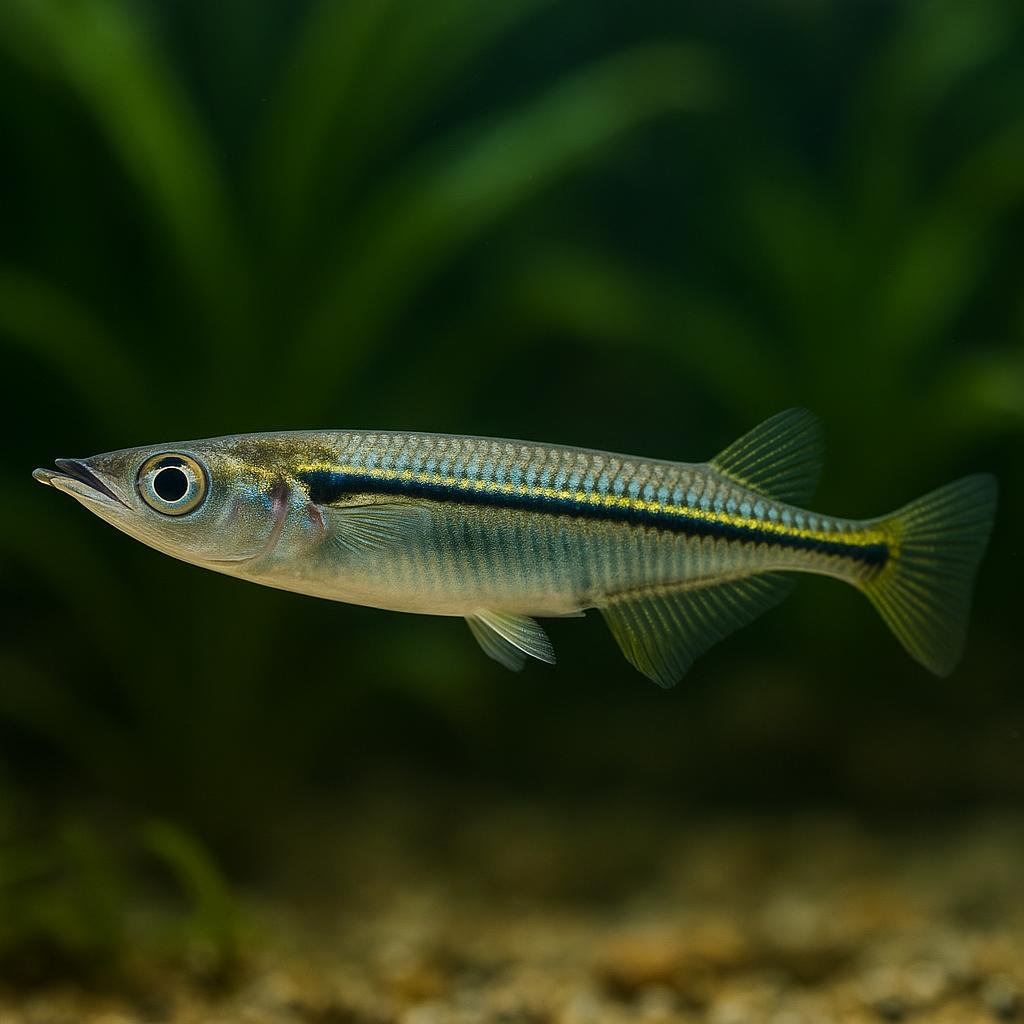
Allen's river garfish
Zenarchopterus alleni
A poorly known freshwater halfbeak endemic to West Papua (Mamberamo River), described from a single specimen (~13 cm SL). Beyond basic habitat/occurrence, little is published about its ecology or aquarium suitability; assume it is a surface-oriented, jump-prone halfbeak only by analogy with related taxa.
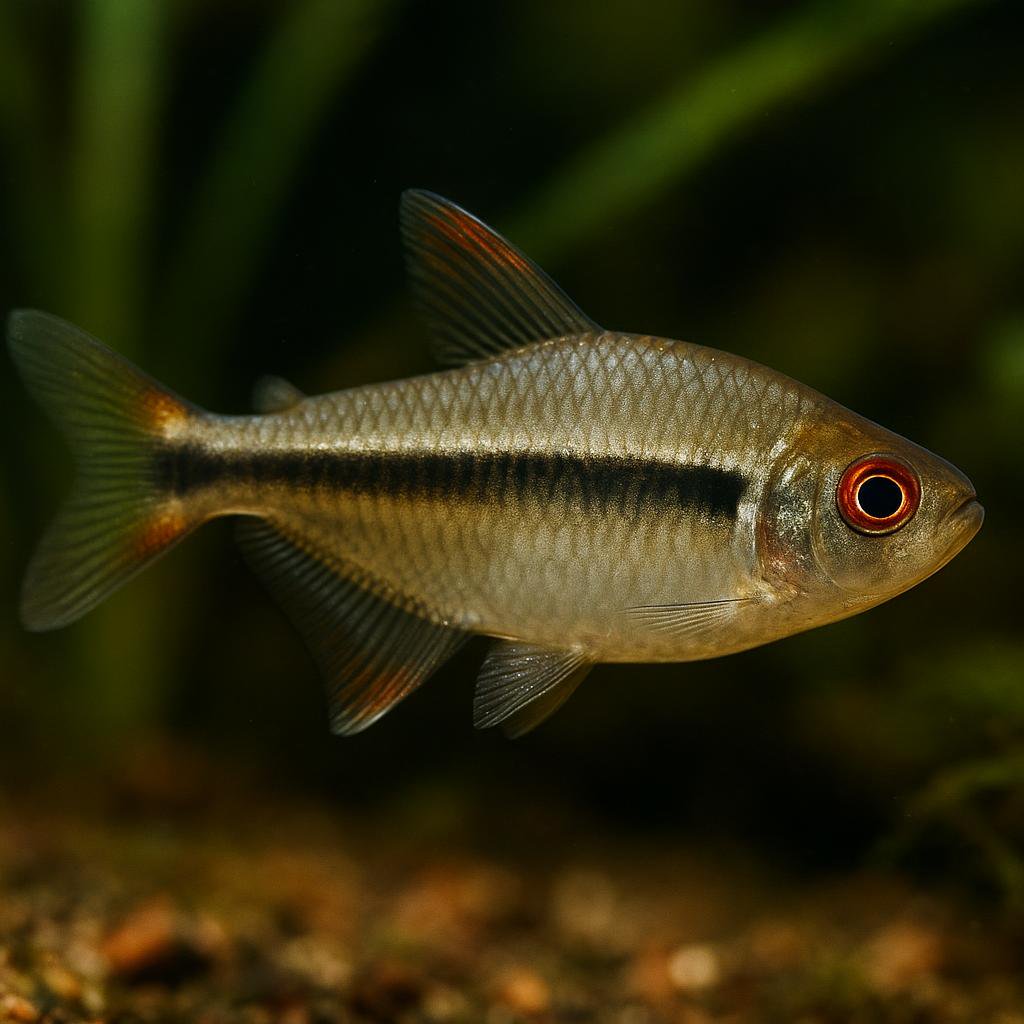
Amapa tetra
Hyphessobrycon amapaensis
This is a tiny, super sleek little tetra with a clean red stripe down the side that really pops once its settled in. It does best in a planted, slightly tinted "creek-style" setup and looks way cooler when you keep a proper group so they school and flash that line together. If you can give it soft, slightly acidic water and a calm community, its an easy fish to fall for.
Amatlan chub
Yuriria amatlana
Yuriria amatlana (the Amatlan chub) is a little Mexican native minnow from the Ameca River basin. Its wild range is pretty limited and it is listed as Endangered, so its care info in the aquarium hobby is basically nonexistent and its availability is usually low. In the original species description, preserved fish show a dark lateral stripe with a darker patch on the caudal peduncle, and they can have tiny barbels at the mouth corners.
Looking for other species?