

Blue Botia
Yasuhikotakia modesta
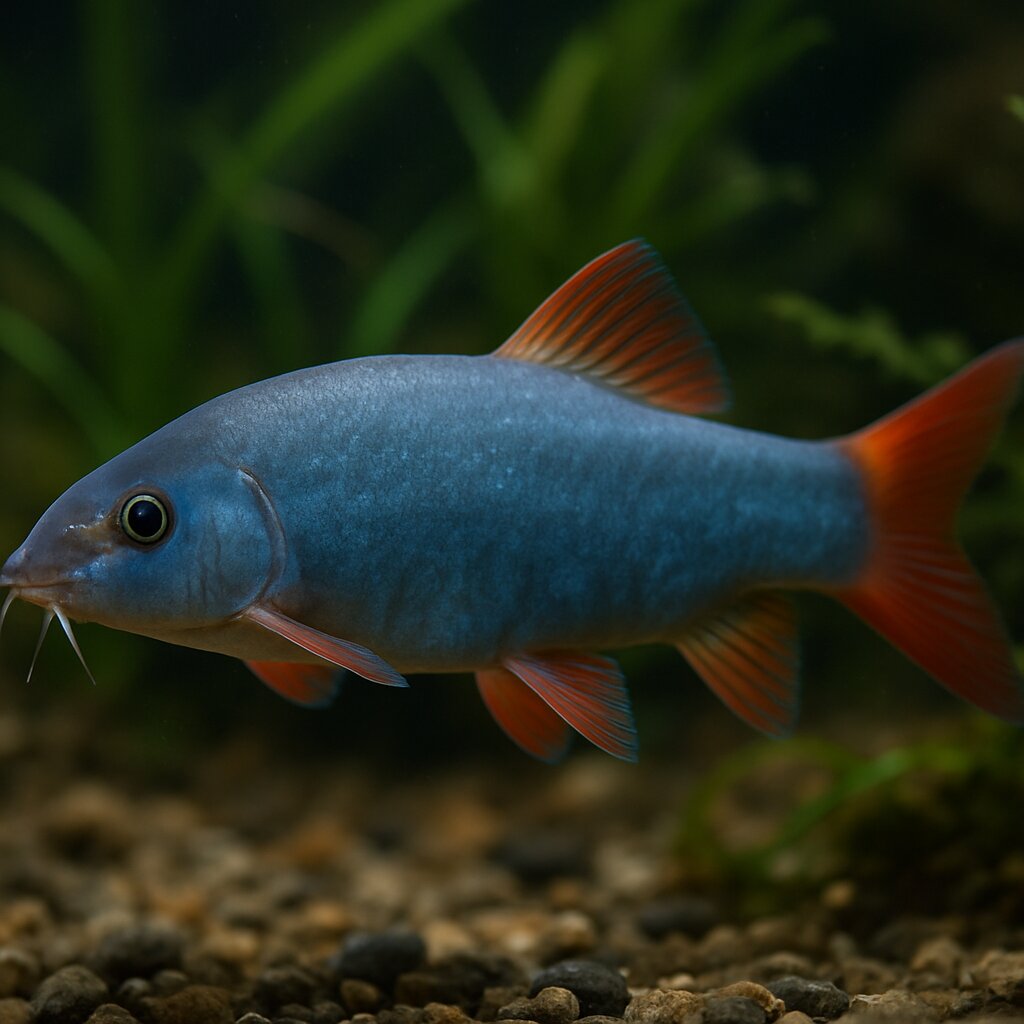
The Blue Botia exhibits a striking pattern of blue and yellow stripes against a silver body, with elongated fins and a slender, elongated shape.
This page includes AI-generated images. Why am I seeing AI images?
About the Blue Botia
Chunky blue-gray loach with fiery red-oranges fins that loves to rumble with its buddies and click when excited. Super active at night, digs like crazy, and really needs a group and a big footprint to settle down. Gorgeous fish once grown, but it is a handful if you try to squeeze it into a small tank.
Also known as
Quick Facts
Size
25 cm SL
Temperament
Semi-aggressive
Difficulty
Intermediate
Min Tank Size
75 gallons
Lifespan
5-12 years
Origin
Southeast Asia
Diet
Omnivore - worms, crustaceans, insects, snails, and sinking pellets/frozen foods
Water Parameters
26-30°C
6-8
5-12 dGH
Need a heater for this species?
This species needs 26-30°C in a 75 gallon tank. Use our heater calculator to find the right wattage.
Calculate heater sizeCare Notes
- Give them space: a 75+ gallon tank with a 4 ft+ footprint for a group of 5-7, soft sand, smooth rocks, tight lid, and lots of caves and line-of-sight breaks.
- They like current and oxygen, so run a powerhead or strong filter return; keep temp 76-82 F, pH 6.5-7.5, soft to medium hardness, and nitrates under 20 ppm with big weekly water changes.
- Feed at dusk with sinking carnivore pellets, frozen bloodworms/blackworms, chopped shrimp, and the odd blanched zucchini slice; they will eat snails but that should not be their whole menu.
- Tankmates should be fast and sturdy like rainbowfish, larger barbs, and big danios; skip slow or long-finned fish, shrimp and snails, and timid bottom dwellers like corys.
- They are semi-rough with each other, so keep a proper group to spread the attitude; add more caves than fish and reshuffle decor if one turns into a jerk.
- Loaches grab ich fast and do not like harsh meds; use heat plus loach-safe dosing and crank aeration during treatment.
- If one gets skinny while still eating, think internal worms and deworm with levamisole or praziquantel after a good quarantine.
- Breeding at home basically does not happen for this species, so focus on long-term care and expect adults to hit 8-10 inches over a couple of years.
Compatibility
Good Tankmates
- Fast, midwater schooling fish like rainbowfish, giant danios, or larger rasboras that do not sleep on the bottom
- Sturdy barbs in a big shoal - rosy, odessa, or Denison barbs - quick and feisty enough to handle the bustle
- Big, boisterous tetras like Buenos Aires or Colombian tetras that like open water and keep moving
- Medium cichlids with some backbone - severum, blue acara, firemouth - similar size and speed, not dainty
- Armored catfish that hold their ground - Synodontis or big bristlenose/common plecos - with plenty of hides
- Their own kind in a group of 5-8 blue botia so the squabbling stays in the clan and not on tankmates
Avoid
- Slow fish with fancy fins - angels, gouramis, bettas - easy fin-nip targets, especially after lights out
- Peaceful bottom dwellers - corydoras, kuhli loaches, small gobies - get chased off food or roughed up
- Shrimp and snails - viewed as snacks and will be hunted down
- Tiny or timid nano fish - neons, embers, microrasboras - stressed or swallowed as the botia grows
Where they come from
Blue Botia (Yasuhikotakia modesta) are Southeast Asian river fish, mostly from the Mekong and Chao Phraya basins. Think warm, moving water with sandy or silty bottoms, driftwood tangles, and big seasonal swings in water level. That background explains why they like current, lots of oxygen, and places to duck into.
Setting up their tank
They get big for a loach. Adults hit 8-10 inches, and some push a bit more with age. Plan for a group from day one. A bunch of juveniles in a small tank looks cute, then one day you have a rowdy gang outgrowing everything.
- Tank size: 75 gallons minimum for a group, 6-foot tanks like 120-125 gallons are way easier long term.
- Group: 5 or more to spread out the bossy behavior. Three is the worst number for them.
- Substrate: sand or smooth fine gravel. They dig and rasp for food. Sharp gravel chews up barbels.
- Hiding spots: piles of rounded rocks, wood, sturdy caves, and PVC or ceramic tubes. Multiple exits per hide reduces trapping.
- Flow and oxygen: moderate to strong current with high aeration. I run a beefy canister and a powerhead or airstone.
- Lid: tight-fitting. They jump during lights-out or scuffles.
- Temperature: 75-82 F (24-28 C).
- pH and hardness: roughly 6.5-7.5, soft to medium hard (3-12 dGH).
- Lighting: on the dimmer side with shady cover. They relax more and show better color.
- Maintenance: big, regular water changes. I do 40-50% weekly on my group. They are messy and like clean, moving water.
Handle with care. Like other botias, they have small pop-out spines under the eyes that can snag nets or skin. Use a container to move them instead of a net if you can.
If one fish is getting bullied, add more cover and rearrange decor. A rescape breaks line-of-sight and resets pecking order without you having to rehome anyone.
What to feed them
Omnivores with a meaty streak. They hunt snails and worms, but a mixed diet keeps them in good shape and cuts down on squabbling at mealtime.
- Staples: quality sinking carnivore pellets or loach wafers.
- Frozen foods: bloodworms, blackworms, brine shrimp, mysis. Mine go nuts for chopped earthworms.
- Live foods: great as a treat and for conditioning.
- Veggies: blanched zucchini, peas (skins off), spinach. A veggie night once a week helps balance things.
- Snails: they will clear pest snails, so do not rely on snails for cleanup in their tank.
Feed after lights out or right before lights dim. They are much bolder then, and the shy ones get their share. Small portions twice a day beats one big dump of food.
Remove uneaten veggies by morning. Leftovers foul the water fast in a warm, high-oxygen setup.
How they behave and who they get along with
Expect a boisterous crew. They spar, body-slap, and make clicking sounds. It looks dramatic, but in a proper group with cover it rarely ends in damage. Too few fish equals more bullying.
- Good tankmates: medium to large barbs (tinfoil, rosy, filament), robust rasboras, rainbowfish, larger peaceful characins, and calmer medium cichlids like severums or geophagus.
- Use caution: other loach species. Mixing botias can lead to turf wars unless the tank is huge.
- Avoid: small nano fish, shrimps, and slow long-finned species like bettas or fancy angels. They will nip or outcompete them.
They are most active at dusk and after lights out, but once settled they roam during the day too. A dimmer tank with structure brings them out more.
Breeding tips
I have not seen reliable home breeding reports for Blue Botia. Farms produce them with hormone assistance. In the wild they likely spawn seasonally with rising water and heavy flow.
- Sexing: mature males tend to be a bit slimmer with more intense fin color, but it is subtle.
- If you want to experiment: huge group, very big tank, heavy current, seasonal temp and water-level swings, and tons of cover. Think long-term project, not a weekend pairing.
- Reality check: do not count on fry. Enjoy them as long-lived display fish.
Common problems to watch for
- Ich and medication sensitivity: loaches lack heavy scales and react badly to some meds. Use half-dose with copper or malachite green and boost aeration. Heat-and-salt can work if done carefully.
- Low oxygen: they hate stagnant water. Add extra air during heat waves or treatments.
- Too few fish: small groups concentrate aggression. Aim for 5+ and provide line-of-sight breaks.
- Barbel erosion: rough substrate or dirty gravel beds cause injury and infection. Keep the substrate smooth and clean.
- Internal worms after import: weight loss despite eating. Quarantine new fish and deworm with praziquantel or levamisole as needed.
- Escape artists: loose lids lead to carpet surfing, usually at night.
- Sharp spines: they can puncture bags and nets. Double-bag if you ever move them.
Quarantine new loaches for 3-4 weeks. They often arrive with hitchhikers, and treating them in a separate tank is way less stressful for everyone.
Similar Species
Other freshwater semi-aggressive species you might be interested in.
Jupiaba kurua
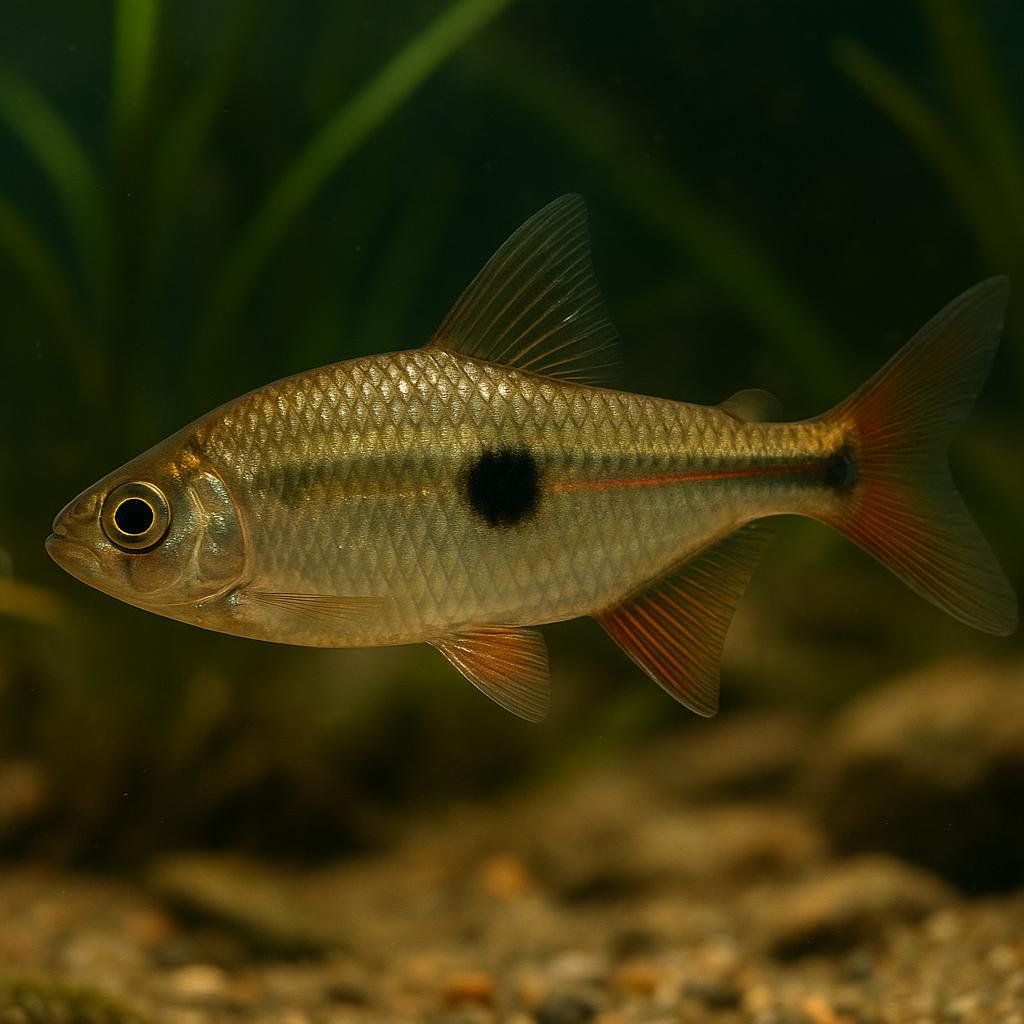
Small South American characin endemic to the upper rio Curuá (rio Xingu basin, Brazil). Reaches about 8.7 cm SL and inhabits clearwater rivers. Distinguished by dark dots on the bases of many lateral scales and a distinct dark caudal‑peduncle spot. Reported diet indicates omnivory, including aquatic insects, small fishes, and fragments of Podostemaceae and filamentous algae.
Altipedunculata stone loach
Schistura altipedunculata
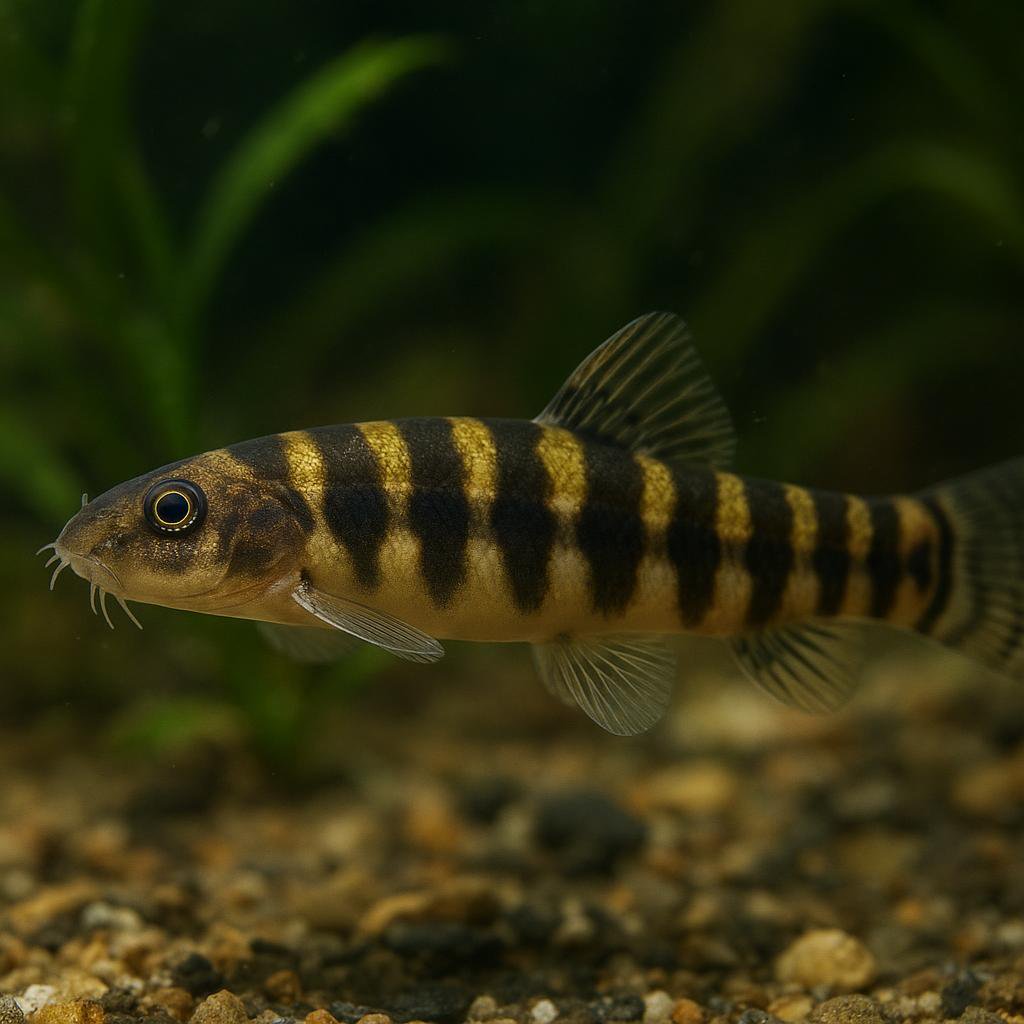
Schistura altipedunculata is one of those little stream loaches that wants clean, well-oxygenated water and a bunch of rock nooks to claim as home. It is a bottom-hugger that will spend its day scooting from crevice to crevice, and it tends to get a bit spicy with its own kind if you do not give it enough hiding spots.
American flagfish
Jordanella floridae
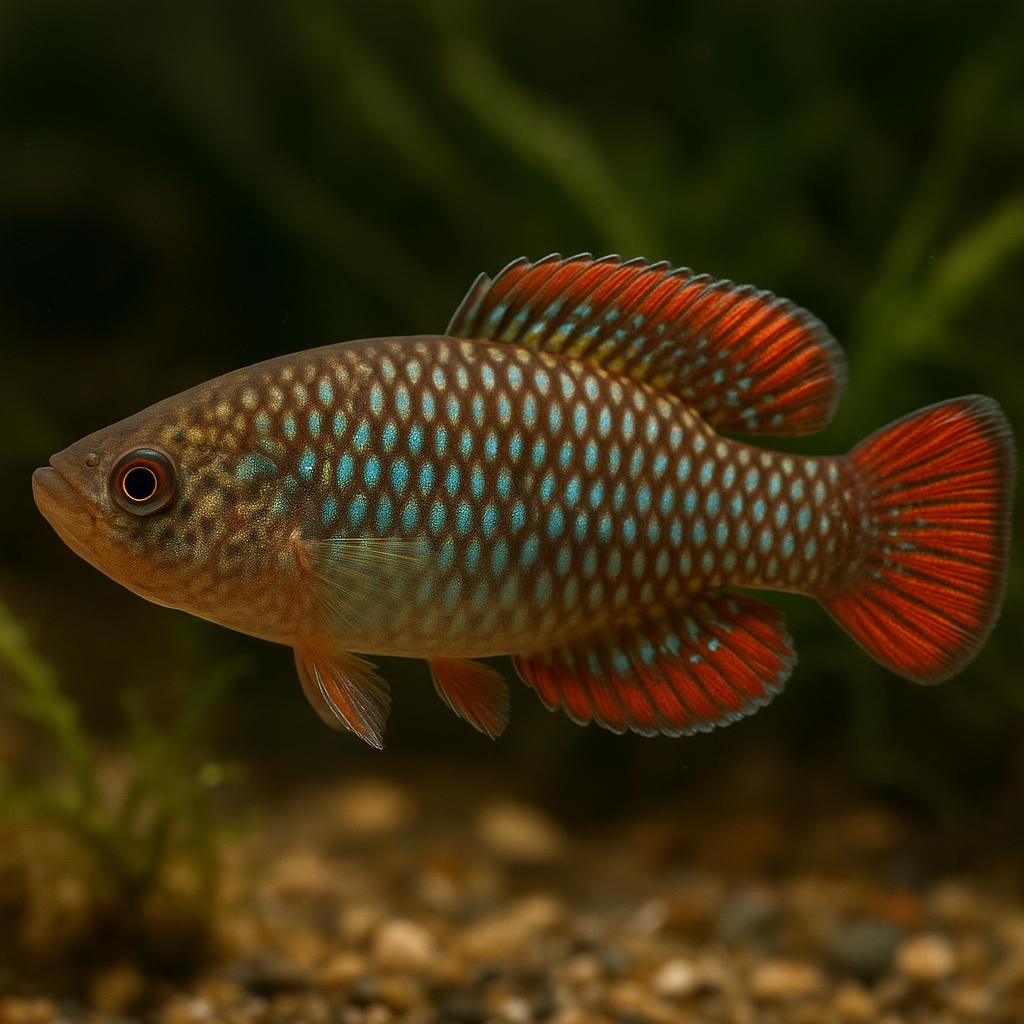
Jordanella floridae is that little Florida native with the red-and-cream striping that really does look like a tiny flag once a male colors up. They graze algae like champs (especially stringy/hair algae), but they have a bit of attitude - give them plants and space so the bossy behavior stays manageable. Bonus: the male guards the eggs and will actively fan them, which is pretty fun to watch.
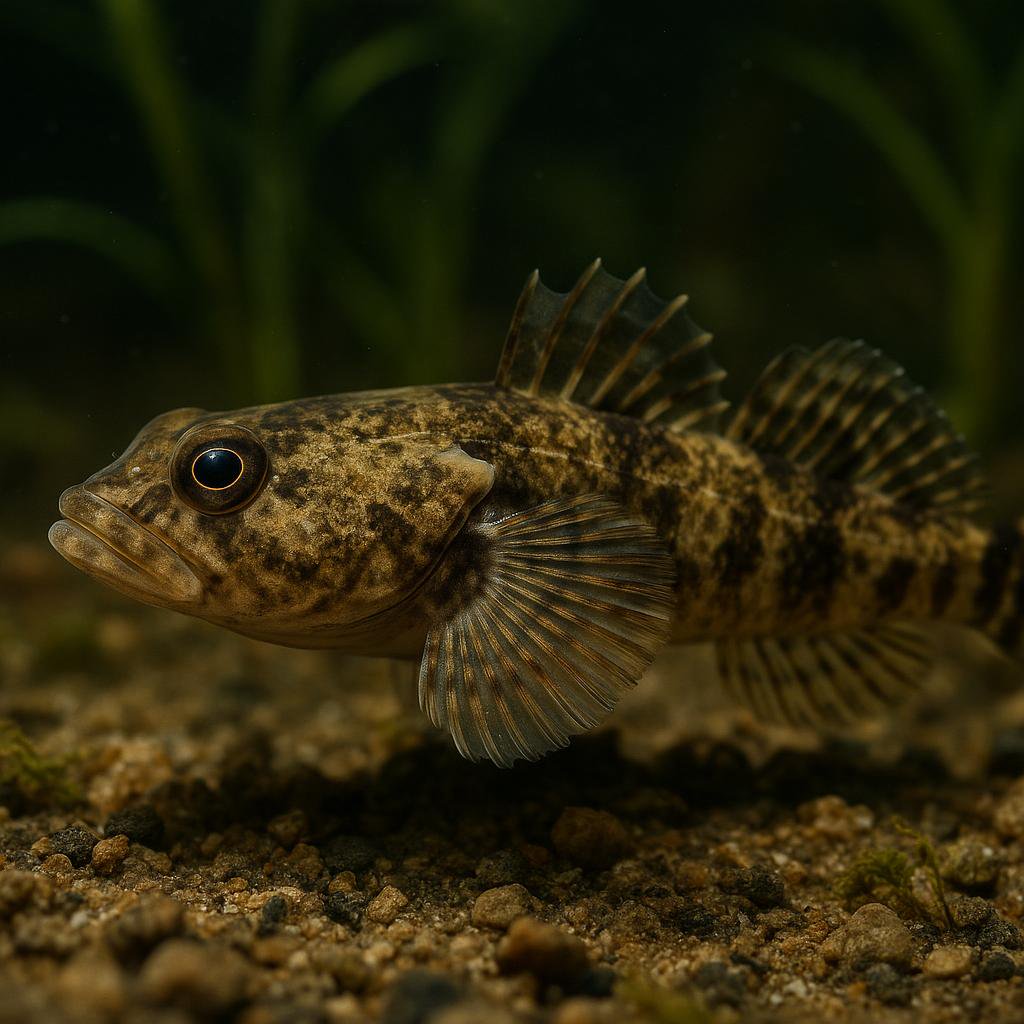
Amur sculpin
Alpinocottus szanaga
This is a little coldwater sculpin from the Amur drainage - a bottom-hugging, rock-and-gravel fish that spends its day wedged under stones and darting out to grab food. Super cool behavior and attitude, but it is absolutely not a warm tropical community fish - it wants chilly, fast, oxygen-rich water and will bicker with other bottom fish.
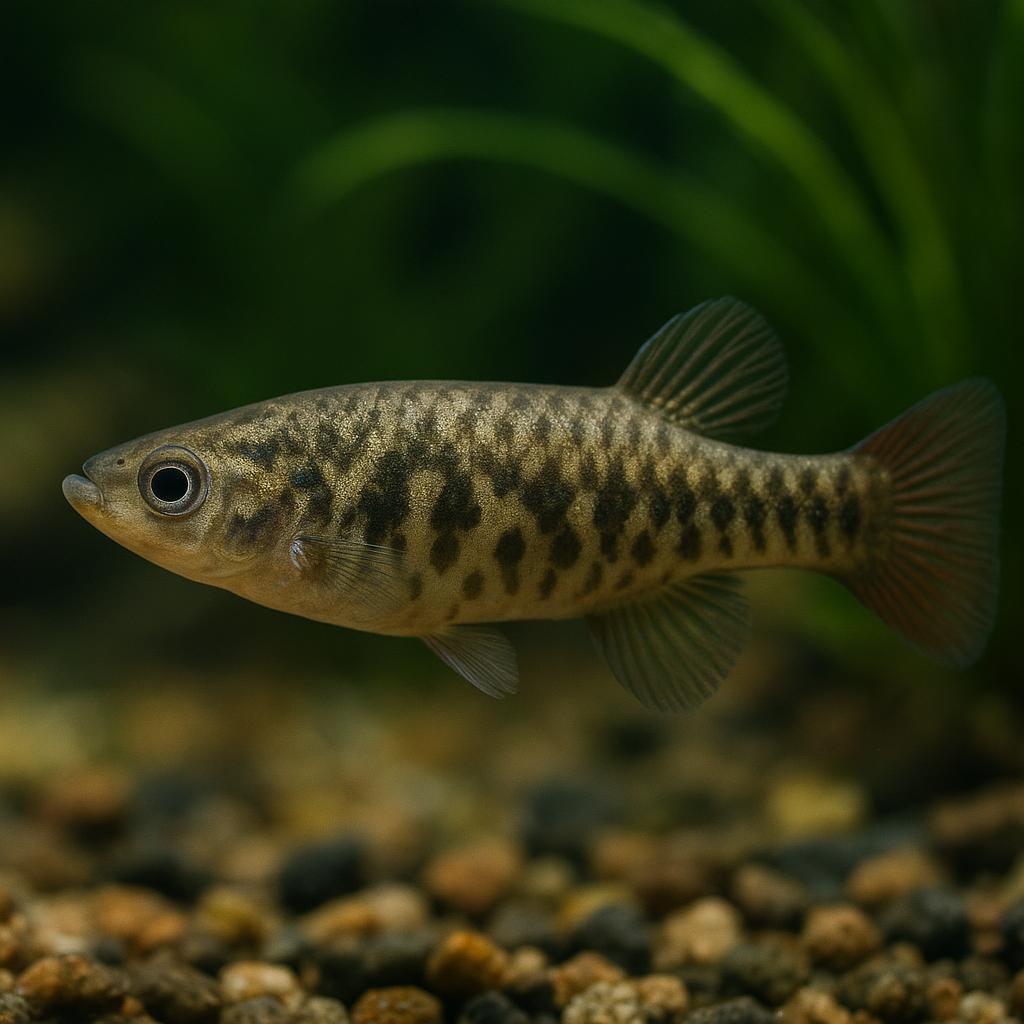
Anitápolis livebearer
Jenynsia weitzmani
Jenynsia weitzmani is a freshwater anablepid livebearer endemic to southern Brazil (currently known only from the type locality near Anitápolis, Santa Catarina). Like other Jenynsia (onesided livebearers), reproduction involves lateralized mating morphology/behavior; aquarium care guidance is not well-documented for this species specifically.
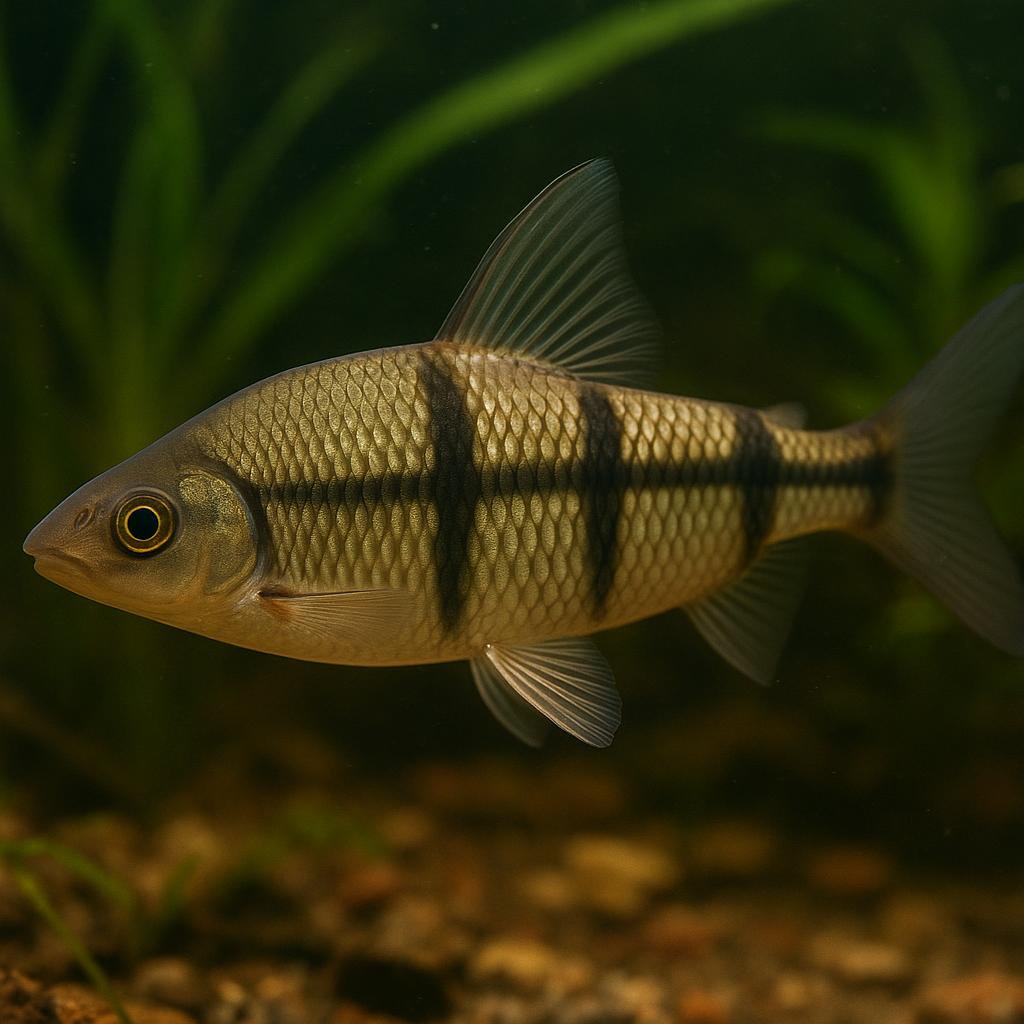
Aracu-comum
Schizodon vittatus
Schizodon vittatus is a large South American anostomid (family Anostomidae). Reported maximum size is about 35 cm standard length; it is harvested/consumed in parts of Brazil and is not commonly covered by mainstream aquarium husbandry references.
More to Explore
Discover more freshwater species.
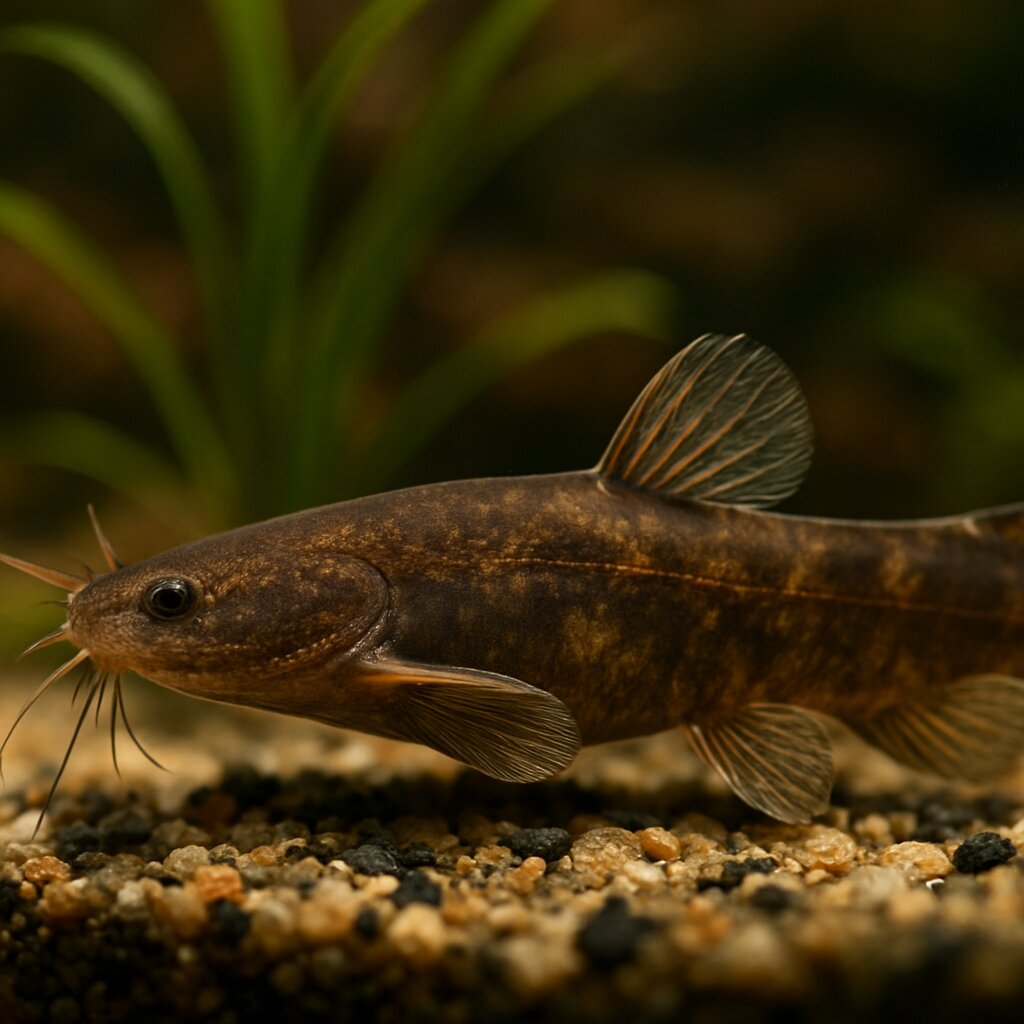
Amphilius dimonikensis
A small loach catfish endemic to the Mpoulou River in the Mayombe (Dimonika Biosphere Reserve), Republic of the Congo. Amphilius dimonikensis has a subtle banded pattern and inhabits fast, clear streams over rock and sand. In aquaria, prioritize strong, well-oxygenated flow with rounded stones and sand to mimic hillstream conditions.
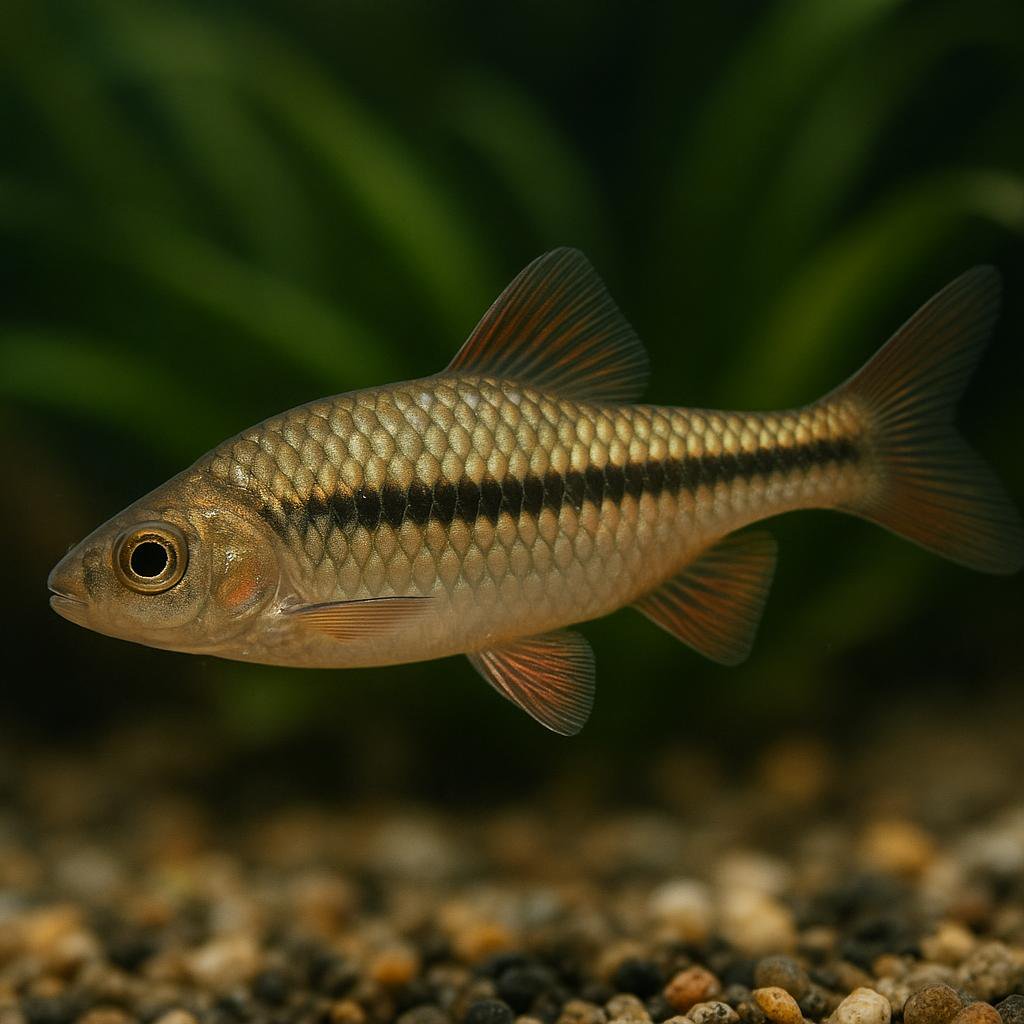
Aboina barb
Enteromius aboinensis
Enteromius aboinensis (the Aboina barb) is a small West African barb with a clean black midline stripe and a little spot right at the base of the tail. It does best when you treat it like a proper schooling fish - keep a decent group and give it plants around the edges with open swimming room in the middle.
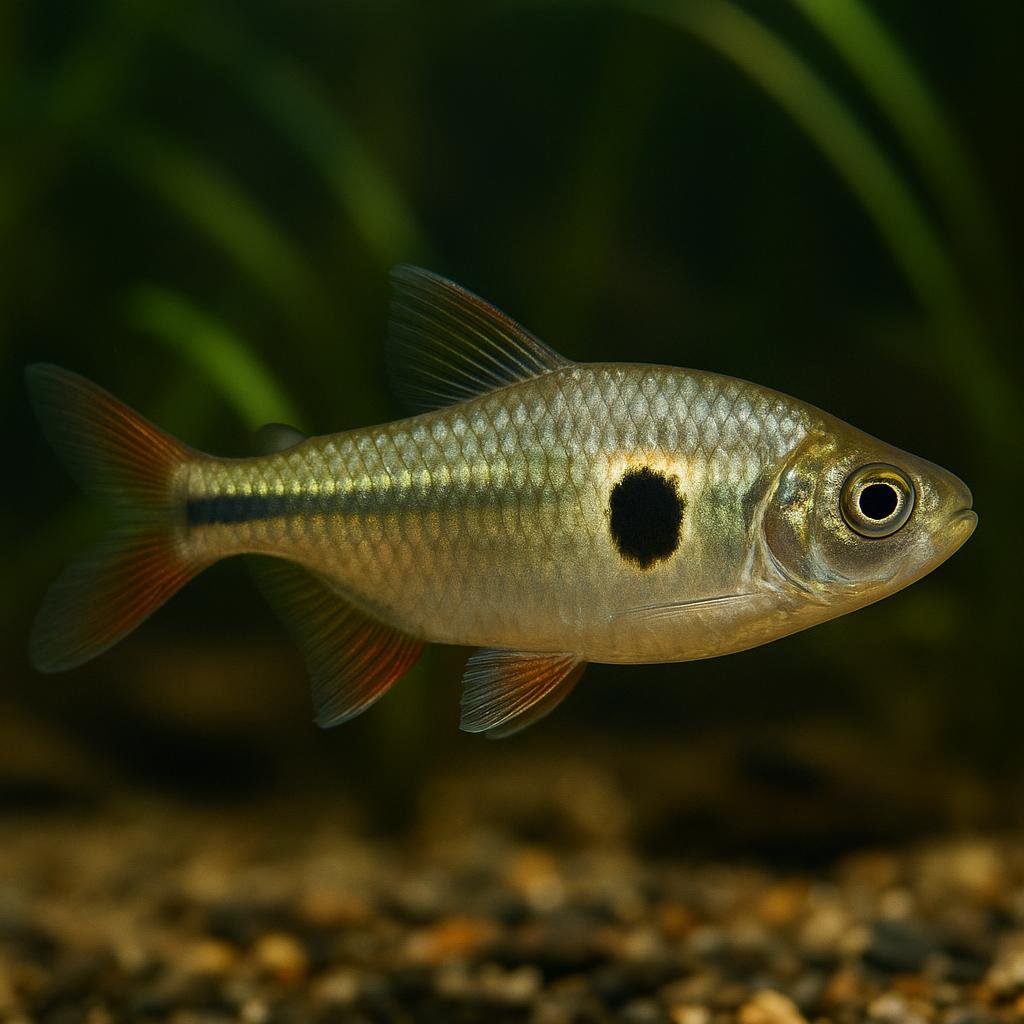
Ajuricaba tetra
Jupiaba ajuricaba
Jupiaba ajuricaba is a South American freshwater characin from the Amazon basin in Brazil (rio Negro, rio Solimões, and rio Tapajós basins). It reaches about 9.5 cm SL and is diagnosed by a narrow dark midlateral stripe, an elongated humeral spot, and an ocellated spot on the upper caudal-fin lobe. Wild specimens have been collected from blackwater forest streams and also oxbow-lake habitats.
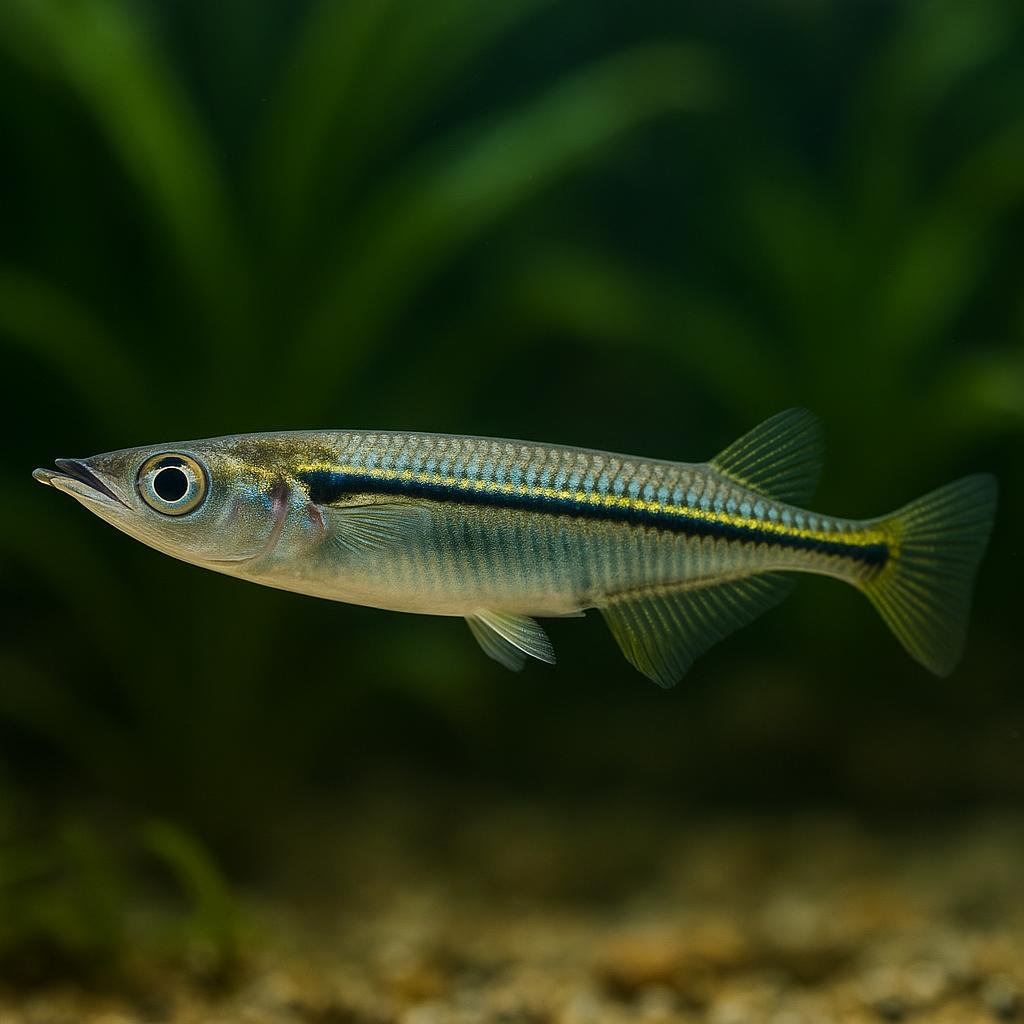
Allen's river garfish
Zenarchopterus alleni
A poorly known freshwater halfbeak endemic to West Papua (Mamberamo River), described from a single specimen (~13 cm SL). Beyond basic habitat/occurrence, little is published about its ecology or aquarium suitability; assume it is a surface-oriented, jump-prone halfbeak only by analogy with related taxa.
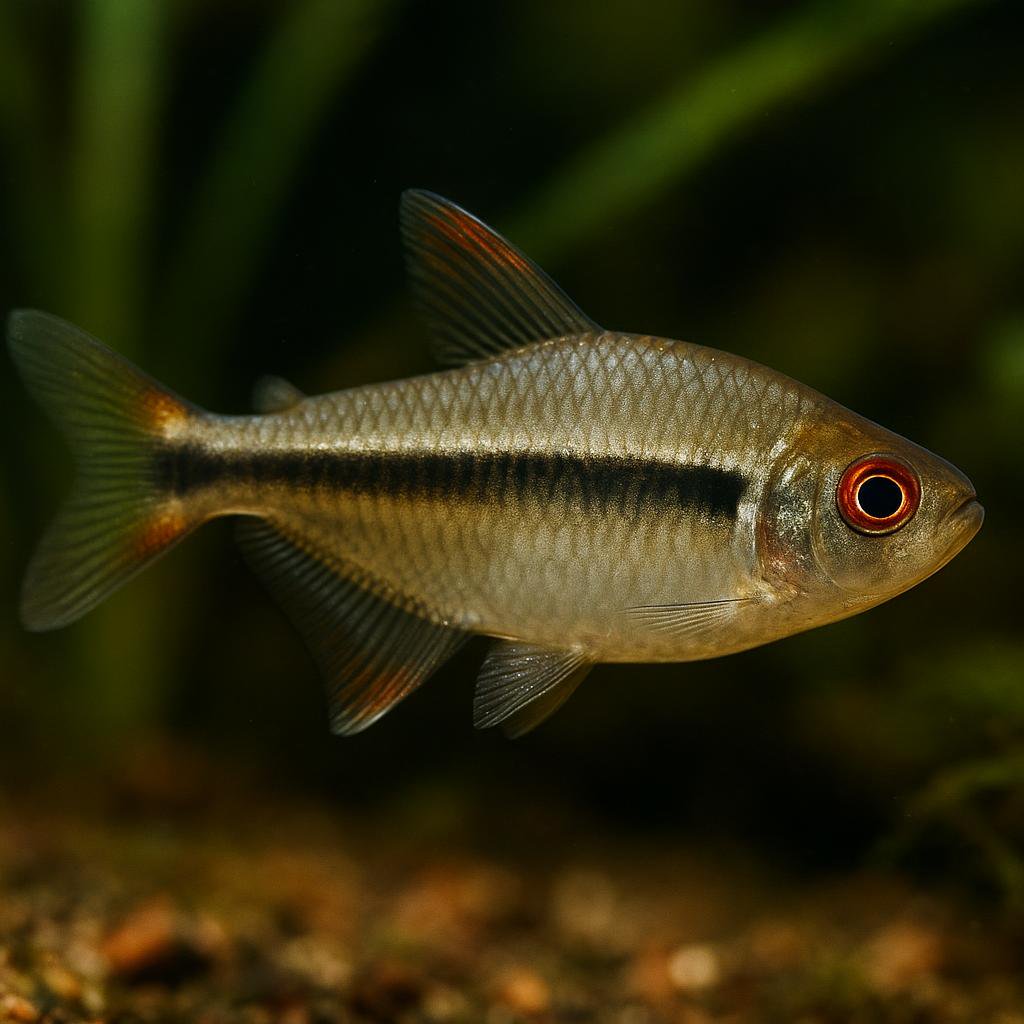
Amapa tetra
Hyphessobrycon amapaensis
This is a tiny, super sleek little tetra with a clean red stripe down the side that really pops once its settled in. It does best in a planted, slightly tinted "creek-style" setup and looks way cooler when you keep a proper group so they school and flash that line together. If you can give it soft, slightly acidic water and a calm community, its an easy fish to fall for.
Amatlan chub
Yuriria amatlana
Yuriria amatlana (the Amatlan chub) is a little Mexican native minnow from the Ameca River basin. Its wild range is pretty limited and it is listed as Endangered, so its care info in the aquarium hobby is basically nonexistent and its availability is usually low. In the original species description, preserved fish show a dark lateral stripe with a darker patch on the caudal peduncle, and they can have tiny barbels at the mouth corners.
Looking for other species?