

Yunnanilus longibulla
Yunnanilus longibulla
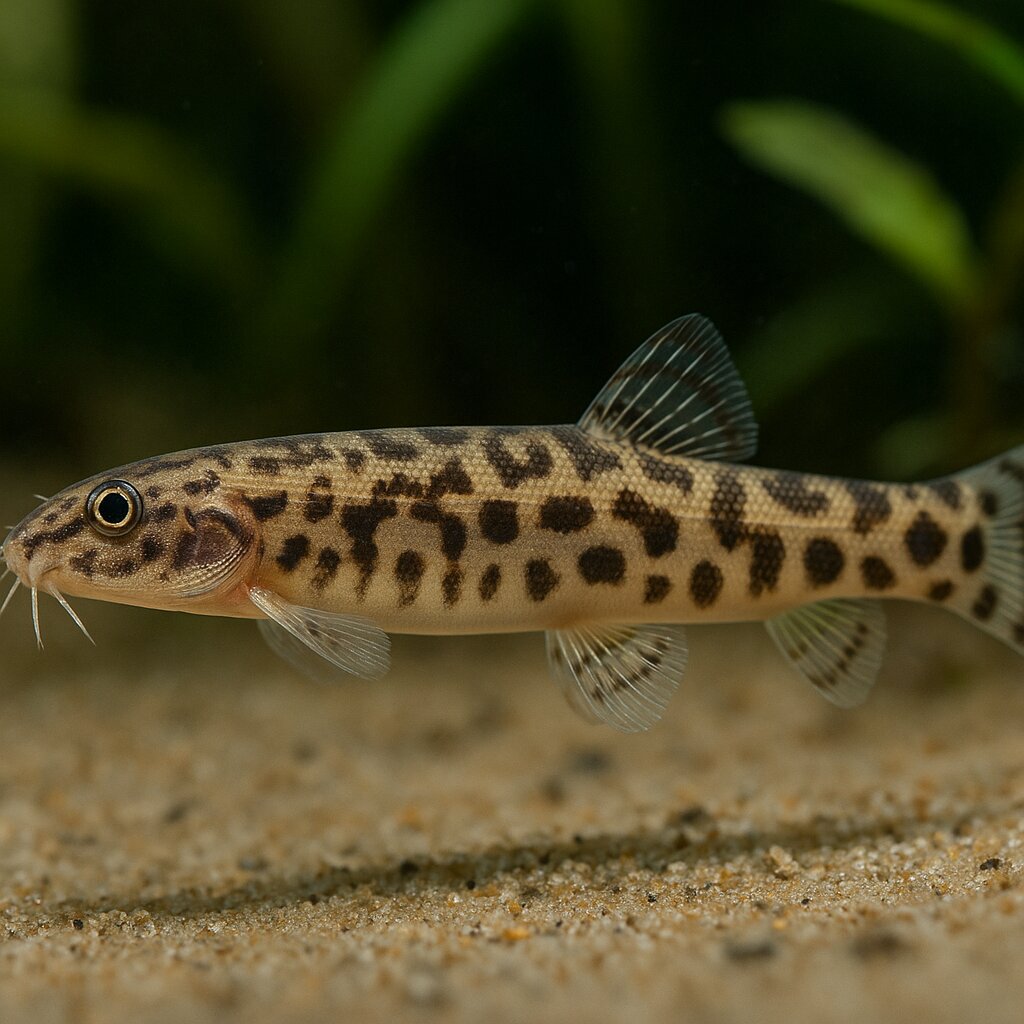
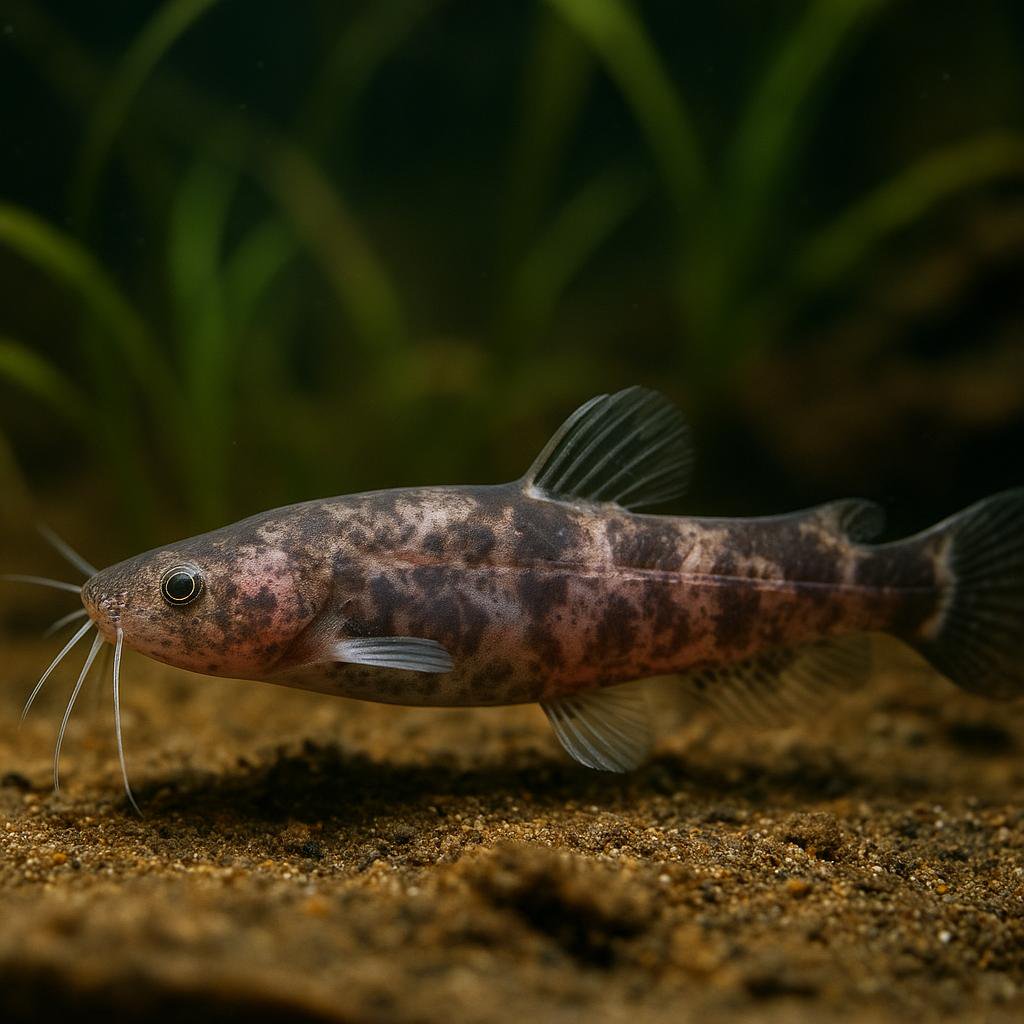
Yunnanilus longibulla exhibits a slender body with a pale yellowish hue and distinct dark spots along its flanks.
This page includes AI-generated images. Why am I seeing AI images?
About the Yunnanilus longibulla
Tiny stone loach from Yunnan’s Lake Chenghai with a neat party trick - that long swim bladder helps it hover and make quick dashes along the bottom. Think cool, very hard, alkaline water and lots of sand and pebbles to nosh through. It is rarely seen in the trade, so plan for a careful, species-focused setup.
Quick Facts
Size
4 cm
Temperament
Peaceful
Difficulty
Advanced
Min Tank Size
20 gallons
Lifespan
3-5 years
Origin
East Asia
Diet
Micro-predator - sinking micro-pellets, frozen/live micro foods
Water Parameters
15-22°C
7.8-9.6
8-20 dGH
Need a heater for this species?
This species needs 15-22°C in a 20 gallon tank. Use our heater calculator to find the right wattage.
Calculate heater sizeCare Notes
- Give them a long, shallow tank with fine sand, smooth stones, wood, and tons of hides; a 30-inch footprint beats tall tanks. Tight lid - they climb and jump.
- Run good flow and high oxygen with a spray bar or small river setup. Keep temp 64-72 F (18-22 C); above 75 F (24 C) they get stressed and prone to infections.
- They do best in slightly soft to moderate water (GH 4-12, KH 2-6, pH 6.8-7.6). Keep organics low and TDS steady with regular small water changes, not big swings.
- They are micro-predators, so feed tiny sinking foods and live/frozen stuff like daphnia, baby brine, bloodworms, and blackworms. Two or three small meals work better than one big dump, and you can wean them onto quality nano pellets.
- Keep them in a group of 8+ so they settle and color up. Break up sightlines with wood and rocks so the bold fish do not pin the shy ones.
- Tankmates should be calm, cool-tolerant midwater fish like white clouds, small rasboras, or ricefish. Skip barbs, cichlids, and pushy bottom dwellers like Schistura or larger Botia that will outcompete them.
- Breeding happens in crevices under stones and leaf litter, and adults will eat eggs. A slight cool-water change and a bump in flow can trigger it, but pull the parents or use marbles/leaf litter if you want any fry.
- Most arrive wild-caught and can be skinny or wormy, so quarantine for 4+ weeks and deworm if needed. Watch for wasting, flashing, or frayed barbels from rough substrate or dirty sand.
Compatibility
Good Tankmates
- White cloud mountain minnows - cool-water, easygoing midwater schoolers that will not pester sand-sifting Yunnanilus
- Ricefish (medaka) - calm top dwellers, fine in cooler temps and happy to ignore bottom loaches
- Celestial pearl danios - gentle nano fish that hang mid-water and will not outcompete them if you feed small sinking foods
- Peppered Corydoras (C. paleatus) - peaceful bottom buddies that like the same cooler range on soft sand
- Hillstream loaches (Sewellia/Gastromyzon) - similar flow and temp needs, graze rocks and keep to themselves
- Shy micro rasboras like Microrasbora erythromicron - small, peaceful, and not pushy at feeding time
Avoid
- Fin-nippy or hyper fish like tiger barbs or serpae tetras - they will stress and harass these little loaches
- Big or predatory fish (larger cichlids, larger gouramis, arowana) - anything that can mouth them is a no-go
- Territorial bottom bullies like yoyo or zebra loaches and red-tail black sharks - they will dominate the floor space
- Goldfish - cool water match, but too boisterous and messy, and they will outcompete or swallow small loaches
Where they come from
Yunnanilus longibulla is a little stone loach from Yunnan, China. Think clear, cool, spring-fed creeks and lake margins with sandy bottoms, leaf litter, and scattered pebbles. They spend their time nosing through fine substrate for tiny critters. A lot of populations are very local, which is part of why they can be touchy in home tanks.
They are sensitive wild fish more often than not. Expect them to arrive skinny and shy, and give them a quiet, mature tank to settle into.
Setting up their tank
These guys do best in a long, low tank with gentle flow and tons of soft substrate to sift. They are advanced mostly because they hate unstable water and rough handling.
- Tank size: a 20-long (75 L) is the minimum for a small group, 30 inches of floor space is nicer
- Substrate: fine sand (sugar-grain size). Add a sprinkle of smooth pebbles and leaf litter
- Filtration: sponge filter + gentle spray bar or pre-filtered HOB. High oxygen, not blasting current
- Temperature: 18-22 C (64-72 F). Briefly up to 23-24 C is ok if oxygen is high
- pH and hardness: roughly neutral to slightly alkaline, pH 6.8-7.8, 3-12 dGH
- Lighting: subdued. Floating plants or shaded areas help them relax
- Lid: tight-fitting. They are sneaky climbers and jumpers
Set up the scape with line-of-sight breaks: rounded stones, wood, and clumps of java moss or Cryptocoryne. I like a couple of leaf piles (oak or catappa) because they hold microfauna the fish pick at.
Aim your return flow across the surface for gas exchange. If summer gets hot, a clip-on fan and extra aeration keep them happy.
Skip gravel. Even small, sharp gravel will chew up their barbels and make feeding harder.
Keep the tank mature. Do weekly 20-30% water changes and vacuum lightly so you do not collapse the micro-life in the sand. Pre-filter sponges on intakes save a lot of tiny lives (and keep the loaches from exploring the filter).
What to feed them
They are micro-predators. Mine woke up for live and frozen foods and took ages to accept anything dry.
- Live/frozen: baby brine shrimp, daphnia, cyclops, bloodworms (chopped if large), blackworms
- Prepared: high-quality sinking micro-pellets, crushed shrimp pellets, Repashy gel (Community or Soilent Green) spread thin and cooled
- Timing: feed smaller portions 2-3x per day at dusk or with lights dimmed
Target feeding helps. I use a pipette to lay a thin line of food along the sand so every fish finds some. Mix a few micro-pellets into the live food once they are eating strongly to train them onto prepared options.
In busy community tanks they get outcompeted. Watch body condition. A healthy Yunnanilus has a smooth, slightly rounded belly after meals. Sunken bellies mean they are losing the food race.
How they behave and who they get along with
Quiet, bottom-focused, and much bolder in a group. Keep 8 or more. They shuffle through sand together and do little sprints between cover. Most activity happens in low light.
- Good tankmates: small, calm midwater fish that like cooler water - white clouds, small rasboras (chili are ok if temps are moderate), ricefish, celestial pearl danios
- Also fine: small snails, larger shrimp species (they may eat shrimplets)
- Avoid: big or boisterous fish, fast danios that hoover food, cichlids, crayfish, or anything that needs strong river flow
If they hide all day, add more cover and dim the lights. Once they feel unseen, they come out a lot more.
Breeding tips
They scatter eggs in fine substrate and plants. No parental care. It is doable, but you have to protect the eggs.
- Condition adults with lots of live/frozen food for 2-3 weeks
- Set up a separate 10-15 gallon with sand, a thick moss mat, and a layer of marbles or mesh so eggs fall out of reach
- Cool, fresh water changes can trigger spawning. Slight dip to 18-20 C followed by steady feeding worked for me
- Remove adults after 2-3 days of chasing and resting cycles
- Eggs hatch in ~2-3 days at 20-22 C. Fry need infusoria/green water first, then microworms and baby brine as they size up
Females get noticeably fuller. Males stay slimmer and may do quick side-by-side quivers over the sand before a spawn.
Common problems to watch for
- Heat and low oxygen: above 24 C they start stressing. Add surface agitation and keep temps down
- Barbel wear: rough or dirty substrate will erode barbels. Use fine sand and keep it clean but not sterile
- Internal parasites: wild fish often arrive with worms. Quarantine and consider a deworming regimen (e.g., praziquantel/levamisole) before they go into the display
- Refusing dry foods: mix micro-pellets into live food and be patient. Target feed
- Jumping: any gap is an exit. Cover cables and tiny openings
- Medication sensitivity: avoid copper- and formalin-heavy treatments. Use gentler options and lots of aeration if you must medicate
Do not dump new arrivals straight into a pristine display. Quarantine for 3-4 weeks. Most losses happen in the first two due to parasites and starvation, and you want to catch that early.
If you keep the water cool and oxygen-rich, use sand, and make sure they are actually getting food, Yunnanilus longibulla is a really rewarding oddball. They will never be the flashiest fish in the room, but watching a relaxed group sift and explore is great.
Similar Species
Other freshwater peaceful species you might be interested in.
Amphilius dimonikensis
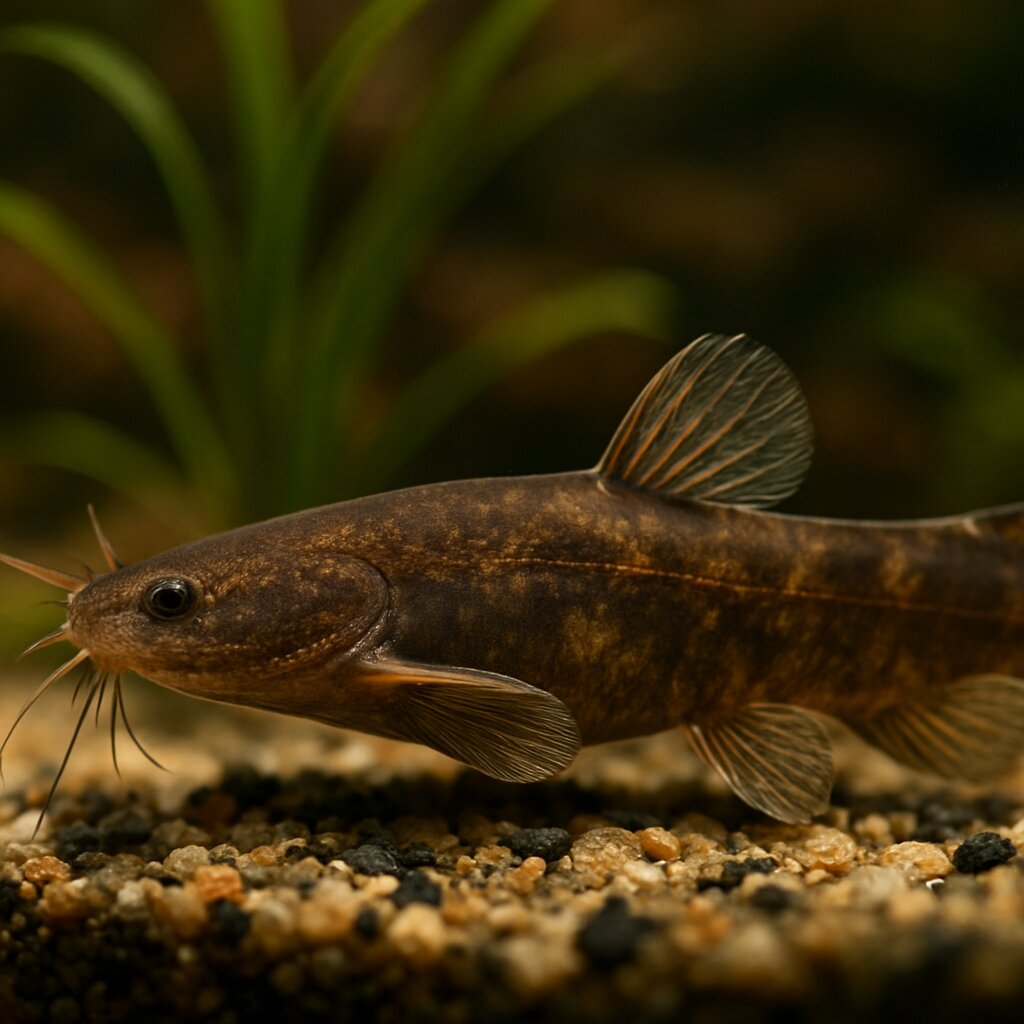
A small loach catfish endemic to the Mpoulou River in the Mayombe (Dimonika Biosphere Reserve), Republic of the Congo. Amphilius dimonikensis has a subtle banded pattern and inhabits fast, clear streams over rock and sand. In aquaria, prioritize strong, well-oxygenated flow with rounded stones and sand to mimic hillstream conditions.
Aboina barb
Enteromius aboinensis
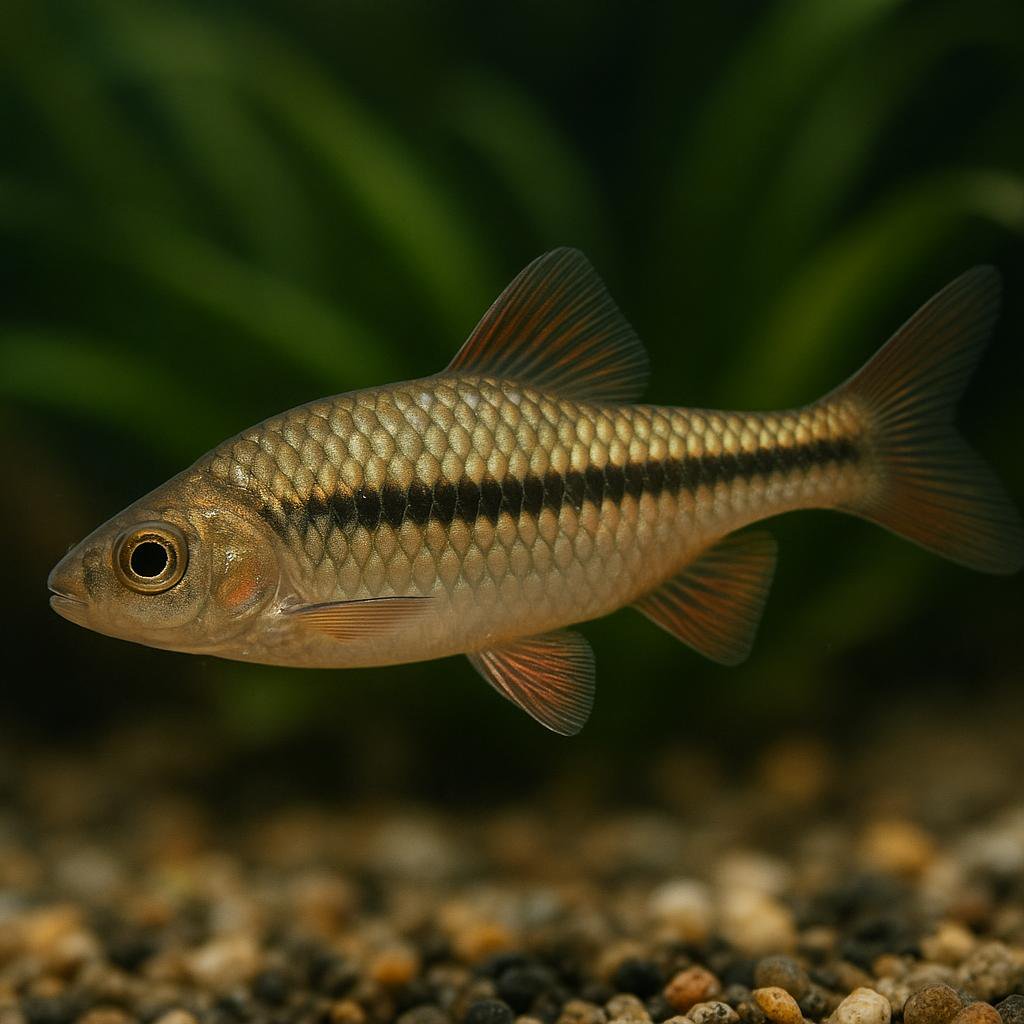
Enteromius aboinensis (the Aboina barb) is a small West African barb with a clean black midline stripe and a little spot right at the base of the tail. It does best when you treat it like a proper schooling fish - keep a decent group and give it plants around the edges with open swimming room in the middle.
Ajuricaba tetra
Jupiaba ajuricaba
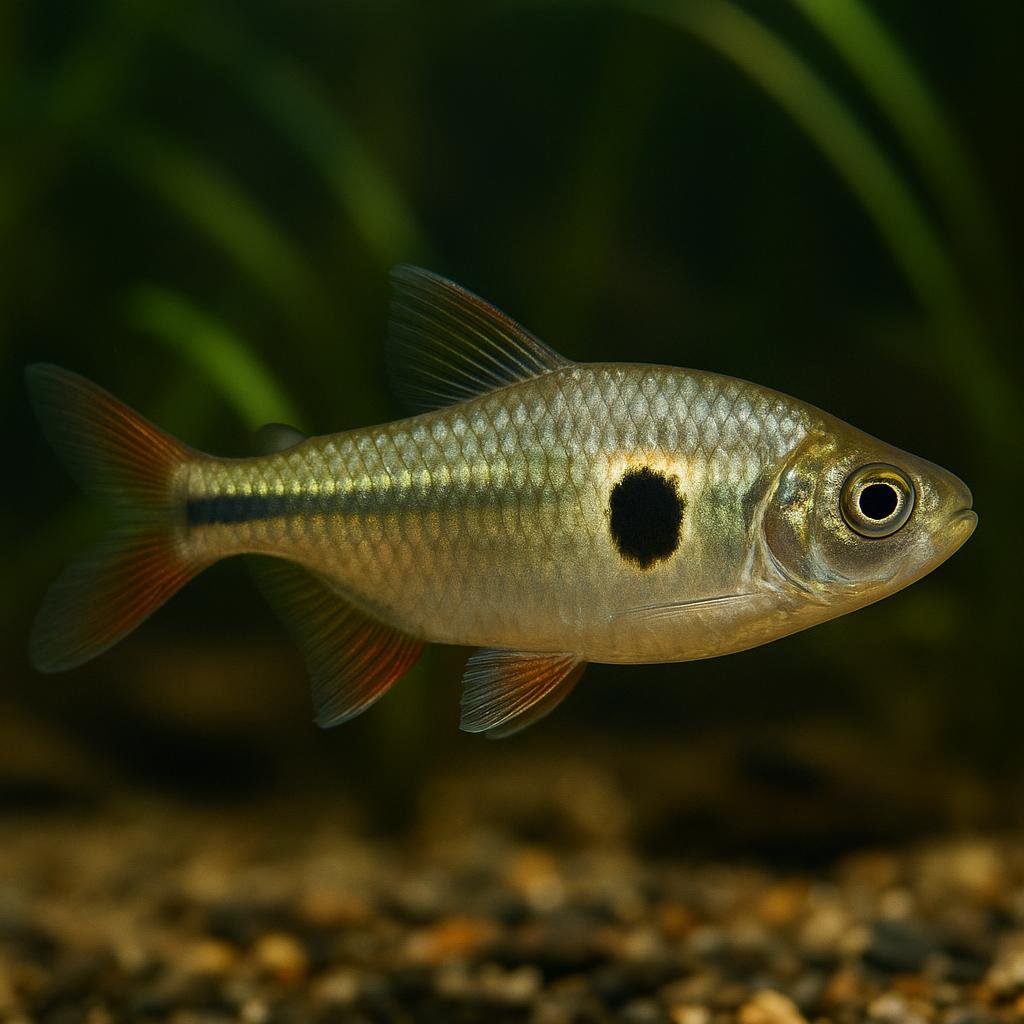
Jupiaba ajuricaba is a South American freshwater characin from the Amazon basin in Brazil (rio Negro, rio Solimões, and rio Tapajós basins). It reaches about 9.5 cm SL and is diagnosed by a narrow dark midlateral stripe, an elongated humeral spot, and an ocellated spot on the upper caudal-fin lobe. Wild specimens have been collected from blackwater forest streams and also oxbow-lake habitats.
Allen's river garfish
Zenarchopterus alleni
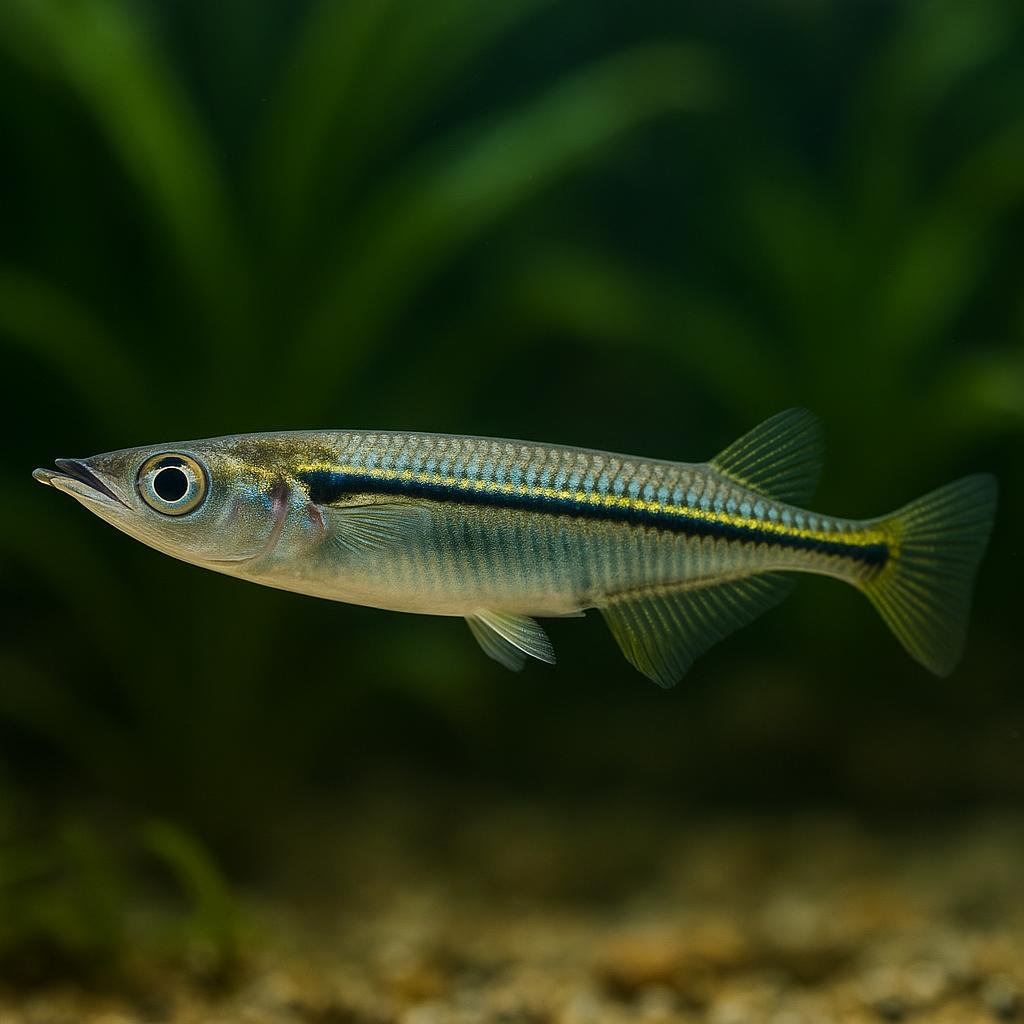
A poorly known freshwater halfbeak endemic to West Papua (Mamberamo River), described from a single specimen (~13 cm SL). Beyond basic habitat/occurrence, little is published about its ecology or aquarium suitability; assume it is a surface-oriented, jump-prone halfbeak only by analogy with related taxa.
Amapa tetra
Hyphessobrycon amapaensis
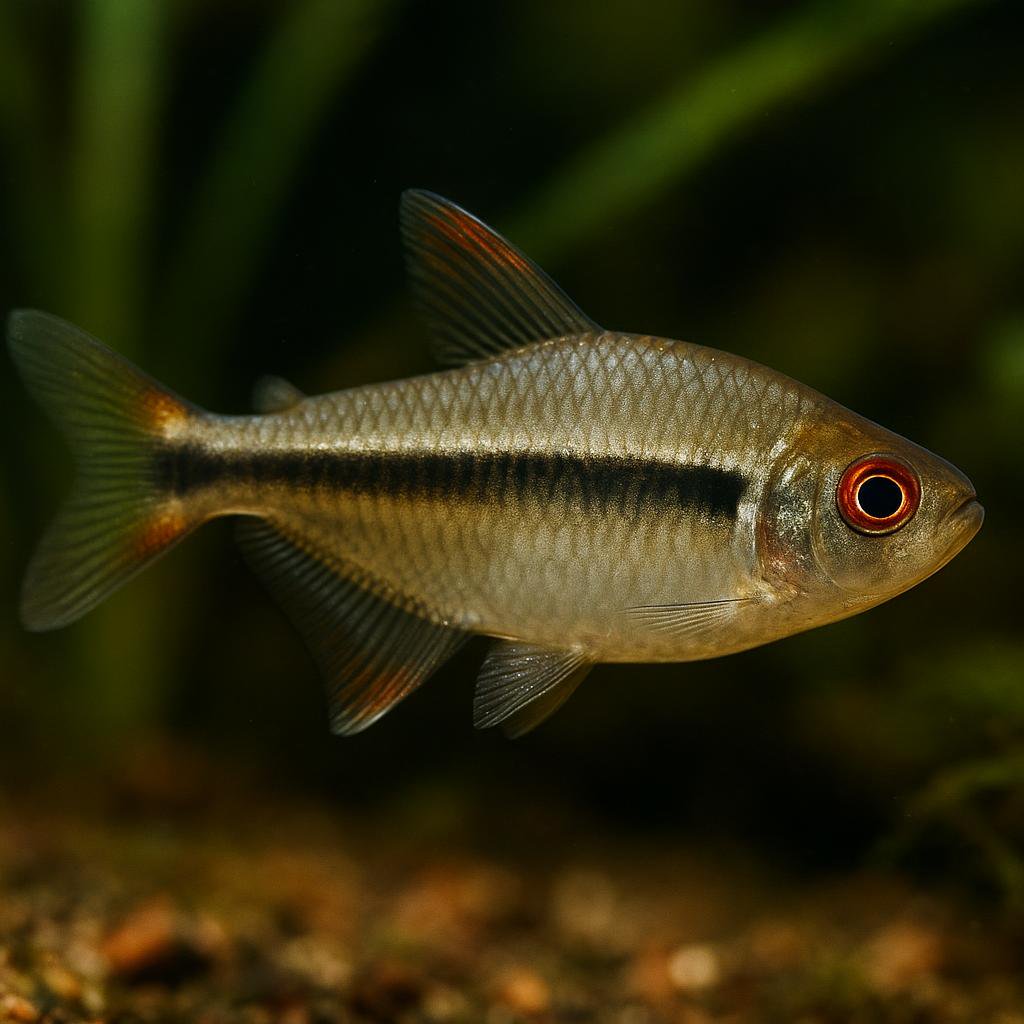
This is a tiny, super sleek little tetra with a clean red stripe down the side that really pops once its settled in. It does best in a planted, slightly tinted "creek-style" setup and looks way cooler when you keep a proper group so they school and flash that line together. If you can give it soft, slightly acidic water and a calm community, its an easy fish to fall for.
Amatlan chub
Yuriria amatlana
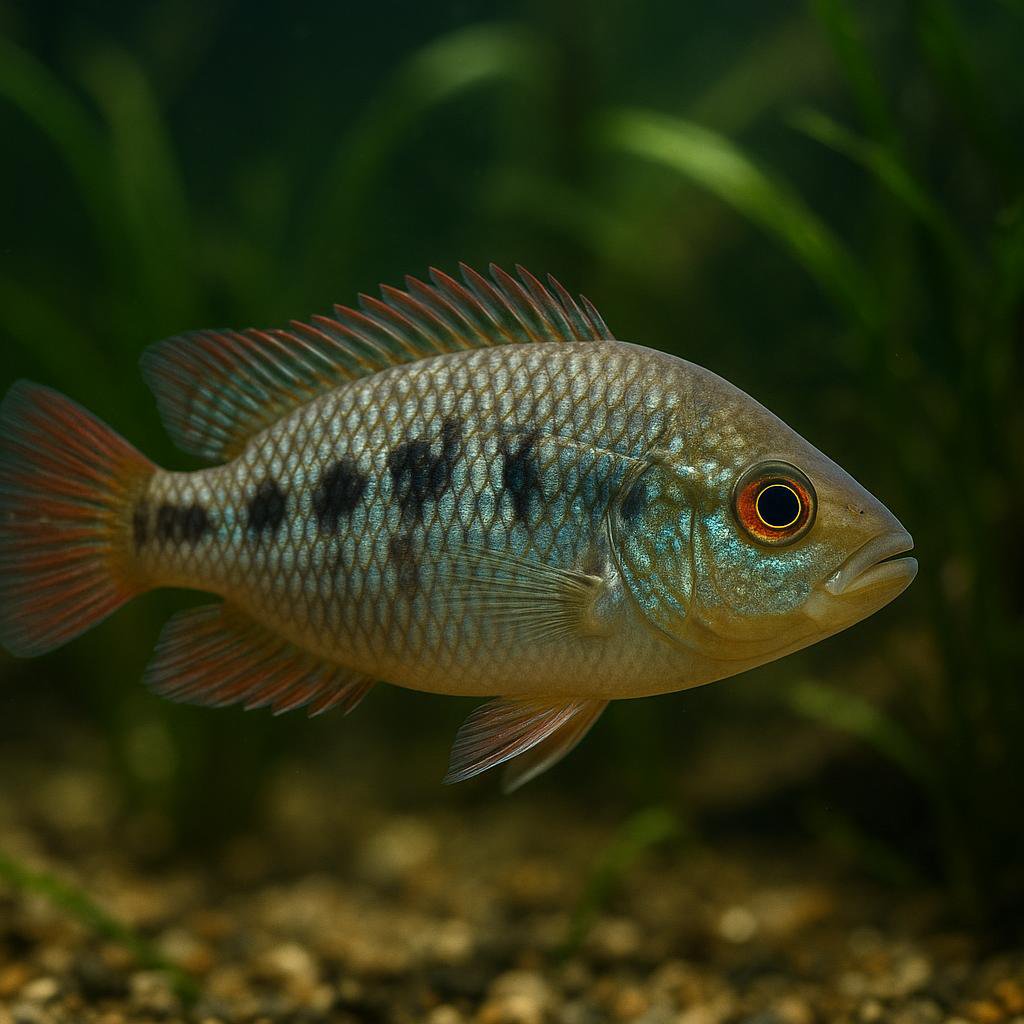
Yuriria amatlana (the Amatlan chub) is a little Mexican native minnow from the Ameca River basin. Its wild range is pretty limited and it is listed as Endangered, so its care info in the aquarium hobby is basically nonexistent and its availability is usually low. In the original species description, preserved fish show a dark lateral stripe with a darker patch on the caudal peduncle, and they can have tiny barbels at the mouth corners.
More to Explore
Discover more freshwater species.
Jupiaba kurua
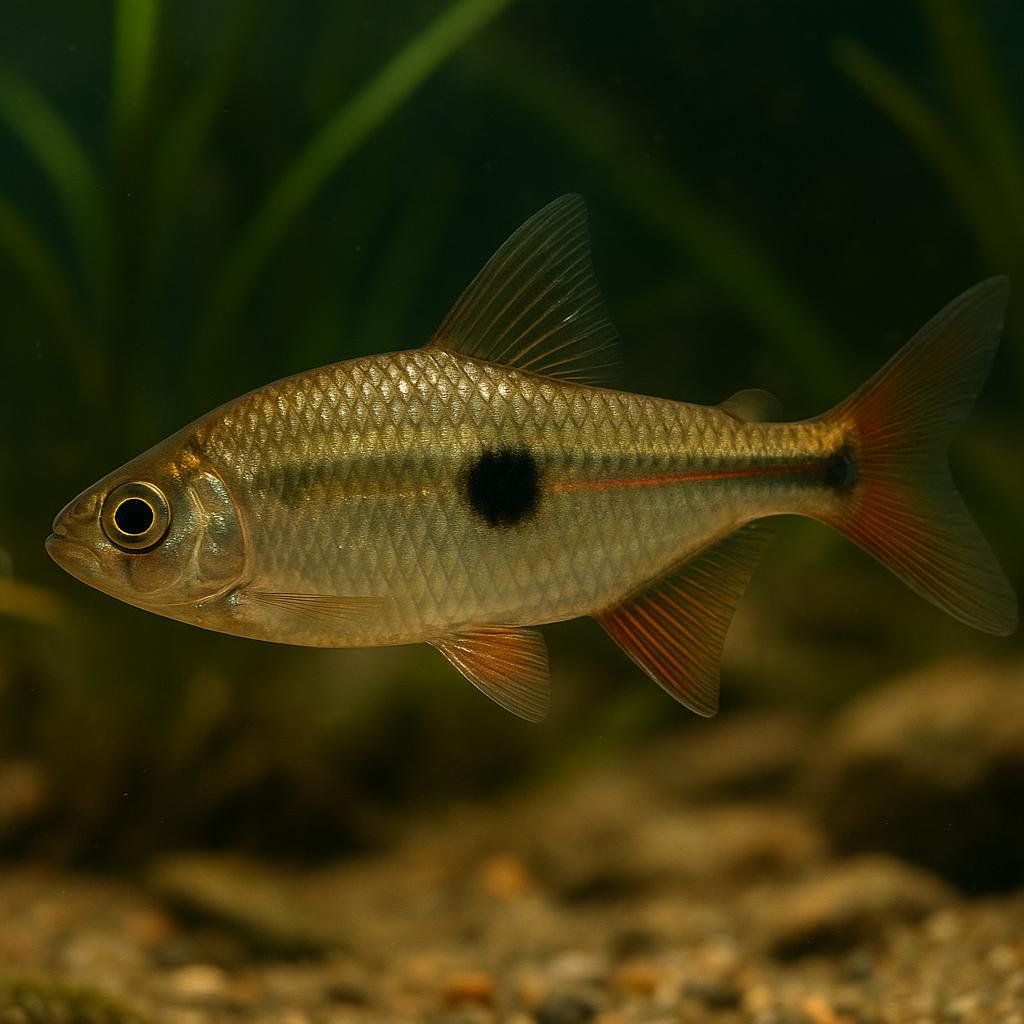
Small South American characin endemic to the upper rio Curuá (rio Xingu basin, Brazil). Reaches about 8.7 cm SL and inhabits clearwater rivers. Distinguished by dark dots on the bases of many lateral scales and a distinct dark caudal‑peduncle spot. Reported diet indicates omnivory, including aquatic insects, small fishes, and fragments of Podostemaceae and filamentous algae.
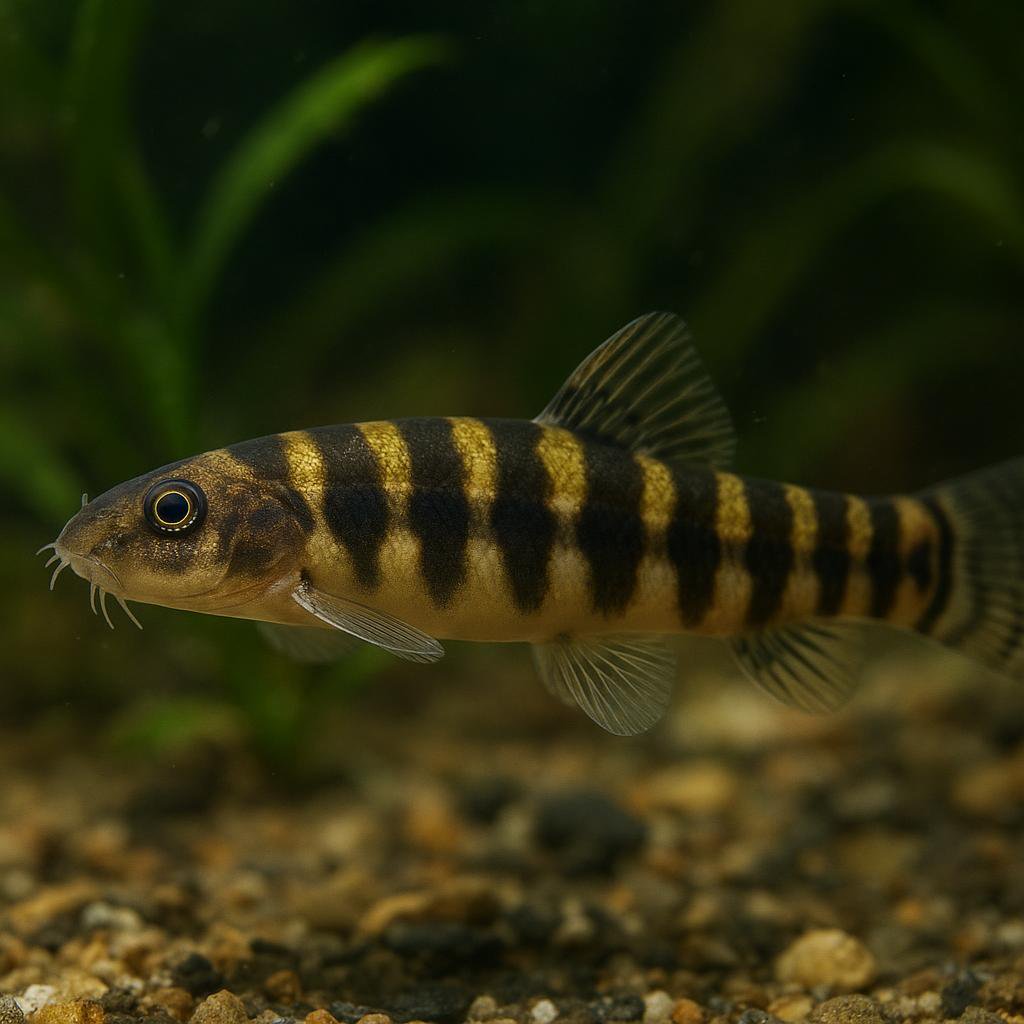
Altipedunculata stone loach
Schistura altipedunculata
Schistura altipedunculata is one of those little stream loaches that wants clean, well-oxygenated water and a bunch of rock nooks to claim as home. It is a bottom-hugger that will spend its day scooting from crevice to crevice, and it tends to get a bit spicy with its own kind if you do not give it enough hiding spots.
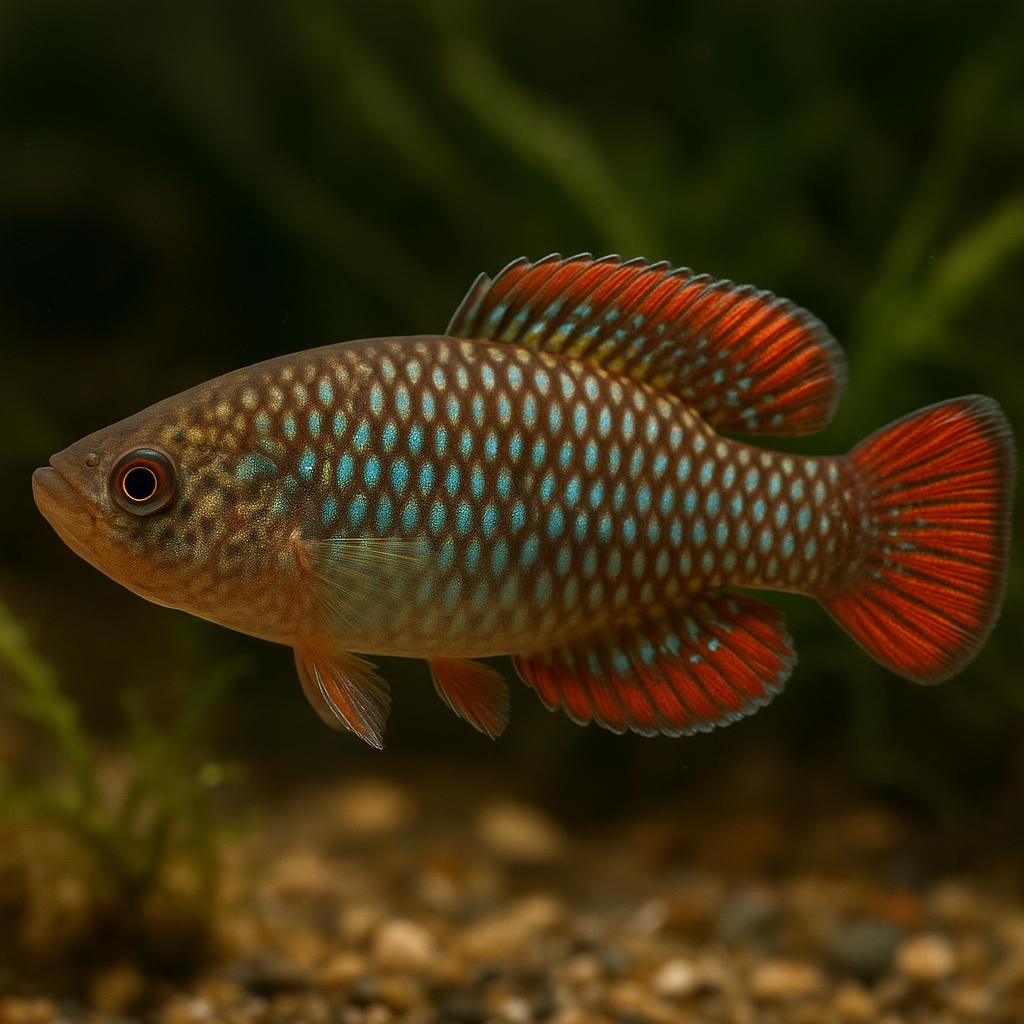
American flagfish
Jordanella floridae
Jordanella floridae is that little Florida native with the red-and-cream striping that really does look like a tiny flag once a male colors up. They graze algae like champs (especially stringy/hair algae), but they have a bit of attitude - give them plants and space so the bossy behavior stays manageable. Bonus: the male guards the eggs and will actively fan them, which is pretty fun to watch.
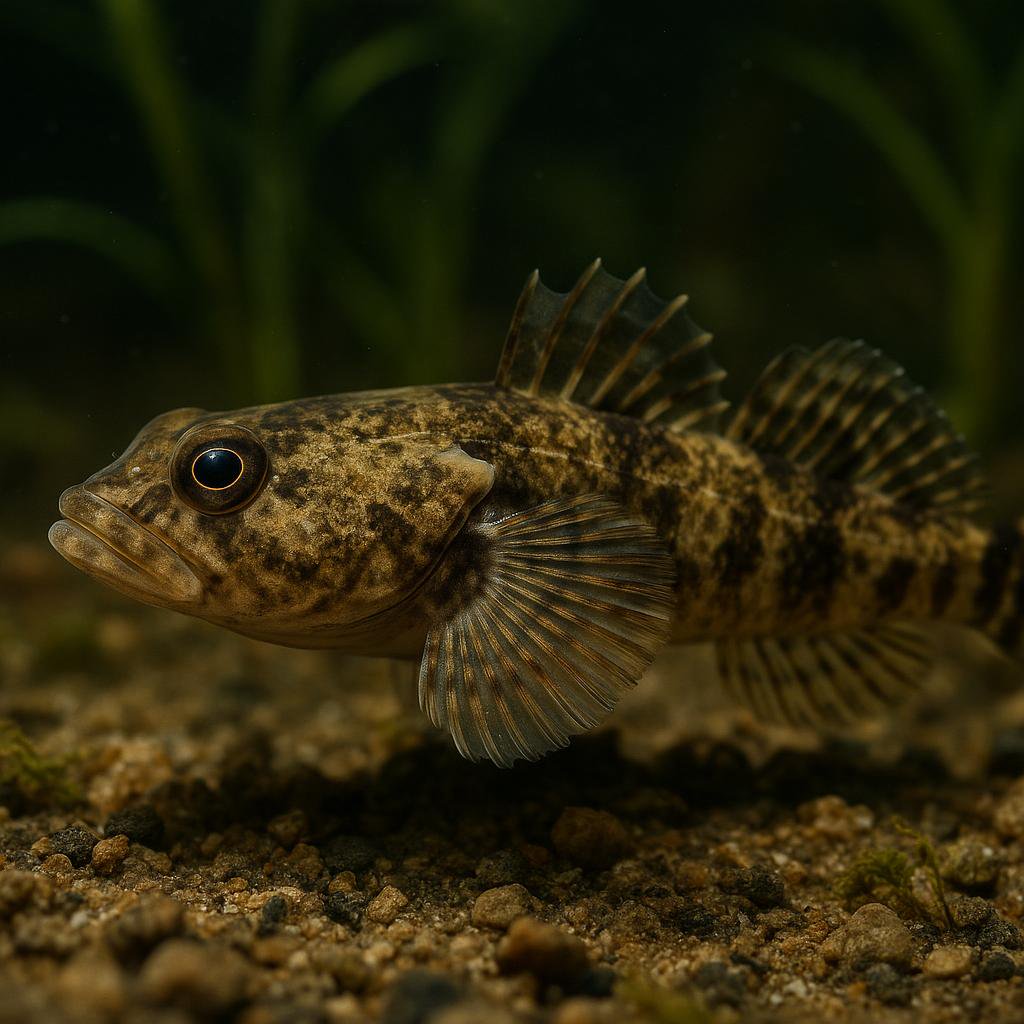
Amur sculpin
Alpinocottus szanaga
This is a little coldwater sculpin from the Amur drainage - a bottom-hugging, rock-and-gravel fish that spends its day wedged under stones and darting out to grab food. Super cool behavior and attitude, but it is absolutely not a warm tropical community fish - it wants chilly, fast, oxygen-rich water and will bicker with other bottom fish.
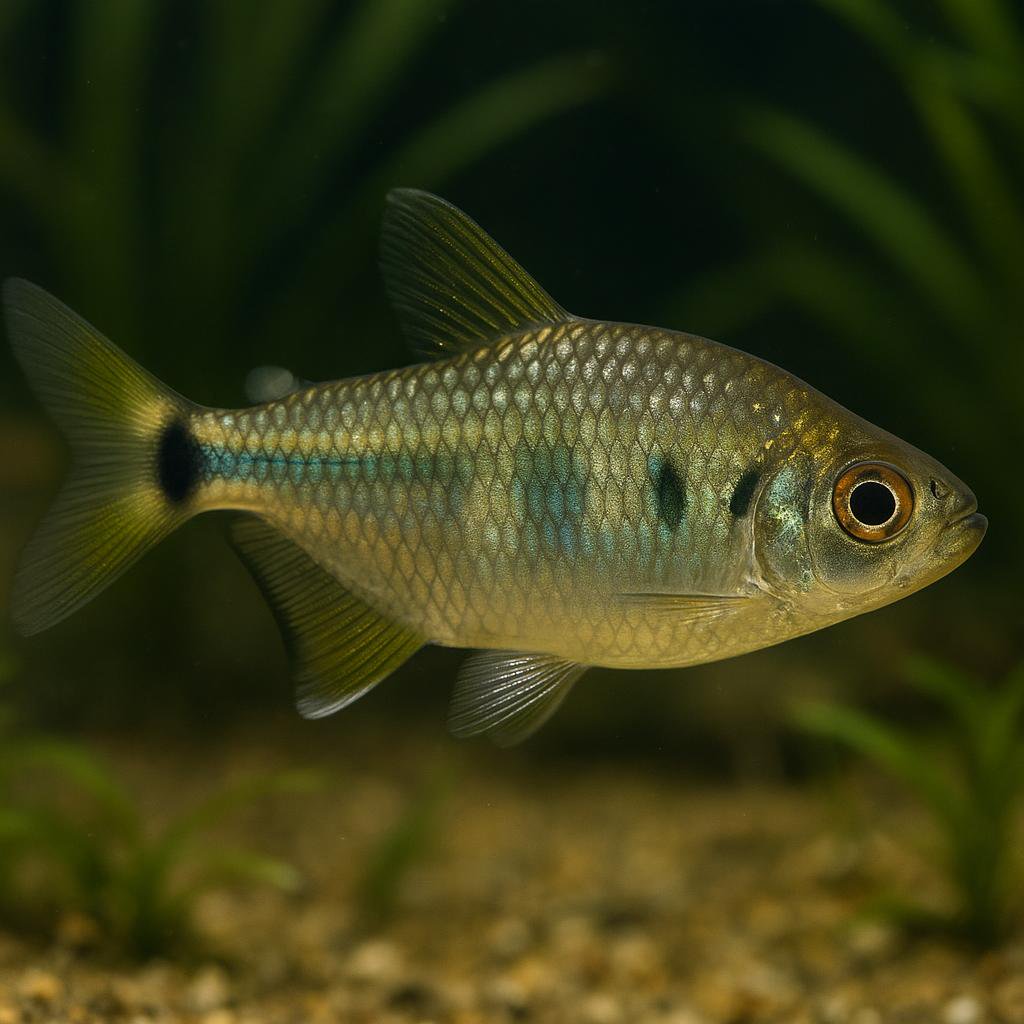
Andrica moenkhausia
Moenkhausia andrica
Moenkhausia andrica is a little Brazilian characin from the Tapajos system that tops out around 7 cm (about 2.8 inches) standard length. It has a neat netted (reticulated) scale pattern plus a dark spot on the caudal peduncle, and the really wild part is that mature females can have tiny fin hooklets too, which is usually a male-only thing in a lot of characins.
Anhanga pygmy pencil catfish
Potamoglanis anhanga
This is a truly tiny Amazonian trichomycterid catfish - like 1.3 cm max - so it is more of a micro-predator oddball than a typical community catfish. It is the kind of fish that disappears into sand, leaf litter, and plant roots, and you will spend way more time setting up the right micro-habitat than you will actually seeing it.
Looking for other species?