

Nanpanjiang stone loach
Yunnanilus nanpanjiangensis
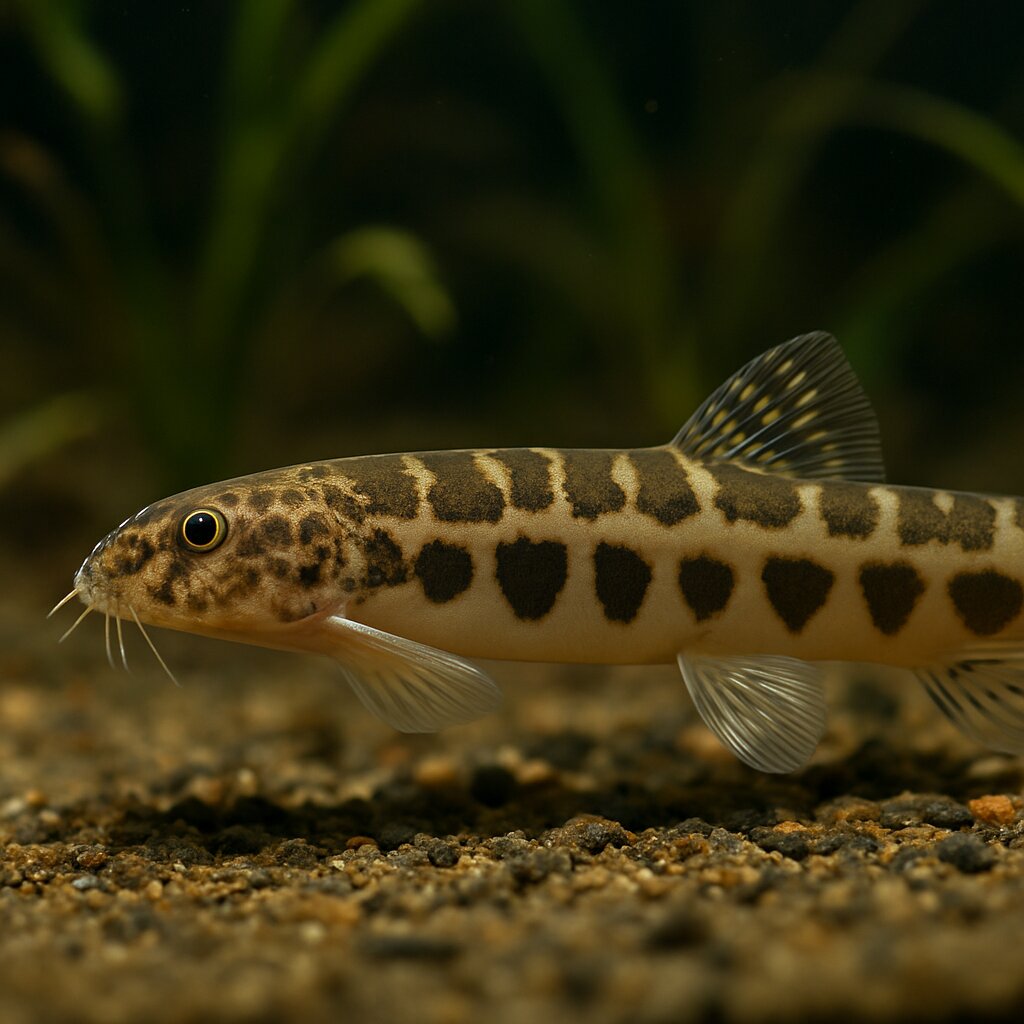
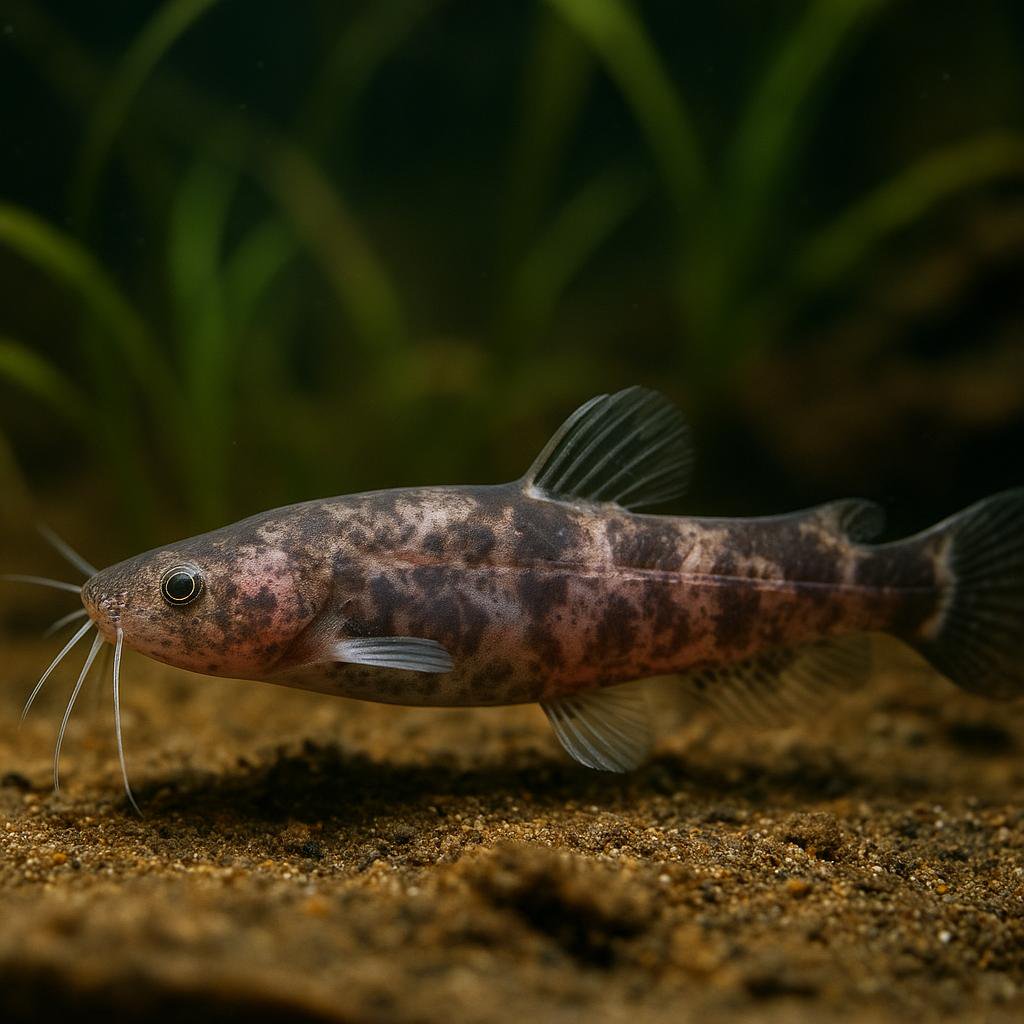
Nanpanjiang stone loach exhibits a slender, elongated body, mottled brown coloration, and distinctive barbel-like whiskers on its snout.
This page includes AI-generated images. Why am I seeing AI images?
About the Nanpanjiang stone loach
A slender little stone loach from Yunnan’s Nanpanjiang River, it likes cool, clear running water and a sandy or fine gravel bottom. It spends its days nosing through pebbles for tiny critters and really settles in when kept as a small group in a tank with good flow.
Quick Facts
Size
7.6 cm SL
Temperament
Peaceful
Difficulty
Advanced
Min Tank Size
20 gallons
Lifespan
3-5 years
Origin
China - Yunnan (Nanpanjiang River drainage)
Diet
Carnivore - small benthic invertebrates; accepts frozen foods and sinking micro-pellets
Water Parameters
16-22°C
7.5-8.3
4-12 dGH
Need a heater for this species?
This species needs 16-22°C in a 20 gallon tank. Use our heater calculator to find the right wattage.
Calculate heater sizeCare Notes
- Give them a long, low tank with strong aeration and a river-style flow; think sand bottom, rounded stones, leaf litter, and a tight lid since they jump. Cover filter intakes with a sponge prefilter so they do not get pinned.
- Keep it cool and clean: 64-72 F (18-22 C), pH 6.5-7.5, GH 3-10, and nitrate under 20 ppm. Do big weekly water changes and keep oxygen high.
- Feed sinking foods only - live or frozen cyclops, daphnia, bloodworms, blackworms (rinsed), baby brine, plus small high-protein pellets; small portions 1-2x daily.
- They are social but feisty on the bottom; run a group of 6+ with sight breaks to spread sparring.
- Good neighbors are fast, cool-water fish that enjoy current like danios, white clouds, and small barbs; skip big cichlids, Botia-type loaches, slow fancy fish, and shrimp colonies.
- Quarantine new arrivals and deworm early; chronic weight loss despite eating often means nematodes - use levamisole or flubendazole, avoid copper meds, and crank aeration while dosing.
- Heat is their kryptonite; temps over 75 F and low O2 wipe them out fast, so keep a spare air pump and avoid summer spikes.
- Breeding is rare but can follow cool rain-style changes; they scatter eggs into cracks, so use marbles or mesh, crank flow, then pull adults and start fry on infusoria and vinegar eels.
Compatibility
Good Tankmates
- White Cloud Mountain minnows - chill midwater schoolers that like 18-22 C and dont pester bottom fish
- Small, calm danios like CPD or glowlight danio (skip the hyperactive giants) as gentle dithers
- Medaka ricefish (Oryzias latipes) - cool-tolerant top swimmers that leave the loaches alone
- Peaceful hillstream loaches (Sewellia, Gastromyzon) if you give strong flow, high oxygen, and lots of rockwork so everyone has a patch
- Cool-tolerant corydoras like peppered corys; polite bottom neighbors if you scatter sinking food and add hides for both groups
- Adult Neocaridina shrimp and hardy snails; they ignore adults but will snack on shrimp babies
Avoid
- Big, boisterous loaches (yo-yo, clown, tiger) that outcompete and body-check timid stone loaches
- Nippy or super fast fish like tiger barbs and giant danios that steal all the food and keep them hiding
- Cichlids or any territorial/predatory fish that claim the bottom and guard nests
- Goldfish - constant grazing, heavy waste, and bulldozing that stresses these little river loaches
Where they come from
Nanpanjiang stone loaches are small, bottom-hugging nemacheilids from the Nanpan River system in Yunnan and Guizhou, China. Think clear, cool to mild streams with sand and fine gravel, leaf litter tucked in the edges, and plenty of oxygen. They spend most of their time slipping between stones and nosing through the top layer of sand for micro life.
They are not common in the trade and often arrive a bit worn from collection and shipping. Give them super clean water and time to settle.
Setting up their tank
Floor space matters more than height. A 24-30 inch tank footprint works for a group. They are sensitive to grime, heat, and low oxygen, so build the tank like a gentle river run with lots of cover.
- Substrate - fine sand as the main bed, with scattered smooth pebbles. They burrow their snouts and rest half-buried. Avoid sharp gravel.
- Hardscape - rounded stones piled into nooks, a couple of small wood pieces, and leaf litter. These fish calm down when they can vanish under a leaf or between two rocks.
- Plants - low light plants tied to wood or rock (Anubias, Microsorum, Bolbitis). Fast stems in the back help with nutrients but do not block the flow path.
- Filtration and flow - canister or HOB with a sponge prefilter, plus a small powerhead. Aim for brisk, broken flow along one side and a quieter return lane on the other. Add an airstone during warm months.
- Lighting - on the dimmer side. Dappled light from floating plants helps.
- Lid - tight fitting. They can and will find gaps.
Set a spray bar along the back wall just under the surface and point it slightly up. That keeps gas exchange high and gives them a current to work against without blasting the whole floor.
- Temperature - 18-22 C (64-72 F) is the sweet spot. Short swings down to 16 C are fine. Try not to exceed 24-25 C.
- pH - 6.8-7.5
- Hardness - 3-10 dGH, 80-180 TDS
- Turnover - 8-12x per hour, with lots of surface movement
Maintenance makes or breaks this species. Do weekly 30-50% water changes, vacuum the top of the sand lightly, and rinse prefilters often. Keep nitrates under 20 ppm and organics low.
Summer heat and closed rooms can wipe them out fast. If the tank creeps up, float frozen water bottles, crank up aeration, or run a small fan across the surface.
What to feed them
They are micro-predators that pick at tiny inverts and biofilm. New arrivals often ignore pellets. Offer small live or frozen foods and give them time.
- Live or frozen - baby brine shrimp, daphnia, cyclops, mosquito larvae, chopped blackworms, bloodworms in moderation.
- Prepared - high-quality micro pellets, crushed wafers, and gel foods once they settle. Repashy-style gels work well because you can press them into crevices so the loaches get first dibs.
- Feeding style - small portions 2-3 times a day. Use a pipette or turkey baster to target the bottom and under leaf edges. Scatter the food so the timid ones get a chance.
Feed right after lights come on or just before lights out. They are braver in low light and eat better then.
How they behave and who they get along with
Shy at first, quick and twitchy when startled, and surprisingly curious once they settle. They do best in a group of 8-12. Lone fish stay jumpy and hidey.
- Intra-species - mild sparring between males, mostly harmless side-by-side posturing. Provide many line-of-sight breaks so one fish does not get cornered.
- Good tankmates - small, peaceful, cooler-water fish that will not hog all the food: white clouds, small Tanichthys, tiny rasboras, ricefish. Hillstream loaches can work if the tank is big and food is abundant.
- Avoid - boisterous barbs, cichlids, big gouramis, or any bottom bully. Fast, greedy midwater fish will starve them out. Shrimp colonies may lose shrimplets.
They are not fin nippers. If they constantly vanish, give them more overhead cover and dim the lights for a week or two.
Breeding tips
This genus likely scatter-spawns in fine gravel and leaf litter with no parental care. It is doable but takes planning and patience.
- Conditioning - cool period around 16-18 C for 4-6 weeks with heavy feeding of live foods, then raise to 20-22 C and do a couple of large water changes to mimic rain.
- Spawning setup - shallow tray filled with marbles or 3-5 mm gravel under a mesh, topped with a sprinkling of sand and leaf litter. Current running across it. Adults will dive in and scatter eggs.
- Post-spawn - pull the adults or move the tray to a separate tank. Eggs hatch in 2-4 days at 20-22 C. Fry are tiny and light-shy.
- First foods - infusoria and paramecium for the first few days, then microworms and vinegar eels. Add newly hatched brine shrimp once they can take it.
- Cover for fry - biofilm-rich leaves and mosses are your best friend. Keep flow gentle but well aerated.
A clump of Indian almond leaves started in a separate container a week ahead will seed the fry tank with micro life. That jump-starts survival rates.
Common problems to watch for
- Low oxygen in warm weather - first signs are frantic surface dashes and rapid gill beats. Increase surface agitation immediately.
- Barbel erosion and mouth sores - usually from dirty, coarse substrate. Switch to fine sand and step up your cleaning.
- Getting outcompeted - they are slow, methodical eaters. Target feed and reduce midwater competition.
- Wormy or pinched look despite eating - common with wild fish. Quarantine and treat for internal parasites before adding to your display.
- Jumping - spooks at sudden movement or lights. Use a tight lid and bring room lights up before tank lights.
- Scrapes from intakes - cover filter and powerhead intakes with sponge.
Loaches are sensitive to copper, formalin, and malachite green. If you must medicate, start at half dose, keep the water highly oxygenated, and watch them closely.
Drip acclimate new arrivals, lights off, and give them a day or two with only live or frozen food. The calmer the first week, the better their long-term survival.
Similar Species
Other freshwater peaceful species you might be interested in.
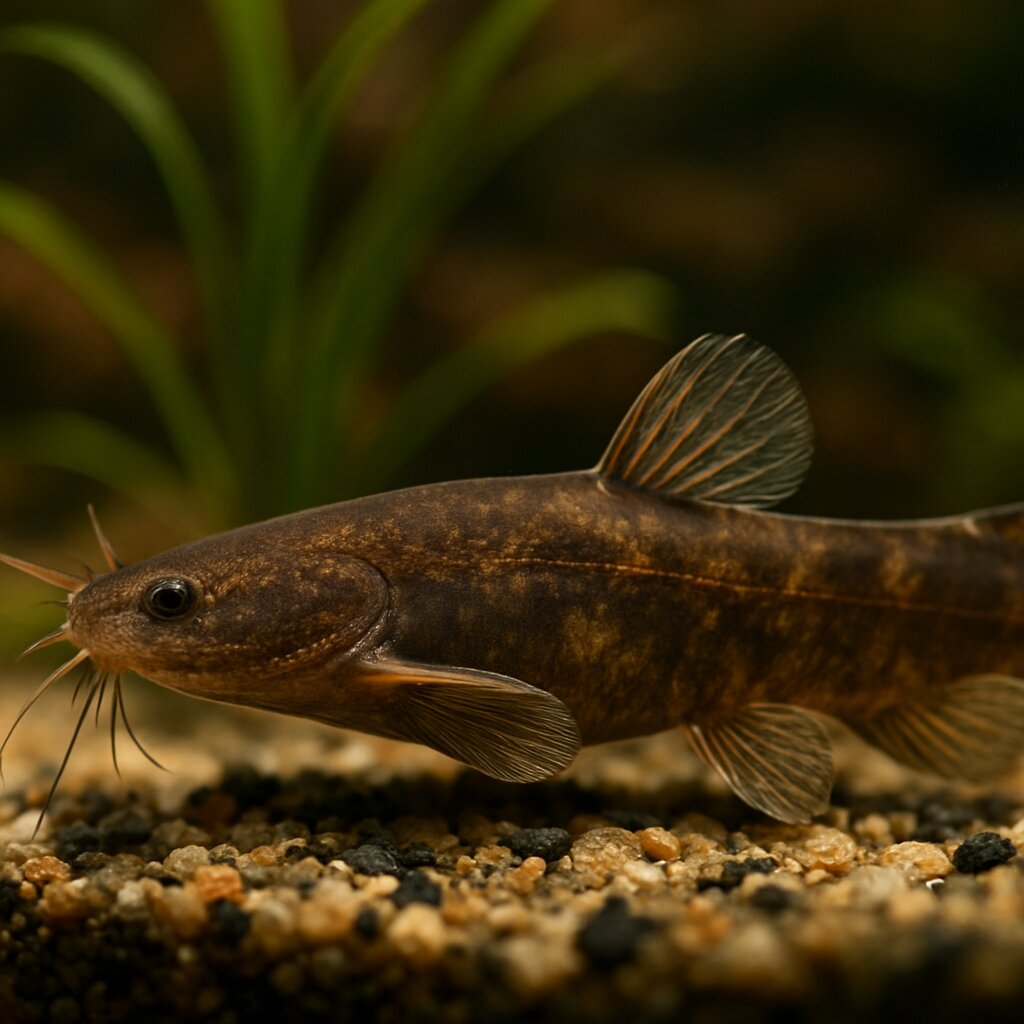
Amphilius dimonikensis
A small loach catfish endemic to the Mpoulou River in the Mayombe (Dimonika Biosphere Reserve), Republic of the Congo. Amphilius dimonikensis has a subtle banded pattern and inhabits fast, clear streams over rock and sand. In aquaria, prioritize strong, well-oxygenated flow with rounded stones and sand to mimic hillstream conditions.
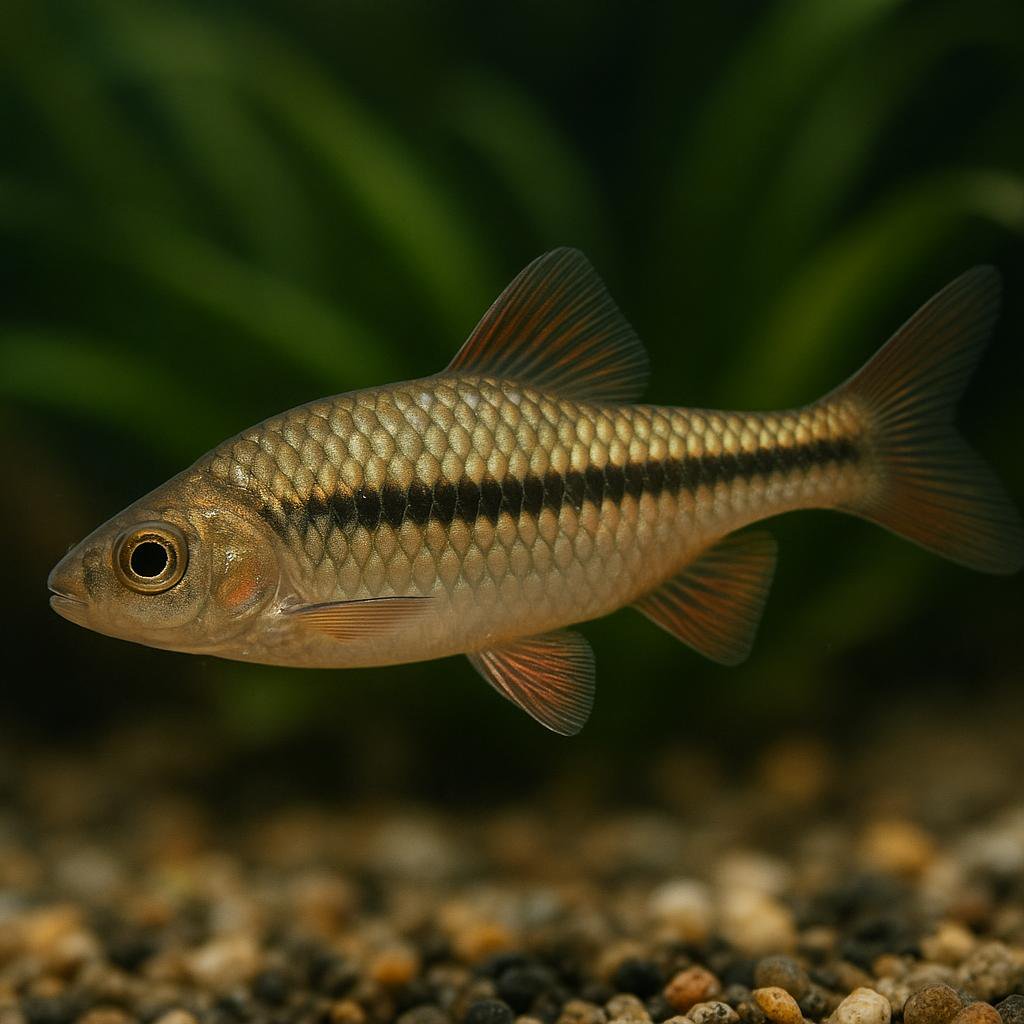
Aboina barb
Enteromius aboinensis
Enteromius aboinensis (the Aboina barb) is a small West African barb with a clean black midline stripe and a little spot right at the base of the tail. It does best when you treat it like a proper schooling fish - keep a decent group and give it plants around the edges with open swimming room in the middle.
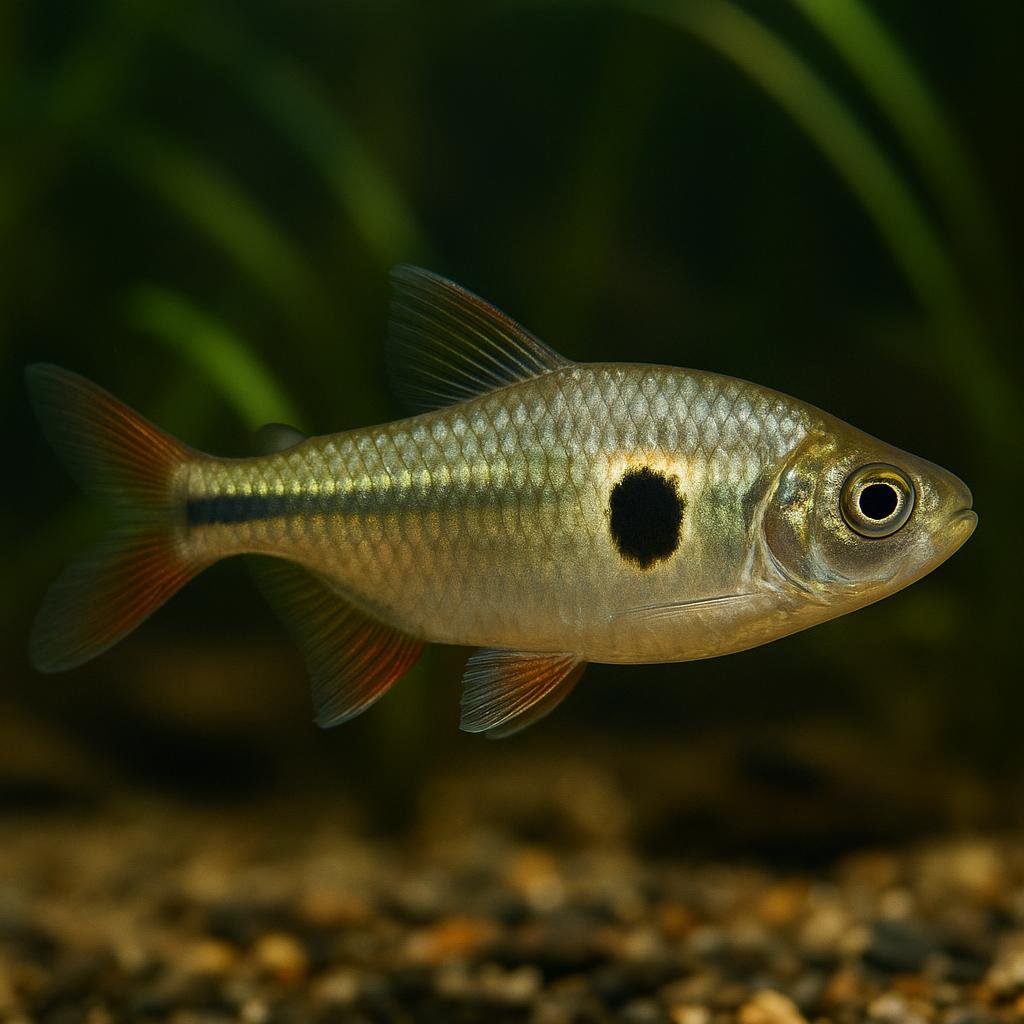
Ajuricaba tetra
Jupiaba ajuricaba
Jupiaba ajuricaba is a South American freshwater characin from the Amazon basin in Brazil (rio Negro, rio Solimões, and rio Tapajós basins). It reaches about 9.5 cm SL and is diagnosed by a narrow dark midlateral stripe, an elongated humeral spot, and an ocellated spot on the upper caudal-fin lobe. Wild specimens have been collected from blackwater forest streams and also oxbow-lake habitats.
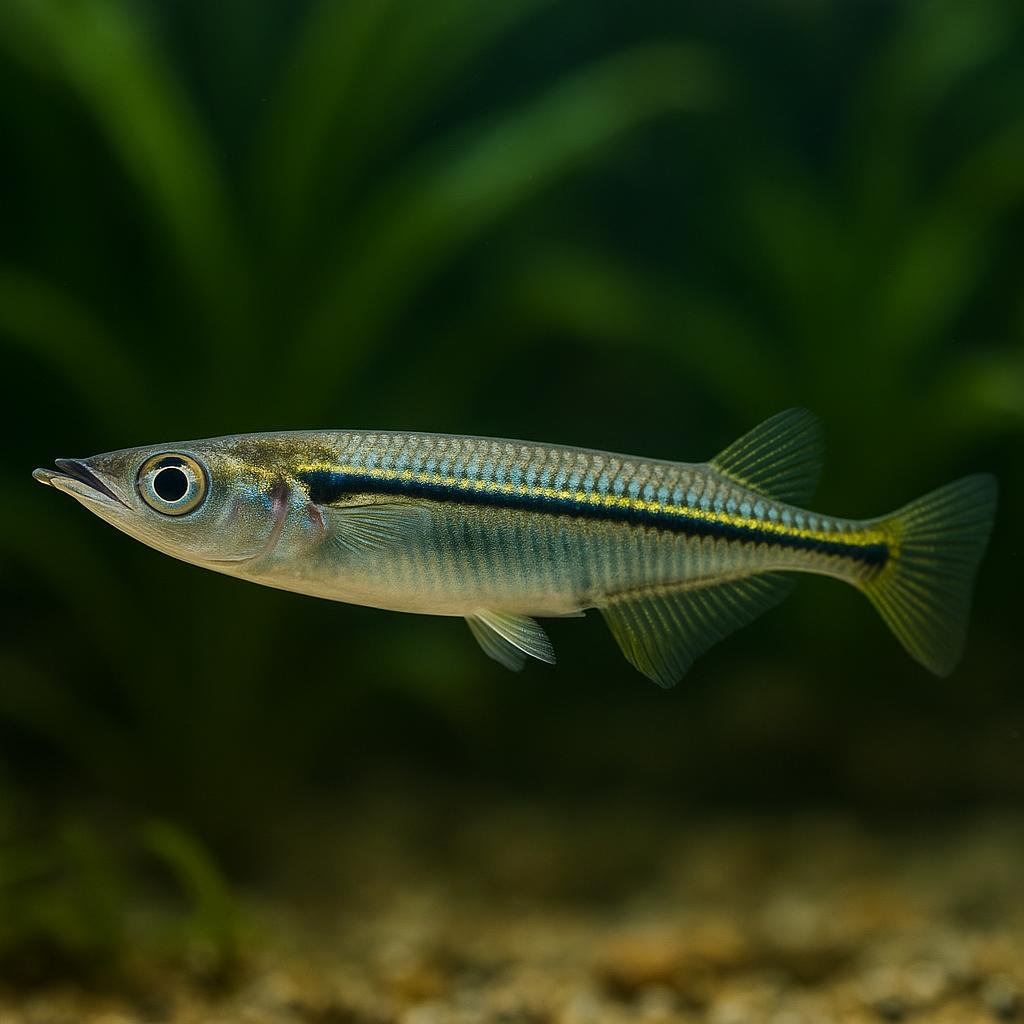
Allen's river garfish
Zenarchopterus alleni
A poorly known freshwater halfbeak endemic to West Papua (Mamberamo River), described from a single specimen (~13 cm SL). Beyond basic habitat/occurrence, little is published about its ecology or aquarium suitability; assume it is a surface-oriented, jump-prone halfbeak only by analogy with related taxa.
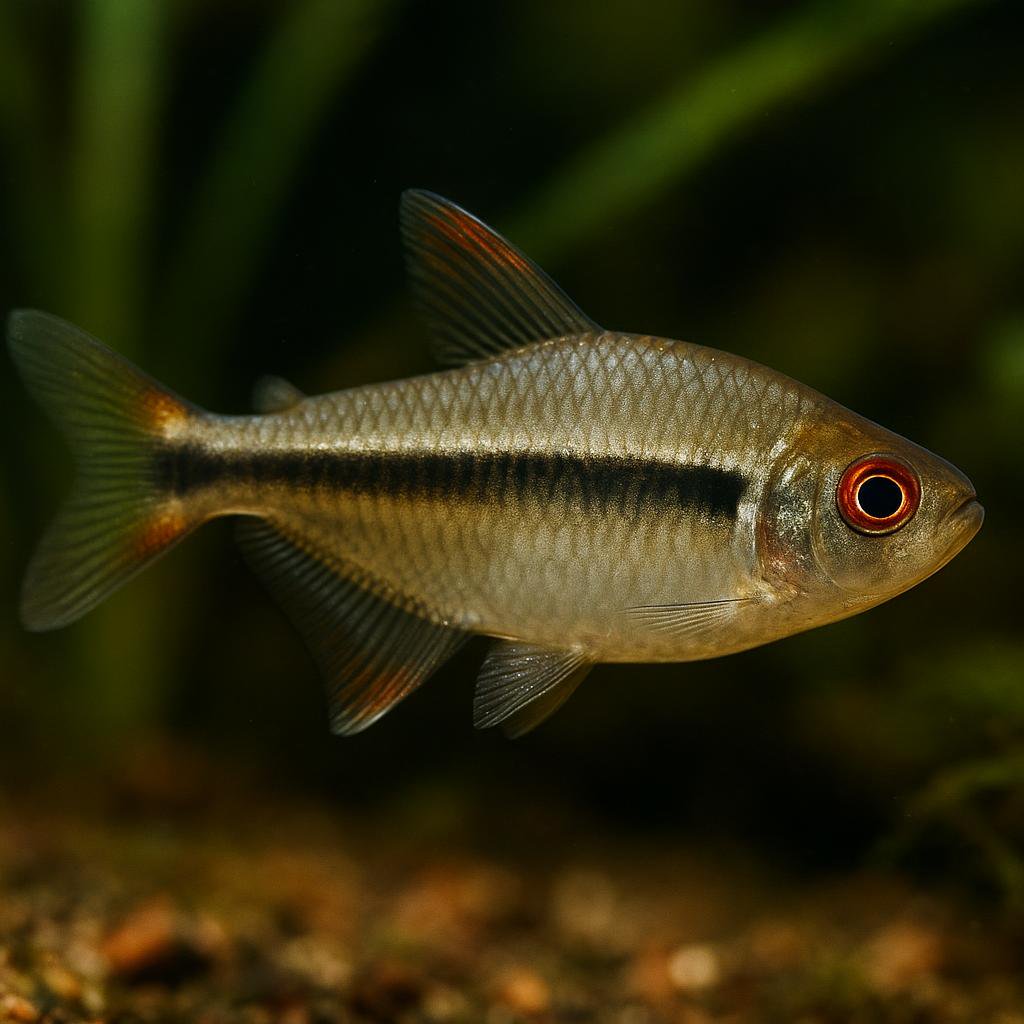
Amapa tetra
Hyphessobrycon amapaensis
This is a tiny, super sleek little tetra with a clean red stripe down the side that really pops once its settled in. It does best in a planted, slightly tinted "creek-style" setup and looks way cooler when you keep a proper group so they school and flash that line together. If you can give it soft, slightly acidic water and a calm community, its an easy fish to fall for.
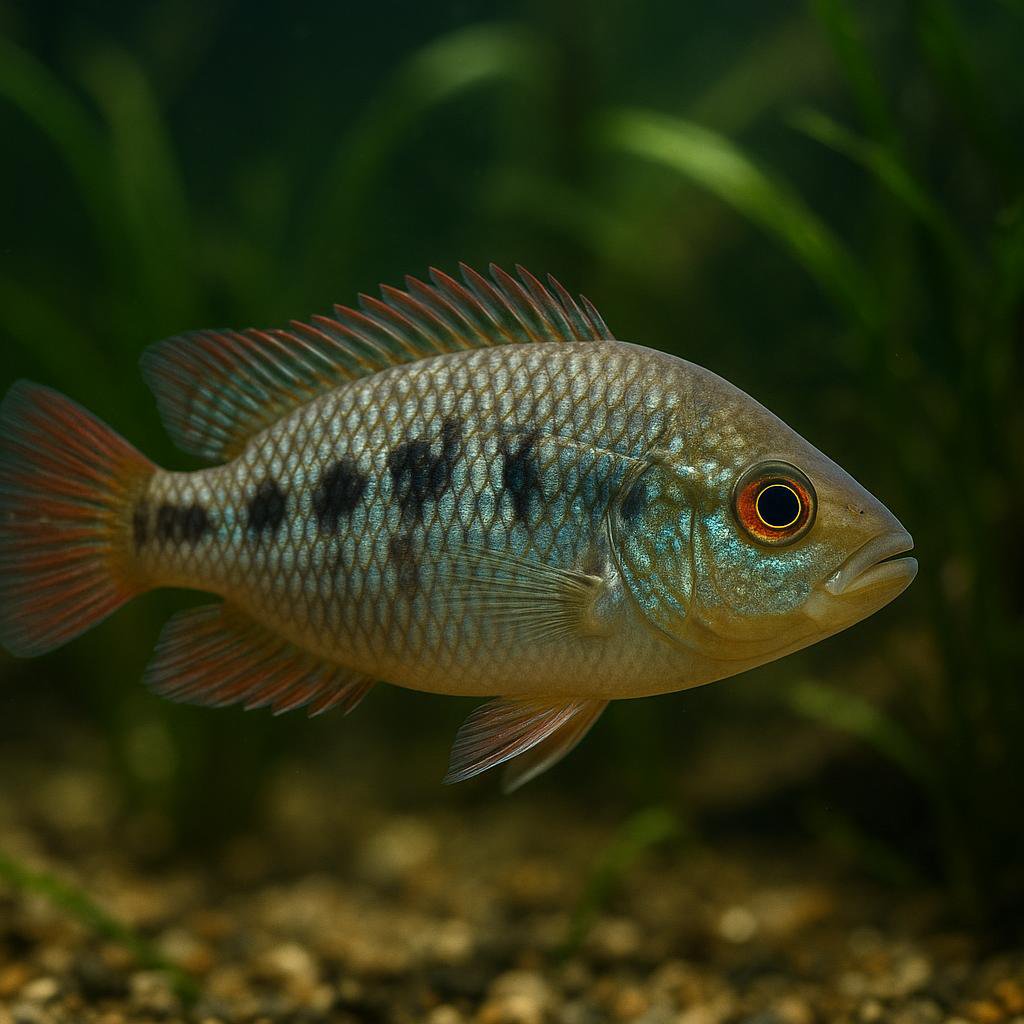
Amatlan chub
Yuriria amatlana
Yuriria amatlana (the Amatlan chub) is a little Mexican native minnow from the Ameca River basin. Its wild range is pretty limited and it is listed as Endangered, so its care info in the aquarium hobby is basically nonexistent and its availability is usually low. In the original species description, preserved fish show a dark lateral stripe with a darker patch on the caudal peduncle, and they can have tiny barbels at the mouth corners.
More to Explore
Discover more freshwater species.
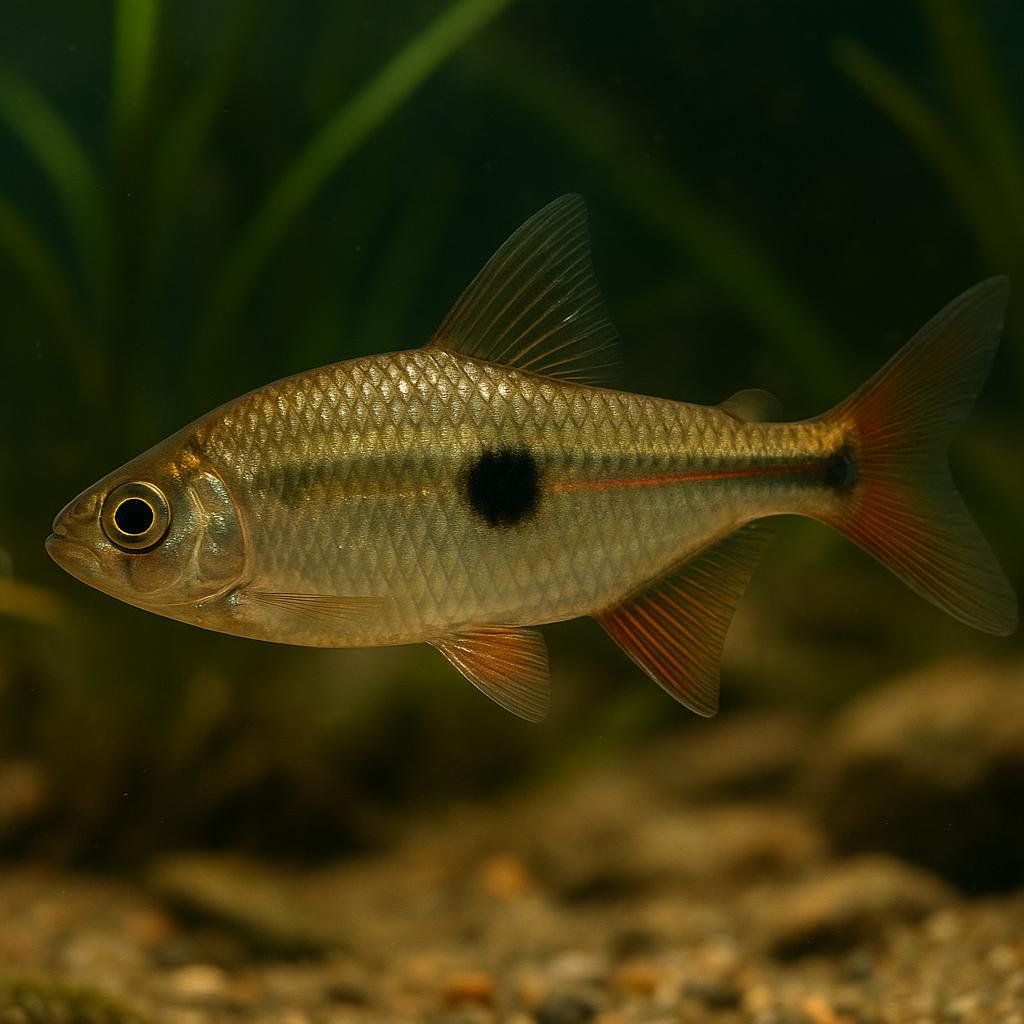
Jupiaba kurua
Small South American characin endemic to the upper rio Curuá (rio Xingu basin, Brazil). Reaches about 8.7 cm SL and inhabits clearwater rivers. Distinguished by dark dots on the bases of many lateral scales and a distinct dark caudal‑peduncle spot. Reported diet indicates omnivory, including aquatic insects, small fishes, and fragments of Podostemaceae and filamentous algae.
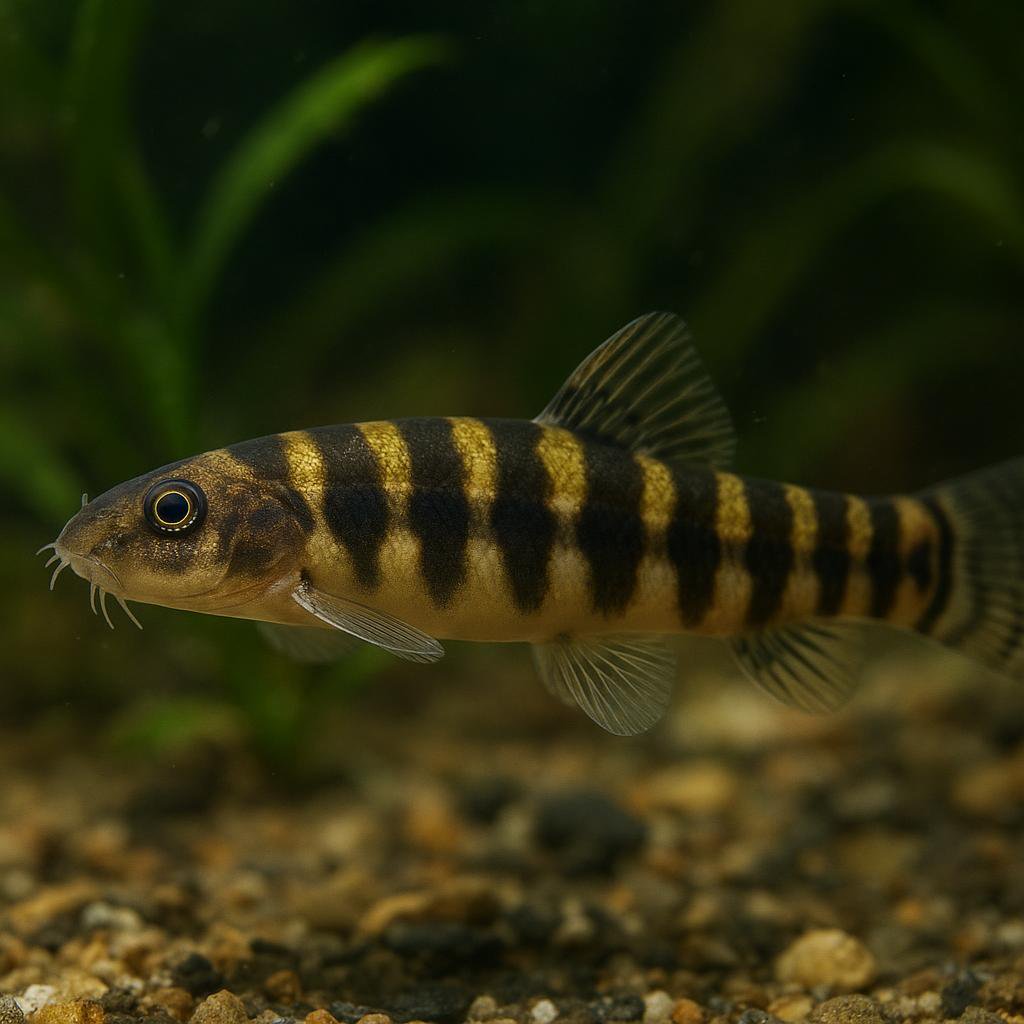
Altipedunculata stone loach
Schistura altipedunculata
Schistura altipedunculata is one of those little stream loaches that wants clean, well-oxygenated water and a bunch of rock nooks to claim as home. It is a bottom-hugger that will spend its day scooting from crevice to crevice, and it tends to get a bit spicy with its own kind if you do not give it enough hiding spots.
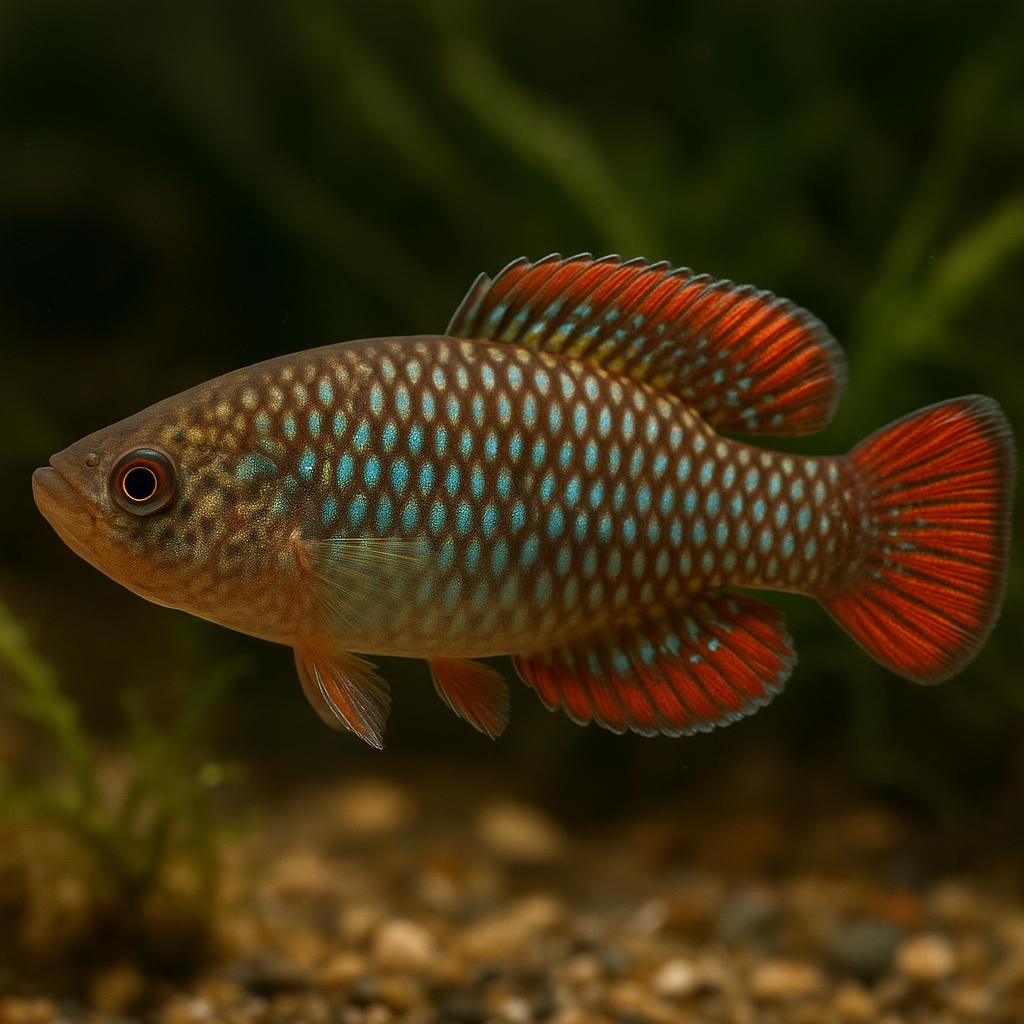
American flagfish
Jordanella floridae
Jordanella floridae is that little Florida native with the red-and-cream striping that really does look like a tiny flag once a male colors up. They graze algae like champs (especially stringy/hair algae), but they have a bit of attitude - give them plants and space so the bossy behavior stays manageable. Bonus: the male guards the eggs and will actively fan them, which is pretty fun to watch.
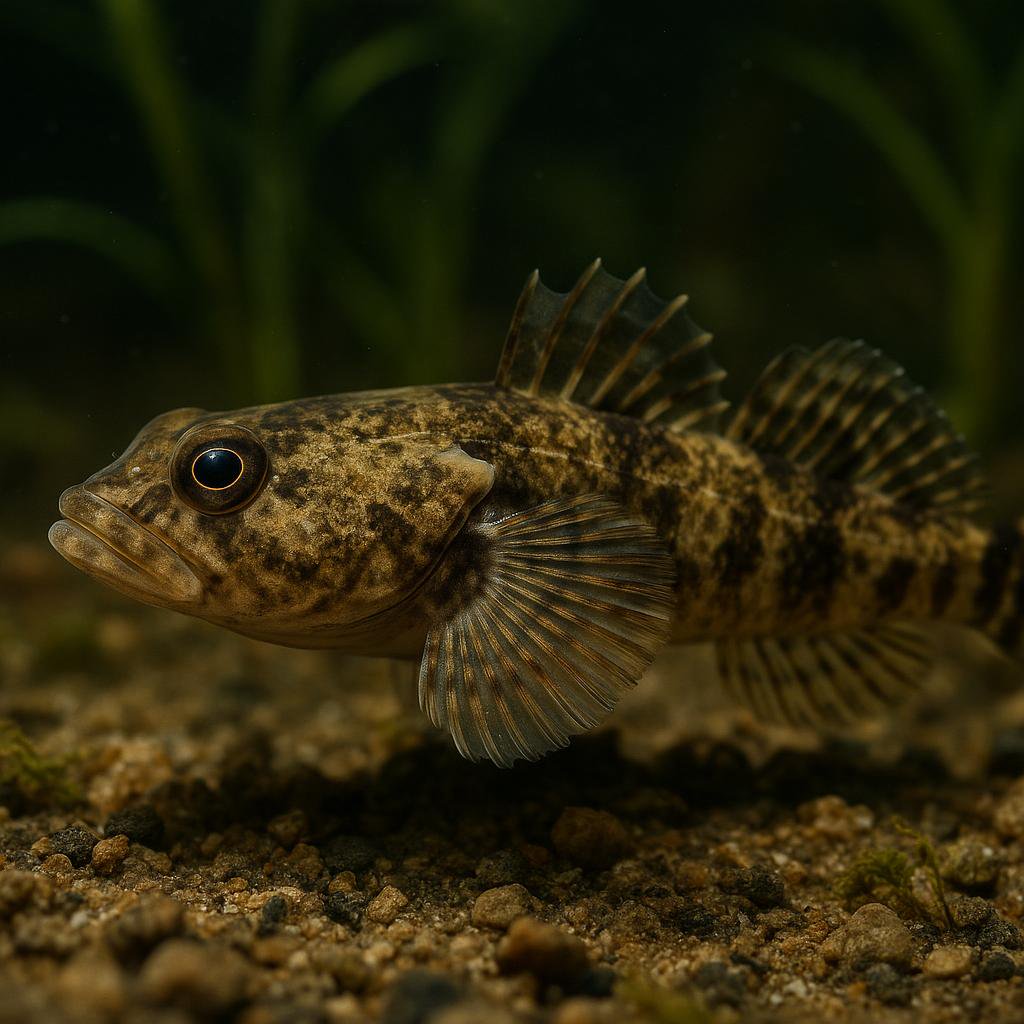
Amur sculpin
Alpinocottus szanaga
This is a little coldwater sculpin from the Amur drainage - a bottom-hugging, rock-and-gravel fish that spends its day wedged under stones and darting out to grab food. Super cool behavior and attitude, but it is absolutely not a warm tropical community fish - it wants chilly, fast, oxygen-rich water and will bicker with other bottom fish.
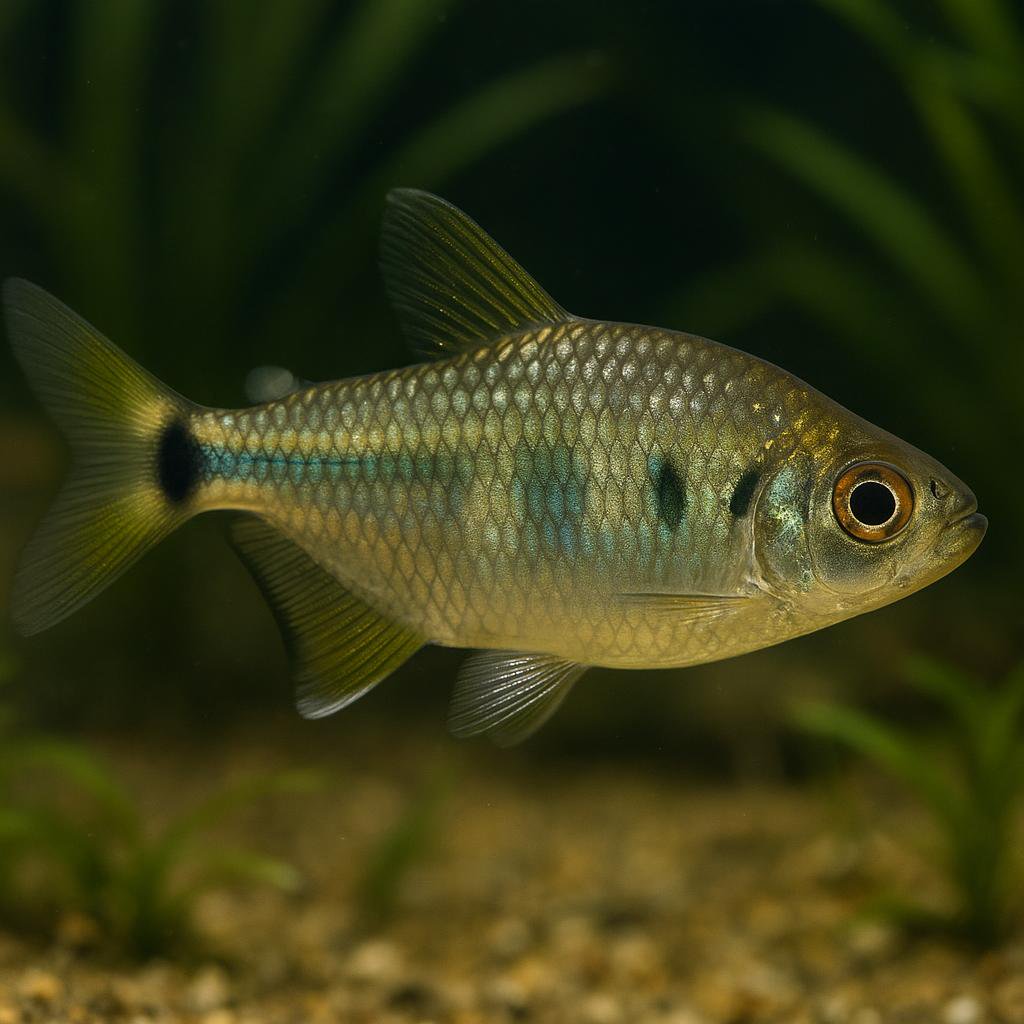
Andrica moenkhausia
Moenkhausia andrica
Moenkhausia andrica is a little Brazilian characin from the Tapajos system that tops out around 7 cm (about 2.8 inches) standard length. It has a neat netted (reticulated) scale pattern plus a dark spot on the caudal peduncle, and the really wild part is that mature females can have tiny fin hooklets too, which is usually a male-only thing in a lot of characins.
Anhanga pygmy pencil catfish
Potamoglanis anhanga
This is a truly tiny Amazonian trichomycterid catfish - like 1.3 cm max - so it is more of a micro-predator oddball than a typical community catfish. It is the kind of fish that disappears into sand, leaf litter, and plant roots, and you will spend way more time setting up the right micro-habitat than you will actually seeing it.
Looking for other species?